
Bastard Interview: Alan Ward on Brian James and the Lost 1974 Tapes
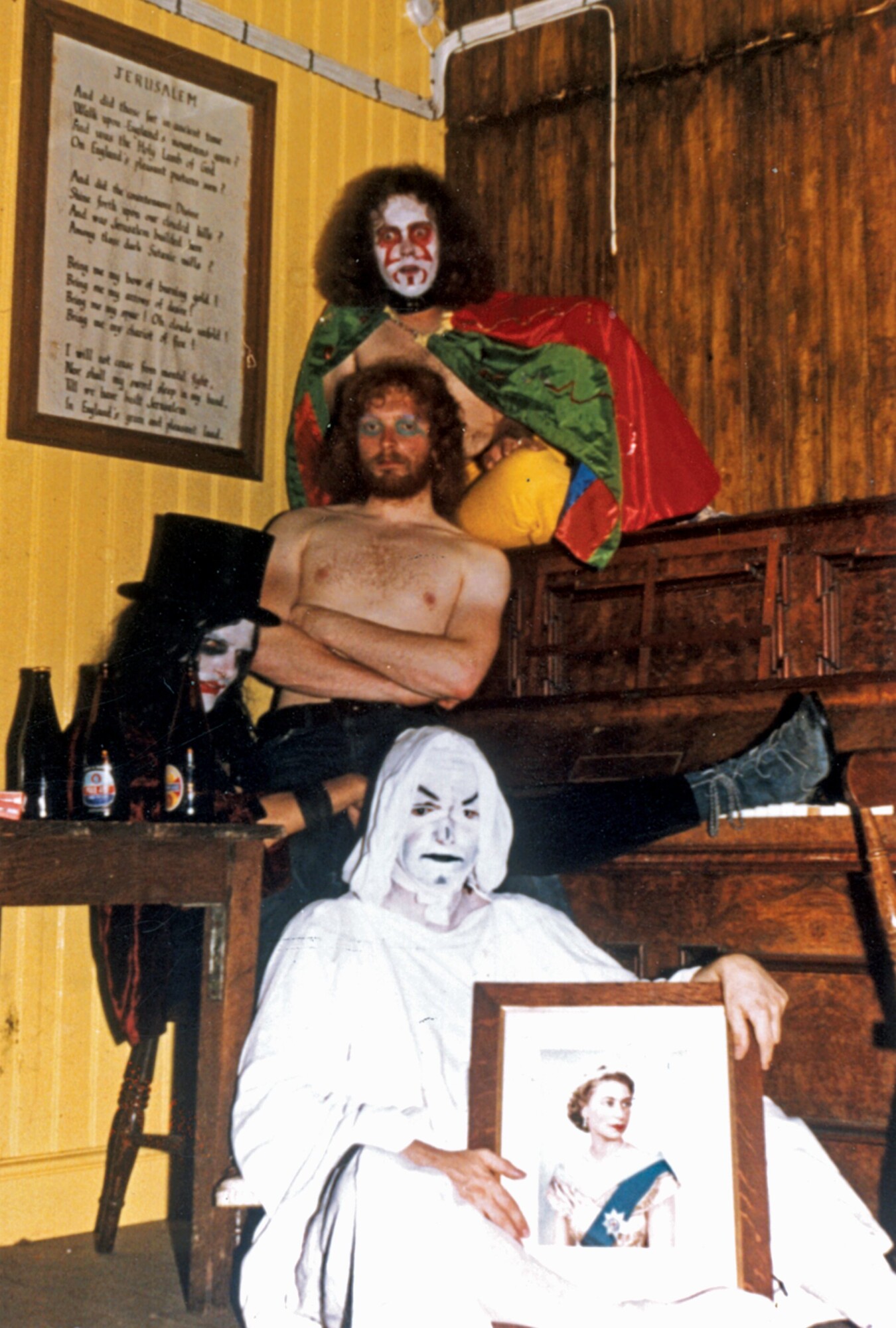
In 1974, Bastard went into Morgan Studios in Brussels late one evening and recorded three tracks. The line-up was Alan Ward on vocals, Nobby Goff on drums, Dez Lover on bass and Brian Robertson on guitar, who would soon become known as Brian James, guitarist and songwriter with The Damned.
Nothing came of the recordings at the time. Ward kept the original quarter-inch tape, and more than fifty years later two of the songs, ‘Doctor Gong’ and ‘Comfort’, have been released by Wap Shoo Wap Records.
Alan Ward looks back on Bastard, from Crawley and Brussels to Brian James and the road that eventually led to Elton Motello.
“We were making a great sound at exactly the right time. It was just that the audience were at the wrong moment in their journey.”
It’s great to have you. Before anything else, let’s clear up the story of the tape. Where were ‘Doctor Gong’ and ‘Comfort’ recorded, who played on them, and how did the recordings survive all these years? Were there any other Bastard tracks from that session?
Alan Ward: Hi… yes… Many years have passed! Both songs were recorded (plus one more) at Morgan Studios in Brussels. I was working at Morgan in London and moved with the band a bit later to Brussels. As a young engineer, I asked the boss of the studio, R. Kluger, if I could use some studio time. He was OK with that, so we put down the tracks late one evening. Playing on the tracks were – Nobby Goff on drums, Dez Lover on bass, Brian Robertson on guitar, and myself on vocals. That was all… just a few girlfriends in the studio. When the mixes were finished, I played them to Mr. Kluger, as promised. He wasn’t interested – it was too heavy for the time, so I made cassettes for the band and played them to a few people, but there was no interest. The original ¼-inch tape has been in my tape box ever since. About fifteen years ago, I transferred the tape to digital in my mastering studio, Electric City Mastering, and sent a copy to Brian, with whom I’d kept in contact. We spoke regularly, and as we shared the same birthday, we always stayed in touch. He said he’d play the tracks to his manager, but I never heard any more about it.
Take me back to Crawley. What were you doing musically before Bastard, and how did you, Brian, Nobby and Dez first get together?
In the early ’70s I went professional and toured the UK in various bands – firstly soul and funk with Nobby, then rock, jazz and experimental fusion. But I got pissed off with that scene. I believe it was Nobby who contacted me to see if I was up for something heavier. We all met up, jammed, and immediately hit it off.
People call Bastard proto-punk now, but that term obviously wasn’t around in 1974. How did you think of the band yourselves?
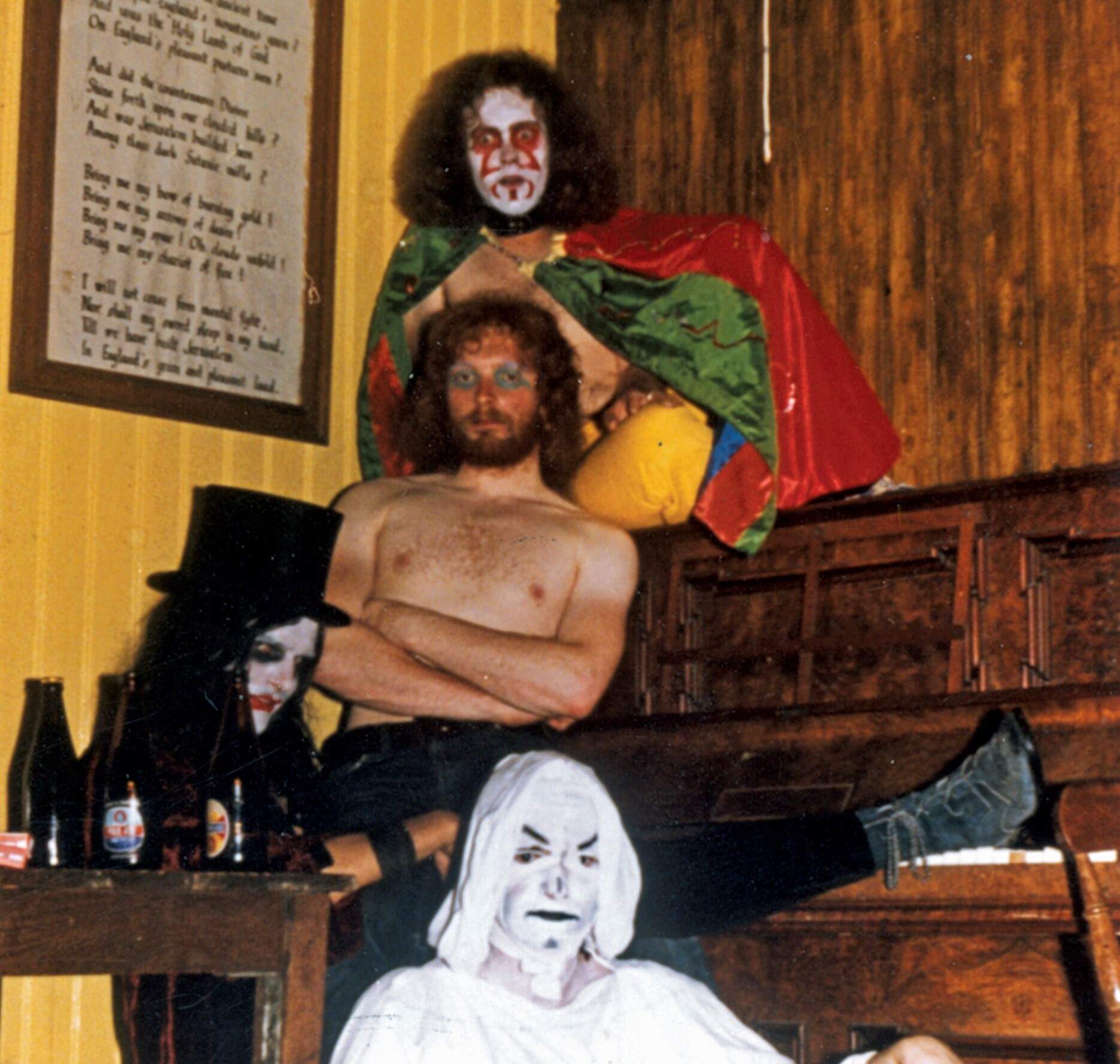
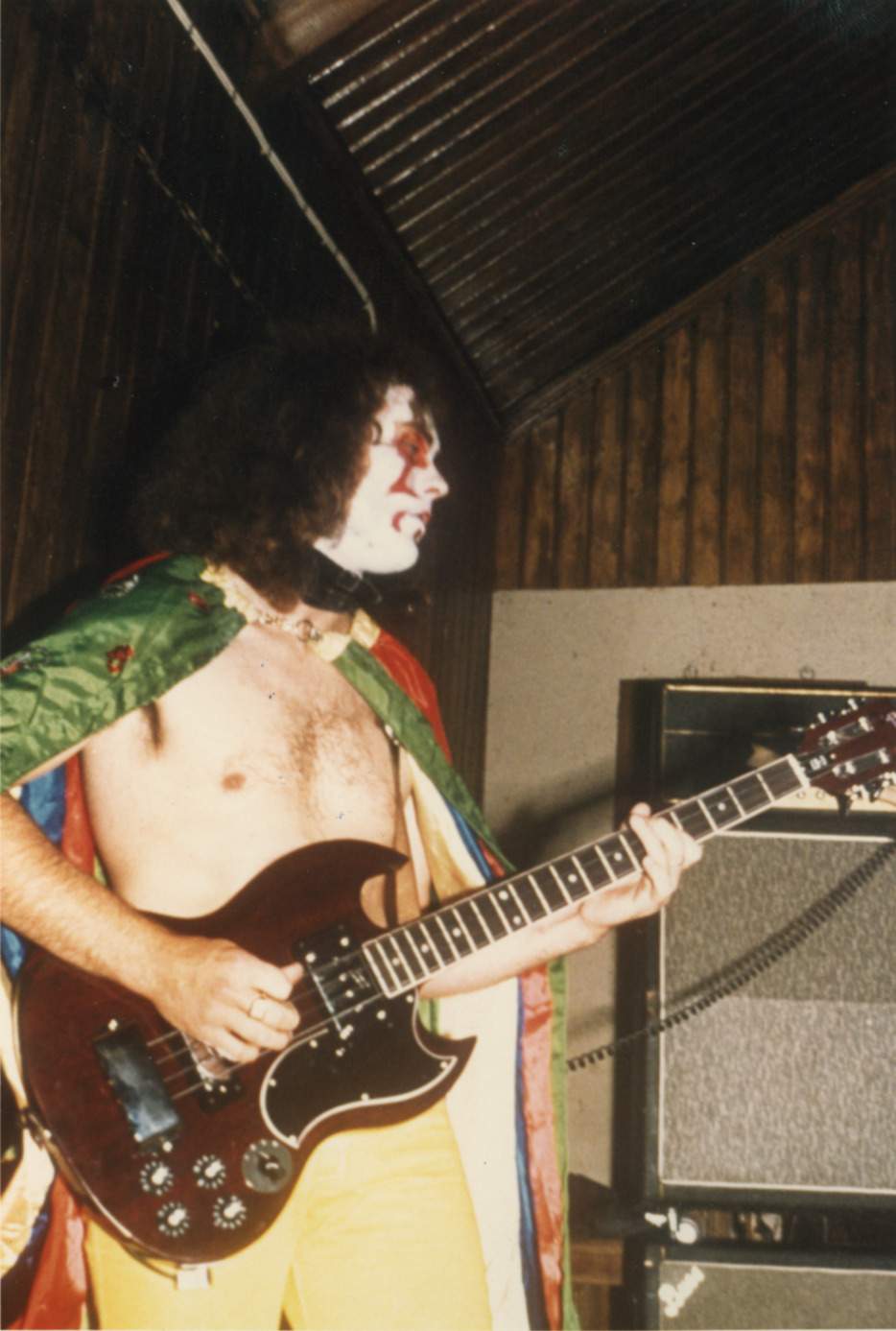
Firstly, there were no such labels at the time. There were just a few bands we all liked, as Brian has often recalled, and we used those as inspiration. Part of the magic came from the evolution that happened through the gigs we played. The theatre, the aggressive attitude, the gobbing on the audience (and back again!) all helped us build a following.
Brian often talked about The Stooges, MC5, The Pretty Things and Alice Cooper. What was it about those bands that appealed to you?
As I said before, we evolved into all the above… and we enjoyed it!
The name Bastard must have got a reaction. Where did it come from?
Yeah, the name came quickly, and the reaction to it was exactly what we wanted.
You played Hell’s Angels clubhouses, biker parties and some pretty rough bars. What were those gigs really like?
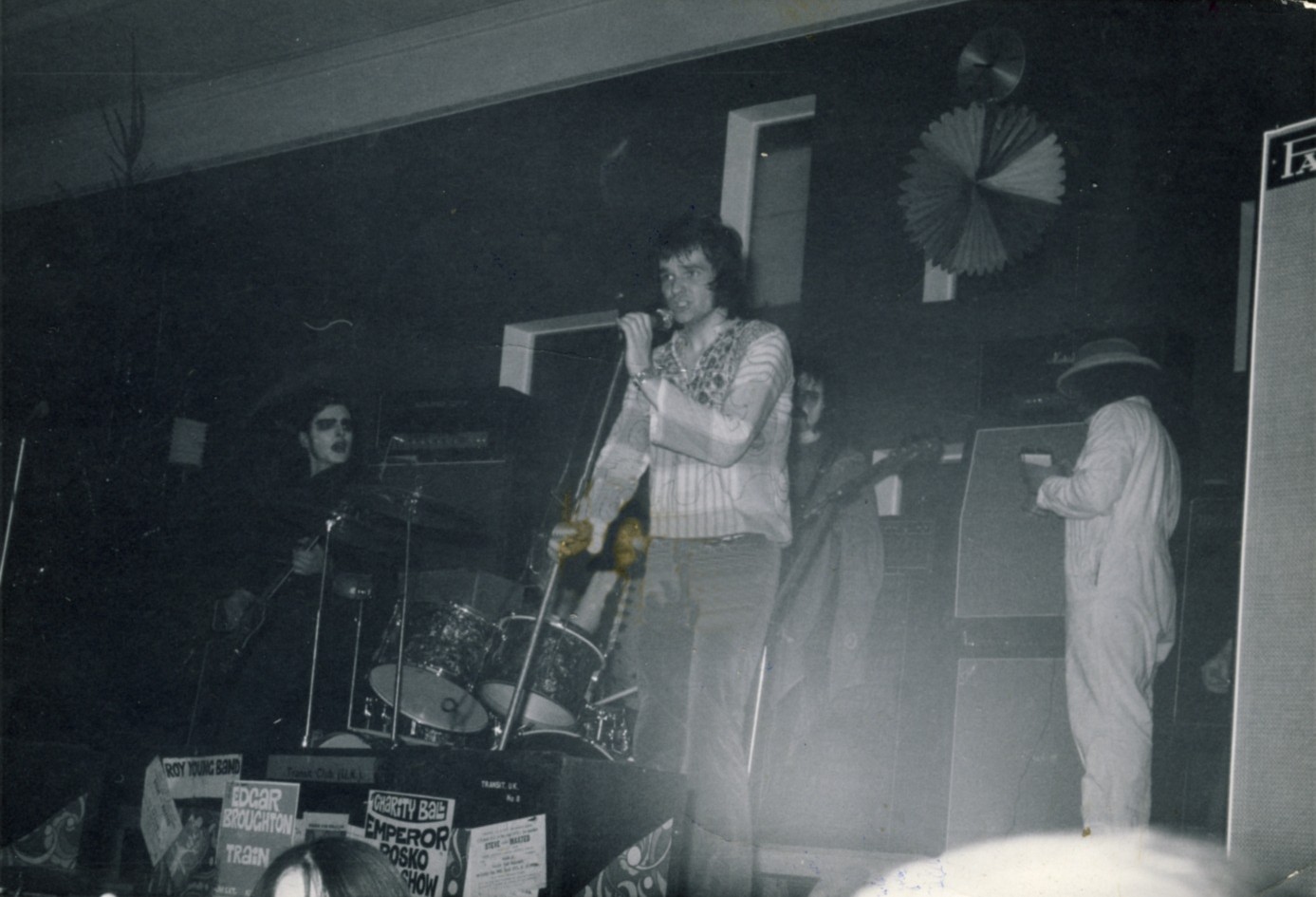
The gigs were the training ground. The bars formed our attitude, and the festivals developed the theatre. These were some of the best audiences I have ever played for, with great memories, and terrifying moments as well.
“No time to get bored with Bastard”
You’ve also talked about being carried on in a coffin and changing clothes during the set. Where did that theatrical side of Bastard come from?
Yes, it was a deliberate attempt to grab people’s attention and keep them guessing about what would happen next. No time to get bored with Bastard.
Do you remember how ‘Doctor Gong’ came together?
Bastard wrote and created all our songs during rehearsals at Copal Village Hall, or in our bedrooms. Brian would often come in with a riff idea. Dez and Nobby would work around it and modify it, and I’d work on a melody. A week or so later I’d come back with lyrics, which mostly worked for the band.
And do you remember anything about ‘Comfort’?
No idea… too far back! Ha.
You were already working as an engineer. When you got Bastard into the studio, were you thinking like an engineer or simply trying to capture the band on tape?
As a young, inexperienced engineer, the studio was simply a way of recording the music, not a concept. Looking back, I think the recording captured our energy, but maybe a bit more of a live room or gig sound would have been cool.
What took Bastard to Belgium? Did it feel as though there might be more room for the band there than in Britain?
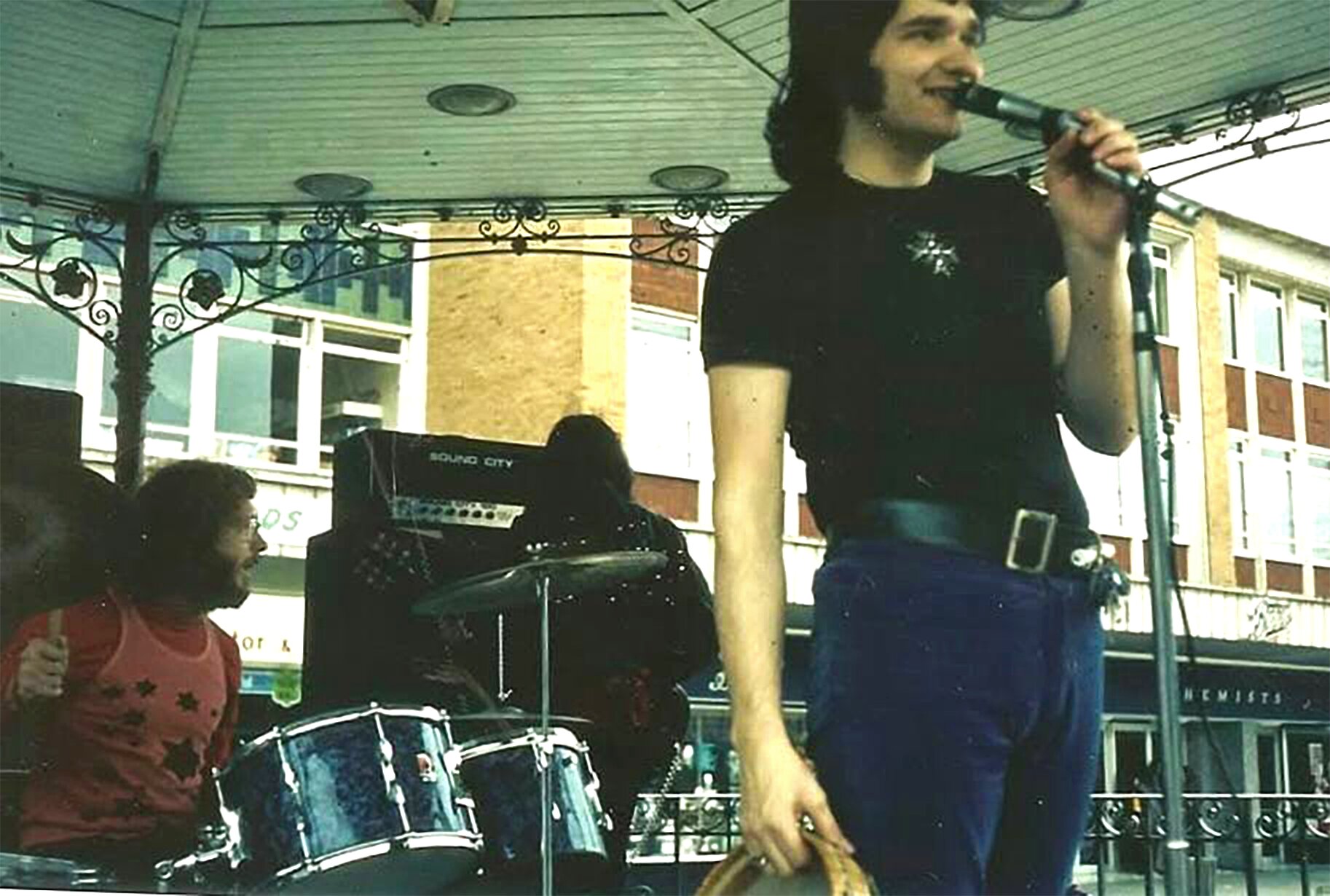
Coming to Belgium was basically because of my job. We felt the UK wasn’t moving with us. There was no opportunity to move forward as a scene, so we thought, “Why not Belgium?” There was a lively underground scene with small cafés and back rooms where we shocked a few people – such as Florio’s Café in the centre of Brussels. We did some great gigs there. It was closed by the police soon after Brian went back to the UK.
When Dez returned to the UK and Yves Kengen came in on bass, did Bastard still feel like the same band? And where does Mike Butcher enter the story?
Brian, Nobby, Dez and I were the heart and spirit of the band. When Dez decided to return to the UK, we turned to a musician with a similar mentality whom we’d met through gigs in Brussels—Yves Kengen. He took over on bass and brought his own grain of madness to the mix. Mike Butcher came a few years later, and our project together became Elton Motello. When we moved, our drive and energy stayed the same. But the studio was my job, as I said before, and looking back I maybe took my eye off the ball. It gave us opportunities, but perhaps it also cost us some energy.
These recordings catch Brian just before The Damned. What was he like at that point? And what does it mean to finally put this music out after his death?
Brian has always been Brian, and he always stayed Brian. That is his legacy. His belief was our belief, formed together. That’s why Bastard will always stay in the corner of the mirror that is The Damned, and in the truth of Brian James’ legacy. As for releasing these recordings so many years later, I feel this is one of the building blocks of UK rock. This is the time.
After Bastard came Feather, Rollerball and Elton Motello. Did you carry much of the Bastard attitude into what you did later?
Of course, I had baggage when Mike and I teamed up. I always tried to keep the Bastard attitude of provoking people, whether through the music or the lyrics. It cost us over the years, but I have no regrets. Even “Captain” sang ‘Jet Boy’, so the two ends collided.
A lot of people will come to Bastard through The Damned or Elton Motello. But if you leave all that aside, what do you hope they hear in these recordings?
Basically, I want to show that nothing is just a moment. What Brian achieved was sparked by us four guys with attitude, and this music was the foundation of what was to come. Bastard – solid as a rock. We were making a great sound at exactly the right time. It was just that the audience were at the wrong moment in their journey.
Klemen Breznikar
Wap Shoo Wap Records Website / Facebook / Instagram / Bandcamp