
William Davenport Interview | Problemist, ‘Unsound’ and the Cassette Underground
This article by Jerry Kranitz traces William Davenport’s work from Problemist and ‘Unsound’ through filmmaking, writing and his more recent experiments with AI.
William Davenport wears many artistic hats. He’s been creating experimental music as Problemist since 1980. He published ‘Unsound’, one of the seminal 1980s alternative music magazines. Documentary filmmaker. Author of non-fiction and fiction books. And teacher.
I was looking forward to meeting William, who was scheduled to be a distinguished guest at the May 23rd Cassette Culture Fest here in Columbus, Ohio. When health issues forced him to cancel, I decided to make up for the disappointment by interviewing him. We spoke by phone and I learned a lot about this busy, interdisciplinary artist. We talked about his music, publishing ‘Unsound’, his film work and writing. William was an early adopter of technology and had interesting perspectives on one of contemporary art’s controversial topics. It was a fascinating discussion…
“I’m a technology artist. To me, cassette tape is technology.”
There’s a lot to you and I’d like to discuss it all. But I’ll start with a quote from your Problemist book – “I started making little movies as a teenager, so obviously the soundtrack component was important to the films.” Were your initial artistic inspirations film? Music? Both?
I’ve always been into music. It was always a great escape from regular life. I was the youngest of four kids. I gravitated toward my brother’s record collection. He was a heroin addict so he had pretty dark stuff. So, from a young age I loved music. But I was always a writer. I was in a program for gifted kids in high school and my counselor said, “You seem pretty creative. You should try photography”. So, I went from photography to making little movies. But I always did soundtrack work too. I was really lucky because it was the beginning of modular synthesis. We were still using tape then. So, I would always make soundtracks for my little movies. I think that was my initial foray into music.
Given the era you were making your films I’m assuming they were Super 8. I remember getting a Super 8 movie camera for a birthday present in the early 1970s and I didn’t think you could put sound on those. How did you do that?
I graduated from high school when I was 15. I went to this junior college. And I was lucky because the guy who had the film program there loved Super 8. We were shooting double system, which means we were mag striping the film just like you do with 16mm and 35mm. And we could do soundtracks. He was incredibly knowledgeable about films, and he also introduced me to experimental film. This was in the 1970s. I was exposed to Bruce Conner and Maya Deren and all the great experimental filmmakers.
Quoting you again from the Problemist book – “As I created music I also concurrently did visual work, either films, graphics, performances or even painting.” And you made references to Problemist being “More in a theatrical vein than musical”. Were you referring to Problemist live performances? Being more performance art than just music?
Back when I started Problemist I was definitely more oriented toward performance art. My undergraduate degree is in interdisciplinary art. In interdisciplinary art we did a combination of film, music and theater. We were definitely a very theatrical band in many ways. After a while though I did it less and less and gravitated towards just doing music and not being so across disciplines.
The first two Problemist albums, ‘Flat Child’ (1980) and ‘Revolutionary Sex’ (1981), were just you solo. Were you doing solo live performances at this time?
I was. ‘Flat Child’ is more like experimental prose/poetry. Because I was writing a lot and I was very influenced by experimental French novelists like Grillet (Alain Robbe-Grillet) and things like that. I was reading a lot of French stuff. So, I was writing a lot of very stream-of-consciousness narrative stuff. With ‘Flat Child’ I thought, I’ve got a couple of cassette decks, I’ve got this drum machine and a synthesizer. I’ve got a microphone. I just figured ok, I can record. So, I would just overdub that way. I didn’t have a multi-track recorder. I would just overdub the cassettes and do takes over and over. That was my first cassette tape in 1980. I think I made 50 copies. ‘Revolutionary Sex’ was kind of a continuation of that, but a little more complicated. And it just sort of grew from there. And it also gave me material so I could look for people to play with. I was in San Francisco and just searching for people who had the same interests. I didn’t really want to play in a punk band because I had already done that. Finally, I started finding people I could play with. That was 1982.
When you did the first two self-released tapes how did you promote them? Did you engage in network postal exchange with other home recording artists you had read about?
I would bring them to shows and sell them that way. I would go into record shops and try and sell my cassettes. I learned early on how to do that. You just have to be your own salesman and try to sell your work. It’s difficult. Back then it was hard because there weren’t a lot of places to network. I did find… what was that list out of Canada?
CLEM? (‘Contact List of Electronic Music’)
CLEM, yeah, I found CLEM. That was pretty early. I think I started sending stuff that way.
Was that your introduction to the global postal exchange network?
Kind of. I had always collected fanzines. I started collecting in the 1970s. But more and more I started figuring out that print was the way to communicate with other people around the world. It took a while for all of that to come together.
Right, this was still early, 1980-81.
I think back then too was radio. Radio was so cool and fun. And San Francisco had great radio. Like KPFA out of Berkeley. (Ed. Note: KPFA is a still-existing listener-funded community radio station.) There were some really good shows. It was exciting because I would get my tapes to DJs who had these shows and I’d get played on the radio. And that was just like totally thrilling. Wow, I’m getting played on the radio, this weird music.
It sounds like you had a lot of options you could pursue locally.
Yeah, I was lucky to be in San Francisco.
But then you had a string of albums after that on labels. ‘Pop Religion Is Love’ on A.R.P.H., ‘9 Times Sanity’ on Sordide Sentimental, and ‘After Insanity’ on Ladd-Frith.
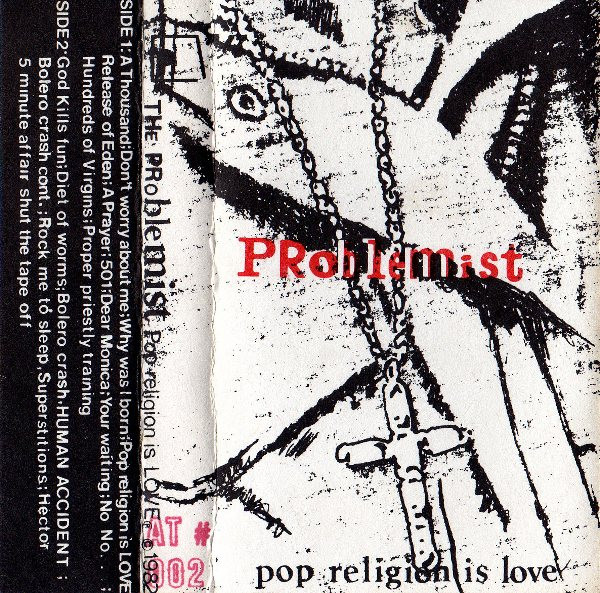
I did two with John Gullak on A.R.P.H. I love John. John had a radio show (‘No Other Radio’). And he had the magazine that he started called ‘Another Room’. He had this warehouse and he would put speakers on the top of his roof. And he would broadcast noise, like every weekend. But he also had that great radio show for years. He came to a Problemist show and that’s when he approached me to be on his label. I think we were the second release. John was very supportive. He was also very inspirational because ‘Another Room’ was a really great magazine. I could see this is how people are doing things. And I wanted to make a record. I made a tape, ‘9 Times Sanity’, and I sent it to Sordide Sentimental. And they asked us to make a record. That was great.
Were you surprised that they proposed doing a record rather than a tape?
I knew they did records because I collected records. I had Sordide Sentimental records and knew the material they were covering and liked them a lot. I was approaching a lot of different labels but I was really happy that I could be on that one.
You said you had records on the Sordide Sentimental label. Did you have access to them in San Francisco shops or were you getting them by mail order?
I got them from Rough Trade. I lived around the corner from Rough Trade.
You sure had a bonanza of resources at your fingertips there in San Francisco!
Yeah, it was great. And there were great bands. Like Tuxedomoon, Rhythm & Noise, Monte Cazazza, Z’ev. Other than all the punk stuff there was a lot of other things going on. I think being in the incubator there helped.
You talked about the theatrical Problemist performances. Can you think of an example and describe what it would have been like for me if I’d been in the audience?
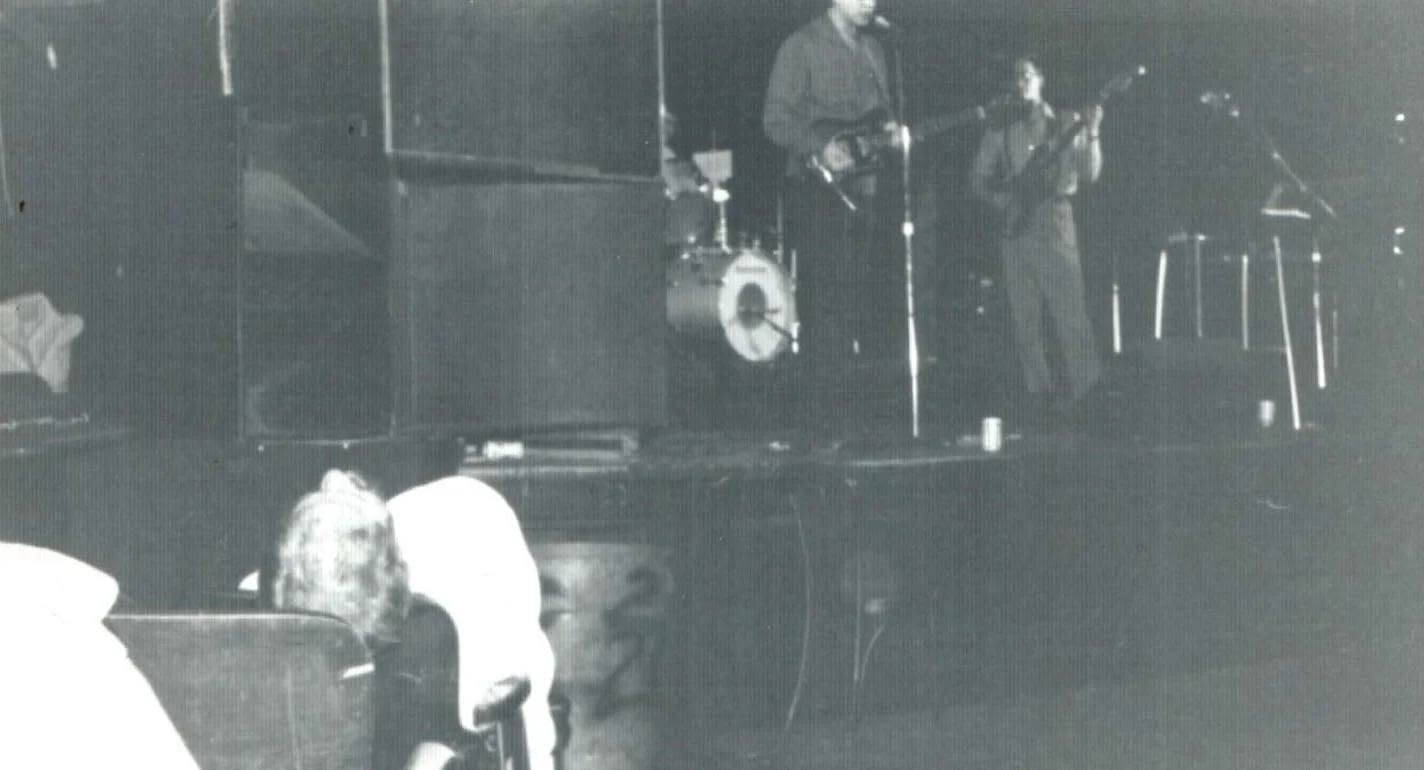
Early on I was collaborating with a guy who did performance along with the music. We took ‘Pop Religion Is Love’ and did all these religious icon graphic things where we had crosses and aborted babies, photographs of that stuff. We would do the music. Then later on we did this one performance at this club called The Sound Of Music. It was in the Tenderloin which is a pretty sleazy part of San Francisco. In the day it was a stripper club. And at night it was a punk club. But anybody could play there. We used to play there all the time. We did this one performance there where we wanted to do sensory deprivation. We thought about what kind of music would we play if we stayed up for three days before the show. And then the show was about the club. We didn’t do any songs. We played for fifty minutes straight and all we did was describe the look of the club. I was singing and screaming. But it was about the club. Like, “The wall is fifty feet from…” Totally bizarre. And it was just a cacophony of noise. I love that show because it was exhausting.
How was the turnout and what kind of response did you get?
We had about fifty people. And they loved it. Because it was so fucking weird. It was interesting too because I had read a lot of Robbe-Grillet. And he does that kind of narrative where it’s very over-descriptive. That’s kind of what the show was about. And the people who were there kind of figured out that’s what I was doing. I was describing the physical environment. I don’t know how I did it for fifty minutes.
And you had been awake for three days.
And I’d been up for three days. I don’t know what the being up had to do with anything. But it was fascinating. I’ve always been very theatrical. Later on I became less so and became more interested in just being a musician. But I think the early shows were really interesting in that way.
Once Problemist became a band the lineup seemed to be pretty fluid, though you’ve credited Chris Rankin as being an important figure. Not to jump the gun on talking about ‘Unsound’ but I was flipping through the first couple issues and both of you are credited as editors. Can you talk about his influence?
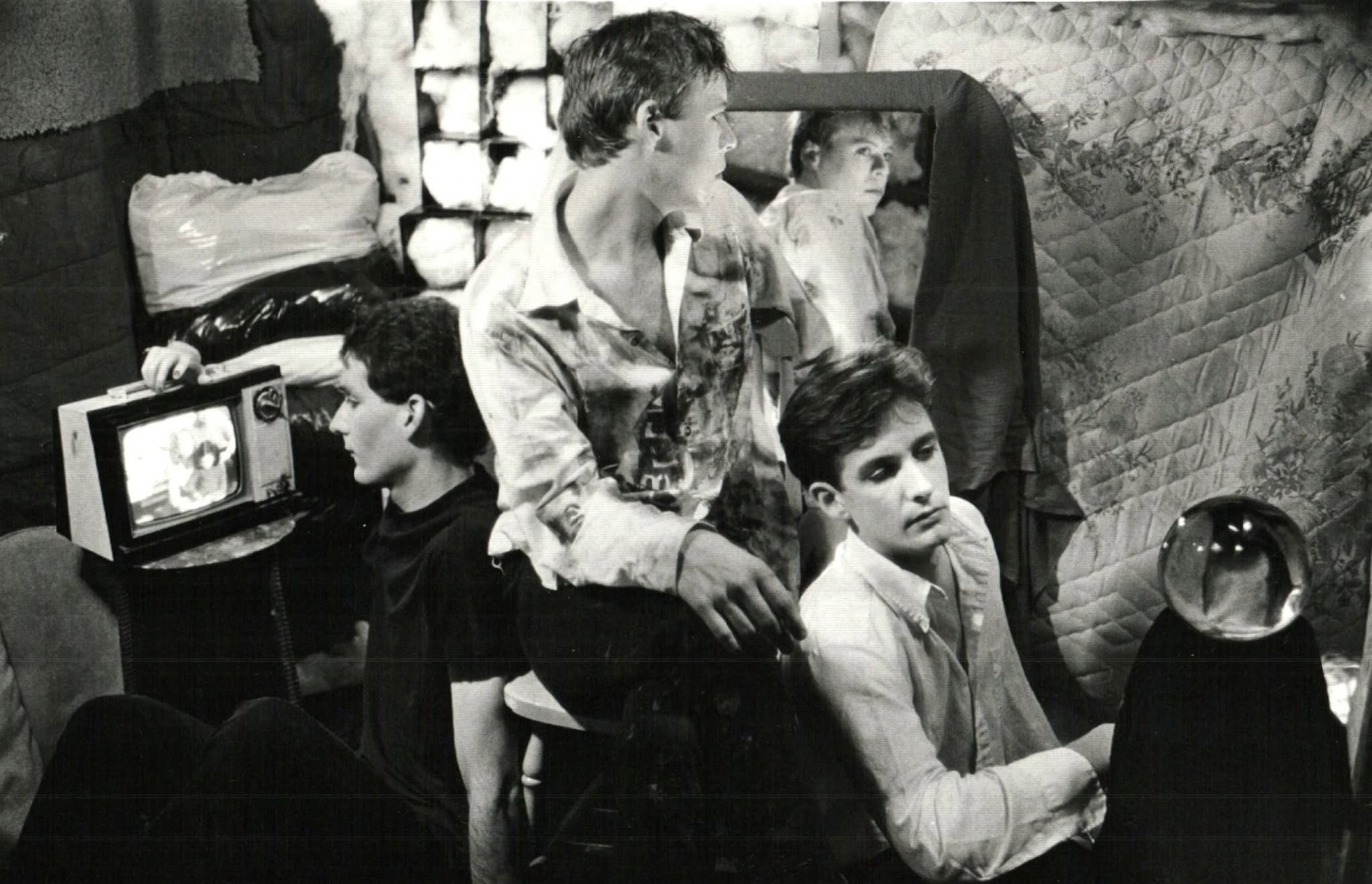
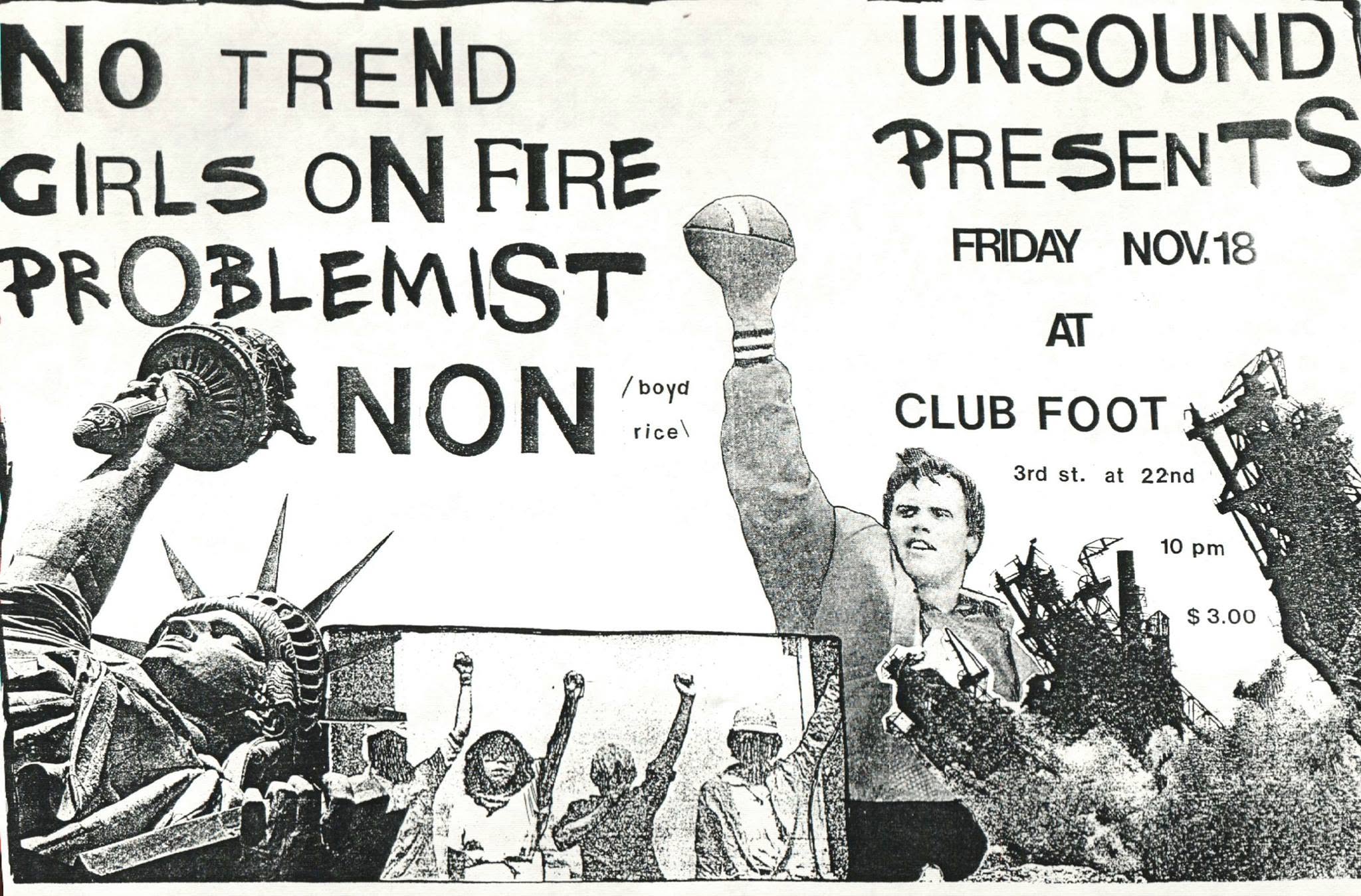
Chris was very important. He had moved from Colorado, but he was originally from Ohio. He moved to San Francisco. We’re about the same age. Chris was a good musician, and he really had a jazz foundation. But I introduced him to experimental music and the noise music. He knew about punk, but I introduced him to this stuff. And he was really like a natural. And just great in terms of collaboration. And really important in terms of developing the sound and understanding context. I feel bad that our relationship soured after a few years. But Chris and I got back together years later. I interviewed him for one of my films. And we’ve become very good friends again. He went on to do Sabot, which is a great band. He lives in the Czech Republic. He moved there many years ago. His band is like punk-jazz. It’s just bass and a drummer. And it’s like super complicated stuff. I’d love to get back together with him and one of the old drummers and play the old songs again. That would be nice.
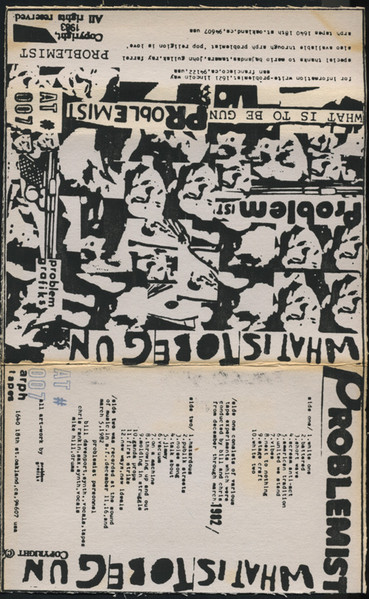
As of the 1986 ‘N-E-E-D-Y’ album Problemist was you solo again. Was there just no one to play anymore with or did you decide to go back to solo at that point?
I started doing solo work again because for one thing I could make more money if I was the only performer. I was pretty poor. And I also wanted to explore things on my own again. And it was difficult to find people who were like-minded. And after a certain amount of time if I play with people they know it’s my band and it’s my songs. I’m not going to play anybody else’s songs.
“I tell people I stopped but I never stopped.”
You left music in 1990.
I kind of got to the point where I was just getting tired. You’ve got to figure that I went through the punk scene. That’s the 70s through the 80s. And I was tired of being poor. So, I just wanted to concentrate more on doing media. Doing film and video. But I kept doing music. I tell people I stopped but I never stopped.
You’ve publicized your “return” in 2020.
Yeah, but I never stopped. I just didn’t release anything. That’s why on Bandcamp I’m releasing and backdating music I did in the 90s. It’s a mystery. I was doing a lot of music but I wasn’t playing shows anymore and I wasn’t releasing anything.
So, your Bandcamp consists of reissues of the early Problemist albums, new music, and music you recorded in the post-1990 period that you’re just releasing now.
Yeah. I think I’ve got it in order now. But I’ve got to denote when I recorded certain things. Some things I don’t know when I did them. But I know I did them in the 90s.
There are two recent albums I want to ask you about. You did a ‘9 Times Sanity Revisited’. It’s very Metal. What were your thoughts behind this revisit and why did you select ‘9 Times Sanity’?
I like the songs. And I wanted to revisit the lyrics and expand on them. And I also like that style of music. I thought it was kind of fun to play.
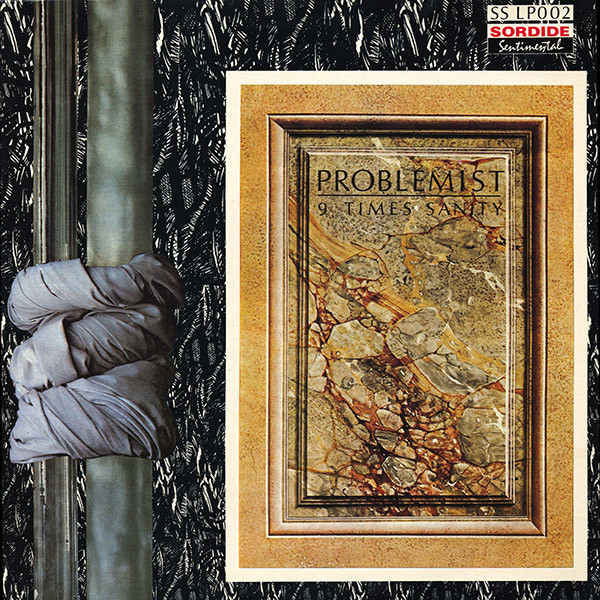
So, you didn’t just revisit it, you kind of reimagined it.
When I revisit something, I reimagine it. Especially now that I’m more of a complex lyricist. I can take a song now and really write a lot of lyrics. In the past I could do that to an extent, but I felt like those songs that I’d written back when I did ‘9 Times Sanity’ were the kernel of an idea. And so with the revisiting I expanded the idea. I’m also a better guitar player now.
The other new Problemist album I want to ask you about is ‘Thinking About Marcel: A Survey In 8 Tracks’. Quoting your description – “It’s an album of eight original songs. A 50-minute live performance. A film. And a handmade book that is made during the performance itself – xeroxed and stapled in real time, the only edition that will ever exist.” Was there a performance where you did all that?
I haven’t done it yet. I finished the music. My idea of ‘Thinking About Marcel’ is it’s my last work. I’m going to retire after I do that. But I’m not going to retire. Because it’s based on Marcel Duchamp. Marcel Duchamp retired from painting. But didn’t retire from painting. And then he kept painting anyway and doing work. His last piece was called ‘The Large Glass’. ‘Thinking About Marcel’ is kind of based on that, but it’s kind of more than that. It’s about thinking about Marcel Duchamp, but then in the context of being an artist, what exactly does it mean to then leave your art. It’s also about my health and a lot of other things. And it’s also just about creativity and what that means. The music is beautiful. It’s not really noise. It’s much more kind of bluesy, sort of Björk-ish. My plan is to do the performances at a bunch of different places. And we make this book during the performance too. So that will be kind of a cool artifact. But I’ve got music I want to play live that I want to do before I do that one. I’m going to go out with a band and play some shows. I’m in Portland, Maine. I’ve got musicians here.
Are there venues there that are friendly to what you do?
Oh yeah. I’ve been doing a lot of these genre kind of things. And also homages. I did something called ‘Nostalgia Algorithm’ and it’s a homage to Kraftwerk. I’d like to perform that. And then I did ‘The Machine Of Despair’ which is an homage to PiL. I definitely want to play that live because I love that music.
Another note in the ‘Thinking About Marcel’ credits is – “all created using artificial intelligence tools”. When it comes to AI in the arts, everyone seems to be either an embracer or disdainer. As an interdisciplinary artist of many decades, I’m very interested in hearing your opinion about the use of AI in the arts.
I love AI. I embrace it. I use it for creating images. I use it for helping me write. It doesn’t write for me. It writes with me. I don’t use it necessarily for music. I have found AI to be very useful instead of a drum machine. Because I really like certain drum sounds, and they’re hard to get. So, I’ve found AI to be really helpful there. What I’m doing with ‘Thinking About Marcel’ is I’m writing a book called ‘Thinking With Claude’. That’s the Anthropic Claude AI. I’ve been using Claude as kind of like a collaborator. I know a lot about art history. And I don’t really have very many people to talk to about it. And I was able to talk to Claude about Marcel Duchamp. We’ve had extensive discussions about the career and work of Marcel Duchamp. And the influences that I’ve had over the years in terms of John Cage. I’m also very influenced by the minimalists. And later on Throbbing Gristle. It’s nice to be able to talk to someone, something, whatever you want to call AI, that can have that range of conversation. I find it fascinating. And also relieving too. Because intellectually I understand that the AI is referencing the internet. And it is wrong sometimes. And so I’ll correct the AI and then the AI will say oh yeah. I find that fascinating.
You gave me a caveat by saying you know it’s referencing the internet, yet you are describing a fulfilling give-and-take discussion.
Yeah. Very much so. Marcel Duchamp is so complex that these details that I can get into with the AI, unless you’re extensively studying Marcel Duchamp, you’re not going to understand it. The book is going to be the discussions I’ve had with the AI. But it’s also going to be me writing about the AI. And then it’s also going to document ‘Thinking About Marcel’. So, it will also be about the performances I do.
So, when you say, “all created using artificial intelligence tools”, I think I’m understanding that’s a little too simplistic. Because you’re describing yourself as working with the tools. They’re not doing it for you.
Yeah. I use AI only… maybe if I need like a saxophone, the AI creates the saxophone. And things like that. I’ll use Suno to create drum machines. It’s an AI music generation software. But if you’re a musician you can use it… like a lot of DJs are using it now. Because you can create source material. You can basically tell the AI, for example, create an 808 drum machine, lo-fi, in this time signature, with this many beats per minute. And it’ll do that. Or I’ll feed in a song and say create a saxophone part for this song. So, I use it in conjunction with… I use a program called Reason to create music, and also Pro Tools. I use a combination of those things. Also, lately I’ve bought a bunch of cassette decks, and I’ve been using cassette tapes. I love cassettes. I think cassettes are great.
You’re thinking about releasing music on cassette?
I’m going to release some stuff back on cassette. Also, I’m taking ‘N-E-E-D-Y’ and reimagining it with doing a live performance with five cassette decks. I think that’s kind of a cool way to redo it. It’s going to be like these layered sounds with these five cassettes playing at once.
It’s interesting that almost in the same breath we’re talking about your use of AI, the new generation technology, and yet you’re also going back to cassettes.
I think that the old stuff that we used to use was great because we didn’t have anything. This was all by necessity. Necessity is the mother of invention. There’s something about the quality of that necessity that was brilliant and wonderful. It’s kind of like how people make records now. Records are fantastic. It’s just a great medium. But there’s nothing wrong with using the new technology. I’ve always embraced technology. I was the first adopter of using Apple computers. And also Amiga computers for doing video. We were doing music and we were using the Amiga computer for doing video. I actually worked at Apple early on. When it got to the 1990s I started working at different places and also developing my own production company. I knew how to do images, so I was doing more commercial things. But concurrently I was still producing a lot of experimental videos and weird stuff. And also doing music videos. And I was getting really involved in the beginning of non-linear editing and motion graphics. I was really involved with the birth of the desktop computer and all that stuff.
What did you do at Apple?
I was hired because I was an Avid editor. Avid is the first non-linear editing program. It’s a hardware-software based program. We used it professionally. They hired Avid editors to help develop Final Cut Pro. So, I was there at the beginning of the development of Final Cut Pro. I worked there for a year. It was an interesting job. I never saw Steve Jobs. It was fun. And it paid really well.
Your interest in film goes back to your youth. But I read that you began making documentary films in 2010. What led to that getting off the ground?
I was teaching a lot. And I was teaching filmmaking to autistic individuals. It was something I got involved in because I started teaching film at universities. And then I got a job teaching filmmaking at a high school. I started getting these weird kids that were on the spectrum that were making movies. And I thought, wow, these guys are really interesting. And so I got interested in special education. I’ve got a master’s in film. But I went back to school and got a master’s in special education with an emphasis in autism. And I founded a non-profit where we focused on teaching autistic individuals filmmaking. This was in San Francisco. I worked with children, teenagers and adults. I’ve always been interested in Andy Warhol and his filmmaking because it’s just so weird and so simple. I really liked the stuff where he did screen tests. So, I started doing screen tests with these autistic adults. Warhol was like just have people talk. Or not do anything. Or just stare at the camera. But what happened was they started telling these incredible stories about their lives. The class had an age range of 18 to 75 years old. It was men, women, black, Asian… just a mixture of people. But they were all on the spectrum. And I just thought, I’ll make a documentary where these people just talk about their lives. Or I ask some questions and they answer the questions from their perspective. So, I made ‘Too Sane For This World’. And that was the beginning of my documentary filmmaking. I’ve made about ten documentaries. I made two autism documentaries. And the rest are about music culture.
I’ve got four of your films on DVD. ‘The Great American Cassette Masters’, ‘The New Punks’, ‘The Negativland Story’, and ‘The Hunting Lodge Story’. But when I found your website I saw the autism films and books you’ve published on the topic.
I did ‘Too Sane For This World’ and then I did ‘Citizen Autistic’. I started getting involved in the politics and the rights of people with disabilities. ‘Citizen Autistic’ is my best-selling film. It’s interesting. It’s the fastest film I’ve ever made. I made it in like six months. I’m working on an autism film right now called ‘Chameleon’, which is about autism in women and girls, and how it’s different. It’s a film I’ve wanted to make for a long time.
You said six months is the quickest film you’ve ever made. Something like ‘The Great American Cassette Masters’, you traveled around to interview those people.
That took me probably a couple years. I traveled around the United States, and I did a ton of interviews. What was beautiful about that was a lot of the people I knew from ‘Unsound’, so it was like visiting old friends. Even though I’d never met them. I’d only maybe written an article about them or corresponded with them through writing letters. My criteria was people still had to be creative by doing things. Everybody in the film was still active. That was really important to me because I thought that was an important aspect of the scene and how it developed. The only thing that’s going to stop us is we’re going to die.
There’s a photo on your website of you teaching documentary filmmaking at Washington International School in Washington, DC.
I moved to Washington for a few years because I got a job teaching at the Washington International School. That was a good experience. I’m not teaching right now. I don’t really have the bandwidth anymore.
I found an interview with you from last year and in there you said you’re shooting films with your iPhone now and you love the quality.
I’ve been shooting interviews with the iPhone. I’ve got an iPhone 16 and I like it. The quality is beautiful. I use the Blackmagic app. It makes the iPhone a little different. You can look at the sound. You just have to make sure you’ve got good microphones. I know how to shoot. I’ve also been working on a music video. I’ve done some AI short films. But I’m working on a series of music videos that are all going to be AI. I can do things with AI that I could never do before. I also have two phones so I shoot two at once.
And you just download the video to your computer and edit it?
Yeah. I download and edit it in Adobe Premiere. And they look beautiful. It’s not that I’m against cameras. I grew up shooting with regular cameras. You’ve got to embrace the technology. There are feature films that are shot with iPhones now. There are comparisons of the iPhone to fifty-thousand-dollar cameras and it looks virtually the same. The issue before was how do you get it off the iPhone. What I do is hook a hard drive up to the phone and shoot on to the external hard drive. I have a multi-splitter too so I can run a microphone at the same time. Since I’m shooting with two cameras, one is a long mic and the other is a shotgun mic. It’s virtually the same way that I used to shoot the other documentaries.
It sounds like you’ve got a lot of gear, you’re simply using your phone in place of the camera.
Yeah. It’s just a little more accessible and it’s easier to travel. And I think generally the flow is a little easier. Because all I’ve got to do is hook the hard drive up to the computer. I don’t have to transfer anything. I just think it’s the way more and more people are doing things.
It makes sense. I’m glad to get your feedback on this and the use of AI. It’s all very enlightening.
I will never use AI to edit anything for me. Because I’m an editor. I know how to edit. And I want to make those decisions myself. You have to figure out how to use this technology. The thing that I’m amazed with is I can’t keep up with it. I’ve noticed that in the years I’ve used AI how it’s become so much better.
Well, it’s advancing at an exponential rate.
Yeah, it’s exponential. And so a year from now what is it going to be like? But I think as artists we have to figure out how do we use this stuff. I’m still figuring out certain things. For example, I’ve never been great at social media. I’m ok at it. I want AI to help me with that in terms of maybe programming a workflow so that it’s posting social media for me every day. I just don’t have the time or bandwidth to do it every day.
You said something that I think is crucial, which is you have to make judgment calls with AI about where you are doing the decision-making.
Yeah. It’s your work. That’s why you have to make the decision. Not the machine. There are people using AI to write novels. What I do with AI in terms of my writing is I’ll write my own stuff, and then I’ll feed it into the AI and I’ll have an analysis of it. Or I’ll say where do you think I should go from here. Things like that.
But you’re going to approve it or not.
Of course, I never relinquish control.
I get it. But I’m pressing you because most of the people I talk to in the arts world are disdainers, or at least skeptical. It’s helpful getting your perspective as an embracer who’s been in the arts for as long as you have.
I’m a technology artist. To me, cassette tape is technology. That’s why I gravitated toward synthesizers early on. I loved that sound and what you could do with it. So, AI is just a natural extension of that.
When did you get your first computer? It sounds like it was pretty early.
My first computer was an Apple in 1984. It was pretty useless. And that’s why I was like there’s got to be something better. That’s when I found a Commodore Amiga 1000. And that was like the first video. You were able to do graphics with it. And it had rudimentary music stuff. That was 1985, something like that.
As a segue to backtrack so I can ask my ‘Unsound’ questions, did you use computers to put ‘Unsound’ together?
When we started out, no. But then we gravitated towards… We’d put everything into the computer, then we’d print it out. ‘Unsound’ was offset printed. We would have to do galleys… traditional printing. We did paste up. We used computers to an extent but not that much. We had typewriters back then.
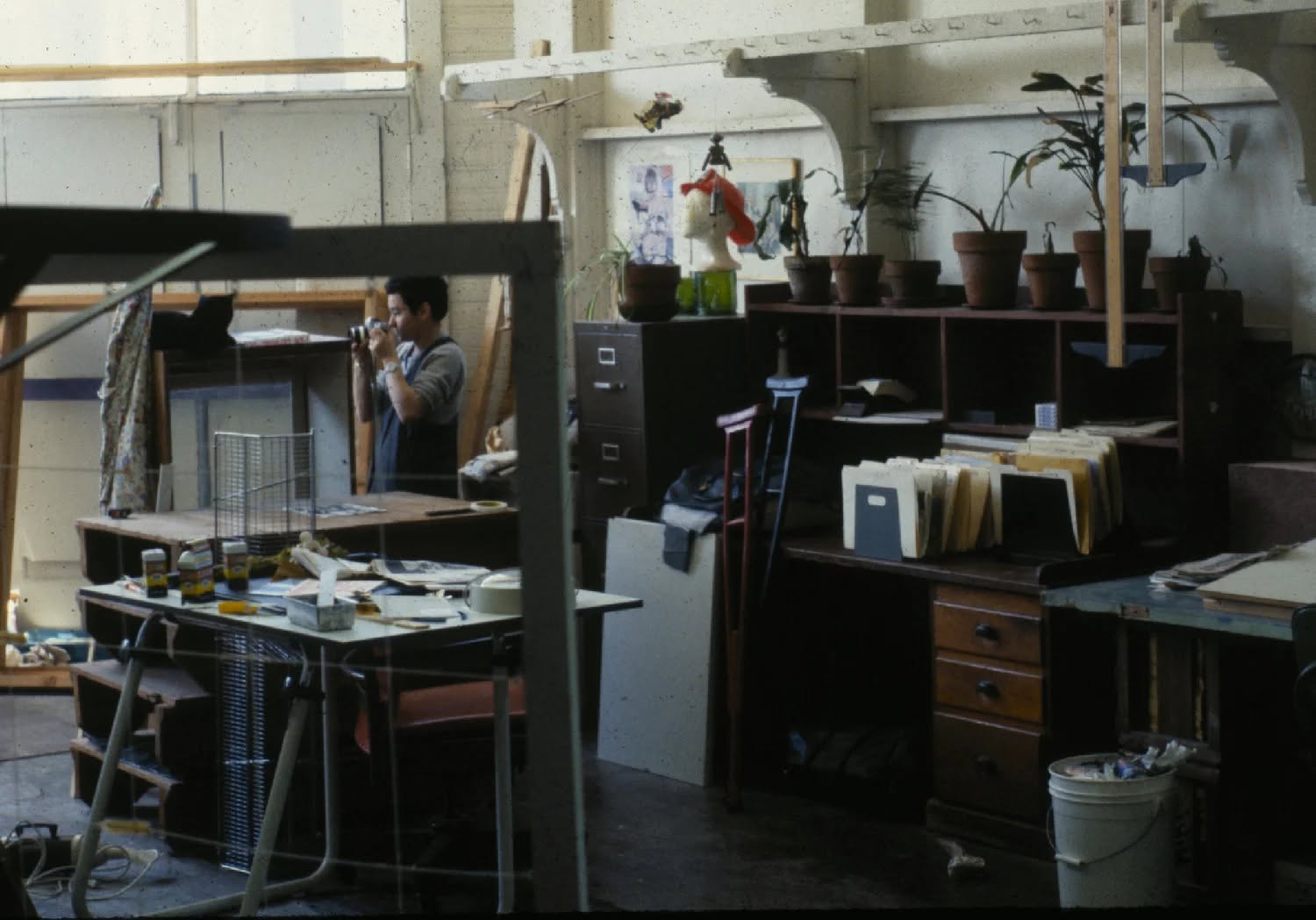
You published ten issues from 1983 to 1987. In an interview I heard you say it was inspired by ‘RE/Search’ and what you felt was missing from that publication. Could you expand on that?
Vale came out with the ‘Industrial Handbook’ (Ed. Note: ‘Industrial Culture Handbook’, RE/Search Publications, 1983). And by 1983 I was pretty involved in the scene. I felt like there were a lot of things missing from the ‘Industrial Handbook’. So, I thought, why don’t I just shut up and start my own thing. I was with Chris and we had Problemist, and we figured we’ll call it ‘Unsound’, because we liked that name. We didn’t know anything about how to make a magazine. I had read a lot of magazines and fanzines. But I had no idea how to do it. I had been published but I was never a publisher. So, we just started trying to find people and doing interviews. I got a phone thing where I could do an interview over the phone and record it. I’d call people up to do interviews and then transcribe them. I had a friend who was a typist and she would transcribe them for me. I would go to this place where they had a stat camera and take pictures of the artwork and the photographs. And to do halftones, and paste up, and all the traditional printing. We had to negotiate with a printer. We started out with a thousand copies. And I think we got up to maybe three or four thousand. We had quite a few subscribers. And I just developed it from there. Eventually Chris left. He was interested in doing his own music. We were kind of sick of each other. So, I mainly just worked with my wife, Tamara. We would get really good writers to help. People would send in things and we would review them. It was really the development of a network. It was fun. It was a blast. But eventually it got really tiring.
You said in an interview from last year that you had to make a decision to become more commercial, like ‘Wire’ or ‘Option’. Did you discontinue ‘Unsound’ because it got tiresome and you wanted to move on?
I didn’t want to ruin it. It’s like people think, oh, I’m going to make this my career. It becomes something else then. I didn’t want to start putting bands on the cover. I sort of felt like it was a conceptual art piece. I didn’t want to ruin the piece. That’s why I stopped it. It was probably a bad idea in certain ways, because I could have grown with the scene. A lot of those bands became pretty important in terms of history. I think ‘Unsound’ kind of lost out because it didn’t continue. But, oh well.
How did you handle distribution? Did you do it all yourself or did you contract with a distributor?
I did it myself. When I started out I would go to record stores, I would go to bookstores, and I would find places to mail it to. I would contact everybody in the world that I could contact. It was me writing letters and me driving to places. I worked my ass off trying to distribute that thing.
Did you have subscribers overseas?
We had a lot. It was tough because the mail was expensive. But we had subscribers everywhere. It’s hard to describe, but because of ‘Unsound’, bands would come into San Francisco and I would arrange shows for them. Or bands would come into town and they would stay with me. So it was fun too. It was really the beginning of something. I feel like I was able to nurture things. I was a very old twenty-five-year-old. I’d been living on my own since I was about sixteen. I had been through a lot by then. I came from a pretty dysfunctional family. I had been through a lot as a child. It was difficult for me to continue day-to-day life in certain ways. I’ve always had a tendency to be a drug addict. I’m not. And I wasn’t back then either. I stopped drugs when I was twenty years old. I don’t think back then I appreciated what I was doing. And I don’t think I appreciated the people I was able to meet. Now at the end of my life, I’m much more appreciative. I was a very scarred twenty-year-old, twenty-five-year-old, twenty-three-year-old. But those scars are what made me who I am. ‘Unsound’ was fascinating in many ways. It really illustrated the breadth of something that was extraordinary. And it’s too bad that people have to take things and make them into commodities. I’ve always been very critical of these bands and musicians that just do the same thing over and over and over. Why have you got to do that? There are so many different things you could explore. It’s the same thing with magazines. Why do you have to do the same thing over and over and over. Why can’t you do something else? I think retro is fine. But I think creating new things is also great.
You’ve got all the ‘Unsound’ magazines available for sale through your website, and I think you had them all reprinted?
Yeah, they sell all the time. I scanned them and put them together again. They look pretty good. In terms of writing, I’ve always been a writer. When I got sick I really couldn’t travel much, and I just felt like I couldn’t make films, so I started writing a lot. I think I’ve written fifteen books.
You’re getting into the last topic I’ve got for you which is your books. I read three of your books as I was preparing to talk to you. The Problemist book, ‘The Harmony Within’, and ‘Healthy/Sick’. ‘Healthy/Sick’ reads kind of like a journal. You really bare your soul. I mean… cancer, heart bypass, kidney transplant, ongoing dialysis. Holy shit…
I wanted to write something about being sick and how it changes a person’s identity. How it takes you over for a while. It’s kind of like a journal but it’s also a, I don’t know, a discovery or something like that. I actually made a documentary ‘Healthy/Sick’.
I saw a trailer for it. I didn’t know you completed the film.
Yeah. I really haven’t distributed it yet. I basically took the narrative and then expanded out on it and explored different topics. I made it a little more experimental, as opposed to the style I was doing before which was more like straight interviews. I’m making ‘Chameleon’, the autism film. We’ll get back to writing in a second but let me talk about the other film I’m working on you might be interested in. I want to do another music film called ‘Sonic Women’. I’m really interested in those early experimental electronic musician women. The ones who were doing modular synthesis back when the guys were doing it. You always get these footage or photographs of these guys with big synthesizers. And occasionally you see a woman. I’m really interested in those women. Because they were like outcasts. But I want to start out with women who are doing noise now. There’s a noise festival in Tennessee called Women Of Noise that’s in September. I want to go and film there. And start the film out there and interview those women there. And then have historical context of different women who were doing early stuff, kind of moving into more experimental music, then ending up with Cosey Fanni Tutti. I know Cosey. Cosey and I have been talking about doing an interview. Then I’ll go to England and interview Cosey. Because Cosey just wrote her biography. So, I think it’s a good time to interview her.
Can you give me some other early women’s names you’re thinking of?
I’ve got a whole list but I don’t remember them. These are people I don’t really know a lot about them. I have to research them.
The early names that jump out at me are Delia Derbyshire and Daphne Oram from the BBC Radiophonic Workshop.
I know those names. There are others. I’ve been collecting a lot of names and footage. It’ll be interesting. I’ve noticed when I’ve gone to noise festivals there’s some really cool women doing things. I always like doing a couple films at the same time. And both films are about women. One is about autism and women and the other is about noise and women. I think it’ll be fun. I am considering also doing Kim from Sonic Youth, but I think that she would overshadow everybody. Just putting Kim in there who’s a rock star. I think Cosey is different, because I think a lot of Americans don’t know who Cosey is. I think it’ll introduce Cosey to people. And Cosey is such a good interview.
This is something that’s just in the planning stages right now?
I’m definitely going to go in September and shoot the noise festival. In the meantime, I’ll do the research and get stock footage and photographs and how I’m going to cover the other women. Because most of those women are dead. I’ve also been collecting other women who are doing things so I’m going to see who else I can interview. And then I’m planning on going to England at the beginning of next year. Then basically once I do Cosey that’ll be the whole film. It’ll take me about a year to edit it.
You finished the ‘Healthy/Sick’ film. It’s available but it’s not been distributed yet?
I haven’t really distributed it very much. I have it on YouTube. I put all the documentaries there. I don’t care about making money with them. I’ve got a ton of stuff on that channel.
Pages 69 through 112 of the ‘Healthy/Sick’ book have a single photo on each page. I was looking at them and wondering if that entire sequence of photos is communicating the experience of the dialysis process. What are all those photos?
I was just always taking photos when I was in the hospital or when I was at dialysis. I just felt like it’s a great way to communicate about the process. I go to dialysis three days a week. It’s part of my life.
How do you travel?
When I travel I can go to clinics anywhere.
So you have to have a clinic lined up before you travel.
Yeah. It’s pretty easy. I just tell the clinic I go to here. And I say I’m going to go to Tennessee and I need a clinic to go to dialysis. The problem is dialysis causes residual pain. I’ve been eight years now on dialysis and I’ve gotten used to it. And I understand a lot of medical stuff now, which I never thought that I would have to. But I feel like I understand a lot now, so I know how to take care of myself.
“I’m kind of at the stage in my life where I’m archiving myself.”
You’ve got several other books you’ve written related to health and cooking and recipes.
I wrote a whole series of short books about… they’re more like narratives, experimental narratives, with things just about my life experiences, but fictional characters that are kind of like me. I wrote a book called ‘Autism and Filmmaking’, which is about how to teach autistic people filmmaking. I’ve even written a couple of cookbooks. I like to explore different styles of writing. I’m working on something called ‘Songs For Dreamers’. I’m compiling the lyrics of all the songs I’ve ever written. It’s five-hundred pages long. When I started compiling it I couldn’t believe how much I’ve written. It has visuals also. But it’s mainly writing. I’m kind of at the stage in my life where I’m archiving myself. Bandcamp is a really good place to archive. I also put things on Spotify and the other streaming platforms. But those are more transitory. I think Bandcamp is going to be around. When I die I’ll will everything to my nephew who understands music and he’ll be able to take care of things. He’s also going to inherit all my films and all my books. So, he’ll be able to continue with things.
You’ve published quite a bit of fiction too. I saw sci-fi novels, eco-terrorism, love stories…
Being sick, I have a lot of time and have been able to explore writing. I went through a phase where I was writing an enormous amount. I shift back and forth between writing fiction and writing non-fiction and writing lyrics. I have ideas every day. The current Trump administration has given me a lot of material, so I write a lot of political stuff. That’s also why I created ‘Thinking About Marcel’. After I do ‘Thinking About Marcel’ I’m going to retire and become a chef. But I’m not actually going to retire. I say that I’m going to retire. I’ve always wanted to be a chef. I love to cook. That’s also why ‘Thinking About Marcel’ exists. Because I wanted to find an end point sort of. I understand now that I’m never going to make like… I don’t know if I have the energy anymore to make a feature film. I can make documentaries. I can make experimental things. Music videos. But I don’t think I have the energy to make a feature film. Unless I do it with AI. There is an AI film that’s at the Tribeca Film Festival. So maybe it’s possible.
Jerry Kranitz
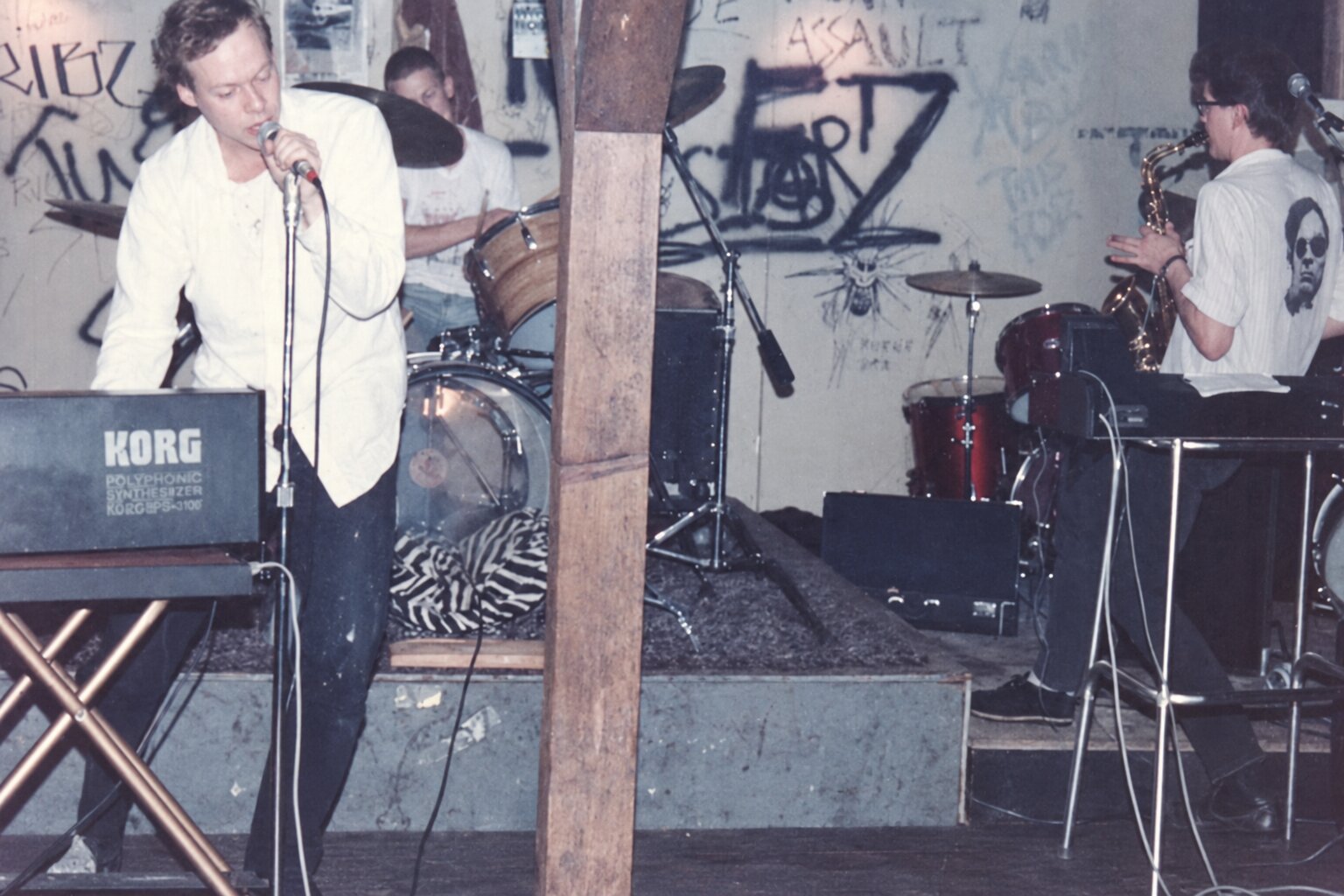
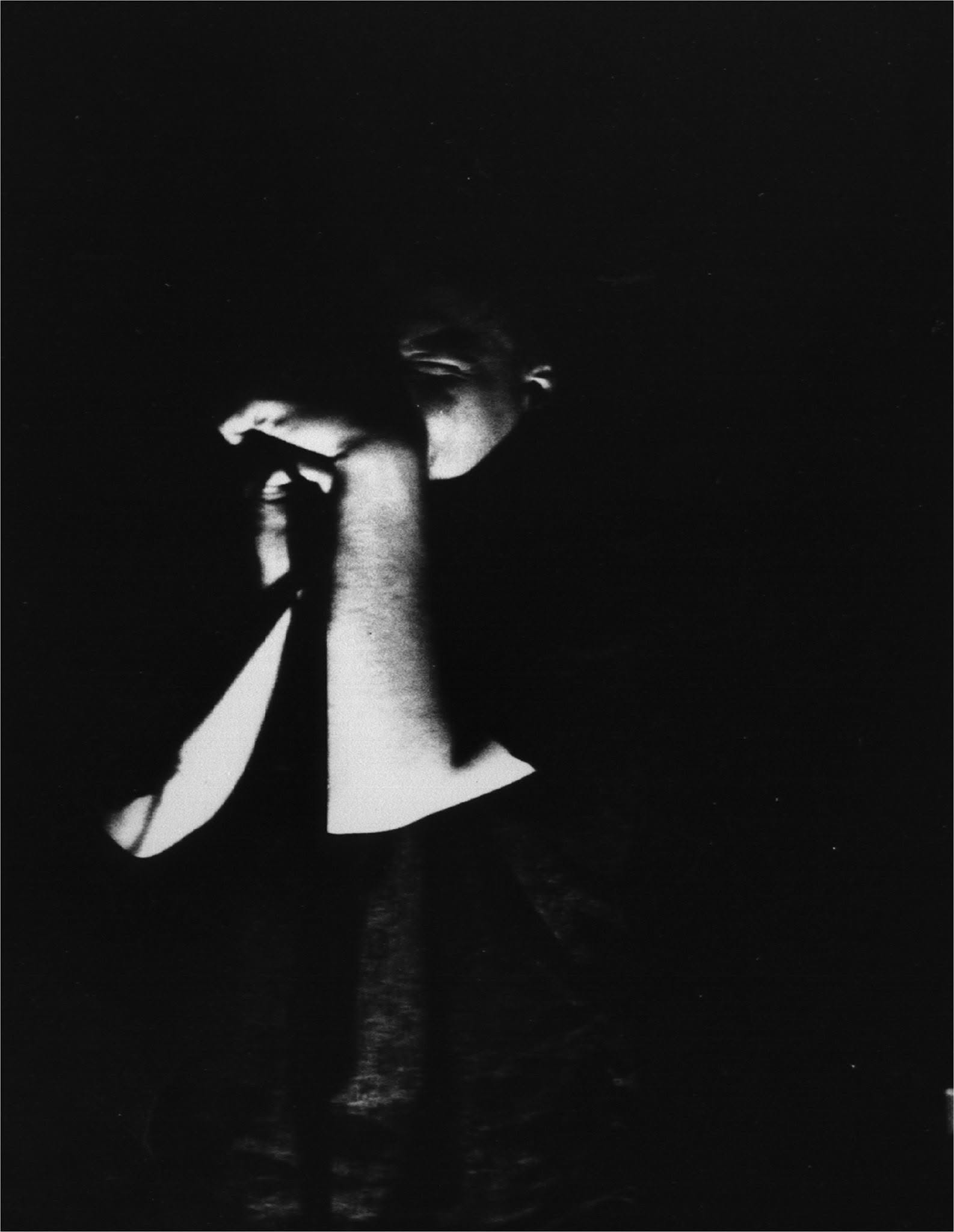
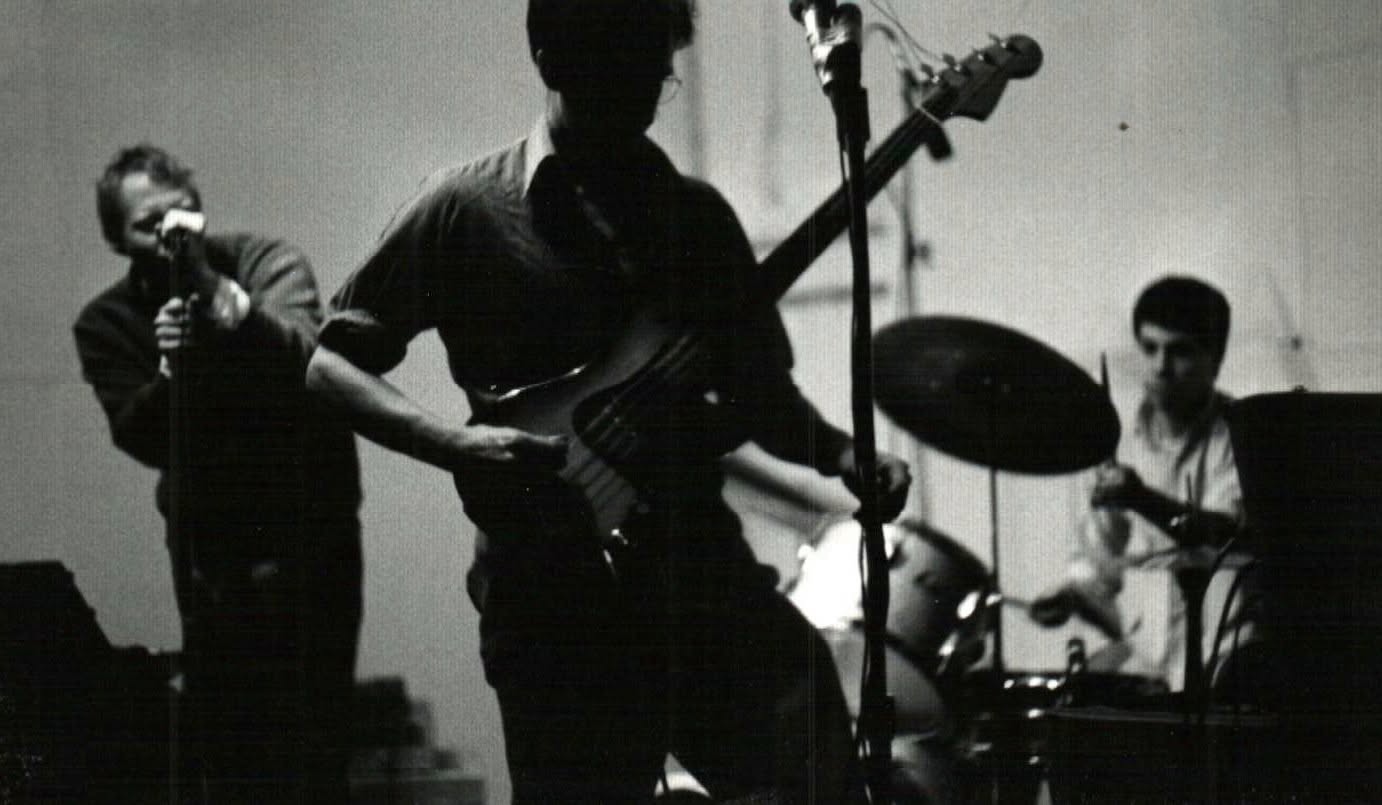
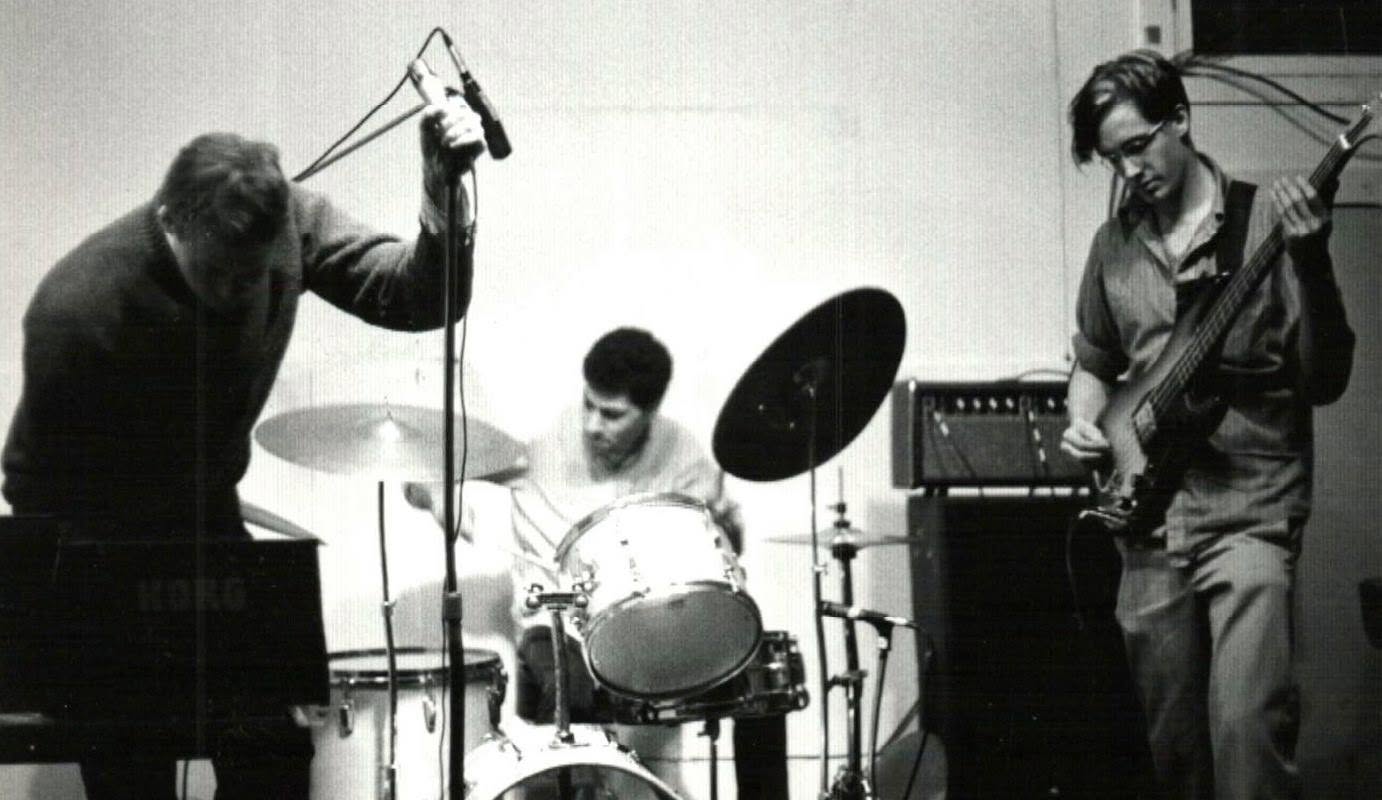
Headline credit: Problemist live at Tool & Die, San Francisco, 1980s. Photograph courtesy of William Davenport. Image enhanced for clarity and quality.
William Davenport Website / Facebook / Instagram / YouTube / Bandcamp