
Nelson Pass on Pass Labs, First Watt and the Art of Simplicity
Nelson Pass has been designing amplifiers for more than half a century, but he still talks about them as if the interesting part is finding out what happens next.
Ask about a circuit and the conversation soon comes back to whether it needs to be that complicated, what the devices are actually doing and, once the measurements have had their say, whether you enjoy listening to it.
His route into audio was practical from the start. At sixteen there were full range drivers found at an aircraft supply shop, cardboard loudspeaker cabinets and a small Radio Shack amplifier. Later came UC Davis, an enormous straight horn called “The Claw”, ESS and Oskar Heil, then Threshold, Stasis, Pass Labs, Aleph and Super-Symmetry. First Watt gave him somewhere to pursue smaller Class A designs and ideas that might make perfect sense to an enthusiast and rather less sense to a marketing department.
That early curiosity seems never to have left him. Pass still builds things because he wants to know what they will do, and over the years the result has been something like a hundred “pet projects”. He has also remained unusually open about the process, sharing circuits, talking to DIY builders and treating listening as part of engineering rather than something slightly embarrassing that happens after the measurements are finished.
His own tastes are similarly uncomplicated: efficient loudspeakers, modest levels, Class A, Marantz 9s, jazz, lounge, rock and soundtracks playing while he works. He can appreciate what Class D does well and still admit that he doesn’t particularly enjoy listening to it.
And then there is Picasso, whose simple drawing of a woman stayed with Pass from his youth and gave him another way of thinking about simplicity.
For somebody who has spent a lifetime learning how complicated audio can become, knowing what can be left out may be the more interesting achievement.
“My philosophy is that simple is better.”
You began with loudspeakers long before most people came to know you for amplifiers. Could you take us back through those early years, from your first home-built speakers to UC Davis, ESS and eventually Threshold? And did starting with loudspeakers affect the way you came to think about amplifiers?
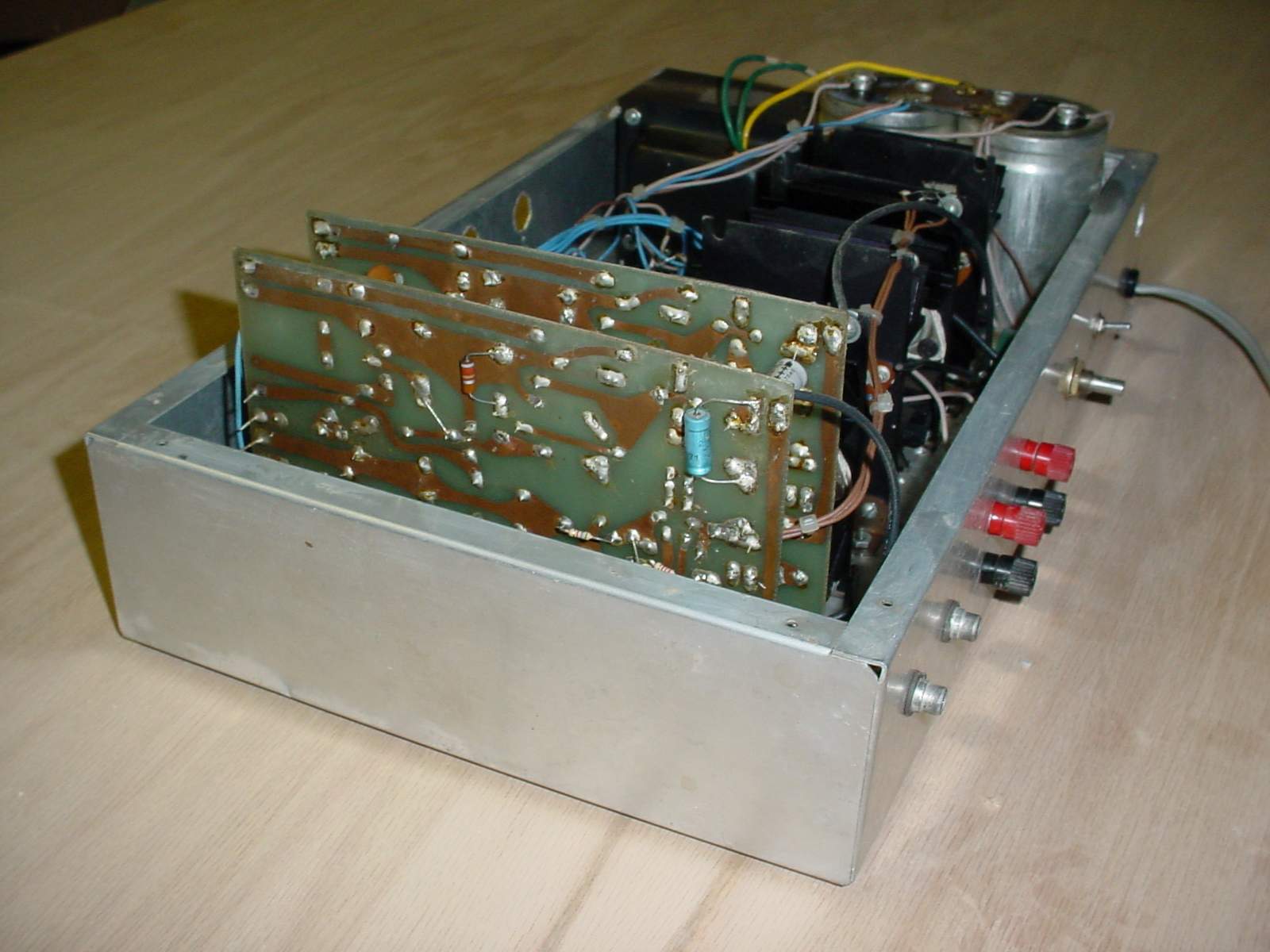
I made my first pair of loudspeakers when I was 16, using a pair of full range drivers I found at an aircraft supply store (I was working for my father at Redwood Aviation at the Santa Rosa airport) and I made enclosures out of cardboard. Later I had access to a table saw and made a proper pair of boxes and drove them with a Radio Shack amplifier (10 watts or so). After a bit one of the transistors failed thermally, so I opened it up and mounted its bracket on the outside of the amplifier, and that fixed it.
I kept that system through my freshman year at UC Davis, and in my second year I moved into an apartment along with two other audiophiles and we began building original speaker designs. I was working part time for the engineering department and that gave me access to the department’s anechoic chamber and its equipment.
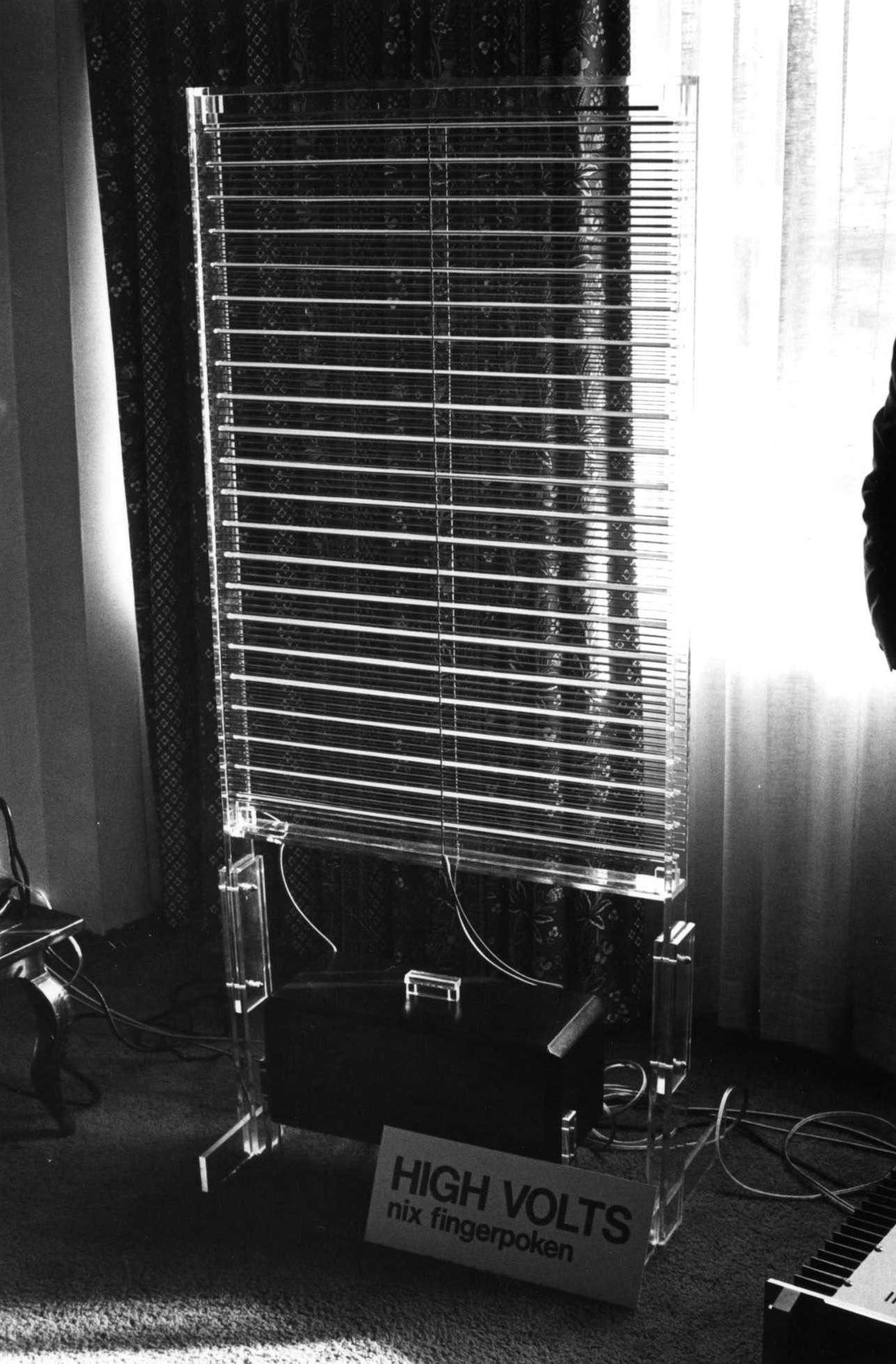
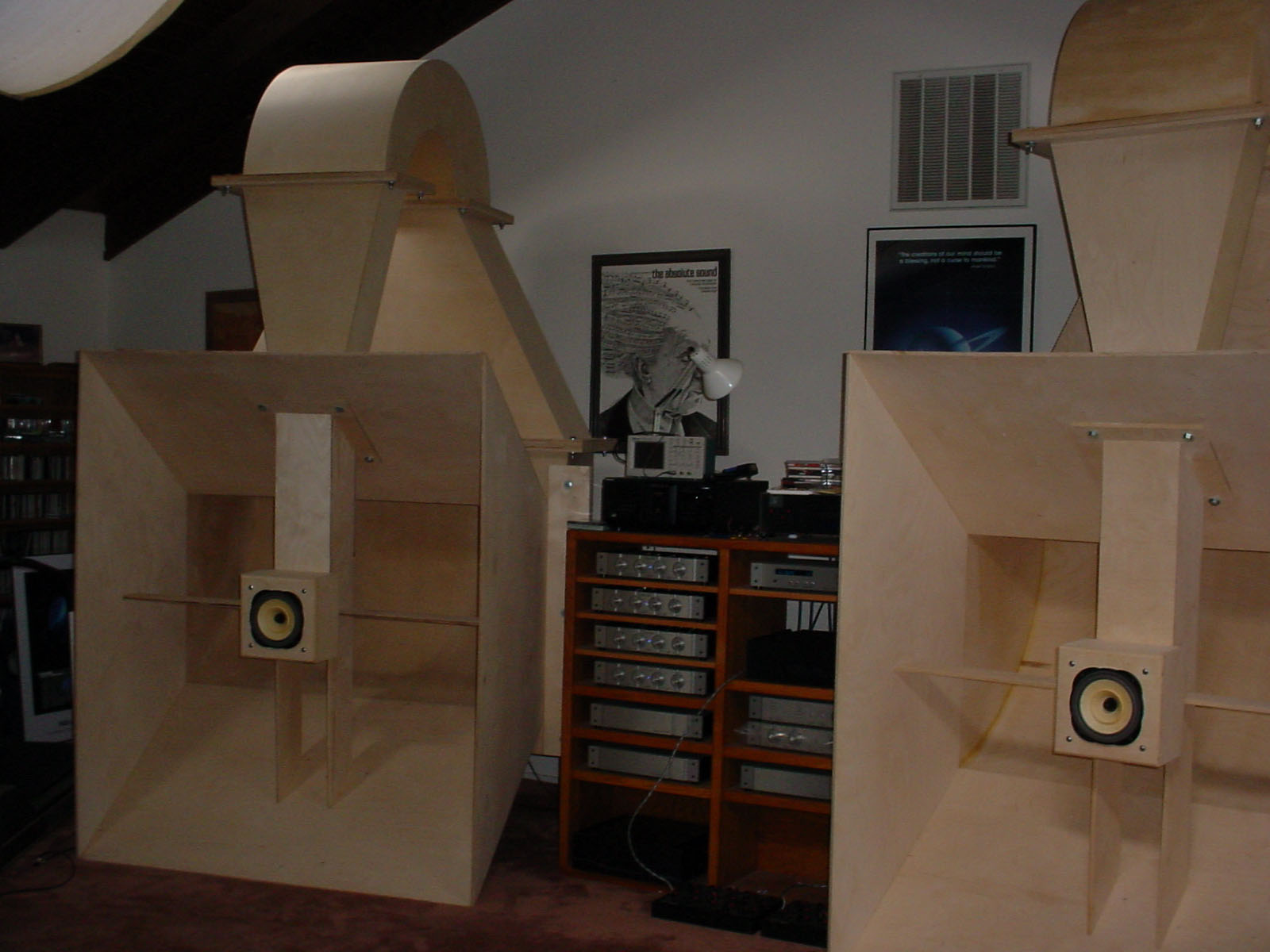
The following year I built “The Claw”, a large JBL driven straight horn system that measured 8 feet deep and had a 7 by 7 foot mouth. Later I was introduced to the owners of ESS in Sacramento, which at that time was making electrostatic loudspeakers in the manner of Infinity.
They made me an offer I couldn’t refuse… Shortly after that Oskar Heil approached ESS with his design, and the rest is history.
I worked at ESS for a couple years (until they fired me for “insubordination”) and so their marketing director and I got together to form Threshold. I designed several Class A power amplifiers which culminated in the 800A which we brought to market.
To answer your question, my designs usually start with a concept revolving either an attractive topology or parts, either approach informing decisions of the other – the topology will tell you what gain parts are appropriate, and vice versa. I particularly like to explore the unique qualities of either way.
I very much prefer simple circuits with high quality parts. Simplicity tends to give more stability and reliability, and also lower orders of distortion, usually in the form of 2nd and/or 3rd harmonics which are more pleasing than complex nonlinearities. In the case of 2nd harmonic character I prefer a negative phase character, where the harmonic has negative amplitude on fundamental peaks.
I also prefer relatively efficient loudspeakers and I listen at modest levels. The power ratings of my personal and DIY projects reflect that. Pass Labs amplifiers address bigger power demands, so I created First Watt to create an outlet for my “little” Class A amplifiers.
The needs of commerce being often at odds with creativity, I have been creating simple little amplifiers for DIY consumption, mostly through the DIYaudio web site, which allows me to do whatever I want creatively without causing problems with commerce.
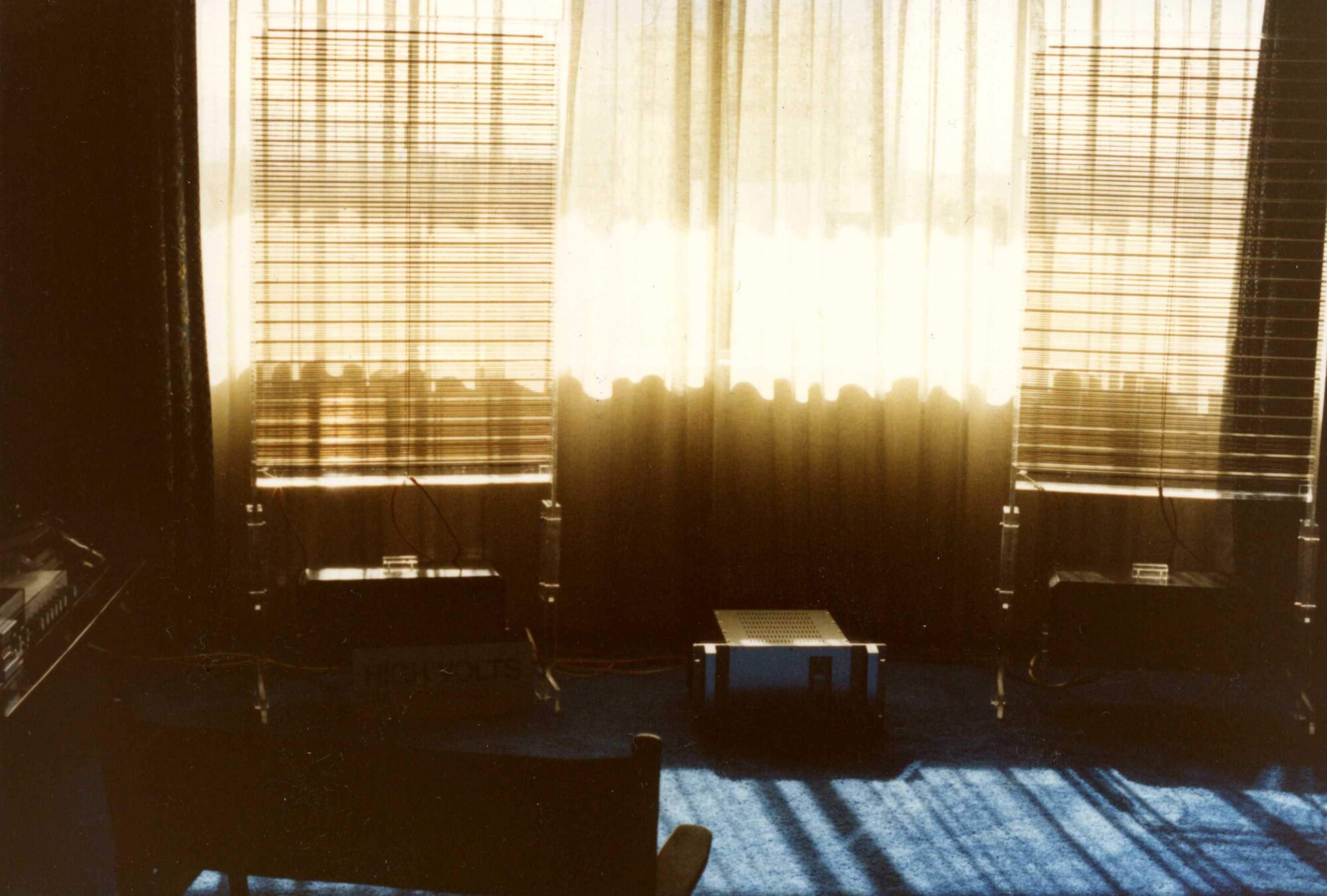
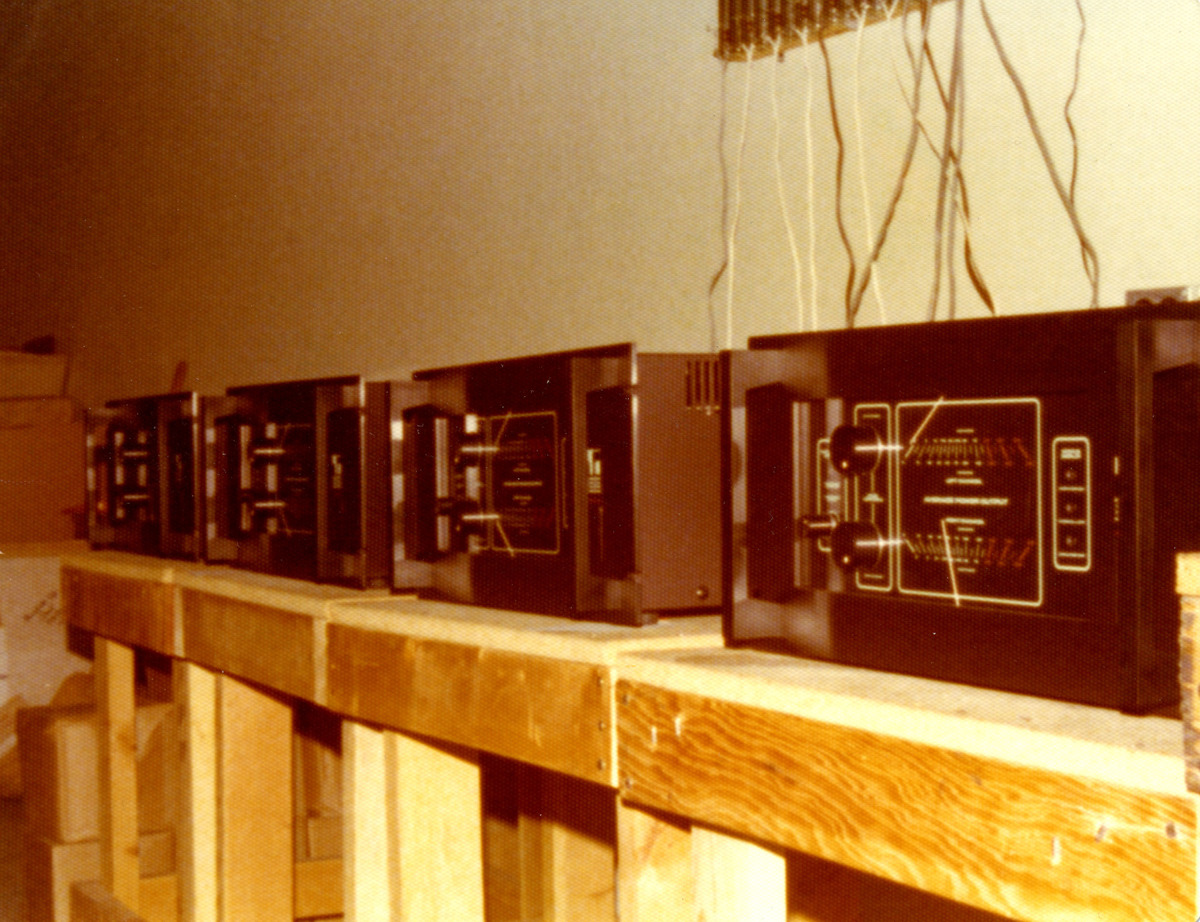
Looking from the Threshold 800A through Stasis, Aleph, Super-Symmetric, First Watt, SIT and now Zenductor, what has remained most consistent in your thinking, and what has changed?
My philosophy is that simple is better. My early designs tended to be more complex.
Does “simple” ever mean inexpensive or compromised for you, or is it simply a matter of removing what isn’t needed?
No corners cut here – I use expensive parts. 😉
Was there ever a moment outside audio that helped shape the way you think about simplicity?
When I was young my path to the high school was through the campus of Santa Rosa Community College, which had wonderful grounds planted by Luther Burbank. One morning I came upon a large art exhibit on the grass, and taking the time to see it I encountered a simple drawing that still strongly influences me at 75. It was of a woman, rendered with a single stroke of the pencil, entitled “Femme”. It was Picasso, who once said, “I spent four years learning to paint like Raphael, but a lifetime to paint like a child.”
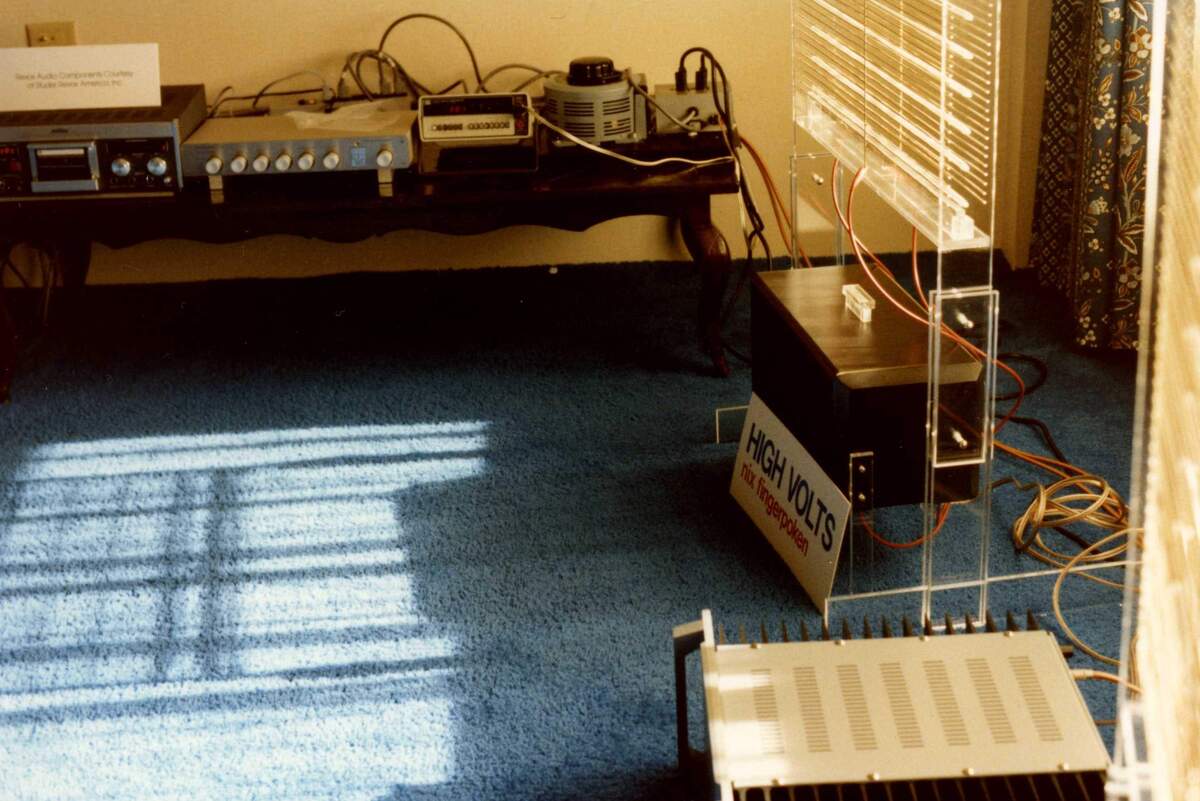
You’ve continued working with Static Induction Transistors through the SIT-4 and SIT-5. What keeps bringing you back to SITs, and what can they give you that is harder to get from more conventional solid-state devices?
Since then I have designed the SIT-4, SIT-5, and I continue to work with SITs. They have a character of curves which reasonably mimic Triodes. It is easy to adjust the voltage and current against a speaker load and get a wide range of second harmonic amplitude and phase (including no 2nd harmonic). The result allows very simple circuits to deliver subjectively high quality audio with or without negative feedback. Most popular is a modest amount of negative phase 2nd harmonic, which subjectively tends to give more depth. It’s a pleasant illusion.
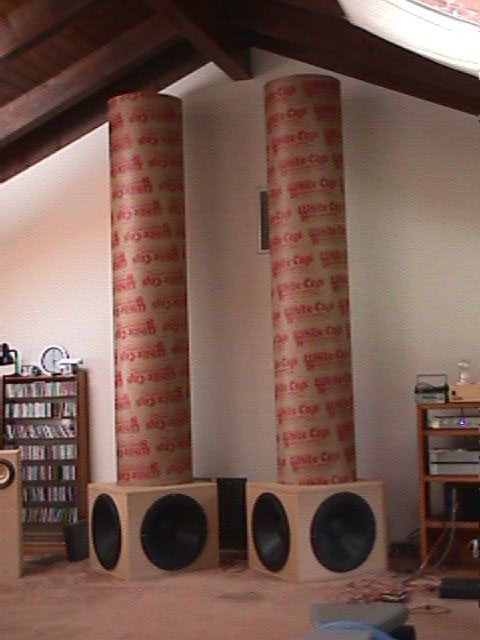
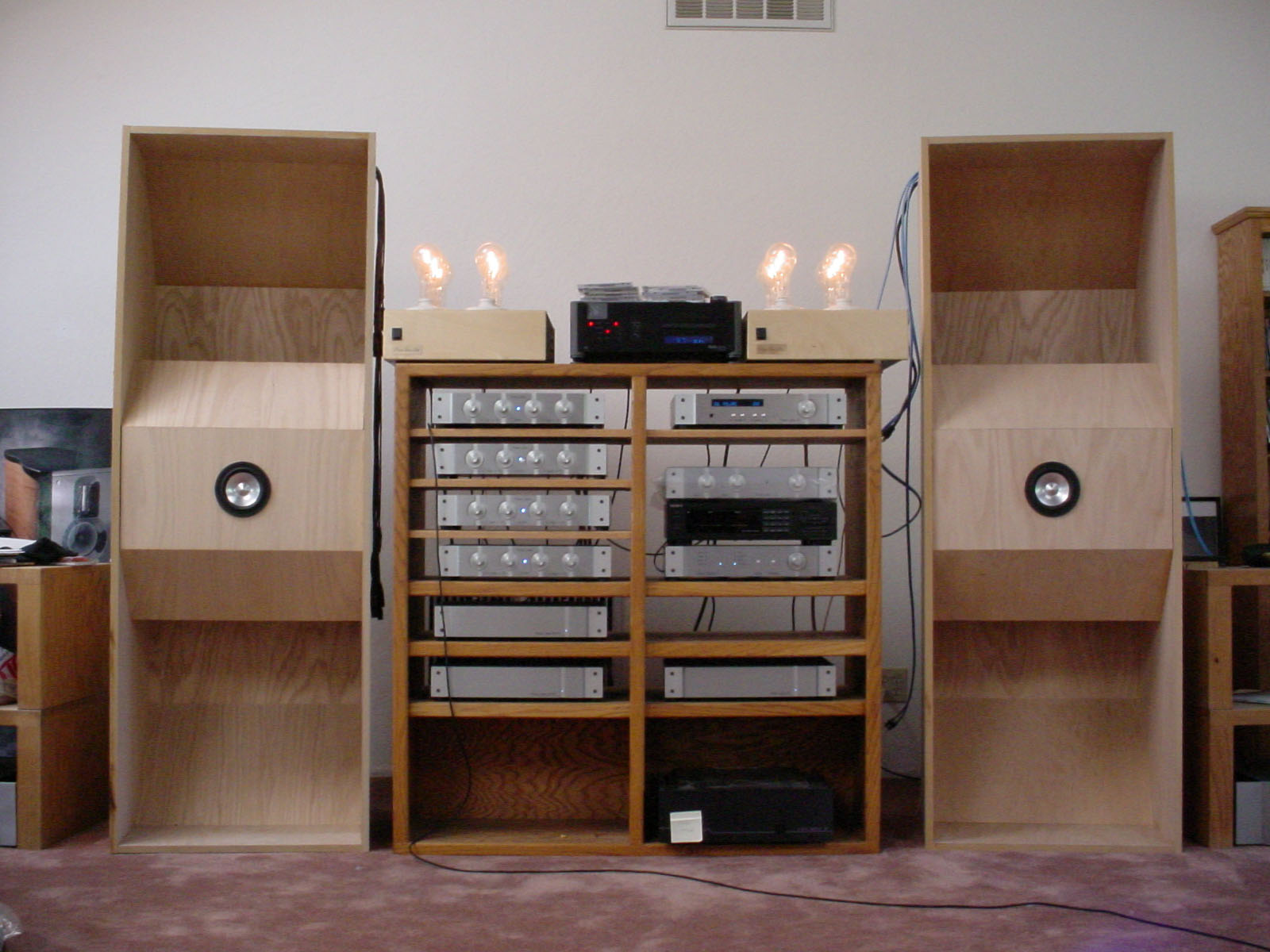
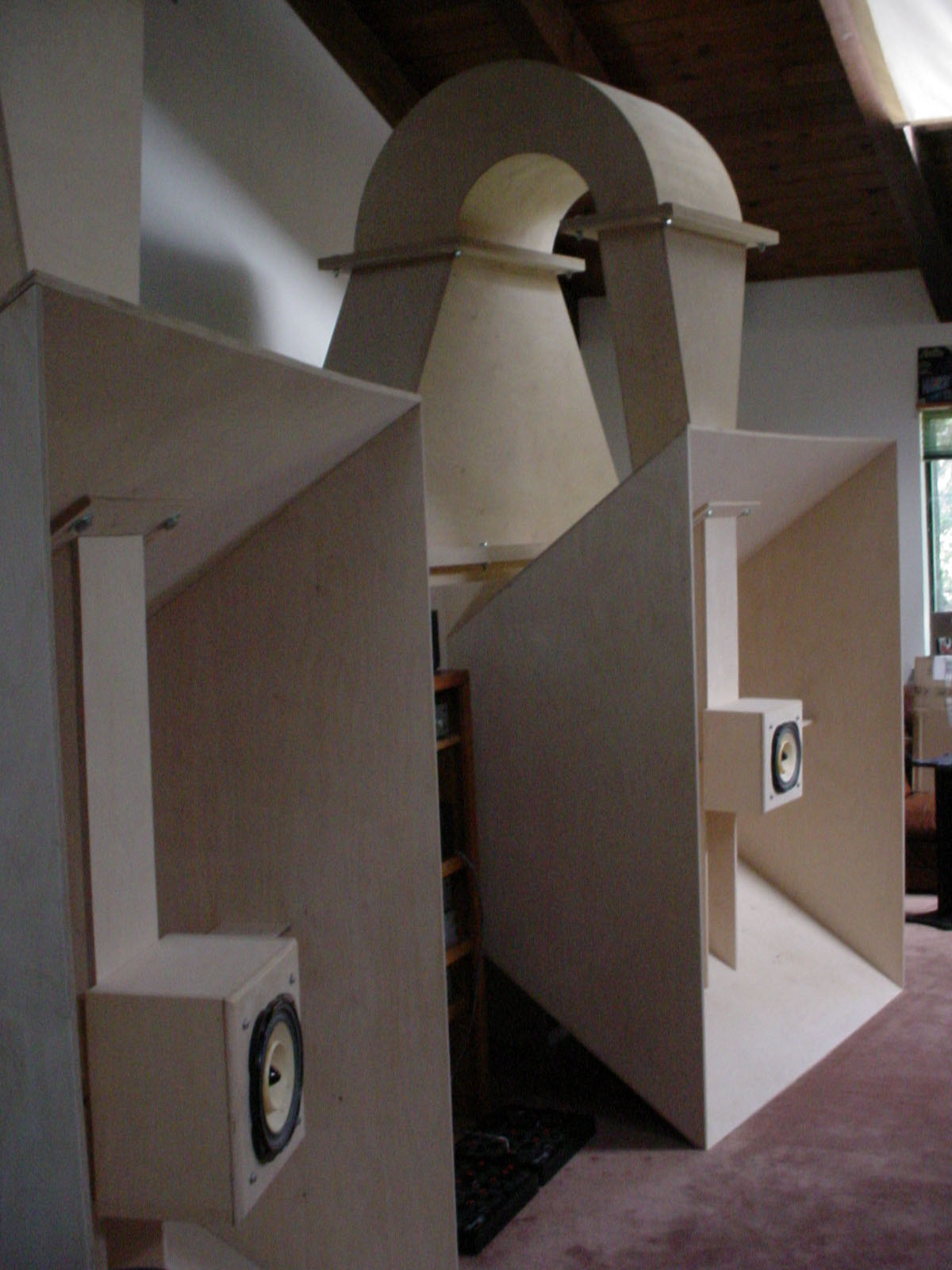
Where does Zenductor fit among the First Watt, DIY and other projects you’ve pursued?
You could say that of all the First Watt, DIY, and the other pet projects. All of them explore a central idea about simplicity and quality and the large territory of what is possible.
Was First Watt partly a way of keeping some creative space away from the demands of the larger market, where you could pursue low-power Class A designs simply because they interested you?
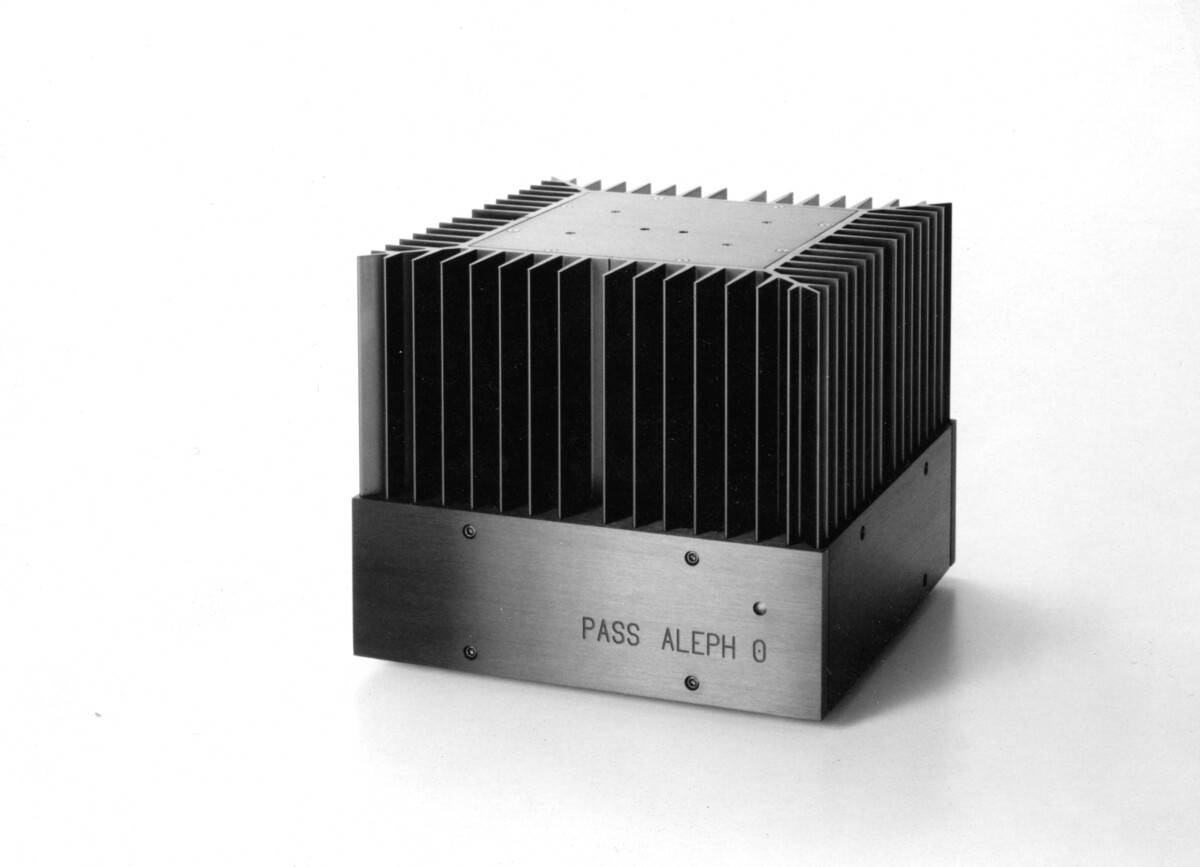
Pass Labs started out that way with the Aleph 0, a relatively simple single-ended Class A design, but later responded to market demand for higher power in the form of push-pull Class A and even some high-bias Class AB products. I created First Watt to not be so “market driven” and pursue low power Class A designs exclusively, thus the “First Watt” name.
I like to design, and the result is an array of maybe 100 pet projects over a 50 year span, and I have to rent space to store them.
You’ve always been very open with your work, publishing circuits, explaining designs and encouraging people to build them. What have you learned in return from the people around you, particularly the DIY community?
I have learned many things from my business partners (in particular Wayne Colburn), other designers past and present, and not the least DIYers. One of the best things about this community is the generosity with which information, ideas, and even parts are shared.
The DIY camp projects have to be simple enough for people with very different levels of experience to build, but still interesting and good enough to justify doing. Does working within those limits help clarify what really matters in a circuit?
Yes, and actually it’s very helpful because it points to a clear set of goals…
“A good sounding amplifier does not necessarily require high power or ultra low distortion.”
You’re strongly associated with solid-state design, yet you’ve also spent a great deal of time looking at what people value in tubes, triodes and full range drivers. What lessons from those older technologies do you think remain important?
I think the lessons have been clear for a long time. A good sounding amplifier does not necessarily require high power or ultra low distortion, etc. as shown by the continued popularity of tube amplifiers and full range drivers.
Away from development work, what do you actually listen to for pleasure? Do “test records” have any place in your listening, or do you prefer simply putting music on and getting on with things?
I don’t listen to test records, as I don’t enjoy them. I listen to lots of stuff, and it’s usually on while I work. Jazz, Lounge, Rock, and Soundtracks. I’ve assembled the cuts that I like and they play all day in mostly random order.
Audio has changed enormously, with streaming, DSP, headphones and Class D becoming increasingly common. How much interest do those newer directions hold for you personally? Class D in particular is something you’ve explored yourself in the past.
I’m just an old fart that likes the stuff from the good old days. All these new technologies are interesting, but they don’t have much effect on me personally. I still run Windows 98 and I very much appreciate Marantz 9s.
That said, I do appreciate Class D amplifiers (I designed one back in the ’80s that Gordon Holt liked) and I particularly appreciate their efficiency and low cost (you can buy one for as little as $5). But I don’t particularly enjoy listening to them.
Going back to Santa Rosa, what was around you when all this was beginning? Were there particular shops, friends or places where electronics and music started to come together?
There was Radio Shack for electronics and Thrifty drug store for vinyl. Also I had a good friend and neighbor who collected “junk” from all over town. One day he brought home a broken pinball machine, and we turned it into a computer that played unbeatable tic-tac-toe.
I understand the Mothers of Invention got under your skin quite early. Were you at all connected to the San Francisco and California music scene of the ’60s, or were you mostly listening from your own corner of the world?
I was a little young to connect to the San Francisco scene, but I listened to the radio a lot (actually my radio ran all night when I slept) – Rock and Roll and Talk Radio. One of the first records I bought was Zappa, and I was permanently hooked…
That said, I am still largely off in my own world – It’s very nice there. 🙂
Klemen Breznikar
Headline credit: Photograph courtesy of Nelson Pass.