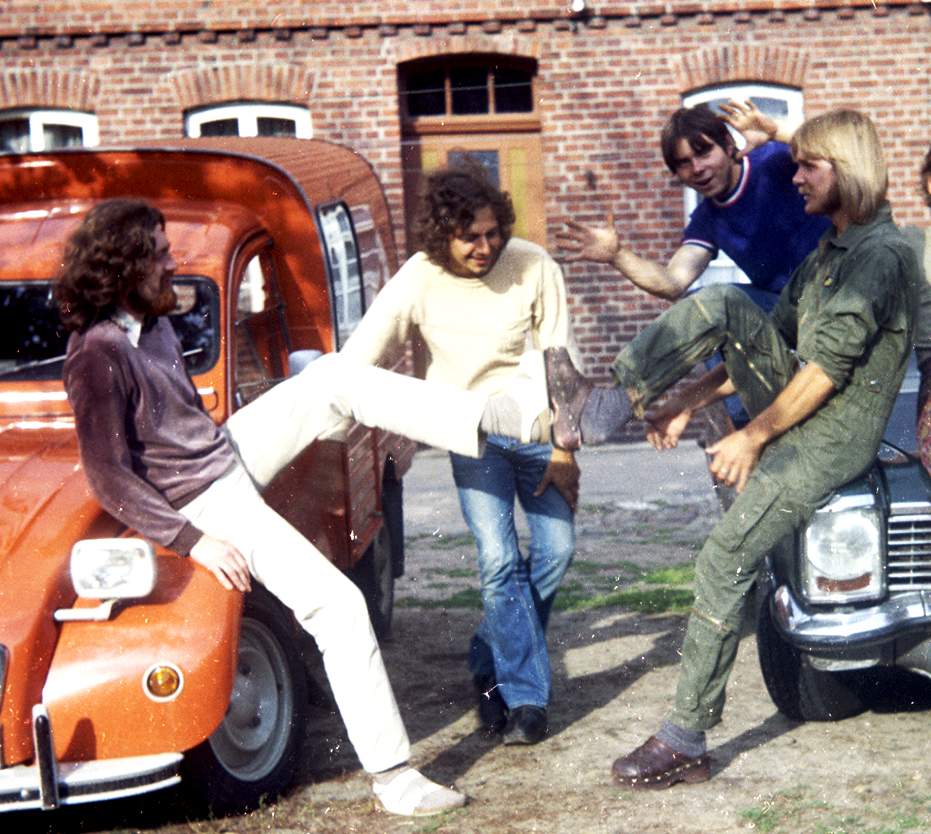

Lindwurm | Holger Jarema on the Rare 1976 LP ‘Erinnerungen an Klaus’
The drummer remembers the Uelzen rock band and the 100-copy album made after the death of guitarist Klaus Arndt.
Lindwurm never set out to make an album. By 1976, the band from Uelzen in northern Germany had moved on from the Cream and Doors covers they started with and were playing their own songs around the region. They taped some rehearsals, but a studio record wasn’t on the cards.
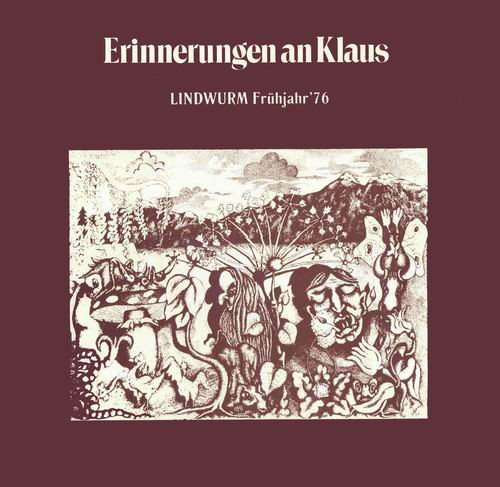
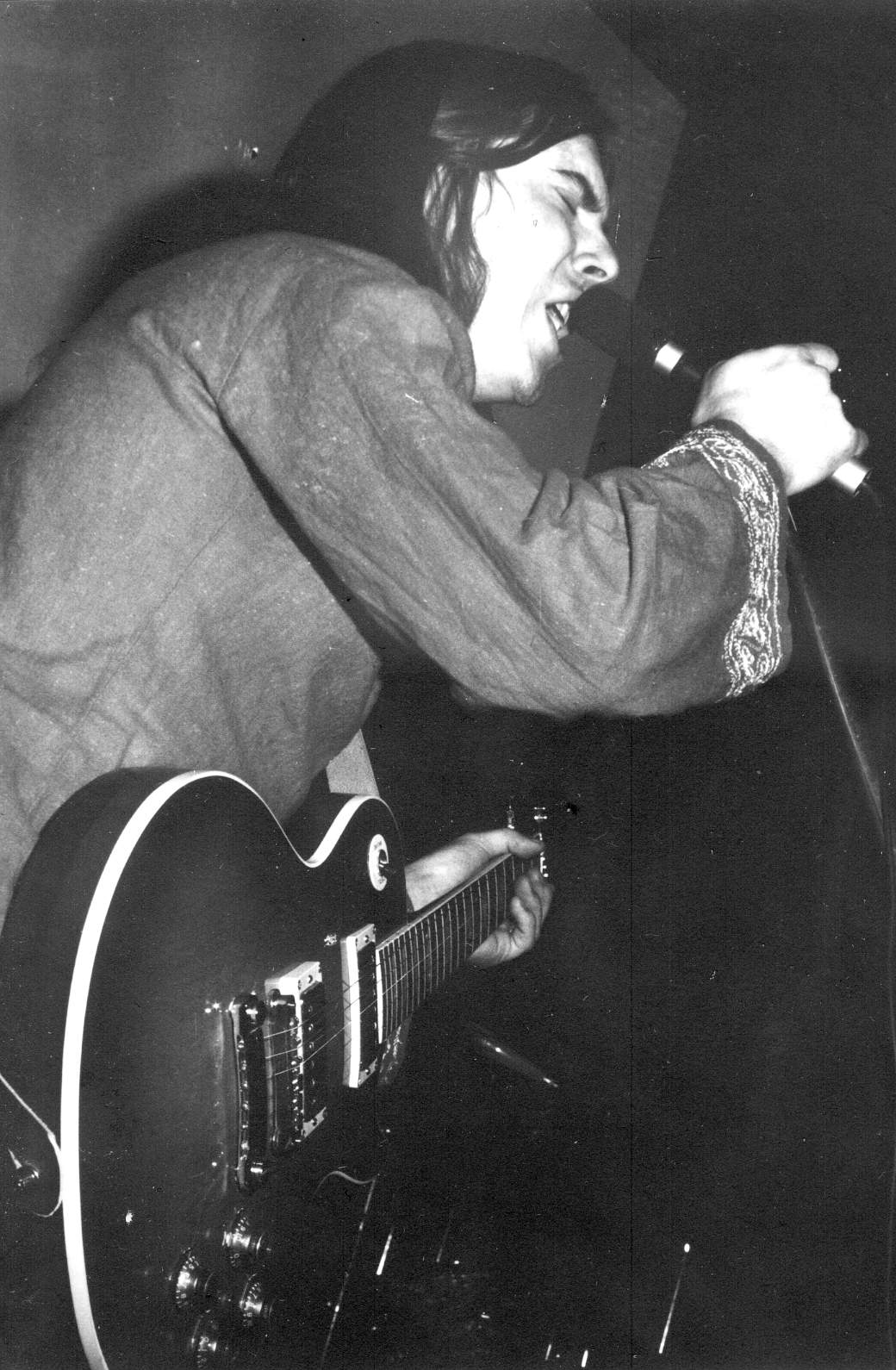
Then, in the autumn of 1976, guitarist and singer Klaus Arndt died in a car accident. The band came to an immediate end. Willy Giltmann and former member Klaus Volkmann decided to make a record in his memory, using rehearsal tapes from earlier that year. ‘Frühjahr ’76 – Erinnerungen an Klaus’ was pressed in just 100 copies and distributed among family, friends and fans. The sleeve featured Klaus’s own artwork. He had hoped to become a graphic artist.
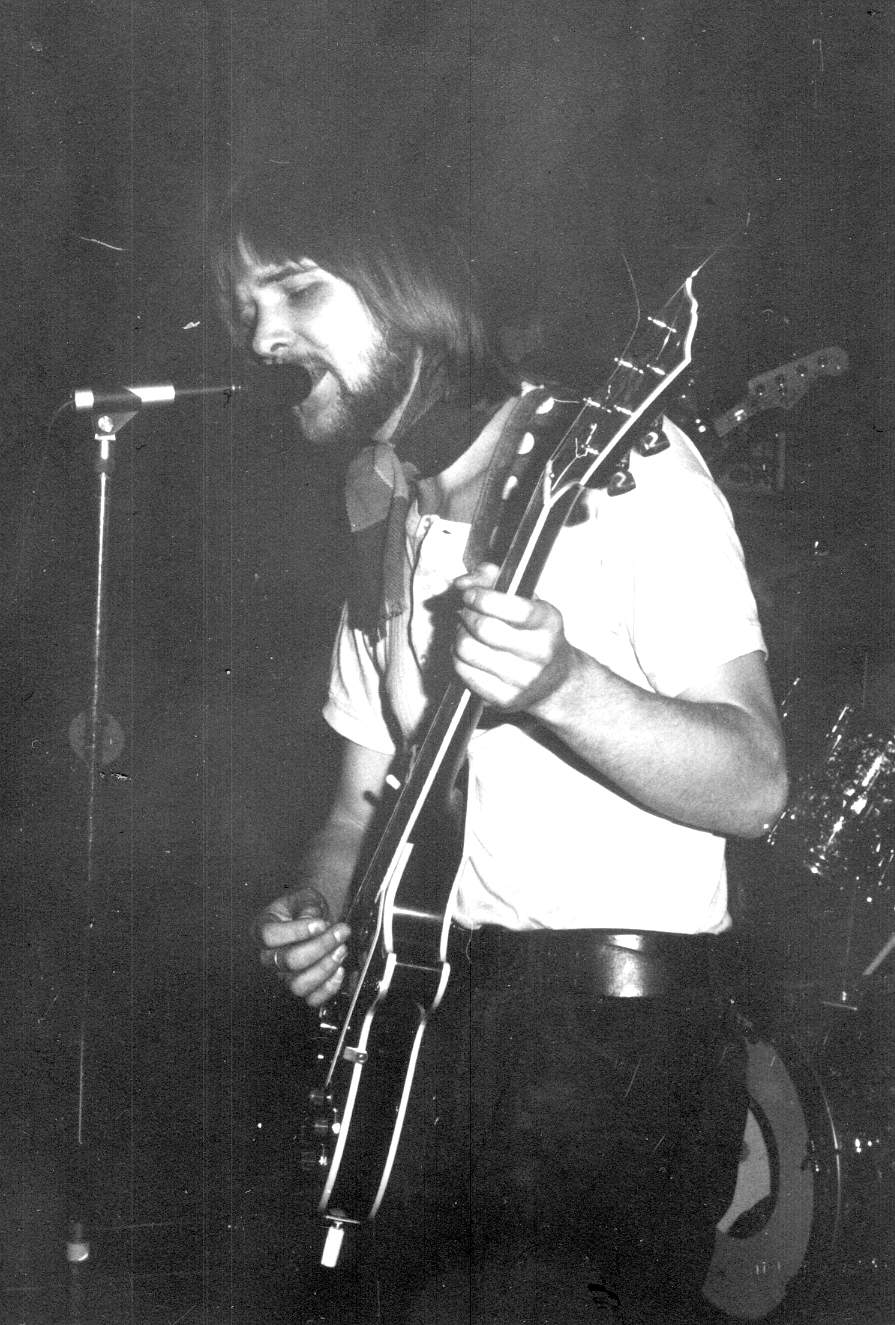
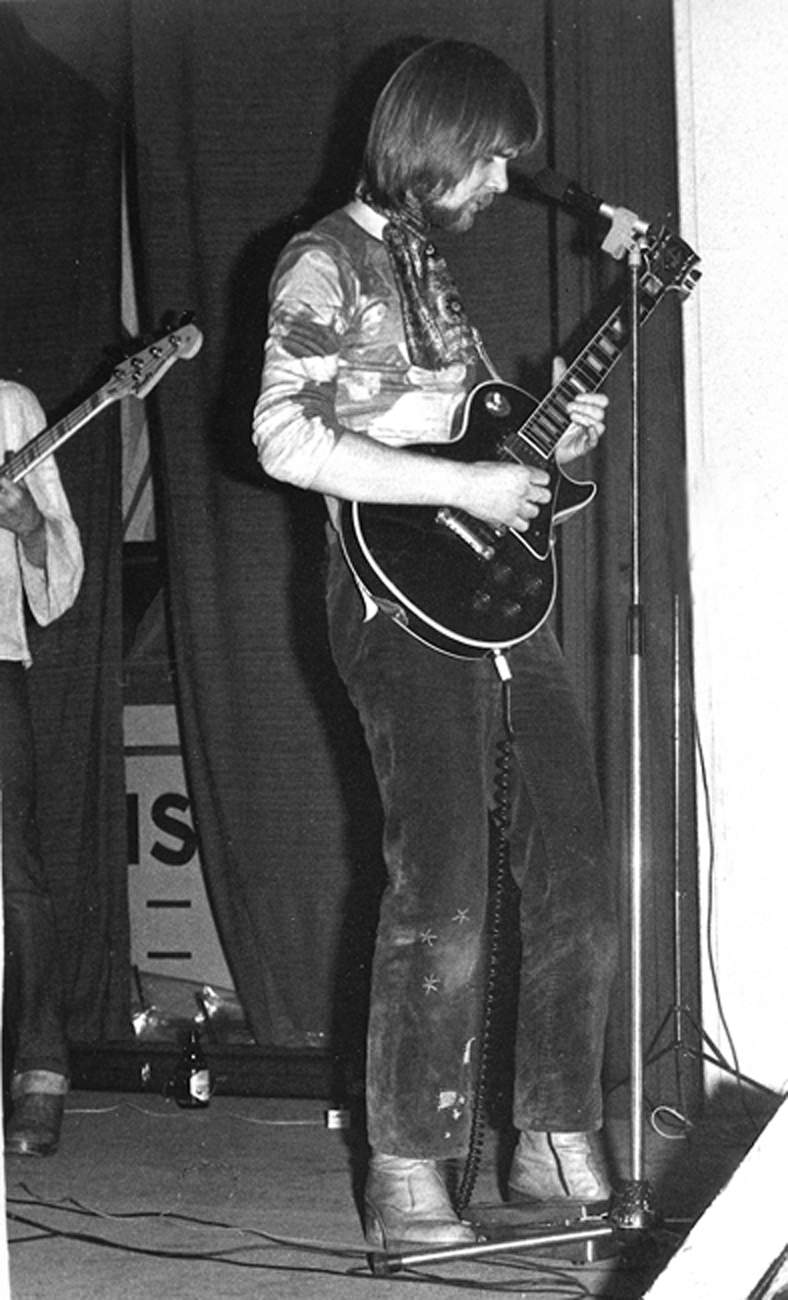
There’s plenty of guitar playing on the record, with the kind of two-guitar arrangements that were popular with bands like Wishbone Ash and the Allman Brothers. But these were simply rehearsal recordings, never intended for release. For many years the original LP was known mainly to collectors of rare German rock, until Garden of Delights brought it back on CD and vinyl. Both reissues include the additional song ‘I Don’t Like This’, originally released on the ‘Nordlandfestival ’76 in Lüneburg’ compilation. This was the Lindwurm from Uelzen, not the unrelated jazz-rock group from Jork-Moorende that released ‘Im Windschatten’ in 1981.
I spoke with drummer Holger Jarema about those years, the concerts and rehearsals, and how the record came about.
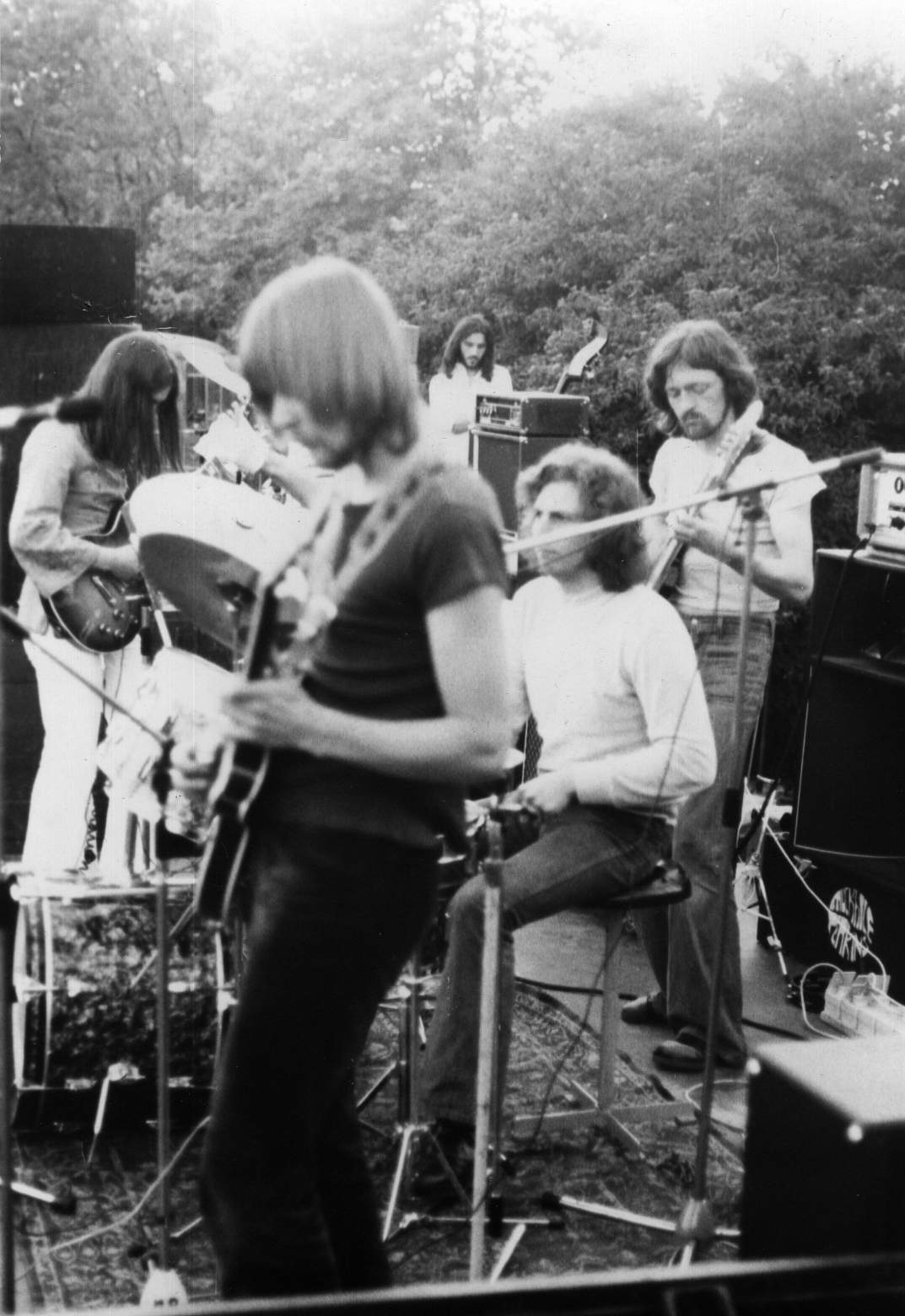
“We were all terribly shocked and could not imagine going on with the band and looking for another guitar player.”
Let’s go back to Uelzen in the late ’60s. What was the music scene like when you were growing up, and how did you first get involved in playing?
In 1966/67 I was profoundly influenced by the Beatles, and my friend Klaus Volkmann was also enthusiastic about this new kind of music. The scene in Uelzen, Lower Saxony, was quite lively: every month there was a Beat Band Ball with well-known bands from Hamburg, like the Rattles, or the Lords from Berlin.
We met the third future member of Lindwurm, Wolfgang Rückstein, sometime during 1969 and founded the band ‘Kramar’, which had some small gigs at private parties. At that time we only played cover versions of Cream, the Doors and so on.
Where did you rehearse in those early days? Did you have a place of your own?
We had no rehearsal room of our own and were allowed to use some space in the local trade union office. That’s why we could not make ourselves comfortable in our own facility.
The first Lindwurm lineup played songs by Cream, the Doors and Jeff Beck. Were you trying to stay close to the originals, or were you already doing things your own way?
Although we decided to play these cover songs, we did not try to imitate Cream and others, but tried to find our own interpretation of their music.
Things changed in 1973, when Klaus Arndt joined on guitar and vocals and Mathias Grünewald came in on bass. How did you get to know them, and what was Klaus like as a musician?
We got to know Klaus Arndt because he was a friend of Willy Giltmann’s brother Günter. Mathias Grünewald had already played with Willy at the end of the 1960s.
Klaus Arndt was a very creative guitar player. He and Willy often sat together writing new songs, inspired by Wishbone Ash and the Allman Brothers.
Did it feel like a different band once you started writing your own songs?
Yes, that was definitely the case.
There’s a lot of interplay between the two guitars, something that brings Wishbone Ash to mind. Were Klaus and Willy deliberately working towards that sound, or did it just come naturally?
Those reference points were not conscious. It was mainly Klaus and Willy who favoured twin-guitar lines.
How did you usually work on a new song? Did Klaus or Willy bring in an idea and then the four of you develop it together?
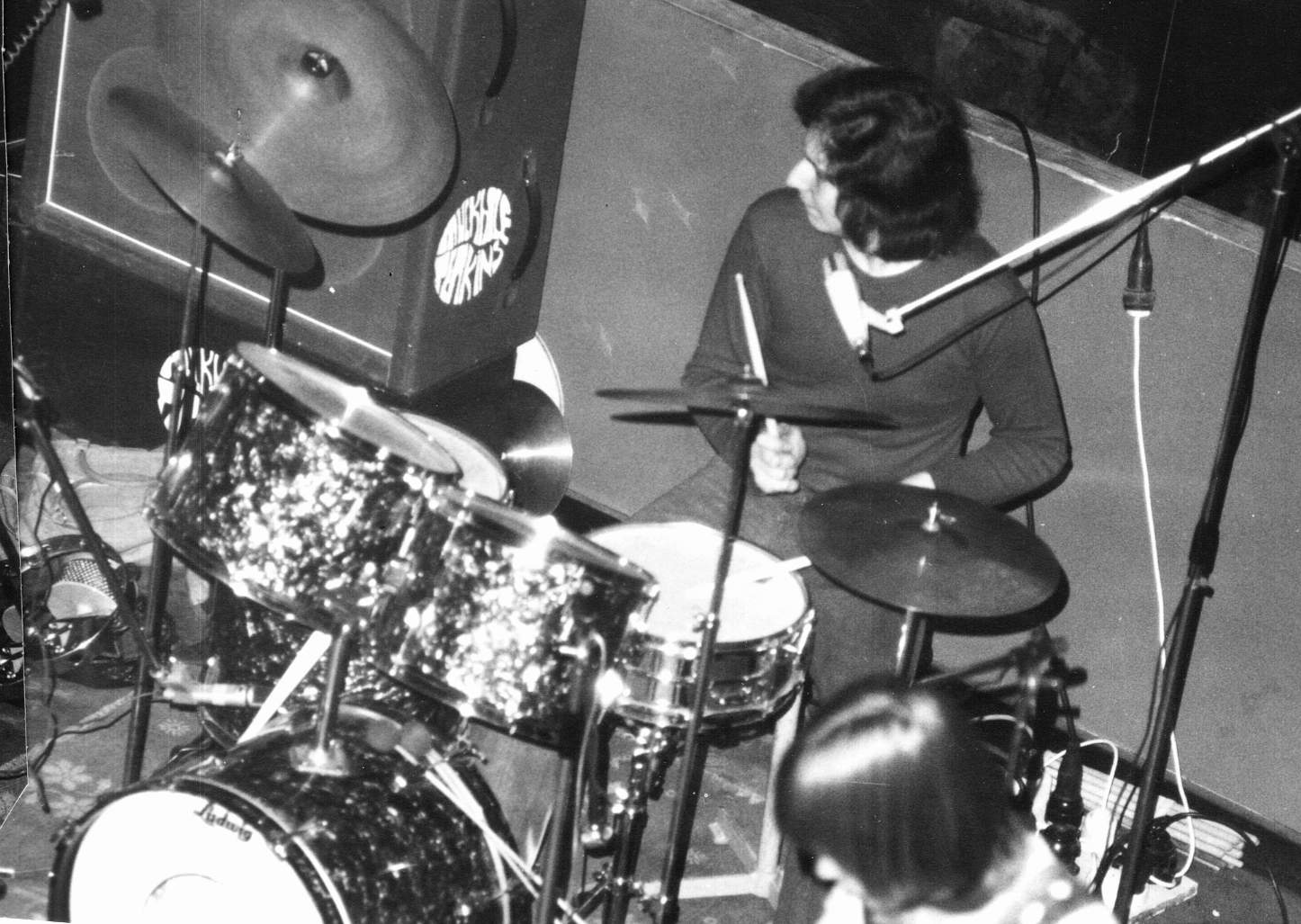
Klaus and Willy, either individually or jointly, proposed the structure of a new song, which was then discussed among the whole band. Mathias and I thought of suitable bass lines and drums, and afterwards Klaus wrote the lyrics.
Where were you playing in 1975 and 1976? Was there much of an audience for a band doing its own material?
We played in numerous small clubs and in the city hall of Uelzen. The biggest event was the band battle festival in Lüneburg.
We also appeared with other local bands and bands from Hamburg and Braunschweig at Uelzen’s annual ‘Open Luftival’, as it was called, where more than 2,000 people came together.
Our audience consisted of friends and schoolmates, and especially of people who knew Willy and Mathias, who were three to five years older than Klaus and myself and had already played in other bands.
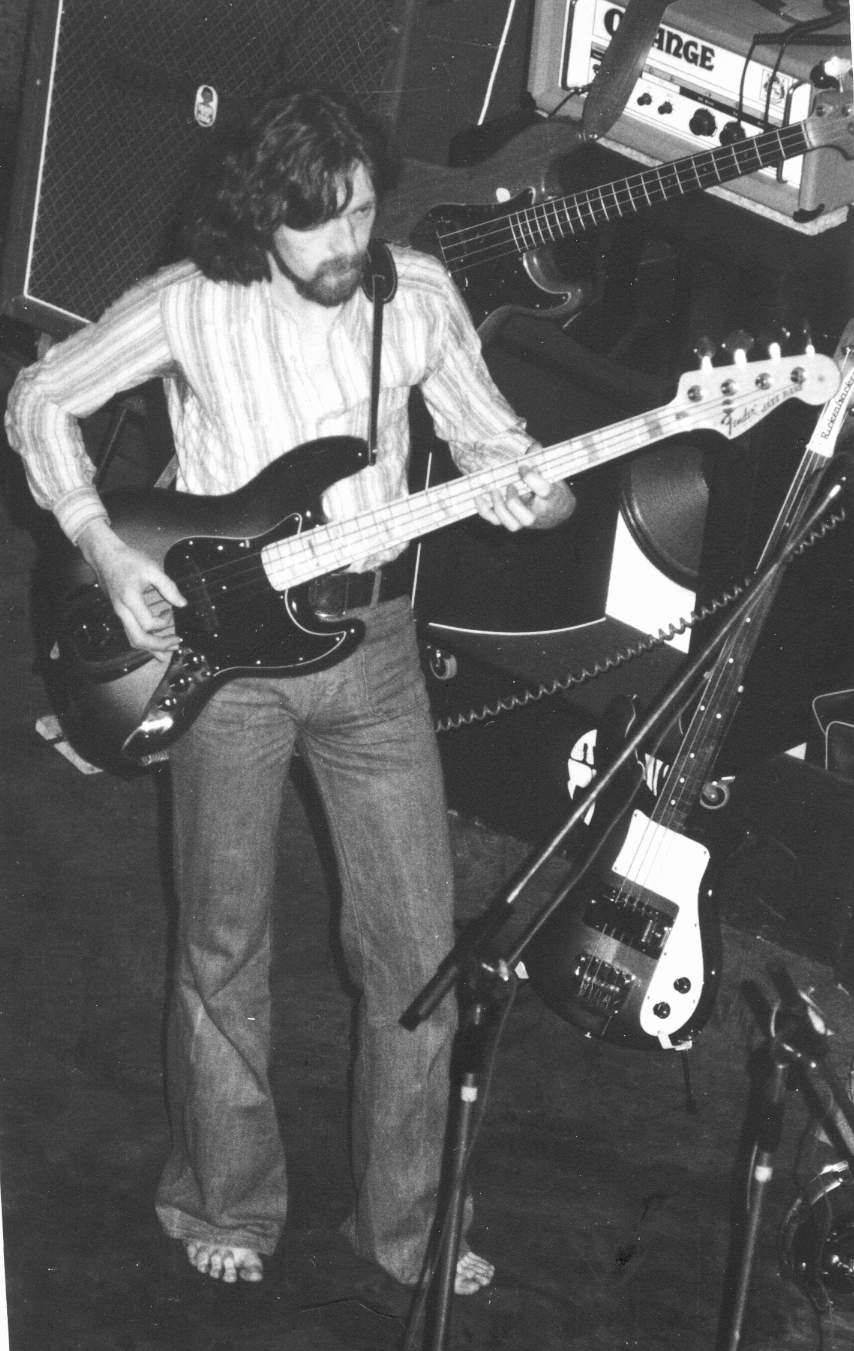
Of all the concerts you played with Lindwurm, is there one that you remember particularly well?
The one gig I remember that was really special was at Uelzen’s local cinema, ‘Capitol’, in 1974. It was called ‘First Cinema Concert – Lindwurm Live’, with Colosseum and Jimi Hendrix also on the programme, including the film ‘Jimi Plays Berkeley’.
By 1976 you had quite a few original songs. Had anyone suggested going into a studio to make an album?
No, there were no plans to make a studio record.
Klaus died in a car accident in the autumn of 1976. It must have been a terrible shock for everyone. Was there ever any thought of continuing Lindwurm with another guitarist, or did you know straight away that the band was finished?
Yes, it did mean the immediate end of Lindwurm, because we were all terribly shocked and could not imagine going on with the band and looking for another guitar player.
How did the idea of making a record in Klaus’s memory come about?
In spite of our grief, Klaus Volkmann and Willy Giltmann came up with the idea of doing something to keep the memory of Klaus Arndt alive. Mathias and I gladly accepted.
“The source material for the LP was purely rehearsal tapes, and we are still very happy that we had these songs on tape.”
What recordings did you have to work with? Were they all tapes from rehearsals?
The source material for the LP was purely rehearsal tapes, and we are still very happy that we had these songs on tape.
The album has quite a rough sound, which I think suits the music. Did you ever consider cleaning up the recordings or trying to redo any of the material?
We never thought of reworking the material, because it was just meant to be used for the memorial album. Even if it had been possible to rework it, we would have decided against it.
The cover is very special too, since Klaus made the artwork himself. He was apparently hoping to become a graphic artist. How did you decide to use his drawing for the sleeve?
We chose Klaus’s artwork for the sleeve, as this was a worthy completion of the whole project.
When you put the album on now, what do you hear first?
First I hear the guitar jams, which were quite popular in German rock music at that time. The tapes are also a memory for us as former members of Lindwurm.
Do you remember who came up with titles like ‘Greenmen’, ‘Own Song’, ‘Fantastic Girl’ and ‘Lindy’s Blues’? Were the songs already finished when you recorded them?
The names of the songs came mostly from Klaus Arndt. As we were never planning to make a studio or live record, we just kept the tape recorder running during our rehearsals.
Does the album give a fair idea of how Lindwurm sounded live?
The sound of the tape is almost exactly the same as during live performances.
When did you first realize that collectors were looking for the original LP?
The first contact with the collectors’ scene dates back to 2016, when a guy first asked for our LP. Last year Walter Nowicki got in touch and proposed releasing a CD and later an LP.
Only 100 copies were made. Where were they pressed?
100 copies were pressed in 1976 by Pallas Group in Diepholz, Lower Saxony.
Who got those copies? Did any make it into record shops, or were they all given to people who knew the band?
We distributed the copies exclusively among our families, friends and fans.
It’s interesting how a record made for such personal reasons can end up being valued mainly for its rarity. Do you think collectors sometimes overlook the people behind the music?
I think most of these ‘collectors’ are not so much interested in the band and the musicians, but mostly in possessing a rare piece of music. There may be a few exceptions.
Walter of Garden of Delights have now made the music available again. What does that mean to you after all these years?
I am very glad that after such a long period of time the memory of Klaus is kept alive and that there are people like Walter who are interested in reviving the music of that time.
Has the way you feel about the album changed over the years?
As almost 50 years have passed since Klaus’s sudden death, I am now just glad that the album exists.
You were very close to Klaus. What do you remember most about him?
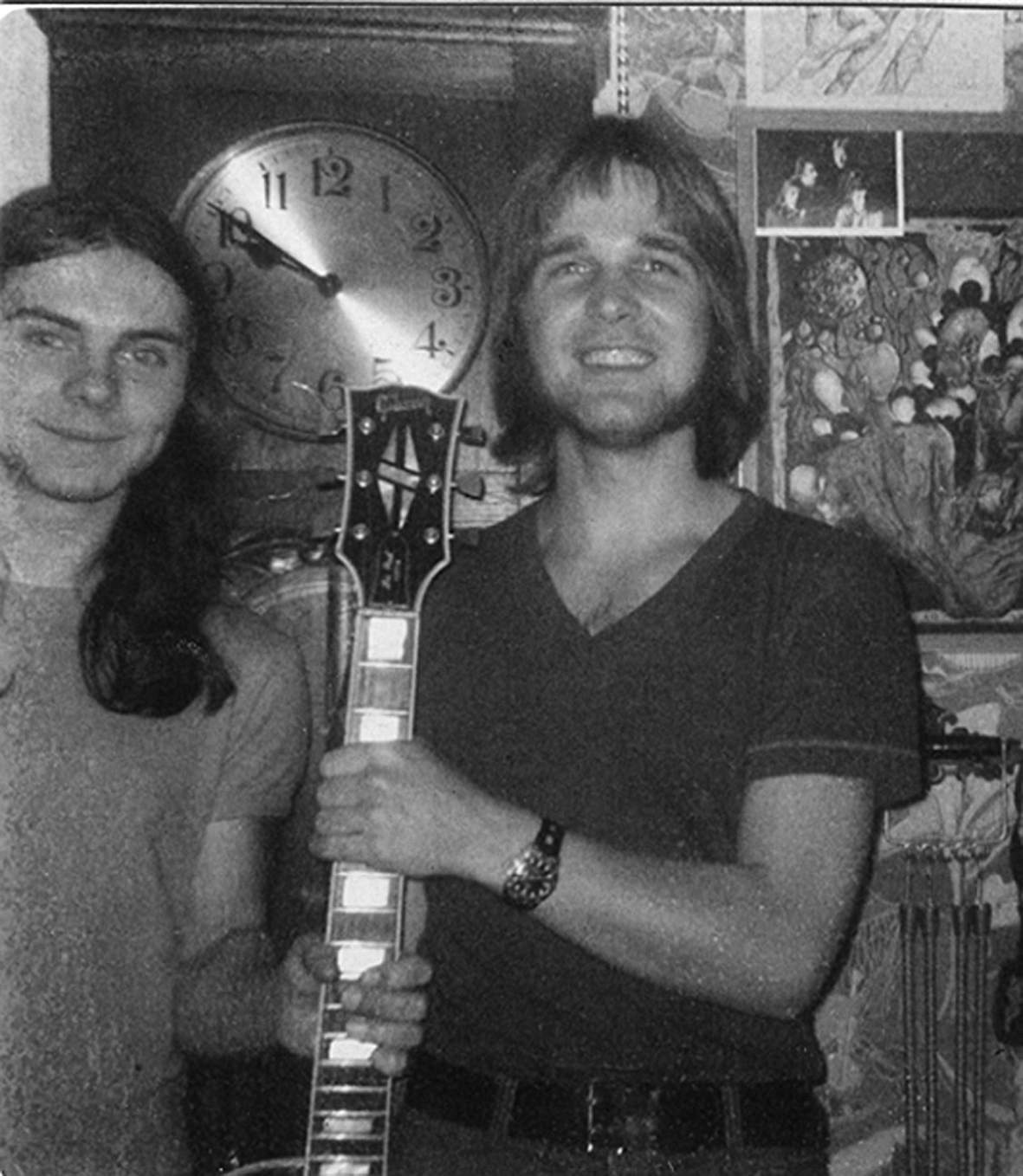
I was very close to Klaus and admired his enthusiastic and spontaneous way of playing the guitar.
Looking back, when do you think Lindwurm really found its own identity? Was it when you began writing your own songs?
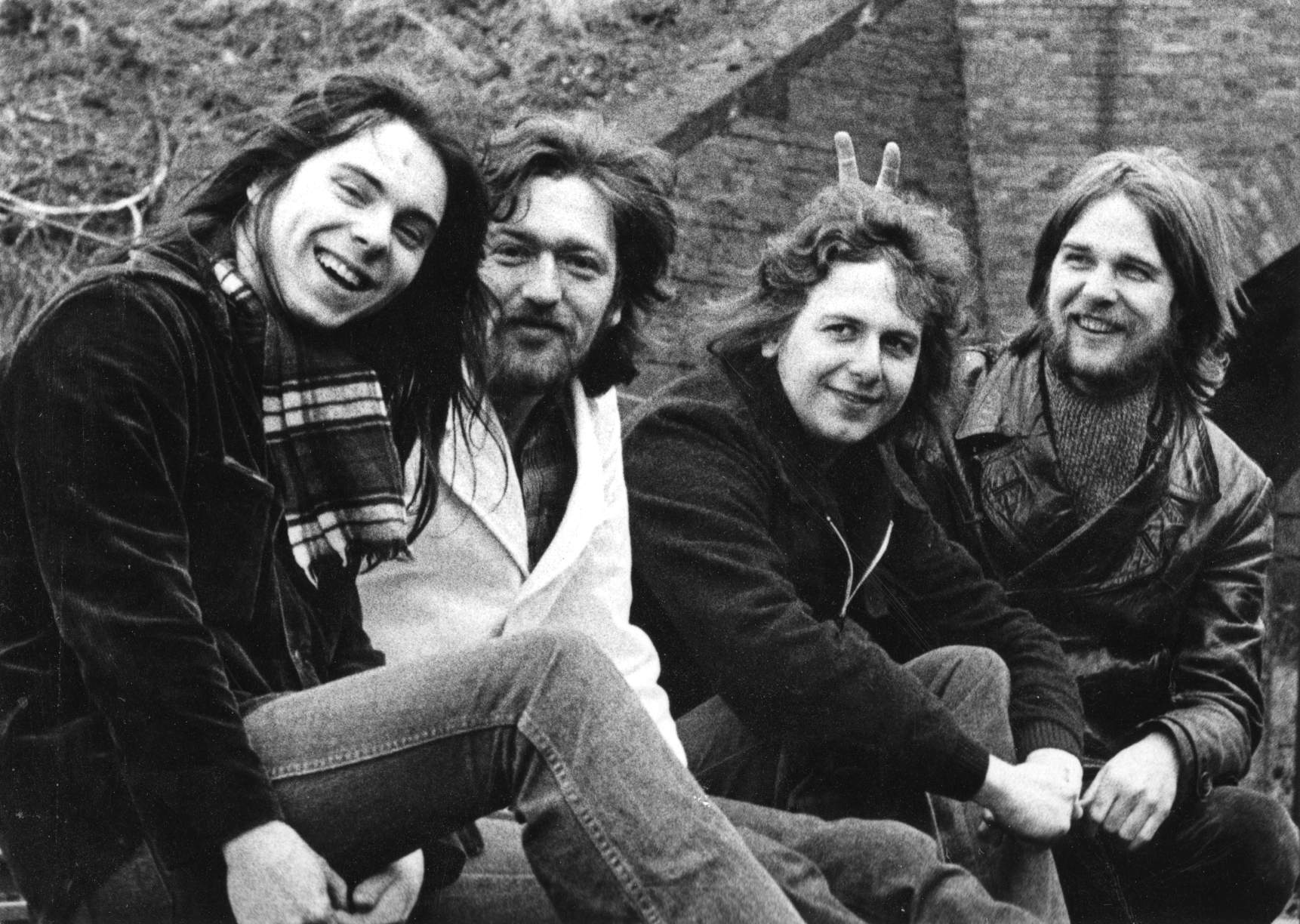
Lindwurm found its identity in writing our own songs, although we realized that cover songs attracted a larger audience when playing gigs with cover bands. To make our own songs successful, it would perhaps have taken some more time.
What kind of music do you listen to these days? Do you still go back to the bands that inspired Lindwurm, or have your tastes changed?
Today I’m more into blues and jazz. One of my favourite artists is Elvis Costello, because I admire his ability to cover such a huge variety of styles.
Thank you, Holger. It’s been a pleasure hearing about the band and remembering Klaus. Is there anything you’d like to add?
I am proud on behalf of Klaus Arndt that after 50 years there are still people like you and Walter who keep the memory of German music of the 1970s alive.
Wishing you all the best for your magazine.
Klemen Breznikar
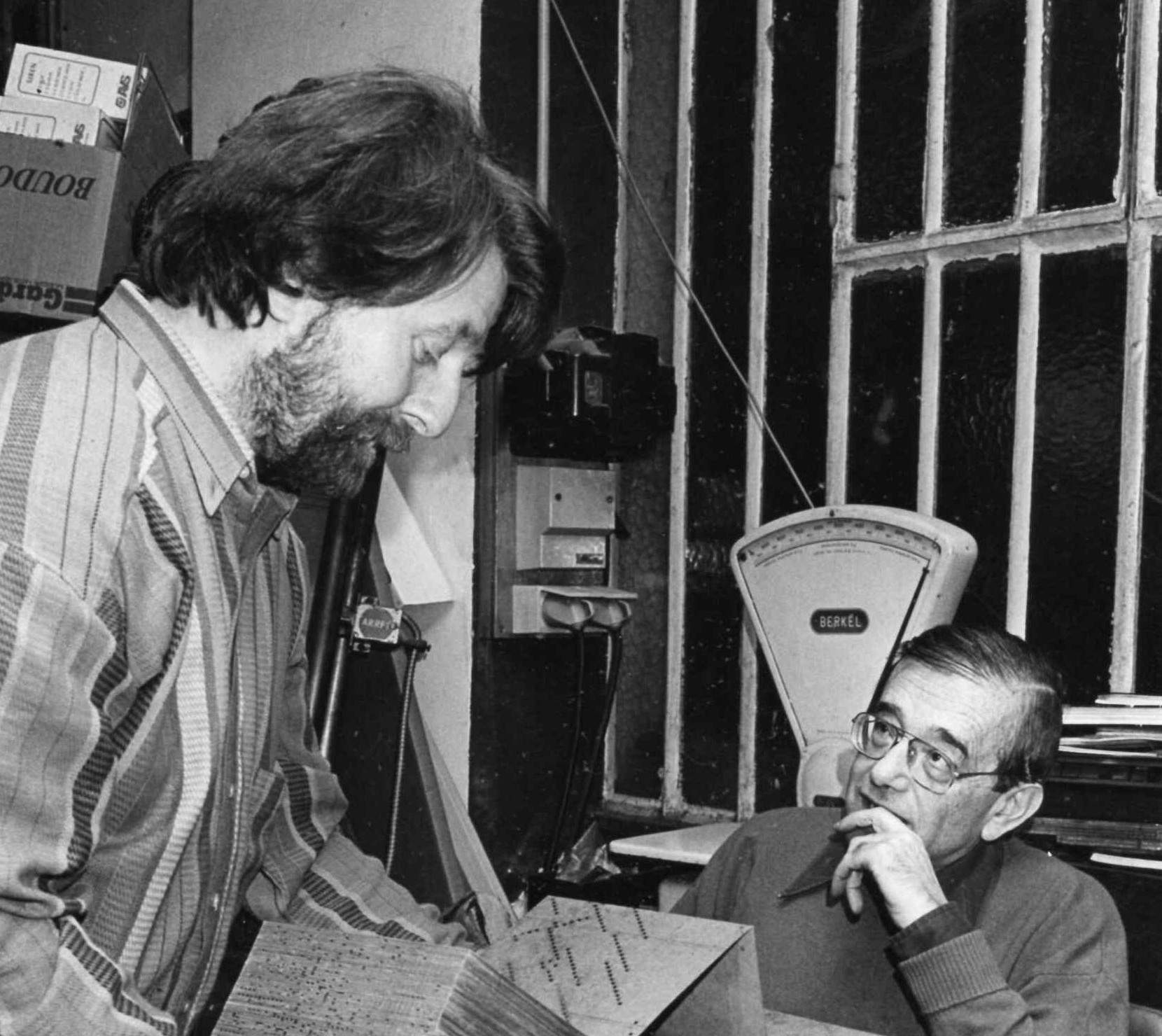
Headline credit: Lindwurm. Photo courtesy of Holger Jarema.
Garden of Delights Website