
Mourning Phase | Owen Knight on the Mystery of a 1971 British Psych-Folk Rarity and Its Seelie Court Reissue
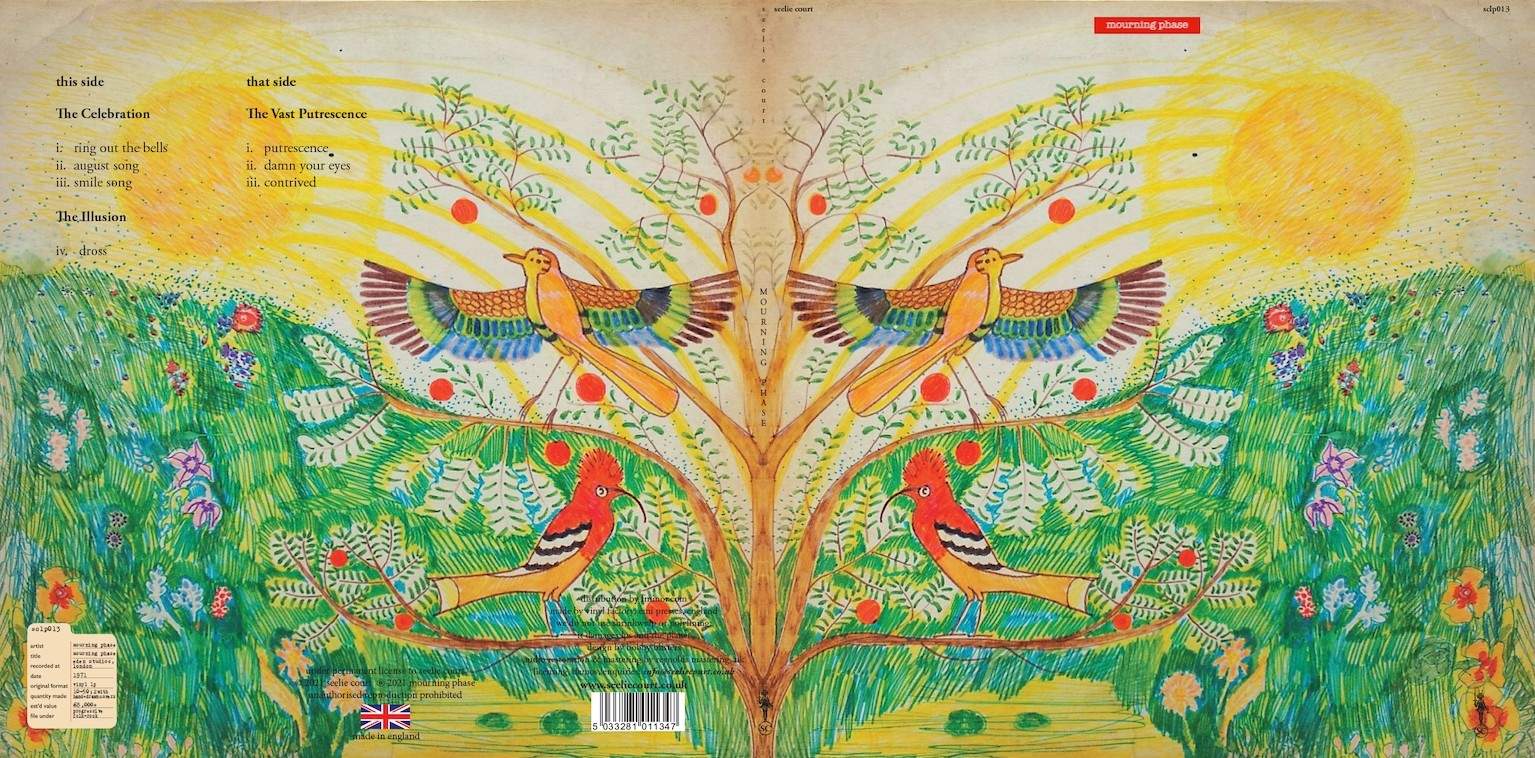
In August 1971, four musicians from Southend-on-Sea went into Eden Studios in Kingston to record seven songs. They called themselves General Services, although collectors of obscure British psych records will probably know their album by another name: ‘Mourning Phase.’
The group consisted of Mike Conn (vocals, twelve-string guitar), Joy Crabtree (vocals, acoustic guitar), Martin Sarney (bass) and Owen Knight (electric and twelve-string guitar). They had come together through the local folk-club scene, where Joy and Martin were already regular performers. At first they played a mixture of folk and blues standards alongside Conn’s own material, but gradually his songs took over. It’s an odd record, even by the standards of early seventies British underground folk. Some of Mike’s lyrics are surprisingly vicious, particularly on ‘Damn Your Eyes’ and ‘Putresence’, and they make an interesting contrast with Joy’s singing. According to Owen, they had booked just ninety minutes at Eden Studios, including setting up and packing away. There was only time to record each song once.
Owen remembers fifty copies being pressed, mainly for friends and family. A few surviving copies have hand-drawn covers, including one by Mary Redfern, a friend of Mike’s, while others have plain white sleeves. Joy and Mike’s girlfriend tried taking the record around to various companies, but nobody was interested. The group eventually split up, and the album disappeared from view. Years later, collectors began tracking down the few surviving copies, and in 2020 an original reportedly sold on Discogs for around £9,000. Unauthorised editions had already appeared before Seelie Court finally gave the album a proper release in 2021, complete with recollections from the surviving musicians.
Over the years, quite a few stories have circulated about the record, not all of them accurate. For one thing, the band never actually performed as Mourning Phase. There’s also the often-repeated claim that Mike wrote the songs after a
“The band was definitely called General Services.”
Owen, what was Southend like when you were growing up? Where did you spend your time, and which music venues did you enjoy?
Home life with my parents was boring; we had nothing in common. Social life took place in the coffee bars: the Capri, the Jacobean, and later the Harold Dog. The town had many music venues. The Cricketers and the Studio were among my favourites. Well-known visiting bands would play at the Odeon and the Kursaal.
You and Mike Conn knew each other from school. What was he like as a teenager? Were you already playing music together?
Mike was different from other pupils: his nervous energy and creativity set him apart. At school, we got together with other aspiring musicians to practise, usually at Mike’s parents’ house. I don’t recall us playing gigs together in those days.
Mike introduced you to Mervyn Peake’s ‘Titus Groan,’ which later influenced your own writing. What stayed with you from that book? And how did Mike’s interest in language come through in his songs?
The appeal of Titus Groan lies mainly in its setting, isolated from the rest of the world, a characteristic I’ve used in my novels. Mike used his extensive vocabulary in songwriting, often employing obscure words and inventive phrases to surprise and sometimes shock listeners.
What was a typical Sunday evening at the Railway Hotel folk club like? Was it a place where people could try out their own material?
The club met in a room above the saloon bar that had seen better days. Most young people then had little money, and the Railway was a place where you could make a drink last all evening. The audience was mixed, both in age, mainly teens and twenties, and artistic ability. They were affable, non-judgemental people who welcomed new and original acts.
Joy Crabtree and Martin Sarney were already regular performers at the club. What were your first impressions of them?
Joy and Martin were at the heart of the club. They performed at most meetings and were popular as musicians and individuals. They set the standard.
How did the four of you begin playing together as General Services? Where did you rehearse, and what were you playing before Mike’s songs took over?
We played a mixture of standards and Mike’s songs, moving more to the latter over time. We rehearsed mainly at Joy and Martin’s house and at the club before the doors opened. I was apprehensive at first about joining them. Fortunately, the others, Mike mainly, had good ideas for arrangements, and I was able to fit in, albeit in very much a supporting role.
There’s been some confusion about the band’s name. You performed as General Services, but the record became known as ‘Mourning Phase.’ When did you first hear that title?
The band was definitely called General Services. This was originally a working title as no one had better ideas for a name. We never performed as Mourning Phase. I first heard the title when the demo disc resurfaced. According to Mike, ‘Mourning Phase was a corruption of Morning Face, which is what you get after a rough night’.
How did Mike usually bring a new song to rehearsal? Did he have everything worked out, or would he keep changing things as you played?
Mike’s songs often arrived at rehearsals as work in progress. He would sometimes start to play the song, then stop and change the tune, the chords, or even the words. I often wondered how he coped with everyday life, blessed with so many ideas combined with so much energy and drive.
The lyrics have often been interpreted as Mike’s response to a broken relationship. Did he ever explain where the songs came from?
Again, according to Mike, ‘The character of the songs was not the result of a broken relationship of mine. I just liked the process of fitting jagged lyrics to musical moods.’
Joy’s singing is remarkable, particularly on ‘August Song.’ She delivers some very difficult material without ever overdoing it. What do you remember about working with her?
Joy was a highly professional musician. Her voice was both strong and adaptable, sensitive to the nuances of the music. This comes across most strongly in August Song, where she follows and holds notes with beautiful expression. She could have had a long-term career in music, but preferred a family life.
Although Mike wrote the songs, how did the four of you work out the arrangements? Did you think of yourselves as a folk group, or did those distinctions matter very little?
Although they were Mike’s compositions, the arrangements developed collaboratively and organically. I don’t recall any of us feeling the need to give the music a generic label.
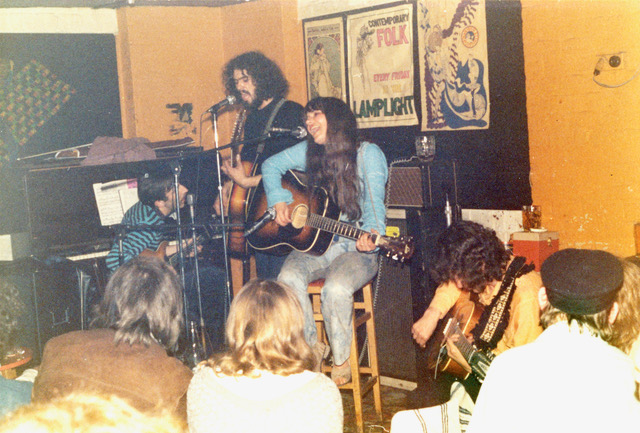
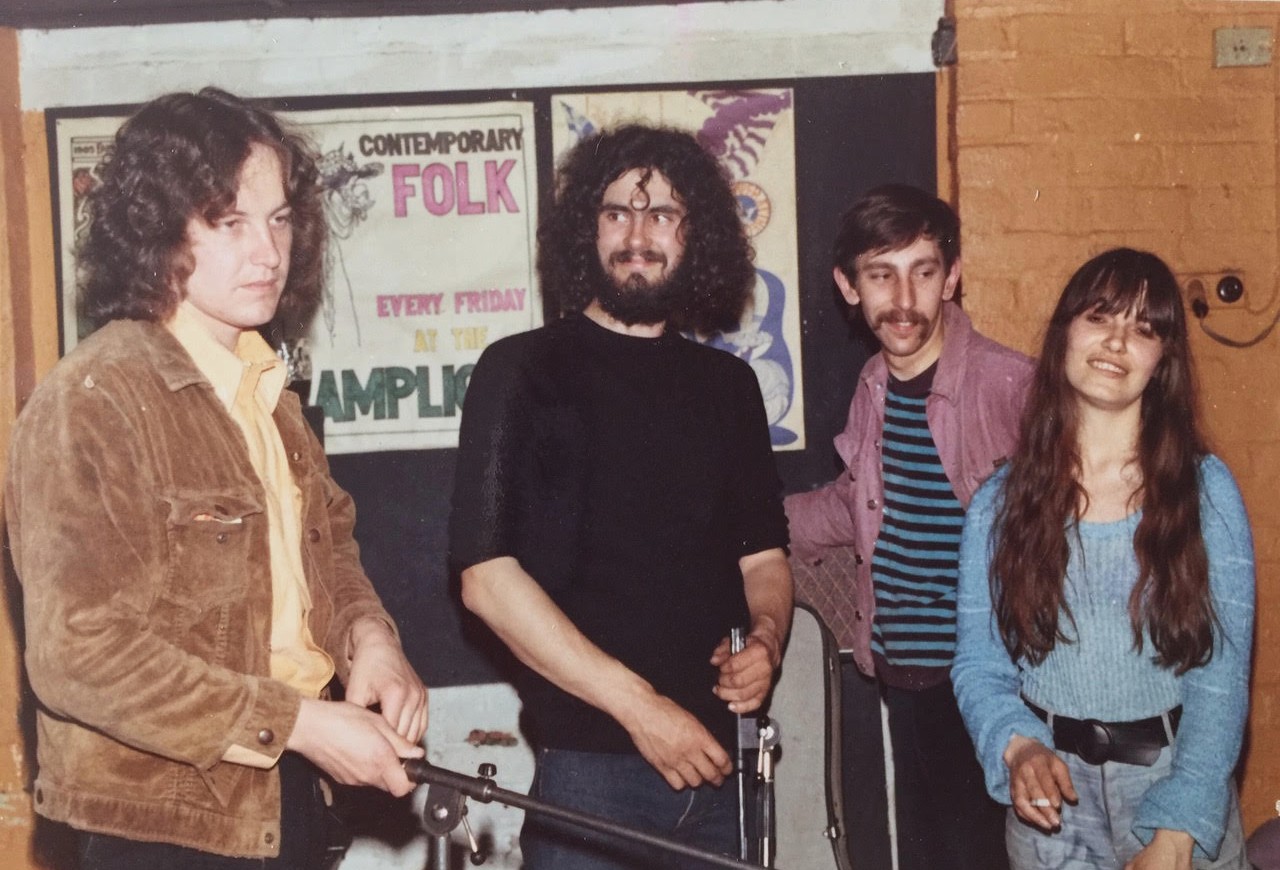
You’ve written fondly about playing the Lamplight Club in Wallasey. What made that particular performance so memorable? Can you recall what was in the set?
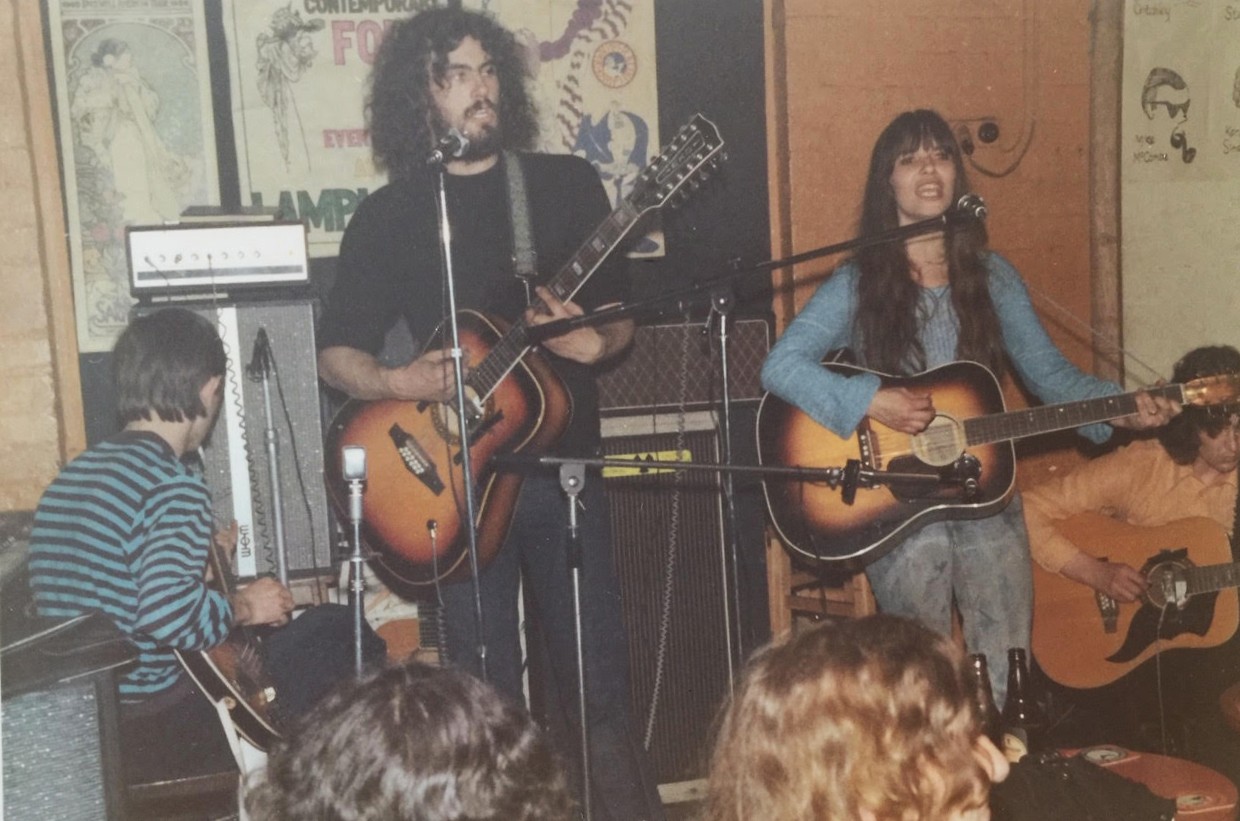
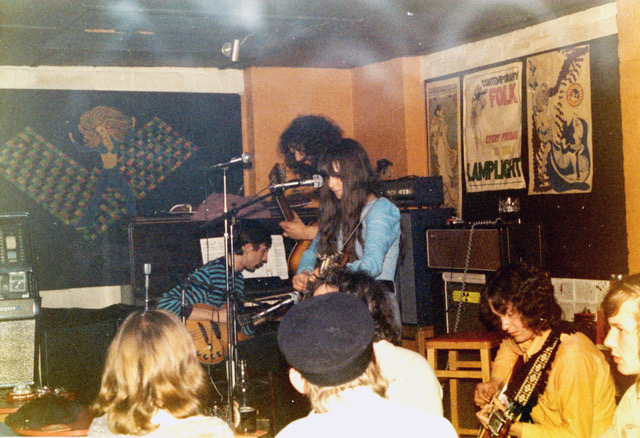
We travelled in Mike’s van to and from the Lamplight Club. I would say it was our best-ever performance, received with great enthusiasm by an excitable audience. I don’t remember the playlist, which would have mainly comprised these songs.
Whose idea was it to make a record? Was it intended mainly for friends and family, or were you also hoping to interest a record company?
The original idea was to press fifty copies for friends and family. Joy and Mike’s girlfriend spent a lot of time subsequently hawking the recording to record companies without success.
What do you remember about the session at Eden Studios in Kingston in August 1971? Who arranged and paid for it? Had any of you recorded in a professional studio before?
The band arranged and paid for the session. I have no idea who was behind the desk. I don’t think any of us had recorded in a professional studio before, although Joy later recorded two solo singles.
“Mike planted a creative seed in my consciousness that took time to grow.”
The album is often described as having been recorded in one take. What actually happened that day? How much time did you have in the studio?
The session was booked, if I remember correctly, for ninety minutes including setup and take-down time. After tuning and a quick rehearsal, we only had time to record each track in one take; hence there are errors.
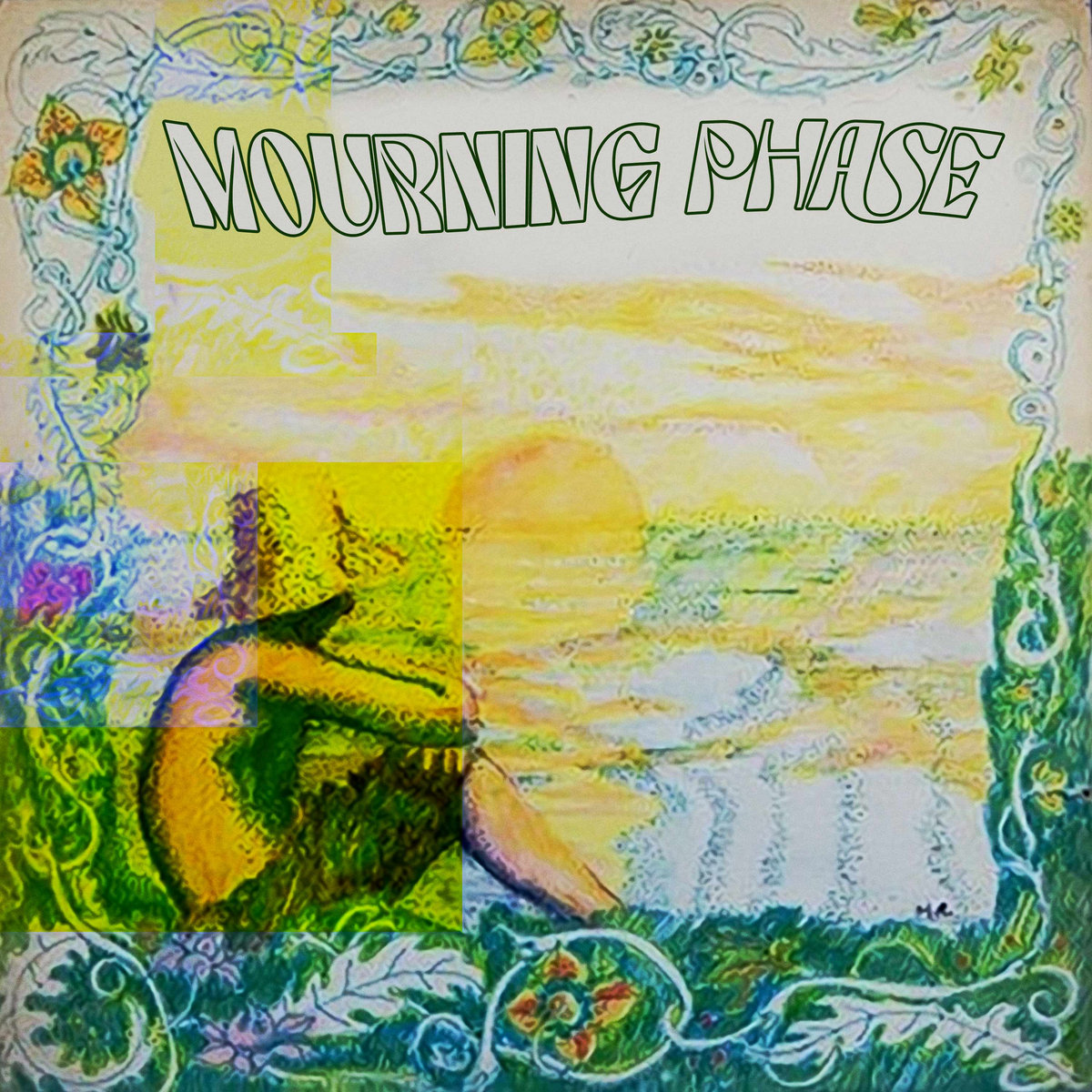
The songs are divided into three sections: ‘The Celebration,’ ‘The Illusion’ and ‘The Vast Putrescence.’ Do you remember what Mike had in mind with that sequence?
I assume the plan was a downward trajectory from bliss to sadness.
Some accounts suggest that ‘Smile Song’ was the only song Mike didn’t write. Is that how you remember it? How much did the rest of you contribute to the compositions?
As far as I am aware, Mike wrote the words and music for all the songs. We all collaborated on the arrangements, and so it is possible others’ suggestions were incorporated.
Collectors have long disagreed about how many original copies were pressed. What do you remember about the order and the sleeve artwork? Were there any songs that never made it onto the record?
There were definitely only fifty in the initial pressing. This was the minimum order. I am sure, as I was encouraged to take fifteen, when I originally wanted ten. I don’t remember the cost. I was not involved in the cover design. I don’t remember whether there was other original material.
Did General Services come to a definite end, or did you simply drift apart? I’d also like to ask about Martin, who died relatively young. What was he like away from the stage?
We drifted apart. It may have been Mike’s move to Bristol with his girlfriend. I made contact again with Joy and Martin a few years later. Martin had a dry sense of humour. He would sometimes set up a joke by making an apparently random comment, which would reveal itself as humorous a few minutes or sentences later. His day job was as a partner in a solicitor’s firm. He helped me in getting my first mortgage at a time when they were difficult to obtain.
The record was reissued several times, and original copies eventually began selling for thousands of pounds. When did you first find out that collectors were interested in it?
I only became aware of this after Mike got in touch with me through my author website. He was trying to locate a copy of the original recording for remastering. It was certainly surprising that anyone would be interested in a 1971 demo disc with performance errors.
Mike contacted you again in 2019. How did you discover that your son still had a copy of the album? What was it like hearing those recordings again after nearly fifty years?
I no longer owned a copy of the recording. I discovered that one of my sons still had a copy. I was asked to take it to a studio in Colchester to see if it was playable. To my surprise, it was and required remarkably little work to remaster. It was surreal to discover that something from the past, which I rarely thought about, had resurfaced. Yes, it is nostalgic, but memories are the past; the future is what matters.

Mike seems to have had quite an influence on your creative life, from introducing you to ‘Titus Groan’ to making music together. Looking back at everything you’ve done since, including your novels and photography, what has given you the greatest satisfaction?
I have been fortunate to play music in front of enthusiastic audiences, sell copies of the six novels I have written and sell photographs taken in exotic overseas locations. The money is unimportant; it is the recognition that you have produced something worthwhile and original that has brought pleasure.
Mike planted a creative seed in my consciousness that took time to grow. If you can produce a work to the best of your ability and satisfaction, others may appreciate it, too.
Klemen Breznikar
Photographs: General Services performing at the Lamplight Club, Wallasey, circa 1971. © Owen W. Knight.
Owen W. Knight Website
Seelie Court Facebook / Instagram
Good Time Records Website / Facebook / Instagram