
Joe Boyd Interview: “I Was Moved to Tears” Hearing Nick Drake’s Early Recordings
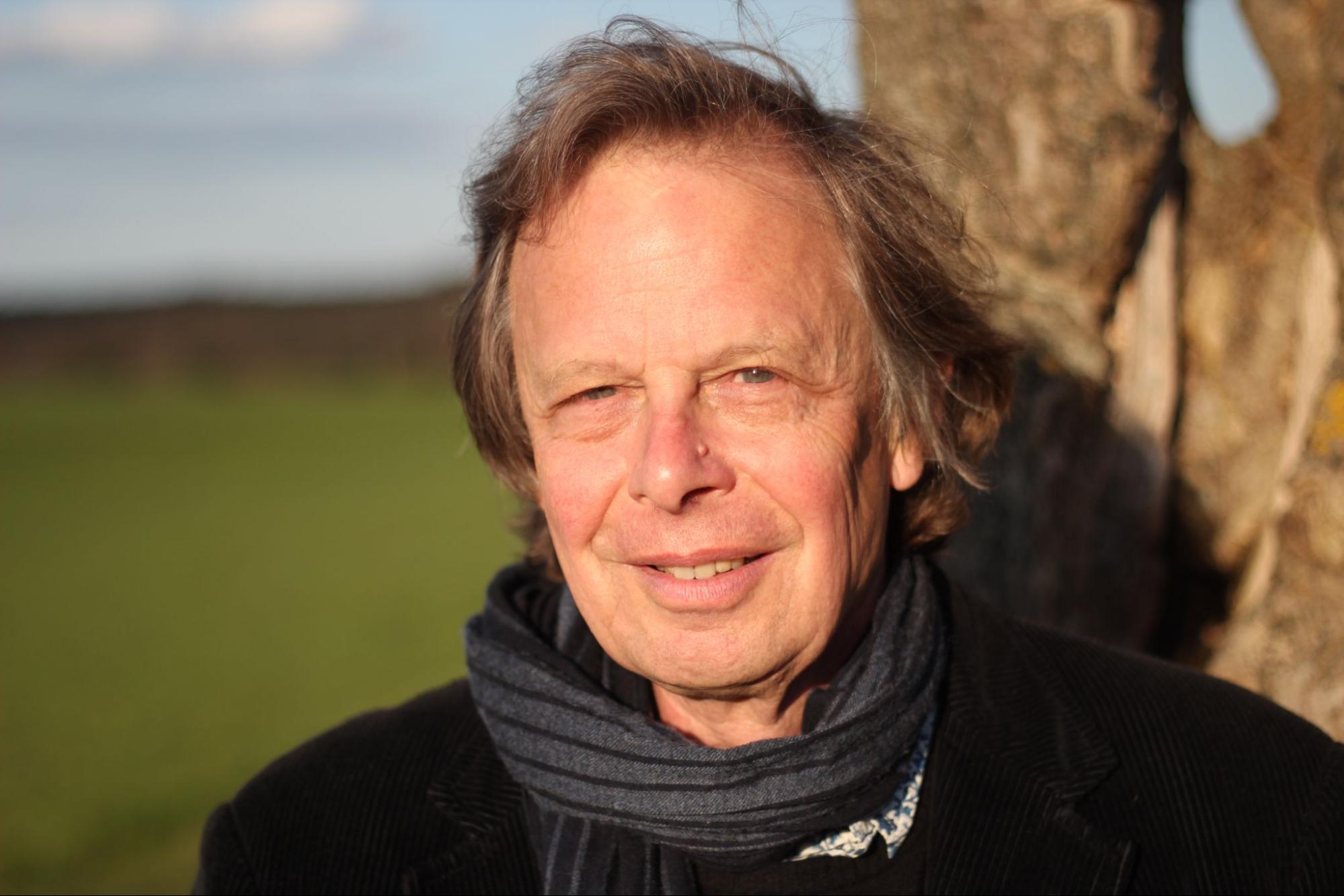
In the following interview, Joe Boyd looks back on the early days of the British underground and his work with Nick Drake, Fairport Convention, Richard and Linda Thompson, Robyn Hitchcock and many others. He also talks about the records that didn’t quite go as planned and his years running Hannibal Records.
Joe Boyd’s name has come up many times in interviews I’ve done for It’s Psychedelic Baby! Magazine. He was at Newport in 1965 when Bob Dylan went electric, helped establish London’s UFO Club and produced Pink Floyd’s first single. He went on to work with the Incredible String Band, Fairport Convention, Nick Drake, Richard and Linda Thompson, R.E.M., Robyn Hitchcock and many others. Through Hannibal Records, he also helped introduce music from many parts of the world to new audiences.
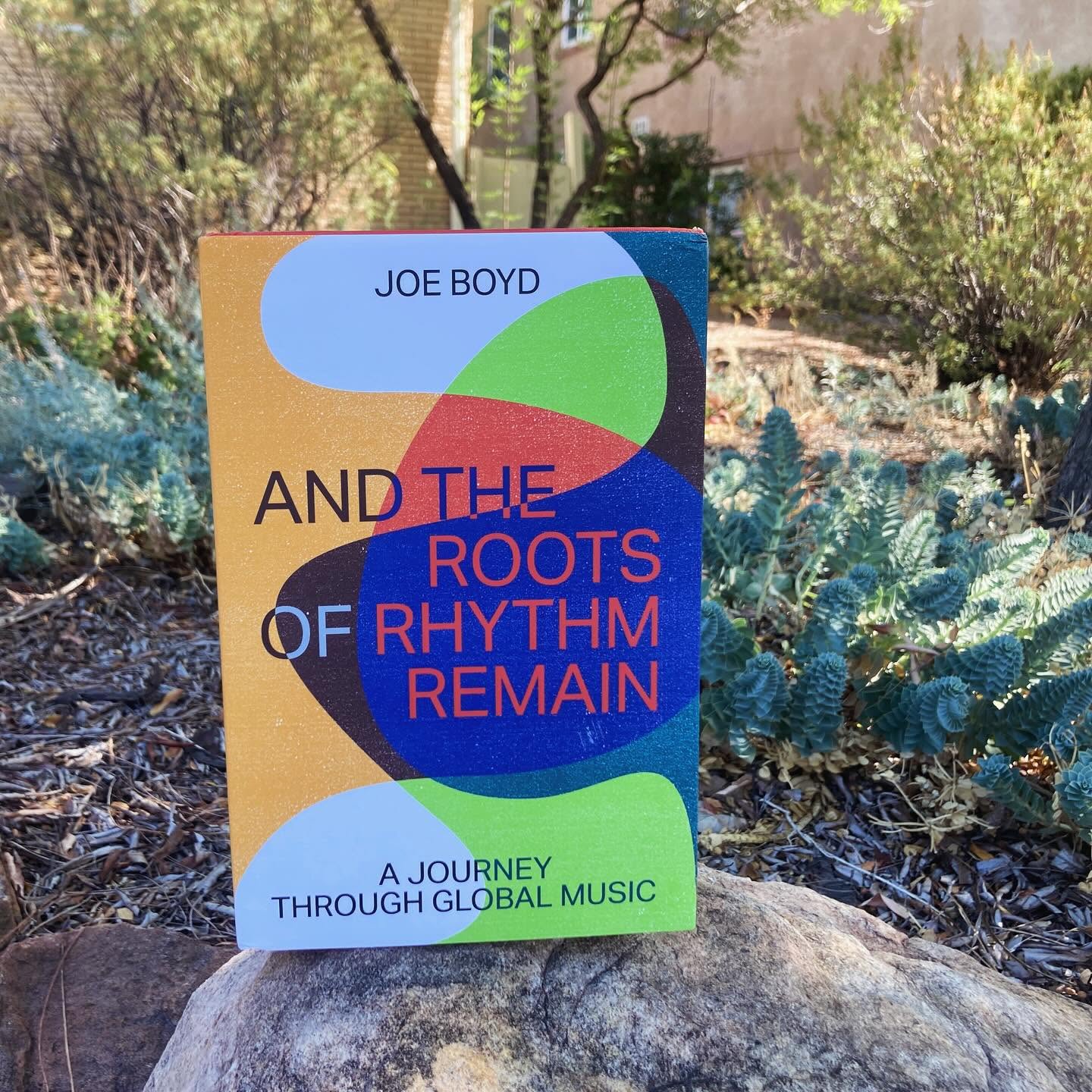
He has written about his early years in ‘White Bicycles’. I wanted to ask about some of the decisions behind the records, including those he still has doubts about. We talked about John Wood, the early Nick Drake tapes, recording with Linda Thompson, the difficulties of the seventies and his defence of the term “world music”. We also discussed Saz’iso and the group’s second album. Many of the musical traditions and connections that have interested Boyd throughout his career are explored in his latest book, ‘And the Roots of Rhythm Remain: A Journey Through Global Music’, published by Faber & Faber in the UK and ZE Books in the US.
“I Do Mourn the Loss of That ‘No-Doubts’ Self”
In 1960, you, your brother Warwick and Geoff Muldaur found Lonnie Johnson in the Philadelphia telephone book and booked him for a concert. What did that experience teach you about what you could actually do in music?
I learned something a bit different; that I could have a thought and pick up the phone and make it happen. That a vision of a musical event could be brought to life through my own intention and action. That was the start of my life in music.
You were at Newport in 1965 when Dylan went electric. You were excited by what was happening, but did you also worry about what it meant for the festival and the older folk musicians?
I had very mixed feelings that night as I drove home. I felt sorry for Pete Seeger and the ‘old guard’. But there was no question which side I was on. I had been the one to propose adding Bloomfield to the Butterfield band and I was excited about what Paul Rothchild was up to with recording electric ‘folk’. I was full of youthful adrenaline, but also conscious of what a treasure Newport was. In later years I came to feel that Newport had been ruined – or at least badly damaged – by getting caught up in Grossman and Dylan’s drive to capture the Top 40 and burst out of the confines of ‘folk’ into the mass market. Which they did. But they used Newport as a stepping stone. In an ideal world, the Newport board would not have agreed to Yarrow’s late proposal to add Butterfield to the lineup and Dylan would have sung an acoustic set.
In 1987, you described the London Free School as having a “wild-eyed, slightly condescending idealism”. Do you think the underground helped break down some of Britain’s class divisions?
One of the great things about London in the 1960s was that, perhaps more than at any time since 1066, class boundaries became more fluid. The end of conscription, grants for attending art colleges, the Profumo Affair…. These were just some of the factors contributing to a blurring of rigid class lines – which were still more fixed than parallel ones in the US. Drugs and music made a huge contribution. Where Pink Floyd once played in front of middle-class hippies in Powis Square, Notting Hill, a few years later, the entire world, including ‘working class’ children, were tripping out to ‘Dark Side of the Moon’. What was the class structure at Sex Pistols or Clash gigs? I know class was very much a factor in ‘us’ and ‘them’ at the LFS, but I think the ‘underground’ culture of the mid-60s contributed a lot to the degree to which class lines became blurred across the rest of the 20th century. (Only to become more fixed and rigid in the 21st….)
Witchseason was originally intended as Pink Floyd’s production company, but the Polydor deal didn’t happen. Would your career have been very different if it had? And when did you realise that simply producing records wasn’t enough?
It’s certainly true that if I had produced the Floyd, Blackhill would have continued to manage them and the Steve O’Rourke ‘coup’ might still have taken place. I could have stuck to simply producing. But once I’d found Fairport and/or Nick Drake, I would have been confronted by what O’Rourke was faced with – amateurish management holding back the success of records and careers. My artistic choices seem to have often been geared towards music that was hard to pigeon-hole, and therefore hard for most agents and managers to get to grips with. Witchseason, though, was already pursuing a multi-faceted model with the ISB – the only way their records got onto the US and UK album charts was because I had a management vision that involved getting on a plane, flying to SFO and convincing Bill Graham to book them to open for the Jefferson Airplane, after convincing the Saville Theatre to have them open for Pink Floyd. That formula worked great until it ran into the Nick Drake stone-wall and the music business became so much more crowded and complicated in the late 60s.
You’ve talked about the importance of having someone around who’ll tell you when you’re wrong. Was John Wood that person for you? Can you remember a time when he saved a session?
I certainly benefitted from John’s willingness to slap me down if he thought I was being foolish. I can’t recall an example of an album-ruining moment being averted through his wisdom, but I can recall occasions where John saved the day, like when the emulsion started flaking off the ‘Pottery Pie’ 8-track master while we were mixing and we had to insert a short phrase from Geoff’s vocal on the fly, keeping the stereo mix master in sync by John slowing down the tape machine by brute force with one ear in headphones and his hand getting bloodier by the second….
When the Incredible String Band became involved with Scientology, how did you handle it? Did you feel there was anything you could say that might change their minds?
They made it clear they were determined to dive all the way in. I asked them pointed questions, but they didn’t wish to get into a debate. They knew I disapproved, so we avoided the subject. I am sure there was nothing I could have said or done. At the first request for cash to be transferred into an account that was then to go to Scientology, I refused to send it until they’d had a few more days to think about it. But nothing changed and I opted to stay out of it. They knew I disapproved, but there were also positive results – much more clarity about money and touring schedules, more business-like etc, which I appreciated, but worried would be counter-productive creatively, which turned out to be correct, although you could also say that the decline in the level of artistry was also due to the dilution of adding Rose and Licorice as members of the group.
In ‘And the Roots of Rhythm Remain’, you draw a distinction between overdubbing live performances and building a recording around a programmed beat. What is it about click tracks and drum machines that bothers you? Can electronic rhythms develop a tradition of their own?
To my ears, there’s a huge difference between overdubs and drum machines. If you capture a magical basic track, it’s hard to lose that feel no matter how many harmony vocals or instrumental parts you add. But I can usually tell after 10 seconds if a click track has been used… and it makes the rhythm so boring. Or anyway, different. All the ISB tracks and those by other artists back in the analog days were laid down live without a click or a machine percussion. I know these days producers feel that overdubs require click tracks or electronic drums in order for everything added to stay in time, but it deadens the track’s feel – to my ears anyway.
And yes, programmed rhythm does have a tradition of its own. And ironically, among the most creative programmers of electronic beats are Africans and Roma – the world’s groove kings! Yet I would still send interested listeners back to, for example, John Chernoff’s book about his years spent with master drummers in rural Ghana, where they would subtly alter their patterns to suit different dancers or dancers from a neighbouring village, because they moved slightly differently. That feedback loop between drummers and dancers obviously can’t happen with a machine. I know it could be argued that DJs gauging the mood of a room, the kind of drugs in circulation and what time of night it is in choosing the next track is the modern equivalent. Fine. Just don’t ask me to listen to it. I have said elsewhere that when I hear a machine-driven track, it might be interesting or even enjoyable, but it enters my head via a different door than the one used by music.
You’ve said ‘Music from Big Pink’ helped Fairport Convention think about making music that sounded distinctly English. Yet the group had grown up listening to so much American music. How American does ‘Liege & Lief’ sound to you now?
Certainly Fairport had grown up listening to way more American music than British. Ashley and Richard loved jug bands, Ellington and R&B before settling into their passion for singer-songwriters Dylan, Ochs, Farina etc. I can’t deny that, but I do think ‘Liege & Lief’ succeeded in that (unstated) quest inspired by Big Pink. There’s no denying that the whole notion of the drum kit, the electric bass, solid-body guitars etc, is very America in origin. But I do think the magic of L&L is how they didn’t sound American, how the music remained so British in feel and flavour.
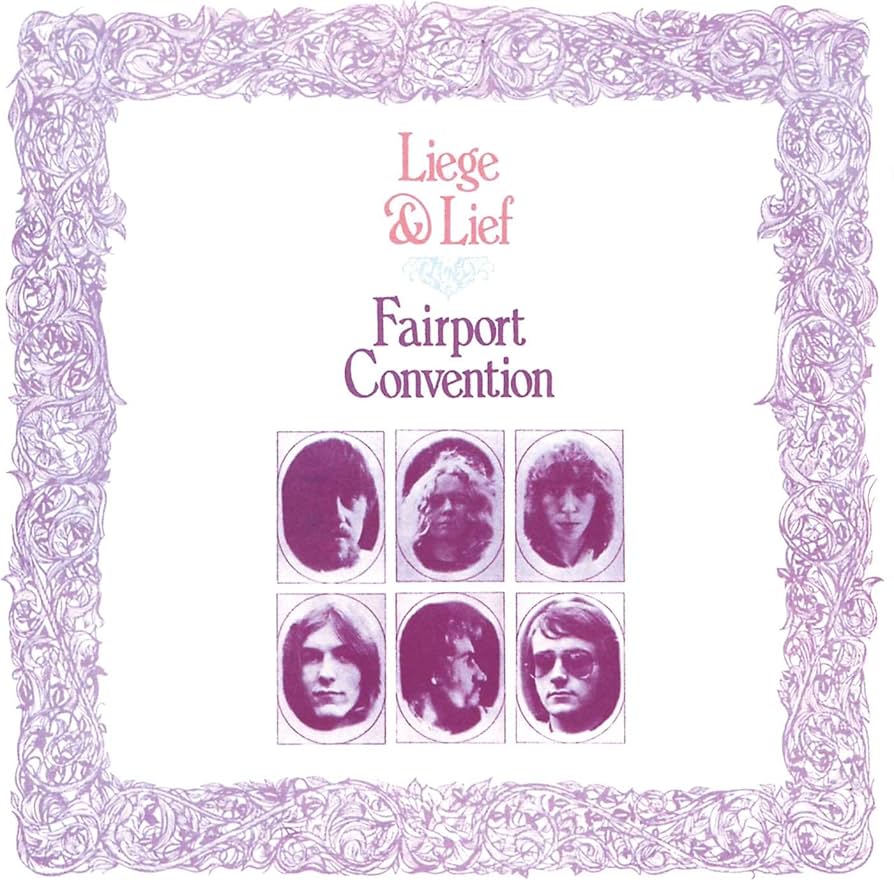
When I interviewed Simon Nicol, he remembered ‘Liege & Lief’ as a unifying project, while Dave Mattacks talked about recording in a proper studio for the first time. What did Mattacks and Dave Swarbrick bring to that line-up? Could you tell from the start that it would work?
To me, Mattacks was the key to that record. If they had recruited a rock drummer with a heavy backbeat to take Martin L’s chair, it would have been a very different album. Mattacks’ experience as a dance-band drummer meant he was looking for the danceable feel on each track. And of course Swarb gave it an authentic and virtuosic feel that inspired Richard. From the first day in the studio, it sounded great. Everyone was unified by how good we felt it was going to be.
Linda Thompson told me she first met Richard at a Chinese restaurant with Sandy Denny, Nick Drake, John Wood and you. You and Linda had known each other a long time by the time you recorded ‘Shoot Out the Lights’. How did that history affect the way you worked together?
Well, you’re mainly talking about Linda and her relationships with me and Richard. When she and I were together, she hated singing in front of me, saying I made her nervous. So I never really grasped what a great singer she was. I was stunned when I heard ‘Bright Lights’. By the time she and I and Bill Gill were alone in the studio late at night as she – heavily pregnant with Kamila – worked on her vocals for ‘Shoot Out the Lights’, we were long past any romantic trauma and had become the dear friends we remain to this day. She was starting to experience the dysphonia that would disrupt her career and breathing was difficult at that stage of pregnancy. All past issues had evaporated and we worked at the task at hand, knowing a great record was taking shape.
You used to be strongly opposed to releasing outtakes. What did you think when you finally heard the recordings issued as ‘The Making of Five Leaves Left’? What did hearing those early Nick Drake sessions bring back for you?
When the first ‘completist’ collections began being issued in the ‘80s, I took a stand against them, arguing that the artist and I had together chosen the best take, the one that represented the ideal presentation of the song and that choice should be respected, particularly when lots of demos and out-takes involved off-key singing or songs that were deemed inferior and left out of albums etc. A part of me still feels that way, but over the years it has become clear that trying to hold back the tide of ‘previously un-released material’ was a fool’s errand that stood no chance in the digital internet age.
And I’ve come to appreciate hearing many of these collections. I realised that it was hypocritical of me to object to the airing of Sandy Denny’s demo closet while buying Charlie Parker collections containing 5 different takes of ‘Cherokee’.
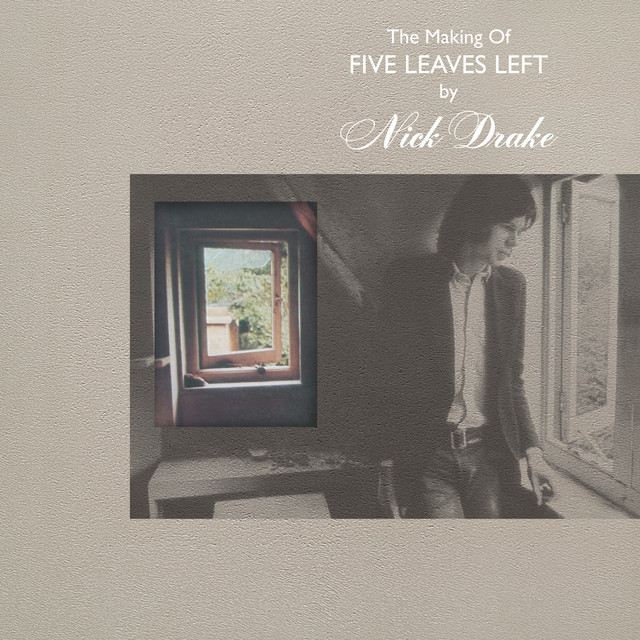
I wasn’t consulted about ‘The Making of Five Leaves Left’ and was a bit blind-sided by its release. However, the first time my wife and I sat down to listen to the Sound Techniques demo Nick recorded on the first day of those sessions, a tape we probably made in order to give John Wood a chance to try out various mics on Nick’s voice and guitar, I was moved to tears. The recordings are fascinating and wonderful; the tempi are often a bit slower than the final versions, giving Nick more time to add nuances on the guitar and the vocals. I could almost begin to sympathise with the fans who have written to me demanding the stripped-down versions of Nick’s albums, just him and his guitar, like ‘Pink Moon’. Those versions do not exist and would be impossible to create, given the live, one-room nature of the first and second albums’ recordings.
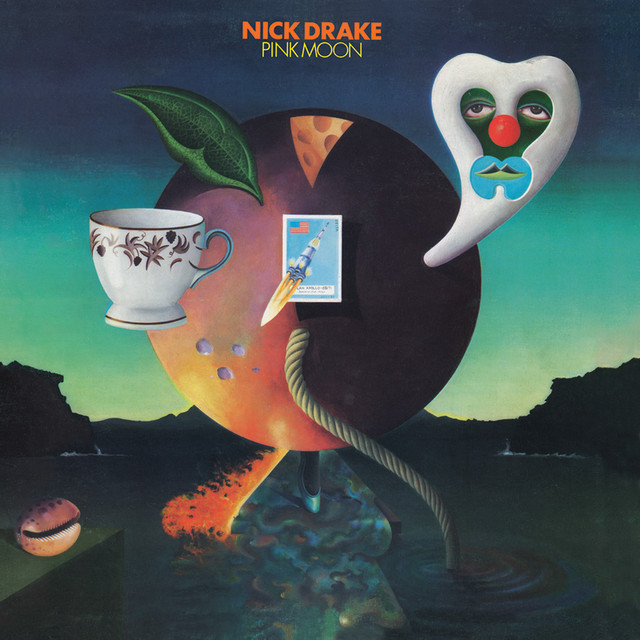
As to looking back at my young producer self, I do mourn the loss of that ‘no-doubts’ self, when I’d been so right so often – Butterfield, Clapton/Winwood, ISB, Floyd, Fairport – before hitting the stone wall of failure with Nick and losing some of my confidence.
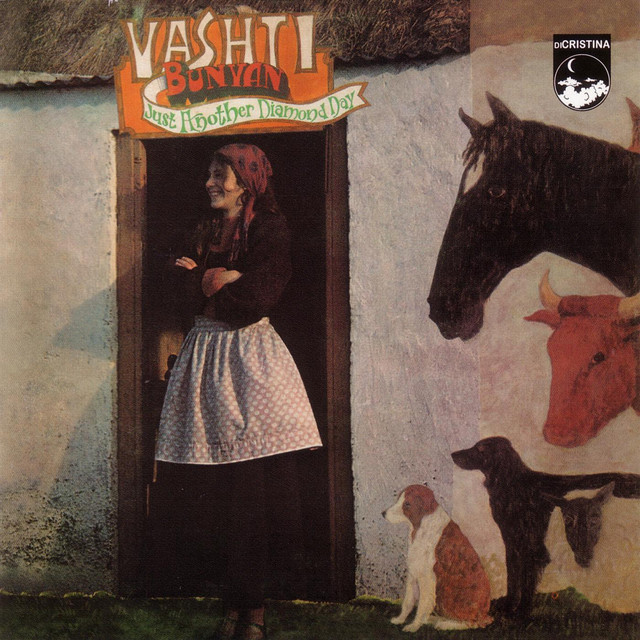
Vashti Bunyan wasn’t happy with ‘Just Another Diamond Day’ when it first came out, although she’s since spoken warmly about your production. Did you understand her reservations at the time? Have you been able to talk about it together since?
My understanding of Vashti’s problem with ‘Diamond Day’ is that it was way too ‘folkie’ for her. She’d been treated dismissively and rudely by the Ewan MacColl and Bert Jansch branches of the folk scene when she tried singing ‘from the floor’ and never got over that. I didn’t know this at the time – and the subject matter and melodic style of her songs seemed to suit Robin Williamson, Dave Swarbrick and Robert Kirby as collaborators. She never objected, but inside, she was disappointed that her only shot at making an album lay with this producer whose taste was so different from hers.
She does have a nice passage in her book where she describes listening closely during re-mastering and fully appreciating my production for the first time. For me, the proof of the pudding is in the eating: ‘Diamond Day’ is approaching half a million sales and has spawned a Vashti cult. Neither the Andrew Oldham recordings nor her new ones have ever approached that level of sales. Which touches on the awkward subject of producers imposing their vision on reluctant artists…. Is that a crime? Or does it sometimes show that they knew what was good for an artist when the artist didn’t themselves.
Btw – Vashti and I are good friends these days and can tease each other about the folkie production on ‘Diamond Day’.
When you heard that Richard Thompson was unhappy with the Gerry Rafferty and Hugh Murphy sessions for ‘Shoot Out the Lights’, how did you get him to start again? What did you want to do differently?
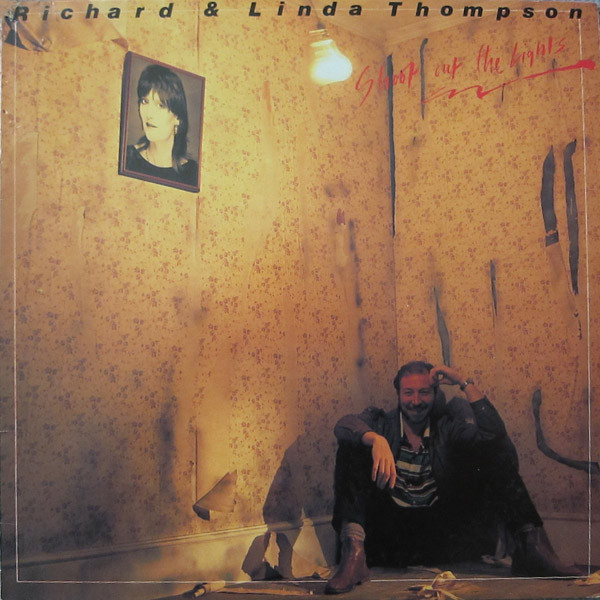
I had tried to sign Richard & Linda when Chrysalis dropped them, but their manager, Jo Lustig, told me they were signing to Hugh Murphy and Gerry Rafferty’s production company that released through UA. I called Richard and told him I doubted he’d enjoy the way Hugh and Gerry worked – tracking, overdubbing, very careful and crafted rather than live in the studio. He said he was looking forward to it as a challenge and a new experience.
Flash forward – someone told me months later, can’t remember who – that RT was unhappy and was refusing to sign the contract. (Which was unsigned because Murphy had hoped to bump Lustig out of it and take over as R&L’s management and Lustig was locked into the contract with a 25% commission and would be hard to remove once it was signed, so they dragged their feet on the paperwork – a fateful choice!)
I rang Richard and said if he was free to walk away, we should get the same musicians – Nicol, Pegg and Mattacks – and go into ST and cut the album live in 3 days. I said I’d use the money I saved on the short recording schedule (and no advance) for US tour support and would book a tour there to promote the album. Lustig spluttered and said R&L wouldn’t play the US unless Carnegie Hall was the first date – no clubs! Richard told him to fuck off and agreed to the deal.
We did the tracks in 3 days as planned, but Linda and I spent another 3 nights getting her vocals. The tour was a triumph and the record sold over 100K and made the Billboard Top 100 album chart (a good argument in support of my approach). The Murphy tracks are included in the deluxe SOTL box set from a few years ago and while they sound not bad, I don’t think anyone would vote for them over the ST masters.
You’ve described the 1970s as a difficult period, despite making some remarkable records and working on film projects. Why do you remember those years so differently from the sixties?
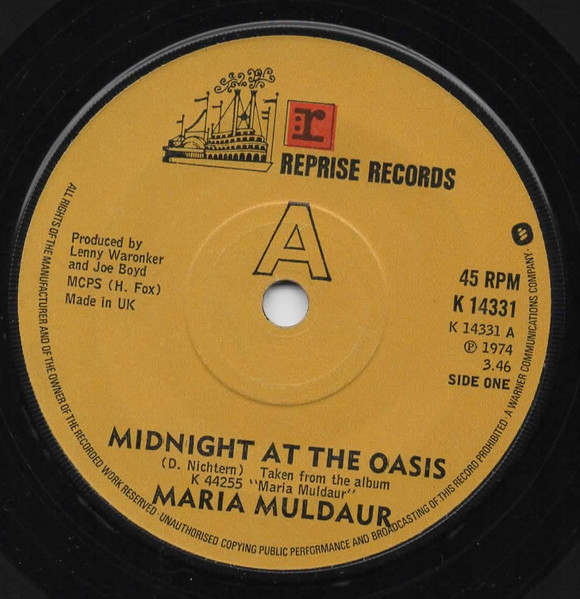
Two things: one, I really struggled from 1974-1979. Always owing money, scuffling to pay bills, trying to become a film producer, investing my ‘Midnight at the Oasis’ royalties in buying rights to books for film ideas (including one on the Death of Lorca – with Francesco Rosi tied in as director). So it would have been painful to write about, but more important, my work in the 60s happened right in the middle of the big narratives about the 60s. My tale echoed the story of the decade. But my misadventures in the 70s were an obscure footnote to that decade’s dramas. It would have been impossible to create a narrative arc that represented anything other than a struggling record producer who tried and failed to become a film producer.
You’ve said you never quite got the mix of R.E.M.’s ‘Fables of the Reconstruction’ the way you wanted it. What made those sessions so frustrating? Has your opinion of the album changed over the years?
The REM production came together quickly once I had bowed out of finishing the Mary Margaret O’Hara record. I had to keep an eye on Hannibal, so wouldn’t have wanted to record for weeks in the US somewhere and they liked the idea of London. But my regular studio and engineer – Jerry Boys at Livingston – was in the middle of installing a new SSL board, so after cutting all the tracks in Studio 1, we moved to Studio 2 where I’d never worked before and hated the speakers. Mixing was a nightmare due to those monitors and also because Buck and Stipe kept telling me to ‘turn down the voice, turn down the guitar’. What could I turn up? When we finally mastered it, I was in a state of panic, feeling that critics would say I had ruined a great emerging group, so I was relieved that people sort of liked it – Rolling Stone was kind etc. But the group clearly didn’t like it and never suggested that I work on their next album, though we got along fine and I stayed on a friendly basis with Mills and Buck particularly.
I felt the mix could have been much better if done in a place where I knew and liked the monitors and if Stipe had let me put the vocals up as loud as they were on the next album! But over the years, it’s been nice how they and many fans have come to love the album. Andrea and I had a ball last summer going to the REM tribute band show devoted to ‘Fables’ in London.
Robyn Hitchcock told me that for ‘Shufflemania!’ he sent tracks around the world and let the musicians do what they wanted. When you made ‘The Man Upstairs’ with him in seven days, you had a few rules of your own. How did he take to that?
Robyn never complained about any of my restraints, he just ‘entered the moment’ and made what I think is a wonderful album – not that it sold better than any of his other solo records. And my ‘rules’ weren’t just about cutting it live, but also the choice of material – equal amounts of covers and RH originals. I left the choices up to him – and I loved his selection of Bryan Ferry, Jim Morrison etc. Robyn is one of the great interpreters of other singers’ songs. I never expected it to be a template for future recordings, just a one-off. If it had flown off the shelves, things might have been different, but it never threatened to do that.
In 2007, you said Warlock Music was too painful to talk about. Looking back, what happened to the publishing rights, and what did it cost you to keep your artists’ royalties paid?
Money! I tried to hang on to publishing rights, but ended up having to use their value to finance getting artist royalties fully paid both with Witchseason and Hannibal.
You’ve defended the term “world music” despite the criticism it gets. Looking back at the Hannibal years, is there anything you wish you’d handled differently? And what do you think critics of the term misunderstand?
I would have liked the Balkana and Cubanismo records to be better, that’s about it. The world music ‘movement’ was great. So many wonderful artists finally made some money, ears of ‘western’ audiences were opened to the world. No apologies.
For critics of the term, I would ask them if they simply have a problem with the words, or if they have a problem with the whole notion of white middle-class Guardian readers and NPR listeners lapping up Nusrat, Youssou, Buena Vista etc and all the rest. If the former, then please explain why ‘Global Music’ is now ok and ‘World Music’ is banned. What if the indie labels had chosen ‘Global Music’ at that meeting and used that through the 80s and 90s – would it have been ok to switch to ‘World Music’ in 2005? If the latter, what can I say? That seems to me like true condescension and colonialism. Most musicians who came from countries with poor economies and then played at festivals and concerts in ‘the West’ describe it as a highpoint of their lives, artistically and financially. Should those experiences for great artists have been jettisoned in the interests of some abstract notion of political correctness?
You’ve said you’re wary of attempts to mix musical traditions just for the sake of it. So what changed your mind when Toumani Diabaté and Ketama began playing together, leading to ‘Songhai’?
I was so averse to ‘fusion’ and ‘cross-cultural jam sessions’, that when Ketama and Toumani got out their instruments after lunch at Lucy Duran’s house, I took a magazine to the loo so I wouldn’t have to listen. When I emerged I could hear shouts of ‘Olé’ and lots of cheering, Toumani was playing a killer solo on a Ketama rumba. I realized that musical mixing works fine if you stick to a rhythm from one of the cultures involved, preferably the less familiar one. So much fusion imposes a mid-Atlantic pulse on the music as a way of providing a common ground.
You’ve written that music is “the opposite of war”. What have the different reactions to Saz’iso in Albania and Kosovo shown you? What are you hoping for from the second album?
Andrea and I were largely motivated by how much we loved the music and were moved by the stories of these great artists who had been supported by the old regime but cast aside in the new capitalist Albania. When the record was released, it was pretty much ignored in Albania and there was even hostility to it in some quarters. But European audiences, usually including Albanian expats and, even more often, Kosovars, loved the shows. Neither they nor the musicians had experienced sazé music presented this way, treated seriously with good sound etc.
Then we did a gig at a film festival in Kosovo and the hip young crowd went crazy for Saz’iso. They’ve been back to Kosovo a few times to equally excited audiences. This was a bit strange, since Kosovo has a very different culture from Southern Albania. Sazé is not their music – but to them it represents Albanianness and they really get the artistry of it. It reminds me of northern kids in America in the 60s eating up blues and Appalachian music. Now, 10 years after the record was released, you hear it and other traditional sounds in hip bars in Tirana and local djs aren’t always following Italy or London.
So, we hope the second album can move it all forward on all those fronts.
Klemen Breznikar
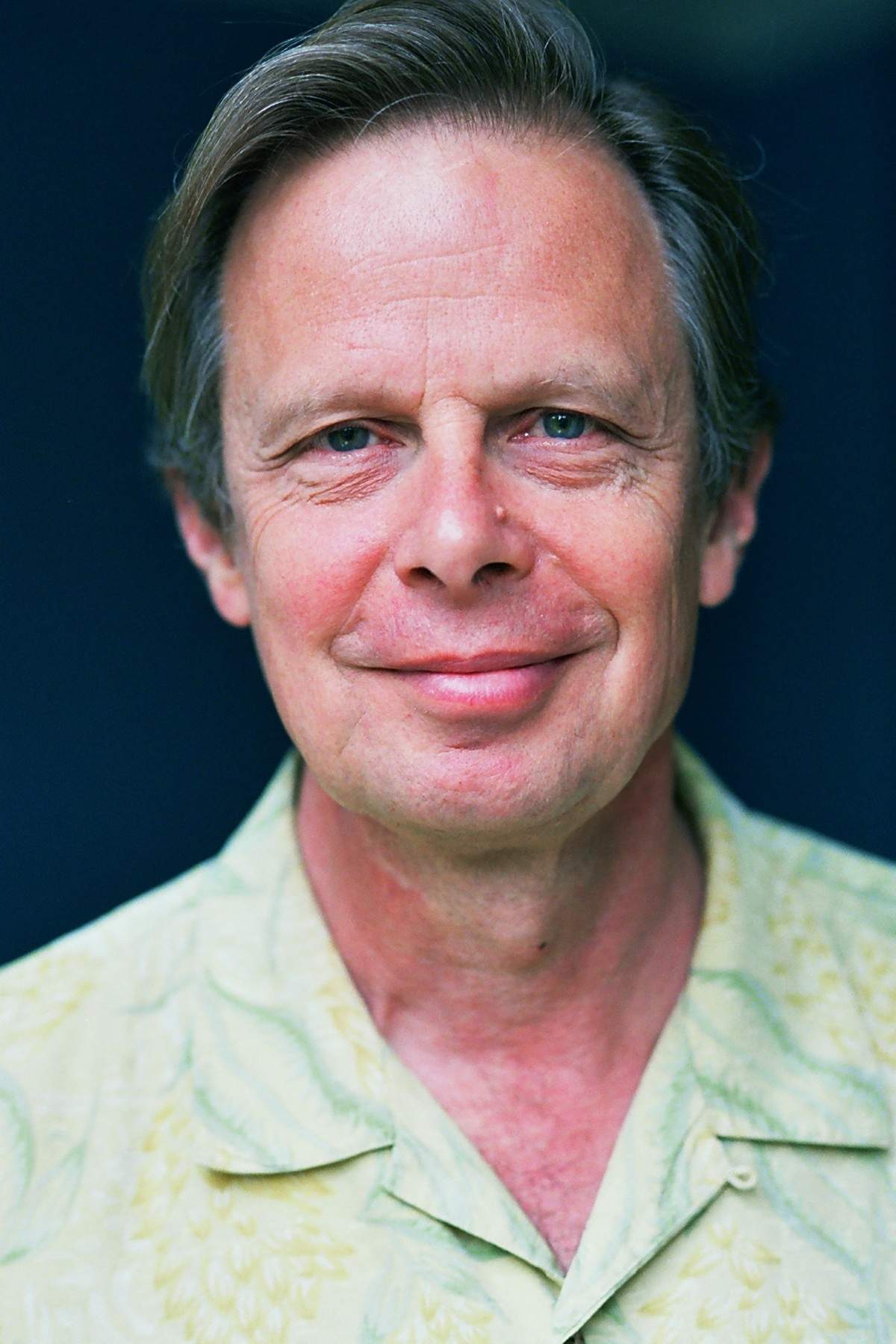
Headline credit: Joe Boyd. Photo: Andrea Goertler / Courtesy of Shore Fire Media.
Joe Boyd Official Website / Facebook / Instagram