

Savas Christie on ‘Savvas’ | The Rare 1974 LP Returns on Golden Debris
Originally released in 1974 in a pressing of just 300 copies, ‘Savvas’ has spent most of the past half-century out of sight.
The record was made in Melbourne by Savvas Christodoulou, now known as Savas Christie, while he was studying law. With only 300 copies pressed, it soon disappeared, later becoming a collectors’ item. Greek and Middle Eastern sounds run through the record, alongside bouzouki, modal jazz and the strange, synth-heavy pull of ‘A Dream of Zeus’.
Christie remembers the sessions as uncertain: “There was no formula. No safety net. Only intuition.” Elsewhere he describes the album as “a kind of personal diary, not in words, but in sound.”
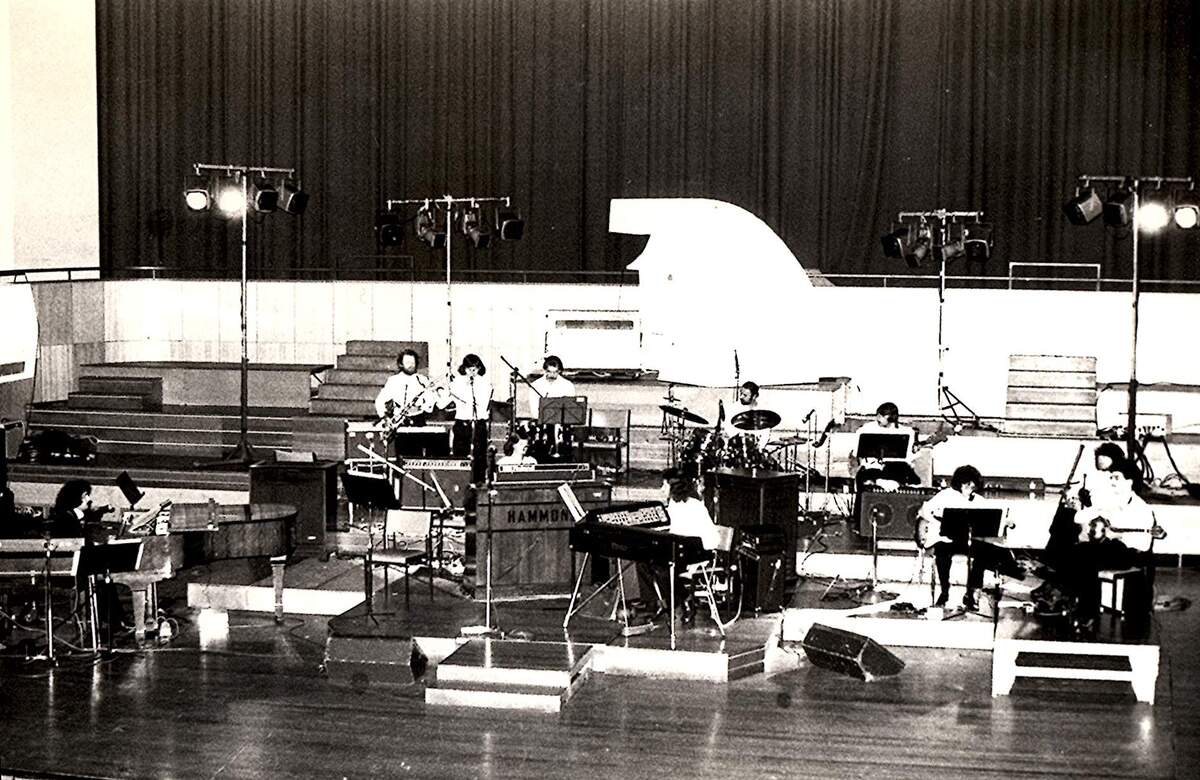
Golden Debris originally planned a straight reissue of the 1974 LP, until the original tapes from Christie’s 1976 concert at Dallas Brooks Hall turned up. By then he had built enough of a local following to fill the 2,000-seat venue. The resulting ‘Studio/Live’ brings together material from the original album with recordings from that concert, including previously unreleased pieces.
For this interview, Christie went back to the years around ‘Savvas’ and the story behind it. He talks about growing up between Cyprus and Australia, discovering the piano, playing in Melbourne, making ‘Savvas’, the break with his father, and what came afterwards in law, teaching, theatre and composition.
“I wanted to experiment.”
You were born in Cyprus and arrived in Australia as a baby. When did you first become aware that you were growing up with music from two different worlds?
Savas Christie: Firstly, thank you sincerely for inviting me to share my story with you and your readers all the way from Melbourne, Australia. It is a genuine privilege. I was born in Cyprus and migrated to Australia with my parents when I was just one year old. Looking back now, I can say without hesitation that growing up between two worlds profoundly shaped the way I heard, felt and ultimately created music. In many ways, I experienced the richness, and also the emotional complexity, of living between cultures. I grew up with the intensity, passion and broken rhythms of Greek and Middle Eastern music in my blood, while at the same time being immersed in Australian culture and the Western sounds of rock, pop, jazz, blues and theatre music constantly playing around me. I often felt I belonged to both worlds, yet entirely to neither. That tension eventually became one of the great gifts of my life. Without realising it at the time, my music slowly became a way of trying to understand who I was. On one side was my Greek Cypriot heritage, full of emotion, longing, melancholy, storytelling and unusual rhythms. On the other side was the energy and freedom of contemporary Western music. Rather than choosing between them, I instinctively began blending them together. By the time I was studying law at university and composing music for theatrical productions, something extraordinary began happening almost unconsciously. Greek and Middle Eastern rhythms would naturally emerge inside contemporary Western arrangements. It was not something I planned intellectually, it simply felt emotionally truthful. At Monash University, I later staged concerts titled ‘Savvas in Concert’, where I began experimenting more consciously with these musical fusions, combining traditional Greek and Middle Eastern textures with contemporary pop, rock and theatrical forms. Looking back now, I realise that music became much more than creativity for me. It became identity. A way of reconciling two cultures inside one heart. And perhaps, in some strange way, a way of healing the feeling of never fully belonging to either world.
Do you remember the very first moment music really grabbed you?
Music has always felt as though it lived inside me, almost like something waiting to be released. But from a very young age, my relationship with music became tied to struggle. My father was an extraordinary and powerful man, though also deeply difficult. He had come from poverty in Cyprus and arrived in Australia determined to survive and succeed through relentless hard work. He eventually became a successful builder and wanted the very best for his family. But he was also a very traditional old-school Greek patriarch, intensely dominant, controlling and deeply fearful of failure. In many ways, he governed our family through authority and expectation. He often used to say: “My family starts from me.” To him, security, education and financial success were everything. Music, by contrast, was seen as impractical, even dangerous. He would say things like: “Music is for girls and hash-smoking hippies.” And yet, strangely, when I was around twelve years old, he bought me a piano. The contradiction stayed with me. Once he saw how deeply I loved playing, he would sometimes lock the piano and hide the key because he believed I was wasting too much time. My dear mother, however, quietly became my secret protector. Whenever my father left the house, she would secretly hand me the key and I would rush to the piano until I heard him returning home. Then, at thirteen, I was sent away to boarding school. Oddly enough, that painful separation became one of the great turning points of my life. For the first time, I had space, freedom. After classes, I would sneak into music rooms and play for hours. On weekends and sometimes late at night, I would even climb through windows into the old school hall just to sit alone at the piano. Something profound happened during those solitary moments. I realised music was no longer merely something I enjoyed. It had become something I needed… a necessity… a calling. I never formally studied music and still do not read notation fluently. Everything I have composed throughout my life has come instinctively, by feeling, hearing and trusting emotional truth. Perhaps because so much of my younger life felt controlled, music became the one place where I felt completely free. It became the language through which I could finally hear myself.
What was Melbourne like when you were first getting into music?
Melbourne in those years felt alive with possibility. There was a cultural electricity in the air, a feeling that the world itself was changing. This was the era of The Beatles, The Rolling Stones, Elvis Presley, progressive rock, psychedelic experimentation and enormous musical freedom. Young people were beginning to question traditions, challenge authority and search for new ways of seeing themselves and the world. Fashion changed. Hair became longer. Bell-bottoms, floral shirts and colour filled the streets. Music no longer simply entertained people, it shaped identity. Australia had its own version of Woodstock through the famous Sunbury Rock Festival, where thousands gathered to celebrate music, freedom and expression. There was something transformative about that period. Television programs like ‘Countdown’ brought music into people’s homes and made international artists feel immediate and alive. I was also performing with local bands at the time, playing songs by artists such as The Beatles, The Rolling Stones and Elvis Presley, absorbing countless musical influences. Yet even while embracing those contemporary sounds, something deeper inside me remained connected to my Greek heritage. I was living between worlds. At the time, I did not fully understand it, but I was already searching for my own musical identity, trying to combine emotional intensity, unusual rhythms, storytelling and contemporary energy into something personal. In hindsight, I think I was unconsciously searching for a musical language that reflected who I truly was.
Did you have friends or collaborators early on who pushed you further into music, or were you mostly figuring things out on your own?
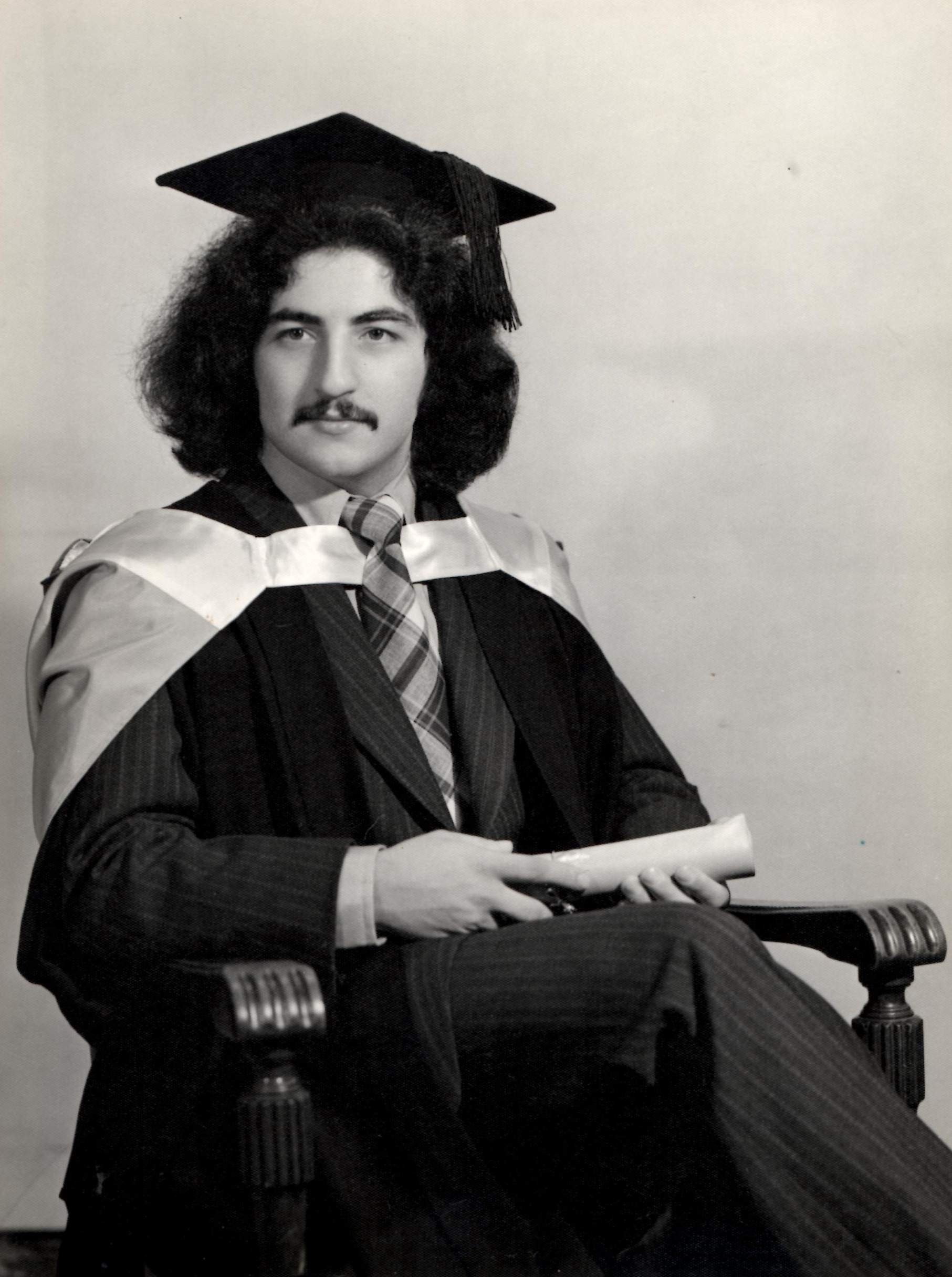
In truth, much of my early artistic journey felt lonely. I was slowly discovering myself while also living under enormous emotional pressure. My father wanted me to become a lawyer, not simply as a profession, but as my entire identity. He had enormous dreams for me. At one stage, after I graduated in law, he even proposed purchasing a building for me in Melbourne’s Greek precinct on Lonsdale Street so that I could establish what he believed would become one of the largest Greek legal practices in Australia. But there was a condition. I had to abandon music completely. He used to say: “He who worships two churches cheats on one.” To him, I had to choose… Law or music. Security or uncertainty. Obedience or independence. I tried to compromise. I told him I would practise law professionally but continue music alongside it, composing and performing because it felt inseparable from who I was. He became furious. I was around twenty-five years old, still emotionally young, having spent years at boarding school and university, without much worldly experience. Then came the moment that changed my life forever. He looked at me and said: “Is that the way you want to play it?” Then: “You can start where I started.” He went into my bedroom and began tearing everything apart. Bookshelves were ripped down. My clothes were thrown from cupboards. My books, belongings and possessions were piled onto the pavement outside the house, what felt like a six-foot mountain of my life. My mother stood crying. I stood in shock. I had no car. Nowhere to go. No money. And emotionally, I was crushed. At that age, it felt as though everything had been taken from me, family approval, security, direction, protection.
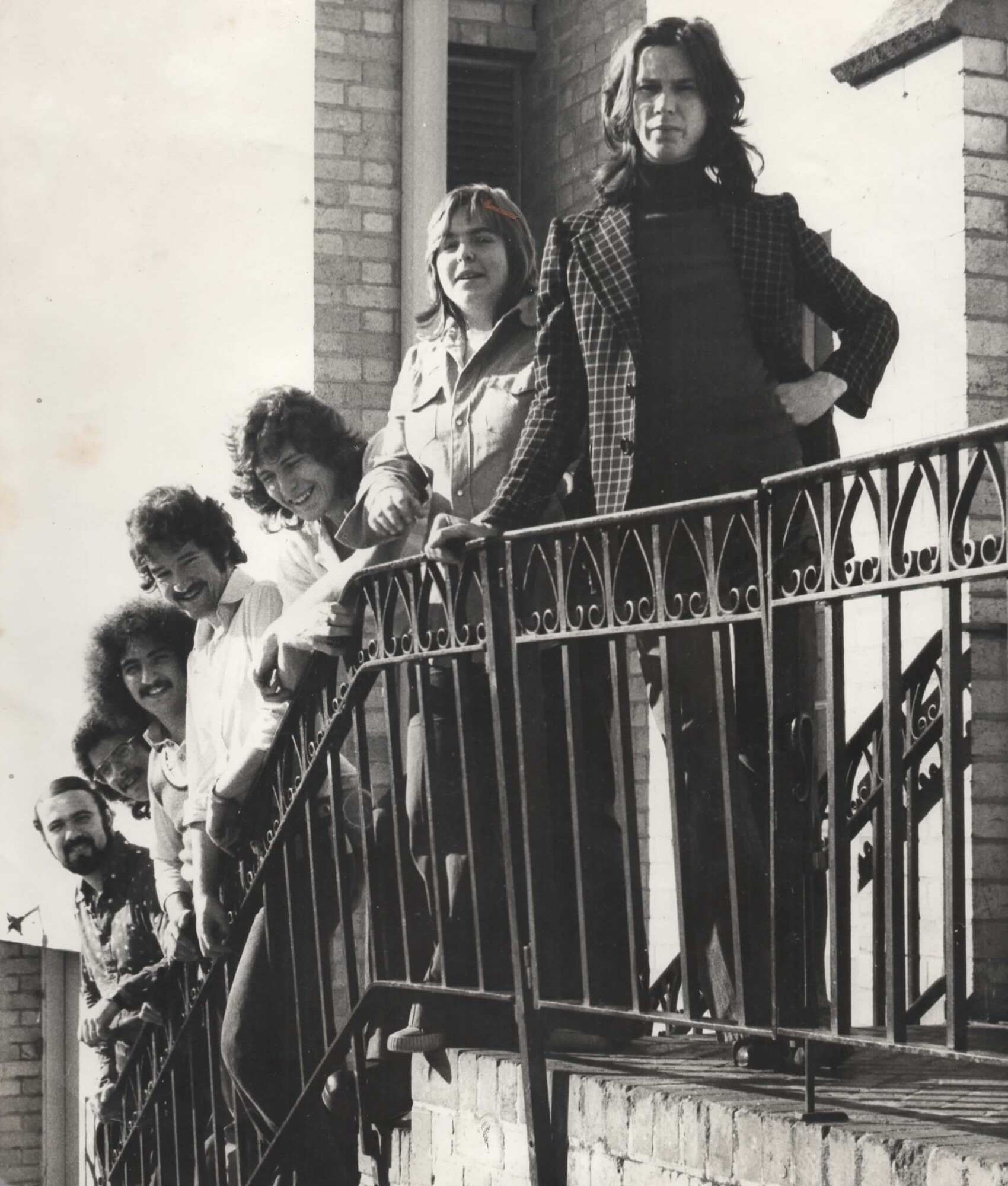
Looking back, I realise how vulnerable I truly was. I could easily have collapsed under the weight of it. Instead, something inside me refused to surrender. That same day, I went to stay with a dear friend, Greek-Australian singer, guitarist and university lecturer Con Tsicaderis and his fiancée. Con said words I have never forgotten: “Never give up your dream. You only have one life.” Those words may well have changed the direction of my entire future. Looking back now, I think Con gave me something I desperately needed in that moment: Permission to believe in myself.
Before the 1974 LP, what did your musical life actually look like day to day? Were you playing in bands?
Before recording the 1974 LP, my life revolved around instinct, experimentation and emotional searching. I was living in the Halls of Residence at Monash University while studying law, yet my inner life was increasingly dominated by music and theatre. I had already begun composing for theatrical productions and creative concepts, often sitting at the piano late into the night, experimenting endlessly with sounds, rhythms and emotional ideas. I never formally studied music. Everything I learned came through instinct. I developed piano skills naturally, learned chords, harmonies and arrangements by ear, and worked largely through intuition. Perhaps because so much of my external life felt pressured and controlled, music became my place of freedom, the one space where I could trust myself completely. I began experimenting with fusions of contemporary Western music alongside Greek and Middle Eastern rhythms, trying to create something emotionally truthful and uniquely my own. At the time, I did not realise I was slowly building a musical language that would stay with me for the rest of my life.
Looking back now, I can hear traces of those same instincts decades later in works such as ‘Quasimodo – The Musical (The Untold Story of the Hunchback of Notre Dame)’, where Greek and Middle Eastern rhythms merge with symphonic, operatic and theatrical forms, and in ‘Zombie in a Kombi – The Rock Musical®’, where rock, pop, European, Greek and Middle Eastern influences continue to evolve. In many ways, the seeds were already there in 1974. I simply did not know where they would eventually lead.
How did the idea of making the 1974 LP come about? Did you know what you wanted it to be from the start, or did it develop as you went along?
The making of the 1974 LP was, in many ways, both an artistic experiment and an emotional necessity. Looking back now, I realise I was trying to discover who I was, not only musically, but personally. At that stage in my life, I was still carrying enormous inner conflict: the struggle between expectation and identity, between security and freedom, between the traditional world I had come from and the creative world I felt deeply drawn toward. Music became the space where all of those tensions could somehow coexist. I did not enter the project with a grand commercial plan or a clear business strategy. In truth, I simply felt compelled to create something that sounded emotionally honest, something that reflected the strange mixture of influences living inside me. I wanted to experiment. To see whether Greek and Middle Eastern rhythms could somehow live alongside contemporary Western sounds, rock, pop, theatrical arrangements and more progressive musical ideas. At the time, I do not think I fully understood what I was attempting. I was simply following instinct. In hindsight, I can see that the album became a kind of personal diary, not in words, but in sound. Perhaps it was also my way of quietly saying: “This is who I am.” At twenty-five years of age, after everything that had happened with my father and the emotional upheaval of breaking away, creating the LP felt like an act of survival as much as creativity. It was a declaration of independence. A way of holding onto myself.
Only 300 copies were pressed. What do you remember about the recording itself, and what were those sessions like for you at the time?
The recording process was both exciting and emotionally overwhelming. At the time, I had no real financial resources behind me, no music industry infrastructure, and certainly no sense that I was creating something that might one day be rediscovered decades later. This was simply a young man trying to honour something he felt deeply called to express. The sessions themselves were filled with experimentation. I worked closely with musicians, often guiding arrangements instinctively rather than academically. Since I never formally studied music and did not read notation fluently, much of my communication happened through playing ideas on piano, singing parts, describing emotional feelings, and encouraging musicians to interpret the spirit of the work. Everything felt alive and uncertain. There was no formula. No safety net. Only intuition. And emotionally, I think I was pouring a great deal of myself into the process, though perhaps I did not fully understand that at the time. Looking back now, I can hear traces of my younger emotional struggles hidden inside the music: longing, conflict, hope, searching, even loneliness. Yet there was also excitement. A sense that I was attempting something unusual. The fusion of sounds felt risky, but exciting, Greek and Middle Eastern rhythmic influences blending with contemporary Western forms in ways that were still relatively uncommon then. When only 300 copies were eventually pressed, I do not think I fully appreciated how small and fragile that release actually was. To me, it simply felt like I had finally managed to bring something deeply personal into the world. Perhaps that is why the album still feels emotional to me today. It carries the fingerprint of a very vulnerable period of my life.
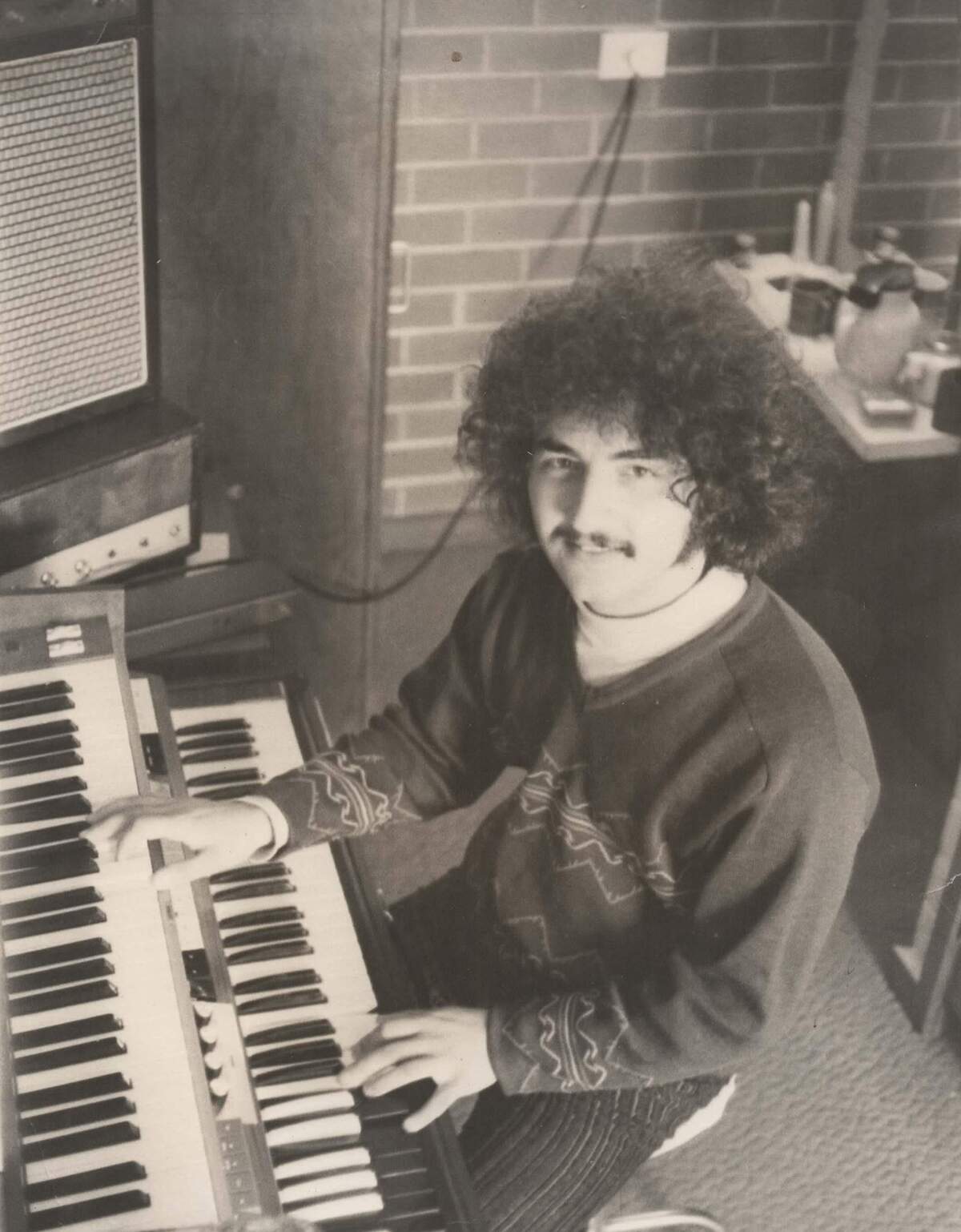
When you hear the record now, what strikes you most about the person who made it?
When I listen back now, I hear someone searching. Deeply searching. I hear a young man trying to reconcile many worlds, cultures, emotions, expectations, fears and dreams. I hear someone fighting quietly to preserve his own identity. At the time, I probably appeared confident from the outside. I had completed a law degree, was performing music, writing and creating. But internally, I was still trying to understand who I really was. I think what surprises me most is the emotional honesty of the music. There is vulnerability in it. Longing. Restlessness. A sense of wanting to belong while simultaneously trying to break free. Listening now, I realise that many of the emotional themes which later emerged in my larger works were already there. The struggle for acceptance. The pain of rejection. The longing to become fully oneself. In many ways, I now recognise emotional threads that later found fuller expression in ‘Quasimodo – The Musical (The Untold Story of the Hunchback of Notre Dame)’, particularly themes of alienation, identity, humiliation, resilience and the struggle to be accepted despite feeling different. I think the younger Savvas was already searching for freedom. He simply had not yet found the language to fully express it.
“Music has a strange ability to outlive circumstance.”
What is it like hearing people come to the record now, more than fifty years after you made it?
It honestly feels surreal — and deeply moving. When I created the LP, I never imagined that people many decades later would still be listening to it, discussing it, or finding meaning in it. At the time, I was simply trying to survive emotionally and remain true to something I deeply believed in. There was no sense of legacy. No expectation of rediscovery. Just a quiet determination to create something truthful. So when listeners revisit the album now, it touches me very deeply. Perhaps because I know what was happening underneath the music at the time, the emotional conflict, uncertainty, vulnerability and struggle. To realise that something created during such a difficult period of life can still resonate with others after all these years feels profoundly humbling. It also reminds me of something important: Music has a strange ability to outlive circumstance. Sometimes works created in struggle travel further than we ever imagine. Perhaps because truth, emotional truth, somehow remains inside them.
Did you think much about where the record fitted stylistically, or were you simply following instinct?
I was absolutely following instinct. To be honest, I do not think I have ever created music by asking: “Where does this fit?” I have always asked instead: “Does this feel emotionally truthful?” Even back then, I was instinctively drawn toward combining sounds that perhaps should not naturally have belonged together, Greek and Middle Eastern rhythms alongside contemporary rock, pop, theatrical and orchestral textures. I never saw contradiction in that. To me, music was emotion before category. If something moved me, I followed it. Perhaps that came from growing up between cultures and constantly feeling that I belonged partly to several worlds rather than fully to one. In hindsight, I think my work has always been searching for synthesis, for ways of bringing seemingly different worlds together. That instinct has continued throughout my life. Decades later, in ‘Quasimodo – The Musical (The Untold Story of the Hunchback of Notre Dame)’, I again blended Greek and Middle Eastern rhythmic foundations with symphonic, operatic and theatrical forms. The work later received nominations for Best Outstanding New Music Theatre Writing through the Green Room Awards Association, and Best Writing for a Musical through the APRA AMCOS / Australian Music Centre Awards. Similarly, my current work, ‘Zombie in a Kombi – The Rock Musical®’, continues that same spirit of experimentation. I have already completed a two-hour demonstration soundtrack for the show, including music, lyrics and largely sung dialogue, in preparation for future staging. Looking back now, I realise something. The musical seeds planted in 1974 never really disappeared. They simply continued growing.
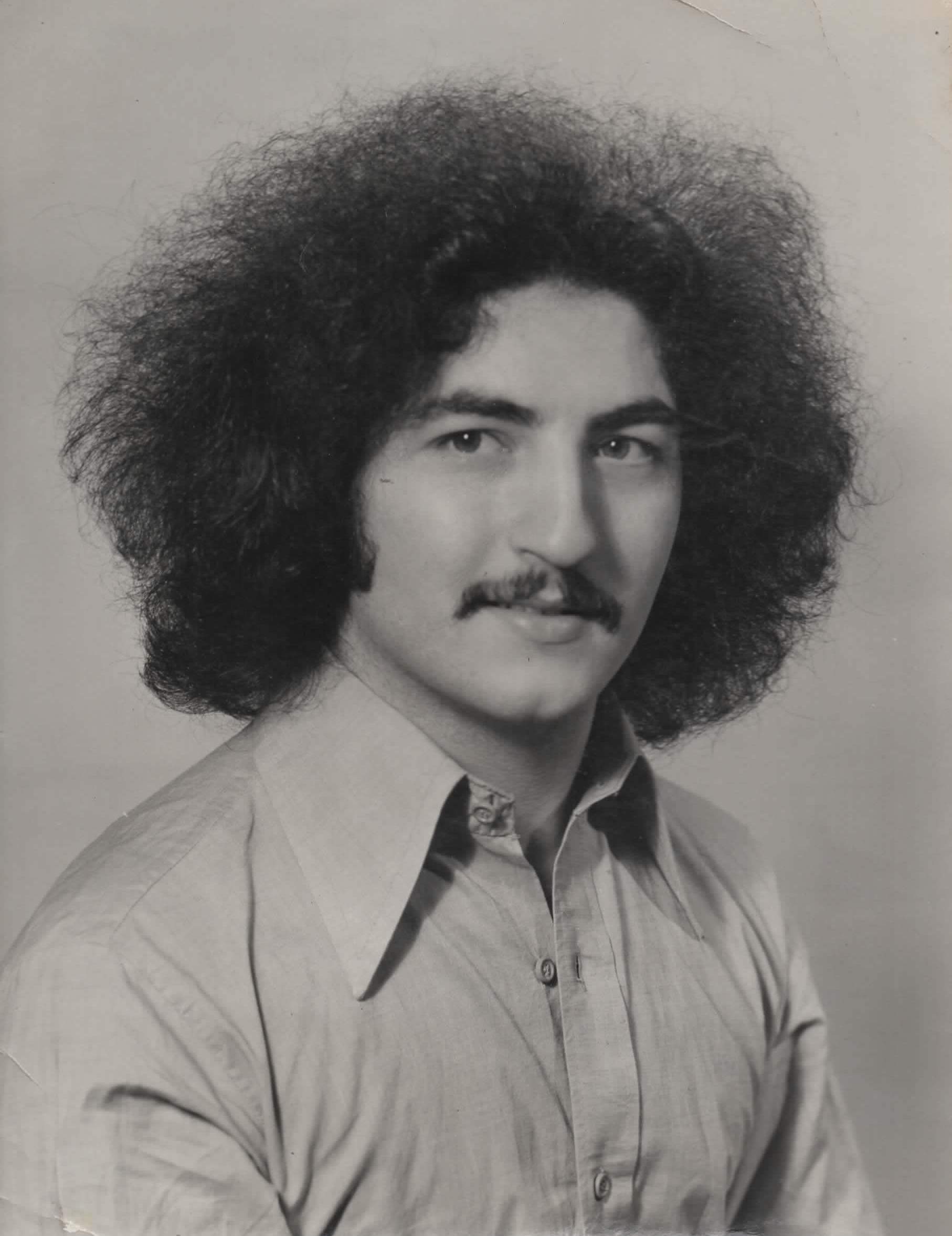
How much of what you were going through personally found its way into the songs on the LP?
Looking back now, I realise that many of the songs on the LP carried far more of my inner emotional world than I consciously understood at the time. Music became my emotional language. Often, I found myself expressing feelings through melody, rhythm and atmosphere that I perhaps could not yet articulate in ordinary conversation. Many of the pieces reflected an emotional searching, a longing to understand who I was, where I belonged, and how to reconcile the tensions inside my life. There was always a certain emotional intensity underneath the music. A yearning. A searching. A feeling of standing between worlds. At the time, I was carrying the emotional weight of family expectations, the pain of separation from my father, uncertainty about my future, and the struggle to remain true to what felt like my deepest calling. In hindsight, I think the music became a place where those conflicts quietly surfaced. Even if listeners did not know the story behind it, the emotional truth somehow found its way into the sound. Looking back now, I realise something important: Throughout my life, I have rarely written music from imagination alone. Almost all of my major works have, in some way, emerged from lived emotional experience. My life and my music have always been deeply intertwined. Perhaps even inseparable.
Did you ever feel that the music was hard for people to place at the time?
Yes — very much so. In many ways, I often felt I existed between categories. Not entirely Greek. Not entirely Australian. Not fully commercial. Not fully traditional. Even musically, I sometimes felt I stood between worlds. Greek audiences occasionally found some of the contemporary Western influences unusual, while mainstream Western audiences were not always familiar with Greek or Middle Eastern rhythms and emotional textures. But strangely enough, I never felt tempted to simplify myself. I think because, emotionally, I had already spent much of my life trying to negotiate identity and belonging. Music became the one place where I felt I could be completely truthful. I never wanted to imitate what already existed. I wanted to create something emotionally authentic, even if it felt difficult to categorise. At times that probably made the journey harder. But I think it also allowed me to develop a musical language that was uniquely my own. Looking back now, I realise that much of my work has quietly explored the idea of bringing different worlds together, cultures, emotions, rhythms and ways of seeing life. Perhaps because I spent so much of my own life trying to reconcile different worlds within myself.
Were you conscious of other artists doing similar things, or did it feel like you were off on your own?
To be honest, much of it felt like my own private musical world. Of course, I was inspired by what was happening culturally, the explosion of creativity during the late 1960s and early 1970s, progressive music, theatrical experimentation, rock, folk, jazz and world influences. There was a tremendous sense of artistic possibility in the air. But emotionally, my own creative process often felt deeply personal. I was not trying to fit into a movement. I was trying to understand myself. Music became both refuge and exploration. A place where I could process confusion, hope, identity and emotional pain. In many ways, I think I was building an inner world, one where I could exist freely without constantly feeling pressure to become someone else. Perhaps because so much of my external life felt controlled or conflicted. Looking back now, I can see that many of the emotional and musical instincts I was exploring then stayed with me for life. The desire to blend cultures. The longing to transform emotional struggle into beauty. The belief that music could somehow heal, connect and elevate. Those ideas never left me.
Did you imagine music becoming your life at that stage?
The dream never really left me. But practical reality sat beside it constantly. Because of my upbringing, particularly my father’s expectations, I was always painfully aware of responsibility, financial survival and the fear of failure. My father wanted certainty. He had suffered poverty and hardship in Cyprus and genuinely believed success came only through discipline, sacrifice and financial security. To him, becoming a lawyer represented safety. Music represented danger. After university, when he offered to financially support my legal future on the condition that I completely abandon music, I found myself facing one of the most difficult decisions of my life. The cost of refusing him was enormous. Emotionally, financially and psychologically. Yet even then, something deep inside me simply could not let go of music. I tried to compromise by practising law professionally while continuing music alongside it. But perhaps because music felt less like ambition and more like necessity, I could never abandon it entirely. In hindsight, I now understand that I was not chasing fame. I was trying to honour something that felt deeply given to me. Almost like a responsibility. And although life later took me through law, business, teaching, enormous loss and reinvention, music somehow remained the thread that continued quietly through everything.
What happened after ‘Savvas’? Looking back, which moments changed the course of your life most?
There have been several moments that completely transformed my life. The first was unquestionably being forced to leave home after refusing to abandon music. At twenty-five, emotionally young and still finding my way, I suddenly lost security, family support and certainty all at once. It was devastating. Looking back, I realise I could easily have broken under the weight of it. Yet somehow, that experience also forced me to discover resilience and independence. The second great turning point came many years later during the devastating recession of the early 1990s. By then, I had built a successful legal practice and substantial property interests. Then, almost overnight, everything collapsed. Interest rates soared dramatically, property values collapsed, and I lost virtually everything financially. I was left penniless with a wife and two young children. Emotionally and psychologically, I was shattered. For a period of time, I struggled deeply simply to function. In some ways, it felt as though life had crushed me for a second time. Yet strangely enough, that devastating experience also became transformational. I returned to university, completed a Master of Laws degree and eventually began teaching law to international students and later university students. For several years, I also had the privilege of teaching disadvantaged Indigenous Aboriginal students through Deakin University. That chapter became deeply meaningful to me. Watching struggling students grow in confidence, achieve strong academic results and eventually go on to become legal professionals, some even barristers, gave me enormous pride. Some students later told me I had become part of their life story. That touched me deeply. Looking back now, I sometimes wonder whether life/the universe was quietly redirecting me. Almost as though I was being reminded that success alone was never the true purpose. That perhaps I had been given certain gifts, whether through music, teaching or storytelling, and had a responsibility to use them in ways that might help uplift or transform others. And through every chapter, struggle, loss, reinvention and healing, music never left me.
Listening to the album now, what emotions come back to you?
When I listen to the album now, I experience many emotions at once. There is certainly nostalgia, but not nostalgia in a simple or sentimental sense. It feels more like revisiting an old emotional landscape. I hear the younger Savvas. Hopeful. Searching. Confused. Passionate. Trying desperately to find his own voice while carrying enormous emotional conflict inside. There is sadness too. Because I can hear how vulnerable that young man really was, even if he tried to appear strong. I hear someone longing to belong, longing to be accepted, yet simultaneously fighting to remain true to himself. At times, listening brings back memories of loneliness and emotional struggle, particularly the pain surrounding my father and the enormous pressure to abandon music. But there is also gratitude. Deep gratitude. Because somehow, despite everything, that younger version of myself survived. He endured. He did not surrender. And perhaps most moving of all is the realisation that the music somehow survived too. After all these decades, something born during such an emotionally difficult period still carries life. That feels deeply humbling.
If you could sit down with the young Savvas who made this LP, what would you want to tell him?
I think I would place my hand gently on his shoulder and simply say: “Do not be afraid. You are going to survive this.” Because at twenty-five, I do not think I fully understood how emotionally fragile and overwhelmed I truly was. I had lost so much certainty. Family approval. Security. Direction. I was trying to build a legal career while desperately holding onto music because something inside me knew abandoning it would mean abandoning myself. I would tell him: “Trust your instincts. Do not let fear define your life.” I would also tell him that life will not unfold in a straight line. There will be devastating setbacks. Losses. Moments where everything seems broken. In fact, life will crush him again many years later during the recession of the early 1990s, when he loses virtually everything financially and emotionally. But somehow, he will rise again. And through every chapter, law, teaching, hardship, reinvention, music will quietly remain. I think I would also tell him something he desperately needed to hear: “You are not broken because you are different.” Perhaps that is one of the deepest themes that later emerged in my creative work.
You’ve continued creating throughout your life. What projects feel most important to you today?
In many ways, I feel the creative journey that began in 1974 is still continuing. Perhaps simply evolving. One of the most significant works of my life has been ‘Quasimodo – The Musical (The Untold Story of the Hunchback of Notre Dame)’, a work that became deeply personal to me emotionally. Although inspired by Victor Hugo’s story, in many ways the musical became autobiographical through metaphor. Many of Quasimodo’s struggles reflected emotional experiences from my own life, rejection, humiliation, longing for acceptance, conflict with authority, and the struggle to become fully oneself despite emotional oppression. For example, there is a powerful moment in the musical where Quasimodo is publicly humiliated and rejected by Frollo, the father figure who should protect him. That emotional dynamic resonated deeply with my own experiences. Another deeply personal song is: ‘Why Did You Make Me Less Than a Man?’ In that moment, Quasimodo cries out against his creator, against God, fate and the father figure who shaped his suffering, asking why he was made different, unloved and rejected. Emotionally, that song came from very deep places within me. Another major song: ‘I Must Be Me’ became, in many ways, my own freedom anthem. It speaks about breaking free from emotional chains, refusing to surrender one’s identity, and finally finding the courage to become oneself. Looking back now, I can clearly see how much of my own emotional journey unconsciously entered the work. The musical later received nominations for Best Outstanding New Music Theatre Writing through the Green Room Awards Association, and Best Writing for a Musical through the APRA AMCOS / Australian Music Centre Awards. Musically, I again explored the fusion that first emerged in 1974, blending Greek and Middle Eastern rhythms with symphonic, operatic and theatrical forms. My hope is that the work may one day become a global production capable of bringing cultures together and perhaps even transforming lives. I have also recently completed a two-hour demonstration soundtrack for ‘Zombie in a Kombi – The Rock Musical®’, including music, lyrics and largely sung dialogue, in preparation for future staging. Once again, the musical language continues evolving, rock, pop, Greek, Middle Eastern, European and theatrical influences all finding new expression. In many ways, I feel I am still continuing the same artistic conversation that began all those years ago.
Do you think the young Savvas who made the record would recognise the person and musician you became?
I think he would be surprised. Perhaps even shocked. Life did not unfold as he imagined. There were moments of success, moments of enormous hardship, moments of reinvention and times of deep emotional struggle. But I think he would recognise one important thing: The fire never disappeared. The desire to create. To search. To connect. To transform emotional experience into music. That remained. I think he would also feel relieved to know that despite everything, despite rejection, financial devastation and many setbacks, he somehow kept going. Perhaps most importantly, I think he would feel proud that the dream never truly died. It simply changed shape over time.
Through all of that, what has music given you?
For me, music has never simply been entertainment. It has been survival. Healing. Meaning. A way of understanding emotional pain and transforming it into something constructive. Twice in my life I felt completely crushed. The first was when I was forced from home after refusing to abandon music. The second was after the devastating recession of the early 1990s, when I lost virtually everything financially. Both times, I felt emotionally shattered. Yet music somehow remained. Quietly. Faithfully. Even when life moved into law, teaching and survival, music stayed beside me. Looking back now, I honestly believe music helped save me. Not only emotionally, but spiritually. It gave suffering meaning. And perhaps gave me a way to transform pain into something that might help others feel less alone.
When someone hears ‘Savvas’ for the first time now, what do you hope comes across?
More than anything, I hope people hear honesty. Emotional honesty. I hope they hear someone sincerely trying to express something real, even if imperfectly. Someone trying to bridge cultures. Trying to reconcile worlds. Trying to search for identity. Trying to remain true to himself. I hope listeners feel emotional sincerity inside the music. Because ultimately, I believe music communicates beyond words. Sometimes people do not know why something moves them, they simply feel truth inside it. If listeners feel even a small sense of connection, hope or emotional recognition, then perhaps the work has achieved something meaningful.

What does it feel like to have ‘Savvas’ back in circulation after all these years?
In many ways, it feels like both. There is certainly a sense of reflection. Of looking back at the young Savvas with compassion and gratitude. But strangely enough, it does not feel finished. It feels alive. As though the story is still continuing. Perhaps because creativity itself never truly ends. The rediscovery of the album has reminded me of something important: The seeds planted in youth sometimes take decades to fully bloom. When I look back across my life, the struggles with my father, the loss, the reinvention, the teaching, the composing, I sometimes feel that my life and my works have, in many ways, been forged in fire. Yet somehow, out of those fires came music. Stories. Teaching. Connection. And perhaps even opportunities to help transform lives. So no, I do not think this feels like the end of a circle. My ‘Savvas’ vinyl record was the first chapter in pursuing my deepest dream. It feels as though I am still unfolding as an artist, growing in confidence, and in my hope of leaving a meaningful legacy through my music. And at this stage of my life, I remain profoundly grateful that the creative flame within me continues to burn brightly.
Klemen Breznikar
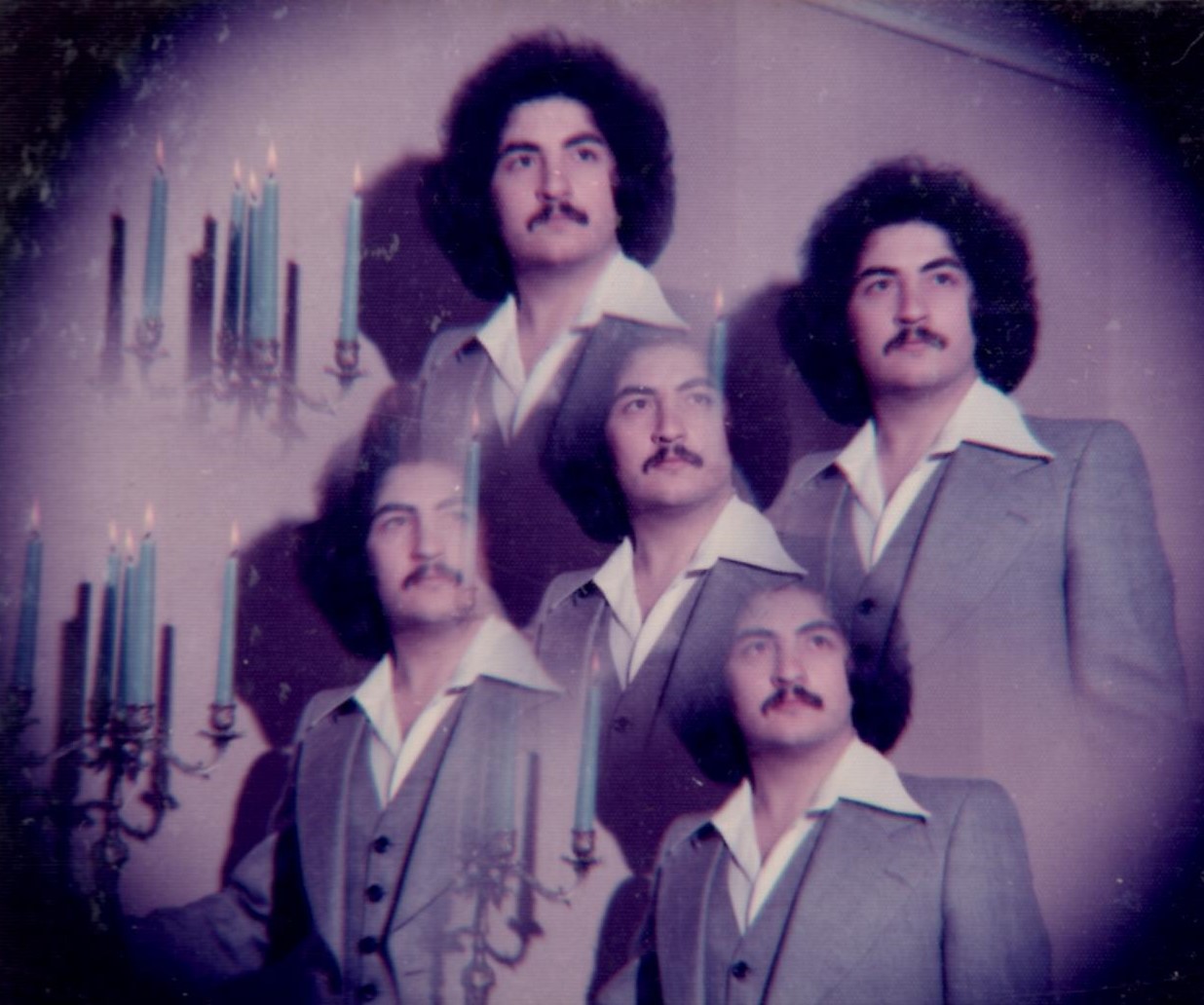
Headline credit: A multiple-exposure portrait from the 1970s. Photograph: Savas Christie archive
Samuel Kristy Facebook
Golden Debris Bandcamp


