
Roger Knott | ‘Gateway Songs’ and the Nashville Recordings | Interview
Roger Knott discusses his new album ‘Gateway Songs’, revisiting material from his Lifeblud days, working with Nashville musicians, and the recordings he hopes to release next.
Some of the songs on Roger Knott’s new album ‘Gateway Songs’ were written more than fifty years ago, when he was playing with Lifeblud in Hertfordshire. Others came much later. For this collection, released by Seelie Court, Roger returned to the older material and recorded new versions with musicians in Nashville, where he has been making records since 2005.
When we last spoke in 2023, Roger talked at length about Lifeblud and his musical history. This time, I wanted to concentrate on the songs themselves. We discussed what he changed when revisiting his early writing, how the Nashville musicians approached his material, and the family history behind ‘Soldier’. Roger also told me about the recordings he hopes will follow ‘Gateway Songs’.
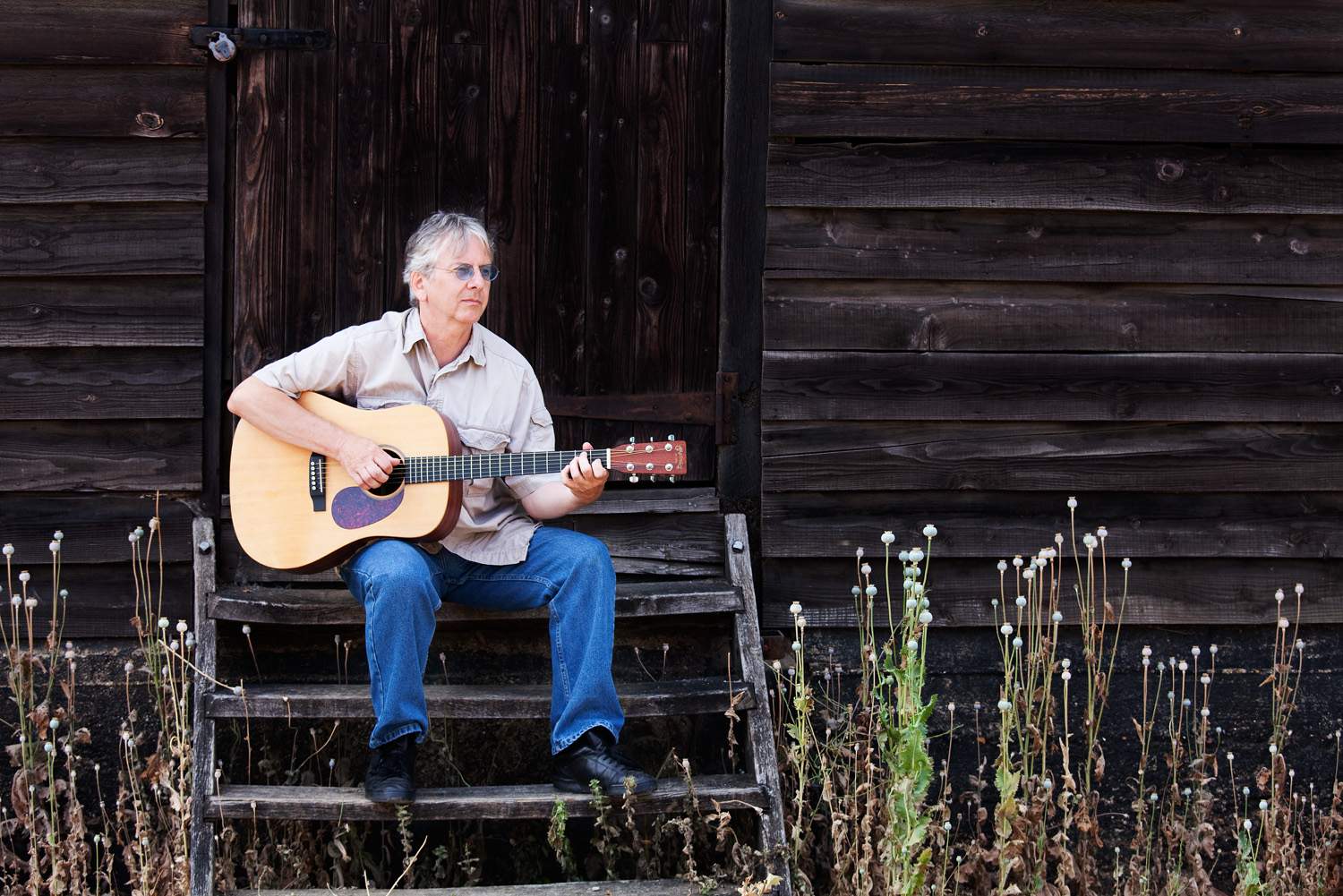
“I was keen to enhance and not lose the essence of the songs”
‘Gateway Songs’ brings together songs written at very different points in your life, with some reaching all the way back to the Lifeblud years. Hearing them together now, do you notice how your writing changed over the years, or are you more struck by what stayed the same?
Roger Knott: There have been noticeable changes in my writing style over time, especially in the lyrics, which became less consciously poetic and more conventional in their expression. What stayed the same is my love of language, and I still enjoy a certain wordplay and rhyming structure in creating a lyric. The rhythm of the words, which usually come first in draft form (maybe initially just as a single verse, chorus and bridge), helps to form the shape the tune will eventually take.
When you returned to songs such as ‘Echoes In Time’, ‘Oakenshade’ and ‘The Journey Home’, how did you decide what you were willing to change and what you wanted to leave as it was? Is there ever a danger in revisiting an old song that you might lose something of what made it special to you in the first place?
I thought the early songs were worth returning to, but I didn’t want to simply repeat them as I had done previously. So I experimented with time signatures, tempos or keys to see what would be beneficial to develop the song in some way. Additionally, new instrumentation was suggested, helping to bring more of a country feel to the material (something of a speciality in Nashville, where the new versions were recorded). I was keen to enhance and not lose the essence of the songs in the process by remaining sensitive to the original concept. When I first got in the studio with Pat McInerney, he was of a similar mindset, and the first thing he asked me for was the lyrics so that he knew how to approach the song as a drummer, a request which surprised me at first.
These songs weren’t originally written as country songs, yet they seem completely at home with the Nashville musicians. What usually happens when the players first sit down with one of your songs? Do they often surprise you with what they come up with?
The Nashville musicians begin by having a brief discussion amongst themselves to decide on the best “feel” for the song. When I hear the first run-through, I know that the song has instantly stepped up to another level that I hadn’t anticipated. Then a rough vocal is included for overdubs to be added, leaving space and taking care not to get in the way of the song. A simple line of counterpoint or harmony from one of the players can generate renewed confidence and inspiration for the final lead vocal, and I start to hear how I might approach it.
When we spoke before, you said that a good song comes down to whether it creates a strong emotional response in the listener. Is there one song on ‘Gateway Songs’ that still affects you more than the others when you hear it now? And would you have chosen the same song when you first wrote it?
I think the song ‘Soldier’ has that kind of emotional quality, which only grew as the recording of it progressed. Having researched my own family tree, I discovered the tragedies of those ancestors who served and fell in war, and I imagined how that must have impacted on their surviving loved ones. Yes, I think I would have chosen that song when I first wrote it, as I knew it was expressing something universal. The line about “some soil in a foreign land where you’ll always be part” is a sentiment borrowed from Rupert Brooke’s 1914 poem ‘The Soldier’.
You also told me that you had around 150 recordings that you hoped might eventually reach a wider audience. Now that ‘Gateway Songs’ is being released by Seelie Court, is there anything in that archive that you especially hope might come next?
The actual number of recordings I made in Nashville between 2005 and 2022 is 140. I have been sifting through the material, deciding what songs best fit together. The next extract from the archive I would like to release is a collection of my co-writes and covers of friends’ songs, which I have titled ‘Many Hands Make Light Work’.
Klemen Breznikar
‘Gateway Songs’ is out now on Seelie Court / Good Time Records.
Related interview: Lifeblud | Interview | ‘Lost Acetate of Folky Prog’ (2023)
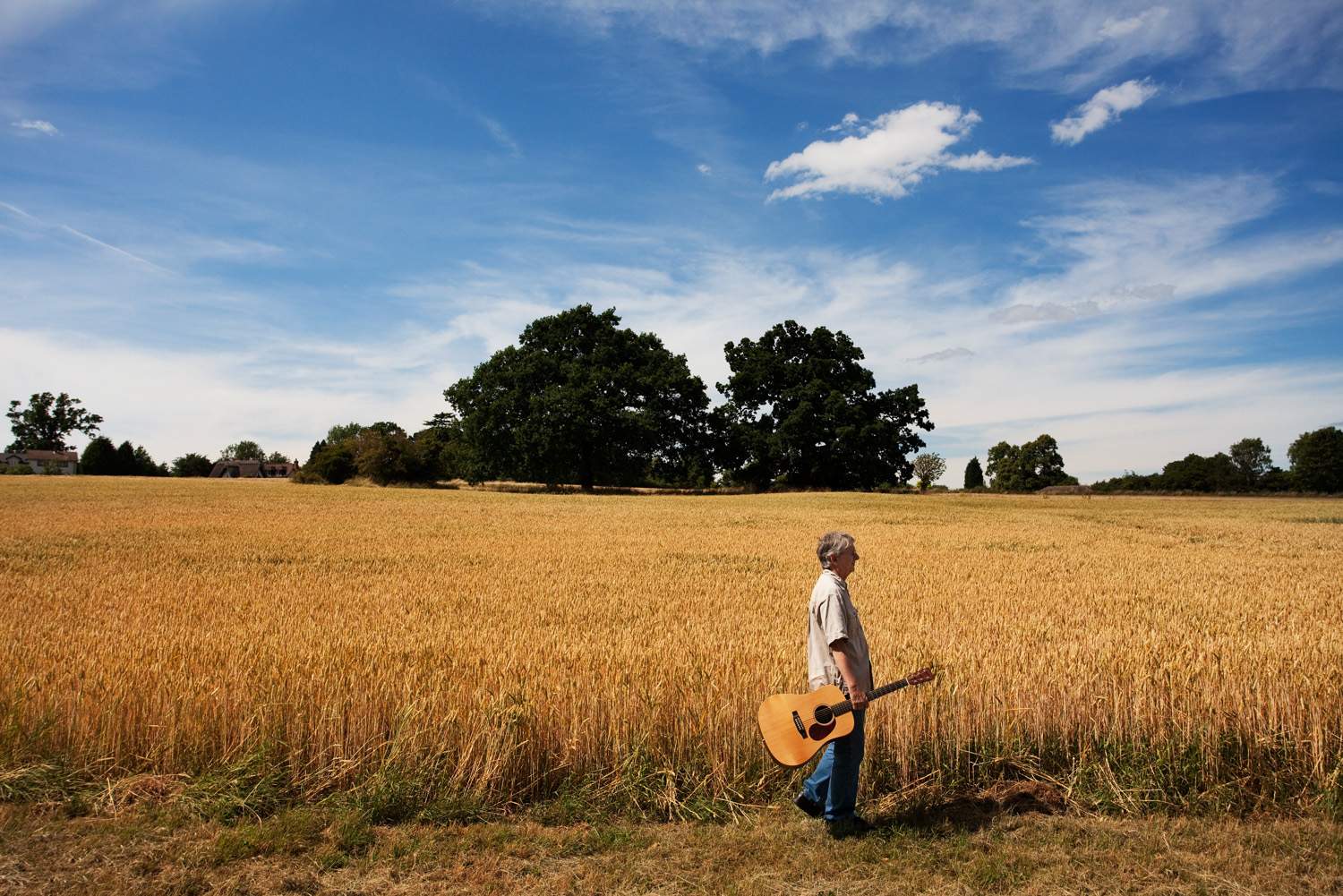
Headline credit: Roger Knott, 2010. Photo by Dan Evans.