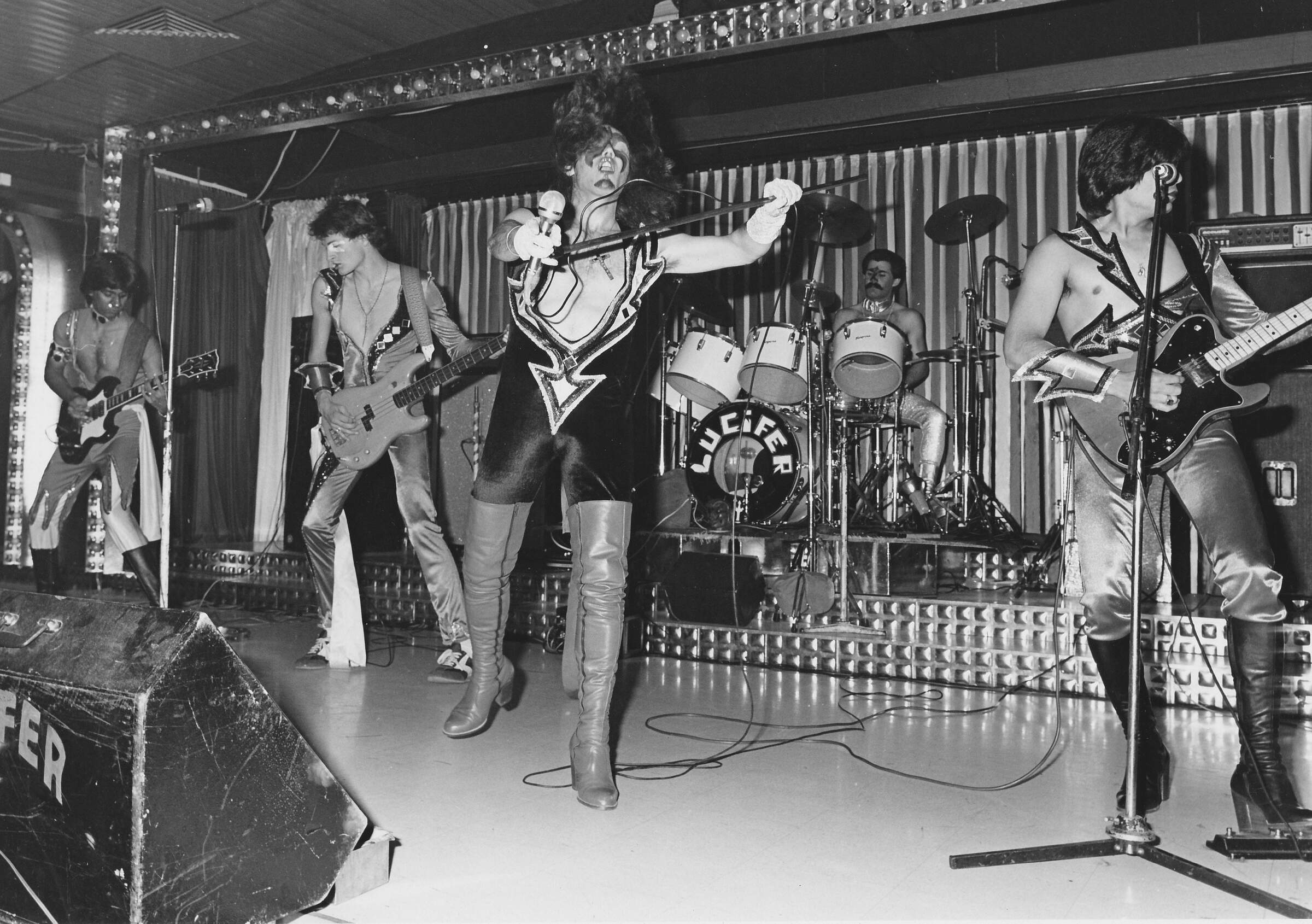

“We Lived and Breathed It”: The Lost Story of Australian Hard Rock Band Lucifer
Lucifer played as many as thirteen gigs a week, supported Queen, and went into one of Australia’s leading studios to make a debut album. The record never appeared. Fifty years later, the surviving live tapes have become ‘My Best Friend’.
When Queen took the stage at Perth Entertainment Centre on 11 April 1976, the local support was Lucifer. It ought to be an easy band to trace from there. A group that reached a bill of that size should have left an album and a fair run of press behind. Lucifer left neither. Their intended studio record was held back when the bills went unpaid, while much of the money and equipment that kept the band on the road disappeared.
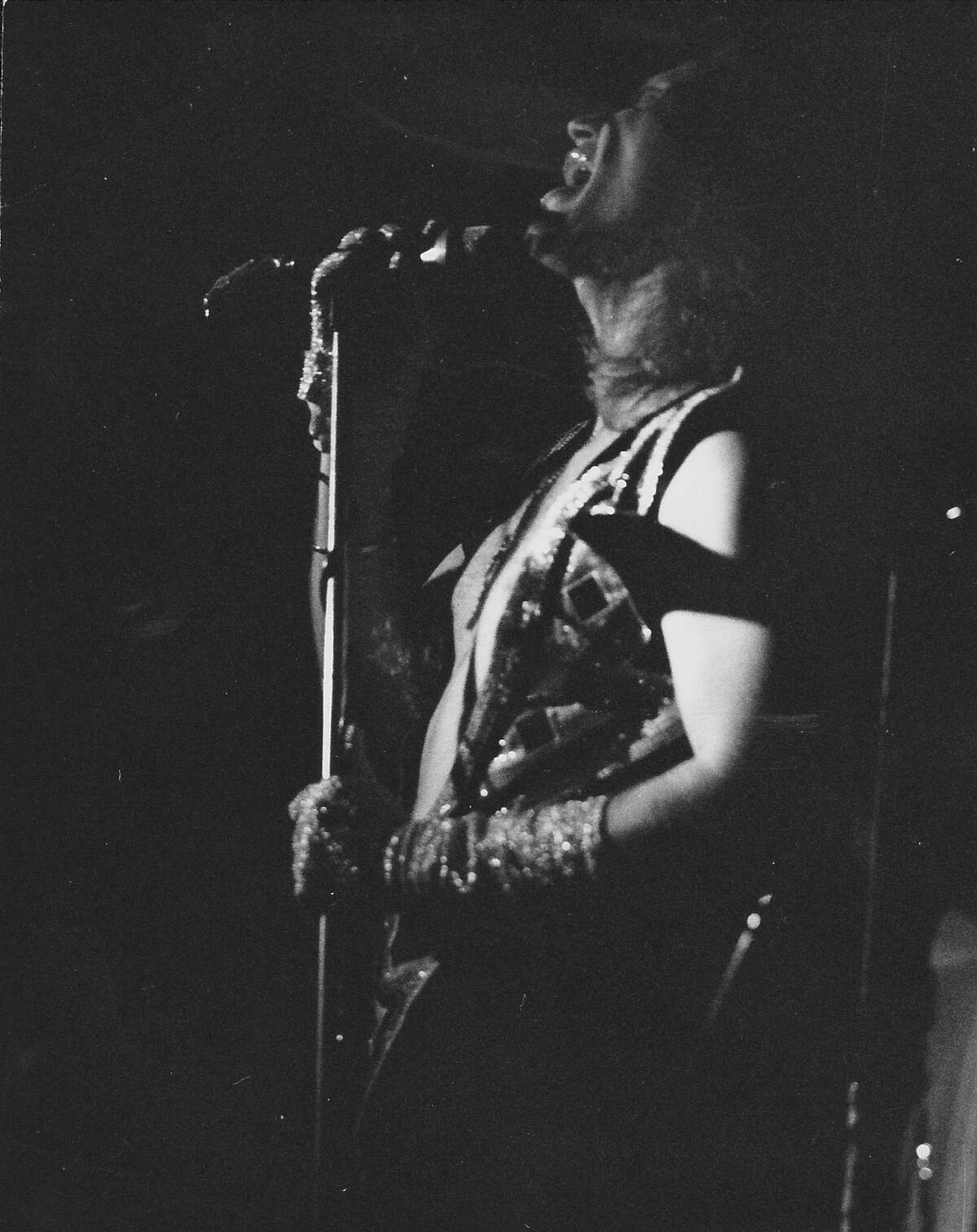
That makes ‘My Best Friend’, released on 18 September ’26 by Seelie Court through Good Time Records, an unusual sort of first album. Its fourteen tracks were recorded live in Perth and Melbourne between 1974 and 1977. Some came straight from front-of-house mixing desks; others survived on cassette. None of the tapes was intended for release. For decades, though, they were the only substantial record of Lucifer.
I came to the story through Rhett May’s earlier band, The Flintstones, while working on Seelie Court’s reissue of their 1968 single ‘Happy By My Side’ / ‘Be Mine’. That work took me from Calcutta’s Park Street clubs to family-run dances in Western Australia, and eventually to the Lucifer tapes recorded in Perth and Melbourne.
May was already an experienced musician when he arrived in Australia in 1969. In Calcutta, he and Clayton Saunders had helped form The Flintstones, a young Anglo-Indian group with close harmonies, bright clothes and an appetite for the Beatles, the Monkees and the Rolling Stones. They became a fixture at Trincas and other Park Street venues, and their sole HMV single remains the only recording by the original line-up.
In Australia, music began again in his parents’ garage. The first version of the group was called Shakespeare Sarani, after the Calcutta street. “We’d hire the local town hall, charge a dollar at the door, and my mother would do the catering,” May told me. “It was simple, it was real, and it snowballed into something larger than any of us imagined.” There was no established promoter behind those Saturday nights. The family put the whole thing on themselves.
Shakespeare Sarani became Prodigy and, in 1973, Lucifer. May remembers the final change as “a change of skin”. The name matched the heavier music he wanted to make. He drew on Uriah Heep, Deep Purple and the Rolling Stones, but the vocal harmonies mattered just as much. “I loved the combination of heavy rock and rich harmonies,” he says. “It was about intensity and connection, about making people feel something real.”
The fixed centre of Lucifer was May on lead vocals, with Tom Matthews and Glen Garrett sharing lead and rhythm guitar. The rhythm section changed as the decade moved on. James ‘Jimbo’ Payne and drummer Douglas Allmark play on ‘Jenny’, the earliest performance here, recorded in Perth in 1974. Michael Porter later took over on bass, while Lino Costanzo settled in on drums. By 1977, Paul Gadsby was the bassist and a substantial second writer, contributing ‘Me & My Lady’, ‘Round & Round’, ‘No Biz Like Show Biz’ and ‘Life Wasn’t Meant To Be Easy’.
Lucifer became good by working. Ten shows in a week sounds unlikely until May adds that it could sometimes be thirteen. “Up and down the West Coast, every pub, every club, every dancehall,” he says. “We lived and breathed it.” By then, Lucifer had played these songs night after night in front of paying crowds. The surviving tapes catch a really good working band, not a group trying to impress any record companies.
One of May’s clearest memories is not of the largest rooms. He returns to the Scarborough Hotel, close to the beach, where Lucifer could play from morning until midnight and go surfing between sets. The crowd stayed with them. When he hears ‘My Best Friend’ now, he says, “I can see the crowd at the Scarborough Hotel, the sea just outside, the sun on the sand.” He remembers the beach as clearly as the crowd.
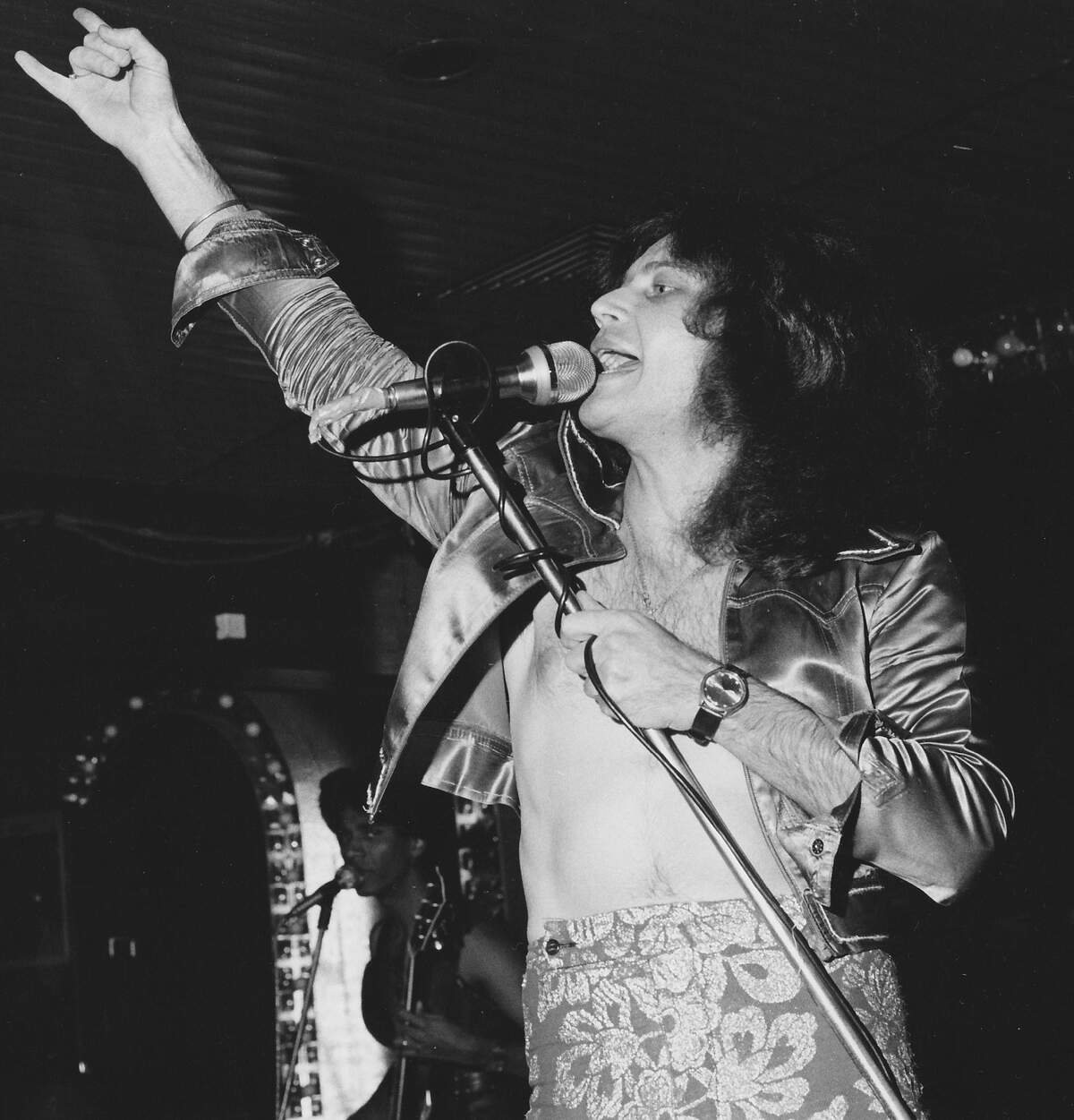
The bigger bookings came as the band’s name travelled. May remembers Lucifer opening for Ray Charles, though the exact date is difficult to pin down. The paper trail is clearer with Queen: on 11 April 1976, Lucifer supported them at Perth Entertainment Centre during the ‘A Night at the Opera’ tour. May also recalls a possible date with the Rolling Stones being lost because Lucifer were contracted to play in Port Hedland and could not get out of the engagement. “It would have been our big moment,” he says. “But that was the way of things back then.”
The most serious attempt to move forward came in Melbourne, where Lucifer entered Armstrong Studios to record their debut. Their manager was discussing a deal with Vanda and Young, the former Easybeats songwriters who had become major figures in Australian rock. Then the finances collapsed. May says the earnings had gone, along with the truck, lighting rig, instruments and Tom Matthews’s Les Paul. The unpaid account left the masters at Armstrong. The band were stranded, and the album never came out.
‘My Best Friend’ is made from what survived around that missing record. It opens with the blunt promise of ‘Sweet Rock and Roll’ and moves through May and Garrett originals including ‘Drag Queen’, ‘Sexy Sam’, ‘Girl Crazy’ and ‘Charles Manson’. The 1977 line-up brings Gadsby’s songs into the set, alongside versions of the Beatles’ ‘Day Tripper’ and Ian Dury and Chaz Jankel’s ‘Wake Up Make Love’. The sound shifts depending on where they’re playing, what year it is, and who’s on stage. And it never tries to pass itself off as the studio album that never got made.
May and Garrett wrote the title track, recorded in Melbourne in 1977, about friendship. That may seem a gentle subject for a band called Lucifer, but for musicians playing as many as thirteen shows a week, trust was part of the job.
Nothing about the release repairs what was lost. The studio album is still missing, and the live tapes vary in quality. They do, however, preserve Lucifer as most people knew them: on stage, in a crowded room, with another booking due the next day.
May did not dwell on the career Lucifer might have had. He spoke more readily about how much they enjoyed playing. “We were a very good live band, and we had fun,” he says. “You could feel it in the room. You could feel the pulse.” Then, more quietly: “Those were amazing times. An amazing life.”
Half a century later, Lucifer finally have a record under their own name.
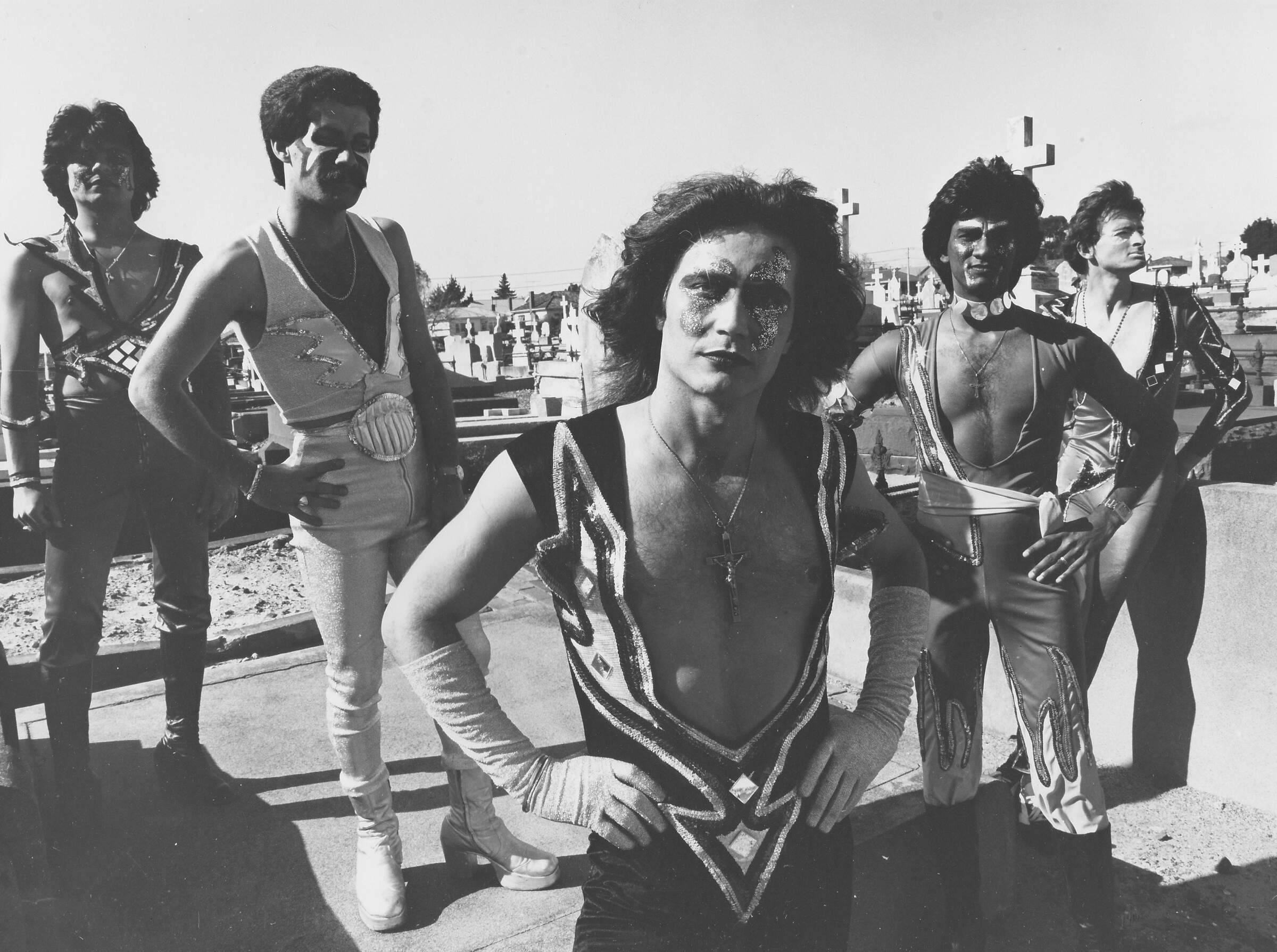
‘My Best Friend’ is out now on Seelie Court through Good Time Records, on CD and as a digital release via Bandcamp. Mastering is by Mint Audio, with artwork by Martin Robert Cook.
Klemen Breznikar
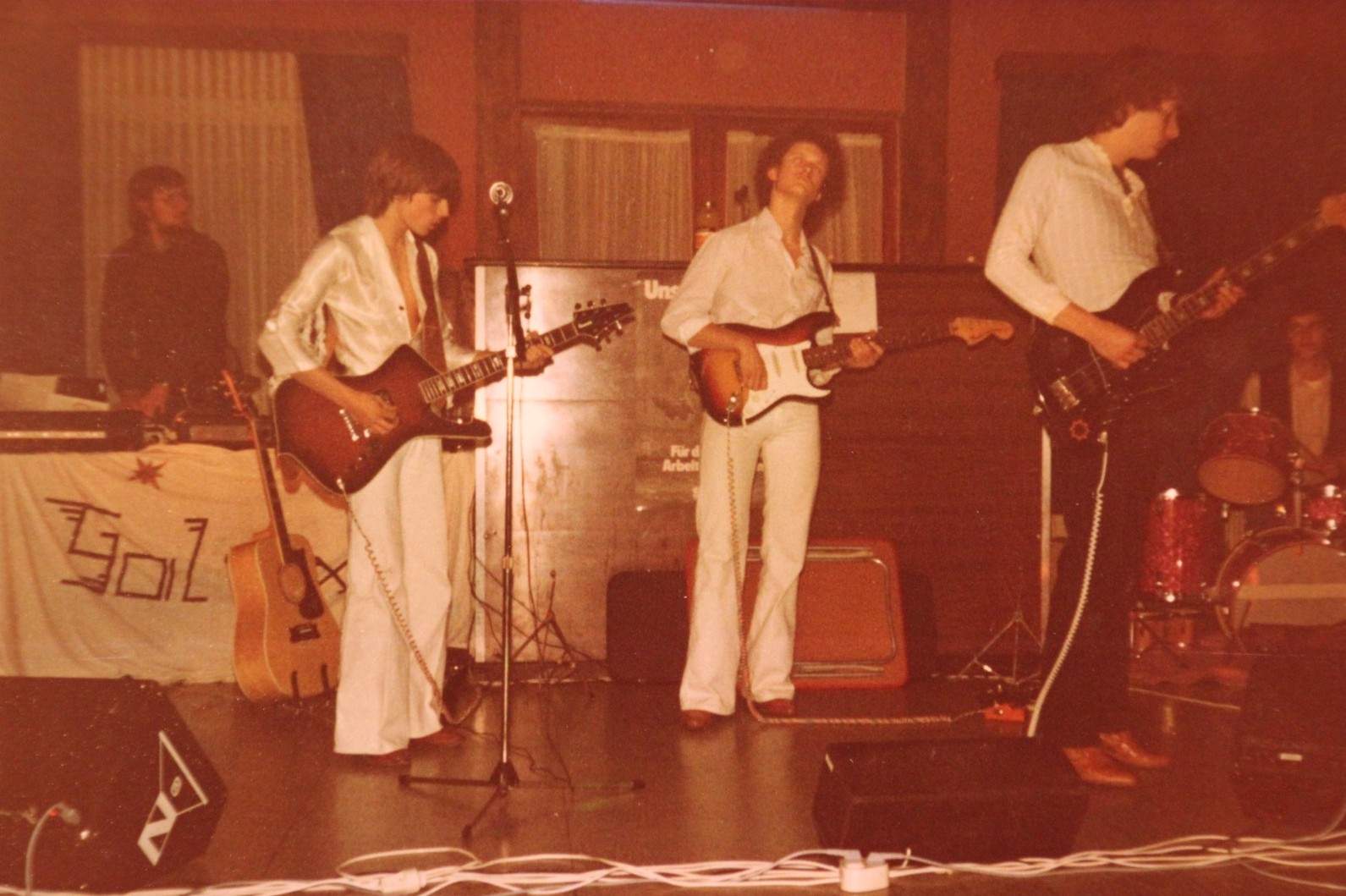
Headline photo: Lucifer (Credit: Seelie Court / Good Time Records)
Seelie Court Facebook / Instagram
Good Time Records Website / Facebook / Instagram