
“We were living the dream” | Leo Lyons and Ric Lee on Ten Years After’s ‘Cricklewood Green’
Leo Lyons and Ric Lee remember the making of ‘Cricklewood Green’ and Ten Years After’s 1970 Fillmore East set.
By the time Ten Years After began work on ‘Cricklewood Green’, there was barely a pause between one job and the next. Woodstock had greatly increased their American audience, the group was making three seven-week tours of the United States each year, and their recording agreement called for two albums annually. Amid that schedule, they found a few days to rehearse before going into Olympic Studios.
‘Cricklewood Green’ is not all played at full tilt. ‘Year 3,000 Blues’ is a bit of ragtime fun, ‘Me and My Baby’ swings, and ‘Circles’ strips the music right back. Elsewhere they settle into longer numbers and take their time. Alvin layers guitars, Chick has more room, and they make far more use of studio effects than before. The basic tracks, though, were still the four of them playing together.
When I first interviewed Leo Lyons in 2016, he traced the much longer road from his childhood in Mansfield and the Jaybirds to Ten Years After. He remembered the long nights the Jaybirds spent playing at Hamburg’s Star-Club in 1962, and described his main contribution to the later records as “adding many of the signature riffs”. Those points are worth bearing in mind here. This time, however, we stayed close to late 1969 and 1970, and to one album in particular.
Lyons remembers the pace clearly, but not as drudgery. “We were living the dream,” he says. There were country houses and rock-star cars. At the same time, the world outside was changing rapidly, from Vietnam and the civil rights movement to Northern Ireland and the Cold War. Ten Years After were travelling through it all.
The group still depended heavily on instinct. Rehearsal, as Lyons remembers it, could involve as much talking as playing. Alvin might bring in a sketch or a fairly complete home demo; the four of them would work on it until it sounded like Ten Years After. Lyons describes his partnership with drummer Ric Lee in equally plain terms. They listened, reacted and usually landed in the right place together. Alvin had a phrase for the sound they made: “like angry bees”.
Olympic gave them sixteen-track recording, a considerable step up from the four- and eight-track facilities they had used before. With engineer Andy Johns, they could try more overdubs and effects while keeping the foundation of the music much as it was onstage. The basic tracks were played live in the studio.
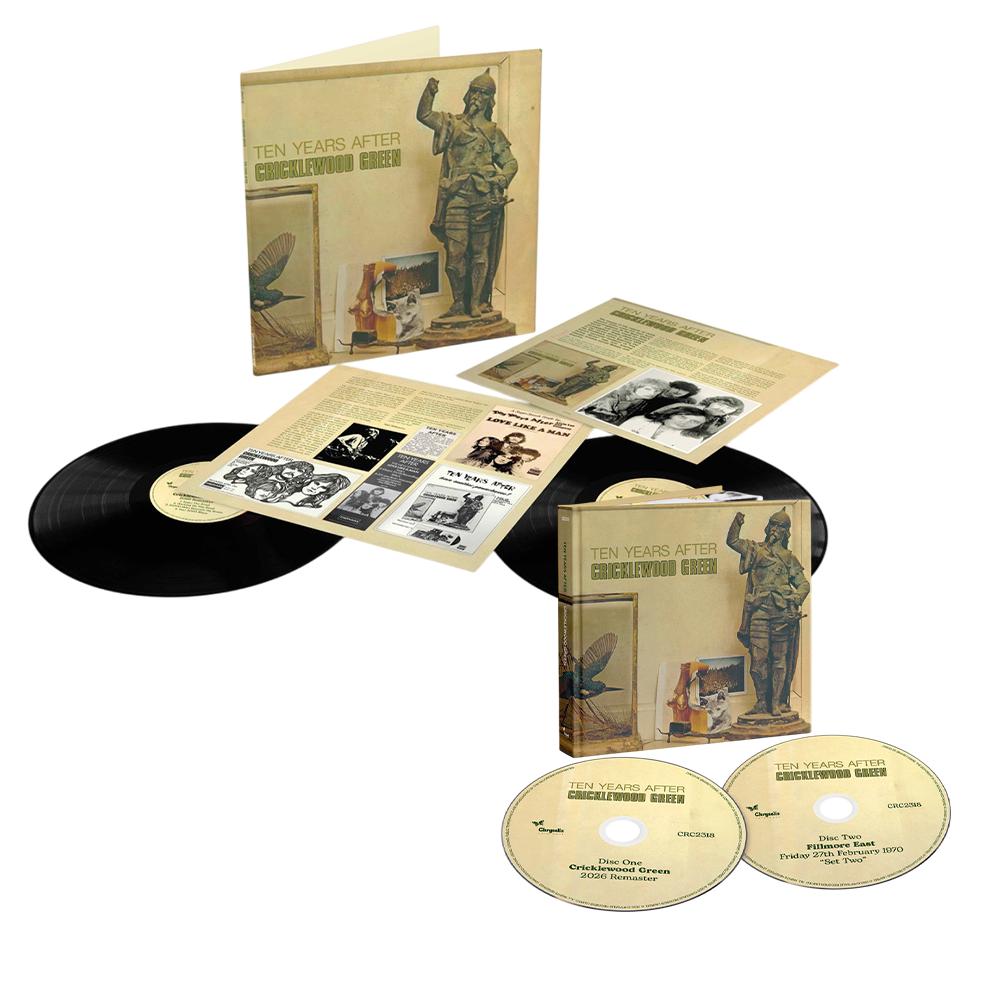
The 2026 Deluxe Edition puts the remastered album alongside the single edit of ‘Love Like a Man’, ‘Warm Sun’, ‘To No One’ and the previously unreleased ‘Cricklewood Jam’. Its second disc contains a new mix of Ten Years After’s second set at the Fillmore East on 27 February 1970. Three songs from ‘Cricklewood Green’ were already in the set before the album appeared, and the live versions were extended.
What Lyons hears in those tapes now is simply “the band at their peak playing live before an audience”. Ric is just as certain about the performance, and about the musical connection he shared with Alvin.
Here, Leo Lyons and Ric Lee look back.
“We were living the dream.”
When we spoke in 2016, we covered the Jaybirds and the long road to Ten Years After. Let’s begin in late 1969. Woodstock had greatly increased the band’s profile, you were constantly crossing the Atlantic, and you were due to make another album. What do you remember most clearly about that time?
Leo Lyons: We were constantly touring, three seven-week tours of America a year, plus tours in Europe and in the UK, with a commitment to two albums a year. We were working almost all the time, constantly travelling, gigging, recording and living out of suitcases, but I loved it all.
We were living the dream. I believe all of us had already bought houses in the country. I had a home with land in Bedfordshire with horses, a rock-star car and all the trimmings.
And all this was happening against the backdrop of a world that was changing rapidly: the Vietnam War, the Civil Rights Movement, the Northern Ireland Troubles and the Cold War. Flower power was beginning to wane, but the whole hippie culture was still huge.
There was a tremendous shift taking place socially and musically, and we were right in the middle of it.
On those American tours you crossed paths with Janis Joplin, the Grateful Dead and Jimi Hendrix. Did meeting them and hearing them play have any effect on the way you thought about Ten Years After?
Leo Lyons: That was part of the excitement of being in that Rock and Roll circus. We were constantly meeting musicians, listening to different styles of music and picking up ideas without even necessarily realising we were doing it. It didn’t really change the way we saw Ten Years After, but we certainly absorbed a lot from the American music scene.
In 1962, when Alvin and I were in Hamburg, we’d jam to fill in the time during those incredibly long sessions. In America, jamming was part of the whole scene. You didn’t have the same barriers between bands that you often have now.
There was competition, of course, but not in the way it can be today, with managers making sure their headline act has the full PA power, the best part of the stage, the biggest light show and all the rest of it.
Back then, it was much more spontaneous. You could finish your set and somebody from another band might wander on, pick up an instrument and start playing. You never quite knew what was going to happen.
You said in 1970 that ‘Cricklewood Green’ was the first Ten Years After album you rehearsed before going into the studio. Where did you rehearse, and what do you remember about those few days?
Leo Lyons: I believe we rehearsed for a few days in a rented room at a community centre somewhere in London. It wasn’t anything like how I imagine most bands rehearse a difficult section and play it repeatedly until everybody gets it right. That wasn’t really our way of working. There was probably more talking than playing.
Alvin played us some home demos of his songs. We’d run through something, see what happened, make a few comments, and then maybe take a tape home and think about it. That was about as formal as it got.
None of us were particularly keen on rehearsing. I guess we were lazy and felt we didn’t really need to. We were a live band, and a lot of what we did came from playing together and reacting to each other. Somehow, once we were on stage, it just seemed to work.
And, as I say, there was usually a lot of talking involved.
You’ve spoken before about bringing riffs into the band and shaping Alvin’s songs together. Is there one track on ‘Cricklewood Green’ that changed noticeably once the four of you got hold of it?
Leo Lyons: All songs changed once the four of us started playing them. However, I recall ‘Circles’, for example, was a lovely acoustic guitar demo. I added my part to what I heard. The song was there already.
Other Alvin songs were full-blown demos, with drum machines, etc.; some were just sketches. We worked together and developed them until it sounded like Ten Years After.
What difference did Olympic Studios and Andy Johns make to the way the album was recorded? Did those sessions affect the way you later approached production?
Leo Lyons: Alvin and I wanted to record on 16-track two-inch, and it was on a recommendation from engineer Andy Johns that we booked Olympic. It was a big step up for us from our earlier recordings on four-track and eight-track.
When you have 16 tracks to play with you can do a lot more aside from assigning instruments to individual tracks.
The studio atmosphere was great. It’s important how you feel when you walk into a studio. You can have all the technology in the world, but you’ve got to be in the right frame of mind to use it.
Andy Johns was a great engineer/producer. He has left a great résumé behind to prove it. With his help we were discovering what we could do in the studio. We experimented more and I think that was part of what happened with ‘Cricklewood Green’. Alvin, for instance, was getting more involved with sound effects in his home studio and those ideas were added to some of the tracks.
I learnt a lot from Andy. You look, you listen and take it in. I’ve learned something from everybody I’ve ever worked with.
What bass and amplifier were you using, and how did the band record the basic tracks?
Leo Lyons: I used my 1962 Fender Jazz Bass, through a 100-watt Marshall head and a 4×12 cabinet, together with a DI box.
We’d go into the studio and jam around a song until it started to feel right, and then it would find its own direction. Then we’d start recording the basic track. I don’t recall ever fixing anything on my bass. I’m sure there were a few mistakes, but if it felt good, they stayed in.
We tried to capture that energy, the feeling of a live Ten Years After performance. We wanted a great sound, but we were trying to make the record sound like us.
On this album there were more guitar, vocal and keyboard overdubs, but the basic tracks we played live in the studio the way we played on stage.
The rhythm section drives both ‘Sugar the Road’ and ‘Working on the Road’. How did you and Ric put those parts together, and why did the partnership work so well?
Leo Lyons: Ric and I had been working together constantly for about four years, and we’d developed our own way of playing together. I suppose you could call it a method, although there wasn’t anything particularly methodical about it.
On stage, I’d egg Ric on: “Hit ’em! Fucking hit ’em!” I’d shout. And he’d shout back, “Fuck off!” That was part of the way we played together. We knew each other’s playing so well that we could push each other without having to think about it.
Most of the time, we’d both somehow land in the right place at the right time. It was instinctive. It was about listening and reacting to what was happening around us. It was an energy thing; everybody going for it all at the same time. Alvin coined the phrase “like angry bees”.
‘50,000 Miles Beneath My Brain’ begins quite simply and builds into a long, heavy closing passage. How did that arrangement come together? Did it continue to change when you played it live?
Leo Lyons: There wasn’t necessarily a great deal of planning involved. Alvin played us a basic demo tape. No one was told what to play. My contribution was mainly riffs. I had a lot of riffs. We’d start with a riff or chord sequence, adding a few changes along the way, Ric would add a drum part and Chick a keyboard part. We jammed through it and kept working on it until it started to sound like a Ten Years After song.
Many songs started slowly and simply, and then gradually gathered momentum until, by the end, we were into a raucous jam.
That was very much our way of playing. The song was the starting point, but the real excitement came from what happened when we let it loose live on stage.
The album moves from ‘Year 3,000 Blues’ and ‘Me and My Baby’ to something as gentle as ‘Circles’. How much did the four of you shape the character of each track together? Chick seems particularly important to the sound of the album.
Leo Lyons: Yes, the whole band contributed to how the songs’ character developed. As I said earlier, with sixteen tracks it was possible to add more overdub ideas. Alvin added many more guitar parts and Chick’s keyboards were featured more.
You’ve said the main riff to ‘Love Like a Man’ came out of a jam. What do you remember about bringing that riff to Alvin and the band?
Leo Lyons: I had the riff and the beginnings of a song, and I played it to Alvin.
He didn’t like my lyrics, but he liked the riff, so he built a song around it. From there, the whole band got involved and we jammed it out together. One riff, a bit of an idea, and then the four of us playing it until it became ‘Love Like a Man’.
The single was heavily edited, while the B-side carried a longer live version at 33⅓ rpm. Did the success of the single surprise you? Did anything actually change for the band?
Leo Lyons: Nothing changed.
We were touring the USA at the time. In the UK, ‘Love Like a Man’ reached the top ten in the charts and it probably brought us some new fans.
The record was being played on Top of the Pops, and Pan’s People, the dance troupe, were dancing to the three-minute edited version with a tempo change which must have made it difficult for them to dance to.
The programme producer wanted us on the show miming to the song, but Alvin wasn’t keen. I don’t think any of us were particularly bothered, so we declined.
We were told, “If you don’t come on Top of the Pops and play it, we’ll stop playing the record.” And that’s exactly what they did.
It must have disappointed our record label, but I don’t think having a hit changed the band at all. We were a live touring act. People loved the songs we’d previously recorded because they heard us playing them live, and that’s what mattered to us. We weren’t particularly bothered about being a chart act.
‘As the Sun Still Burns Away’ makes considerable use of tape effects. What do you remember about recording it, and how much of the arrangement came from the whole band?
Leo Lyons: Yes, the whole band contributed. Alvin played us his home demo. We jammed on it and developed it in the studio. Not only was Andy Johns able to present us with whatever studio effects we wanted, he came up with some ideas of his own. Alvin loved the overdubbed sound effects. I guess the herb Cricklewood Green helped.
The new edition includes ‘Warm Sun’, ‘To No One’ and the previously unreleased ‘Cricklewood Jam’. Why were the first two left off the original album, and what do you remember about the jam?
Leo Lyons: It was a technical problem. The limitations of vinyl meant that for maximum sound quality we could only have around 18–20 minutes a side.
Some songs had to be dropped.
James Batsford at Chrysalis Records discovered the jam on the multitrack tape and asked if we’d mind if it were added to the new release. He named it ‘Cricklewood Jam’.
The Fillmore East set from 27 February 1970 includes three ‘Cricklewood Green’ songs before the album had even appeared. When you listen now, what strikes you about those live versions compared with the studio recordings?
Leo Lyons: I hear the band at their peak playing live before an audience. The songs have been extended, and the playing is confident and full of energy. Mostly I can sense the fun we’re all having.
‘Stonedhenge’ and ‘Ssssh’ had already taken you beyond straight blues, and ‘Watt’ and ‘A Space in Time’ moved on again. What, to your ears, makes ‘Cricklewood Green’ different from the records around it?
Leo Lyons: I think it was a moment in time. Psychedelic music had influenced us, although deep down we were still a rock/blues band.
We found ourselves in a sixteen-track studio with our own budget, with plenty of time to record. With Andy Johns’ expertise we made more use of the studio’s possibilities. There were more overdubs and sound effects.
You grew up in Mansfield and started out by putting together whatever drums and cymbals you could find. What first drew you to the drums?
Ric Lee: From about age 11, I was very influenced by my older brother Peter. That’s when I started saving my pocket money to buy my first snare drum and stand.
Gene Krupa was an early influence, with Max Roach, Art Blakey and Ginger Baker coming into the picture later. What was it in those drummers that caught your ear?
Ric Lee: American jazz drummer Gene Krupa first influenced me. I saw an album in the window of Syd Booth’s record shop in Mansfield, my home town. I bought it, listened to it and loved it! The album is ‘Burning Beat’, featuring Buddy Rich and Gene Krupa. This is what really influenced my first love of drumming. Ginger Baker, Max Roach and Art Blakey influences came along a little bit later.
“We honestly thought we could jam… when on tour with Canned Heat they played the boogie and really showed us how it was done! Utterly brilliant!”
You toured America with bands such as Canned Heat and the Grateful Dead. What did you pick up from watching the way those groups handled long performances and improvisation?
Ric Lee: We honestly thought we could jam… When on tour with Canned Heat they played the boogie and really showed us how it was done! Utterly brilliant! The Grateful Dead and Canned Heat could really jam! Watching those guys influenced us a great deal to become even better.
What do you hear in ‘Working on the Road’, and in the Fillmore East set more generally, about the way you and Alvin played off each other?
Ric Lee: Based around Alvin’s guitar rhythms, the Fillmore East set, in my opinion, was the best Alvin and I played together. We naturally fitted, and fed from each other’s energy and love for the music we were making.
What came back to you when you heard this material again, and what makes ‘Cricklewood Green’ stand out for you now?
Ric Lee: Listening to it again obviously brings back some amazing times! Listening to it still inspires me as a musician! It makes me, at the young age of 80 years, want to continue this journey, this love and passion I have for Ten Years After. So while the fans still want to hear us, we play!
The new Ten Years After band with Sam C. Lees (guitar/vocals), Craig Fletcher (bass/vocals), David Burgoyne (keyboards/violin) and myself are being very well received. The feedback is amazing! It’s a joy to continue playing Ten Years After music with these talented musicians.
‘Love Like a Man’ makes the ‘Cricklewood Green’ album stand out for me, as it was a hit single.
The 2026 Deluxe Edition of ‘Cricklewood Green’ is available through Chrysalis Records on 2CD, 2LP and digitally. It adds ‘Love Like a Man’ (single edit), ‘Warm Sun’, ‘To No One’ and the previously unreleased ‘Cricklewood Jam’, together with a newly mixed recording of Ten Years After’s second Fillmore East set from 27 February 1970.
Klemen Breznikar
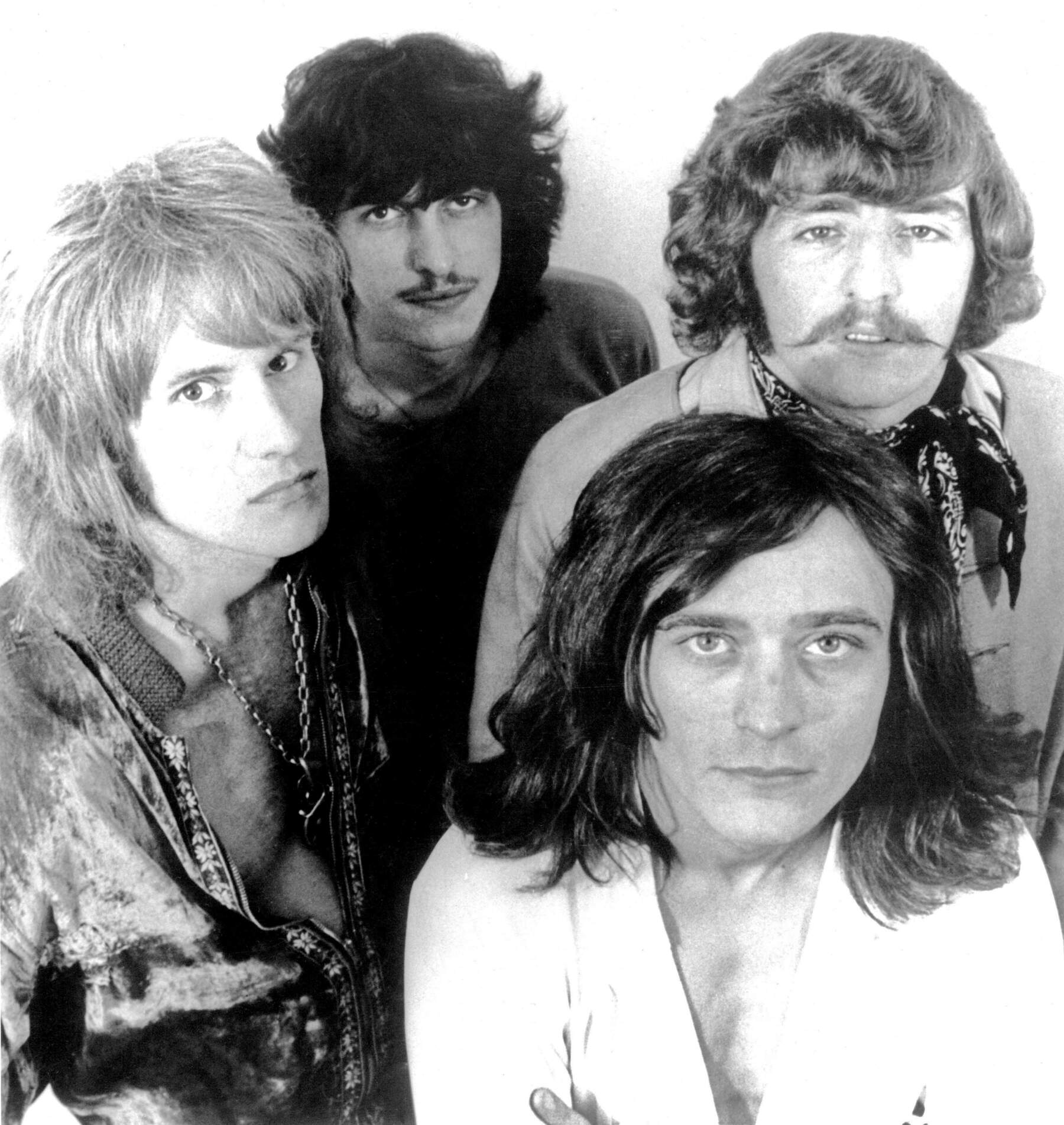
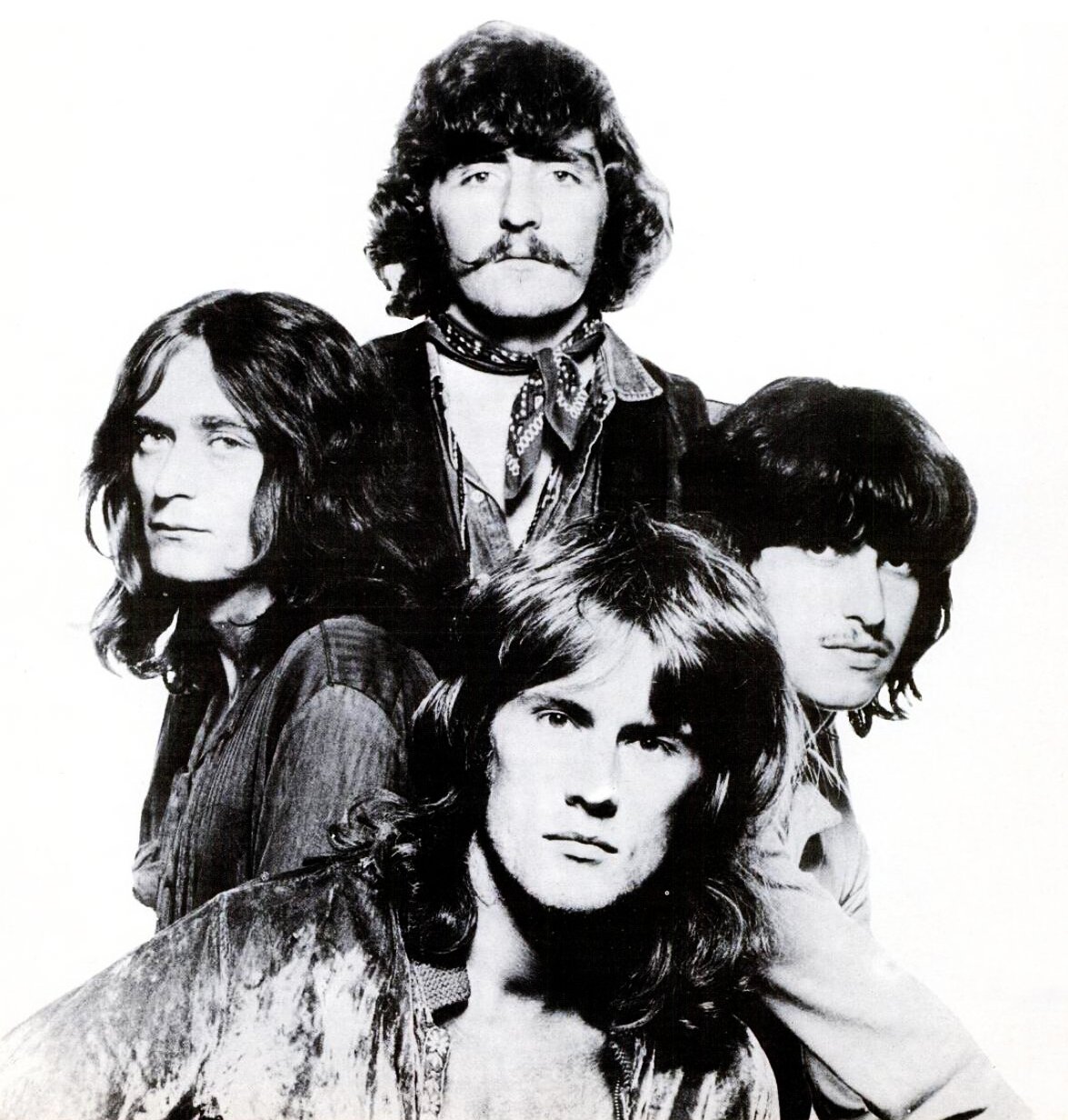
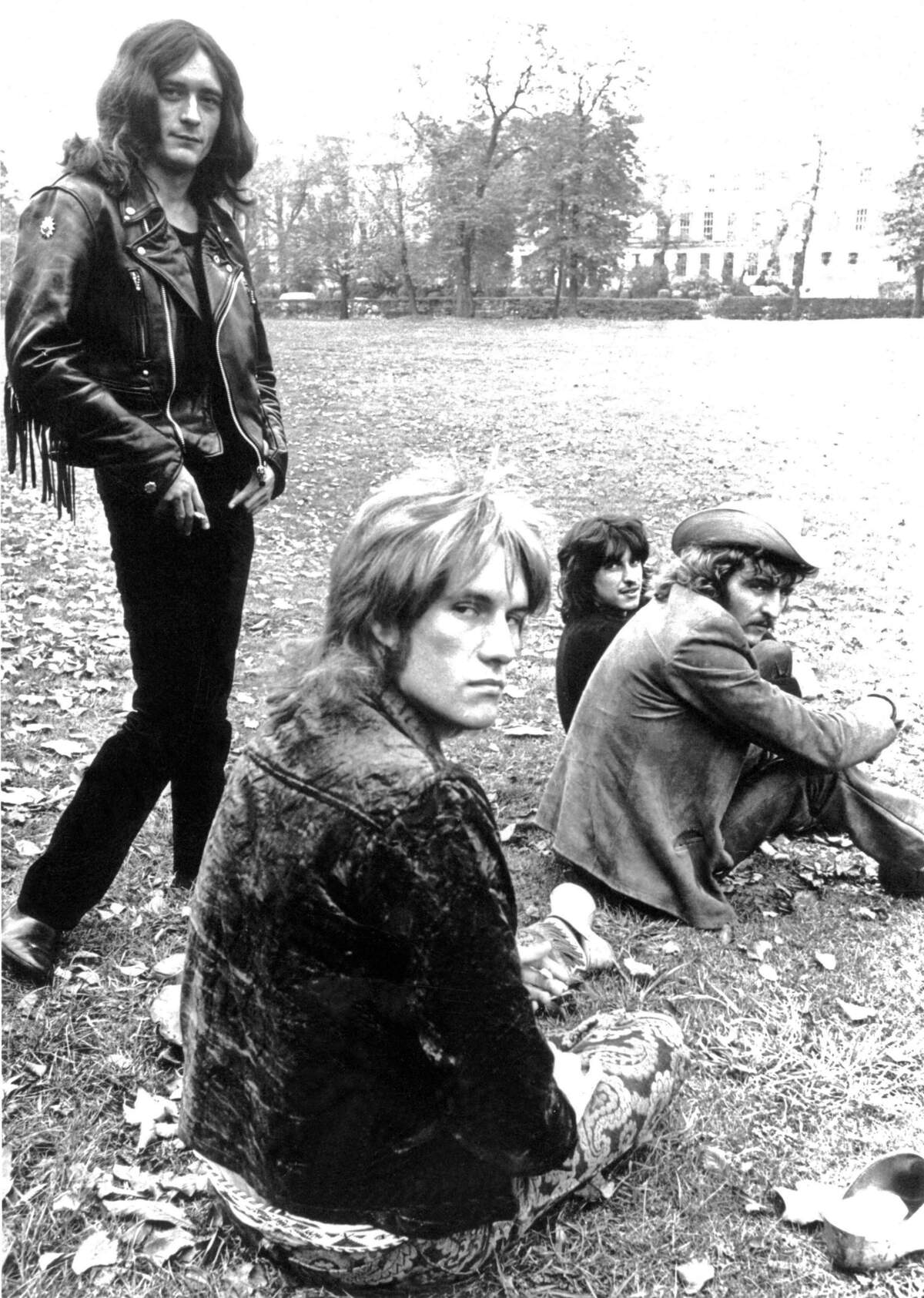
Headline credit: Ten Years After, circa 1970. Photograph: MM-Media Archive/IconicPix
Ten Years After Website