
Geoff Leigh Interview | Henry Cow, Radar Favourites, Red Balune and Ex-Wise Heads
Geoff Leigh is an English saxophonist, flautist, composer and improviser best known as a former member of Henry Cow. He played on the band’s 1973 debut album, ‘Legend’, and later appeared on recordings by Slapp Happy, Hatfield and the North and Mike Oldfield.
His career extends far beyond Henry Cow. Leigh played with Crazy Mabel and G.F. Fitz-Gerald’s Mouseproof before forming Radar Favourites with Cathy Williams, Charles Hayward, Gerry Fitz-Gerald and Jack Monck. He and Williams later created the theatrical group Red Balune, whose 1978 single ‘Spider in Love’ / ‘Capitalist Kid’ became an underground favourite.
After moving to continental Europe, Leigh worked with Aksak Maboul and Univers Zéro and formed Kontakt Mikrofoon Orkest, Black Sheep, Random Bob and the Morton Fork Gang. Later projects included Ex-Wise Heads with Colin Edwin, Men Working Overhead, Mirage, X Black Sheep, the Artaud Beats and Jump for Joy. He has also performed with Faust, Nurse With Wound, Makoto Kawabata and members of Acid Mothers Temple.
Now based once again in Manchester, Leigh continues to record and explore his archives. His latest work includes Phantom Leg, a free-improvising duo with Spaceheads drummer and percussionist Richard Harrison.
In this extensive interview, Leigh looks back on his early encounters with jazz, the Manchester soul scene, Crazy Mabel, Mouseproof and Henry Cow, before tracing the many groups, collaborations and musical experiments that have shaped the rest of his life.
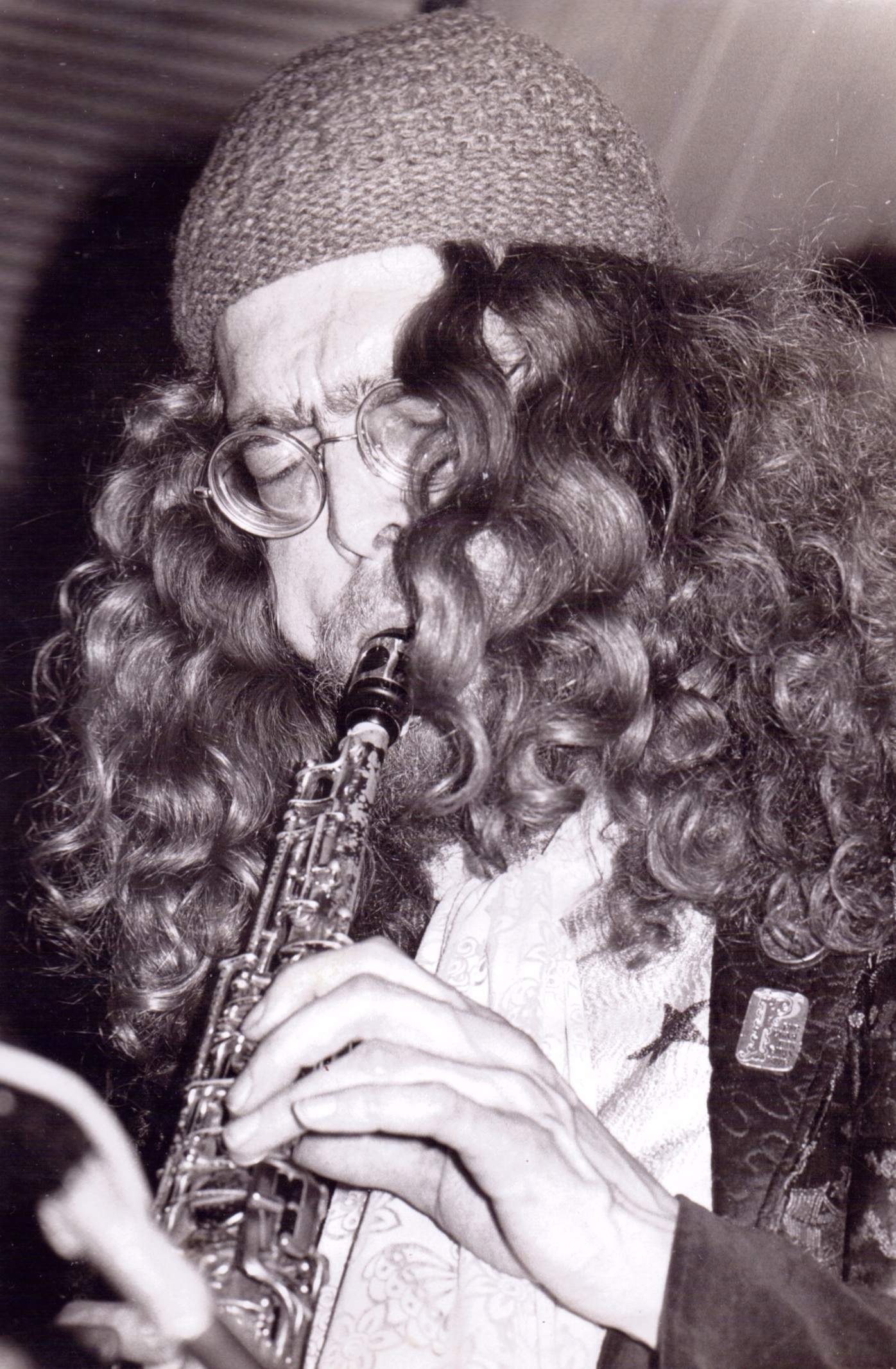
“I think that experience showed me the difference between art and entertainment.”
Where did you grow up, and what first drew you to music?
I was born in Manchester, moved briefly to Canada aged 5, back to England aged 6 or 7, moved to Sutton, then in the County of Surrey, now a Borough of London. Lived in Sutton until I was 18. Had a pretty normal life as a kid apart from the regular changing of address, something I seem to have inherited! Both my parents were music lovers, both loved the singers of the day, Frank Sinatra, Ella Fitzgerald, Sarah Vaughan etc, but my father was a real bebop fan. After WW2 he started organising regular modern jazz gigs in Manchester.
When I was 11 rock and roll started to take off, but they both hated it. Around the same time the very first Jazz at the Philharmonic tour came to England; my parents were so excited at the prospect, and it was indeed a star-studded affair – Ella, Oscar Peterson, Stan Getz, Sonny Stitt, Coleman Hawkins, Dizzy Gillespie, Roy Eldridge etc etc, almost a who’s who of popular jazz artists of the time. They brought back the programme, which I must have pored over for weeks and weeks, fascinated by the photos of all these predominantly Black, sharply dressed, hip-looking musicians.
The following year the tour returned to Europe, although very stripped down, presumably for economic reasons. I pleaded to go with them to the concert in London, and they agreed. There were only a handful of musicians this time, and quite an eclectic mix – Ella, as always a big crowd-puller, Shelly Manne and His Men, with André Previn on piano, destined to become a major figure, and a very unusual choice in a trio with saxophonist/clarinetist Jimmy Giuffre, playing what could only be described as folk jazz. I loved the latter, although my parents were pretty baffled by it.
So a couple of years later, having listened with my father to a lot more jazz on radio stations like American Forces Network and Voice of America, I started to get the idea of learning to play saxophone, and aged 15 I bought my first alto sax.
Shortly after that a life-changing moment – in November 1961 Dizzy Gillespie came to tour England and Europe. Aged 15 I persuaded my parents to let me and a friend travel up to North London to see the concert. It was a big cultural shock – there were very few white people in the audience, just predominantly Black people, something very new to us suburbanites.
The support act was a group of musicians I’d never heard of – the John Coltrane Quintet, with Eric Dolphy, McCoy Tyner, Elvin Jones and Reggie Workman. Within a few minutes of them starting, it was obvious that the majority of the audience really didn’t like it. People started booing, shouting out insults, even throwing coins at the stage, and after 15 minutes or so I guess more than 80% of the people had left. This reaction was repeated on every single concert they did, and they never played in England again.
Not surprisingly (!?) all the other concerts in Europe were very well received, and they returned many times after that. But my friend and I loved it! I guess at 15 you’re more open to new ideas, and I think that experience showed me the difference between art and entertainment.
No offence to Dizzy – he was a wonderful musician and one of the founders of modern jazz, but he played the clown quite a lot and the public seemed to like that. Coltrane and co weren’t even playing free, simply modally, so I can only assume that the main problem was a lack of the typical rather complex chord changes associated with jazz at the time.
What was the local music scene like when you were young?
Sutton was a typical London suburb and there wasn’t a lot happening musically until around 1963, when a local pub, The Red Lion, started promoting regular weekend events. Friday rhythm and blues, Saturday rock and roll, Sunday folk music. As a teenager this was really exciting, enhanced by the sale of real cider at a very low price, and it was the place for mods, rockers and a few beats, beatniks, and never any fighting or other trouble.
The Rolling Stones played there every fortnight, the Yardbirds quite often appeared, Jeff Beck and Jimmy Page lived fairly locally, and on the folk nights the musicians who would later become Pentangle, Bert Jansch, John Renbourn and Danny Thompson, would turn up.
Then local promoters started putting on shows in local community halls, which were everywhere in those days. The group that really hit the spot for me was the Graham Bond Organisation – Bond on vocals, organ and alto sax, often simultaneously, Dick Heckstall-Smith on tenor and soprano saxes, also often simultaneously, Jack Bruce on bass, and Ginger Baker on drums.
They were the jazziest, loudest, wildest, and seriously drug-fuelled band on the circuit then; I must have seen them at least half a dozen times, and they never failed to deliver. A pity they never managed to get their live sound translated onto vinyl – if they had recorded for a label like Blue Note or had a producer like Giorgio Gomelsky maybe they would have become world famous, but in the end the endless driving to and from badly paid gigs, the drugs, and Bond’s obsession with the occult tore them apart.
Do you remember the name of your first band?
Nope! We were so bad we had to change the name after every gig!
What brought you back to Manchester in 1964?
Yes, in October 1964 I got busted for possession of marijuana. Luckily I had a very sympathetic social worker who must have put in a good word to the magistrate, so I avoided probation; instead I was told to move back to Manchester to live with my parents and ‘sort my life out’, and given a £5 fine. Could have been a lot worse.
How did you become part of Manchester’s soul scene and join Ivan’s Meads?
A friend of mine told me he was going for an audition as a vocalist with a band. He mentioned they were also looking for a second sax player. I hadn’t touched my alto for more than a year, so didn’t feel very confident, but in the end he persuaded me to come. They already had a tenor player.
You’re not going to believe this, but the band was Ivan’s Meads, who if I’m not mistaken is a band you’re into as well? The keyboard player was Rod Mayall, younger brother of John Mayall, by then already Britain’s best-known blues musician. I contacted Rod via Facebook recently, but didn’t get a reply, so you’re just going to have to take my word for it!
Anyway later on I found out that the only reason I got the gig was because there were virtually no young horn players into playing soul and R&B, so there was zero competition. Unthinkable in these days! If my memory serves me well we did play the Twisted Wheel a couple of times, and maybe some other local venues, but by mid ’65 I decided I wanted to go to university. So I moved back down to Sutton after getting a place at London Polytechnic to study sociology. Bad move! I left after only 3 months.
How did Crazy Mabel become your first serious band, and what was touring with them like?
Yes I was introduced to them by a drummer from Liverpool who I had ended up sharing a flat with. He was probably the first serious and ambitious musician I’d met up until then – he played with Supertramp for a while, but no indication on the internet that he developed his career any further.
They were all East Enders apart from the tenor player who was from Newcastle, and had learnt to play sax in the army, there was still military conscription until 1963, so luckily I just missed it. They were all hard-drinking, dope-smoking lads with a bit of a reputation for not taking any bullshit, which led to the occasional fight, often between the members themselves.
Touring back then was as you’d expect – 6 musicians and all the equipment crammed into a Ford Transit. Long drives, no hotels or bad ones, a manager who was an ex-car salesman and a total crook, although he did get us the gigs, often under false pretences – when a band of long-haired scruffy hippies turn up for a gig and the promoter asks ‘so…..you’re a 5 piece harmony group?’, you know the manager has done it again!
Touring Europe for the first time was pretty crazy – usually you’d have a 10-14 day residency in 1 venue, so no driving between gigs, and the same hotel for the whole period. We went from Amsterdam to Zurich and then to Oslo.
What is the real story behind the Crazy Mabel album?
The infamous album was in fact a total sham. It was initially recorded as a demo by Orange management/agency in their own studio. It wasn’t released until after the band broke up if I’m not mistaken.
We had a regular residency at The Pheasantry, a popular nightclub in Chelsea, and we usually recorded the gigs on cassette. The manager used the song introductions from those gigs and the music from the studio recordings to produce an allegedly live album.
There’s only 1 sax solo and 1 flute solo on the record, which didn’t represent the live band at all, so I guess the idea was to overdub solos later, although there are guitar solos on practically every number. We weren’t on the road so often that it interfered with any writing or recording.
Does one particularly wild Crazy Mabel story still stand out?
Haha there were so many! Oslo was very typical – half our fee had already been sent to the manager, 1 meal a day was provided, and we had a tab at the bar. When it came to the end of the residency the money held back for us wasn’t even enough to cover the drinks bill, so we were stranded there for 2 or 3 days while the manager sorted out the bill and return tickets back to England.
My last gig with them was supporting Tony Williams’s Lifetime with Larry Young, John McLaughlin and Jack Bruce. After the gig a fight broke out between, if I remember, the bass player and the guitarist, broken up by the singer punching them both.
I’d been up all night with my girlfriend tripping on LSD, so this was just too much for me. I didn’t say anything, but the following day I just disappeared with her to her parents’ place in the Lake District for a well-needed break.
How did you meet G.F. Fitz-Gerald?
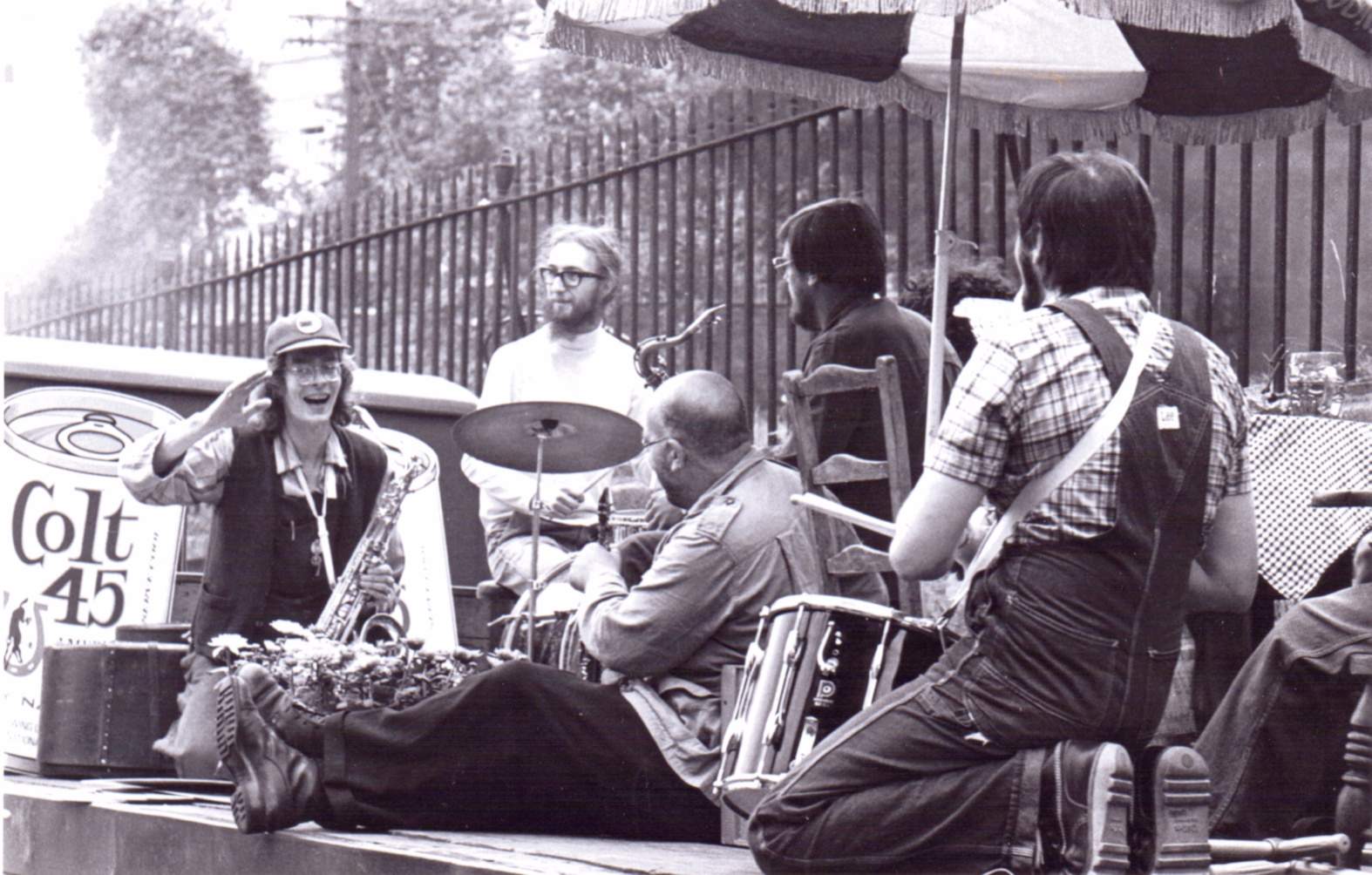
Busking on the Portobello Road in Notting Hill, hippy central at the time!
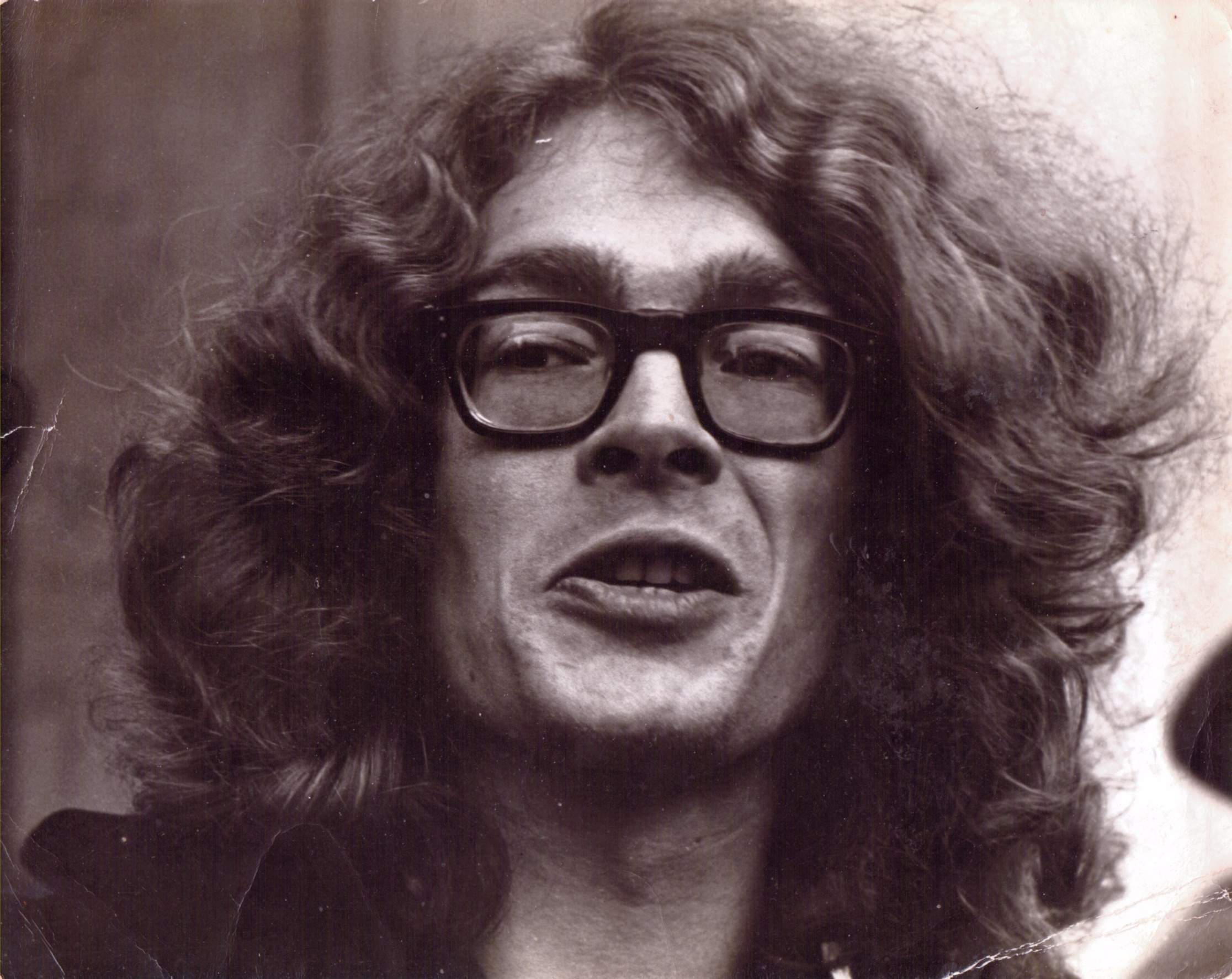
Were you already moving towards experimental music by then?
Yes 1969 I think. I was listening to more experimental stuff, but not really actively involved in playing it. There was a big turning point in 1967 when I went to see the Spontaneous Music Ensemble with drummer John Stevens and saxophonist Evan Parker.
I remember it was at Les Cousins, generally known as a folk music club. There were 3 other people there apart from me and a drummer I was playing with in a soul band. It was a very inspiring experience; Evan using multiphonics, John creating great washes of sound with gongs and cymbals.
The next day we made our first attempt at free improvisation, although it wasn’t particularly successful.
How did Fitz-Gerald bring you into Mouseproof?
Well as I said he approached me on the Portobello Road while I was busking. This happened quite often but never turned into anything concrete. I was playing flute, he asked me if I played sax, then told me he had a record deal and gave me his phone number.
For once this was a genuine offer, I went to his flat and he played me some rough demos of the material, we jammed a bit, then within a short space of time we were in the studio.
Rik Kenton played bass on the album. Did you work together in the studio?
Yes. We never actually met as all the tracks by the guest musicians were overdubbed separately.
The album has been associated with a remarkable cast of guests, including Lemmy, Sam Gopal, B.J. Cole and Judy Dyble. Who was actually involved, and what do you remember about the sessions?
I don’t think Lemmy was on the record? As I said it was 1 musician at a time doing overdubs, so I never met anyone except the drummer, male vocalist and synthesiser/bass player.
Gerry was at the heart of the Notting Hill Gate scene so knew many of the participants socially. He had trained as a telephone engineer, knew his way around electronics, and started a successful repair business for instruments and foot pedals. He also built the PA system designed by Barney Bubbles for Hawkwind’s ‘Silver Machine’ tour.
All the sessions were on what’s known as the ‘graveyard shift’ – midnight to 9am. Gerry definitely took his time over things, which was great for the music, but not for the budget. In the end the record company started to pressurise him to finish it, so the final touches and mixing were definitely too rushed, which was a real pity.
To add insult to injury the release and promotion of the album was really uncoordinated – half-page advertisements in the music press when the records weren’t even in the shops, posters and stickers appearing almost 2 months after the release. Very chaotic!
Was this when you first crossed paths with Daevid Allen, Kevin Ayers and Robert Wyatt?
Yes Daevid came to a Mouseproof rehearsal for a second album with a different line-up, which never actually materialised. He was staying at Lady June’s apartment, Kevin rented a room there, and Robert was a regular visitor.
I have to say I found them all quite intimidating, larger-than-life characters – I was actually quite an introverted shy person at the time, despite my extroverted stage presence.
What happened when you worked with Kevin Ayers and Robert Wyatt after leaving Henry Cow?
Well I did two disastrous gigs with Kevin. He was as usual quite drunk, and when things didn’t go well he had a habit of blaming the most vulnerable or newcomer person onstage, which unfortunately was me!
I never played with Daevid or Gong despite all the rumours, although I did play with Didier Malherbe a couple of times. I did one John Peel radio show with Robert as part of Slapp Happy, which appeared much later on Robert’s ‘Flotsam Jetsam’ album.
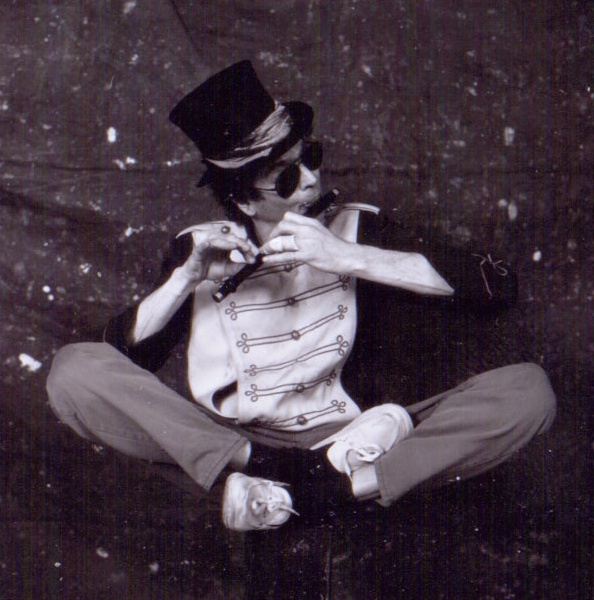
Do you remember the ‘Zakarrias’ session?
Absolutely nothing! As they say ‘if you remember the ’60s, you weren’t there!’
How did you come to join Henry Cow, and what did you initially make of the band?
Another complex situation! Yes I knew Chris because of our mutual involvement with the CND movement in ’62 – ’64, although I actually knew his parents better than him; as chairman of the local YCND, Youth Campaign for Nuclear Disarmament, group I had to attend monthly meetings with the adults at his parents’ house.
I bumped into him yet again while busking in the Portobello Road, and on another occasion met future Northettes vocalist Amanda Parsons there as well. I can’t remember the actual details, but I got an invitation to come and play with the Ottawa Music Company, an ad hoc group involving Henry Cow, Egg, Steve Hillage and various other musicians, mainly from Chris’s past.
After performing a couple of times with them I was also invited to play with Henry Cow on a John Peel BBC session. I did find it all a bit academic, but figured it was good for me in terms of improving my music reading, and it also gave me the opportunity to play totally improvised music in a group situation for the first time.
What was it like making ‘Legend’?
Mostly it was great fun. Not a word many people would use regarding anything Cow-related, but there you go! It was the first time in a proper recording studio for all of us, apart from my experience with Mouseproof, where we could actually demand certain things rather than having an engineer or producer telling us what we could and couldn’t do.
It was the start of the infamous ‘using the studio as an instrument’ approach, later fully developed during the recording of ‘Unrest’ and subsequent HC records.
What prompted you to leave Henry Cow? Touring?
No there was no “constant touring”, just occasional but fairly regular gigs. The first real tour was in December ’73, by which time I had already decided to leave. The constant touring started much later.
It was more the endless rehearsing of increasingly complex material, intellectual discussions which often I simply couldn’t understand, and a drifting away from the grass roots politics which seemed real and important when I first joined, but were now often overruled in favour of becoming a more ‘professional’ band.
You also appeared on records by Hatfield and the North and Slapp Happy. What do you remember about those sessions?
Recording on the Hatfield album happened while I was still with Henry Cow – just one overnight studio session. The Slapp Happy sessions were after my departure. That was really serious fun to do!
What do you remember about the live performances of Mike Oldfield’s ‘Tubular Bells’?
Yes and before that there was also a live performance at the Queen Elizabeth Hall, which unfortunately wasn’t recorded. That was much more interesting than the BBC session in my opinion. Nothing like a live gig with an appreciative audience in a full hall.
It was very difficult for Mike though. He was so emotionally invested in the music, and had several meltdowns during rehearsals because things weren’t going according to plan. But in the end the music won the day I guess.
What do you recall from your appearance on ‘In Praise of Learning’?
Well I’m only on 1 track, so I was only in the studio for a few hours. Best memory was sharing the recording booth with trumpeter Mongezi Feza – a really nice guy, very modest, extremely talented. Another musician who left the planet way too early.
How did Radar Favourites form, and how did its two line-ups differ?
There were two versions of the band – RF1 with Gerry Fitzgerald on guitar, Jack Monck on bass, Charles Hayward, Cathy Williams and myself. RF2 was with Charles Bullen and my old busking comrade Alan Moller on bass. It was kind of wide open in the beginning, although Jack had big problems with free impro and the more ‘cabaret’ style songs Cathy was writing.
RF1 recorded a two-song demo which eventually ended up on a CD released by Reel Recordings in 2010. RF2 did have a 24-hour ‘studio test’ in the Virgin Manor which resulted in four songs, although nothing was ever released, and no copies remain, which is a real pity.
The two Charles were obviously moving in a different direction, definitely more experimental, and This Heat still remain one of my favourite groups. In the end Cathy and I decided to leave after Virgin Records refused to give us a deal we were happy with. The start of my never-ending mistrust of record companies!
What led you and Cathy Williams towards the theatrical work of Rag Doll and Red Balune?
Yes this was definitely a turning point in my creative journey. Cathy had studied music and drama at the prestigious Guildhall School in London and I had already brought some vaguely theatrical elements into Cow concerts, not always appreciated by some of the band members! We often used to wear costumes and makeup but I guess that just wasn’t enough for me.
The idea of developing a more multimedia approach to live playing was partly fuelled by my increasing dissatisfaction with what I perceived as the somewhat abstract nature of the Cow political philosophy, that making a certain kind of music was a political gesture in itself.
I was also very attracted to the idea of street performances, playing in unusual settings, breaking down the performer/audience wall, and generally adopting a more anarchistic approach as opposed to the Cow’s more communist-inspired ideology.
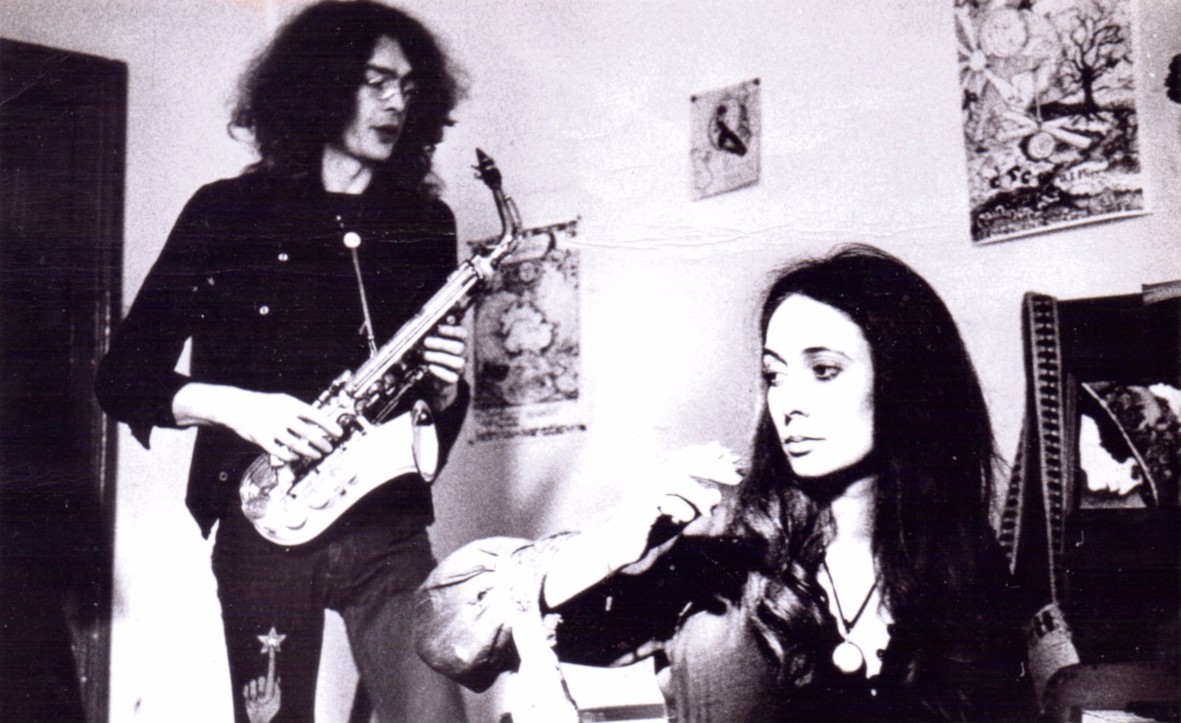
How did the musical, theatrical and political elements of Red Balune coexist?
It was a very chaotic period in so many different ways, almost bordering on a kind of Esalen Institute ‘human potential movement’ therapy, and certainly not particularly coherent!
This was certainly solidified when we moved from London to Bristol in ’77, and very quickly became involved with Share Community Theatre, who lived in the same street as us. Their base was a kind of halfway house for ex-prisoners, involving them in creative pursuits and also setting up therapy-oriented activities with mentally handicapped patients, schizophrenics, unruly feral young people, as well as live performing.
There were three ex-prisoners living in the house when we started working with them – one was an ex-armed bank robber, one had unknowingly murdered his wife while on LSD and barbiturates, and the third was probably a sex offender because no one ever spoke about his crimes.
After a few months only the ex-bank robber stayed. He had discovered the poetry of Jean Genet and anarchist philosophy in prison, and became a completely different person after his release. Some very chaotic and wild performances came out of that.
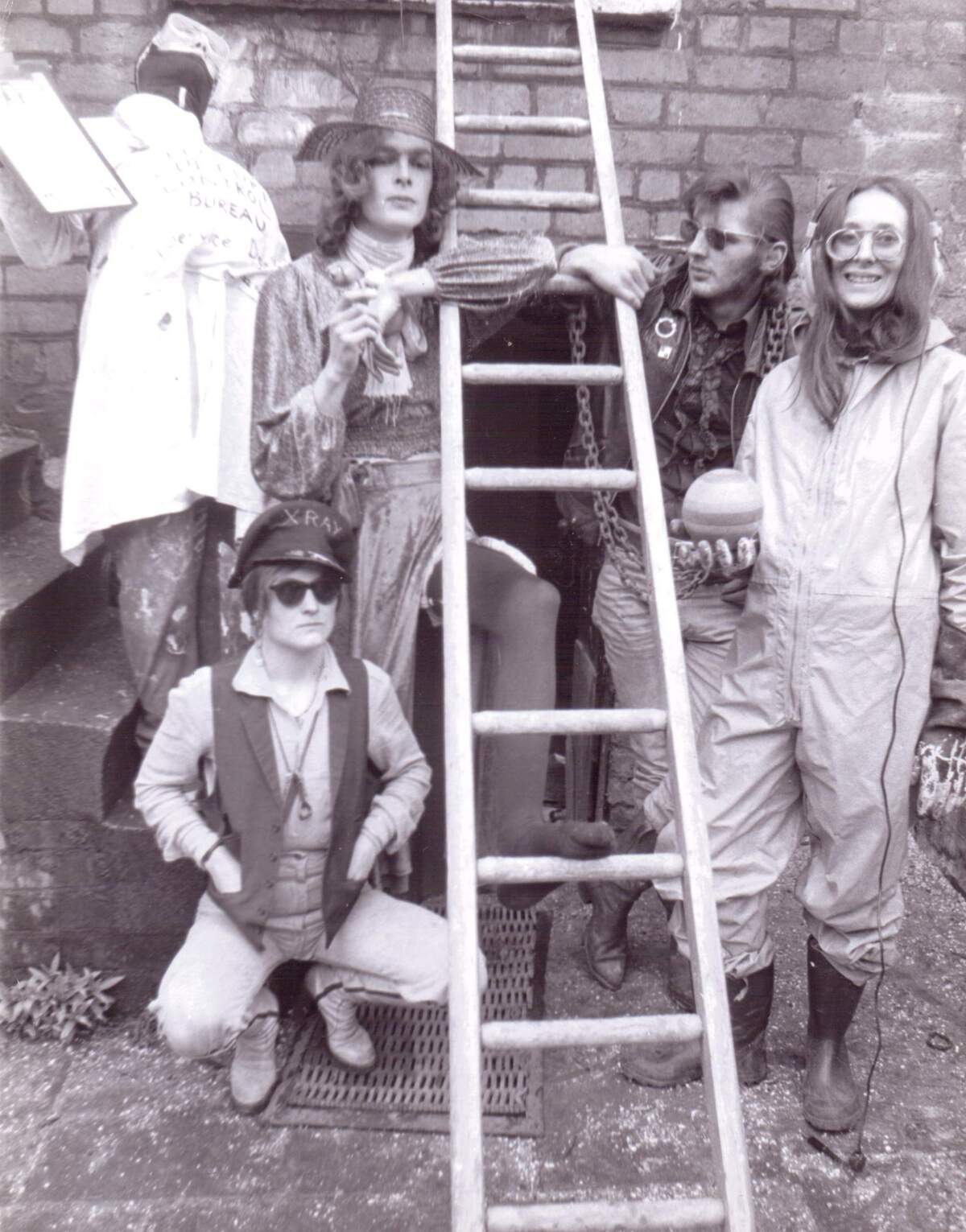
What is the story behind the 1978 single ‘Spider in Love’ / ‘Capitalist Kid’, and why was the planned album abandoned?
Long story! We toured the Netherlands in December ’77, definitely the craziest tour I’ve ever been involved with. 30 gigs in 30 days.
First off Cathy and I lost the bass player and drummer we’d been rehearsing with – they got cold feet at the last minute because we had no contracts for any of the gigs, whereas I trusted the organiser Henk Weltevreden implicitly, having met him during the HC ’73 tour. So Cathy and I arrived in London with our instruments and an imaginary band!
We stayed at the HC headquarters, and by pure chance their next-door neighbour was Colin McClure, who had guested on double bass on the first Radar Favourites demo, and drummer Robin Musgrove. They were both playing with pianist Veryan Weston at the time, so well versed in free improvisation.
By the time we were a few gigs into the tour, the line-up had expanded into a loose-knit collective of anything between eight and ten performers, some with zero experience but 100% motivation, others like trombonist Anne-Marie Roelofs, who later became involved with HC and FIG.
Most of the gigs were recorded onto a four-track Teac reel-to-reel, and when we returned to Bristol after the tour, we started sifting through the tapes with the idea of releasing an album. Robin had managed to save quite a bit of money from his previous truck-driving job, and while we were working on mastering some of the recordings, he did the maths and said we could actually make a single as well.
This was quite a departure from the original intentions of the band, but it was the height of the punk movement, and based on some of our experiences we figured we could somehow slot into that. Cathy wrote ‘Capitalist Kid’ as a kind of two fingers up to the alleged anarchistic punks, while ‘non-musician’ Aloijsius van Saus proposed ‘Spider in Love’.
In the end we decided to ditch the album because so much of the tour was visually and theatrically oriented, and we felt a simple audio recording didn’t really do it justice.
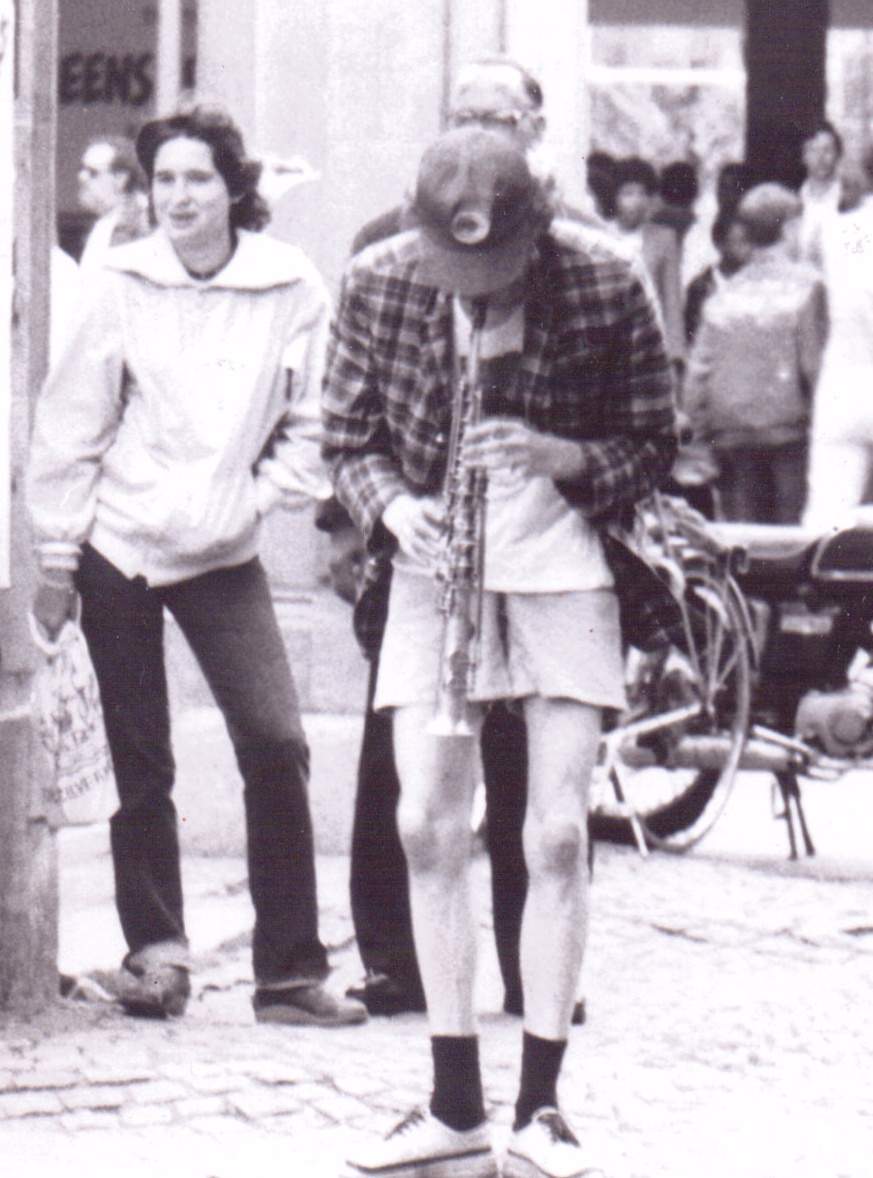
Why did you move to Brussels, and how did you become involved with Aksak Maboul and Univers Zéro?
After the release of the single, Red Balune were invited by Marc Hollander to play at a festival in Brussels. I had just started to work on backing tracks with a view to playing solo concerts, and Marc suggested I also play support to Aksak Maboul.
The band were very pleased with my performance, and members of Univers Zéro were in the audience, so I was invited to join both groups. By this time my relationship with Cathy and Red Balune was falling apart, and after a few months I decided to move from Holland to Brussels, where Aksak Maboul members Vincent Kenis and Frank Wuyts were renting a huge dilapidated old house in one of the most expensive suburbs.
How did the guest-filled ‘Maximum Penalty’ EP come together?
1978-79 was one of the coldest winters on record, and that dilapidated old house was absolutely freezing cold. No one was prepared for it so we had no proper heating or fuel.
Details are a bit blurred here, but I was now in another relationship, and my three-year-old daughter came to stay temporarily with us in Marc Hollander’s apartment, as the house was simply too cold for her.
Red Balune were planning to go to Sunrise Studio Switzerland to record, but the atmosphere between Cathy, the band and I was not exactly very productive, so I decided to stay in Brussels. Cathy organised Fred and co – I had nothing to do with it. I did ask her about this, but she also has very little memory of that time.
So one side of the record was with all the guests but without me, and the other side was recorded on a later session with the original quartet line-up of myself, Cathy, Colin and Robin, relationships having settled down a bit!
How did your solo EP ‘Chemical Bank’ take shape?
On the last night in Sunrise Studios recording the Red Balune quartet songs, the owner Etienne Conod and I were getting merrily drunk and stoned after everyone else had gone to bed.
He said he couldn’t understand why all the groups like us, HC, UZ, AM etc insisted on playing this very difficult music. Why didn’t we play more accessible music to gain a bigger following, and then slowly introduce more experimental material?
I explained that in my own experience musicians who tried this approach almost inevitably got stuck in the more commercial world, lured by the money they were making. But I told him about my solo project, which was unintentionally more accessible than what these bands were playing.
I had a rough cassette with me – I played it to him, and he was immediately impressed enough to offer me five days in the studio for free, with a kind of ‘we’ll see what happens’ approach. The only condition he insisted on was that I ditch the drum machines and sequencers I’d used to make the demo in favour of playing real drums myself.
I have to say that was the only thing I was unhappy about, and I’m convinced that had I had my own way, and released it as a 12-inch rather than a 7-inch, it would have been more successful. But that’s showbiz!
Did the release lead to more work in Belgium and France?
Yes after the studio sessions when I got back to Brussels, I played the ‘Chemical Bank’ mixes to Eric Faes, who was Univers Zéro’s sound engineer and financial backer, and Yves Poliart, who worked in a Maison de Culture.
They decided to invest the money to release the record, and Yves through his contacts more or less became my agent, organising one or two solo concerts a week for about 18 months in French-speaking Belgium.
Also members of Aksak Maboul Frank Wuyts, Denis van Hecke and myself became part of French singer/songwriter Pierre Vassiliu’s band. We recorded two albums with him and played several concerts in Paris, so it was quite a busy and creative period for me.
How did Kontakt Mikrofoon Orkest come together?
Two reasons. Firstly my then new Dutch partner became pregnant, so I decided to stop gigging during the later stages of her pregnancy.
Secondly I had more or less stopped playing with the Belgian groups, and felt the need to get another band together, but closer to home in Rotterdam rather than Brussels. Colin of course was a long-time musical partner, Aloijsius had played an important role in Red Balune, Jos was one of the first musicians I met when we first moved to the Netherlands, and Gert was a local drummer who was just hanging out and constantly practising.
What was behind the ‘Living in Rotterdam’ / ‘Do the Residue’ single?
Well in the end Aloijsius and I felt that the group was becoming a bit too jazzy for our tastes, and there just weren’t enough contact microphones! Gert’s drumming was very tight but he wasn’t the kind of drummer who could hold down a hi-hat, snare and bass drum groove, which was definitely what we needed on some numbers.
I was playing more and more guitar and singing, while Jos had more or less taken over saxophone duties. Also we never seemed to hit it off with Dutch audiences – not a new experience for me – during the time I was playing solo concerts in Belgium, and working with Vassiliu in France, I was living in Holland but never played a single gig there.
So a lot of frustration set in and a feeling that we’d hit a dead end creatively, but in retrospect the only recording of a live performance in Paris by the band is really pretty good I think.
What do you remember about the early Black Sheep period?
Yes working basically as a trio was a good move. We developed a much more confrontational approach to both the music and the way we promoted ourselves.
The decision to firstly rehearse and record enough material to put out a record was helped by actually getting a manager/agency deal, so prior to the release we made cassette copies, and the agency sent them out to around 20 clubs in Holland, which resulted in about 15 gigs over a 6-week period.
We also made badges which only had the image of Lamron, our own black sheep symbol, without any mention of the band’s name, which we would leave in the empty peanut bowls found in practically every bar, so before anyone in Rotterdam knew anything about us, and before we’d played a single gig, lots of people were wearing them.
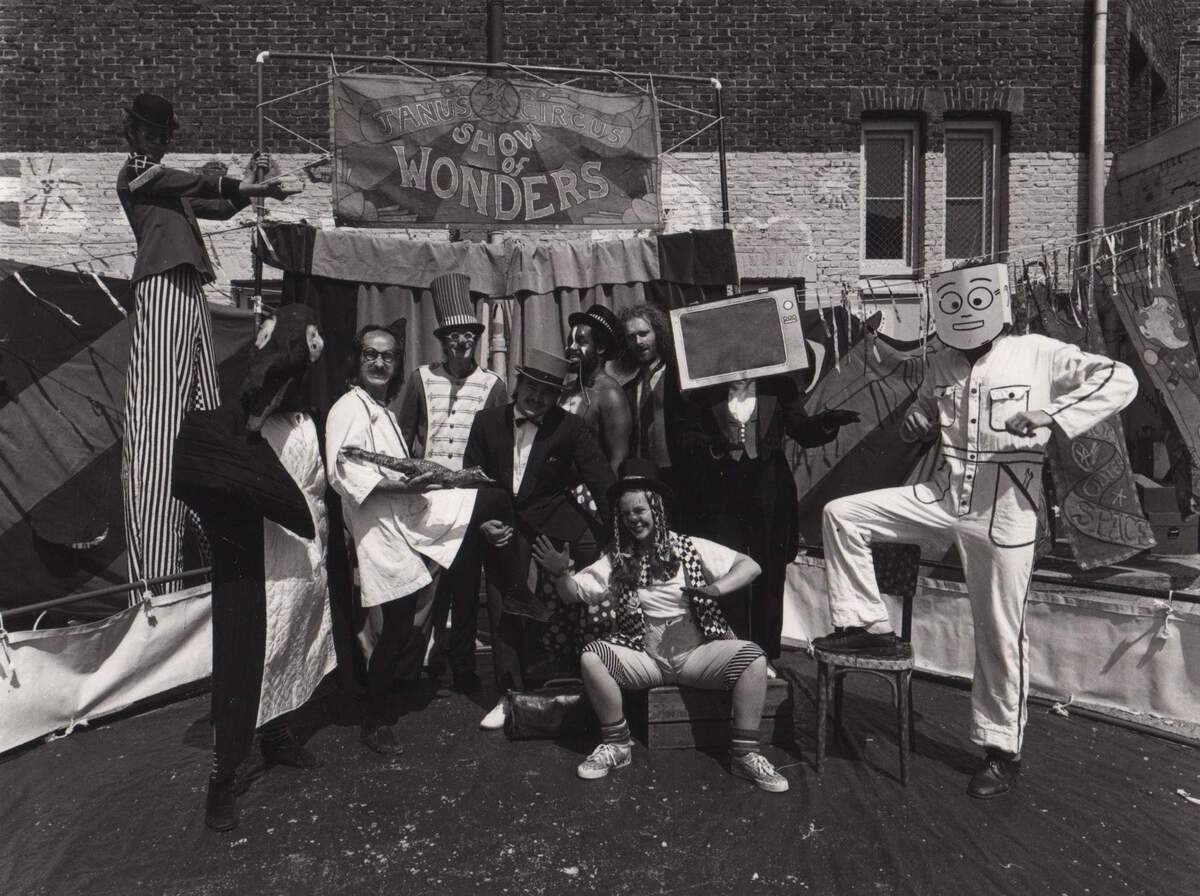
Zeena came along as part of a circus, Janus Circus, project proposed by her then American partner Chris Wangro, who we’d met when Red Balune supported HC in Amsterdam. We organised quite a lot of gigs with Black Sheep and the circus, playing in Holland, Belgium, Switzerland and former Yugoslavia.
Amongst the people who joined was Graham Keatley, who had worked for Recommended Records as a graphic designer, and who had become good friends with Aloijsius while he did a stint working for RR. When the circus tour was finished, Aloijsius wanted Graham to join the band as a drummer. I wasn’t convinced, but Aloijsius was adamant, and as a result he and Graham started to take a greater role in composing new material.
I was seen as a bit of a ‘control freak’ holding them back, and this finally led to me being fired from the band! The bulk of the touring took place after this, with Chris Cutler often joining the band on tours in then Eastern Europe.
What drew you towards North African and Indian musical traditions after Black Sheep, and how did they change your playing?
I started to get quite disillusioned by the whole experimental scene, and felt the need to play something with a more defined positive message. This brought me back into a more harmonic, modal and rhythmic approach for sure.
One thing I learned from Random Bob’s percussionist Asad Oberoi was the importance of the intention of what we were playing, so we did incorporate a lot of free improvisation, but presented in a more shall we say ‘user-friendly’ approach, rather than the more usual for the time confrontational methodology.
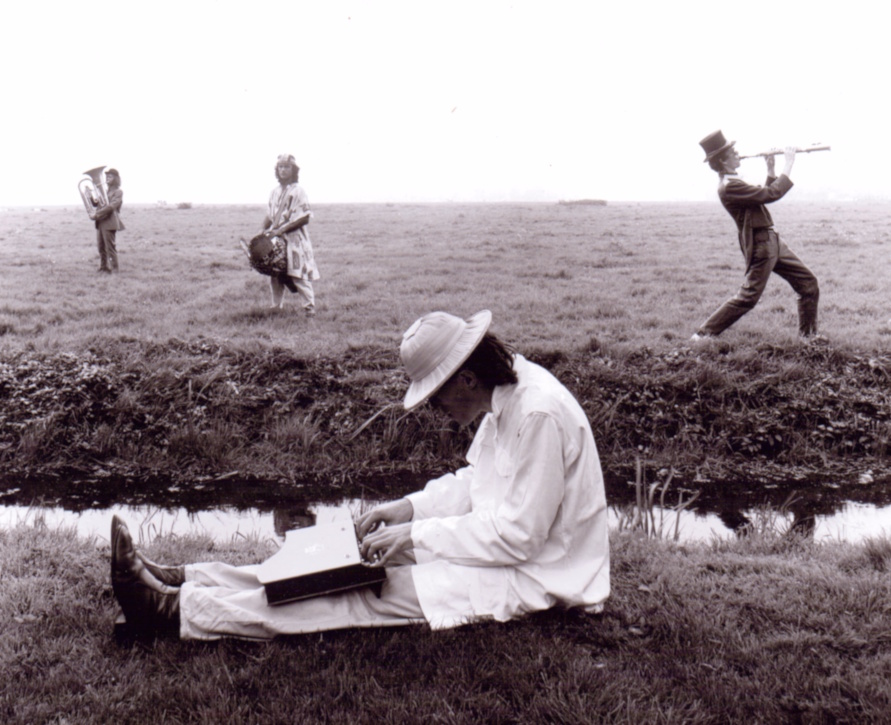
What did composing for Sabra Ben Arfa’s theatre production teach you?
It was a very different experience than any of my previous involvement in theatrical projects, mainly because we had a producer who had very specific ideas on the role of music and the musicians in the play.
He was Moroccan, as was the other musician involved, who was an oud player. So there was a heavy level of non-European input from the start.
If I remember well, the music amounted to a total of fifteen or twenty minutes in a performance that lasted an hour and a half. Quite frustrating being onstage for the whole play but playing so little. But it was nevertheless a satisfying affair given those restrictions.
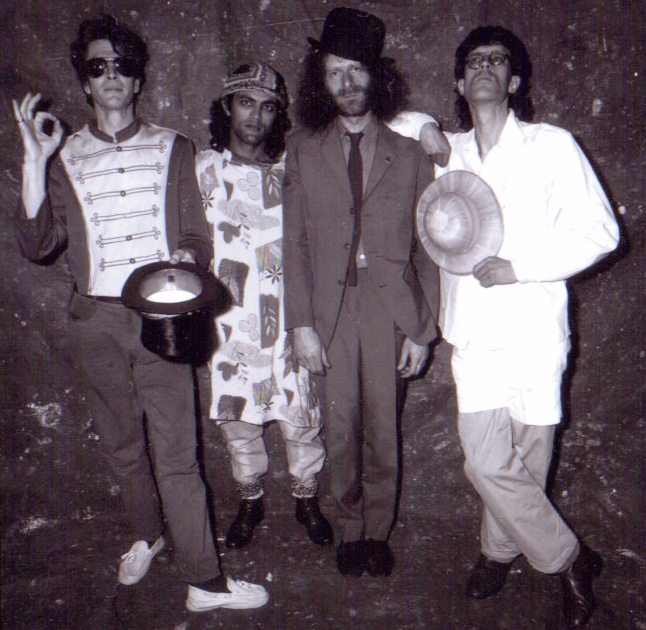
You also worked in film, dance and electronics. Was there a common thread running through those projects?
I don’t think there is a common thread! I’ve always been quite willing to try out new musical forms and instrumentations, and as per usual I just tend to go with the flow with what’s happening around me socially as well as musically.
I met Alain yet again while busking in Brussels – he had seen a solo performance of mine in Belgium during my ‘Chemical Bank’ period, which impressed him so much he changed his listening habits literally overnight. He was basically trying to make it as a film director, and Sabra was his partner. So I got to know them as friends to start with – the musical collaborations followed on from that.
Asad was of course still a good friend although he quit Random Bob because of personal issues with Henk the keyboard player. I had met John van Rymenant in the early ’80s – it was his eight-track recording equipment and sequencers I used to make the initial demo which led to the ‘Chemical Bank’ material.
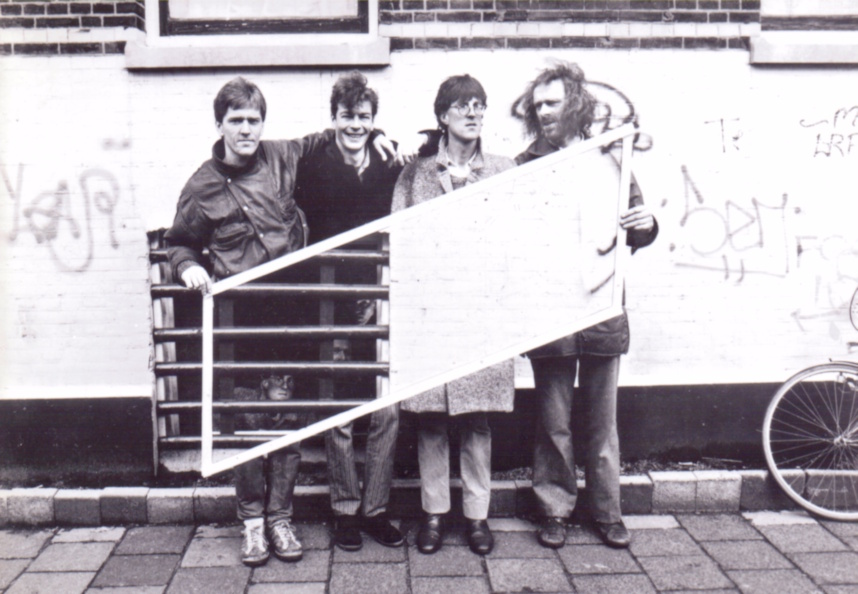
Peter Beyls was a good friend of John’s, a very advanced computer art, software and MIDI controller developer who had originally worked at the Artificial Intelligence Laboratory at Brussels University.
John had been asked to make another album for Igloo Records after the relative success of ‘Memory Stop’, featuring music he had written for avant-garde theatre group Plan K. Yet again personal and musical differences put a halt to all that, although we did a three-day residency in Brussels which was creatively satisfying, but a financial disaster.
“Art made me poor, poverty made me ill, illness made me wiser!”
How did the Morton Fork Gang balance composition and improvisation?
Yes more something in between I guess – everyone composed or arranged existing compositions, but there was a lot of space for improvisation.
The original idea sprang from meeting another British saxophonist, Joe Higham, already a bit of a rising star on the Brussels jazz scene. There was also quite a big rock influence. We had a lot of support from Jules Imberechts, founder of ‘Le Travers’ Brussels jazz club.
Unfortunately it was me contracting dystonia, a serious neurological condition, which led to my return to the UK and the dissolution of the band. As I often say, art made me poor, poverty made me ill, illness made me wiser!
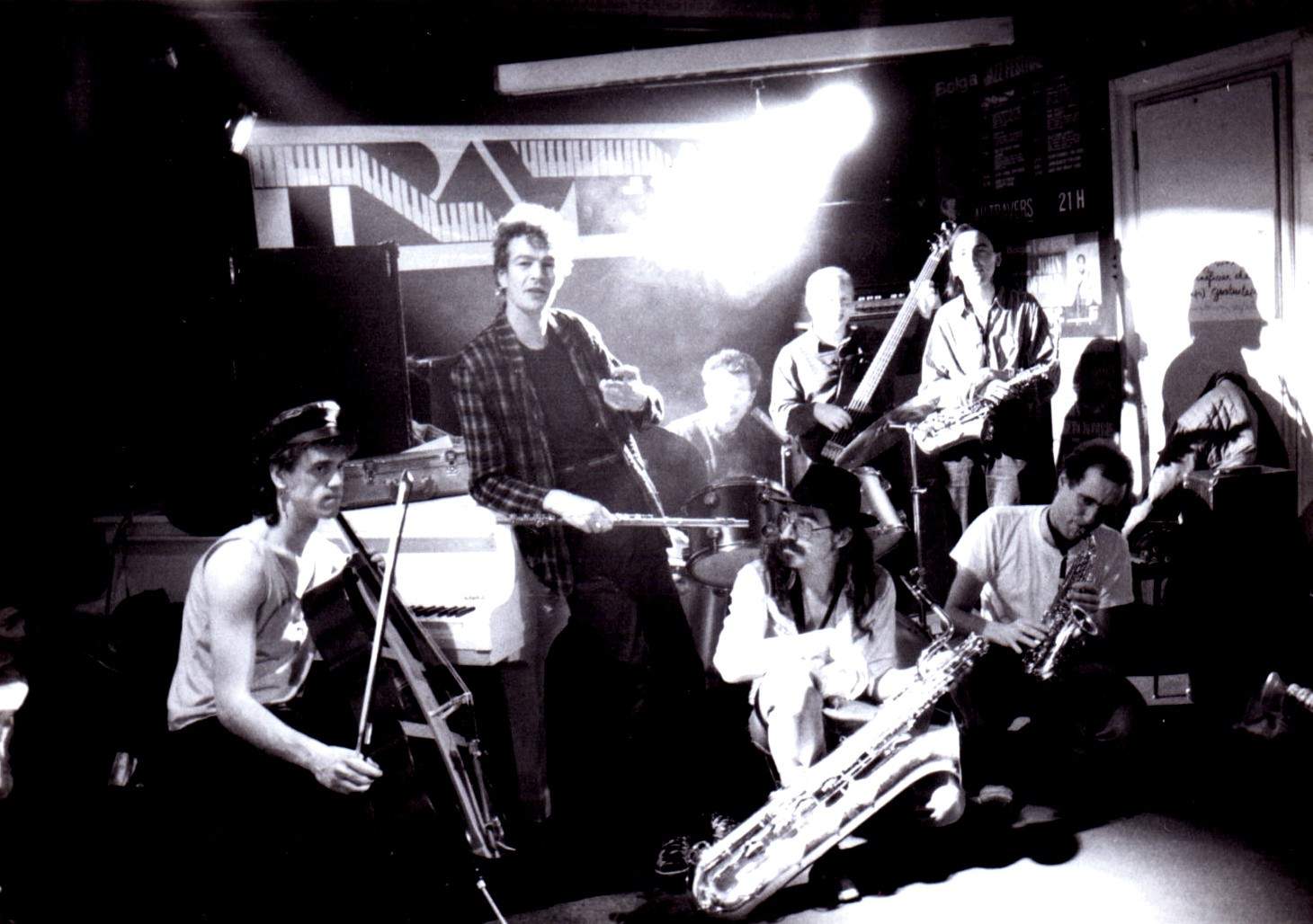
How did Ex-Wise Heads begin, and what did Colin Edwin bring to the partnership?
I was once again based in the UK, had finally got a diagnosis of my neurological issues, was basically slowly stabilising health-wise, and looking out for other musicians to collaborate with.
But I have to say the diagnosis triggered a serious blow to my mental health and confidence in general, and of course it had quite a debilitating effect on my embouchure. I couldn’t really play for a couple of years, and I started to feel like my career was probably coming to an end.
Living close to Brighton I got to know a couple of guys running Adaptatrap, a music shop there which specialised in percussion and other folk/ethnic instruments. They held a weekly jam session which I started going to – a totally non-competitive ego-less affair which was just perfect for me to start getting my chops and musical life back together.
Colin was also living in Brighton and had brought in a traditional Moroccan guimbri for repair. I spotted it one day and asked who it belonged to, having previously jammed for hours on end with Jalil El Afra playing the same instrument in Brussels.
So we got together and started regular rehearsals, first with a percussionist, then another, then finally continuing as a duo with computer-generated beats. I had more or less stopped working with computers in favour of real instruments, so initially Colin took care of that side of things, although later we worked more together on them.
What was interesting was how Colin took parts of my improvisations, and turned them into tunes which could be doubled on other instruments. We never did a lot of gigs, although we did make it to Holland, Ukraine and Estonia. We released several CDs over the next few years, then hit a bit of a dead end, just feeling we were repeating ourselves basically.
Our last recording was never really finished – we tried out some different approaches but were never satisfied. But after many years I’ve started working on some more material which hopefully will result in a continuation of the project, but with live musicians. I’ve met some interesting musicians here in Manchester, where I’m now based again, and hopefully they’ll be up for collaborating.
How did Men Working Overhead change your approach to performance and improvisation?
Men Working Overhead started after Elke and her partner Tom Zunk came to play at the Brighton Fringe Festival in 2002. By pure chance they were staying at the house I was then sharing with the owners of Adaptatrap, Tom having met them a few years earlier while living briefly in Brighton.
He was an ardent Rock in Opposition fan, although he had no idea that I was a former member of HC, and closely linked with that whole scene. Once he realised that he asked me to join them in their street performances at the festival.
Later I went to play with them in Berlin, and we performed a few times in London and Hastings as well. I guess I have to thank him for reminding me of my more experimental roots, and his use of minimalist percussion and waterphone gave me a lot of space to develop another approach to improvising, retaining the more folk and ethnic roots I was exploring at the time, but allowing more open improvisational elements.
Sadly we soon encountered a lot of personal and musical conflicts, exacerbated by him uploading his own personal choice of a lot of our recordings onto the internet without even asking my opinion – something I really can’t tolerate. Unfortunately he passed away a few months ago after years of heart and lung issues.
How did Mirage and X Black Sheep revisit your earlier work?
Mirage was essentially Cathy’s project, developed after studying Indian ragas for many years. It was interesting to do at the time, but was a bit too much of a ‘friends getting together to see what happens’ kind of affair – to be honest it never really took off, and none of the CDs we recorded sold very well, so it just kind of fizzled out after a while.
Black Sheep became X Black Sheep and was more my cup of tea. We developed a different modus operandi, using multitrack recording with overdubs rather than the essentially live approach of the original band.
A lot of very black humour and satire crept into the mix, stemming largely from Aloijsius’s input, with songs like ‘Cosmetic Surgery’, ‘Tongue Tied in Tibet’ and ‘Teenager in Love’, the latter which used a very ring-modulated and distorted sample of Britney Spears’s ‘Oops!… I Did It Again’.
It was great getting back together with Aloijsius and Colin McClure, although we never intended to start playing live – neither of them had really done very much musically speaking over the years, they were both quite rusty in terms of playing ability, so it was just as well we could use overdubs – I guess any live appearances would have been pretty disastrous!
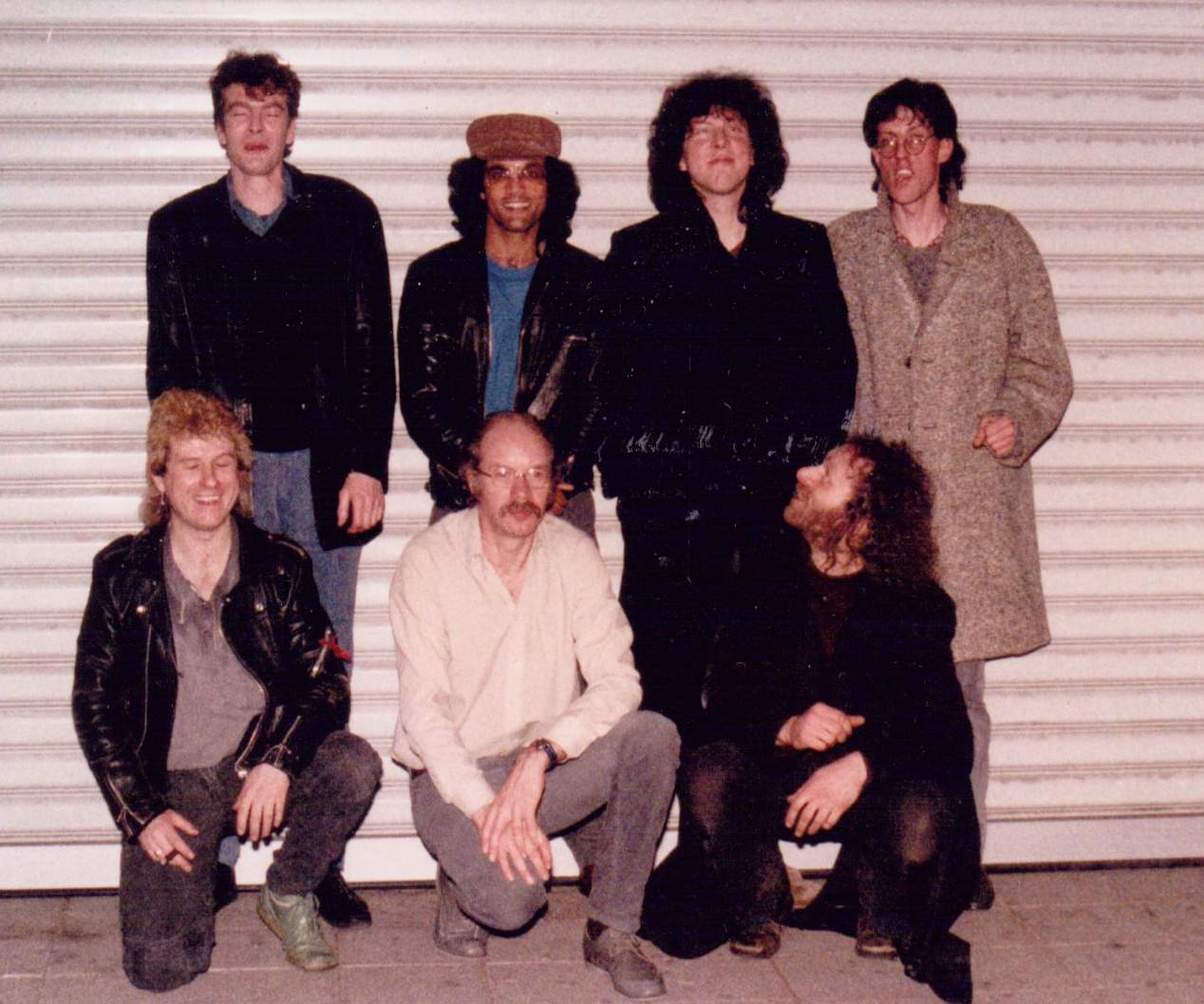
What made the Faust circle and Schiphorst’s Avantgarde Festival so fertile for collaboration?
Yes this was the time I really got back into the more experimental rock side of my past, playing quite a lot of live gigs in Germany and elsewhere in Europe. My neurological problems had more or less stabilised and I felt more confident about my playing, enjoying gigs rather than them being a bit of a struggle.
A lot of things happened at Schiphorst, a lot of one-off collaborations – I briefly reunited with Uli Trepte, bass player from Guru Guru, jammed with Nurse With Wound, played several times with Faust and the very underrated Uwe Bastiansen’s Stadtfischflex.
His last recording involved some of the best musicians from his hometown of Hamburg, but he couldn’t find a record company to release it, and I think he’s more or less retired now. He must have performed five or six times at Schiphorst, each time with a different line-up, different music, and usually without any rehearsing.
Faust was very similar – very fluid line-ups, a lot of improvising. And of course the Artaud Beats were formed after Chris Cutler, John Greaves, Yumi Hara and myself got together for the first time.
A pity that since Jean-Hervé Péron and Zappi Diermaier stopped playing together the festival has radically changed, with JH taking more of a back seat, also due to health issues I think, handing over organisational duties to his daughter Jeanne-Marie, involving mainly younger musicians rather than the ‘old guard’ folks like myself! Quite a good move though.
How did your work with Yumi Hara and the Artaud Beats develop, and where does it stand now?
Well it has all pretty much fizzled out now, although Chris Cutler and Yumi are still playing together. John Greaves left quite early on – he’s more into songs than improvising.
I’ve also had personal issues with Yumi. The usual musician’s stuff – ego clashes – say no more! So it’s not lasted and definitely not evolved in terms of my input, although Chris Cutler has maintained and continually developed various projects with her.
What drew you to work with Makoto Kawabata and Tatsuya Yoshida?
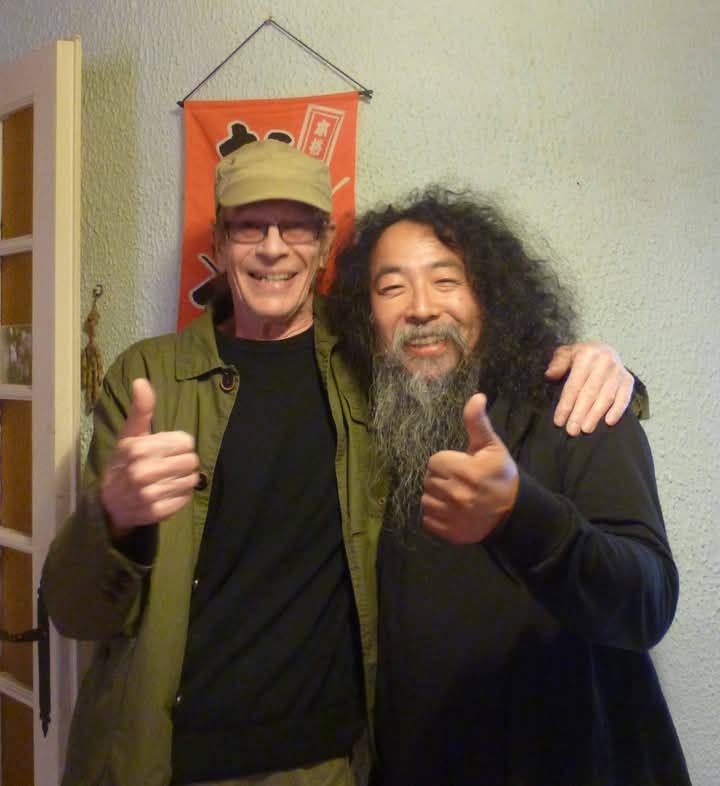
The first time I went to Japan as a duo with Yumi, Kazue Asano, another Japanese lady who had more or less catalysed the collaboration, introduced me to Makoto and the rest of the Acid Mothers Temple crew, resulting in me jamming with them in Kyoto.
It’s kind of full circle in the sense that they play a mixture of essentially modal pieces which often mutate into free improvisation – I’ve never had to rehearse with them, it’s just about being aware of what key they’re playing in, and approaching it all very intuitively.
Unfortunately I’ve had to stop playing with them simply because my ears can’t deal with those high volume levels any more. I did two European tours and one Japanese tour with Makoto as a duo, and hope to maybe continue with that in the future, but probably more in terms of recording rather than playing live.
I also played one concert with Tatsuya and Yumi on that first trip to Japan – there is a multitrack recording of it which is still languishing in the archives somewhere. More stuff to sort out.
Despite the fact that these musicians have toured and continue to tour globally, there are quite noticeable cultural differences that can still cause difficulties, especially in terms of language and communication, but these are not insurmountable by any means, and as they say music is an international language.
Does your playing change with the venue and audience?
Unlike many musicians I do find it difficult to play to near-empty venues, but yes I do mainly rely on that ‘inner spark’ as you call it. I try and play with the audience rather than to them, especially when improvising it’s relatively easy to ‘read the room’ and to play accordingly.
Without getting into too much of a hippyish / new age way of thinking, I’m very influenced by ideas of shamanism and music as a healing force. In my late teens I started reading the works of Carl Jung, and felt very drawn to his research into astrology, alchemy, archetypes and universal consciousness.
Translating all those ideas into a more concrete form such as music is maybe one of the most difficult but nevertheless rewarding aspects of my approach. Not that I make any claims to actually be a shaman! Already far too many fake gurus out there, but I’m particularly fond of Jung’s concept of the ‘wounded healer’, the idea that a very large proportion of healers and shamans have all been through at least loss of ego, severe illness, or near-death experiences, something generally not appreciated in current new age circles with their ‘everything is beautiful’ ideas.
How did the COVID years affect your creative life?
Yes I eventually contracted Covid despite the vaccine, but it was only like a bad case of flu which left me bedridden for a week or so.
For sure it was mainly a case of sitting with the silence, but also reflecting on the future, wondering what the outcome would be. One thing is for sure – the combination of Covid and Brexit had a huge impact on the cost of everything – for musicians travelling abroad became very expensive.
Before Covid I was spending around three months of the year in the Eurozone, but now it’s more like one month, and that’s mainly to visit family and friends and to play the occasional gig.
Which musicians have most shaped your playing, and what did you learn from them?
So many great musicians past and present, but my main influences include Sun Ra and his multitude of big bands, and the Art Ensemble of Chicago. They’ve managed to combine ethnic folk roots with what I guess is generally referred to as European Art Music, and everything in between.
One of the best performances I’ve ever seen was a duo of AEOC drummer Don Moye and their saxophonist Joseph Jarman. Roscoe Mitchell is one of the most interesting players and especially composers in contemporary music, you can’t really even call it jazz, it goes well beyond that.
Don Cherry is another favourite. He’s collaborated on so many projects, a lot of which are definitely not jazz. His approach has been described as ‘anti-virtuosic’, and I think he quite rightly deserves the title of ‘grandfather of world music’. From his groundbreaking work with the Ornette Coleman Quartet, through to his experiments with Moroccan Gnawa music, and despite his lifelong battle with heroin addiction, he left an extraordinary body of work.
Charles Mingus is another hero – the second great composer in jazz after Duke Ellington, his bands including Roland Kirk, another giant of a saxophonist I saw twice in the early ’70s. He reintroduced the three-minute popular tune back into jazz.
Ultimately one of my favourite musicians has to be Eric Dolphy – no one has come close to his incredible interval leaping and free expressionism on alto sax, bass clarinet and flute. A wonderful composer as well.
So many great European musicians – the aforementioned Evan Parker continues to amaze me, Mike Westbrook was always full of ideas, pianist Chris McGregor’s Brotherhood of Breath was very much like an English version of the Sun Ra Arkestra, and brought together the cream of ’60s UK players like Lol Coxhill, Alan Skidmore, Mike Osborne, John Surman, Harry Beckett, Marc Charig et al, as well as arriving from South Africa in the UK with the Blue Notes, featuring drummer Louis Moholo, bassist Johnny Dyani, trumpeter Mongezi Feza, saxophonist Dudu Pukwana – I had the privilege to see them in Manchester in ’65.
And of course from the rock world there’s Zappa, Captain Beefheart, Traffic, King Crimson, Tim Buckley, The Residents, Björk and countless others.
These are mostly musicians and bands I loved in my youth, but I think that’s the music that stays with you for a lifetime, regardless of what younger artists are bringing into the mix. I often get the feeling that the ’60s and ’70s were the most creative periods in 20th-century jazz and popular music, and what we see and hear now is just a rehashing of all that.
The only thing that has really changed, especially in rock music, is the technology. There will always be a few exceptions of course – improv trio The Necks for example are definitely breaking new ground. I have to admit there’s just so much more music available these days because of the internet, it’s difficult to know where to start!
What are you working on now?
I moved back up to Manchester in 2021, mainly for economic reasons, but also because of a feeling of going back to my roots and family origins, although I have very little contact with most of them.
As I touched on earlier, I’ve jammed with some of the musicians involved with ’80s electronic pioneers 808 State, including founder Graham Massey and contributors Howard Jacobs and Paddy Steer, all multi-instrumentalists. I’m trying to write new material for an album of songs which I hope they’ll be interested in, so far it seems they are, contributing to.
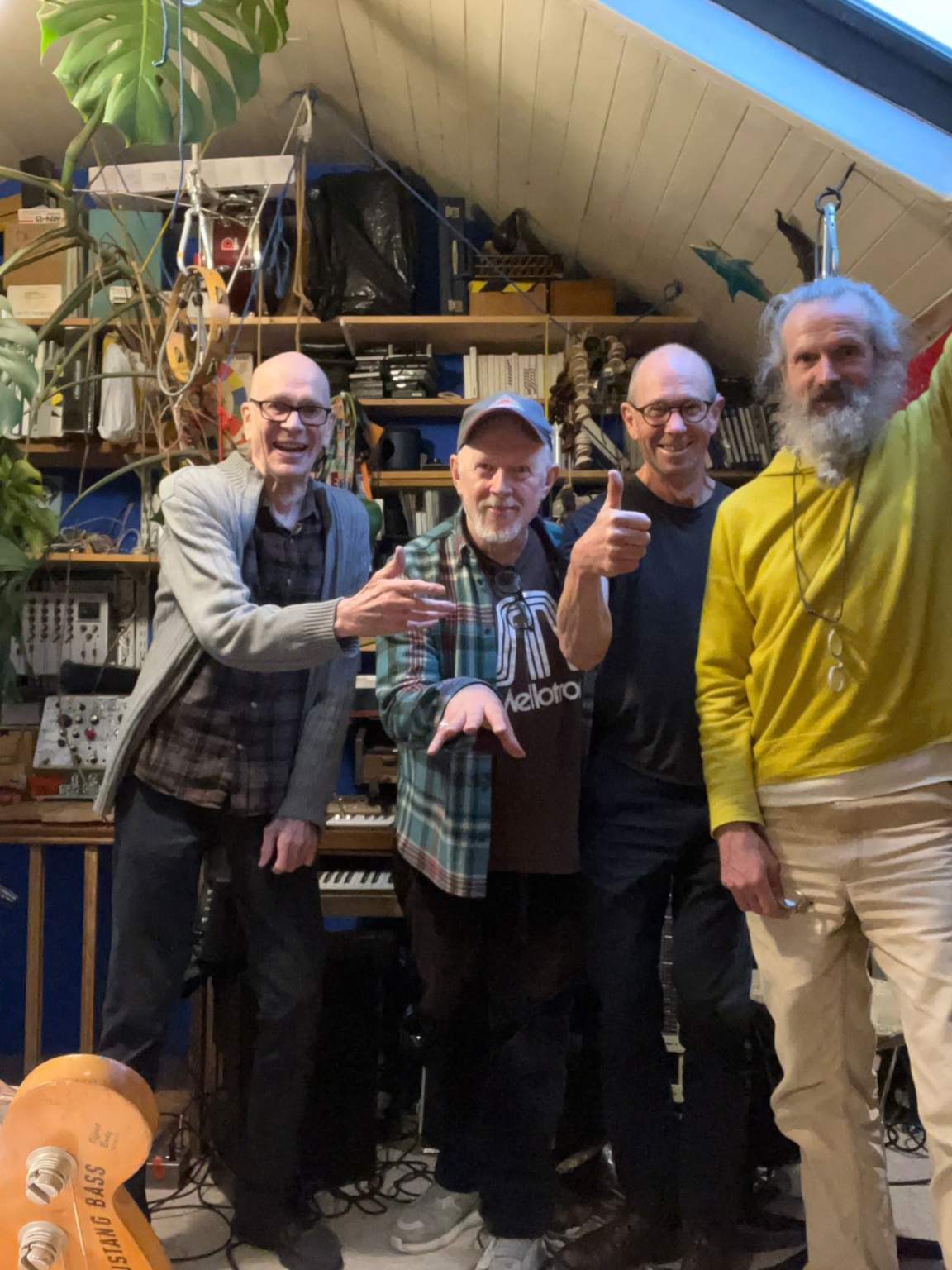
For want of a better name, so many bands out there it’s very difficult to find an original name that hasn’t already been used, and as a continuation of previous unfinished works, I’ve talked with bassist Colin Edwin about doing it as an Ex-Wise Heads project. He’s one of the few musicians I’ve worked with over the last 25 years I can easily communicate ideas with – more importantly we’ve never actually had any serious disagreements over music or personal differences, which is a real blessing.
I have a quite longstanding relationship with musicians from Lille in France, especially centred around multi-instrumentalist / painter Maxime Manac’h, who I initially met through playing with Faust, who he has toured with many times in Europe, the US and China. We have also played together in England, Europe and Japan.
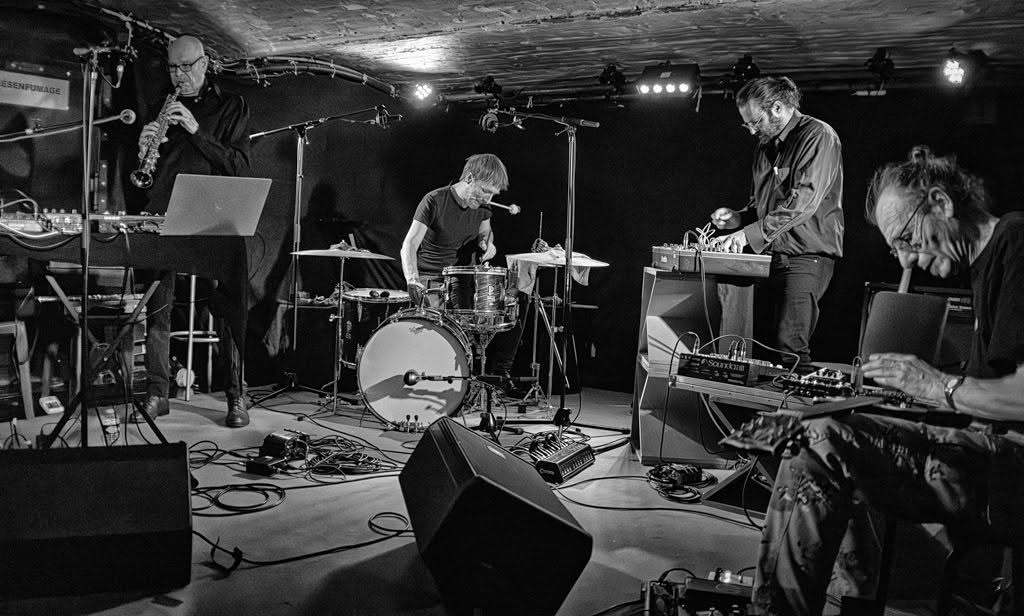
In Manchester I’ve teamed up with drummer/percussionist Richard Harrison, who is one half of the Spaceheads with trumpeter Andy Diagram, known mostly for his work with David Thomas and Two Pale Boys.
As Phantom Leg, a free improvising duo, we seem to have hit it off very quickly and satisfyingly – we’ve already released one CD-R, we’re working on a second one, plus 2 digital downloads. With no other specifically melodic instruments involved, I have a free hand to play absolutely anything, instrument-wise and harmonically.
Apart from flutes and saxophone I’m singing, playing dulcimer, autoharp, keyboards, small percussion, using electronics and processing, some looping, etc etc. So definitely not generic ‘free jazz’, just improvised music! And he lives a 5-minute walk from me, which is very handy.
And finally, the last word is yours.
Well having hit 80 I’ve slowed down considerably over the last few years. Inevitably I have a few medical issues, nothing life-threatening so far, but still waiting on diagnoses for a couple of things.
I’m not really pushing hard to do more gigs unless they’re local ones, so I’m concentrating more on recording new music, and as previously mentioned digging into the archives for recordings that were never released. So many projects which at the time I wasn’t really happy about, but the passage of time seems to say otherwise, and I guess I’m less critical of my own playing these days.
Apart from the music I’m really happy that I still have contact with the mothers of my 2 daughters, and my 2 grandchildren. I’ve moved around a lot in my life so I still have contacts in France, Belgium and the Netherlands, and it’s always nice to do a bit of travelling without any pressure of playing gigs.
As I always say, perhaps I’ve not had such a successful career as some of my peers, but I’ve had a great lifestyle, and ultimately maybe that’s more important. Finally, as we always say, forever onwards!
Thank you for giving me the opportunity to put all these thoughts onto paper / digital media.
Klemen Breznikar
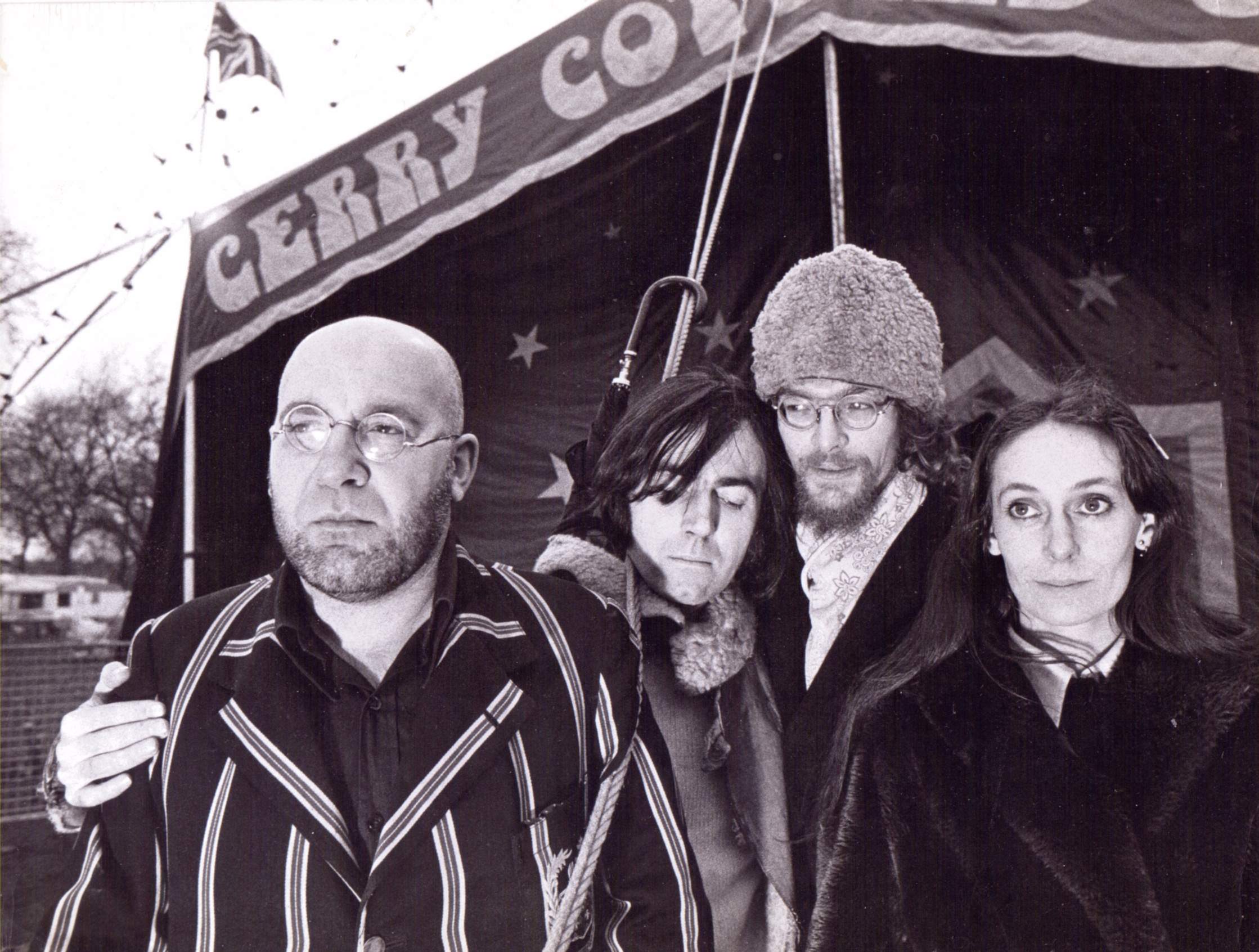
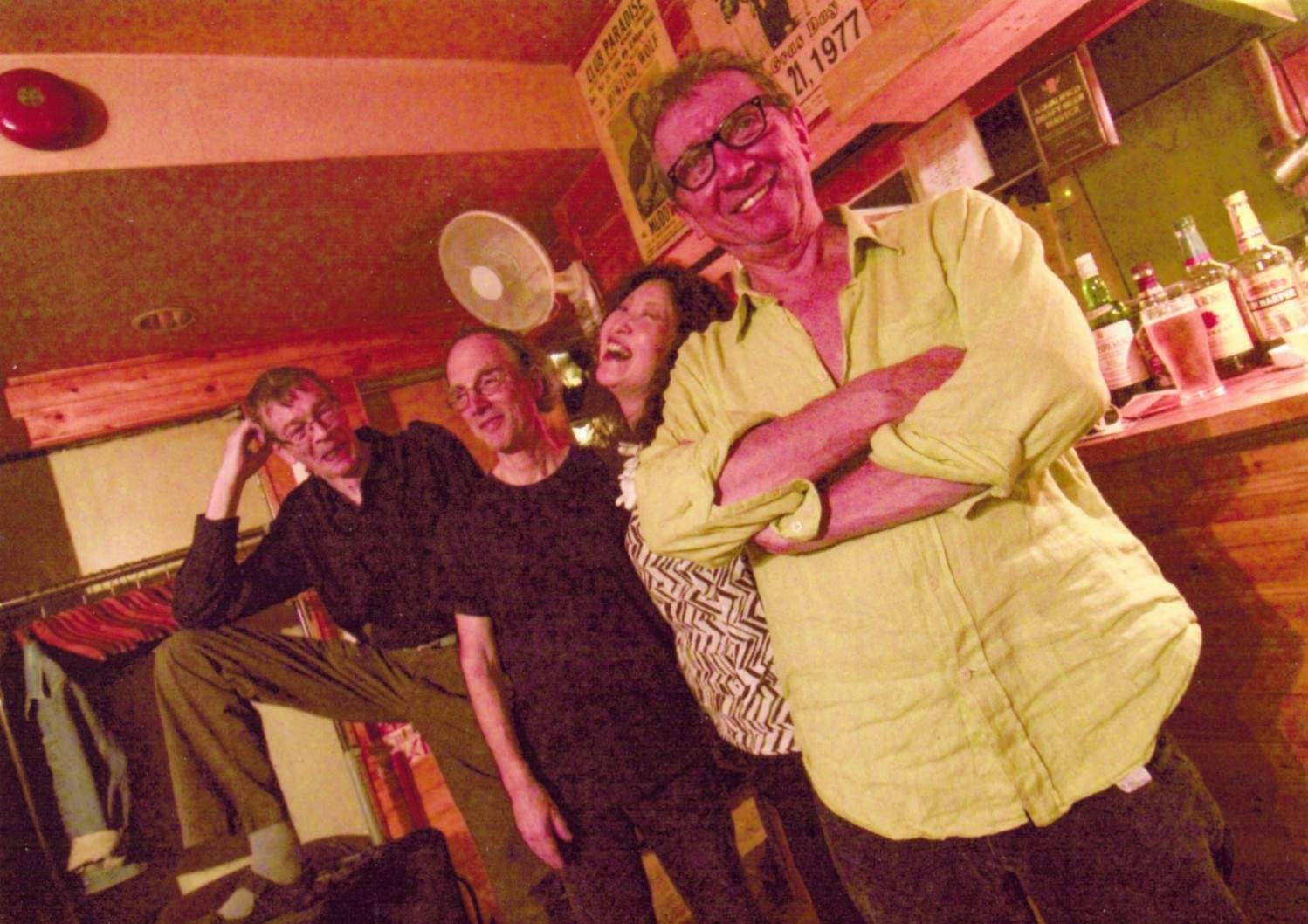
Headline photo: From left: Lol Coxhill, Gerry Fitzgerald, Geoff Leigh and Cathy Williams. Photo courtesy of Geoff Leigh Archive.
Geoff Leigh Website / Facebook / Bandcamp