Prom: The Forgotten German Rock Band Behind the Ultra-Rare ‘Fooled Again’
Robby Dietz recalls the making of ‘Fooled Again’, the trouble with New Blood and 50 years of playing music with Klaus Fallert.
Prom’s ‘Fooled Again’ was pressed in just 78 copies in 1978. That number has followed the album ever since, sometimes leaving the music itself in the background. What you hear is loose, blues-based hard rock, with Uwe Karle’s guitar prominent throughout. On the eleven-minute ‘Mogadischu’, the playing becomes more expansive, with a distinctly psych feel. The recording is rough and rather murky in places, but there’s a good reason for that. The band recorded the album in a church hall in Friedlingen, near the Swiss border, using a Philips two-track tape recorder and two microphones facing the stage. To keep the sound of the PA under control, they put open cardboard boxes in front of the speakers. Bassist and singer Robby Dietz even edited ‘Mogadischu’ by cutting and joining the tape with scissors. According to Dietz, the band paid New Blood to press the record, but the copies never arrived. They eventually made their own arrangements with the Pallas pressing plant and paid again. By then, they could only afford 78 copies. Some went to local record shops, others to friends and family. Garden of Delights reissued the album on CD in 1999, but original copies have remained difficult to find.
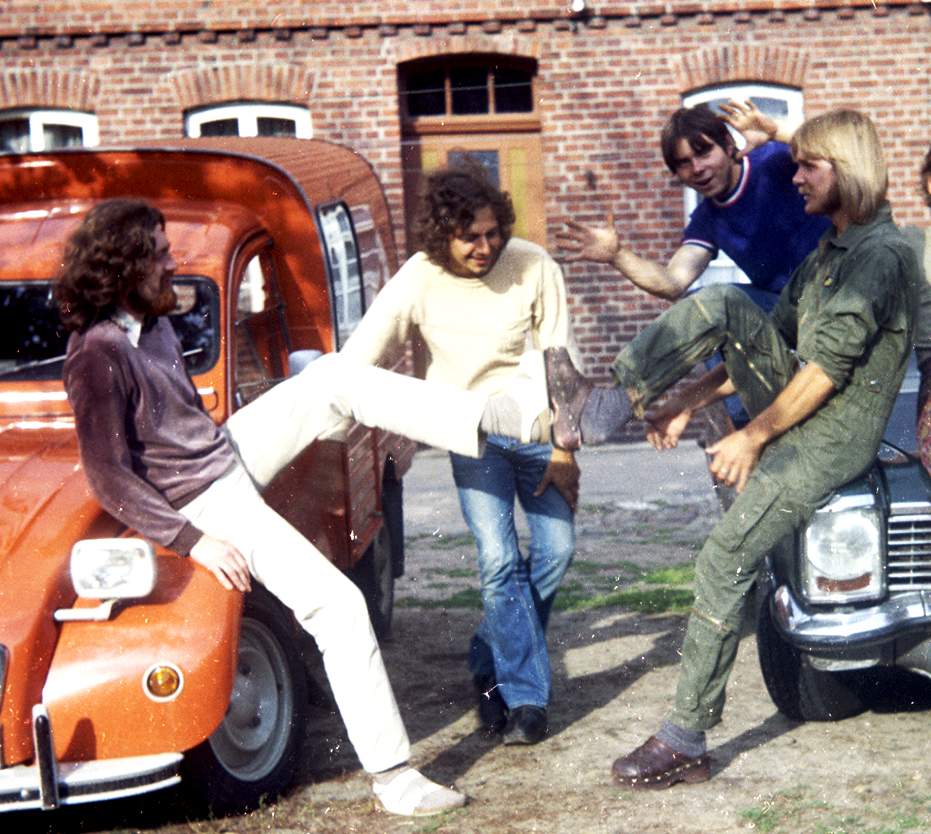
Prom formed in 1975 with Dietz, his school friend Klaus Fallert and drummer Peter Milewski. Guitarist Uwe Karle joined soon afterwards. There were several lineup changes and long breaks over the years, but Dietz and Fallert kept the band going until 31 December 2025. Karle and Milewski have both since died. Dietz remembers them with great affection, and he’s just as willing to laugh about some of the band’s early disasters.
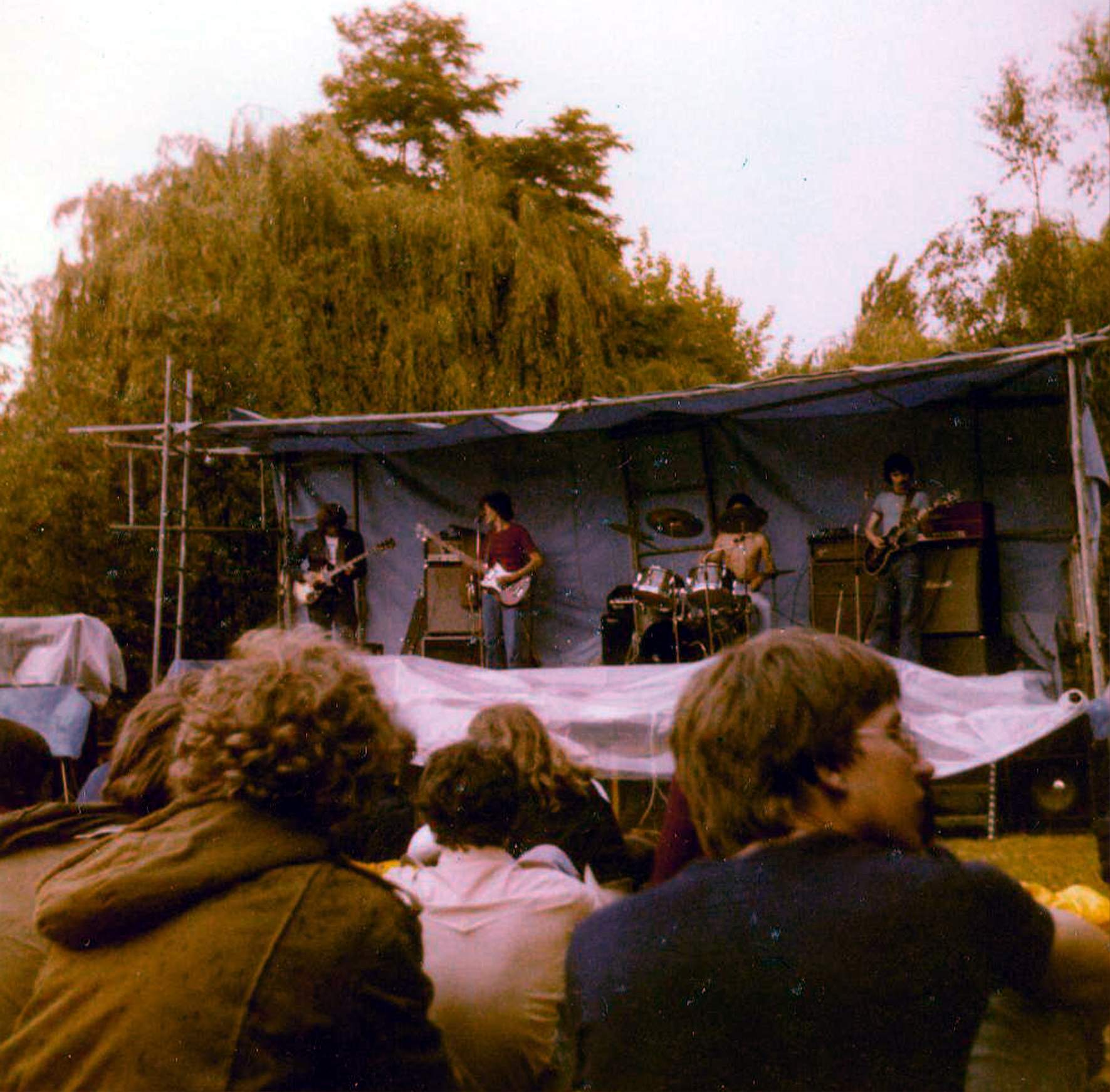
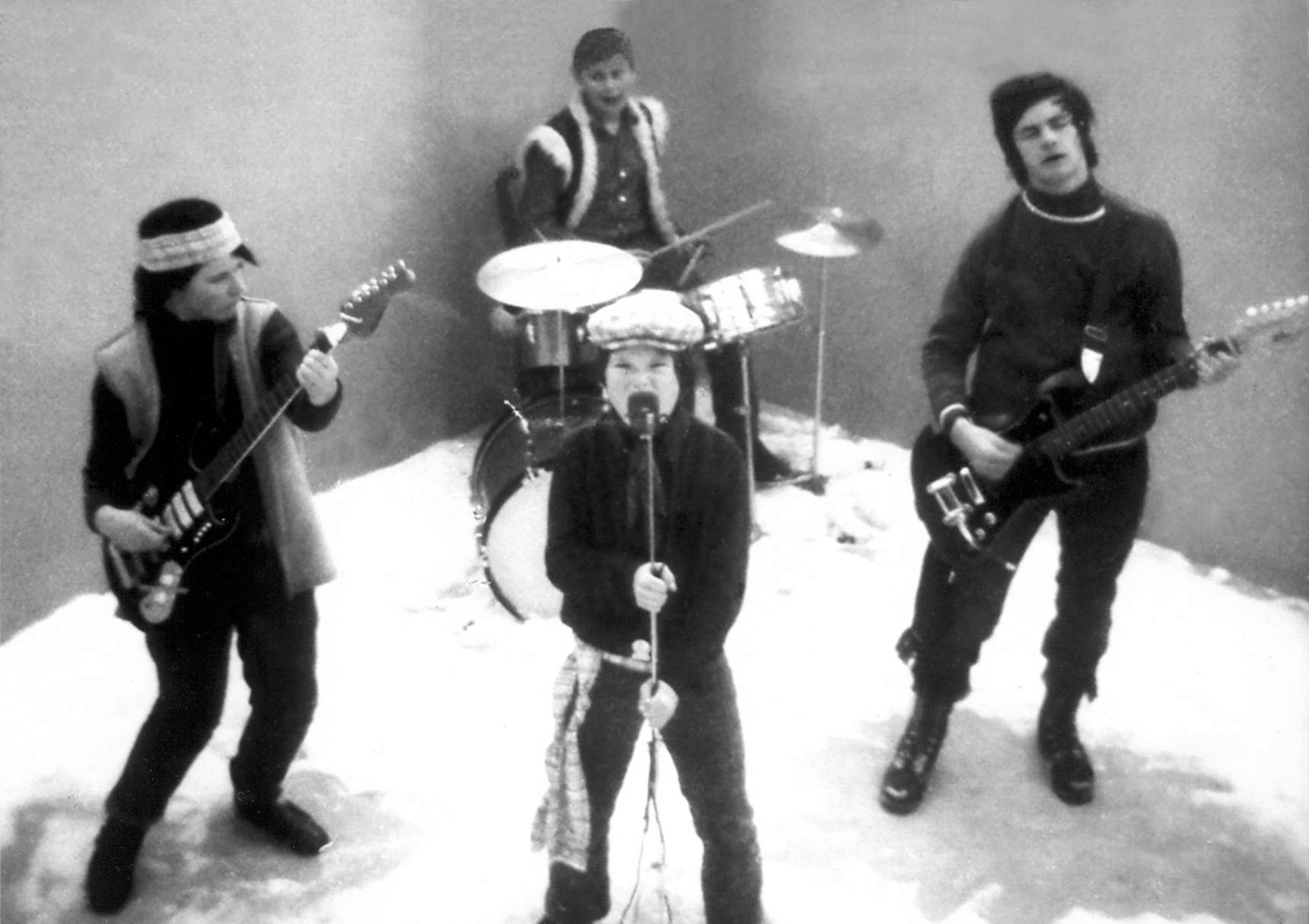
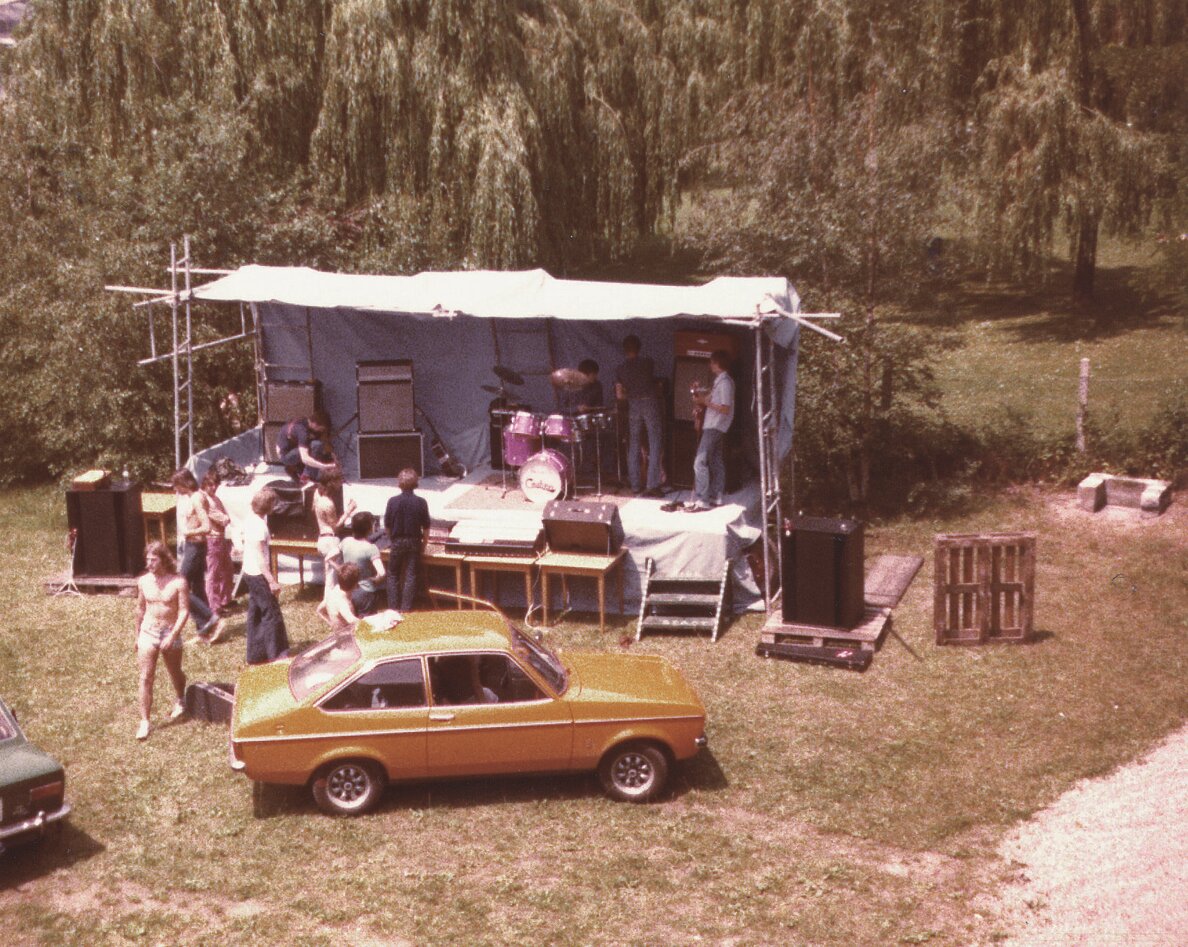
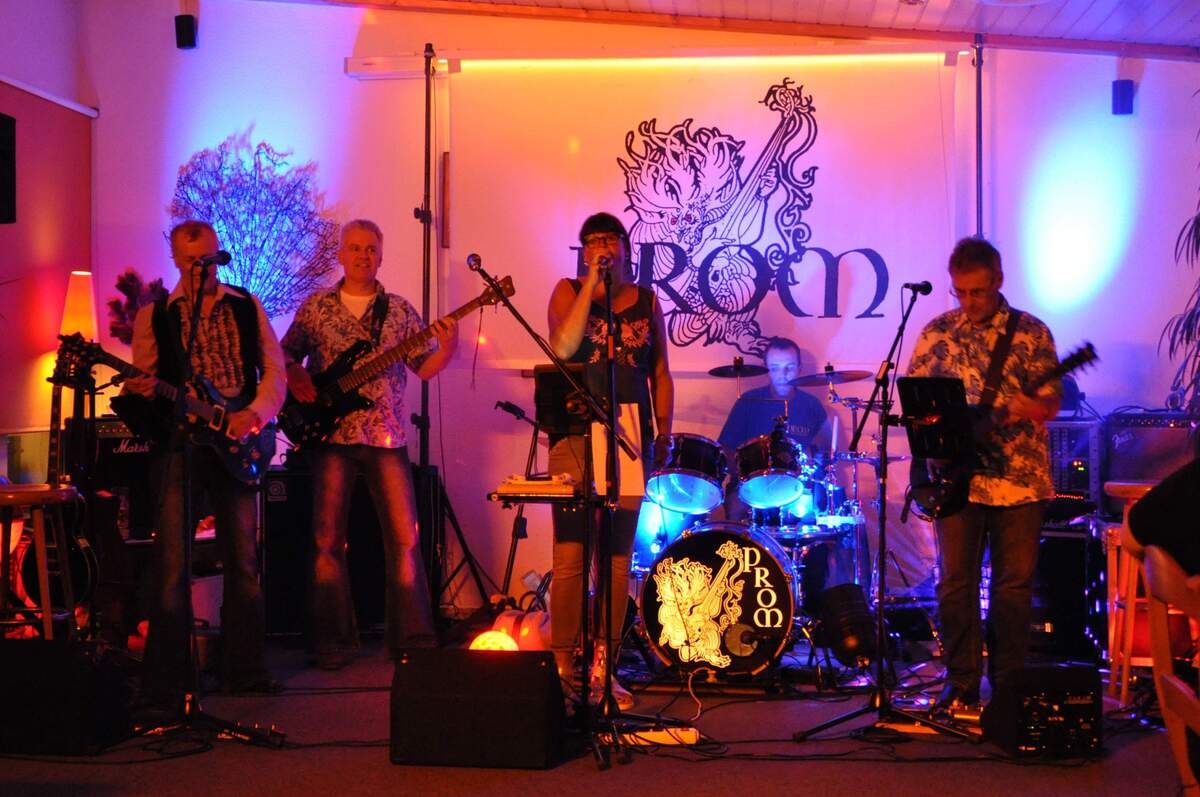
Prom performing at an open-air concert in Grenzach, Germany. Photograph: Courtesy of Robby Dietz.
“We wanted to make our own music. We didn’t want to reinvent rock music. We wanted to feel it, to swim in our own sound.”
What was it like growing up around Weil am Rhein, and how did you and Klaus Fallert first start playing together?
Let me answer that backwards. Geographically, we live in the corner where Germany, France and Switzerland meet. Basel, on the Swiss side, is the biggest city and the cultural centre. On the German side of the border, though, it was a small-town environment. Fashions and new ideas reached us rather late.
Let’s go back to the ’60s and ’70s. It’s probably hard to imagine today, but a boy with long hair could be sent home from school and told not to come back until he’d had a haircut! The same applied to girls whose skirts were considered too short. Slowly the hippie wave reached us from the larger cities, and of course drugs came with it. Parents went on alert when they heard the music their children were listening to. If you wore flared trousers, you were already a “Gammler”, a layabout. It was definitely meant as an insult. That was the rather narrow-minded, respectable world in which we grew up.
I think the story of how music first got hold of me is similar to that of many people of my generation. My older brother bought the Beatles single ‘She Loves You’. When I heard it on his mono Dual record player, that was it for me. The guitar at the beginning took me into another world. I’ll never forget that moment, even if I didn’t entirely understand what was happening to me at the time. I wanted a band. I wanted to play guitar and sing!
At that point the only instrument I could play was the recorder, although I also had an old violin which I misused as a guitar. Being the good son that I was — which, of course, I wasn’t — I later learned trumpet and piano. Then I met Klaus Fallert at school. Klaus could play guitar. He was even taking lessons! I discovered that he had a band with three classmates called Notosaurus Pete. We were about ten or eleven years old.
I talked two friends of mine into starting a band too. We called ourselves Flowerkings. One friend had an acoustic guitar, and I had to play drums on a washing-powder tub and a tambourine because neither of the other two could keep a beat. After a period of rivalry between our two school bands, we joined forces. I was the only drummer to survive the merger. We became the Black Devils and rehearsed now and then.
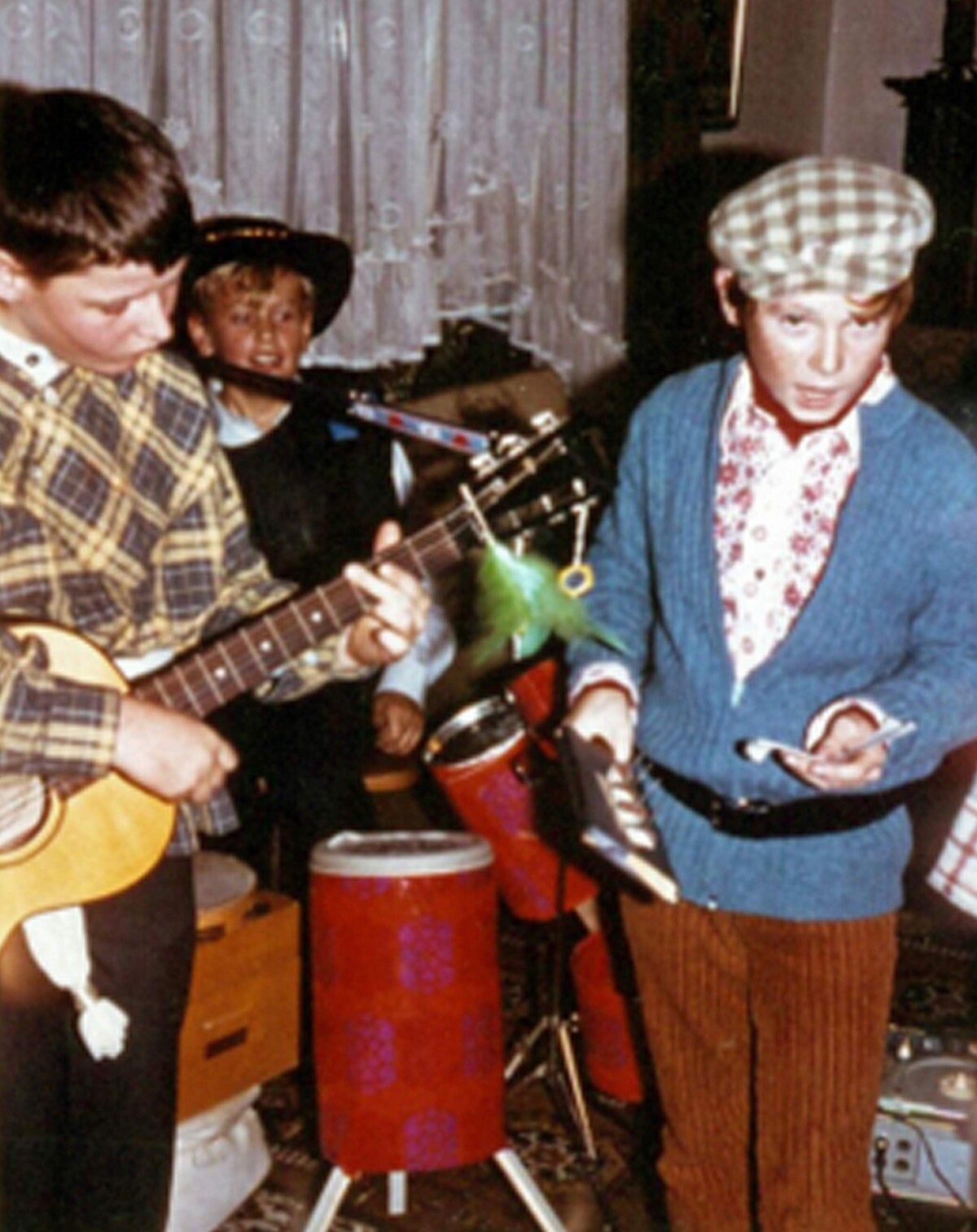
Black Devils in the 1960s, with Klaus (left) and Robby. Photograph: Courtesy of Robby Dietz.
For a school party, we borrowed electric guitars and amplifiers from relatives. Unfortunately, our guitarist managed to plug a speaker cable into a mains socket. With a little “pfff” and a puff of smoke, the speaker — and our appearance — passed into the great beyond of musical history. Klaus and I played a few improvisations to rescue something from the embarrassment, but the band died along with the speaker. At least we discovered that we could improvise well together.
Not long afterwards we made our first public appearance in a large hall in Haltingen. Klaus had a Hohner copy of a Gibson guitar and a little 50-watt amplifier. I was the proud owner of a glittering gold Buffalo Tone drum kit. We loaded everything onto a wheelbarrow and marched to the hall.
Perhaps I’m going back too far, but I’m trying to give you an idea of the times. Imagine the innocence of arriving with one drum kit and a 50-watt amplifier at a hall that held about a thousand people, climbing onto this enormous stage and starting to play. I could hardly hear Klaus, and I doubt the audience, who kept talking, could hear him either. There were a good number of school friends there, though, and they thought we were wonderful. It was probably a disaster, and they admired us only for having the courage to get up there with so little ability. Never mind. It was our first proper public performance.
Klaus and I stayed in touch, although for a while we didn’t play together. He showed me my first guitar chords, which I practised with great difficulty. I was still a long way from my ambition of being a guitarist and singer in a band. In 1975 we finished school and decided to start one.
A friend of mine was a rather eccentric fellow nicknamed “Status” because he was a huge Status Quo fan. I persuaded him to become our drummer. He was training as a chemist and suggested calling the band Brom, after the chemical element bromine. Klaus and I liked it, but we didn’t like the look or sound of the B. So Brom became Prom. ‘Prom’ can also be used as an abbreviation for a promenade concert. Klaus Fallert, Peter Milewski and I were the original Prom. There were many lineup changes and long breaks over the years, but Klaus and I stayed together until we dissolved the band on 31 December 2025, after 50 years.
Black Devils in the 1960s. From left Klaus, Robby, Rainer Bahn and Peter Heidenreich. Photograph: Courtesy of Robby Dietz.
Did being so close to Basel make much difference to the band?
I’ve already answered part of that, but I should add that it was — and still is — very difficult for musicians from our side of the border to establish themselves in Basel. It’s a major cultural city with plenty of fine artists of its own. It doesn’t really need people crossing the border unless they’re exceptional. And sometimes the border itself comes into it. Germans aren’t always particularly popular there. They even have a nickname for us, “Lölis”.
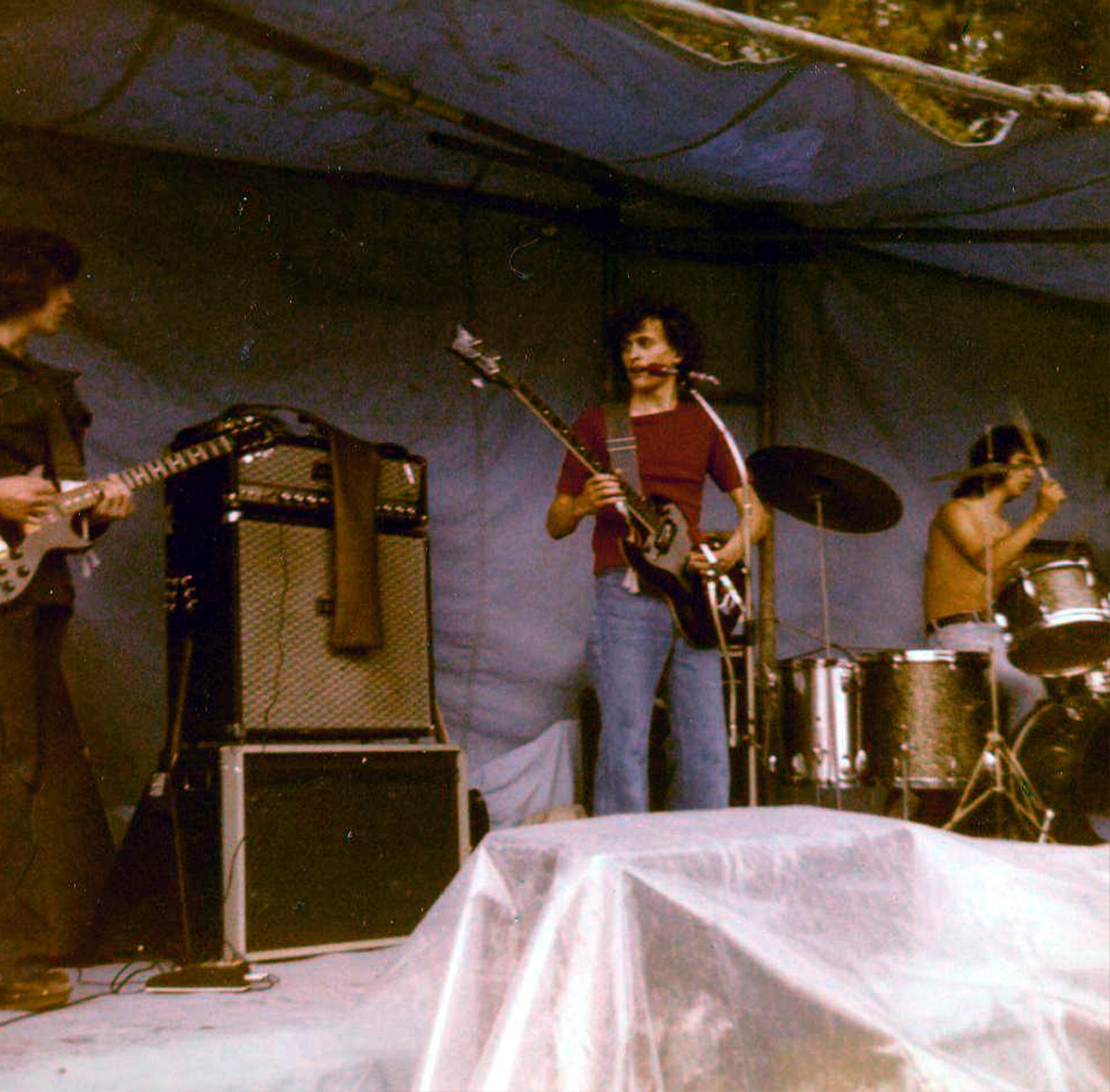
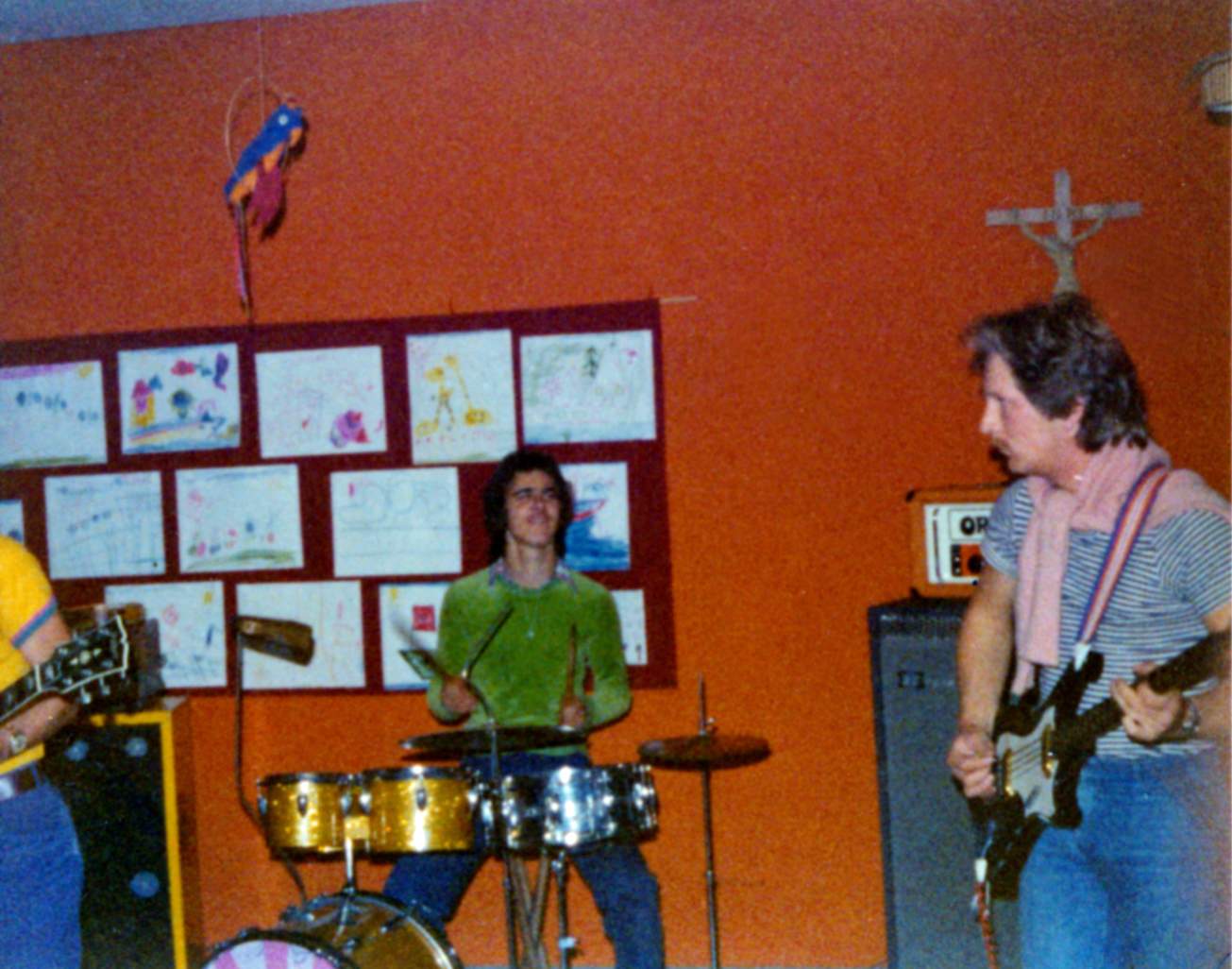
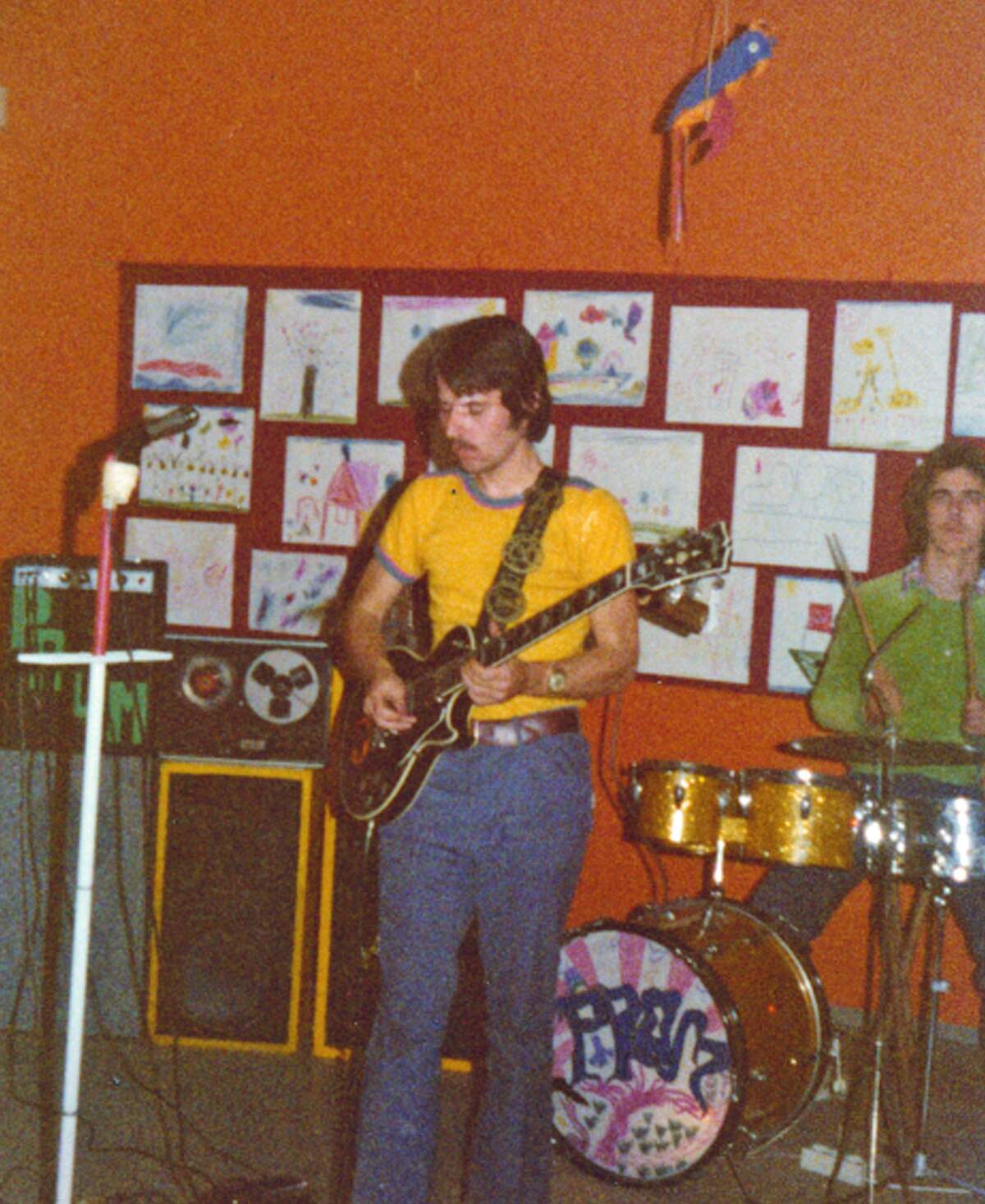
Prom during their early years in the 1970s. Photograph: Courtesy of Robby Dietz.
As for pressure, we didn’t feel much. We loved making music, playing concerts and celebrating with the audience. We often played the wrong notes. Sometimes we weren’t exactly in full possession of our senses. But we always felt at one with the people watching us. Of course, that’s our subjective impression.
There was a rival band in the neighbouring town called Wish ‘n Well. Technically and musically they were far better than we were, but there was a sort of hostility between us, disguised as friendship, as often happens. Why? Because our “amateurish” music often went down just as well with audiences, sometimes even better. They couldn’t bear it. To be fair, I played with some of those musicians years later and we became friends.
Robby Dietz during Prom’s early years, 1975. Photograph: Courtesy of Robby Dietz.
Where did you rehearse in those days?
Back then, having a rehearsal room at all was a privilege! We went through all sorts of places. My parents’ cellar, the cellar of an old building where our amplifiers went mouldy, even a kindergarten. There we had to set everything up and take it all down again after every rehearsal.
For a while we rehearsed in the referees’ changing room at a sports ground. Four musicians and a female singer in a room about two by four metres, with a shower in the corner! The drums were in the middle and the rest of us somehow arranged ourselves around them. I’m still surprised we didn’t suffer hearing damage. Perhaps the lack of oxygen clouded our brains enough for us to survive. So much for the romance of the rehearsal room.
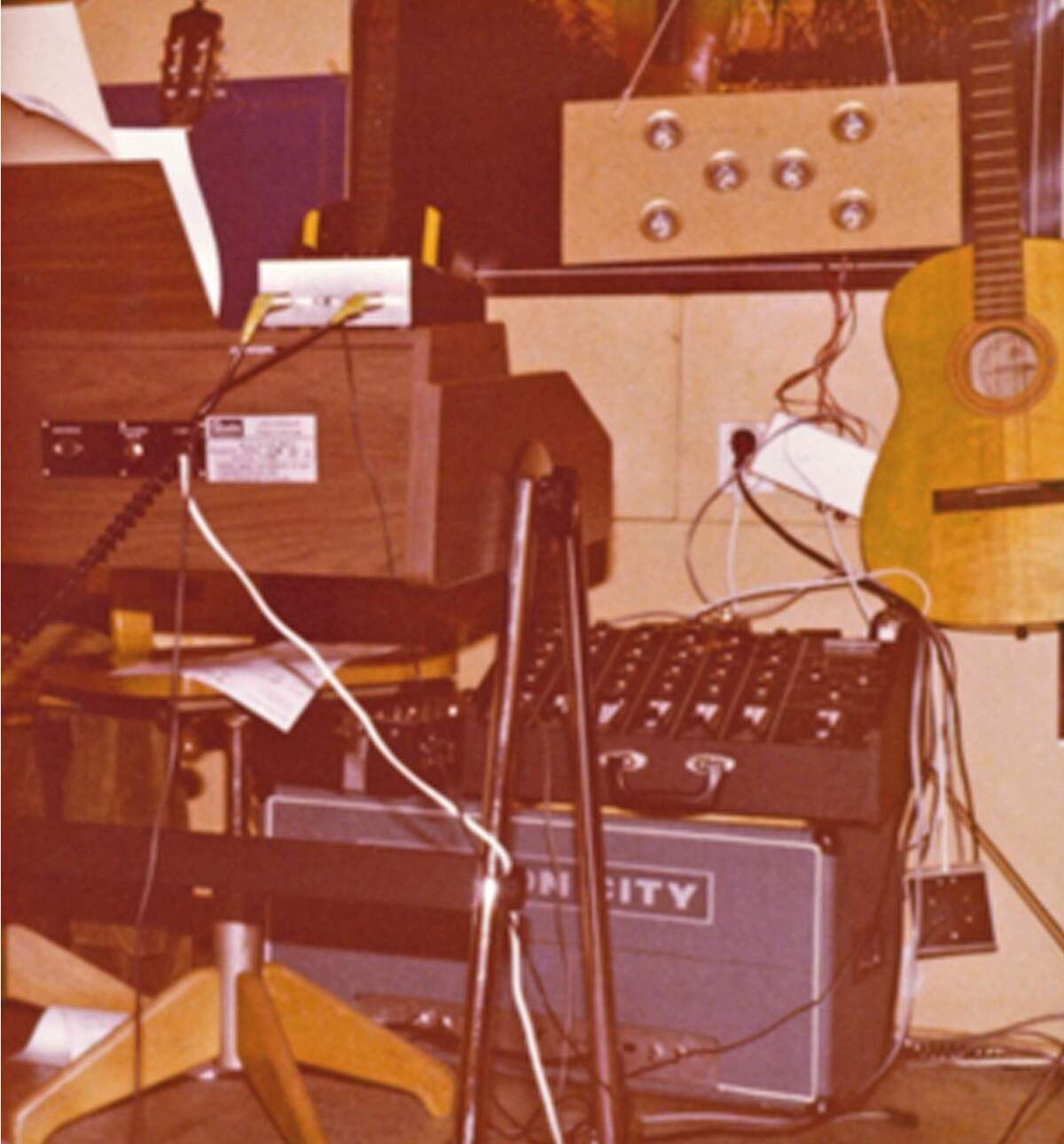
Inside Prom’s rehearsal room in the 1970s. Photograph: Courtesy of Robby Dietz.
What were you playing live before ‘Fooled Again’? How much of the set was your own material?
We had been playing since 1975 with the lineup credited on the record. Uwe Karle was the last to join. We mainly played our own songs, though at first there were also covers of Deep Purple, Creedence Clearwater Revival, the Beatles and the Rolling Stones.
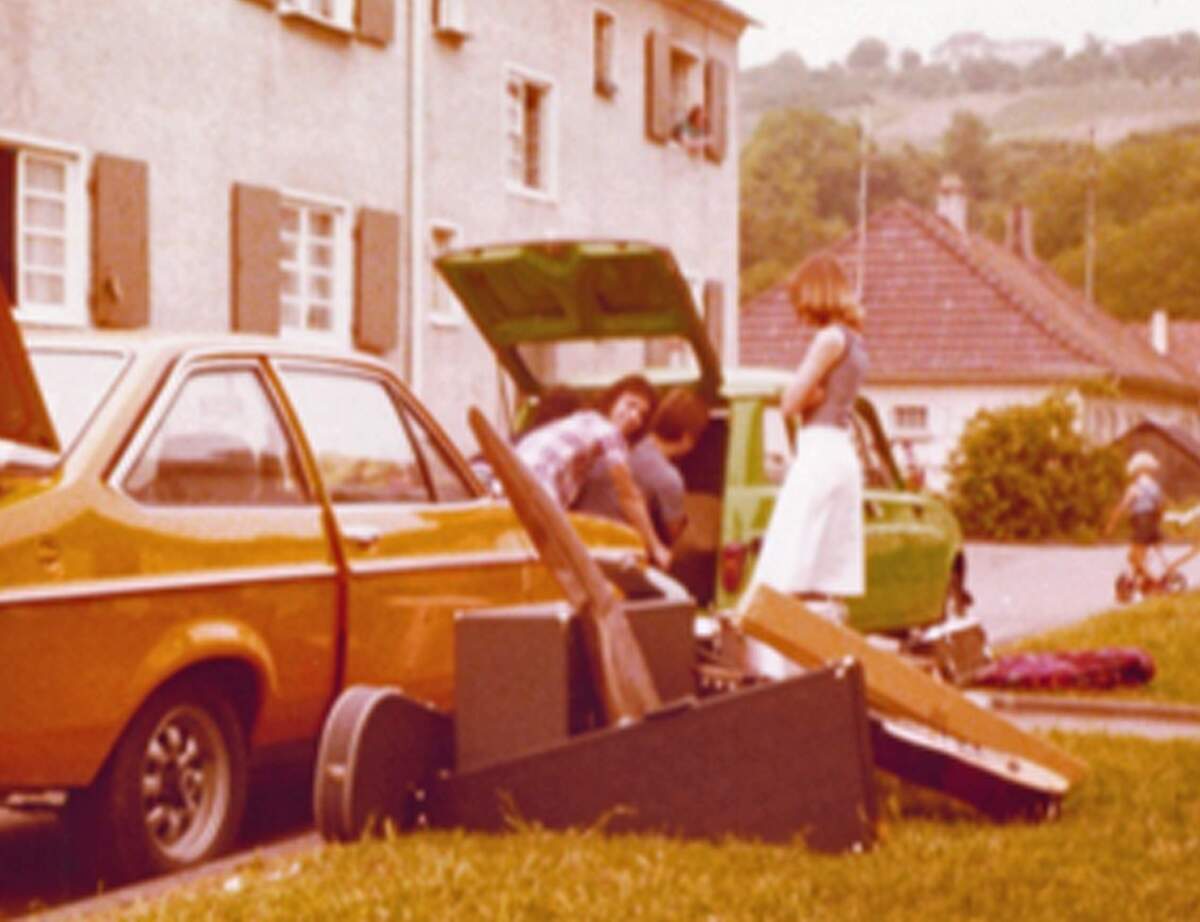
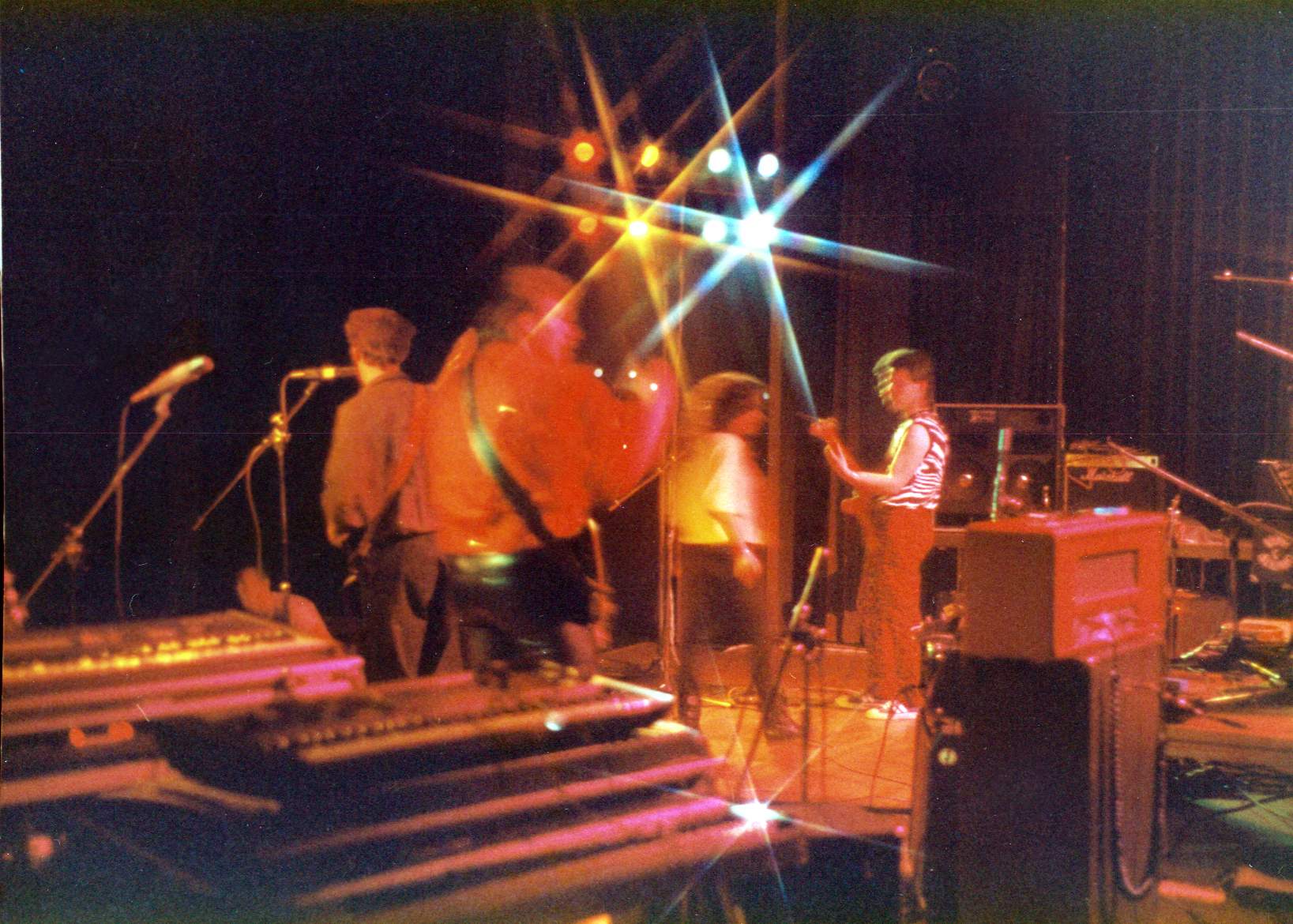
Prom heading out on tour in the 1970s. Photograph: Courtesy of Robby Dietz.
I ought to explain something here. We didn’t meet up to rehearse. We met up to make music. We’d play for hours without knowing what we were playing! Somebody would start and the others would join in. A guitar solo might go on for twenty minutes or more. If you were lucky, a song came out of it. The next time we played it, everyone had a slightly better idea of what to do.
Only when a concert was coming up did we really practise the covers and at least agree on the rough shape of our own songs. Then onstage a number could suddenly go on much longer, or drift off into something else altogether. It was the ’70s. Anything was possible!
Robby Dietz during Prom’s early years, 1975. Photograph Courtesy of Robby Dietz.
What did you call Prom’s music at the time?
Promoters listed us as “hard rock”. We didn’t even know the word “krautrock” at the time, although looking back it’s probably the most fitting description. A lot of what I’ve been talking about applies to other bands given that label.
We made music from the soul. We didn’t think about a career, success or making money. We knew nothing about the circle of fifths, and written music was a long way from us. We didn’t want to be classified. We wanted to make our own music. If somebody came up after a concert and said that one song sounded like so-and-so, we really didn’t care. We didn’t want to reinvent rock music. We wanted to feel it, to swim in our own sound!
There was a turning point in the ’80s, when we really did start rehearsing properly and working more systematically. But we’re talking about ‘Fooled Again’ and the ’70s here.
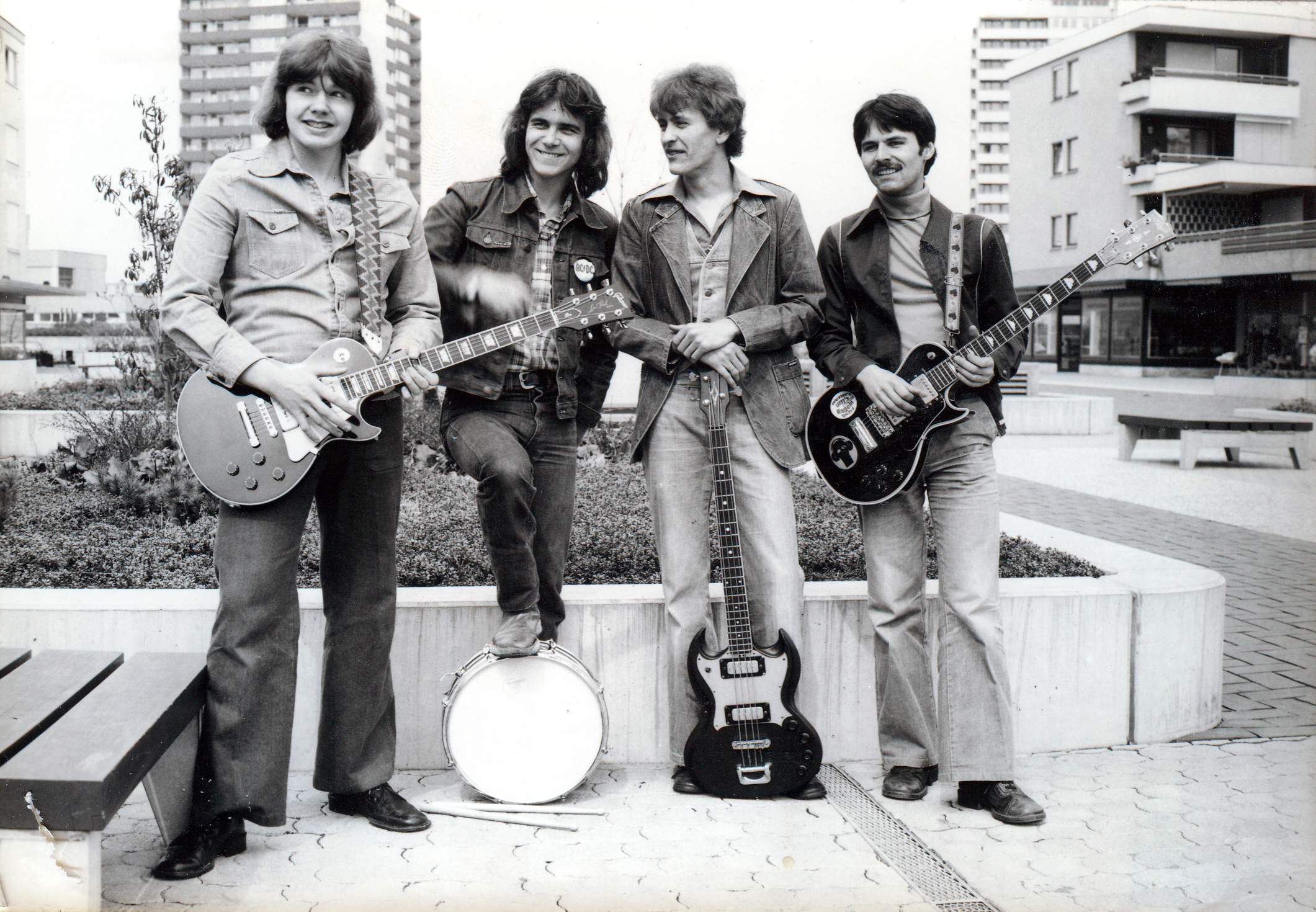
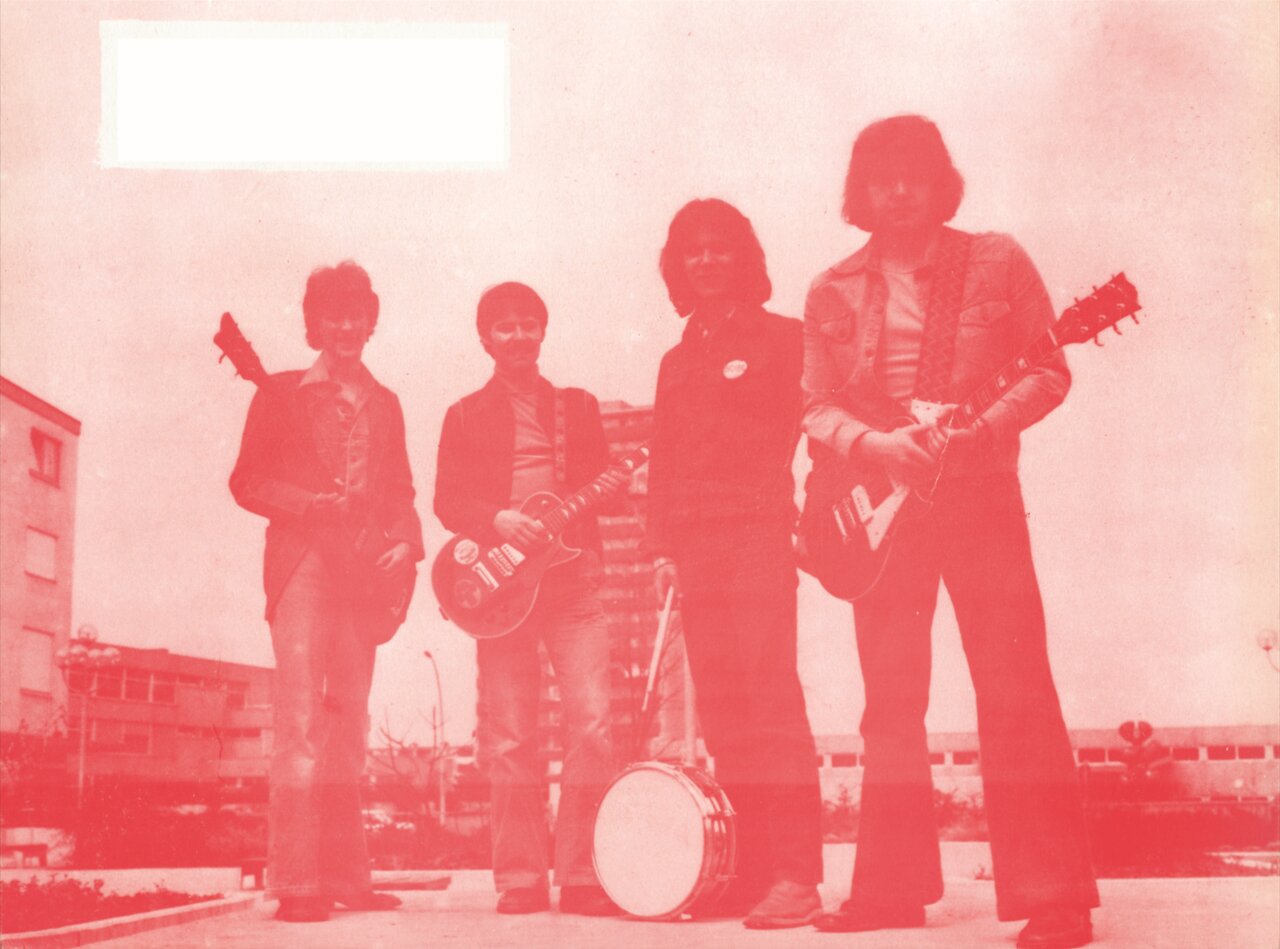
Prom in the 1970s. From left: Klaus Fallert, Uwe Karle, Robby Dietz and Peter Milewski. Photograph: Courtesy of Robby Dietz.
How did Uwe Karle join the band, and what was he like to play with?
First, the sad news. Uwe died last year after a long illness. He joined us in 1975 because he was in the same vocational-school class as Klaus. At first Uwe and I took turns playing guitar and bass, but it soon became obvious that his guitar playing was exceptional. With a heavy heart I became the permanent bassist, and Uwe became our undisputed lead guitarist. Klaus was, of course, allowed to play a few solos too.
Uwe was strongly influenced by Kiss and Wishbone Ash. To me he was the best guitarist in the world. Not because he was fast on the fretboard or played complicated runs, but because he played with heart and, above all, soul. There was so much love in his fingers that he could make a single sustained note sing, just with a carefully controlled vibrato.
His arrival raised the quality of our music enormously. He had a feeling for melody in his solos. In the beginning he would throw rather half-hearted guitar runs into a song, but the longer we played together, the more precise he became. He was always talking to other guitarists and trying to learn, to improve his playing without losing the melody. I played with Uwe in other bands too, and he made every one of them better. Whatever the style, he could turn a piece of music into gold.
He was a Gibson man at first and later switched to Fender, but I want to stress that the instrument hardly mattered with Uwe. I once heard him play a blues solo on a cheap, broken, no-name guitar that almost made me cry. I’m convinced he could have played a moving solo on a piece of dental floss.
Uwe also brought some order to our music. Klaus and I wrote the songs, and Uwe refined the arrangements. You can hear exactly what I mean on ‘Mogadischu’. He draws you in with his playing, calms you down at first and then leads you into passages that stir up all kinds of emotions. Those are precisely the feelings we wanted that piece to bring out. That guitar solo is his legacy. Through it, he’ll live on.
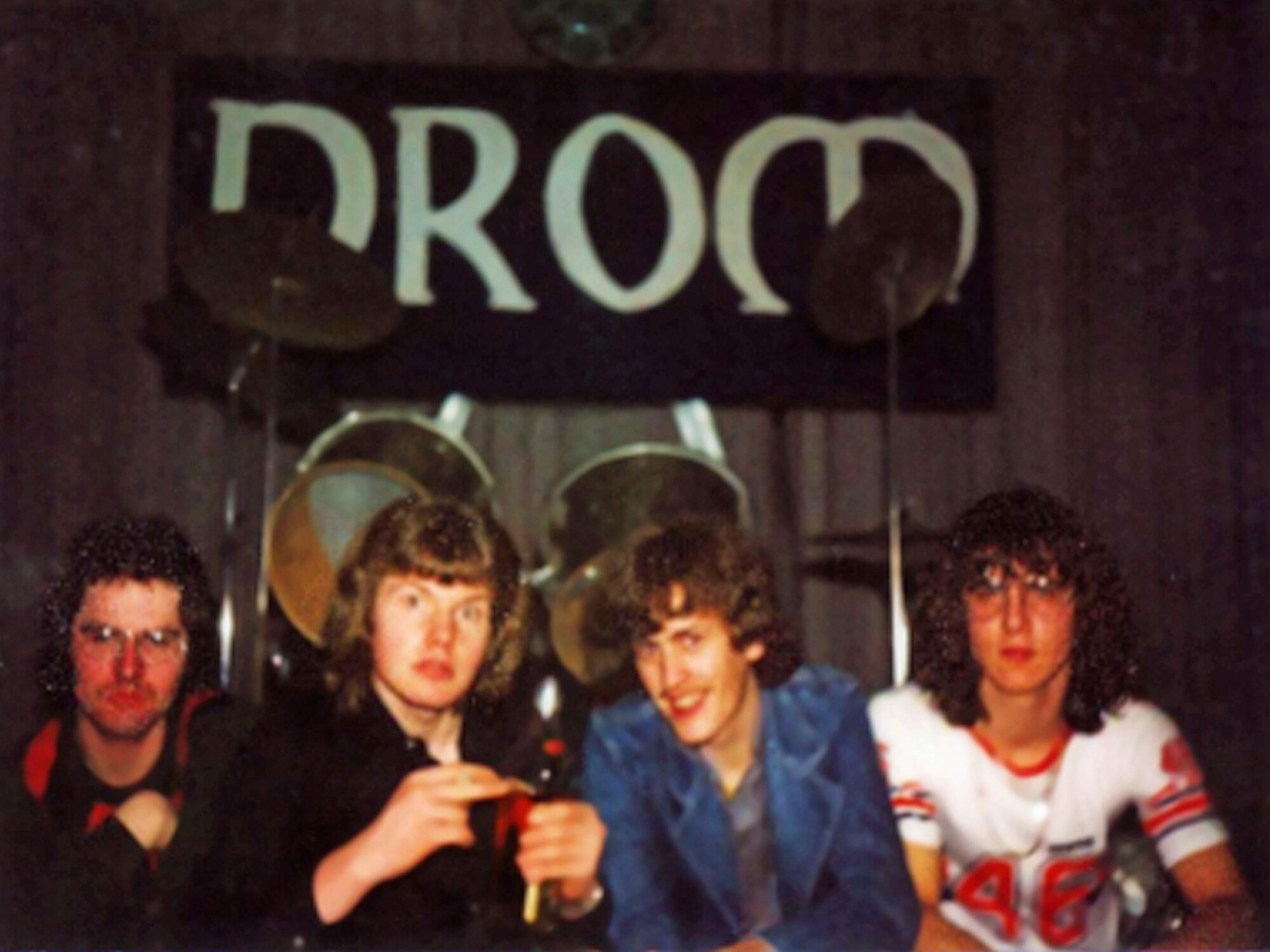
Prom in 1978. Photograph: Courtesy of Robby Dietz.
Did you and Klaus bring in finished songs, or did you work them out together at rehearsals?
Usually Klaus or I would bring in a finished song, music and lyrics, and the band would work on the arrangement. But that came later. About a year before the LP we brought in an older, more experienced bassist named Freddy Müller, who introduced a bit of order into our chaos. We played one concert together — Freddy is on bass on the bonus track of the CD — but we were too disorganised for him and he left again. He did teach us to think more carefully about what we were playing, and that stayed with us.
How did you end up recording ‘Fooled Again’ in a church hall, and what equipment did you have?
The master tape for the LP was recorded in the church hall of the Protestant church in Friedlingen, a district of Weil am Rhein. At the time we were rehearsing in the kindergarten attached to the church because the caretaker, Mr Koptschalitsch, was a fan of ours. The hall was a large function room underneath the church, with its own entrance. We set up our equipment on the stage.
Out in the audience area was our Philips two-track tape recorder, with a stereo microphone arrangement. The two microphones were positioned about five metres in front of the stage, in the centre, at a ninety-degree angle to one another. Now comes a real highlight of our recording technique: we put an open cardboard box in front of each PA speaker to reduce the level of certain frequencies!
Our instruments were also tuned by ear, which didn’t always mean they were actually in tune. We played each piece two or three times and only decided days later which take to use. For ‘Mogadischu’, we recorded the intro and outro separately. I actually cut the tape with scissors and spliced it together.
The instruments were the ones you can see in the photo on the LP. Klaus had his Hohner Gibson-style Les Paul, Uwe had a real Gibson Les Paul and Peter played a Sonor drum kit.
There was one unusual thing about my bass. I’m left-handed, and because Uwe and I had been swapping instruments in the beginning, I had to play a right-handed bass. I played it left-handed, but with the strings the wrong way round, so the low E was at the bottom. It was only a few years later that I could afford a proper left-handed bass with the strings in the right order. Back then, left-handed instruments cost a good deal more.
Prom on tour in the 70s. Photograph: Courtesy of Robby Dietz.
What did you think of the sound when you first heard the tape back?
Well, I’ve just described how we made it, and that explains its very particular sound. There was no mastering, no further processing, no compressors or anything like that. At the time I was happy with the recording, and I think it captured the band as it was.
Uwe Karle and Peter Milewski of Prom. Photograph: Courtesy of Robby Dietz.
What went wrong with New Blood?
Other bands have written online about their bad experiences with New Blood. In our case, we paid the company, handed over our tape and then kept being put off. There was one excuse after another. Uwe and I finally drove to Cologne to confront the man running the label. After that meeting, which brought us more talk and more delays, we knew we had to do something ourselves.
We made an arrangement directly with the pressing plant, Pallas, and paid for the records to be pressed a second time. We’d originally ordered more, but by then we simply didn’t have the money. We had the sleeves printed by a local printer who had no experience making record covers. That’s why the cardboard is a bit unusual and thicker than the sleeves of most LPs.
We put a very few copies in a shop and hardly mailed any out. There were simply too few. Before we knew it, they’d all gone. Uwe had the brilliant idea of leaving one copy on the rear shelf of his car. The sun warped it and ruined it.
I want to make one thing clear: we weren’t trying to become famous. The LP was meant to preserve our music. We had all sorts of crazy ideas, dreams and plans, but music was only one part of our lives. We were quite realistic about the rest. Once, after a concert, we were offered the chance to go on tour with a singer called Marbo, who toured with dancers from the television show ‘Musikladen’. We all said no. We were still training for our professions and didn’t want to take that sort of gamble.
Perhaps we did hope New Blood might give us a little attention and a push, but they’d never promised that. What happened left us out of pocket and disappointed.
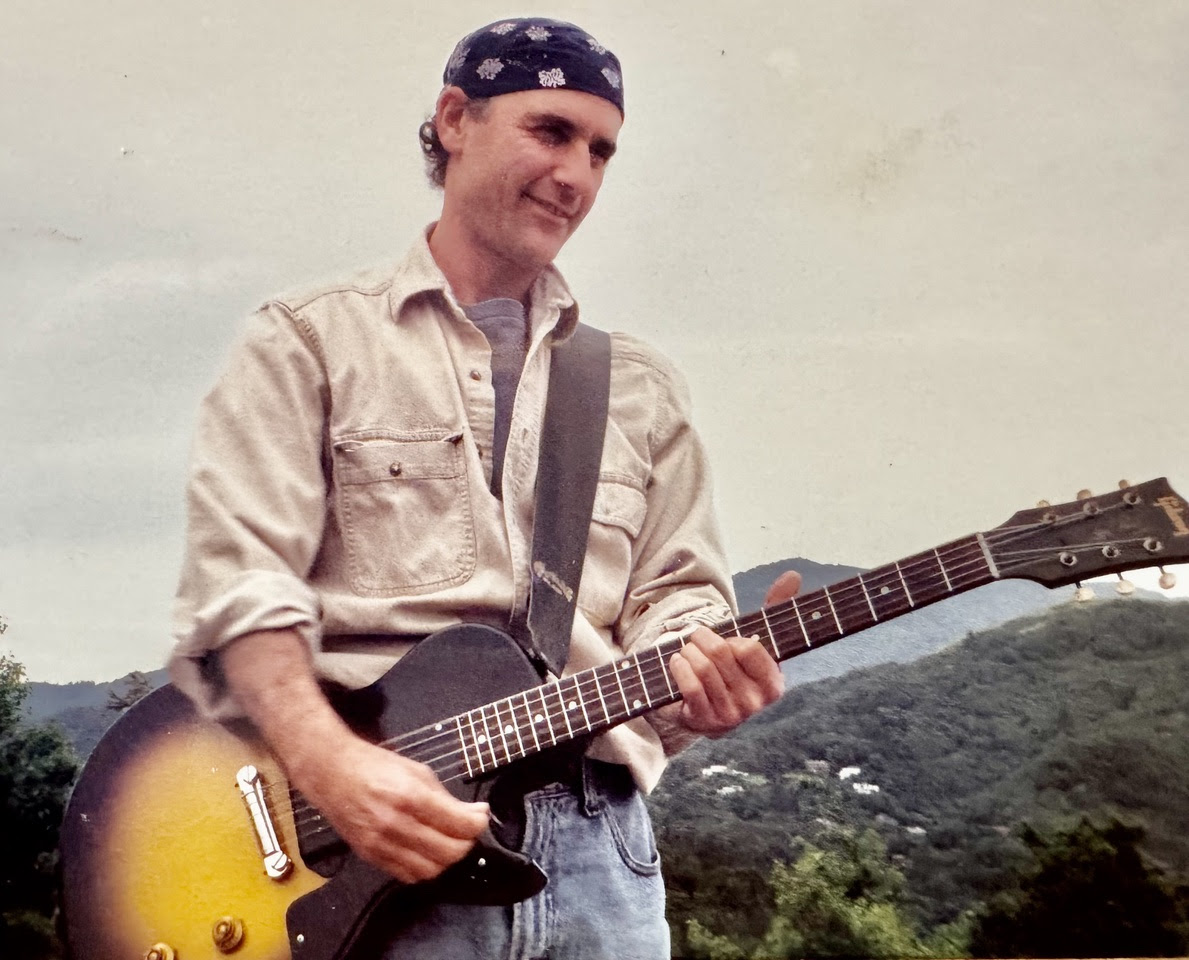
Klaus Fallert of Prom. Photograph: Courtesy of Robby Dietz.
What happened to those 78 copies?
It’s an absolute mystery to me when I hear today about copies turning up all over Europe. Perhaps the journey of each individual record is the most interesting part of the whole story!
If I remember rightly, we sold ten copies each through Musikhaus Weiss and Erwin Lang in Weil am Rhein. We didn’t put any more into shops. The others must have travelled through private hands. I still have three copies myself.
Did you manage to sell any at concerts, or did most go to friends and family?
Our brothers, sisters and parents got a copy. Everyone else had to pay! Somehow we had to get some of our money back. We’d paid for the records twice and received far fewer than we’d ordered. There weren’t even enough left to sell at concerts or send to radio stations.
Robby Dietz of Prom. Photograph: Courtesy of Robby Dietz.
What were you writing about on songs like ‘Scorpion’ and ‘Shoot Him Down’?
First, I have to confess something. The writing credits on the record aren’t correct. You could say that Klaus wrote both the music and lyrics for side one, and I wrote side two. But Uwe was so important to us that we wanted to show it, quite deliberately, by including his name in the credits. He left his mark on every song, and we felt that was only right.
Naturally, I can’t say very much about Klaus’s lyrics. In general, our songs were based on experiences, thoughts and stories. We were very young, and music was our way of letting off steam.
Take my song ‘Scorpion’, for example. At the time I was leading a rather wild life, with little regard for laws, commandments or rules. I treated my body and mind with the same lack of consideration. Even though I knew what I was doing to myself — that’s the scorpion’s sting — I couldn’t stop. I knew it wasn’t right, and I did it anyway. I wanted to put that thought into a song without wagging a finger at anyone. Live, the song didn’t sound nearly as lightweight as it does on the record. That hunger for pleasure, regardless of what it might do to your health, occupied my mind then and for a long time afterwards.
‘Shoot Him Down’ is a much simpler story. A man solves his problems with a gun. Yes, that’s one solution, except that he’s then shot by another man who also solves his problems with a gun. Violence and its consequences were already on my mind. The cry of “Shoot him down!” was meant to wake people up to the fact that violence isn’t a solution. Unfortunately, we still live in a world where people try to solve their problems through violence and war. I still think it’s the wrong road.
Can you tell me about ‘Mogadischu’? What led you to write it?
‘Mogadischu’ occupied my thoughts a great deal. To explain why, I have to go back to the ’70s. There was terrorism all over the world, and in Germany too. People were being shot and blown up. As young people, we experienced police checks in the middle of the night. It isn’t a pleasant feeling to have a machine gun pointed at you during one of those checks. People were unsettled, and many were frightened.
The government had looked weak when it came to exchanging hostages because it could be blackmailed. In pubs, people would bang their fists on the table and complain that the terrorists could do whatever they wanted while the government stood helplessly by. I was very confused by it all as a young man. Terrorism was, and remains, something dreadful and unacceptable to me. But should a government really sacrifice human lives in order to uphold the law?
Then came the successful GSG 9 operation in Mogadishu, which rescued innocent people and stood up to the terrorists. Chancellor Helmut Schmidt had taken a hard line, and it had worked. But Hanns Martin Schleyer was still murdered. How far can you go in enforcing the law? Is it acceptable for people to lose their lives in the process?
On the one hand, I admired the operation and believed it was right. On the other, I saw the pain suffered by the Schleyer family. I wanted to write a song about that conflict without claiming the right to pass judgement or causing further pain to those involved. At the time, I couldn’t know whether my feeling that this would prove a turning point in the government’s response to terrorism would turn out to be correct.
I wanted to turn that struggle between my feelings and my thoughts into music as well. The gentle beginning and ending were already fixed in my mind. Klaus and Uwe had to express the calm before the storm, and the conflict itself, through their guitars. I think they succeeded completely.
The piece could go on much longer when we played it live. We continued playing it at concerts right up to our later years, and it was always a great success, even though I could never come remotely close to replacing Uwe’s magnificent guitar playing. Different audience, different generation, different guitarist, yet people were still moved by it. There must be something special about that song.
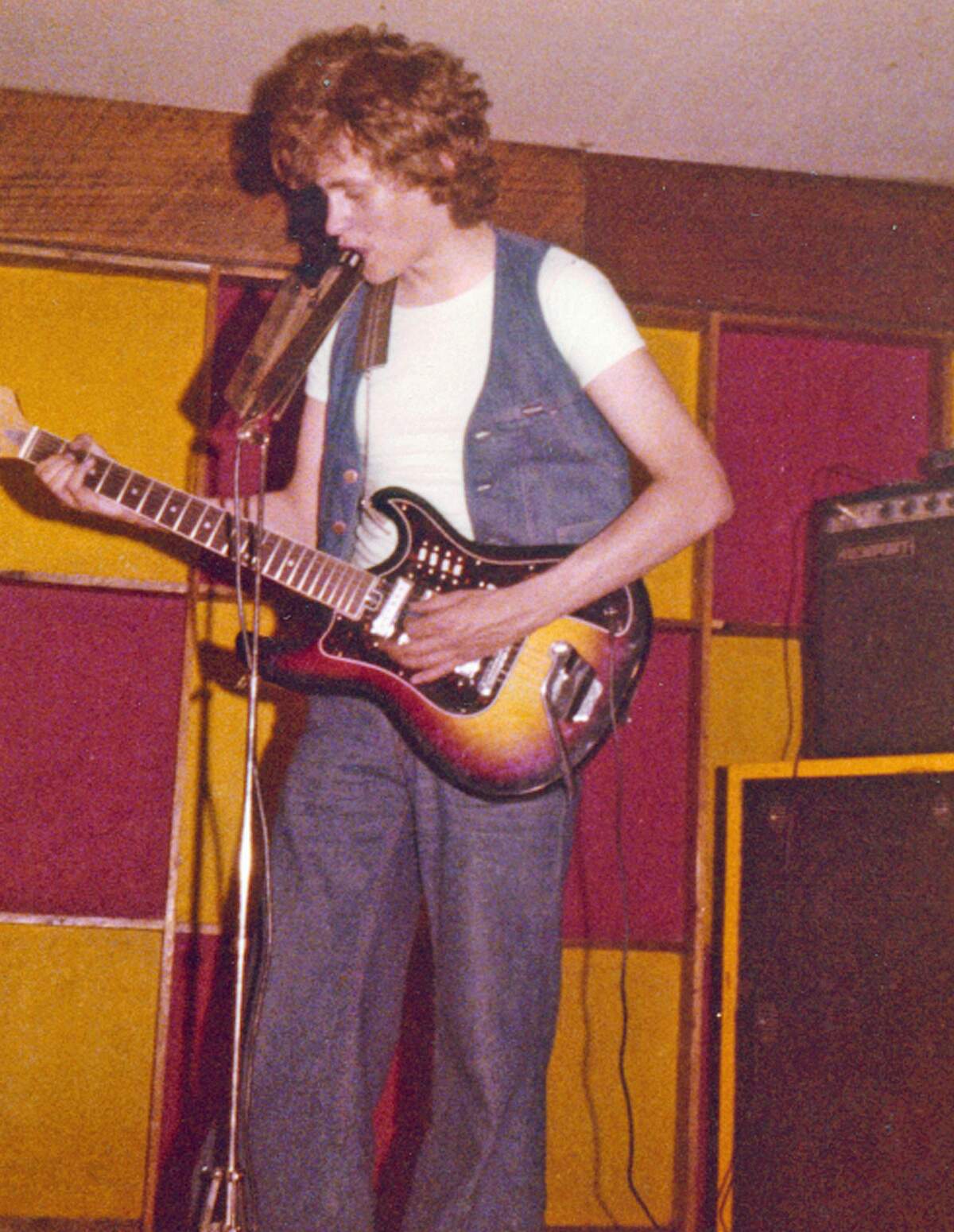
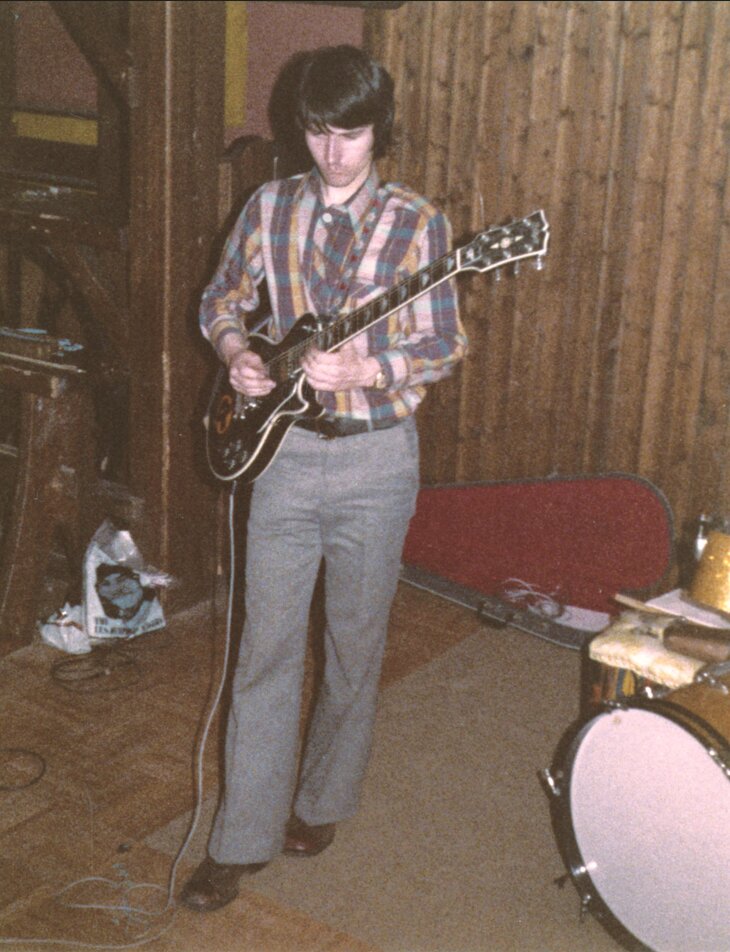
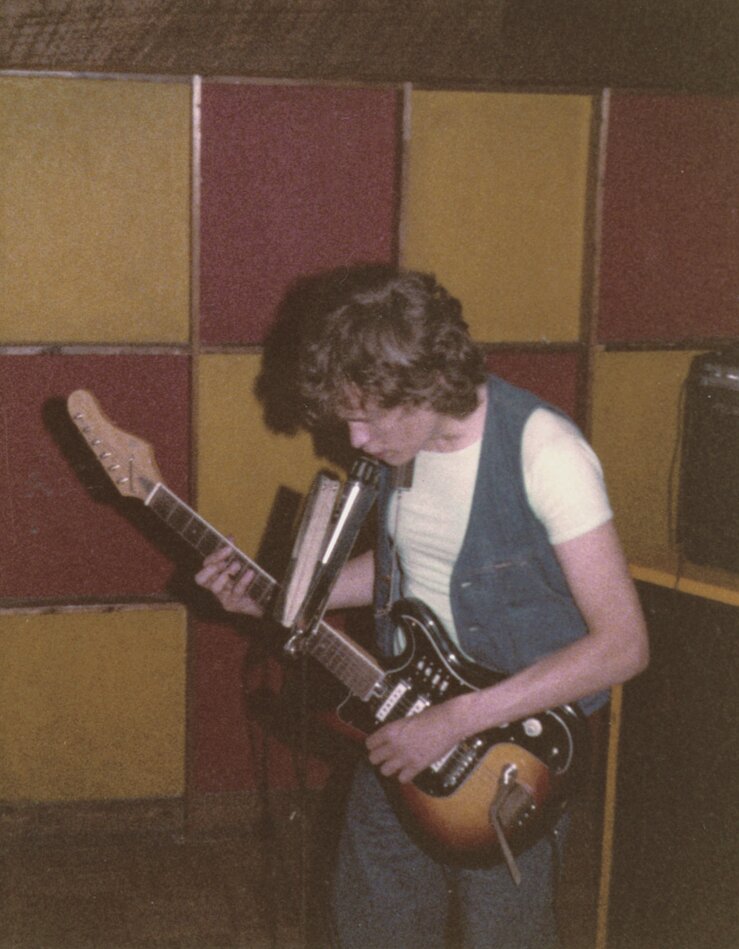
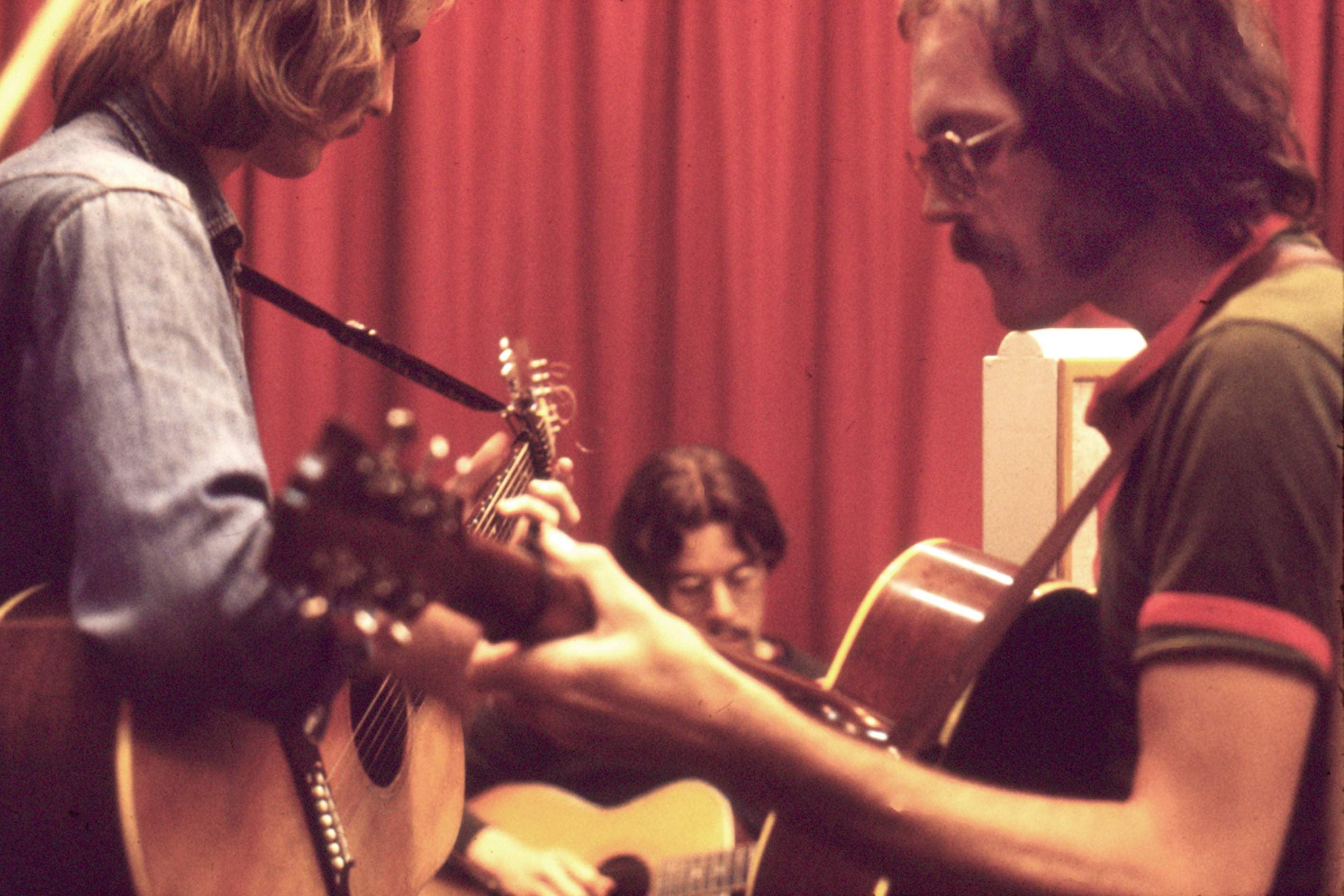
Uwe Karle during Prom’s cassette recording sessions at a studio in Eimeldingen, Germany, in the 1980s. Photograph: Courtesy of Robby Dietz.
“On the one hand, I admired the operation and believed it was right. On the other, I saw the pain suffered by the Schleyer family.”
How did ‘Fooled Again’ get its title?
No, it wasn’t meant to be provocative at all. The truth is much more ordinary. We were a crazy bunch, and some of our rehearsals were complete chaos. When I wanted to bring a little order to things, I’d have to shout into the microphone. Sometimes I’d really lose my temper in the hope of getting a bit of discipline into the band. Quite embarrassing, really!
One day, when we were playing ‘Fooled Again’, Klaus began imitating me. He screamed like a madman and, putting on a ridiculous voice, jokingly counted the song in. We all thought it was fantastic. That’s how the song acquired its scream and its own identity.
The funny thing is that the song is about a different kind of madness. Klaus is dreaming about a beautiful girl at a disco. We were miles away from going to discos in those days. All that fuss and bother got on our nerves — it drove us mad. A disco beauty wouldn’t have touched us with a pitchfork, and we had other beauties in mind. Mad, isn’t it? Fortunately, it was all just a dream.
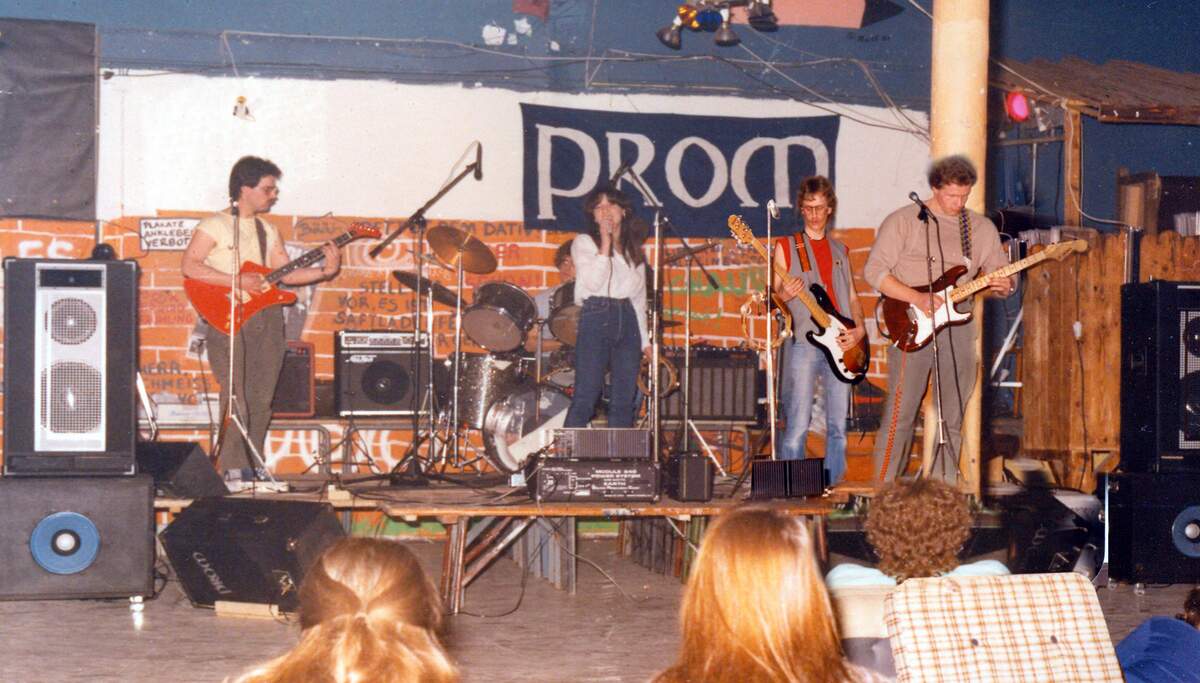
Prom performing at an open-air concert in Grenzach, Germany, in the 1980s. Pictured Klaus Fallert, Peter Milewski, Christine Wetzel, Robby Dietz and Uwe Karle. Photograph: Courtesy of Robby Dietz.
After the trouble with New Blood, did you still want to make another record?
We recorded two more cassettes in the ’80s. Hardly anyone even knows what a cassette is any more! The 2010s lineup also put out a few video clips, tucked away on YouTube, just for our own amusement.
I think New Blood did us more than financial damage. The whole business pushed us into a world we didn’t want anything to do with. We had to get a bailiff involved, only to be told that the attempt to recover anything had failed, which left us with even more costs. It made us suspicious of strangers who might actually have been able to help us. But no, New Blood didn’t bring Prom to an end.
How did you feel when Garden of Delights got in touch about the CD reissue in 1999?
Deep suspicion, at first! To be perfectly frank, this LP isn’t exactly a musical masterpiece. I was always a little embarrassed that our amateurish playing had been put on a record. I thought, here’s another company trying to rip us off.
But Garden of Delights turned out to be serious and trustworthy, and eventually we were pleased that somebody was interested. I’m much more relaxed about the LP these days. It’s alive, and it works in spite of all its imperfections. Now I even feel a little proud of it. It’s a piece of history, a reminder of how many bands played music back then, when it wasn’t about money, huge crowds or clicks.
If I may boast a little, I received an email on 16 May 2025 from the Federal Agency for Civic Education’s interdisciplinary educational project concerning the ‘Landshut’. It said, about ‘Mogadischu’, “If you wrote it as early as 1978, then it is also a historical document.” I rather liked that.
People now pay serious money for an original copy. What do you make of that?
Over the years people have written to me asking whether I still have a copy and whether I’d sell it. I’ve had enquiries not just from Germany but from places like Greece. Years ago somebody told me that a copy had sold in America for more than $1,000.
As you say, that’s about collecting rather than the music or the band. The stories we were trying to tell with the record, the attempt to come to terms with what happened in Mogadishu, no longer matter in that world. I think the whole music industry is too concerned with what happens to a record afterwards and how to exploit it. With our LP, what mattered was what came before: how it was made.
Our thoughts, hopes and ideas were made solid and pressed into vinyl. We had, in a sense, stripped ourselves naked and exposed ourselves to the public without protection. If just one person who owns that record understands this, I’m satisfied. And very happy.
What goes through your mind now when you play ‘Fooled Again’?
The mistakes are the first things that jump straight into my ears! I still wince at them, or have to laugh a little. Then come the memories of those days, and of our drummer Peter Milewski and lead guitarist Uwe Karle, both of whom are gone. That gets very close to me. And I have to admit that Uwe’s solo on ‘Mogadischu’ still sweeps me away.
Prom performing at the Stadthalle in Lörrach, Germany, in the 1980s. Photograph: Courtesy of Robby Dietz.
Did Prom sound different live from the way you sound on the record?
Without question, the live band was stronger. The album is a fairly accurate reflection of our limited abilities, but live we could really get going. Most of the time we managed to win the audience over.
At first there was often a distance between the stage and the crowd that we had to overcome. Later we played more in pubs than on stages, and there was no distance at all. Because we had wireless equipment, we could walk out into the audience while playing, dance with people and let them watch our fingers on the instruments. It was tremendous fun.
I’m still proud that, with very few exceptions, we managed to get people on our side. Even when we turned up as old-fashioned dinosaurs playing Stone Age music, younger people would often come up afterwards, delighted, and say, “Hey, you old guys have still got it! That really rocks!”
You and Klaus kept Prom going for decades. What else were you doing musically during that time?
We carried on performing with Prom until the coronavirus pandemic in 2020. Alongside Klaus and me, the later lineup had bassist Jürgen Matt and drummer Stefan Scherr. Now and then we added a singer. Christine Wetzel in the ’80s and Susi Nykl in the 2010s deserve a mention because they were with the band for longer periods and really improved it with their singing. We also made some videos of our songs.
In the early ’80s I ran my own recording studio with two colleagues, where we worked almost entirely on other people’s productions. Before that, I’d spent a few years in Switzerland playing in a jazz-rock band and had been involved in a German-Swiss production called Monday Project.
Prom performing at the Stadthalle in Lörrach, Germany, in the 1980s. Photograph: Courtesy of Robby Dietz.
Which records take you back to playing with Prom?
Off the top of my head: Kiss, Wishbone Ash and Cheap Trick. Uwe played me a lot of their music and practically forced me to listen more closely to what they were doing with their instruments. Then we’d have to put on a Status Quo record, as a bow to Peter, our drummer, who was forever making me play that Status Quo riff.
Perhaps that isn’t quite what you meant. Maybe you’re asking what influenced us or which band we would have most liked to be. But we were simply musicians who wanted to share the way we felt about life, and something of ourselves, with other people through music. Nothing more.
I might also put on Guns N’ Roses, ‘Use Your Illusion I’ and ‘II’. Of course, there are entire solar systems between them and us, but even through those commercial productions I can hear a great deal of the feeling that drove us. Forgive the comparison, but in some of Slash’s solos I can hear a little of Uwe. Rest in peace.
Prom on tour in 2021. Photograph: Courtesy of Robby Dietz.
Is there anything else you’d like to add before we finish?
Music is soul! Whether it’s rock, schlager, jazz or classical, you make music to share something. I’m sharing my innermost self with you. But it’s only an invitation. You can accept it or turn away and listen to something else. No problem.
Sadly, that whole idea has been sacrificed to the god of commerce. Perhaps that’s one reason the world around us keeps getting crazier. My wish is that people might find their way back to themselves. Music is only a catalyst, but it brings people together: people who speak different languages, come from different countries, hold different political views, who are healthy, ill or disabled, intelligent or downright stupid! It’s there for everyone, without prejudice. I think it brings peace.
Klemen Breznikar
Headline credit: Prom performing at an open-air concert in Grenzach, Germany. Photograph: Courtesy of Robby Dietz.
This website uses cookies to improve your experience. Accept cookies
Privacy
Privacy Overview
This website uses cookies to improve your experience while you navigate through the website. Out of these, the cookies that are categorized as necessary are stored on your browser as they are essential for the working of basic functionalities of the website. We also use third-party cookies that help us analyze and understand how you use this website. These cookies will be stored in your browser only with your consent. You also have the option to opt-out of these cookies. But opting out of some of these cookies may affect your browsing experience.
Necessary cookies are absolutely essential for the website to function properly. This category only includes cookies that ensures basic functionalities and security features of the website. These cookies do not store any personal information.
Any cookies that may not be particularly necessary for the website to function and is used specifically to collect user personal data via analytics, ads, other embedded contents are termed as non-necessary cookies. It is mandatory to procure user consent prior to running these cookies on your website.