
Galaxy Interview: The Making of ‘Visions’ in Bremen, 1978
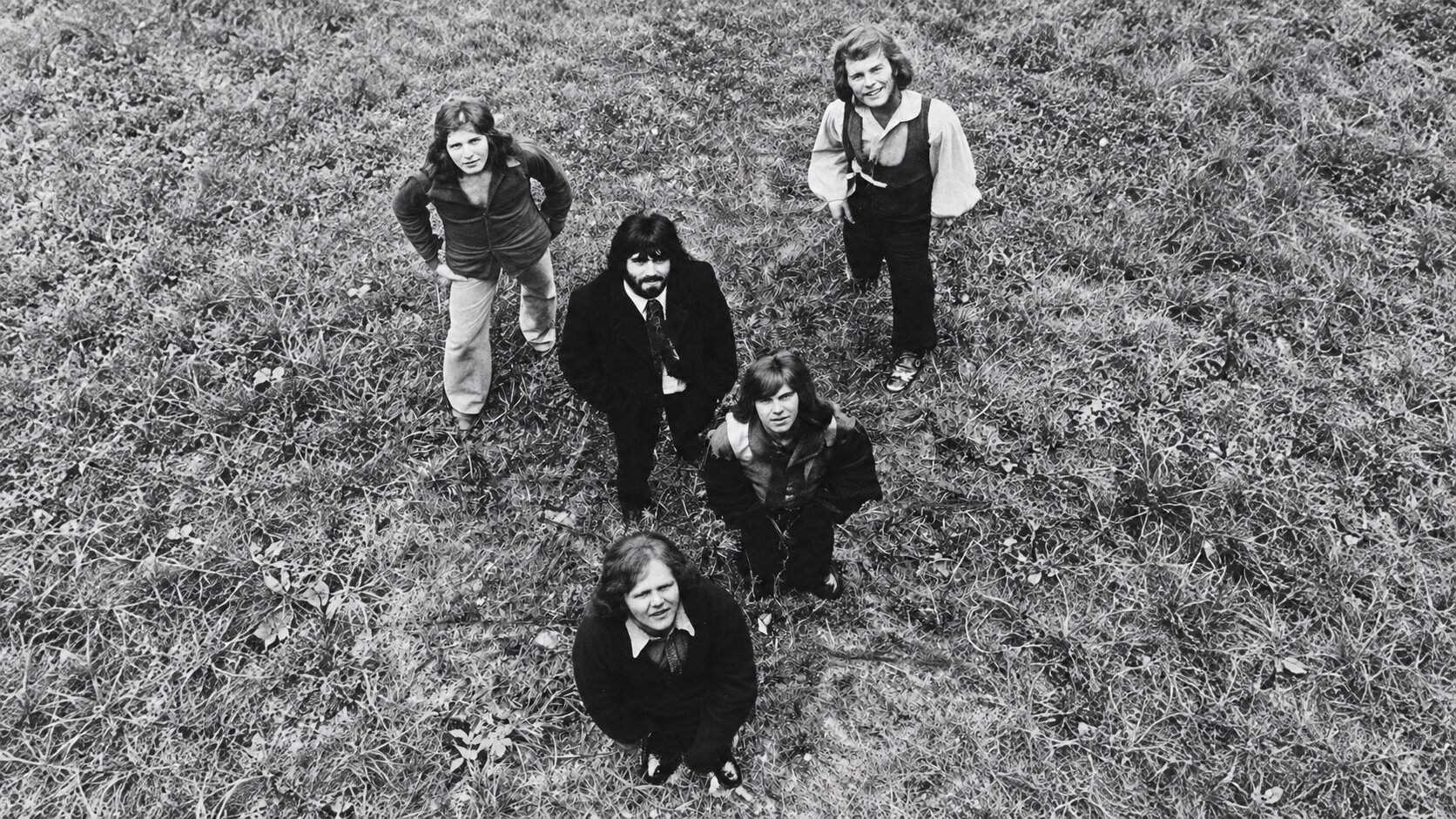
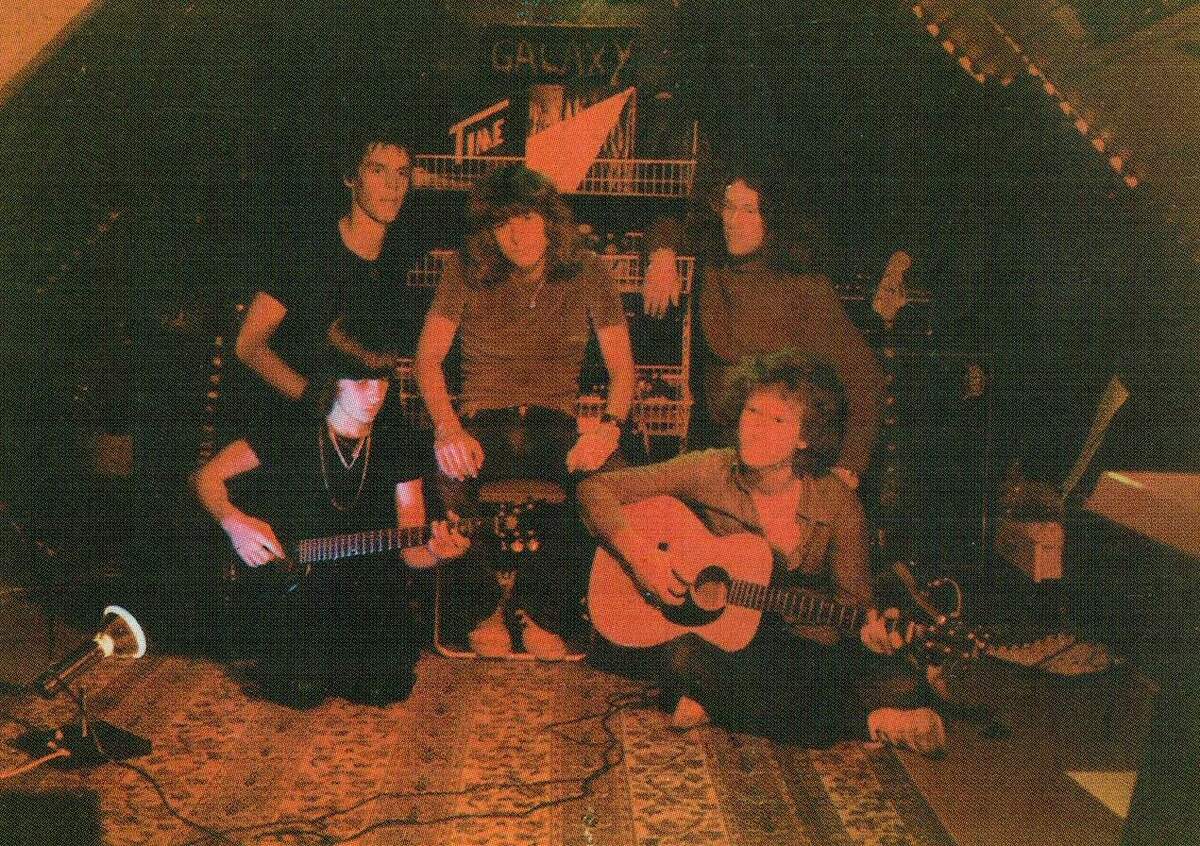
Galaxy came together in Bremen in the mid-1970s, while the members were still at school. In 1978 they recorded their only album, ‘Visions’, at Bernd Steinhardt’s family home and pressed 500 copies themselves.
The band was over soon afterwards, but the record gradually found its way to collectors far beyond Germany.
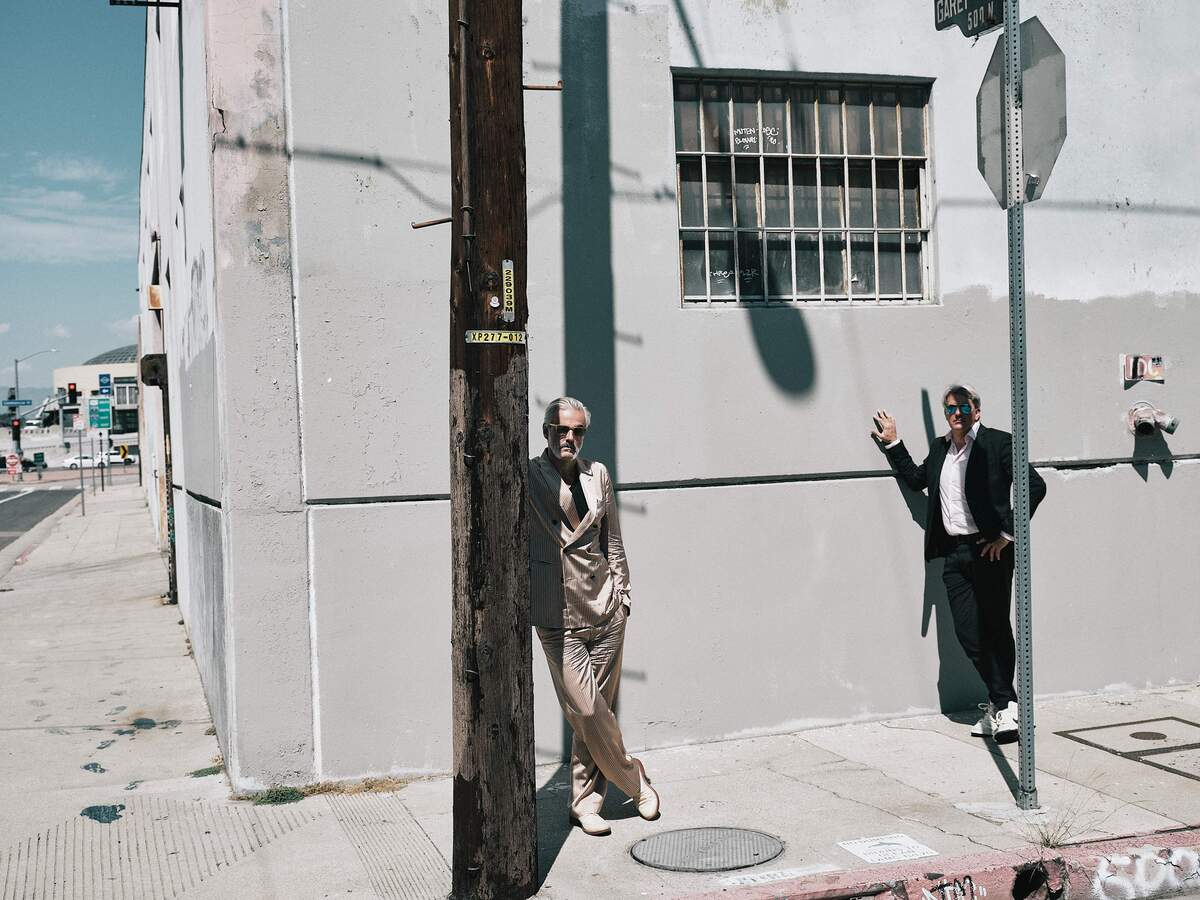
Bernd Steinhardt and Gottfried Antpöhler spoke with us about the early days of Galaxy, making ‘Visions’, their handful of live shows and where life took them after the band ended.
“We were heading in the direction of science fiction and fantasy themes”
Thanks for doing this. Let’s go right back to the beginning. Galaxy formed in Bremen around 1976, when most of you were still at school. How did it all start?
Bernd: Hi, and thanks for the opportunity to travel back in time! Frank Dahme and I had always been in close contact thanks to our family relations, and we developed all kinds of creative hobbies together, from writing comic magazines to quirky talk shows that we recorded with friends just for fun. Since we were also very involved with music, playing guitar and writing songs, it made sense to start a band, which we then expanded to include other friends from school. Playing in a band was also really cool back then, even if the dream of a professional career wasn’t the driving force at first.
Gottfried: We all played at least one instrument, and some joined the advanced music course at school.
Bernd: Yes, our passion for music brought us together, but above all, it was the shared project of creating something exciting together.
If we’d walked into your rehearsal room back then, what would we have found?
Bernd: Music was already a big part of my life back then. Gosh, I spent a lot of time in our famous “Galaxy Studio”.
Gottfried: Honestly, our rehearsal space was an attic, dark, with egg cartons for acoustics and coloured lights. It was hard to find space for all our instruments and, later, a large mixing console.
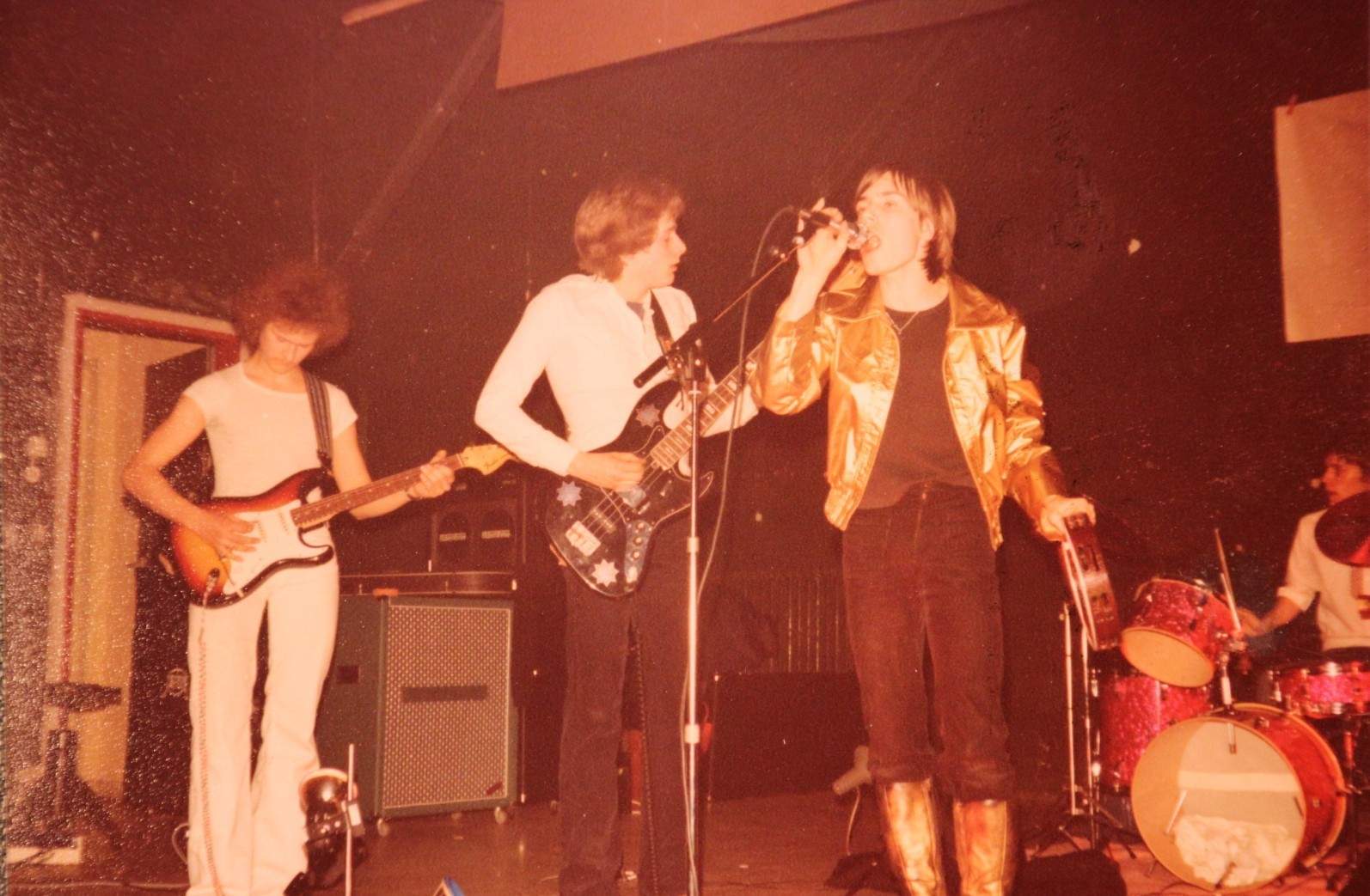
Bernd: Goodness, it took ages to paint all those egg cartons black and insulate the loft so other family members in the house wouldn’t fall off their sofas from the deafening noise! But the atmosphere had to be as cool as possible, like on a stage. Sometimes we even put on special outfits. Does anyone remember my golden boots? Creativity needs a bit of a boost!
What was everyday life in Bremen like for you in the mid-70s?
Gottfried: In fact, there was a very active music scene in and around Bremen. But we weren’t that well connected at the time. Each of us brought his own influences.
Bernd: Today there are many online music projects and a lot of opportunities to showcase yourself on the internet. Back then, you had to meet in person, not only to create new songs but also to put a lot of effort into organising small gigs in bars and on local stages. A small cassette recorder was the height of high-tech recording equipment for showcasing your work. Appearing in media such as radio was a distant dream for most newcomers, since even professional recordings in a real studio were unaffordable for a student band.
Before Galaxy, had any of you already been playing in bands?
Bernd: When I started Galaxy with Frank, we’d already been making music together for a while and had actually experimented with a wide variety of acoustic and electronic instruments. But for most of us, this was our first real experience as a band. Heiko already had some experience with the drums, but Thomas was just starting out on bass back then, learning some skills from Frank. Gottfried, who joined later, had previously been the singer and keyboardist in another college band. And Peter was our “Gyro Gearloose”, who focused less on the music and more on the essential technical side of things.
Were covers ever an important part of the early days, or were you already trying to make Galaxy an original band from the beginning?
Bernd: No, we never regarded ourselves as a cover band. During our performances, we tried to play mostly our own songs, even though we did include some occasional tracks by our idols back then, who naturally influenced our own style as well.
Gottfried: That would maybe be Jethro Tull for Bernd and Frank. I would have seen Jane or Eloy as role models, perhaps Genesis.
Since you were already writing before Galaxy formed, how did those early songs usually take shape?
Bernd: As I mentioned, we started writing our own songs early on. Frank and I were already doing that a lot before Galaxy was even formed.
Gottfried: Mainly Bernd, but also Frank, were the songwriters. But sometimes we actually jammed and developed something new from that.
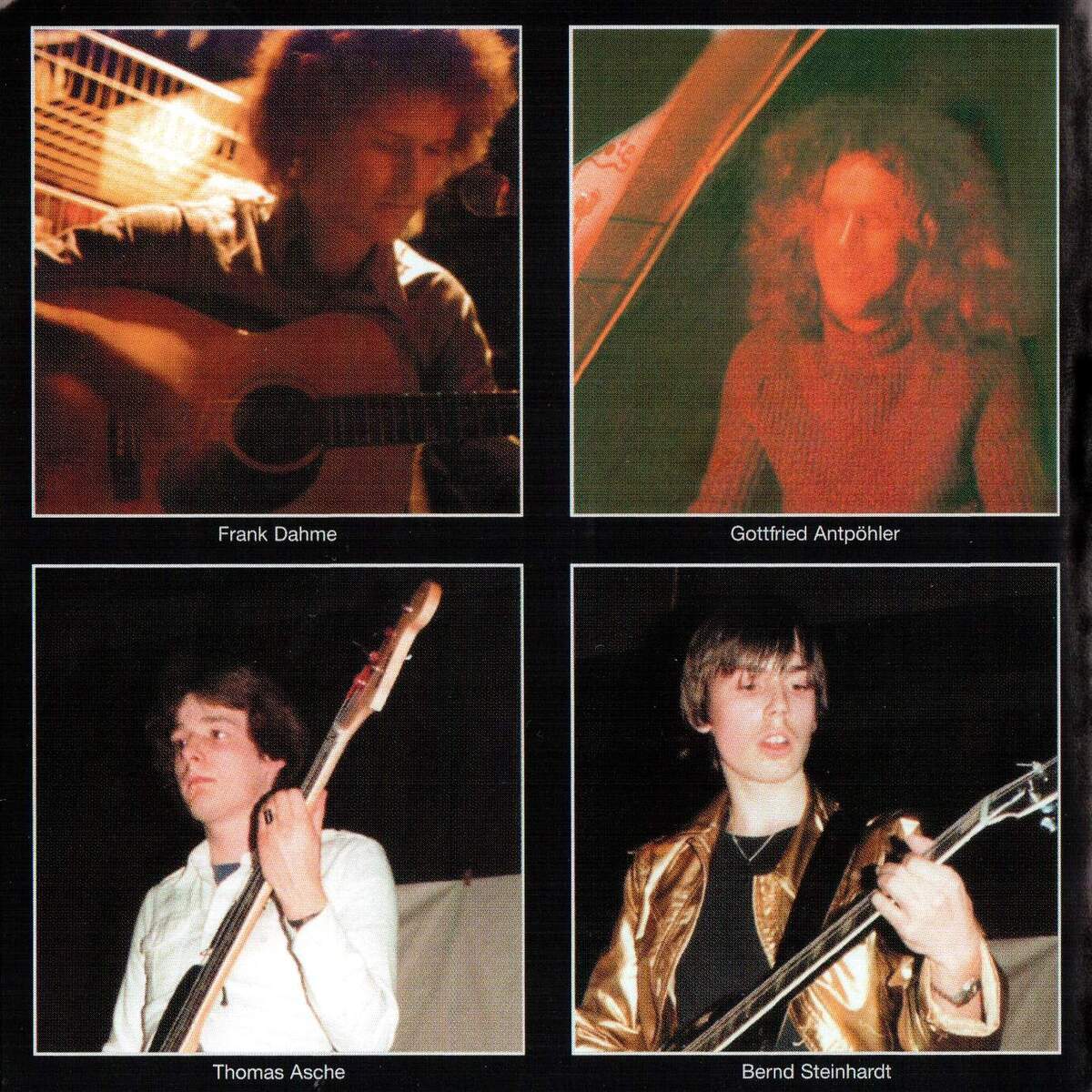
The line-up seems to have settled around Bernd Steinhardt, Frank Dahme, Gottfried Antpöhler, Heiko Beck and Thomas Asche.
Gottfried: Bernd and Frank are cousins and had already been playing guitar together. Thomas on bass and Heiko on drums were school friends of theirs.
Bernd: Yes, exactly, and another schoolmate, Peter Funk, our go-to guy with the soldering iron, was there from the very beginning too.
Gottfried: I joined a little later through an ad, when Galaxy wanted to expand both its line-up and its instrumentation.
Bernd: We were missing the sound possibilities of keyboards, even though we’d already incorporated keyboard instruments before. But we were simply missing a real keyboardist who could bring in his influences from psychedelic rock like Tangerine Dream and the organ sound of Jon Lord. So we asked around in the local music scene and found Gottfried.
When you think back to the music you were making then, how did you see it yourselves?
Gottfried: Primarily, we wanted to make music that sounded good and represented our visions and dreams. We didn’t think about genres. If we were happy with it, and perhaps the audience was too, then that was enough.
Bernd: Certain visionary concepts definitely played a role as well. It’s no coincidence that our album was later named after that. We had a ton of fun with the music, but it also addressed political and social issues that were on our minds back then, environmental pollution, wars and worldviews, as in songs like ‘Atomic Flight’ or ‘Consequences’.
A lot of the music on ‘Visions’ has room to stretch out. Was that simply the kind of music you loved listening to at the time?
Gottfried: Someone once said about our pieces: “They always start slow and quiet, then comes long-lasting power.” That certainly was influenced by the music we listened to. It was common to fill an entire LP side with one track.
Bernd: Quiz show question: On which album was the B-side practically only one long drum solo? Maybe back then people just had more patience and space to let things unfold. Epic was in vogue, like with Genesis or Pink Floyd. With today’s TikTok-era attention span, our songs would certainly be a tough sell in the mainstream.
You only played around a dozen shows. What do you remember most about those early concerts? Where were you actually playing?
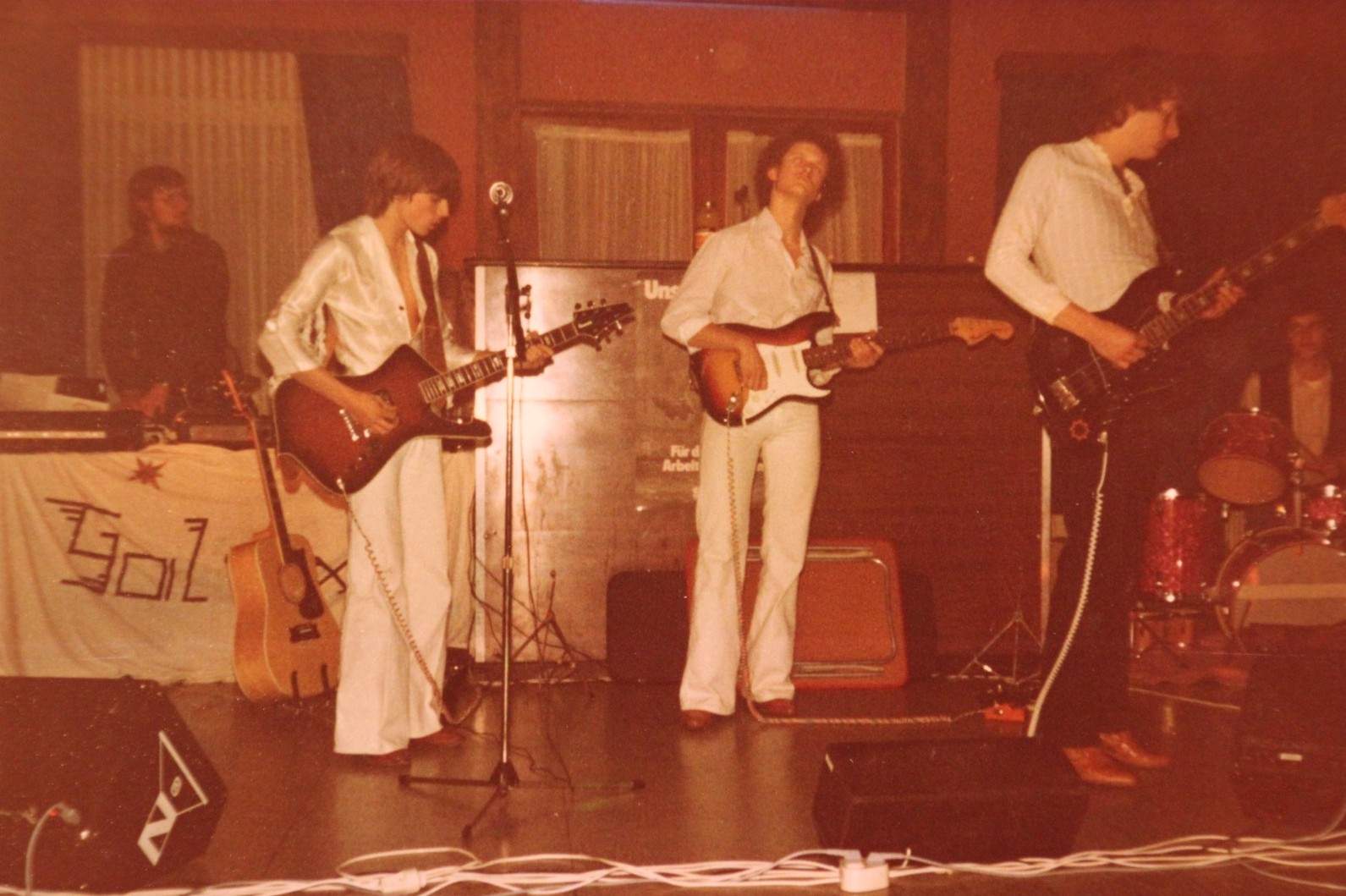
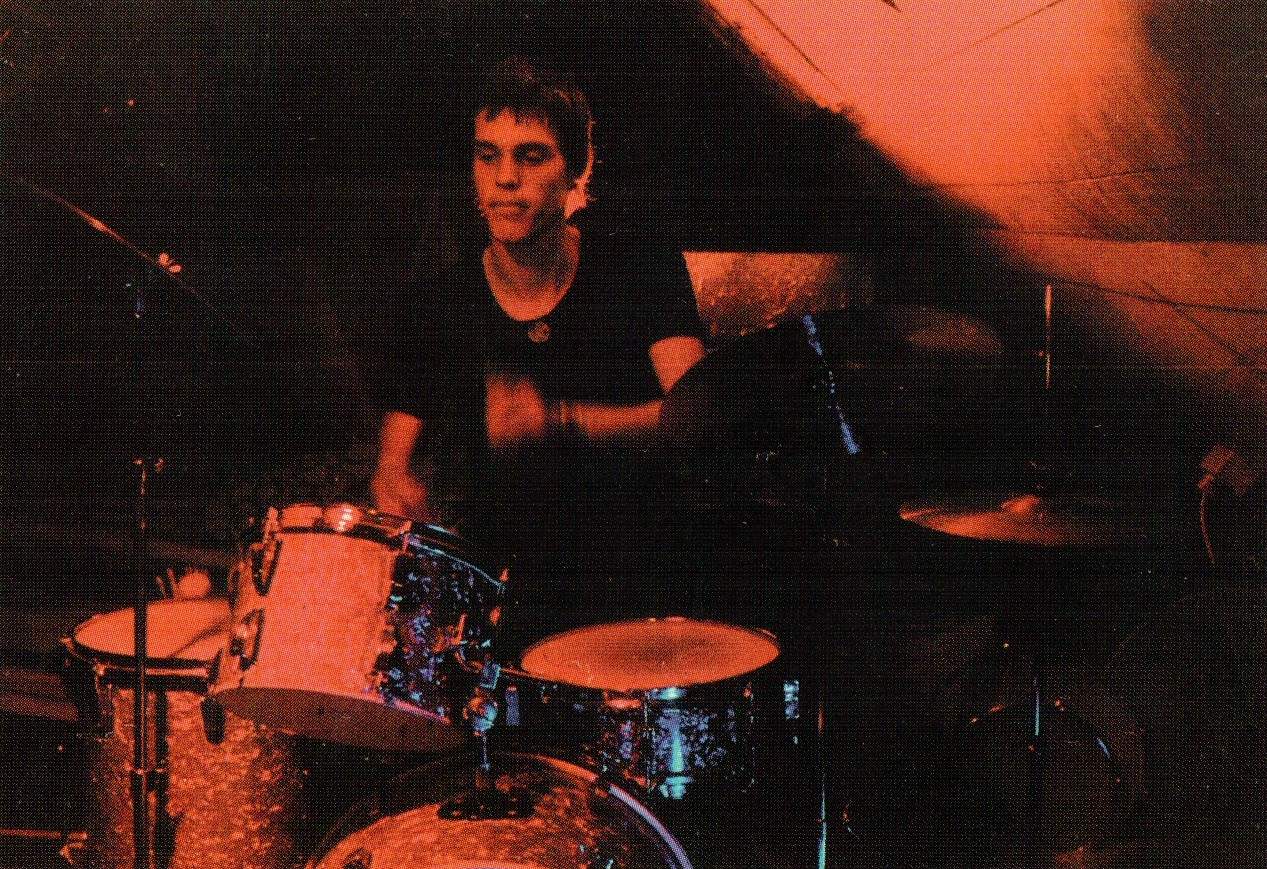
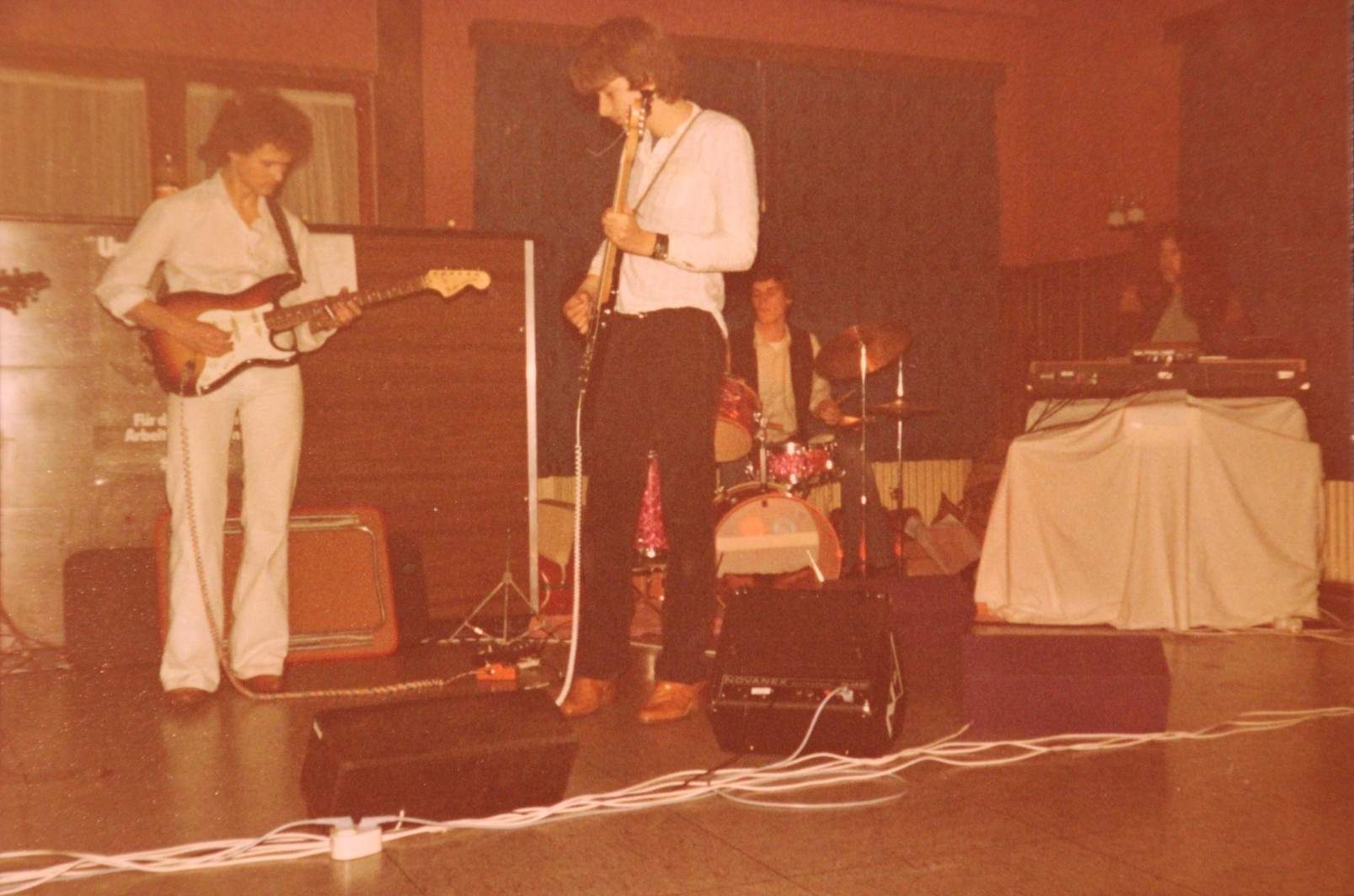
Gottfried: A bit of everything. School events, small clubs and, unforgettably, a show at the famous Break Out Club in front of 300 people. In any case, it was very crowded there.
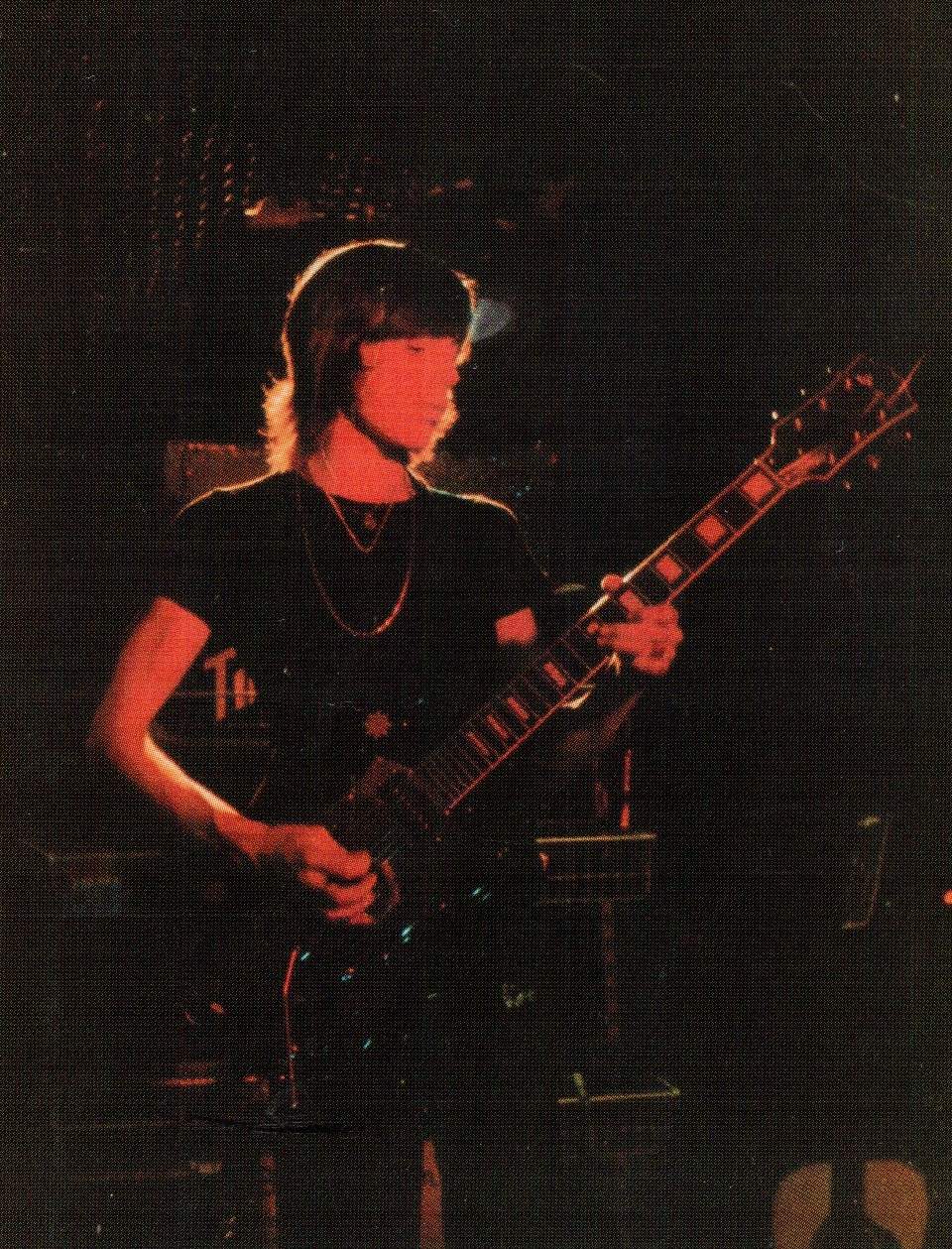
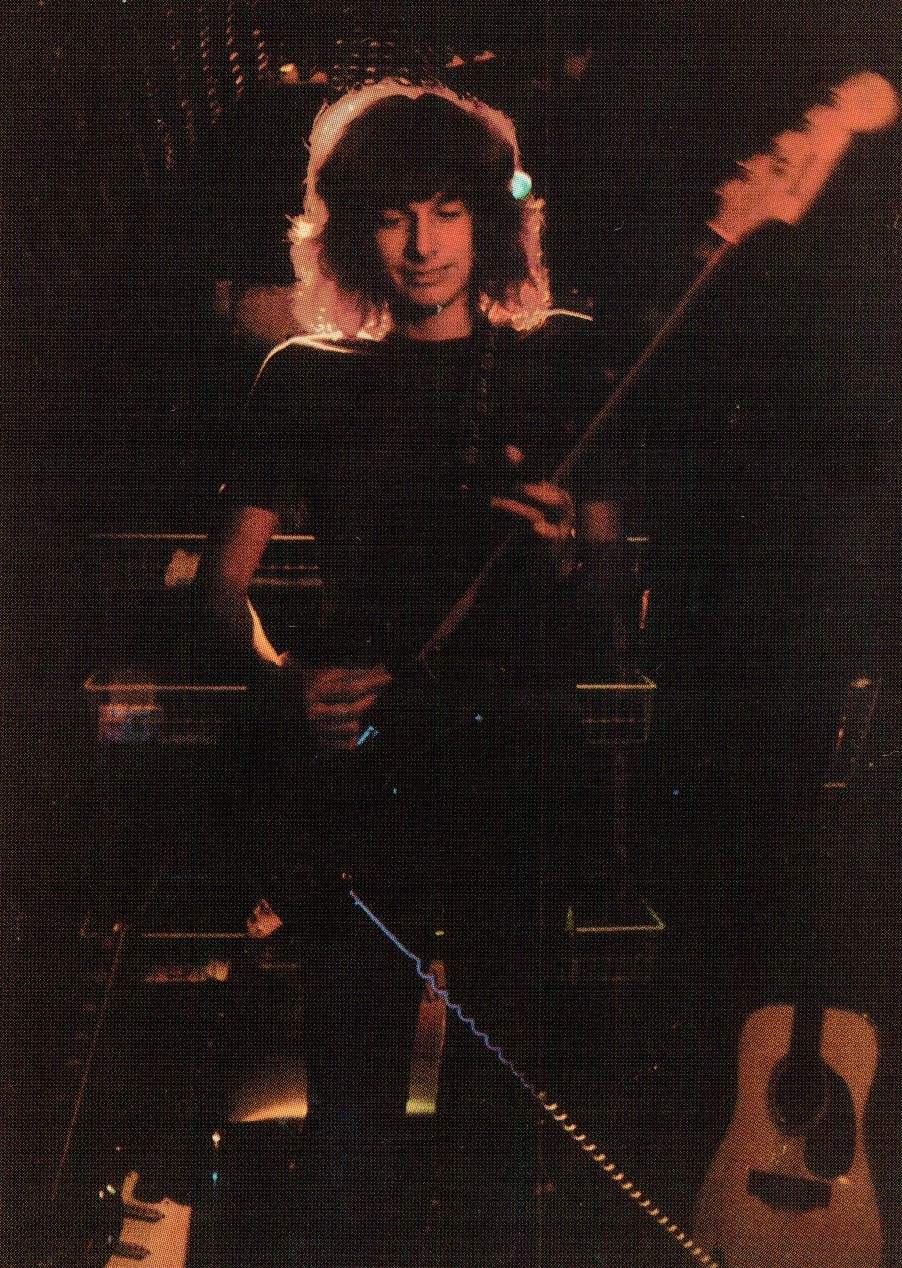
Bernd: Even back then, as an unknown band, it wasn’t easy to convince local promoters to book a high school band. And touring the country in a tour bus wasn’t really an option for any of us, with our high school graduation right around the corner. In fact, our equipment was limited, instruments, amps, some lights and tons of wires, but I still remember well hauling that heavy PA system up and down from our beloved attic a few times. But anyway, a concert was a special feeling for us, and I think I speak for everyone when I say that we loved the stage.
Did playing live change any of the material that ended up on ‘Visions’, or were the songs already fairly settled by the time you recorded them?
Gottfried: The live setting shaped us less. ‘Visions’ was created in our improvised studio.
Bernd: In some cases, we developed sounds that simply couldn’t have been reproduced live, given our limited resources. I think that in a real recording studio those ideas would have led to something completely different, ideas that I was only able to bring to life much later in a much more professional setting.
What usually happened when someone brought a new song into rehearsal? Did everybody tend to get involved in shaping it?
Gottfried: Usually Bernd brought an idea, which we then collectively developed into a piece.
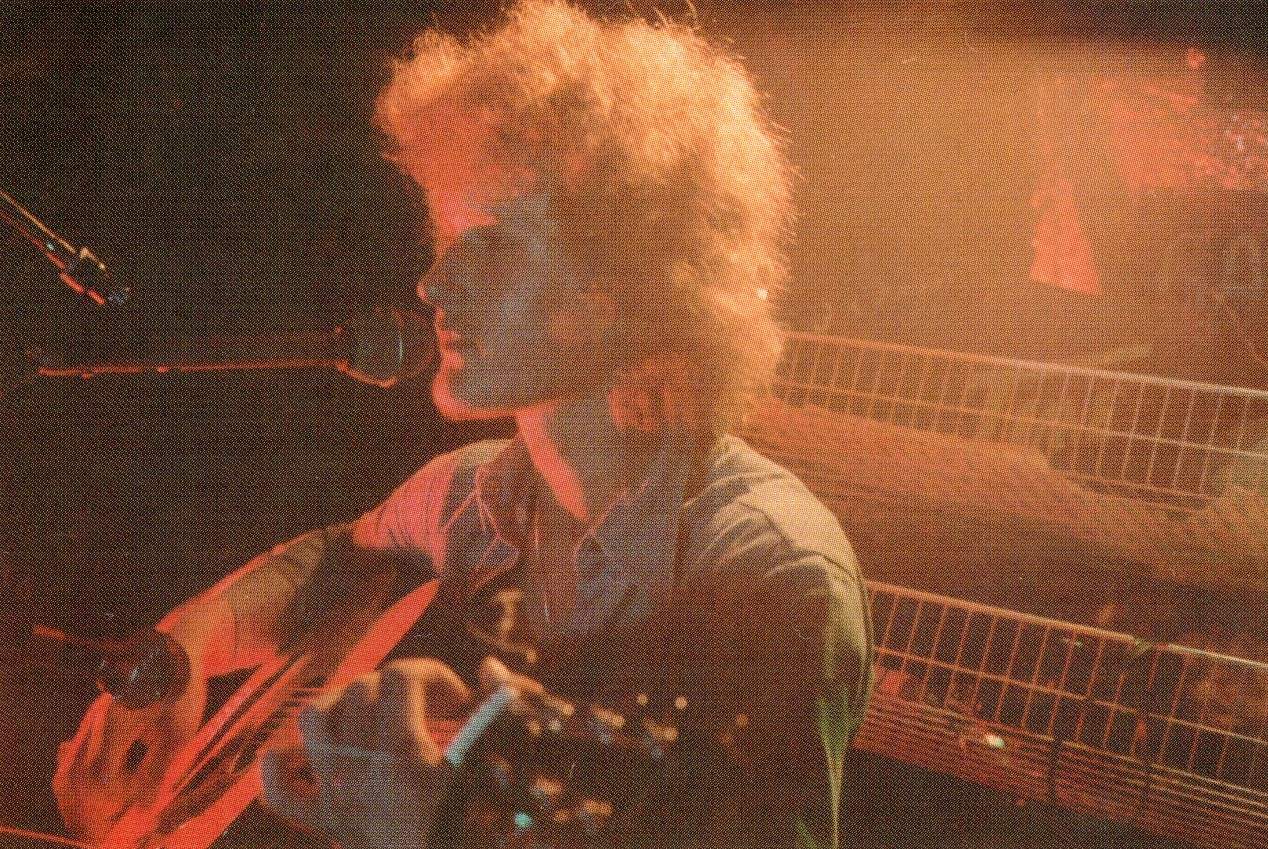
Bernd: Often Frank or I would come up with a basic song structure, which we would then develop further together. The songs often started with a guitar riff or some lyrics that we wanted to bring to life with a specific sound. The stranger tracks that came out of our jamming sessions rarely made it into our set list…
When did the idea of actually making an album become serious?
Gottfried: It was perhaps the knowledge that we would go our separate ways after graduating from high school, with no chance to deal with a label at that stage. But there was the technical and financial possibility of self-publishing.
Bernd: We all agreed in the band that we wanted to capture or document that amazing time somehow. And back then, of course, having our own album was the ultimate goal. YouTube channels didn’t exist at that time. What a pity, actually. We definitely would have had some unusual ideas for that.
How did you manage to finance and press the record yourselves?
Bernd: Thanks to our parents, who really helped us out financially and logistically back then. We also got assistance from friends who worked at a local music store and lent us equipment for the recordings, such as special microphones and a high-quality tape recording machine.
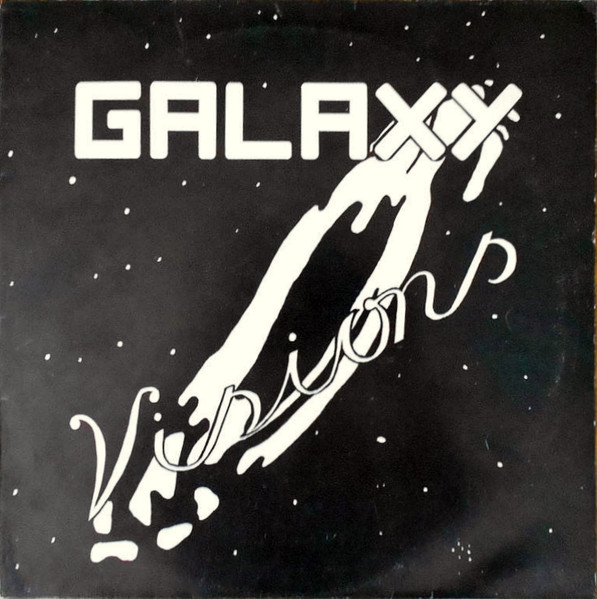
Gottfried: The recordings were then remastered and pressed in a run of 500 copies. The cover was printed at a local print shop…
Bernd: We designed it ourselves, of course. Gottfried came up with the idea! You can’t say we just made music at that time 😉
Gottfried: Originally, to save money, we even wanted to fold the cardboard ourselves, but after an initial trial we ended up using the print shop’s machine. We then distributed the LPs to local record stores and bookstores, where they were mostly sold on commission.
Bernd: We just barely missed out on making a living from it…
Where exactly did you record the album, and what do you remember about those sessions?
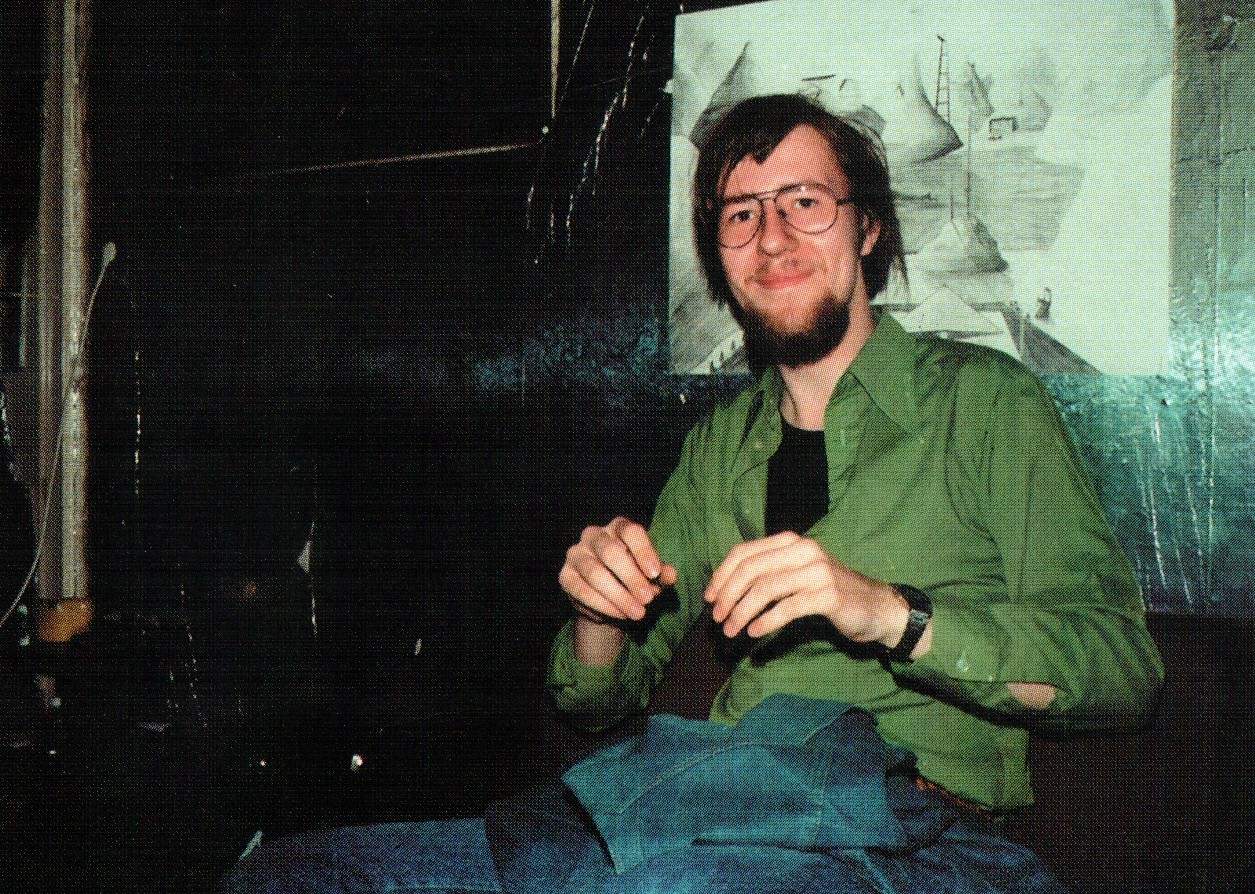
Bernd: For the recording sessions, we took over half of my parents’ house to find the right acoustics for certain effects. The guest bathroom is still the stuff of legend. Overall, it was a tangled mess of stuff and cables.
Gottfried: Each musician had his separate room. Everything was brought together and recorded in the living room. One piece was played every day until we had a usable recording. Sometimes it took us two days for one piece. Two-track stereo, no dubs!
Bernd: It worked surprisingly well. Thanks to Peter’s technical genius.
There’s a raw quality to the record. Was that simply down to the equipment you had, or was some of it what you wanted?
Bernd: Well, if we’d had more professional resources, which we wouldn’t have turned down, we could certainly have produced something a bit more refined. At least from a technical standpoint.
Gottfried: Those were the possibilities back then. The Akai cassette decks with TDK SA cassettes were the gold standard for us. I would do it exactly the same way today.
Bernd: Really? With TDK SA?
How did longer pieces like ‘Morning of the Magicians’ and ‘Warrior of the Endless Time’ develop? Were they still changing when you recorded them?
Bernd: The songs always started with a basic idea that was usually much shorter. The length then evolved during rehearsals with extended solo passages. Those solos were mostly improvised during the sessions. When recording the album, we reined ourselves in a bit more, keeping in mind the maximum length of an LP.
Then there’s ‘Supermarket’, which feels quite different from the longer pieces around it. Where did that one come from, and why did it belong on the album for you?
Bernd: Wasn’t it supposed to be the radio-friendly single? No, just kidding! It’s a song we really enjoyed playing back then. And thanks to its socially critical edge, it didn’t feel entirely out of place on an album that was otherwise pretty epic.
The keyboards give the album a lot of its atmosphere. What were you actually using at the time, and how did you go about finding those sounds?
Gottfried: It was actually just a Yamaha YC20 organ, a Wersi String Ensemble and the Hohner D6. Plus effects pedals, mostly by Boss, but also self-built things like the wind machine. And of course ambient noises like the legendary guest toilet.
Bernd: I’d already been experimenting with keyboards and synthesizers at that time, but having two extra hands and far greater technical expertise on the Hohner was invaluable to our sound. Gottfried really breathed new life into the band in every way.
When you put ‘Visions’ together, did you already think of it as a complete album, or were you simply choosing the pieces that worked best?
Bernd: Thematically, it was clear from the start that we were heading in the direction of science fiction and fantasy themes. Most of our songs leaned in that direction. Ultimately, however, the selection of truly usable tracks wasn’t very large, so despite its conceptual feel, ‘Visions’ ended up being more of a “best-of” album.
Once the record was out, what happened? Did it attract any local attention or press, or did those 500 copies mostly circulate quietly?
Bernd: First there was a big party. But since social media like YouTube channels were still just a distant dream back then, we had to organise the marketing ourselves, using a grassroots approach.
Gottfried: It really spread quietly. But to tell the truth, we did very little advertising.
Bernd: Commercial success didn’t come until the last few of the rare 500 copies suddenly started fetching sums in collector circles that were unimaginable for us at the time. Anyone else want one? I still have two copies at home up in the attic…
By the end of 1979, Galaxy was finished. Was that something everyone knew was coming, or did it happen quite quickly once school was over and people started making other plans?
Gottfried: It was clear that we would go our separate ways after high school. Most of us did our community service outside Bremen or planned to study somewhere else.
Bernd: The album was actually supposed to be the finale. We managed to pull it off just in the nick of time, including the farewell party.
Did music remain part of your lives after Galaxy, or did most of you put it aside once the band ended?
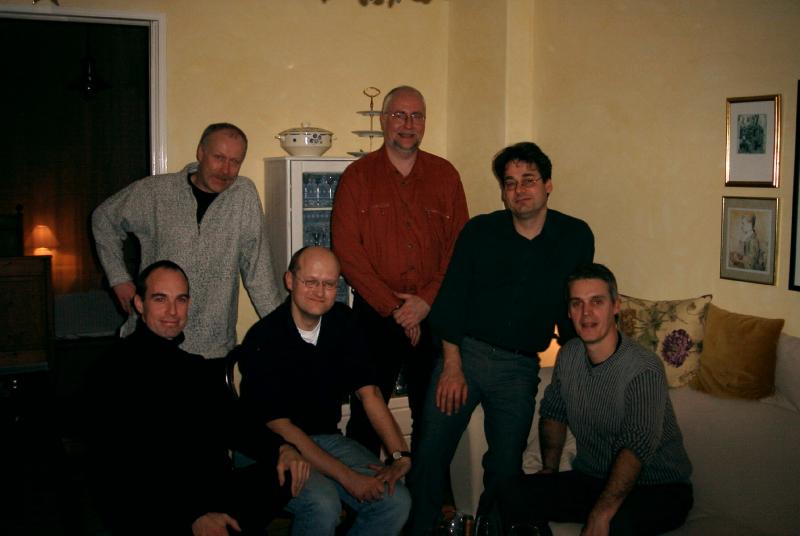
Bernd: Frank and I stayed in Bremen back then for a while and continued making music together in different line-ups, performing in public with several bands. We also experimented with a lot of new styles. Later on, I worked on a few music projects on my own, set up a professional recording studio in Bremen and released another album with the project Chat Noir. But that’s another story… As far as I know, none of the others are actively making music in public anymore. That just calls for a revival 😉
Gottfried: We took a long break, only to end up back with music decades later.
Years later, people began finding ‘Visions’ again, especially around the CD reissue. When did you first realise that this record you’d made as teenagers was being sought out by collectors?
Bernd: In the years following the release of ‘Visions’, we kept getting inquiries asking if the album was still available anywhere. Every now and then, we’d also come across reports from insiders in a media-driven progressive rock scene that we barely knew. Surprisingly, many of these were from abroad, as far away as Japan. It seems there are passionate collectors of rarities all over the world. But the highlight following the CD reissue on Garden of Delights, initiated by Walter Nowicky in 2002, was without a doubt our inclusion on the ‘Kraut!’ compilation by Bear Family Productions in 2020, where we suddenly found ourselves, with our “single hit”, ‘Supermarket’, right in the midst of songs by our idols of the time, like Jane, Novalis and Eloy. There’s no greater honour for a high school band. Our thanks also go to Burghard Rausch!
When you hear ‘Visions’ now, after all these years, what do you notice first? The things that still feel right, or the things you might have done differently?
Gottfried: It’s a piece of our contemporary history. With the possibilities of that time, I would do it exactly the same way again. No other style, no complex technology and everything handmade.
Bernd: Yeah, it was a great time when we made the most of life and the opportunities it offered. Even though I ended up making a completely different style of music later on, I don’t think any of us could have asked for anything better. And we haven’t talked yet about the bar downstairs for the after-session parties…
Do you feel ‘Visions’ really captures Galaxy as you remember it, or was there still somewhere else you wanted to go musically?
Gottfried: Yes, Galaxy was ‘Visions’.
Bernd: Definitely!
If Galaxy had stayed together for another few years, where do you think the music might have gone?
Gottfried: Perhaps we would have developed in different directions anyway. Or perhaps we would have endured the tension between delicate guitars and a jazzy keyboard sound.
Bernd: From my point of view, Galaxy reached a sort of peak with ‘Visions’. Frank and I then went in completely different musical directions. But who knows, perhaps like other bands of that era we would have professionalised our style and stage presence. History didn’t tell us…
And just to finish on something simple: if we were sitting together after this and putting a few records on, what would you reach for first? Something you loved back then, or something completely different?
Gottfried: I would put on Jane or Eloy after a conversation like this. But it could also be Klaus Doldinger.
Bernd: …and a piece by Ian Anderson, please! Since we’re feeling so nostalgic. I haven’t heard Jethro Tull for ages. I wonder why?
Klemen Breznikar
Garden of Delights Website