
La Banda: Argentina’s Lost Candombe Jazz-Rock Supergroup | Luis Ceravolo Interview
The Argentine drummer looks back on the extraordinary one-album group that brought Rubén Rada together with some of Buenos Aires’ finest jazz musicians, and on the long-overdue Altercat reissue of their 1980 album.
La Banda formed in Buenos Aires in 1979. The group brought together Uruguayan singer and percussionist Rubén Rada with trumpeter Benny Izaguirre, keyboardist Jorge Navarro, saxophonist Bernardo Baraj, bassist Ricardo Sanz, and drummer Luis Ceravolo. All were experienced musicians with backgrounds in jazz, rock, candombe, tango, and popular music. Together they developed a sound that combined candombe with jazz-rock, funk, and soul.
The group was active during Argentina’s military dictatorship. Police raids and identity checks were a regular concern at clubs and concerts. Despite this, La Banda built a strong live following in Buenos Aires. Their concerts were often much freer than the recorded versions, with longer solos and more improvisation.
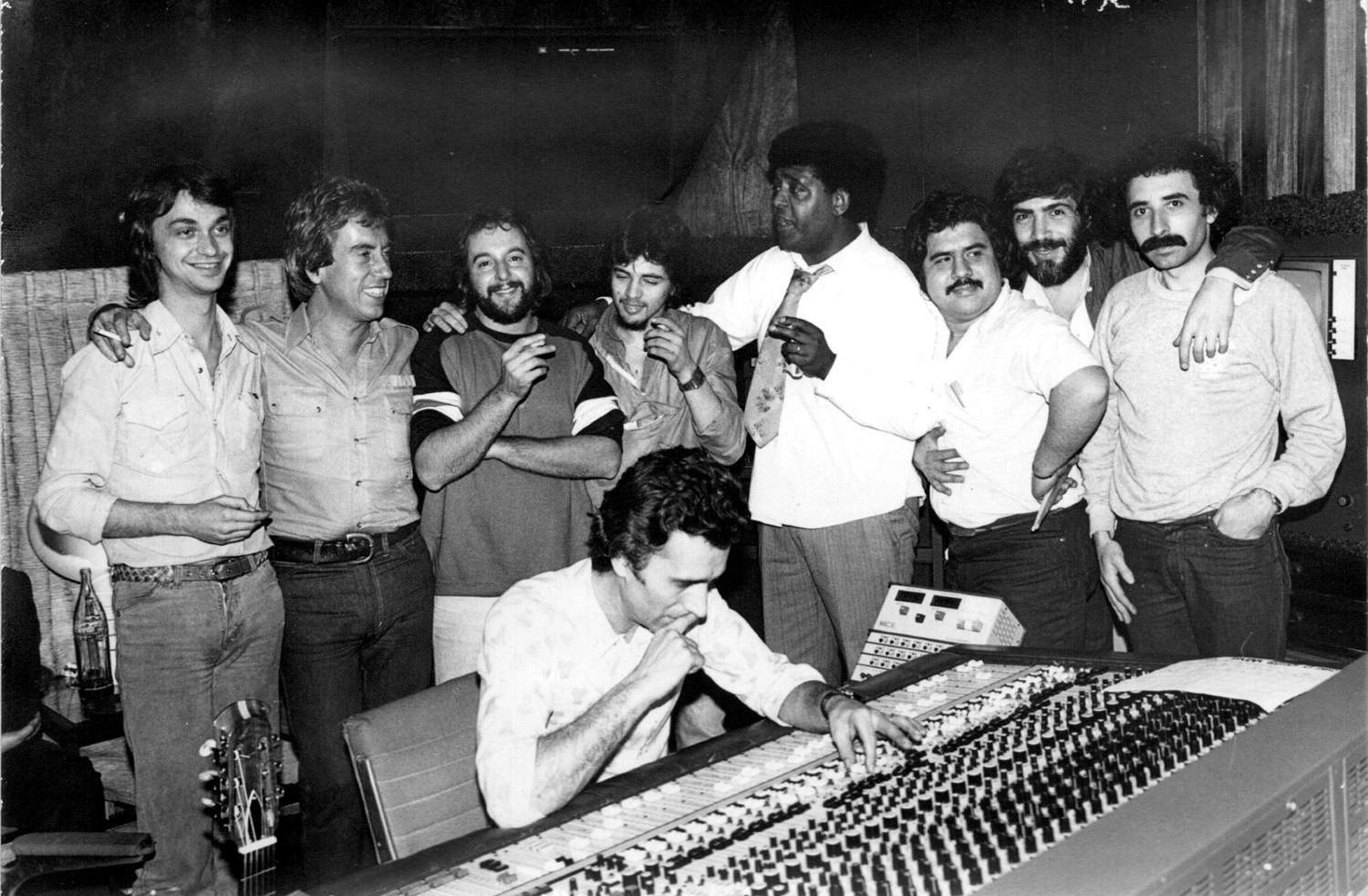
La Banda recorded its only album at ION Studios between 20 July and 10 December 1979. Oscar López produced the sessions, with Amílcar Gilabert as recording engineer. David Lebón and Daniel Homer appeared as guest guitarists. The album was released in 1980 by Sazam Records, part of Music Hall. The group did not last much longer, and the record received little promotion at the time.
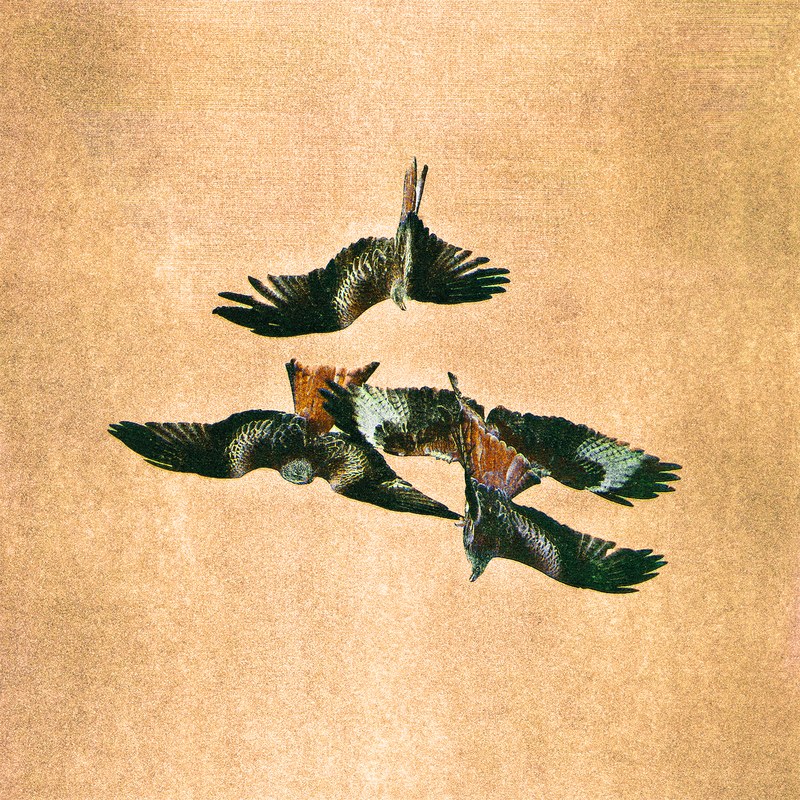
In June 2026, Berlin label Altercat reissued ‘La Banda’ with new mastering and redesigned artwork by Elisa Bischoff. The reissue was produced by Sergi Roig and is available digitally, on CD with a 20-page bilingual booklet, and on vinyl with an eight-page bilingual booklet and OBI. A hand-numbered splatter-vinyl edition was limited to 100 copies.
To mark the reissue, Luis Ceravolo spoke with It’s Psychedelic Baby! Magazine about his early years with S.O.S., working with Rubén Rada, the formation of La Banda, recording the album, and performing during one of the darkest periods in Argentina’s history.
Sadly, just days before this interview was published, Rubén Rada passed away in Montevideo on 26 August 2026, aged 83. We dedicate this piece to his memory and to the extraordinary musical legacy he leaves behind.
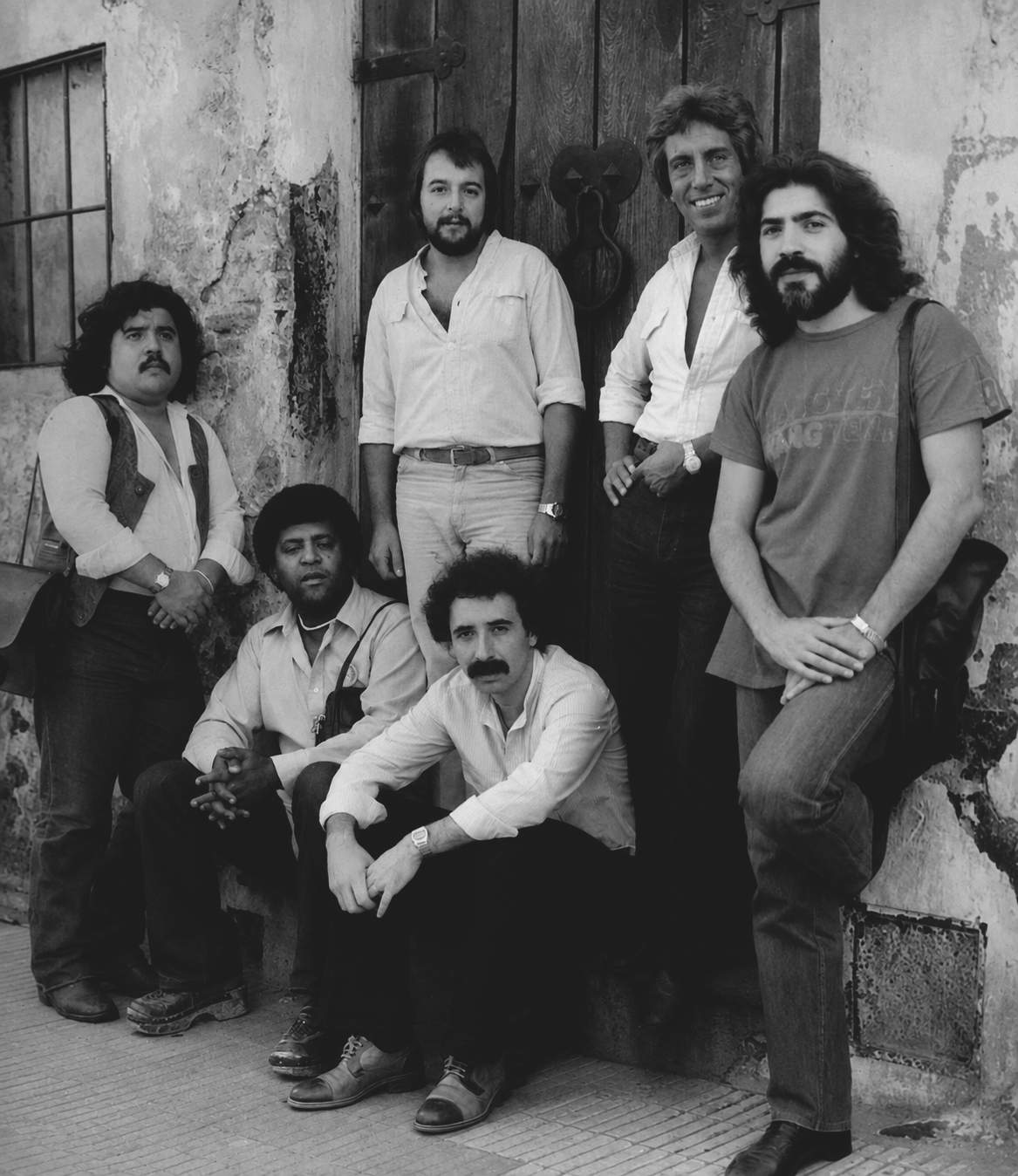
“Fear and anger were constant companions at every concert.”
Before we get to La Banda itself, I would like to begin with your own musical background. The group brought together musicians who had already moved through jazz, rock, candombe, tango, and theatre in different ways. What was your first serious contact with music?
Luis Ceravolo: My first major professional experience came in 1972 with S.O.S. (Sonido Original del Sur). The band was made up of jazz musicians whom I greatly admired: Bo Gathu on double bass and electric bass, a Swedish musician who founded S.O.S. while living in Argentina; Conny Söderlund, also from Sweden, on guitar and vocals; Gustavo Bergalli on trumpet and flugelhorn; and Héctor ‘Finito’ Bingert on tenor saxophone and flute. My brother, Héctor Ceravolo, was also a member, playing piano and keyboards.
We made our debut performing every night at the Sheraton Hotel in Buenos Aires, as well as at other jazz and pop clubs. Later, we were joined by the great Rubén Rada on vocals and percussion, and together we went on to record an album.
That band was extremely important to me. It was an invaluable experience that immersed me in the fusion of jazz with rock, candombe, and Latin American music. That was when I truly felt music would become my life’s work.
La Banda began after Rubén Rada returned to Buenos Aires in 1979. By then, he already had a remarkable history behind him, from El Kinto and Tótem to S.O.S. and Opa. What do you remember about Rada at that moment? Did he seem like someone starting over?
In 1979, I reunited with Rada, whom I already knew very well, and it felt completely natural and wonderful to play together again. It was clear that we had all grown tremendously as musicians. Rada had been performing in Europe and the United States with Opa, while I had been touring and recording in Europe with Astor Piazzolla. I was also very active as a session musician, performing and recording extensively in Buenos Aires.
In many ways, La Banda was a continuation of S.O.S.
The story goes that Benny Izaguirre encouraged Rada to come to Argentina and then gathered the musicians for the group.
Benny was the one who came up with the idea of forming the band. He called me, we had lunch together, and he told me about his vision. He was clearly the founder and the person who invited Rada to join.
Within the band, Benny was simply one more member. He never acted like a leader or tried to impose himself. He was an equal among all of us.
The line-up now looks almost unbelievable: Rubén Rada, Benny Izaguirre, Jorge Navarro, Bernardo Baraj, Ricardo Sanz, and Luis Ceravolo. From the outside, it looks like a dream team of Río de la Plata jazz-rock. Did it feel exceptional from the beginning, or did the power of the group only become clear once you started rehearsing?
From the day Benny first told me about the project, I felt a great sense of excitement and knew it was going to be an amazing band. That feeling was confirmed at our very first rehearsal, and it continued with every performance we played.
Where did the first rehearsals take place, and what was the atmosphere like?
The first rehearsals took place at a club called Satchmo. As far as I remember, that is essentially how the music came together. There were no written arrangements prepared in advance. The songs were developed collectively during rehearsals.
Rada did not read or write music in the conventional way, but he had an extraordinarily strong instinct for melody, rhythm, and arrangement. How did the musicians around him translate his ideas into the finished sound of La Banda?
Melodies naturally suggest harmonies, and Jorge Navarro and Ricardo Sanz were the ones who translated those ideas into harmonic language. At the same time, the melodies themselves, their rhythmic character, and even the lyrics suggest the rhythm, feel, and groove. Everything grew out of what was happening in the music.
The horn arrangements emerged in the same organic way. Sometimes Rubén would sing the horn lines he imagined; at other times, Bernardo or Benny would do it. Those ideas were then shaped into the final arrangements.
Jorge Navarro came from the Buenos Aires jazz world, Bernardo Baraj had been central to Alma y Vida and jazz-rock, and you and Ricardo Sanz had played in demanding settings including Astor Piazzolla’s Octeto Electrónico. How did those different backgrounds affect the sound of the band?
Clearly, all our previous experiences had given us maturity and perspective. In addition to our work with Piazzolla, Sanz and I had also played with Luis Alberto Spinetta.
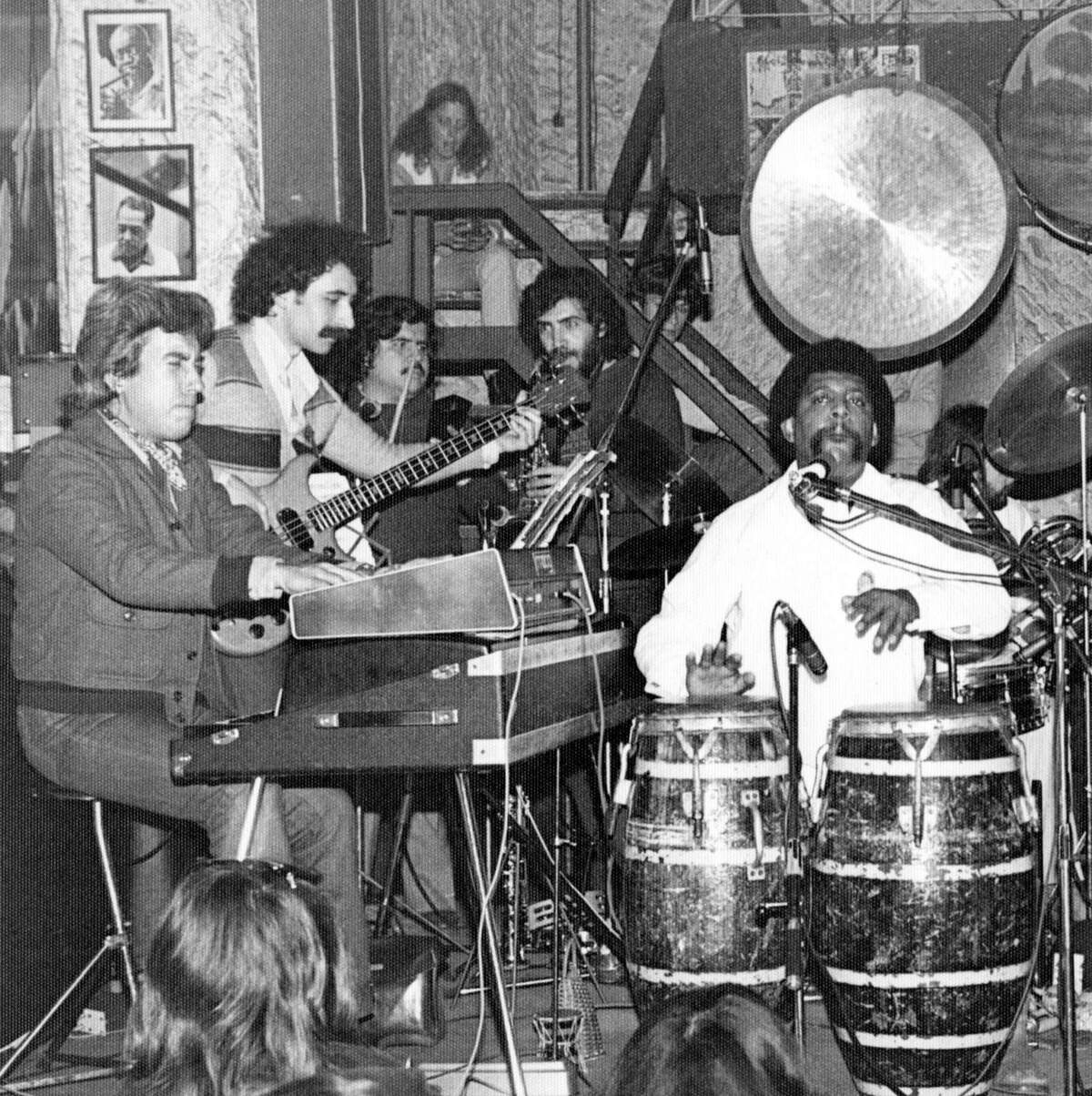
“People came to our concerts as if they were heading to a party. Every show was a genuine celebration.”
The group played clubs including Jazz & Pop, Music Up, and Satchmo, as well as theatres such as the Margarita Xirgu and the Alvear. What do you remember about that live circuit in Buenos Aires? What kind of people came to see La Banda?
The band was always powerful and rock-solid onstage. People came to our concerts as if they were heading to a party. Every show was a genuine celebration, and that is how we lived it as well.
Several people remember La Banda as an exceptionally powerful live group. Were the concerts much freer than the album?
Yes. The solos were longer, and they gave us more room for improvisation.
Argentina was under military dictatorship, and Bernardo Baraj remembers the police entering clubs, stopping the music and asking people for their documents. How present was that fear in your daily life as a musician?
Fear and anger were constant companions at every concert. Fortunately, the audience and the band faced them with courage, knowing that all of us were putting ourselves at risk.
The music on the album is full of energy and joy, yet it was made during a very dark period. Did playing with La Banda feel like an escape from that atmosphere?
Looking back on those years of terror in Argentina, I think it was both. On the one hand, it was our work and our music. On the other, it became a form of resistance for the audience and for us, a commitment to music and to our country.
After several months of concerts, Oscar López brought an offer to record for Sazam Records, part of the Music Hall catalogue. By then, the band was already very well rehearsed. Did you feel ready to make the album, or was there still a sense of risk when you entered the studio?
Recording an album always feels like an exam, but by then the band was incredibly tight and solid. We were more excited than nervous. Besides, we were actually paid for the recording, and paid very well.
The album was recorded at ION Studios in Buenos Aires with Amílcar Gilabert as recording engineer, and David Lebón and Daniel Homer joined you as guests. What do you remember most clearly from those sessions?
Those were great sessions. Playing with two outstanding musicians like David Lebón and Daniel Homer was a real pleasure. Performing in the studio and then walking into the control room to hear what we had just recorded was a magical experience.
‘Rock de la calle’ opens the album and later became one of Rada’s better-known songs. Rada has said that some of the musicians initially did not want to play it because it felt too simple beside the more sophisticated material. How did you feel about the song at the time?
I never felt that way, and I do not remember us ever discussing whether we should record it. Personally, I liked the song very much. We needed a hit, and that song became one.
‘Muy lejos te vas’ already had a history through El Kinto and Opa, but La Banda gave it a new and more expansive treatment. What did this version add to the song?
I think what made the difference was simply La Banda’s character and sound.
‘Candombe llamada,’ ‘Mamá reloj,’ and ‘Montevideo’ carry a strong Río de la Plata feeling…How important was candombe to the identity of La Banda?
In 1972, Rada taught me how to play candombe. Before that, I thought candombe sounded awful, too square and unappealing. That was simply the result of my own ignorance. Through Rada, the Uruguayan musicians, and the candombe played in the streets of Montevideo, I discovered this incredible groove. Candombe is part of the language of jazz. Without a doubt, it was an essential part of La Banda’s jazz-rock spirit.
The album closes with ‘Es una constelación,’ Jorge Navarro’s instrumental, featuring electric piano, Moog, and a strong bass feature from Ricardo Sanz. Why was it the right ending for the record?
It was probably the producer’s idea, and we thought it was fine.
The cover playfully echoes Wings’ ‘Band on the Run,’ with the photograph taken beside a wall at the Faculty of Engineering in Recoleta. Who came up with the idea, and what do you remember about the photo session?
As far as I remember, it was our producer, Oscar López, who came up with the idea. The photo session was great fun, and we laughed a lot.
Charly García and Luis Alberto Spinetta were among the musicians who admired La Banda, and Spinetta even appeared as a guest at the Alvear Theatre. Did you feel at the time that the band was respected by other musicians, even if its public story remained smaller than it should have been?
La Banda was deeply respected by fellow musicians and audiences alike. It was a great pleasure to invite Spinetta to perform with us, and to have David Lebón and Daniel Homer record with the band. As for the audience, they truly loved us. We received tremendous recognition, especially considering how short-lived the band was.
Why did La Banda last for such a short time?
I think it was mainly due to a lack of ideas from our producer, who was also our manager. But it was also our responsibility because of some of the decisions we made. For example, we turned down an invitation to play at the Córdoba Rock Festival because they were not going to pay us. Looking back, perhaps we should have accepted. We approached things with the mindset of professional musicians rather than that of a band willing to do whatever it took to become successful.
I also think each of us had our own musical projects, and we could not devote the time and commitment La Banda really needed.
When the album first appeared, were you disappointed by the way it was handled?
I do not think the record label did much to promote the album. They missed the opportunity to build on the momentum we had. Yes, it was frustrating.
Altercat has now reissued ‘La Banda’ with new liner notes, restored context, and an opportunity for listeners outside Argentina and Uruguay to discover it properly. What does it mean to you to see the album return after so many years?
If Altercat had been our original label, I think we would have made it. I am truly happy about this new edition. The quality of the mastering is outstanding, and Sergi Roig, the man behind Altercat, has treated us with great respect throughout the entire process.
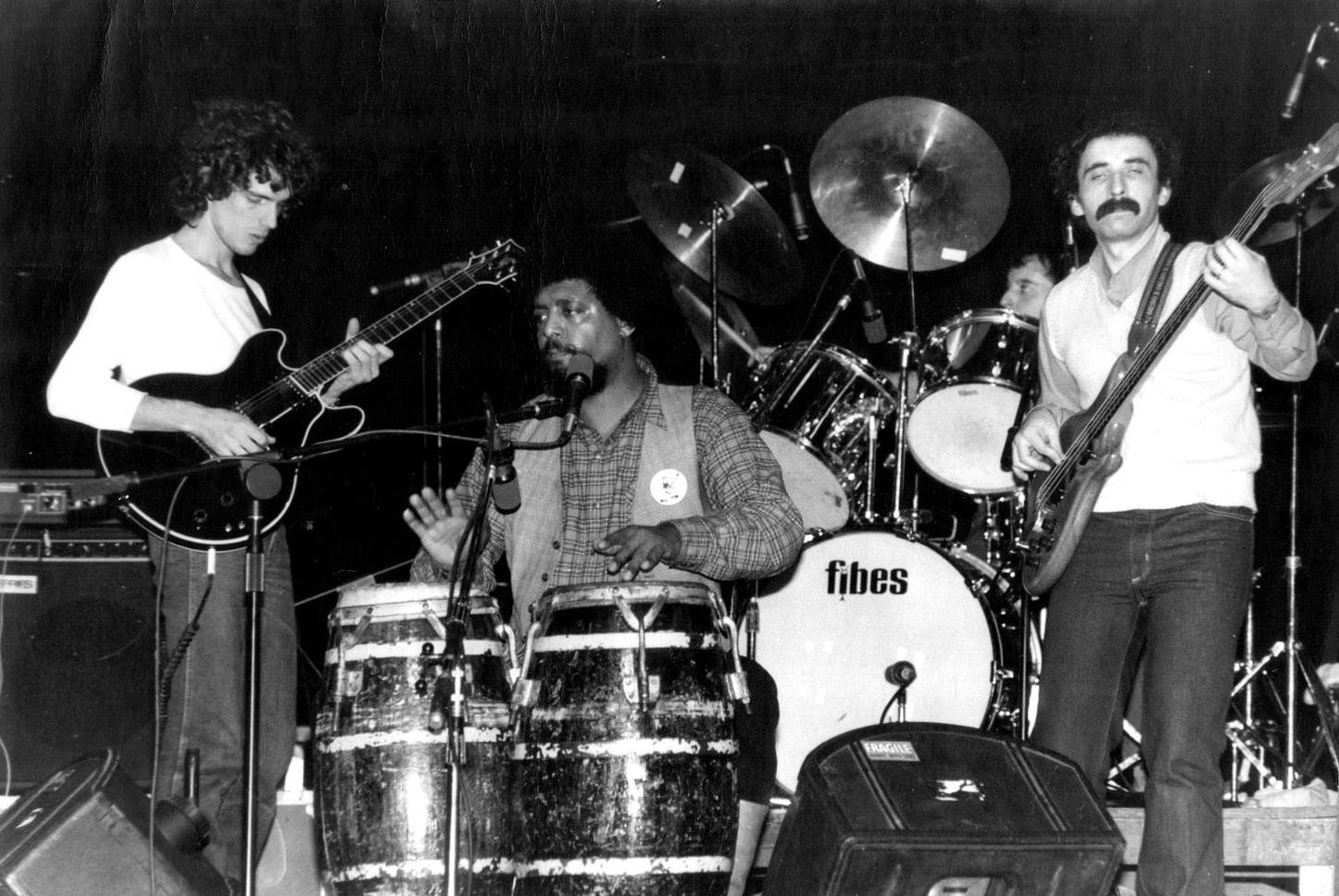
When you listen to ‘La Banda’ today, what comes back first to your mind?
What comes back first is the sound of the band, the memory of those clubs that were always full, and the thought that we could have gone much further.
Klemen Breznikar
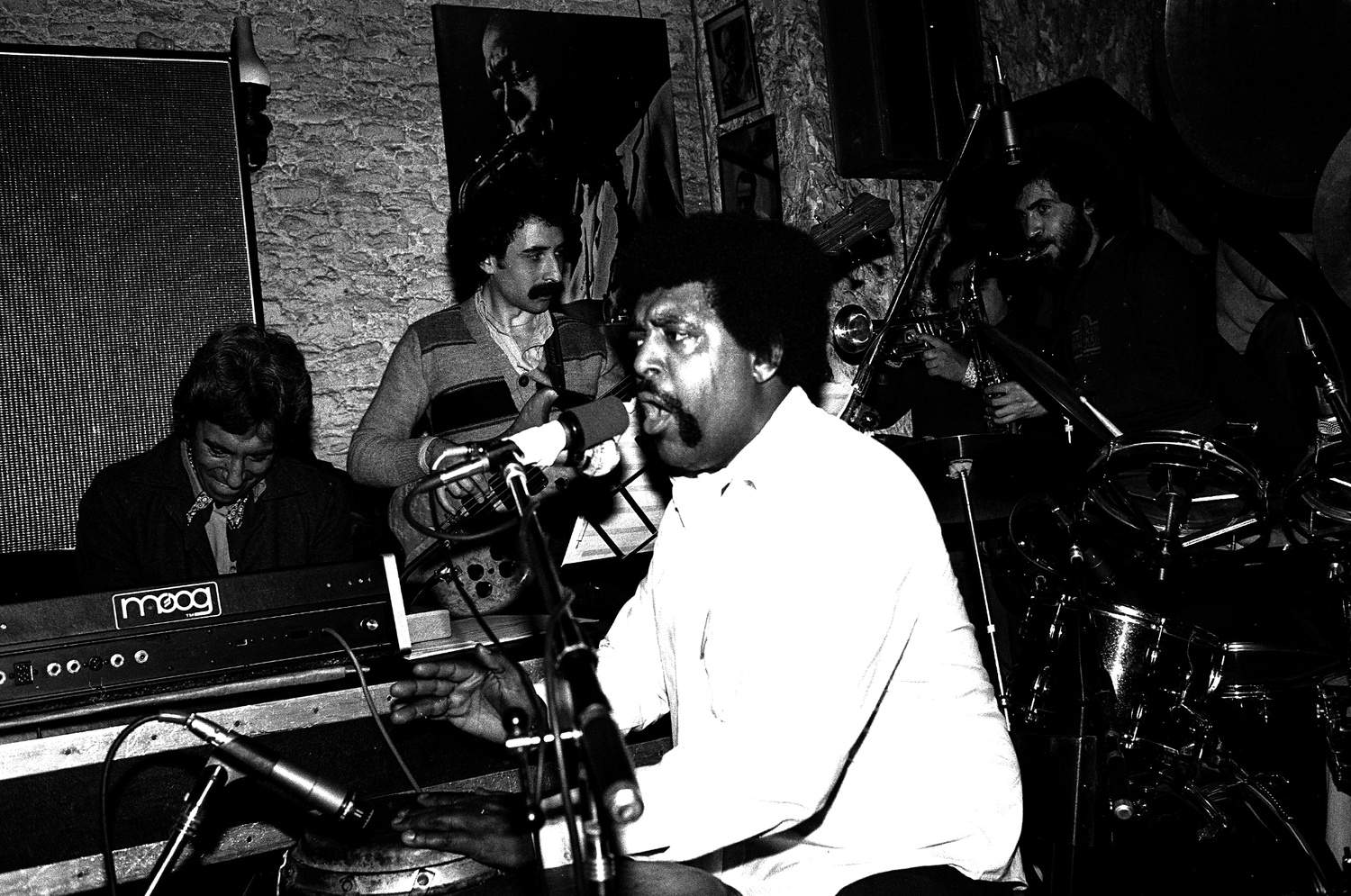
Headline photo: La Banda in Jazz & Pop
Altercat Records Official Website / Facebook / Instagram / Twitter / Bandcamp / YouTube