
Arnaldo Baptista of Os Mutantes on ‘Lóki?’, ‘Singin’ Alone’ and a New Tribute | Interview
Arnaldo Baptista, a founding member of Os Mutantes, talks about the band’s early years, his solo albums ‘Lóki?’ and ‘Singin’ Alone’, and the musicians now recording his songs. The interview also marks the premiere of Rod Krieger’s new video for ‘The Cowboy’.
Arnaldo Baptista was born in São Paulo in 1948. His mother, Clarisse Leite, was a pianist and composer, while his father, César Dias Baptista, was a journalist, poet and opera singer. Arnaldo studied piano from childhood and played in several groups before forming Os Mutantes in 1966 with his younger brother Sérgio Dias and Rita Lee.
Os Mutantes became closely associated with Brazil’s Tropicália movement, working with musicians such as Gilberto Gil and Caetano Veloso and the arranger Rogério Duprat. Between 1968 and 1972, they released five albums, beginning with ‘Os Mutantes’ and ending with ‘Mutantes e Seus Cometas no País do Baurets’. Their music drew on rock, Brazilian popular music, orchestral arrangements and all kinds of studio experiments. Arnaldo sang and played keyboards and bass, while his older brother Cláudio César helped develop some of the group’s unusual instruments and equipment.
Arnaldo left Os Mutantes in 1973 and released his first solo album, ‘Lóki?’, the following year. He later formed Patrulha do Espaço before recording ‘Singin’ Alone’, released in 1982, on which he played every instrument himself. Other albums followed, including ‘Let It Bed’ (2004), produced by John Ulhoa. He also rejoined Os Mutantes for their reunion in 2006. Alongside music, Arnaldo has continued painting and writing. His novel ‘Rebelde entre os Rebeldes’ appeared in 2008, the same year Paulo Henrique Fontenelle released the documentary ‘Loki! Arnaldo Baptista’. His first solo art exhibition, ‘Lentes Magnéticas’, was held in São Paulo in 2012.
On September 4, 2026, a tribute to Arnaldo’s 78th birthday was released under the title ‘Arnaldo Baptista 7.8 – Canções Inesquecíveis Revisitadas’. It features 56 new recordings by more than 60 artists, released across four compilations, ‘Cobre’, ‘Sunny’, ‘Pink’ and ‘Jeans’, and accompanying singles. The musicians concentrated on Arnaldo’s solo material rather than the Os Mutantes catalogue. Among those taking part are Zé Ramalho, Sandra de Sá, Boogarins, Hyldon, Zeca Baleiro, Violeta de Outono, Edgard Scandurra and Rod Krieger.
The interview is published on October 14, the day Rod Krieger premieres the video for his version of ‘The Cowboy’. Directed by Yan Gabriel and filmed in black and white in Copacabana, Rio de Janeiro, it accompanies a song Arnaldo performed with Patrulha do Espaço in the late 1970s and later recorded for ‘Singin’ Alone’. Krieger has been an admirer of Arnaldo’s music since his teenage years and performed a concert devoted to his songs in 2016.
When I interviewed Sérgio Dias in 2022, he recalled how he, Arnaldo and Rita seemed to understand one another without needing to speak. I was interested to hear how Arnaldo remembered those days himself. We also talked about his solo records, painting and the new interpretations of his music.
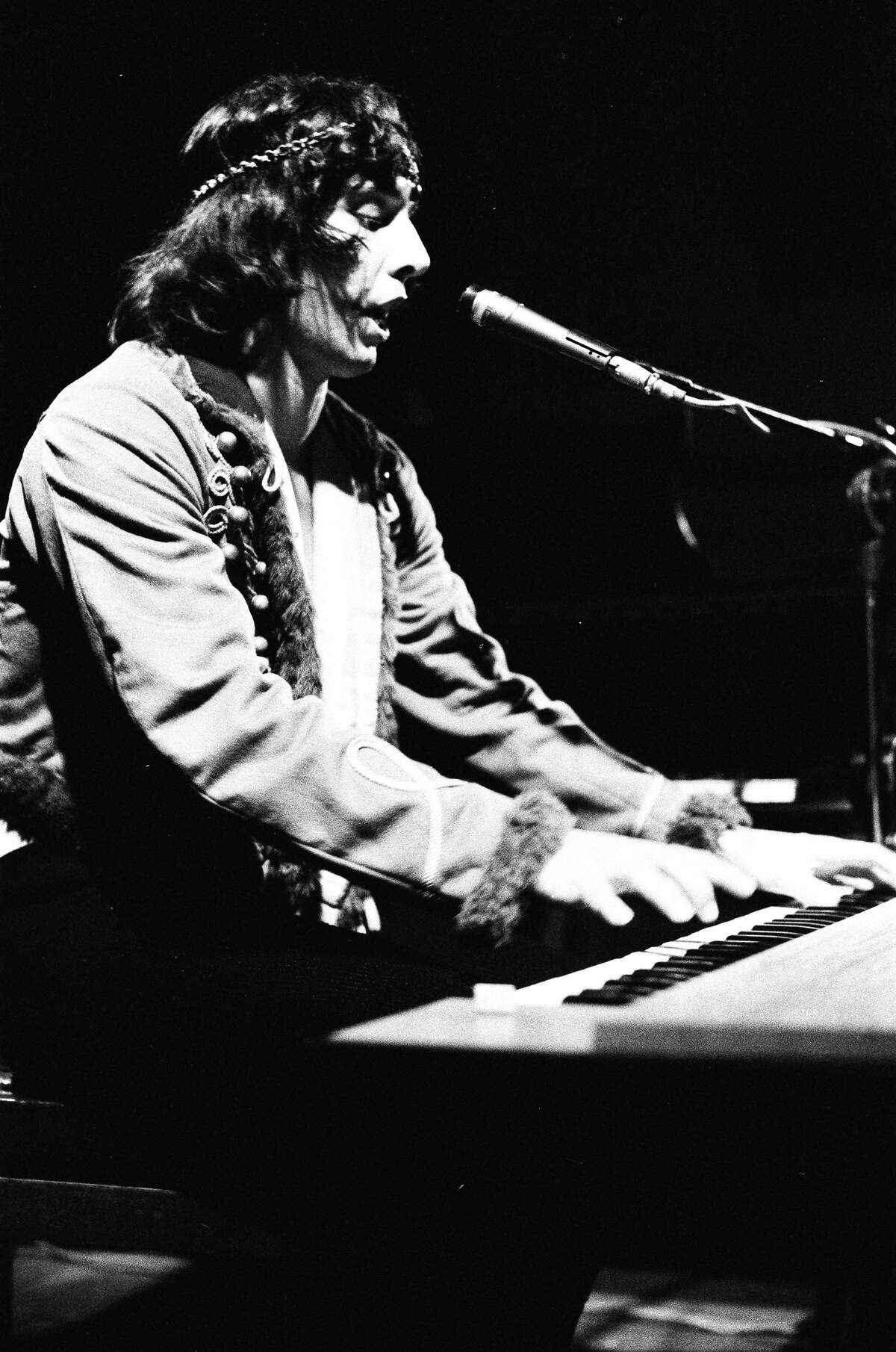
“I think freedom is best.”
More than 60 musicians have taken part in this tribute, some from generations after yours. What has it been like hearing their versions of your songs? Did any of them surprise you?
Arnaldo Baptista: It moves me deeply to hear different recordings: so many people of different ages, and to see the influence I’ve had and the source of the love they feel for me.
The tribute focuses on your solo records rather than Os Mutantes. Do you think those albums show a side of you that people sometimes miss when they only know you through the band?
I get the impression that they do. They see an eccentric side of me, and it’s linked to something beautiful, like tube amplifiers and PAs. It’s not just in the music, but also in my painting, something I’ve done since childhood. It’s a side of me I never revealed, and now it’s coming to the surface. I think that’s important. Even though Os Mutantes remain a subject of extensive research.
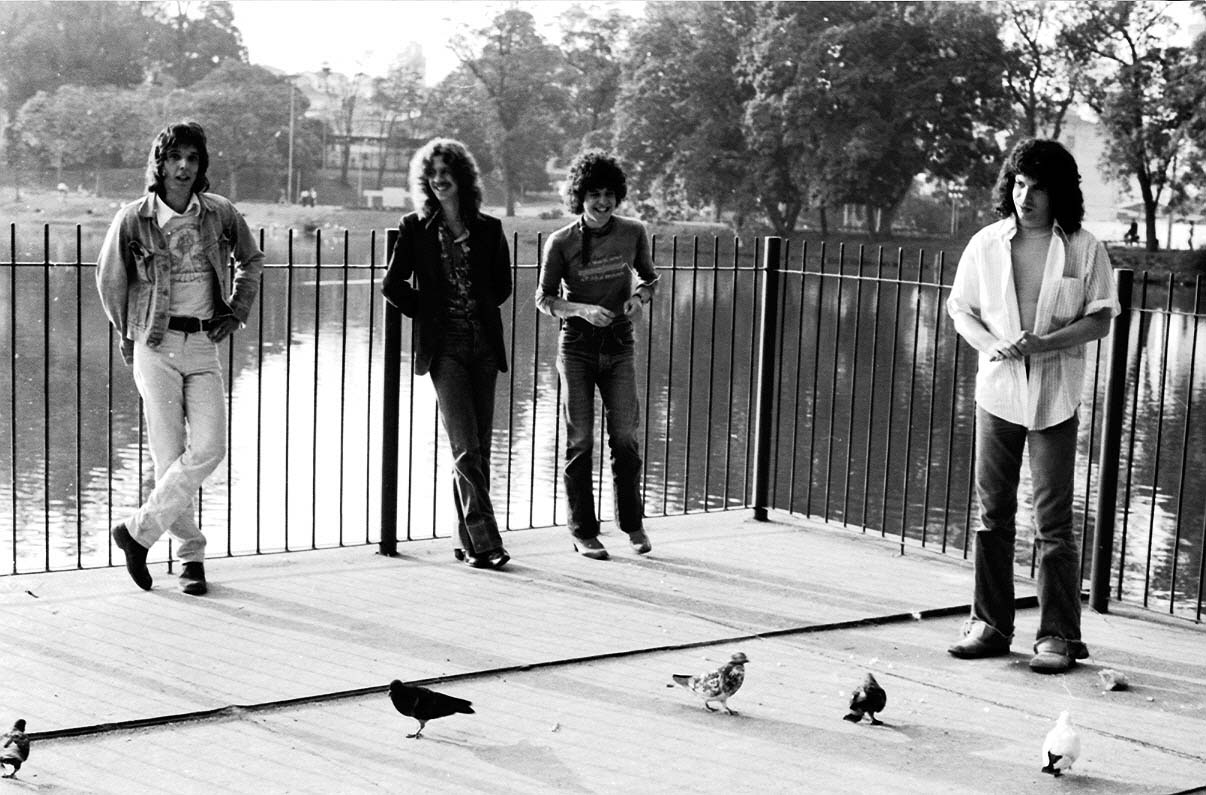
Zé Ramalho chose ‘Fique Aqui Comigo’. When someone covers one of your songs, do you like them to make it their own, or do you hope they’ll keep something of the feeling you had when you wrote it?
I think freedom is best. Without all those rules, you know! (laughs) Although some, like Zé Ramalho’s, showed that it is possible to retain a memory of what the songwriting process was like.
‘Lóki?’ came out in 1974. When you listen to it now, what strikes you first? Do you still recognise yourself in those songs?
I think the importance of Loki? lies in its boldness: in not having guitars, for instance, and in me playing the guitar and saying “É Fácil” [It’s Easy] (the song title).
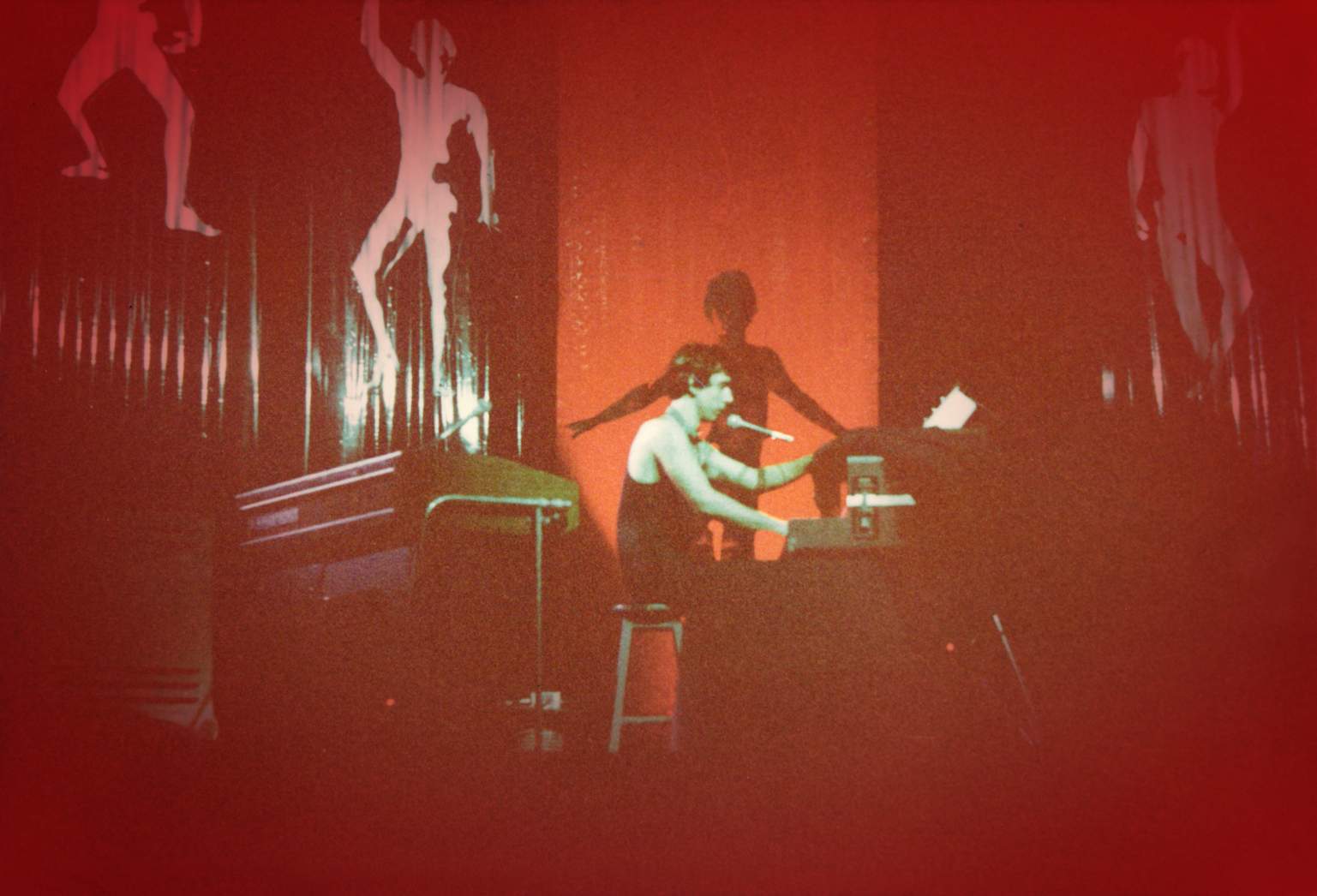
On ‘Singin’ Alone’ you played everything yourself. What could you do in the studio that you couldn’t do with Os Mutantes? Did you enjoy working alone, or could it feel lonely?
The feeling of seeing myself in the studio, face-to-face with amazing amplifiers and instruments…things I couldn’t do in Os Mutantes, like playing a Gibson bass or guitar—is what makes me so eager to create. And there is the distance from the usual structures of the taste of knowledge: it involves the time and space of a one-man band.
When I interviewed Sérgio in 2022, he said the three of you seemed to understand one another without even speaking. Is that how you remember those days?
Yes, that’s exactly how it was. Hence the magic of those times.
You’ve been painting since childhood, alongside making music. When an idea comes to you, do you know straight away whether it belongs in a song or a painting?
I think it works like this: I come up with an idea and immediately channel it into how it can be done.
After all these years, what still makes you want to create? Is there something you haven’t managed to say yet?
Production insensitivity. My creative dreams surround me with a studio full of equipment that equips the mind.
Is there anything else you’d like to add?
Loneliness is the Absolute, at times. With an image of the finished work, the image of the transmission that will provide an eternal and tender continuity.
Klemen Breznikar
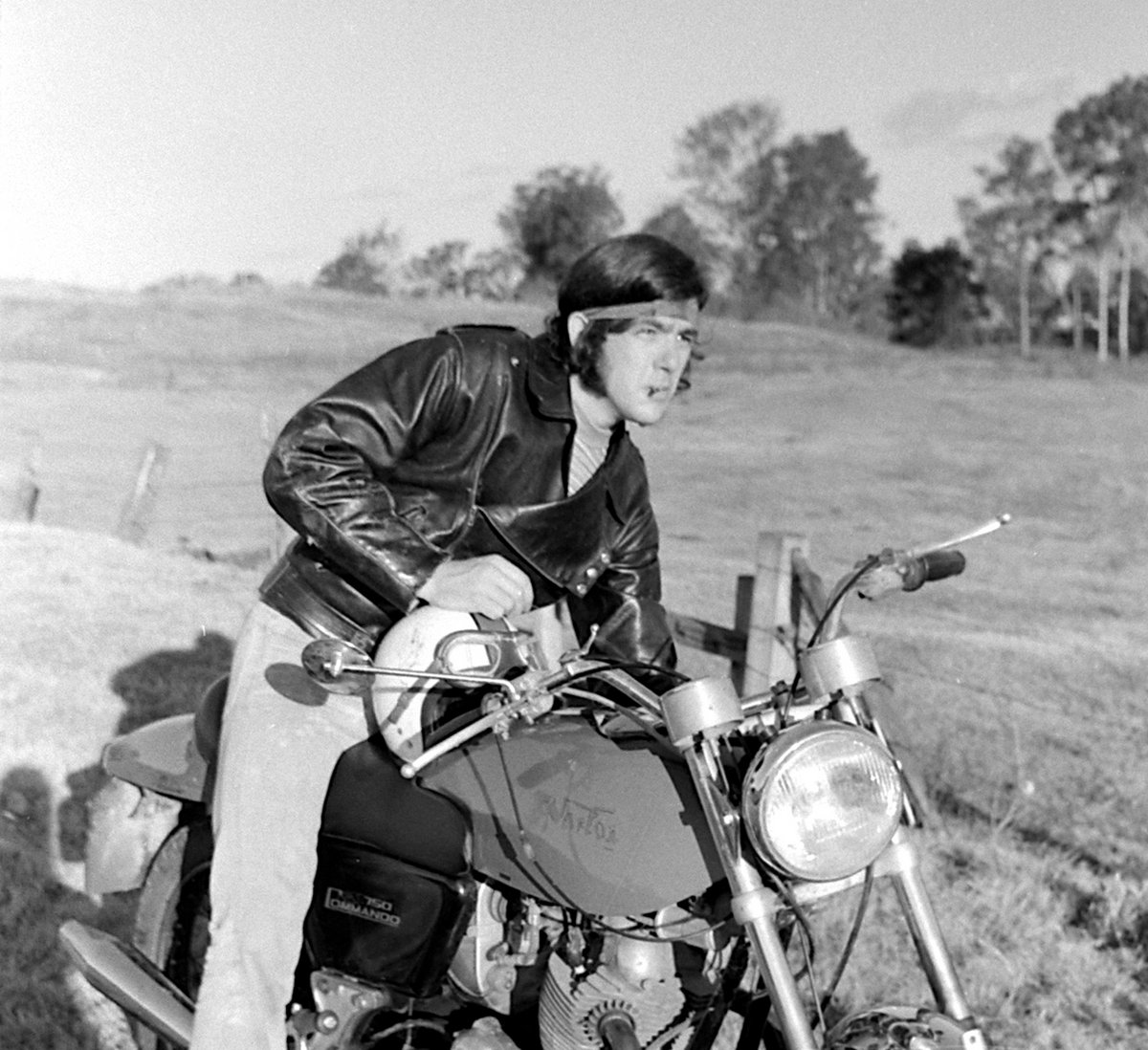
Headline credit: Arnaldo Dias Baptista in the 1970s. Photograph: Grace Lagôa.
Arnaldo Baptista Official Website / Instagram / Facebook / YouTube
Rod Krieger Instagram / YouTube / Bandcamp
Café8 Music Instagram
Tratore – Digital Distribution Official Website / Social Media
Previously at It’s Psychedelic Baby: Os Mutantes | Interview | Sérgio Dias (2022)