
Zac Interview | The Story Behind ‘The Image Maker,’ Previously Known as Shuttah
Recorded at IBC Studios in 1971 and left unheard by most of its musicians for more than half a century, ‘The Image Maker’ has circulated as the work of an unidentified group called Shuttah.
Will Hill, Brent Forbes and Mike McNeill now tell the story of the anti-war concept album, while Mike’s surviving acetate and archive establish its original track titles. The band was Zac.
In 2002, a mysterious British concept album called ‘The Image Maker Vol. 1 & 2’ was issued. It came from an IBC Studios acetate recorded in 1971, but there were no musicians’ names, writing credits or production details. The artist was identified only as Shuttah. For more than twenty years, collectors could hear the music while knowing almost nothing about the people who had made it.
The musicians who made ‘The Image Maker’ called themselves Zac.
Collector and researcher Miguel Rodriguez was the first person to bring the Zac connection to my attention. That led me to drummer Will Hill, whose account of his early career mentioned an unreleased album recorded by Zac at IBC. I sent him the record known as Shuttah, and his reply could not have been clearer:
“Shuttah ‘The Image Maker’ is the unreleased Zac album Chris Parren, Brent Forbes, Mike McNeill and myself made at IBC Studios, Portland Place, London, in 1971.”
Bassist Brent Forbes confirmed it too. Guitarist Mike McNeill also answered all questions by hand and sent material from his personal archive.
Mike’s booklet also clears up the track titles. The later release did not merely give the band the wrong name; it also circulated several wrong track titles. Mike’s booklet identifies the opening track not as ‘Image Maker’ but as ‘Balaklava’, followed by ‘Mathew B. Brady’ rather than ‘Bull Run’. ‘Christmas 1914’ was originally ‘Christmas’; ‘World War II’ was ‘Blitz’; and ‘She’s a Bad Girl’ was ‘Lizzie’. The correct forms are also ‘Ladysmith’ and ‘Cry My Little Darlin’.’ The original titles also make the album’s chronology much clearer, beginning with the Crimean War and moving through the American Civil War, the Boer War, two world wars, Korea and Vietnam.
The booklet also provides the fullest surviving set of credits. The core band was Robert “Bob” Spence on vocals, Mike McNeill on guitar and banjo, Chris Parren on keyboards and backing vocals, Brent Forbes on bass, and Will Hill on drums, percussion and backing vocals. Phil Leaford, the former drummer in Catch My Soul, produced the project rather than playing on it and, according to Mike, originated its concept. Terry Flannery contributed trombone, and Mike remembers two female session singers. The booklet credits the musicians collectively for their creative contributions, with Dave “Cambridge” named for ‘Guernica’ and dancer Kookie Edwards for ‘Lizzie’.
There are now accounts from three members of Zac, although their memories differ on some details. Mike remembers Zac playing clubs and pubs outside Catch My Soul, while Will remembers rehearsing for concerts that never happened; Brent specifically remembers that the complete ‘Image Maker’ material was never performed live. Mike recalls around a month of rehearsal, while Will remembers at least three months. Brent remembers the IBC session as 24-track, although surviving documentation from the studio points towards 16-track equipment in 1971. After fifty-five years, some differences in memory are inevitable, so I have left them as they are.
On one point, however, all three agree: the band was called Zac. Mike states twice that Zac was the only name the musicians used. Will also remembers only Zac, while Brent believes Shuttah was attached later by the company that found the acetate. “Shuttah” may have been an attempt to evoke a camera shutter, or a confusion with the Biblical word “shittah,” but none of the three identifies it as the band’s working name in 1971.
The album was never released at the time, apparently because the studio bill had not been paid. Decades later it resurfaced without the musicians’ names. Will Hill, Brent Forbes and Mike McNeill can now tell us how it was made and who made it.
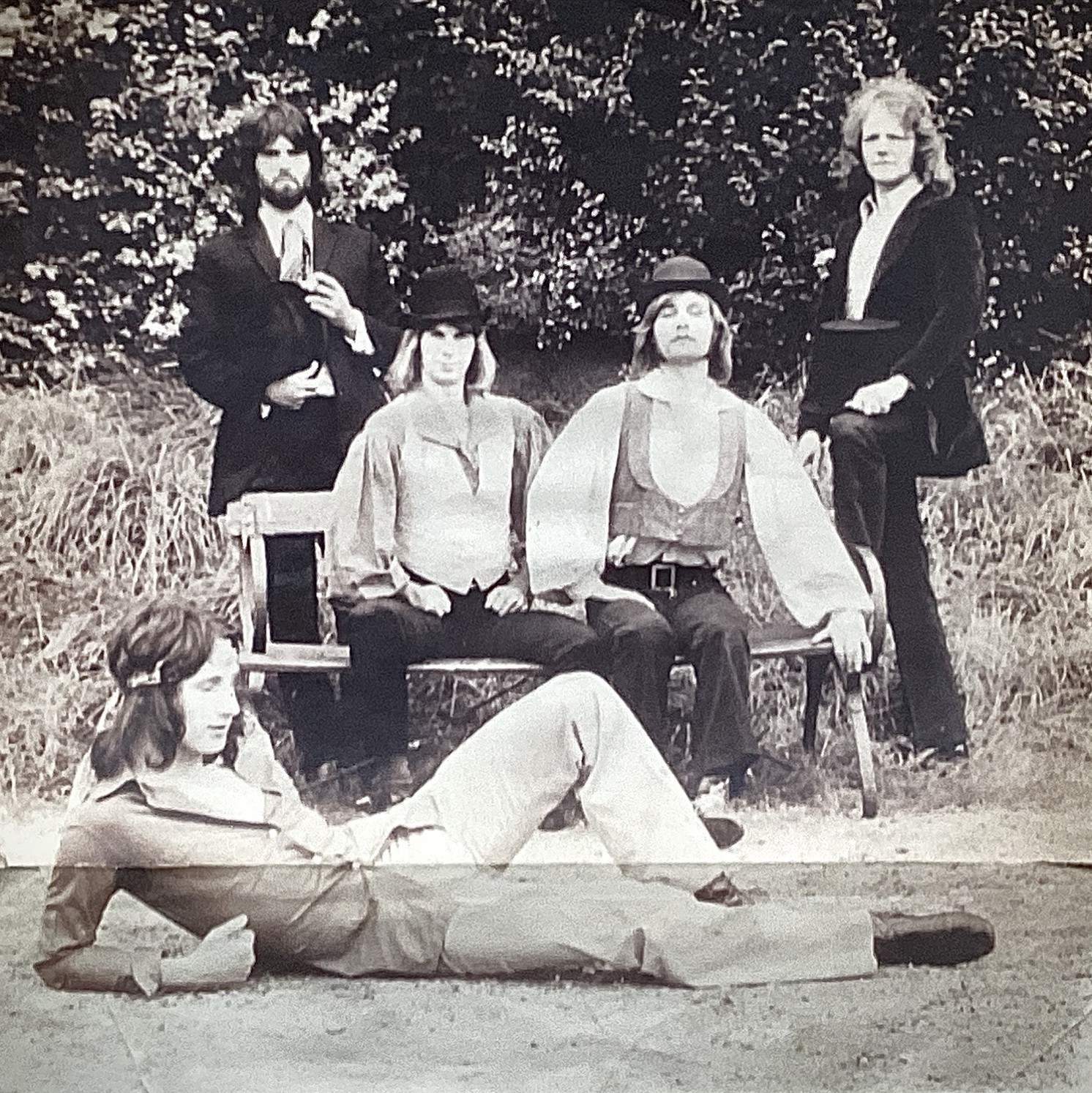
“I am proud of Zac” | Will Hill, Brent Forbes and Mike McNeill on ‘The Image Maker’
Where and when did you grow up? Was music an important part of your family life? When did you begin playing your instrument, and who first made a strong impression on you?
Mike McNeill: I grew up in York, Yorkshire. I was born on 11 September 1944. My family enjoyed music, but I was the only one who played any instruments.
I liked various guitarists, including Duane Eddy, Hank Marvin of The Shadows, Barney Kessel, Charlie Byrd, Wes Montgomery and Chet Atkins.
Will Hill: I grew up in North London. From a young age, I watched my mother play piano. When I was nine, I saw a live band playing at a private party and sat next to the drummer. That was when I decided the drums were for me.
The drummers who made a strong impression on me were Buddy Rich and Louis Bellson. I also listened to big-band jazz, The Shadows, Motown and Jimi Hendrix. I turned professional when I was 21.
Brent Forbes: I grew up around Manchester and played in a covers band from 1966 to 1969. I switched from guitar to bass in March 1967 and turned professional in February 1968.
I did not have any particular bass influences, but The Beatles were a musical influence on everyone.
What were the first groups you played with? When did music become professional work for you, and how did you find your way into the London music scene?
Mike McNeill: I played with The Stalkers and The Escorts, with Steve Cassidy, and later with Sylvia McNeill. I played professionally from the 1960s, appearing at US bases in France and later in Germany, Turkey and Greece.
I returned to London in 1968 and played with Sylvia and the group in pubs and clubs around the south. We met Leapy Lee on a Scottish television show. His band had broken down, so he asked us to back him. After that, he asked me to go on the road with him.
Sylvia pursued a solo recording career after initially playing bass guitar in the trio. I went on a South African tour with Leapy Lee—of “Little Arrows” fame—as part of a Sandie Shaw tour. I also continued playing in London pubs and clubs, as well as doing session work and teaching guitar in schools and privately.
Will Hill: I began working in pubs and clubs at sixteen with the Adam Combo, led by Hammond organist Alan Daniels. We played mainly pop covers and jazz classics such as Dave Brubeck’s “Take Five.” There was a thriving music scene in London during the 1960s, including club work in the West End.
My first job with the Adam Combo was a jingle in Denmark Street. We recorded a 30-second jazz version of the ‘William Tell Overture’ to film, so it had to be carefully timed and very accurate. After doing a few gigs with the band, we recorded a single written by Alan. Unfortunately, it was not released. Those early sessions gave me a very good idea of how to approach the later recordings at IBC.
Brent Forbes: I left the covers band in September 1968 and joined a house band on an American base in Crete for six months. I returned to Britain and moved to London at the guitarist’s invitation.
I was lucky enough to join One. We played a few gigs, including the Marquee, and did a small number in Germany. One recorded an album at Trident Studios. I think The Beatles used the studio by day, while we worked during the evenings and on all-night sessions.
Alan Marshall was in the band. He had been discovered by Otis Redding and taken to America to record, but Otis died and, as I understood it, the tracks disappeared. The drummer was Conrad Isidore, who later played on Stephen Stills’ first solo album, which also featured Jimi Hendrix and included ‘Love the One You’re With’. Alan and Conrad had a great influence on me as a 20- or 21-year-old bassist, through their soul and musical presence.
How did you become involved in Jack Good’s production of ‘Catch My Soul’? Did you audition for the show, or were you recommended? What do you remember about the first rehearsals and the move from the Roundhouse to the Prince of Wales Theatre?
Mike McNeill: I auditioned with Chris Slade, the former Tom Jones and The Squires drummer, and bassist Colin Pattenden. They did not get the Catch My Soul job, as Brent Forbes and Phil Leaford had already been chosen. Colin and Chris went on to join Manfred Mann’s group for a world tour.
We rehearsed at the Roundhouse. It was a rock version of Shakespeare’s Othello, but set among a group of hippies in an old Mexican church. The band had to dress like bishops.
Will Hill: Brent came to work with the Adam Combo in an East End pub for a short time and then left the band. He eventually moved on to Catch My Soul.
Later, Brent brought Phil Leaford to the pub to watch me play, and I got the green light. I then went to see the show and hear its band for the first time. Before that, Brent was the only one of them I knew.
Brent Forbes: I met Chris Parren in J. J. Jackson’s big soul band, where I also met Phil Leaford. Chris, Phil and I auditioned for Catch My Soul. Mike McNeill came into the picture there, and his wife Sylvia became involved later.
A surviving programme from March 1971 calls the house band Skin and Bones and lists you on guitar, Brent Forbes on bass, Chris Parren on organ and Phil Leaford on drums, together with a large brass section. Is that an accurate picture of the band? Had Skin and Bones replaced Gass when the production moved into the West End?
Mike McNeill: Yes. We were renamed Skin and Bones. The band was as you have described it, and we initially rehearsed at the Roundhouse.
Brent Forbes: Skin and Bones was a name given to the band by Jack Good’s company. We did not use it anywhere else.
What was it like playing ‘Catch My Soul’ every night? Did working inside its mixture of rock, soul, theatre and large-scale arrangements change the way you thought about writing or arranging music?
Mike McNeill: You get used to playing two shows a day. The arrangements were quite musical and appropriate to the concept of the show.
The title came from a line in Shakespeare’s Othello: “Perdition catch my soul, but I do love thee”—the passage concerning Desdemona.
Will remembers Zac being formed from the rhythm section of ‘Catch My Soul’. Can you explain exactly how the group began? Was it formed while the show was still running or after it closed, and when did Will become involved?
Mike McNeill: We were still playing in the Prince of Wales show when we started rehearsing and discussing the Zac Image Maker project. Phil Leaford and a colleague were in charge of the planning and production. Will Hill was the Zac drummer.
Will Hill: Brent told me about Catch My Soul, said its drummer was leaving, and asked whether I would be interested in joining the band to make a forthcoming album. At that point, I did not know anything about the material.
The band was formed from the rhythm section of Jack Good’s Catch My Soul. Phil Leaford wanted to produce the album but did not want to play on the tracks, so Brent contacted me to play drums and percussion, sing backing vocals and contribute to the writing.
Brent Forbes: Phil was about to leave Catch My Soul, and I suggested Will because I had worked with him at an East End pub after One. Before Will could take over in the show, however, the production closed.
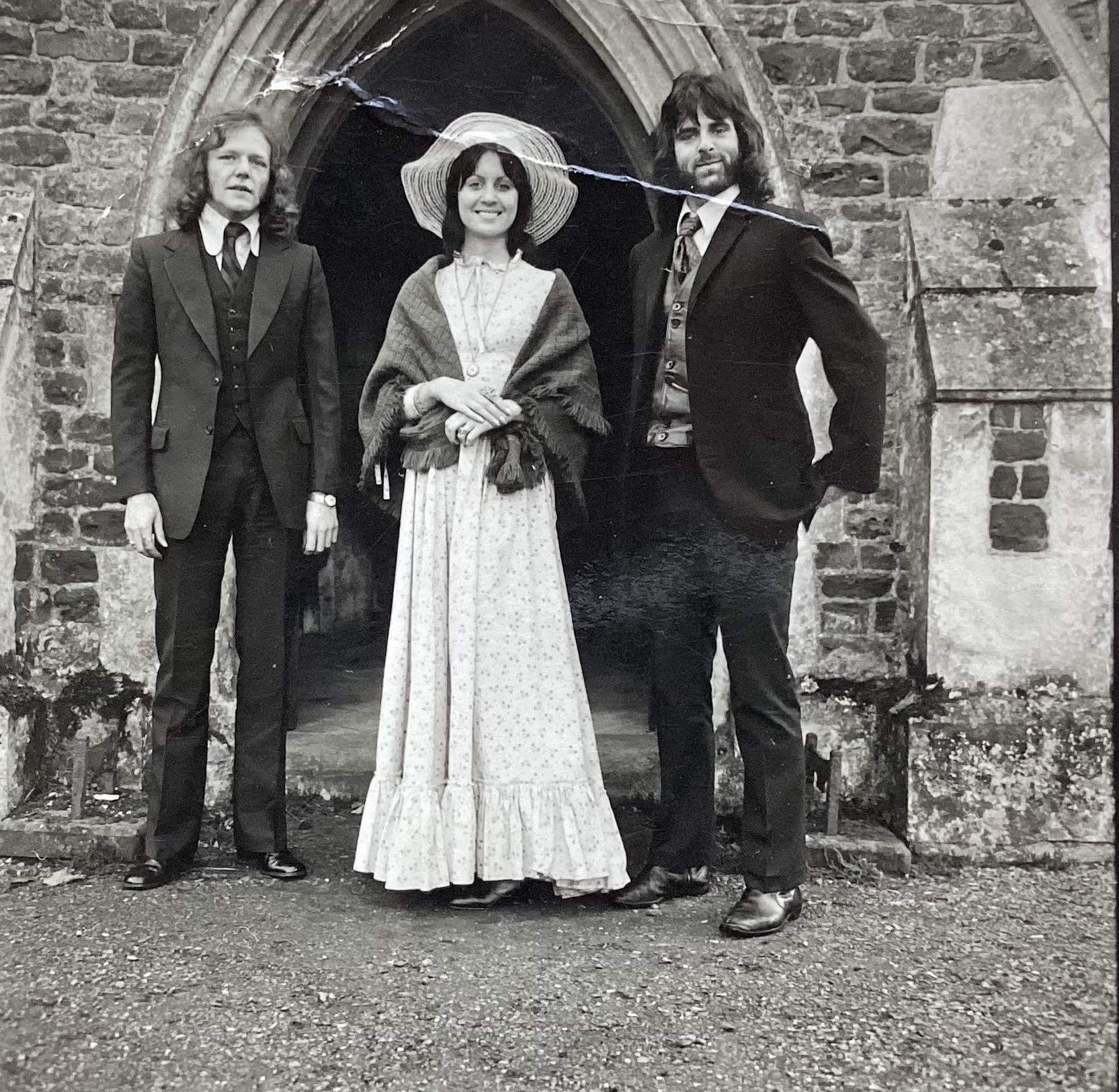
There is conflicting published information about the date of Zac. One account places Brent in a short-lived Zac before he joined One, several years earlier. Was there an earlier version of the group?
Mike McNeill: No. There was no earlier Zac. The project was done mainly in 1971, and Zac was the only name we used.
Who were the original members of Zac, and what did each person contribute? Was Phil initially expected to be both drummer and producer?
Mike McNeill: The original lineup was Chris Parren on keyboards, Bob Spence on vocals, me on guitar and banjo, Will Hill on drums and Brent Forbes on bass.
Will joined when rehearsals began. Phil Leaford wanted to concentrate on producing the album rather than playing drums. Bob Spence was the lead singer, although Will sang lead on some tracks, and we all contributed backing vocals when required.
Will Hill: I was invited to join as a full member. I contributed writing, rhythmic ideas, backing vocals, drums and percussion.
It struck me at the first rehearsal that they were all very good musicians. The songs and arrangements were still being developed.
Where did the name Zac come from? Did it have a particular meaning, and was Zac always the name used by the musicians, management and studio?
Mike McNeill: Zac was the only name we used. In my own Zac CD booklet, I said that Zac could be an acronym for “Zeal and Courage,” which is what many soldiers have shown in such conflicts.
Will Hill: I do not remember the names Shuttah or Shuttar. I remember only Zac and the album title The Image Maker.
Brent Forbes: Shuttah was a name given by the company that found the acetate. Perhaps “shutter” would have been more appropriate.
Where did you rehearse, how long did you work on the material, and how did the writing develop? Were any demos or home recordings made?
Mike McNeill: We rehearsed in a studio or rehearsal room in Victoria, London, for a month or so. The compositions were written by members of the band, with two or three exceptions. Phil Leaford wrote some of them, although I do not know which, and I contributed in part to some of the compositions.
I think there were some lyrics without tunes at one point, but we soon rectified that. ‘Guernica’ was mainly composed by a friend and fellow musician of Phil’s called Dave. He was from Camberley, so we used the town’s name as a surname: Dave “Cambridge.”
‘Lizzie’ was composed entirely by a dancer named Kookie Edwards.
Will Hill: My memory of who wrote which songs is vague, but I remember that we did not have a piece for ‘Imjin’, so Brent and I were given the task of writing one. I went home and wrote something on my mother’s piano, with Brent’s help.
The complete piece was then put together at rehearsals with a 12/8 instrumental section. I had the idea of playing a rudimental double paradiddle around the kit, which worked very well with the rhythm section. I double-tracked the lead vocal in the studio.
For ‘Lizzie’, Phil suggested a James Brown-type rhythm. I listened to James Brown tracks featuring Clyde Stubblefield on drums and adapted that style. That is why ‘Lizzie’ sounds so funky, together with the rhythm guitar and bass line. My vocal harmonies were added in the studio, and Bob Spence sang the lead vocal.
Brent Forbes: The parts were roughed out during rehearsals, but we remained flexible when recording.
Did Zac play live outside ‘Catch My Soul’? If so, what sort of material did you perform? Was the complete ‘Image Maker’ ever presented onstage?
Mike McNeill: Zac did play gigs outside Catch My Soul, in various clubs and pubs. We played a variety of material and occasionally included a Zac tune.
We also performed with Sylvia McNeill and undertook a short tour of Germany in January 1972. We later recorded the collection Sylvia Turns Into Zac, which included some self-penned compositions.
The original plan was to perform the complete album onstage, perhaps with a backdrop showing images of different wars and conflicts, together with appropriate sound effects. However, that never actually happened.
Will Hill: The group rehearsed for at least three months while recording and preparing for live concerts, but we never performed any gigs.
Brent Forbes: Zac never performed The Image Maker material live. We did make an album with Sylvia McNeill, although I did not hear that recording until around two years ago.
How did the opportunity to record at IBC Studios arise? Who financed the project, and did Zac have a recording agreement?
Mike McNeill: The Zac project was initially financed by a group of financial backers, but I later understood that the arrangement had not been completed. IBC was apparently still owed money at the end.
There was no formal recording agreement with the members of the band, as far as I am aware.
Will Hill: The production company arranged the studio time. I do not know who financed the project, and I do not remember a record company or publisher being involved. The group believed a release would be arranged once the record had been placed with a record company.
Brent Forbes: The reason it was never released was that the production company did not pay the bill at IBC.
Do you remember the exact dates of the sessions, which room was used or who engineered them? What was your first impression of IBC?
Mike McNeill: The recording was done in 1971.
Will Hill: My first thought was that IBC looked like a very professional studio. The sessions took place around the summer of 1971, but I am unsure how many days we were there. The control room used custom mixing consoles engineered and built in-house by the studio staff.
I remember a Mellotron, with its string sounds, standing in the corner of the main studio. We did not use it, but it looked very impressive.
I used my own equipment: a classic 1966 pearl-finish Ludwig drum kit, Paiste cymbals, an Acrolite snare drum and various hand percussion, including a vibraslap on “Lizzie.” Phil paid a great deal of attention to getting a good drum sound.
Why did Phil Leaford decide to produce the album rather than play drums? Did he remain the producer throughout, and how much control did he have over the arrangements?
Mike McNeill: Phil wanted to concentrate on producing the album.
Will Hill: As far as I know, Phil wanted to concentrate on the production side. My relationship with him was that he occasionally discussed drumming ideas with me in his role as producer.
Phil had a firm idea of how the album should sound, although more often than not the arrangements were worked out collectively by the musicians as we played and rehearsed.
Brent Forbes: Phil and two other people assumed the role of a production company. We rehearsed in a basement in Victoria and put the ideas together there. I think the lyrics and storyline can largely be credited to the production team.
Can you give us the complete personnel for the recording? Were any musicians from the wider ‘Catch My Soul’ band involved?
Mike McNeill: The musicians were Chris Parren, Brent Forbes, Will Hill, Bob Spence and me. The only other musicians on the album were Terry Flannery on trombone and a couple of female session singers. The lead singer was Robert “Bob” Spence, who I believe came from Manchester.
No other members of the Catch My Soul band took part. All the other sounds on the album came from Chris, Brent, Will, Bob and me. Will sang lead on some tracks, and we all contributed various backing vocals when required.
Will Hill: Bob Spence sang vocals and Terry Flannery played trombone. No extra musicians were brought in from Catch My Soul. Terry took care of the brass, and Phil Leaford created the sound effects.
Brent Forbes: We originally had a singer and trombonist from the East End pub with us. The management must have decided against using his voice, because they auditioned and found Bob Spence. We have not heard from or seen Bob since. He may not know that the album still exists, if he is still alive.
We are all still in touch, although Mike fell off the radar for around fifty years after moving away.
What did the “image maker” mean to you? And did you ever use the names Shuttah or Shuttar at the time?
Mike McNeill: The “image maker” could be described as two things. Firstly, it could be the camera, which takes pictures or images. Secondly, it could be the camera operator. Mathew B. Brady became one of the defining photographic chroniclers of conflict during the American Civil War, at a time when photography was still a relatively new medium.
The word “Shuttah” could be a slang term for a camera, perhaps because cameras have shutters that allow light and the image to enter. A similar word, “shittah,” refers to a tree found in the Holy Land.
Will Hill: At the time, I understood the image maker as a war photographer taking a snapshot of each war as it occurred throughout history.
I did not see the image that later appeared with the music until it was on YouTube, so I know nothing about that visual side of it.
Brent Forbes: The album was named The Image Maker after an early war correspondent with a camera. The idea was connected to its anti-war concept.
Who first developed the concept? Was it planned from the beginning as a complete story, and who wrote the lyrics?
Mike McNeill: As far as I know, the original idea and concept belonged to Phil Leaford.
Will Hill: I do not know who first proposed it, but it was already intended as a continuous concept album when I joined.
Brent Forbes: It was an anti-war concept. I think the lyrics and storyline came principally from Phil and the production team, although the music was developed by the group.
What were you trying to say about war with the album? Were things like propaganda, religion and politics part of the idea?
Mike McNeill: There was a historical path in the way the tracks were arranged. It did seem to reflect propaganda, religion, politics and other aspects of conflict.
Mike’s booklet establishes that the first half runs ‘Balaklava,’ ‘Mathew B. Brady,’ ‘Cry My Little Darlin’,’ ‘Ladysmith,’ ‘The Village Green,’ ‘The Crimp,’ ‘Christmas’ and ‘The Fens.’ What do you remember about those pieces?
Mike McNeill: ‘Balaklava’ portrays horses galloping into battle and the terrible fate of the Charge of the Light Brigade during the Crimean War.
The next track, ‘Mathew B. Brady’, concerns the American Civil War photographer travelling with his equipment and recording the conflict. ‘Bull Run’, the title that appeared on the later release, is not the correct original title for track two.
‘Cry My Little Darlin’ is the correct title for the third piece. It concerns the misery and grief of families who may have lost loved ones in conflict.
‘Ladysmith’—written as one word—concerns the siege during the Boer War in South Africa.
‘The Village Green’ depicts a military band drumming up recruits to go and fight in the First World War. ‘The Crimp’ concerns men being pressed into military service. ‘Christmas’ evokes the famous trench truce during the First World War.
‘The Fens’ is an audio and musical reflection on the countryside in the east of England, and on the rural landscape between the two world wars.
Will Hill: I remember the piece that was later called ‘Bull Run’, but which Mike’s booklet identifies as ‘Mathew B. Brady’. At the beginning, Phil and the engineer used an ascending pitch-change effect on my floor tom-tom, which was very unusual for the time.
I sang the ethereal harmonies on ‘Christmas’.
The second half is ‘Guernica,’ ‘Blitz,’ ‘Concrete,’ ‘Imjin,’ ‘Lizzie,’ ‘Wizard,’ ‘Tell Me Why’ and ‘Conclusion.’ How did those pieces fit together, and what did you want the ending to leave the listener with?
Mike McNeill: ‘Guernica’ begins with a Spanish atmosphere that is suddenly blotted out by German and Italian aircraft bombing the town during the Spanish Civil War in 1937.
‘Blitz’—not ‘World War II’, as it was later listed—uses explosions, aircraft and the bombing of London to convey death and destruction. My booklet notes that the voice of 1940s radio comedian Robb Wilton can also be heard.
‘Concrete’ combines the rubble left by destruction with the need to rebuild and replace what has been lost.
‘Imjin’ concerns the Korean War and contains some relevant Asian musical influences.
‘Lizzie’—not ‘She’s a Bad Girl’—depicts a GI in a Vietnamese jungle tuning a transistor radio.
‘Wizard’ concerns aerial bombardment and napalm during the Vietnam War. ‘Tell Me Why’ uses its lyrics to question the rationale and futility of war in many different ways.
‘Conclusion’ is the album’s epitaph: a funeral or requiem, followed by the image maker’s cart moving away and a lonely wind fading into the distance. It leaves us with the tragedy, grief and futility of war rather than any simple resolution.
Will Hill: I have already mentioned my work on ‘Imjin’ and ‘Lizzie’. Some things took time to record, but I do not remember anything more specific.
The recording moves between hard rock, soul, jazz, folk, musical theatre and experimental passages. How deliberate was that variety, and what instruments and effects did you use? Were the basic tracks recorded live?
Mike McNeill: The musical variety may reflect the different tastes of the people involved. We used those influences to portray issues and incidents from conflicts around the world and from many different periods.
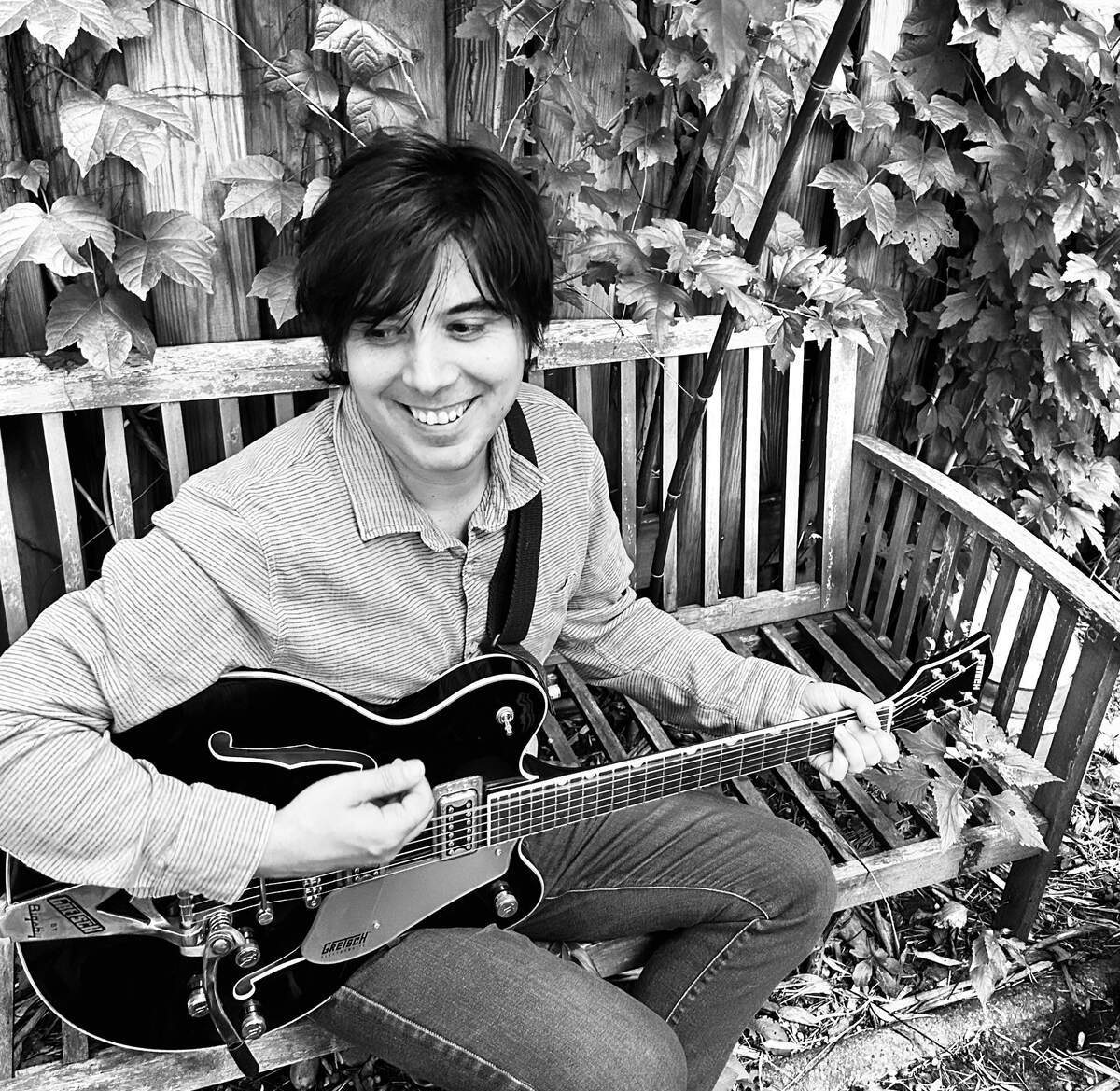
I used a Gretsch Anniversary guitar with two pickups, a Spanish nylon-string guitar, a banjo and a 30-watt Linear amplifier. The keyboards included a Clavinet, a Moog and a Leslie cabinet.
I do not know how many overdubs were made.
Will Hill: All the basic tracks were recorded live as a band. The lead vocals, percussion and backing vocals were overdubbed.
For the sudden changes of mood, tempo and style, I think the band relied mainly on memory, visual signals and repeated rehearsal.
Brent Forbes: We played live, with occasional overdubs for effects and the odd solo. It was not pieced together. I used a 1961 Fender Precision Bass and a Marshall stack. The parts had been roughed out in rehearsal, but we remained flexible in the studio.
Was the album always intended to fill four sides of vinyl? Did the band approve the final mix and running order, and how many acetate sets were made?
Mike McNeill: I had an acetate of the album. I do not have any further information about the intended format or the number of acetate sets.
Will Hill: I did not approve the final mix, and I never saw the vinyl. No explanation was given. Phil Leaford and his partner disappeared, and Zac came to an end.
Brent Forbes: We never heard the finished album at the time. Apparently there were two acetate sets. Mike had one all along, without the rest of us knowing, but he had moved away and we had lost touch.
Why was the album never released? Did the financial support disappear, or did the band break up before a deal could be completed? Were there disagreements over the concept, publishing or the future of Zac?
Mike McNeill: The financial backing may have been withdrawn. The band then went on to do other things—playing gigs and recording with other people.
There was no conflict about the concept, publishing or the band’s future direction.
Will Hill: No explanation was given to us. The whole band were very disappointed when the Zac album came to nothing and all our hard creative work was lost.
Brent Forbes: The production company had not paid the IBC bill.
What happened to the members after Zac? Chris Parren, Brent Forbes and Will Hill later worked together with Doris Troy and The Gospel Truth. Did you continue working with Sylvia McNeill and use the Zac name for later touring or recording?
Mike McNeill: The band went on to play for Doris Troy and The Gospel Truth. There was also Sylvia McNeill and the recording Sylvia Turns Into Zac, as well as further gigs.
I continued playing in a trio in pubs and clubs in and around London and Berkshire, as well as performing duo gigs.
Will Hill: I do not remember how we got the gig with Doris Troy. Chris, Brent and I had formed a good musical relationship and became a very tight rhythm section.
Brent Forbes: Chris, Will and I continued to cross paths over the years in all sorts of situations.
Will and I worked on the original Rocky Horror Show from approximately 1975 to 1980, with Chris occasionally deputising. Chris and I also made the funk album Alpha Waves with Locust and worked on three Jim Capaldi albums during the late seventies.
I played in Les Misérables from 1985 until 1992, where Will occasionally deputised. He was always a good reader, whereas I did not become one until the late seventies, when I began doing more session work.
The list of people we have played with is long. I consider myself to have had a charmed life and to have been lucky all along. To be still playing and loving it is a blessing.
Archive photograph: Mike McNeill’s later ‘Sylvia Tunes Into Zac’ artwork; the accompanying disc reads ‘Sylvia Turns Into Zac.’ Courtesy of Mike McNeill.
When did you first learn that the acetate had survived and had been released under the name Shuttah? How did you recognise it, and what did it feel like to hear the recording again?
Mike McNeill: I had an acetate of the album, which I later had transferred onto gold CDs at a studio in Leeds, together with a booklet and photographs.
We discovered “Shuttah” online after my son spotted the track titles.
Will Hill: Mike contacted me around a year ago to tell me that the Zac album had been uploaded to YouTube under the name Shuttah. He had produced a CD and sleeve containing information about the band.
Brent Forbes: The most interesting thing is that we did not hear the finished album until 2023, when we found it on YouTube. What a surprise—to discover that someone had acquired an acetate and had apparently been selling it since around 2001.
What do you know about the surviving acetate?
Mike McNeill: I heard that a German company called Shadoks had acquired the acetate from IBC, who said that they did not know who the band was.
The acetates were sold, I assume, together with some master tapes, allowing Shadoks to produce CDs and twelve-inch vinyl editions.
Brent Forbes: What a surprise it was to discover that someone had acquired an acetate and had apparently been selling it for years. Shuttah was a name given by the company that found it, not the name we used.
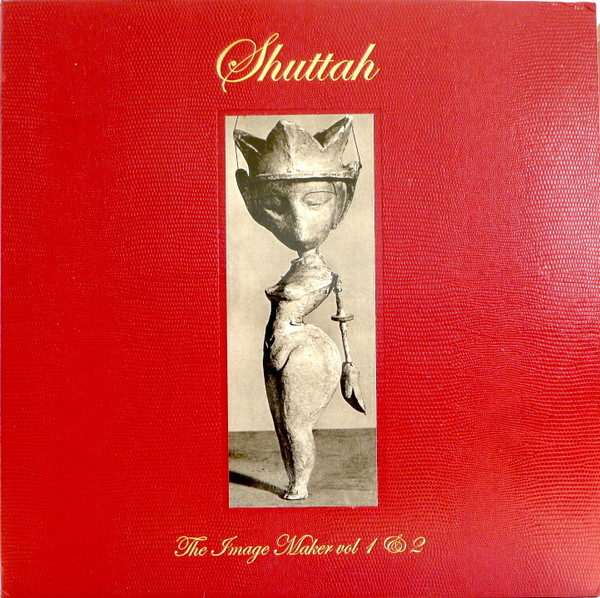
You prepared a CD and booklet containing information about Zac. What sources did you use to reconstruct the story, and what original material still survives?
Mike McNeill: I had only an acetate and my personal knowledge of the other band members. I also had all the lyrics and remembered many details from the various sessions. This enabled me to reproduce the material and have the booklet printed with appropriate pictures.
Will Hill: Mike’s sleeve contained information and photographs of the band. Until he contacted me, I did not know that the album had surfaced online under another name.
After hearing the album again, how do you feel about it today? What do you think people have got wrong about it over the years, and what would you like them to know about Zac?
Mike McNeill: The quality of my CD recordings taken from the acetate may not be the best in the world. The Shadoks recording is of better quality.
The album has received some good reviews online, and it remains a very enjoyable musical experience to hear. However, its main subject matter—war and human conflict—is not something to celebrate, other than the bravery and courage shown by the unfortunate people involved.
Will Hill: Working with the excellent musicians in Zac was a valuable experience. It gave me an insight into the highs and lows of being a professional musician.
The whole band were very disappointed when the Zac album came to nothing and all our hard creative work was lost.
Brent Forbes: It is good to know that what we did might finally be appreciated. I am proud of Zac, and I think our playing stands the test of time.
Klemen Breznikar
Special thanks to Miguel Rodriguez, whose research first brought the Zac connection to my attention, and to Will Hill, Brent Forbes and Mike McNeill for sharing their memories. Unless otherwise credited, archival photographs and booklet material are courtesy of Mike McNeill.
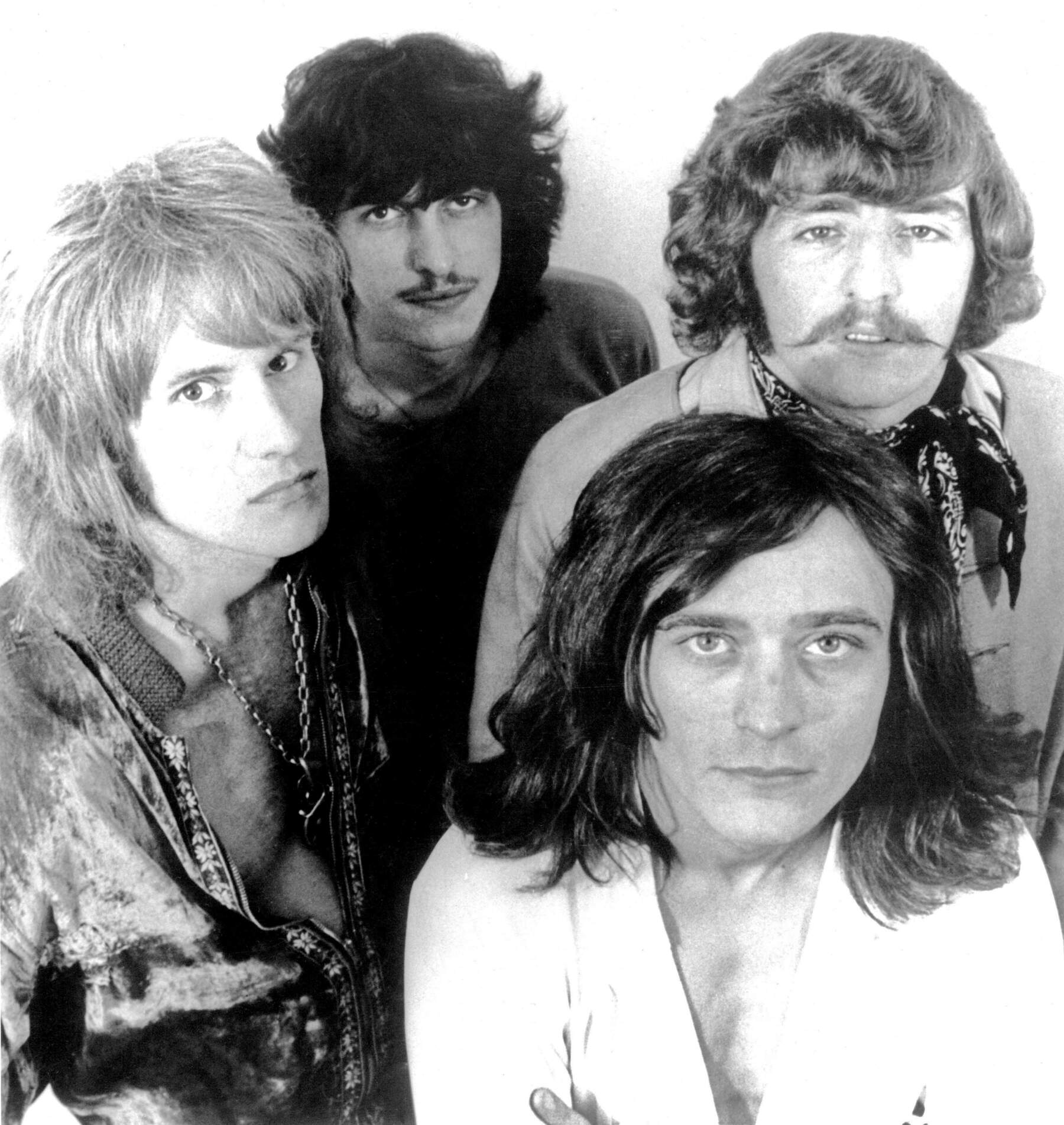
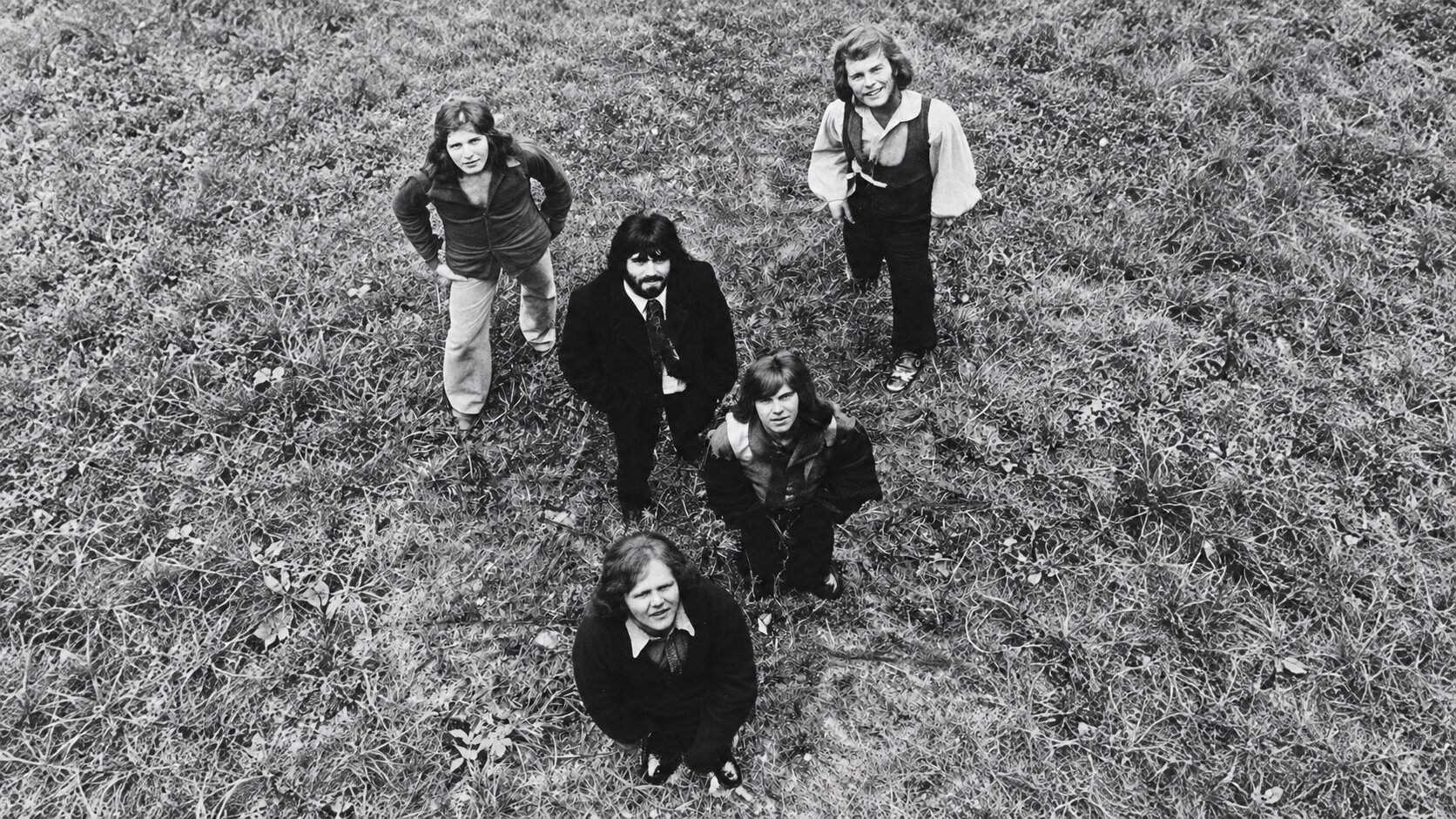
Headline photo: Zac in 1971. Back row, left to right: Bob Spence, Mike McNeill and Chris Parren. Front row: Brent Forbes and Will Hill. The original photograph was in poor condition and has been digitally restored and enhanced for clarity. Photograph courtesy of Mike McNeill.