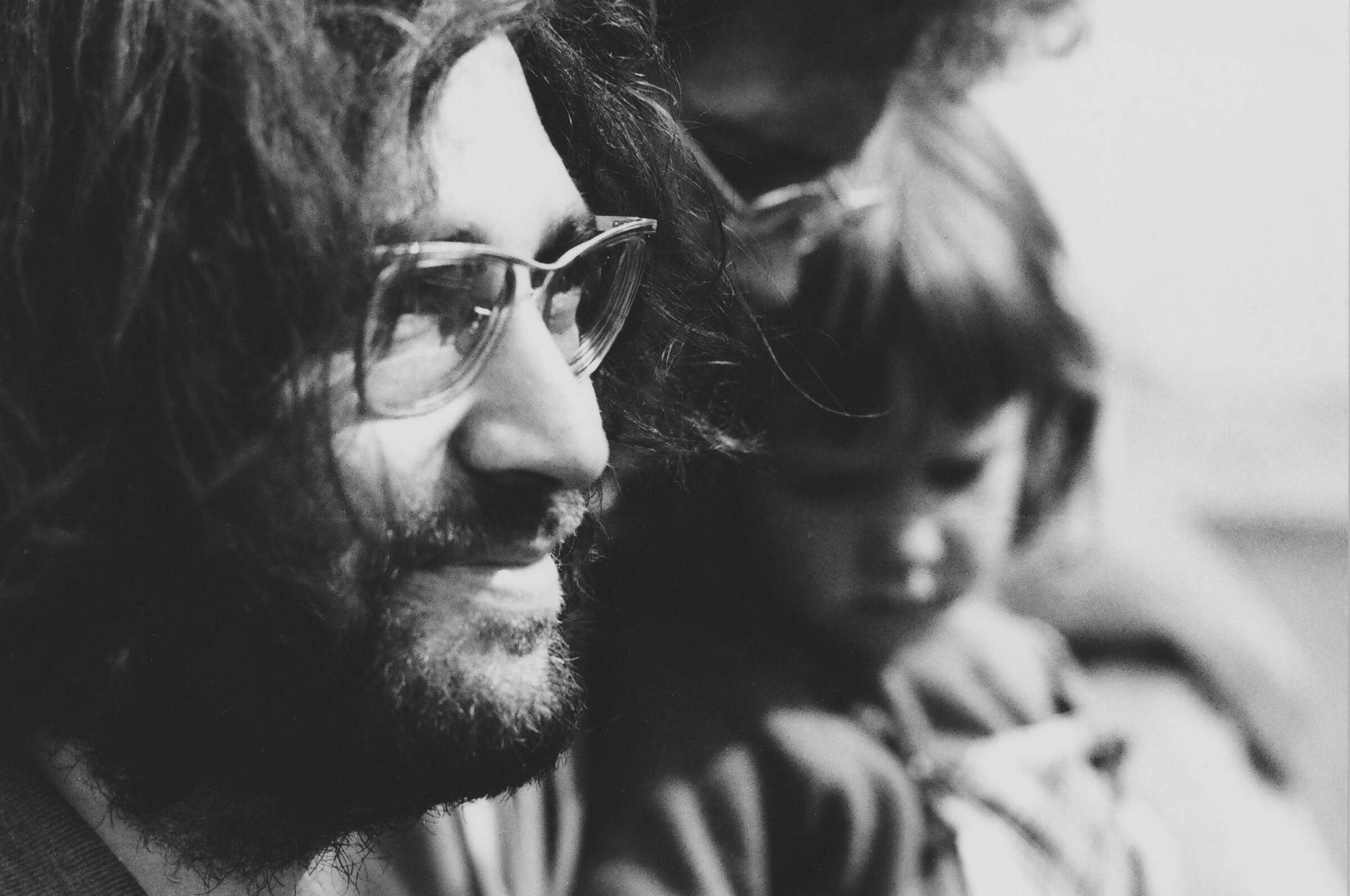

Furekåben, Anthony Barnett and ‘Prinsesseværelset’
Lars Movin has spent the last few years piecing together the short and rather elusive history of Danish underground group Furekåben.
An exchange with former member Anthony Barnett led us to his new book, ‘Furekåben: Prinsesseværelset,’ and to the chapter published here for the first time in English.
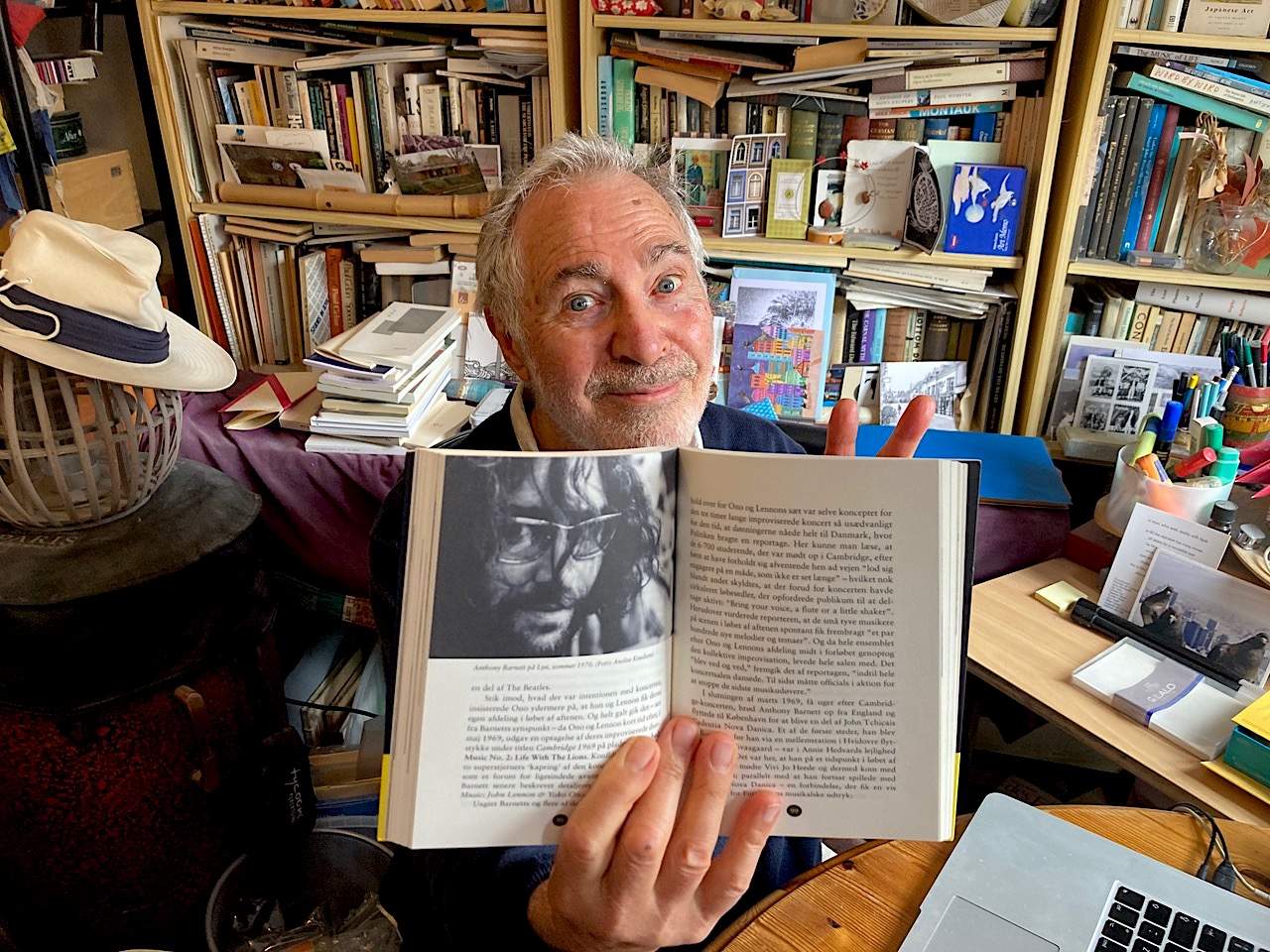
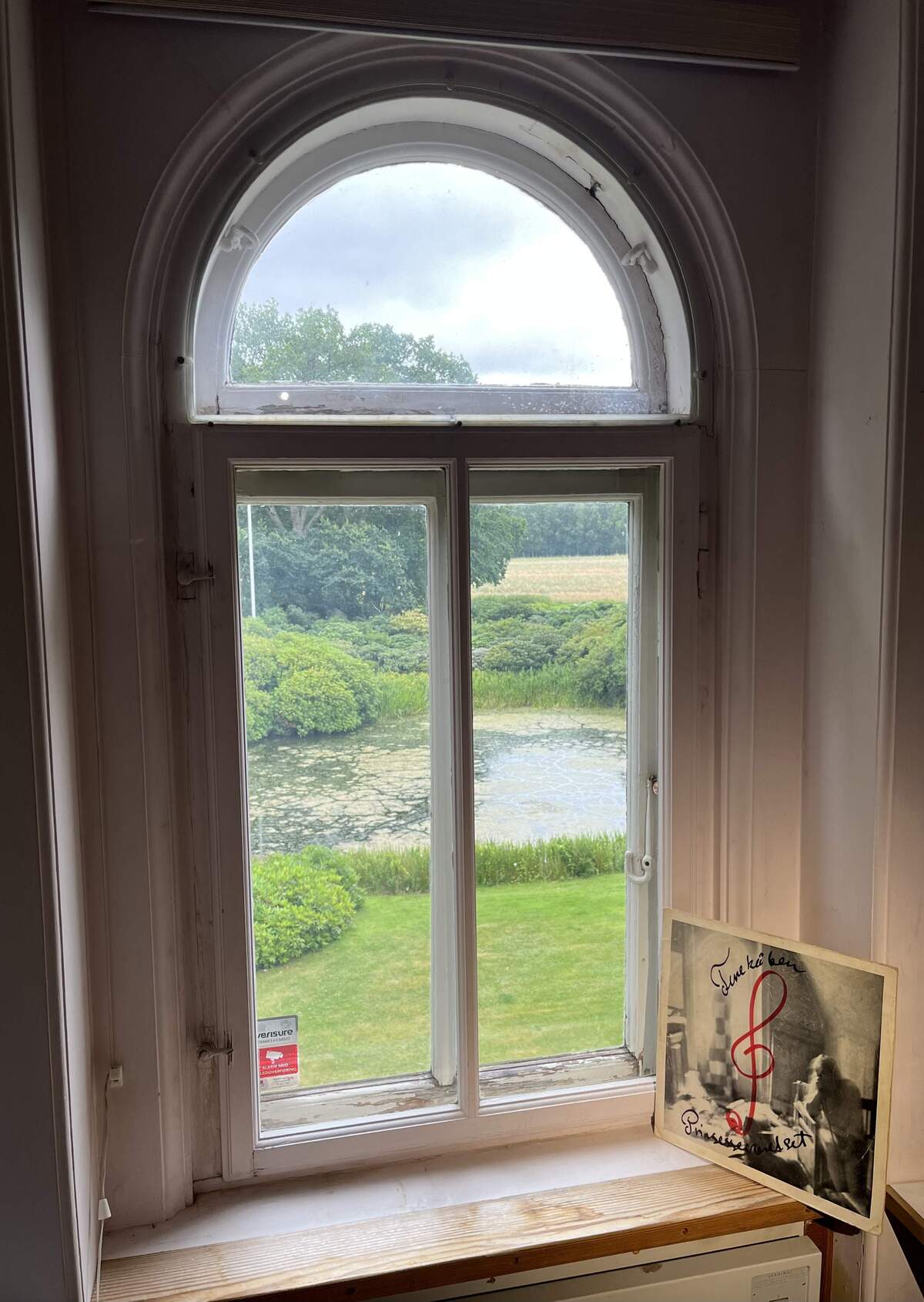
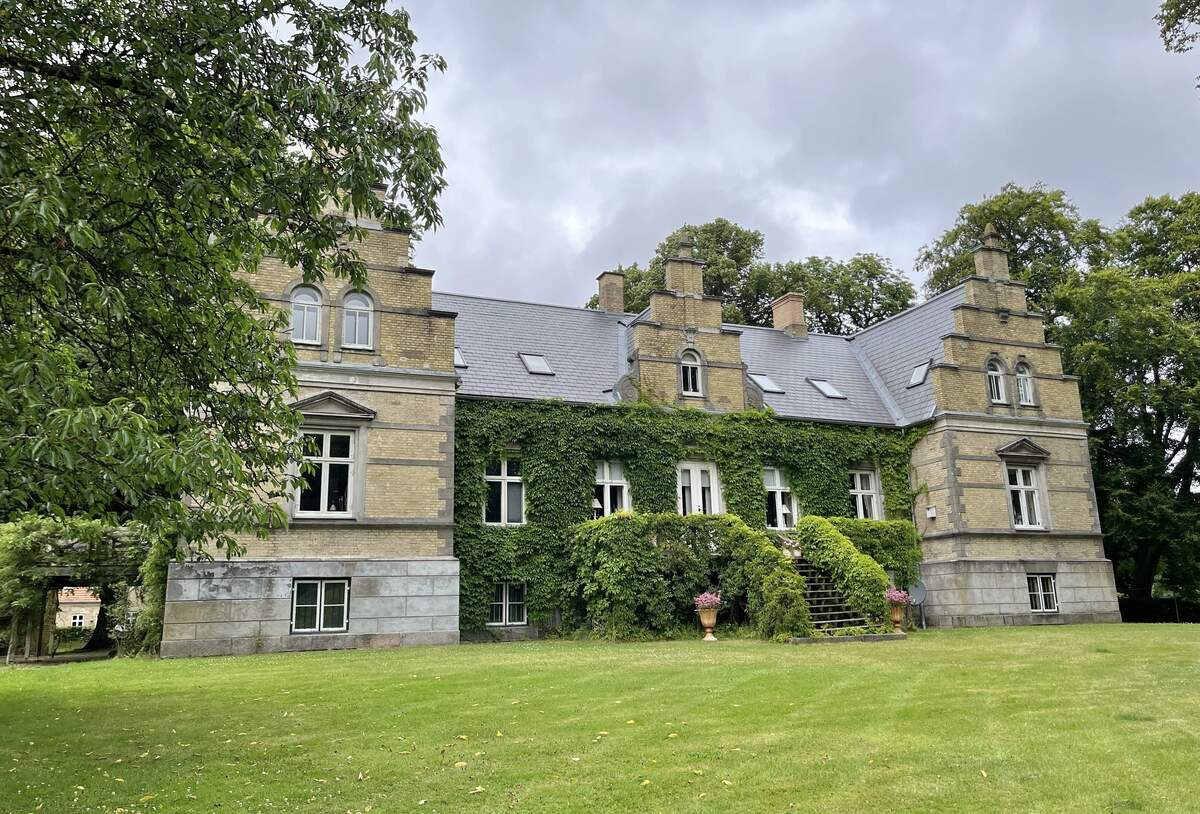
In the summer of 1968, around twenty young people moved into the main house at Nivaagaard, an old estate north of Copenhagen. A few of them would become part of Furekåben. One of the rooms was called Prinsesseværelset.
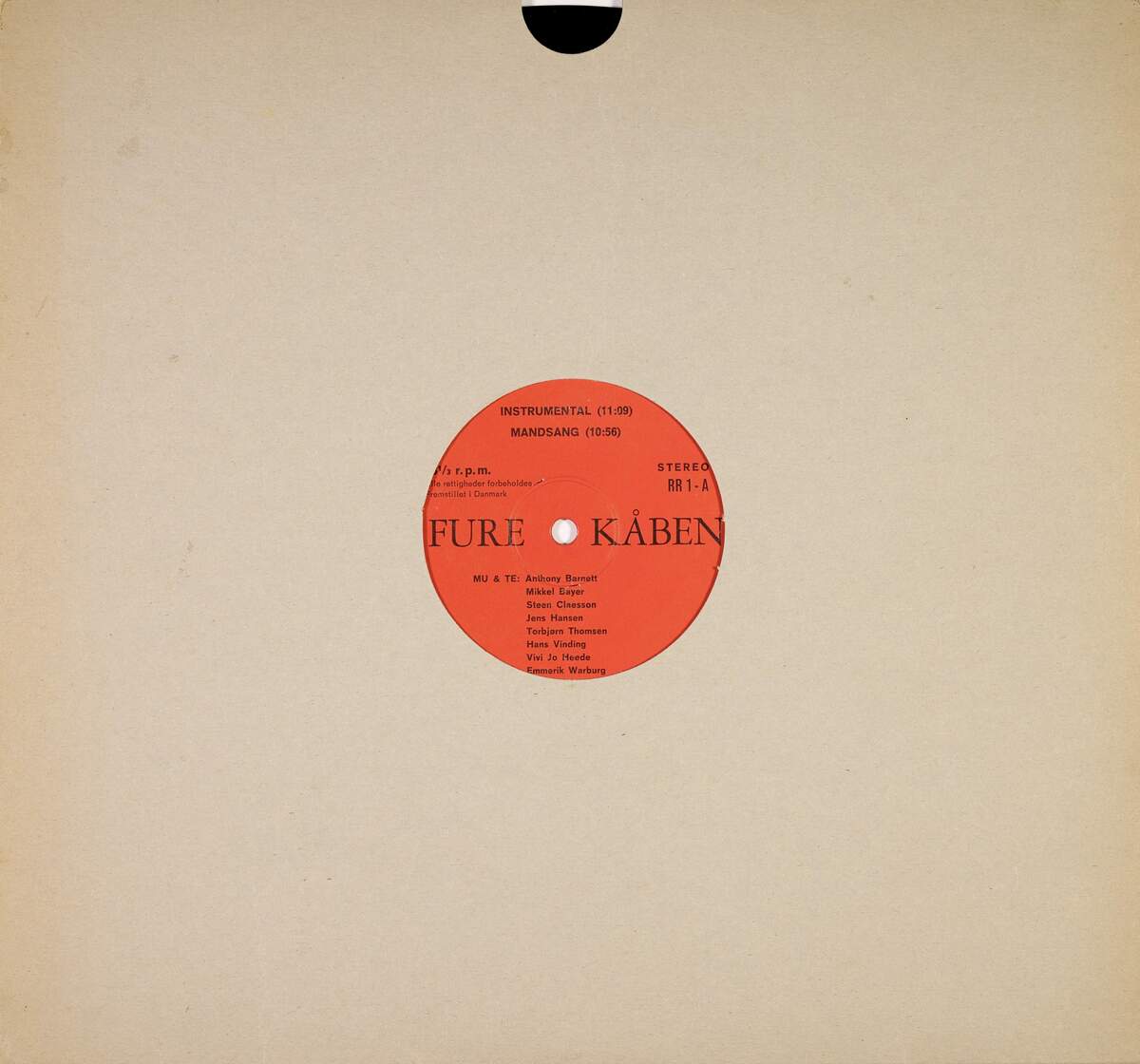
Two years later the name appeared on a record.
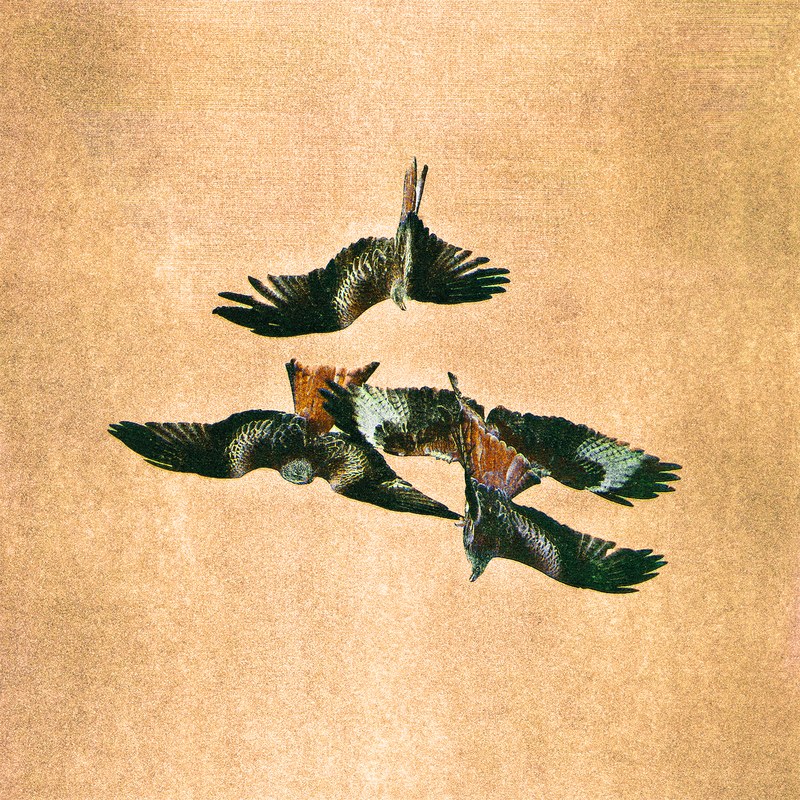
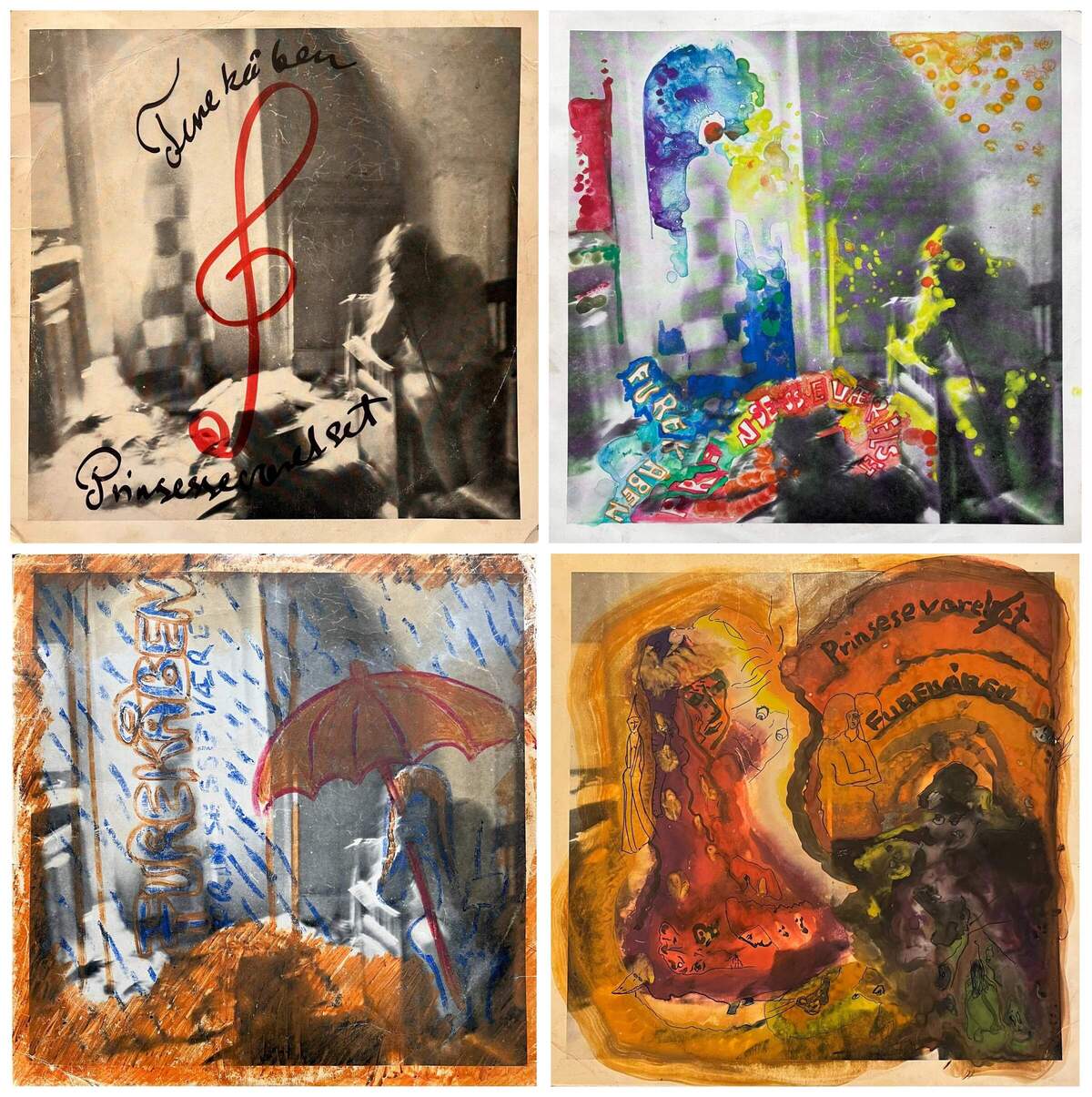
For most people, that record is how Furekåben became known, although it gives only part of the picture. ‘Prinsesseværelset’ appeared on Spectator in 1970 as SL 1017, with just three pieces spread across its two sides. Most copies were coloured or painted by hand, so one sleeve need not look much like the next. Collectors have since made it a highly sought-after record, usually described as rare, private, psych, acid-folk or legendary.
The record itself is much harder to categorise.
Hans Vinding’s songs sit somewhere in the middle of it, but around them Furekåben could wander for a very long time. Flute, cello, acoustic guitars, percussion, bells, gong, zither, mbira, tabla and whatever else happened to be useful all found a place. ‘Lædersexdress’ takes up an entire side. The other two tracks are hardly in a hurry either.
It is difficult even to describe Furekåben simply as a rock group.
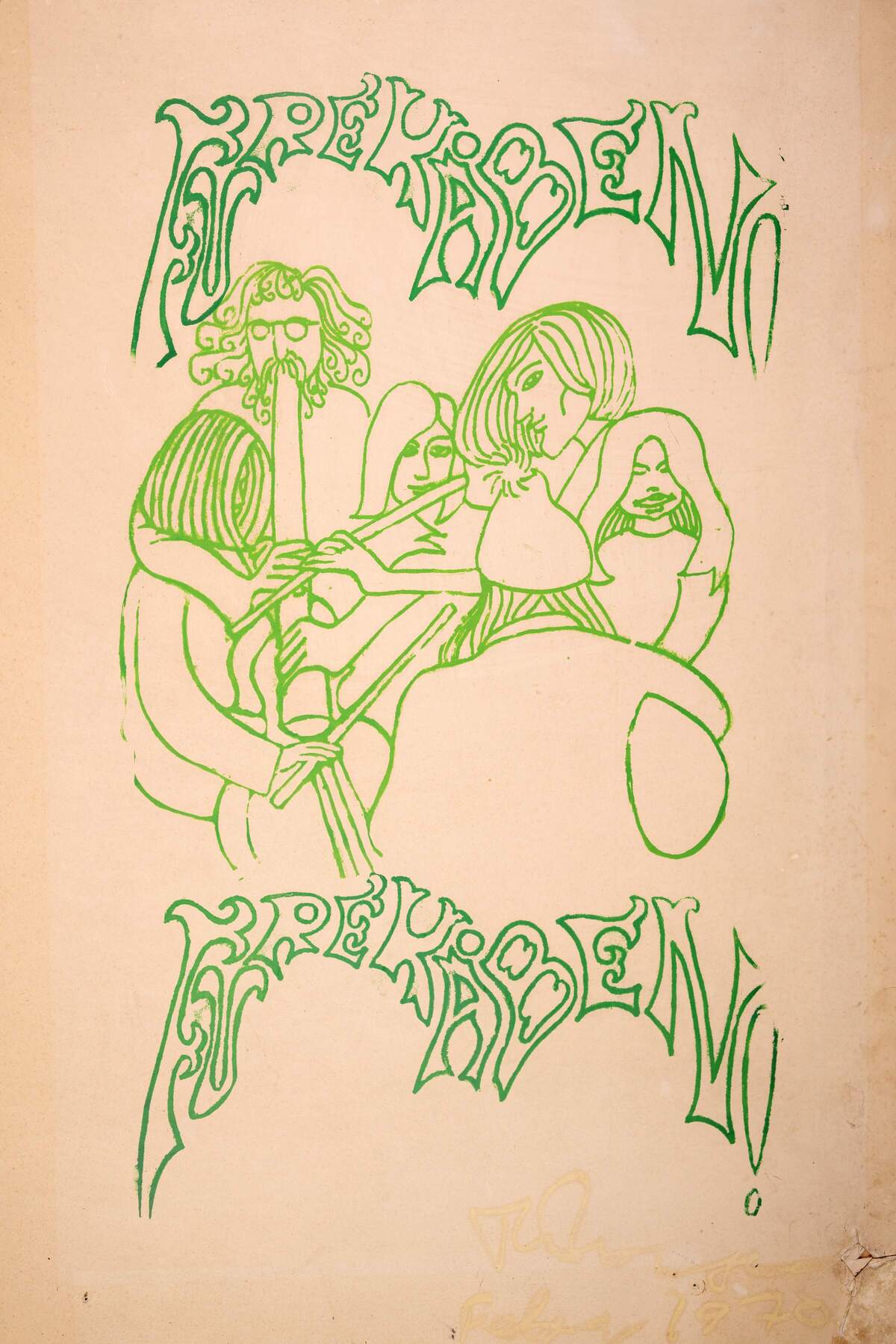
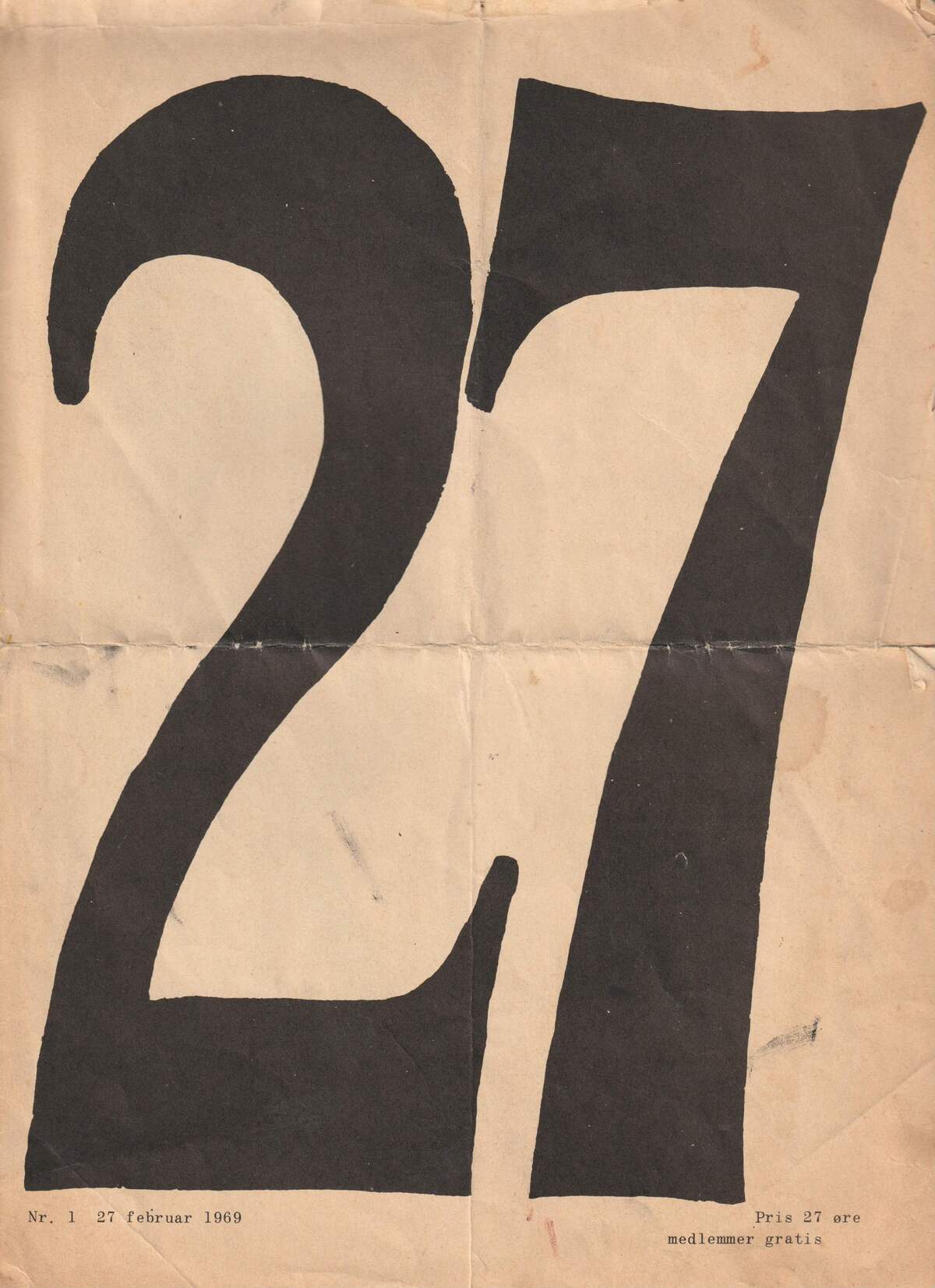
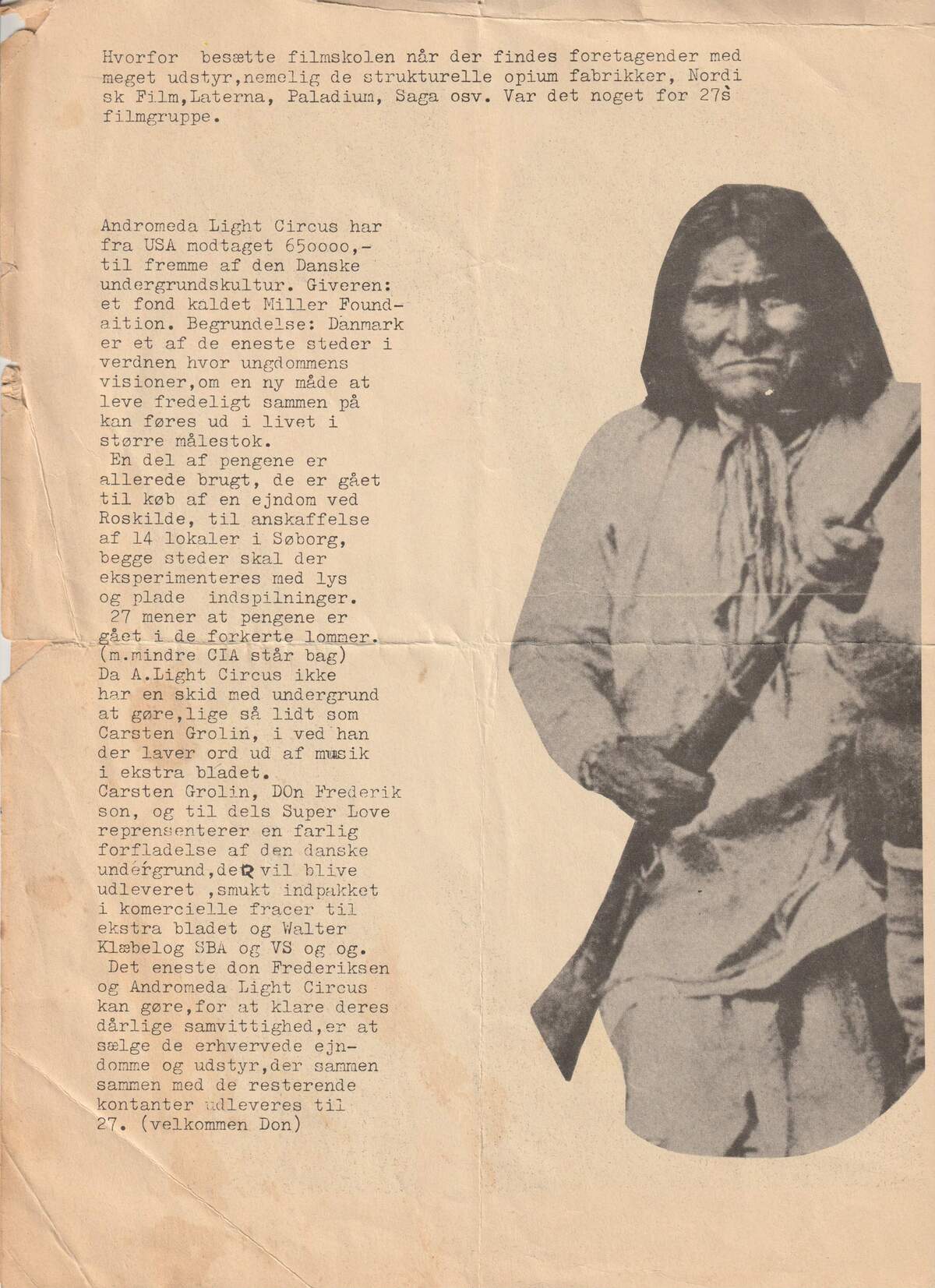
Their performances could be closer to communal happenings. They played acoustically, sometimes sitting down among the freaks, and pieces could stretch towards half an hour with long improvised passages. Some of these evenings were called ‘Fureflip,’ which seems a fairly good description of what was going on.
And this was Copenhagen at the end of the ’60s. People moved around. Musicians turned up in theatre, poetry, jazz and collective living situations without necessarily deciding that they had crossed from one scene into another.
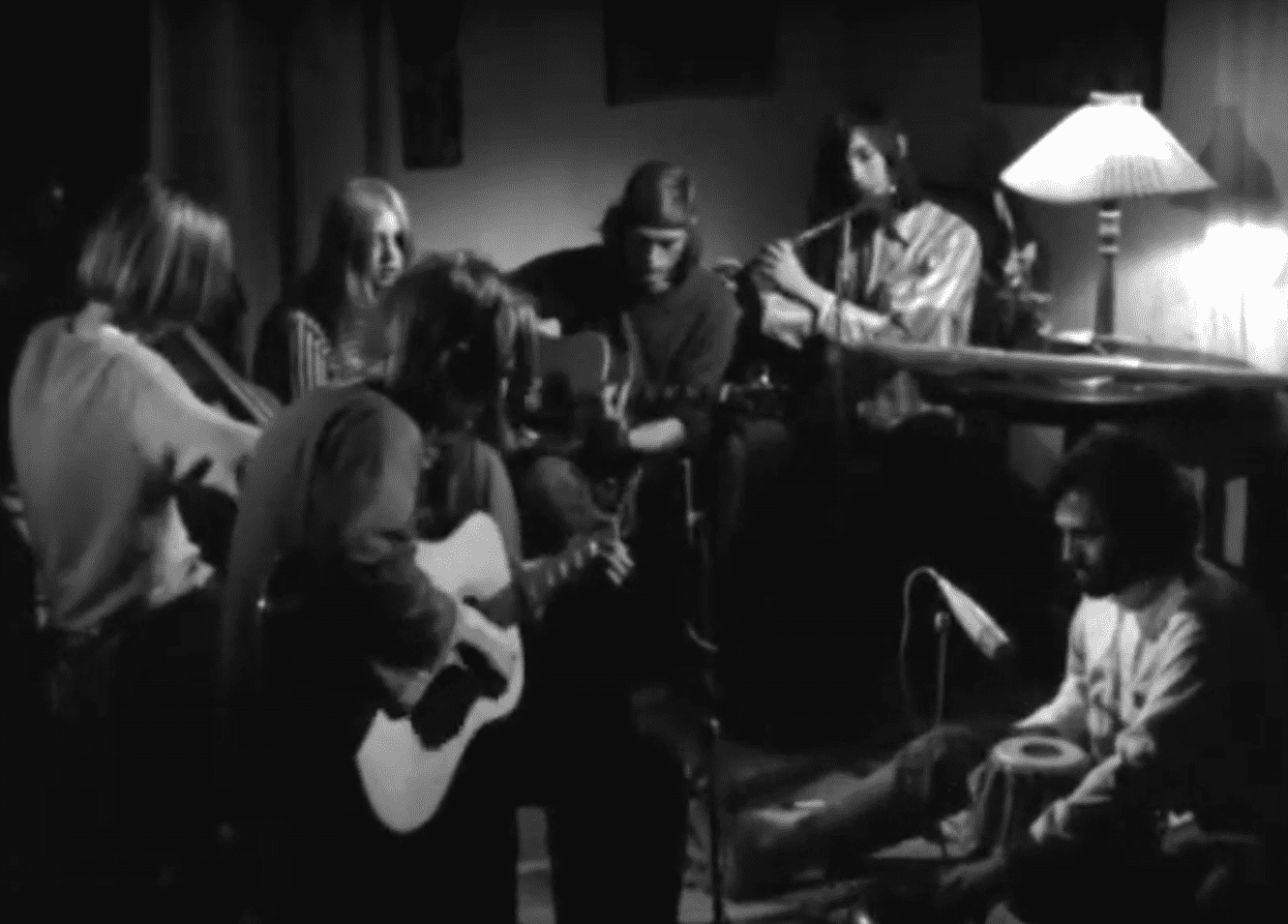
Anthony Barnett moved between several of these worlds.
By the time the English poet, publisher and musician found his way into Furekåben in the spring of 1969, he already had quite another musical life behind him. His connection with Denmark had begun through John Tchicai. Barnett had published one of Tchicai’s scores in ‘Nothing Doing in London,’ organised Cadentia Nova Danica at Wigmore Hall, and then put together the ‘Natural Music’ workshop in Cambridge in March 1969. Yoko Ono came along. So did John Lennon.
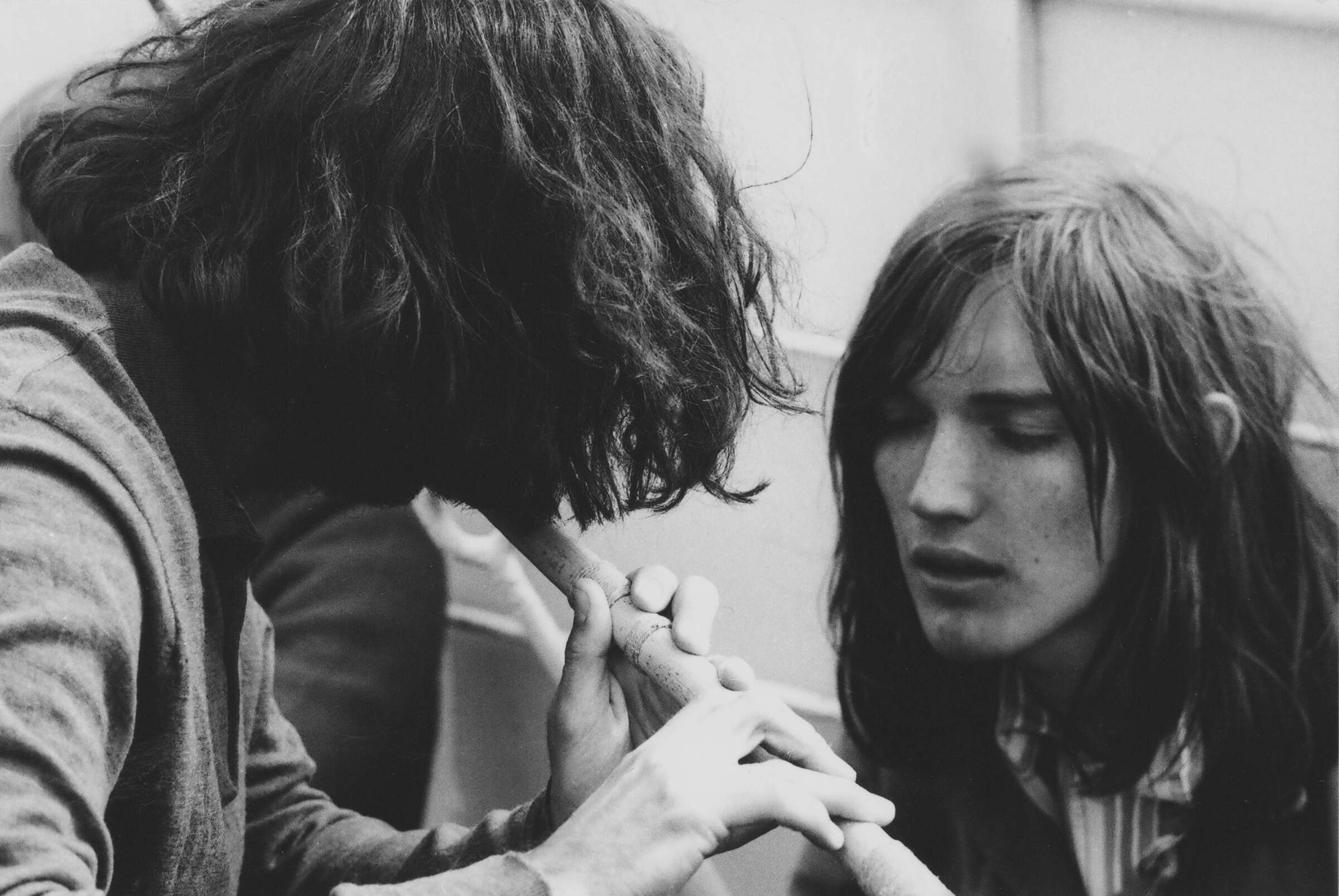
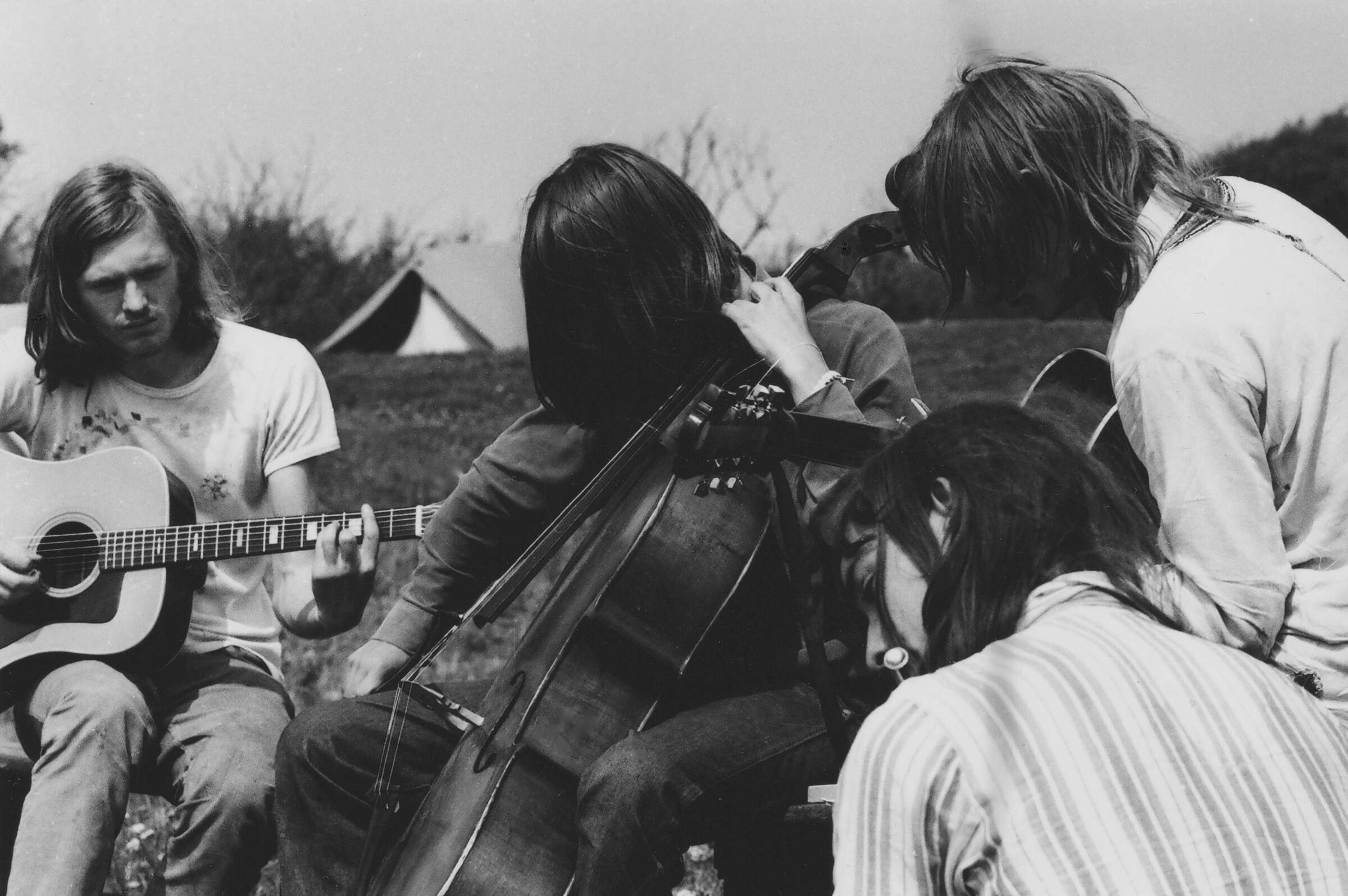
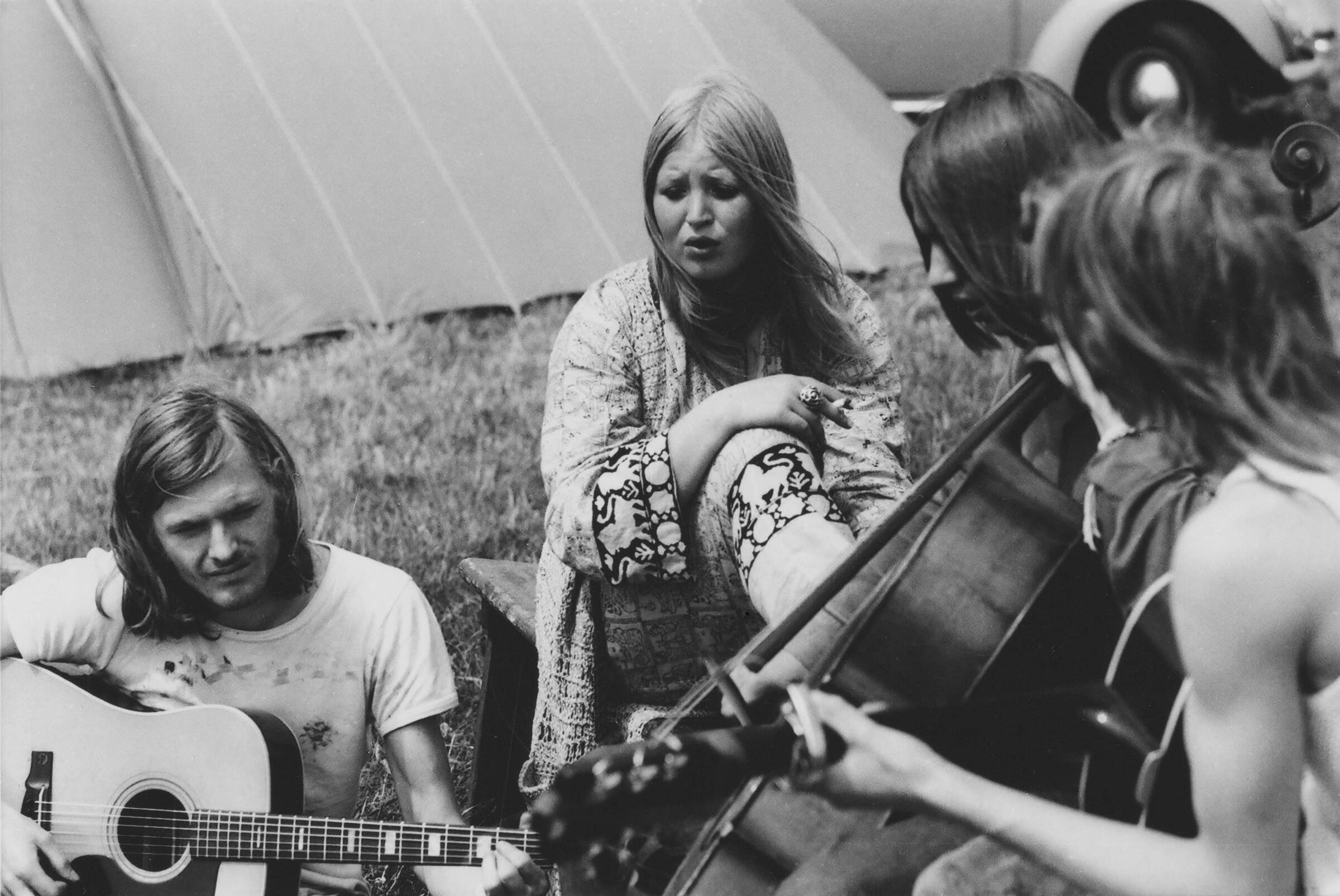
A few weeks later Barnett moved to Copenhagen to play with Tchicai’s Cadentia Nova Danica. While staying with the artist Annie Hedvard near Strøget, he met Furekåben singer Vivi Jo Heede. The group had lost a flute player. Barnett played flute, among quite a few other things, so they tried him. Before long he was mostly playing percussion instead.
I originally wrote to Anthony because I wanted to interview him about Furekåben. He was very kind about it, but there was a problem. He had only recently spent a great deal of time talking through the same period with Danish writer Lars Movin. Some of those memories were difficult, and Anthony quite reasonably did not want to start all over again.
He copied Lars into the email.
That was how I found out about ‘Furekåben: Prinsesseværelset.’
Movin’s book came out through Multivers this May and is the ninth volume in the ‘Danske albums’ series. It is only in Danish for the moment, which is unfortunate for anyone outside Scandinavia interested in this music, as reliable information about Furekåben has always been scarce.
For many years there was so little reliable information about the group that rumours were inevitable. A Danish account published after a Fureflip gathering at Gallopperiet in Christiania this May went as far as noting that doubts had occasionally been raised about whether Furekåben had really existed at all. Movin’s book is described there as the first documented account of the band. Several original members and friends of the group appeared at the accompanying gathering and played together again.
What struck me while reading the Anthony Barnett chapter is that Movin allows some of the uncertainty to remain.
Names come up again and again from different angles. Some things can be dated exactly, others are a bit uncertain. The band appears through clubs, houses, broadcasts, gigs, and people trying to recall what someone else was doing fifty-five years ago. For a group like Furekåben, that uncertainty is part of the story.
Movin has also gone through contemporary sources and spoken with people who were around the group. The book moves from Furekåben’s acoustic beginnings and the collective around them through the Fureflip evenings at Klub 27, the group coming together, the making of ‘Prinsesseværelset’ and what happened afterwards. Its contents include chapters titled ‘Akustisk alkymi,’ ‘Kompromisløst kollektiv,’ ‘Fureflip i Klub 27,’ ‘Furekåben samles,’ ‘En lo-fi-plade bliver til’ and ‘Efter Prinsesseværelset.’
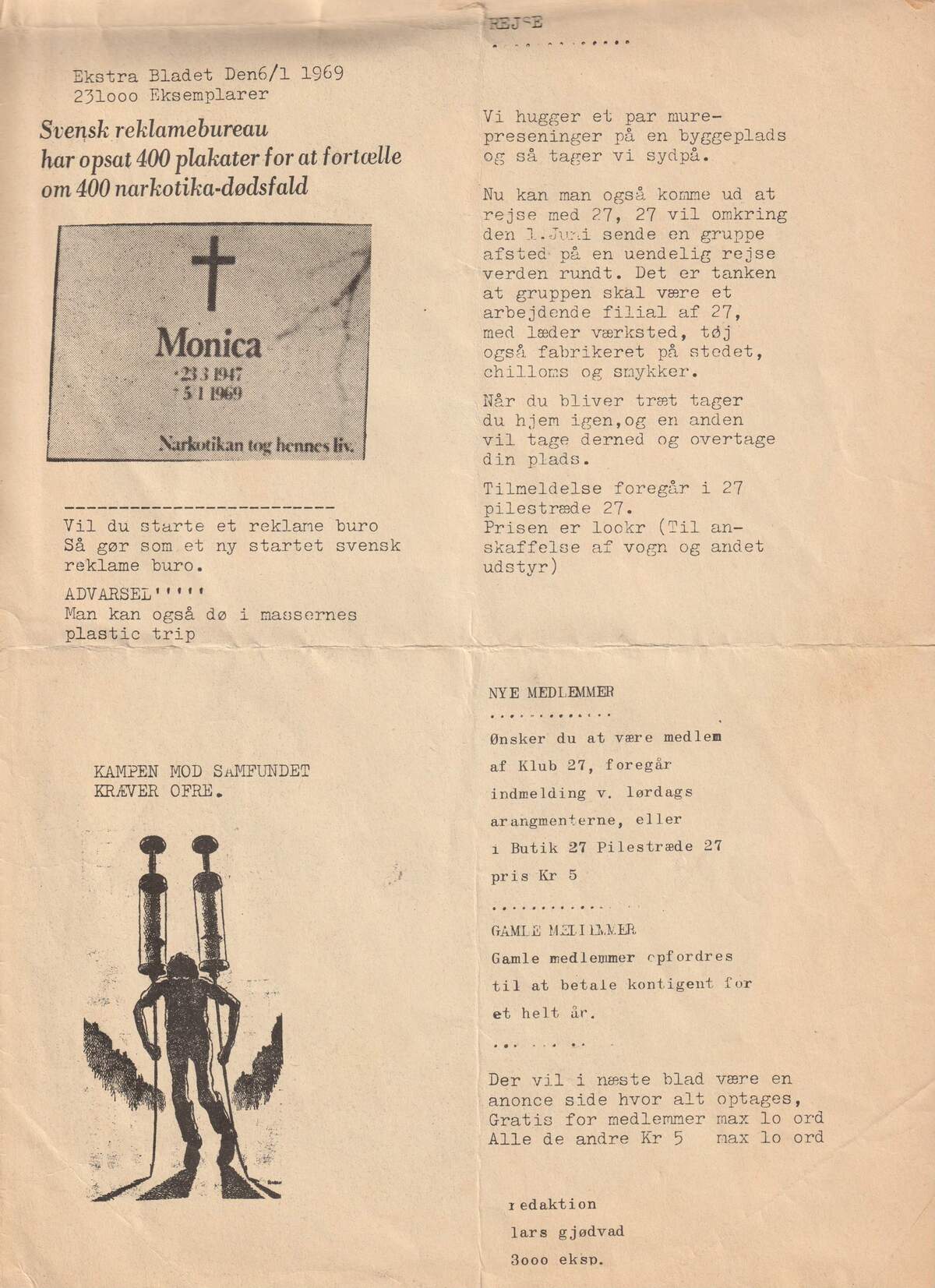
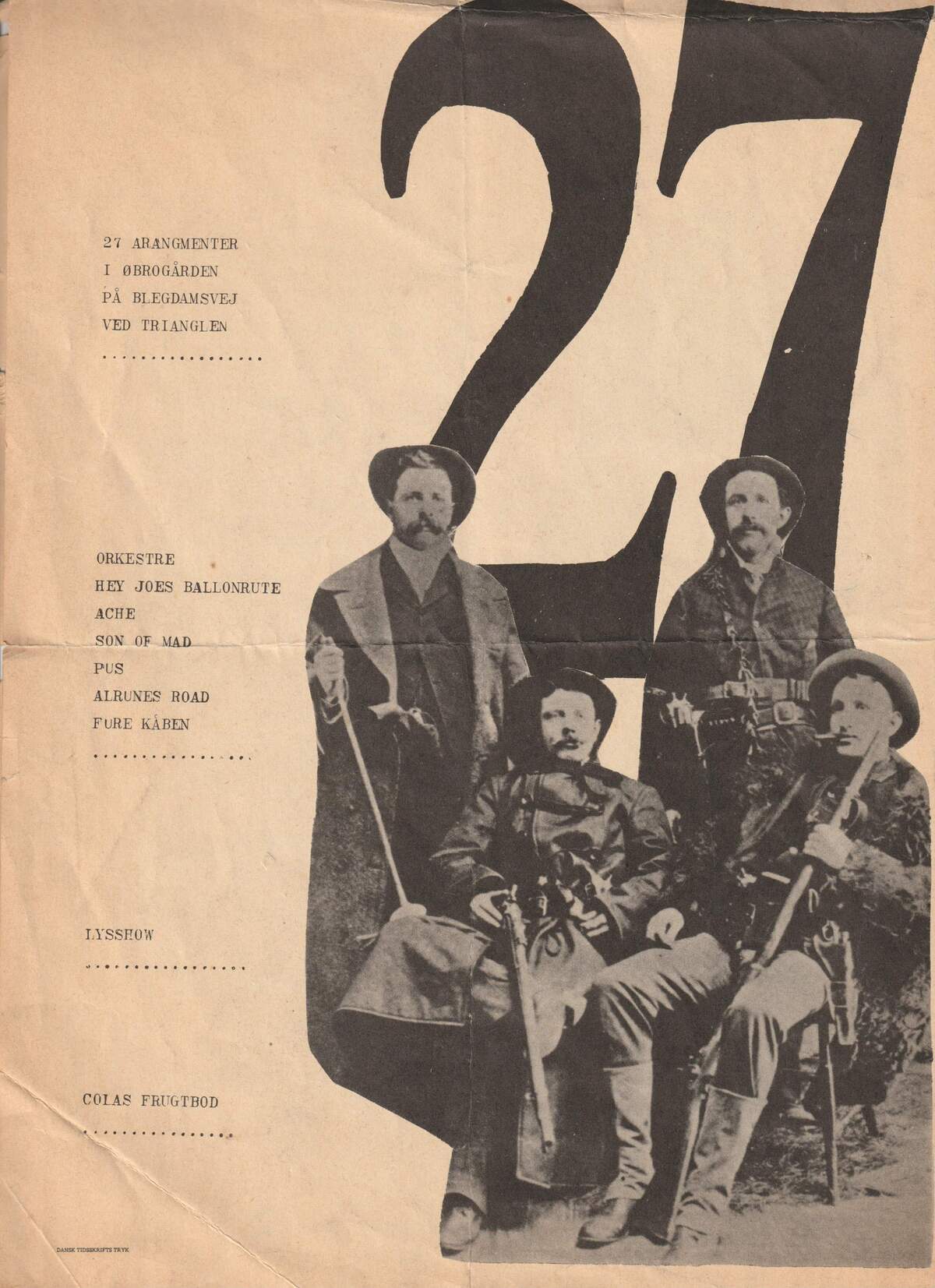
The book also brings the geography back into the picture. In May, Movin gave a talk at Nivaagaard itself. The old house is not simply a colourful footnote in the Furekåben story. Members of the group actually lived there from 1968, and ‘Prinsesseværelset’ really was the name of one of its rooms. The room is still there today, more than fifty years after the record named after it was released.
Anthony’s chapter is a particularly good introduction to the book in English because his story reaches well beyond Furekåben.
Through Anthony, the Furekåben story also leads to John Tchicai and Cadentia Nova Danica. His story takes in London and Cambridge, Danish radio, collective improvisation and a musical happening at Nørreport Station. In March 1971 Barnett even assembled The Natural Orchestra for a Don Cherry concert at the Royal Danish Academy of Music, drawing players from both Furekåben and Cadentia Nova Danica.
It does not make Furekåben any easier to classify.
When Lars heard why I had contacted Anthony, he suggested another solution: he would send me the chapter from his book and I could see whether it might work in English.
Rather than ask Anthony to go over the same memories again, Lars kindly agreed that we could publish the chapter here in English. What follows is an edited English translation of Lars Movin’s chapter on Anthony Barnett, taken from ‘Furekåben: Prinsesseværelset.’
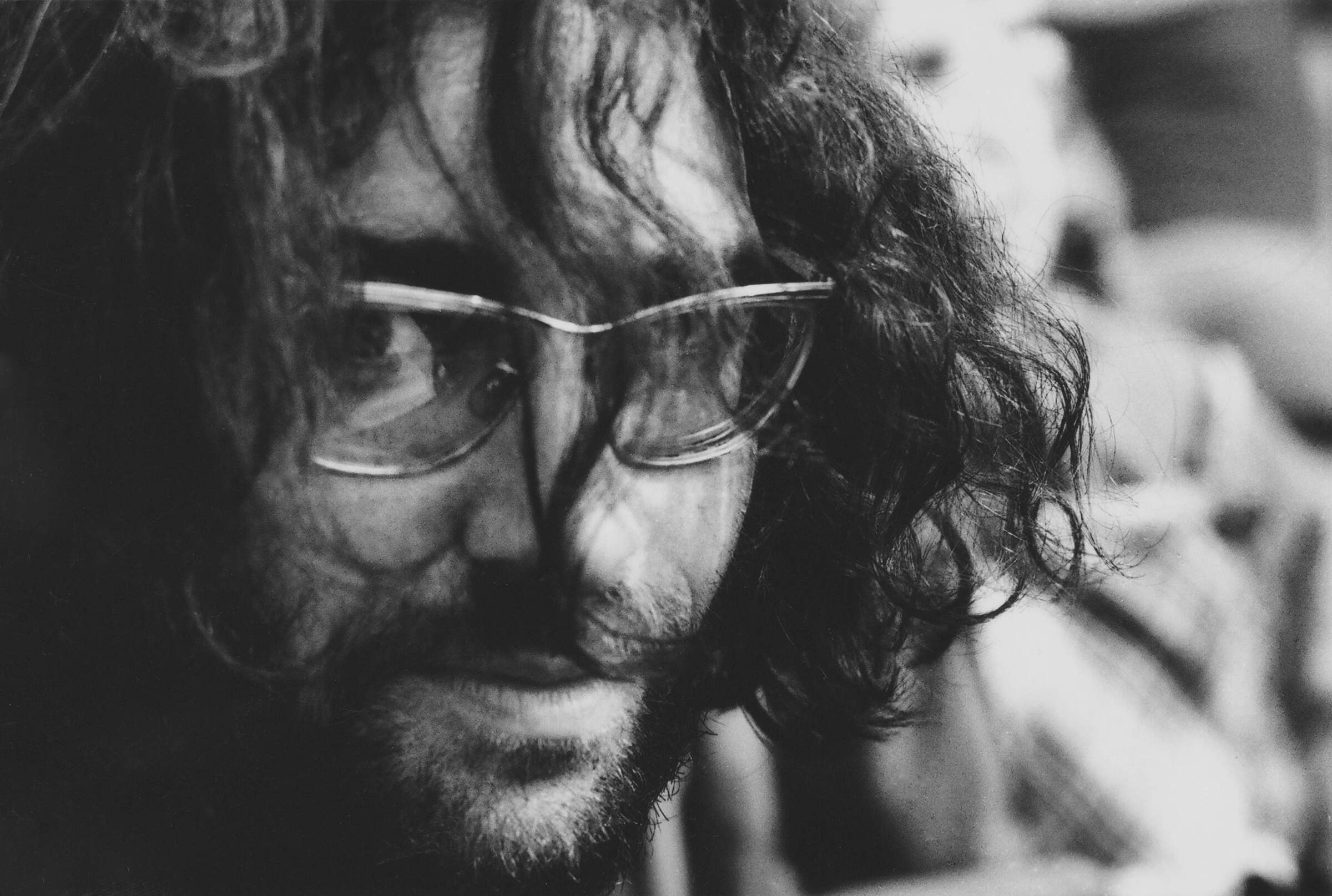
Anthony Barnett
A major change in Furekåben’s sound came when Anthony Barnett joined the group. Barnett was an English poet, music historian and percussionist, although multi-instrumentalist is probably more accurate, who had settled in Copenhagen.
The contact seems to have come through painter and textile artist Annie Hedvard. She knew both Mikkel Bayer and Vivi Jo Heede and had also appeared with Furekåben as a guest singer on at least one occasion.
Mikkel Bayer remembers Annie living for a time in an annexe at his family’s house on Amager while she attended Kunsthåndværkerskolen. Vivi Jo Heede remembers meeting her at Klub 47, where Heede worked while she was playing with Furekåben.
“After Søren Barfoed left, we needed a flute player,” Heede recalls. “One day I went to visit Annie, who had found a flat near Strøget, and it turned out Anthony was staying with her at the time. He could play many different instruments, including flute, so we decided to try him. But fairly quickly he ended up playing mostly percussion, and then we got Emmerik in on flute.”
Barnett’s connection with Denmark actually went back to 1966.
That year he saw the 10 February issue of ‘DownBeat,’ which had Danish jazz saxophonist John Tchicai on the cover.
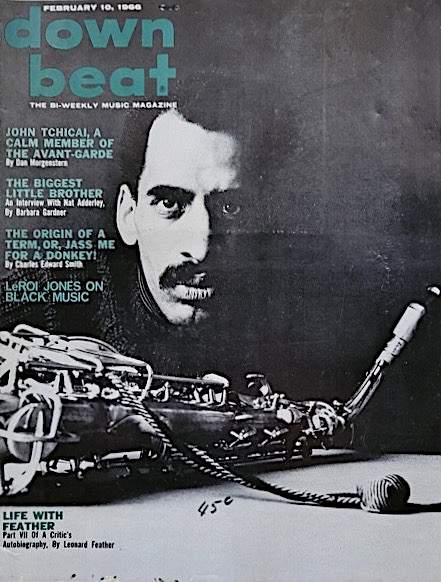
Barnett was then preparing the first issue of a publication called ‘Nothing Doing in London.’ It was a kind of literary magazine made up of separate sheets collected inside a folder. The title came from Darius Milhaud’s ‘Le Boeuf sur le toit,’ known in English as ‘The Nothing Doing Bar.’
Barnett already knew the New York Art Quartet album recorded with Tchicai.
“When I saw that issue of ‘DownBeat,’ I had already heard the album with The New York Art Quartet that John Tchicai had recorded in 1965,” Barnett recalls. “And I was even more impressed by what I read about him in the article. So I wrote to him through ‘DownBeat’ to ask whether I could publish one of his scores. That was how it began.”
‘Nothing Doing in London One’ appeared in November 1966 and included Tchicai’s score for ‘Quintus T.,’ one of the compositions from the New York Art Quartet album ‘Mohawk.’
Their contact soon developed further.
Barnett began publishing under the ‘Nothing Doing in London’ name. Among other things, he published American Beat poet Harold Norse’s ‘Karma Circuit’ in 1967. ‘Nothing Doing in London Two’ followed in January 1968.
He also started organising concerts.
The first was a performance by John Tchicai’s Cadentia Nova Danica at Wigmore Hall in London on 1 October 1968. Barnett was on the programme too, reading his poem ‘A Marriage.’
Afterwards he began organising something much more ambitious.
‘Natural Music’ took place at Lady Mitchell Hall in Cambridge on 2 March 1969. Barnett wanted to bring a large group of jazz and avant-garde musicians together and let them improvise collectively.
While preparing the concert he called Tchicai in Copenhagen and asked if there was anyone else he should invite.
Tchicai suggested Yoko Ono.
Barnett already knew Ono’s work and had included her piece ‘On Paper’ in ‘Nothing Doing in London Two.’ She agreed to take part in the Cambridge concert, but said she wanted to bring her own musicians.
Barnett agreed, without realising that by “her own musicians” Ono meant her future husband, John Lennon.
Ono and Lennon also wanted their own section during the concert, which did not really fit Barnett’s original idea of everybody improvising together. A recording from their performance was later released as ‘Cambridge 1969’ on Ono and Lennon’s album ‘Unfinished Music No. 2: Life with the Lions.’
Barnett eventually told his side of the story in his 2016 book ‘UnNatural Music: John Lennon & Yoko Ono in Cambridge.’
The concert itself attracted attention well beyond Cambridge.
‘Politiken’ reported on it in Denmark. There were around six or seven hundred students in the audience, and leaflets had encouraged people to bring a voice, flute or small shaker and become involved themselves.
The newspaper described the audience as cautious at first, but increasingly caught up in what was happening. By the end people were dancing and the final musicians apparently had to be stopped by officials.
A few weeks later Barnett moved to Copenhagen.
He had come to join John Tchicai’s Cadentia Nova Danica. Before eventually moving to Nivaagaard, he stayed for a period with Annie Hedvard near Strøget.
It was there, during the spring of 1969, that he met Vivi Jo Heede and became involved with Furekåben.
He continued playing with Cadentia Nova Danica at the same time.
“I tried to bring an element of free jazz and percussion into Furekåben,” Barnett remembers. “It turned out to be a very good situation for me because I was free to play whatever I wanted. And it wasn’t exactly a disadvantage that more young women came to Furekåben concerts than came to the jazz concerts.”
Because Barnett was playing in both groups, Furekåben and Cadentia Nova Danica occasionally ended up in the same places.
One example was a gathering at Nivaagaard on 13 July 1969.
The residents organised a love-in in the garden, something like a small local Woodstock. Furekåben played alongside Ache, Daddy Coolbreeze and Young Flowers. Cadentia Nova Danica also appeared.
That same month Cadentia Nova Danica recorded ‘Afrodisiaca,’ with Barnett playing percussion.
Barnett continued some of his other work in Denmark as well.
Together with John Tchicai and recording engineer Ole Skov, he worked on tapes from the Cambridge ‘Natural Music’ concert with the idea of releasing a double album.
That never happened.
He did, however, manage to place a forty-five-minute version with Danish radio. DR broadcast it on P2 as ‘Fortrop jazz’ on 26 July 1969. The edited ‘Natural Music’ recording prepared for DR is due to be released on LP later this year by the Italian label formalibre, distributed by Soundohm.
There were other meetings between the Furekåben and Cadentia Nova Danica circles.
In November 1970, Tchicai, Pierre Dørge and others staged a musical happening at Nørreport Station.
Several Furekåben members were invited to take part.
The musicians played on one of the station platforms and used sounds from the station itself. The signal from the train doors became part of the music. Pierre Dørge also remembers the sound of tickets being stamped in the machines.
Exactly how many Furekåben members took part is uncertain.
Torbjørn Thomsen remembered being there and being part of a choir which, as part of the piece, shouted a warning about not crossing the tracks because a train was coming.
Another interesting event took place on 11 March 1971.
Barnett organised a concert with Don Cherry at the Royal Danish Academy of Music and put together a group called The Natural Orchestra.
It included musicians from both Furekåben and Cadentia Nova Danica.
From Furekåben there were Barnett himself, Mikkel Bayer on cello, Emmerik Warburg on flute and Steen Claësson on violin.
It was also King Frederik IX’s seventy-second birthday, so the concert was called ‘Evening Music for Kong Frederik IX.’
Barnett was active as a poet while living in Denmark too.
His poems and collages appeared in ‘Oretorpen’ and ‘Gunjah,’ two magazines produced by pupils from Ordrup Gymnasium.
He also made a programme for DR called ‘Poems and music for the daughter of Charles Lievens.’
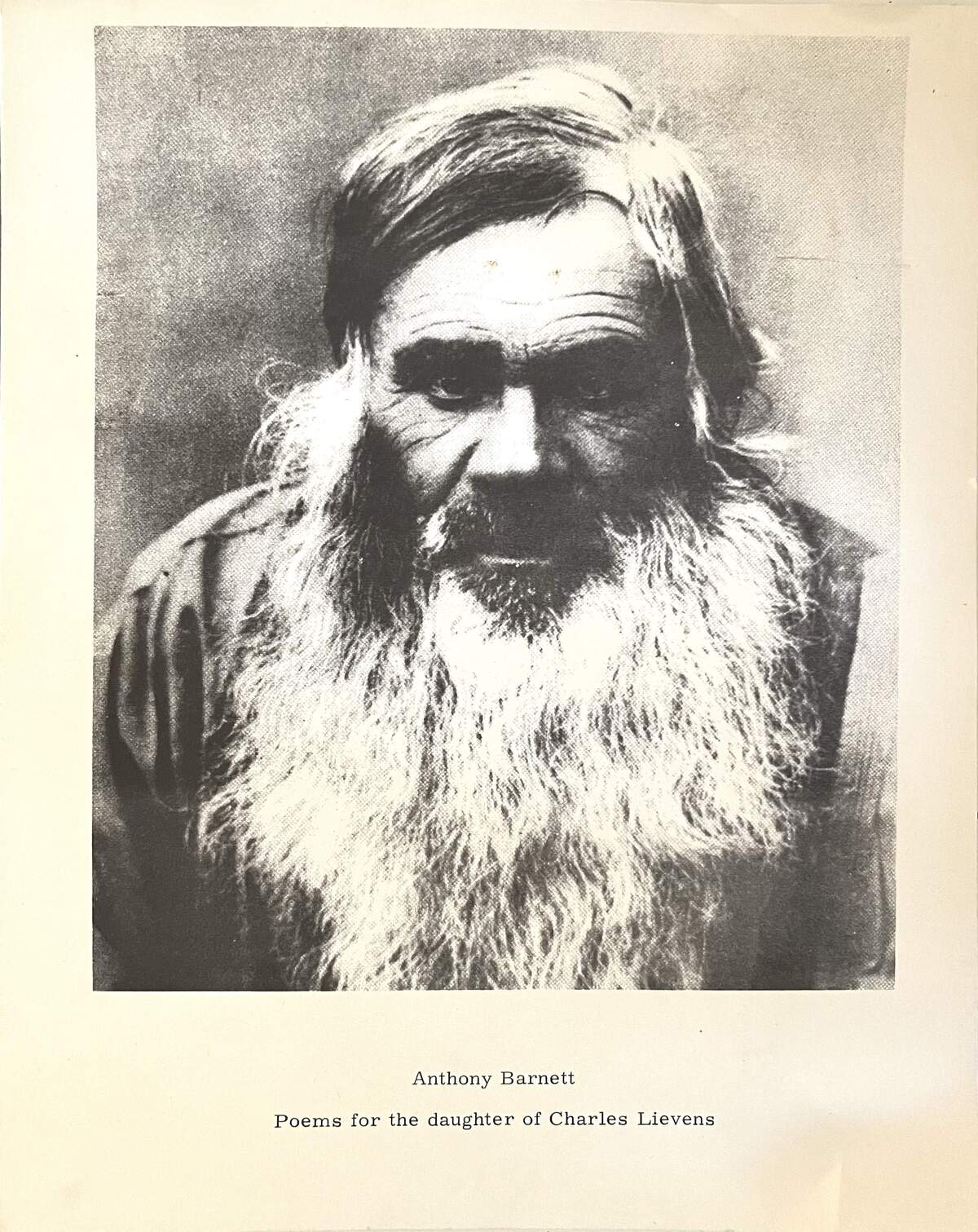
Barnett read his poems while he and Mikkel Bayer played short improvised pieces, Barnett on percussion and Bayer on cello.
The programme was broadcast on 3 August 1970 and produced by writer and playwright Michael Buchwald.
Buchwald already knew the Furekåben environment. He had been at the large Nivaagaard garden concert in July 1969 and later helped with the Fureflip evenings organised by Hans Vinding and Rudy Hassing at Klub 27.
It was a short period, but a lot happened.
Different people from jazz, rock, poetry, art and the underground kept appearing in the same places. Barnett was only in Denmark for a relatively brief time, but he became one of the people connecting several of those circles.
Furekåben was one of them.
*Edited and translated from Lars Movin’s ‘Furekåben: Prinsesseværelset,’ published by Multivers, Copenhagen, 2026. Many thanks to Lars Movin and Anthony Barnett for allowing us to find a way of bringing this material to English-speaking readers.*
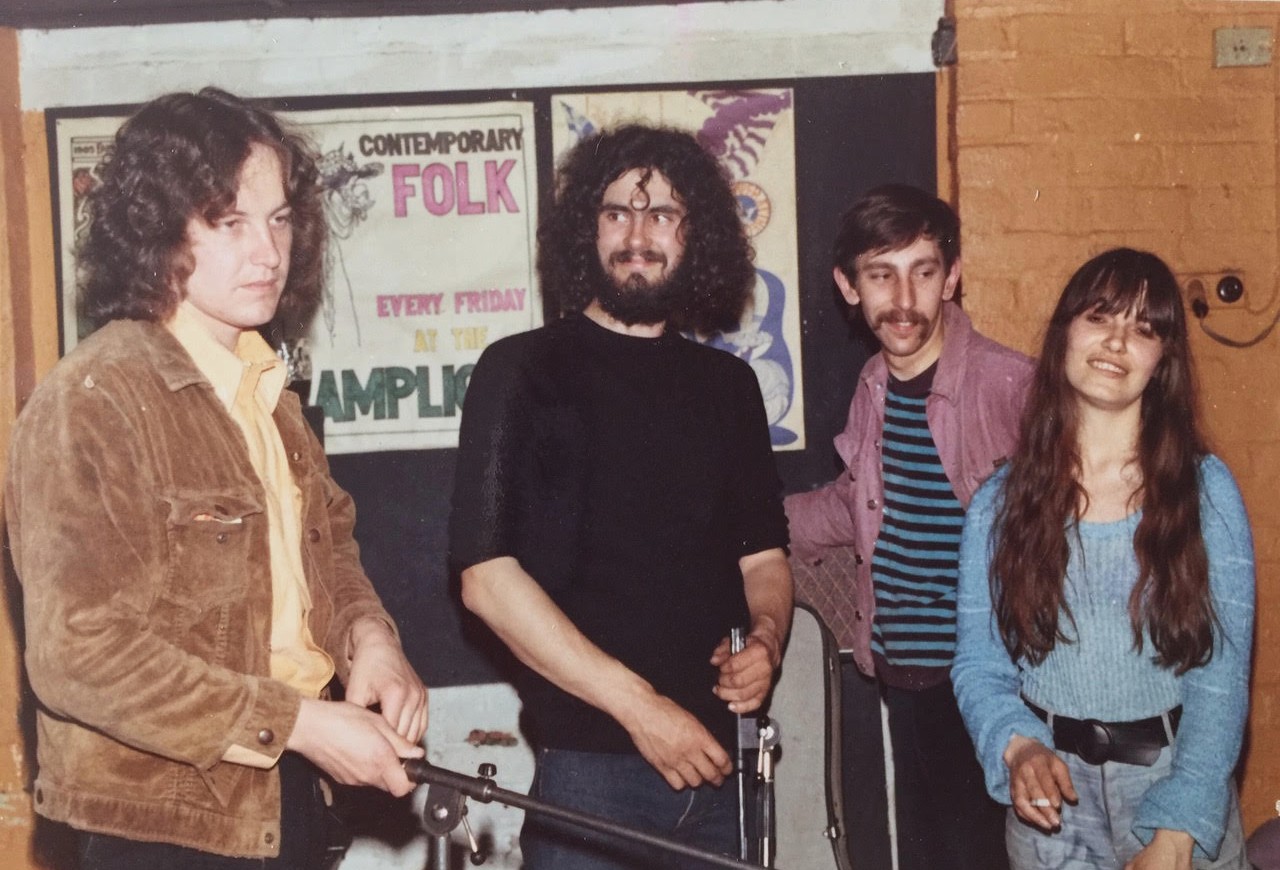
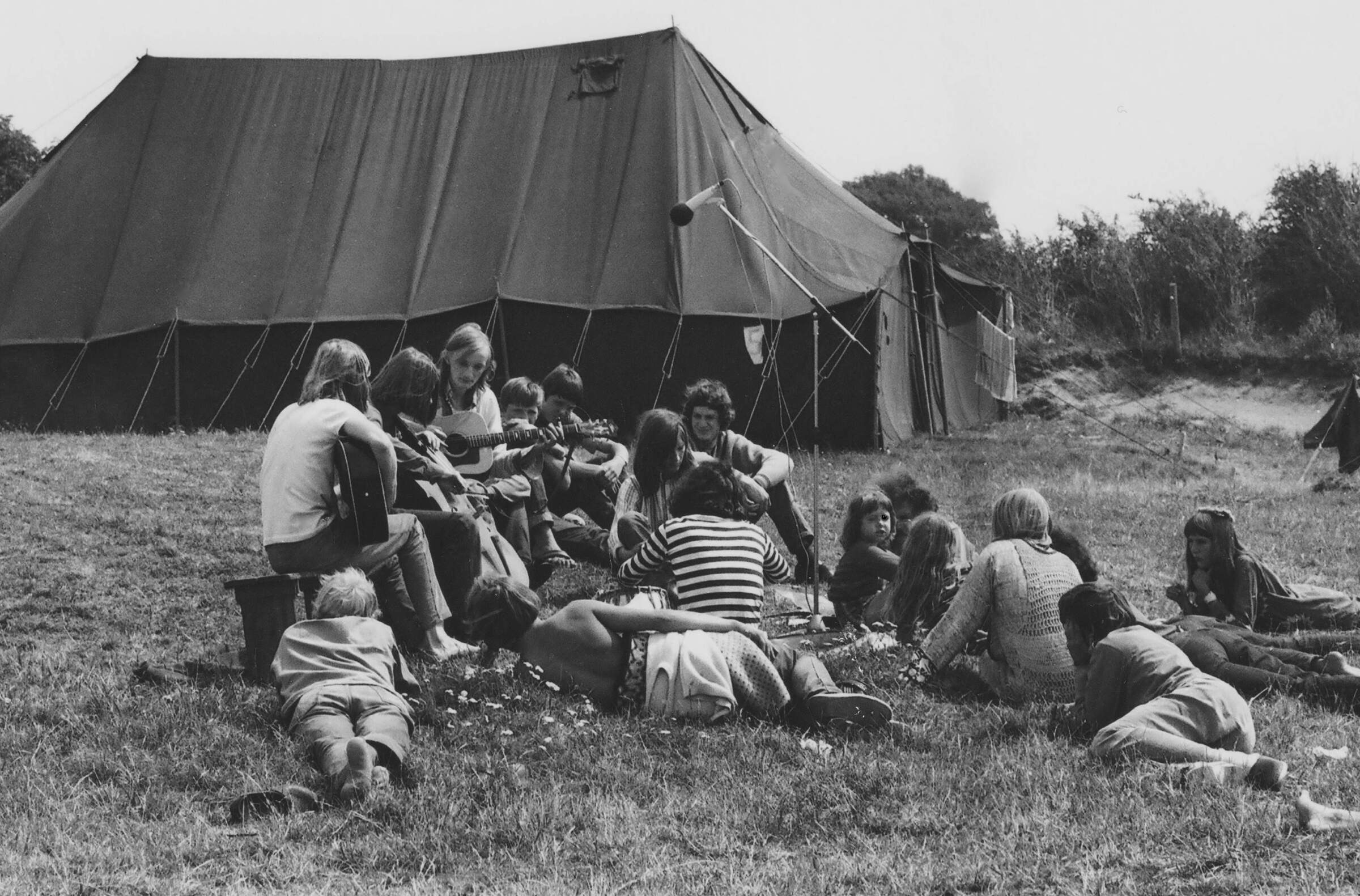
Headline credit: Furekåben with Anthony Barnett, Lyø, 1970. Photograph: Anelise Knudsen