

The Overbrook Express: An Untold Story from the ’60s Bay Area Underground
The Overbrook Express came together in April 1966, just as the Bay Area scene was still taking shape.
The group was assembled by manager Bill Lawrence, who connected musicians from the Vallejo area with a lead singer from Richmond. As remembered here by band member Rich Irwin, the band began at a point when “the whole San Francisco music scene was basically just beginning.” Their early repertoire included songs by The Yardbirds, Love and The Animals, but they moved quickly toward original material.
A late 1966 demo at Hank Quinn Studios captured the band in its first stage, before the songwriting and live sound had fully developed. By 1967, The Overbrook Express were playing regularly and had become part of the wider Bay Area circuit, with appearances at venues including The Ark in Sausalito and The Concord Coliseum. They also shared bills with groups such as Moby Grape, Big Brother and the Holding Company, and Morning Glory.
One of the strongest memories is the Rio Nido weekend, where the band played two nights and an afternoon show. For the guitarist, Moby Grape stood out above almost everything else he saw at the time. “They simply had it all,” he recalls, describing the group as being at “the top of their game” that night.
The Overbrook Express auditioned for Fantasy Records and Capitol Records in 1968, recording several of their own songs, but neither opportunity led to a release. The original lineup began to change at the end of that year, and the group continued briefly as a trio into 1969. A later version appeared in 1973 and 1974, again using the Overbrook name, but it was short-lived.
Like many regional bands of the period, The Overbrook Express left little official documentation. There were no widely released records, and very few recordings survive. Looking back, the absence of live tapes or photographs feels typical of the time rather than unusual. “We didn’t think about documenting anything,” he says. Still, the memory remains clear: “The music still means something to me, because they were our songs.”
“The whole San Francisco music scene was basically just beginning”
You started out around 1966, which puts you right at the point where things in the Bay Area were still forming rather than already defined. What did the situation look like from where you were standing when the band first came together?
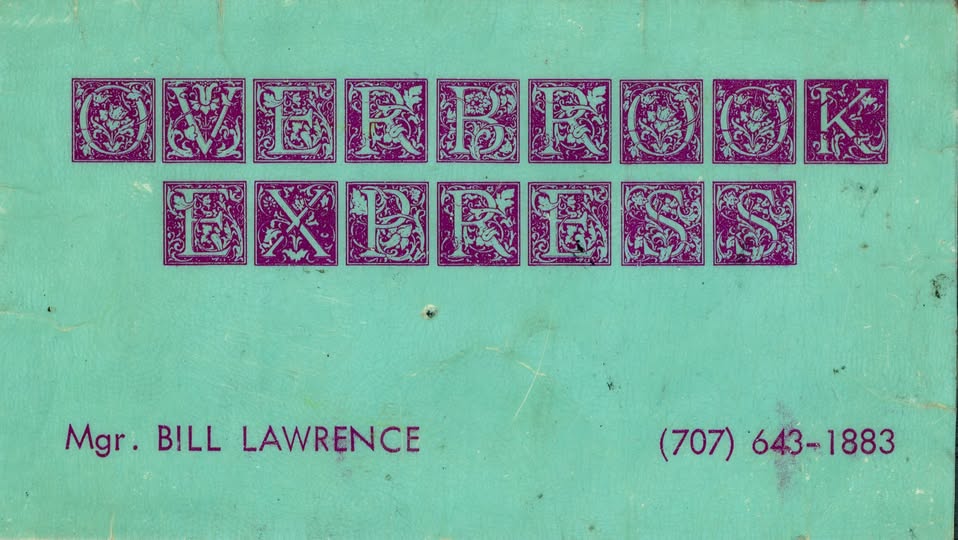
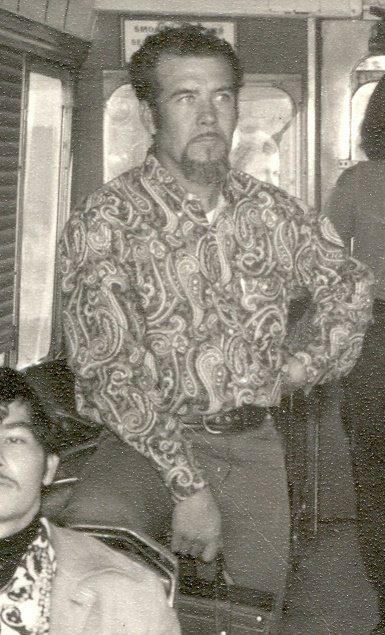
Rich Irwin: The Overbrook Express was drawn together by our manager, Bill Lawrence. He was a little older than us and had known of our lead singer from Richmond, and he put the word out to some known Vallejo musicians that it was forming. The band started about April of 1966, when we were all just getting out of high school. We had heard bands like Love with Arthur Lee, The Beau Brummels, and Syndicate of Sound, but the whole San Francisco music scene was basically just beginning. We played songs by The Yardbirds, Love, The Animals, etc., at first. We probably would not have ever come together as a group without him.
You’ve mentioned an early demo from that same year that doesn’t really represent what the band became later. What was going on in those first recordings, and what changed between that point and the group people saw on stage in 1967?
The demos we recorded in late 1966 at Hank Quinn Studios were all our own songs, but the band had only been together less than a year. By the next year, 1967, those songs had evolved and our songwriting was better. Unfortunately, we never made another demo of those later songs.
Where were you actually rehearsing in those days? I’m trying to get a sense of the physical setup. Was this garages, shared houses, rented rooms, or something more formal?
At first, we rehearsed wherever we could, in garages, empty buildings, etc. Then our equipment guy and I rented a house in October of 1966 that was on about an acre of land and outside the Vallejo city limits. It was the band house, basically, for the next two years. Leaving our gear set up made it easier for us to rehearse more often. I don’t remember many complaints, even with the volume. We rehearsed on two scheduled weekdays, sometimes three, and played somewhere almost every Friday and Saturday.
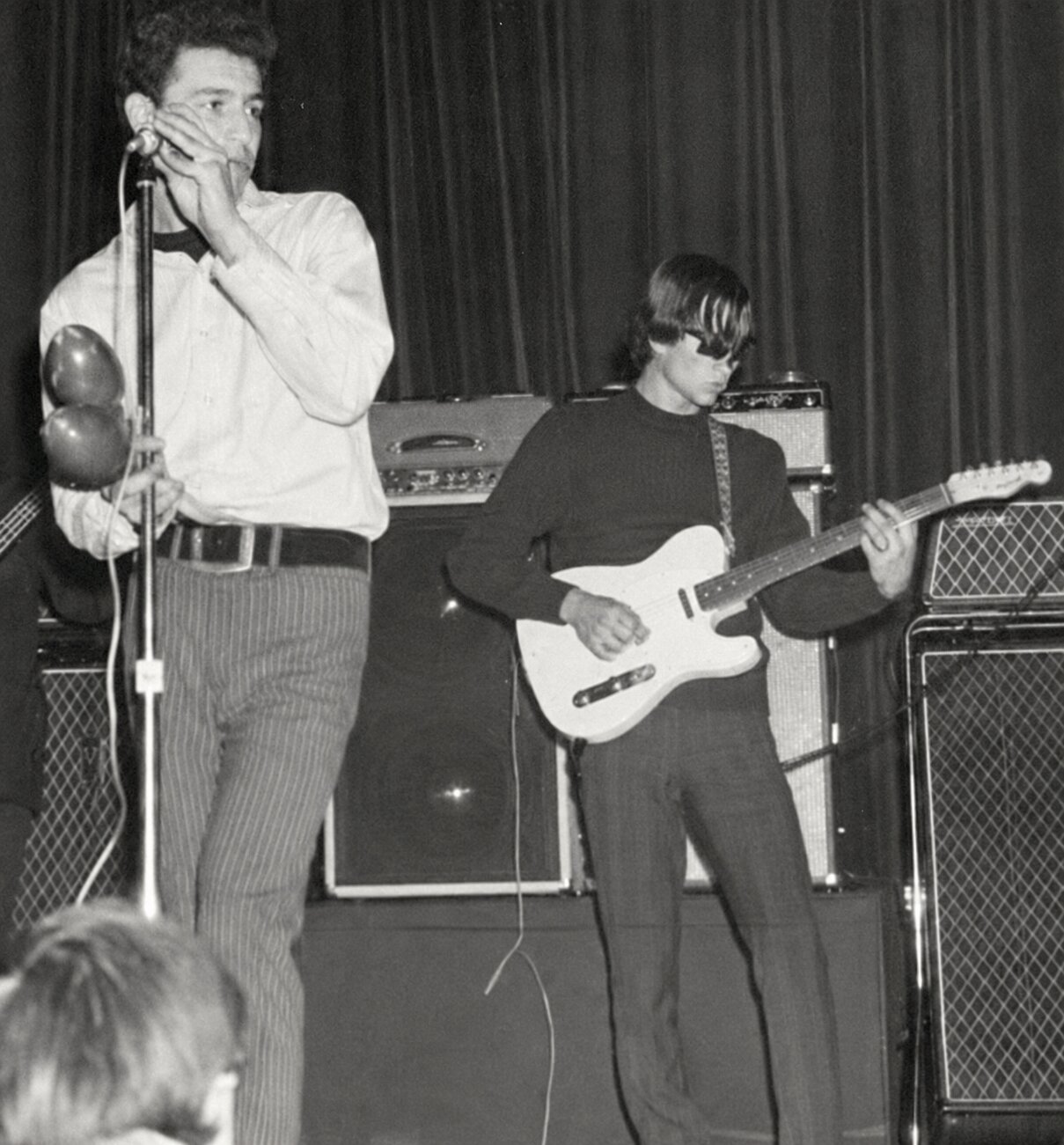
What did your day-to-day life look like outside the band at that point? Were you working jobs, in school, or already trying to make music the center of everything?
I was the only one working a regular day job, as an apprentice working on nuclear submarines. Everyone else was either continuing their education, in military reserves, or odd-jobbing. At one time in mid-1967, we had an opportunity to play five nights a week at a Lake Tahoe spot. I didn’t want to quit my four-year apprenticeship, so we had to pass on it, and that caused a lot of friction. It was a no-brainer choice for me; my draft deferment was based on keeping my DOD job and the Vietnam War was going full tilt. I don’t think music was the center of everything for all of us. Some had other distractions, like upcoming draft notices, alcohol, career plans, etc.
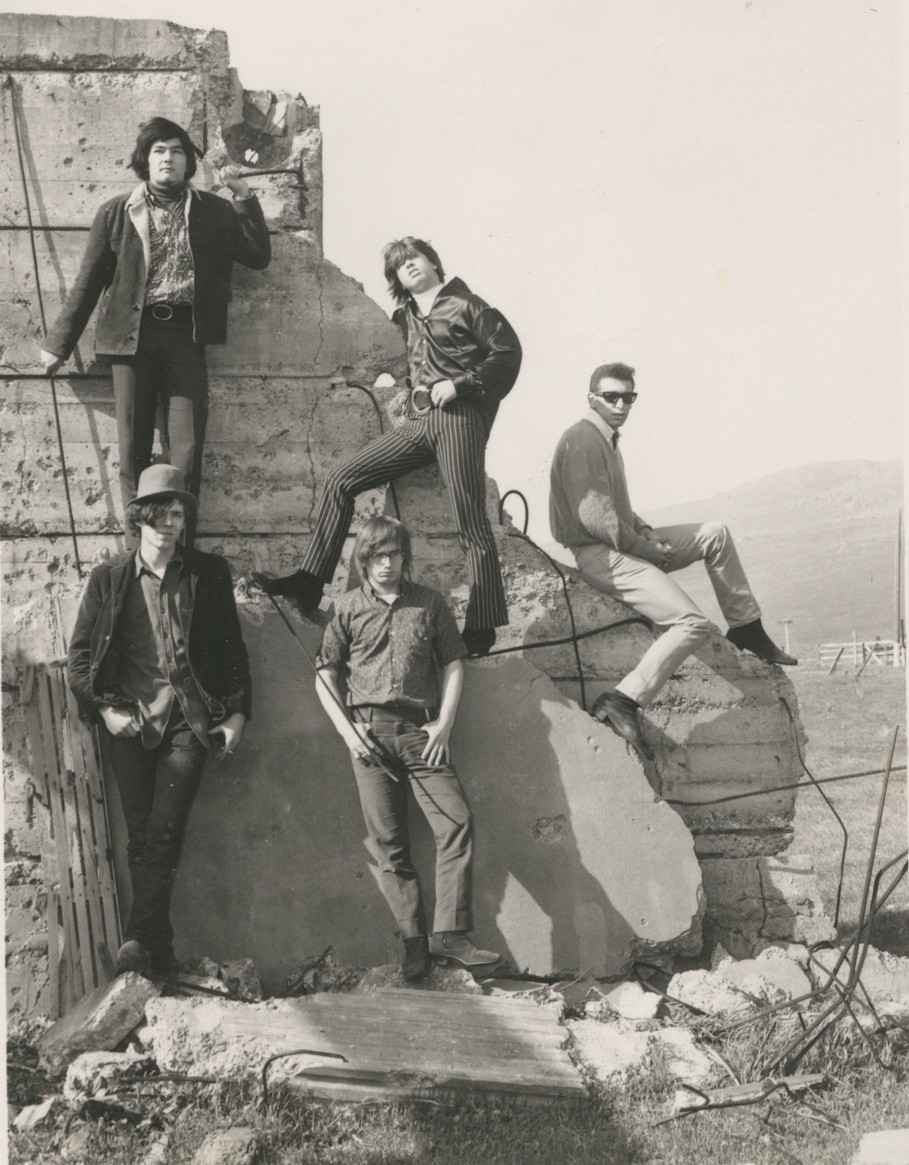
By mid-1967 you’re suddenly on bills with groups like Moby Grape and Big Brother and the Holding Company. How did that jump actually happen? Was it a promoter connection, local reputation, or just being available when something opened up?
We had a great manager, and most of our bookings were due to his effort. When we were playing with known bands, many had not made a record yet, or had just made their debut album. We were doing our own material except for two songs and got out of the cover thing early on. We did many gigs at The Ark in Sausalito and The Concord Coliseum, and those places helped us get other bookings.
That Rio Nido weekend keeps coming up. Two nights, different lineups, same setting. What do you remember when you think back to that run of shows, not in general terms but in fragments: soundcheck, the crowd, the stage itself?
I think I put that weekend as one of the best memories because the Russian River/Rio Nido area was a resort spot in the summertime, along with who was on the bill with us. Moby Grape was at their peak, and it was just a great experience. We played both nights, with Big Brother the second night, and did an afternoon “matinee” show with Morning Glory. I remember the place had a great PA, which really added to the show, and they provided lodging for the band.
You described Moby Grape as sounding like the record pushed to its limit. From a player’s point of view, what was happening on stage that made it feel that way? Was it volume, tightness, or something harder to pin down?
Not hard to pin down at all. They simply had it all. One of the best lead guitarists and bassists of the rock genre, five excellent lead singers with backup harmonies like The Byrds, all five wrote great songs, and a mastery level that put their stage presence in a class of its own. I saw many of their later performances, some that weren’t as polished as that night, but that particular night they were what I would say was the top of their game.
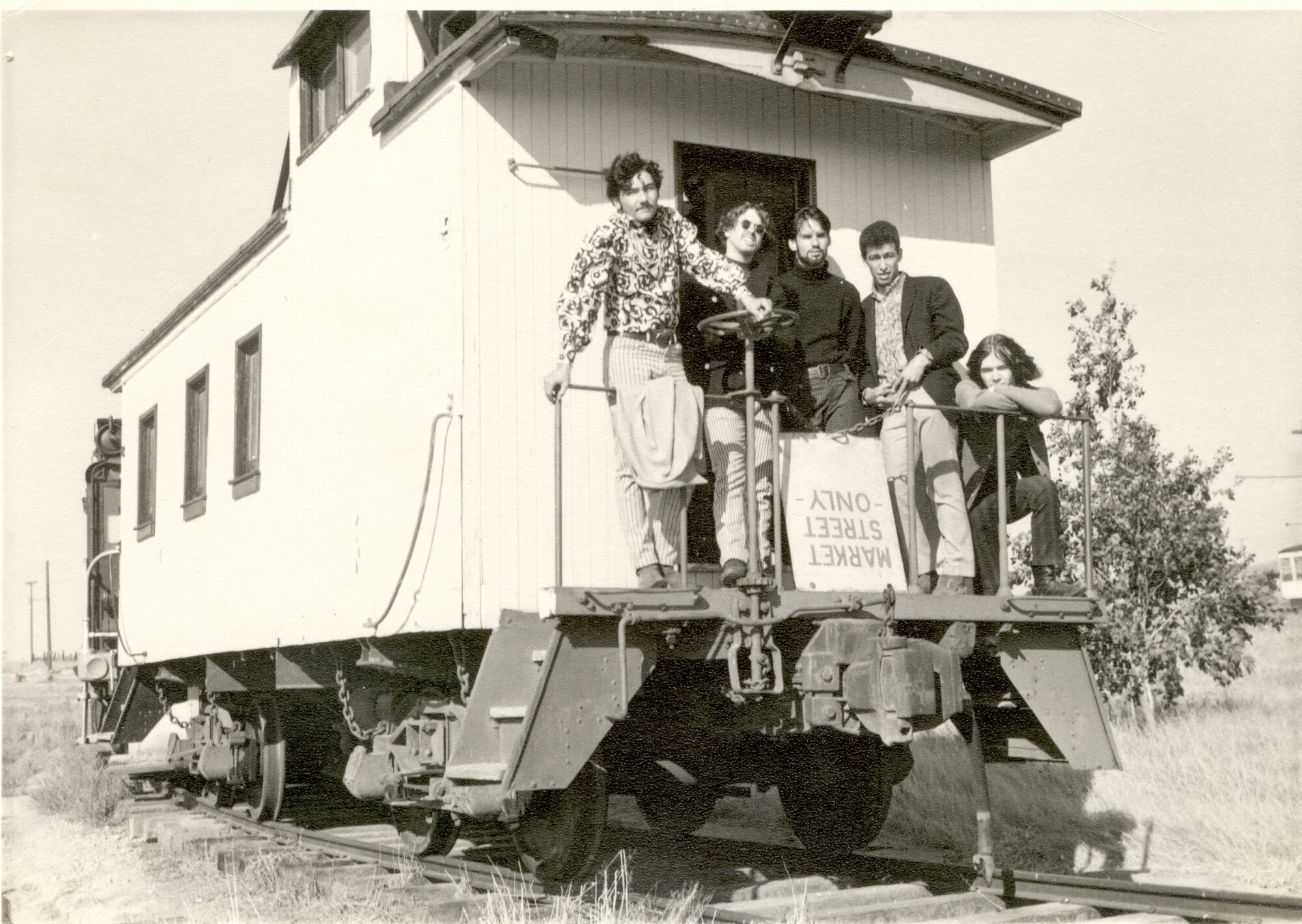
You also mentioned seeing Bob Mosley and Skip Spence around the area during that weekend. Were there actual conversations between bands, or was it more passing encounters?
No, we never spoke to Moby Grape. I just remember seeing Bob Mosley and Skip Spence in a nearby coffee shop that was within walking distance from the venue. We did have a few conversations with the guys in Morning Glory and Big Brother. That was the third or fourth time we played with them.
The venue itself gets referred to as the River Theater or ‘The Barn.’ What was that place in real terms? Open air, enclosed, rough, well-run? Trying to picture the environment you were playing in.
I remember it as a large building with a very high ceiling. The details are pretty fuzzy now after 59 years. It was as big as any of the concert ballrooms and was well organized. Again, it was right in the resort area.
Morning Glory were on those bills as well. What do you remember about them as a group, both musically and offstage?
This was way before they made their album on Fontana, but I remembered a few of their songs from those nights we played when I later bought their record. They were very good and had a female singer. I remember she was dressed in bright, vibrant colors and was small, but very lively. A couple of them got into a scrape with the law that weekend. I would prefer not to mention why. I remember one of their shticks was that they would hold the bass and guitar out and rub the strings together during a jam. Pretty wild. I ran into their guitarist, Dan NuDelman, one night at the New Orleans House in Berkeley in the ’70s, and we recognized each other, many years after those concerts.
Did you think of yourselves as part of a San Francisco scene, or was it more a case of playing the same circuit without any strong sense of identity attached to it?
We worked a lot outside of the Bay Area, like Fresno, Monterey, Sacramento, Santa Cruz, etc., as well as San Francisco venues like Straight Theater and Longshoreman’s Hall, but I think we considered ourselves part of the whole Bay Area scene, more than San Francisco.
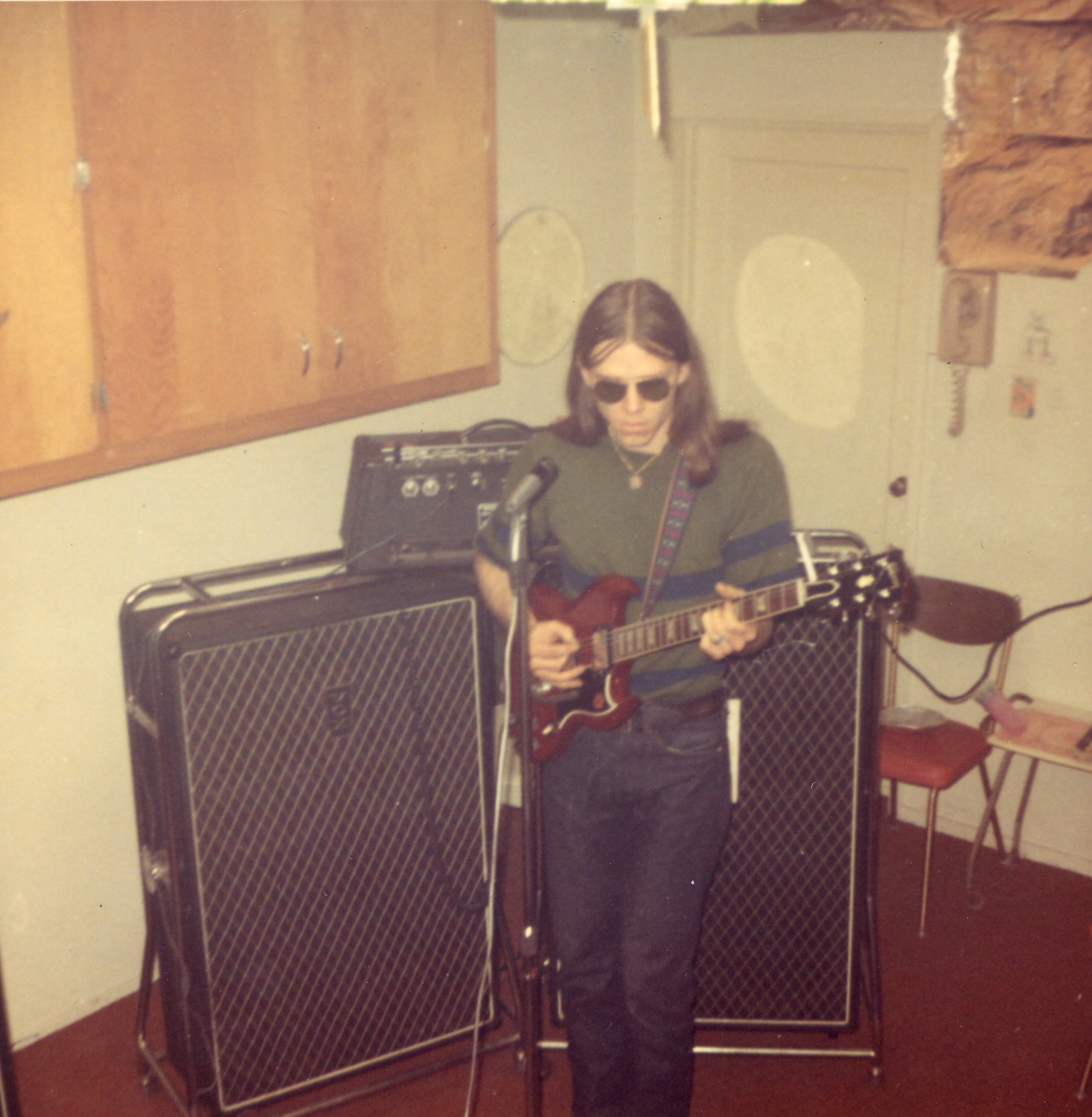
When you went in to audition for Fantasy Records and Capitol Records in 1968, what actually happened in those rooms? What did you play, and what kind of response did you get back?
We recorded three or four of our own songs and then listened to the playback with the reps and engineers. We thought, at the time, that the tracks sounded great, being as they were recorded on the best recording gear by pro engineers. But I guess we weren’t what they were looking for. I wish I would have had the inclination to get, or even buy, the tapes from them when we left. They never offered them to us, that I know.
Looking at it now, do you think those labels had a fixed idea of what they wanted that didn’t match what you were doing, or was it something more practical like timing or presentation?
That was in the fall of 1968. One of them indicated that they were looking more for a blues-oriented group. That was the era where record companies viewed Bay Area bands as being “the” sound, and I think our manager felt we would have a better chance at that time rather than holding off. Audition while they are interested, so to speak.
How were songs coming together in the band by that point? Was there a main writer, or did things take shape through rehearsal and live playing?
Our lead singer and I wrote the songs. He and I would usually play a demo of the song for the band and show the chord and song structure, but everyone made their own contributions to the basic “as-presented” song until it fully developed.
What kind of equipment were you working with on stage? Guitars, amps, anything unusual for the time, or was it mostly standard setups pushed as far as they could go?
In the beginning, we all got Vox Super Beatle amps. Pretty beefy, 120 watts into 4x12s. They were more than $1000 in 1966! That was a huge amount of money in those days for an amp. I used mine with a pair of 4×12 bottoms until the ending of the original band, but over the years everyone else had gone to Fender/JBL gear. We always had Fender and Gibson guitars. We had a PA that we used when the venue didn’t furnish it, a common thing back then, with 2 x 15″ JBL columns and Altec horns built by Jimmy Webb in Antioch.
Did your live sets stay consistent, or were they changing from night to night?
We usually stuck to a fixed set list, mixing in newly written songs as they progressed. We did only two covers, and we usually opened with one of them: ‘Train Kept A-Rollin’ by The Yardbirds or ‘Seven and Seven Is’ by Love, very high-energy songs. We did one song with longer improvised instrumental segments, but most were fixed-structure.
You said that Rio Nido was the best gig you ever played. What made that one stand apart from the rest of the shows you did over the years?
Probably playing on the bill with Moby Grape, and Big Brother the next night, our third concert with them. I said it was the best memory not only because of the venue location, but Moby Grape that night. I have never been so impressed. Later in the 1970s, I went to most of their shows that were in the Bay Area or Santa Cruz; so many times, in fact, that Bob Mosley saw me in line one night in San Francisco and walked over and said I was “gettin’ to be like one of the band”. I never got tired of hearing them.
How long did the band continue in that form after 1968, and what led to it winding down? Was there a clear break, or did it just drift apart?
In December 1968, our rhythm guitar player went into the Air Force and our lead singer had other ideas, so we played as a trio for about six months until the summer of 1969. Our previous song list didn’t adapt as well to that arrangement, and our drummer took over lead vocals. We should have just worked all new material for that format. So the trio ended in May 1969. Our lead singer and I did reassemble in 1973 with all new material when he got out of the Navy. He and I got together with a bassist and drummer in Richmond and rehearsed there in a warehouse. We played a handful of gigs in the Richmond-Berkeley-East Bay Area under the Overbrook moniker, but it was short-lived and ended in April 1974, after about six months.
There’s very little documented material from the band now. No widely circulating records, no official releases. When you think about that, does it feel like something missing, or just the way things worked out at the time?
To be honest, we didn’t think about documenting anything. I think it was disappointing for our manager after the record auditions didn’t pan out, and we lost some momentum at that point. Making an album would have been great, but playing music has many uncertainties. Later, in 1985, I played in an already established band for about three years. We played quite a bit, but I couldn’t adjust to not having a regular fixed income and went back to bartending and amplifier servicing.
That early demo still exists, even if it doesn’t reflect the later band. Do you see it as a starting point, or almost a different group entirely?
A starting point. We were doing original material but had not been together long enough at that time. Later, our songs were more refined and we played much better as a group.
When you think back on the Overbrook Express now, what stands out first: the music itself, the shows, or the people you crossed paths with along the way?
The music still means something to me, because they were our songs, but the opportunity to play on so many great shows was a memorable experience. I was always very critical of how we sounded, yet I always felt confident of our performances, regardless of who was on the bill.
If you were to sit down and play records that connect directly to what you were doing then, what would you put on?
Probably Love with Arthur Lee, and The Yardbirds.
Anything that never made it onto tape or into photos that you think should be remembered while there’s still someone around to tell it?
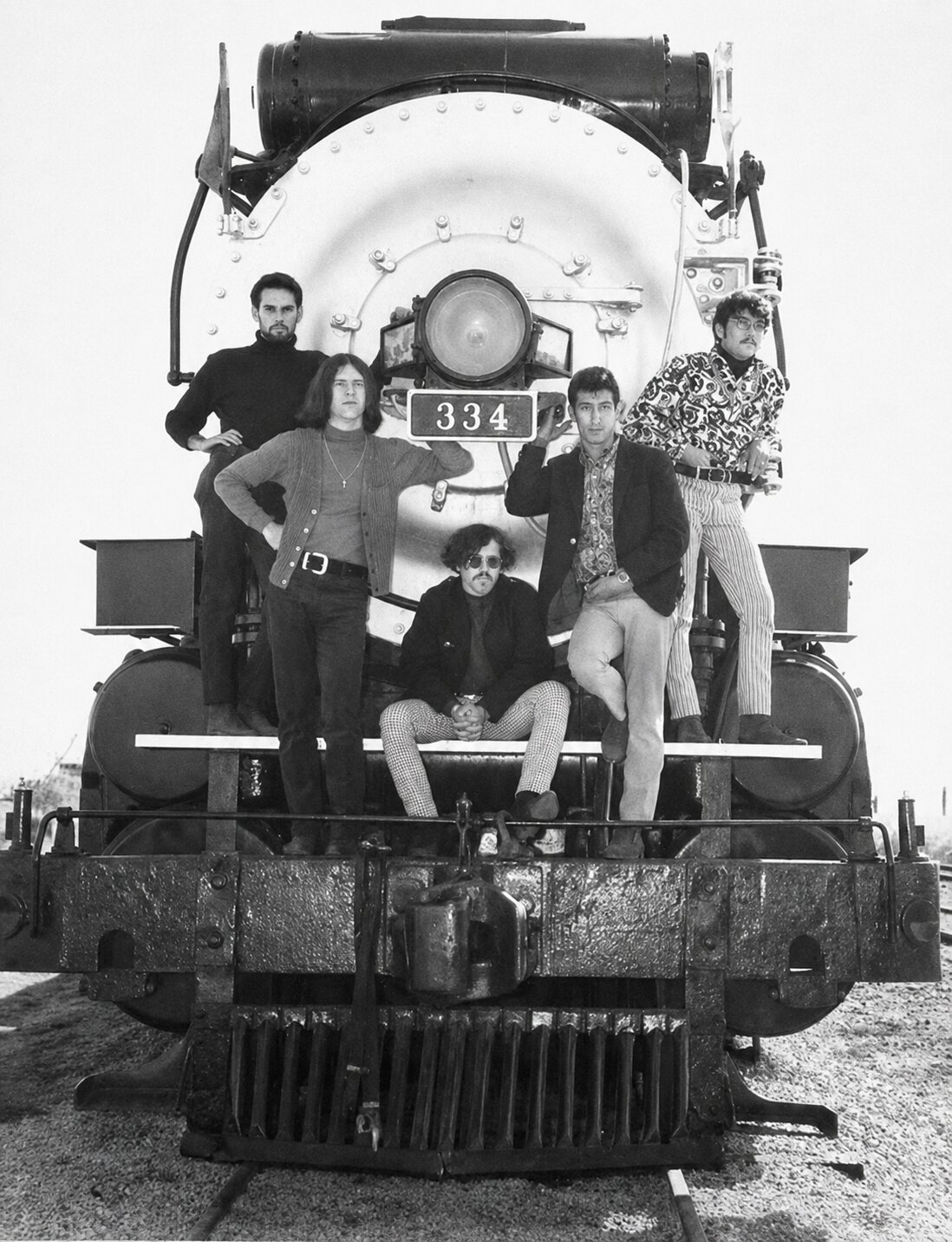
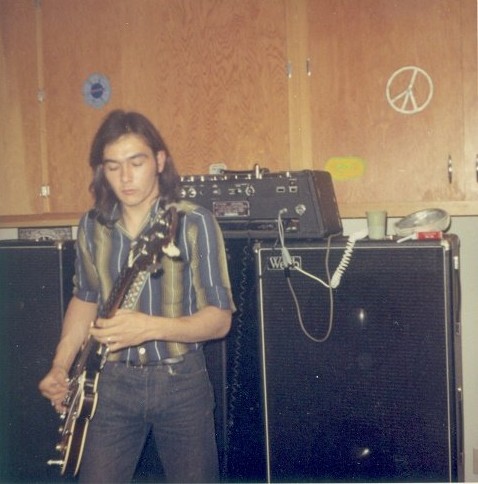
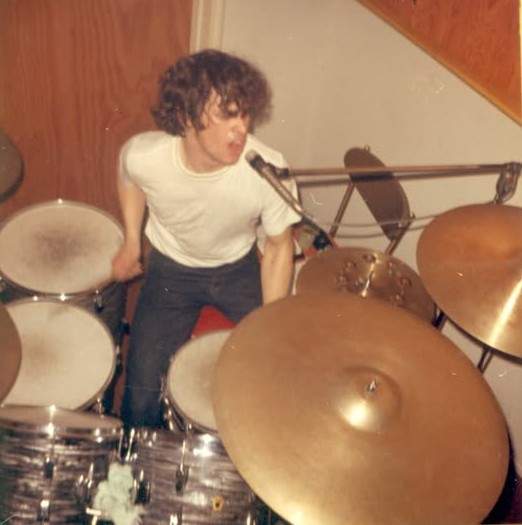
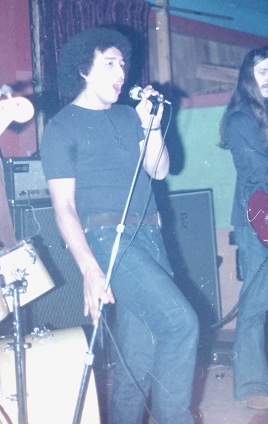
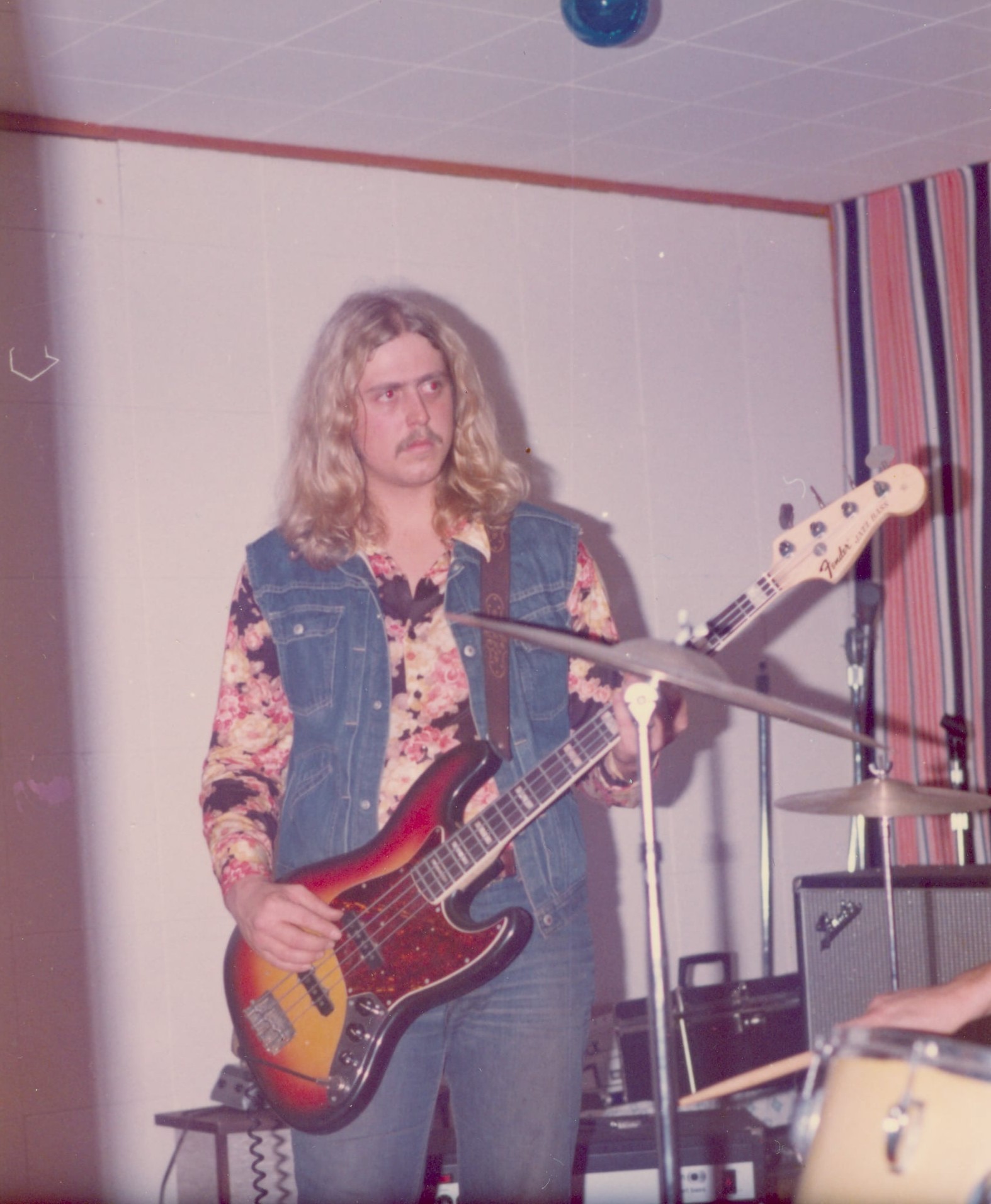
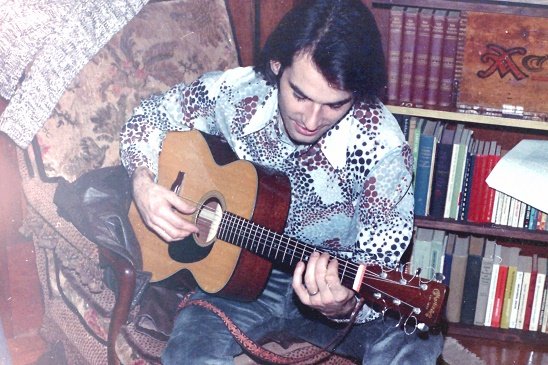
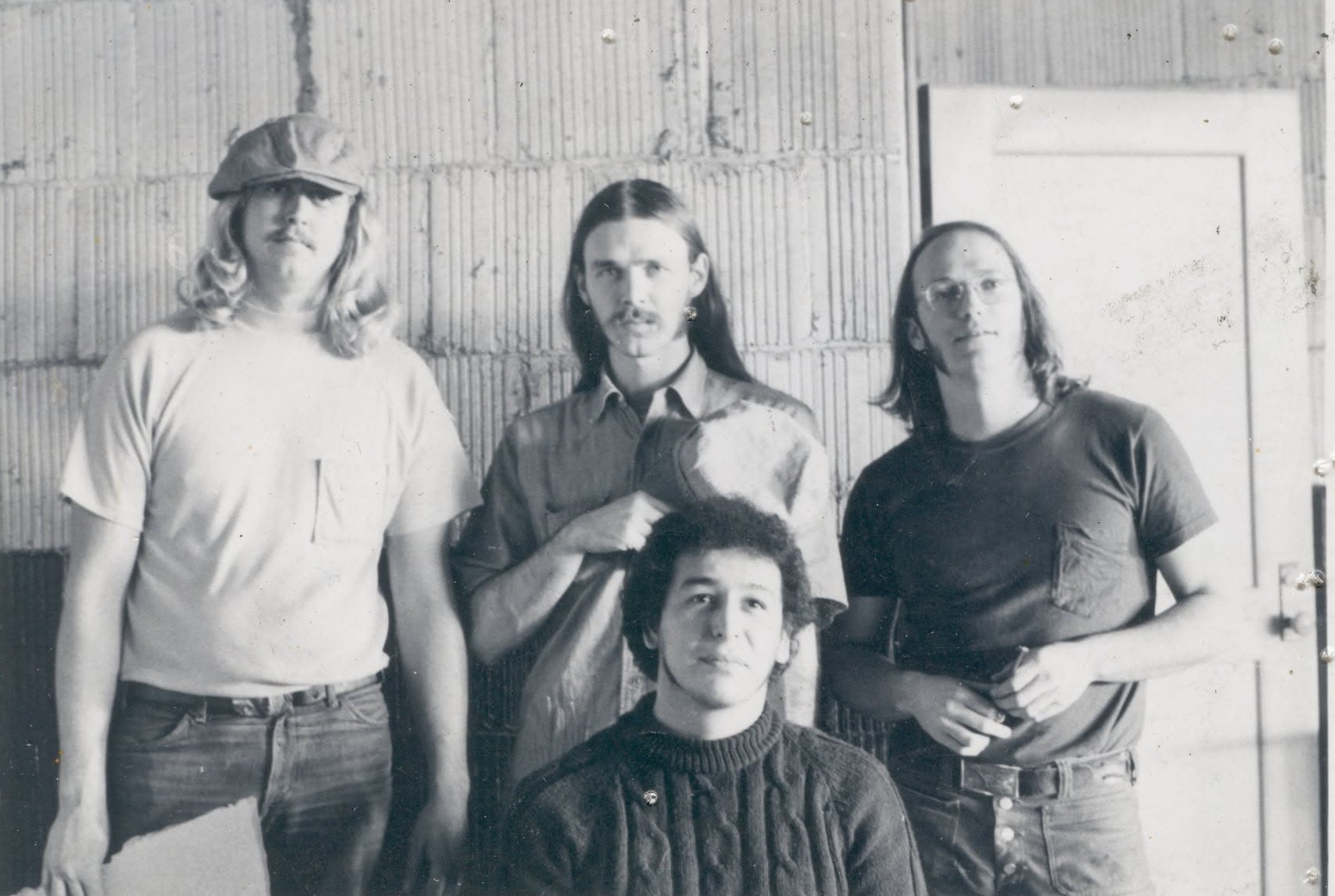
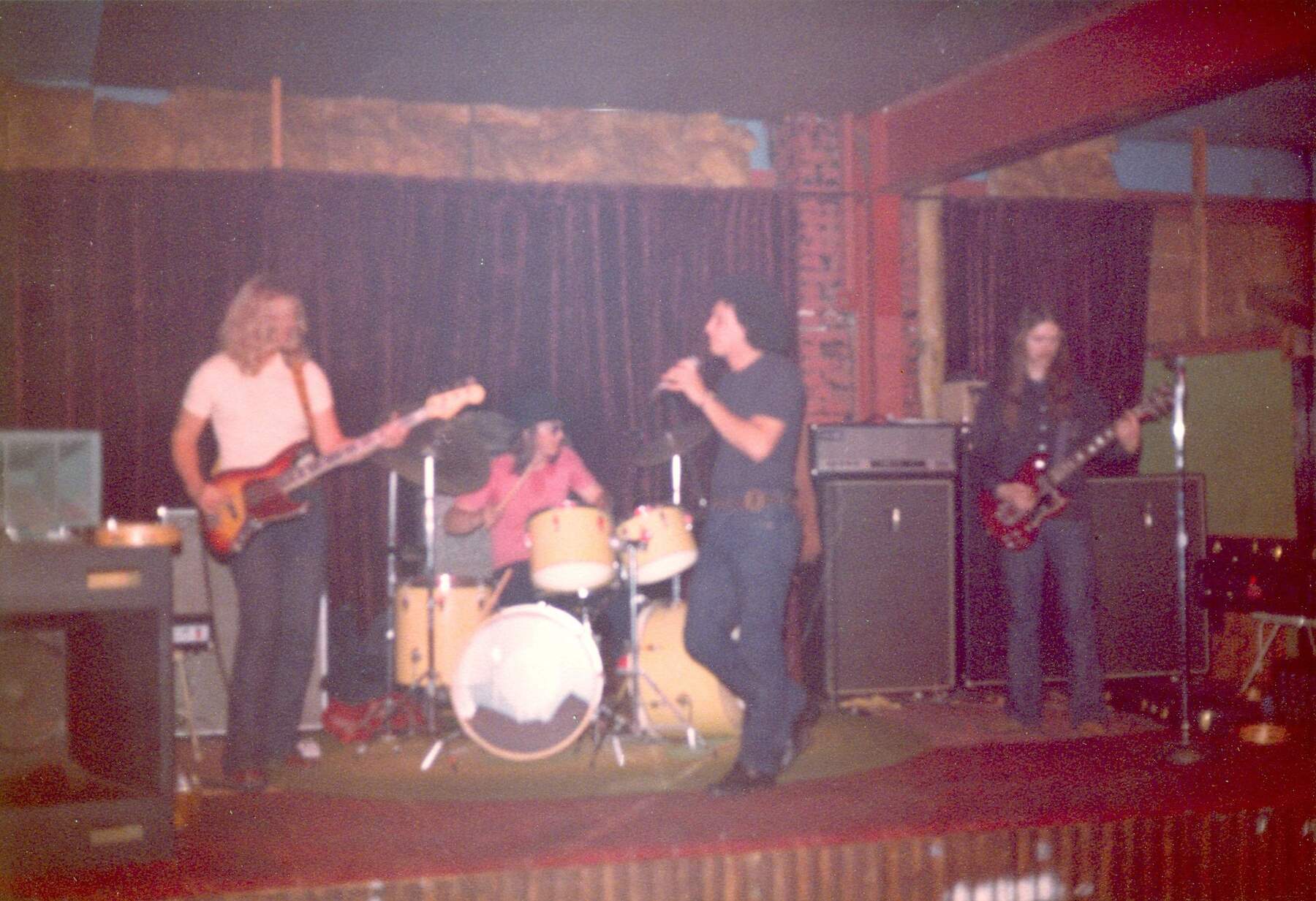
Not really. I certainly wish we had recorded some live gigs. No one thought of getting a tape recorder to the concerts; same with live photo shots, although I have a few early ones and managed to find some of the concert posters. Again, we didn’t think of documenting much. In closing, I would like to mention the personnel: Roger Trujillo (RIP), lead vocals; Louie Ferranato (RIP), drums/vocals; Jack Neeley (RIP), rhythm guitar, 1966-67; Chris Kempton, rhythm guitar, 1967-69; Dennis Foutch (RIP), bass, 1966-69; Mike Mecartea, bass, 1973-74; and yours truly, lead guitar/vocals.
Klemen Breznikar
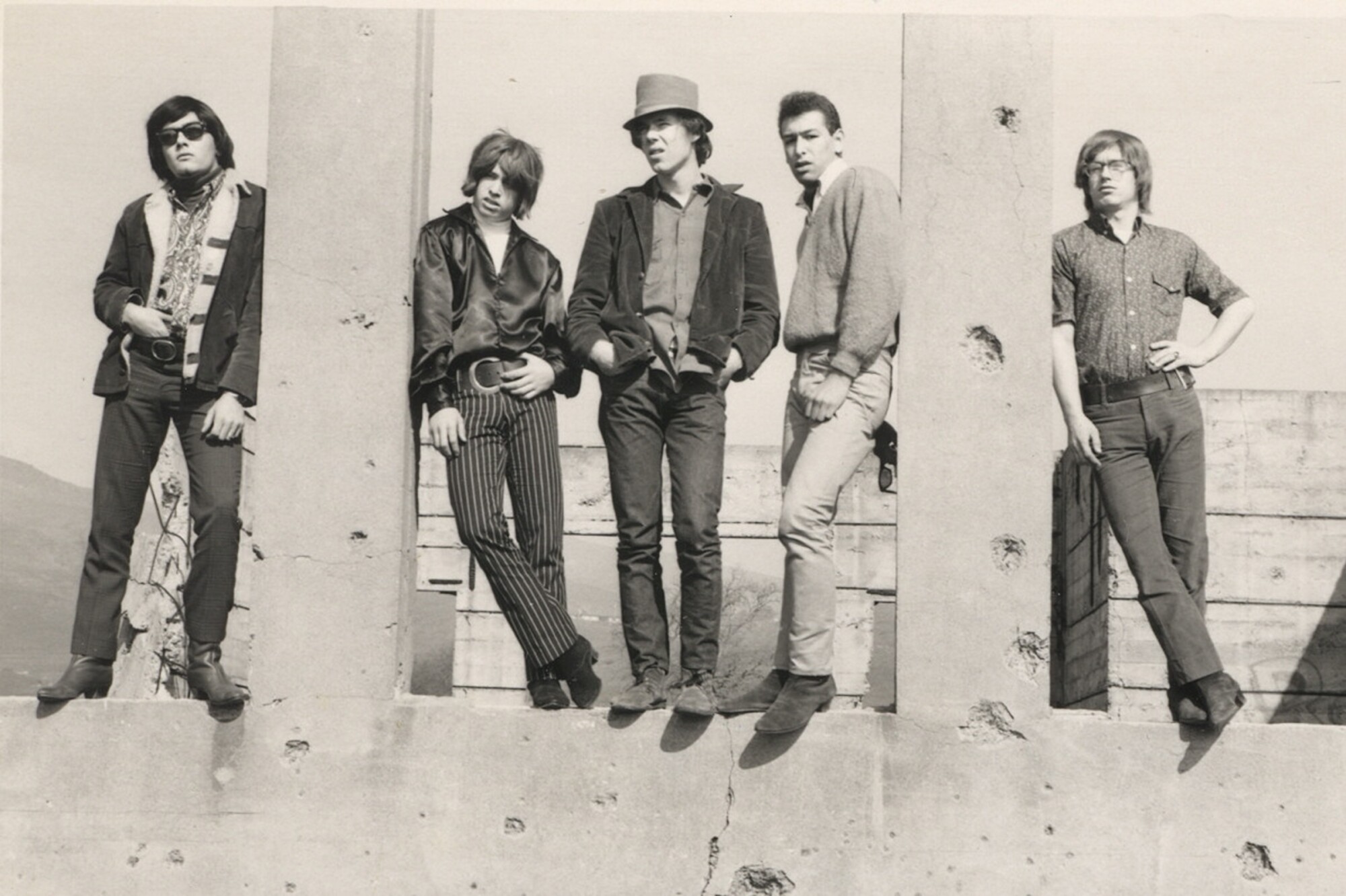
Headline photo: The Overbrook Express, November 1966. From left: Dennis Foutch, Louie Ferranato, Rich Irwin, Roger Trujillo and Jack Neeley.

 Jack Iturralde
I played with Rich in highschool. Rich actually taught me how to play the guitar. The name of our group was the majestics.
Rich was a great guitar player and as far as I’m concerned a musical genius.