
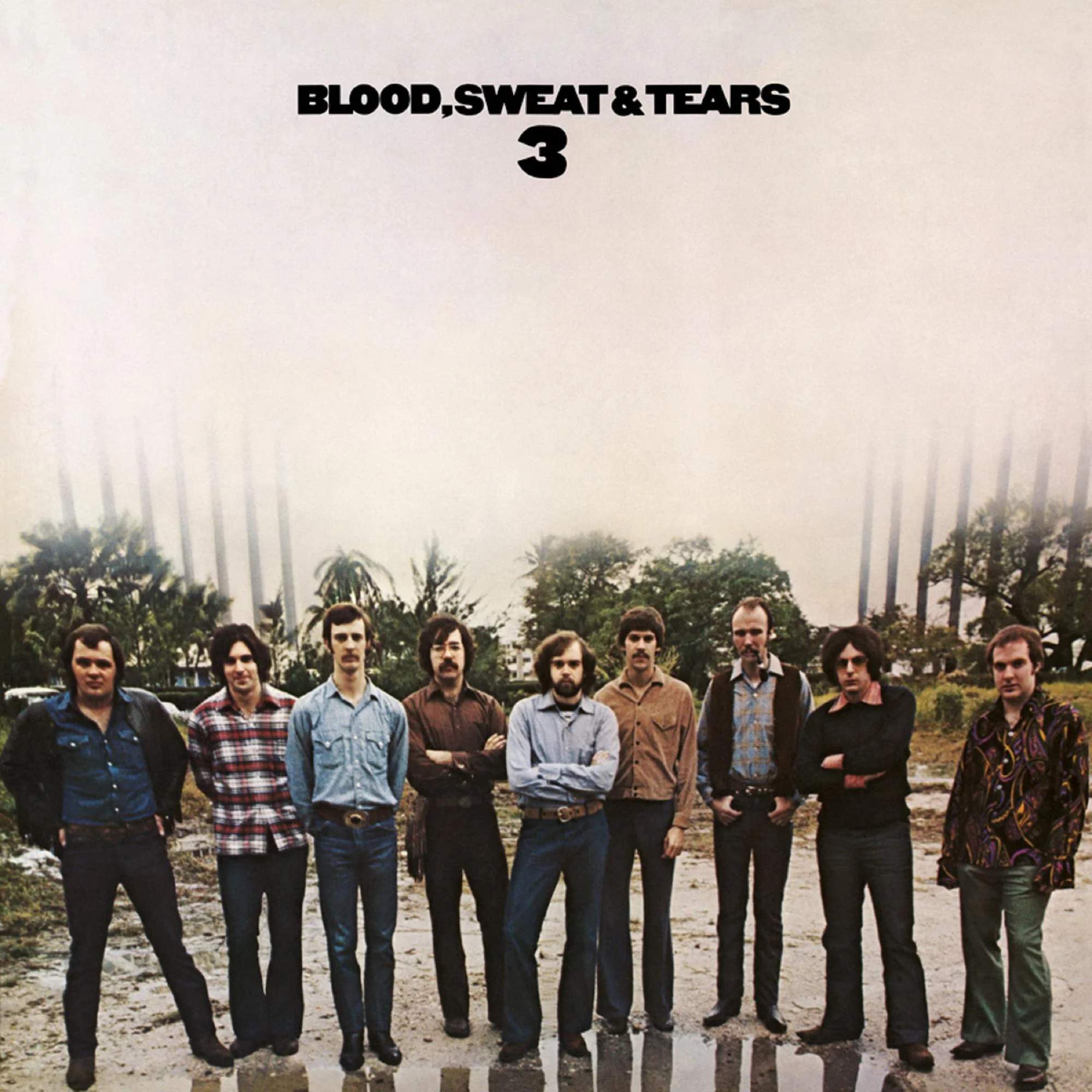

“Nothing Was Contrived”: A Blood, Sweat & Tears Interview with Fred Lipsius
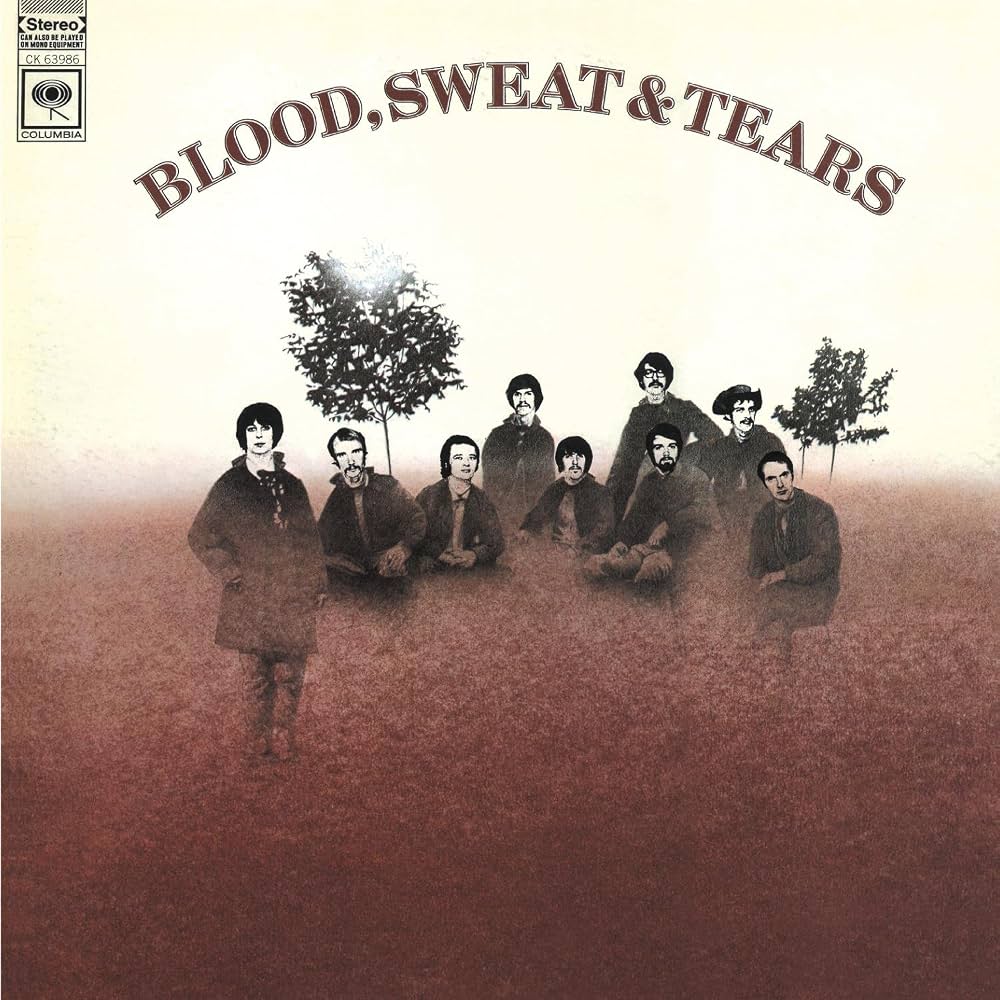
Before Blood, Sweat & Tears even had a horn section, Bobby Colomby called Fred Lipsius and asked if he wanted to join the new band.
Colomby said he would speak with the others and get back to him. Five minutes later, the phone rang again: “You’re in!”
Lipsius was still far more interested in jazz than in becoming part of a rock group. What caught his attention was the freedom. He could write what he wanted and bring his own musical language into the band. Soon he was sitting beside Al Kooper at a piano in Greenwich Village, listening as Kooper played and writing the horn parts down on music paper. When a half-step clash between two notes caught his ear, he would stop Kooper and make it part of the arrangement.
That is how Lipsius remembers the early Blood, Sweat & Tears. There was no theory behind mixing jazz, rock, blues and folk, and nobody was trying to invent a new genre. “Nothing was musically ‘contrived’ in BS&T,” he says. They came from different places, played together, and it worked.
‘Spinning Wheel’ arrived in much the same spirit. Lipsius first played the song with David Clayton-Thomas at the Café Au Go Go, then wrote the arrangement in a few hours at Colomby’s piano. “The ideas just flowed.” For all the harmonic detail, his main rule was simple: “Don’t get in the way of the singer!!!”
He remembers the notes, but he also remembers the people. Chick Corea telling him, “You had me out there.” Cannonball Adderley greeting him with a hug. Thelonious Monk standing beside him at the piano. David calling shortly before his death to say how much their shared experiences had meant to him.
For all the famous names and the Grammy, Lipsius speaks about his work in remarkably direct terms. Saxophone, piano, arranging and composing are simply “what I do”. Music is something received, made personal and passed along. His own phrase for it is better: “carrying the torch”.
“Nothing was musically ‘contrived’ in BS&T.”
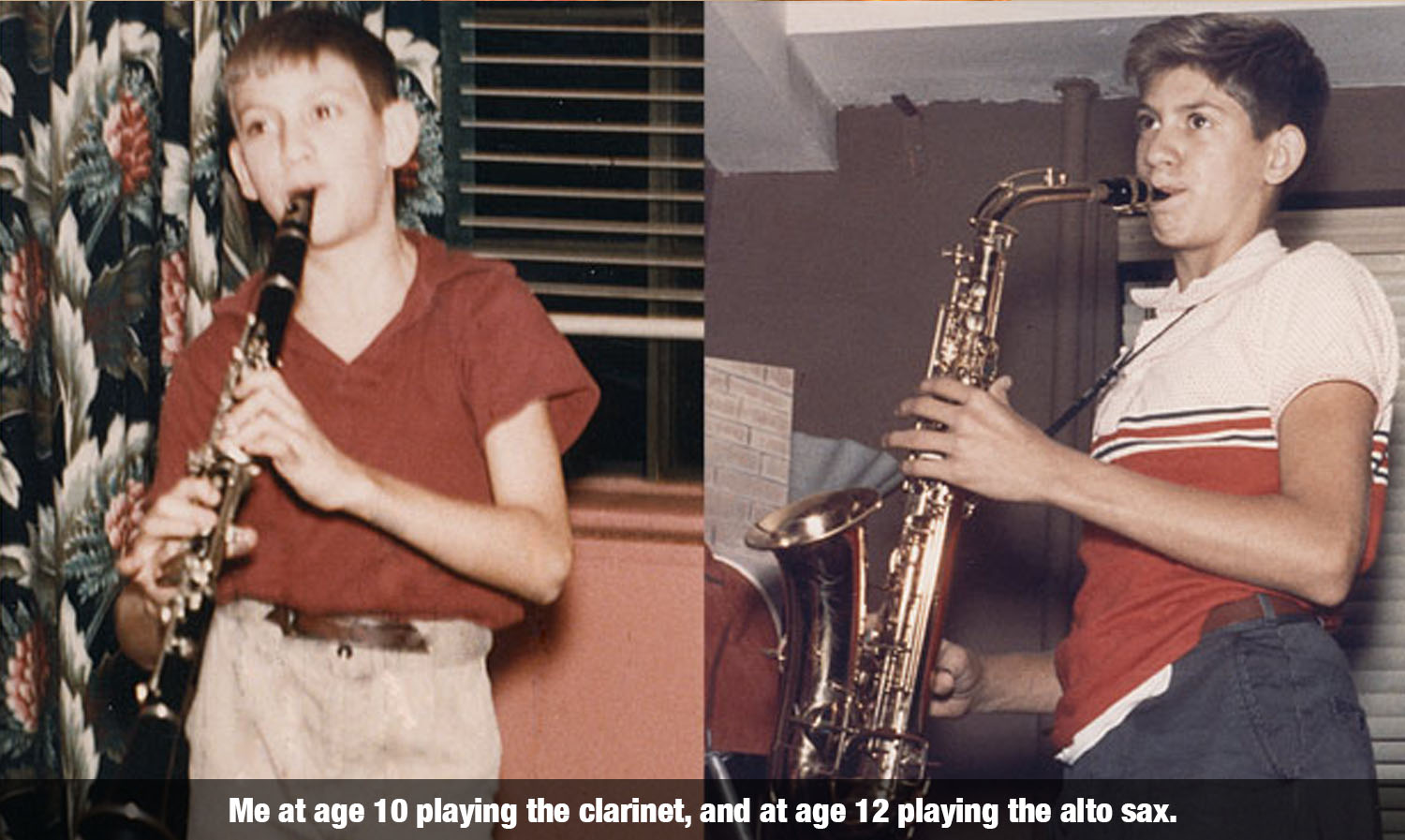
You began playing clarinet at nine before moving to alto and tenor saxophone and also studying piano. When did you first feel that music might become your life? How did you begin finding your own voice among the musicians you admired?
Fred Lipsius: Around age seven, I saw Satchmo (Louis Armstrong) playing a song with his group on TV. I told my mother, “Mom, I want to do that!” I didn’t know the word ‘jazz’ yet, but that kind of music really touched my young heart! My brother, sister and I always saw our dad drawing pictures as a hobby. I was pretty good at art. I could ‘copy’ pictures, but I felt I wasn’t very ‘creative’, so I decided to focus my attention on music around age 14.
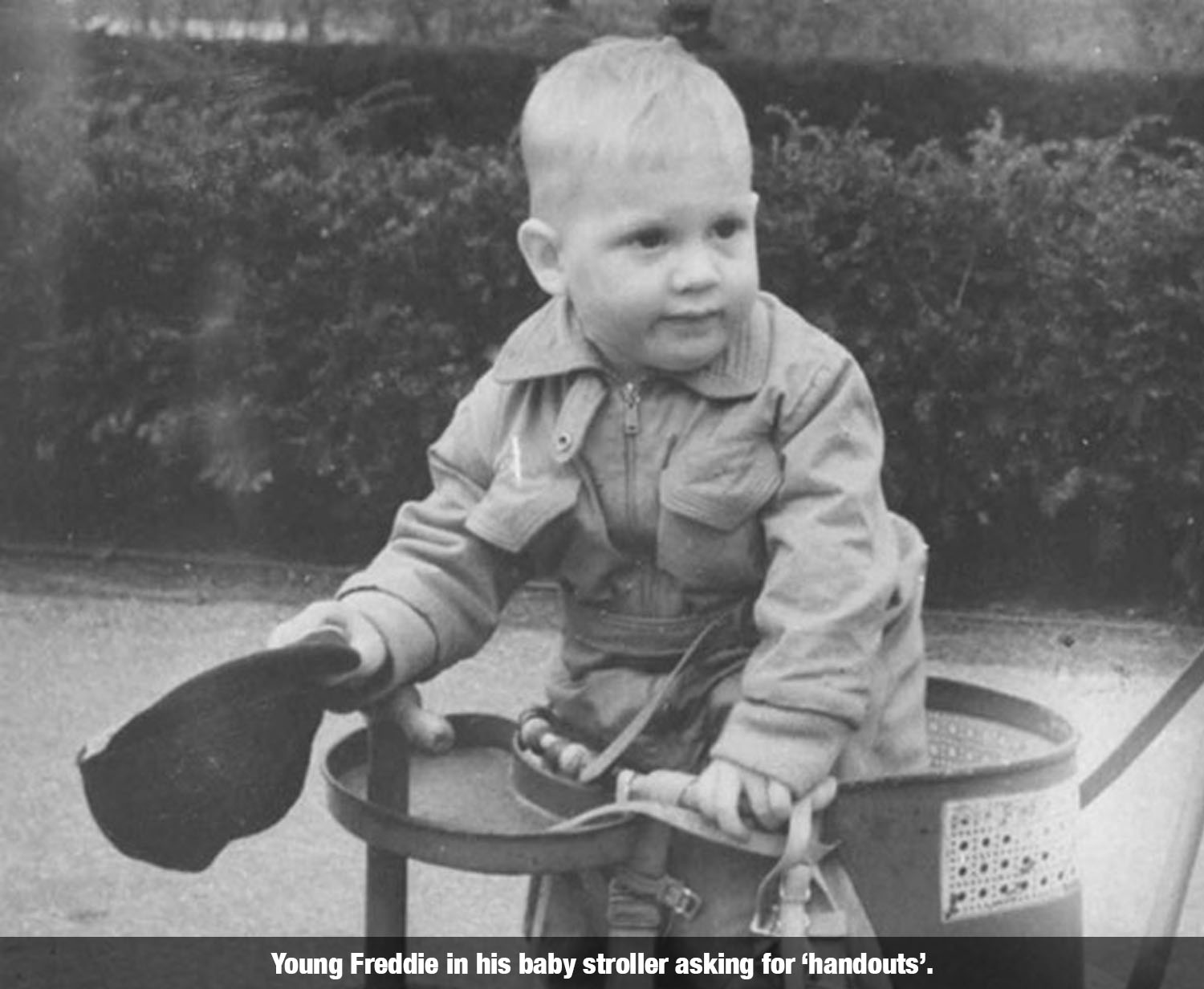
At a young age, listening to recordings of Benny Goodman, I began transcribing (writing down on music paper) some of his jazz licks (musical phrases or improvisations). As I entered my teenage years, I listened to many bebop jazz players and transcribed their solos as well. I was also developing my ‘musical ear’. I have a loose-leaf book filled with many of my jazz heroes’ licks. I listened to most of the great players and learned from them, both from their records and from hearing them live at jazz clubs in New York City when I was about 16. Because I’m a ‘creative’ individual, over time I developed my own ‘sound’ (tone and touch) on both sax and piano, always influenced by those who came before me. Bach, Beethoven and Mozart came before Charlie Parker, Miles Davis, Monk and all the other jazz greats! It’s like ‘carrying the torch’ for the next person or generation to come. We all pass what we’ve learned on to others…
As an aside, both my arranging and piano playing are mostly self-taught. I’ve also composed about 180 tunes (a few with lyrics) in nine different musical categories (jazz, Latin, pop, fusion, etc.). These were influenced by the various styles of music I listened to and absorbed over the years. Also, although classical music is not my great love, Debussy is my favorite composer. His music is very dreamlike and free. His harmonies went wherever he wanted them to go (not traditional at all). While listening to his famous piece ‘La Mer’ (‘The Sea’), there was a ‘moment’ when the strings or orchestra played some sound or effect, perhaps imitating sunbeams dancing over the ocean. That ‘moment’ of sound or effect in his piece transported me ‘back in time’, perhaps a thousand years! I had never experienced that kind of thing before with anybody’s music. That wasn’t just a ‘listening’ experience; it was also a visual or imaginative thing for me.
After studying at Berklee, you toured with Billy Fellows, played and arranged for Ronn Metcalfe, studied with Larry Wilcox and led a rehearsal big band. What did those early jobs teach you about writing for working musicians? When did you begin to recognise your own style as an arranger?
Something is gained from each new musical experience, whether we’re aware of it or not. I have always (hopefully) written from my heart with true inspiration. A spiritual master once said to do everything with love. I believe that without love, it really doesn’t mean much at all, no matter what you do or say or whatever the situation might be.
While playing alto and arranging for the Ronn Metcalfe Orchestra in Canada, at around age 19, our music was for hundreds of people to dance to.
I believe this is where the ‘commercial’ side of Fred Lipsius as an arranger began to blossom. If the music wasn’t really good, the people wouldn’t get out on the dance floor and dance! I was one of a few arrangers in that orchestra, so I also learned things from hearing others’ arrangements. I also learned about some things that ‘don’t work well’ when writing parts for certain instruments in a band.
Around 1982, when I was writing my first educational book on jazz improvisation for Warner Bros. Music in New York City, a little voice inside my head (it was more like a feeling or nudge) told me NOT to just share a bunch of jazz licks (phrases or riffs) that were ‘theoretically’ correct for players to use in jazz improvisation, but to make sure every lick I shared, and there were over a thousand, had true ‘musical substance’ that could possibly ‘inspire’ someone to create their own jazz licks as well! That’s exactly what happened to me as a youngster, from listening to and transcribing solos by my jazz heroes.
Regarding your second question:
Over the years, I had developed my own style of arranging, probably without even realizing it. Although I spent a lot of time practicing clarinet and saxophone, I spent even more time at the piano learning jazz chords, working out many chord voicings (harmonies), having lots of fun playing and improvising over standard tunes, composing my own jazz tunes and music in other styles, and writing arrangements (also called ‘charts’). As mentioned before, I’m self-taught as an arranger and pianist, so my ideas derive from love and pure inspiration. I really never worried much about whether my arrangement would ‘work’ (sound good) or not!
Bobby Colomby recommended you when Blood, Sweat & Tears was being formed. What do you remember about meeting Al Kooper and first hearing his ideas for the band? Was the full horn section part of the plan from the beginning, or did it develop during rehearsals?
I’m very friendly with Al Kooper. A few years ago, during a phone conversation, I asked Al if it was ‘his’ idea to have a band with horns. He said, “Do you want to know the truth?” In the past, other people had different opinions about where the horn concept for BS&T began!
Bobby Colomby and I had met at a jam session in the Bronx, New York, when he was 13 and I was 14. About ten years later, the BS&T rhythm section was looking for a horn player to lead the yet-to-be four-horn section and help Al Kooper write the arrangements for the band. Al Kooper hadn’t named the band yet. Bobby called me to join the band before there were any horn players in it. We had a long conversation, and he told me I could write whatever I wanted. In other words, there would be lots of freedom for me as an arranger. That sounded good to me. I told Bobby I was interested in joining the band, even though my heart was mostly set on playing jazz. But I later found that I could bring the jazz element to the band through my arranging and, of course, through my alto and keyboard solos on records and at BS&T concerts. At some concerts, I played solo piano for five minutes without the band. I either ‘lost’ the audience or they loved it (ha, ha, ha)!!! It was a ‘gift’ to have those experiences.
After telling Bobby I was interested in joining the band, he said he would speak with the other guys and get back to me. I thought it would be a day or two before hearing from him, but five minutes later he called me and said, “You’re in!” He must have said some very good things about me to the other guys!
Bobby took me over to guitarist Steve Katz’s apartment in Greenwich Village, where I met Steve and bassist Jimmy Fielder, who was about 19 and the youngest in the band.
That day or the next, the band had a rehearsal for a concert that Al Kooper had gotten us for the following night at the Fillmore East in the Village. I met Al at the rehearsal. I had learned about four of his songs for the concert. I was later told that, after hearing me play, I became his favorite alto player, apart from perhaps Hank Crawford.
Our five-piece band (rhythm section plus Fred) was one of a few opening acts for that night’s concert. The Chambers Brothers were the main act. We played for 20 minutes and were well received by the audience. Kooper paid each of us $200!!! I had never received that much money for performing music in such a short amount of time. That was the beginning of BS&T…
My memories of writing BS&T horn arrangements with Al Kooper went something like this: I would come down from the Bronx to his Greenwich Village apartment. Sitting together on his piano bench, he would play and I would write down the horn parts on music paper. Al had written a number of the tunes that we were about to arrange, so I imagine he pretty much knew what he wanted the horns to play on them. In many cases, the horn parts I jotted down were simply what he was playing on the piano. Sometimes I would abruptly stop him, saying something like, “Al, that’s a good horn line, especially that half-step clash between the G and F# notes on the E-7 chord.” If he agreed, it became part of the chart. He left places or spaces in the arrangements for me to write an intro, an ending or a horn line here or there, but for the most part, I felt like I was simply ‘filling in the cracks’. I really didn’t mind this at all. I really enjoyed working with him. This was all ‘new musical territory’ for me, and at the time, I didn’t feel any great need to write the whole chart myself. The jazz influences that were so much a part of me spilled over and mixed with his style and influences, creating something very fresh! We respected each other’s musical talents and worked very efficiently together. I don’t remember having any problems while writing charts with him.
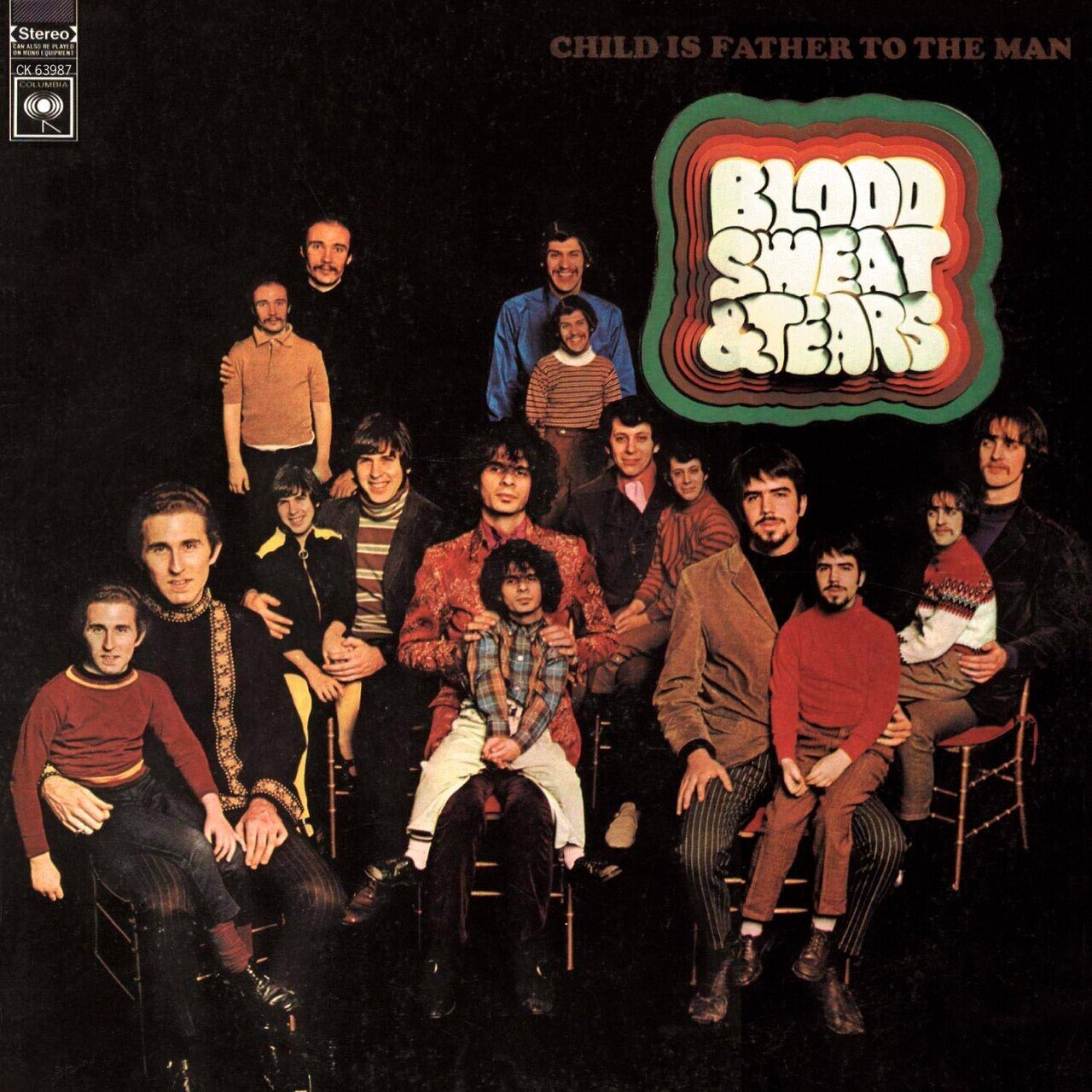
How were the arrangements for ‘Child Is Father to the Man’ developed? What did you bring to the album’s sound, and what was it like working with Al Kooper, John Simon and the other musicians?
Nothing was musically ‘contrived’ in BS&T. We each came into the band from our different musical backgrounds: blues, jazz, rock and folk. The musical ‘mixture’ of us all playing together just happened to ‘work’. No one tried to be anything other than themselves. The BS&T sound, of course, came from the arrangements and the tunes themselves, as well as what the players naturally contributed.
While working with Al Kooper, I never tried to arrange anything other than what I felt was right for the song, or what ‘fit’ its essence. It was always ‘inspired’ arranging and also very ‘new territory’ for me, writing for this kind of band. Al arranged the majority of it and left places for me to fill in with my arranging ideas. I never felt that Al needed me as an arranger, but he recently told me that yes, I was very important to the sound of that first BS&T album. We worked very well together and respected each other musically. I brought most of the jazz element to the band, and Al brought his musical influences and loves.
I didn’t really learn much from John Simon, but I thought he did a very good job as the producer of our first BS&T album. He worked and communicated with Kooper. I wasn’t asked to be part of the decision-making for the album.
Although Al and I had co-written the arrangements, John Simon got rid of one or more songs, removed some parts of our arrangements, and added some ideas of his own, probably along with Al. I had nothing to do with the string arrangements.
Also, at that time, I wasn’t interested in the ‘production’ side of making an album.
David Clayton-Thomas died on 24 June 2026. What memories have stayed with you since hearing the news? What do you remember about first meeting him at the Café Au Go Go and hearing ‘Spinning Wheel’? How did the two of you work together after he joined the band?
I happened to speak with David on the phone about two weeks before his passing. He lived in Toronto, Canada.
He told me he had skin cancer (I don’t know what he actually died from).
The interesting and very ‘touching’ thing for me was this:
Near the end of our conversation, David told me, in words I don’t exactly recall now, that he was happy to have me in his life and to have shared experiences together.
David had never said anything like this to me before, although he had said that he loved my sax and piano playing and my arrangements.
I shared his ‘touching’ comment on Facebook and mentioned that I believe when someone knows they are dying, when a loved one has passed, or when a serious health issue arises in a person’s life, their heart opens wider than ever before and the love pours out…
David and I weren’t that ‘close’ as friends, but we experienced so many great times in BS&T!
At the Grammys, David accepted my Grammy Award for arranging ‘Spinning Wheel’. Onstage, Louis Armstrong gave David my Grammy. I was kind of a shy person, so I didn’t go to the Grammys that night. I therefore missed having my picture taken for The New York Times with the BS&T members and Louis Armstrong, the man who first got me interested in ‘jazz’!
I always looked forward to how David would approach a song vocally. You never knew what he’d come up with. When he came to New York City from Canada and auditioned for BS&T after Al Kooper left, he sounded incredible singing ‘I Love You More Than You’ll Ever Know’. I think he learned that song the previous day. It was very exciting to hear him sing with the band, which had some new horn players! We all knew right away that he was our singer!
I always felt David was the best male pop singer. He could sing pretty much anything. He had many ‘colors’ in the sound of his voice. Besides his powerful voice and very clear enunciation, I never heard him sing out of tune other than perhaps once at Woodstock. He was so versatile.
In Blood, Sweat & Tears, the tunes or arrangements sometimes pushed David into unfamiliar territory. But he didn’t have a problem with any of it! He also had a great ear. For example, in my chart for ‘John the Baptist’, I reharmonized the tune’s original chords for the part that goes, “The waters are dirty and the reason is, Holy John had to wash away our sins.” I’m amazed to this day, when I listen to that section, that David could sing the melody without my horn voicings (harmonies) throwing him off. In the studio, he usually nailed his vocal on the first take. Sometimes he’d do a second take if he wasn’t totally pleased with the first and felt he could do a better version, as was the case with ‘40,000 Headmen’. A few of us in the engineer’s booth who witnessed him sing that tune just about begged him to keep his first take because it was so good! But he wanted to do another take. His second take was just as good. I couldn’t tell the difference. An interesting ‘quirk’ about that second take is that, if you listen closely, you can hear, and maybe even ‘see’ in your mind’s eye, David smiling when he sang, “Three small ships a-sailing off towards a distant shore,” in the second verse. I don’t think I had ever heard a ‘smile’ in a vocal before!!! Maybe you had to be there to see David doing it, but he really did smile. Check out ‘40,000 Headmen’ on YouTube sometime.
“The ideas just flowed”
You have said that the opening of your ‘Spinning Wheel’ arrangement was influenced by New York traffic and by King Curtis. How clearly could you hear the finished arrangement before the band played it? Did anything surprise you when the song was recorded?
The day after David auditioned for the band and was readily accepted as its singer, we had a rehearsal at the Café Au Go Go in the Village. David and I were the first to show up. He took out his guitar and started playing ‘Spinning Wheel’ (I don’t remember if he also sang his song). There was an upright piano there, so I joined him, playing some of the chords from his song. But I played jazz-type chords that rock players wouldn’t have known in those days, such as sharp ninth and 13th chords, which are common to jazz players, arrangers and composers. The horn parts played on the first verse of ‘Spinning Wheel’ are pretty much what I played with David that day!
My ‘Spinning Wheel’ arrangement was written in a few hours using Bobby’s piano. I don’t think I’ve ever written a chart that quickly. The ideas just flowed. I didn’t overwrite it with too many horn lines. There’s a simplicity to that arrangement. I never really wondered how it would sound with the horns and the rest of the band.
I wasn’t surprised when I heard the completed song played in the studio for the first time. But I was surprised by the ending. The producer had changed my original ending, which was intended to feature Bobby playing a drum solo over my repeating horn figure with a gradual fade-out. I accepted the producer’s decision to use a different, ‘fun’ ending.
How did the unusual ending of ‘Spinning Wheel’ come about? Was that kind of spontaneity common in the sessions? How much freedom did the musicians have to add something outside the written arrangement?
After recording ‘Spinning Wheel’, a few of us left the studio to get lunch. When I returned, I was surprised to hear a new and different ending for David’s song.
To the best of my recollection, Alan Rubin abruptly and very loudly stopped the band from continuing with a longer fade-out on the song. We had repeated the vamp ending a number of times, and I guess Alan, a New York City studio musician who had played on a thousand jingles and recording dates, felt that enough was enough: no more repeating the vamp and fading out. So he actually cut us off earlier than I would have liked. The whole thing was a bit strange, to say the least, and not really funny!!! Alan wasn’t a BS&T band member, although he had replaced Chuck Winfield a few times when Chuck couldn’t make a concert.
On the self-titled album, you played saxophone and piano and also contributed arrangements. Did you think of yourself mainly as the band’s saxophonist, or were those roles equally important? How did you decide when the horns should support the singer and when they should take a larger role?
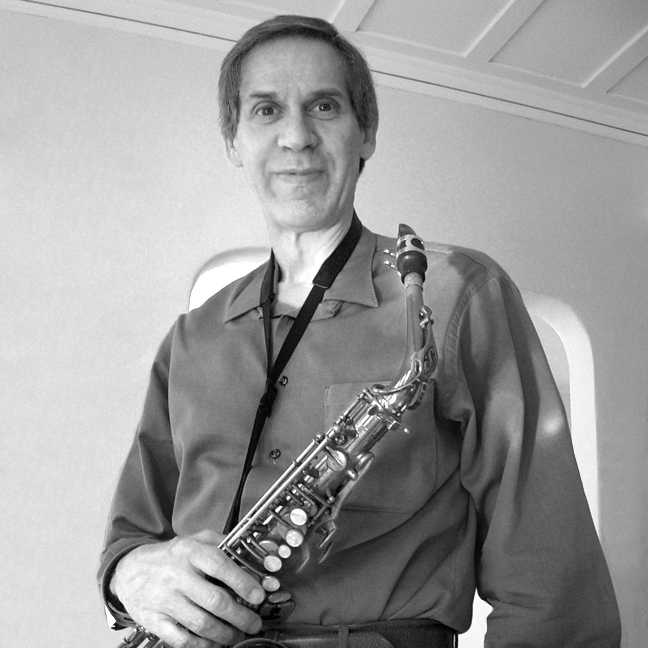
Playing saxophone and piano, arranging and composing were, and still are, ‘what I do’. None was necessarily better or more important to me than the others. I’m grateful I was able to share all of those particular talents with the world.
Probably the most important thing for an arranger to know and follow is:
Don’t get in the way of the singer!!! The singer is the person the audience should hear most clearly (or loudly), whether on a recording or live at a concert.
If the singer is singing a lot of words close together, the horns shouldn’t play a lot of notes because that would take the attention away from the singer. A simple solution is either not to have the horns play anything or to have them sustain a chord to add some color and support to the vocal. An arranger needs to choose good spots where the horns can fill in between or around the singer’s vocal lines. This is just a basic idea of what an arranger does or can do.
The horn section changed several times during your years with the group. When you were arranging, did you write with the individual players in mind? What did the musicians bring to the music that could not be written on the page?
I simply wrote the horn parts, confident that the horn players would have no problem playing what I wrote.
I heard that Duke Ellington wrote with individual band players in mind.
I didn’t really do that. In my mind or imagination, I heard ‘horns’ playing at certain spots in the arrangement. I wasn’t hearing individuals, but ‘horns’, whether it was two, three or all four together.
Each player simply contributed their individual energy and fire to the band’s sound. The four BS&T horns playing together were like a small ‘big band’ to me. It was that simple!
What do you remember most clearly about playing the Newport Jazz Festival and Woodstock in 1969? Did you notice any difference in how the jazz and rock audiences responded to the band?
At the Newport Jazz Festival, BS&T hung out in a little bungalow-type place before our performance. Phil Woods came in to say ‘hello’. I don’t remember if he and I talked.
Just before going onstage to play, Bobby told trumpeter Lew Soloff that Miles Davis and Dizzy Gillespie were in the audience. It was most likely a silly kind of ‘joke’ to make Lew nervous!
After the concert, Chick Corea, whom I knew a little, said to me, “You had me out there.” He was referring to Lew’s freestyle jazz trumpet solo, with me accompanying him on keyboard and then the bass and drums coming in to accompany Lew on some uptempo jazz. That was a nice compliment coming from Chick.
Other than Lew’s solo, I don’t remember anything about our performance. I think some of the band’s performance that evening can be seen on YouTube.
At Woodstock, I remember David singing a note out of tune and possibly also forgetting a few words to one of the songs, which was a very ‘rare’ thing for him.
This probably happened because some unusual things were happening at the site that might have ‘thrown him off’ a bit. It was raining heavily for a while, which made things very dangerous as the equipment got wet.
I don’t remember anything about our performance.
I really can’t judge at all whether the rock audience heard different things in the band than the jazz audience did. I’m sure both audiences enjoyed our band.
Cannonball Adderley had been a major influence on you, and you later had the chance to play with both him and Thelonious Monk. What did those encounters mean to you? Did you feel nervous or tested while playing with them?
Cannonball Adderley was one of my favorite jazz alto saxophone players. He had a very strong influence on my playing. As a teenager, I saw him perform at Birdland with Miles Davis and John Coltrane, playing classic tunes from the ‘Milestones’ album. Unbeknownst to me, someone from our band or our manager invited Cannonball to sit in with BS&T at our concert at the Greek Theatre in L.A. The afternoon of the gig, around soundcheck time, I met Cannonball backstage. When I went over to shake his hand, he just waved me off and gave me a big hug instead! That night, using an alto saxophone borrowed from a local music store because his horn was broken, Cannonball took a solo on the four-chord vamp at the end of ‘Lucretia Mac Evil’ (E7(#9) A7(sus4) / F#13 B7(#9)). He played great! After the show, as I was packing up my horn backstage, he came over to me and said something like, “You can really play. I couldn’t tell from the records.” I didn’t know what he meant by his remark, but I took it as a compliment! Cannonball was introduced and came onstage for our last tune. I don’t recall feeling nervous at all or being tested by his presence. By the time I was about 25, I had come into my own as a player. Some people loved my playing, and others didn’t. That’s OK with me. It keeps you humble!
In my high school days, I saw Monk live at various jazz clubs in New York City. His tunes, soloing, style of comping on the piano and presence onstage were totally unique. I absorbed and copied a little bit of his approach as a jazz composer and player. BS&T’s drummer, Bobby Colomby, had an older brother, Jules, who was Monk’s manager. Bobby, a true jazz lover, had an idea, which he may only have shared with me, for Blood, Sweat & Tears to record an album with Monk. Following through on his idea, Bobby took me to visit Monk at his Manhattan apartment. It was a very strange, disconcerting experience for me. I’m sure it wasn’t Monk’s fault at all, but I felt very uncomfortable and clumsy around him, almost to the point of tripping over my own feet when standing near him or even taking a few steps in his apartment.
When we entered his place, he was playing ‘A Christmas Song’ on his grand piano. With a bit of a lisp or an unusual way of speaking, he said to us, “It’s a good tune.” After a short time, Bobby told me to play something for Monk on his beautiful grand piano. Since Bobby and I hadn’t previously discussed any kind of concept for a Monk-with-BS&T album, I really didn’t know what to play while Monk was standing right beside me! I have no memory of what I played for this musical giant on his piano! But when I stopped, he said, “You sound good.” Those few moments when I played with Monk standing nearby and listening to me were very strange, almost like a test of Fred’s ‘inner strength’ as a person and player. I don’t know if Monk was even told about the possibility of making an album with BS&T. We all stepped away from his piano and just stood there next to each other for a short time, hardly saying anything. Monk was pleasant and gracious. Then, all of a sudden, Monk’s tenor saxophonist, Charlie Rouse, entered the apartment. That seemed to be a good ‘cue’ for us to thank Monk and be on our way…
Sometime later, when BS&T was recording at the newly built CBS studio in San Francisco, Jules came by with Monk for a brief visit. Shortly after that, Jules arranged for Lew Soloff and me to play a tune with Monk’s group one afternoon at the Keystone jazz club in San Francisco. Before playing, Lew and I hung out in the dressing room with Monk and his band. The bassist gave me a gift: a primitive-looking wooden flute he had made. The holes were burnt into it, and the instrument was played like a shakuhachi (a Japanese wooden flute). Monk, who was standing directly in front of me and was a few inches taller, said only a few words, but he was friendly, as were the others. When we got onstage, I didn’t know what was going to happen. Monk began playing the intro to ‘Friday the 13th’, one of the ‘few’ Monk tunes I knew! I ripped into the melody and was the first one to solo. When the tune ended, Lew and I got off the small stage and sat down in the audience next to Jules. He said to me very enthusiastically, “That was great,” meaning that he liked the fact that I had played with so much confidence and without any hesitation. I was just so grateful that I knew that Monk tune! Bobby’s idea for a BS&T-with-Monk album never happened, but at least I got a chance to meet and play with Monk, one of the great innovators of bebop music.
In June 1970, Blood, Sweat & Tears toured Yugoslavia, Romania and Poland for the US State Department. How much did the band know about the connection to David Clayton-Thomas’s immigration status before agreeing to go? What do you remember about the audiences, and how did the reaction in America affect the band?
We knew ‘nothing’ about David’s situation.
But to answer your questions fully, the story was told in the BS&T documentary ‘What the Hell Happened to Blood, Sweat & Tears?’, which was shown in about 80 theaters in the USA and Canada in 2023. There are too many details for me to try to explain the whole situation. I believe the documentary is available for purchase. It’s really excellent, and the band sounds very powerful and exciting!
By the time of ‘Blood, Sweat & Tears 3’ and ‘B, S & T; 4’, the band was dealing with constant touring and growing tension. When did you begin seriously thinking about leaving? Was there a musical direction you still wanted to explore outside the group?
I left the band because some people weren’t getting along with each other. That made it difficult for me to want to be around that kind of atmosphere.
I had many close friends outside the band, and although I got along with most of the band members, it just didn’t feel comfortable for me anymore. It wasn’t a problem for me regarding the musical direction of the band. We could have created a lot of wonderfully fresh and exciting music for future albums, but I wasn’t going to be part of that anymore.
After leaving Blood, Sweat & Tears, you bought land north of New York and found it difficult to get regular music work. What was that period like, and how did you find your way back into music?
I wasn’t really considering becoming a farmer. I had a small tractor that the previous homeowners left me when I bought the house and two acres of property. I simply enjoyed riding on the tractor and collecting the leaves that had fallen (ha, ha)! For a while, I might have lost my strong desire for music. But that didn’t last very long.
After leaving BS&T, I had a ‘dry period’ for quite a while and found it hard to get work as a musician. It was probably my fault because I didn’t take advantage of some opportunities that came my way. Also, I wasn’t a ‘pushy’ type of person who would do anything to get work or take it away from someone else!
To work as a studio musician playing jingles, which I really didn’t want to do, most saxophone players had to double on flute and other woodwind instruments. I ended up taking flute lessons with Harvey Estrin, a top studio musician, and eventually became good enough to play on a few jingles. But I really just wanted to make my own music. A lot of jingle music isn’t really music. It’s there to sell a product. I felt somewhat better when I wrote a few television logos for CBS to introduce its upcoming season of shows. That was more creative.
That whole ‘dry period’, which lasted a few years, wasn’t a very happy time in my life.
In 1982, you toured Japan and Europe with Simon & Garfunkel in a band that included Steve Gadd and Richard Tee. Soon afterwards, with encouragement from Rodney Jones, you recorded ‘Distant Lover(s)’ with Larry Willis, George Mraz and Al Foster. The album was later reissued as ‘Dreaming of Your Love’. Did making a small-group jazz record feel like a return to the musician you had been before Blood, Sweat & Tears?
I didn’t compare who I had been in BS&T with who I was as a performing and recording jazz artist after leaving the band.
When I was in BS&T, everybody was interested in us. It was easy for our manager to book all kinds of concerts. It was an exciting time for all of us. The doors of opportunity were wide open.
But it wasn’t the same once I left. I used to say jokingly, ‘Nobody cares about Fred!’ I had to start over to some extent.
Musically, I was a good jazz player, arranger and composer before BS&T, and that has never changed. I have improved as a player in certain ways through my life experiences and the different attitudes that have changed and transformed me over the years. I’m not as shy as I was during the first half of my life, and that changes a lot of things.
You joined the Berklee faculty in 1984 and taught full-time for thirty-five years. You encouraged students to find their own sound, but hearing damage eventually prevented you from teaching louder ensembles. How did teaching affect your understanding of your own playing? What can a teacher pass on about improvisation, and what must each musician discover alone?
My hearing loss, which really resulted from my time playing with BS&T because the music was so loud, led me to teach mainly private saxophone lessons at Berklee. That wasn’t as hard on my ears.
Most of my saxophone students at Berklee were beginner or intermediate improvisers.
I told many of my students that becoming a good improviser has to begin with a genuine and powerful desire inside you. You also have to be very disciplined and put in a great deal of time. None of us has a good day every day. You can go through periods when you don’t feel that you’re making much progress, but you simply keep at it.
Listen to the great players, the ‘masters’, and be inspired by them. Absorb what they are doing. Copy them, but also be creative and develop your own ideas. There’s a process that happens over time, so you shouldn’t overthink it or worry too much. Greatness takes time for many of us.
I shared much of what I learned about improvisation in the seven books and CDs I have had published worldwide.
The thing is, I can’t be at a student’s side every moment they practise and say, ‘That’s good’ or ‘That’s not so good.’ They have to go through both the enjoyable and the difficult periods themselves.
When I was younger, I sometimes cried because I couldn’t get a good sound or tone from my horn, or play certain things like my heroes. But all that struggle makes you stronger.
You simply have to keep going and believe that you can do it.
Your later work includes albums such as ‘Rhythm, Catch 4’, ‘When Love Enters Your Heart’ and ‘Facets of Love’. You have also created digital art and books and performed in nursing homes, hospitals and other care settings. Has your reason for making music changed over the years? At this point in your life, what would you most like people to discover in your work?
When I was younger, I just wanted to play well. Now I simply want to ‘radiate the love’ that I have been fortunate enough to experience in so many ways throughout my life.
Truth is simple. Most of us don’t catch it because it’s too close to us. Life speaks to us, but we don’t hear or see it. Those with a ‘golden heart’ hear and see!
There’s so much to learn during a lifetime that it’s sometimes difficult to talk about it.
My purpose for living now, at the age of 82, as it has been for many years, is simply to serve life and be a light or beacon for others. This isn’t about ego or vanity at all. It’s more of an attitude, a realization and a choice about how you want to live your life.
I’ve experienced pain and suffering in my life, and I know that many people are going through difficult times. I’ve also experienced so much love that it has overshadowed the pain, doubt, anxiety and fear.
I don’t feel that I have anything to prove to anybody, musically or otherwise. I’m content with my playing and writing abilities and with what I’ve been able to share with others.
I still listen to my musical heroes and marvel at their genius. They have been a true inspiration to me. I also appreciate talented people in sports and other fields who reach great heights, bring joy and encourage others.
Gratitude, appreciation, kindness to others and humility bring more good things into your life. Love attracts love.
Life is about change, with good times and not-so-good times. Recently, my sweetheart, my Japanese wife, summed up life by telling me that it’s ‘this and that!’
Sometimes it’s hard to accept what life brings us, but I believe it’s all for the good.
I’m happy to have had this chance to share some of my experiences and thoughts with you. I hope you’ve found something useful in all of this!
I have lots of music on YouTube. Just type in my name.
Klemen Breznikar
Fred Lipsius Website

Great interview- BST; my first influence at age 13 in 1969 . . . playing trumpet and then bass, teaching college, touring- Fred was one of the cool dudes in the band . . . and his arrangements? None better!