
Zyma | Interview | Dorle Ferber on ‘Thoughts’, ‘Brave New World’ and Flying Through Music
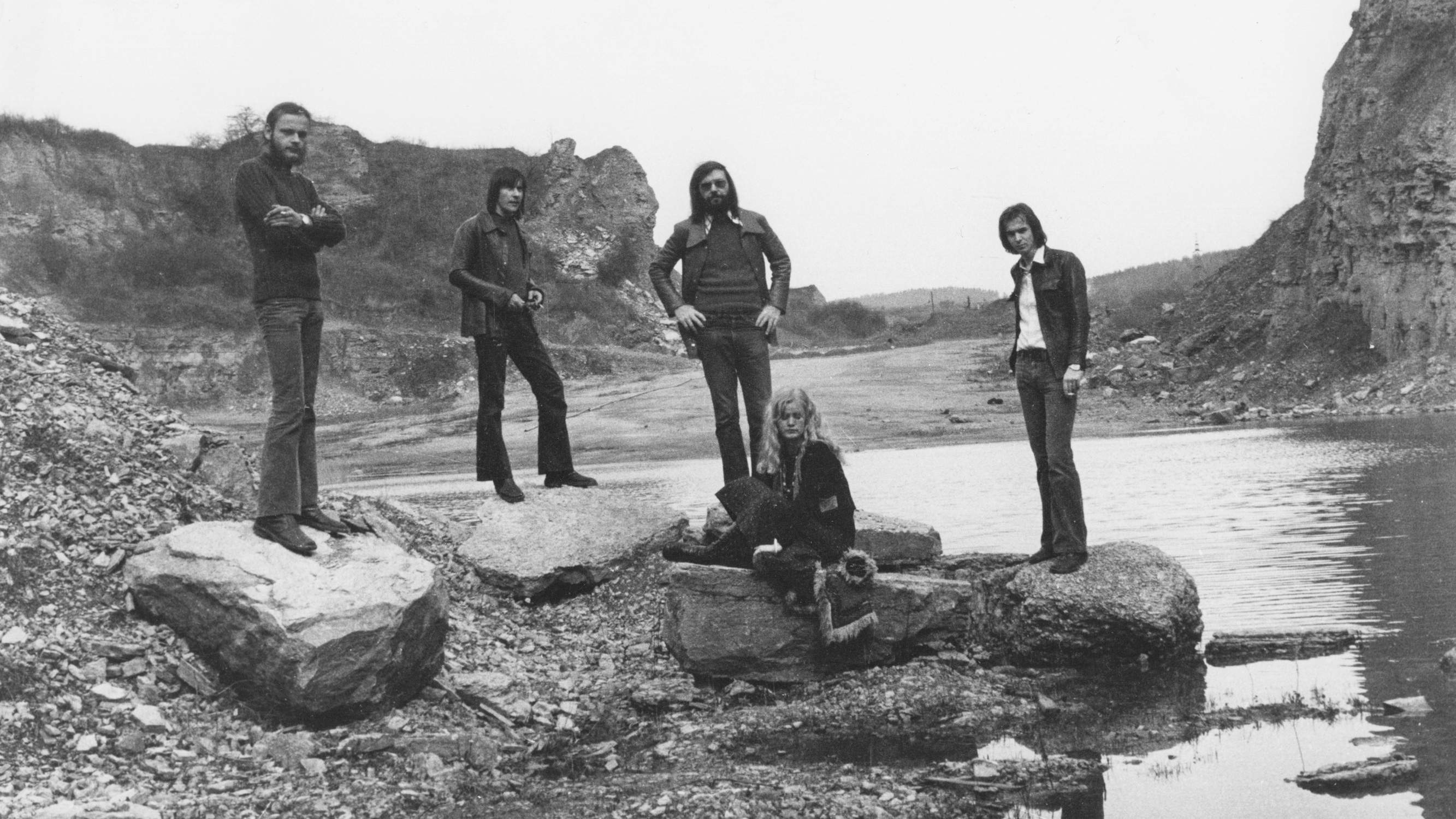
Coming out of the Heidelberg and Mannheim music scene, Zyma had already moved beyond their heavier beginnings by the time Dorle Ferber joined in 1974.
With her voice, violin and flute, Ferber added another side to the band’s sound. Her own background was already quite varied. She had studied classical violin and chamber music, but was also drawn to folk, blues, rock, street music and the more experimental sounds she was hearing around Mannheim. She spent a lot of time at the Genesis jazz club, heard music by Stockhausen, Ligeti and Terry Riley, and became more and more interested in music outside the European tradition.
The band first appeared on record with ‘Law Like Love’ and ‘Tango Enough’ on the ‘Proton 1’ compilation in 1974. ‘Thoughts’ followed in 1978, and ‘Brave New World’ a year later. The two albums sound quite different from each other, but improvisation runs through both.
Ferber’s memories also give a good picture of the world around the band: rehearsing in the basement of Heidelberg’s Free Clinic, carrying equipment down the stairs at the Genesis, recording at Tonstudio Bauer, living in shared houses and moving between music, theatre, politics and art.
Zyma was only one part of a much longer musical life, but it stayed with her.
As she says in the interview, “music is always the superpower that saves me.”
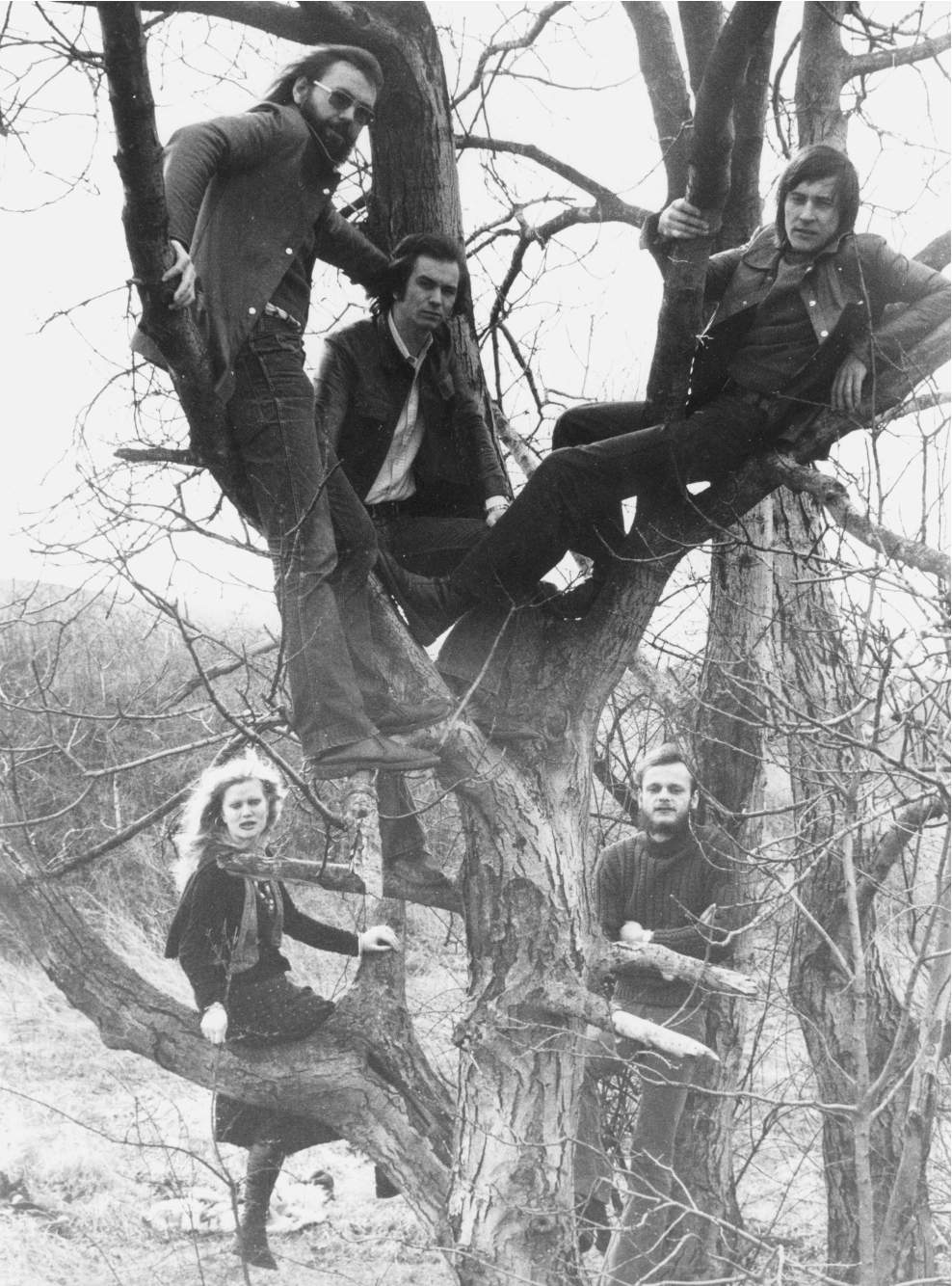
“Through music I can meet people whose language I cannot speak.”
Before you joined Zyma in 1974, what were you doing musically, and how did you find your way from classical music and folk into the Heidelberg and Mannheim rock scene?
Dorle Ferber: Thank you very much for the invitation. Unfortunately, we’re not sitting opposite each other in person… Your questions have made me look very far back. I grew up in a peace-minded post-war household where music and art were simply part of life. I learned violin, played flute and always loved singing. I played classical music, chamber music, and was electrified by what Yehudi Menuhin played with Ravi Shankar. I still have that record today. But I was also fascinated by all the music coming over from America, blues and rock and folk. I learned guitar so I could accompany myself while singing. I played music in the street, won a singing competition in France and spent one school holiday in the south of France, where I lived in a rural commune with musicians. The music scene around Mannheim and Heidelberg was lively and incredibly varied. Alongside classical concerts in halls and churches, there were lots of small events in clubs and youth centres. Little by little I got to know musicians from the local “alternative” music scene, folkies, people playing rock music or psychedelic sessions. I used to hang around at Bayrisch Zell, a meeting place around the band Nine Days Wonder. Once I became a music student, I was at the legendary Mannheim jazz club Genesis almost every evening. After the regular concerts by major jazz musicians, people would jam until late into the night. It was a fantastic way to experience non-classical music at close quarters. Listening, immersing yourself in it, and every now and then even joining the jam. I joined a band named after a poem by Paul Celan, Mohn und Gedächtnis. To have any chance of keeping up in volume with drums, organ and guitars, I bought a Schaller pickup for the violin and attached it to an old, cheap instrument. The sound was quite treble-heavy and scratchy, but at least I could finally hear myself playing. At the time, the technical standard of live sound was often pretty awful. Things squealed, there was feedback, and once the volume reached a certain point you really had to shout as a singer. Later, I can’t remember exactly when, I bought a Barcus Berry pickup and attached it to a violin that sounded good acoustically. Then I could use the natural sound as well as play around with effects. During the seventies I met the Mannheim guitarist Hans Reffert, and through him many people from the active music scene of the time. Hans became a very close musical friend for decades, right up until his death in 2016. I recorded violin on a piece called ‘Dorle’ for an LP by his duo Flute and Voice, and was able to go with them to the Frankfurt Jazz Festival. That was where I heard Jeanne Lee with Gunter Hampel. An experience and a revelation! Hans was a great musical networker and for decades initiated all sorts of “legendary”, ear-opening special projects in Mannheim. I took part in many of them. The concerts organised by the Mannheim Society for New Music also gave me a lot to feed my ears. Some were premieres, with the composers there in person explaining the works. Afterwards there would be lively discussions about what we had heard. I can still picture Karlheinz Stockhausen talking about the tam-tam. The clusters of Ligeti’s ‘Volumina’ for organ filled the Christuskirche in Mannheim. I encountered Terry Riley’s minimal music and heard new colours, electronic transformations. One concert at the Bundesgartenschau in Mannheim in the mid-seventies became deeply lodged in my memory. The composer and electronic musician Eberhard Schöner had invited the gamelan orchestra of Prince Agung Raka from Bali for a collaborative project, with jazz guitarist Sigi Schwab. It took place outdoors on a summer evening. A new cosmos opened up for me. From then on I wanted to hear more and more music beyond the Western, European-shaped canon. All these different experiences with sound and music that I was lucky enough to have as a teenager enriched me enormously. That curiosity is still there today.
When you first heard Zyma, what caught you immediately?
Zyma was a stroke of luck for me. I had just begun studying music education. The band rehearsed in the basement of Heidelberg’s Free Clinic, surrounded by alternative culture and creativity. It was a kind of fertile ground inspired by ideas about change, liberation and setting out towards something new. Mitsou, our technician, lived on the ground floor. Everybody knew him. We would often sit together at his place after rehearsals, drinking tea, smoking joints… Actually, I had only gone along with a friend from the music college who wanted to audition as a singer. He sang Eric Burdon’s ‘Tobacco Road’… I was sitting on an old mattress listening. Could I have a go at the microphone too? I can’t remember what the guys played for me. Free improvisation, perhaps? I listened my way into it and became part of what felt to me like an intoxicating dance of music. I could feel the freedom in the interplay, like riding a wild animal together, or the gentle movement of a thousand thoughts that had never been expressed before. I tried the violin. The modal playing Günter, the keyboard player, was putting down gave me the space I needed, and through improvisation I found unexpected paths. By the end of that evening it was clear: from now on, Zyma was my band.
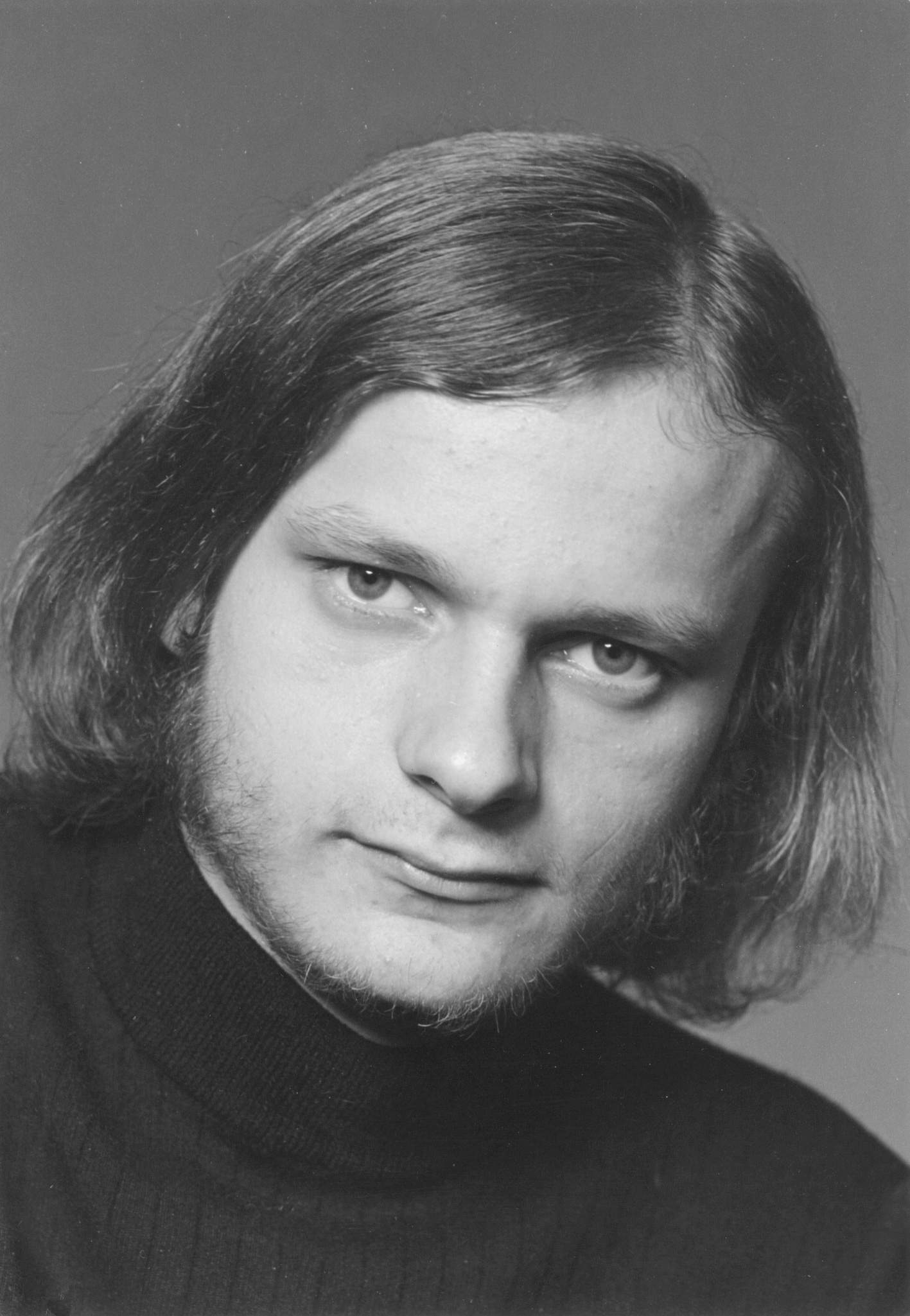
Zyma’s music moved between progressive rock, jazz-rock and what would later be associated with the Canterbury sound. Did those kinds of labels mean anything to you at the time, or were you simply making the music that felt natural to you?
At the time I had never even come across the term Canterbury, although I certainly knew the music of Soft Machine, Gong and Daevid Allen.
Back then you listened to all sorts of things that came out on record. You could go into shops and listen to new releases, and my French friends at the time were complete fans of that kind of music.
But I never connected it with us as a band or with our own music.
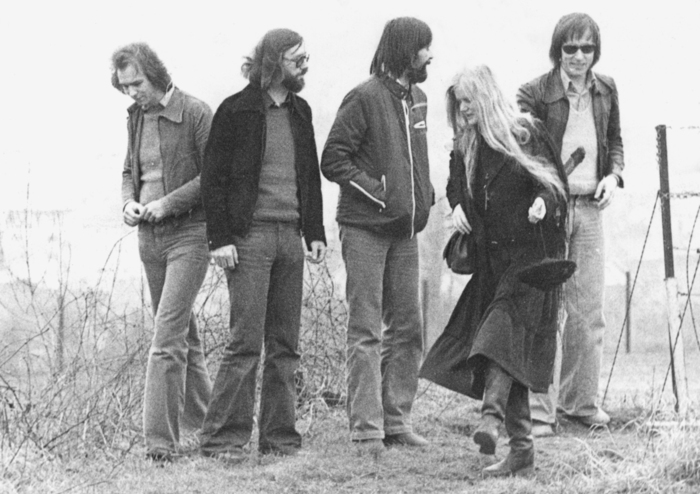
When you joined Zyma, you brought in violin, flute and vocals. How naturally did those become part of the band’s sound?
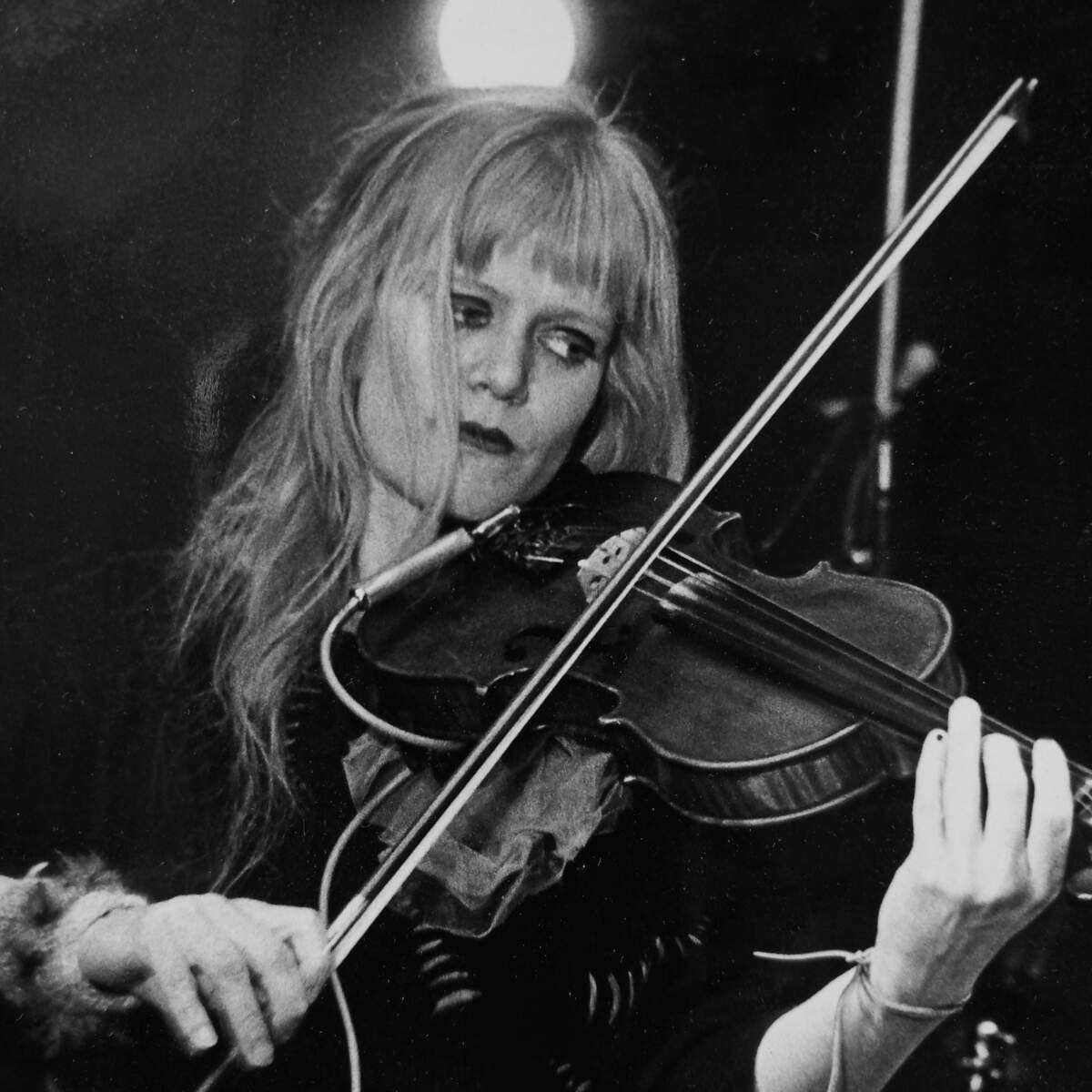
I certainly felt a great openness towards me from the other musicians. The band had actually been looking mainly for somebody who could sing. I already had some experience playing rock and blues on amplified violin, simply joining in without written music. I wanted to rock along with them, and I thought it was absolutely cool to improvise on recorder too. The first piece I brought into the band myself was ‘We Got Time’. It was fairly unusual for Zyma at the time, quite folk-like, with an odd rhythm, two recorders at the beginning and no long improvisations, but everybody went along with it. By chance, some time ago, I saw freestyle runners on YouTube using the piece as their soundtrack… But the greatest thing about Zyma was that I was allowed to improvise with my voice, that my voice could function as an equal instrument. I would often spontaneously pick up rhythmic patterns I heard from the drums, bass or keyboards and sing along with them. When I was given space for a vocal solo, I sang intuitively from the moment. I tried all sorts of vocal expression, from a desperate scream to delicate, childlike sounds, and in doing so I got to know my own voice better and better.
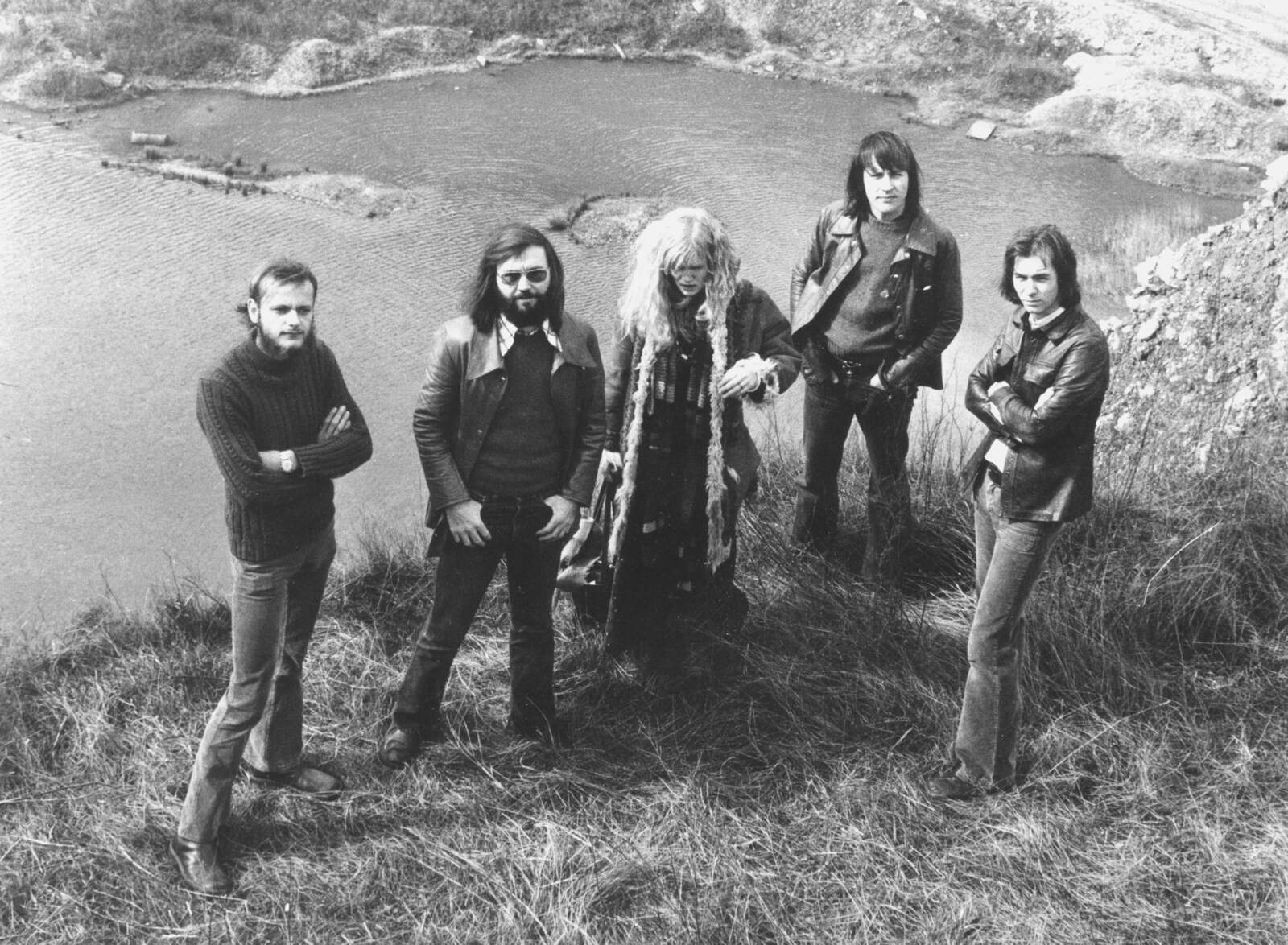
Your first released recordings with Zyma were ‘Law Like Love’ and ‘Tango Enough’ on the ‘Proton 1’ double LP in 1974. What do you remember about Alfred Kersten giving you that opportunity?
The offer from Alfred Kersten really gave us a kick! The “market” was much easier to take in back then than it is today, and every band not only wanted to play live, but also wanted to release an LP and get on the radio. For me as a singer, working in a studio was completely new and a wonderful experience. I can’t remember the exact recording process anymore, but from then on I loved the “studio atmosphere”. Nothing distracts you there. You can concentrate entirely on what is happening musically. It’s an absolute listening trip. We had chosen two pieces that we wanted to record, rehearsed them pretty thoroughly and were really looking forward to working in the studio…
‘Law Like Love’ and ‘Tango Enough’ sound quite different from each other. Did you feel Zyma was changing quickly at that time?
For the ‘Proton’ production we were still playing with Tim, our electric guitarist. On violin I liked orienting myself around his electric guitar, looking for parallel lines and playing along with the riffs. I also liked the heavy, earthy groove of ‘Law Like Love’. And on that piece I could really put some power into my voice, seeing how far I could go with it. I had the feeling I could throw myself completely into it, and it was enormous fun! On ‘Tango Enough’ I had a completely different role. Udo, our drummer, sang the song, while I was allowed to fly around above it like a butterfly, improvising with vocal syllables.
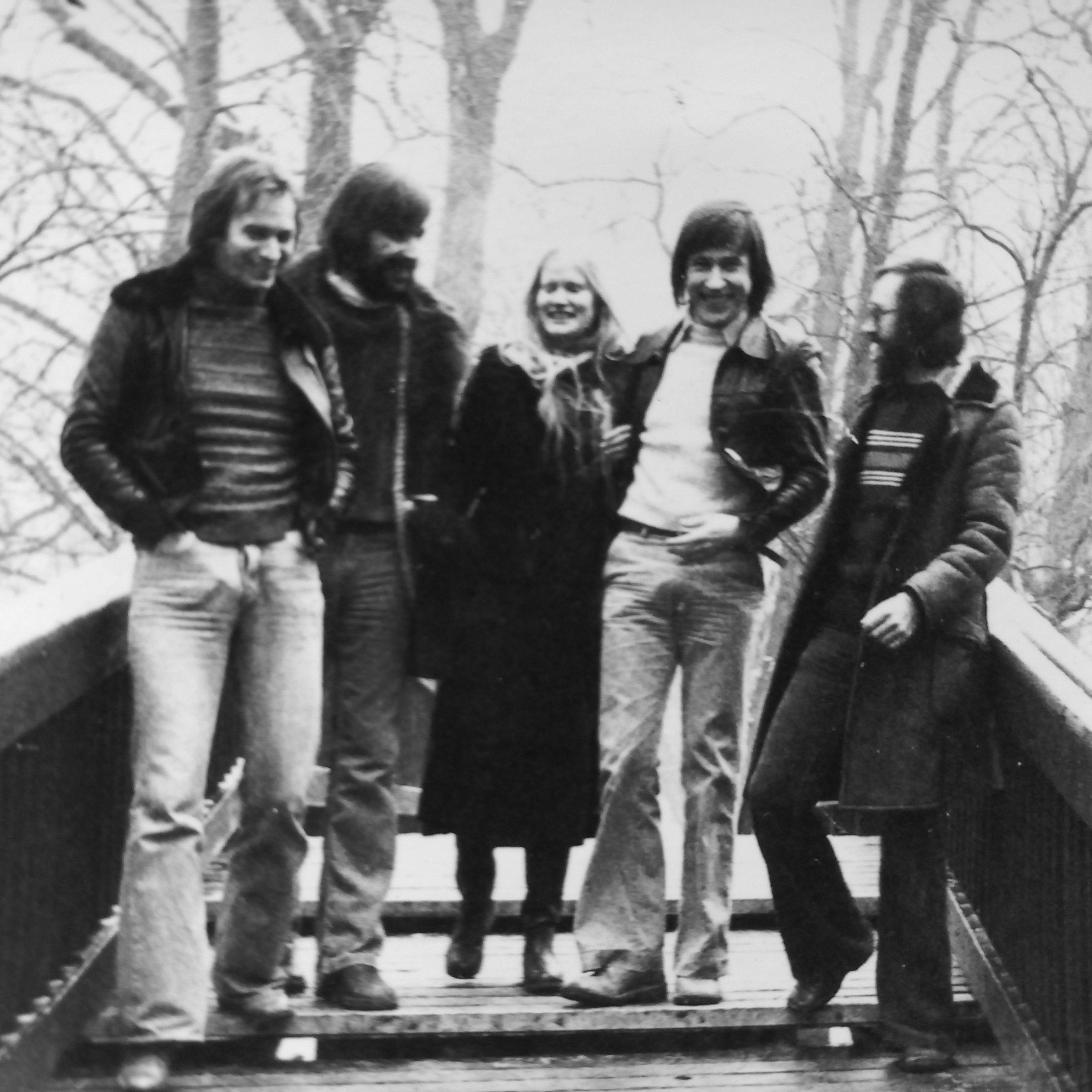
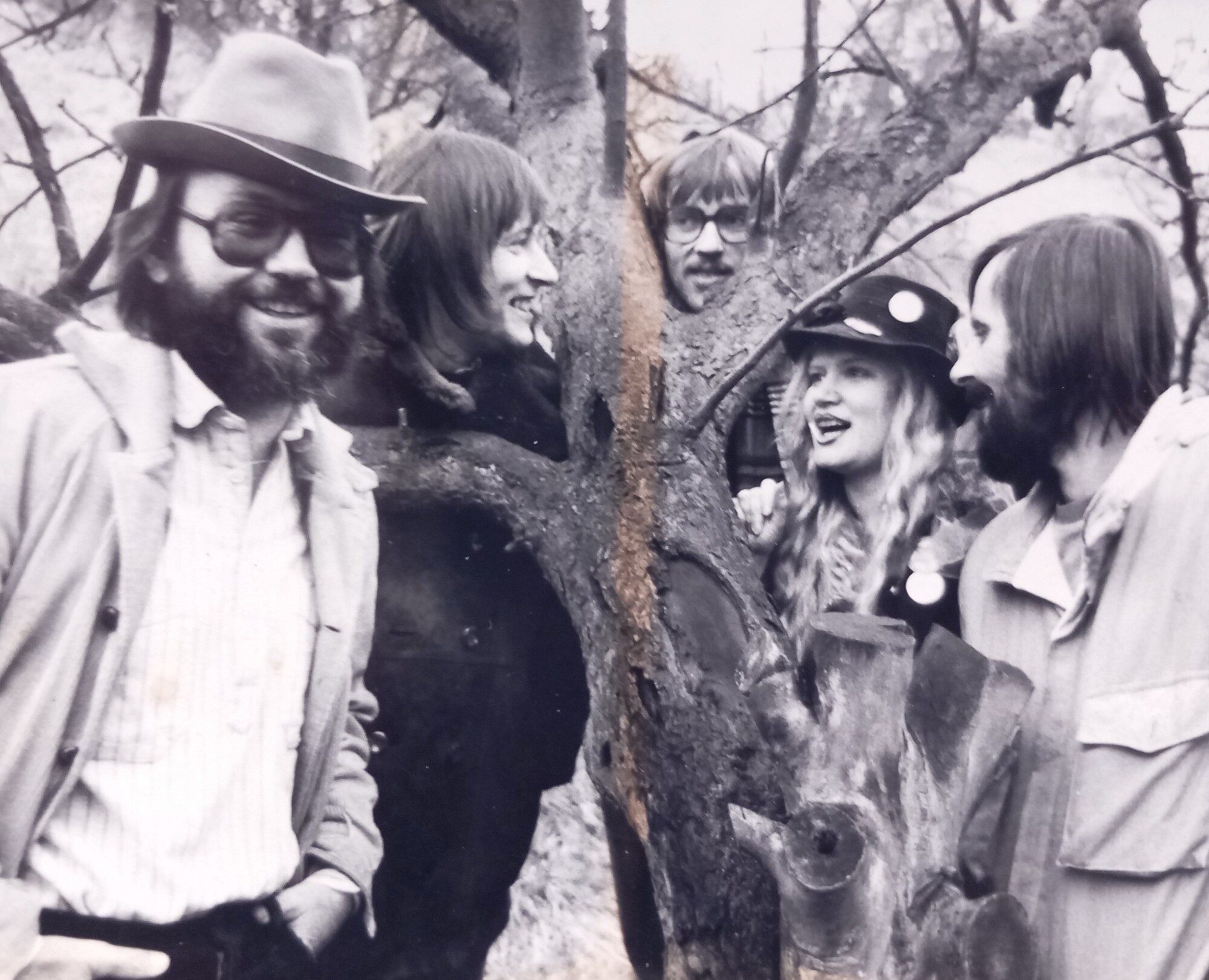
What do you remember about recording the ‘Proton 1’ tracks at TFE-Studio in Neustadt an der Weinstraße?
I think we had rehearsed extremely well for the recording session and had the arrangements mapped out. Within that, of course, there was still the whole range of possibilities for expression and interpretation. Things you never even notice during rehearsals suddenly sound completely new in a studio situation. And when you play a solo in the studio, if you’re in good form, you play from the moment, from everything inside you, as though you’re trying to catch a glimpse of eternity. And we all know that sometimes it is the tiniest deviations from perfection that create the special chemistry of a solo.
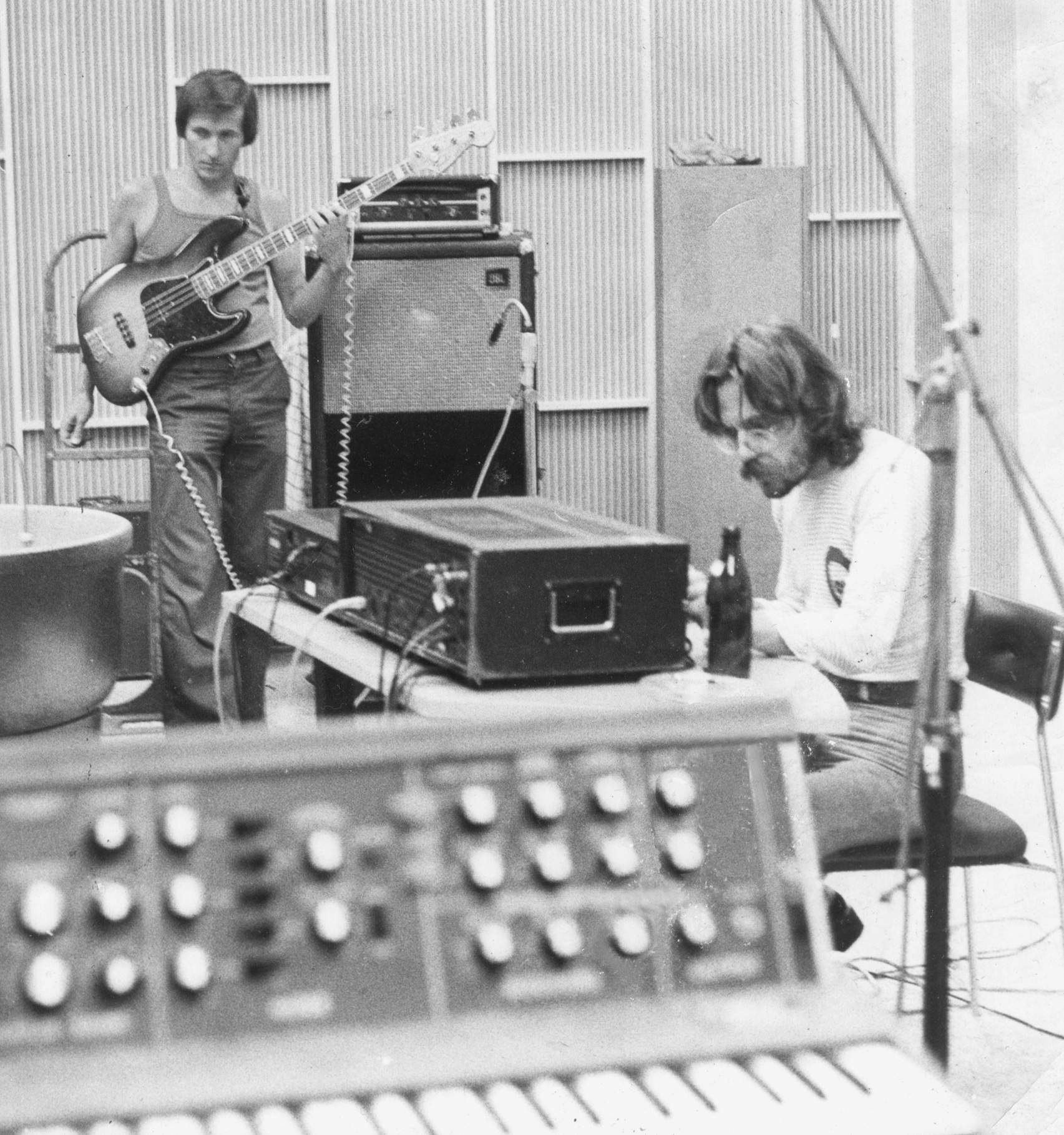
In 1975 Zyma were featured on SDR and also appeared on SWF III’s ‘Drum Special’. Did it feel like the band was starting to get somewhere?
For me personally, it suddenly felt like there might be more to come. At the time I was studying at the music college, almost as a sideline, to become a school music teacher. That meant the professional path ahead of me was fairly predetermined. But at the exact moment when, during the television interview, I answered the presenter’s question “live” by saying that one day I would become a teacher, it became completely clear to me: wait! No! I don’t want to become a teacher. I want to make music, to be creative, with this band or beyond it. Alongside Zyma I was already involved in quite a few other musical projects. I was always on the move, had jobs as a stage musician at the theatre, lived in a “hippie” shared house, was politically active, wanted to experience things and still wanted to change the world…
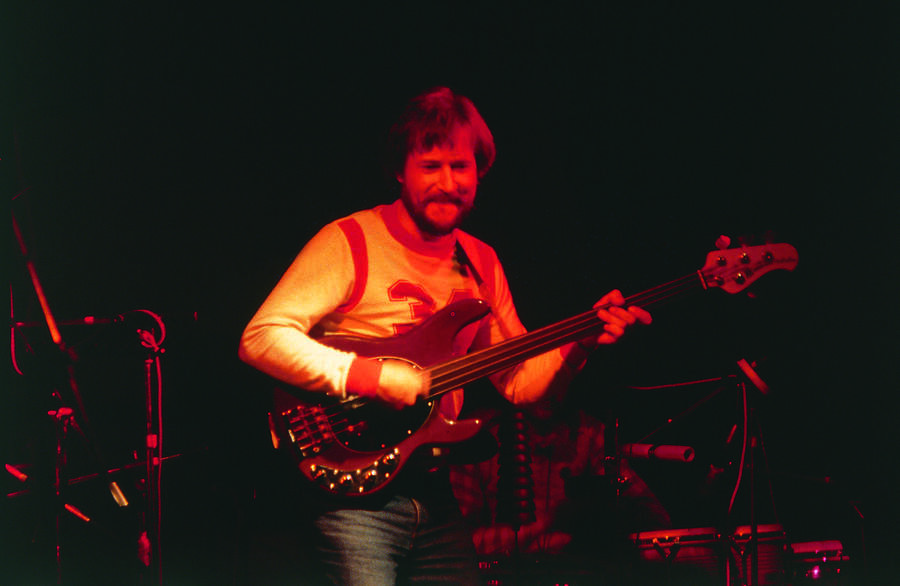
How did a Zyma piece usually begin?
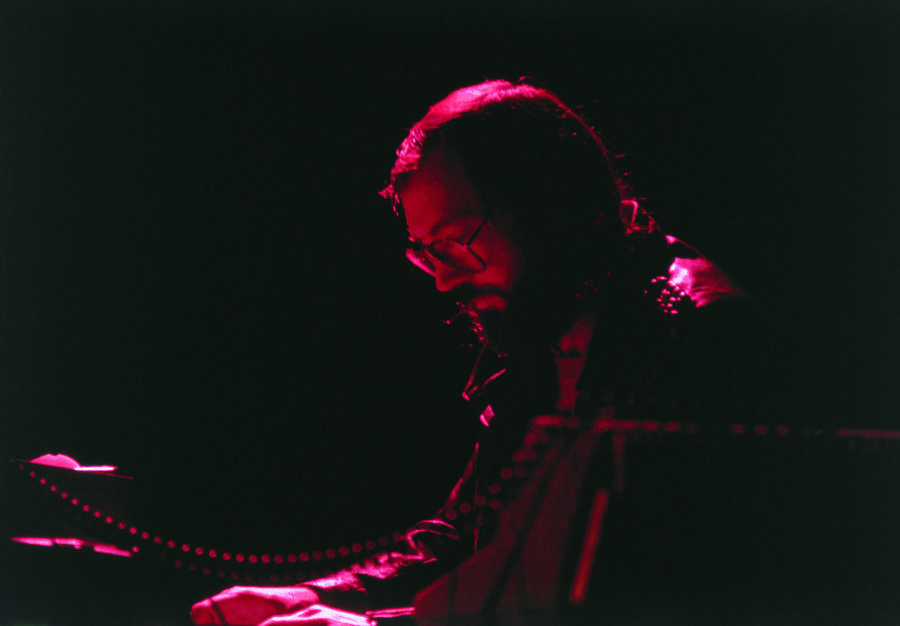
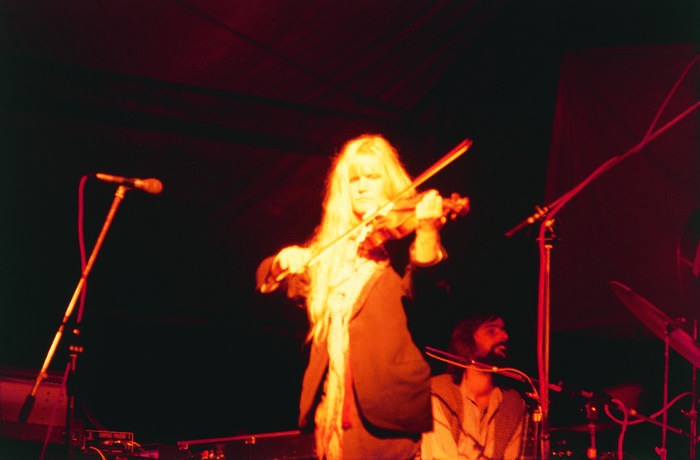
Hmm, it varied enormously. Someone might bring in a sequence with harmonies and rhythmic structures, a fragment of text, a melody. All that material would be tried out… and sometimes an interesting sound that appeared during an extended free improvisation could take everything in an entirely new direction. I think we also recorded a lot with a cassette recorder back then. Afterwards we would listen, talk about it, judge it, change things, throw things away and reshape them. It was really more of a collective process that eventually led to the result. When we met in the rehearsal room, after setting everything up and trying out the equipment, we usually began by simply playing, just to find one another again. It always felt good, that feeling of setting off somewhere together in music, coming together without having to talk very much. We also had a piece in the programme that expressed something like that. Its direction was left open: “I feel like walking in a caravan…”
I’d love to ask about ‘Thoughts’. Your voice and violin are such an important part of it. What do you remember about the piece coming together?
‘Thoughts’ is still a piece very close to my heart, if one can say such a thing. It came from Günter. And I can no longer remember how it happened that, after only two notes, the piece immediately began with three-part harmony vocals. I think we found one another very quickly there. At the time it felt completely natural to me. Only later, playing in other groups, did I discover that getting clean harmony vocals right can be really hard work. As far as I remember, Günter brought in the melodies and structure, and then over several rehearsals we arranged the piece together. There was still room to shape sections through improvisation and occasionally really take off. With ‘Thoughts’ I always had this inner picture of a “situation you can’t quite see your way through”, a longing that doesn’t yet know where it wants to go, a feeling of being lost. At the same time the music itself feels very concrete. And music, even today, is always the superpower that saves me. I loved that piece from the beginning, and I believe that if we all got together today, we could still play it.
‘Businessman’ goes somewhere different. It’s almost theatrical in places and feels much more unpredictable.
I asked Günter, my bandmate, about that. He sees ‘Businessman’ as one facet of our repertoire, almost a mini-suite, and it was certainly never intended just for the studio. He says it challenged us, but didn’t overwhelm us, not even live. During the often extended improvisations in our other pieces, moods would emerge again and again that were also characteristic of ‘Businessman’. So it wasn’t really an outlier within the LP or our programme at the time. Perhaps more of a solitary piece in its own right. We think it was an expression of our search at the time for variety and new forms of expression.
What do you remember about recording ‘Thoughts’ at Tonstudio Bauer with Carlos Albrecht?
Recording at Tonstudio Bauer, which was already famous for its quality, was a real highlight in the life of the band. And then to work with Maestro Carlos Albrecht! In his technical care we found ourselves in an incredibly careful and special atmosphere. Serious, devoted to the work, treating the notes, the sound and our music with dignity. It was about music, about our tonal colours, about how we came together in music. Carlos listened very carefully. Sometimes he made suggestions and guided us a little, like a good producer. Huge thanks to him for that! Everything else stayed outside. While you are recording, you are completely in the here and now, inside the sound, and you are happy when the work succeeds, when it lifts itself up, when time begins to stretch…
By 1978 it wasn’t necessarily the easiest time to be making this kind of music, yet you still went ahead and released ‘Thoughts’ yourselves.
If we could have released ‘Thoughts’ through a fashionable label at the time, that would have been great. Perhaps others in the band remember better exactly how things happened back then. I was simply happy when people could buy the record at concerts and take it home with them. And just having a record as a band, with our own music on it, I thought that was something really special.
I’ve always found your singing on the Zyma records interesting because it never sounds like you are trying to imitate an English singer. How did you approach singing in English, and how much would you change or improvise the vocals when you played live?
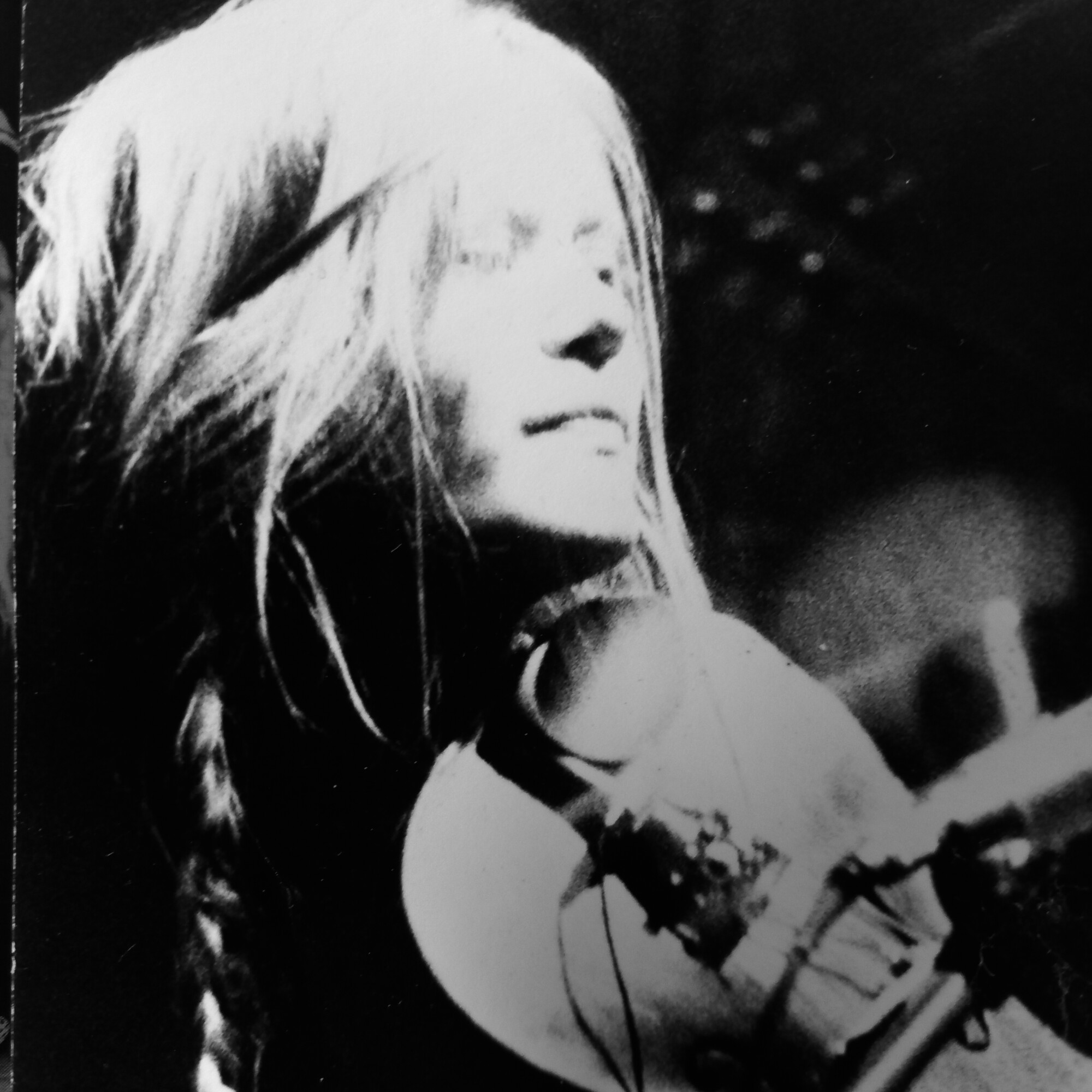
Oh dear, I have no idea. I shaped our English lyrics in my own way so that I could sing them, and live I would always vary things from one moment to the next. What I actually liked best in Zyma was singing without any prepared lyrics at all, expressing whatever came to me intuitively and spontaneously through a “universal fantasy language” and vocalises. For me, music is a medium beyond words. You can tell things through music that simply cannot be described in words.
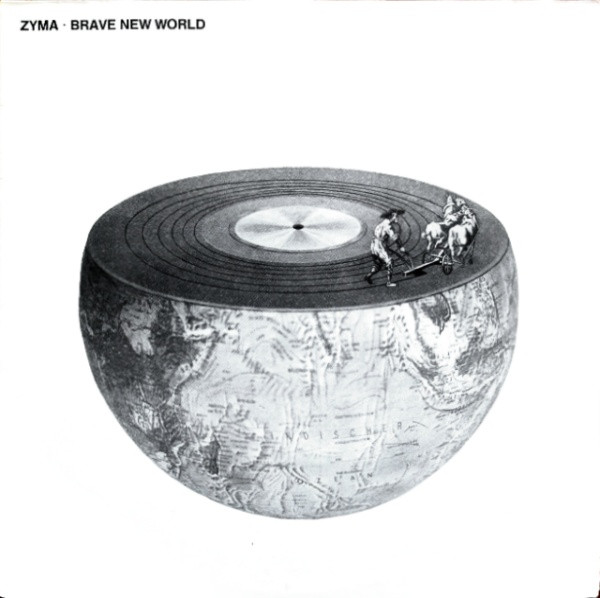
‘Thoughts’ and ‘Brave New World’ sound quite different. Did that change happen naturally, or was the band consciously moving in a new direction?
Joachim brought completely different colours into the band again. His playing with effects challenged me in terms of sound and colour. He was a relentless frontman, and beside him you sometimes had to make sure you didn’t disappear. But if you caught the ball he threw you, things could head incredibly far into adventurous and intricate territory. Dan, the percussionist who joined us at some point, was a session player. Whether we really made such a major change of direction is perhaps something you can only see in retrospect. It happened gradually. Pieces disappeared from the programme and others came in. Each of us was having our own listening experiences and bringing those into the work we did together.
Did your own role in the band feel different by the time of ‘Brave New World’?
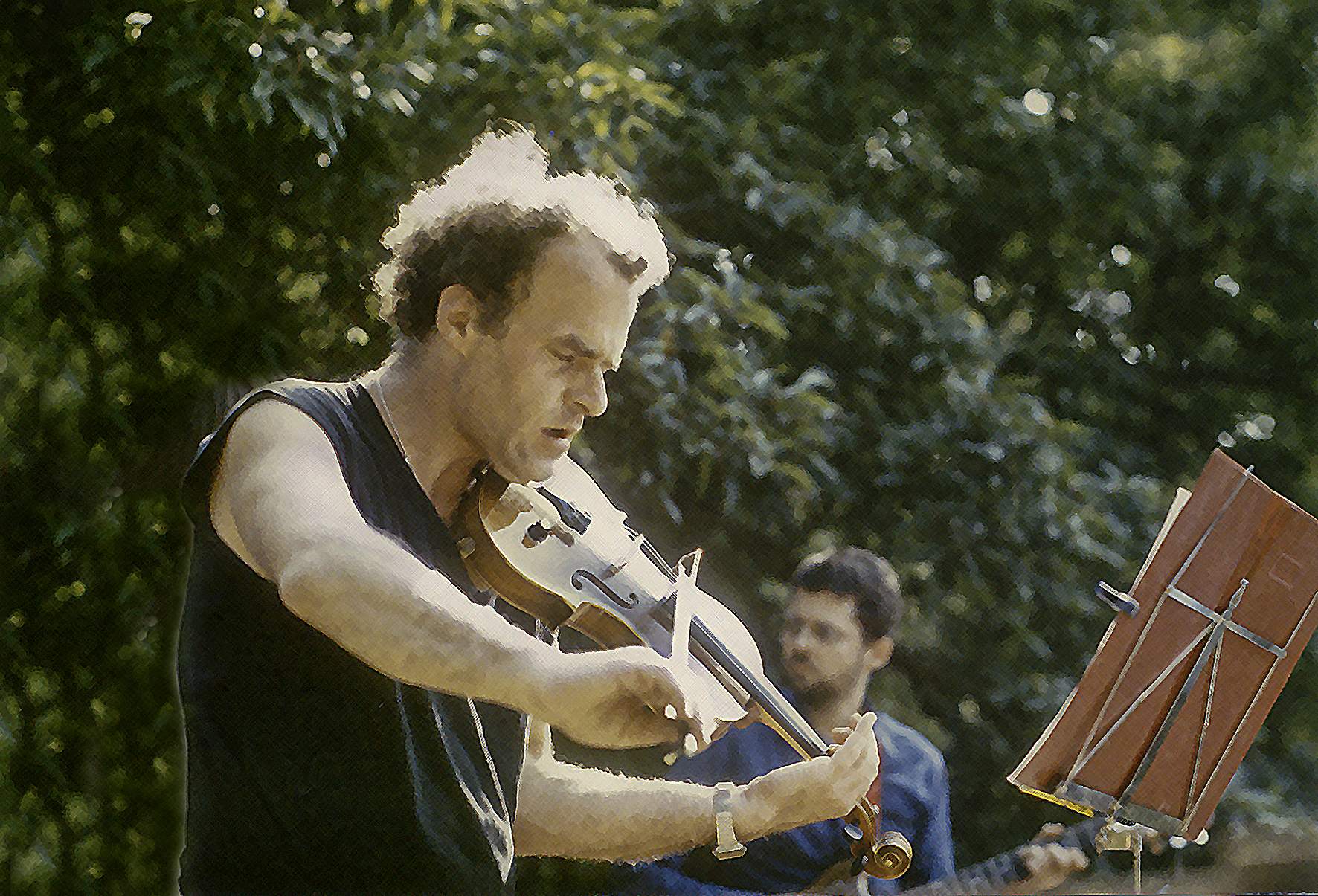
I don’t remember exactly. Perhaps, as a woman, I was becoming “braver” or freer too, not just musically. Together with the people in my shared house I was part of Mannheim’s alternative scene. I went to demonstrations, got involved politically, was active in the women’s movement and spent a lot of time around artists and creative people. Those non-musical impulses flow into music too. You experiment, leave familiar spaces behind, step out into the open and keep finding a new voice of your own.
How different were the ‘Brave New World’ sessions at Studio 2000 in Pforzheim from making ‘Thoughts’ with Carlos Albrecht at Tonstudio Bauer?
According to Günter, there was one very important difference. Carlos in Ludwigsburg was not simply the sound engineer. With his experience and deep understanding of our music, he became involved throughout the entire recording process, to the extent that Günter now says he could almost describe him as the producer of ‘Thoughts’. Carlos’s care and guidance took away the kind of tense atmosphere that can sometimes develop in studios. I think you can hear that underlying sense of calm when you listen to the record, even though the band was working very intensely. It wasn’t like that in Pforzheim. We had an experienced sound engineer, but there was no central person guiding things. The band could, but also had to, make every decision about the studio work ourselves. There was more freedom, but also more uncertainty.
‘Thoughts’ has probably received more attention over the years than ‘Brave New World’. How do you feel about the second album now?
I talked about this with Günter too. If you look at that spirit of setting out towards something new that I mentioned earlier, the expansion of the line-up and all the creative impulses that came with it, plus what was happening in the rock scene at the time, from Neue Deutsche Welle to the emerging indie-rock scene, all of those developments influenced us as musicians and found their way into ‘Brave New World’. Perhaps you can feel that in the music and perhaps it asks the listener to engage with it more actively. But we hope there is still enough room for an emotional response too, so that you can simply enjoy the music.
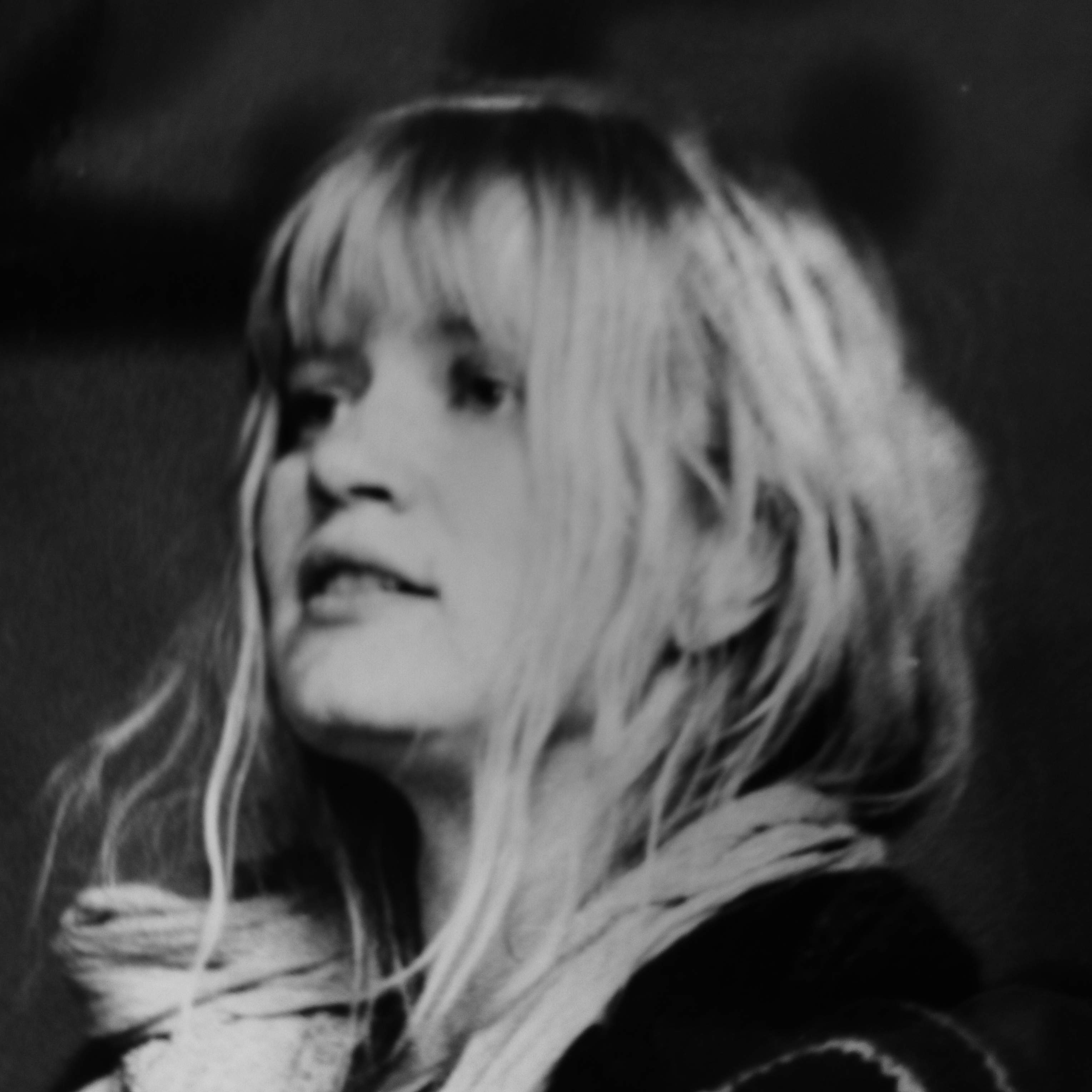
“There was no fear there, only joy and that feeling of flying through music…”
What was the ideal setting for Zyma live?
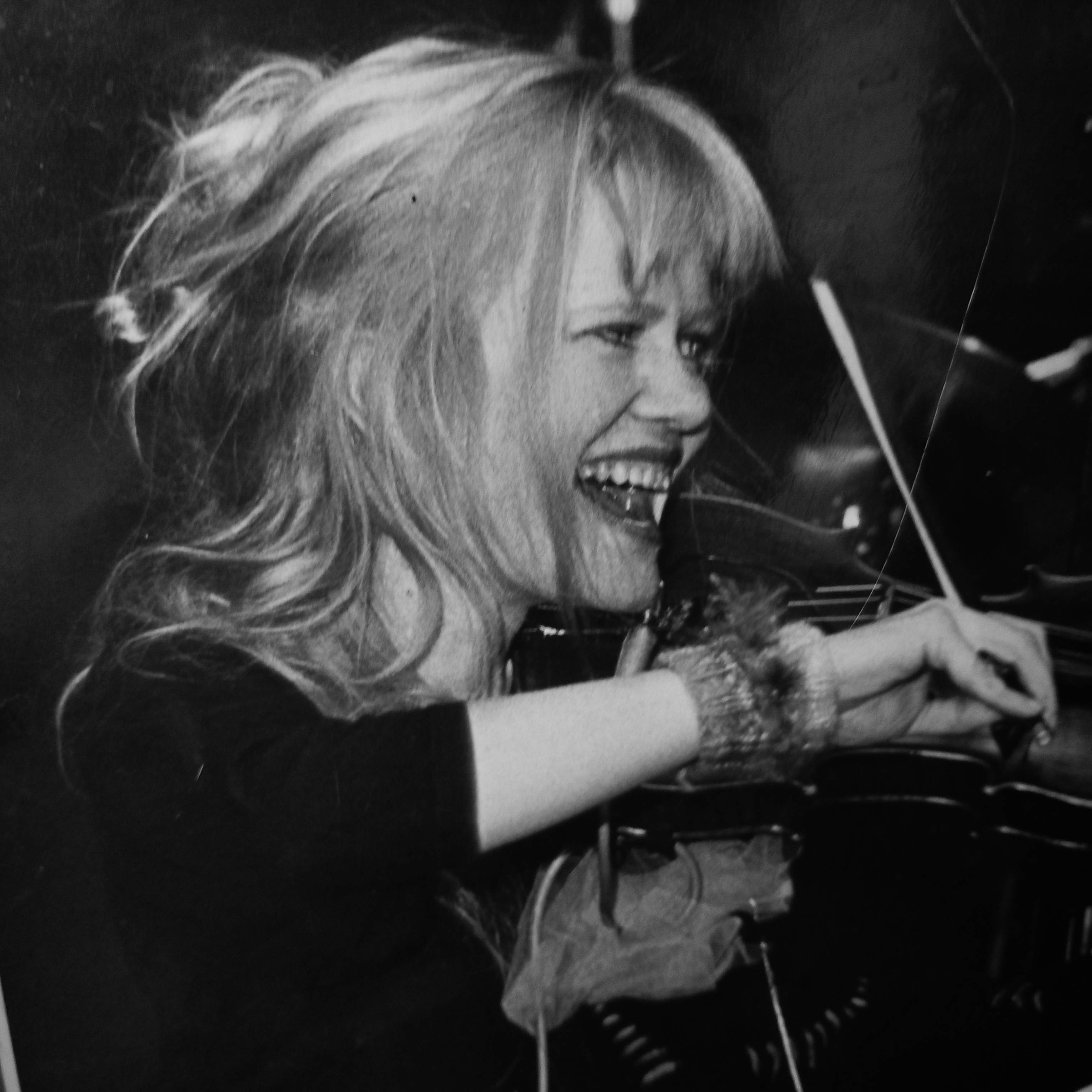
I always thought we were at our best as a live band wherever we happened to be, whether in small clubs or on festival stages. There were places you looked forward to playing and where we returned again and again. One favourite was the Genesis jazz club in Mannheim. It was a basement club in a rear building in the city centre, in the H squares. It always took a while to carry all our equipment down that narrow cellar staircase. For a while the Genesis was almost like my living room. All sorts of completely different people you knew would gather there. You played almost woven together with the audience, incredibly close to everybody. The air was dreadful, the atmosphere fantastic. I remember being particularly nervous the first time we played the Cave jazz club in Heidelberg. The “Jazz Mafia” was always represented there, and as a “woman in the band” I felt especially critically observed. A woman with a violin? Can she even play the right scales? And I never wanted to make announcements at concerts. I was absolutely terrified of doing that. Only later did I learn that you could deal with it quite casually. Singing was never a problem. Speaking… But through working as a stage musician at the Nationaltheater Mannheim I learned that playing on a big stage could actually be something you really enjoy. From the moment the performance begins, you are completely present, and you play everything as though it were happening for the first time. Another favourite place became the familiar stage in the large hall of Mannheim’s Alte Hauptfeuerwache, which the local music community had fought hard to preserve. Towards the end we had our rehearsal room in the basement there. There was no fear there, only joy and that feeling of flying through music…
Is there one concert you still think of when you want to remember what Zyma really felt like on a good night? It doesn’t have to be the biggest one.
I think several things have merged together in my memory. What I do know is that I always looked forward to playing, whether it was in a tiny club or a university hall. Every gig existed completely in the present moment. I always suffered from enormous stage fright, and even today I love that tension at the beginning of a concert, until you dissolve into the music, connect with the audience and feel their willingness to come along on the journey…
By 1981 Zyma had come to an end. From your point of view, what was happening in your life around then, and what finally pulled you away from the band?
At that time my life was somehow in a state of change. My studies in Mannheim had finished, and teaching music in a school was completely out of the question for me. Then I received an offer from Elster Silberflug, a friendly folk band from Heidelberg, to join their new folk-rock formation Zeitenwende for a tour throughout Germany. I thought that was incredibly cool. Being on the road, playing music. Through that I also met Jan Fride, the drummer from Kraan, with whom I continued to work on various projects later on. Every now and then I would receive offers that, to my way of thinking at the time, were heading in a “commercial” direction. I would agonise over them for two nights and then turn them down. I was often asked to take part in interesting one-off projects, theatre, performances, studio work, demanding and labour-intensive things that I was very happy to accept. At the same time I was working on my own material, composing and writing lyrics. My partner and I were also planning a life outside the big city, with music, art and a community around us. I was no longer a reliable band member who was always there. I had to make a decision. If somebody had offered Zyma a festival tour, I would have wanted nothing more. But as things stood, I was the bird that wanted to fly away. I wanted to leave Mannheim and Heidelberg too. I then did two tours with Zeitenwende, moved to Lake Constance with a group of artists, spent several years as a member of Cochise, and afterwards built up my solo project where I sing and play violin at the same time. I became involved in many exciting collaborations. One project even took me as far as Indonesia, where I appeared as a guest in a gamelan opera…
You went on to work with Cochise, Zeitenwende and many other musicians and projects. What did Zyma give you that you carried into everything that came afterwards?
Looking back, I took an enormous amount from Zyma into my later life as a musician: trying out new partnerships, improvisation, musical flexibility, curiosity, intuition. Those things simply keep me going. Through music I can meet people whose language I cannot speak. In my pieces and songs I leave a great deal open for whoever happens to be playing with me. Overall, I probably understand myself best as someone who crosses musical boundaries.
When you hear ‘Thoughts’, ‘Brave New World’ or even those early ‘Proton 1’ recordings now, do you hear the same person throughout, or different stages of yourself as a musician?
Only recently Joachim Irmler, the keyboard player from Faust, with whom I’ve played on various projects over the last few years, discovered Zyma and was enthusiastic about what we had done back then, especially the ‘Proton’ recordings. I can’t really judge it for myself now. Every project is somehow unique, and yet I think that through the Zyma recordings, and everything that followed right up to today, I found my own musical voice. I’m happy when people listen to the things I’m doing now as well. Zyma is one part of my development, part of my own very personal history, and I haven’t reached the end yet.
What are you working on these days?
At the moment I regularly play as a duo with jazz double bassist Kolja Legde, and every now and then in a band setting with the Congolese percussionist Huguette Tolinga. A completely new collaboration is a duo with the experimental guitarist Claus Boesser-Ferrari. I teach, give workshops and regularly work very intensively with a wonderful orchestra at a centre for people with disabilities. I paint, develop installations and sound objects with my husband, throw myself into new musical adventures, listen to the wind…
And to finish with something simple. If we were sitting together after this interview putting on records, what would you play first?
Maybe something by Ballaké Sissoko? Roman Bunka? Mikhail Alperin? Or Matana Roberts? The Ukrainian singer Ganna? Or perhaps something with birdsong?
Thank you. Last words are yours.
Thank you again so very much for the invitation. Lots of warm wishes, from the bottom of my heart, from the hinterland of Lake Constance, from my Tai studio and the Klang und Eisen workshop.
Klemen Breznikar
Headline credit: Zyma