
Danish Prog Classic: COMA’s ‘Financial Tycoon’ (1977) Reissued
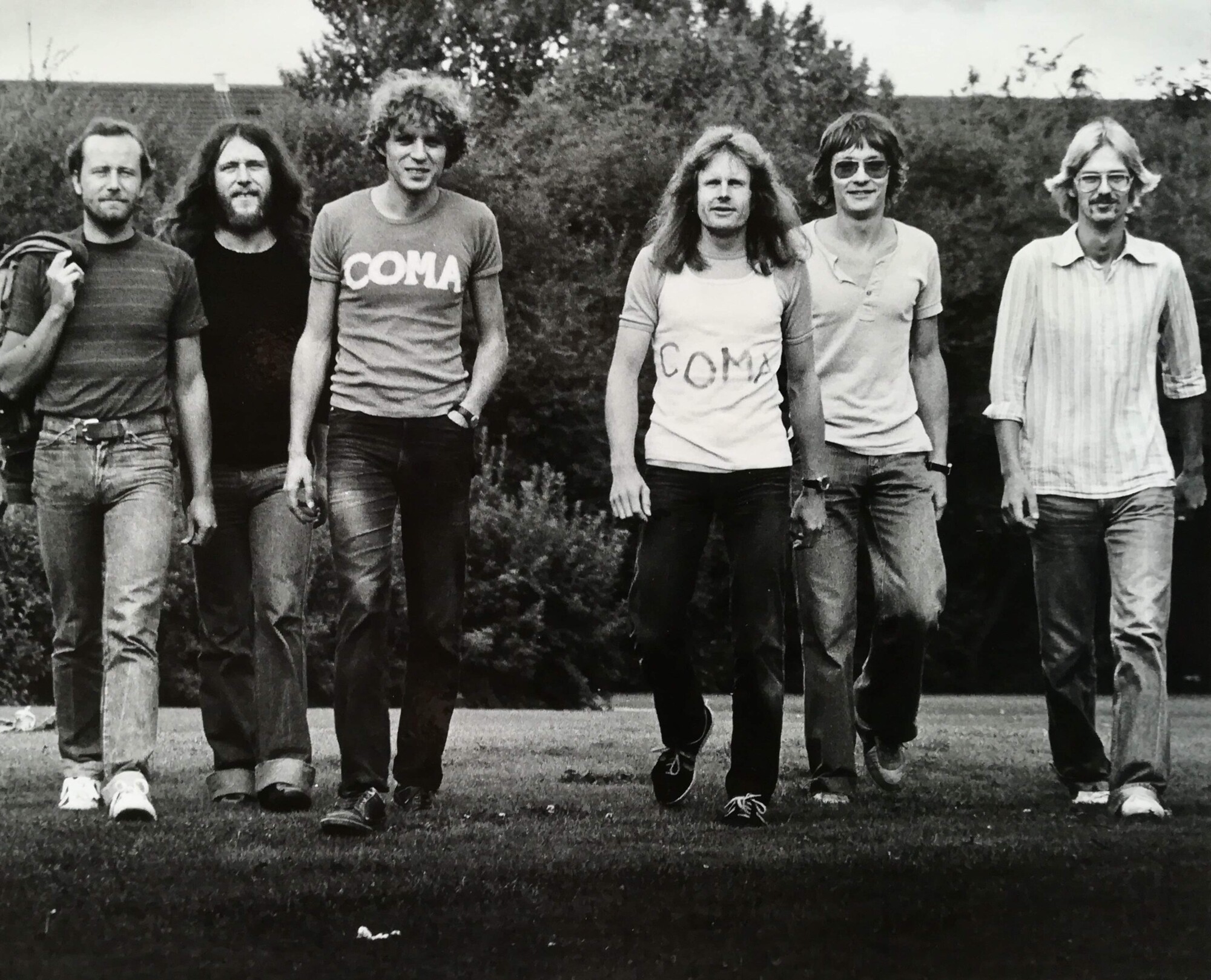
COMA were one of those groups that sat slightly outside the usual narratives. Formed in the early 70s out of the Danish club circuit, they drew from Hendrix, Zappa and the late 60s underground.
The result was ‘Financial Tycoon,’ issued in 1977, a record shaped by years spent rehearsing and working the material before committing anything to tape. That process now comes into focus with a new reissue on PQЯ Disques Plusqueréel, expanded with a substantial cache of live recordings and remastered by the band themselves. It returns the album to its original setting, alongside the conditions in which it was formed. “We practiced a couple of times a week and always warmed up by jamming, just to find each other musically,” they recall. Most of the material was shaped collectively, arranged as a group.
By the time they entered the studio, the pieces were fully prepared. The recordings were cut live, often in first takes, with only light overdubbing. That approach carried over to the stage. Sets ran long, the structures held, but the interiors remained open. “The solos were free and could vary in length,” they note, which accounts for the tension running through the record.
The newly unearthed live material underlines that method. COMA’s concerts could veer between extremes, as they put it, “from godly enthusiasm to profanity,” depending on the setting. “We experimented from day one.”
Heard now with the additional recordings, Financial Tycoon lands closer to how COMA actually operated at the time, with the studio album and the live material speaking to the same source.
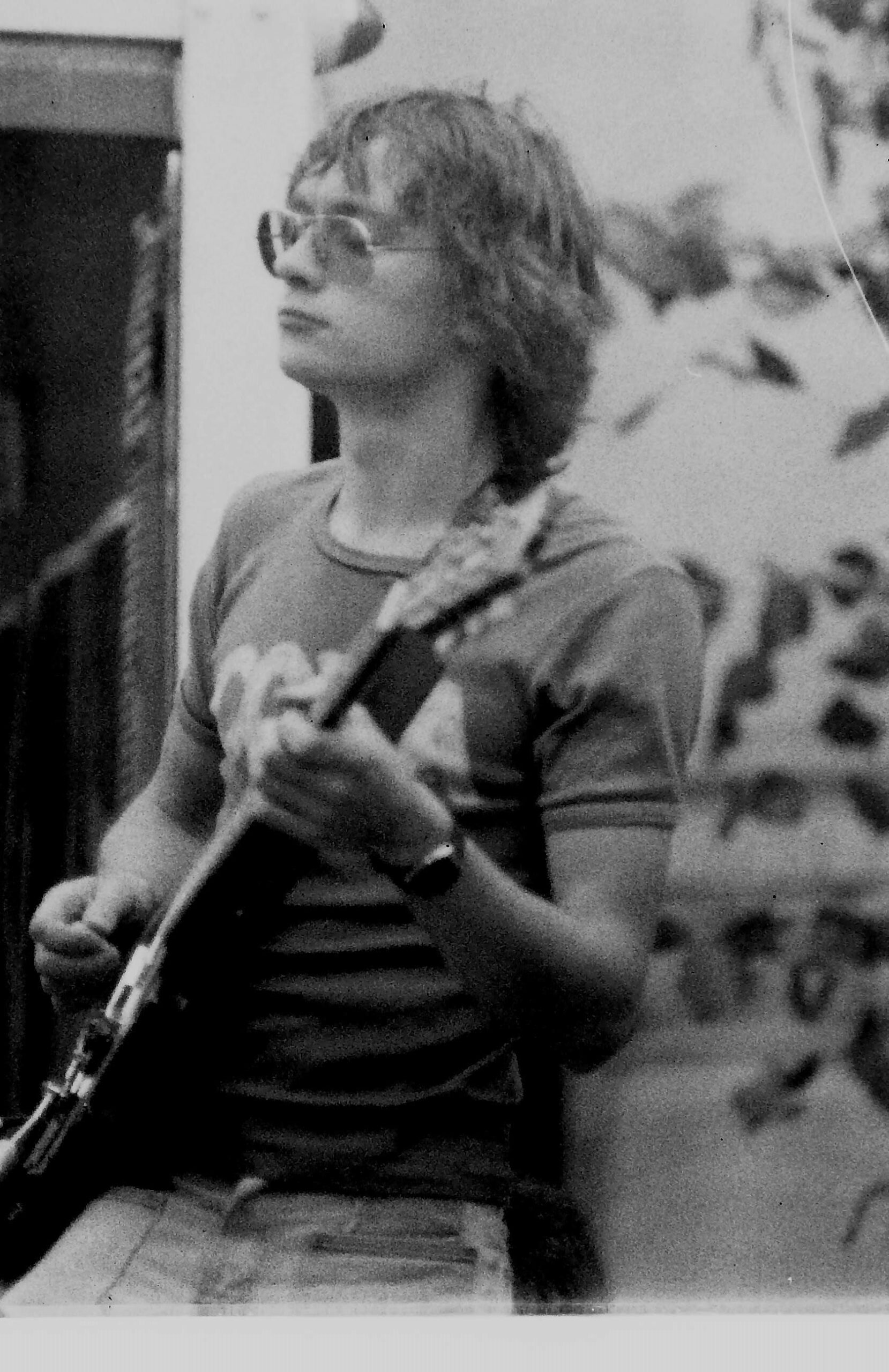
“We experimented from day one.”
Answered by Flemming Friberg and Viggo Steincke
Before COMA existed, where were each of you musically? What bands or styles were you coming from, and what were you actually playing at the time?
We were inspired by bands like Hendrix, Doors, Cream, Zappa and similar bands. We played in different cover bands and jammed with them as well.
Can you tell us about Ramasjang first? What kind of band was it? We’d also love to hear more about the two albums you released.
Ramasjang was a cover band, who also tried a little with their own music.
How did you first meet and decide to play together? Was it something planned, or did it just happen naturally?
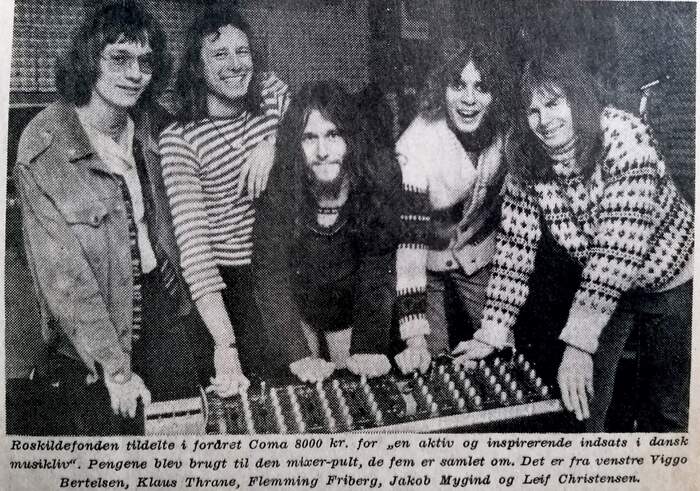
Flemming and Jakob played in Coma. Jakob also played in Ramasjang. Leif played in Ramasjang, and when Coma needed a bass player, Leif joined, and a few months later Klaus and Viggo.
What do you remember about your very first rehearsals? What kind of material were you playing, and how close was it to what COMA later became?
We experimented from day one. Often in crooked time signatures.
The press mentions long rehearsal periods in the early ’70s. How often were you rehearsing, and what were you actually doing during those sessions, writing, jamming, refining ideas?
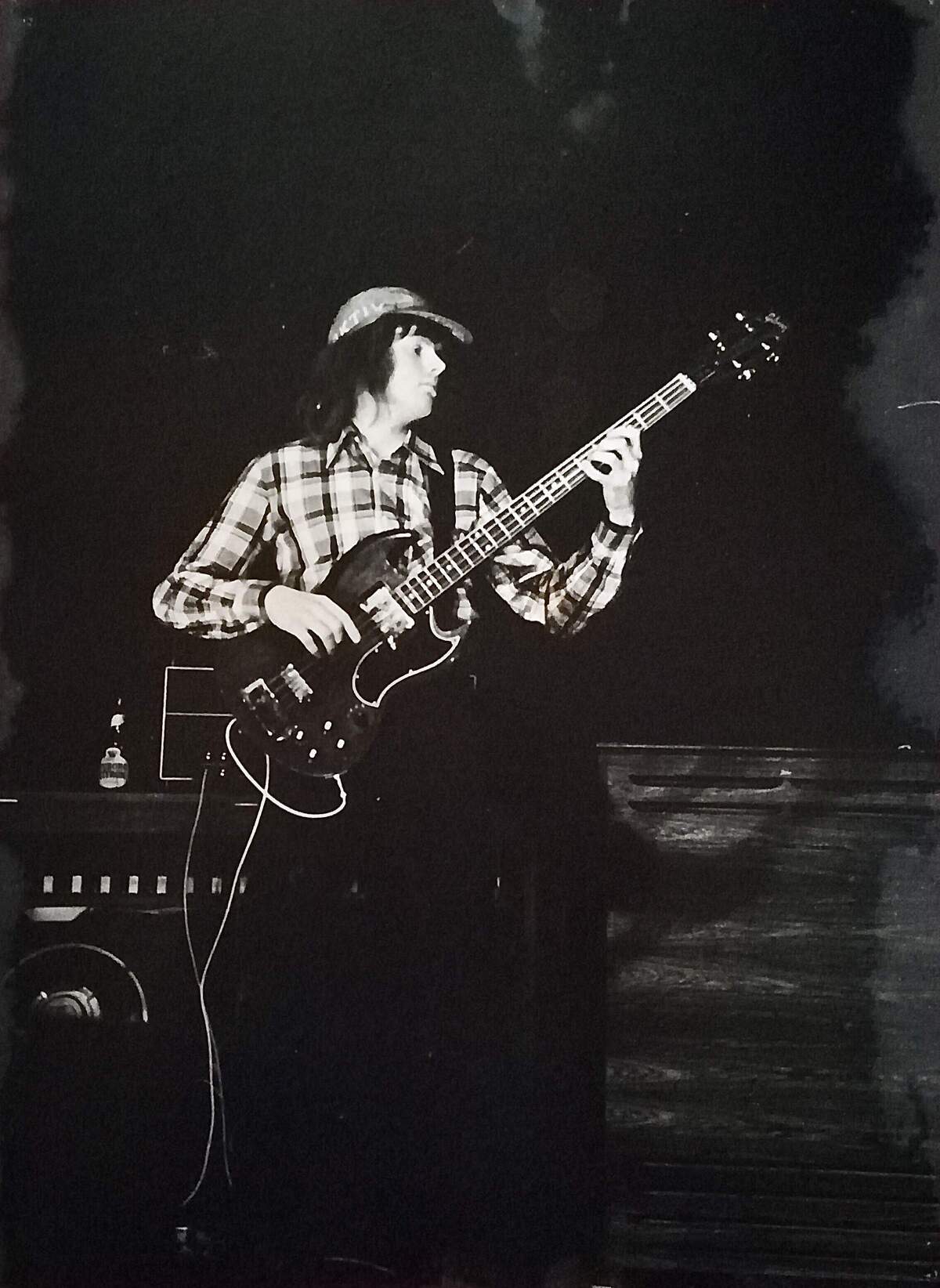
We practiced a couple of times a week and always warmed up by jamming, just to find each other musically. Then we started exchanging ideas. Occasionally, someone came with a finished number, but most often we arranged the music together.
When did the music start to take a clearer shape? Was there a moment when you felt the band had really found its direction?
In the time leading up to the recording of ‘Financial Tycoon,’ we had a very clear common vision in the band. We agreed on the expression and direction.
What were your early live shows like? How long were the sets, and how much was structured versus improvised?
When we played, it was two sets of an hour or three sets of 45 minutes. We played the songs as they were agreed. The solos were free and could vary in length.
Where were you playing most often, clubs, universities, smaller local venues?
Mostly clubs and venues, but also festivals, Roskilde, Dunkirk, Huset (Aarhus), Montmartre and Musikcaféen (Copenhagen), Loppen (Christiania), etc.
How did audiences react? Were people engaged with what you were doing, or were reactions more mixed?
The audience’s reactions were very different, from godly enthusiasm to profanity.
Improvisation seems to be an important part of your music. How much freedom did you allow yourselves on stage, and did that change over time?
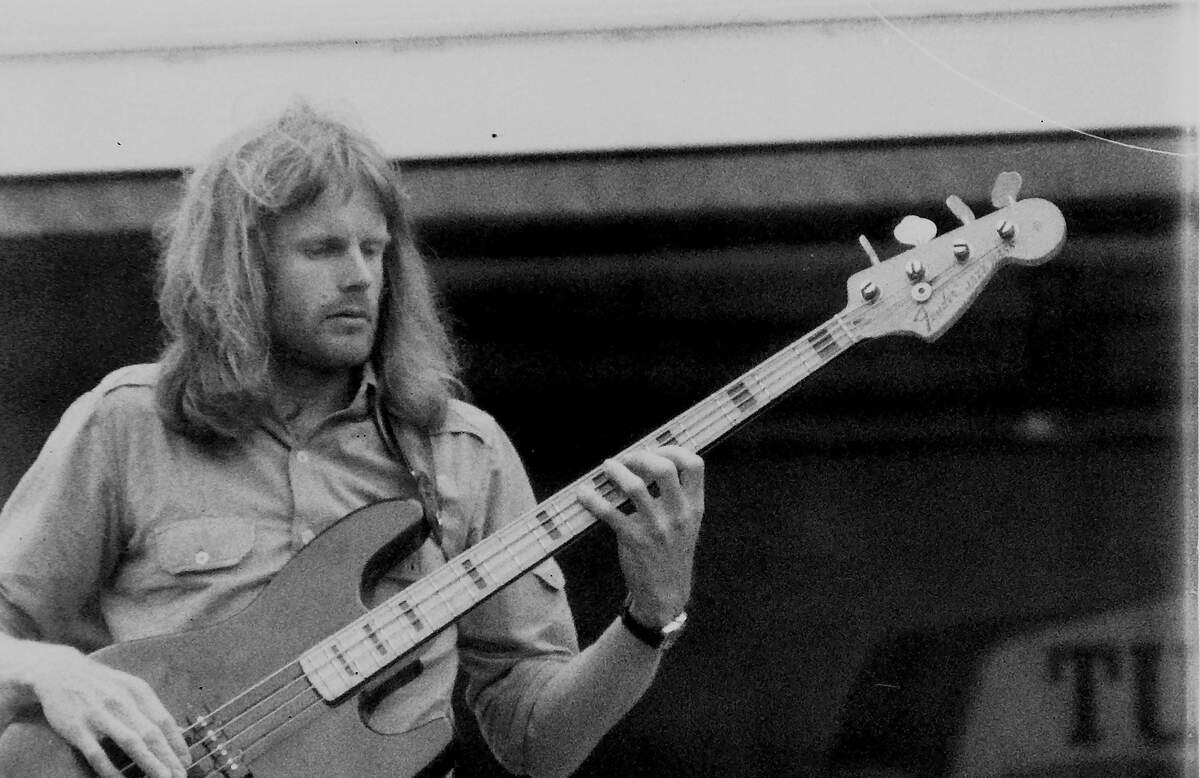
We improvised in all the numbers and over time became better and better at backing up the soloist.
Do you remember any shows where things didn’t work out? What would usually go wrong?
Daddys Dancehall in Copenhagen. It was a huge misunderstanding that we played there, a disco of the worst kind. Ranum Seminarium, where the board had set us up for a folk music orchestra that could play for folk dance.
By the time you recorded ‘Financial Tycoon,’ the material had been developing for years. How finished were the pieces when you entered the studio?
The tracks were ready for recording. We had rehearsed intensely for the recording and everything was ready.
How was the album recorded? How many sessions did it take, and were you mostly recording live or building things up in layers?
All the material was recorded live in the studio, often in the first take. The recordings were supplemented with overdubs of ourselves and guest musicians. The whole process lasted a week of recording, overdubs, mixing and mastering.
Did the studio versions differ much from how the material sounded live?
No, because we had just arranged the tracks so that they worked in a live situation.
The album came out in 1977, but the music feels like it comes from an earlier period. Did you feel out of step with what was happening musically at the time?
No, for us, the music was fresh and relevant.
Would you say there was a specific concept behind the album?
We had a clear experience of wholeness, experiments and new musical paths.
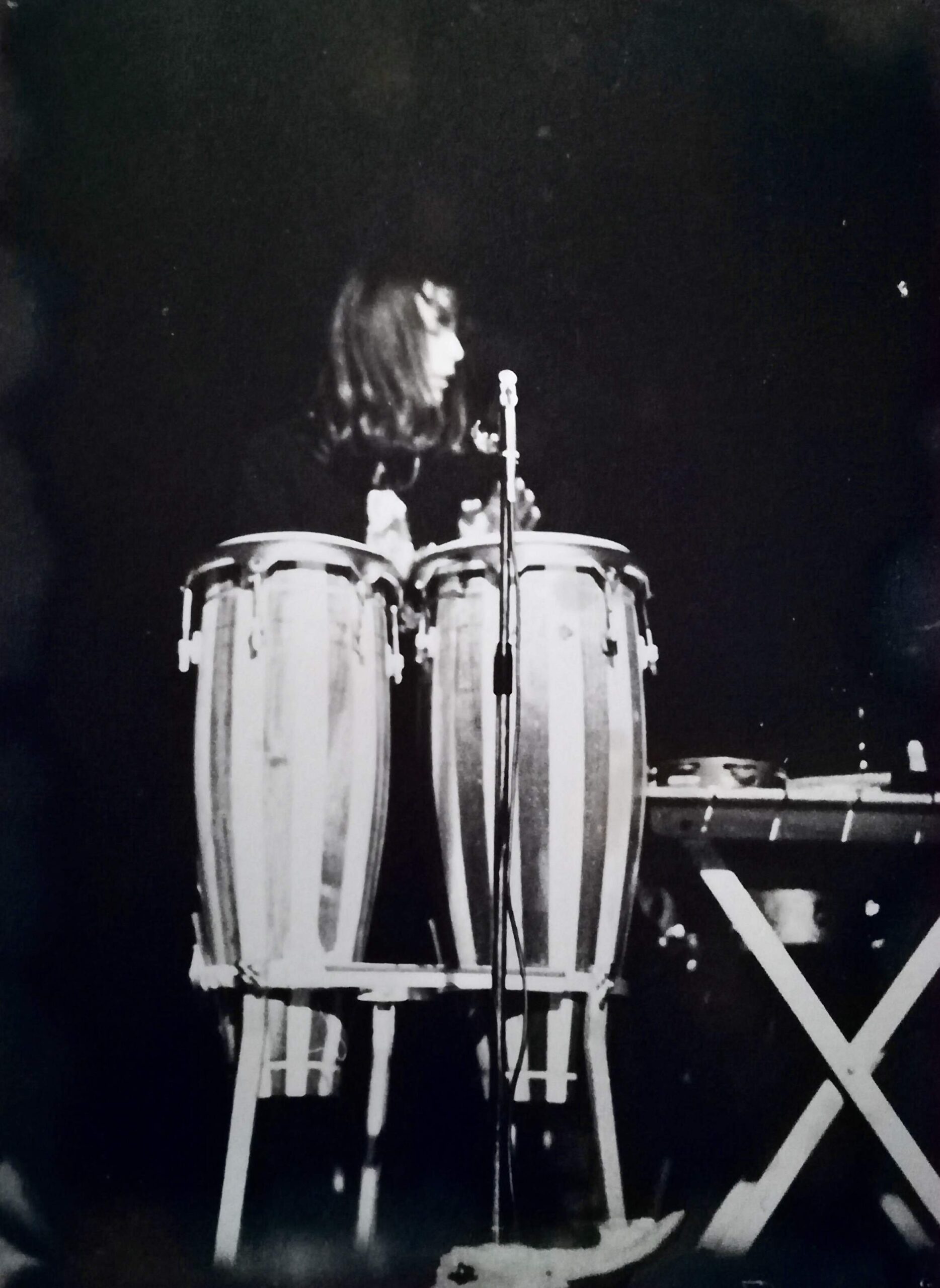
Those repeating bass parts, were they planned, or did they come out of jamming?
The bass lines were always planned.
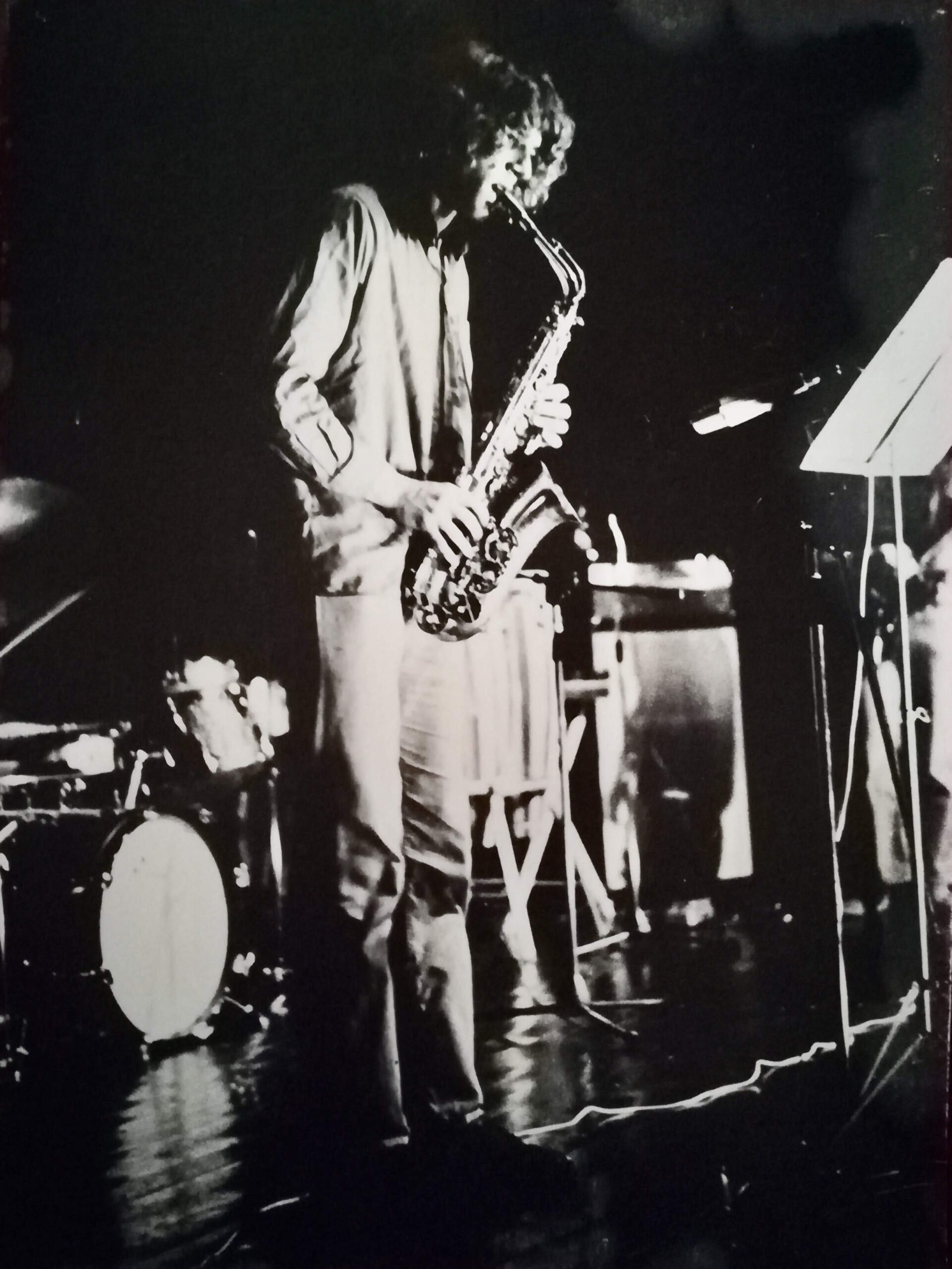
There’s a lot happening between the guitars and sax. Did it ever feel like the band was pulling in two different directions?
No, we didn’t think of it that way. We always strove to complement each other.
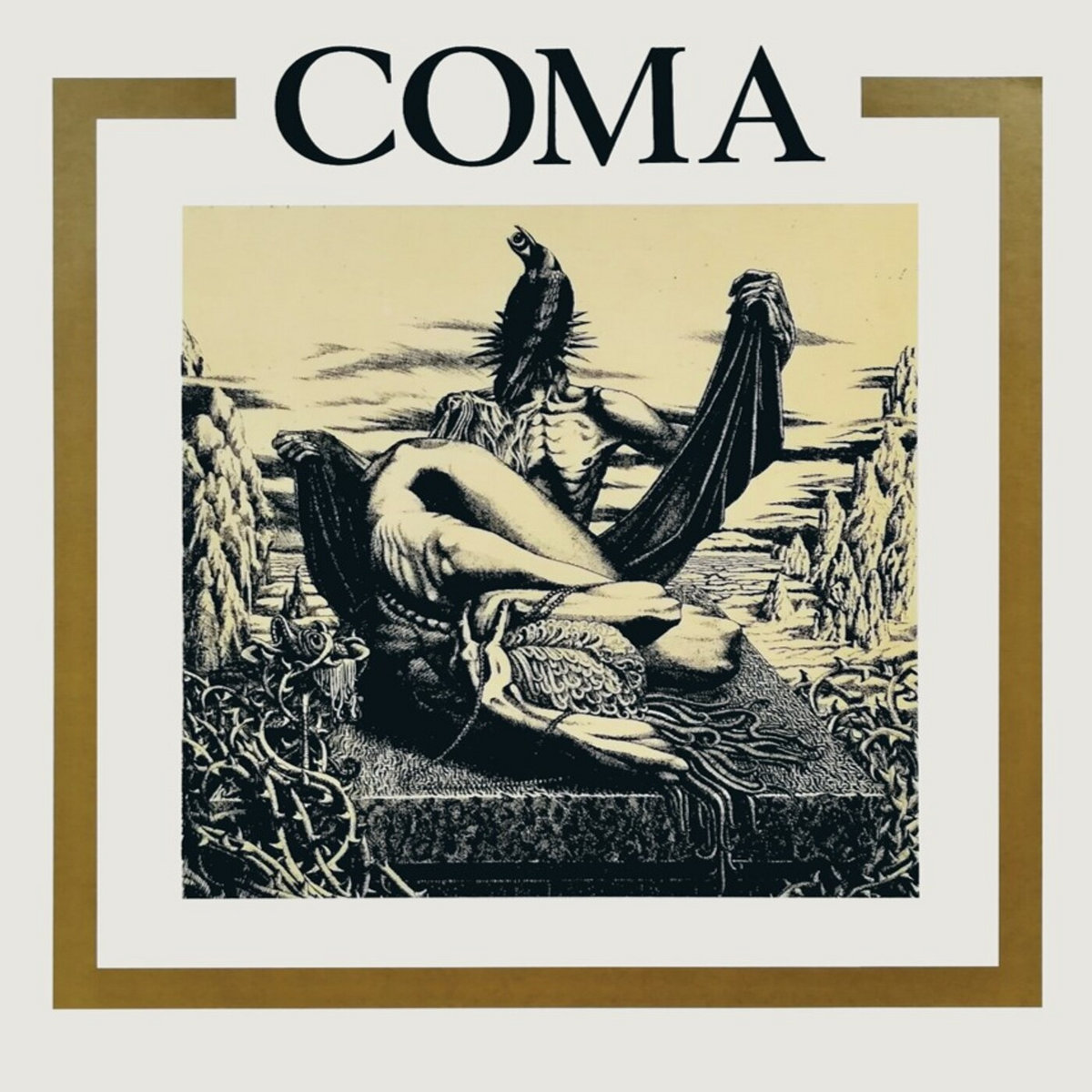
What about the cover artwork, what’s the story behind that?
In the collective where we slept between recordings, there was an artist, Lars Rasmussen, whose pictures we liked, so we asked him if he wanted to do the cover.
The reissue includes several live recordings. When you listened back to them, what kind of memories came back?
It warms your heart and rejoices that together we dared to set the bar high and that we were able to create our very own sound.
What was the local scene around you like? Who else was active, and did you feel connected to other bands?
At the time of release, we had collaborations with other bands in North Jutland. We had a musical fellowship with the Sorcerer’s Apprentice in Roskilde and Zirenes in Copenhagen.
On a practical level, how did that scene function, rehearsal spaces, gigs, money? How did bands actually keep going?
We had little money to do well with. We got money for playing, but it was scarce. Everyone had a job besides music.
We’d also love it if you could share a few thoughts about your follow-up release ‘Amoc.’
In the late ’70s, Weather Report became a great source of inspiration. We wrote some fine songs, but when we look back today, we also lost some of our originality.
What came next for you after that period?
We continued on and off with Coma until the mid-80s. We all took the experimental approach further in our solo projects, where we each started recording and mixing both our own and others’ music.
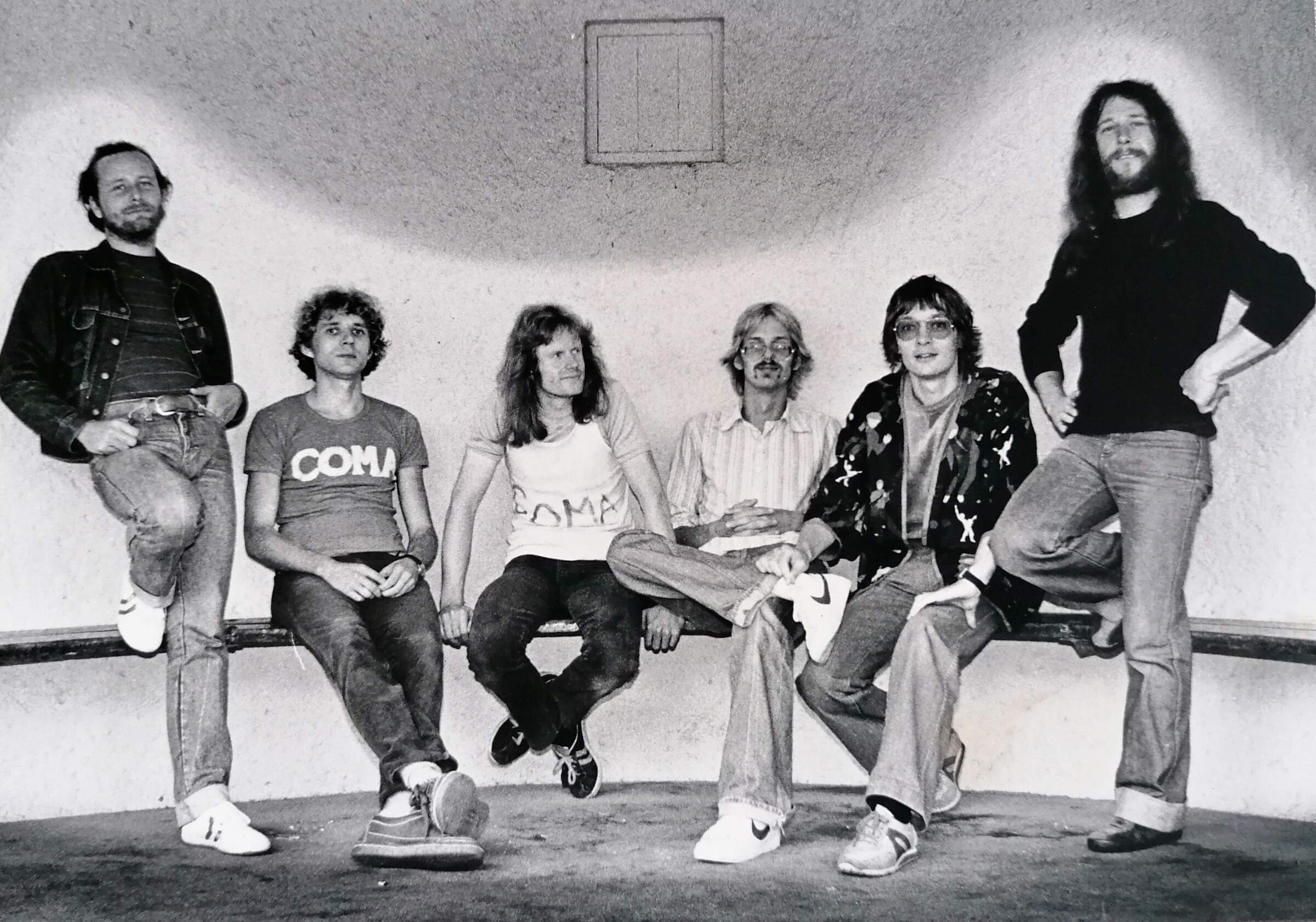
And finally, what are you each up to these days?
We all continue to work with music. Viggo makes cross-artistic projects involving poems and visual art. Flemming has for years been active in the band Professor Fanocca’s Laboratorium and recorded a number of CDs with the band, and lately recorded several solo CDs. Jakob is still an active performer in a number of bands with which he also records. Klaus is almost hyperactive in a myriad of bands and in all kinds of contexts. At the same time, he records himself and others in his studio. One of the latest projects is actually a collaboration between Klaus, Flemming and Jakob to record some of Flemming’s compositions, an activity inspired by the exemplary collaboration between Klaus and Flemming in connection with the preparation of the master files for the reissue of ‘Financial Tycoon’ and the live material.
Klemen Breznikar
Order your copy of the ‘Financial Tycoon’ via PQЯ Disques Plusqueréel.
PQR-Disques plusqueréel Store / Website / Facebook / YouTube