
Kim Doo Soo | The South Korean Folk Singer on ‘Bohemian’, Illness and Life in the Mountains
For many listeners outside South Korea, the first introduction to singer-songwriter Kim Doo Soo came through a record with the improbable title ‘International Sad Hits’.
Released in 2006 on Damon & Naomi’s 20/20/20 label, the compilation placed him alongside Japanese underground singers Kan Mikami and Kazuki Tomokawa, and Turkish songwriter Fikret Kızılok. Kim was hardly a newcomer. His first album had appeared twenty years earlier, but much of his music was still unknown beyond Korea. The compilation, followed by releases on Japan’s PSF and Britain’s Blackest Rainbow labels, helped change that.
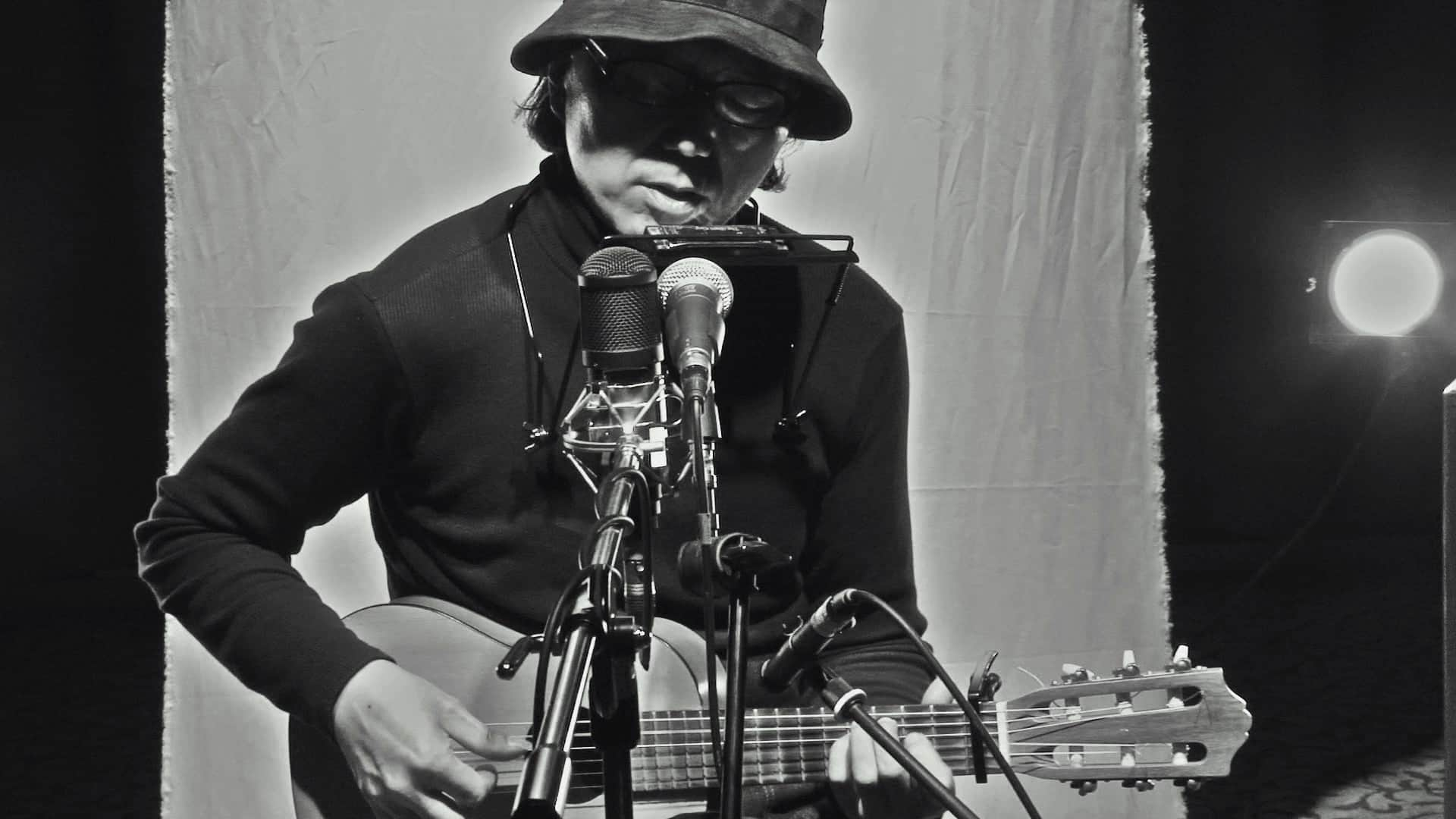
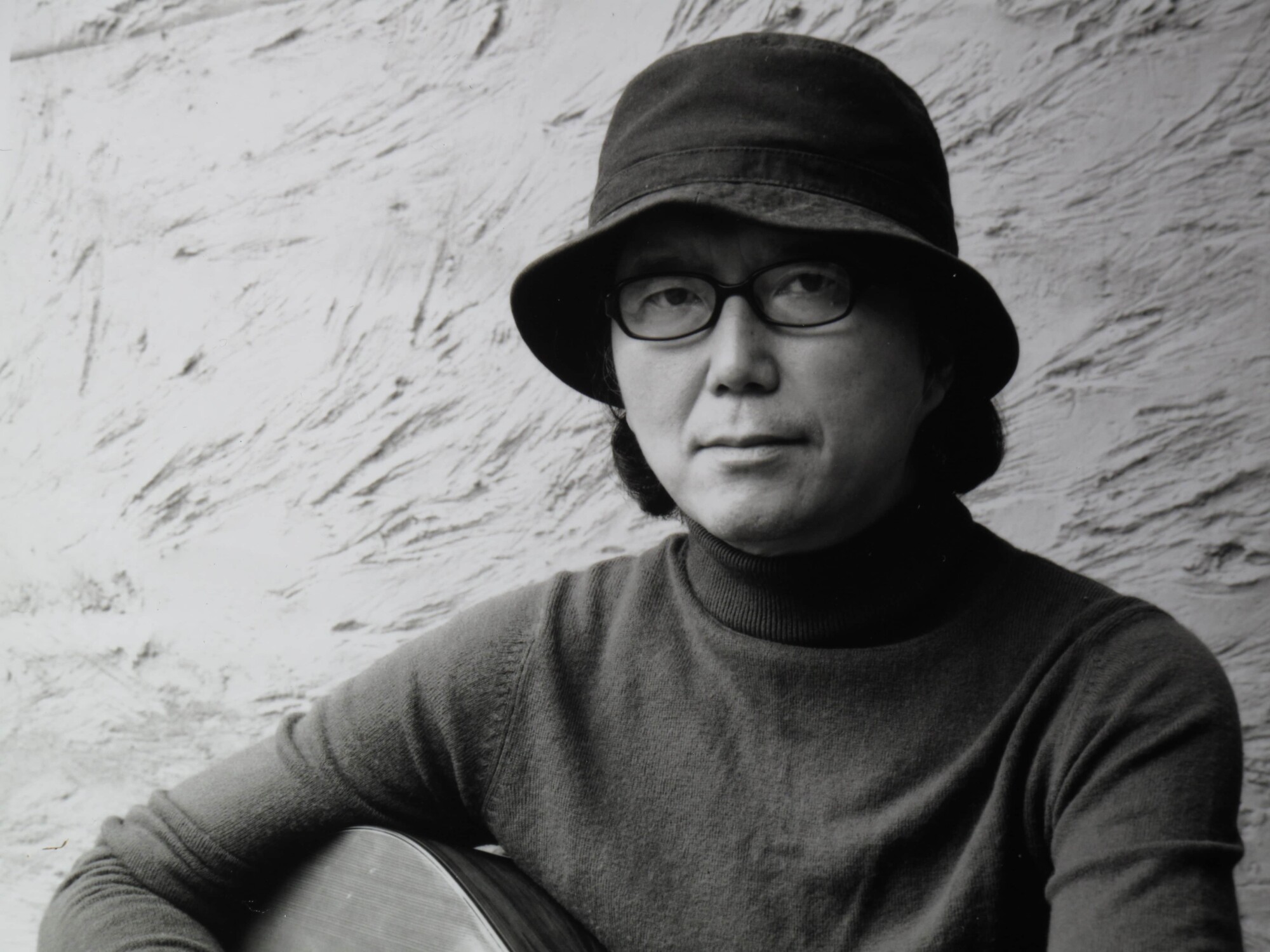
In April 2012, Kim made his British debut at London’s Café OTO, sharing a bill with German guitarist Steffen Basho-Junghans. His wavering, sometimes almost fragile voice is immediately recognisable, as is the restless movement of his guitar playing. His guitar rarely settles for simple accompaniment, and ‘Bohemian’ (1991) makes room for synthesisers, scat singing and narration. Outside Korea, his music has often been called acid folk, a term Kim himself had never encountered back home.
In South Korea, his records have received considerable critical recognition. His fourth album, ‘Free Spirit’ (2002), was ranked among the country’s 100 greatest popular music albums in a 2018 critics’ poll, and he received a special award at the Korean Music Awards in 2009. He has released just seven studio albums in almost forty years, the latest being ‘Driftwood’ in 2023.
“I am searching for peace and rest in the harmony between them.”
You grew up in Daegu in a strict household where becoming a musician wasn’t really an option. What are your earliest memories of making music? And how did your mother’s death influence your first songs?
My childhood home was strongly influenced by Confucian values, so the idea of becoming an artist was almost entirely unacceptable. I never had the opportunity to receive any formal musical education. However, I remember making up children’s songs and singing them on my own when I was in primary school. I only really began making music in my twenties, after leaving home and spending time wandering. My life as a musician began when I started making records. The first song of my own to appear on an album was ‘Flower Grave’ (‘꽃묘’), which I wrote in memory of my mother.
You studied at Kyungpook National University and later at Korea University in Seoul. During those years, you often travelled on foot with very little money. What did those journeys mean to you? You were also singing in music halls around Myeongdong to earn a living. What was the scene like in Seoul at the time?
University life had little meaning or influence for me, but those journeys without money gave me experiences and memories that are difficult to put into words. Through those travels, I came to see many different sides of people, the world and nature. Later, they provided the subjects and inspiration for many of my songs. As you mentioned, I sometimes worked as a salon singer in Myeongdong and Mugyo-dong, performing popular music to earn a living. In Korea during the 1980s, particularly in Seoul, there was a fashion among young people for a consumer-oriented culture commonly summed up as ‘jeans, acoustic guitars and draft beer’.
Your family didn’t approve of your musical ambitions, so you began performing under another name. You chose Kim Doo Soo from Park Kyung-ni’s novel ‘Toji’. Why that particular name? Did it give you a greater feeling of freedom?
I needed another name so I could make music without my family knowing. Kim Doo Soo is the name of a thoroughly wicked villain in ‘Toji’, one of the great works of Korean literature, written by Park Kyung-ni. However, when my father eventually discovered this in his old age, it wasn’t much of a problem. I heard that his feelings had softened after listening to the song I wrote in memory of my mother. If changing my name could bring me freedom, I’d be willing to change it as many times as necessary!
You learned guitar on your own. Do you think that helped you develop your own style? And when you write a song, do you usually begin with the words or with something on the guitar?
As I mentioned earlier, I never received any formal musical education. If my style or playing is original, perhaps it’s because I stayed away from school. At that time in Korea, there were no formal institutions teaching music other than classical music. There are advantages and disadvantages to both ways of learning and developing. What matters is the desire to make music. Ideally, the playing and the lyrics would come together at the same time, but moments like that are rare in life. I think I often begin by writing down an idea or theme as lyrics.
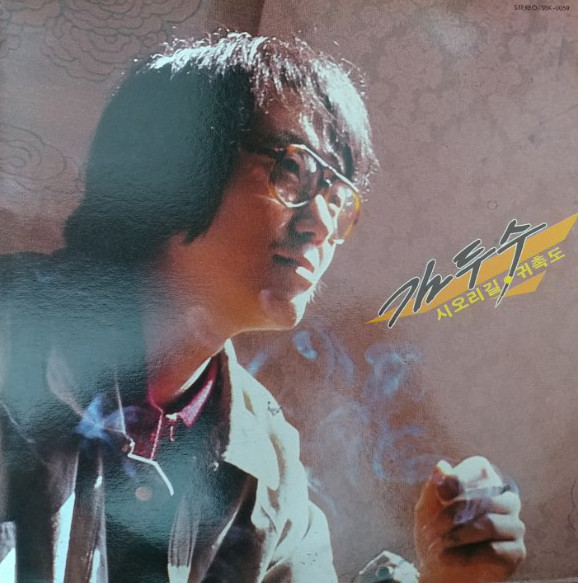
Your first album, ‘A Long Way’, appeared in 1986, but censorship and decisions made by the producer changed the record considerably. What had you originally hoped to make, and how do you remember the experience now?
My first album brought me despair in many ways, and even remembering that period is painful. At the time, Korea’s military government censored all popular music, and my record was no exception. The producer also exercised excessive control, and someone else handled the arrangements, making it difficult for me to preserve my own musical character.
“My nature has never been compatible with a society driven by money.”
Your early albums were made under military rule, although you’ve never really considered yourself a political singer. How much did the political situation enter your writing? And what has freedom meant to you personally?
My nature has never been compatible with a society driven by money. Although I was born and raised in a large city, I soon left it for places with fewer people. I even lived for a long time in remote parts of Gangwon Province. Because I lived away from the media and information networks, I had very little interest or involvement in the various social issues and political circumstances of the time. For me, freedom concerns the very nature of human existence.
Your second album, ‘The Promised Land’, came out in 1988, but you became seriously ill soon afterwards and spent around three years recovering. What happened during that period? Did the illness change your voice?
My second album was released in 1988, but I fell ill after its release and couldn’t do any promotional activities for it. The record company later complained about this. Three years later, I had recovered from the illness, but my lungs and vocal cords had become weaker, and my breathing and singing voice had changed. Strangely enough, I felt that my changed vocal cords actually made singing more comfortable. My earlier voice had been rather too clear.
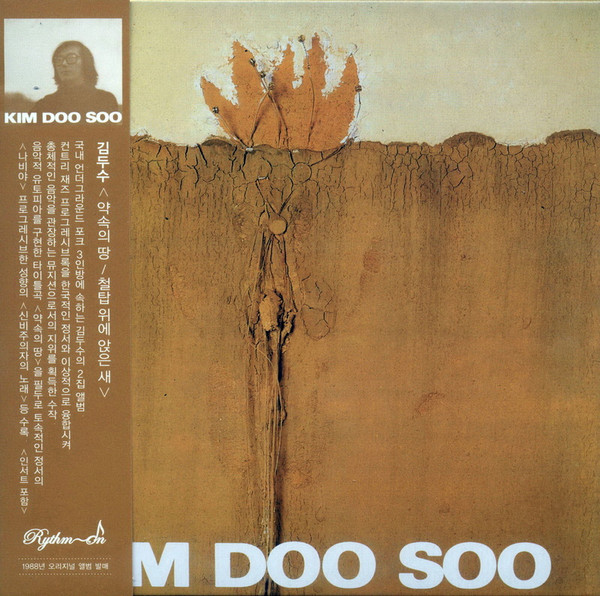
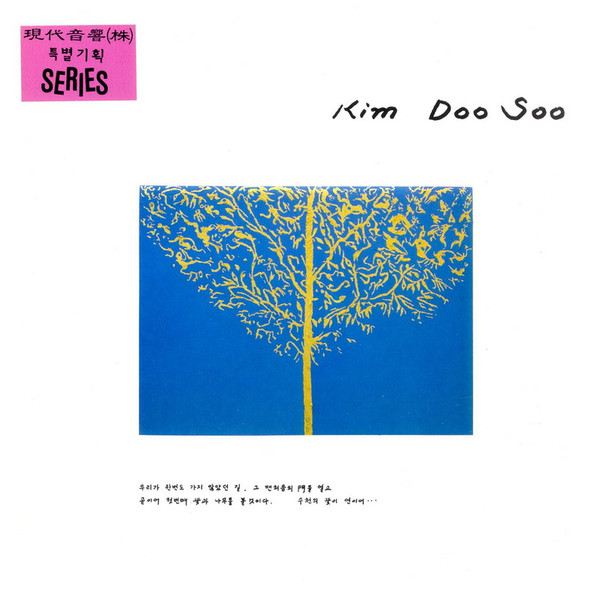
‘Bohemian’ followed in 1991 and sounds quite different from your first two records. There are synthesisers, stronger rhythms and some unusual vocal experiments. What were you trying to do with that album? And what do you remember about writing ‘Bohemian’ itself?
That’s right. My third album was recorded after my recovery, so physically I was in a very different condition from when I made the previous records. Musically, I wanted to broaden the scale of the music by using bigger rhythms and synthesisers. I also tried various experiments, including avant-garde vocal sounds, scat singing and narration. As I’ve said in other interviews, it was with this album that I began to recognise myself as a musician. For that reason, I consider it my real debut album. ‘Bohemian’ was written while I was temporarily living in a damp little room in Hannam-dong, Seoul, which had been converted from a car park. I remember there were a lot of crickets chirping inside the room. At the time, I was recovering from tuberculosis of the cervical spine, but I still couldn’t walk properly and had to stagger around on crutches. But my mind was strong and clear.
There have been some troubling stories over the years about the effect ‘Bohemian’ had on listeners. What were you told at the time?
I don’t particularly want to talk about this, but I heard that it involved a woman who lived in Busan. Later, I received a letter from someone who had gone to the sea at Gangneung, on the east coast, intending to take their own life. After listening to ‘Bohemian’, that person found the courage to go on living. It made me realise that people can have completely opposite reactions and attitudes towards the same piece of music.
You spent around ten years living with your wife in the mountains near Daegwallyeong, far from the music business. What was everyday life like there? Did you continue writing songs, or did you put music aside completely?
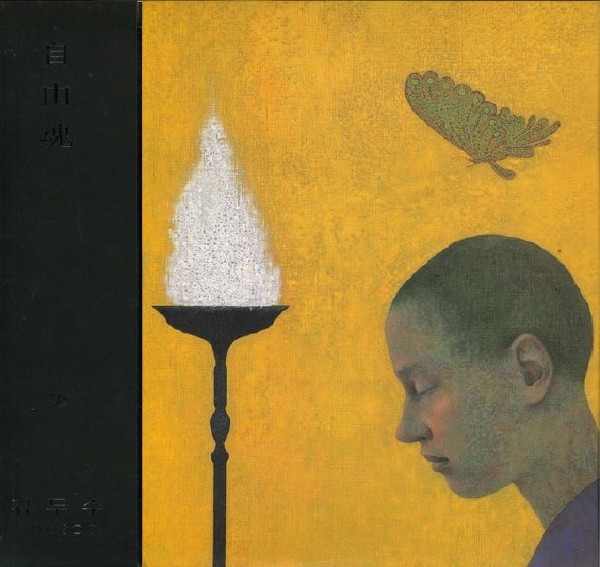
The days I spent living with my wife in Daegwallyeong were peaceful and beautiful. We were poor and lived in a remote place where we had to establish our own water supply, electricity and road access, but I still draw a great deal from those years. Living in nature made me dislike the artificial sounds created by people. They seemed like unpleasant, loud noise. But songs came into being naturally through everyday life. Those songs eventually came together on my fourth album, ‘Free Spirit’.
Your return began when a producer visited you in the mountains to discuss reissuing your older albums. Instead, you suggested recording the new songs you’d written there. That became ‘Free Spirit’ in 2002. What persuaded you to return? And why did you record another version of ‘Bohemian’?
That’s right. At the time, I thought there was little point in reissuing old songs from the past. As I happened to have some new songs ready, I suggested we record those instead. The fact that the producer had come all that way to find me felt like a meaningful encounter, and he also persuaded me with genuine sincerity. I re-recorded ‘Bohemian’ with some changes to the lyrics and a simpler arrangement because I felt I needed to come to terms with the confusion of the past in my own way. However, most listeners seem to prefer the original version, just as it was.
Poetry has always been important to your music. You’ve set poems by Seo Jeong-ju and Alasdair Campbell to music, among others. What makes a poem suitable for a song? Do you ever change the words to make them fit the melody?
For a poem to become a song, it needs to have the right rhythm. No matter how good a poem is, if the rhythm doesn’t fit, the composition won’t come naturally. Too much of it will feel forced, and eventually I give up. When I set another writer’s poetry to music, I never change any part of it.
Where did the title ‘10 Days Butterfly’ come from? It was also around this period that your music began reaching listeners in Japan and Europe. How did you feel about performing for audiences who might not understand the Korean lyrics?
In the East, there is a beautiful saying, ‘화무십일홍’ (花無十日紅), which means that no flower remains red for ten days. Every flower eventually withers and disappears. It reminds us that worldly glory never lasts forever. For ‘10 Days Butterfly’, I replaced the flower with a butterfly. For some reason, I’ve loved butterflies since childhood, and several of my songs have butterflies as their subject. When I began receiving offers to make records and perform in Japan and Europe, my first concern was whether the lyrics would communicate with audiences. But when I met those audiences, I discovered that although there were some differences, they accepted my style of music. It made me feel once again that music has no borders.
On ‘Evening River’, you returned to songs from different stages of your career. Why did you want to record them again? Your music has also been described outside Korea as acid folk, psychedelic folk and outsider music. Do those descriptions mean anything to you?
‘Evening River’ was recorded at the request of a British record producer. One reason the songs became new versions was that there were copyright issues concerning the use of the existing recordings and the record companies that held them. As for how people evaluate my music or what genre they place it in, that’s entirely up to the critics. They’re free to call it whatever they like, and I don’t mind. However, when I first heard the term ‘acid folk’, it felt rather strange and unfamiliar, because we don’t have that term in Korea.
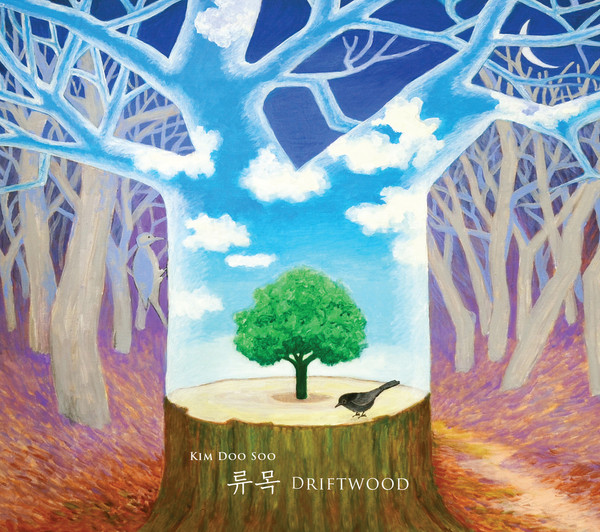
For ‘Gopsamu’, you travelled to the Czech Republic and recorded with Jan Černý and other local musicians. What did working with them bring to your music? On ‘Driftwood’, you seem increasingly concerned about the modern world. What was behind the title? And after forty years of recording, what are you still looking for in a song?
Meeting the Czech musicians was an interesting and special experience, particularly Jan Černý, an opera composer and former bassist in a punk rock band who has a studio on the outskirts of Prague. We became close friends and still exchange messages to see how each other is doing. He introduced me to most of the Czech musicians I worked with. There are many talented musicians in Korea too, but collaborating with musicians from countries with different cultures and temperaments brings an international dimension in itself. It also allows you to discover new inspiration and musical ideas. ‘Driftwood’ is a metaphor for the world today: a tree that has drifted downstream and become trapped in a swamp. The abuses of enormous financial power, the indiscriminate flood of information, the destruction of nature and, especially in recent years, the alienation of human beings through AI have already pushed the world beyond the limits of balance. My themes have always been humanity and nature, or the universe.
I am searching for peace and rest in the harmony between them.
Klemen Breznikar
Headline credit: Courtesy of Kim Doo Soo