
Jad Fair of Half Japanese | “David and I Just Wanted to Sound Like Ourselves”
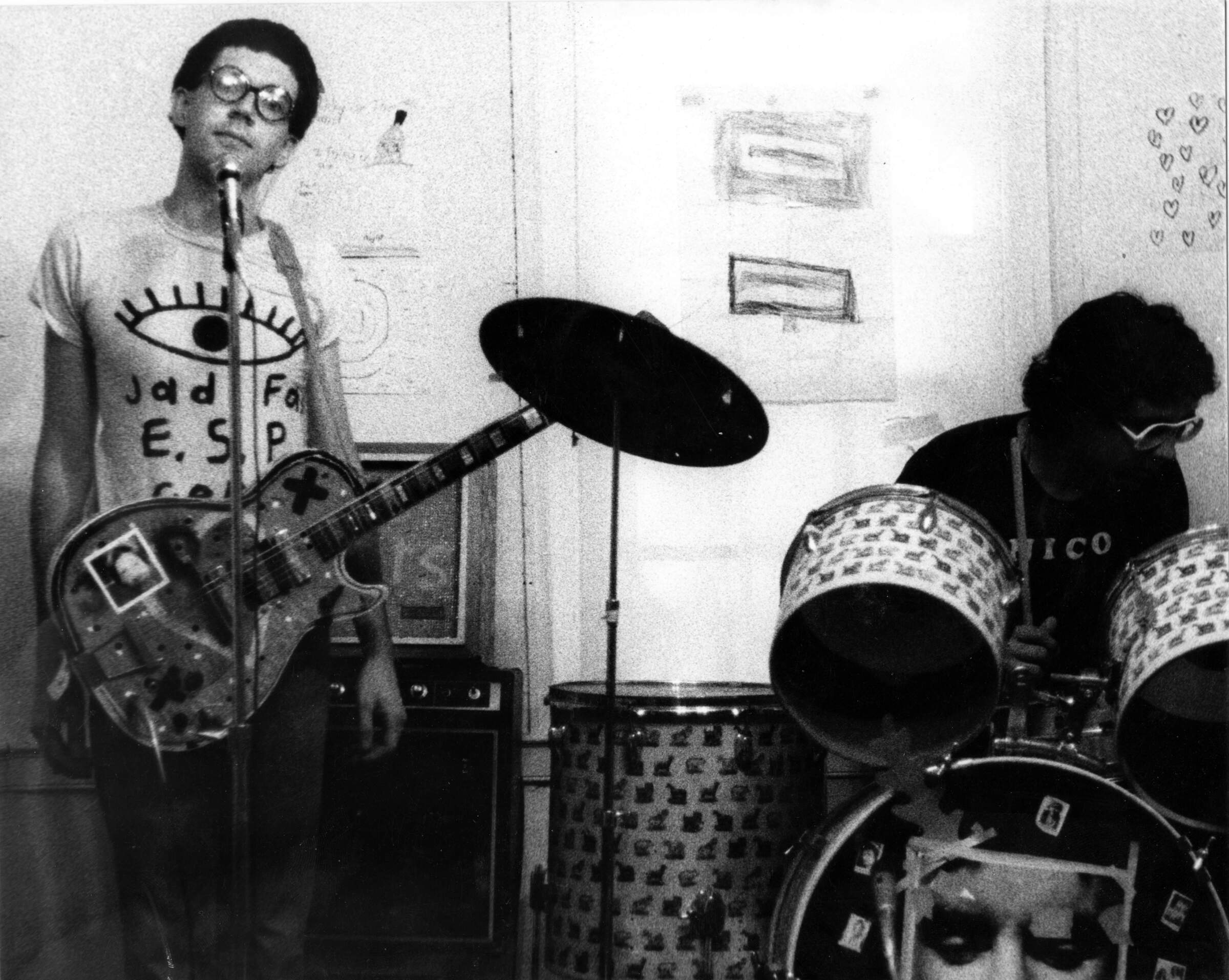
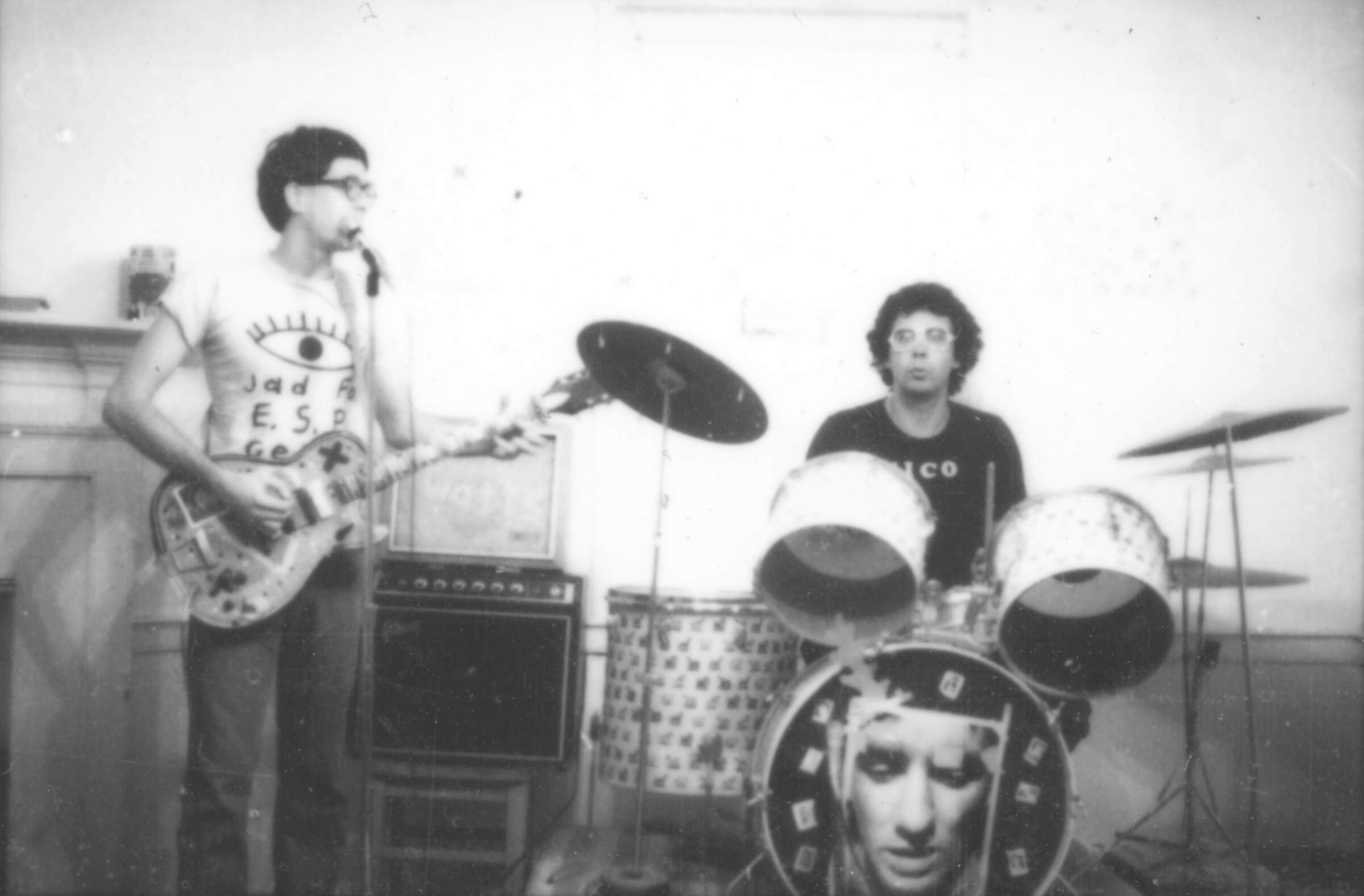
In 1974, Jad and David Fair rented a house with no other houses close by. It was useful for two young men who wanted to make a lot of noise. They could play whenever they liked, recording themselves on a reel-to-reel machine Jad had bought for $35, with nobody around to complain.
That was where Half Japanese began. There was no great discussion about who should play what, and not much interest in doing things the usual way.
More than 50 years on, Jad still seems to work in much the same spirit. Half Japanese records could be funny, awkward, romantic or abrasive, often within the same song. That homemade approach eventually became the three-LP 1980 debut ‘1/2 Gentlemen/Not Beasts’, with the brothers still sounding entirely like themselves. As Jad puts it here, “David and I just wanted to sound like ourselves.”
Jad’s answers arrived less than two weeks after David Fair died from cancer on August 29, aged 74. David comes up again and again in Jad’s answers. He remembers his brother simply as “one of the most talented and funniest people I’ve known.”
A few days later, Jad sent me another story about David. Near the end of his life, David was in a hospice when Jad and their brother Peter came to visit. David looked at them, turned to his daughter Harper and asked, “Who are these people?” For a moment, they thought he no longer recognised them.
Then David smiled.
“Gotcha.”
That seems as good a way as any to remember him.
Our conversation starts with the two brothers in that house and carries on from there.
“You would think that sounding like yourself would be the easiest thing to do, but for most musicians it’s a challenge.”
You were born in Coldwater, Michigan, and your family later settled in Uniontown, Maryland, where Half Japanese began. What was home like when you and David were young? Were you close as children, and what did the two of you naturally end up doing together before music became the main thing?
Jad Fair: Coldwater and Uniontown are very small towns. While in Michigan, we felt a connection to what was going on in Ann Arbor and Detroit, and then in Maryland the band members lived in DC and we’d go there for shows and to record. I felt close to David, but it wasn’t until after high school that we started playing music together. In 1974, we rented a house which didn’t have any other houses close by. We were able to play music together whenever we wanted. Back then we recorded on a reel-to-reel recorder I bought for $35.
I’m saddened to say that David recently passed away after a long battle with cancer. He was one of the most talented and funniest people I’ve known. I was blessed to have him as my brother.
You’ve mentioned The Modern Lovers and The Shaggs as important influences. What was it about those records that grabbed you? Were horror films, comics and drawing just as important when you began imagining songs of your own?
I first heard about The Modern Lovers in 1973 when I read an interview with Jonathan in Andy Warhol’s ‘Interview’ magazine. I bought the first album as soon as it was released. It is one of my favorite albums. Jonathan is a great songwriter and performer. In 1978, I was given a cassette tape of The Shaggs and immediately loved it. They had such a pure sound. I was later surprised to find out that Dot had all of the music written out and they could all read music.
When I met Dot, I asked why Shaggs is spelled with two Gs. She said it was because shaggy dog has two Gs. I had assumed it was named after the shag hairstyle.
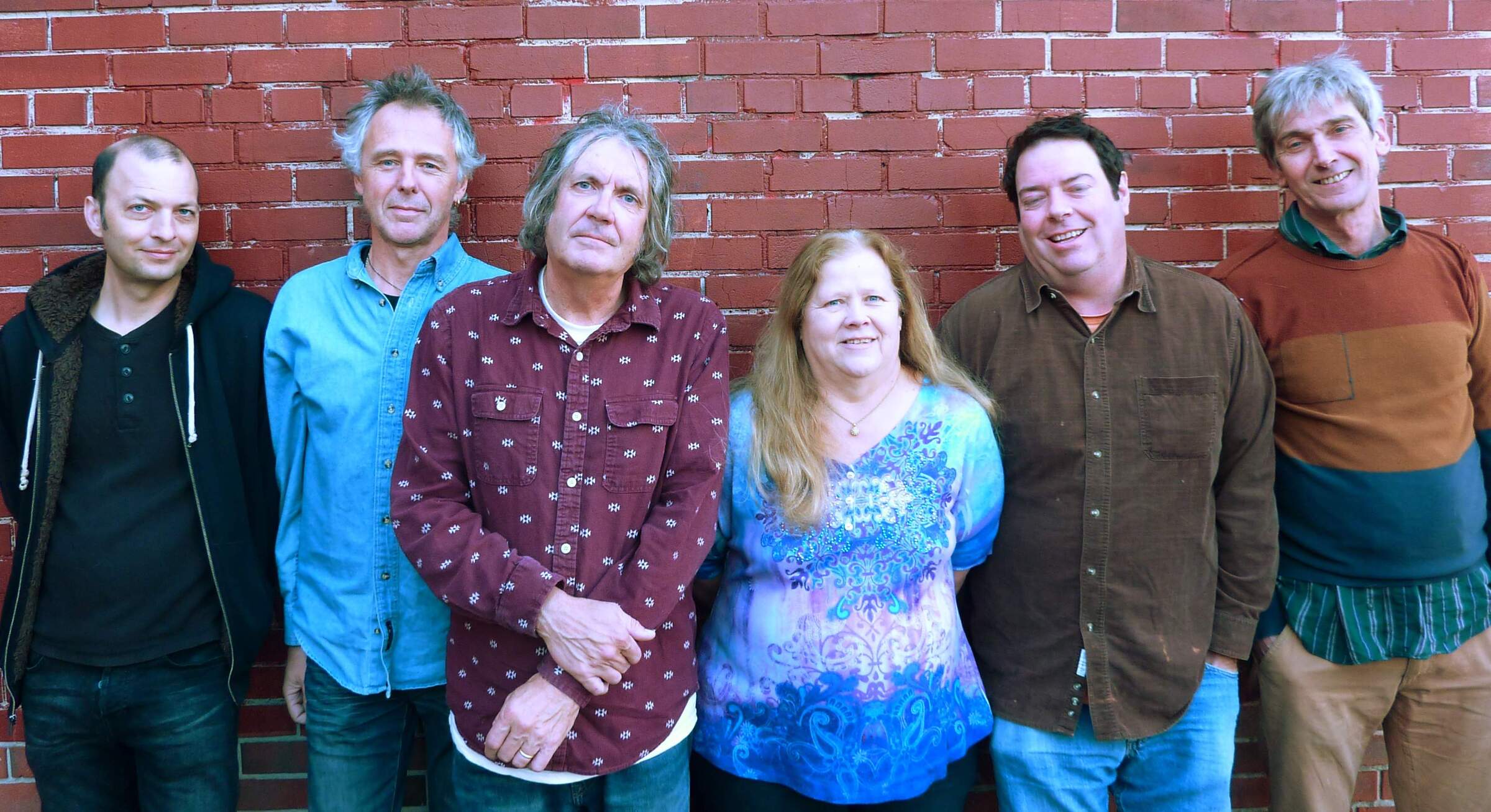
When you and David started recording as Half Japanese in 1974, did you already think of it as a band, or was it simply the name for whatever the two of you were making at home? How did you decide who would sing, play guitar or sit at the drums?
It came as a big surprise when we were offered a three-LP box set. I think it had a lot to do with John Peel playing the record I sent to him. Looking back, it’s amazing that I would have thought to send it to him and that he would choose to play it.
I don’t think we gave much thought to who played what. It was all so natural that we didn’t have to think about it. It just happened.
Once you found your own way of playing, what did it let you do that a more conventional approach wouldn’t?
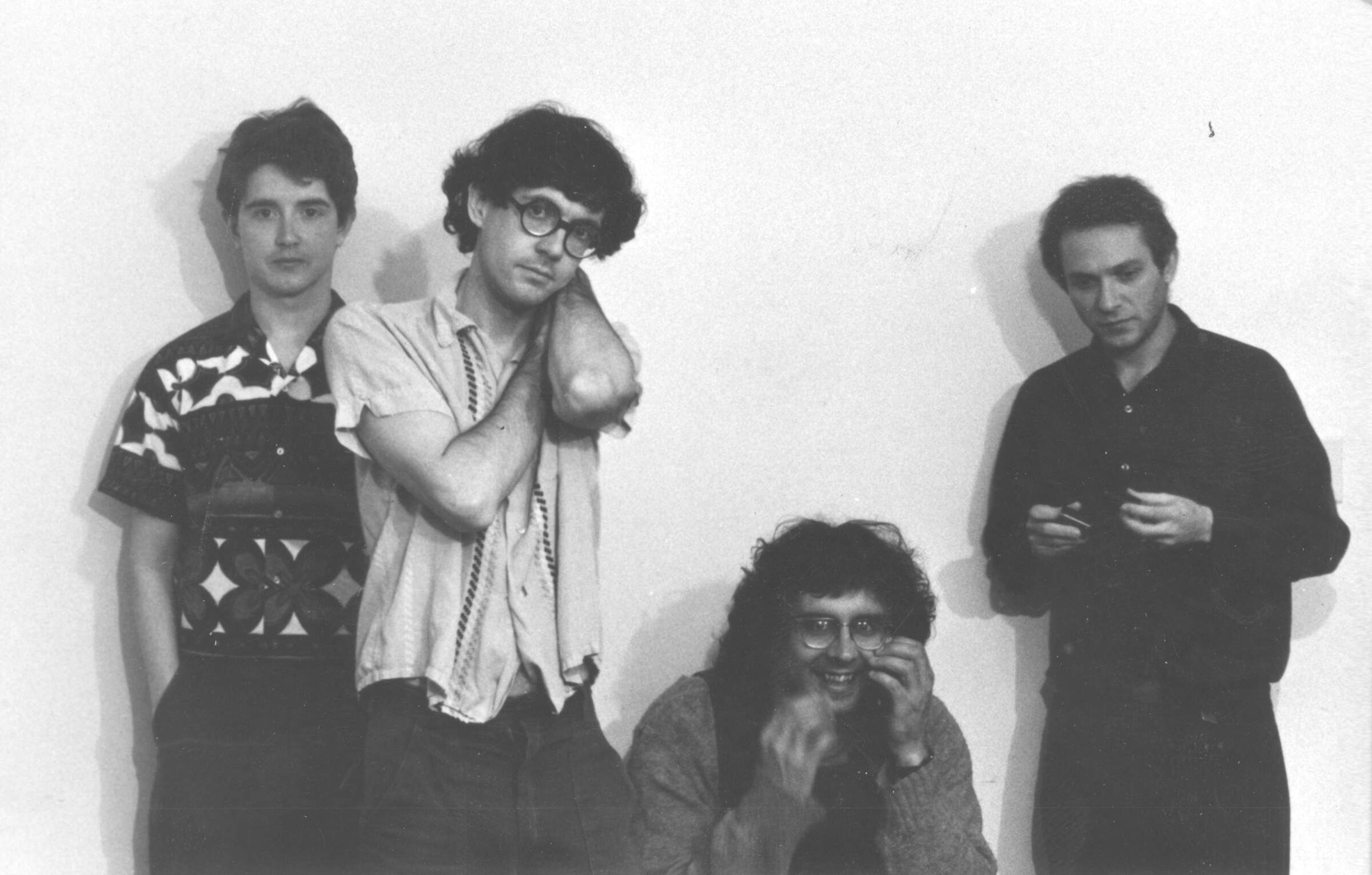
It’s not that we couldn’t play chords. If that was our goal, I’m sure we could have done it. We sounded the way we did because that’s what we wanted. Most guitar players start out trying to sound like someone else. They want to sound like a guitarist they like. David and I just wanted to sound like ourselves. You would think that sounding like yourself would be the easiest thing to do, but for most musicians it’s a challenge.
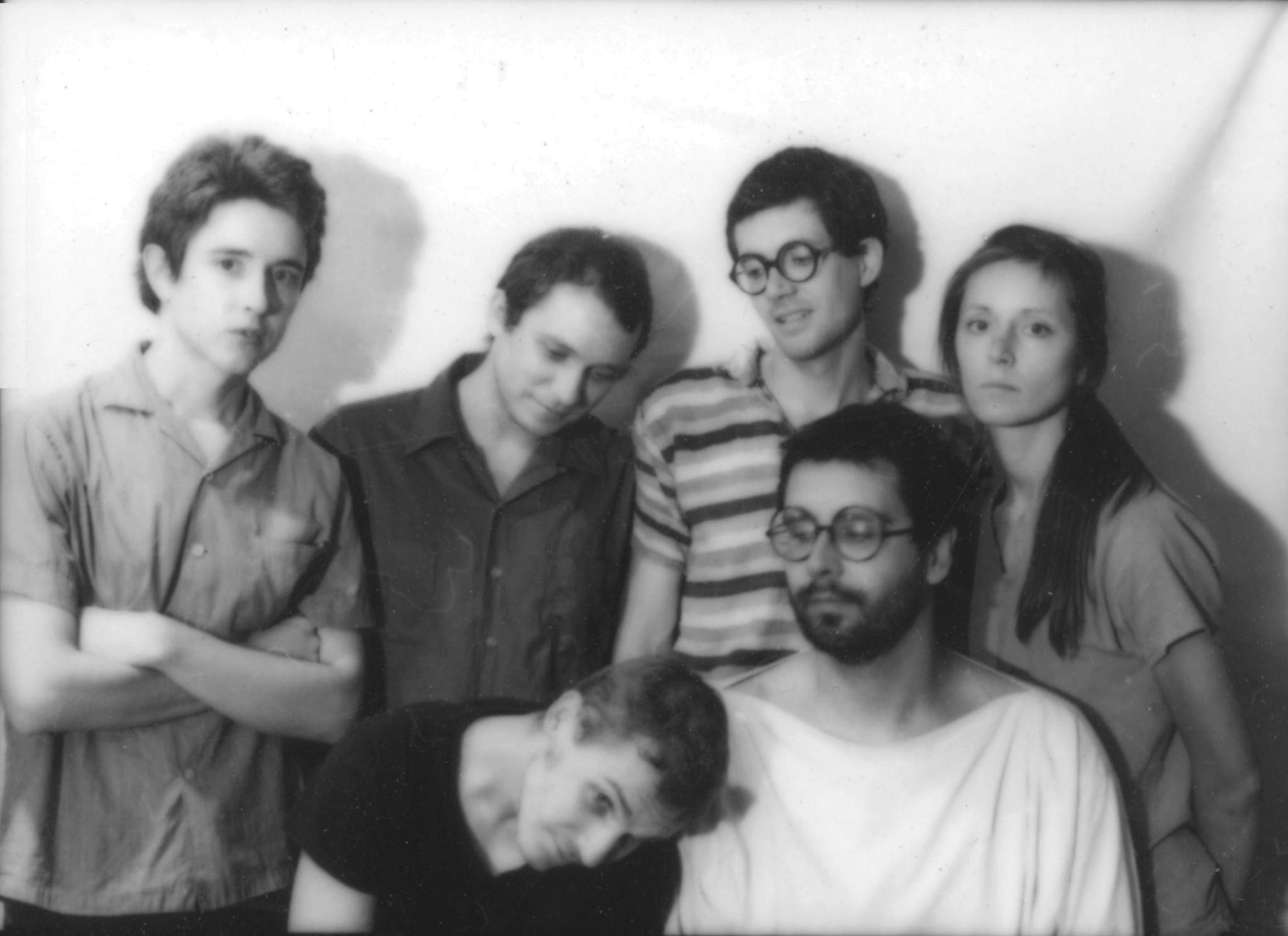
“The recordings had the sound we were aiming for.”
On those early recordings, with one microphone for the voice and another for the instruments, did you already know how you wanted Half Japanese to sound?
David and I didn’t have much money back then. Recording that way was the best we could do.
Listening now, I think we did a pretty good job. The recordings had the sound we were aiming for.
Your first concert at Franklin and Marshall College lasted only about fifteen minutes. The drums moved across the stage, the set fell off and David damaged the stage with his guitar, but afterwards people still queued for autographs. What do you remember most about that first show?
The audience response was over the top. People lined up to shake our hands and ask for autographs. We almost always had a good reaction to what we did. It was very different from anything other bands were doing, but I think people could see that it was natural and sincere.
With 50 Skidillion Watts, you and David were doing most of the work yourselves. What did releasing and distributing those records involve? And how did you react when Armageddon Records offered to put out a three-LP debut?
For our releases in 1976 and ’77, David and I were doing all that needed to be done. It was a lot of work to take care of the recordings, packaging, distribution and collection. Having Armageddon made it possible to reach a much larger audience. Having a three-LP box set seemed beyond what would be workable, but it ended up being a successful release. It would have seemed incomplete as a single LP.
‘1/2 Gentlemen/Not Beasts’ runs to around fifty pieces, from songs and covers to noise and fragments. How did you decide what to include, and when did it start to feel like an album rather than just a collection of recordings?
I had sent a cassette tape to John Peel. ‘1/2 Gentlemen/Not Beasts’ is very close to what was on the tape. John Peel must have been receiving a large number of records and tapes. It’s amazing that he even listened to it.
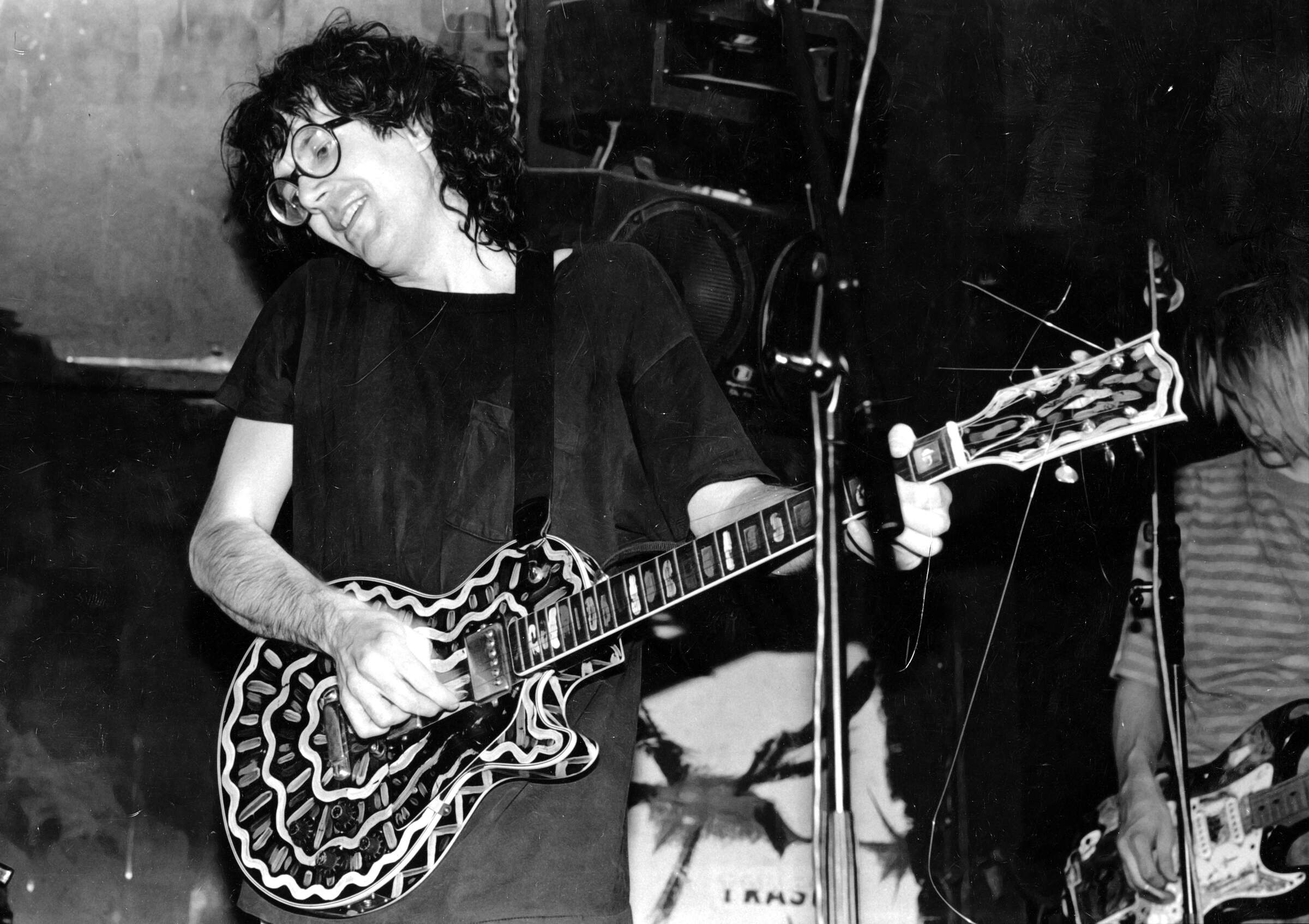
By ‘Loud’, Half Japanese had become a much bigger band, with saxophones and a fuller line-up. Did you want everyone to understand exactly what you had in mind?
John Dreyfuss, Rick Dreyfuss and Mark Jickling were very easy to work with. I think they knew what we were after and it all just fell into place.
David once described the Half Japanese catalogue as love songs and monster songs…
When I’m writing lyrics, I’m often working on several songs. I’ll add a line or two to one song and then move on to the next. When I have a rough outline, we’ll start recording and I’ll likely improvise lyrics to fit with the music.
You began releasing records under your own name while Half Japanese was still active. What made something feel like a Jad Fair record rather than a Half Japanese record? Was there a clear distinction for you?
Most of what I released under my name are songs where I played all of the instruments. If it was with the Half Japanese band, it was released as Half Japanese. If it was just me, it would be released under my name.
David stepped away before ‘Music to Strip By’, although he appears on ‘Charmed Life’, which had been recorded earlier. How difficult was it to imagine Half Japanese without the brother you had started it with?
When David left the band, he certainly was missed, but it would have been difficult for him to have time to do it. David and I have released several albums as a duo. After a long battle with cancer, David passed away on August 29. I was blessed to have him as my brother and friend.
Your collaborations can sound completely different from one another. ‘Words of Wisdom and Hope’ with Teenage Fanclub, ‘FairMoore’ with R. Stevie Moore and your work with John Zorn hardly belong to the same world. When you work with someone else, do you adapt to the way they work, or do you mostly just see what happens once you start recording? Does friendship matter more than musical similarity?
Friendship has a lot to do with it. The people I choose to work with are people that I’m also friends with. I’m now working on albums with Thor Harris and with members of the band Brave Combo. I love recording and working with friends.
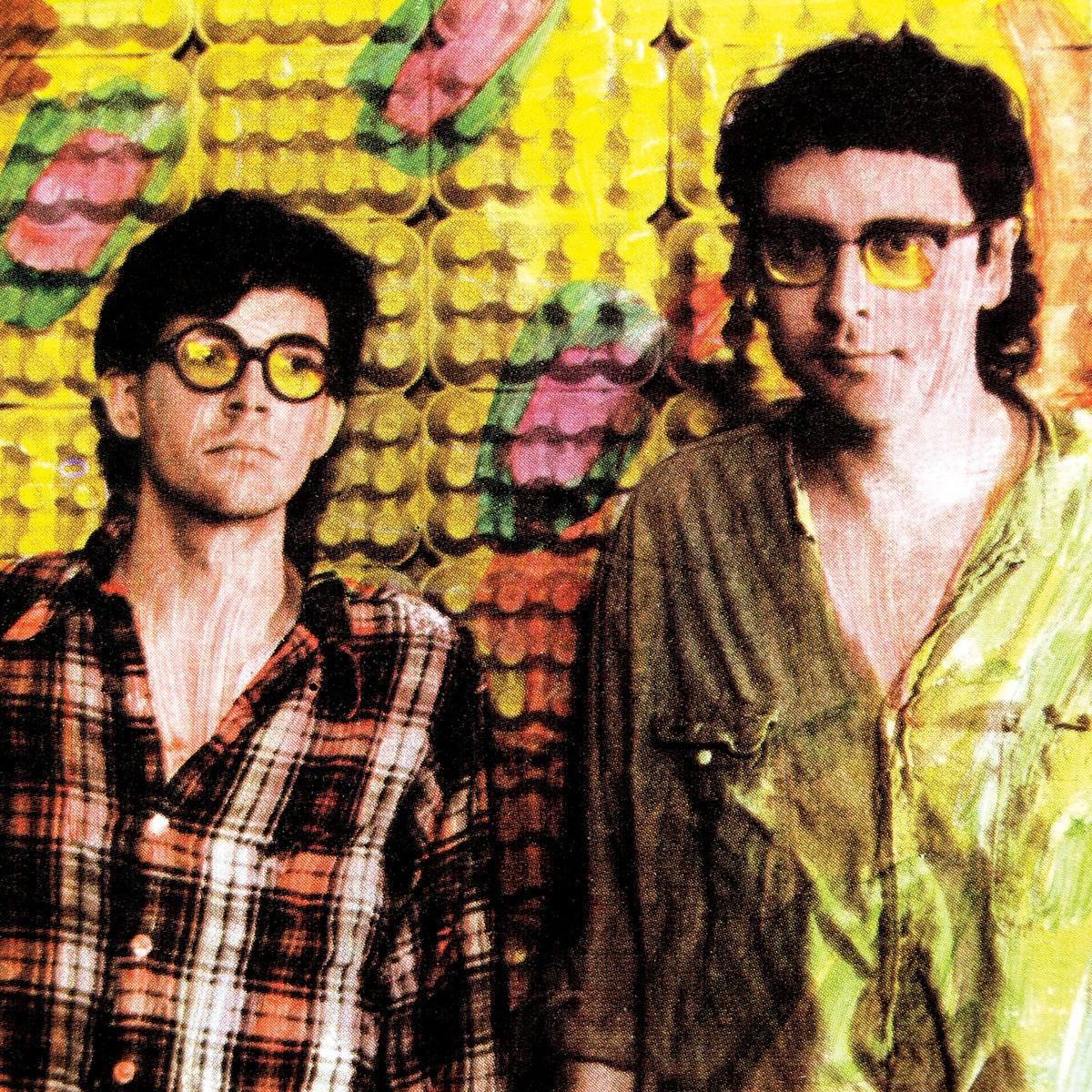
Jeff Feuerzeig’s ‘The Band That Would Be King’ and Kurt Cobain’s support introduced Half Japanese to a lot of people who had missed the early records. You found out about the Nirvana tour by reading Kurt mention it in Spin, then quickly discovered that those huge audiences wanted the fast songs. What was that whole experience like from your side?
On the first night we played fast songs and slow ones. All of the fast songs had a good audience response and all of the slow ones didn’t work at all. For the rest of the tour, we only played fast ones.
When Jeff Tartakov gave you a Daniel Johnston cassette in Austin, you played it repeatedly in the van before the two of you had even met. What was it about Daniel’s writing that caught you so strongly? And when you eventually made ‘It’s Spooky’ together, what did you learn about him through recording?
I love Daniel’s recordings. What first impressed me were his lyrics. A good lyricist is rare, and he was one of the best. Recording with Daniel was usually extremely easy, but when it wasn’t, it was clear that he wasn’t in the mood to record and we would take a break.
‘Strange but True’ grew from headlines David collected from Weekly World News and from your friendship with Yo La Tengo. How would one of those headlines turn into a song? And when you hear the record now, what comes back to you about making it with Georgia, Ira and James?
Most of the songs were recorded in just a few takes. I changed some of what David wrote to better fit with the music. Georgia, Ira and James are such good people. It was great to record with them.
You’ve drawn for as long as you’ve made music, and you started making paper cuttings partly because you could do them while travelling. With music you can try another take, but one wrong cut in paper can’t really be taken back. Does that make you more careful, or do you still tend to work quickly and trust what happens?
I work very fast when I’m cutting. I’m sure there is a thought process, but it all happens so quickly it doesn’t feel like work.
In 2021, you set yourself the goal of making one hundred albums and ended up going well beyond that. Later, ‘Film Music’ and ‘100 Songs (A Master Class In Songwriting)’ grew out of that enormous amount of work. What did your daily routine look like during that period?
I had three or four hours each day to record. When I set a goal for myself, I try my best to see it through. That year I also recorded an album with Samuel Locke Ward and worked on a Half Japanese album.
With the present Half Japanese lineup, you’ve described the band as very democratic, with each musician responsible for his own part while you bring in the words and the starting point. After working together for so long, do they more or less know what you mean without you having to explain it now?
I’ve worked with the band members for enough years that they now know what I like and what I don’t. I have faith that they will be successful in what they do.
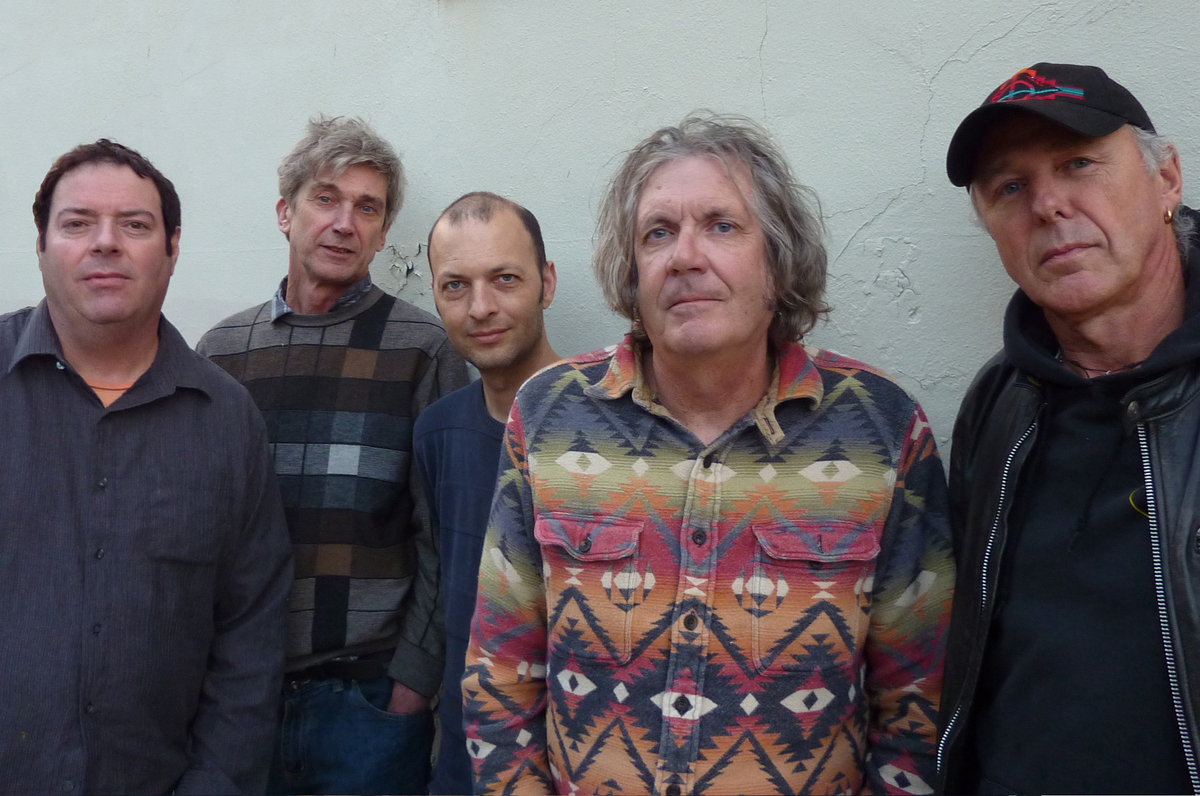
‘Adventure’ was recorded at Vacant TV in London, with more studio time than Half Japanese usually had. Mick Hobbs was already unwell and could only play on some of the songs, and he died before the album was released. What do you hear now when you listen to the parts he was able to contribute? And looking ahead, is there anything you’d still like Half Japanese to try that you’ve never done before?
Mick was in the band since 1991. He was a close friend and will be missed. I also recorded several albums with Mick and Benb Gallaher. One thing I would like to try with Half Japanese is to record an instrumental album. I think we could do a good one.
Klemen Breznikar
Headline credit: Half Japanese. Photograph courtesy of the Jad Fair Archive.
Jad Fair Website / Facebook / Instagram / Bandcamp