

Utopia PKWY on Astral Projection and ‘I Sleep In Moving Colors’
The second single from Utopia PKWY’s forthcoming album Debut turns the idea of astral projection into a drifting piece of psych pop.
Utopia PKWY release their new single, ‘I Sleep In Moving Colors,’ on August 14. It’s the second song to appear from Debut, the project’s first album, which is due on November 6, 2026. A third single, ‘Nothing Is Missing,’ will follow on September 25.
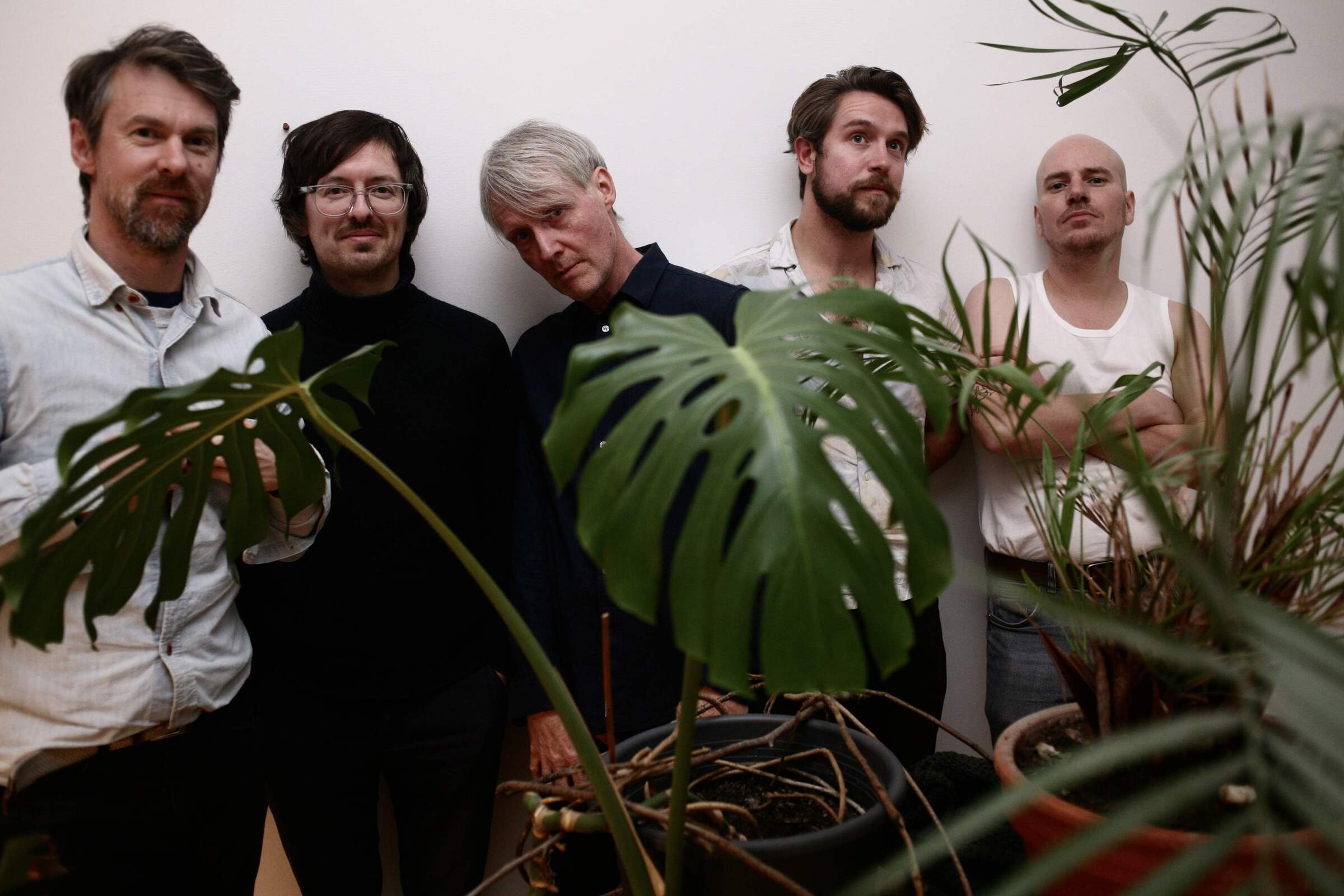
Utopia PKWY is the new project from New York songwriter and producer John Beckmann of The Mortal Prophets. Its name refers to Utopia Parkway in Queens, where the surrealist artist Joseph Cornell lived and worked. While The Mortal Prophets have often moved through darker territory, this project brings a brighter and more melodic character to Beckmann’s psychedelic music. Beckmann remains the principal songwriter and producer, with Tanner McGraw on lead vocals and Lawson Mars providing backing vocals.
‘I Sleep In Moving Colors’ centres on the sensation of consciousness slipping free of the body. Keyboards, guitars, voices and other textures drift through the arrangement, giving the song a feeling of movement without a fixed destination. It does not try to decide whether astral projection is spiritual, neurological or imagined. The uncertainty is part of the song.
In this short interview, Beckmann talks about the experiences that led to the title and how the production was shaped to feel weightless. He also explains why he preferred to leave the mystery at the heart of the song unresolved.
There’s a beautiful tension in the title ‘I Sleep In Moving Colors.’ It suggests both surrender and movement. What does that phrase mean to you personally, and when did you realise it should become the title of the song?
Great questions. ‘I Sleep In Moving Colors’ comes from that space between being asleep and somewhere else entirely. The body stays in bed, but the rest of you doesn’t. I’ve had experiences like this before, especially floating in isolation tanks, where the usual sense of physical boundaries starts to dissolve and you’re left with something much less anchored. I liked that contradiction: sleep implies stillness, but consciousness doesn’t behave that way.
The phrase arrived early. I wasn’t trying to describe a dream. Dreams usually clarify themselves eventually. This was more about the sense that consciousness may not be as tied to geography as we assume. Whether that’s astral projection, neurological mischief, or something else is above my pay grade.
The song feels expansive and almost weightless, yet there’s a very specific idea at its core: escaping the physical limitations of the body. How did you use the arrangement and production to create that sensation of leaving your physical surroundings behind?
I wanted the production to feel like gravity had been switched off.
Instead of a song that marches from A to B, we tried to make it drift. Keyboards, voices, guitars, and textures appear, disappear, and shift perspective. Things move around you rather than simply coming from the speakers, so you lose track of where the floor is.
Psychedelia has always understood that the studio isn’t just for documenting reality. It’s for inventing new ones. Once you accept that, you’re already halfway out the door.
Astral projection can be approached as something mystical, scientific, or purely imagined. Did you want ‘I Sleep In Moving Colors’ to answer what astral projection actually is, or is the uncertainty itself part of what makes the song compelling?
I’m not interested in solving the mystery. The moment something like astral projection, consciousness, or UFOs gets fully explained, I become suspicious.
Uncertainty is the point. Maybe it’s real, maybe it’s neurological, maybe consciousness is stranger than either explanation allows. I’m happy leaving all those doors open.
The song isn’t saying what happens when you leave your body. It’s asking: what if the borders of the self aren’t where we think they are?
A song doesn’t need answers. Sometimes its job is just to make the question more interesting.