
Finchley Boys Interview | ‘Everlasting Tributes’: “We Never Fit Neatly Anywhere”
The Finchley Boys were part of a busy music scene around Champaign-Urbana, Illinois, during the second half of the 1960s. The university brought people into town, local promoters were booking throughout the region, and there was regular work for bands in Illinois and the surrounding states.
Garrett Oostdyk remembers that period clearly: “Far from being a small town, it felt like we were at the ‘center’ of the action.”
There had already been an earlier, high school version of the Finchley Boys before the lineup heard on ‘Everlasting Tributes’ came together. By January 1968, George Faber, Oostdyk, Larry “Tabe” Tabeling and J. Michael Powers were working as the Finchley Boys, concentrating increasingly on original material. Their backgrounds were different, but there were common reference points, particularly blues and British groups such as the Kinks and the Yardbirds. “We weren’t sitting around saying, ‘Let’s be psychedelic’ or ‘Let’s be heavier,'” Faber says. “It happened because of who was in the room.”
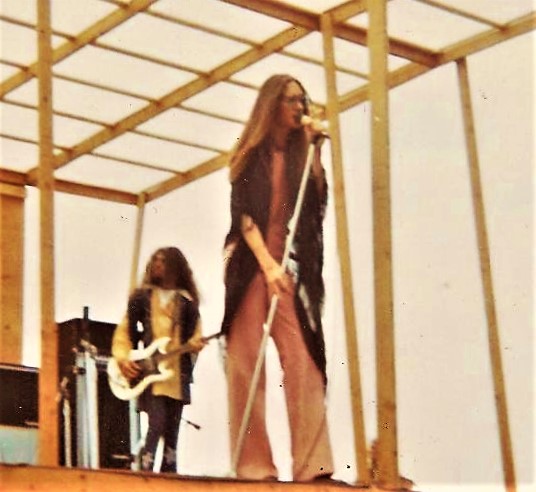
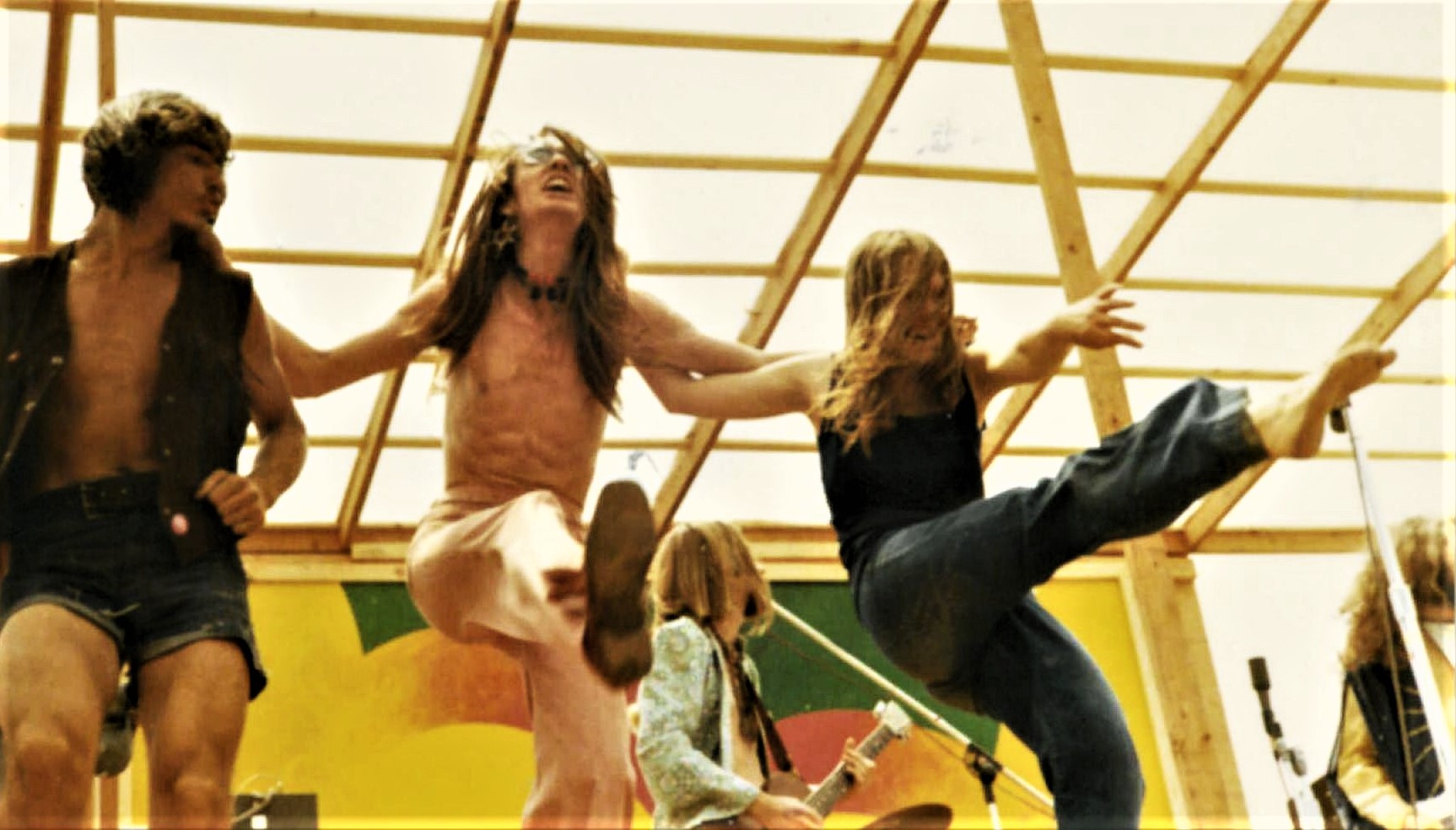
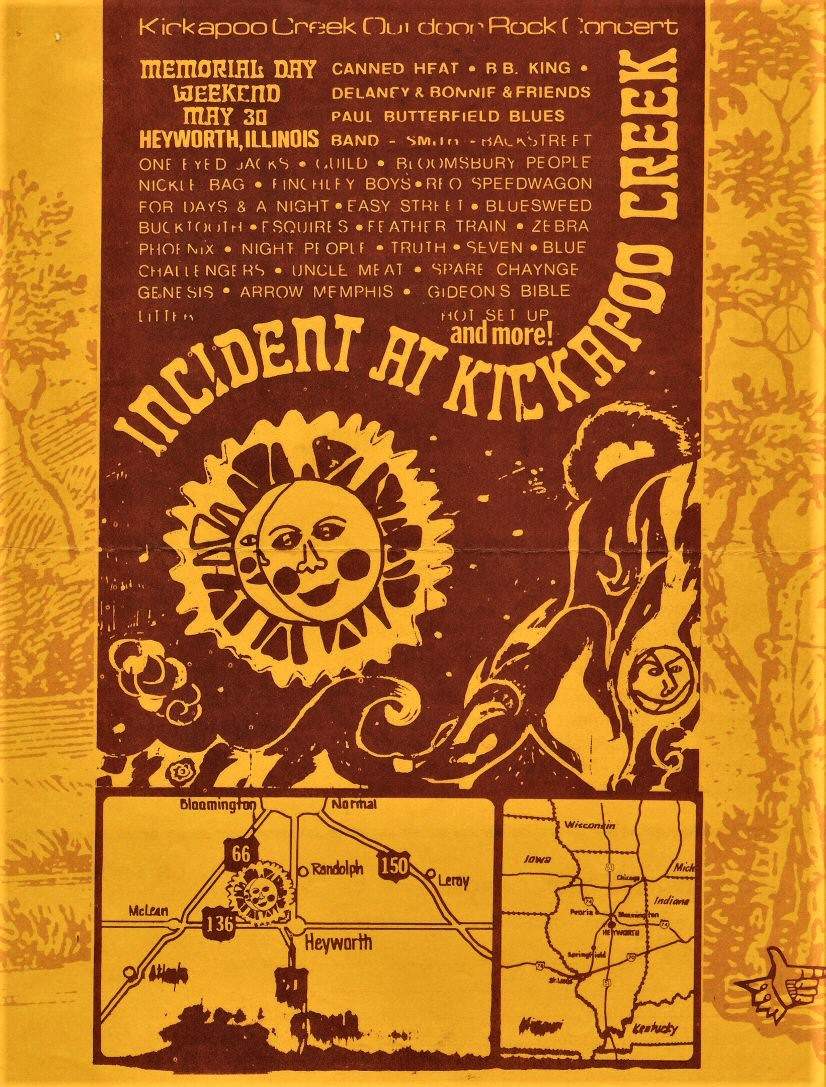
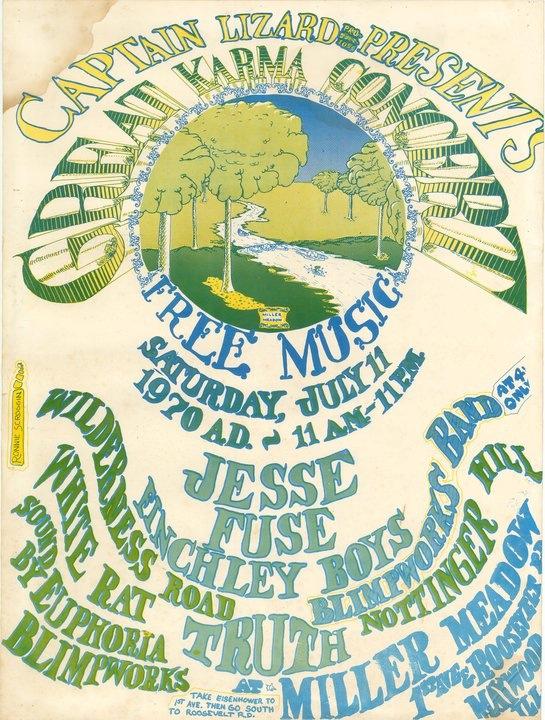
The band began recording at Golden Voice in May 1968 and later worked at Chess in Chicago, cutting material largely as demos while hoping for a record deal. At the same time, they were playing constantly, opening for national acts and building a strong following around the Midwest. Their appearance at the Kickapoo Creek Rock Festival in May 1970 remains one of the important points in their story.
The live shows could also be unusual. One idea, inspired by a dream Tabe had, eventually resulted in Faber appearing onstage with a boa constrictor. As Faber recalls, “Most people would have forgotten the dream. We bought a falcon and a snake.”
‘Everlasting Tributes’ had a much longer life than the band could have expected at the time. Collectors kept returning to the recordings, followed by reissues, reunions and renewed interest decades later.
In this interview, George Faber and Garrett Oostdyk tell the story from their own perspectives, including the early lineups, recordings, live shows, individual songs and what happened after the original band came to an end. The renewed interest now continues with a new Guerssen release of ‘Everlasting Tributes’, bringing the album back into circulation once again.
“There was revolution in the air.”
The Finchley Boys story seems to have a few different starting points. Can you take us back to the beginning and explain how the band actually came together?
George Faber: Like a lot of bands from that era, the Finchley Boys didn’t arrive fully formed. The first version started when we were still in high school. The lineup was Mark Warwick, Jim Cole, J. Michael Powers, Larry “Tabe” Tabeling, and me.
Back then Jim was the lead singer, and I’d occasionally step up with a harmonica. Little by little, I started singing more songs while Jim gravitated toward guitar. Before long, I found myself standing at the microphone more often than not. We were playing all over the Midwest, learning onstage every night.
Things became much more serious after that first incarnation ended. Tabe, Michael, and I regrouped and brought Garrett Oostdyk into the fold. That’s when the chemistry really ignited. Suddenly it wasn’t just a local band anymore—it felt like we had stumbled onto something uniquely ours. That lineup became the Finchley Boys people remember.
The name Finchley Boys came from a reference to a gang in the liner notes of a Kinks album. What appealed to you about the name?
George Faber: We were huge Kinks fans. On the liner notes of one of their albums, Ray Davies talked about a rivalry between his band, the Muzzies, and a street gang called the Finchley Boys. The name jumped off the page. It sounded tough, mysterious, slightly dangerous, and distinctly British.
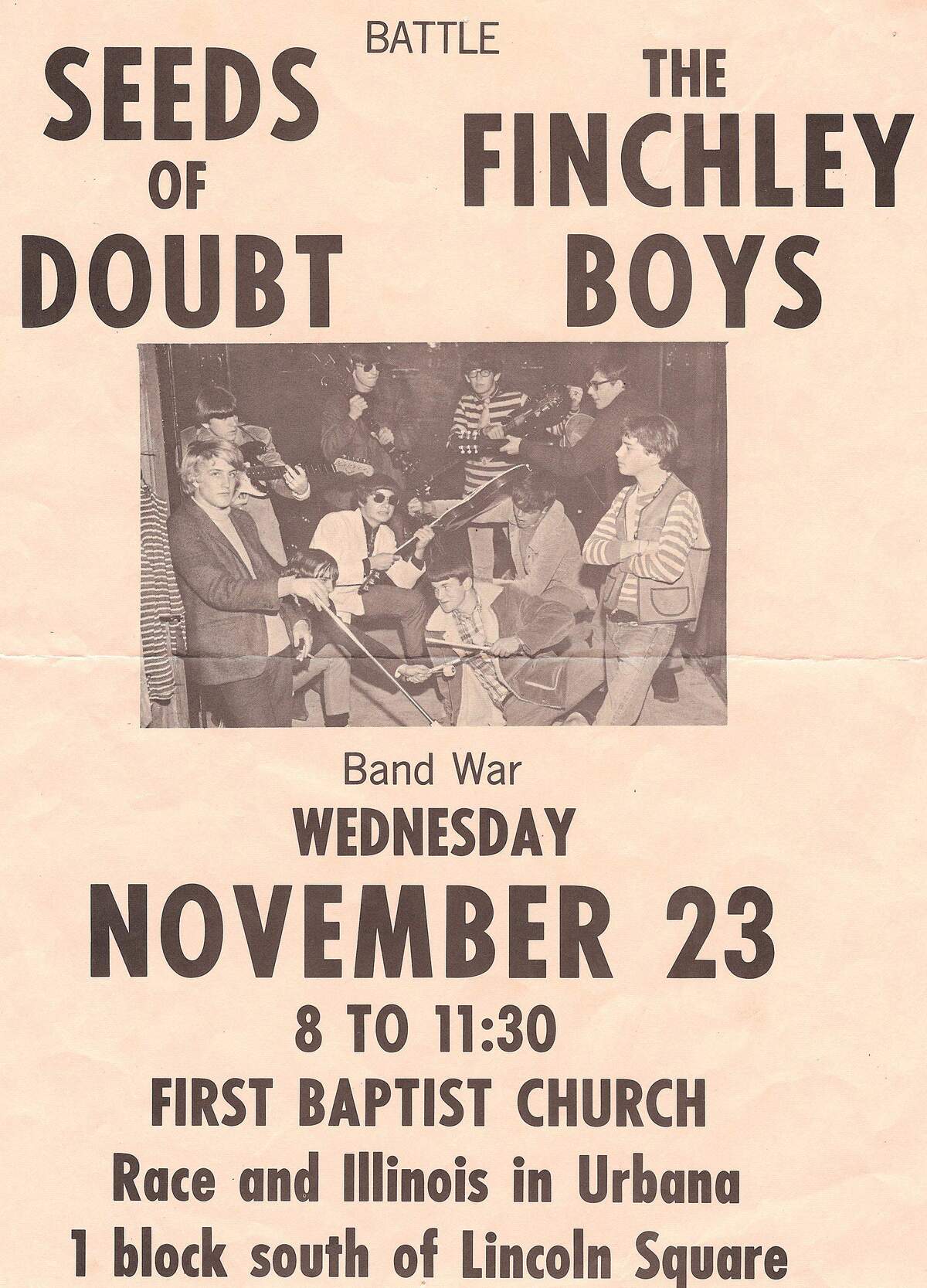
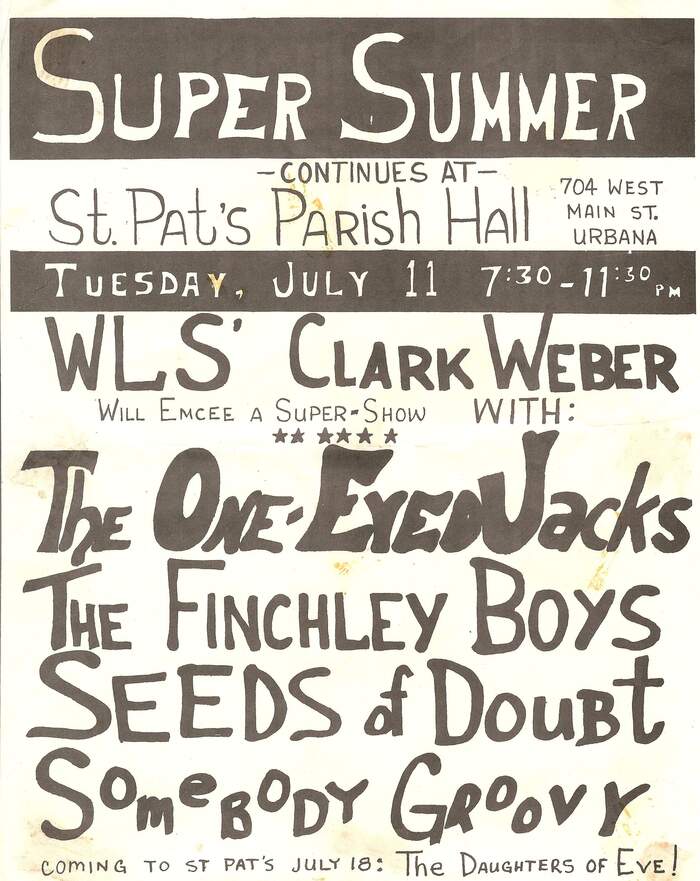
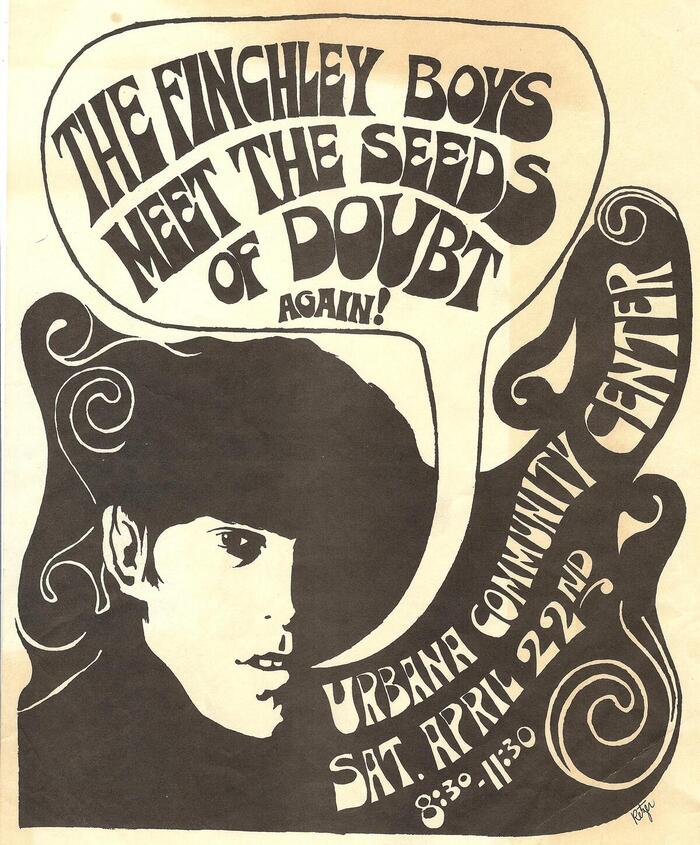
We had our own rivalries back home, too. Another Champaign-Urbana band called Seeds of Doubt was supposedly our enemy. In reality, we were good friends, but we’d play up the rivalry whenever there was a battle of the bands. Nothing packed a venue faster than the promise of musical combat.
So the name fit. It had attitude. It hinted at mischief. It suggested we might not behave ourselves.
And that was pretty accurate.
What was the music scene like in Champaign-Urbana during the second half of the 1960s?
George Faber: Champaign-Urbana became a genuine music hotbed. Part of it was geography. Within a couple of hours, you could be in Chicago, St. Louis, Indianapolis, Peoria—major cultural centers feeding ideas into one another.
But there was something else happening too.
There was revolution in the air.
Vietnam was boiling over. The counterculture was gaining momentum. Young people were questioning everything they’d been told. We were part of that world.
Of course, there was another side to the coin. Some of the small rural towns we played weren’t quite sure what to make of us. Sometimes things got tense. Occasionally they got violent.
Other nights were transcendent.
I remember playing the Quad Cities—Davenport, Rock Island, Moline, Bettendorf—and watching audiences become completely swept away by the music. The energy could become almost frightening in its intensity. It wasn’t just entertainment anymore. It felt communal. Something bigger was happening.
Eventually we ended up in San Francisco, where a legendary drag troupe called the Cockettes took us under their wing. Here we were: a bunch of straight Midwestern guys somehow fitting perfectly into that outrageous scene. We opened shows for them at the Palace Theater and later headlined the opening of Project Artaud in the Mission District.
It all made sense somehow. We were outsiders, and so were they.
Garrett Oostdyk: Champaign-Urbana always had a diverse music scene, both locally and nationally. In 1963, a 15,000-capacity venue was built on the U of I campus. The list of musical acts that played and continued to play is too long to list. (I will mention The Rolling Stones in 1969.) The university has a large music department with serious players in jazz and classical genres. Locally, country and bluegrass had their own players and fans. Of course, many college and high school rock groups littered the area.
This brings us to a pivotal point, 1965–1966. Bob Nutt started Blytham Ltd., booking and promoting bands throughout Central Illinois. In early 1968, Irving Azoff joined Blytham, later moving to California and becoming one of the biggest names in the music industry. Blytham then started booking acts within a 200-plus-mile radius of Champaign. More rock bands started moving to Champaign to be close to the action. Far from being a small town, it felt like we were at the “center” of the action. It became the base for many, many full-time working bands, sound guys, and road crews all trying to work their way to the top.
“At some point you stop wanting to imitate the records you love and start wanting to make one.”
You initially played a lot of British Invasion, blues and garage material. When did you start concentrating more seriously on writing your own songs?
George Faber: When we reformed the band, we made a conscious decision to create our own music.
We treated it almost like a job. We’d devote part of every day to writing, part to rehearsing, and part to practicing individually. We were serious about finding our own voice.
The blues never disappeared. We continued reworking blues songs and stretching them into something new through improvisation and jamming. But increasingly, we wanted to tell our own stories and create our own sound.
At some point you stop wanting to imitate the records you love and start wanting to make one.
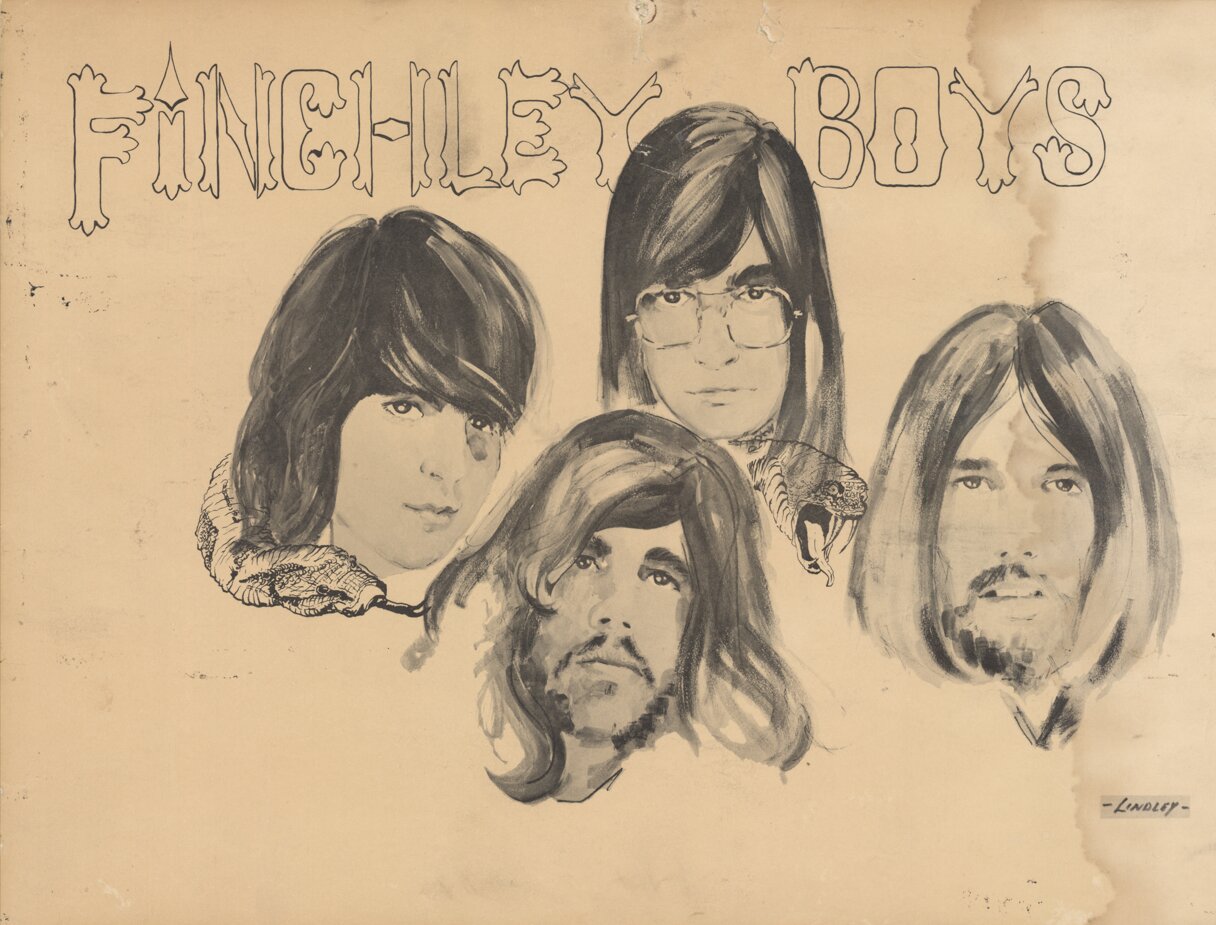
How did the best-known Finchley Boys lineup come together, and what did each member bring to the band?
George Faber: Everybody brought something different.
Garrett had a distinctive guitar voice and a fearless musical imagination. Tabe anchored everything with bass lines that could be both powerful and inventive. Michael was a remarkable drummer whose energy pushed the band forward night after night.
As for me, I brought the voice, harmonica, and perhaps a certain willingness to step over the line.
What made it work was that none of us were trying to play it safe.
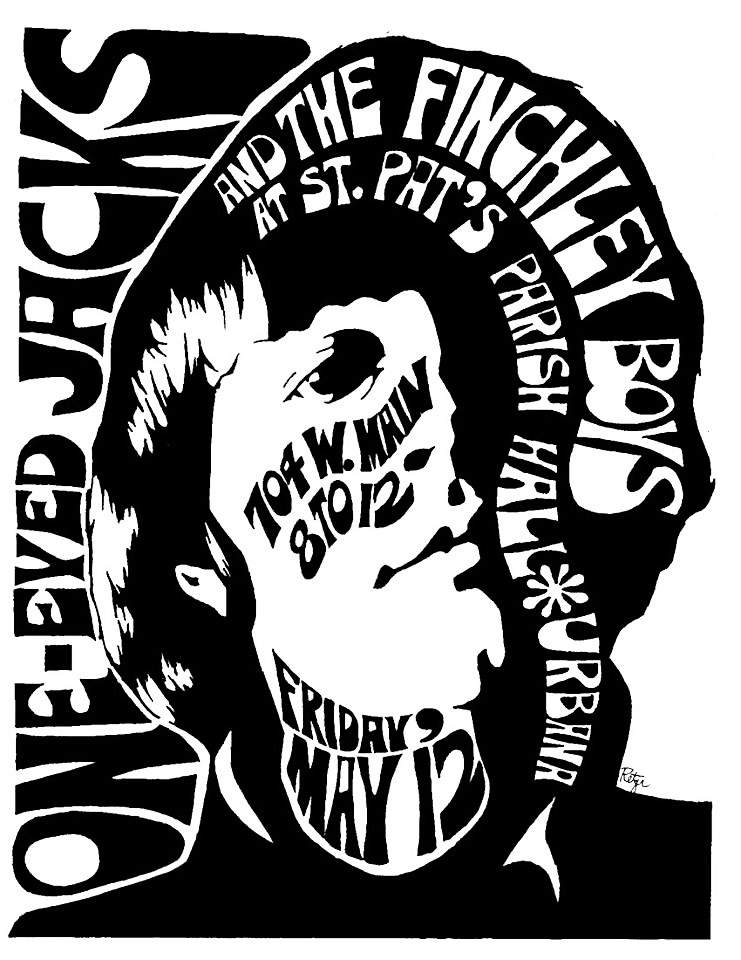
Garrett Oostdyk: In the summer of 1966, Al Goldberg and Garrett decided they would put together a great band, using their separate college band experiences. They added a high school friend, Larry Milton, and a newcomer to Chicago, Brian Cook. That fall, Al returned to the U of I in Champaign, and the other three of us stayed in the Chicago area. We started playing Chicago-area teen clubs on weekends. Al ran into Bob Nutt at Blytham in Champaign, and he started booking us. We would travel back and forth on the weekends, playing either in the Chicago area or in Central Illinois. We developed a big following in C-U, and in the Chicago area we opened for The Seeds and later for The Flock.
In the spring of 1967, Blytham sponsored a two-day Battle of the Bands featuring groups from all over. The final result was a tie between the Finchley Boys and Somebody Groovy. That summer, the Finchleys broke up, and Bob Nutt approached us about adding George and Tabe and starting a new super band. As we had just moved to Champaign, we agreed, and the six of us moved into a big house and called ourselves Brownfield Wood.
We put together a show and played several gigs when three of the Groovies decided to move back to Chicago. I decided to stay in Champaign, and we played some pickup gigs while we decided what to do.
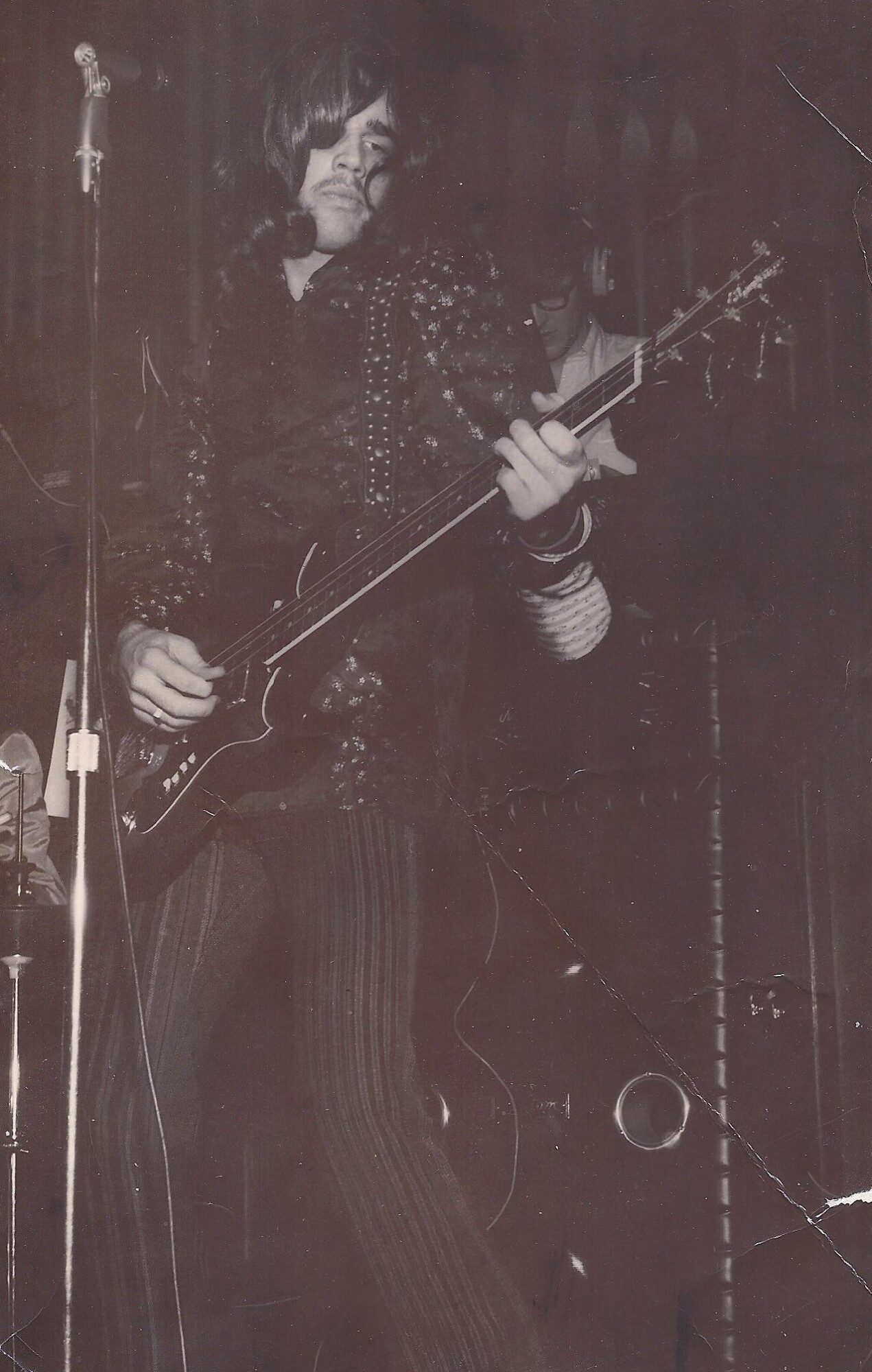
In January 1968, we discovered that J. Michael Powers, who had played with the high school Finchley Boys, was available, so we decided to restart the Finchley Boys. Now with new energy and focus, the ‘Everlasting Tributes’ lineup was in place. We were no longer concerned with playing covers and worked on original songs and followed George’s lead into the blues. Michael’s unique drumming style defined a lot of the feel of the band. Tabe decided to use an eight-string bass to fill out the sound of essentially a three-piece group. His melodic parts helped to underpin the sometimes basic chord structures.
Obviously, some of my guitar sound is from Beck and Page. I was able to talk to Page in 1967 and bought a Vox wah-wah pedal like his the next day. A big part of my sound came from the Echoplex and custom distortion unit I was using. The reverb, echoing, distorted wah sound was pretty unique locally at that time.
How would you describe the Finchley Boys sound from inside the band?
George Faber: We weren’t sitting around saying, “Let’s be psychedelic” or “Let’s be heavier.”
It happened because of who was in the room.
We loved blues music. We loved British rock. We loved experimentation. We loved volume. We wanted songs that felt dramatic and alive.
The result was raw, loud, emotional, and unpredictable.
Garrett Oostdyk: I think the sound came from the different backgrounds that each of us brought. There definitely was a shared admiration for the Yardbirds and the Kinks. When we started practicing in January of 1968, we used to jam a lot and record each jam session. If we felt we hit on something good, we would listen back and work it into a new original.
The live shows became known for being unpredictable, including George appearing with a boa constrictor. How did that side of the band develop?
George Faber: The visual side grew naturally out of our belief that almost anything was possible onstage.
One day Tabe told me about a dream he’d had. In the dream, a falcon sat on his shoulder, flew out over the audience, and then returned. In the same dream, I was handling a black indigo snake.
Most people would have forgotten the dream.
We bought a falcon and a snake.
The falcon proved impractical—and probably dangerous. The indigo snake seemed too small. So we traded it in for a seven-foot boa constrictor.
That pretty much tells you everything you need to know about the Finchley Boys.
It wasn’t theater in the traditional sense. It wasn’t a gimmick. It was simply an extension of the music. The songs were wild, so the stage became wild too.
How did your first recording sessions come about, beginning with Golden Voice in 1968 and later continuing in Michigan and at Chess?
Garrett Oostdyk: In May 1968, we were the first Blytham band to record at Golden Voice. We recorded four songs as demos. That October, we were touring Michigan, and Blytham sent us to a studio to record ‘Hooked’ for a single. The next February, they sent us to Chess Studio with John Baruck to record ‘Outcast’ for the A-side of the single.
We went back to Golden Voice and recorded three or four more songs and added the vocals to the basic track of ‘Hooked’ that we had recorded in Michigan. So ‘Outcast’ and ‘Hooked’ were ready, but with no manager, we did not pursue the release and nothing happened. We should have just released it on our own. As we played Chicago often, we kept adding tracks at Chess to create demos and hopefully get a record deal.
What do you remember about working at Golden Voice and Chess? How well did those studios capture the way the band actually sounded?
Garrett Oostdyk: Many of the songs at Golden Voice were just recorded live. George’s voice was overdubbed, as they could not record all four channels at once. The studio had never recorded anyone like us before, but they did capture our live sound.
At Chess, it was kind of up and down. For ‘Outcast’, we had John Baruck in the control room as a producer, and that worked well. For the rest of the tracks, without John, the engineers seemed a bit confused by us and talked down to us. They had recently been working with a lot of big harmony groups, so maybe that was the problem. They would come in with SPL meters and tell us to turn down, which negatively affected us and the sound as well. So overall, Chess did not capture our sound on tape as I had hoped they would.
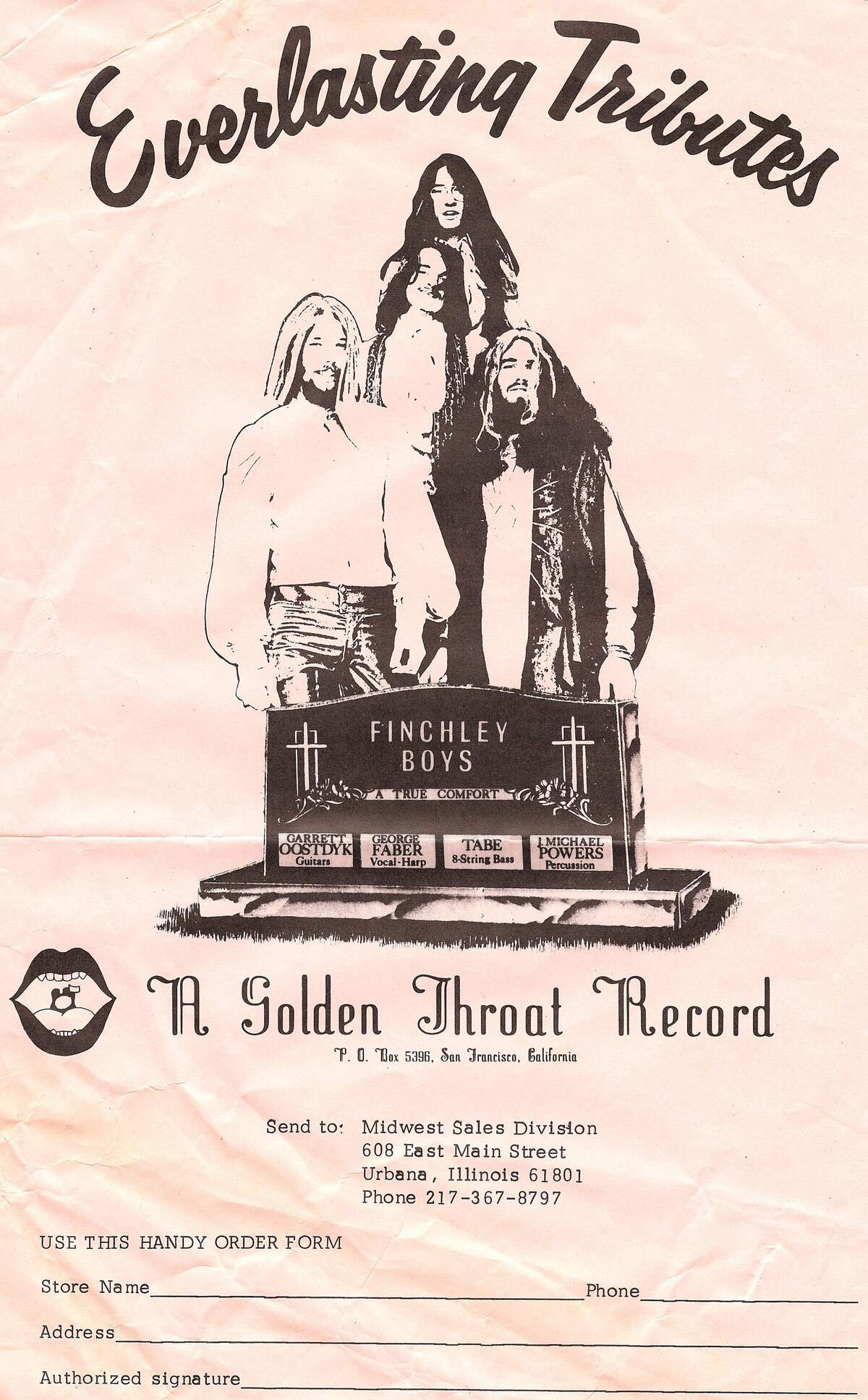
How did ‘Everlasting Tributes’ finally come together, and what is the story behind the title and cover?
Garrett Oostdyk: While in San Francisco in 1971, I kept thinking about all the songs we had recorded that no one would ever hear. So I decided on my own to ensure an LP was completed. Without telling anyone else, I gathered the tapes and took them to Capital in Chicago to remix them. Jerry Milam at Golden Voice then helped me put the album together for release. Mary Genevra Shirley did the cover art.
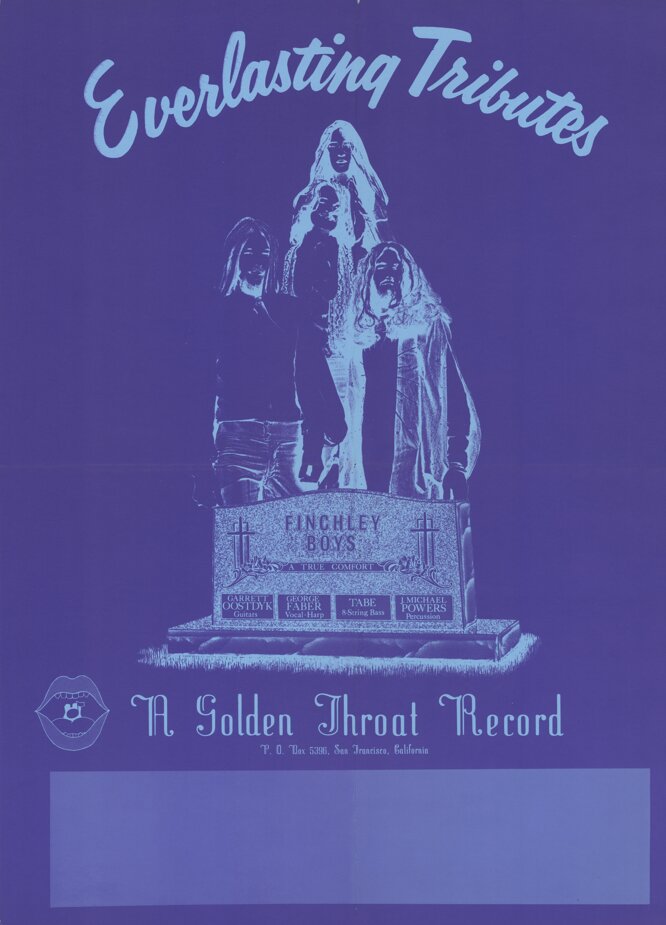
Next to our favorite music store was a monument store. The design on one of the monuments said “Everlasting Tributes”, with blank spaces for names, so we added our names in the blank spaces. At that point I did not know where the band was headed, so the title seemed appropriate. Since it’s now 2026, I guess it was.
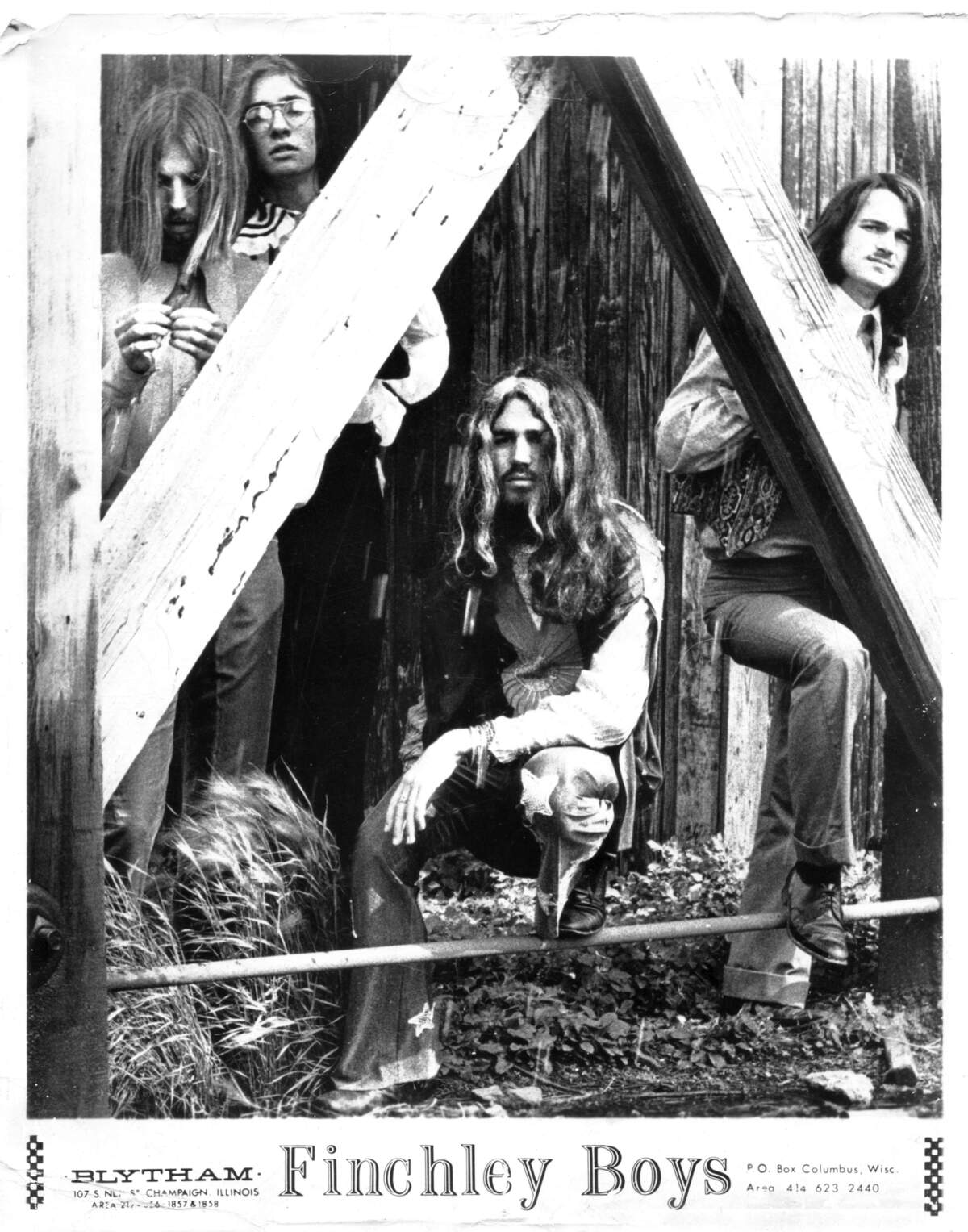
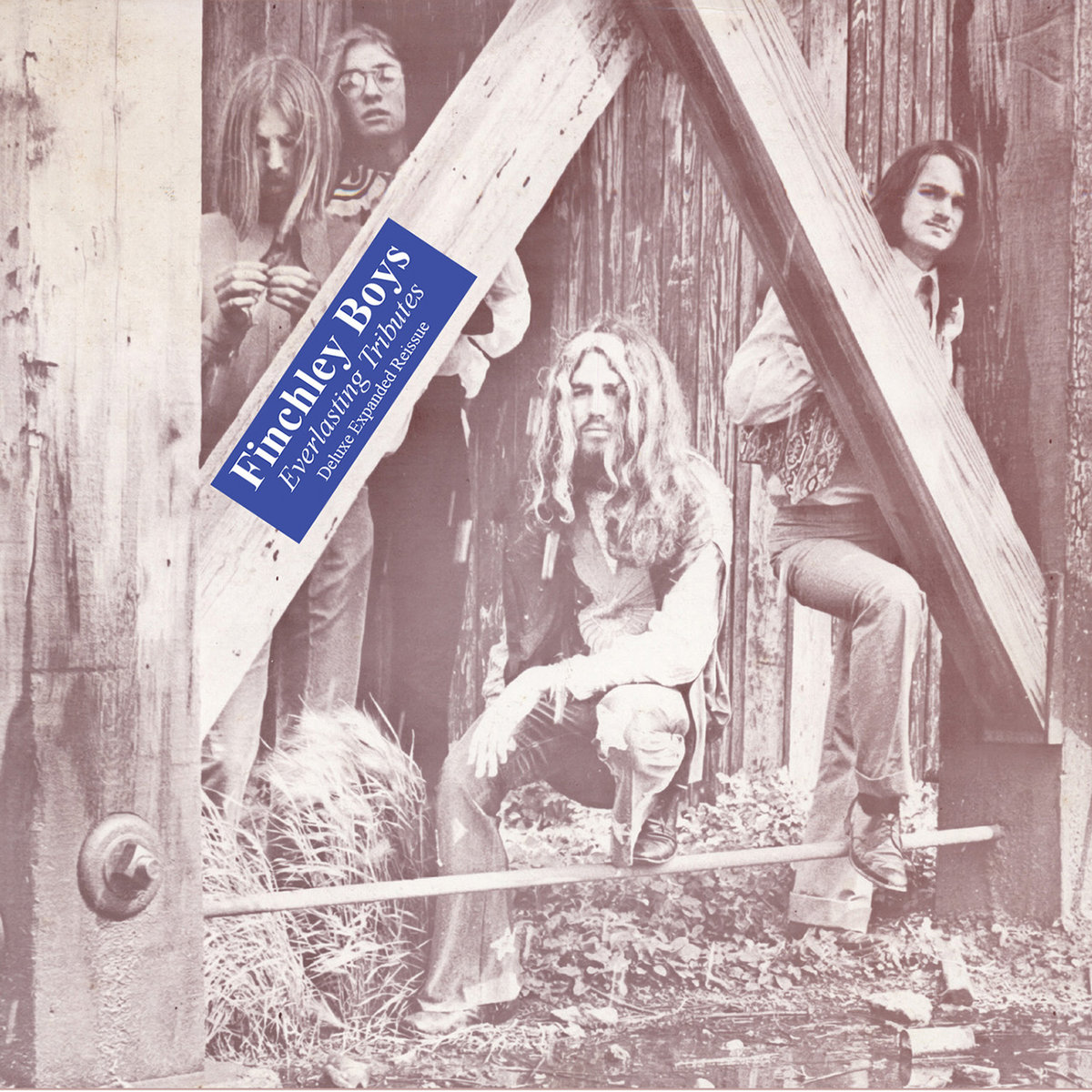
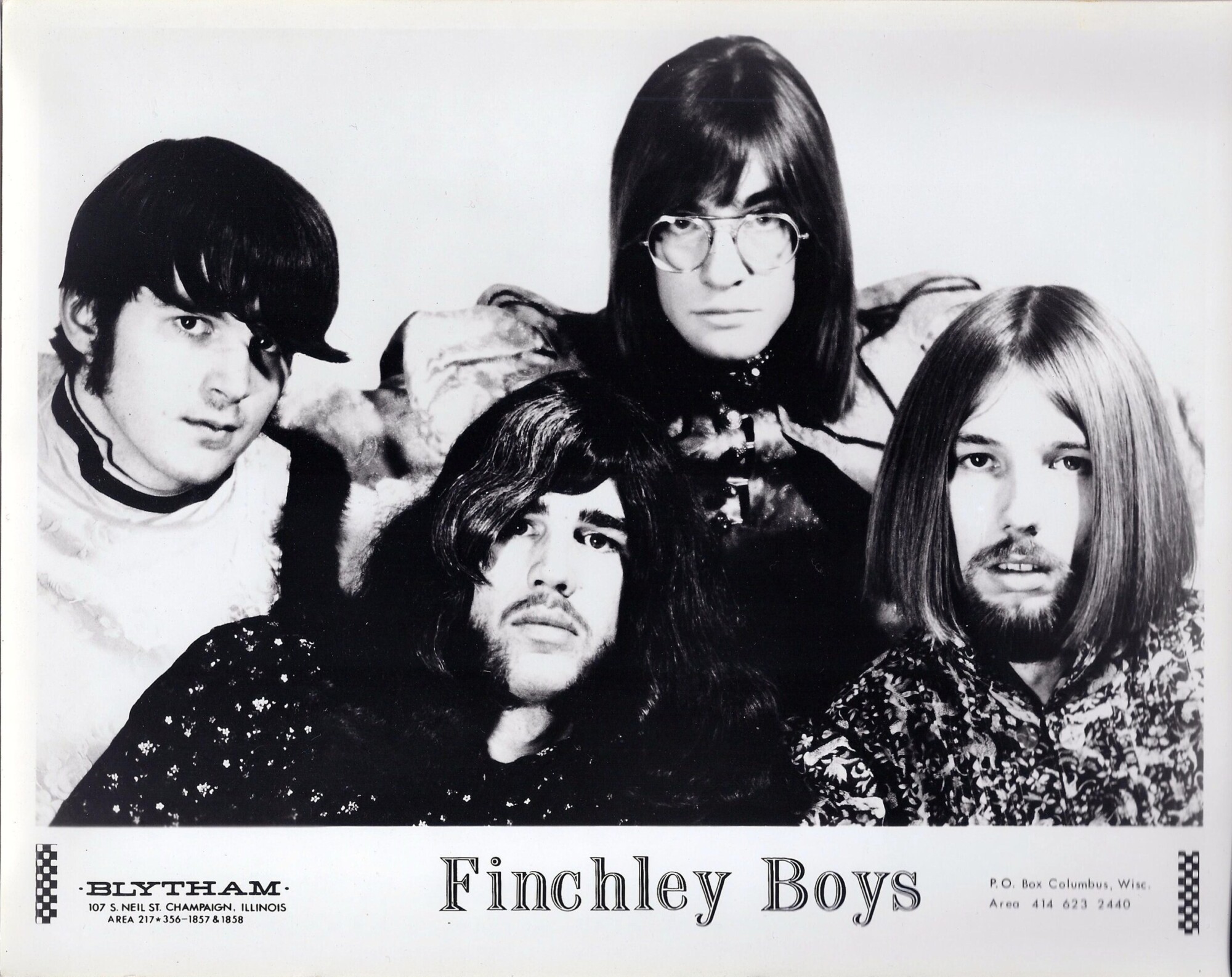
The front cover was our well-known promo shot. With no name on the photo, Jerry Milam suggested attaching something, and that’s how the blue sticker came into being.
The record has this strong outsider feeling running through it. When you look back at the album now, what do you hear?
George Faber: The outsider theme was real because we genuinely felt like outsiders.
We’d rejected conformity, and our music reflected that decision.
Listening now, some of the lyrics make me cringe a little. There’s a youthful intensity there that can be embarrassing. But those songs came from a completely different life and a completely different version of myself.
When I hear them today, it’s like opening a time capsule.
The emotions are still there.
“We never felt intimidated.”
You played with quite a few major acts and appeared at the Kickapoo Creek Rock Festival in 1970. What do you remember most about playing those larger shows?
George Faber: We never felt intimidated.
I was heavily influenced by some of the blues artists we played alongside, but once we stepped onstage, we stayed in our lane. We knew who our audience was.
Some of my strongest memories come from that period.
We played New York’s Bitter End as part of a Buddha Records showcase. It was mostly a folk crowd, which made us a complete mismatch. Still, I loved being there because Bob Dylan had played that room and I was a huge fan. Beat poet Allen Ginsberg was in the audience that night, and he seemed to understand what we were doing.
On the way there, we shared a bill with Iggy and the Stooges and the MC5 in Ann Arbor. With encouragement from the MC5, the crowd nearly tore the building apart—curtains were ripped down, fires were started, chaos ruled.
And then there was Kickapoo Creek.
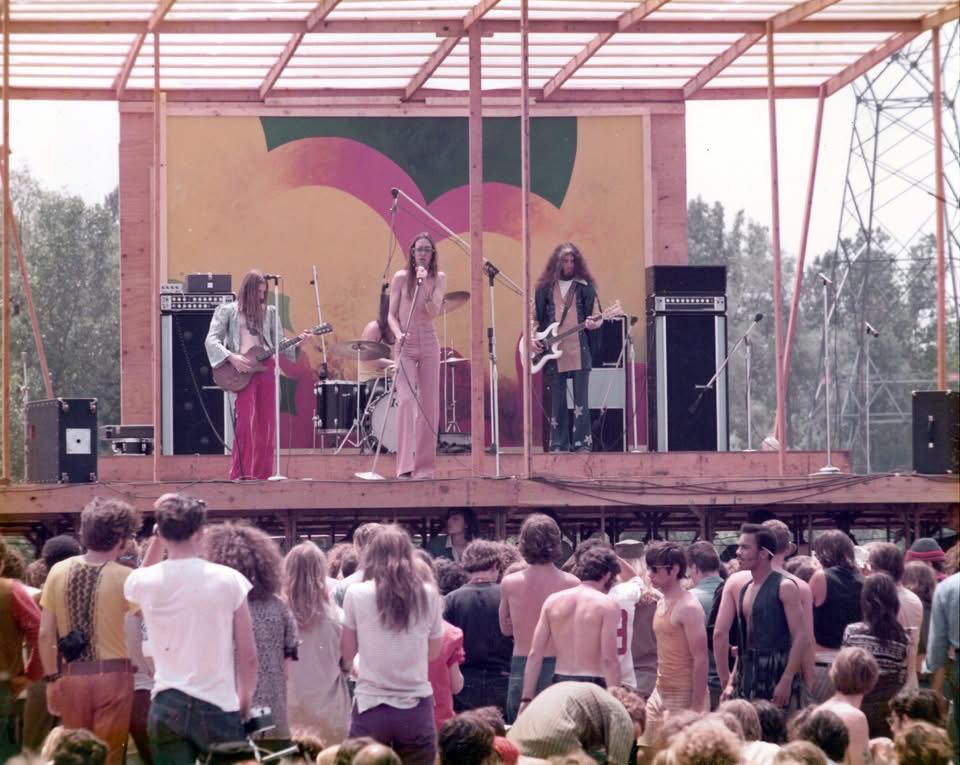
Standing on that stage, looking out at a horizon filled with people, we knew we’d found our tribe. Plenty of bands were more famous than we were, but we could feel that those people understood us.
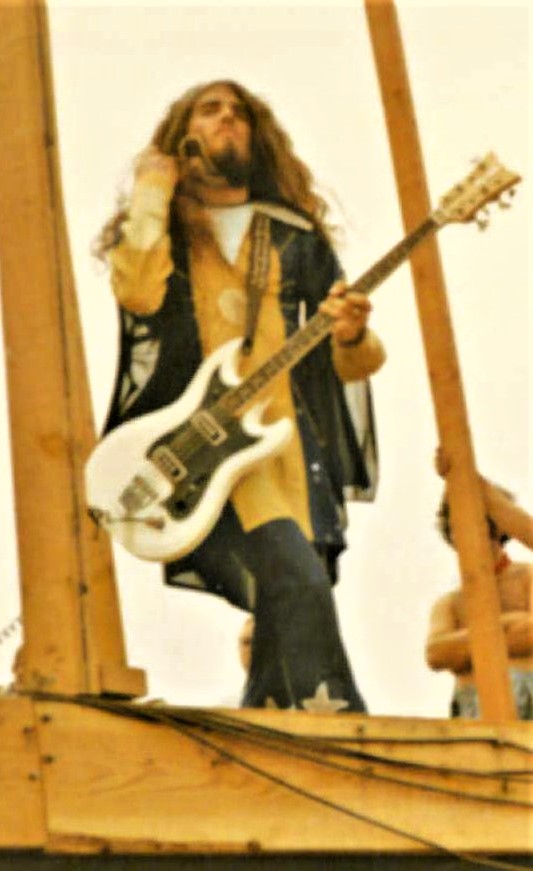
And we knew exactly how to take them on the ride.
Garrett Oostdyk: We felt like we belonged on big stages, as eventually we were on the bill as openers for over 30 gigs with different national and international acts. We could tell that the crowd’s great reaction to us was genuine. In May of 1970, at the Kickapoo Rock Festival, we felt we were very close to “making it big”, but sadly that is when it started to slip away.
Interest in ‘Everlasting Tributes’ grew considerably among collectors and eventually led to several reissues. When did you first become aware that people were rediscovering the record?
Garrett Oostdyk: George’s older brother, Paul Faber, was and is a record collector, and we learned about what was happening in the collectors’ world from him. Over the years, we started getting requests for interviews from two or three music magazines. Questions about the Kickapoo event started hitting the news and appearing online, so I wasn’t totally surprised when I heard from Nick at Anazitisi.
His desire to release ‘Everlasting Tributes’ coincided with our 2010 reunion, which marked the first time in 40 years that the ‘Everlasting Tributes’ lineup played together. When we received the complete package Anazitisi had put together, I was overwhelmed with the detail and the extent of the materials they included. I thought, “This is what you put together for the Beatles, not us!”
In 2016, we got together again at the 50th anniversary of the Red Lion Inn. Parasol/Reaction released a double CD with additional tracks and ‘Every Now and Then’ from the second night in 2010. Anazitisi released ‘Lost Tributes’ at the same time. The interest was amazing.
In 2025, Alex from Guerssen contacted me, and it was like, “Cool, here we go again.” For myself, I had been a little surprised, but I had confidence in the material.
I think, but don’t know, that collectors think of us as more psychedelic than we thought of ourselves as being. Live, I think we were heavier and bluesier than the LP shows. In retrospect, since many of the songs were just demos, they were cut short in length. I think if the song ‘Only Me’, the intro to ‘Restrictions’, the drum solo in ‘Outcast’, and others had been included, we would have considered ourselves psychedelic by today’s terms.
What happened to each of you after the original run of the Finchley Boys ended?
George Faber: I’ve remained a professional musician and continue writing and performing today in Minneapolis.
Tabe built a successful business in Los Angeles.
Michael has passed away, and we miss him deeply. He was a beautiful soul.
Garrett and I still write together. The music still carries traces of the Finchley Boys spirit, though it’s more mature now, perhaps more musical.
What we can’t recreate is the teenage urgency that produced those original songs. That belonged to a specific moment in history.
And maybe that’s exactly why it still resonates.
Garrett Oostdyk: George and J. Michael Powers never stopped playing. Tabe went into the business world, owning and operating several companies. I kept playing in other full-time bands until 1983. I then moved into the audio-video world, ultimately owning my own company designing audio systems and home theaters.
When we met at reunions, we were serious about doing it right. George lives 500 miles away and Tabe lives 2,000 miles away, so it took dedication to get together. We met days ahead to rehearse and put all that magic back into the music. The 2010 reunion was captured on DVD with multitrack audio by POGO Studio and released by Parasol. The second night was recorded by POGO and released on CD by Parasol as ‘Every Now and Then’.
After the 2016 reunion, George and I started writing new songs. In 2017, Tabe flew in from L.A., and we recorded four of them. It was our last get-together with Michael before he passed away. I think Michael was the most loved musician in all of C-U.
Could you go through the songs on ‘Everlasting Tributes’ and share what you remember about writing, arranging and recording them?
Garrett Oostdyk: ‘Who’s Been Talkin’’—George brought it to the group, and we worked out arrangements together. This is basically a live recording of how we played it.
‘Swelling Waters’—During rehearsals, the band would split into changing duos to work on creating new songs. George and I put this together on an acoustic guitar. The band created the intro and the arrangement at the end. Tabe’s bass and Michael’s drums held everything together. I ran George’s harp through my wah-wah during the intro, a call-and-response to my guitar.
‘Outcast’—John Baruck asked us for our most exciting song live, so we suggested ‘Outcast’. We did leave out the 10-minute drum solo. We recorded a separate version with clapping, etc., which is on the Parasol CD. I happened to have a ring on my right pinkie finger, and that created the sliding swish after the drum break. This one still seems full of energy.
‘I’m Not Like Everybody Else’—Being big Kinks fans, this song seemed to fit how we felt. The arrangement just came naturally as the band put it together in rehearsal. Once again, Tabe’s melodic and interesting bass parts really solidify the whole presentation.
‘Hooked’—’Hooked’ is a hangover song from the high school Finchley Boys. With a big intro, Michael and I completely changed the tempo, drive, punch, and feel of the song. To me, this song is our “biggest and loudest” song. Great memories from 1968, and Michael had just turned 18.
‘Once I Was A Boy’—I think this came out of a jam based on Tabe’s bass part and Michael’s drumming. George, of course, created the lyrics.
‘It All Ends’—Again, this started with George and me on acoustic guitar. We then let Michael loose on his percussion ideas and “Finchley Boyed” it. The jam at the end was taken from an actual jam we had recorded rehearsing.
‘Restrictions’—This was a big song live, especially with the long intro and center jam I described earlier. We had recorded it at Golden Voice first but thought it important enough to record again at Chess. I think I hear a little teenage angst now, and I wish the live intro was on the LP.
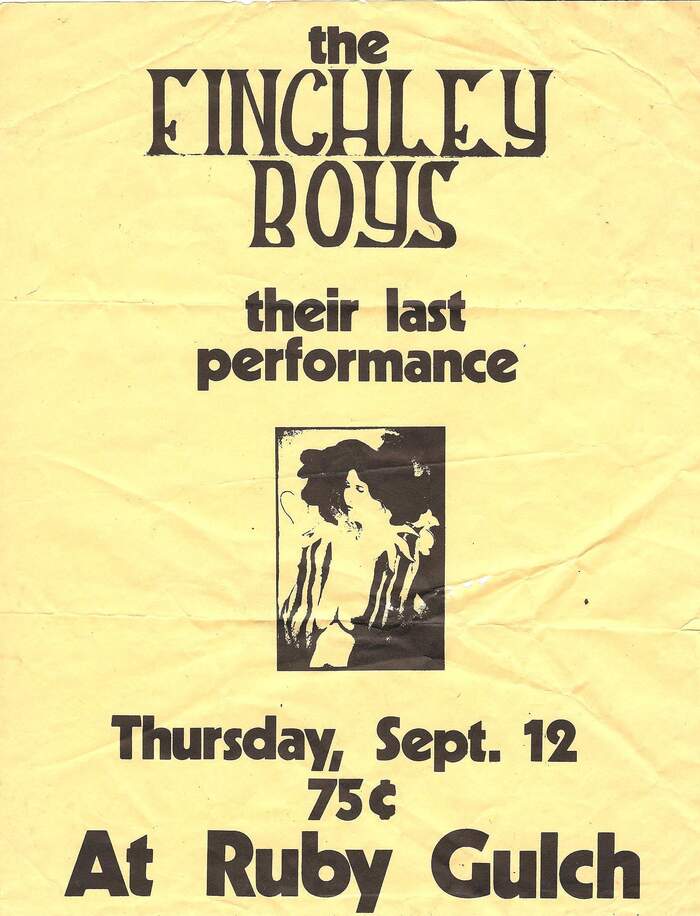
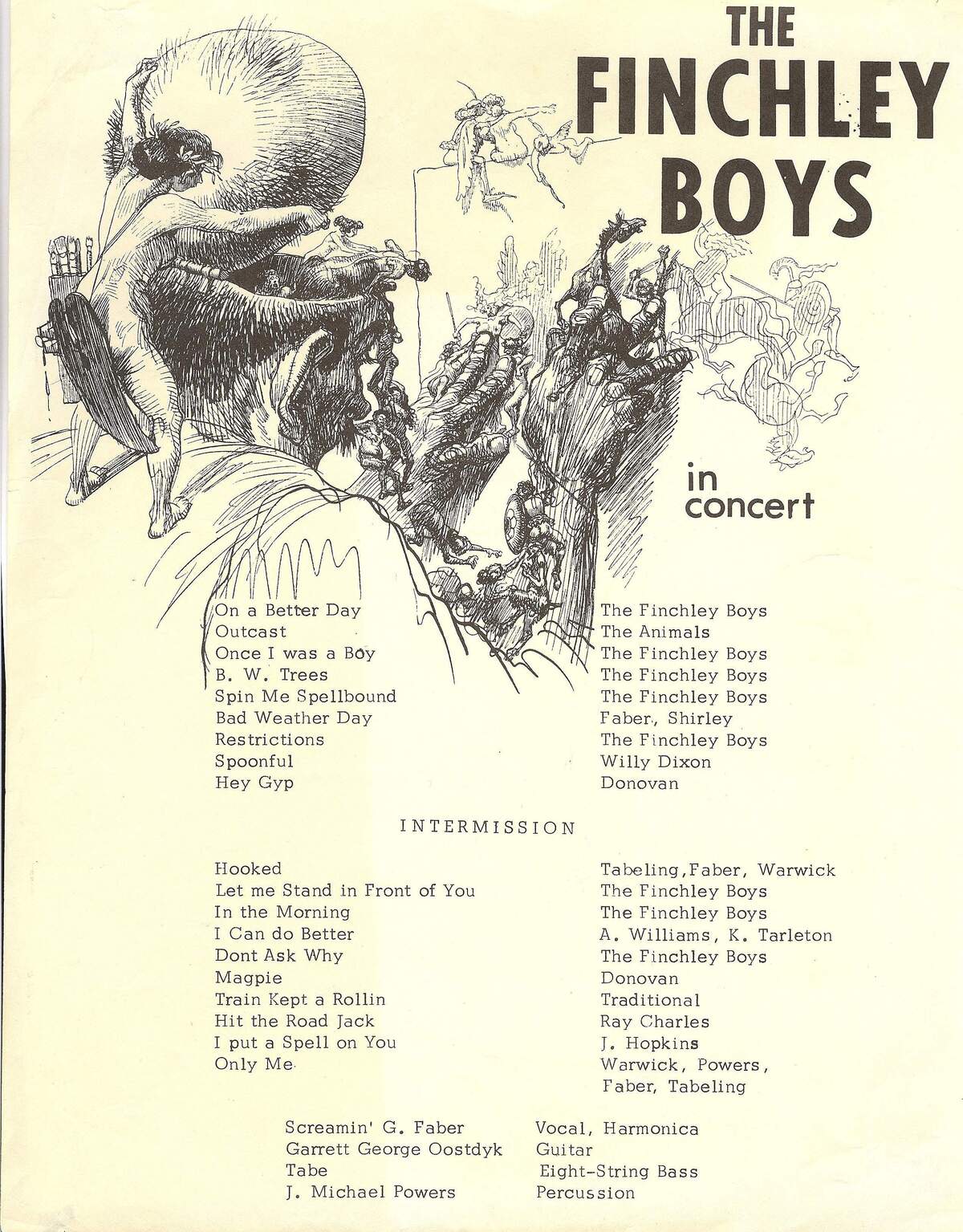
There are several recordings outside the original album, including material later released by EVA and Reaction/Parasol, as well as recordings that remain lost. What can you tell us about those tapes?
Garrett Oostdyk: I have a few ideas about how the tapes made their way to EVA in France, but no proof. I should have included the Golden Voice tracks of ‘Suffering Servant’ and the still-lost ‘Only Me’ on the LP.
‘Back When The Teardrops Fall’ is a much later George Faber original with his band Stronghold. The other three songs listed give insight into our very beginning. Young guys playing with a sound-on-sound tape recorder in George’s parents’ living room, looking for a sound. Since you record on a track and then record over it to the next and then repeat, it makes it hard to balance. It would have helped if EVA had just put the final track in mono and not created the echoing mess.
The Reaction/Parasol CD includes some tracks recorded live with Bill Shaw on drums. They show some additional originals and extended experimentation in sound in 1971.
On that note, since the ‘Everlasting Tributes’ songs were mostly cut as demos, many were shortened in length. If we had known better, we would have recorded them as we played them live. ‘Restrictions’ has a very extended intro and solo section. We never played it as recorded. ‘Outcast’ had an extended percussion solo by J. Michael Powers.
I tried to recreate the ‘Restrictions’ intro on the 2010 live ‘Every Now and Then’ CD. Each night our closing song was ‘Only Me’ and featured our boa constrictor. This 1968 recording was not included on the LP, and the Golden Voice tape seems forever lost.
Looking back now, what do you think kept the Finchley Boys from becoming better known at the time?
George Faber: There were probably many reasons.
Timing plays a role. Geography plays a role. Management and record-company decisions certainly matter. The delayed release of ‘Everlasting Tributes’ didn’t help.
But if I’m being fair, part of the answer may simply be that we were difficult to categorize.
We were too bluesy for some audiences, too psychedelic for others, too theatrical for certain promoters, and too loud for almost everybody.
The music business likes neat labels.
We never fit neatly anywhere.
Garrett Oostdyk: Far from obscure, the band was very well known by the fans at concerts and clubs in Chicago, the suburbs and high schools, and every state college in Illinois. We headlined clubs where the owners didn’t like us, but the crowds kept coming, so they kept hiring us.
The main challenge in taking the next step was a record deal. I believe for that to have happened, we needed to have a dedicated manager. We had recording sessions paid for by producers and were taken to New York and Toronto to showcase, but nothing happened. In Peoria, we were approached by a studio exec to record us. Alas, we had no business person to move these things forward and get us signed. We were just out there playing gigs.
The next challenge was geography. As you said, we didn’t “fit” in the mainstream central United States. Even in Chicago, outside all the blues greats, the music was very commercial, Top 40. So I can see it was hard for someone to say, “Wow, I’ll grab these weird guys and take them to the top.” In New York or L.A., we would have had a much better opportunity to find someone willing to take a chance on us.
Is there anything you would like to say to It’s Psychedelic Baby! Mgazine readers who are coming to the music all these years later?
George Faber: Thank you for listening.
What you’re hearing isn’t nostalgia. It’s a document from a very specific time when young people believed music could change everything.
We weren’t trying to create a legend. We were simply following our instincts wherever they led us.
Sometimes that meant writing songs about being outsiders.
Sometimes it meant carrying a seven-foot boa constrictor onto a stage.
Either way, we were searching for something real.
If people can still hear that all these years later, then the music has done its job.
Garrett Oostdyk: What George said, and again, thanks for listening and letting us know our music can still have an impact.
Klemen Breznikar
Headline credit: Finchley Boys
Guerssen Official Website / Facebook / Instagram / X / Bandcamp / YouTube