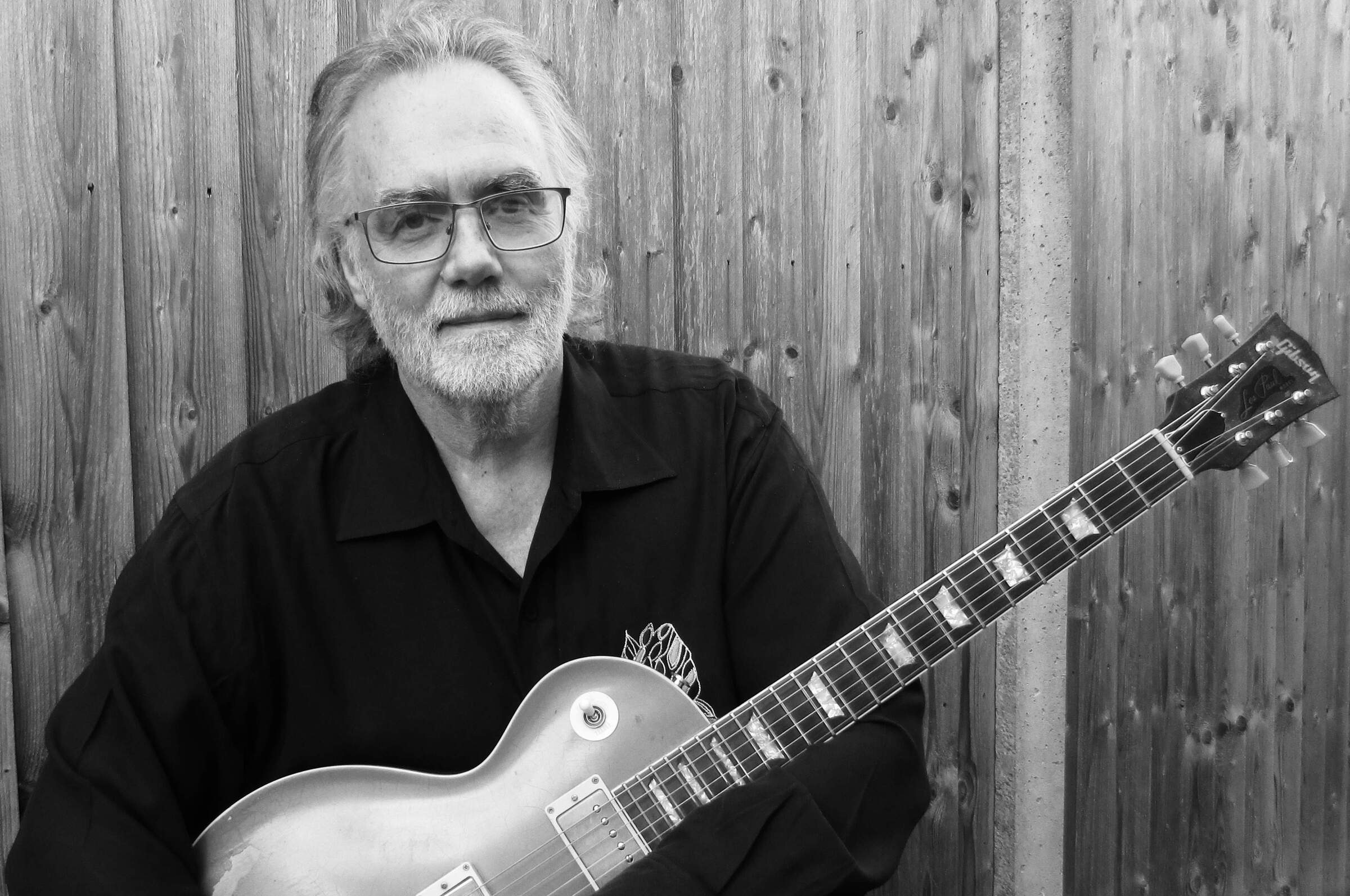

Brinsley Schwarz on ‘Shouting at the Moon’: “the song is what matters, and the groove”
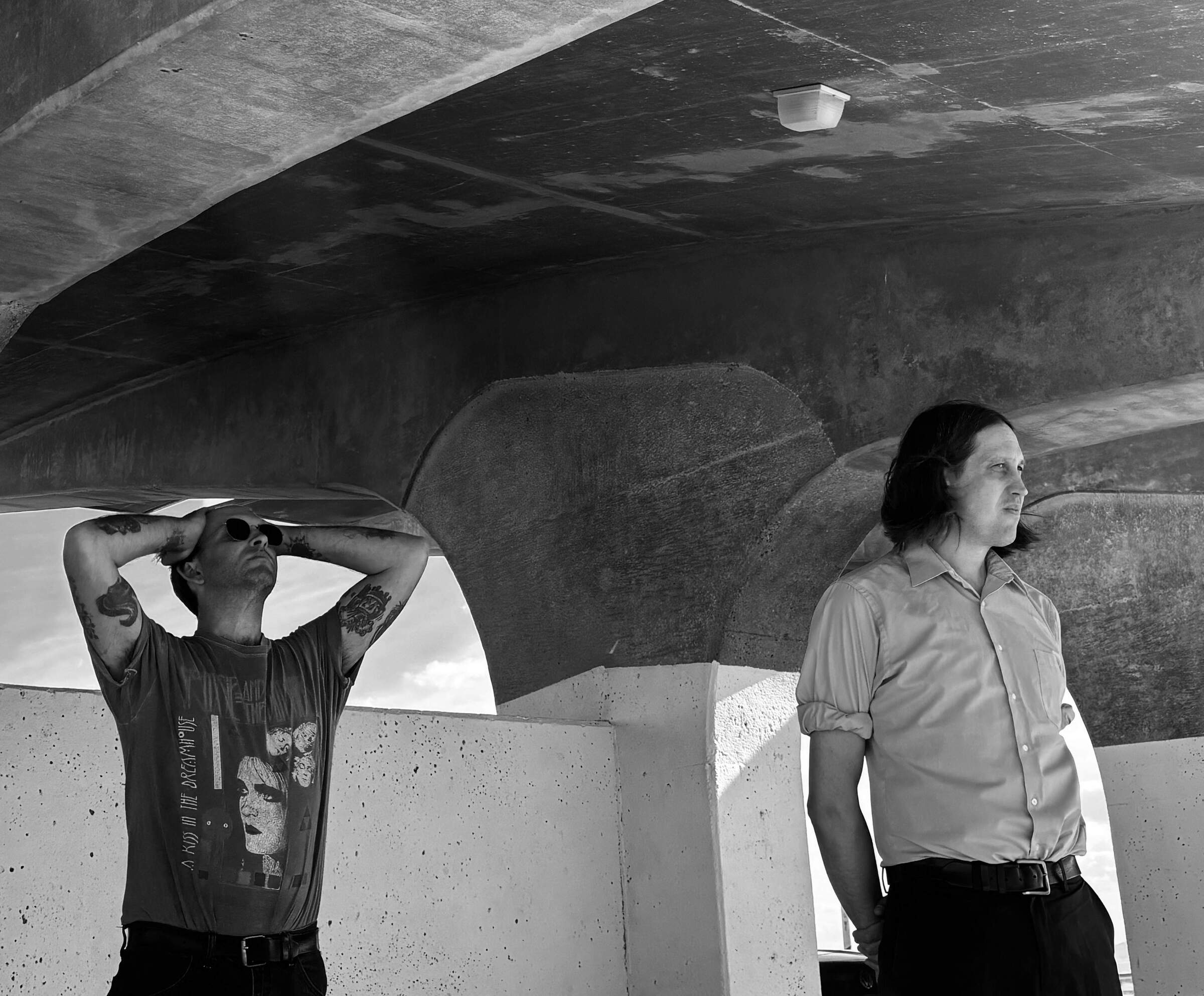
A founding figure of the pub-rock years and the man who helped shape the sound of Graham Parker & The Rumour, Brinsley Schwarz isn’t coming back with anything to prove.
‘Shouting At The Moon’ isn’t a comeback or a closing statement, just a record that finds its own shape, drawing in songs from different decades that still sit comfortably side by side. As he says, “the song is what matters, and the groove,” and everything here seems to follow that simple rule.
What’s striking is how little distance there is between then and now. Some of these songs go back to the late ’70s, others are newer, but none of them feel reworked. The tracks just exist in the same space, like they’ve been played this way all along and only needed the right moment to be recorded. Key to this revived activity has been producer, engineer and keyboard-player James Hallawell another Parker collaborator, also noted for his work with the likes of The Waterboys and Jackie Leven. “He helped me record my first album ‘Unexpected’,” says Brinsley. “We just carried on recording.”
“Maybe we can’t help it, we just sound like us.”
‘Shouting At The Moon’ brings this recent trilogy to a close, but you’ve mentioned that some tracks, like ‘The Chance’ and ‘Nothing Is What It Seems,’ were actually written way back in the late 90s and early 2000s. How did songs penned over a quarter of a century ago suddenly fit so perfectly into the final act of a project? Does it feel like these observations have been patiently waiting for the right moment to finally come out?
Brinsley Schwarz: I have no idea where this idea that my three albums made up an intentional ‘trilogy’ came from. There was never any notion of making a trilogy; my only initial idea was to record one song as a gift to my niece as a wedding gift. That recording, made at my friend James’s studio, and with much help from him, went so well that we decided we might go further and make an EP, and that turned into an album, rightfully named ‘Unexpected’.
I did make a serious attempt to write songs back in the late 70s/early 80s, songs that were on the three albums that The Rumour made during that period, ‘Max,’ ‘Frogs Sprouts Clogs And Krauts’ and ‘Purity Of Essence,’ when GP and R were a real live and recording band. I spent the nine odd years between then and retiring, playing and recording with GP, whenever he needed me, and being a luthier, working in a guitar store in Richmond (U.K.).
So I guess a lot of these songs, and what influenced them, was the decade or so in which there was a lot of changing music around that influenced, one way or another, anyone trying to write music. One huge influence on me was the Steely Dan album ‘Two Against Nature,’ which, for a while, was all I could listen to.
After all those brilliant years as a vital player in Graham Parker and The Rumour, what was the moment, the big “Ah-ha!” that really reignited your passion for writing and recording your own songs and, crucially, stepping up to the microphone as a solo artist? Was there a specific idea, perhaps after the last Rumour tours, that made you feel compelled to put your name back on the sleeve?
Well, I’ve mentioned that I had written songs for The Rumour, and that I had spent the best part of a decade enjoying being a luthier. So I guess the big ah-ha was that James Hallawell, who had played and recorded with Graham and me during the late 80s, turned up to watch Graham Parker and The Rumour play our first reunion gig. He popped into the green room to say hello and told me about his studio and said we should get together and record something, we did, it went really well, and that influenced/encouraged me to carry on. Up until then, I’d not really thought much about recording, enjoyed my songs and enjoyed playing guitar and meeting a lot of guitar players and fixing their guitars.
Playing with the band again was outstanding, so good being together and laughing a lot more than we did back in the 70s.
This album has a distinctly soulful feel, hinting at the class of Van Morrison and even the meticulous, tight-but-loose groove of Steely Dan. Since you cite “the groove” as the key thing, could you walk us through how you and producer James Hallawell managed to capture that warm R&B feel? It’s a proper challenge in a studio, isn’t it?
Wow, that’s a big question, well the easy answer is that we were not recording in a modern studio, not sure I’d know what that is. James’s studio is built into two tall ceiling-ed rooms, so it had good natural room reverb. He has some lovely old valve microphones, you can push those into light overdrive giving you warm and alive vocals and guitar sounds. There were only ever one or two people in there at a time. You can record whole bands and orchestras at the same time, or start with drums and a guide guitar and then slowly build a record. I didn’t really think about this at the time, I had budget restrictions so James and I did a lot of the recording, but we also had great guys who came in and played. So it was always very loose and largely stress free. We had a lot of vintage gear which sounded great and when it sounds right you seem to play right.
James Hallawell has been right there alongside you for this entire solo resurgence, starting with ‘Unexpected.’ What is it about his ear and his approach as a fellow musician and producer that makes him the perfect partner for your sound? Is there a shared, unspoken understanding of the kind of musical “engine” that powered ‘The Rumour’ that still plays a role here?
Yeah, I think you’ve said it… ‘A shared unspoken understanding’! We sort of automatically play what fits. The song is what matters, and the groove, I love your “tight – but – loose – groove” … and not “too many notes”.
The new record clearly carries some weight, with ‘It’s Been A Long Year’ speaking directly to climate change and ‘Nothing Is What It Seems’ addressing the trouble ahead. For an artist known for such lovely, soulful warmth, what makes you feel it’s important to embed these pressing, darker issues right in the heart of the music?
Well, as I said in the pre album quotes, and on the album, “there is a big storm coming, and we are not ready, are we?” And there doesn’t seem to be a lot of people listening and I find that really sad.
You describe the song ‘Hard To Change’ as being about “things not likely to happen any day soon”. Could you share a bit more about what, specifically, you see as being so stubbornly resistant to improvement in the world today? Is writing a song about this difficulty a form of release, or is it a quiet call for people to keep trying nonetheless?
I’m a bit of a Randy Newman fan, love his lyrics and his music. I guess I’m just pointing out, gently, that things maybe aren’t going that well right now, OR, maybe I’m shouting out that we don’t have that much time left and we need to “rescue us” before time runs out.
You were, of course, a founder of the iconic pub-rock scene, a movement that was, at its heart, about authenticity and getting back to basics. Looking back across the decades, what is the most valuable, lasting lesson you took from that fiercely independent era that still guides how you approach music, recording, and touring today?
I think that when we came back from supporting Van Morrison in New York, we’d learnt a lesson, one that was re-enforced when we met ‘Eggs Over Easy.’ Too many lessons to number here, and I think I’m still learning now, but you ask “what is the most valuable lesson,” well, the song is the thing, play with the song, and if nothing is working, well then don’t play anything, wait until the right chance presents itself.
You chose to cover your old mate Graham Parker’s tune ‘Watch The Moon Come Down,’ saying it’s a favourite. When you take on a close friend’s song, how do you find that balance between being respectful to the original and ensuring it sounds entirely like a Brinsley Schwarz record? What delightful little details did you discover in that late-70s classic as you re-arranged it?
For a long time, playing with Graham and The Rumour, there were plenty of great songs to choose from. Like everyone, I just used to noodle along at home with songs that I liked. And gradually with some of them a different arrangement would occur. ‘Watch The Moon Come Down’ and ‘Love Gets You Twisted’ were two of those songs I loved playing at home or playing live.
Touring the US in the 70s I’d bought a Gibson Flying V. We were playing The Hammersmith Odeon, and Dave Edmunds had popped into our soundcheck to say hello. I took the opportunity to strum a few chords, play a couple of licks to show off my new guitar to him. He listened for a few moments and said “sounds like you always do!”
Maybe we can’t help it, we just sound like us.
As a guitarist, how has your approach evolved or changed in your recent years, especially when you’re writing and performing your own songs, as opposed to serving the material of another writer?
I think the biggest approach change has been my attitude to playing solos and accompanying licks. Long time ago, songs were simpler and we could draw from rock n roll and blues licks… gets tiresome and same-y after a while, so I started to play the chords to a song and then sing along with it, and then learn the tune I had just made up. And I’d use those melodies to help come up with a solo, which would be closer to the song, different but closer. And there’d be places where I could bring in some blues or jazz licks. It wouldn’t matter that it was with a different writer because it would have, in some way, come from his/her song.
With ‘Shouting At The Moon’ concluding this hugely significant solo chapter, do you feel a sense of completion, or has this process simply opened a brand new door?
I haven’t seen this album as anything other than my third album, so any sense of completion I might have felt has just been the same as it usually is, the big rush of achievement when you listen back to it, it’s finished and you’re happy with it. So I have a few more songs and some ideas.
Klemen Breznikar
Brinsley Schwarz Official Website / Bandcamp
Fretsore Records Official Website / Facebook / Instagram / Twitter / YouTube / Spotify
Brinsley Schwarz | Interview