
Jack Monck on Delivery, the Cambridge Underground and Syd Barrett’s Stars
Bassist Jack Monck recalls his years with Delivery, the Cambridge underground, his brief involvement with Syd Barrett’s Stars, and the musicians he continued working with long after those early days.
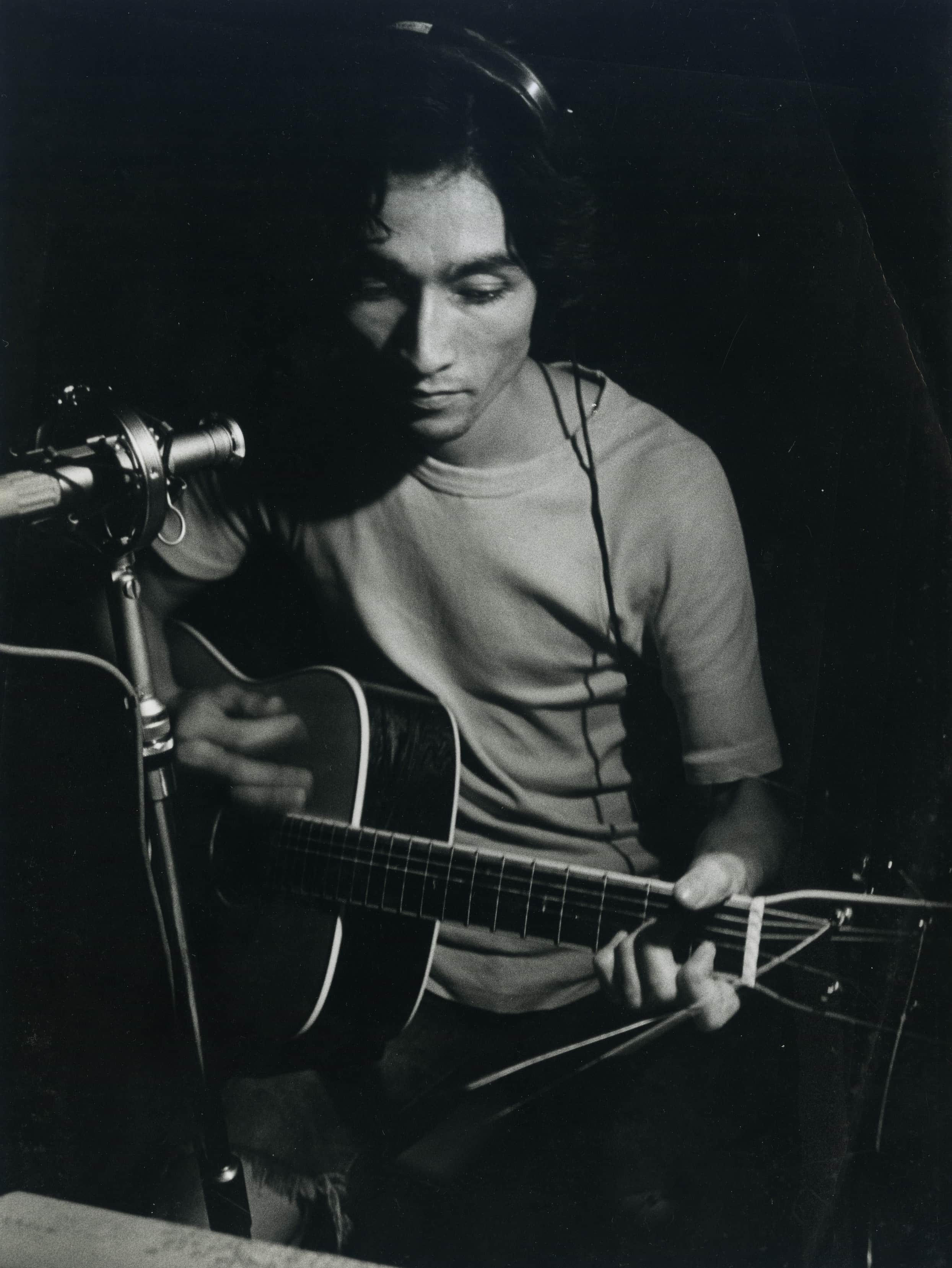
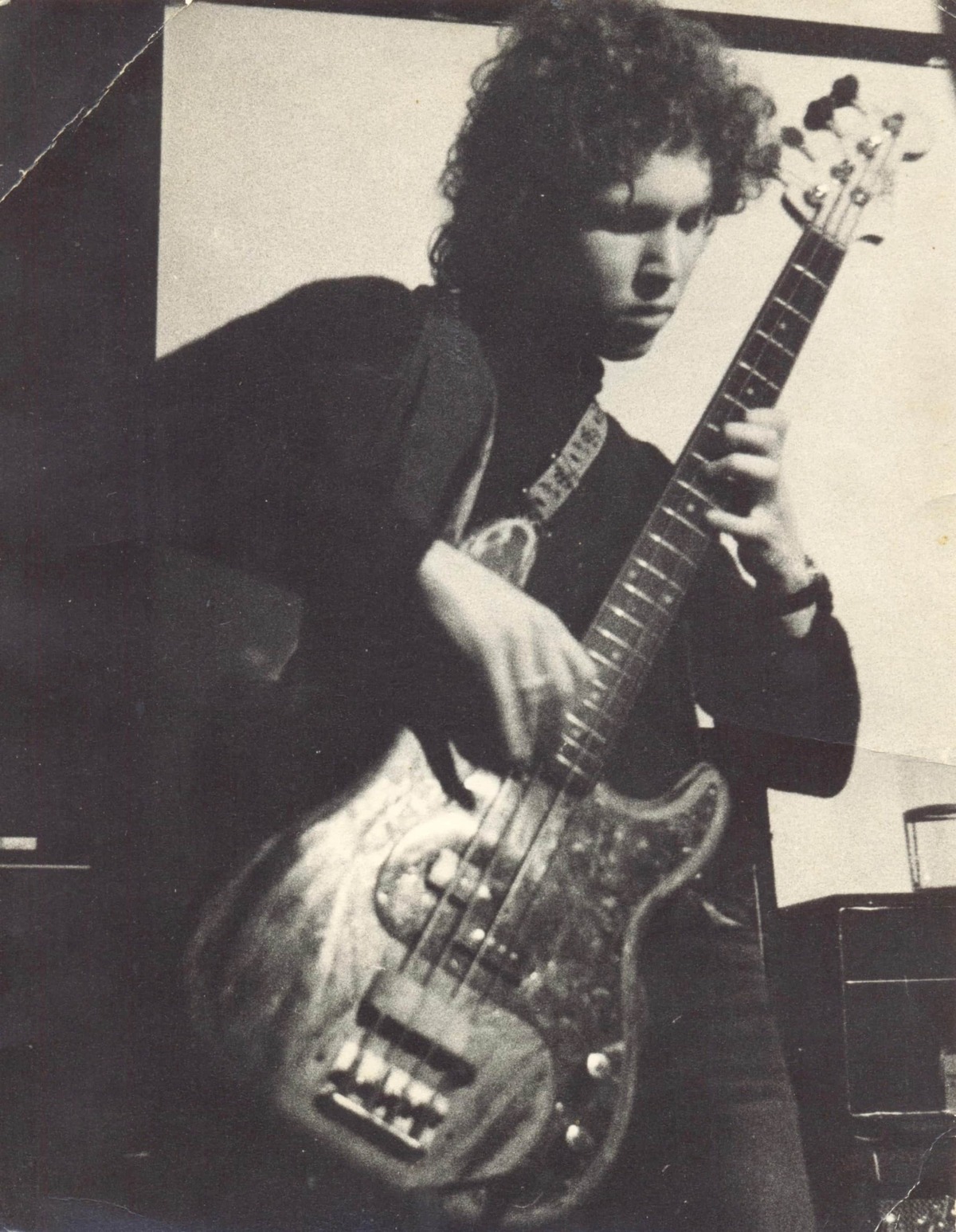
Jack Monck came to the bass almost by accident. Steve and Phil Miller and Pip Pyle needed a bass player for Bruno’s Blues Band, and Monck, until then a guitarist of modest experience, was given an instrument to try. Before long he was playing gigs. It was the mid-’60s, and Cambridge had a lively blues scene. Monck and Pyle helped run the Juniper Blossom club above the Red Cow, where they booked Peter Green’s Fleetwood Mac for £45 and regularly brought in Chicken Shack. Christine Perfect even ended up having breakfast at Monck’s mother’s house. Delivery, as Bruno’s Blues Band became known, also found itself backing American bluesmen Lowell Fulson and Otis Spann.
The music was changing, however. Steve Miller’s interest in modern jazz and the arrival of saxophonist Lol Coxhill took Delivery well beyond the blues, into areas Monck admits he wasn’t ready for. Roy Babbington replaced him in 1969, before the band recorded ‘Fool’s Meeting’. At the time, Monck had plenty of other things to occupy him. Only later did he begin to regret leaving a group he had helped start.
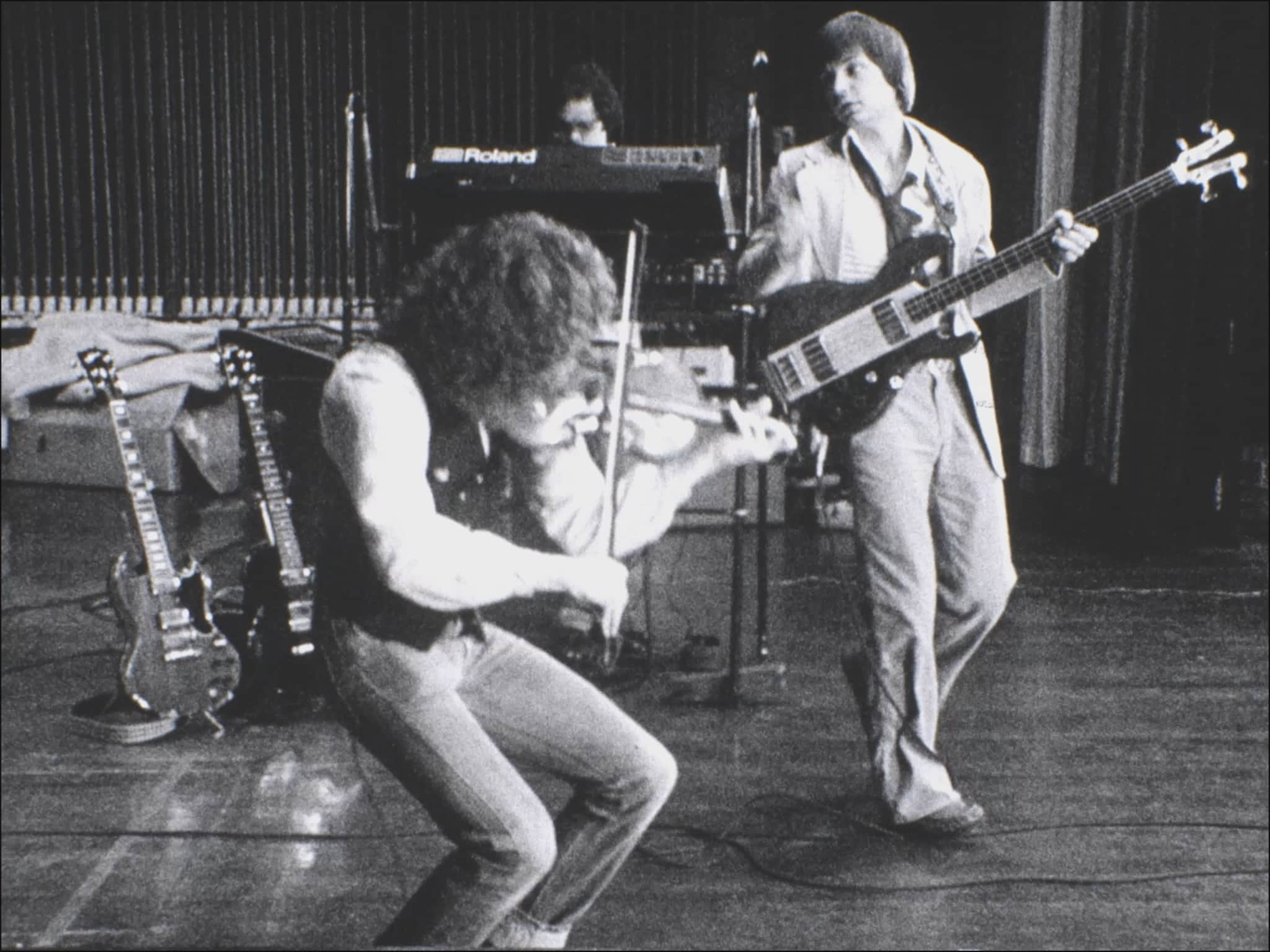
Cambridge remained his base, and by the early ’70s he was involved in organising the 10p Boogie nights at Fisher House. Henry Cow, Hatfield and the North, Lol Coxhill and various other musicians passed through, often playing in combinations that existed for little more than an evening. Monck was friendly with Fred Frith and Chris Cutler, and wrote songs of his own alongside the increasingly experimental music being made around him. When I interviewed Frith in 2012, he described Monck as ‘kind of the king of the Cambridge underground music scene’. It was a description Jack hadn’t expected.
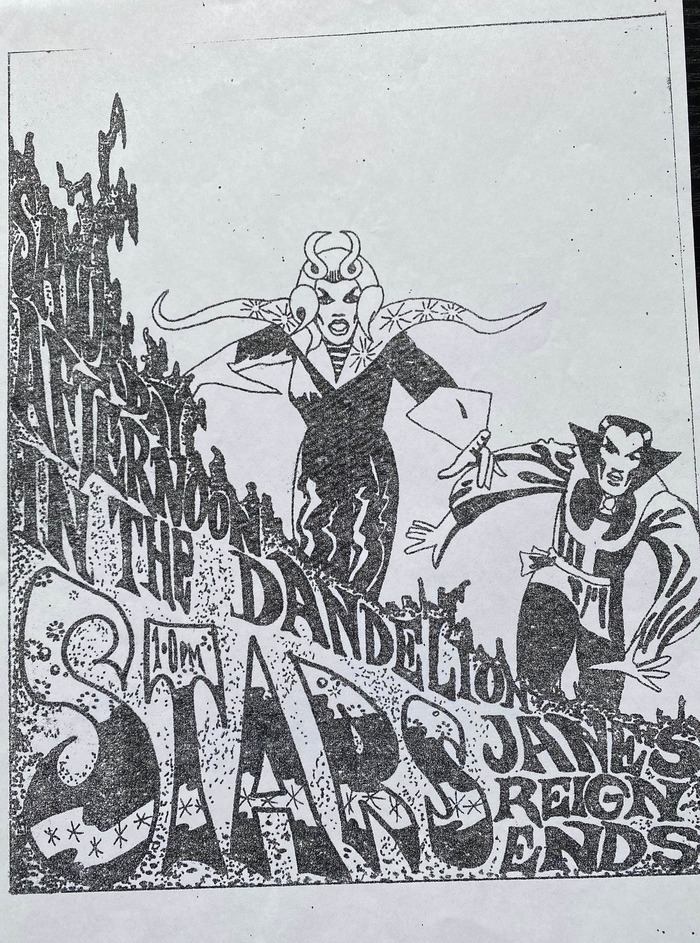
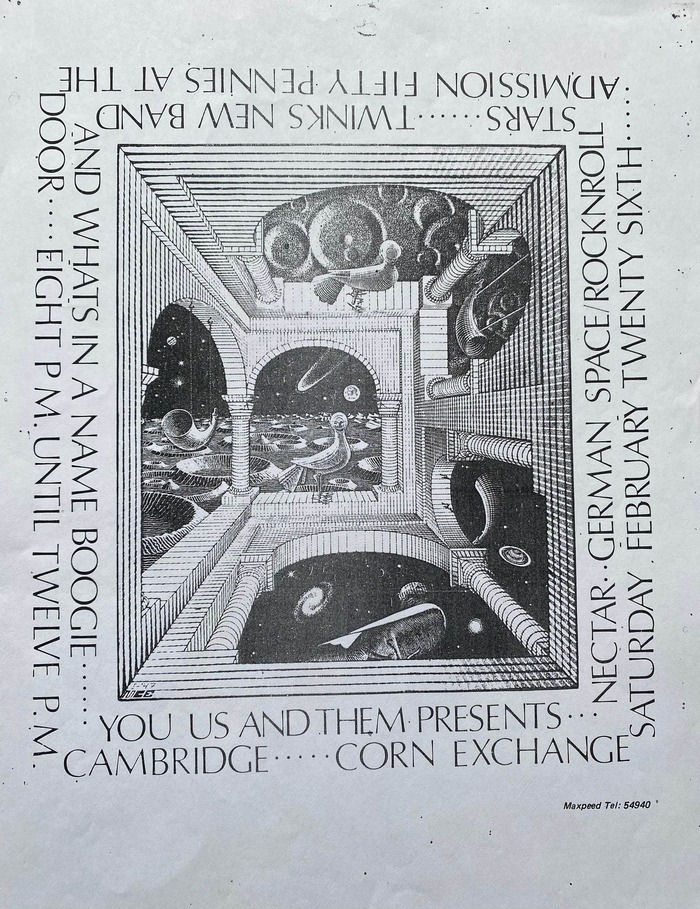
Syd Barrett entered the picture in January 1972. Monck was playing bass with Twink in the Last Minute Put Together Boogie Band when the former Pink Floyd guitarist turned up at King’s College Cellars with his guitar. The following evening, Barrett joined them at Cambridge Corn Exchange, with Fred Frith also playing. Soon afterwards, Monck, Barrett and Twink formed Stars. There were only a few rehearsals and a handful of gigs, including an enjoyable evening at a small wholefood café on East Road. Two appearances at the Corn Exchange followed, on 24 and 26 February. The first, supporting MC5, went badly and was the subject of a scathing review in ‘Melody Maker’ the following week. Stars broke up shortly afterwards.
He subsequently joined Radar Favourites, alongside Geoff Leigh, Gerry Fitz-Gerald, Cathy Williams and Charles Hayward. The group had considerable promise, but Monck and Fitz-Gerald were dismissed before it could develop much further. There followed his own songwriting, work with David Thomas and the Pedestrians, That Uncertain Feeling, the Chan-Monck Group and collaborations with African and Moroccan musicians. Teaching bass also became an important part of his working life.
Monck also returned to playing with Phil Miller, his old friend from Delivery. In 2016, they recorded ‘Fat Cats’ at Redchurch Studios in London, with Marc Hadley on saxophone and Paul Dufour on drums. The recording now appears as a hidden track on Hadley’s 2026 album ‘How to Cut Water’. Hadley identifies it as Miller’s final studio appearance.
“I always pursued what was in front of me and what interested me…I didn’t have a plan…”
Before we get anywhere near Delivery or Cambridge in the late sixties, where did music begin for you? What was being played at home when you were growing up, and which records or musicians first made you want to play yourself? And while we’re at the beginning, how did Adam become Jack?
Jack Monck: My parents played Bach, Haydn, Corelli and other classical records. We also had Leadbelly, Robert Johnson records and my sister sent jazz records back from the US, including a Thelonious Monk trio record and a Gil Evans record, both of which I heard a lot. My mother’s father was known as Jack, which was short for John…I was Adam John but always known as Jack.
You’ve remembered first noticing Phil Miller from the platform at Audley End station, seeing this striking figure in a huge military greatcoat on his way to Cambridge Tech. What do you remember about actually getting to know Phil and Pip Pyle? Were the three of you already very different characters at that age?
I got to know Pip better initially, sharing a bedsit with him in Cambridge. Phil was a year older and still living at home. With hindsight, yes, we were already different characters.
Steve and Phil Miller, Pip Pyle and you started out as Bruno’s Blues Band. You’ve described yourself as a rather unsuccessful bedroom guitarist at the time. How did you end up playing bass, and did you take to it straight away?
They were looking for a bass player and lent me a bass guitar to practise on…started gigging almost immediately. I think it suited me from the beginning…later on I fully embraced it…
You were rehearsing in Pip’s garden shed, with his garden backing onto the Millers’ at Orchard Cottage. What were those rehearsals like? Was Steve already the one pushing the music forward, and what were Phil and Pip like to play with before any of you had much experience?
Steve was the de facto leader, being a couple of years older. Phil was already his own man, their father David was a pianist and organist, and Pip had had some drum lessons…so both of them were ahead of me…
Around the same time, you and Pip were running the Juniper Blossom blues club above the Red Cow. You managed to book Peter Green’s Fleetwood Mac for £45, Chicken Shack played there several times, and Christine Perfect even ended up having breakfast at your mother’s house. What do you remember most clearly about running the club, and did meeting those musicians influence you as a young player?
The main benefit for us was making connections and meeting musicians. I had already seen Peter Green playing with John Mayall—that made a big impression.
Bruno’s Blues Band gradually became Steve Miller’s Delivery, and with Lol Coxhill involved the music started moving away from fairly straight blues. You also found yourselves backing visiting American blues musicians. Which of those encounters stay with you most clearly, and what did playing with people who had grown up inside that music teach you?
Again with hindsight, what a great experience touring with Lowell Fulson and Otis Spann…something must have rubbed off…
Delivery also started taking in more modern jazz, while you were playing places such as the upstairs room at Ronnie Scott’s and listening to people like Keith Jarrett and Tony Williams. Was there a point when you realised the band had become something quite different from the blues group you had started?
Especially with Lol in the band, the music started to get into some quite free areas which I didn’t have the experience or vocabulary to deal with and didn’t feel comfortable with at that time…
Roy Babbington eventually replaced you in Delivery. What actually happened there? Phil later told you that he learned a great deal from playing with somebody as experienced as Roy. At the time, was it difficult watching a band you’d helped start carry on without you?
I believe that Roy was recommended by Alexis Korner, who we had met and played with, initially at Juniper Blossom…when I left, I was busy doing other things so it didn’t really bother me. However, later, and for a long time, I did regret it although I really wasn’t ready for it at the time…
Delivery is now often mentioned as one of the early roots of what people later called the Canterbury scene, although so much of your own story was happening in Cambridge and London. Did anything like a Canterbury scene actually feel real to you at the time, or is that mainly a name people came up with later because so many of the same musicians kept crossing paths?
The concept of the Canterbury Scene came up later…
When you were back in Cambridge in the early seventies, what kind of place was it for musicians? I’m interested in the everyday side of it, the pubs, coffee bars, cellars, college rooms, people’s houses and cheap places to put on gigs. Did it feel like a proper underground community, or was it really just lots of small groups of people who happened to know one another?
I feel that the scene in Cambridge at that time was taking its cue from the hippie movement in the US. The main local promoter then was a guy called Steve Brink who modelled himself on Owsley and wanted to replicate happenings in the US involving bands like the Grateful Dead and mass tripping on LSD…of course it turned out differently in Cambridge…
You were involved with the 10p Boogie evenings at Fisher House, where Hatfield and the North, Henry Cow, Global Village Trucking Co., Steve Miller, Lol Coxhill and all sorts of other combinations passed through. Why was it important to keep those evenings so cheap? Were you consciously trying to create something outside the normal music business, or was it simply about finding somewhere good where people could play?
I certainly was idealistic and wanted to keep events as free and accessible as possible…again, influenced by hippie ideas…it seems naive now…
When I interviewed Fred Frith in 2012, he described you as ‘kind of the king of the Cambridge underground music scene’. I loved finding that line again. Does it make any sense to you? He also remembered playing some of your songs with you and Chris Cutler. What sort of things were you writing then, and how did your own songwriting fit alongside the much more experimental music Henry Cow were developing?
Very nice of Fred to say that. HC met at Cambridge Uni whereas I was outside that…maybe he had a slightly idealised image of me! Yes, I played with FF and CC…my songwriting was in a very rudimentary place then and completely different from HC’s process and approach.
How did you become involved with the Last Minute Put Together Boogie Band? Before Syd Barrett came into the picture, what sort of band was it meant to be, and how did Twink, Bruce Paine, John ‘Honk’ Lodge and the others fit together?
It was a jamming band that came out of the 10p Boogie nights, Twink and I were the house rhythm section…very ad hoc…whoever turned up…sometimes Syd…
Could you take us through the King’s College Cellars night in January 1972 when Syd turned up with his guitar? Different people have remembered the details slightly differently over the years. What do you remember about the musicians playing that evening, and do you recall Syd actually joining in?
As far as I remember, the Cambridge Uni Blues Society had booked singer/pianist Eddie Boyd. Twink and I backed him…Syd was there with guitar…I think he played, not sure…
Editor’s note: Other accounts of the 26 January 1972 performance identify Eddie ‘Guitar’ Burns rather than Eddie Boyd. We have left Jack’s recollection unchanged.
The following night at the Six Hour Technicolour Dream you were playing with Syd and Fred Frith, on a bill with Hawkwind and the Pink Fairies. Fred later told me he remembered the experience rather pessimistically, while other people have remembered moments when Syd was playing very well. How did that evening feel to you while it was actually happening? Do you think people sometimes remember those nights differently because they know what happened to Syd later?
The gig you mention was in Cambridge Corn Exchange (not the Ally Pally event)…it was OK at the time, a lot better than the Stars gig at the same venue…I remember Fred was shocked at Syd but he wasn’t in a good place at that point…of course, memories differ radically…hallucinogenic drugs, fatigue and the passage of time must be factors…not to mention mythology.
The beginning of Stars has also been remembered in slightly different ways. Twink has said that you and Jenny came round and the idea gradually formed that it might be good to get Syd playing again. How do you remember it? And how important was Jenny in helping bring the three of you together?
Jennie was key. We wanted to help Syd, take him out of himself…and make a name for ourselves as well!
Once Stars became simply you, Syd and Twink, what were the rehearsals like? What songs were you playing, who tended to suggest things, and was there ever any real talk about writing new material or turning it into a longer-term band?
Rehearsals were few. We played stuff we could put together quickly: 12-bar blues, some of his solo tunes off the LPs which were easy. We didn’t last long enough to look ahead.
I’d like to hear about Syd simply as another musician you were playing with. What was it like playing bass behind him, and what do you remember about his guitar playing at the time?
Looking back, Syd must have felt lost after Floyd…later I heard him on record and loved his guitar playing (‘Lucifer Sam’) but at that time he didn’t seem interested in guitar…although he had that beautiful black Telecaster with white inlays…
Stars only lasted a very short time and played a handful of very different places. Was there any particular rehearsal or gig where you thought the band had really worked? If a recording of Stars suddenly turned up tomorrow, which performance would you most hope somebody had captured?
The first gig in the whole food cafe on East Rd was fun and felt good. Small place, low expectations…
Speaking about that period many years later, you said you wished the band had been more ‘savvy and prepared’ for the Corn Exchange shows with Syd. What did you mean by that? Looking back, was there anything you genuinely think the three of you could have done differently, or were you simply too young and too close to the situation to really know what to do?
Yes, to your last question.
The negative ‘Melody Maker’ review has often been treated as the thing that finished Stars. Did it feel that important at the time? And looking back, how well did you really get to know Syd during those few weeks?
Well, it was sod’s law that such a disastrous gig was written up in MM, certainly didn’t help. Many years later, I met and talked to his sister Rosemary and I remember saying that I was sorry that he had been so unhappy in later life. She said that actually he was fine in his own house and space…it was the expectation and attention that he struggled with…I really didn’t know him well and only for a very brief period.
After Stars, you joined the first Radar Favourites lineup with Geoff Leigh, Gerry Fitz-Gerald, Cathy Williams and Charles Hayward. When I spoke with Geoff recently, he remembered that some of the freer improvisation and Cathy’s more theatrical material weren’t always to your taste. Does that sound right to you? What happened to that first lineup?
The people in RFs were all good…loads of potential…Gerry Fitzgerald and I were sacked by the others without consultation…I think it could have been an excellent band…I don’t remember having a problem with the free aspects or Cathy’s songwriting. My own interest in songwriting continued to evolve.
After Radar Favourites, you went on to ‘Inside the Whale’, David Thomas and the Pedestrians, That Uncertain Feeling, the Chan-Monck Group and collaborations with African and Moroccan musicians. Were you deliberately looking for different kinds of music, or did one opportunity simply lead to another?
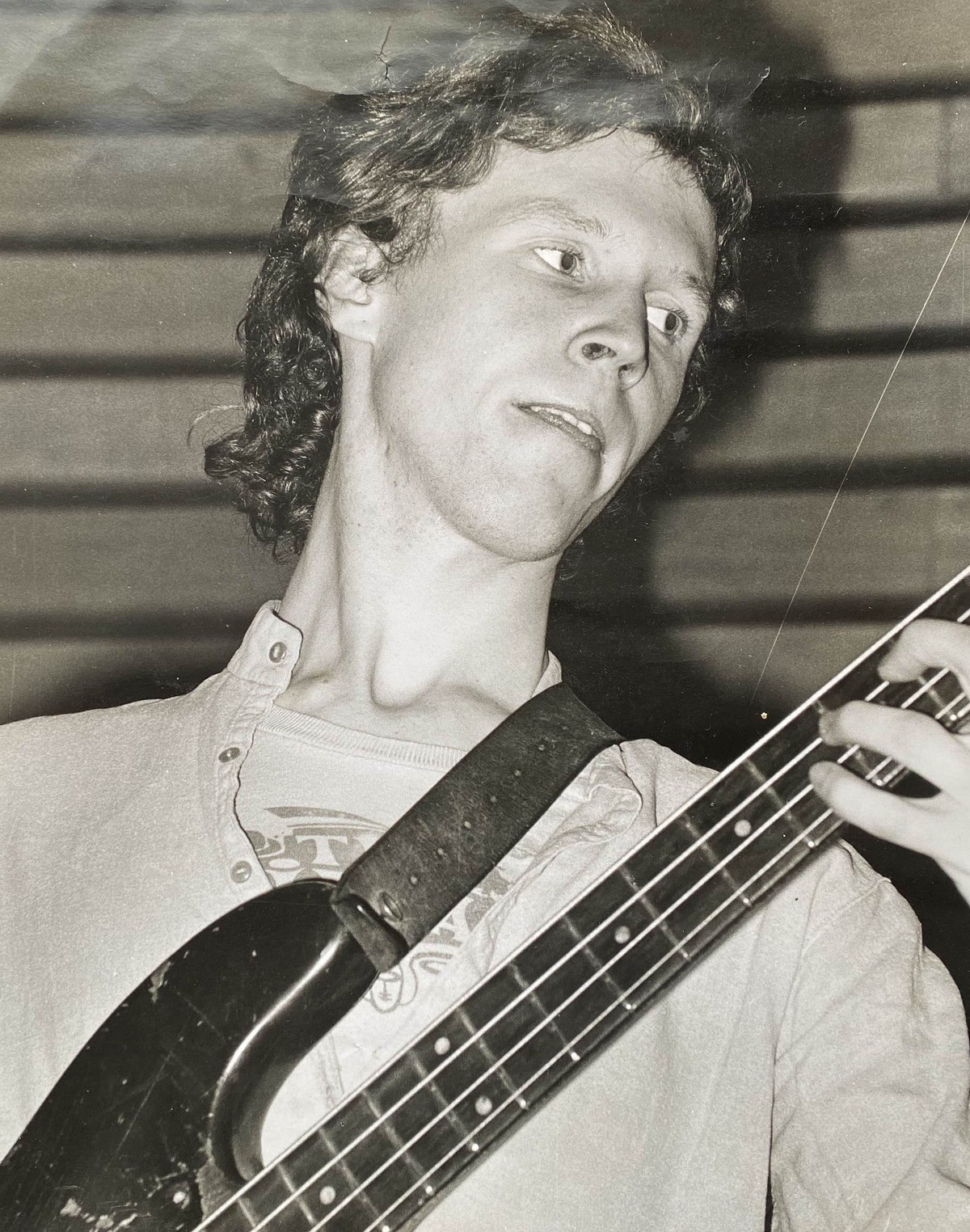
I always pursued what was in front of me and what interested me…I didn’t have a plan…
You and Phil Miller knew each other from the very beginning of Delivery, and decades later you found yourselves playing together again. What was still recognisably Phil when you returned to working with him? And what do you remember about the 2016 session that produced ‘Fat Cats’, recently released on Marc Hadley’s ‘How to Cut Water’?
Phil was always entirely himself, even near the end. We worked hard for one day in Redchurch Studios and then did some dubs at Phil’s and on my laptop. Another track from that session is my ‘Check Reality’ which is available on a site called Number One Music or N1Music…quite pleased with that one…
You’re still playing, and you’ve also spent many years teaching bass. What keeps music interesting for you after all this time? And what did you most want to pass on to younger players?
Playing bass, writing and singing are still my therapy on most days…when I was teaching I encouraged students to follow their interests and find their own voice. On a practical level I taught scales and arpeggios and how to make music with them, sight reading, learning repertoire…all the things I wished I had done earlier!
Klemen Breznikar
Jack Monck N1Music / Marc Hadley – ‘How to Cut Water’