
Feel It Records: Sam Richardson on Punk, Reissues and His Cincinnati Record Shop
Sam Richardson talks about starting Feel It with an old hardcore single, the records that followed, and opening his own shop in Cincinnati.
Sam Richardson still has the invoices for the first Feel It record. Back in 2010 he put out a 7-inch by Lackey Die, a hardcore band from his hometown of Charlottesville, Virginia. John Beers of The Landlords had kept the tapes, and Richardson learned how to get them transferred, mastered and pressed, screening the sleeves by hand with a friend.
The label grew out of his ‘Got Myself’ zine and remained a hobby for years while he toured with bands, delivered pizzas and ran a distro. From Richmond he built up a catalogue that took in The Cowboys and Sweeping Promises, but he never lost his interest in old recordings. The 2020 compilation ‘Days of a Quiet Sun’ drew on producer Martin Gary’s Richmond tapes from the sixties and early seventies.
Richardson moved Feel It to Cincinnati in 2022 and later opened a record shop in the Clifton neighbourhood. He still plays guitar in local bands and spends much of his week hunting down used records for the shop. We talked about the early days in Virginia, the records that have mattered to him and the changes he’s seen in the underground since 2010.
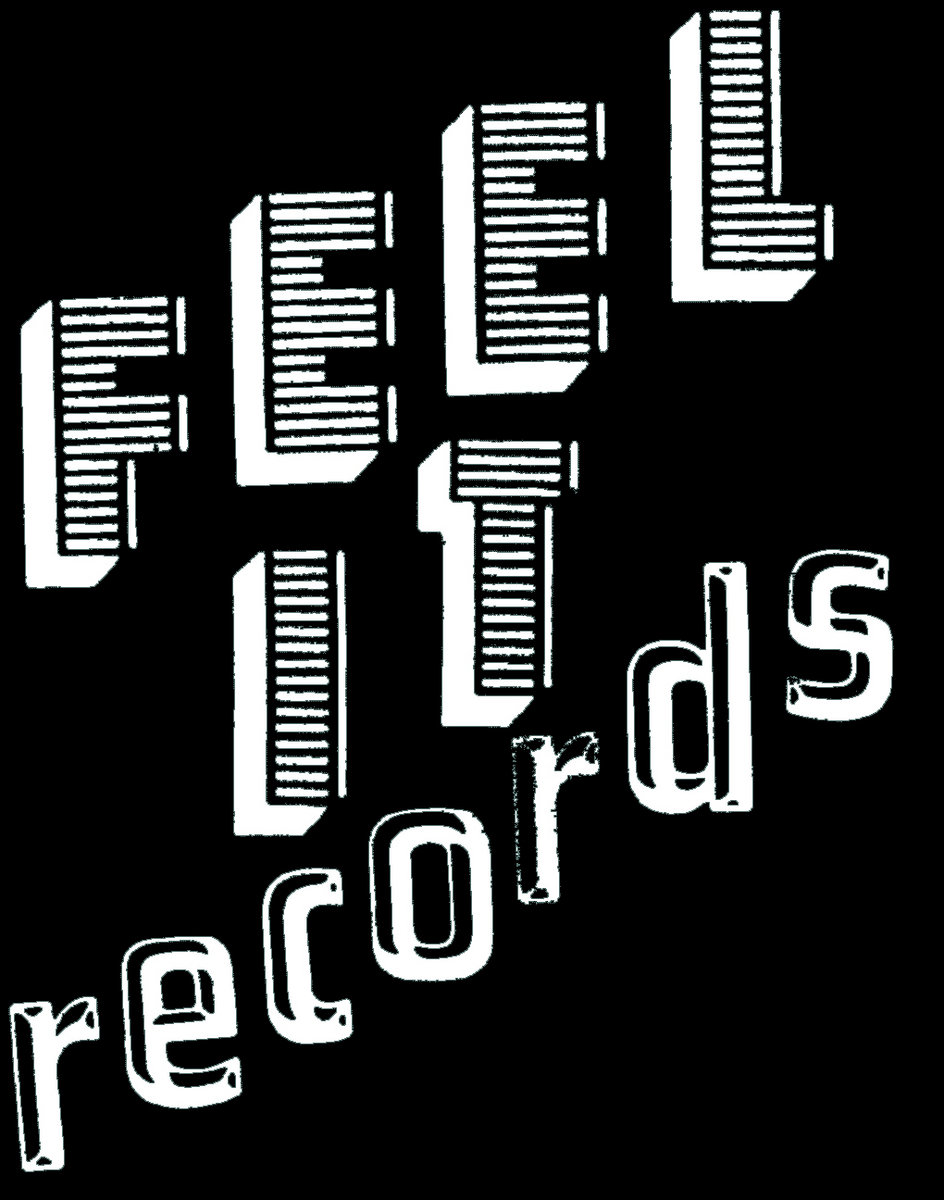
“I revel in the obscure.”
What was it like growing up in Charlottesville?
Charlottesville, Virginia. I’m the oldest of three. Grew up in the country suburbs of a sleepy college town. I have the most amazing mother anyone could ask for. Started playing instruments with my two brothers probably around the age of ten. It was a nice place to be.
What were you like at school, and how did you get involved with punk?
Anxious, not very social, kind of awkward. Didn’t really enjoy much of high school but found the punk scene around maybe 15 and dove right in. Some early bands used to have a free practice space in this old church that Dave Matthews bought and turned into a music resource center. The record shop in town was called Plan 9 and it opened up a lot of new worlds for me, including finding zines like MRR which was a gateway towards writing to other zinesters all over the world.
Was your bedroom already full of records, tapes and zines?
Yes, probably all of that. I shared a room with my brother Jack and we were both pretty much into the same stuff, including skateboarding. I had a typewriter up there too.
Was there one punk record that made you think, ‘I want to do this myself’?
Hearing discography CDs by Minor Threat and Negative Approach was pretty awe-inspiring, but I’d say the first standalone album that really knocked me back was Really Red – ‘Teaching You The Fear’. It took a while to truly grasp their viewpoint and understand how intelligent and fierce of an approach they were taking with their politics and lyrics, not to mention the musicianship and production were so far ahead of many of their peers. The back of the jacket says GO MAKE YOUR OWN BAND. And so I did.
What made you start ‘Got Myself’ in the first place? Were you mainly interested in documenting the music?
Purely from a documentary standpoint. Getting to befriend the folks that were interviewed was an added bonus. I’ve got some great memories from those early years.
What did you get out of interviewing people for your ‘Got Myself’ zine?
Really just made me fall in love with the music even more. It just deepened my appreciation of the artist. You know, a true independent label doesn’t want to separate the artist from the art. I became very aware of the importance of listening to people during the creative process. I never really intended to work in the world of production, it just seemed to come naturally.
Feel It started with the Lackey Die 7-inch. What convinced you those old tapes deserved a release?
Number one: it smokes. Lackey Die were the only townie band in a hardcore scene mostly occupied by college kids. They had this tremendous hesher / fuckup vibe. Kids driving up to Yesterday and Today Records in DC to scour the import bins for the new punk singles coming in from the UK, being right there while harDCcore was developing, etc. It was great that John Beers from the Landlords held onto the tapes, otherwise Lackey Die would have been just a name on a flyer.
Do you remember what went into getting that first single mastered, pressed and packaged?
Oh yeah, I still have the invoices from the tape transfer, mastering, and pressing stored away! I hand-screened the sleeves with a friend in his apartment one afternoon. Alex D at Grave Mistake and Brandon and Lauren at No Way Records were friends and gave me great advice and connections for how to make records. I definitely learned a lot from experience though.
Did starting with an archival release help set the direction for Feel It?
Quite possibly. The archival stuff has always been exciting for me. It’s been a while but I have something really cool from 1980s Cincinnati in the works for 2027.
When you were only putting out a few records and cassettes, did you have any ambitions beyond getting the music out there?
The experience was more valuable than what little money was made. Connecting with other folks in the world, getting records distributed, building up a relationship with mailorder customers, signing cool bands (before anyone cared about having a signed artist agreement, hah…).
You played in Southside Stranglers, Slugz and Fried Egg, among other bands. How did that affect the way you worked with musicians on the label?
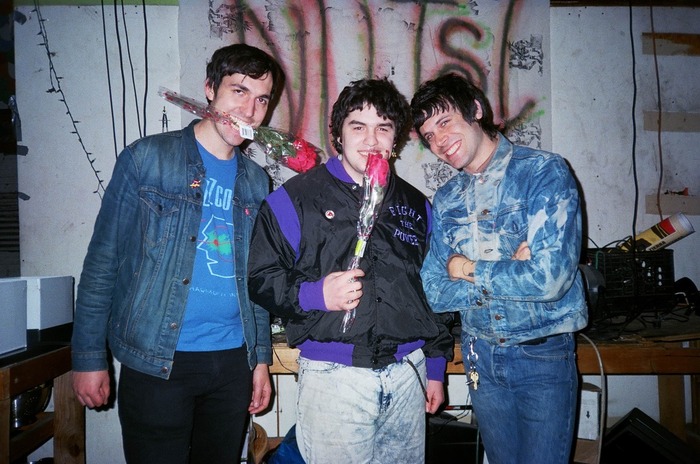
Just understanding dynamics within a band, working on music with intention, drawing inspiration from your bandmates, stuff like that. It also shapes one’s perspective in this business if you’ve actually slept in a Wal-Mart parking lot or on the bare floor of a punk house.
Do bands find it easier to work with somebody who’s been out on tour and slept on punk-house floors himself?
Sure. It might even be a different level of trust thing, maybe more of a similarity in thought process or genuineness.
You’ve used the names Sam Slug and Zed Zilch on records. What’s the story behind those?
Just names, I never needed to create an alter ego.
Was Richmond a big change after Charlottesville?
Oh, it was a punk mecca at the time. Charlottesville didn’t even compare. Routinely there would be 100-200 people at shows with bands like Government Warning, Direct Control, the Ladies, and Wasted Time at the height of their powers. I feel like every good American punk/hardcore band of that era played Richmond at least once. It was a really welcoming punk scene too, still is.
How did you first get to know Brandon and Lauren at Vinyl Conflict?
Vinyl Conflict was a short bike ride from my freshman dorm and I was there all the time. Brandon and Lauren were the king and queen of punk! They knew me as a regular mailorder customer for No Way when I was in high school and the first time we met they each gave me a big hug and we were instantly pals once I moved up to Richmond. Showed me so many bands. The store was an epicenter of activity and my record collection soon ballooned. I later worked at Vinyl Conflict when it changed ownership. It’s still a very important store, but the current incarnation shares very little spiritual kinship with what Brandon and Lauren started.
Did running the distro teach you more about what people wanted, or about how much work it involved?
A little bit of both. It definitely solidified a lot of my instinct as a buyer, which has helped tremendously now that I own and order for my own record store.
When did you realise Feel It could become your full-time job?
Around 2020 when I decided to ditch the part-time pizza guy / part-time label guy mode and dive in head first. I had never put as much time into the label before then.
Does that period seem completely mad now, or do you look back on it fondly?
Oh, it was probably a bit of both. I never learned to balance a schedule back then, which strained a lot of relationships in my personal life. But I have no regrets, that shit was a blast.
Around 2016 you started releasing a lot more records. Was that something you’d planned?
I think at that point, more people were aware of the label, so the submissions started coming in which opened up the pipeline. Oh, the days, when you could move a bunch of 7-inches easily! It was good to step up to doing more albums too, and being able to understand that process better.
You’ve worked with The Cowboys for years now. What do you think makes them such a good band?
Those boys are like greased lightning… always capable of writing another hit! I’m actually seeing them tonight. Keith is one of the most talented songwriters of his generation. Mark, Jordan, and Chode are incredible players. How they’ve managed to stay together this long and keep delivering the goods is a testament to their sonic brotherhood. There is no other band like the Cowboys.
What makes you want to take a chance on a band most people have forgotten?
I revel in the obscure. The strange stories and people behind them will speak to me, and then I’ll say “fuck it” and take a chance on bringing them back to life.
What’s usually the hardest part of preparing an archival release?
Tape transfer and audio restoration. Sometimes finding estranged band members requires a keen level of detective work, but is usually possible.
What do you think makes a good reissue?
When a reissue is done right, the hope is to at least measure up to the original. I’m proud of what I’ve been able to do, especially the archival projects.
Did you always listen to music outside hardcore, or has your taste changed with time?
I’ve always had a wide palette that has grown since the time I started doing this at 19. I’m glad that it did not stay a hardcore label. Being pigeonholed within a genre can be great or can be the kiss of death.
In an earlier interview, you spoke about moving away from some of the more abrasive music you grew up with. What changed?
Hardcore lost a lot of flourish. It’s dominated by rigid style and genericism, and my ears just moved on to other worlds.
Have there been releases that you knew might surprise people who followed Feel It?
Sure. Yeah, like maybe the first Leopardo record? Cosmo Jimmy, anyone? Haha. Definitely this year, doing an experimental record (Sleep Paralysis) was probably a curveball.
Sweeping Promises’ debut, ‘Hunger for a Way Out’, became a big record for the label. Did it change things for you?
I’m sure it could have. I’m not sure that I have enough perspective, being that it’s only six years since that record came out. ‘Hunger’ is certainly the record on this label that has had the most staying power.
Did you ever feel you needed to repeat that success?
I didn’t change how I do business. Still release exclusively music that I 100% love and think is interesting.
You’ve released records by bands from all over the world. How important is it to remain involved in your own local scene?
I would say you’ve got to have roots in your own community in order to stay active as a label. It’s cool to have worked with people all over. I’m just happy people out there are listening.
What makes you want to work with a band? Is it their music, their attitude or the people themselves?
Gut feeling, hard to quantify and different in every situation but the qualities you mentioned are hard to ignore.
Has running the shop brought you closer to people in the local scene?
This label would be nothing without community. It means a lot to see more of that feeling in the day to day business of running a shop over the past couple years.
What brought you to Cincinnati in 2022?
Cincy rules. It just happened quickly…the friends, the cost of living, the city itself just feels rather alive. Much better than what you might think of Ohio.
When you arrived, did it feel like you were joining an established scene or helping something new get going?
A bit of both. I’ve worked with well established bands here and some that have never released music before. It’s a small scene but has produced a lot of really great bands lately.
You’ve played with The Drin, Corker and Beef. Are you still finding time to play in bands now that you’re running the label and shop?
I just play guitar in Beef (and a newer band called Smarm), but it’s important to me. I’m not really sure if I’ve ever tried to be just a “label guy”.
“If we had opened it purely as a punk shop, we would really be in trouble right now.”
What’s the best thing about having a record shop of your own?
Total fucking immersion! Haha. I really like the neighborhood (Clifton) where the shop is. Cool small businesses, we can do whatever the hell we want in our space, including hosting shows. It can be an awesome all-ages spot. I also just love the discovery aspect of records walking in the door to be sold, finding new stuff that way is such a thrill.
How much did you have to change your stock to suit the people coming into the shop?
I had already worked in record stores, so the basic vibe was expected. Lots of adjustments had to be made. We are near three college campuses so we really had to ramp up the amount of major label stuff we carry. Nothing wrong with that. Huge demand for CDs right now too. If we had opened it purely as a punk shop, we would really be in trouble right now.
Has the shop introduced you to music you might not have picked up otherwise?
Absolutely. It’s been a gateway into many cool worlds. I’ve been really immersed in jazz the past six months.
Is it any easier to get records pressed now, or is the schedule still difficult to manage?
It’s actually really quick and easy to press records right now. I just have to monitor the schedule and that is a monster to juggle sometimes.
You still get involved with layouts, printing and production. Why is that important to you?
Consistency, quality. Honestly you’d be surprised how small it still is. These are lean times. Records are not selling like they once did.
What do people misunderstand most about running an independent record label?
Probably like the glamor, tastemaker/influencer type shit. That is not a great representation of the hard work it takes to get anywhere beyond a hobby-esque operation.
And what still makes it worthwhile?
Discovery. Learning. Friendship.
The catalogue covers a lot of ground. Do you hear a common thread running through it?
I think if you took a deeper look at it all, you would realize how consistent it actually is most of the time. I would rather take chances that fail to pan out rather than be seen as striving for inconsistency.
Which other labels mattered most to you when you were starting out?
For sure the classics like Touch & Go, Dischord, and Dangerhouse. No Way, Grave Mistake, Cowabunga, Goner would have been the best contemporary examples early on.
What’s the strangest record you’ve put out on Feel It?
Maybe the recent Sleep Paralysis LP. Free improv experimental music. Related to a punk band on the label, but people didn’t seem to connect the dots or really care for it (yet).
Have you ever let friendship influence a release, or does the music always have to come first?
I always take stock in the music first and foremost, but perhaps a few things never translated from friendships to sales. Who really cares though? I think my passion for the business outweighs the occasional losses it may take.
What’s changed most about underground punk since you started Feel It in 2010?
Certainly the popularity of the style. A huge wave of new record buyers. Touring and the chance of making a living as a band are almost, if not completely impossible at this point unless one decides to leave the underground.
And what’s stayed the same?
There’s still a great core listenership of lifers out there. Still young bands taking a crack at it with a focus on making it their own.
Do you still feel like a fan first?
Absolutely.
What are you listening to outside punk these days?
I’m mostly a free/avant-garde jazz guy these days. Unsurprisingly, my way of digesting new genres is usually through labels rather than specific artists, so I’ve been exploring the output of labels like BYG Actuel, Hat Hut, and ESP Disk. That recent ‘Now Jazz Now’ book was a major jumping-off point.
How do you split your time between the shop, the label and playing music?
A bit of everything these days. The label and shop are pretty much intertwined in one location now. I’m in the shop Mon-Weds and spend the rest of the week out looking for fresh used stock (a huge hustle), playing in a couple bands, enjoying time off with my partner, checking out shows or hosting them at the shop, mowing my yard (as one must keep up with dutifully in the Midwest).
Were there any releases you hoped to do but couldn’t make happen?
Probably a few over the years. Was supposed to do a couple records for that band Civic but they “got the offer they were looking for” and yanked everything off the table to sign with ATO. There’s been a few situations like that, and they always seem to navigate best because I don’t do business like the major indies do.
Is there anything you’d still like to try with Feel It?
Possibly some kind of fest here in Cincinnati. I get asked pretty often but honestly, the current situation in America makes it damn near impossible for a new festival to curate something the way I’d like to. Other than that, maybe a video compilation of all the music videos that bands on the label have done over the years. But I’m not really sure if anyone would buy that on a physical format, so maybe the YouTube channel we have is good enough?
If somebody is discovering Feel It for the first time, where would you suggest they start?
Just start at the beginning and move along as you’d like.
What would you most like people to remember about Feel It?
We did things our own way, on our own terms, and had fun doing so. Thanks for your interest in all of this!
Klemen Breznikar
Headline credit: Sam Richardson. Photograph Julie Ferguson
Feel It Records: Website / Bandcamp / Discogs