
Cyrus Faryar Interview | From Greensleeves to The Modern Folk Quartet
Cyrus Faryar’s story runs from Tehran and wartime England to Waikiki, the Modern Folk Quartet, Fred Neil, Monterey Pop and the Los Angeles music scene of the 1960s.
Cyrus Faryar was born in Tehran in 1936, spent part of his childhood in wartime England and grew up in Honolulu. In 1957 he opened Greensleeves in Waikiki, a coffeehouse that became a gathering place for musicians, poets and writers. His old friend Dave Guard later brought him into the Whiskeyhill Singers, alongside Judy Henske and David ‘Buck’ Wheat, after leaving the Kingston Trio.
After the Whiskeyhill Singers, Faryar returned to Hawaii and helped form the Modern Folk Quartet with Henry Diltz, Chip Douglas and Stan White, who was later replaced by Jerry Yester. The group recorded two albums for Warner Bros. and, as the 1960s moved on, began plugging in. They recorded with Phil Spector and Jack Nitzsche, although a full album documenting the electric MFQ never appeared.
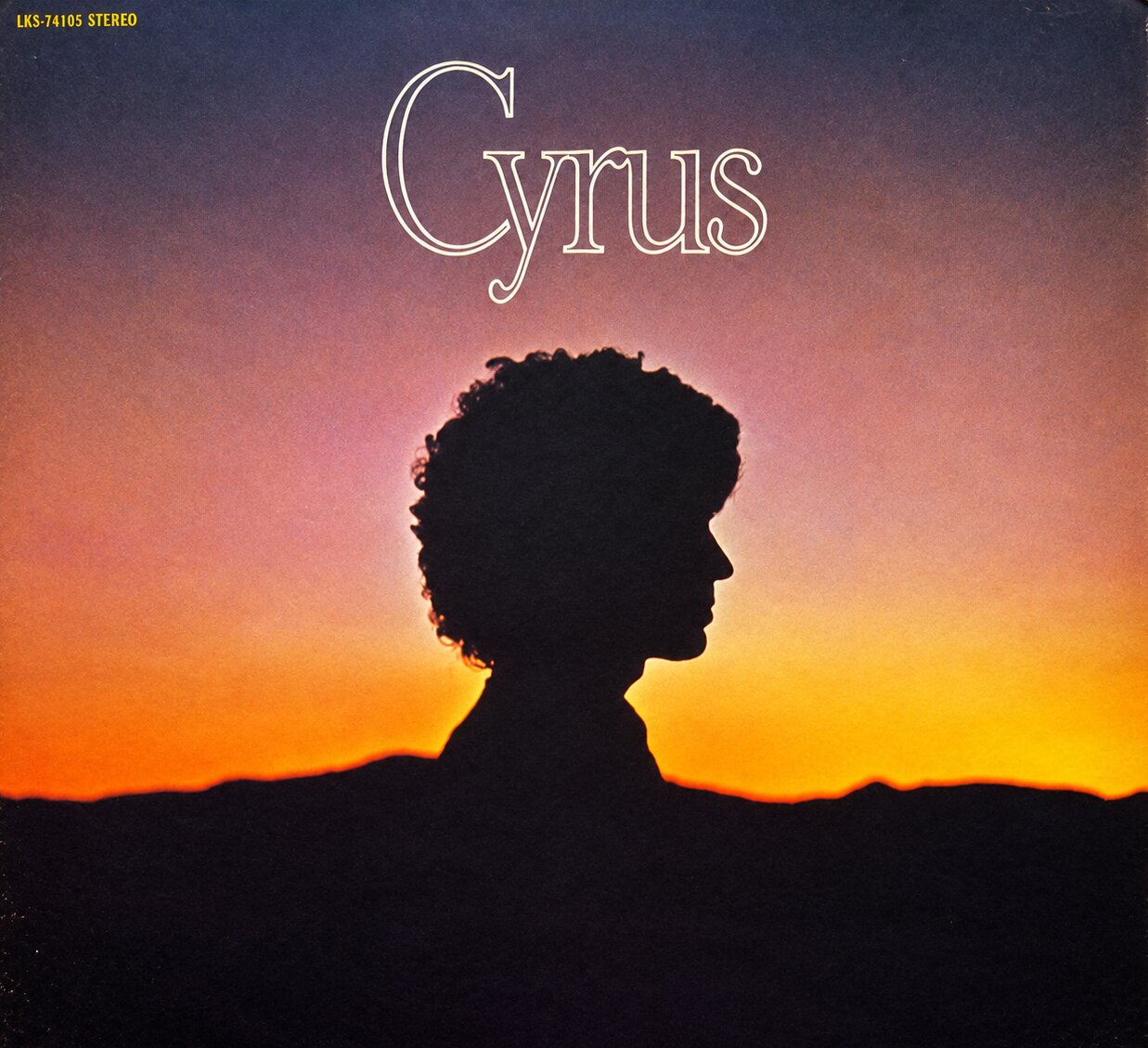
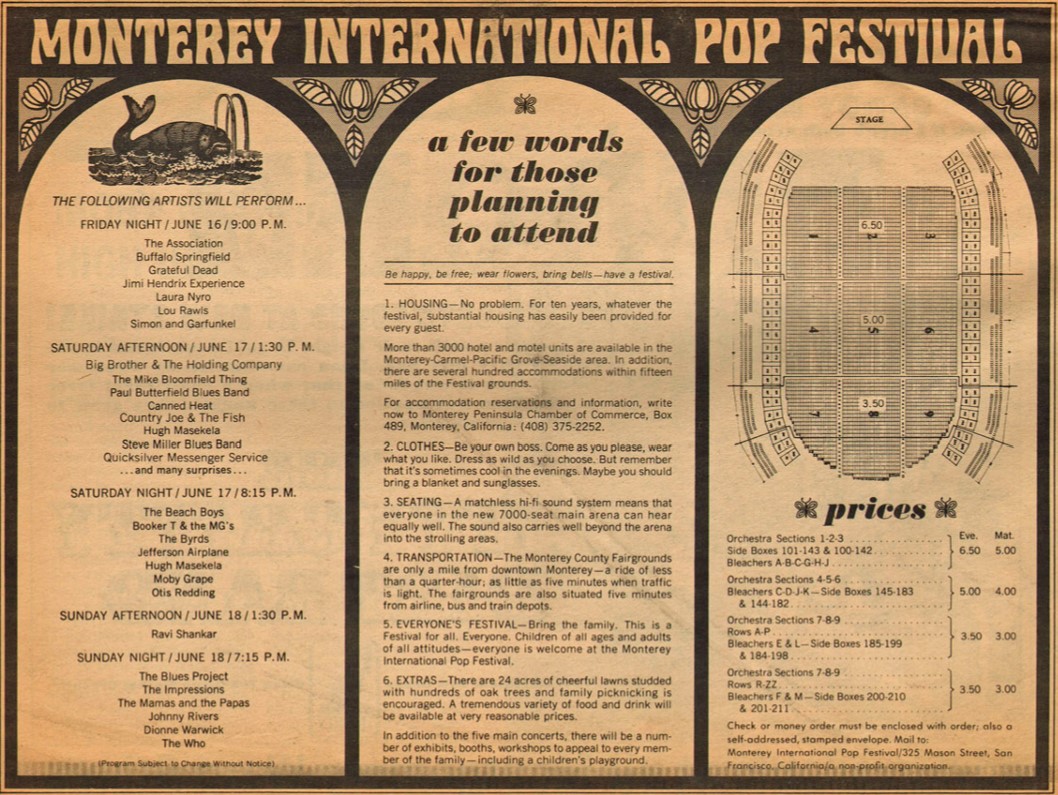
Faryar’s work after the MFQ went in all sorts of directions. He played guitar and bouzouki on Fred Neil’s 1966 album, led the Group With No Name at the Monterey Pop Festival, narrated ‘The Zodiac: Cosmic Sounds’, wrote songs for and played with Cass Elliot, produced the Firesign Theatre, and made two solo albums, ‘Cyrus’ in 1971 and ‘Islands’ in 1973.
What Cyrus remembers most clearly are often the small details. Tehran brings back a high chair and a dog named Peter. Greensleeves brings back Henry Diltz walking through the door with a five-string banjo. When the Modern Folk Quartet went electric at the Troubadour, Cyrus remembers the people who simply got up and left.
For this interview, we sent Cyrus a longer set of questions about his life and music. With help from his family, he recorded answers to a selection of them. We have kept his words as close as possible to the way he told them.
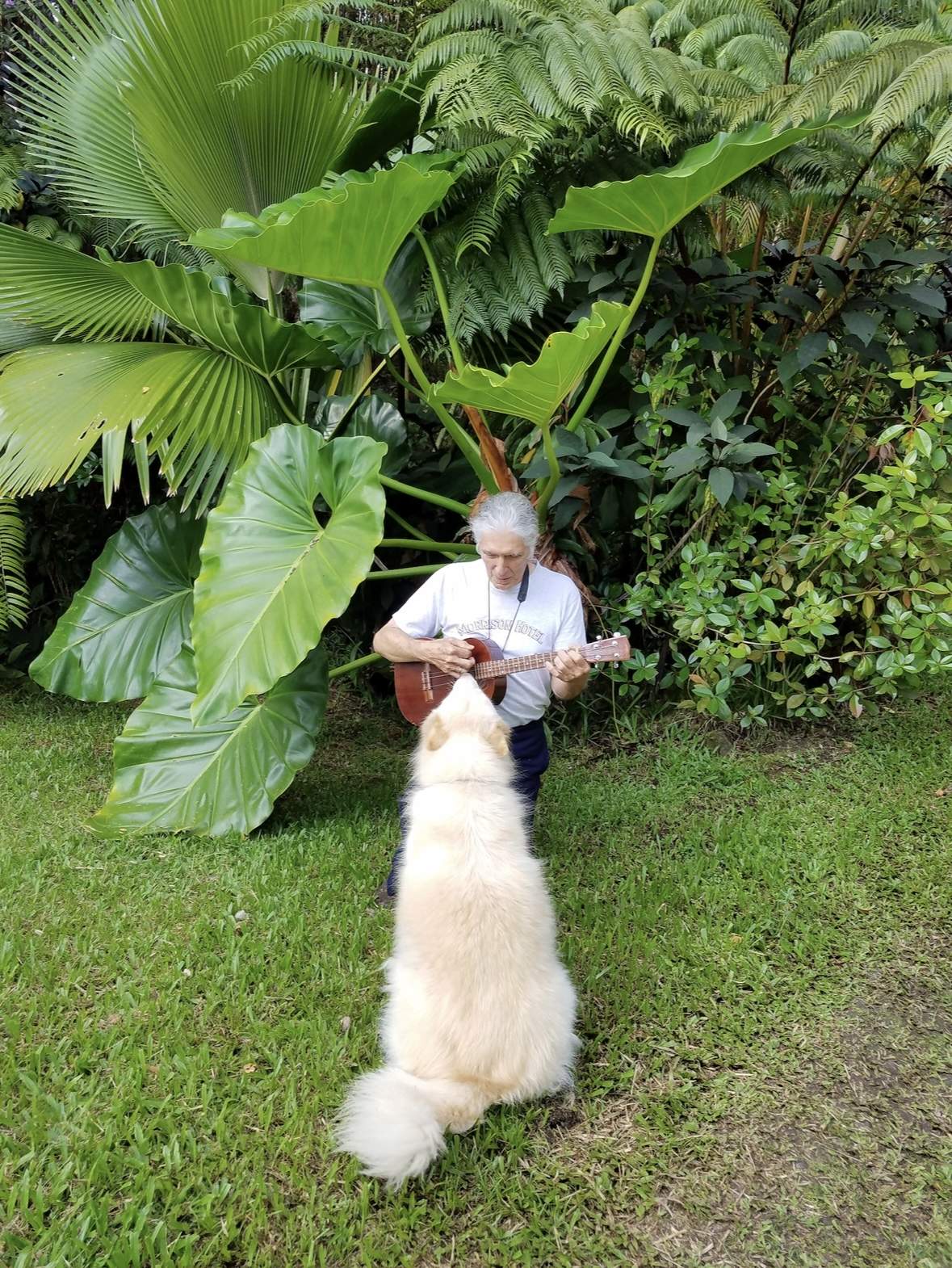
“You hear something beautiful, you move toward it.”
Your life began in Tehran, followed by several years in England and then Honolulu. What do you actually remember of those first moves? Was Persian music or poetry present in your home? Do you think moving between different cultures so early had anything to do with the way you later approached music?
Well, let me see, because the first thing I have to say is that when you’re talking about Tehran you’re talking about me at two years old, three years old, three and a half, so these are not complete memories. They’re little pieces that come up. I remember the house. I remember sitting in a high chair because that put me up at the level of the table with everybody else. There was a dog named Peter. I remember my grandmother, although I can’t bring her back very clearly. And I have these rather peculiar little stories that my mother told me later, one about my having a fever and a friend of hers telling her she had to take me to a crossroads and bury a drop of my blood there, which she apparently did, and I recovered. So already, you know, there’s a little magic and mystery mixed in with the ordinary family things.
Then everything changes because my mother and I were traveling and we were in Europe when the war happened, and somehow we got back to England. I don’t know how she did it. I was three and a half years old, so I certainly wasn’t navigating. And from there my childhood is England and bombs and barrage balloons and air raids and once being in a field and having an airplane come down and shoot at us and my mother threw me into a ditch and lay over me. So you have to understand that my childhood taught me very early that the thing you think is reality on Monday can be completely different on Tuesday. The page turns whether you are ready or not. That became, without my knowing it, part of the way I lived my life.
As to Persian music and Persian poetry, I don’t have a strong enough memory to tell you, yes, we sat around and listened to this particular music or somebody read this particular poet. I don’t want to manufacture that because it would make a lovely story. My mother loved music, certainly. She liked French music, German music, English music, Chinese music, all of it. Her general nature was that things were not there to be excluded; they were there to be investigated. What is that? Let’s listen to it. What is that food? Let’s taste it. Who is that person? Let’s talk to them. That was her nature, and I think I got a great deal of that from her.
And something else that probably answers your question better than I can answer it musically is language. When we moved around America I changed my accent. I did it deliberately. In Texas I would listen to how the kids talked and I talked that way. Louisiana, Florida, wherever we went, I spoke as I was spoken to. My English accent disappeared except every now and then it would pop out and somebody would say, “Hey, English!” And I realized later that I had learned a skill, which was to arrive someplace and listen before deciding how I belonged there. So when music came along, and there was folk music and jazz and Hawaiian music and Indian music and all of these things, I don’t think I saw a fence around any of it. Why would there be a fence? You hear something beautiful, you move toward it. That was pretty much the pattern.
In 1957, you opened Greensleeves in Waikiki, often described as Hawaii’s first beat coffeehouse. Can you take us through an ordinary night there? What did the place look like, who came in, who performed, and what do you remember about the music, poetry and conversation? Was it difficult to keep a place like that going, and how did Honolulu take to it?
Well, the funny thing is that I didn’t begin with some great plan to introduce the Beat Generation to Honolulu. I had been involved with the theater, and there was a fellow there who worked with the technical side, lights and sound and things like that, and somehow in our conversations the subject of these coffeehouses that were appearing in California came up. I had been in and around them on the mainland, so I knew what they were. And one of us said, I think, “Why don’t we do that?” Which is how an awful lot of things in my life began. Not with a five-year business plan. Somebody says, why don’t we do this, and you say, groovy, and suddenly you own a coffeehouse.
We found a place on Atkinson Drive, and he got hold of one of those early espresso machines, and we opened Greensleeves. Now, I have to remember that I was not sitting in the back office being the famous proprietor. I was making the coffee. I always say I was on the coffee machine about as much as I was on the guitar. People would come in with guitars, people would come in who wanted to sing, and gradually it became a place where somebody who was sitting in the audience could become the entertainment. There wasn’t this great barrier where you had the performer up there and the ordinary human beings down here. Somebody would get up and sing, somebody else would join them, somebody would come back the next week. And that was the really interesting part of it. It was spontaneous.
There were people from the military bases, Hickam and the other places, and they would come in and be folk singers for the evening and then go back to being sergeants or whatever they were in the morning. Mainland people began to come through. And of course Henry Diltz came through the door carrying a five-string banjo. Somebody said, “Are you Cyrus Faryar?” and I think before I properly answered him I took the banjo out of his hands because I hadn’t seen one up close and wanted to look at it. So that was my introduction to Henry, and that little accident goes on for the rest of our lives. Greensleeves was also where the people who eventually became the beginnings of the MFQ found one another. One person sings, then two people are singing, then three, and pretty soon you’ve accidentally made a group.
Now, poetry. I don’t have a notebook where I can tell you that on Tuesday night this poet read this poem, and I’d be suspicious of myself if I suddenly remembered that perfectly. But it was certainly a place where people talked and where writers and artistic people were comfortable. It was that sort of room. The walls between things weren’t terribly important. Music and poetry and conversation and somebody telling a funny story were all part of what was happening.
And I knew we had arrived at some version of success because one night I looked out and there was Ava Gardner sitting in the audience with something over her head, a shawl or scarf, because I think there was a film company working on the island. I remember looking out and thinking, well, look at that. Ava Gardner is sitting in my coffeehouse. Success! Which is probably not a terribly sophisticated measure of the success of a business, but it pleased me enormously.
It stayed open for, I think, about a year or a little more. Then another coffeehouse appeared and another one appeared, which tells you something. The idea had taken. Whether I had made any money is another question entirely. But Honolulu liked it. It gave people a place to try something, and it gave me, without my really understanding it yet, the beginning of my occupation.
After the Whiskeyhill Singers, you returned to Honolulu and formed the original Modern Folk Quartet with Chip Douglas, Henry Diltz and Stan White. Jerry Yester replaced Stan after the move to Los Angeles. What was it about the Modern Jazz Quartet that made you want to use them as a model for the group? How did you actually work out the four vocal parts? And how much of that way of singing came from records, and how much from simply making music with people in Hawaii?
Well, the Modern Jazz Quartet was the model in the sense that you had four people and the four people mattered. It wasn’t one famous fellow in the front and three guys behind him helping him be famous. You listened to the Modern Jazz Quartet and there was this structure to it and this intelligence, this conversation between the parts. So the Modern Folk Quartet was, you know, a little declaration that maybe folk music could have some of that same intricacy.
But the group itself didn’t arrive fully assembled in a box. It grew. That’s important. Henry and I were together, Stan became part of it, Chip was around…Chip was younger than we were and had his own musical abilities, and at Greensleeves and in Waikiki there was this continual combining of people. You sing something, someone else finds another note, somebody says, wait a minute, do that again, and eventually you begin to discover that these particular people make an interesting noise together. We didn’t go to an agency and say, “Please supply us with a fourth member, five-foot-eleven, tenor.” It accumulated.
I had a great education with Dave Guard and the Whiskeyhill Singers. We spent hours around the piano taking songs apart, finding the parts, deciding whether a song worked for us, breaking it into four voices and then putting it back together again. So when I got to the MFQ, that kind of thinking was already inside me. You don’t simply sing the melody four times at four different pitches. You listen to where your voice fits against the other voices and whether the whole thing makes something that none of you could make by yourself.
Then Stan had his difficulties, which was a sad business, and Jerry came into the group. Jerry was a very good tenor, a very good guitar player and a composer. And Jerry and Chip were, to my recollection, very much the arrangers and composers in that version of the group. Henry and I were involved in creating what went into the machine and those guys had very strong arranging minds, so you got this combination. And it became apparent very quickly that the four of us made sense together.
Now, did Hawaii influence the harmony? I would think it had to, although I don’t know that at the time we sat there saying, “This is the Hawaiian portion of our musical education.” Hawaii was just full of people making music. You had ukuleles everywhere, you had Hawaiian music, you had people of Japanese and Chinese and Filipino and Hawaiian and mainland backgrounds all occupying this same little collection of islands. I came there from an upbringing in which I had already moved from country to country, and Hawaii was the most natural place in the world for me because nobody seemed required to be only one thing.
So we listened to records, absolutely. Jazz, folk music, vocal groups, everything. But you also learned music by being in a room with people and joining them. And perhaps that’s what survived in the MFQ. Four people, listening very carefully to one another, trying to make one thing.
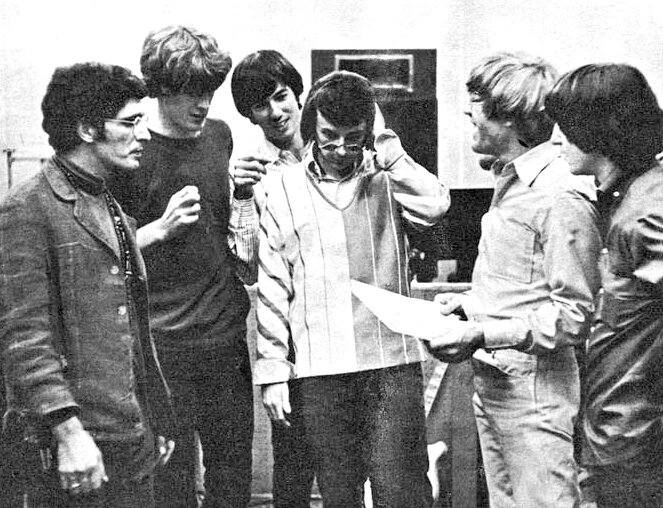
By 1965, the Beatles, the Byrds and the Lovin’ Spoonful were changing what a folk group could be. John Sebastian occasionally sat in with the MFQ, Eddie Hoh was added on drums, and the group began playing electric. What do you remember about that change? What did the electric MFQ actually sound like, and do enough tapes survive to hear what the group was trying to do?
Well, first of all, the Beatles. We were driving across America and you would turn on the radio and there they were, and then there they were again, and pretty soon they were everywhere. And we loved them. You couldn’t avoid noticing that these guys were not simply taking old songs and making nice versions of them. They were making the songs. That was a very important distinction for people like us because we had been living in the folk world, where you inherited this enormous beautiful suitcase full of songs that had existed for a hundred years or two hundred years or nobody knew how long, and suddenly here are these young fellows making the suitcase while they’re traveling with it. That opened something.
And the transformation with us was not, as I remember it, that on Thursday we were folk singers and on Friday somebody plugged us into the wall and now we were a rock group. It happened gradually. We were in New York, we were around John Sebastian and people who became the Lovin’ Spoonful, the Mamas and the Papas, everybody was floating around, singing with everybody else, and we were changing how we dressed and what we listened to and what we wanted to play. Then we came back to Los Angeles because we had a commitment at the Troubadour.
And this one I remember because it’s visually so ridiculous. We did the first set in our black suits and white shirts, the proper MFQ, sensible boys. We did another set. And then for the third set we came out in what we were actually wearing by then Levi’s, strange shirts, beads, hair growing out and I had an electric guitar and Jerry had an electric bass. And about ten or twelve people got up and walked out. They were horrified. It was as though we had taken the folk music and put a mustache on their grandmother. They weren’t having it. The rest of the audience stayed, fortunately, and that was the beginning of presenting that new version of ourselves.
What did it sound like? It still sounded like us because we still had the voices. That’s the thing. We hadn’t thrown the harmonies into the garbage can. But now there was a different propulsion underneath them and we had the freedom to use all these other things. I played electric guitar, bouzouki, ukulele, musical saw…whatever seemed to belong there. We were singing love songs, newer songs, beginning to create some things ourselves. I remember the sensation more clearly than I remember a complete set list, and the sensation was freedom. Suddenly you can wear anything, sing anything, play anything. We were free to fly.
Now, why didn’t we make the album that captures that? That’s harder for me to answer cleanly, and I don’t want to create a tidy explanation sixty years later because life was not tidy when it was happening. We had management. We had record companies. We had producers. We made records here and there. We were also changing very rapidly ourselves. There is a business of show business, and you are trying to discover who you are while somebody else is trying to decide what they can sell you as. Sometimes those two things meet and sometimes they pass one another on the highway. We did not get that entire electric MFQ onto an album before the group began going in different directions. And tapes, there are certainly pieces of us all over the place. Whether somebody could now collect those pieces and say, here is the electric MFQ album that never existed, I don’t know. That would be a wonderful detective project. You’d have to open the boxes and find out what is actually there.
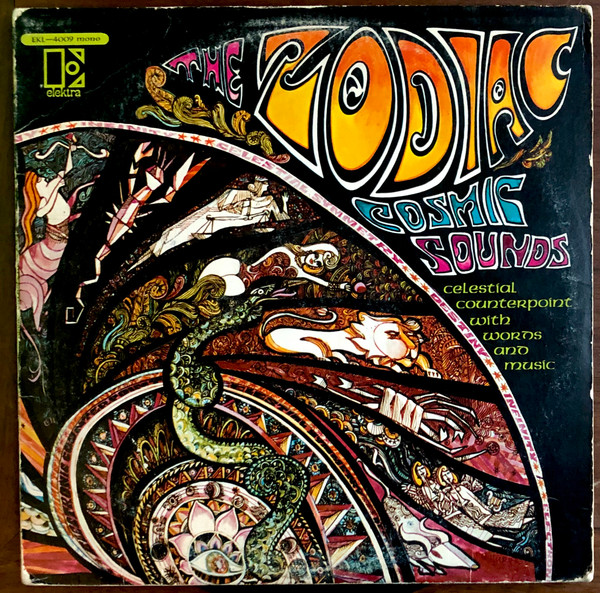
‘The Zodiac: Cosmic Sounds’ appeared shortly before Monterey, with music by Mort Garson, words by Jacques Wilson, electronic instruments played by Paul Beaver and your narration. How did you become involved? What do you remember about the session? Were you reading against music that had already been recorded, or was your voice put down first? The sleeve instructed listeners to play the album in the dark. Did everyone take the idea seriously, or was there some humour in it too?
Oh yes, The Zodiac. See, that’s one of those things where you tell me the title and suddenly another little door opens. I was doing things with Elektra. I knew Jac Holzman, and I had gotten into this peculiar position where I wasn’t only the fellow in the folk group anymore. I had this voice, and people began asking me to narrate things and read poetry and do spoken material. So somehow—and I don’t remember the original telephone call well enough to tell you who called whom—I became the narrator of The Zodiac.
What I remember very clearly is the musicians. I was able to hang around in the studio and the hallways while these extraordinary jazz and studio players were doing the music, people that to me were heroes. I mean, imagine you’re a guy who has been going around the country with a guitar and suddenly you’re allowed inside the machinery. You’re not standing outside the studio wondering what happens in there. Somebody says, come in. Sit down. They’re making a record. And I loved that. I was fascinated by musicians anyway, by watching a person be an ordinary human being in the hallway and then walk into the room, pick up an instrument, and become this other creature who could do something magnificent.
And as I remember the actual procedure, they did the music first. They worked on the orchestration, they played it, they got it where they wanted it, and then I went into the studio and read the material that had been written for me. So I was reading into a musical landscape that essentially existed. I wasn’t sitting alone speaking about Sagittarius and hoping that six weeks later somebody would invent outer space behind me. I could hear where I was.
Now you’re giving me Mort Garson and Paul Beaver and those names, and I’m glad you are because some of the names have wandered out of the filing cabinet. What stayed with me was being in that room with these marvelous musicians and being allowed to participate. I was the narrator. I wasn’t pretending to be the astrologer who had come down from the mountaintop with the tablets. Somebody had written these wonderful cosmic words and my particular instrument in that case was the voice, so I read them.
As for “must be played in the dark,” I wish I could tell you that we all solemnly turned the lights off in the studio and held hands. I don’t remember that. I don’t remember the session as a comedy either. We did the thing. We took the work seriously because you take the work seriously when you’re making something. But we were also living in an era when everybody was trying strange things and nobody thought it necessary to choose between being serious and being amused. You could make a record about the twelve signs of the zodiac with electronic instruments nobody had heard before and a baritone voice talking about the cosmos and think, yes, this is a perfectly reasonable thing to do today. And that was one of the pleasures of the period.
The MFQ later found a strong following in Japan, while you returned to Hawaii and continued making music there. Why do you think the group connected so strongly with Japanese listeners? Looking back now, which parts of your work do you think have been most misunderstood or poorly documented?
You know, I don’t know if I can tell you what the Japanese listeners heard that the American listeners missed, because that presumes the American listeners missed it. Some people heard us and loved us. We worked all over the country. We went to colleges and clubs and traveled in buses with other performers and that was our livelihood. We weren’t sitting home wondering whether anybody liked us. People came to the shows. What we did not become in America was one of those groups where suddenly the machinery grabs hold of you and you’re up there at the top and everybody knows your name.
Japan was one of those wonderful surprises that life hands you later. You do something when you’re a young man and you assume that when you’ve finished doing it, it’s finished. Put the guitar away, close the box, go on to the next page. Then years later somebody on the other side of the planet says, no, no, we still have that page. We like that page. Come over here and sing it again. And that’s marvelous. That’s one of those things you could never have planned.
And perhaps they heard the voices. Perhaps they heard the arrangements. Perhaps it simply reached them at a different time and in a different circumstance. I don’t know. I’m always a little reluctant when somebody asks me to explain why another human being loves something. Why do you like vanilla and I like chocolate? You like it because something happens inside you when you taste it. They heard the MFQ and something happened. Thank God. That’s enough for me.
What has been poorly documented? I think, strangely enough, it may be everything between the things that have names. You can look up the Modern Folk Quartet. You can look up Fred Neil. You can look up the Mamas and the Papas or Elektra Records or The Zodiac. Those things have titles and dates. What disappears is the world in between them, where everybody was still wandering around and nobody knew which person in the room was going to be famous six months later. We were in Greenwich Village and Los Angeles and Laurel Canyon, and people sang with one another. John Sebastian gets up and sings with us. Cass is a friend before she becomes Mama Cass. Somebody comes to your house. Somebody borrows an instrument. Then the magnetic thing happens and two people stick together, another person joins them, and suddenly this loose collection of human beings has turned into the Byrds or the Lovin’ Spoonful or whatever it became. That process is harder to put in a discography.
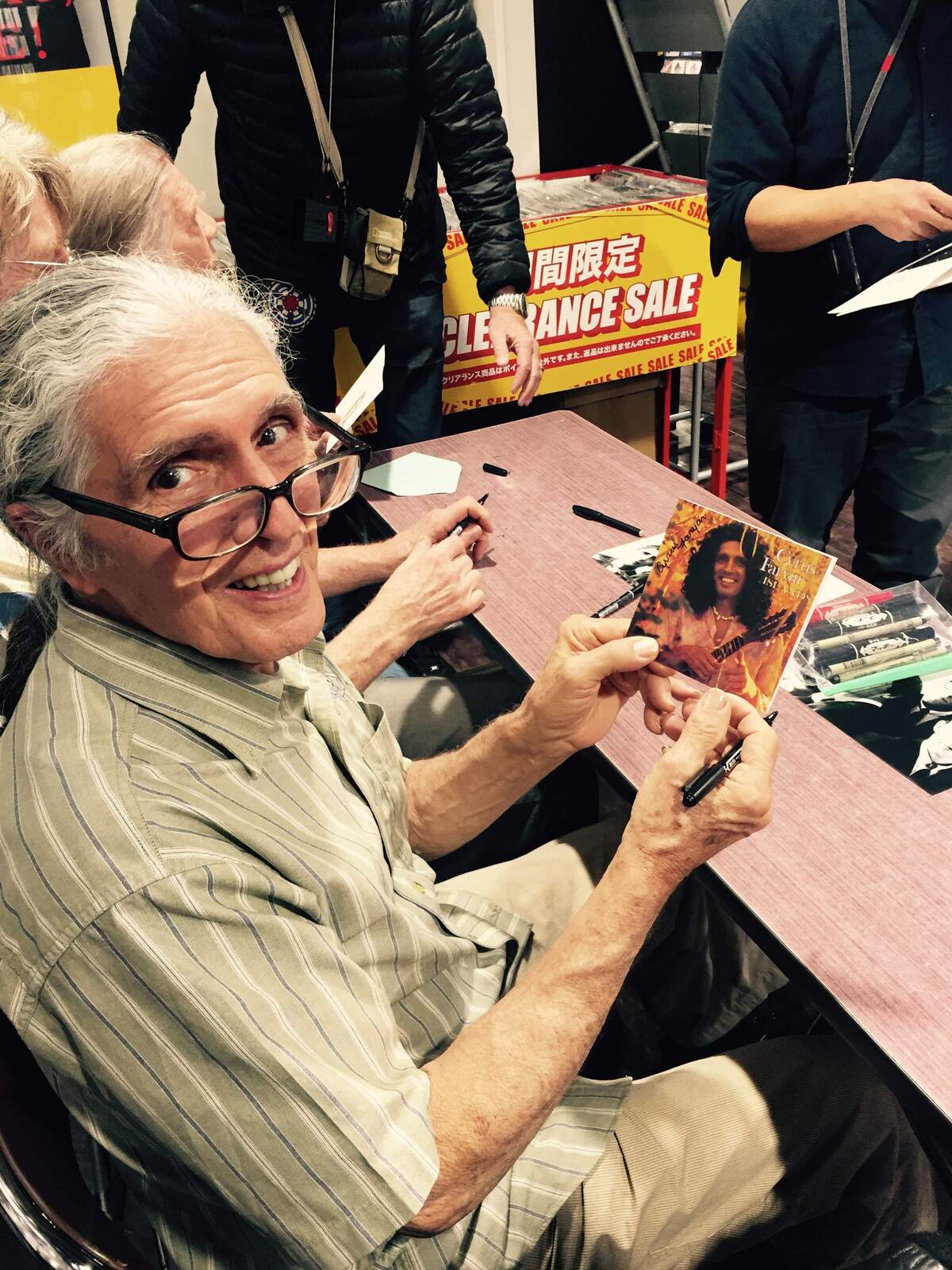
The pieces are all still in there, but the sequence has gone missing. That’s why talking to old friends and looking at photographs has become important to me. Somebody shows me a photograph and suddenly—bang—another bubble comes to the surface.
So yes, preserve the tapes. Preserve the photographs. And for God’s sake write the names on the photographs, because fifty years later four young men with long hair begin to look remarkably alike. Preserve the letters and the contracts and the odd little reel somebody has in a closet. I remember looking at the old Whiskeyhill record and thinking I ought to blow the dust off that thing and transfer it before it disappears. And now I think that applies to all of it. Not because everything we did was historically magnificent. But it was a piece of a very unusual period of time, and while some of us are still here and can look at the thing and say, “Oh my God, yes, I remember that,” you might as well ask us.
Klemen Breznikar
Headline credit: Courtesy of the Faryar family