
“Liverpool’s Loudest Band” | Caliban and the Early ’70s Heavy Underground
Caliban came together in Ormskirk in 1971, after Liverpool had moved beyond the first Merseybeat years and harder music was filling its clubs.
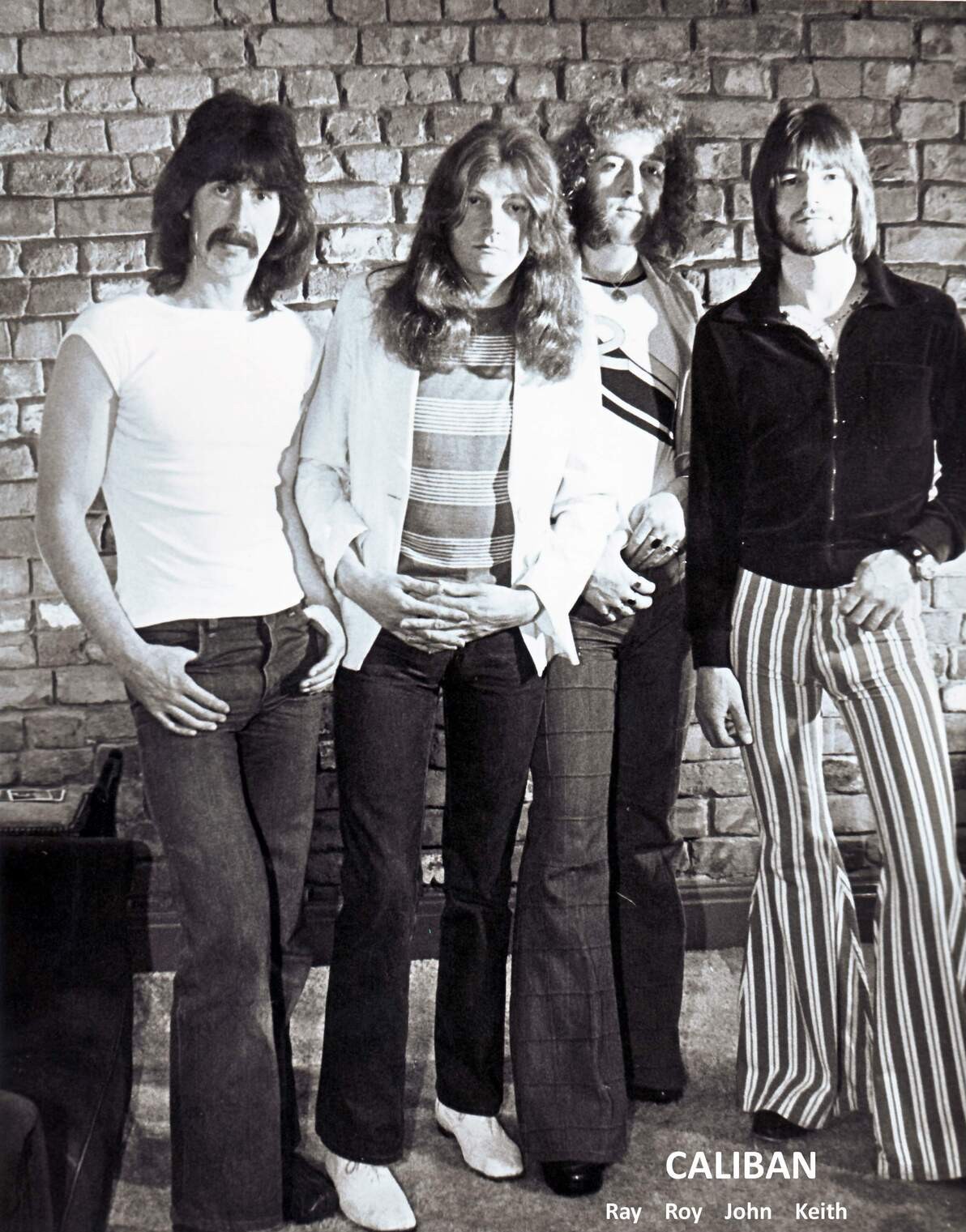
Guitarist Keith Hubbard had already spent years in the Nightriders and the Rebels, played the Cavern, and spent eighteen months on the road with the touring production of ‘Hair’. By the time he returned to the band he had been discussing with Roy Smith and Chris Kenny, Ray Chapman had joined on bass and Caliban was taking shape.
With Smith, Kenny and Chapman, the band started from rhythm and blues but soon found a heavier sound of its own. Covers remained in the set, though original songs were there from the beginning. Keith remembers the intention clearly: “We wanted to have our own stamp on the music, our own identity, so that when people heard us, even with their eyes shut, they would know who we were.”
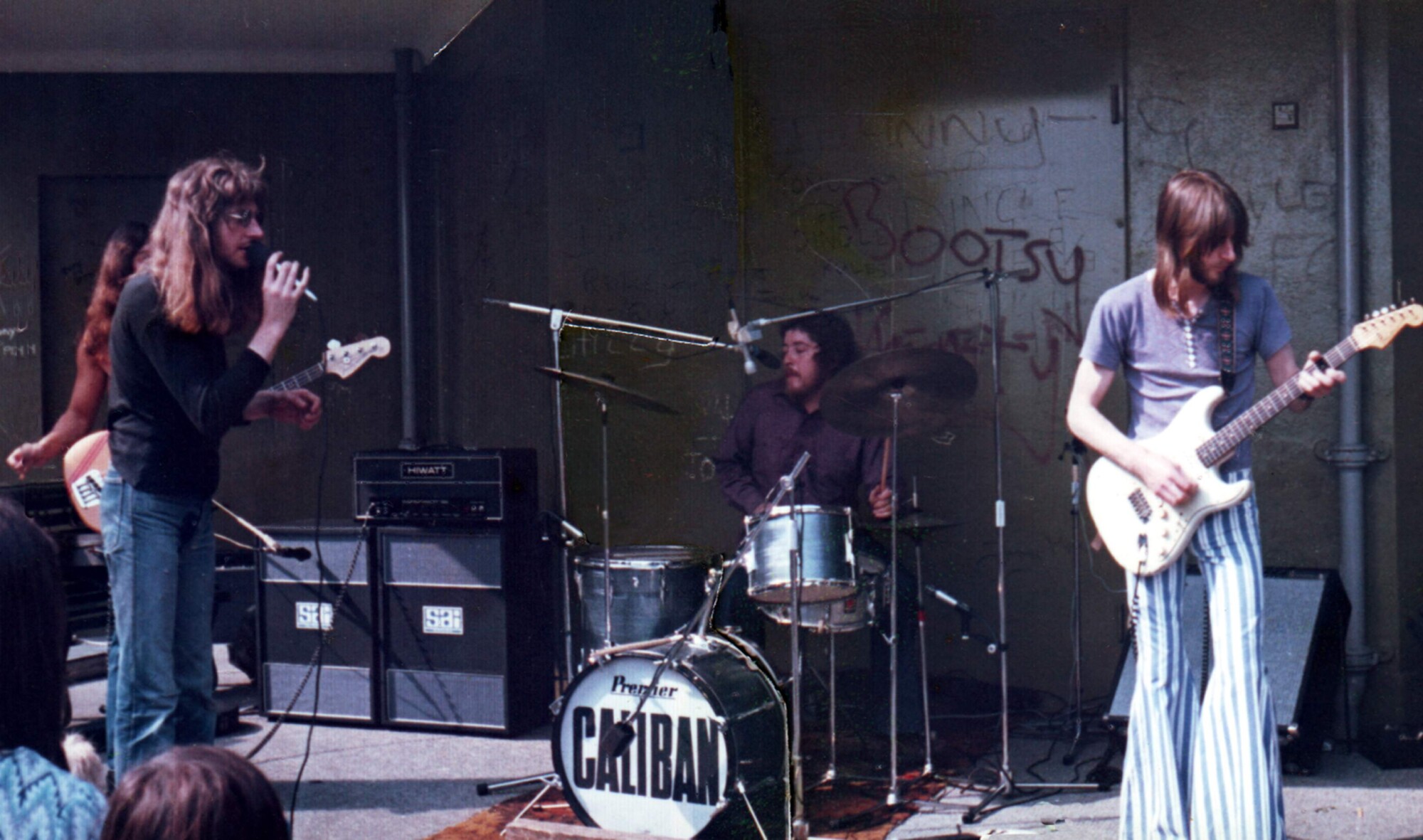
Volume was part of it. Keith remembers Caliban as “Liverpool’s loudest band,” to the point that Liverpool University arranged closed-door soundchecks to measure the levels at some of its venues. By 1973 the band had moved from a patchwork of amps and homemade speaker cabinets to a 1000-watt PA supplied through SAi. Their old Bedford CA van was rather less dependable: its broken accelerator linkage was held together with a shoelace and had to be retied at the roadside.
The surviving studio recordings were cut quickly. Keith remembers two three-hour sessions, with the performances done in single takes. ‘Hard Bitten Woman’, ‘God Damn My Soul’ and a run through Chuck Berry’s ‘Little Queenie’ were recorded at CAM Studio in Liverpool, followed by ‘Heritage’, ‘Solo Flight’ and ‘Freedom’ at Liverpool Sound Studios.
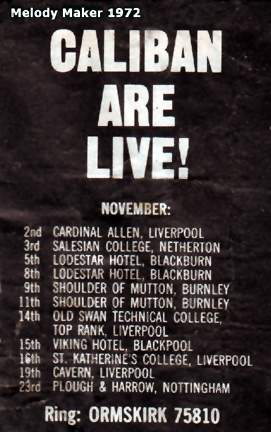
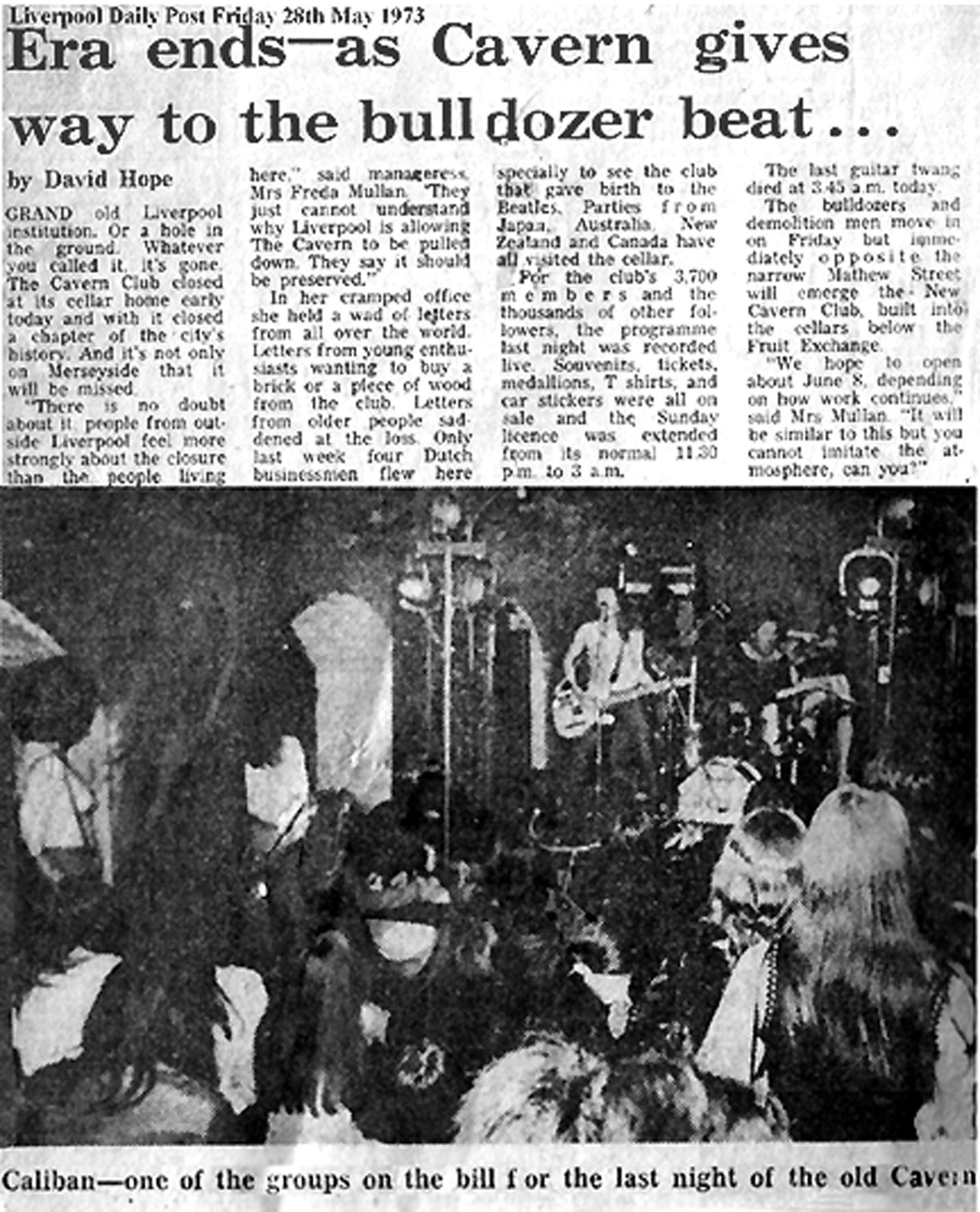
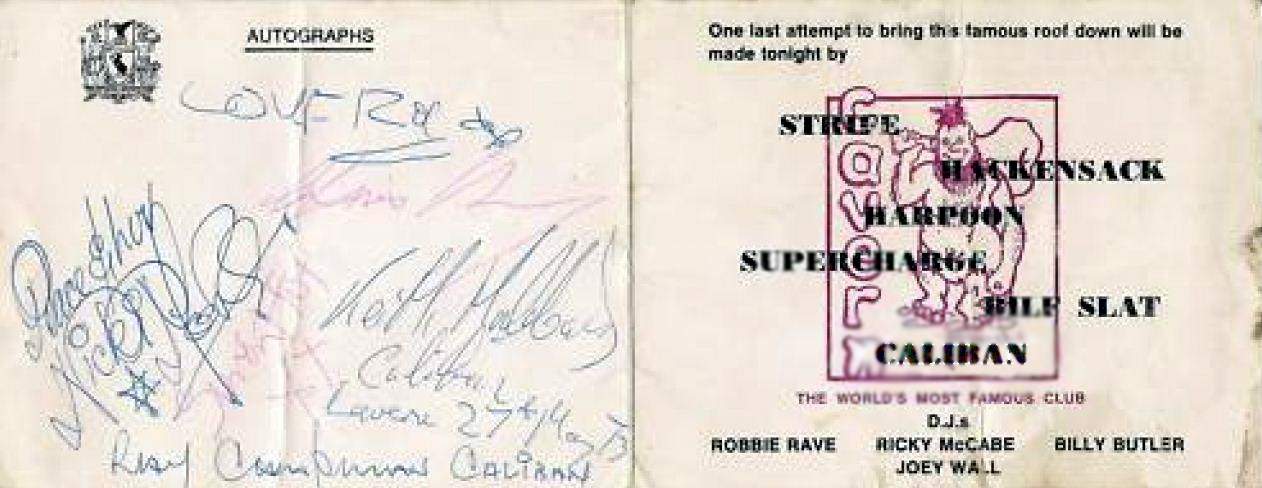
On 27 May 1973, Caliban were on the bill for the final night of the original Cavern Club, alongside Bilf Slat, Harpoon, Strife, Wardog, Hackensack and Supercharge. The Rolling Stones Mobile Studio was there to record the performances. “The atmosphere was electric,” Keith remembers. “The venue was packed to the rafters.”
The tape from that night brought interest from London Music Management and a 28-page contract. The band took legal advice, negotiations went back and forth, and the deal eventually disappeared. Keith is candid about it now: “In my opinion we should not have been so negative in our approach. Who knows where it would have gone. It was a downer.”
Caliban carried on through changes in personnel, followed by a period in a new version of Chicory Tip and then a return to Caliban. Keith finally wound the band up in 1979. He never stopped making music, and more than half a century later the old Caliban tapes have found an audience that could scarcely have been imagined when they were made. “Music has been my life,” he says.
Seelie Court’s ‘Insane Mentality’ brings together the surviving studio recordings: ‘Hard Bitten Woman’, ‘Heritage’, ‘God Damn My Soul’, ‘It’s All Been Said Before’, ‘Solo Flight’, ‘Little Queenie’ and ‘Freedom’. Most were recorded in just a few hours, and that suits Caliban well. The performances are direct, unfussy and very close to the way the band sounded live. For a group that never got to make an album at the time, it is good to finally have these recordings together in one place.
‘Live at the Last Night of the Cavern 1973’ is something quite different. Recorded on 27 May 1973 and later issued by Seelie Court as the first authorised release of the tape, it catches Caliban onstage at the original Cavern on its final night. The band were known for being loud, and this is probably the closest you can get now to hearing what they were like in a club. It is also a remarkable document of the night itself, with Caliban right there as the original Cavern came to an end.
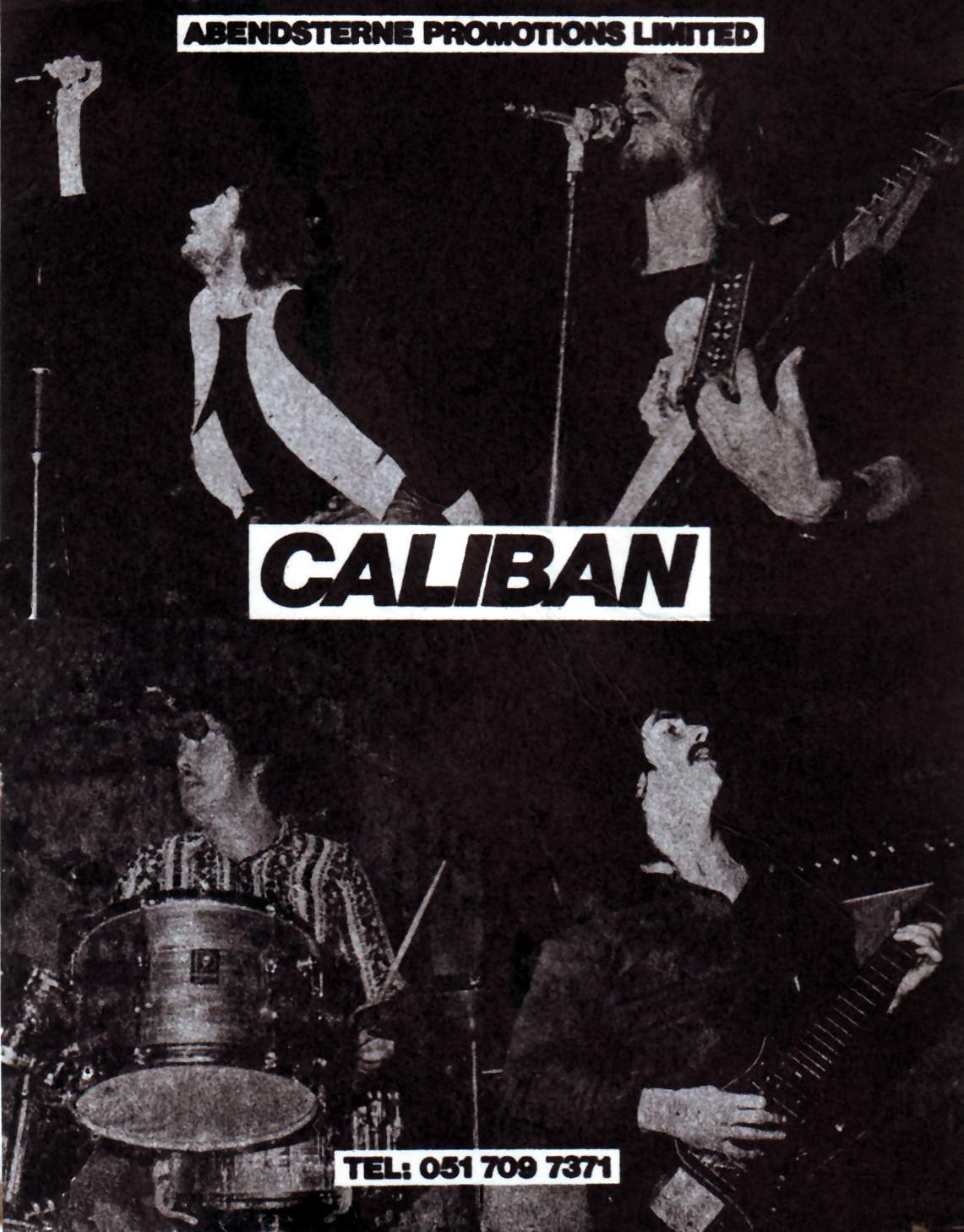
“We were regarded at the time to be Liverpool’s loudest band.”
Keith, let’s start at the beginning. What was Ormskirk like when you were growing up, and what first made you want to pick up a guitar?
Steeped in history, Ormskirk was/is a small market town situated on the A59, twelve miles out of Liverpool, with crossroads to Preston, Wigan and St. Helens. The town had a population of 21,000 and was a good place to grow up in. Born in Southport, at the age of four, with my mother, Christina, having relations in and around Ormskirk, led to us moving to Bridge Street. This was just off the centre of the town.
Ormskirk’s history is in legend. It was named after a brigand named Orme. On his death, his two daughters wanted to use his ill-gotten gains to do good for the town, so they decided to build a church. With this, they couldn’t agree whether the church should have a tower or a steeple, so they built it with both. It is the only one of two in the U.K. Being medieval, it was originally Catholic. Surviving the Reformation, it is now St. Peter & Paul’s Church of England.
Ormskirk had a central focus point, the Clock Tower, with the market, held two days a week on Thursdays and Saturdays, situated on the streets around the tower. The market was first run in 1286 to sell farm produce by the monks from nearby Burscough Priory and is mentioned in the Domesday Book.
My schooling was at St. Anne’s R.C. Junior School, followed by St. Bede’s R.C. Secondary Modern School. Starting junior school together is where I first met my long-term and future musician friend, Chris Kenny. The school years were good and the town offered many opportunities for a young growing mind to explore. Open countryside no more than a mile or so from its central point, it had two cinemas, The Regal and The Pavilion, a park with a lake and all the usual facilities. Garden fetes were held yearly, with carnival processions around the town.
The town had twenty-one pubs, at which my father Ralph, an accomplished pianist, earned extra money playing at a number of them, offering anything from ‘Under The Arches’ for singalongs to ‘Rhapsody In Blue’. Across the road from our house was a field owned by the travelling fair people Silcocks. The fair would visit usually four or five times a year, then interspersed by visits by Gerry Cottle’s Circus. This was magic for a young growing boy.
On the early visits, music would come from the steam organs, but when Rock ’n’ Roll emerged that changed to the sounds of Bill Haley, Eddie Cochran, Carl Perkins, Buddy Holly, Chuck Berry etc. Being the eldest of seven, five sisters and a brother, plus my dad being a builder’s jobber, times were somewhat hard and, with not having a television, my first real introduction to R ’n’ R was through Radio Luxembourg.
Then at the cinema I saw my first Rock ’n’ Roll film, ‘The Girl Can’t Help It’. From that moment on, all I wanted was to be a Rock ’n’ Roll guitar player in a Rock ’n’ Roll band. With this in mind my dad, for my fifteenth birthday, bought me a second-hand acoustic guitar. I started to learn to play. Eventually I could muster a few bits of instrumental parts from the Shadows and decided to take my guitar into our school lunchtime youth club.
My schoolmate Chris was in awe and said… let’s start a group… I asked… what will you do… I’ve seen a kit of drums in my mum’s catalogue… I’ll get them… The seeds were sown!
Before Caliban, you, Roy Smith and Chris Kenny had already been through the Nightriders and the Rebels. What do you remember about how those bands came together and the years you spent playing around Merseyside?
Chris had obtained his drum kit and, while rehearsing at St. Anne’s CYMS Youth Club, we met up with Roy Smith. Learning we were starting a group, Roy approached Chris and me with an offer to join us. Roy could play chords well, he would make a good rhythm player. He joined, now we were three, and we called ourselves the Nightriders.
Rehearsing at the youth club, we put a small repertoire of Shadows numbers together and were asked if we could play between sessions at the CYMS Social Bingo night. This we did, the hat was passed round and we made a little money.
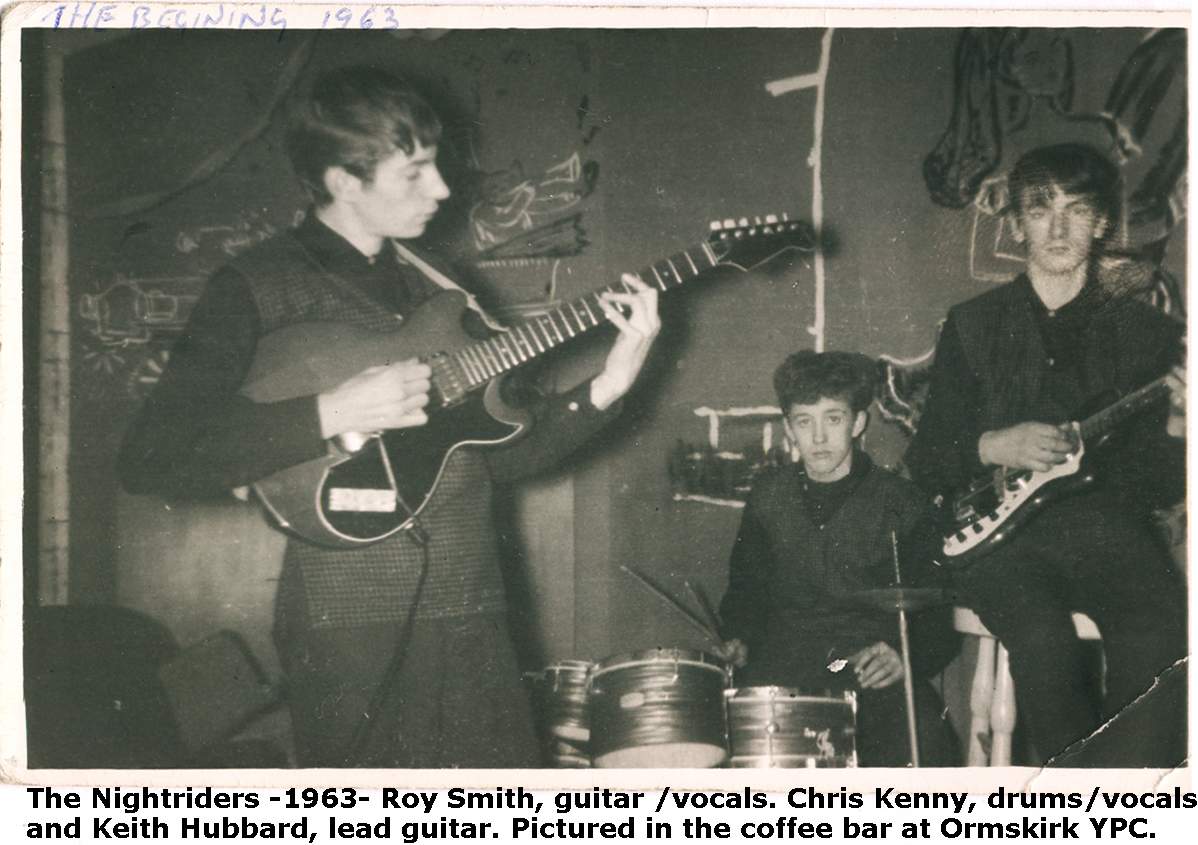
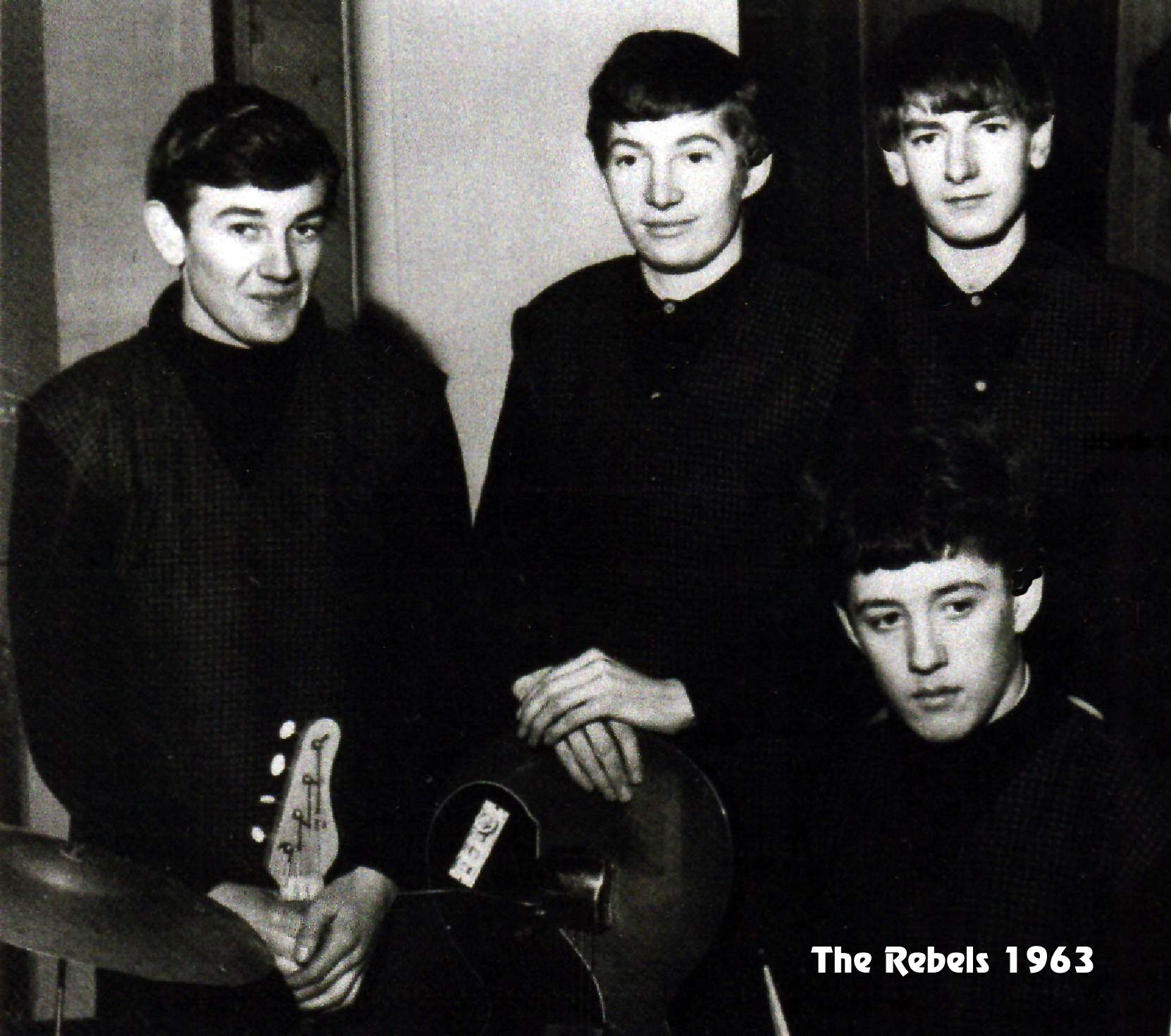
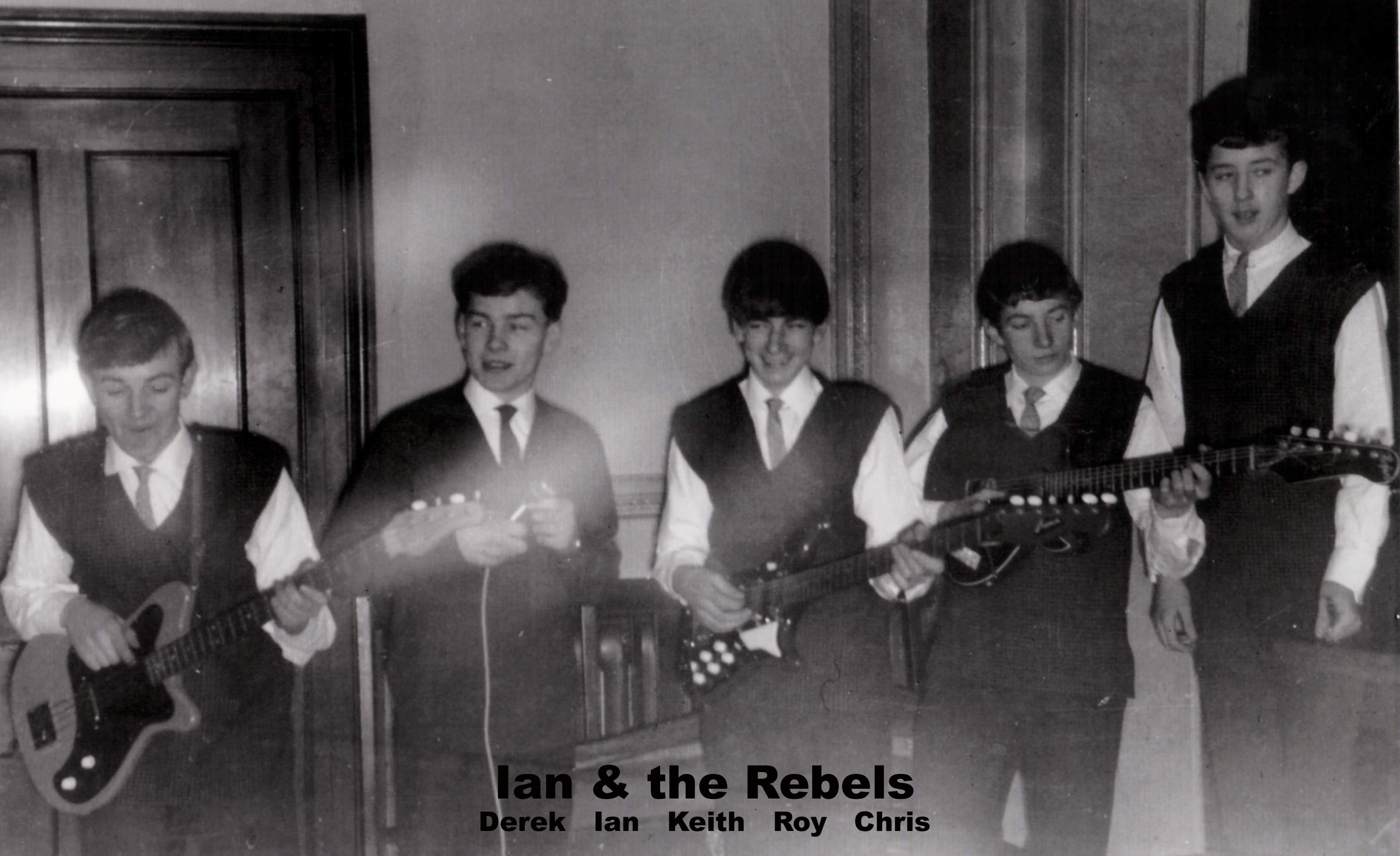
On hearing the band rehearsing, Derek Brough passed the opinion that we needed a bass player. He would like to do that and join. I asked if he could play and did he have the necessary equipment. He replied… no, but I’ll get some and you could show me how to play…! Show him how to play? I didn’t really know what I was doing myself, but we agreed.
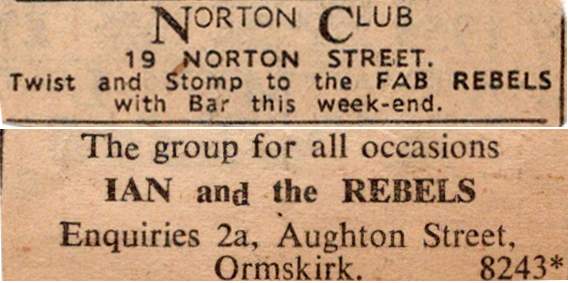
Derek got the gear and I showed him where to put his fingers in a basic way to cover the numbers that we had learned. Now we were four. Having heard of another band in the area of the same name, we then decided that we should change our name. We became The Rebels.
Next Ian Gregson approached us and asked if he could be our vocalist. He had a good voice and his offer was accepted. Ian & The Rebels had their first paid gig at The Firemen’s New Year’s Eve 1963–64 Party. This was a proper gig, on a proper stage. We were paid the princely sum of £6:00s:00p old money. We were on our way, stardom here we come!
The band went well and we were excited to get our first Cavern gig supporting The Four Pennies. That went well, with a rebook where we supported The Merseybeats. Then, during the summer of 1964, Ian informed us that he had to leave the band. It was interfering with his job as a paint sales rep.
His replacement was Ricky Gleason, ex-The Topspots. Ricky was an ex-schoolmate of Billy Ashton, aka Billy J. Kramer. He had already been to Hamburg’s Star Club with The Topspots and Cavern DJ Bob Wooler had tipped Ricky to be Liverpool’s next star following his mate Billy J. This was a step up for us.
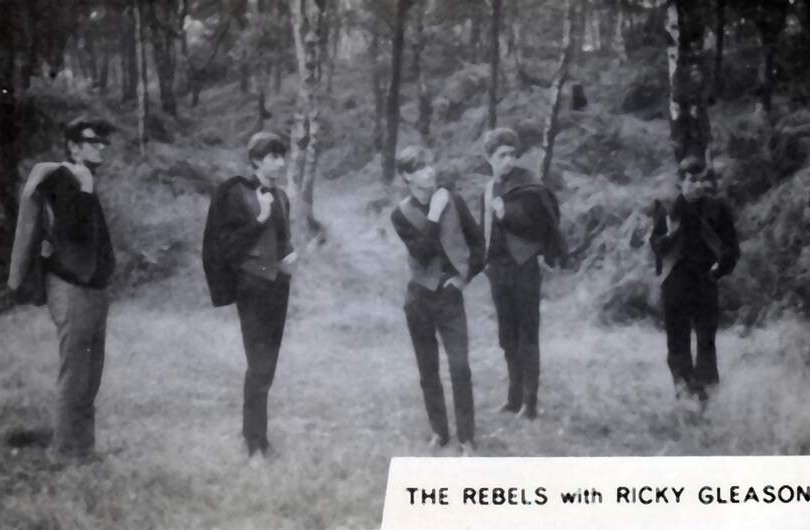
As things progressed, bass guitarist Derek didn’t improve with his playing. I was still showing him what to do. Sadly, we had to let him go. He was replaced by ex-Topspots bass player Kel Harrison. This lifted the standard of the band to another level.
While playing all the top Merseyside venues, our diary built, taking us on gigs around the U.K. and an offer to go to a month’s gig at The Star Club. Offer accepted and all ready to go when it was found out that Chris and I were only seventeen and were refused work visas. That meant the band couldn’t go. They offered to give us stand-ins, but Ricky refused… we all go or no go… and that was that.
We were now resident at our local Ormskirk Young People Club, The YPC, and being managed by John Cropper, the club leader. Gigs were plentiful. We were working most nights and sometimes three gigs in one night, Southport’s Klic Klic Club, The Orrell Park Ballroom and finish last spot at The Cavern.
One of those nights was when we doubled with Screaming Lord Sutch & The Savages. We set our gear up at The YPC for him to use, while we used his gear at Southport’s Kingsway Club.
We supported a number of top bands, The Zombies, The Fourmost, Manfred Mann, Unit Four Plus Two, and shared the bill with Dean Ford & The Gaylords, soon to become Marmalade, at the Cleveleys Queens Ballroom.
It was late summer of 1965. Everything was going well till one night, while rehearsing at The YPC, our manager John Cropper came in to inform us that Ricky had left the band. He and Ricky had had a fallout. I didn’t see Ricky again for many years. We next met in 1995 when he turned up to see my Legend Of The 60’s Show.
Ricky was replaced by J.J. from J.J. & The Hi-Lites and then The Mersey Monsters, who had recently disbanded. Alan, J.J., another top-level singer, fitted in well and everything carried on seamlessly until, after another great year, at the end of the summer of 1966, Alan announced that he was getting married and going on the £10 Pommie immigration deal to Australia.
At the same time Kel informed us that he was leaving and immigrating to Canada. We more or less had to form a new band. Our new bass player was Derek Berkley and Roy and Chris took over vocals.
All was going well when Chris became seriously ill. He was sweating inwardly and it was poisoning his system. He was told life on the road was a no-no. He would have a long recovery. The band carried on with new personnel, but it wasn’t the same.
We also discovered that we were being ripped off by our management. They had signed HP agreements for new equipment. We were paying the instalments through our gig money and we found that, though the finance had been cleared, he was still deducting the payment from our fees!
We had had great times, but with losing our management and Chris, our heads were down. We needed a break, so in the summer of 1967 we called it a day. I, while still serving my time as an apprentice engineer fitter, bought a twelve-string guitar and joined a local pub folk group, playing and jamming around the local pubs. I had lost interest and the motivation to go through all those changes again.
Then ‘Hair’ came along just as you were thinking about starting again with Roy. How did you end up in the show, and what did those eighteen months do for you as a performer?
That happened due to the lads going to Antigua on holiday. We were all still the best of friends and met most nights in The Windmill, our local. Unfortunately I could not afford to go, so I was left at home, Billy No Mates, as you might say.
While they were away, one evening, being at a loose end, my mum and dad asked if I wanted to go to the bingo in Southport with them. There would be a band on, I might like that. Bingo, gees! But I decided seeing a working band could be interesting.
Well, the band were way below par. This was a converted cinema, ram-packed. Their presentation in both music and dress was not good. How did they get work at a venue like this?
When the lads returned, I mentioned this to Roy and added we could do a lot better than that lot. How do you fancy having another go? The answer was positive. We approached Chris, now recovered from his illness. He was also keen.
Discussing this on a regular meet in The Windmill, our new friend Ray Chapman overheard that we had to look for a bass player. How about me, he offered. What we didn’t know was that Ray was an accomplished musician on guitar and piano. He was five years older than us and had played in jazz bands in his teens. He had no qualms about playing bass. Ray also, as you know, came up with the new band’s name, Caliban.
At the same time there was an ad on Granada TV for anyone who was interested in auditioning for a part in the first touring cast of ‘Hair’ to turn up at The Palace Theatre in Manchester the next day. This was early January 1970. Roy had seen the ad and mentioned to me that we should go. If we got in, it would be good for promoting the band. I agreed and off we went.
I auditioned first and they showed a lot of interest and noted my details. Roy followed, but his audition was cut short, not what they wanted! This puzzled me. Roy was the front man with a good voice. Of either of us, it was him that I was sure would get in. My reasoning was that it wasn’t ability that they were looking for, but type, and for whatever reason, I fitted. Roy was upset but still positive about the band.
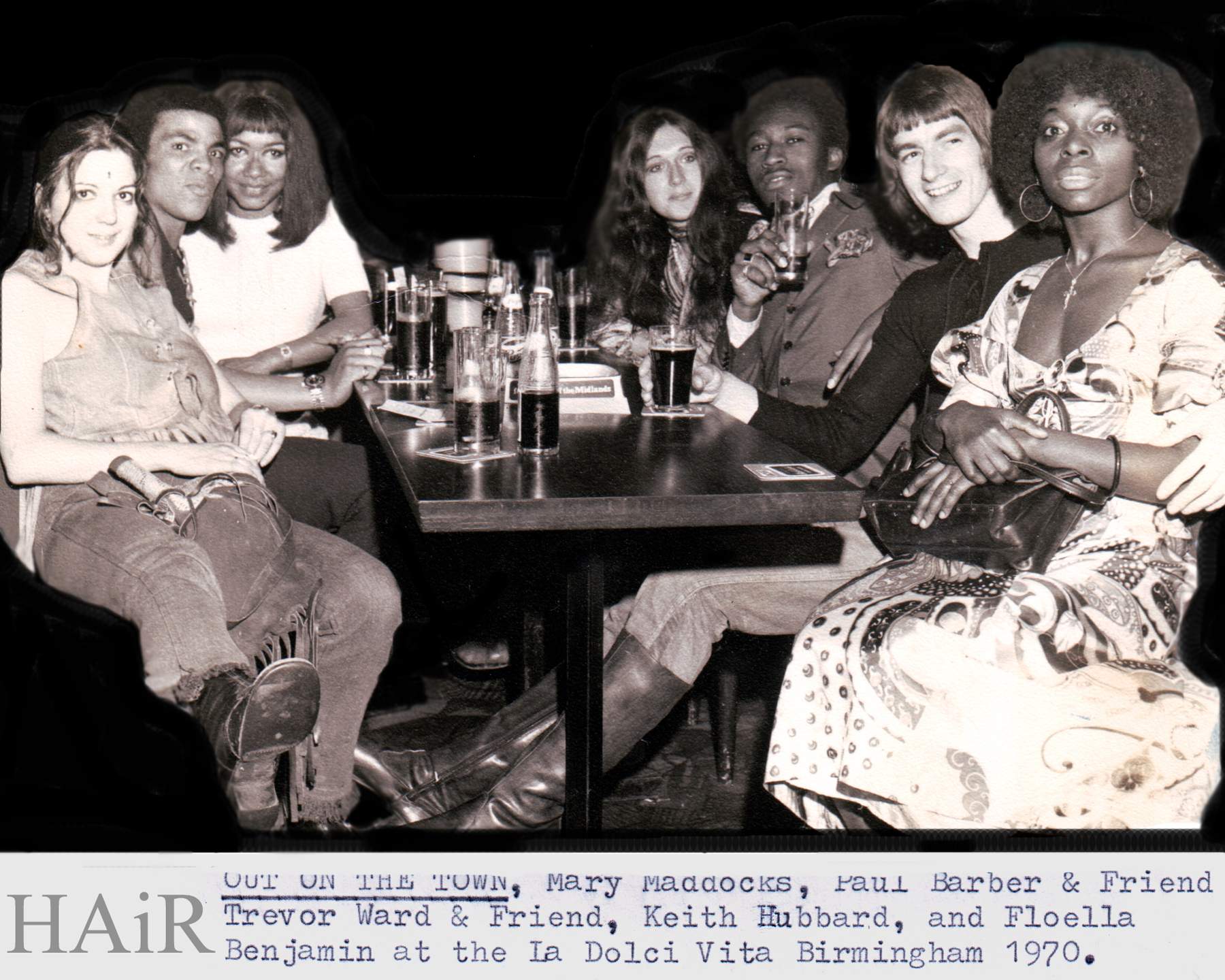
A week or so later I received a telegram from London to report to The Shaftesbury Theatre on the following Monday morning to begin rehearsal. That is when we arranged the programme of getting the band together and me travelling back each Sunday for rehearsal. Then, when ready, I would leave to enable the band to get together.
‘Hair’ was a massive change for me. I was performing in a fully professional set-up, in a world-beating musical, with some people that were already stars like Paul Nicholas and others that were soon to follow, Joan Armatrading, Alex Harvey, Richard O’Brien, Tim Curry, Paul Barber, to mention just a few.
I’ve got to say, I felt more than a little out of my depth. By the time we completed the six-week rehearsals at The Shaftesbury, the training and help that we were given broke down inhibitions and certainly lifted our levels and capabilities of performance. We were required to sing, act and dance. I found talents in me that I never thought possible.
When the show hit the road, we were an equal match to the London show. In fact, some observed that we were better. I was with ‘Hair’ for 18 months, giving the band plenty of time to be ready. I brought all the training and observations that I had learned in my time spent in the show to the band to bring it up to professional standards. We would hit the road running.
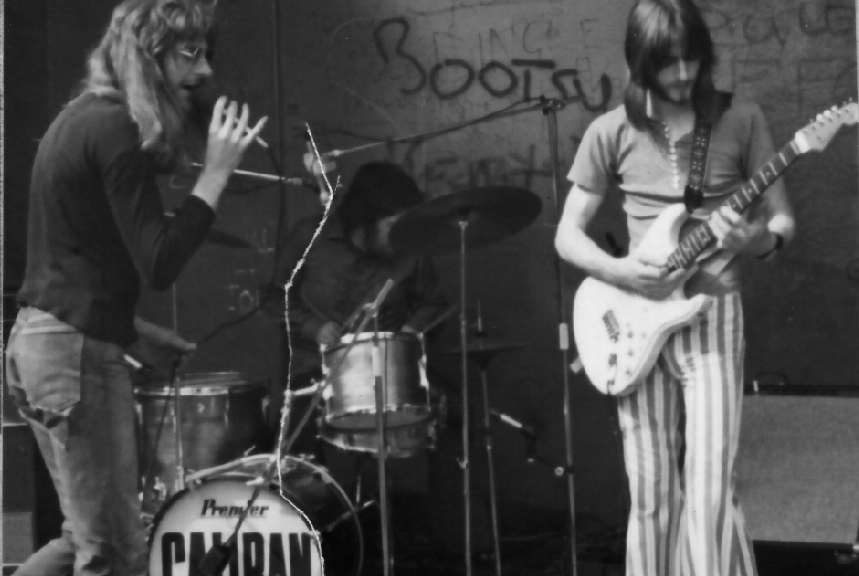
“We wanted to have our own stamp on the music”
Caliban was taking shape while you were still away with ‘Hair’, with you coming back to rehearse whenever you could. What were those first rehearsals like?
Discussions about the direction that the band should take resulted in that we were going to theme it as a rhythm & blues-based rock band. In rehearsal, as well as incorporating some of the songs that I had written while on the road with ‘Hair’, we covered blues standards and numbers from the likes of Cream, Led Zeppelin, Black Sabbath, Deep Purple.
It did take a while to click. We decided to concentrate on each member’s strong points and, when it did come together, we knew!
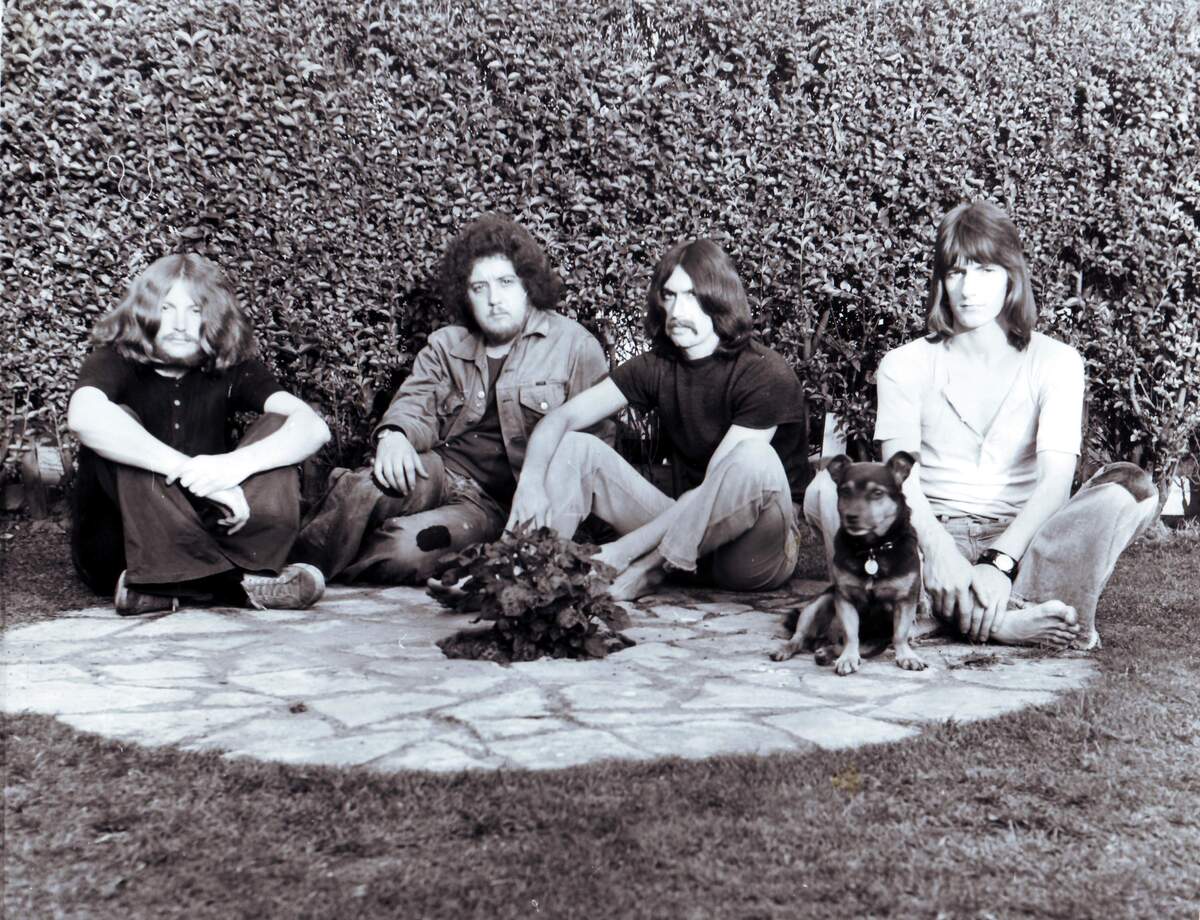
The rehearsals were fun. Ray brought a new dimension to our playing and to see Chris fit, well and in great drumming form, it was a blast. Roy and Chris took turns on lead vocals. Ray and I had cameos. Roy was the natural front man.
We rehearsed on Sunday afternoons in the First Ormskirk Scout rooms in the centre of the town. We could be heard by passers-by, resulting in us getting a small following even before we hit the road, which we did in August 1971.
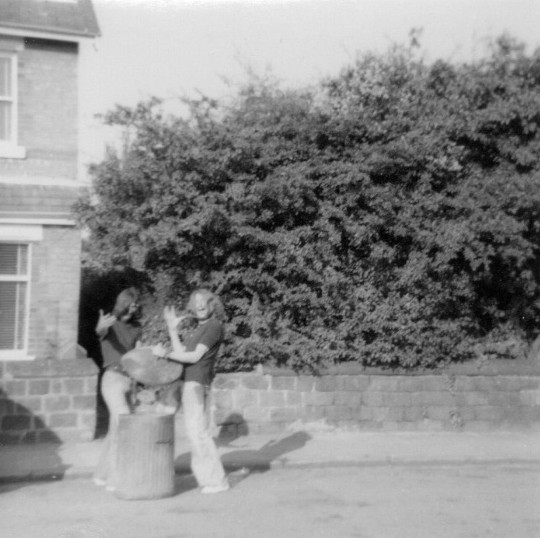
Ray Chapman came up with the name Caliban from ‘The Tempest’. Was the heavier sound something you set out to find, or did it happen naturally once the four of you started playing?
Basically yes! In early rehearsals, we started by jamming twelve-bar rhythm and blues numbers by the likes of Chuck Berry. Eventually we got used to and began to learn where our strengths lay.
We wanted to have our own stamp on the music, our own identity, so that when people heard us, even with their eyes shut, they would know who we were. I think we eventually achieved that.
The first Knightsbridge gig went badly, then you spent three weeks in Denmark and came back a different band. How much did Denmark change things?
Our first gig at the Knightsbridge Club was a disaster. This was quite a prestigious Liverpool gig. All the top-name local bands played there. We were nervous, too loud, it didn’t come together. The club owner, Paul Orr, was away on holiday and the club was being looked after by his son. The report back was not good.
When we returned from Denmark, our agent Frank Delaney had begged Paul, on his return from holiday, to give the band another chance. The three weeks in Denmark had really got the band stage-ready.
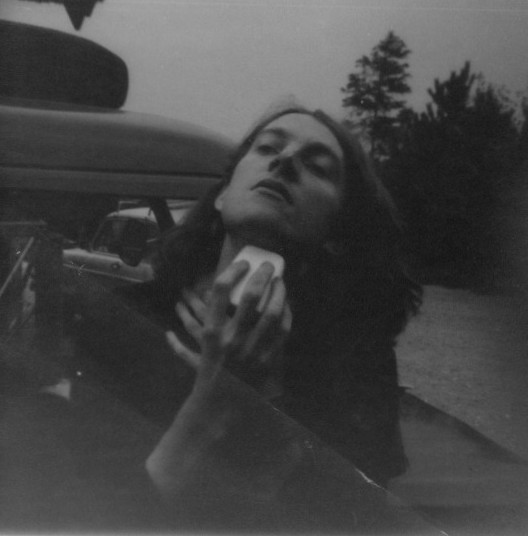
On our return to the Knightsbridge, with Paul Orr in attendance, although Paul reprimanded us for being a bit loud, it went well and we became a regular fixture at the club. From there on we had great gigs in the clubs around the town and started to build a following.
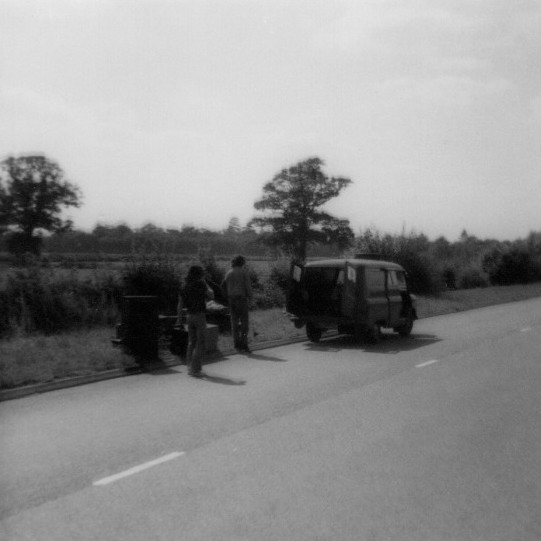
There’s a story about Paul Orr coming up behind Chris at the Knightsbridge and hitting him over the head with his own drumstick because the band was too loud. Did that really happen?
Yes! True story. The Knightsbridge was a fabulous venue. Top local bands frequented there, Colonel Bagshots, The Reason Why, Confucius, later to become Supercharge, Pepperbox. These were cover bands playing standards and hits of the time.
Caliban were different. From the start we played 60% our own material and, of the covers we played, we gave our own interpretation. This did go over some of the audience’s heads, but the following that we had was taking us more to the schools and universities and eventually clubs like The Cavern.
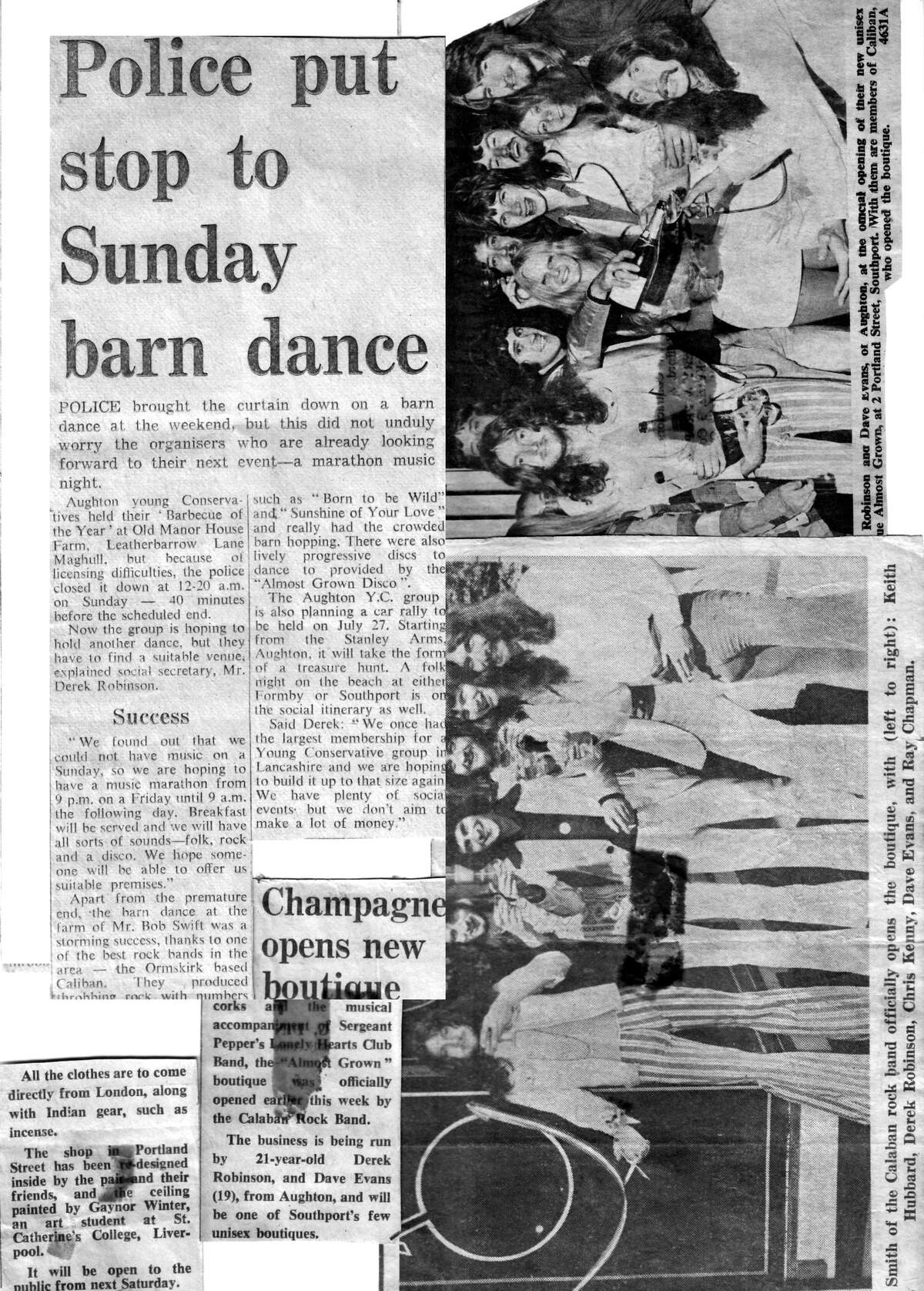
What was everyday life in Caliban like once the band was properly on the road? What do you remember about the vans, the gear and the people around the band?
Big question. Everyday life in Caliban centred round the band. When not on the road we would retreat to our gang in The Windmill, then back to one of the houses, partying to the early hours. Girlfriends came and went. Caliban was a drinking band and having fun.
We started with a little old early 1960s Bedford CA van. This had a broken accelerator linkage that we repaired by tying it together with a shoelace. Every now and then we would have to get out and retie it. This caused a lot of amusement. This is the van that we toured Denmark in.
We then bought a bigger latest-model Bedford CF van, similar to a large Ford Transit. This we had right through to the band folding. At the end it had over 200 thousand miles on the clock.
Our first equipment was a mishmash of items. I, with the help of the sound man with ‘Hair’, Nick Sykes, built two speaker cabs which were driven by a Selmer 200-watt P.A. amp. I had a Guild Starfire guitar into a Vox AC30 combo amp, Roy had a Hofner Colorama guitar into a Vox AC30, Ray had an Epiphone bass guitar into a Triumph 100-watt bass amp top with a 4 x 12 speaker cab, Chris still used his Premier kit from The Rebels days, our microphones were Shure SM58s.
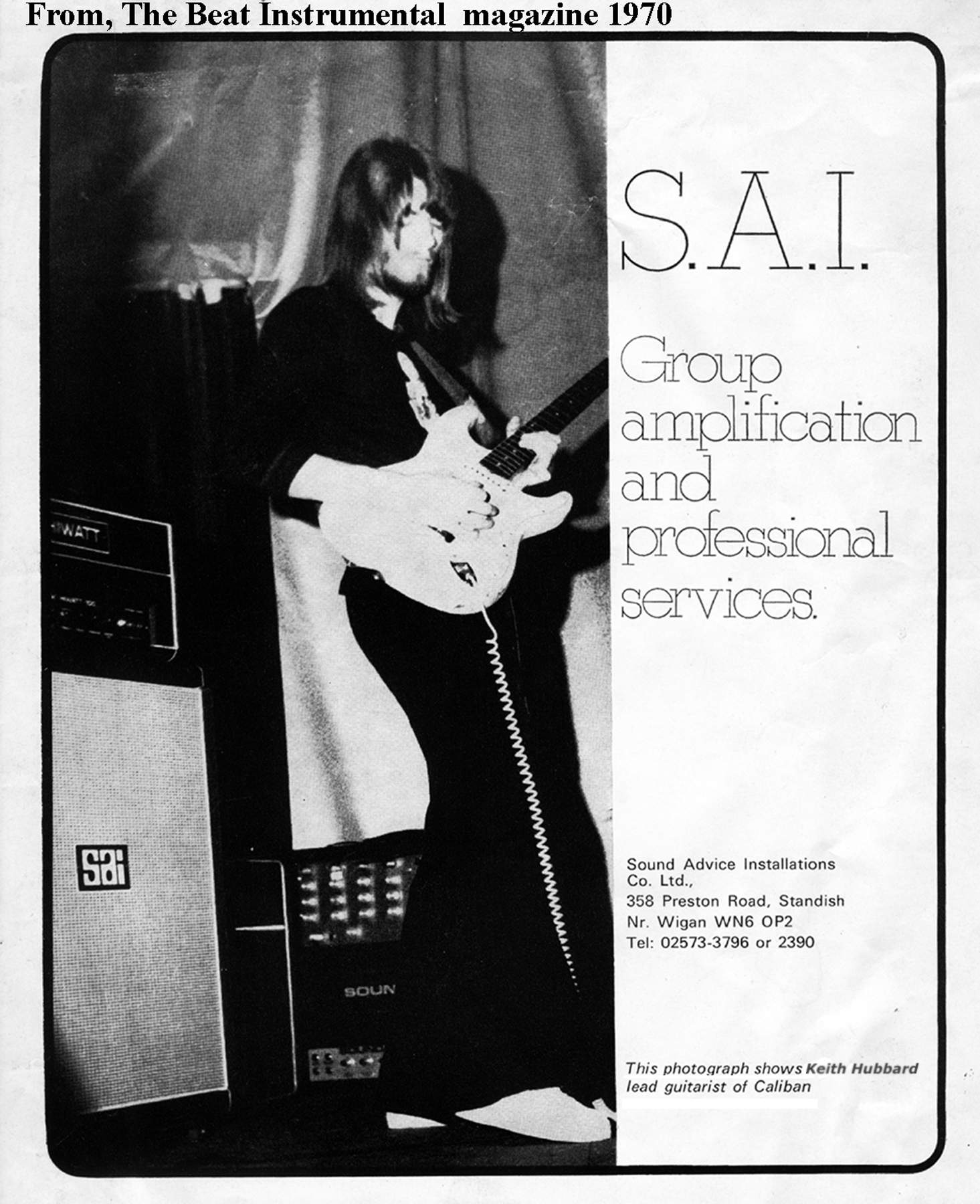
Later we changed these to a 400-watt Hi-Watt P.A. set-up with SAi speaker cabs and horns. I had a Fender Stratocaster into a Hi-Watt 100 amp with a stack of two SAi 4 x 12 speaker cabs, Roy had a Fender Telecaster into a Hi-Watt 100 amp with an SAi 4 x 12 speaker cab and Ray had a Fender Mustang bass guitar into a Hi-Watt 200-watt amp top and a two-stack 4 x 12 bass speaker cabs. Chris still used his Premier kit, now mic’d. We still used Shure SM58 mics.
Dealing heavily with Wigan-based SAi, company director Bob “Dubious” Dewhurst, Dubious was Bob’s sub name as he was always open to a deal, took the band under the company’s wing with sponsorship and, in 1973, taking our old gear back in, we were supplied with a full 1000-watt P.A. consisting of a Marshall 12-channel mixer, multicore, 4 x SAi Voice of the Theatre speaker cabs with horns, 4 x TPA 100 slave amps plus a TPA 50 for monitoring, 4 wedge monitors, a full set of various mics for mic-up and Shure SM58s for vocals.
I, still using the Strat, changed to a Fender Super Reverb 40-watt combo amp, mic’d. Roy, with his Telecaster, had a 50-watt SAi combo, mic’d. Ray, with his Fender Mustang bass guitar, had a 100-watt Hi-Watt bass amp top and two 15” bass mini-subs, DI’d. Chris still played his Premier drum kit, now mic’d up.
SAi’s lighting engineer Dave Lomas came on the road with the band, both to help our roadie Dave Lee get used to the new equipment and to bring his light show to augment the band. We were now competing with the big boys.
Roadie Dave Lee was a character, tall, wiry, but very strong, a great roadie. Dave became a fifth member of the band.
By the early seventies Liverpool had moved a long way from the first Merseybeat years. Did Caliban feel part of a scene, or were you mostly doing your own thing?
We were mostly doing our own thing and eventually we became part of the Cavern-like venues around the U.K. and national university scene.
How did the original songs usually come together?
Originally I was the only one writing. As time went, we started to put things together. Someone would have a riff, i.e. ‘N.O.B.’, Roy would throw in a lyric and we all contributed to the arrangements. Later Ray started to get into writing and composition, bringing a new slant to the repertoire.
What was behind ‘Hard Bitten Woman’, ‘God Damn My Soul’ and ‘Heritage’?
I wrote both of the first songs mentioned, among others, while in ‘Hair’.
‘Hard Bitten Woman’ was an observation of an exotic dancer I had seen on a night out with the cast. She was gorgeous and the lyrics are my fantasies about her. The music was influenced by Deep Purple’s ‘Black Night’.
‘God Damn My Soul’ was a take on the happenings of another cast member with his then-girlfriend and their stop-start relationship. The music was a mix of Stax soul leanings and rock riff invention.
‘Heritage’ was a Ray Chapman composition with input from me fitting the main riff. The lyrics are very deep. Ray was a bit like that.
The recordings that became ‘Insane Mentality’ were made very quickly. Were they really all done in just a few hours?
Yes, they were two very quick sessions of three hours, all one takes.
The first three-hour session, recording ‘Hard Bitten Woman’, ‘God Damn My Soul’ and the cover of Chuck Berry’s ‘Little Queenie’, which was actually a soundcheck, was in 1972 at Liverpool’s CAM Studio in Moorfields. Charlie Weston was the engineer.
The second three-hour session was at Liverpool Sound Studios in Simonswood, Kirkby. There we recorded ‘Heritage’, ‘Solo Flight’ and ‘Freedom’. I cannot remember the young sound engineer’s name, I’m afraid.
‘It’s All Been Said Before’ was taken from the mix as we wrote it in rehearsal. Lyrics by Roy Smith, composition was put together in a jam session, recording engineered by Dave Lee.
Your guitar sound on those recordings is very distinctive. What were you using at the time, and was it basically the same sound people heard when Caliban played live?
Yes, it was the sound that you would hear live. For all Caliban gigs I used a 1959 Fender Stratocaster guitar, played through a Hi-Watt 100-watt guitar amp top and two 4 x 12” SAi speaker cabs. For effect, overdrive etc., I used a Vox Tone Bender pedal unit and a Cry Baby Wah pedal.
For the later ‘Heritage’ recording, the Hi-Watt/SAi stack had been replaced by a Fender Super Reverb 40-watt combo amplifier.
When you hear those recordings now, how close do they come to what Caliban actually sounded like in a club?
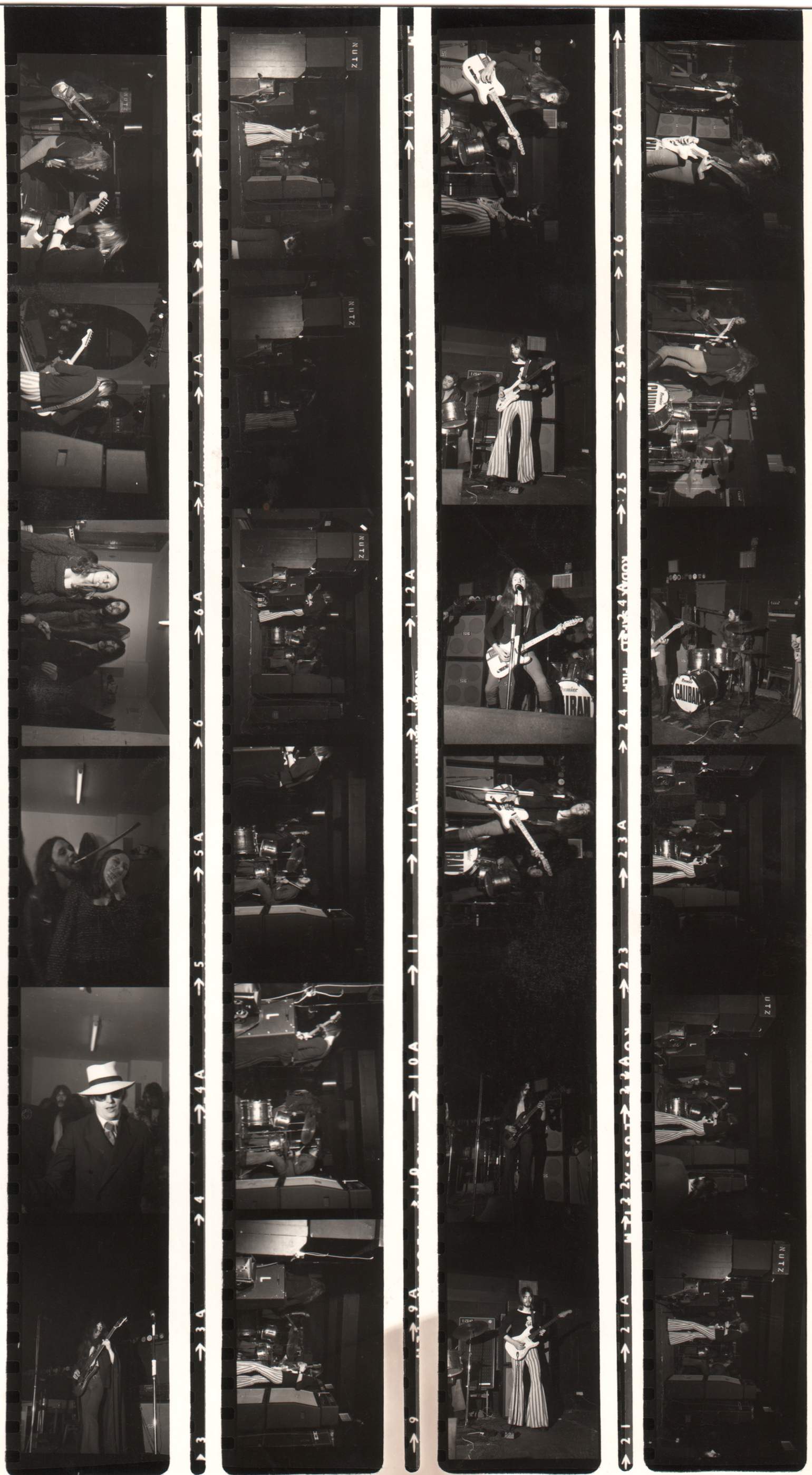
Yes, they give a good example of Caliban’s live sound. The energy of the live performance, although near, never quite caught the live experience.
As to volume, we were regarded at the time to be Liverpool’s loudest band, so much so that we were booked to do closed-door soundchecks by Liverpool University so they could check sound levels at a few venues.
Then came the final night of the original Cavern on 27 May 1973. What did it mean to you to be asked to play that night?
I thought it was a travesty to be losing a part of Merseyside’s musical history. I was excited and honoured that we were to be performing on the club’s final night. The atmosphere was electric. Then sadly, the original Cavern Club that gave birth to a whole generation of fabulous music was gone!
What do you remember about the night itself?
The atmosphere was electric, the venue was packed to the rafters. The Rolling Stones Mobile Studio was there to catch the evening’s performances.
The band line-up was: Bilf Slat, Harpoon, Strife, Wardog, Hackensack, Caliban and Supercharge. The whole evening has never left my memory. I was proud to be included in what was a historic occasion.
That recording led to interest from London Music Management and a 28-page contract. How close did Caliban come to signing, and what stopped it?
Yes, we did feel that we were going to move on to another level. On receiving the twenty-eight-page contract, we decided to go to a local solicitor for advice. A few items that he pointed out worried us.
Naively, we wanted to keep control of everything that we did and would allow London Music Management to promote the band. They wanted more input.
The contract went back and forth a number of times, whereas eventually they cooled on the arrangement. In my opinion we should not have been so negative in our approach. Who knows where it would have gone. It was a downer.
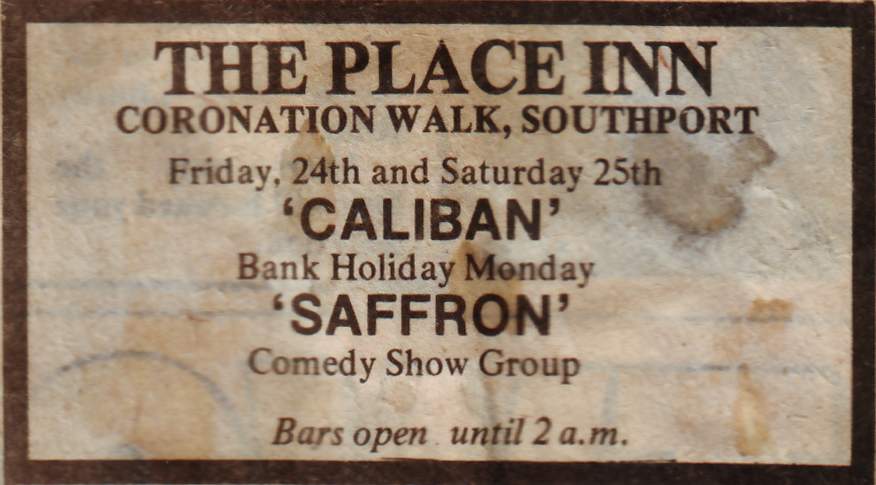
You later played the New Cavern, including a night when Judas Priest supported Caliban. What were they like at that point?
Yes, we played the New Cavern’s opening night supporting Roy Wood’s Wizzard. Not impressed, it didn’t go well for him.
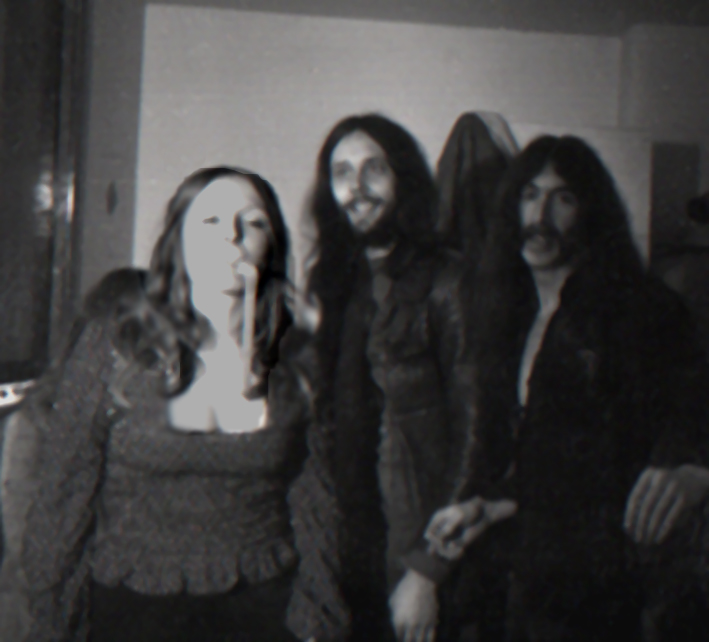
Later we supported Wishbone Ash and then were top billing with Judas Priest. They were a new band to the club. They did a good set, though I never suspected that they would climb so high.
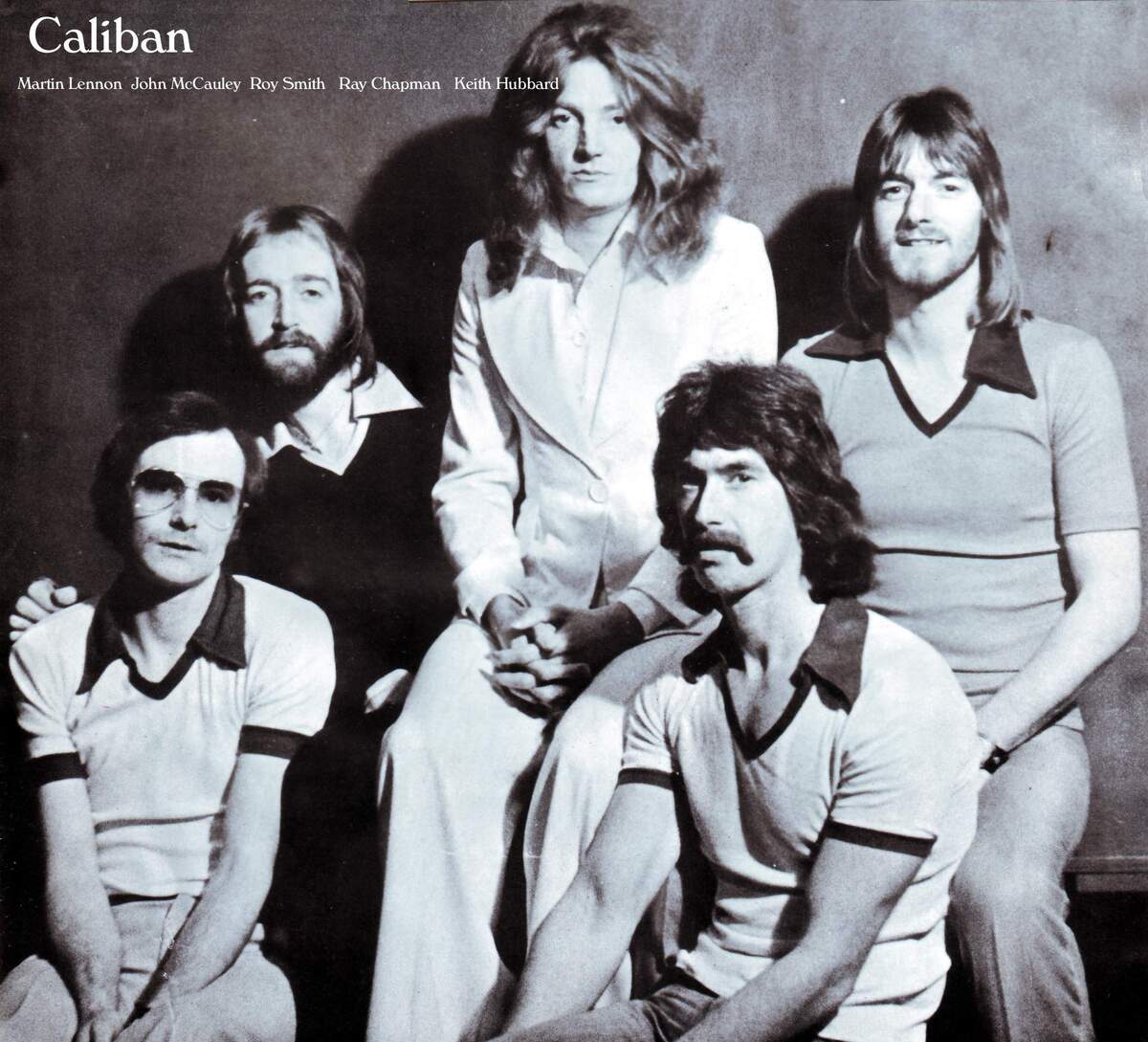
Chris eventually had to leave again and John McCauley came in. Not long after that came the Chicory Tip period. How did those last few years of Caliban unfold?
Yes, Chris having to leave for the second time was a big upset to all the band. John was good but it was never the same. The band were searching for something that couldn’t be replaced.
Six months later, Roy, Ray and myself were offered to make up the new line-up of hit glam rock outfit Chicory Tip, ‘Son Of My Father’. The band had split and lead vocalist Pete Hewson was signing the rights over to McCloud Holden Management, who chose one of the partners, Robin Carew, to oversee the changeover.
With Chicory Tip being at the end of their recording contract, we saw this as an opportunity to promote our original material within the cover of a name band to hand, bringing the possibility of a renewed contract.
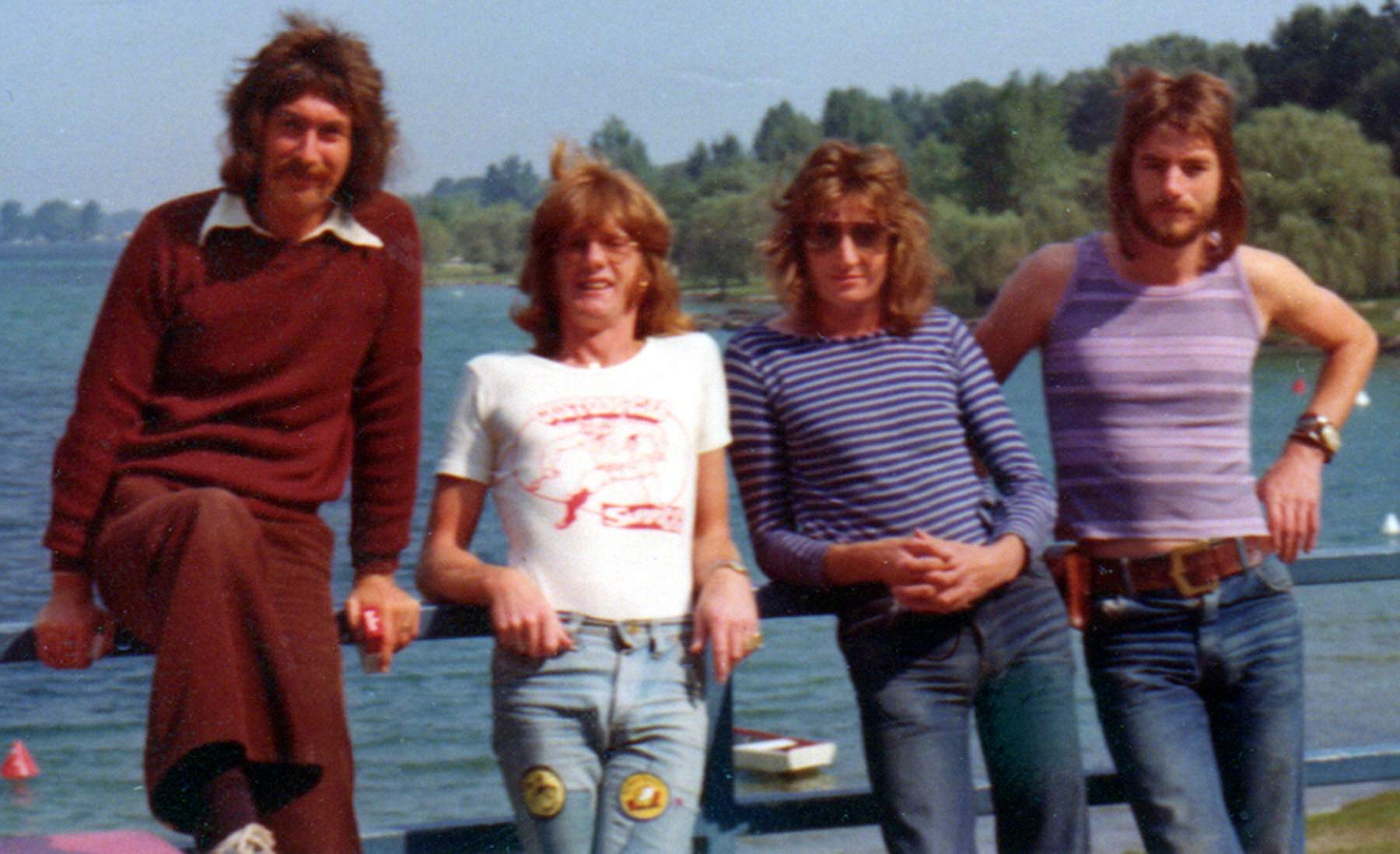
Joining up with drummer Ritchie Tallant, we did tours in the U.K., Norway and Sweden. We took our story and material to Epic Records and they were very keen. When going back to Robin Carew, he wasn’t interested. They were just using the name and the band as a cash cow. Everything went pear-shaped from there on.
We left and went back to Caliban with drummer John and played the cabaret covers circuit to keep our hand in, but the heads were down and, after a number of band personnel changes, I wound Caliban up in 1979.
“Music has been my life.”
More than fifty years on, the Caliban recordings have found a new audience, and you’ve never really stopped making music yourself. Looking back now, what has music meant to you?
Yes, it is strange, but gratifying, that after all that time Caliban eventually had recognition for the work that they had done. I am very grateful to Seelie Court for that opportunity.
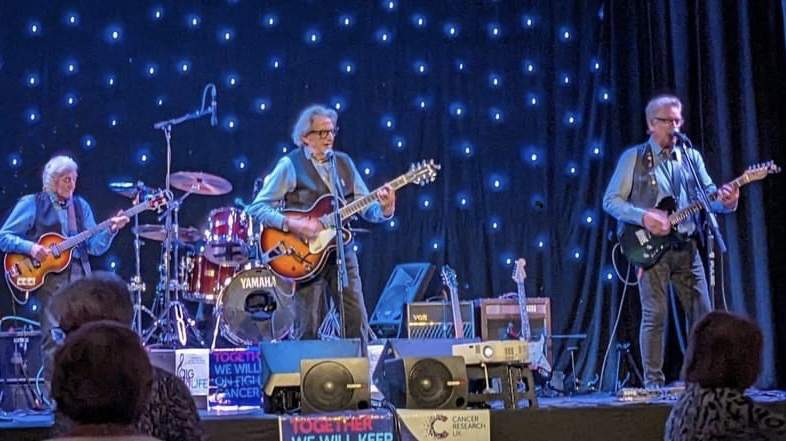
Music has been my life and, though I am now in the twilight of my sixty-three-year musical career, I still feel that I have something to offer. I love what I do. The energies have waned a little, two bouts of cancer have seen to that, but I still get asked to play gigs like the new Cavern and get support.
With Shooter we perform live a number of the recordings that I have forwarded to you and one of them, ‘Hot Money Fever’, goes extremely well. I look back with a lot of fond memories and I am extremely proud of what I have achieved over those years.
Klemen Breznikar
Headline photo: Caliban (Credit: Seelie Court / Good Time Records)
Seelie Court Facebook / Instagram
Good Time Records Website / Facebook / Instagram