
Simon Kirke on Free, Bad Company, Paul Kossoff and starting again
Free’s music depended on space, and Simon Kirke understood better than most drummers when not to fill it.
Alongside Paul Rodgers, Andy Fraser and Paul Kossoff, he helped give Free their remarkable sense of restraint and dynamics. After Free came Bad Company, where Kirke and Rodgers joined Mick Ralphs and Boz Burrell.
Bad Company were finally inducted into the Rock & Roll Hall of Fame in 2025, with Kirke the only original member able to appear in person at the ceremony. Now, on 18 September 2026, he will join Marc Ribler and Little Steven’s Disciples of Soul at The Cutting Room in New York for a live tribute to the Bad Company catalogue.
Kirke talks about his earliest days playing along with records in village halls, meeting Paul Kossoff, the rise and break-up of Free, the beginnings of Bad Company, his years with Ringo Starr, getting sober and looking back on the people he played alongside.
“There began this growing resentment between the band and management that we were being flogged to death.”
You grew up near the Welsh border, listening to American records on Radio Luxembourg and seeing bands at local dances. Before The Maniacs, you were even playing along to records at village halls. What do you think you learned from those early experiences that you might not have picked up from formal lessons?
Simon Kirke: True. Our local school bus driver had a couple of turntables and a stack of 45s and used to go around the village halls in the area playing all these records. He thought it would be a good idea if I played drums alongside. It gave me a very good education in terms of playing sympathetically and in time.
One minute I’d be playing ‘Can’t Buy Me Love’ by The Beatles, ‘Baby Love’ by The Supremes, and then it would be a slow waltz, so there were all sorts of genres of music to contend with.
You spent nearly two years trying to find your feet in London before Black Cat Bones brought you together with Koss and then Champion Jack Dupree. What did playing with a young guitarist like Koss and an old New Orleans bluesman like Dupree teach you about rhythm and feel?
Well, playing with a seasoned veteran like Champion Jack Dupree gave me a huge ego boost. He was very complimentary about my drumming from the first song and told the audience so, which pleased me no end.
And Koss, for all of his tender years, exuded a confidence that was quite astonishing.
When I interviewed Andy Fraser, he described Free’s first rehearsal at the Nag’s Head as “instant magic”. You had already formed a bond with Koss and been struck by Paul Rodgers’ voice, but what did Andy bring that made the four of you feel complete?
Andy brought a certain degree of professionalism, even though he was the youngest member. His bass playing was also astonishing, which added to his “clout” as a musician one should listen to.
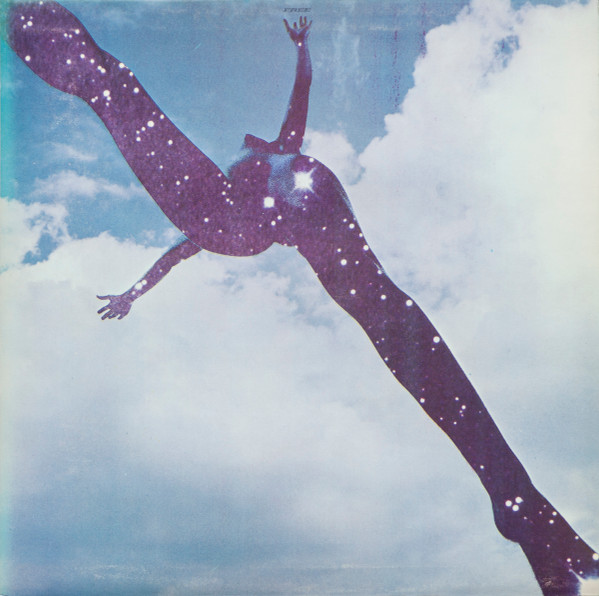
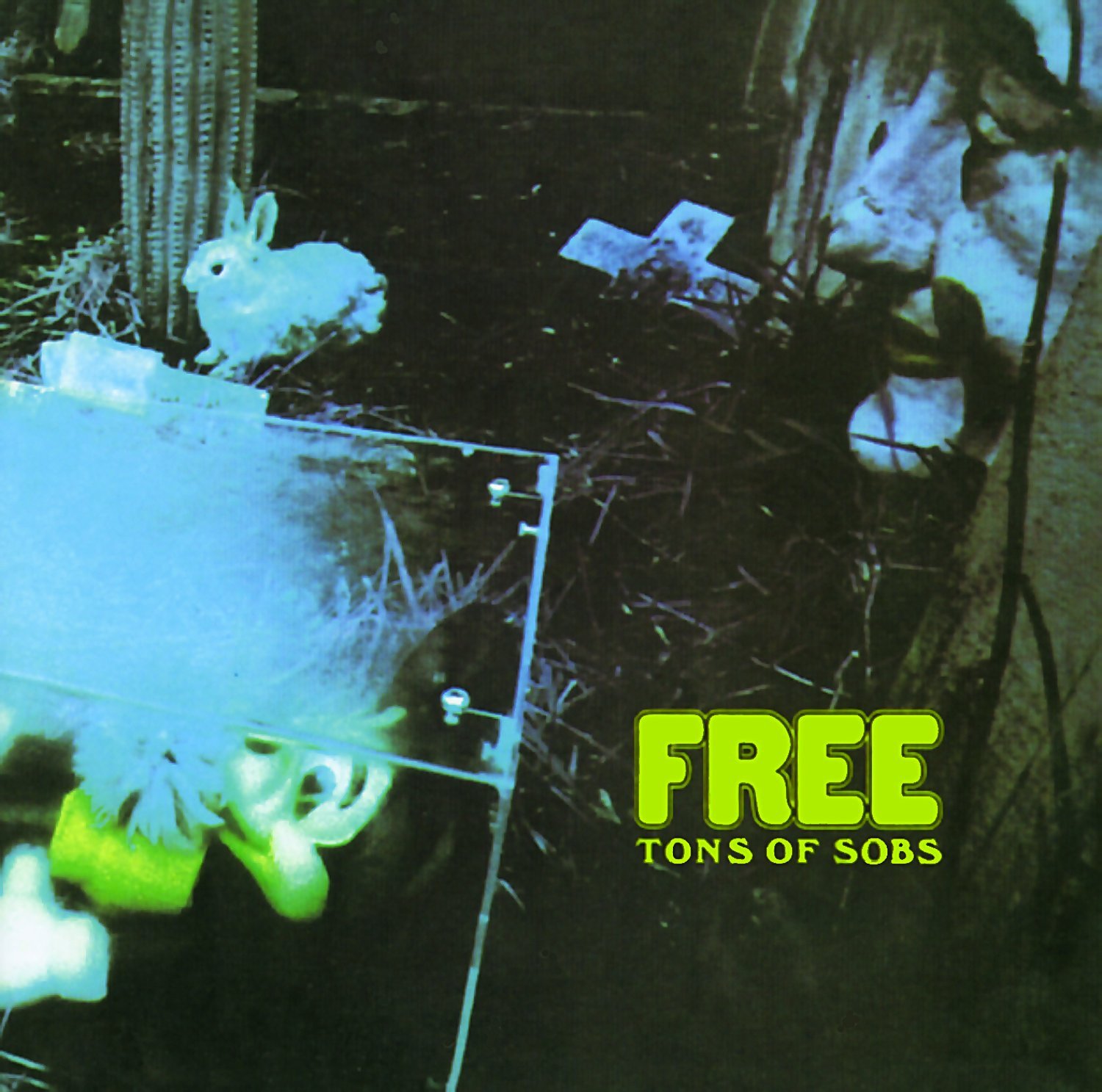
‘Tons of Sobs’ was largely the live set captured in the studio, while the second album, ‘Free’, already has much more air around it. Was that spaciousness something the four of you discussed, or did it simply emerge from playing together, and how did you and Andy learn not to crowd one another?
True, ‘Tons of Sobs’ was really just our live set. ‘Free’ showed the beginnings of this wonderful songwriting partnership between Paul Rodgers and Andy Fraser.
It is one of my favourite Free albums.
People quite rightly talk about Koss’s vibrato, but perhaps less about the way he listened. When he was at his best, could you sense where he was about to take a phrase, and what did you hear from behind the kit that an audience might have missed?
Koss pretty much played whatever he felt. By his own admission, he was not a great rhythm guitarist, competent at best, which is why he embraced Rabbit and his keyboards when he joined the band in 1972.
He stayed away from me when I was playing the drums. He didn’t venture close to the kit like Mick Ralphs did.
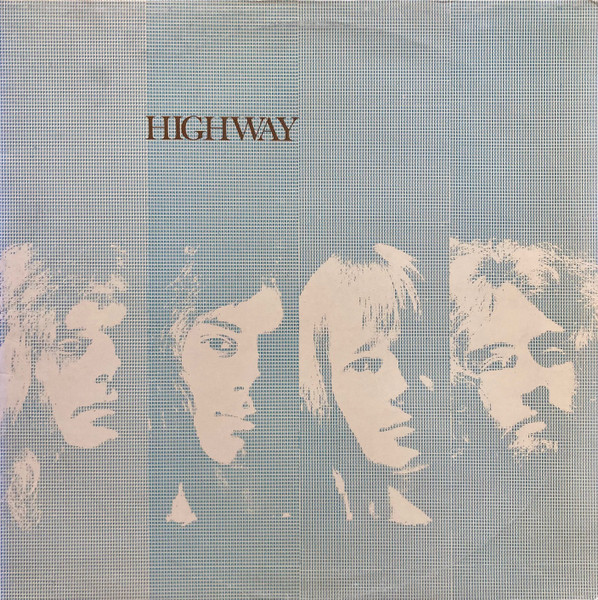
In 1970, ‘Fire and Water’, ‘All Right Now’, the Isle of Wight and ‘Highway’ followed one another at extraordinary speed. Was it really the reception given to ‘Highway’ that broke the band’s confidence, or had the relentless schedule already done the damage?
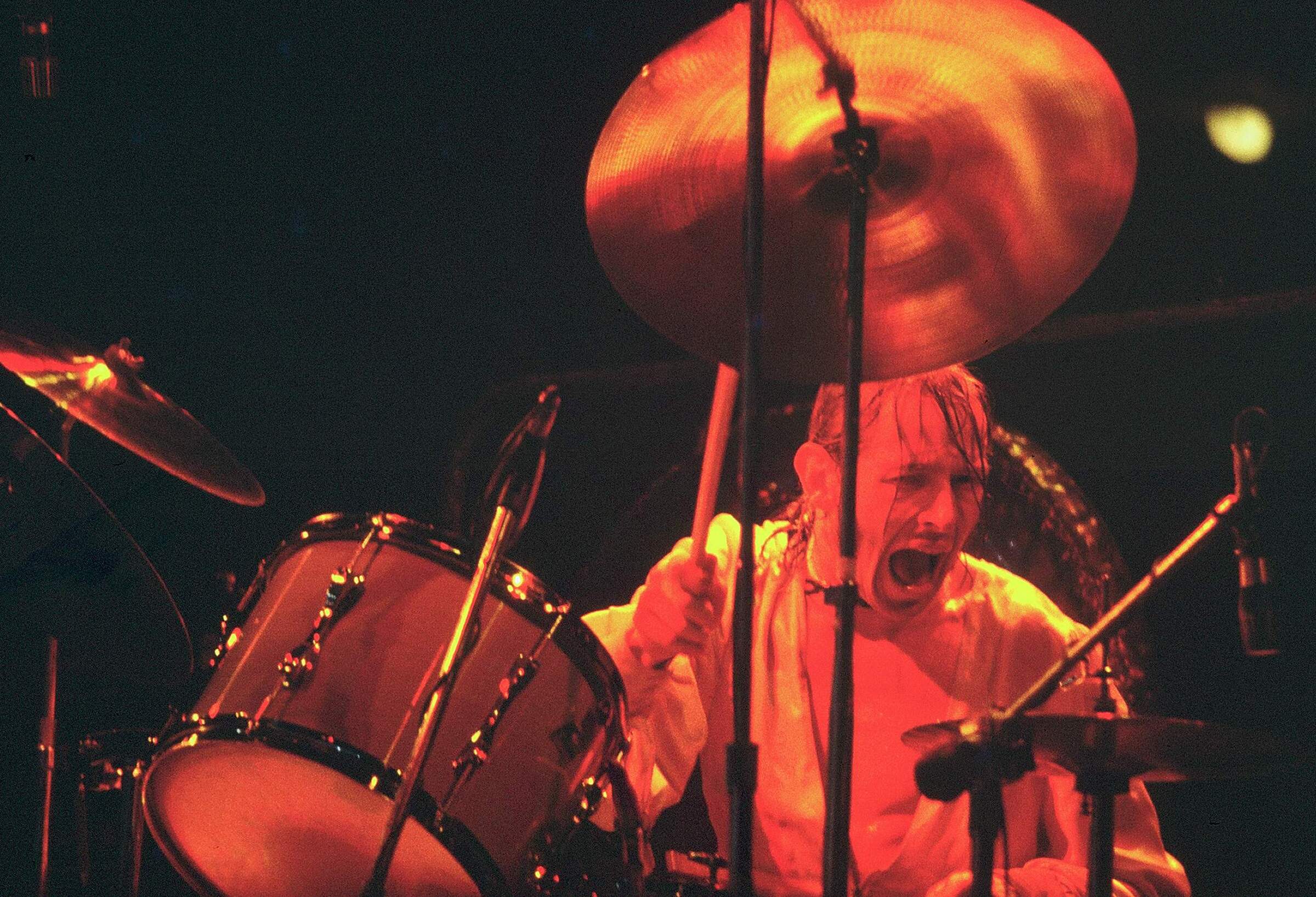
Well, in 1970 ‘All Right Now’ had run its course and had taken us on this whirlwind tour of the world. Of course, we had to come up with a follow-up, which we were unable to do. Plus, we were working eight days a week to capitalise on the success of ‘All Right Now’, and there began this growing resentment between the band and management that we were being flogged to death.
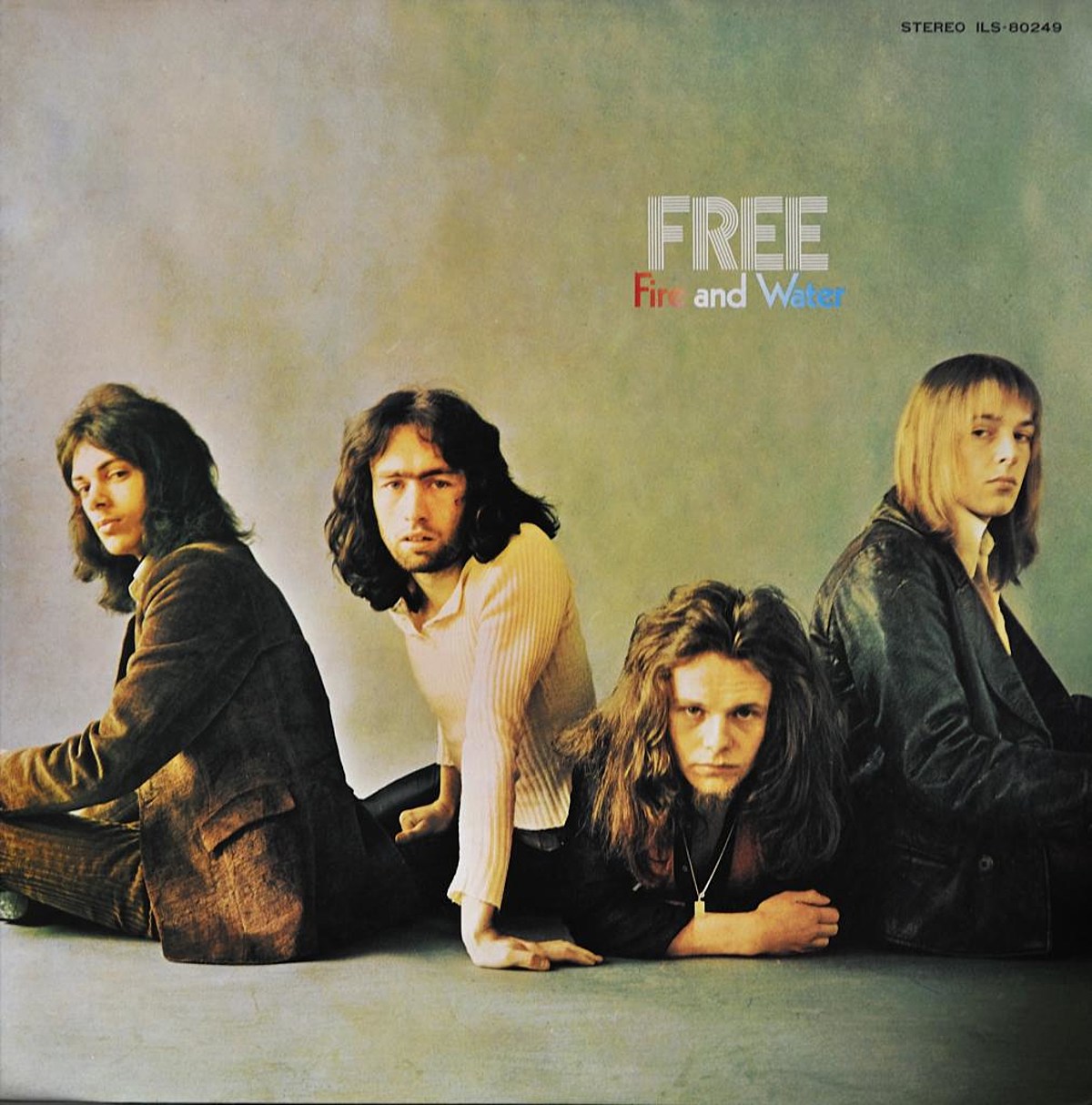
So when ‘Highway’ didn’t enjoy even a fraction of the success of ‘Fire and Water’, and the single ‘The Stealer’ didn’t chart, that kind of dampened our spirits, and Paul and Andy decided to break the band up.
When I spoke with Andy, he said the ugliness around Free’s first break-up made him start blanking out some of the memories. You and Koss had not wanted the band to end. Did you and Andy ever properly talk about what had happened, and has time made you see his decision differently?
Once the decision had been made by Paul and Andy, there was no going back on it. I think everyone was just eager to see the final shows through and go our separate ways.
We never talked about it. Koss and I were very close and felt very sad about the whole thing.
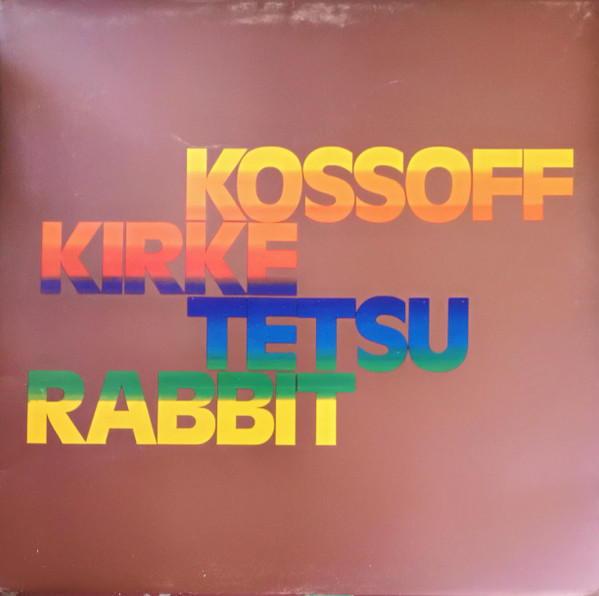
After the split, you and Koss made ‘Kossoff Kirke Tetsu Rabbit’, then Free re-formed partly in the hope of helping him. With what you later learned through your own recovery, what do you wish the band and those around Koss had understood about addiction?
Well, back in the early ’70s, addiction was not embraced as it is now. It’s much more out in the open. My knowledge of how to treat someone who’s an addict was minimal at best.
Koss should have gone into rehab for several months. Instead, we let him stay with his girlfriend in his little mews apartment in London without any supervision, and of course there was no recovery at all. He soon got back into drugs, big time.
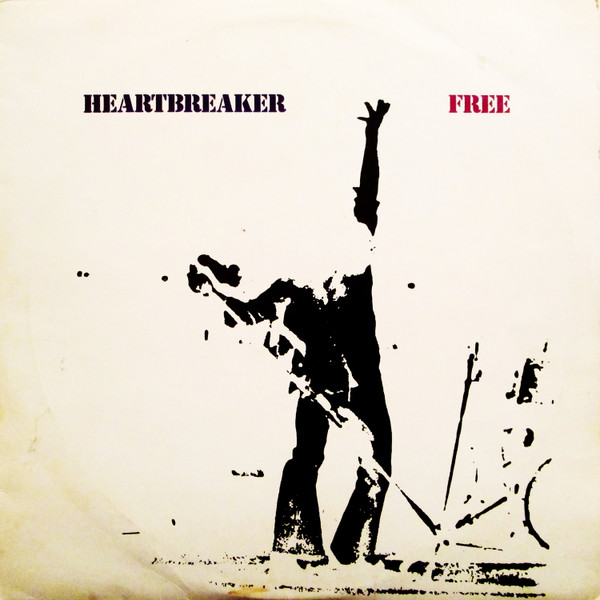
By ‘Heartbreaker’, Andy was no longer in the band and Koss could take part only intermittently, yet it still contains ‘Wishing Well’, ‘Come Together in the Morning’ and ‘Seven Angels’. What held those sessions together musically, and what do you hear in the record now beyond the difficult memories around it?
Yes, ‘Heartbreaker’ was a heartbreaking experience to record! I think what shines through is the determination to get this thing done, held together by the quality of Paul Rodgers’ songwriting and singing.
We never knew how Paul Kossoff would be from day to day, and it got to the point where we just had enough and told him not to come in.
After Free finally ended, you spent a few months in Brazil before returning to join Paul and Mick Ralphs. What did that distance clear from your head, and when Bad Company began, what did you want to carry forward from Free and what were you determined not to repeat?
By the end of 1973, I’d become friends with a group of Brazilians and had become romantically involved with one of the ladies. So I wanted to leave all the mess of Free behind, and I spent several months down in Rio de Janeiro. I hung out with my old friend Jim Capaldi from Traffic, who had a Brazilian wife.
It was a chance to reassess my career, put the band behind me and think about the future.
And I called Paul when I got back, and he said he had been working with Mick from Mott the Hoople and asked if I would like to come and play drums.
The beginning of Bad Company.
Boz Burrell came from a very different musical background and was still fairly new to the bass. How did the two of you find a common groove, and how was playing with him different from playing with Andy?
Boz Burrell came from a jazz/R&B background. I guess our common ground was the blues and so many musical offshoots that came from that form of music.
He hadn’t been playing bass for more than a couple of years, which made his two years with King Crimson even more improbable, as they were a highly respected prog rock group.
But he did bring fresh perspectives to certain songs. They were very subtle, but they worked very well.
Boz’s playing was more of a supportive role, whereas Andy’s was almost like a lead bass scenario.
You said after Mick’s death that the two of you went 50 years without a cross word. With all the strong personalities and difficult periods around you, how did you preserve that trust, and how did it show itself in the way you played together?
There are some people that you get on with from the beginning, and Mick was one of those people. We just got on so well. There’s no rhyme or reason to it.
We had similar backgrounds, both musical and in our upbringing. We loved motorbikes and rock ’n’ roll!
On the first Bad Company album, you were spread around Headley Grange, with your drums in the basement and Boz in the laundry room, yet the playing feels remarkably close. How were you communicating, and how much of that sound came from the building itself?
Yeah, you have to remember that we had been playing and rehearsing these 12 songs, which would make up the bulk of the first album, for many months. So when we finally got to record them, we knew the arrangements inside out.
That’s why the whole thing was done in less than a week, including mixing!
‘Bad Company’ came together with Paul at the piano, and ‘Anna’ and ‘Weep No More’ brought your own writing into ‘Straight Shooter’. Did the others think of you as a songwriter by then, and why did you bring comparatively few songs to the band?
I was still a novice songwriter back in those days, and I don’t think the others considered me as such, although I had a couple of songs with Free that were well received.
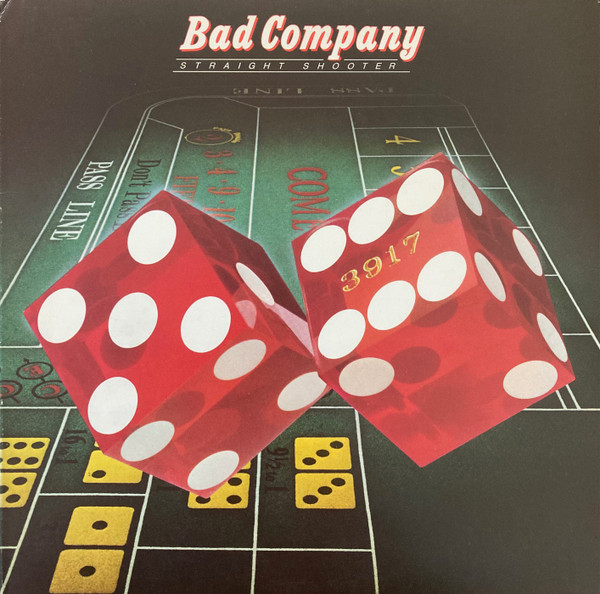
‘Burnin’ Sky’ was made when the band was worn down by touring, yet the title track came together with tremendous ease, while ‘Desolation Angels’ later brought ‘Rock ’n’ Roll Fantasy’. What do those two records tell you about how Bad Company was changing, both musically and personally?
The album ‘Burnin’ Sky’ was not particularly good. We were not ready to provide another fully stocked album. We had been touring incessantly, and we were all tired and were unaware that another album was to be delivered so quickly.
So when we arrived in Pontoise at the Château d’Hérouville, David Bowie was there, and he was running behind schedule and wondered if he could have another few days. We were happy to oblige him. We just hung out and jammed with him.
The title track was one of Paul’s best songs, very cinematic in its own way.
And ‘Desolation Angels’ came with a wonderful track of Paul’s, ‘Rock ’n’ Roll Fantasy’, which he wrote with the aid of an octave divider. It was a gift from Leslie West. You plugged it into your guitar and it gave you an octave down, as it were. That’s how that iconic riff came up.
Bad Company produced its own records, and Peter Grant generally let you make your own decisions. Once John Bonham died, Led Zeppelin ended and Peter withdrew, was there anybody left who could tell the four of you hard truths during ‘Rough Diamonds’, and might that have changed how the original band ended?
By the time ‘Rough Diamonds’ had been recorded, we were very much on the ropes and no one could’ve saved us. It was a dark time for everyone concerned.
Bad Company would stay out of action for several years.
After Paul left, you and Mick carried on with Brian Howe and later Robert Hart. Those line-ups made successful records and found their own audience, even though you have spoken about your mixed feelings over continuing the name. What did you genuinely value in those years, and when did it stop feeling like Bad Company to you?
The head of Atlantic Records, Ahmet Ertegun, called me and Mick and said, “Why don’t you get another singer and continue with Bad Company?”
I guess it was a commercial decision and something that I embraced because I worked very hard to keep Bad Company going, and now, because Paul didn’t want to be involved, it was all going to go belly up. So we went with Brian Howe and later Robert Hart.
Musically, the period with Brian wasn’t very satisfying for me. I have to be honest, I was going through a dark time myself with substance abuse, so my judgment at that time was pretty much impaired.
But we didn’t get on with Brian. After seven years, we went our separate ways and brought in Robert. It was much more bluesy and fun to be around, and we had a couple of good tours.
I think Robert’s tenure with the band was musically closer to the original Bad Company.
“It was one of the happiest times in my life.”
When Ringo Starr invited you into the All-Starr Band, you had only recently left rehab, and you have described the chance to play sober with musicians of that calibre as hugely important. How did it change the musician you thought you could still become, and did it help you step forward later as a singer and songwriter?
Playing with Ringo came at a time in my life when I desperately needed to be surrounded by sober musicians, and Ringo was the epitome of that.
It was one of the happiest times in my life. I went on to do a total of three tours with him and enjoyed every one of them.
Not least of all, it got me singing again, something I didn’t think I could do after backing Paul Rodgers for the last 30 years!
Bad Company’s 2025 Rock Hall induction found you as the only original member present, with Boz and Mick no longer here and Paul unable to attend. What was going through your mind when you played that night, and did the honour strengthen your feeling that Free also deserves recognition?
It was a curious time at the Hall of Fame last year. I was happy, of course, that Bad Company had finally been nominated and inducted, though I was very sad that Mick couldn’t be there and Paul was not well and unable to make the trip.
I don’t know how Boz would’ve felt about the whole thing. I don’t think award shows were his thing, really!
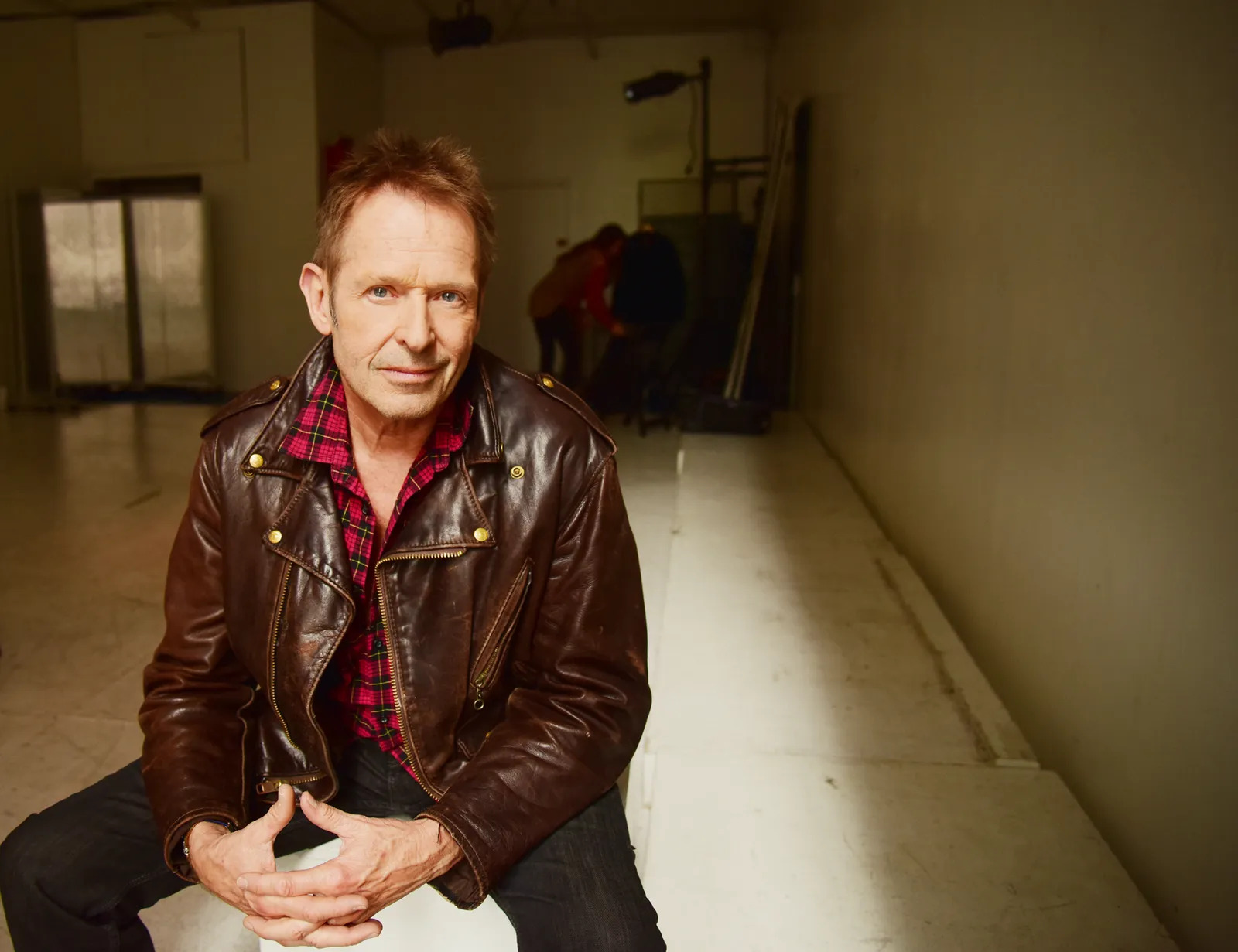
On Friday, 18 September, you will join Marc Ribler and Little Steven’s Disciples of Soul at The Cutting Room for a tribute to Bad Company. Stevie Van Zandt was one of those who pressed for the band’s Rock Hall recognition. What does his support mean to you, and what are you hearing in these songs now that you could not have heard when you first recorded them?
I’m very grateful to Little Steven Van Zandt for his help in getting us into the Hall of Fame. And I’m really looking forward to playing with his band, who are made up of some of the best musicians in New York.
Funny how things worked out. I was talking to Nicko from Iron Maiden, who is a good friend of mine, and they’ve been nominated 11 times for the Hall of Fame and never once been inducted. And I spoke to John Sykes about that last year, and lo and behold, they’re being inducted this year.
So we’re just passing it on…
Klemen Breznikar
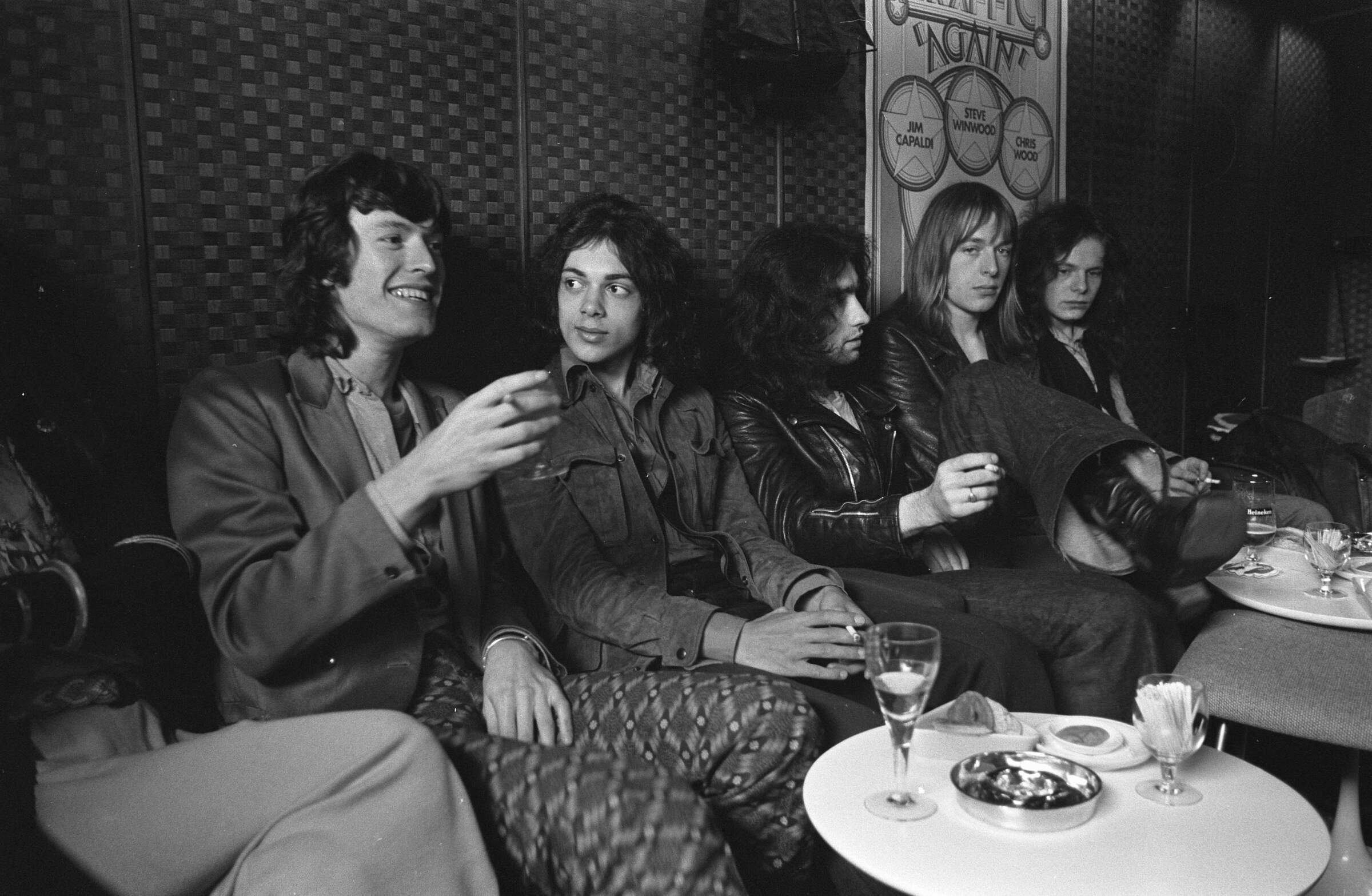
Headline photo: Steve Winwood with Free in Amsterdam, 16 July 1970. From left: Steve Winwood, Andy Fraser, Paul Rodgers, Simon Kirke and Paul Kossoff. Photograph: Rob Mieremet / Anefo, Nationaal Archief.
Simon Kirke Website / Facebook
Bad Company Website / Facebook / Instagram / X