
Kennélmus | Ken Walker on the 1971 Cult Psych Album ‘Folkstone Prism’
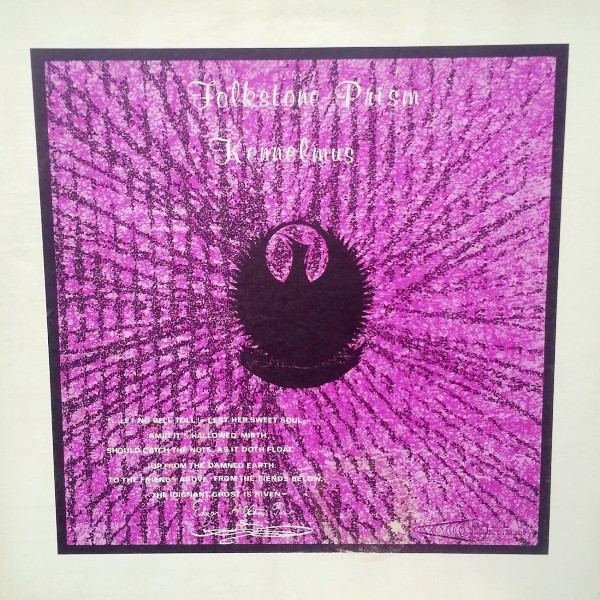
Kennélmus released ‘Folkstone Prism’ in 1971 on Phoenix International Records, a small Arizona label connected to Ken Walker and the band.
Walker was working at Wakefield Pressing Plant at the time and had also managed to get the other members jobs there. “We were the only band that I can think of that actually pressed their own album,” he recalls.
The record remained obscure, but over the years it became one of those American private pressings that collectors kept coming back to. When I interviewed Rich Haupt of Rockadelic Records in 2011, he described Kennélmus as a “bizarre desert psych disc.” He also remembered that Ken still had the original pressing plates. Rockadelic later used those plates for its reissue.
By then, Ken had already been playing music for years. Growing up in Phoenix, he took guitar lessons at Ziggie’s Music Store and remembers Al Casey and Duane Eddy coming through the shop. He later played with the Shi-Reeves before Kennélmus took shape around the end of the ’60s.
The Phoenix scene was changing too. Ken remembers the Spiders, later Alice Cooper, as part of the local scene, along with clubs, record shops, studios and the area around Indian School Road where hippies had begun renting old shops.
Much of ‘Folkstone Prism’ was made in evenings and on weekends. One of the album’s stranger sounds happened by accident. While Ken was recording in a building near the Indian School, interference from nearby telephone equipment kept bleeding onto his tape machine. He recorded it and later used the sound on ‘The Raven’.
“All this stuff that happened wasn’t planned,” he says. “It was just that everything fell together.”
The album has since been reissued several times, including editions by Rockadelic, Sundazed and Modern Harmonic. ‘Patti’s Dream’ also turned up decades later in the 2024 film ‘Drive-Away Dolls’.
Ken is now approaching 79 and still works as a DJ, although these days he mainly plays senior centres around Phoenix. He talks here about growing up in the city, the Shi-Reeves, Kennélmus, recording and pressing ‘Folkstone Prism’, the Phoenix music scene, Alice Cooper, Rockadelic, Sundazed and what happened to the music that followed.
The following interview with Ken Walker was conducted by phone by Justin Jackley. I’ve added this introduction to connect Ken’s recollections with some of the Kennélmus and Rockadelic history previously covered in It’s Psychedelic Baby! Magazine.
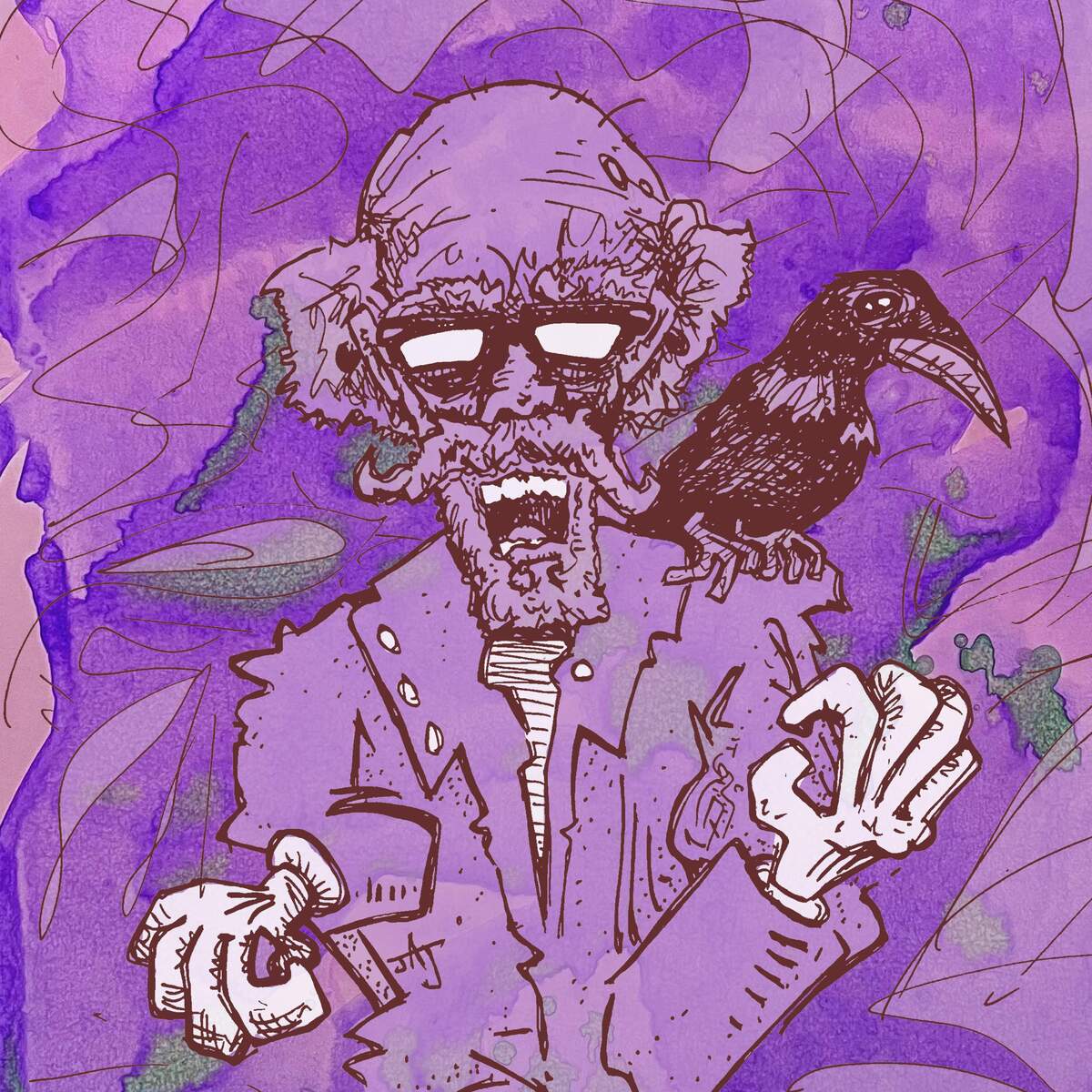
“We were the only band that I can think of that actually pressed their own album.”
Hi Ken. Thanks for taking the time to talk to me about Kennélmus today. All right, to start off, if you can take us back to where you grew up and the music you first heard at home.
My family moved around a lot and by the time I was 15, I had moved 15 times. So, that meant I was always the new kid in the school. The one that didn’t fit in. My mother was Catholic, so I went to Catholic grade school in Phoenix and later a Catholic high school. When I graduated from high school, I went to work at the Republican Gazette Newspaper as a copy boy, and I made my way into being an investigative reporter from September of ’65 until 1970.
At this point, I realized that I was really becoming an S.O.B. and I didn’t like what I was doing and I went and worked for Sidney J. Wakefield at the record pressing plant. Now, in 1968, when I was still at the newspaper, I had met one of the advertisers who was a promotional advertiser. That’s when I decided that I wanted to do some recording stuff. So, we started recording Mexican bands and put out a couple of albums and some singles. Then we did some folk music, and we got a group of musicians together. I had this project in mind, which was the ‘Folkstone Prism’ album. These guys were as crazy as I was and they said, “Yeah, man, let’s do it!” So, in the fall of 1970, we started recording this thing in the evenings and weekends.
So, I was working at Wakefield Pressing Plant and by this time, I had been promoted to the night shift foreman and I got each one of the guys in the band jobs at the plant. We were the only band that I can think of that actually pressed their own album. So, we released the album and then over time, you know how it is with this thing, everybody wants to go off and do their own thing. The bass player moved back to Indiana, Bob went to New York, and I went to work for the post office.
Remember I told you that I had been moved 13 times by the time I was 13? Well, when I was going to the Catholic school, I went to Catholic dances. They called them CYO, which was Catholic Youth Organization, and we would go to the dances on the weekends. And I noticed something very interesting. The young people all hung around the band and the DJ. So, I decided I was going to do both.
Even after I got married and my wife didn’t want me playing in the band, I kept doing the DJ sets and she divorced me. It was a sad situation because my name is Ken and her name is Barbie. They came out with a new Barbie doll: Barbie with all of Ken’s stuff. Ken with all of Barbie’s bills. She divorced me in 1994.
And in 1994, I occasionally picked up some gigs as a musician with some different friends that I knew that worked for the convention groups coming to town. Phoenix has a lot of fancy hotels and stuff like that. So, they would have a convention and then they hired some bands to play at the parties. I was picking up some miscellaneous gigs at that time. In 1994, when Barbie divorced me, I said, “Okay, I’m going to go ahead and do this full-time now.” So, what I started doing is I started working full-time doing music as a DJ and as a one-man band. In one of my really, really good years, I did like 600 shows in 365 days. Well, when Barbie heard about that, she had to kind of swallow her pride. I did make it, in other words, I was doing something full-time and it was something that I enjoyed doing.
And I was doing that up until about four years ago. On September 26th of this year, I’m going to be 79 years old. So, four years ago, I got to the point where I really couldn’t keep doing the guitar shows because of hauling the equipment and everything. It was just too much on me. So, I cut out the guitar shows and now I’m just doing DJ shows and I’m only averaging about one a week. I go out and I DJ for the senior centers.
What kind of music do you play there? Classics and oldies?
Anything that the old farts would like and depending on where the senior center is located, I typically would do maybe 90% Hispanic music when I’m DJing. Other ones, I do ’70s and ’80s music and other locations I’m playing ’50s and ’60s rock and roll.
I started off with putting everything on cassettes because it was too much to carry around the phonograph records. Then when they came out with CDs, I switched over to CDs. I’m still doing CDs now. I don’t do AI.
Yeah, AI is not good for the music scene or any scene for that matter.
Well, I just have a personal thing where I don’t do it because of religious reasons. I got a Jewish father and a Polish mother. I quit the Catholic Church right about the time the album came out, the ‘Folkstone Prism’ album. If you look on the label of the record, it says PIR, which was Phoenix International Records, 4/21/71. That was the release date of the album. I became a born-again Judeo-Christian instead of a Roman Catholic. I’m a Judeo-Christian rabbi and I teach the Bible. I’m not a preacher, I’m a teacher. That’s what a rabbi means, a teacher. And the Lord has me doing that on the bike for him, and that’s about everything.
If we can jump back a little bit to the origin of your musicianship, when did you first start playing and what was the first instrument you played?
When I was 13, my parents bought a house only a mile and a half from Ziggie’s Music Store and I started taking guitar lessons there and that’s how I got to meet Al Casey and Duane Eddy and all these other people, because they were regular customers going there. So, I had really been influenced by Duane Eddy. There was a music studio only about a mile from Ziggie’s and that’s where these guys used to do all their recordings. As a young kid, 14 years old, on my bicycle, I’d go over to the recording studio and try to sneak in the back door. I remember getting chased out of there one time and I was out back crying and Al Casey and some of the guys came out for a smoke break and he says, “What’s the matter?” and I said, “That mean guy kicked me out!” and Al Casey says, “Well, I’ll tell you what. You go back over to Ziggie’s and you learn how to play guitar and when you’re big enough, contact me and I’ll let you audition.”
Al Casey went off to Los Angeles, and he became a member of the Wrecking Crew. I don’t know if you’re familiar with that term, the Wrecking Crew?
I’m not, I’d have to look that up.
Okay. The Wrecking Crew was something that was started by Tommy Tedesco, and it was a unit of ten musicians that would play on just about anything that came out.
When the Monkees were doing their thing, Glen Campbell and these guys would come in and do their acts and stuff like that. In fact, thousands of records came out at that time. There was a movie about the Wrecking Crew that’s on the television stuff.
He came to Phoenix and he was living there for a while, and Al and I had a chance to do some gigs with him, and he gave me a list of the stuff that he had recorded. This was like 17 or 18 years ago. At that time, he had been on 150 top 40 records.
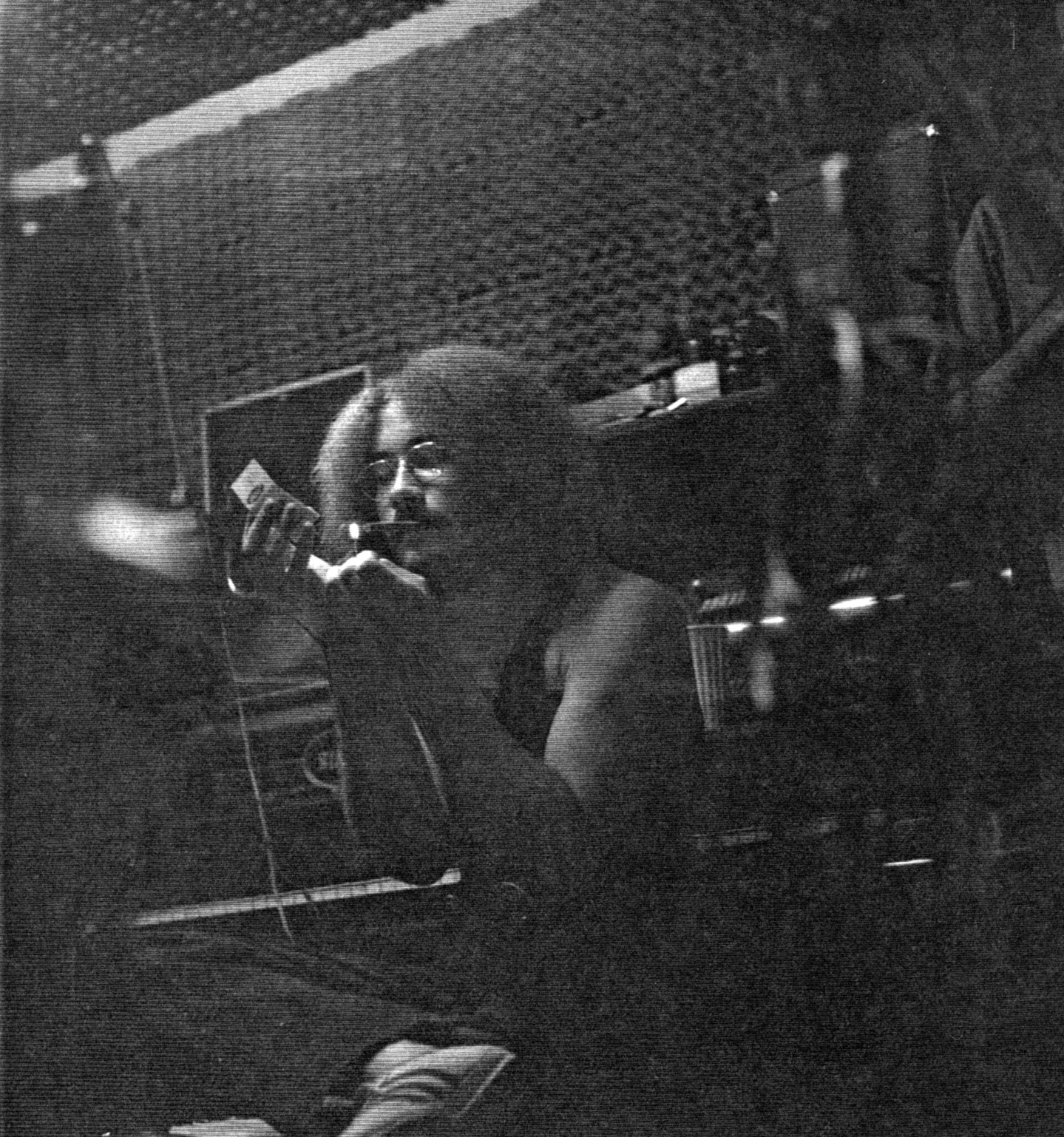
What is the story behind the first iteration of Kennélmus called the Shi-Reeves? How did you meet Bob Narloch and who else passed through the group?
My brother and I met Bob Narloch at what’s called Encanto Park and the three of us started jamming together. We said, “Hey, this is unique, isn’t it?” But we were just a typical garage band, and I had some background before that of working with a group called the Starlighters at Central High School.
There was a band where they advertised they wanted a guitar player. So, I went and auditioned for the job. And they said, “Hey, you’re in, man! You’re really good.” And I said, “Oh, yeah.” And what I had been doing at home besides taking lessons over at Ziggie’s is I had one of those old western music players where speakers snap onto the sides and you had a turntable that played at 16, 33, 45, and 78 rpm.
I went and bought albums by the Ventures, Coronados albums, and all the different groups that were playing instrumental guitar music and I would play the album at 16 rpm at approximately one half of 33 and a third. It was, you know, one half a beat, but it was still in tune. And then I would sit down and learn each of the parts. I’d learn how to play the bass, drumming, how to play the lead, and background stuff so, when I was auditioning for the Starlighters, I knew all these songs. And they said, “Hey, that’s great.” So, what they did is they asked me if I’d play lead, and they told the guy that was playing lead that I was going to play lead, and he got mad and quit.
And after the deal with my brother Larry and then Bob Narloch and myself, we met some guys that were hanging around. And there was a big player by the name of Ronnie Fong, and I can’t remember the name of his keyboard player, but anyway, they were hanging around, and they said, “Hey, can we jam with you guys?” And we said, “Sure.” So, we jammed, and it kind of worked, and we ended up like a large band version of The Animals.
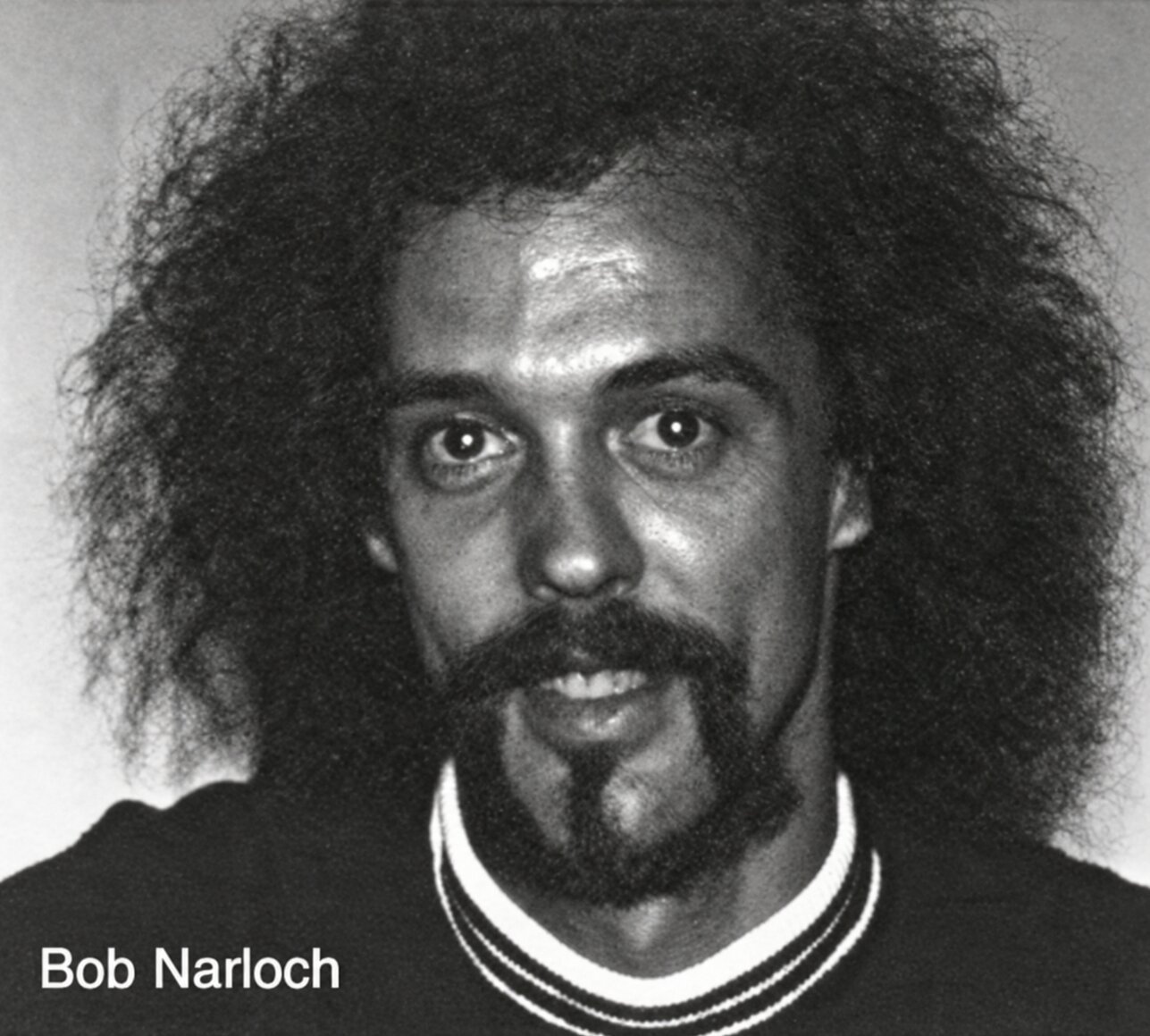
So, going from the Shi-Reeves, how did you guys kind of evolve into Kennélmus?
Remember when I told you my father was Polish-Jewish?
Yes.
Okay. In the Jewish tradition, particularly in the Bible passages, the author’s name indicates the child’s heart, just like they did with the Native Americans and with the Africans, you know, kind of tribal things. Well, if you remember, the Jews had tribes themselves. What it is, is teach, teach would be the word that would, in English, if you look it up in the dictionary, means to cause to know, and to cause to know, it’s the root of tenning, which is the knowing, or in Christianity, it’s the root of the word for pick-tenning, to catch on fast. And then, Kennélmus is the Hebraic version of Alma. Alma, like Alma water. That is the name of it, right? So, my designation of the band in my head was Kennélmus. A lot of the natural analogies that are, you know, tribal-based, stuff like that, they all have that same thing where they name the child, and they’re referring to the spirits inside the person, which is a part that you never see. It’s called a designation. The word designation, it’s from the word design, and design is how God designed me.
So, when the band changed, was that around 1969? Is that correct?
Yes. Okay, let’s see. What happened was that Larry, my brother, went into the Marine Corps, and Bob and I decided that we wanted to go ahead and do Kennélmus, and we set up a partnership with a guy that had an acquaintance whose name was Chuck Hauke. And when we did the partnership, he kind of supplied the recording studio time and materials, and I’m the one that financed it.
That’s when we met Mike Shipp and Tom Gilmore, who was the drummer and the bass player. They actually came into his studio one time wanting to do a demo, and they hired some time from him, and I was in and out of the place all the time and I got introduced to them, we got talking, and I told them about this dream that I had about putting out the ‘Folkstone Prism’ album.
They flipped over it, so we all worked on it. This year, that would have been the fall of 1970, and we were doing a hard time, you know, evenings and weekends, so it would have been the fall of ’70 to the spring of ’71.
In what ways do you think your music was changing at that point?
Mike Shipp was doing the garage band stuff, and he got into this other stuff that I was writing. Because when it first started off, if you remember, in Encanto Park, it was just like a garage band version of The Animals.
Okay, right, and you were doing a lot of covers then, is that right?
Yeah.
So, then you moved into more original material?
We started doing more original stuff, and one of the things that I had done that was part of a stage show was I had a cape made for me. And when I’d come out, I had a hood and a cape, and I made this little thing that was a performance for Kennélmus. That cape, by the way, ended up going to Alice Cooper.
Alice Cooper was at my school like a year before me or something like that. He was part of the scene, too. Then I moved down to where my parents were living, well, a walk away, was a place that was called the VIP, and then later they changed it to the Seven. What it was was the Phoenix JC building was being rented by a guy that used to work for the newspaper as an entertainment columnist. And he was bringing in a rock and roll dance. The house band at the time was Alice Cooper. They were called the Spiders at the time. I put Walsh in my house and I was right in the middle of the action of everything. The recording studio, the CDs, the Seven. I just happened to be at the right place at the right time when all this stuff was going on.
And the whole music scene was changing at this time.
Yeah, when the hippie stuff came in, remember I told you Ziggie’s was like a mile and a half from here, right? The school was on Sage Street. My parents lived on Sage Street. Sage Street had an Indian School, which was across the street, going all the way downtown. At one time, they had a trolley car like they do in San Francisco and there were all these little shops and businesses that were there and they were all old and run down and everything and the hippies started renting these old shops and stuff.
So, it was like our version of Haight-Ashbury was on 3rd Street from the Indian School all the way downtown. So again, it was just a matter of being at the right place at the right time. You know, the background sounds that are on ‘The Raven’, like a computer sound?
Yeah, that’s one of my favorite tracks on that album. I really like ‘The Raven’.
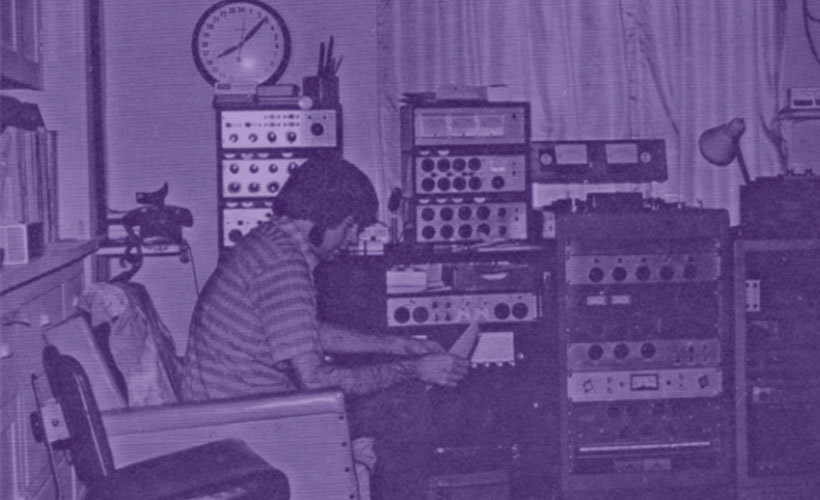
I had moved out of my dad’s house for a while. To a place that was right behind the Indian School. Behind where they had a telephone company and they have all this telephone company stuff that’s in there. And I had my own version of a recording studio and I was renting this old building there and I was trying to do the recording and for some reason I kept getting this weird signal that was bleeding into the tape recorder and what I did is I went ahead and recorded it with a whole lot of tape and that’s where we got that sound effect for ‘The Raven’. Something that was in the telephone company and was bleeding through into the recording equipment. Again, being at the right place at the right time. All this stuff that happened wasn’t planned. It was just that everything fell together. The only reason why there was never a follow-up on the Kennélmus album was the fact that, like I told you, my parents wanted to have a grandson.
So, they wanted me to get married. They set me up with this girl and the band decided they wanted to go out and do their thing and things just kind of fell apart. You may laugh at me and my opinion, but when I was 13 going on 14, was that vocal music was just not going to last. I was just into instrumental music. That’s when music was starting off with the Ventures and all those groups and everything. So, it was basically, whatever was coming out that was instrumental guitar. Including Ted Atkinson, by the way. I liked Ted Atkinson and I got a lot of his albums. Wrote them down and learned how to play that stuff and went through it.
Then when I was going through the dances for the CYO, I was working as a roadie for that DJ that was doing the Catholic dances and I got exposed to all the things that moved on the rock and roll stations. And I was influenced by Motown and R&B. It’s like what they call soul music today. I call it by the name of their regular station, K-RAP.
Oh, that’s another thing. In the ’60s, we had those two regular stations I mentioned earlier and those stations would have such a variety on their playlists and stuff like that. You could have a Motown song come on and then you could have, let’s see, a Christ the Martyr song come on. It was just song to song. It was so varied that anybody that was into listening to radio in those days really got a very good education.
What’s going on right now is about the same thing that was happening back in 1960. The reason why the Beatles were such a big influence when they came out, is because the radio stations from ’60 to ’63, they were very spectacular. When Motown came out, when the Beatles came out, they started this new trend of everything.
Being in Arizona, being in the desert, did peyote play any role in the band? Did you guys experiment?
No. When the band kind of fell apart and it was just me and Bob doing a duo, me to play these private parties, house parties and stuff like that, a lot of the places they were doing pot. I was not into drugs at all. I was just not interested.
But one time they had convinced me to go ahead and smoke pot. And where the party was, it was only about two and a half miles from my parents’ house and I got really paranoid after smoking pot and I said, “I’ve got to go home!” So, what I did was I got in my car and then I had to drive from my place to my parents’ house just down the road and it took me approximately 45 minutes to get home. I was only like two and a half or three miles from my parents’ house. When I looked at the clock on my watch, it was only seven minutes. And I said, “That’s it. I’m good. I’m not interested anymore.” So, I was saved.
Now Bob Narloch, on the other hand, I guess he was an alcoholic. He was really into pot and stuff like that. And he just kind of blew his own brain out. Remember I told you how close everything was? Bob Narloch ended up in that hospital over there before he died.
Can you tell me if the structure of the album was planned beforehand or did it just kind of emerge in the editing process?
I had the general idea in my head. And what I would do is, they tried to make it a democratic band. I would bring in parts and I’d tell the guys, “Okay, now this is what we’re going to be performing. Anybody got some ideas? I want you to throw them out there and let’s go ahead and jam it out.” And that’s exactly what we did. The first track on the album has got a different number than the rest of the album and that was because it was a track that was left over from something that we had done with audio recorders back when we were doing the thing. And that was my brother on the drums.
And I would start playing and, you know, doing my part. And I’d say, “Now, you guys pick it up and it’s just, what do you feel that fits?” Sometimes we’d do it maybe four or five different ways until we finally got something. So, it was kind of a democratic arrangement as far as doing the arrangements.
The references to women in the titles, were they real people?
These were actual people, yes. And I mentioned ‘Patti’s Dream’. There’s a company that put out, not an album, but put out a movie, and the movie is called ‘Drive-Away Dolls’. It came out in 2024. This is a movie about some lesbian love affairs. They use the track ‘Patti’s Dream’.
So, if you want to check that out and see how they use it. Basically, Sundazed has been handling all the financial arrangements and stuff for me. When I made the agreement with them, we had originally pressed the album on Phoenix International Records and then it was reissued by some guy in Irving, Texas, later in the ’80s. Yeah, it was in the ’80s. Then, Sundazed had contacted me about, you know, them wanting to do it. They wanted exclusive rights. And I said, “Okay.” So, they’ve been kind of handling everything for me.
They called me up one day and said, “There’s a company that wants to do a low-budget film. And they want to have the rights to use that track in their movie.” I haven’t seen the movie yet. It’s a low-budget film about a lesbian couple. Like I said, it came out in 2024 and it was called ‘Drive-Away Dolls’.
So at this point, after putting ‘Folkstone Prism’ together, did you perform this material live? Did you tour?
Just basically in Phoenix, Arizona. That’s when we were doing the Shi-Reeves. When we were doing the Shi-Reeves, we actually were going out to Wickenburg, Arizona, which is about 35, 40 miles outside of Phoenix on US heading towards LA.
There was a place there called Bowman’s Barn. The guy that had Bowman’s Barn also had owned some music store in Phoenix and he used to have us come out there on the weekends and do teenage dances for them. But that was before Kennélmus.
That was when we were still the Shi-Reeves, as for the Kennélmus stuff, we only did it here in the Valley. And I was influenced by Alice Cooper. As a matter of fact, I had sent out, I don’t know, 500 copies out to different people and put it in record labels and stuff like that. And it was just that the timing was wrong because this came out in April of ’71.
Think about how the music was changing at that time. We were getting out of the psychedelic era and starting to get into folk rock and soul.
Could you tell us how ‘Beyond Folkstone Prism’ and the Rockadelic, Sundazed and Modern Harmonic reissues came together?
Rockadelic was the one I was thinking of from early. Well, it came out, ‘Beyond Folkstone Prism’, when I had married Barbara and she wanted me to get out of the music business, we had a situation where Ziggie’s granddaughter couldn’t stand me and my wife Barbara couldn’t stand Chuck Hauke, the guy that had the recording studio. So, we basically had to cease our operation and we decided to shut down Phoenix International Records and we split up the masters.
Now, a lot of those songs that were on ‘Beyond Folkstone Prism’ were released under different names. Some of them were even released under a thing called Pirate Records of Houston, Texas. My brother was in the Marine Corps and he was stationed there in Houston, Texas and we were having such bad luck getting Phoenix stations to play the Pirate Records so we decided to start up a label and we used my brother’s home address as the address for it. There were things that came out under the name Randy Bell.
The other stuff that came out was Mike Shipp, who was the drummer on the ‘Beyond Folkstone Prism’ album. There was The Grey Ghost. I can’t even think of some of the names that we came up with. It was like we had a group of house musicians that would work on the ‘Folkstone Prism’ album. While I’m giving credits, there’s a lot of bits of names of things on there that are not really explained other than thanks for the help. There were people that were hanging around the studio and we needed somebody to play more octaves or whatever.
We were just putting it together. And then there were some guys that wanted to have an opportunity to sing. So, we got them to sing. That’s when we came up with these names like Randy Bell and The Grey Ghost. It was all basically the same house musicians. Kind of like the same concept of the records we were watching in LA.
The album was available through Sundazed. Now, they went ahead and they pressed it as a CD, and then they also pressed it as an LP and then there was a gentleman here in town, whose name escapes me right now, that has a used record store and he had made a special order with Sundazed where he ordered, I don’t know, 500 or 1,000 or something like that, purple plastic copies of it. So, those are out there, but again, you’d have to talk to Sundazed to get more details and all of that, because all I do is say, “Okay.”
They call me up and say, “We want to do this.” I’m like, “Okay.” I’m not into marketing.
You know what I mean? I got so discouraged with the marketing thing when we were trying to sell the records in the original form, that I just got to the point, well, let somebody else do the marketing.
Yeah, better left to someone else. I understand. Is there any unreleased material, like live or otherwise, that’s been unheard after all these years?
Maybe a few miscellaneous tracks here and there and everything. I don’t know what happened to some of that stuff, because again, his wife, who was the granddaughter of Ziggie, she didn’t like me. So, I don’t know what ended up happening with that stuff.
Anything that was ‘Beyond Folkstone Prism’, that was Bob’s property. Anything that was ‘Folkstone Prism’ was my property. And we just split it down the middle. It was basically the same house musicians.
That’s really all the questions that I have for you right now. Is there anything else you’d like to share with readers of our magazine?
I don’t know what else to share.
One thing I would tell you to follow up on is to get a copy of our CD and get that little pamphlet that’s inside your CD. It has the whole history of stuff. There’s much more greater detail than even we went through today.
Okay. Yeah, I’ll definitely get a hold of that, and we’ll use that as supplemental material. And hopefully this will get to some new readers and listeners that hadn’t heard your album before, and get that out there to more people.
Alright. I have to point right now that I’m not really interested in making a fortune or anything like that. Whoever wants it, fine. If they don’t, that’s fine, too. I’m just going with the flow.
That’s right. Yeah. That’s all we can do at some point.
Yeah. Like I said, that guy that owned those four albums has a record store in town. He was trying to get me to drop Sundazed and come and sign with him. He said, “I’ll make it worth your while financially.” I said, “I’m not interested.” I said, “I’m at the point right now where the money’s not all that important. Especially if it’s just attached to more headaches of dealing with all that switching over.”
There’s a saying that I learned when I was a young man, which I will share with you because you can use it all through your life. “If it ain’t great, don’t catch it.”
Yes, that’s right.
Another one is, “Go with the flow and you won’t get hit in the head with a log.”
That’s good advice. Thanks!
Justin Jackley
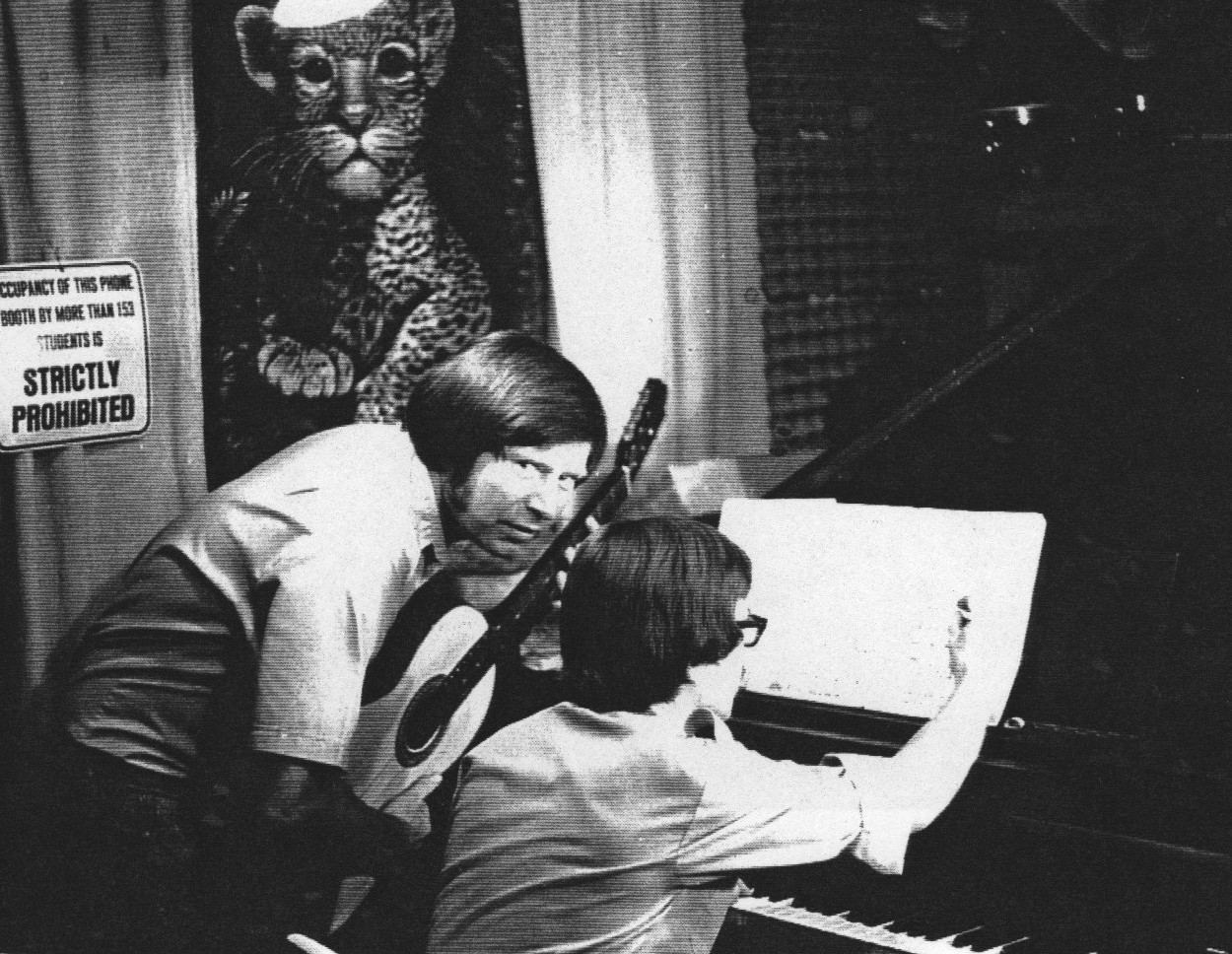
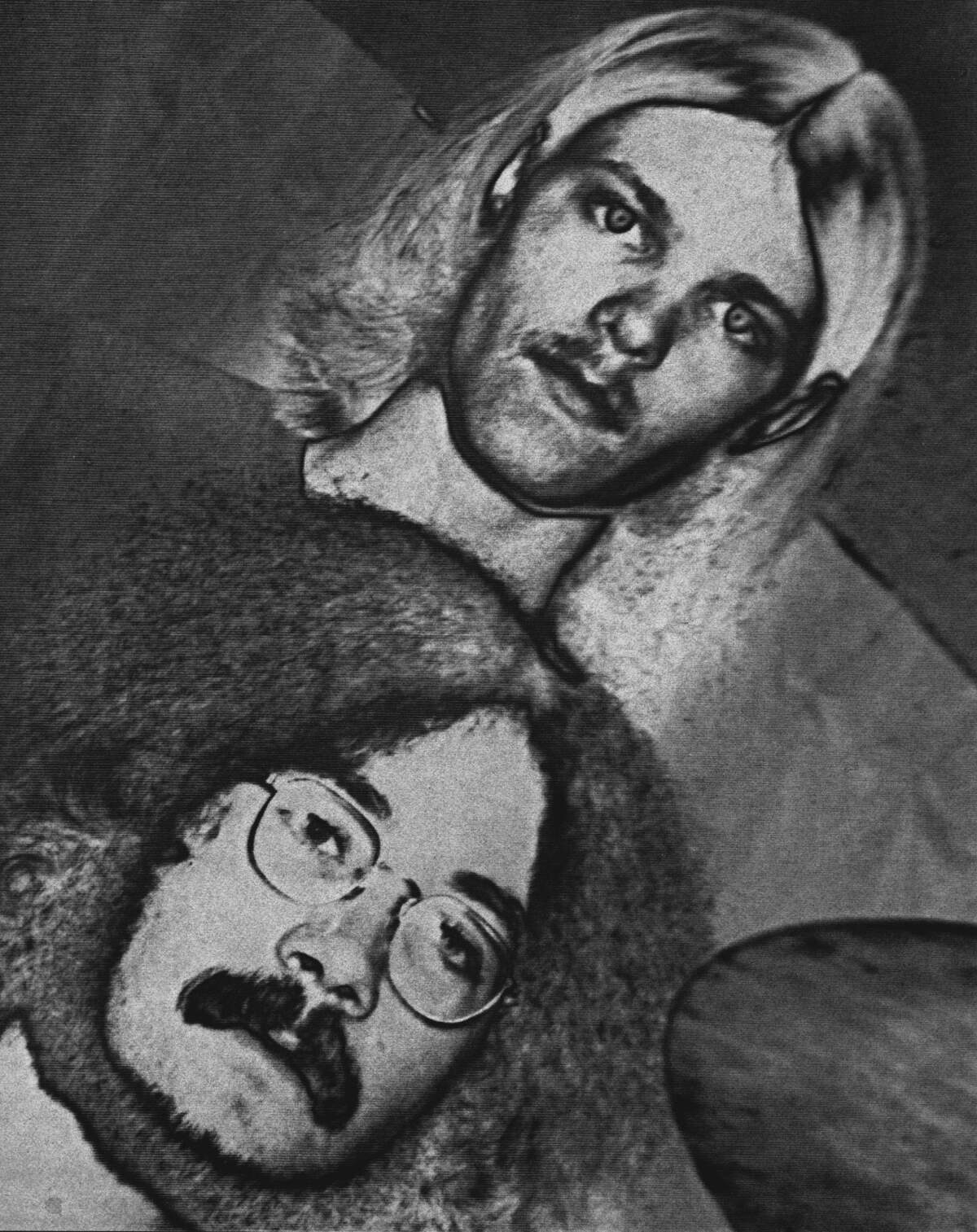
Headline photo: Chuck Hauke and Ken Walker of Kennelmus. Photograph courtesy of Sundazed.