
Dave Bixby on ‘Ode to Quetzalcoatl’, the Void, the Group and the Long Road Back
Dave Bixby’s ‘Ode to Quetzalcoatl’ has spent most of its life outside the history of American popular music.
Recorded in a Grand Rapids living room in 1969, with voice, acoustic guitar and reel-to-reel echo, the privately pressed album almost disappeared altogether. Collectors brought it back into circulation, and Guerssen Records issued its first authorised reissue in 2009. Its reputation has since travelled far beyond the small religious community through which it first circulated.
The story behind the record is less romantic than the language often used to describe rare psychedelic folk. Bixby speaks about LSD, depression, religious conversion and what he describes as coercive control without nostalgia. “The freedom almost killed us,” he says of the counterculture. Describing the period he calls “the void”, he is blunter still: “You don’t know you have a soul until you lose your soul.”
This interview follows that experience into ‘Ode to Quetzalcoatl’, the fuller 1970 Harbinger album ‘Second Coming’, and Bixby’s years inside and outside the organisation he calls the Group. It also traces the lives that followed: mountain solitude, work as a singing cowboy and park ranger, television, sailing, a shipwreck, and his eventual return to the songs he had left behind.
That return has taken unexpected forms. Bixby performed at Copenhagen’s Festival of Endless Gratitude in 2018, released ‘Terraferma (Welcome to Earth)’ in 2024, and received a writing credit when ‘Drug Song’ was sampled on Travis Scott’s ‘Parasail’. Yet he remains most convincing when describing the original recordings in simple terms: “I wasn’t performing; I was expressing.”
Looking back, Bixby keeps the story as it was. “Completion is the word,” he says. In this interview, he talks openly about the music, his faith, the Group, and the unexpected second life of a record he made more than fifty years ago.
A very special thanks to my old pal Justin Jackley for all his help in arranging the interview.
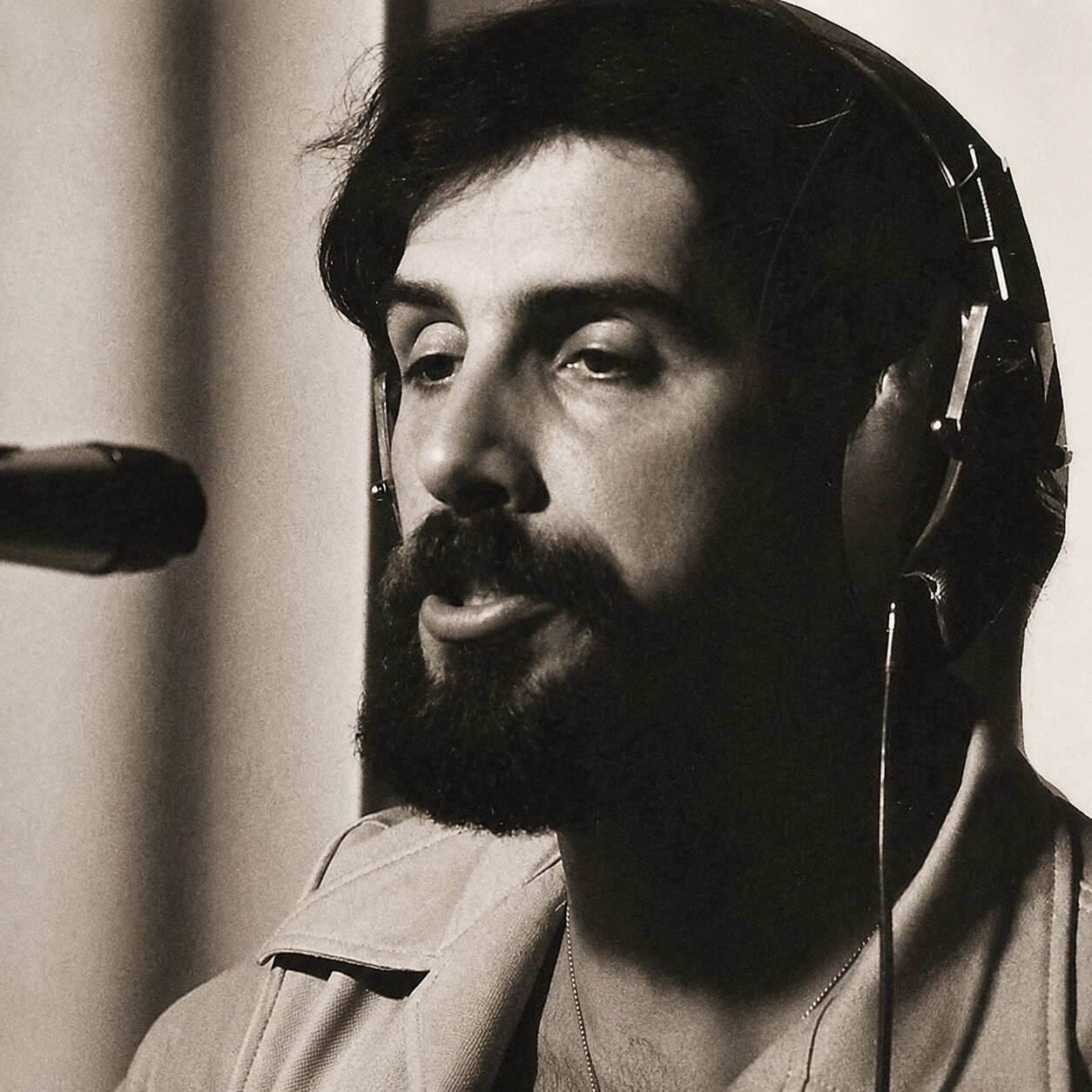
“You don’t know you have a soul until you lose your soul.”
You grew up in Grand Rapids and finished high school in 1968, with Vietnam and the counterculture all around you. Before the records, “the void” and the Group, what were you looking for?
Dave Bixby: Looking back, I was in fear of being drafted into the army, shipped to Viet Nam and killed like many friends before me. Other than that, I was looking for fun and feeling groovy.
What do you remember most clearly about the days at Lake Michigan?
The endless summer was smoking pot sporting a tan, barefoot in the sunny sand and checking out the babes. The hippie counterculture had the illusion of purpose. We were rebels without a clue and reefer smoking criminals.
Today we can simply buy marijuana at any local dispensary. The novelty is gone! Most beach goers owned pocket size AM FM transistor radios all tuned to the same radio station, WGRD. We listened to the Beach Boys, Beatles, Doors and Steppenwolf. Today, it’s called classic rock. Dropping acid before sunset and coming on as dusk turned into twilight was a trip. The stars of the universe made us cosmic into the night. Staring into the crackling campfire was mesmerizing as the flames danced. The sand was warm from the heat of the day. When I say “we” and “us”, I mean there are lots of friends to hang out with. I feel like I am the last hippie standing. Thanks for the flashback.
“The freedom almost killed us. It was not given, we took it!”
Before ‘Ode to Quetzalcoatl’, you played in bands and coffee shops. What did music mean to you then?
There and then, we didn’t think about what we were doing, we just did it.
Here and now, that music marked time and captured history and living liberty.
Young people are curious about those days and ask me what it was like. The freedom almost killed us. It was not given, we took it! To answer the last part of your question, I now see the value of music and lyrics imprinting each generation.
In 1968, your band Friends of Mind learned the whole second side of ‘Sgt. Pepper’ for a battle of the bands.
Learning every track in order took time. Stop, start, stop, start. Then one rehearsal, we got through the whole collection of songs. ‘Sgt. Pepper’ is a record you didn’t just listen to one song; you tripped through all of it ending with ‘A Day in the Life’. The song faded away as I came back to the record player needle popping in the last groove at the label.
Performing this set at the battle of the bands gave us the edge and leverage to win first place. This memory was a music success and a highlight in my early life.
You have spoken very openly about LSD. What do people, especially younger listeners, still misunderstand about that part of the counterculture?
You said it! Taking LSD is a colorful myth. The problem is you believe it, live it and reality becomes void. The misunderstanding of the counterculture is for every upper there is a downer. Freedom without wisdom becomes a prison. The hippies faded away. The acid freaks turned into Jesus freaks. We all looked like Jesus except for the blue jeans. The churches across America were losing young people to Christian cults splintering off from established denominations. Then came the movie “Jesus Christ Superstar”, the hippie spin on the man. We were lost and looking for the way.
What was everyday life like during the period you call “the void”?
Too many acid trips without time to decompress lead to burnout or for a better term, your brain circuits are scrambled. The void is part of life. Everyone encounters it when going through life transitions. In my case I was hurled into it. Recovery took an act of God to be whole and a year of dysfunction. Terrifying describes the void encounter. Then emptiness follows. Death looks like relief. You don’t know you have a soul until you lose your soul.
Brian MacInness introduced you to Don DeGraaf, and later you prayed alone and felt something change. How do you understand that experience now?
I would call it a spiritual experience. At the time, I did not know what to call it. It felt odd at first to be talking to something that may not be there. I wanted proof and to be whole again. I had a strong feeling of being heard. I am not going to give any details other than I got the evidence I was hoping for. I was restored and recognized myself.
You wrote around thirty songs very quickly and chose twelve for ‘Ode to Quetzalcoatl’. What was happening during that burst of writing?
I cannot describe in words what the encounter was like. I was dead, now I am alive. After that music and lyrics poured out of me. Metaphor was my language. I dove into the Bible and found friends in there I don’t have out here.
You had already sung these songs at Group meetings. How did it feel to record them alone?
It seemed lonely without real people listening. I didn’t write these songs with other people in mind. I went back to the time I created them alone by myself. The echo from the reel-to-reel recorder fit the mood expanding the vocal and guitar. I wasn’t performing, I was expressing.
The set list was developed after many concerts. That was the order of songs for the record. I was well rehearsed and got the songs captured in one or two takes. After listening to the tapes, I felt like I had something special.
The cover of ‘Ode to Quetzalcoatl’ is very simple, with your silhouette, the Quetzalcoatl symbol, your testimony and the song titles. What did you want it to communicate?
I would say every word you used says it nicely. When I received the boxes of LPs shipped to me, I didn’t know what to do with them. Strangely, each record represented a person in the future and here we are!
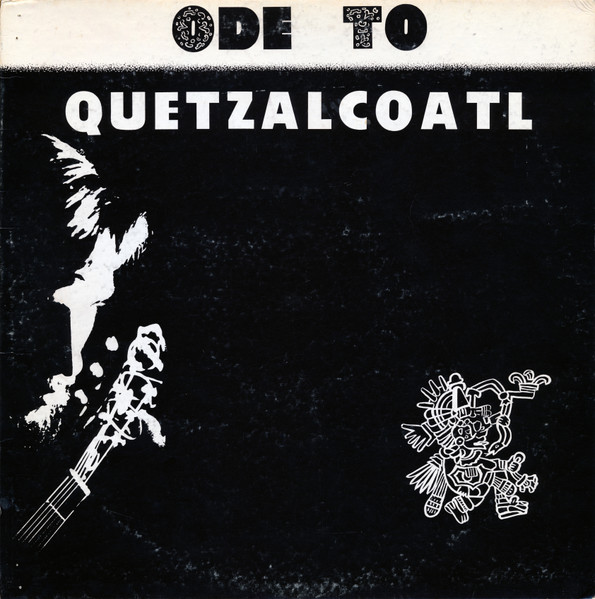
What drew you to Quetzalcoatl, and did the title give you a way to speak about Christ outside conventional church language?
I had so many bad experiences with Baptist Bible students filled with pride and Bible debates. That’s where the term “Bible beaters” came from. They weaponized the Bible. They were addicted to being right and looking for a fight. I really couldn’t identify with them nor did I want to.
I have often wondered why I chose this for a title. I guess I didn’t want to sound Christianised and it was a bizarre-sounding word with mystery. It worked well in the long run. Except for the healings and miracles of Jesus, Quetzalcoatl had many similar qualities.
Many garage bands found a place in churches, attempting to bring back young people with live music and Christian rock was born.
These were paid Sunday morning events that spawned the Christian contemporary music industry of today, producing a big-orchestrated studio sound. This created careers for Christian artists.
I performed my music in churches as a solo. The churches in 1969 weren’t accustomed to having guitars in their services. I was a novelty in most churches.
How important was the order of the songs from ‘Drug Song’ to ‘Peace’? Did you see the album as a journey?
Good question. Adjusting my setlist after many concerts, the sequence and theme found itself. Rite of passage is a good way to say it. Reconciliation is the word.
When you wrote ‘Drug Song’, did it feel like a confession, a warning or simply an honest account of what you had lived through?
It’s all of the above but mostly regret. I thought I was alone in the fight for my soul. I see now there are many struggling with what I went through. People have told me they found the album in their darkest hour, and it guided them through. It gave them hope and peace. You can’t escape the void, but the good news is you can go through it to the other side. The other side does exist, just turn and face it willingly.
Why do you think ‘Morning Sun’ still connects with younger musicians?
It’s more of a psalm than a song. It’s a breath of fresh air. The song moves through dimensions. Look out your window and see yourself walking through fields of love and the sky up above is with you. Living is an art to be good at!
What did ‘666’ mean to you in 1969, and has its meaning changed for you?
The song is apocalyptic and prophetic. The prophecy is coming to pass even as we speak. The last book of the Bible is a bit scary. The signs of the times are manifest before us. I wrote a song recently called ‘Last Harvest’, describing what is going on in the world today.
At first, what did the Group give you, and when did you realise it was becoming something darker?
In the beginning the group was healthy and nurturing. Don was given control and power by spiritually lazy disciples. Don named himself “Sir”; that’s when it became a cult and started turning dark. I had to lie and deceive myself to continue with it. You don’t know you’re in a cult when you’re in it. Hiding from the truth takes a lot out of you. I went through the void again and a soul death.
I walked away from the addiction of the cult, alone in a scary world with no purpose, not trusting myself.
What was spiritual turned into religion. I was full of scriptures but had no light in me. It took a long time to recover. Then one day in the Pecos wilderness of northern New Mexico, I looked up through the pines. In a moment I was quickened and restored. Thank God for reconciliation and second chances.
What do you remember about recording ‘Second Coming’, and how did working with Brian MacInness, Sandy Johnson and Don DeGraaf change the music?
Many songs that didn’t go into the making of ‘Ode to Quetzalcoatl’ were used on the Harbinger LP. By this time, I was fully indoctrinated and the current songs I wrote were cult politics and more indoctrination. I listen to them now and feel a little embarrassed and phony. Sir paid for professional recording in a studio. It was Sir’s creation with my songs. I don’t feel ripped off, I feel foolish. Thanks to music journalists who set the record straight, giving me full credit. So, I am OK with it.
Do you hear ‘Second Coming’ as a continuation of ‘Ode to Quetzalcoatl’, or as music already being shaped by the Group?
It’s a mixed bag. Many songs on this LP were sincere, spiritual and inspired. Some were crafted to promote Sir. The music was alive with more voices and guitars. The whole album was more upbeat, unlike ‘Ode to Quetzalcoatl’, which was soul-searching and lonely.
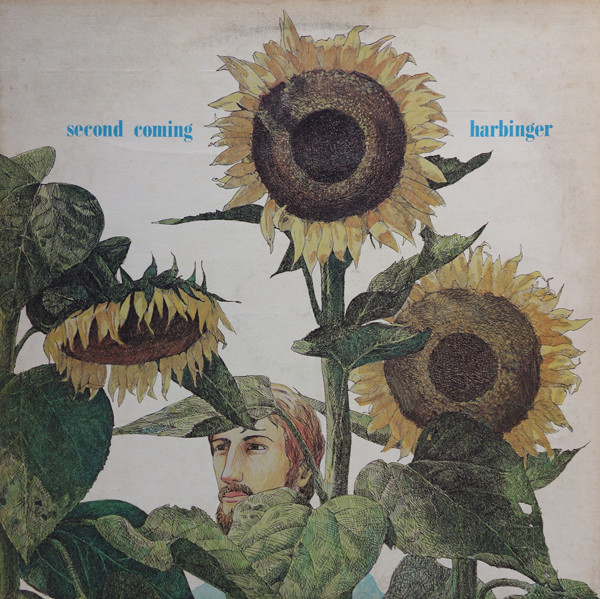
What were the Group’s concerts actually like, from setting up to speaking with people afterwards?
The corporate power of the Group was impressive, and after the concert a team of Sir’s disciples mingled, witnessed, invited people to our meetings and sold records.
After you left the Group, how did you begin to separate faith and music from disappointment?
I really could not find my way through all of it and had no confidence or trust in myself. I just had to let it all go, detach and move on, confused and lost. In time, what was true came to the surface and the rest got deleted. I found peace and simplicity.
After leaving, you lived alone in northern New Mexico. What did the silence do for you?
There was silence in the breeze drifting through the trees. I found the “here and now”. No TV, no voices or people, no telephone, only the constant uninterrupted experience of being. I knew the time of day by the sun. Lonely but free.
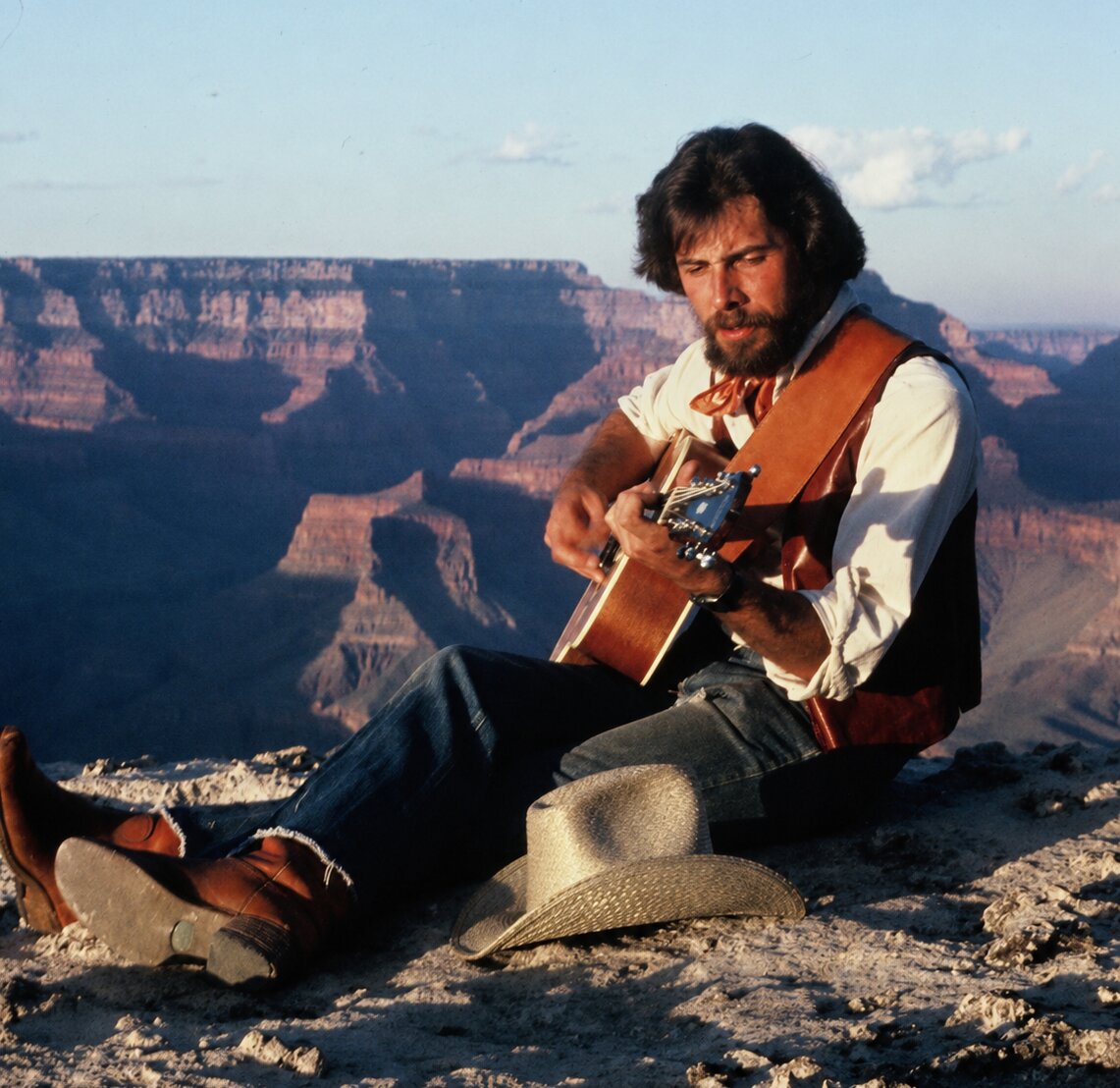
In the late 1970s, you worked around the Grand Canyon as a singing cowboy and wrote radio jingles. What sort of musician were you becoming?
I left the wilderness and became a social person. I hate to say it, but I became a cover song musician to make a living as a singing cowboy, strumming on hayrides and campfires. I entertained city slickers at steak cookouts.
You later built the 38-foot boat ‘Free Spirit’ and lived aboard in the San Juan Islands. What did sailing give you?
Sailing has its own dynamics with the sails set, riding the waves powered by wind. Sailing is a great metaphor for life: steering by compass, knowing where you are and where you are going. Even in the fog.
How did the 1990 shipwreck off Cape Mendocino change the way you thought about fear and being alive?
Good question. Fear is something you get used to. The important thing is: never let it stop you. That is courage. Have you ever found deep respect for yourself? That’s what overcoming fear can do for you. When you give yourself up for dead and still live, you’ll gain a passion for life, treating other people like you may never see them again. We are fragile and easily taken. We get used to living and take it for granted. A brush with death will sober you up.
Later, as a park ranger and working musician in Arizona, you played familiar songs in restaurants, casinos and other venues. Did that feel like a relief after the weight of your earlier music?
This chapter of making music was more fun. A bit shallow, but more fun. By this time, I got my people skills back. That’s important when you’re surrounded by drunk people.
A reporter found you in 2006, and Guerssen reissued both albums in 2009. What was it like to discover that the music had been living a second life without you?
I was baffled by it and considered it a blessing. It was like a reunion with my younger self. It put me back on a path I had abandoned years ago.
How do you feel about the collector world that brought the records back?
Collectors and music journalists resurrected the music and me with it. Next came concert tours and learning my own songs all over again. Performing to a listening audience is way better than being background music while competing with big screen TVs and blenders grinding ice drinks.
Why do you think people in their twenties still recognise themselves in ‘Ode to Quetzalcoatl’?
While on tour, I asked myself that same question and the answer is Rite of Passage. Young people are facing that transition without the help of their fathers because their father never got guidance from their fathers and we don’t have it in our culture. I have simply gone before them. I am someone to talk to about it.
In 2011 you said, “I am now current with the past.” Does that still feel true?
I like this question! The past becomes enriched with every question and interview I do. When I reminisce, I visit aspects of the past I didn’t pay attention to. Sometimes my answers surprise me. So, it stays fresh and new.
What was it like to perform these songs in Europe, so far from where you wrote them?
It was comforting to see how many people were familiar with my album and the songs. Thanks to Guerssen Records, the music was already in Europe before I got there. I still don’t fully realize how worldwide this album has traveled. In Germany I was asked if I ever thought I would be in Europe performing songs I wrote in 1969. The answer is “no”. It’s a phenomenon and a little spooky.
Do European audiences hear your songs differently from American audiences?
Yes! Definitely. European listeners are just that, listeners. They like music with a message. It really brings the best out of me.
Why do you think listeners from the metal world connect with acoustic songs?
The styles are very different, but the message is the same, living life and facing death. Skulls are the trademark. Heavy metal is about impending doom. Sounds like the book of Revelation of the Bible.
What led you to create the Harbinger Orchestra and invite other musicians to reinterpret your songs?
COVID-19 confined everybody and put a mask and distance between us. Musicians turned to home studios and social media to express themselves as live audiences disappeared. Many artists were covering my songs. It seemed right to open the door for artists to create their own version of this material and for me to produce a project to accommodate this. I encourage all to do their own renditions and arrangements. The project turned out some great covers. Check it out on Dave Bixby Bandcamp. Many songs could be used as movie themes.
When another musician records one of your songs, does it feel as though they are taking it away, giving it back or setting it free?
Setting it free is a good answer. I see other musicians covet their creations. That’s not me. It was upsetting that over the years many people stole my material but always gave me credit. They were really helping the cause.
A producer told me that people will steal my music, be honored. I took his advice. At one time, both albums were copyrighted in someone else’s name and Guerssen Records put an end to that. That’s the benefit of signing with a reputable label.
“When It’s Psychedelic Baby Magazine interviewed and published me years ago, it validated me as an artist.”
What did you want Harbinger Magazine to offer other artists when you started it?
When It’s Psychedelic Baby Magazine interviewed and published me years ago, it validated me as an artist. I felt like I was going somewhere. I saw myself differently and transitioned myself from an amateur to a professional. The interview was a worldwide resume bio and opened doors for me. I wanted to offer that experience to other struggling artists. It transformed me into a giver rather than a taker. I like who I was when helping others instead of focusing on myself.
Has interviewing other musicians changed the way you answer questions about yourself?
I think it has influenced my interviews with podcasters and radio stations. Interviewers and journalists open doors for others. It’s very rewarding as you know.
‘Terraferma (Welcome to Earth)’ brought together songs written over many years. Why did they belong together at this point in your life?
We are not born with an instruction manual. I am a host welcoming you to the planet to see what kind of life you can create for yourself. I am aging and see my end. ‘Terraferma’ may be the end of the journey. Don’t get me wrong, I still have some miles left on me.
After so much moving, sailing and starting again, what does “solid ground” mean to you?
When I fly across the ocean to Europe, I am still home. Earth is a temporary home until we really go home. Death is not the end!
Are you now more interested in handing songs to other musicians than in making a final statement yourself?
The songs of ‘Ode to Quetzalcoatl’ lived on without me for years. It had a life of its own. For me that’s a clue.
Do you feel at home with streaming, Bandcamp and social media, or do you still think of yourself as a reel-to-reel and vinyl musician?
Another good question. I feel like 57 years of American history in the here and now. However, I still feel like a reel-to-reel analog vinyl man.
What was it like to hear ‘Time to Clear Your Mind’ in “Outer Range”?
My wife Helen and I were watching the TV series “Outer Range” and here came my voice and music. It was surreal. I felt bigger.
Your final UK and European tour is scheduled for September 2026. How did it come together, and why does now feel like the right time?
The UK record label, Life Is Beautiful, owned by Aloisius, offered to set up a tour. Aloisius collaborated with another UK promotional company called Atomiser. They set up a concert in Glasgow, Scotland. I am at the top of my game with these songs and what I have to say. Now is the time to do this. We will be videotaping the concerts live for social media.
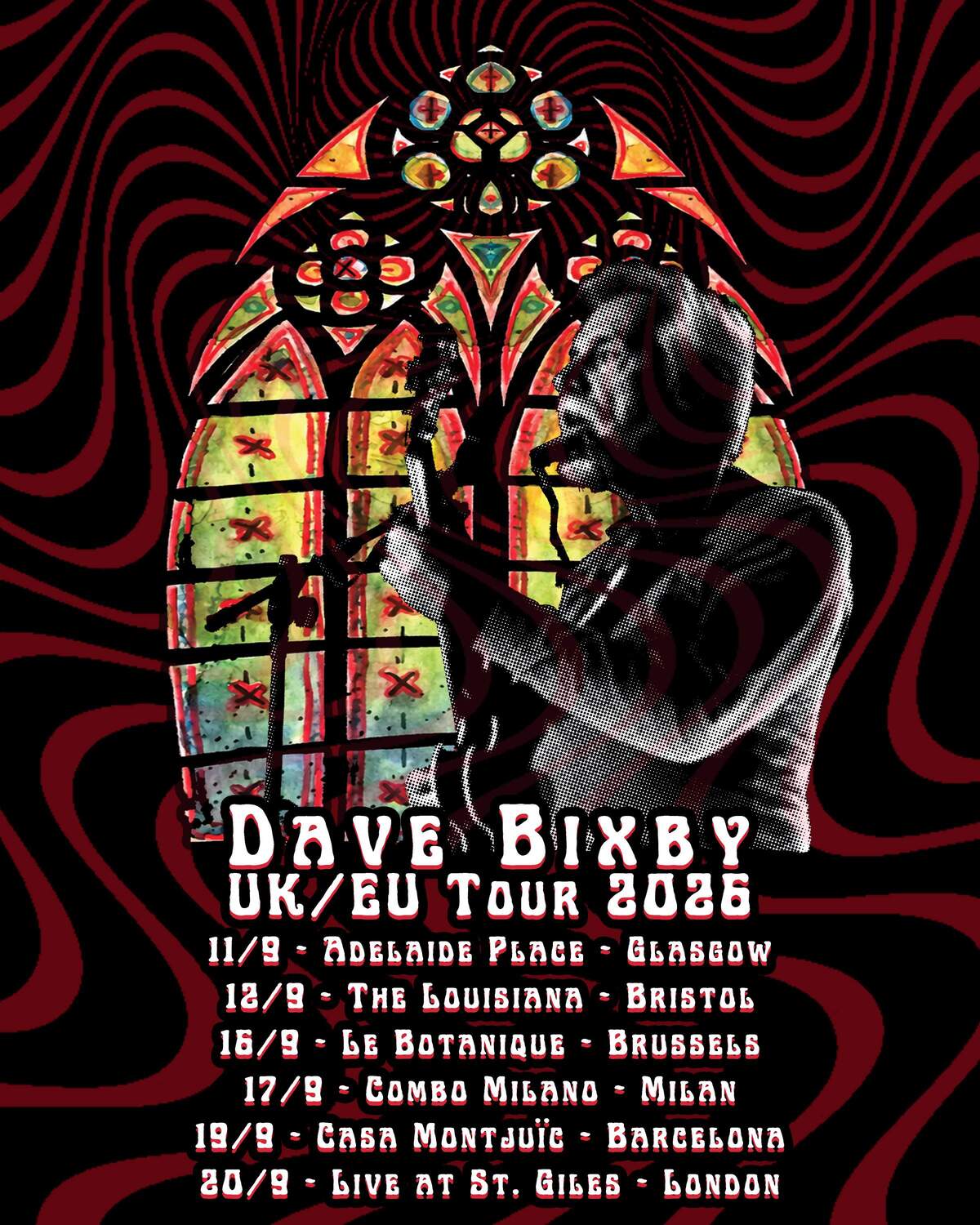
At this stage, what matters most: the places you visit, the people in the room, the strain of travelling, or the chance to bring these songs to a close?
Wow, you answered the question for me. Yes, yes and yes. Thank you!
Completion is the word.
Which songs do you feel you must perform on the final tour?
There are nine songs from the ‘Ode to Quetzalcoatl’ album people expect to hear plus six favored songs of mine that no one has ever heard. Each concert is set up like a studio recording and fifteen songs are how many I will have time for.
When you perform these songs now, do you feel close to the young man who wrote them?
While performing, I do flash back to the day I wrote them. I was in a good place at that time in my life.
What would you like people to understand before they come to these final shows?
I may be the only living artist in your vinyl collection. Check it and see.
Is there an important part of your story that people tend to overlook?
In 1976, in Albuquerque, New Mexico, I took a three-day seminar called The Training. It was a way to take responsibility for your life.
These are some topics covered.
1. Playing a victim act to draw sympathy, attention and controlling others.
I denied this in myself then caught myself feeling sorry for myself.
2. Rationalization and justification are the steps to self-deceit. I caught myself doing that!
3. We all have a hidden agenda. That observation took me some time to come to terms with.
The point is: You may not know yourself as well as you think you do.
This should be an uncomfortable thought, especially if you’re a control freak because you may be out of control. In other words, be aware that you are unaware.
When you look back at all the different lives you have lived, do they feel like one continuous life or several different ones?
I have developed different personas to adapt to changing phases or chapters of my life. People I have known for a long time say I look different. So maybe I am different. Your question makes me dig deep and take a hard look into the past.
After everything you have lived through, what does faith mean to you in daily life?
Faith is something you do, usually when all else fails. Belief is something you have. It gives you hope but has no power. Faith is an antidote for fear. It’s an application. It has the power of patience and the way your life unfolds in time.
When the final tour is over, what would you like to do next?
I am preparing to do public speaking. I need a book!
I have constructed outlines for several books to write and publish.
1. Christian Cults. The red flags and pitfalls. How you got in and how to get out.
2. The music journey of Quetzalcoatl.
3. Shipwreck, near-death experience.
4. Void travel, Paradigm shift, Liminal space, cognitive dissonance.
5. I have been urged to write an autobiography; however, this interview covers it nicely and is an easy read.
These questions are so well researched and in order. It tells the complete story taking me down memory lane. I have enjoyed the flashback.
Thank you, It’s Psychedelic Baby Magazine, for taking an interest in my life over the years. You are a big part of my success. You are my resume.
Klemen Breznikar
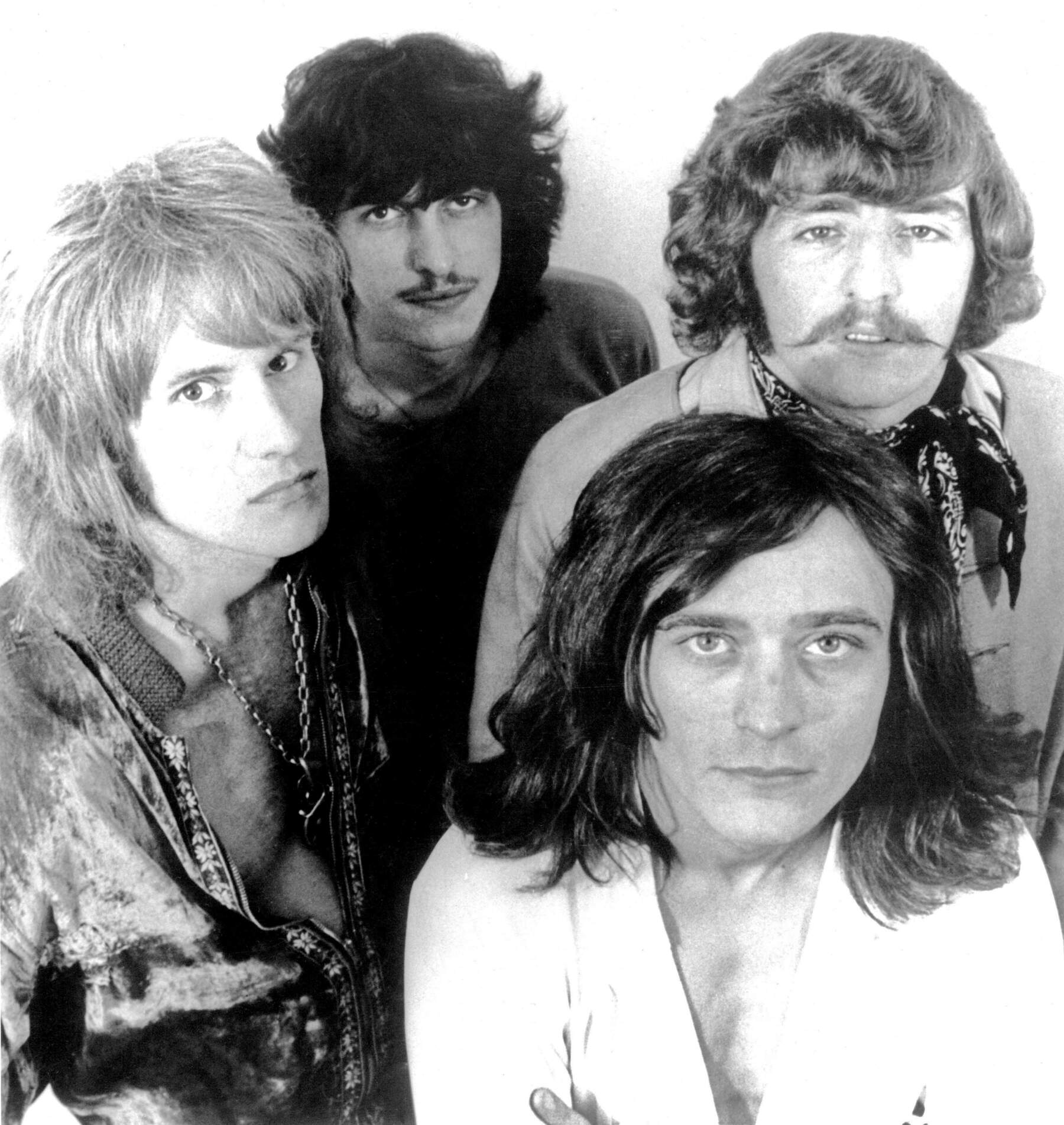
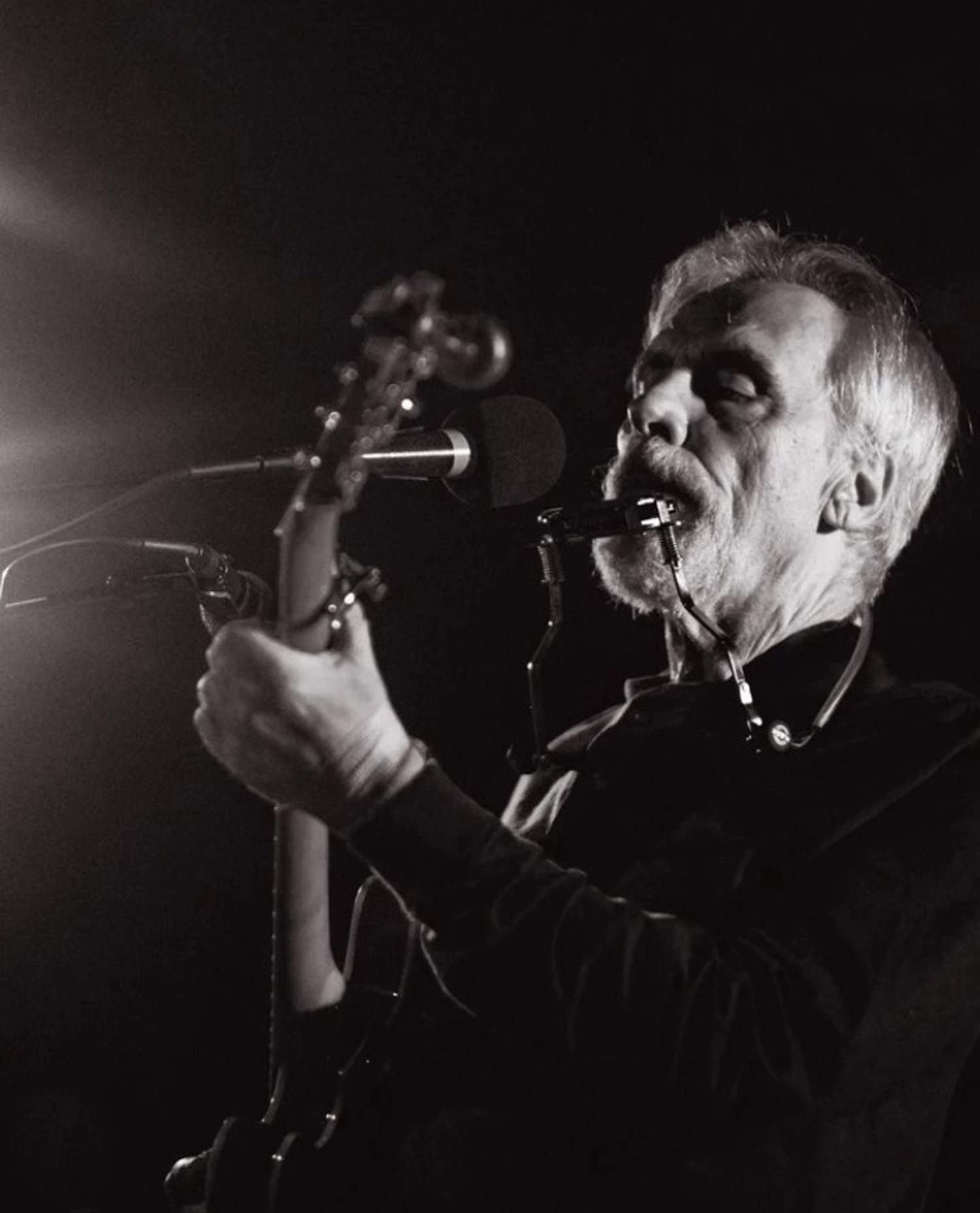
Headline photo: Original archival photograph, digitally enhanced for clarity.
Dave Bixby Website
David Bixby | Interview