
Sister Double Happiness Interview: Gary Floyd, the San Francisco Underground and the 1988 Debut
Sister Double Happiness formed in San Francisco in the second half of the 1980s. Gary Floyd and Lynn Perko-Truell had previously played together in the Dicks, while guitarist Ben Cohen had been part of the Pop-O-Pies circle. With bassist Mikey Donaldson, they quickly found a sound that mixed blues, soul, rock and punk.
As Cohen says in the following interview, “It’s just what happened when we played together. We followed where it went.” Perko-Truell remembers it in a similar way: “We pretty much clicked immediately.”
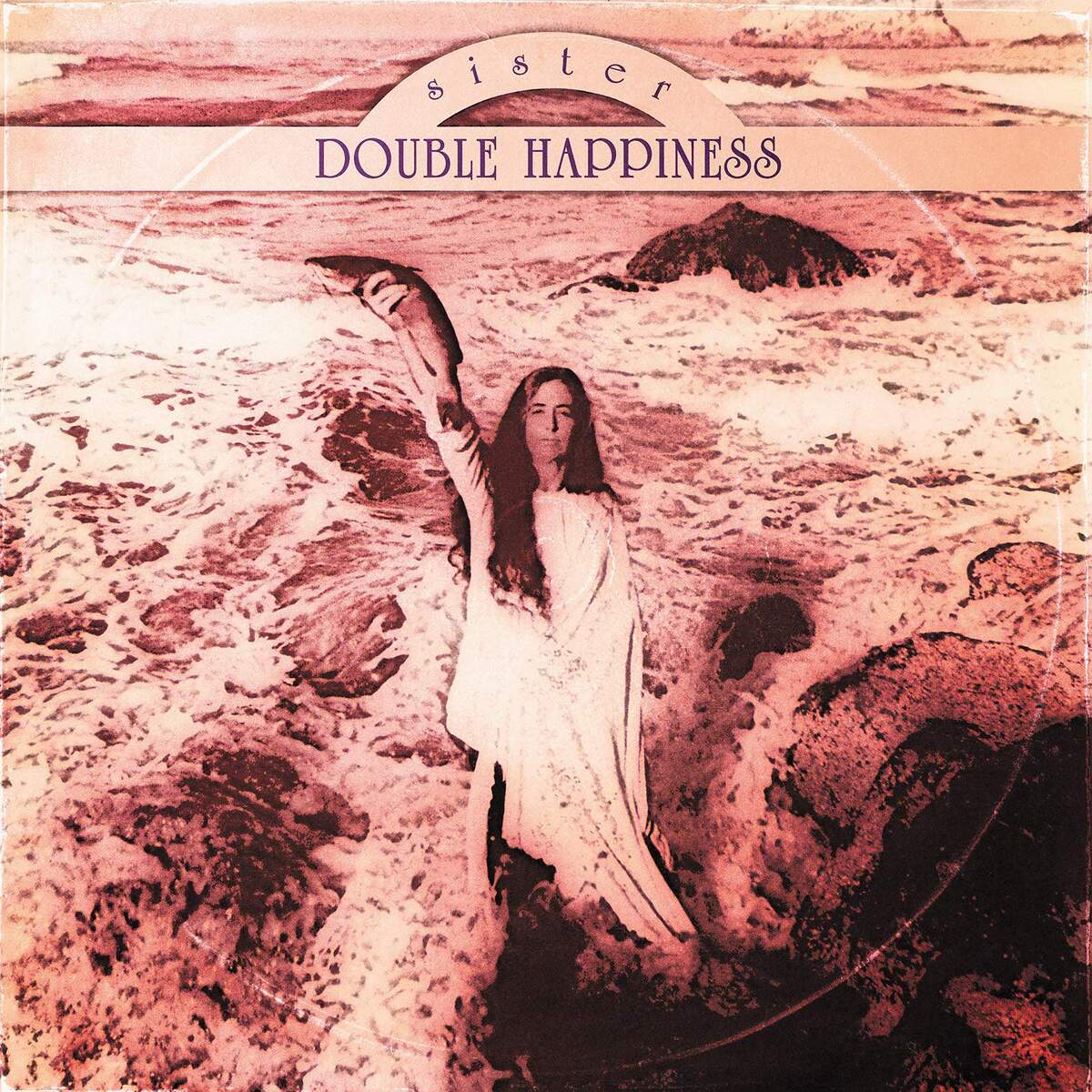
The band’s self-titled debut was released by SST in 1988. Recorded and mixed in a very short time, the album included songs such as ‘Sweet Talker’, ‘You Don’t Know Me’, ‘Freight Train’ and ‘On the Beach’. It showed a band that did not fit easily into one category. They came from punk, but their music also drew strongly on blues and soul. Cohen describes Sister Double Happiness as being “in our own lane.”
Label 51 Recordings reissued the album on February 13, 2026. The original record was remastered by Jim Hill, and the expanded edition also includes a second disc of previously unreleased demos. The package features photographs and liner notes by Roddy Bottum, Mike Watt and Pat Thomas.
The reissue also has a special meaning following Gary Floyd’s death in 2024. Miles Montalbano describes his voice as a mix of “punk attitude, queer Texas twang and authentic soulful blues,” adding, “Nobody had a voice like that.”
In the following interview, Ben Cohen, Lynn Perko-Truell and Miles Montalbano discuss the early days of Sister Double Happiness, the making of the first album, their time with SST, Reprise and Sub Pop, the later changes in the band, and their memories of Gary Floyd.
“We were in our own lane, at least that’s how it felt.”
Great to have you here. There has always been a real aura around Sister Double Happiness, but the actual story of the band still feels scattered across memories, press clippings and records. Now that the debut is returning in a remastered, expanded edition, it feels like the right moment to start at the beginning. How did Sister Double Happiness first come together in San Francisco in 1986?
Lynn Perko: Gary and I had played in the SF Dicks. As that hardcore/punk band’s time came to an end, we were writing slower rock/blues songs, and Gary’s lyrics carried more thoughtful political statements. They were angry, but with more context. Gary and I heard about Ben through a mutual friend and went over to play a few songs in his studio. Ben’s guitar sound was heavy and bluesy, and he was proficient, to say the least. It immediately clicked for all of us, and the searing sounds of SDH began.
Because Gary Floyd and Lynn Perko came out of the Dicks, and Ben Cohen came in from the Pop-O-Pies orbit, I’m curious about the chemistry at the very start. On paper, those backgrounds suggest punk, but Sister Double Happiness never sounds like a simple continuation of punk. When the band first took shape, did it already feel like you were moving toward something bluesier, more soulful and more melodic, or did that reveal itself only once you started playing together?
Ben Cohen: It’s just what happened when we played together. We followed where it went.
Lynn: I feel we were all naturally in that blues and rock space when we came together for the first time. Gary’s emotional and robust vocals paired so well with Ben’s emotional string-bending and ascending blues-rock riffs. I just joined in with steady, heavy beats and tom fills. We pretty much clicked immediately.
If we stepped into the rehearsal room in those first months, what would we actually have heard?
Ben: It was there from the beginning. The songs came together almost effortlessly. We’d just start playing as if we already knew the song. Mostly, it was a matter of tweaking the arrangements.
Lynn: The Dicks had written a couple of slower, heavy punk songs, ‘Freight Train’ and ‘Sidewalk Beggin’’, and that seemed to be the impetus to move away from the hardcore scene, as we wanted to explore that sound even more. I feel those two songs set the direction that Gary and I wanted to go in. Ben found melodies that Gary could immediately sing along to. It was really very special. At the time, we were all glad to find each other and be playing in a band. We just did what we did.
A lot of people describe Sister Double Happiness as alternative rock, blues rock or post-punk, sometimes even as a bridge between punk anger and classic American song form. Back then, how did you hear yourselves?
Lynn: I think I covered that in my previous answers, but yes, for sure, we followed what sounded honest in the room.
Ben: This was what I’d always been pursuing, but with an aggression newly unleashed. One factor was that, just to be heard over Lynn’s drums, I had to hit harder. She played harder than anyone I’d played with before. Then there was Gary’s voice, so full of soul, with desperation transmuted into exaltation. It pushed me to let mine out.
Gary Floyd is such a singular presence in the history of American underground music that it can be easy for the band around him to get flattened in retrospect. From inside Sister Double Happiness, what did Gary bring beyond the obvious force of the voice?
Ben: Oh, it was fully visible! He came to the band fully formed, and it was up to us to keep up with him. I came up with many of the riffs for the songs, but I probably wouldn’t have without his inspiration and the permission to let it all out, as he did when he sang.
Lynn: Gary was really funny. He could also be moody. He sometimes hummed melodies for Ben to pick out. He was encouraging, and we were all equal and respected in the room, Gary toward us and us toward Gary.
The self-titled debut came out on SST in 1988, and now it is being reissued with a second disc of unreleased demos. What do you remember about making that first album?
Ben: It happened very quickly. We had something like a day and a half to record and mix it, so it was mostly a question of, “We gotta get this done.” It wasn’t quite, “Let’s play the set, just hit record,” but it was close. We’d been playing the songs onstage for a year or so, so we had them down. Adding the cello to ‘On the Beach’ was new. I got to overdub some of my solos, and the backwards guitar on ‘Freight Train’ was on-the-spot inspiration and improvisation.
We also had the luxury of Gary adding his voice after the other tracks were done. He really cut loose in a way he wasn’t always able to onstage, for whatever reason. By the same token, I hadn’t had the luxury of listening to him without distraction because I was trying to keep it together onstage when we played. Really, it wasn’t until I heard him singing for the record that I truly heard him, and I was floored. I mean, I knew he was good, but this was a different experience.
Lynn: I thought it was super cool that we were going to be on SST Records. I dug Black Flag, Saccharine Trust, Meat Puppets and Minutemen, so it was really cool that they gave us money for studio time. I don’t recall a lot from those couple of sessions, but I remember that it was a nice studio. I remember my drum setup and hearing it back through the studio speakers after we did a take. The sound, the soul of Gary’s singing…
This new edition includes early versions of ‘I Tried’, ‘You Don’t Know Me’ and ‘Freight Train’. When you listen to those demo recordings now, what do they tell you about the band at that stage?
Ben: It was all there on those demos. We had a definite vision of how the songs should go, and we tended to play them that way whenever and wherever. Of course, by the time we went into the studio to make the record, we had performed them many more times, to the extent that they had become second nature. I don’t think we did multiple takes of any of the songs. We just went in there and played them live.
Lynn: Those three songs all made it onto the first record. ‘Freight Train’ was a song that came from the SF Dicks, but Ben and Mikey brought it to its sonic heights. I feel like we just got better at playing them. The arrangements are pretty much the same.
‘Freight Train’ especially feels like one of those songs that says a lot about what the band could do.
Lynn: That song is a reflection of the horrors of the AIDS crisis that was taking its toll on our San Francisco community. I think the lyrics explain those emotions so well. Yes, Gary and I knew this was the sound we wanted to carry over into a different project or band.
The debut has often been talked about as a record that didn’t fit neatly anywhere. It wasn’t metal mixed with punk in the way people would later describe certain heavy bands of the late 1980s, and it wasn’t a straightforward roots-rock record either. Did that sense of not belonging to a simple lane help the band, or did it make things harder when labels, the press and audiences wanted something easier to package?
Ben: It’s the eternal issue with the record business. The powers that be resist anything they can’t immediately categorize until something new breaks through. Then they are all in, trying to replicate it. Nirvana was the prime example in our era. ‘Nevermind’ absolutely killed hair metal dead, which had been the ruling MTV rock style up until then. Everybody was now looking for that magic four-chord progression, à la ‘Smells Like Teen Spirit’, and a consequent monster hit.
For better or worse, we only knew how to play the way we did, “take it or leave it.” It was a challenge to find a ready-made audience in the record-business sense. Attempting to categorize it in any form diminished the urgency and face-to-face connection with the audience that we thrived on. You could describe SDH as a blues band, but who wanted to hear a blues band in the indie 1990s? That’s about as uncool as you could get. So we tended not to talk about that!
Metal was completely out, too, just from the way we looked, if nothing else. We were in our own lane, at least that’s how it felt.
Lynn: We were not interested in pleasing anyone but our own musical sense and direction. I think our sound was easily defined as blues rock. I feel we quite easily fell into the grunge category, as that was emerging around the same time the record came out. For critics and reviewers, it sometimes seemed difficult to categorize our sound, perhaps because a big, bleached-blond queer man was the front person and a woman was giving it everything she had behind the drum kit. That was sometimes difficult for some people to accept.
I’m also curious about the live side… What were those early San Francisco gigs actually like?
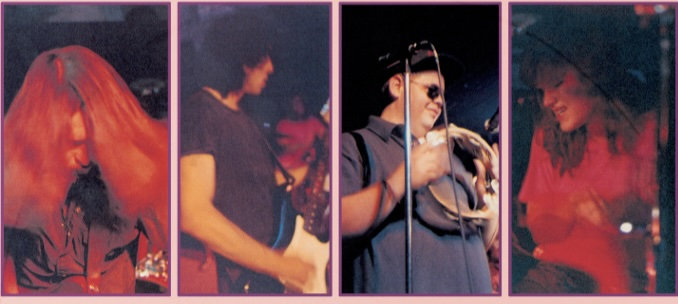
Ben: For me, it was a particular show at the I-Beam. I looked down at the crowd at the edge of the stage and recognized just about everyone. We had fans who showed up at every show!
We had one particular fan, Hillary Binder. Somehow, she became the tambourine player for us on ‘Poodle Dog’. One of us would hand her the tambourine, and she’d play the hell out of it from the floor for that one song. It was something to behold. She had a look of absolute ecstasy on her face.
Lynn: Our early days at Nightbreak in the Haight, at the Kennel Club, and our big gig at the I-Beam. The energy was raw and real and fun. There was so much community love. Really special times.
By the time of ‘Heart and Mind’ in 1991, you had moved to Reprise. That is a big shift from SST on paper. How did the transition into a major-label context change things around the band, if it changed anything at all?
Ben: Even after all this time, it’s still hard to put the change into perspective. We thought Reprise would give us access to a bigger audience without substantially changing the band. We thought it would still be us in a room, coming up with the songs and playing them organically, as we had been so successfully doing. But suddenly, other people were in the room with us…
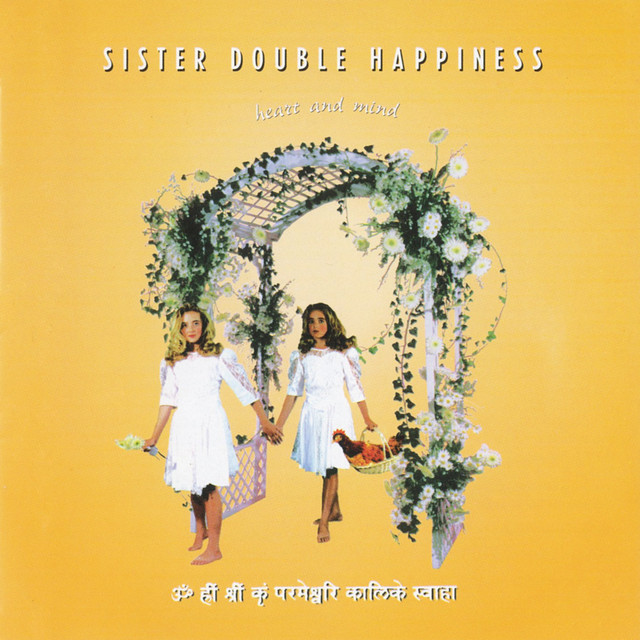
‘Heart and Mind’ feels like a really important record in the band’s story because it seems to widen the emotional and sonic range without sanding off what made Sister Double Happiness distinct. When you listen back now, what do you hear in that album that the debut didn’t yet have?
Ben: Yes, we did get to include a couple of Gary’s most personal songs, ‘The Sailor Song’ and ‘You for You’, on ‘Heart and Mind’. He was very happy to have them out there, about as far away as he could get from the Dicks sonically. ‘Dark Heart’ was also a departure, with the gentle music in direct contrast to the lyrical message. We had a ballad, ‘Let Me In’, on the debut album, but even so, it had some menace in it. On ‘Dark Heart’, Gary felt secure enough to plainly come out with the message he wanted to share, with the music fully complementing the lyrics.
Most of the songs were in a similar vein to what we had been doing, though: riff-based and thunderous, with Gary’s libido fully engaged.
Lynn: ‘Heart and Mind’ was a difficult record to make. We were trying to follow the rules and guidelines of this new major-label space, and unfortunately it took a toll on our sound and our souls, especially in retrospect. We recorded for one month at a compound in Mendocino, California, completely out of our element and trying to be cool with it and go along with it. It was a waste of money, and the songs were not captured as we’d hoped. We were talked into things that seemed absurd at the time, but we tried not to be a difficult band. There are some great songs on the second record, but the whole experience was frustrating and stupid and corporate, and in the end I was pretty shell-shocked by it. The record didn’t do well. Our sound had changed in the mixes…
That record also came with lineup changes, with Jeff Palmer on bass during that period. How did that shift affect the way the band functioned musically and personally?
Ben: Yes, definitely. Jeff could play well and came up with his own inventive bass parts, but really, no one could replace Mikey.
There are accounts that the band played with Nirvana and Soundgarden around that era.
Lynn: Yes, we played with those bands. It was an epic time, and it was so great to be part of it. It was where we belonged.
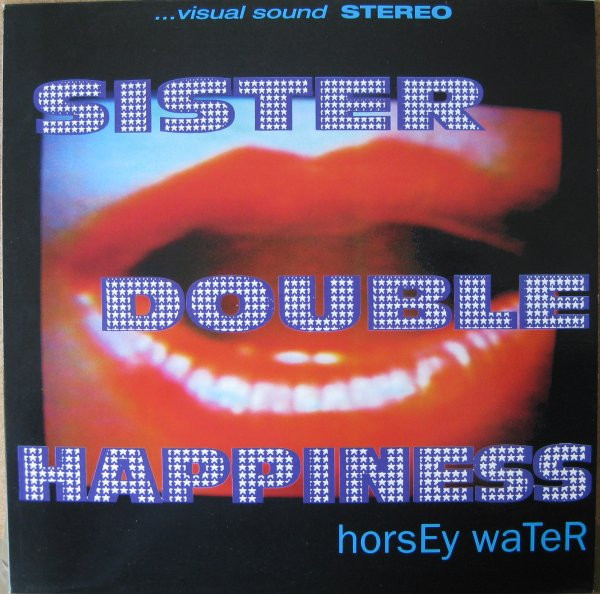
Then, by the early to mid-1990s, came ‘Uncut’, the 1993 album, followed by ‘Horsey Water’ in 1994. How did you hear the band changing by that point, and what was pushing those changes from inside?
Ben: Danny joined the band on guitar for ‘Uncut’, and that tended to balance things out. Previously, it had been Mikey, Lynn and me pushing and pulling against each other, and I was trying to play lead and rhythm simultaneously, so it could get chaotic. Danny mostly played rhythm guitar parts, which served as a basis for the songs. I fit my guitar parts in with Danny, as opposed to trying to fit two parts together myself. It gave me more room to experiment with lead parts. You can hear it on ‘Do What You Gotta Do’, where I played a feedback slide part while Danny chugged out the chords. The opposite happened on ‘Will You Come’, where I played the rhythm part and Danny was able to put together a nice guitar part that complemented the vocal.
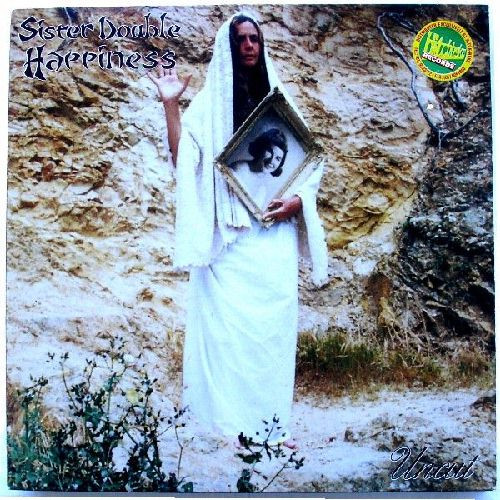
The 1993 material also reflects another lineup, with Danny Roman on guitar and Miles Montalbano on bass. How did having a second guitarist change the music? Did it open the arrangements up, toughen them, complicate them, or shift the emotional tone in some other way?
Lynn: It was great to have Danny take on some of the guitar! It made our sound a little heavier, and we could write with two guitarists. Cool. Miles is an excellent bass player and fit in well with the band: heavy, solid, all of that.
‘Horsey Water’ was released by Sub Pop in 1994, which is another interesting label move in the larger history of the band. Did Sub Pop feel like a natural home at that point, or was it simply the next available route for a band that still had more to say?
Lynn: We were happy to be on that label, and the staff there were so supportive. We didn’t give it much thought. We were just happy to have a cool and supportive label.
One thing I’d really like to ask directly is how you now think about Gary Floyd’s writing and performance in Sister Double Happiness specifically, as opposed to the Dicks or his later projects. What was unique about Gary in this band? What side of him came out here that belongs especially to Sister Double Happiness?
Lynn: I think he was much more at home onstage and within the songs. He was visually interesting to watch, had a lot of gestures and paid attention to everyone in the band, grooving and rocking during certain parts with one person or another.
Looking back, do you think Sister Double Happiness was understood properly in its own time? Or was it one of those bands that people admired deeply but often misread because they didn’t know where to place it?
Miles Montalbano: The original band that came out of the late-1980s San Francisco underground was deeply beloved by many folks, and the first record was really exciting. But after losing Mikey and making a subdued, overproduced major-label record, I think a lot of the original fans felt confused and alienated, and the attempt to cross over didn’t convert many new ones. The period after seemed like an attempt to reconnect with that original spark, but for many reasons it proved difficult. The band could still be powerful live, and the next couple of records were an improvement, but they didn’t get distribution, so most people never heard them. So yeah, a mixed bag.
The new reissue seems to come partly from a desire to reclaim the debut and present it properly, with care. What did you most want this new edition to correct or restore, whether sonically, visually or historically?
Ben: The record pretty accurately captured what we sounded like onstage, except that Gary was too low in the mix. So this was the opportunity to address that. With the technology now available and Jim’s skill, he was able to bring Gary’s voice out front and center. The rest of the instruments also sound fuller and have increased clarity. This isn’t a knock on John Cuniberti, the original engineer and mixer. He did a great job. The issue was that we had so little time to put the whole thing together.
Historically, we felt that the record didn’t get heard as much as it should have. The band broke up briefly shortly after the record came out, so we weren’t out there pushing it. By the time we got back together, the moment had passed and we were on to ‘Heart and Mind’. This was like a second chance for the first album to be reconsidered, especially in light of where we went and the emergence of grunge.
Miles: Hopefully, folks who never got a chance to hear or see the band will get an introduction. To me, this record is the one that best represents what SDH was. It was a rare instance where each member brought something unique musically, and it all fit together brilliantly. I’m grateful that this document exists.
There is also the emotional side of the timing. Because Gary died in 2024, this reissue can’t simply be about archival housekeeping. Has working on it changed the way you hear the debut or the band as a whole?
Miles: Ben wrote in the liner notes to the reissue that Gary was at the height of his powers here. While that is usually an overused cliché, I think in this case it’s absolutely true. For me, it captures a perfect and absolutely unique mix of Gary’s punk attitude, queer Texas twang and authentic, soulful blues. Nobody had a voice like that. Just like Gary, it’s heavy, spiritual and political, with heartbreak and humor. I’m listening to the record over and over these days, and I miss him immensely.
If someone came to the band for the first time through this 2026 reissue and asked where to go next, would you send them to ‘Heart and Mind’, ‘Uncut’, ‘Horsey Water’, the live material, or somewhere else first? What is the best way into the full picture of Sister Double Happiness?
Miles: For me, ‘Horsey Water’ comes closest to finding the spark of the first album. Recorded mostly live in the studio over a weekend, I think the band was starting to find its voice again. While Sub Pop released the album in Europe, it never got a US release. I would love to see that one reissued, and I know Gary hoped that the later material would be discovered by folks, so maybe…
And to finish on something simple. If the three of you could put on one Sister Double Happiness song now that says the most about the band, not the best-known one, but the truest one, which would it be and why?
Lynn: I am always drawn to ‘On the Beach’. The emotions, the lyrics, the desperation and G’s performance are all so good. And then the cello! Wow.
Miles: I really couldn’t pick one. I think there are too many facets of the band to break it down to one song that represents it. So just listen to the whole gosh darn album!
Klemen Breznikar
Label 51 Official Website / Facebook / Instagram