
Kontinuerlig Drift Interview: Inside Sweden’s 70s Underground
Kontinuerlig Drift, now reissued by PQR-Disques plusqueréel with bonus material from the earlier Hela Havet Stormar period, were a short-lived Swedish underground group whose only album was privately released in 1977 on Trixie Bros. Records.
Before that record, there were several years of playing in and around Tierp, Gävle and Uppsala, beginning with Hallsbandet, where Leif Eriksson, Alf Arvidsson and Håkan Eriksson played covers of then-recent pop songs, blues standards and occasional Swedish folk songs.
When Björn and Bengt Bramfors joined from Trollmor, Hallsbandet gradually evolved into Hela Havet Stormar. Their twin guitar parts gave the jams a new shape, and the rehearsals often stretched around a melody or chord sequence. Swedish folk music became part of the set, alongside blues and longer jam-based material. Alf Arvidsson’s ‘Gånglåt från Vettet’ was one of the pieces from this period that Kontinuerlig Drift later recorded.
The actual Kontinuerlig Drift line-up formed when the idea of making a record took hold: Bo Anders Skoglund, Alf Arvidsson, Leif Eriksson, Lars Södergren, Ulf Niskanen and Tomo Vihma, with Håkan Eriksson occasionally involved. The name, meaning “continuous operation,” referred to the atmosphere around Kent Wahlbeck’s basement rehearsal space, where people came and went and music was constantly being tried out.
Recorded at Gävle Ljudstudio, run by Leif Walter of Mora Träsk, the album had no producer and was mixed by Arvidsson and Skoglund. Its sound is rough, live and unstable in places, with sax, violin, piano, guitar and rhythm section moving between blues rock, Swedish folk, songs with political lyrics and free-form improvisation. Only 300 copies were pressed, paid for by the band and distributed among friends. As Eriksson put it, the main principle of the Swedish prog milieu was simple: “The most important thing was that the music would not be commercial.”
“The most important thing was that the music would not be commercial”
Let’s go right back to the beginning, before the name even existed. Where were each of you coming from musically when Kontinuerlig Drift first took shape, and what made you feel like this group might actually last rather than just becoming another short-lived project?
Leif Eriksson: To find the beginning, we have to go back to the early seventies and the small town of Tierp, halfway between Uppsala and Gävle. It was here where Alf Arvidsson, Håkan Eriksson and me started to play together in a band called Hallsbandet. We did covers of 60’s pop songs, blues standards and occasionally Swedish folk songs. The setting was acoustic guitar, electric guitar and bass.
The band gradually evolved into a five-piece band, Hela Havet Stormar, when the Bramfors brothers, Björn and Bengt, joined on electric guitars. They were coming from the prog-psychedelic group Trollmor, who were very active in the prog scene in the early 70s. The Bramfors brothers played guitar harmonies very nicely, which created a “jamming flow” that set the groundwork of our music. The rehearsals often took the form of jamming around a melody or a chord progression, which could last around one hour or longer. This also included Swedish folk music, and since bands like Kebnekaise, Arbete och Fritid and others had generated sizeable interest in this genre, it became an important part of the band’s repertoire. It was around this time that the song ‘Gånglåt från Vettet,’ written by Alf and resembling a traditional folk melody, became an essential part of our setlist.
Hela Havet Stormar existed for nearly two years and did a lot of live gigs in Tierp and Gävle, but the lack of a regular drummer made it difficult to rehearse properly. As soon as Alf and I moved to Uppsala for studies, the band disbanded.
Sweden at that time was full of bands experimenting. What made your group different from others you could have easily ended up playing with instead? We’d love to hear how the band originally formed. Did you have any particular idea or concept in mind from the very beginning?
In Uppsala there was first a break in the musical performance, but after a year or so the playing started again, mostly in the same jamming form as before. The main problem was to find a place to rehearse. Vimus, a place frequented by musicians just outside of the main town, where a lot of local groups like Samla Mammas Manna played, was an option, but it wasn’t until Kent Wahlbeck (also a member of Trollmor) bought his own house that we found a fixed spot for rehearsing.
There were a lot of different people participating in those jams, so a proper band didn’t really exist until the idea of making a record came up. The guitarist Bo Anders Skoglund was a frequent contributor with loads of original material. As far as I can remember, he and Alf were the ones who first launched the idea of documenting the musical creativity that stemmed from the jams.
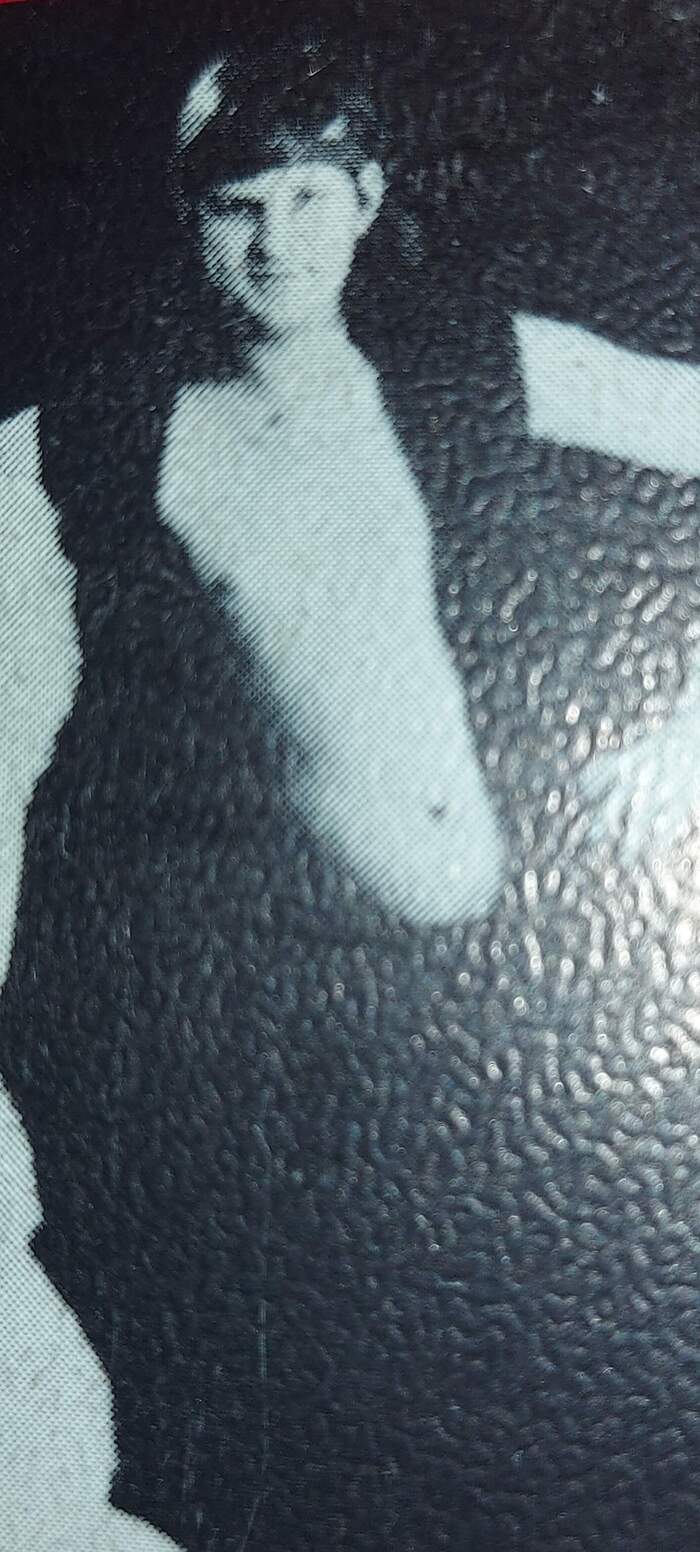
At that point, the band Kontinuerlig Drift was formed, consisting of six members, Bo Anders, Alf, Leif, Lars Södergren, Ulf Niskanen and Tomo Vihma, and more structured rehearsals started. Occasionally, Håkan Eriksson from Hela Havet Stormar also took part.
The name itself: “continuous operation” suggests something ongoing, almost mechanical. Was that intentional from the start, or did it take on meaning later as the band developed?
Kontinuerlig Drift is a reference to the atmosphere in Kent’s källare. There was always some kind of activity going on, people who came and went, exchanging new ideas or just playing for fun.
What were the early rehearsals like?
We knew that more structured rehearsals were necessary if we were going to put out a record, but at the same time we wanted to keep the improvisational feeling.
The material on the album also differed a lot. Bo Anders wrote three songs that were well structured, maybe with the exception of ‘Indianens blod,’ which had a more psychedelic touch and gave room for solo improvisations. ‘Svarta dagar, svarta nätter’ was a blues song written by Alf and Håkan.
The longer tracks that you refer to had a looser form, evolving from a melody to free soloing. I think you can compare it with jazz if you want to pigeonhole it, but we never spoke about being in a specific genre, we just played music that we liked.
How quickly did gigs become the main testing ground for your material?
We didn’t play live, since the band only existed for making the record. The previous band, Hela Havet Stormar, did live shows with some of the same or similar material and, from what I remember, the audience was quite receptive to the style. Some of the songs, like ‘Lanna-Villes polska’ from the extra CD material, shifted from Swedish folk music into blues, which was unusual at the time, but that was well received when playing live.
Tracks like ‘Liksom en herdinna’ and ‘Gånglåt från Vettet’ feel like evolving conversations between instruments.
‘Liksom en herdinna’ is a song written by the sixteenth-century Swedish troubadour and poet Carl Michael Bellman. Alf was our musical anthropologist, who came up with tunes from other genres than pop and rock. This was our most free-jamming piece, based on a repeated chord sequence and a melody from which you could start off improvising. Maybe it is the best example of how we approached a song, giving a lot of freedom but still listening carefully to each other and trying to hold it together.
‘Gånglåt från Vettet’ was a piece written by Alf in the early days of Hela Havet Stormar, which was brought into Kontinuerlig Drift’s repertoire. We performed it in the same manner throughout both bands. In HHS we had three guitars interplaying, which can be heard in the extra material; in the KD recording, sax and violin were added, which gave the extra “folk feeling.”
‘Gånglåt’ is a traditional Swedish folk song, literally meaning “the walking song,” but in our context it deliberately turned into a jazz improvisation, hence the song’s name, meaning something going “out of mind.” Again, there was not so much thinking behind that, rather what suited us best and was fun to play.
There’s a lot of interplay between sax, violin, piano, guitar… Tell us about the recording.
The recordings were made in Gävle Ljudstudio, which was a studio set up by Leif Walter from the band Mora Träsk, and I think we were the first group to record there. We had no producer, only a sound engineer, and mixing was done by Alf and Bo Anders.
The sound was very much “live in the studio,” with a few overdubs. Maybe an experienced producer could have come up with another result, but since we didn’t have a record company behind us, this was not an option. Still, the spontaneity of the music was preserved in this way.
“The album was completely self-released”
Can you tell us about Trixie Bros. Records? Was the album essentially self-released?
The album was completely self-released. We paid for the studio time, the pressing and the covers ourselves. The idea was to make a document of our music rather than pursuing a musical career, so there was no normal distribution of the album.
How many copies were pressed, and what did distribution look like?
We printed 300 copies, and they were shared among the members, who sold them to friends or gave them away. We never approached any record store or distribution company, so it was an album very few had heard of, apart from, I suppose, collectors of prog music. It wasn’t until some tracks started to appear on YouTube that interest began to rise.
What’s the story behind the cover artwork?
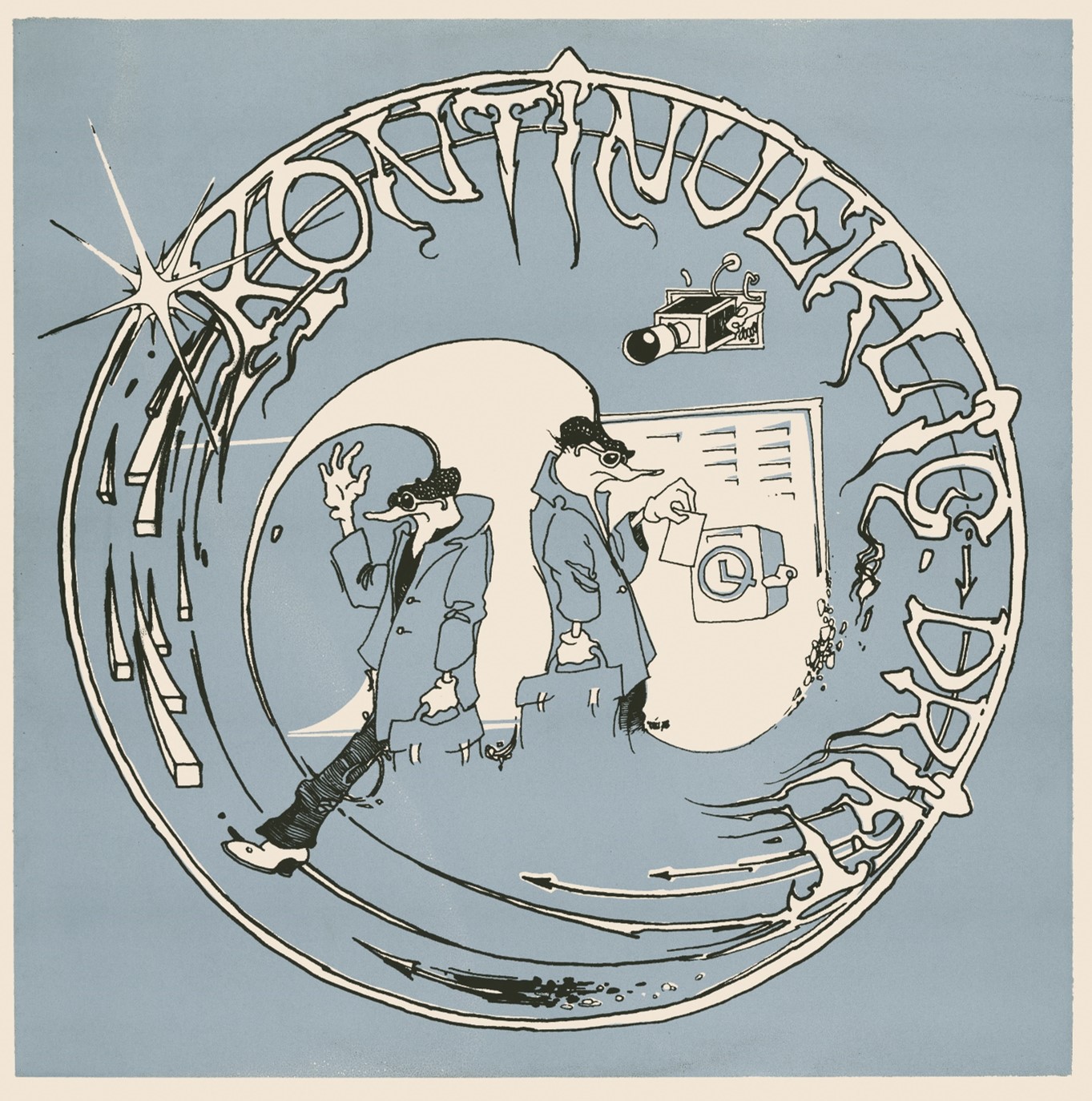
The cover artwork was created by a friend of Bo Anders, Ola Claesson, who also has been working with artists such as Tomas DiLeva and others. He was given free hands to try to capture the feeling of the concept “continuous operation.” The reference to a rotating shift schedule was spot on, and I also think that the absence of the members’ pictures contributed to the album’s cult status.
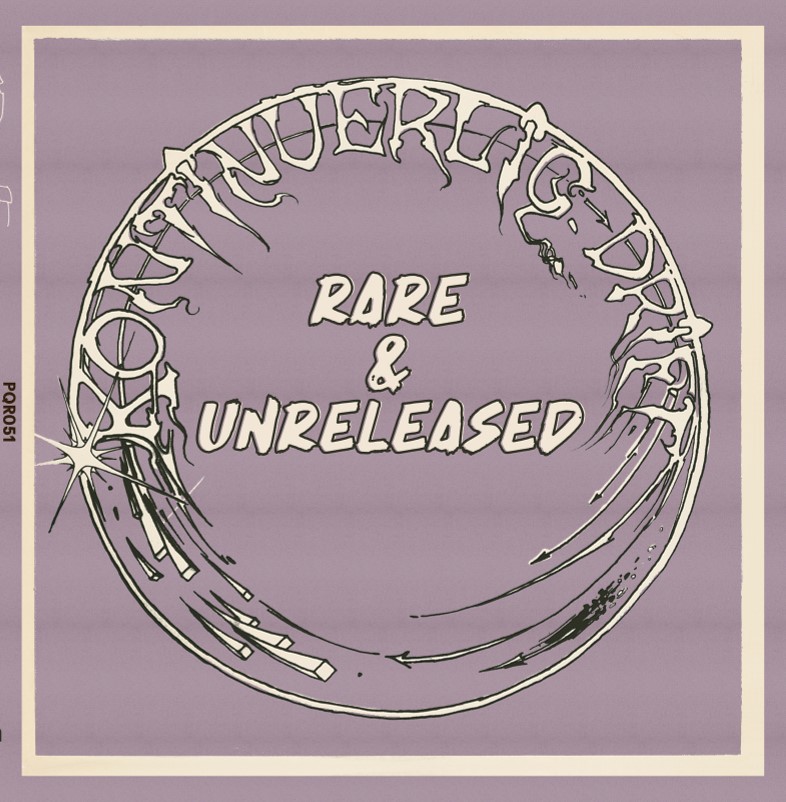
Initially, the idea was to have the picture on both sides of the cover, but we found that to be too expensive. A few copies were eventually done with double pictures, so maybe they are worth more? The back cover was designed from scratch by PQR for this edition.
Some parts of the music sound like they’re on the verge of falling apart, yet somehow hold together…
Some of the members were novices on their instrument, or didn’t play their first instrument. Ulf Niskanen, the violinist, had only played for a couple of months, and Lars Södergren, originally a guitarist, played saxophone on the album. The drummer, Tomo Vihma, was an experienced drummer but was only playing with us for a month or two. This made the music sound a little hesitant sometimes, but the arrangements were quite strict, so we could always fall back on that if things started to fall apart.
On the heavier tracks, things can shift from almost hypnotic to quite aggressive without warning. Did that come from the band pushing each other in the moment?
Maybe you are referring to the guitar solos on ‘Liksom en herdinna’ and ‘Gånglåt från Vettet’?
Yes!
This is Bo Anders’s style as a guitarist, jumping into deep water without hesitating. I think he managed it very well, and especially the solo on the former is brilliant. The atmosphere in the band was quite relaxed, giving much freedom to each individual but still within certain boundaries.
Listening back now, does the album feel like an accurate representation of the band, or just one version of it that happened to be captured?
The album is musically quite diverse, showcasing our versatile influences, from blues and folk music to a broadly conceived “prog music” with political lyrics. We never saw ourselves as followers of a specific genre, we did our own thing, which I think many of the bands around us at the same time also did.
And those unreleased recordings, are they closer to what you really sounded like, or just more fragments of the same constantly evolving process?
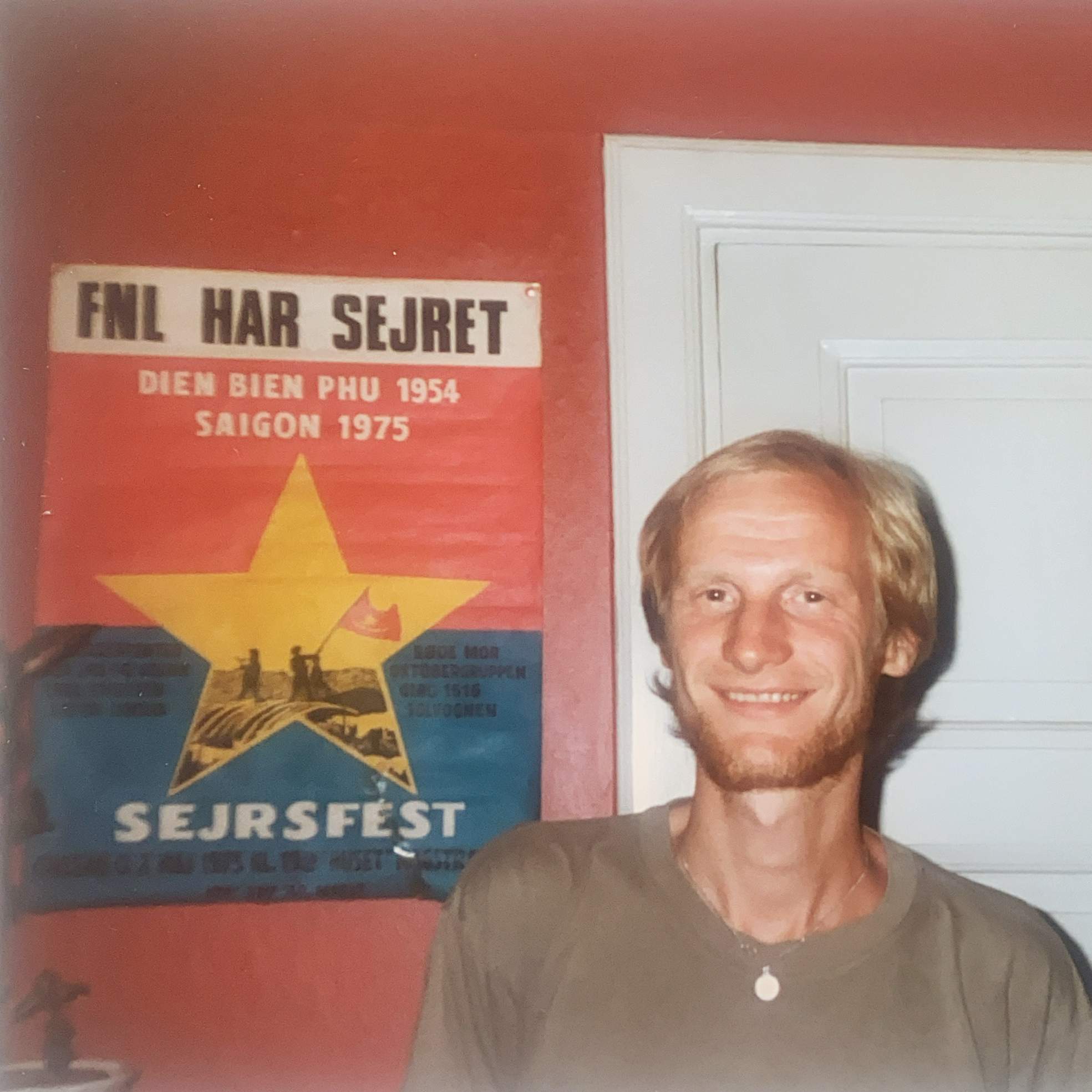
These recordings come from the earlier band Hela Havet Stormar, and they are more of a work in progress. This band existed for nearly two years, and since they are all live recordings, this is how we sounded.
In the beginning, we often had very long jam sessions, stretching out an idea or a riff, which later became more structured rehearsals, especially when we played our own compositions. The mixture between blues and Swedish folk music was a little unique even for those days, so it is fun to have these tracks released.
Looking back, what actually made that whole underground scene function in practical terms? I mean beyond the romantic idea of “a scene”…who was organizing gigs, who owned the equipment, where did people rehearse, and how did word spread without much infrastructure? It must have depended on a handful of very real people and places.
The prog scene in Sweden emerged from underground forces like the activist scene Musikforum, which organized festivals and concerts. Nearly all larger cities had a bunch of people devoting their time to creating a music scene.
Outside that circle, there were very few places to perform, so the chances of playing live were limited, especially outside the major cities. Whenever there was a concert or a festival, you had to rely on posters or special bulletins for information.
Finding places to rehearse was another problem; you had to be creative. Hela Havet Stormar rehearsed in a parish home outside Tierp. We owned all the equipment, but the gear was quite heavy in those days, so a lot of carrying had to be done, since there was no chance of keeping the amplifiers in the parish home.
Within that world, did it feel connected or fragmented? You had bands drawing from folk, jazz, psychedelia, political music…were those influences genuinely mixing in the same spaces, or did you mostly stay within your own circle and only occasionally cross paths?
No, the “prog scene” included all of these types of music, and there were no certain spaces for any music genre within the scene. It was a mixture of rock, jazz, psychedelia and not least Swedish folk music. The most important thing was that the music would not be commercial; groups like ABBA and others in the music industry were considered the opposition. This is also a reason that our band had so many influences from other types of music. We listened to a lot of different genres.
The only “quarrel” in the prog movement was that some thought you should have political lyrics; playing instrumental tunes was considered a little introverted or “arty.” Overall, the prog scene was very inclusive and open.
What happened after the band stopped playing? Are you still involved in music, and what occupies your life these days?
Alf Arvidsson played together with several bands after Kontinuerlig Drift. Later, he became a professor in musical ethnology, specializing in Swedish jazz history.
Bo Anders Skoglund has his own music studio and has made a couple of records under his own name, Bosse III Skoglund, not to be confused with the drummer of the same name.
Håkan Eriksson is pursuing a musical career, playing in different blues bands in the Tierp and Gävle areas, like Martin Eden Band, Slide Area and most recently Blues Limited.
Ulf Niskanen is not involved in music anymore, to my knowledge.
Lars Södergren moved to Gävle and played with a local reggae band, Quiet. He died a couple of years ago.
Tomo Vihma died a few years after the album was made.
Personally, I played in a couple of local bands in Uppsala before family life took over. After a long hiatus, I became involved anew in the music scene in a band called Songs of Dead Poets, sometimes performing with a living poet.
Klemen Breznikar
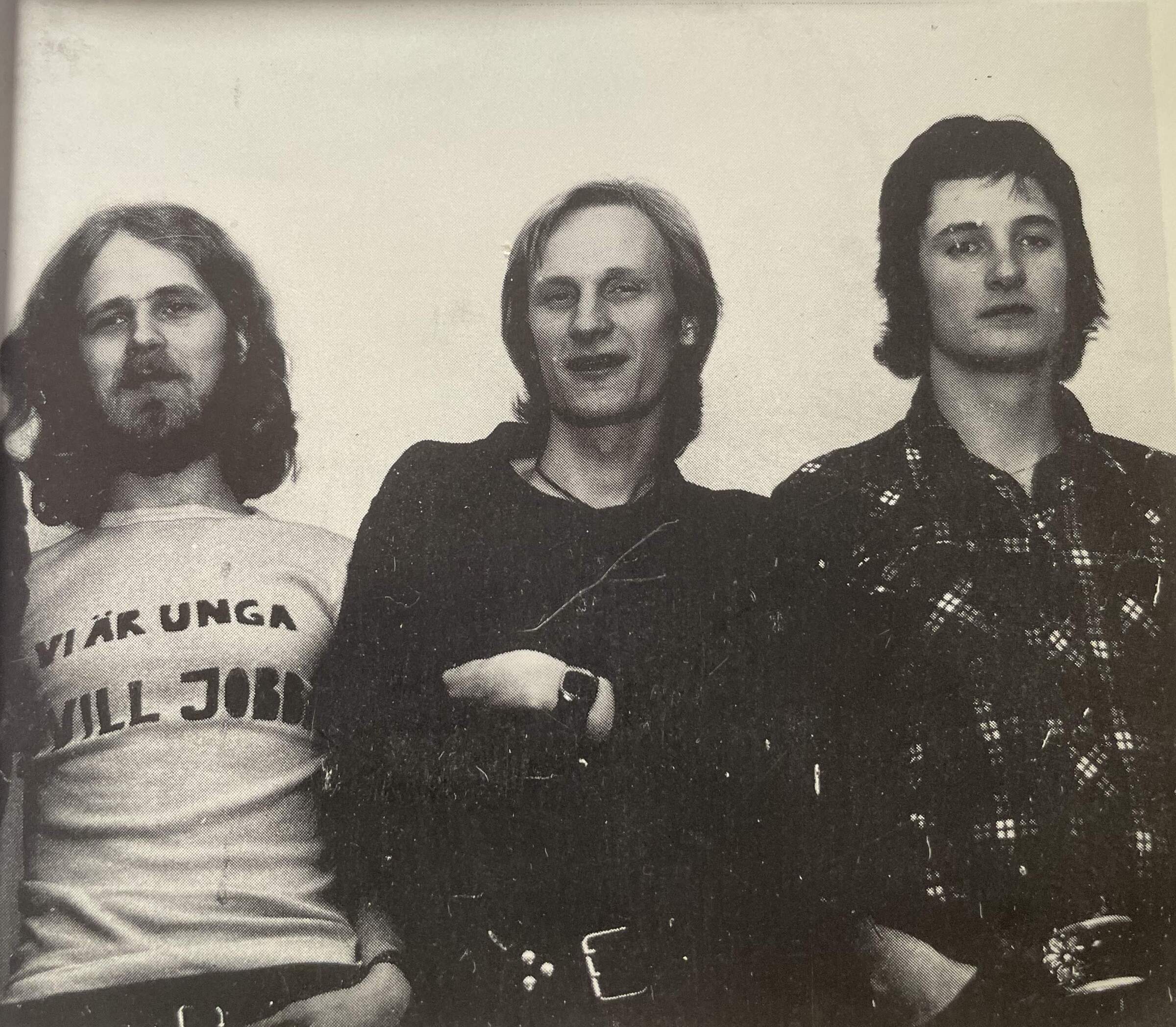
Headline photo: Kontinuerlig Drift (Alf Arvidsson, Leif Eriksson, Håkan Eriksson)
Order your copy of the Kontinuerlig Drift (LP + Bonus CD) via PQЯ Disques Plusqueréel.
PQR-Disques plusqueréel Store / Website / Facebook / YouTube