
Flowers Must Die: 20 Years of Friendship, Noise and Improvisation
“We started with no intentions to be a band,” says Flowers Must Die’s Rickard Daun, which explains why they still sound alive after twenty years.
Lars remembered the early days as people coming into the rehearsal room, heads down, and starting to play before anyone had even said hello. Rickard came from experimental improvised music, while Sven had never played improvised music before. That difference shaped the band from the start.
Twenty years on, the Swedish group still works from simple starting points: a guitar riff, a bassline, a jam, or an old recording brought back years later. “A LOT of loose recordings on my hard drive,” Rickard says. Most stay unreleased. A few are reworked with new parts and new edits.
The music moves through drone, folk, jazz, electronics, repetition and stage noise. Flowers Must Die keep changing when the music starts to feel too settled. They bring in new instruments, new members, semi-acoustic sets, voices, violin, theremin. Whatever keeps the band moving.
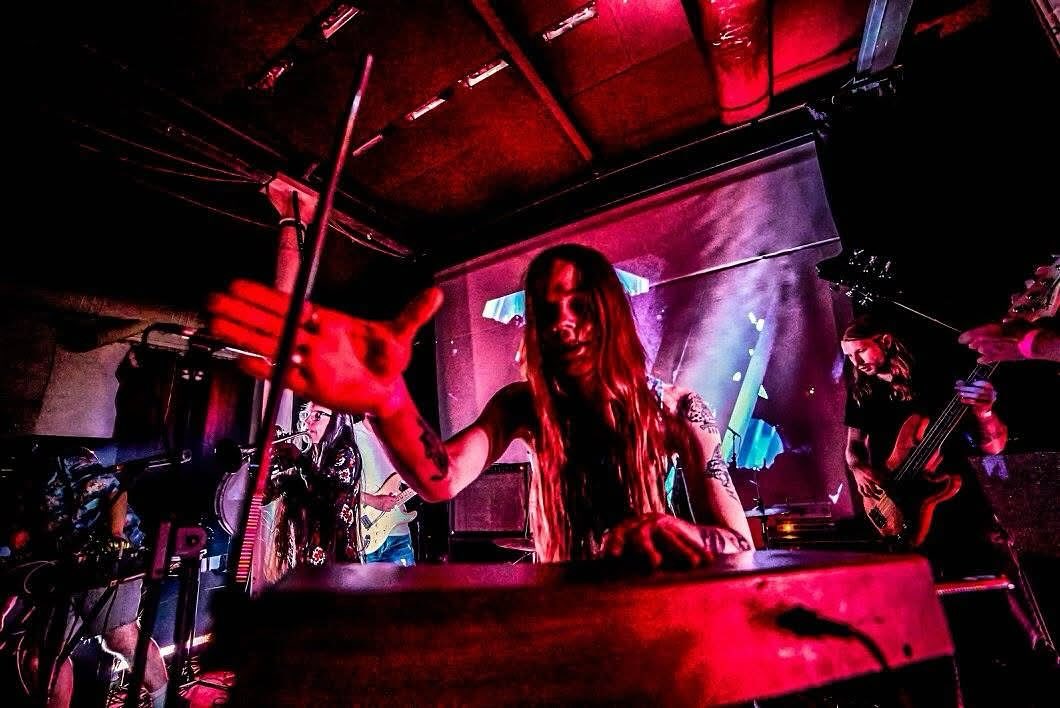
Lisa joined in 2016 and changed what the band could do. Her voice, violin and theremin brought in the Swedish folk elements they felt were missing. When Rocket Recordings asked how the music might sound with vocals, she became the answer.
Live, they play with more control now. Less noise, … more space. They still leave room for things to drift, especially with new and unrehearsed tracks. “We are not trying to save someone’s life,” Rickard says of playing 45 minutes of improvised music.
At the centre sits the line every long-running band either earns or avoids: “If it’s not fun to be together it’s not fun to record or play live.”
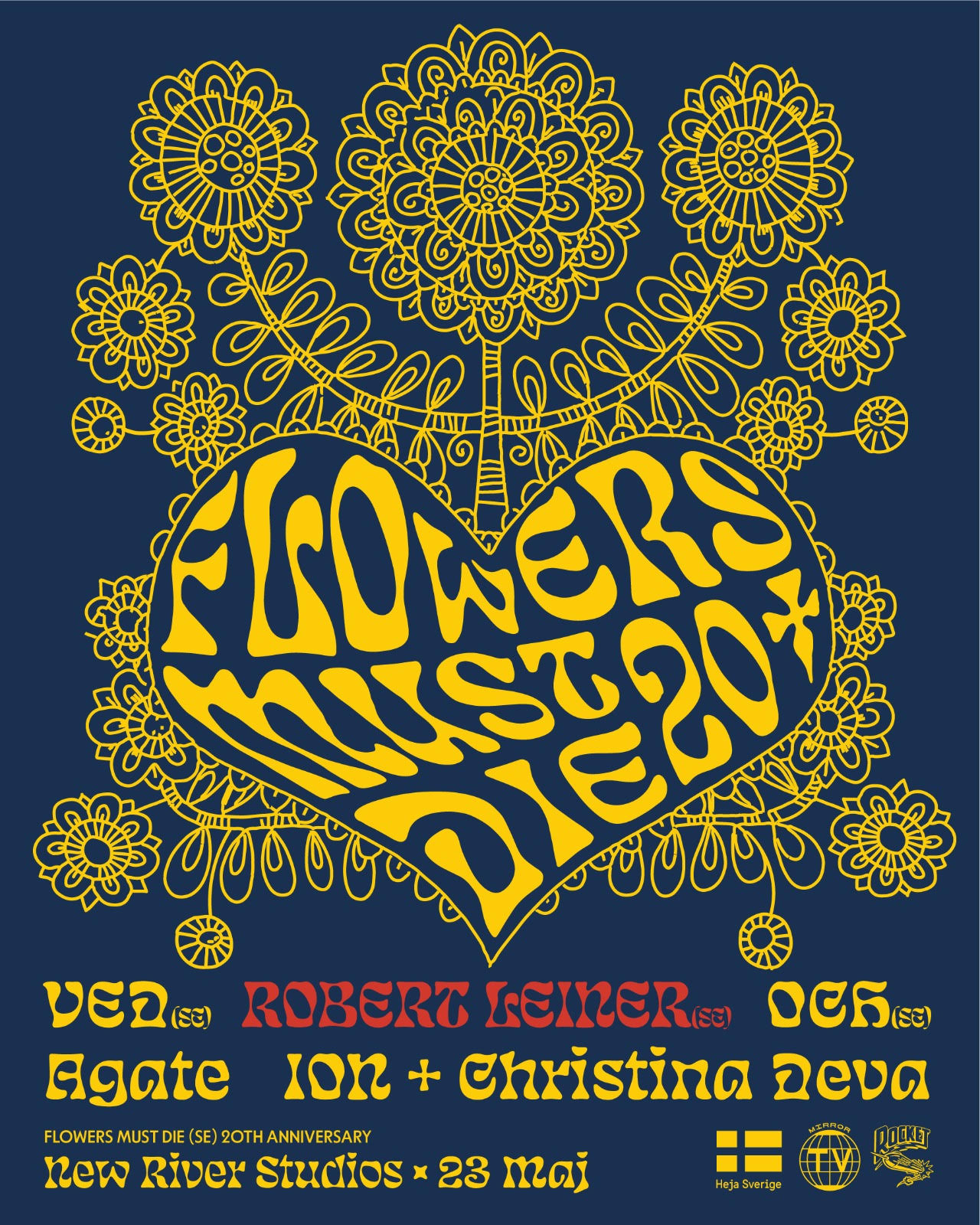
Flowers Must Die celebrate 20 years at New River Studios, London, on 23 May 2026. The bill features Flowers Must Die, VED, OCH, Robert Leiner, Agate and Ion + Christina Deva. New River Studios lists the event from 7:30 pm to 1:00 am, while Resident Advisor lists Mirror TV as promoter.
“As soon as it starts to feel too safe, we mix something new in.”
Twenty years is a long time to stay with something like this. When you look back to the very beginning of Flowers Must Die, does it feel like a continuous thread, or more like different lives stitched together under the same name?
Rickard Daun: Yes, it is a long time. We started with no intentions to be a band and I think that was good. It was very unpretentious and loose, and we have kept it like that. Different versions of the same band for sure. As soon as it starts to feel too “safe” we mix something new in. New instrument, semi-acoustic period, new members, extra members and so on.
What do you remember about how it actually started? Not the official version, but the early days. The rooms, the people, the feeling that something was taking shape before you really had words for it.
Me and Jonas started the band after a few sessions with this line-up. After one jam, Lars said, it’s a weird feeling as everyone just comes into the room and heads down, starts to play without even saying hello or looking at the others. It took some time to understand our differences and approach to music, where some had only played improvised music and others more stricter forms, and that reflected the music, often in a good way, throughout the years.
Early on, were you thinking of this as a band in the traditional sense, or more like an open-ended project that could shift depending on who was involved and where you were at the time?
Like I mentioned in the first question, we had no plans more than to create music in the rehearsal space. After 3 years we realised we had something not many other acts had and we decided to release a record, but even after that it was no plan. Me and Jonas had used our voices over the years and we never said we would be an instrumental band so when Rocket mentioned they would like to hear some vocals in our music, I asked Lisa from Katla to join us. We also always missed a violin and theremin so a perfect match!
There’s a certain looseness that runs through your records, but it never drifts into complete anarchy. It feels held together by something internal. Was that always there from the start, or did it take time to trust that way of playing?
It’s a lot, and I mean a LOT, of loose recordings on my hard drive. Luckily most of them will stay in the recording graveyard… but sometimes I dig up some jams and re-arrange, add things to them. For example, both tracks on our tape release Berg/Berga are several recordings over the years mixed together. Once I just took Lisa’s violin and pasted it into another track, not caring if it was the same tuning, so sometimes a bit anarchy. And yes, it has always been there, probably less in the later years in one way, but still not playing it safe…
Your sound sits somewhere between psych, electronics, and something more meditative, almost ritual-like at times. Did that come from shared influences, or from playing together long enough that a language just formed on its own?
We come from different backgrounds musically, both what we had played before and how it was played. I had only played experimental improvised music, and Sven on the other hand has never played improvised music. It’s a few bands and genres that connect us, Träd, Gräs och Stenar, Miles Davis, Black Sabbath, Sleep, Funkadelic, and so on. When Lisa joined in 2016, she brought in the Swedish folk elements that we were missing. We normally don’t plan so much what style we will play, it’s often inspired by what Jonas has been listening to lately as he comes up with the most ideas.
I’m curious about how your process changed over time. When you think back to the earliest recordings compared to something like the later albums, what feels most different? And what, if anything, has stayed exactly the same?
Pretty similar, Jonas mainly comes up with a guitar riff or a bassline, which is often borrowed/inspired by something old. We say we are an environmentally friendly band, as we recycle old basslines. As we have never lived in the same city, we always improvise but obviously over the years got to know each other more so less chaotic and noisy. We have learned to listen in more to each other, and not play full on all the time, leave space and play less loud. We have only met up one time to rehearse with the original members over the last 7 years, and last time we did a proper recording was 9 years ago, so hard to say what’s different or the same more than it’s less often. We love playing live and that has always been the aim, as we think our music is in the right element then. We often add extra musicians to keep it more exciting and make it more complicated, hehe.
Do you remember a moment when the band really clicked, where it stopped feeling like an experiment and started feeling like its own world?
Yes, it was when Lisa joined the band, as mentioned before, Rocket liked what we sent them but wanted to see how it could sound with some vocals. Jonas had been singing in most bands he had been with before and also under his various solo projects, but never really aimed to do so with FMD. So when Lisa’s band Katla was on a hiatus I asked if she wanted to join. I had seen them at the festival Psykjunta in 2013. A festival I was part of for the three years it existed. Their show was the best that year and Lisa was one of the most mesmerized front persons I have seen in a long time, the vocals for sure, but also switching between theremin and violin. Two instruments we have tried to bring into FMD music. When she joined and the two upcoming releases on Rocket Recordings was that moment.
Across your releases, there’s this sense of space, like the music is allowed to breathe and stretch. Is that something you consciously make room for when recording, or does it just happen when you’re locked in together?
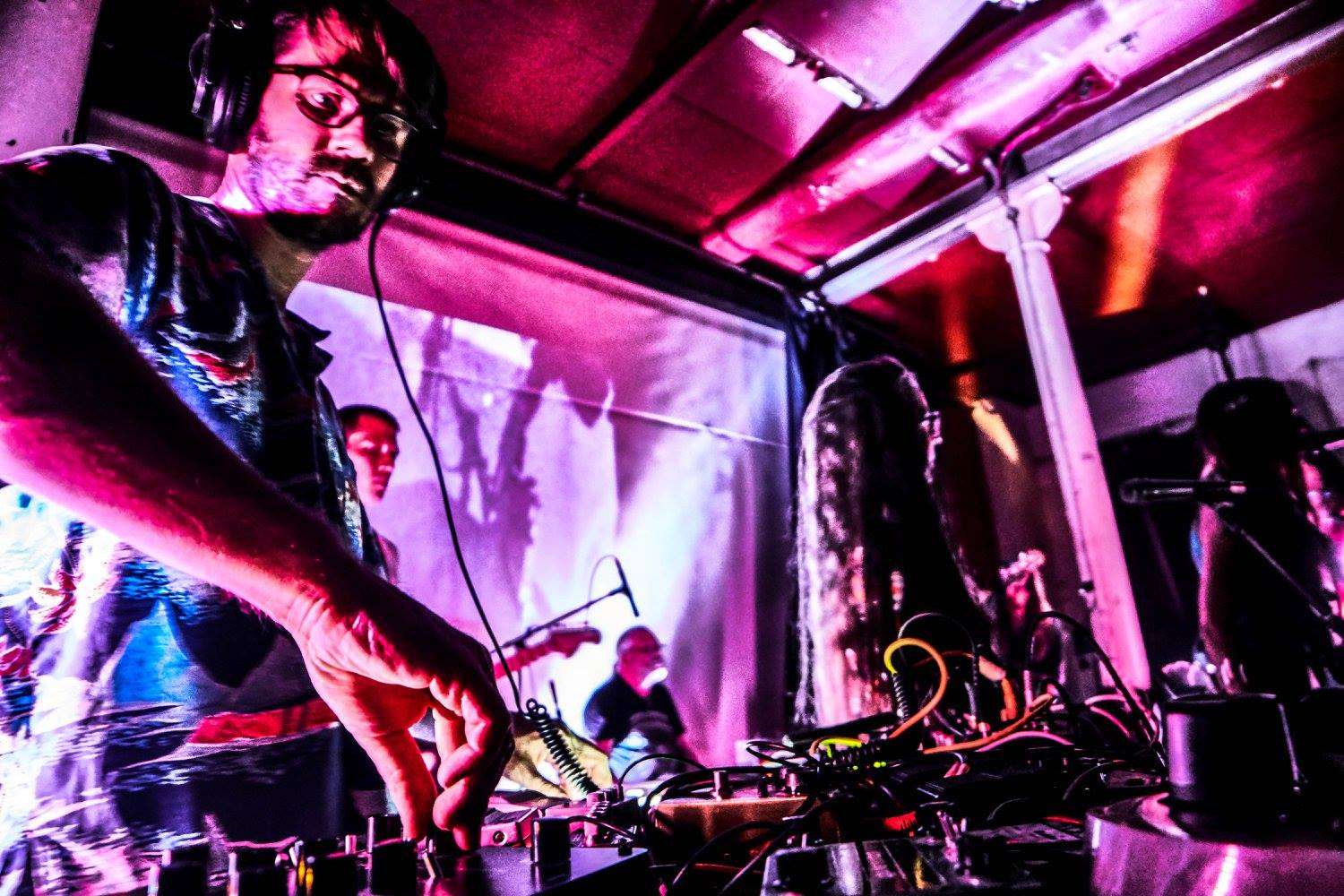
Well, more in later years I would say, but some tracks from the earlier releases are a bit more sparse. Mainly at times when not everybody could take part in a rehearsal, or had to leave earlier and us others kept on jamming. There is also a period where we started to play semi-acoustic live, we brought in marimba, saxophone, flute and djembe. We have always been inspired by jazz so that space has been natural, and also ambient and electronic music so a lot of recordings with mainly synths. At later recordings I often take a step back while jamming and just listen, then I add overdubs while mixing the tracks at home.
How much of what we hear comes from structured ideas, and how much is discovered in the moment? When you’re playing, are you listening for direction, or letting it unfold without trying to steer it too much?
There are often some ideas for a recording session or if we meet up to rehearse. But in the end it’s often the jams that make the cut for a release. We often have some tracks just called Folk, Doom, Drone, Miles, Afro, so we could have a feeling and music style rather than a structured idea.
Looking back now, do you hear clear influences in your earlier work that you’ve since moved away from, or do those roots still feel present in everything you do?
I would say it’s less guitar-heavy psych as on the earlier tracks, and way less blues rock orientated. Early recordings always have some blues tracks and I can’t get any feeling at all for that.
I’d love to touch on a few records if that feels right. When you revisit something like your earlier releases compared to the more recent ones, what do you hear differently now? Not just musically, but in terms of where you were in your lives when you made them.
Well first of all, I think most tracks from our earlier releases would fit on a newer one, but we have learned to record better since the first three records. It’s more communication between us now and we do plan a bit more ahead. For life situations it has been tough for all of us, and that has reflected the music as well, often to the better as it has worked as a therapy.
Over two decades, I imagine there were periods where things slowed down or even paused. What kept you coming back to this project? What made it worth continuing?
A lot, not to go into anyone’s personal life and changes, but I moved to London in 2015 and later on opened up my own cafe/restaurant so naturally it’s been less time. Lisa moved to the countryside in Chile a couple of years ago and Lars has been battling some physical issues. I think for all of us, it’s the kick of playing live that keeps us going, and we try to get a show per year to keep it going. We have also added some extra members over the years, Rob from Smote has played with us live several times now and also Hanna from Hills, Träden. And we have added Fredric from OCH as a permanent member, he has been in the background since we started the band as me and Lars shared an art studio with him. His spirit and great company together with being a skillful musician has given us another kick to continue.
This might be a slightly unreasonable request, but I’m going to ask it anyway. Would you be up for saying a few words about each of your releases, just how they feel to you now, hearing them with some distance? Not a breakdown, just a couple of sentences each, whatever comes to mind.
Not at all, a big task but fun.
‘Tape’
First tape was self-released on my Rev/Vega Rec label 2009. It’s 4 tracks, very primitive recordings. ‘You Do That’ was again released in another version on ‘Där Blommor Dör’.
‘I’
First vinyl in a series of three, just named ‘I-III,’ all with sleeves from the Malmö artist Danilo Stankovic. First track is a version of ‘Angelic Upstarts’ Police Oppression’. ‘Dimman’ has been a live favourite for a long time, and brought out now and again. ‘Skuggen av Omberg’ is also on our first tape release.
‘II’
First track is recorded in several different versions and released over the years on various records, second a loose cover of a Bobby Hutcherson track, the last our attempt to add violin to our music before Lisa joined, Jonas playing electric violin.
‘III’
Double album and a collaboration release with the Malmö label Kommun 2. A great mix that showcases our different styles, from drone, to folk, to jazz, to funkier tunes and doom-psych rock.
‘Psykjunta’ 7″
A collab release with Malmö’s, Sweden’s?, best record shop Rundgång, who also released early VED records. The title song is an hommage to the festival I mentioned earlier, a long-time favourite live song.
‘Greatest Hits (Live)’
Self-released live tape from various shows, Jonas wanted it to look like a tape you buy in a petrol station, best of but no rights to the original tracks so it’s some crappy live recordings… although most of ours are pretty decent.
‘Montana’/’Nusrat’ EP
On the Swedish label Höga Nord, Montana is probably one of our most played songs live. ‘Nusrat’ is a version of a Nusrat Fateh Ali Khan song.
‘Berg’/’Berga’
I mentioned this earlier.
‘Sista Valsen’ EP
First release on Rocket Recordings, a four-track EP, with a wide selection from folk-drone to kosmische jazz. Varför appears again in a different take on Kompost. Fredric, who later joins us, did the sleeve.
‘Kompost’
Full length on Rocket, again an eclectic mix of genres, Beefheart-esque ‘After Gong’ with Jonas on vocals, the more pop-disco tunes ‘Hit’ and ‘Don’t You Leave Me’ show Lisa’s strong vocals. The funky ‘Hey Shut Up’ is a live favourite and one of loads of versions of Bo Diddley’s M’ama, Keep Your Big Mouth Shut’.
‘Där Blommor Dör’ 2LP
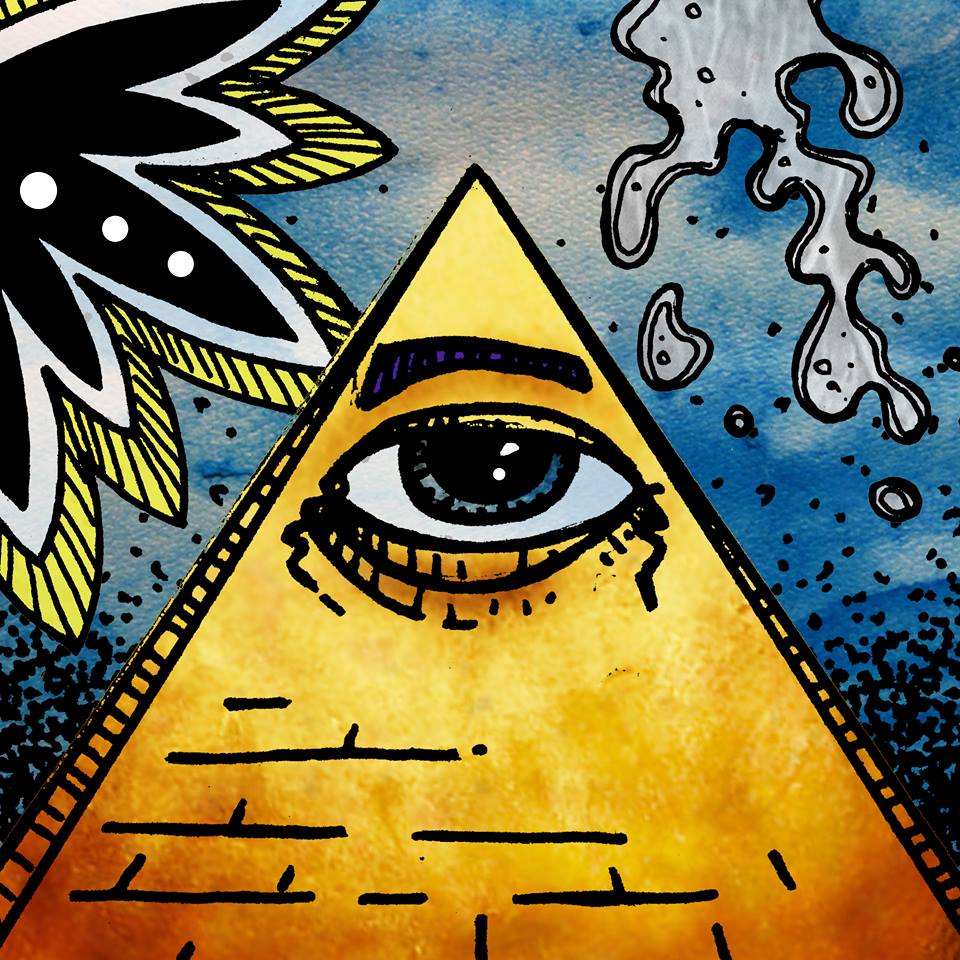
Self-release, a selection of tracks that didn’t make it to any of the other releases from 2009-2017. Some re-arranged, and with added overdubs. A “cover” of Trees’ ‘Sally Free’ and ‘Easy’ named ‘Träd, Gräs och Hö,’ a longer version of the track that featured on our first tape release ‘You Shouldn’t Do That,’ ‘Eyjafjallajökull’ that is one of our most played songs on streaming platforms. Artwork by me, 20 different sleeves, and was sold with the unique artwork for some lucky buyers.
OCH/FMD split tape
A split with our friends, we did a tour together a few years back and released this. FMD side is the full version of ‘Källa till ovisshet’ that opens up the ‘Kompost’ release.
We also got some digital releases, like the mix album of ‘Hey Shut Up’ and the live from Liege, featuring Hanna from Hills on percussion, and Laura from then Julies Haircut. Recorded the night before Rocket’s 20th anniversary in London.
‘Återbruk’ is another leftovers recording that didn’t make it to any vinyl.
This show in May feels like it carries a bit more weight than a regular gig, twenty years is no small thing. Does it feel different to you when you think about it, or are you trying to treat it like any other night and not overthink it?
Trying not to overthink it, we have invited some friends to play to make it less focus on just us, label mates and long-time Swedish friends: VED and OCH, but also the techno pioneer Robert Leiner aka The Source Experience. I would not like to have a night with just the same type of music. Also on the night are two great local acts, Agate who have played with FMD before and a new constellation with ION and Christine Deva. It’s going to be a beautiful night celebrating the diversity from Sweden and local talents.
It’s a strong lineup, and not in a random way either, there’s a kind of shared language between a lot of the artists playing. When you’re part of something like that, do you find it pulls something different out of you on stage, or do you just stay in your own headspace and let the rest happen around you?
As I have also curated the evening with Mirror TV and Rocket Recordings, it feels less focus on just FMD’s set. I want all musicians to enjoy the weekend, and bring out the best from everyone. It’s also a flashback to arranging gigs back in Malmö/Sweden, which both feels exciting and extremely exhausting and worrying.
When you play live now, compared to 10 or 15 years ago, what feels different? Is there more control, or more willingness to let things drift and see where they land?
Yes, a lot more control, we know our gear, how to listen to each other and also less worrying something will go wrong. In the end we just play improvised music for 45 min for a crowd, we are not trying to save someone’s life. We always have some new and unrehearsed tracks so it will stay exciting and with the possibility to drift away as no one more than us knows how the track should sound.
And finally, when you think about Flowers Must Die as a whole, not just the records but the years, the shifts, the people involved, what do you feel it is at its core? A band, a process, a way of working, something else entirely?
It has always been the friendship. If it’s not fun to be together it’s not fun to record or play live. Yes, we are different but everyone is important to make it be FMD. We have played shows with everyone missing apart from my brother, the bass player Martin.
Klemen Breznikar
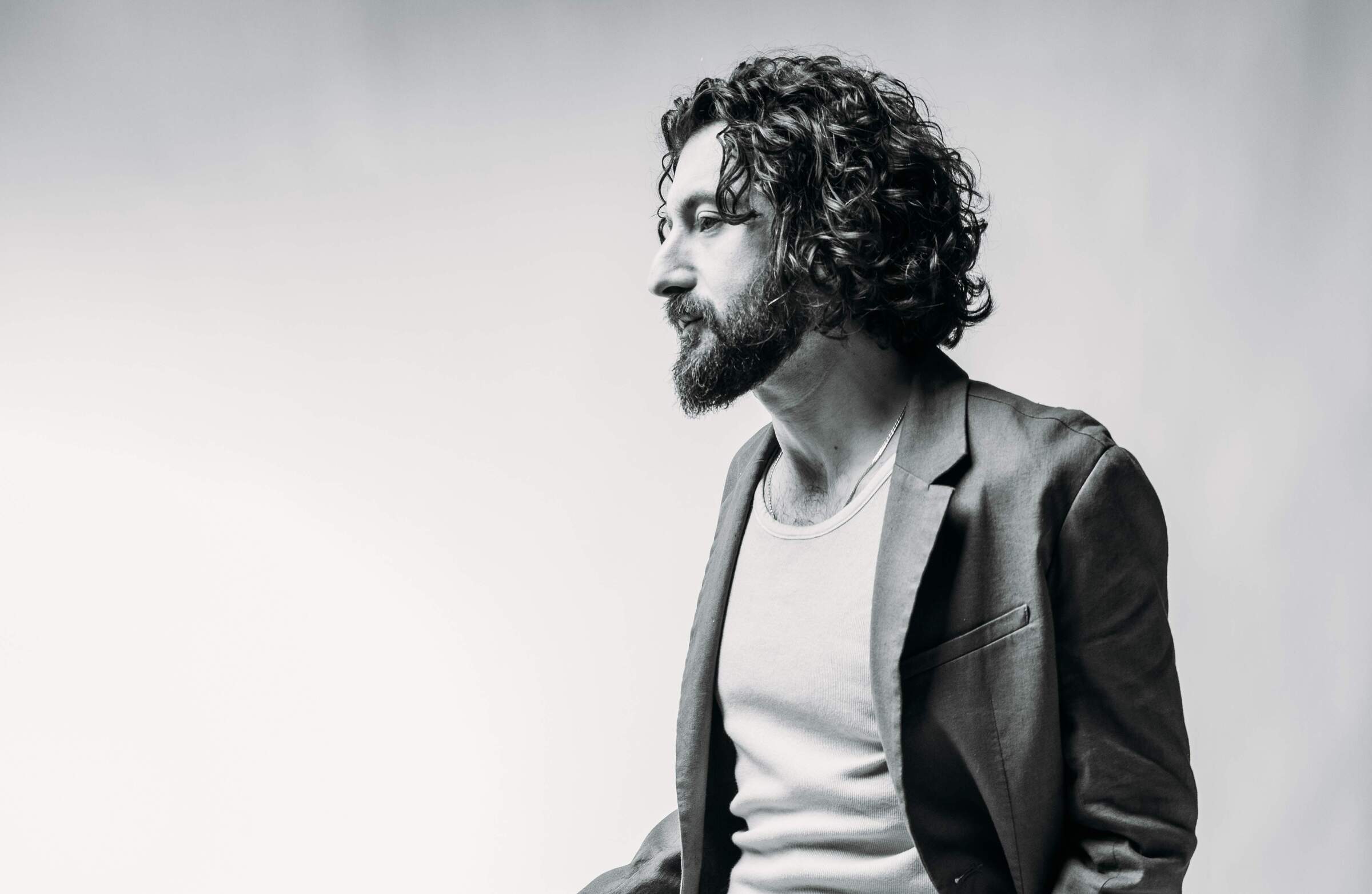
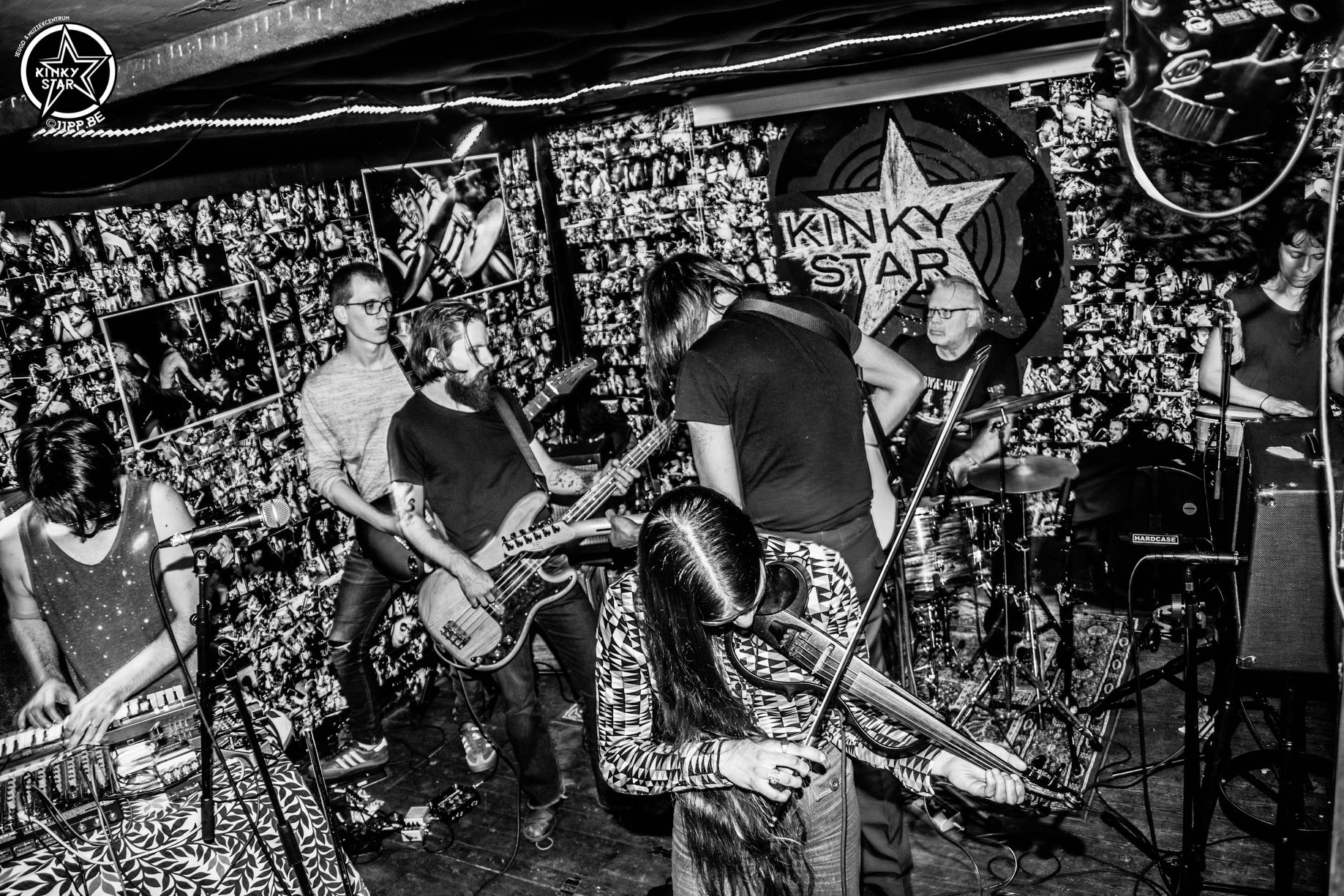
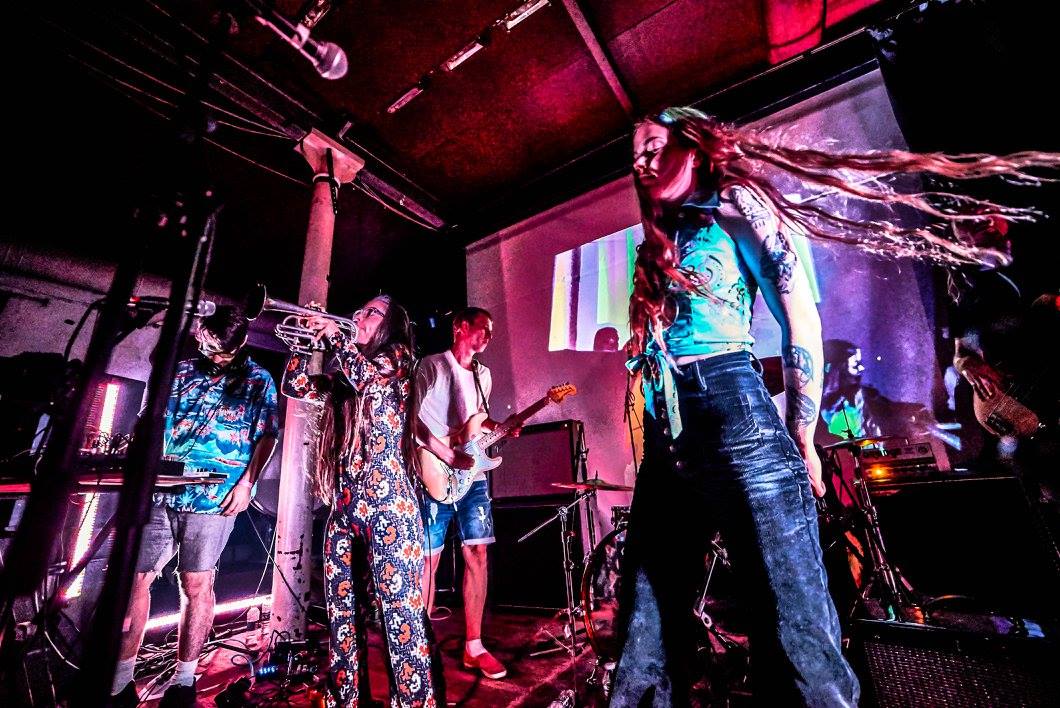
Headline photo: Flowers Must Die | Photo: Jeroen Jacobs at Kinky Star/Ghent
Flowers Must Die Website / Facebook / Instagram / Bandcamp
Rocket Recordings Official Website / Facebook / Instagram / Twitter / Bandcamp / SoundCloud