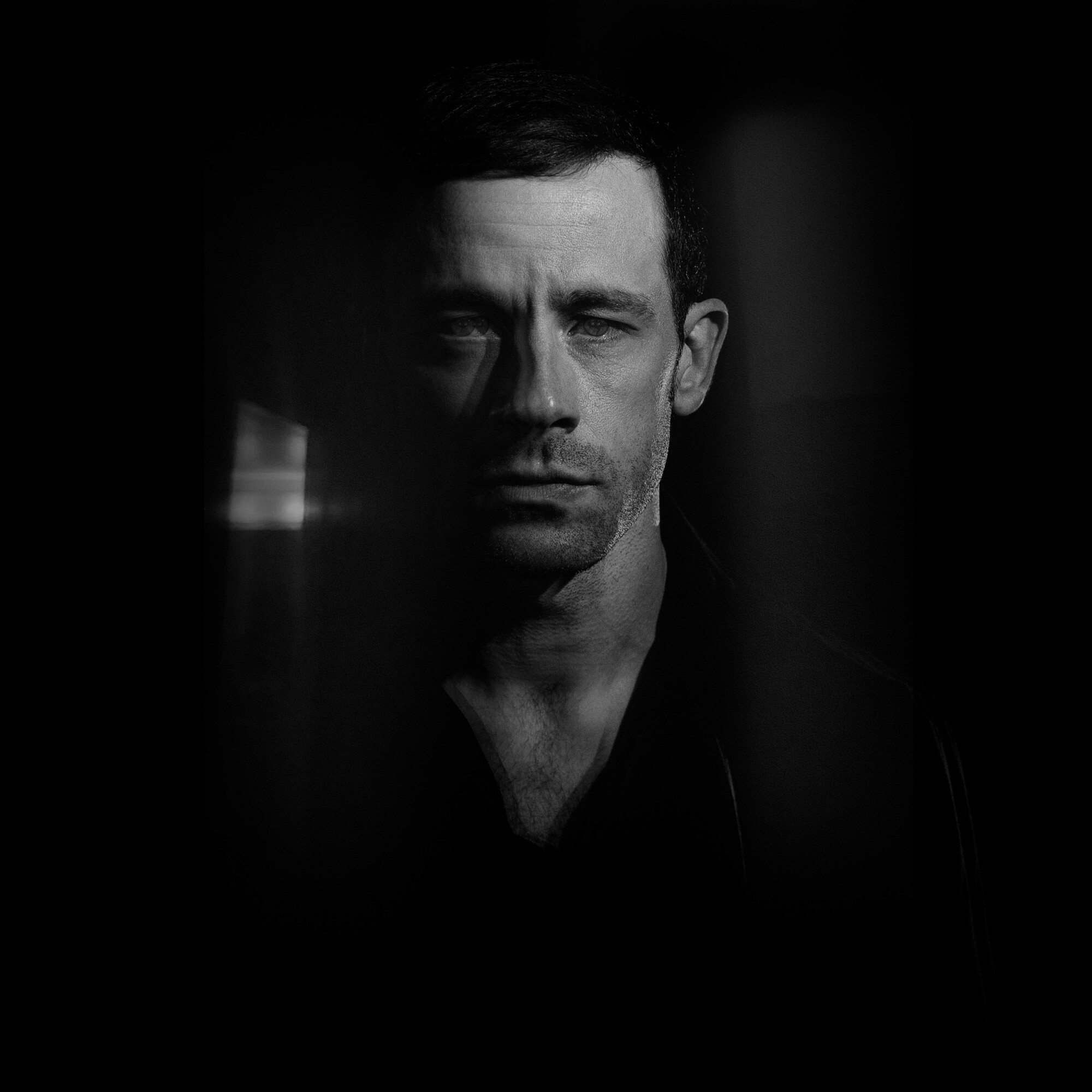

Sam Lemos Completes His Trilogy with the Theatrical Art-Pop Vision of ‘Three Triptychs’
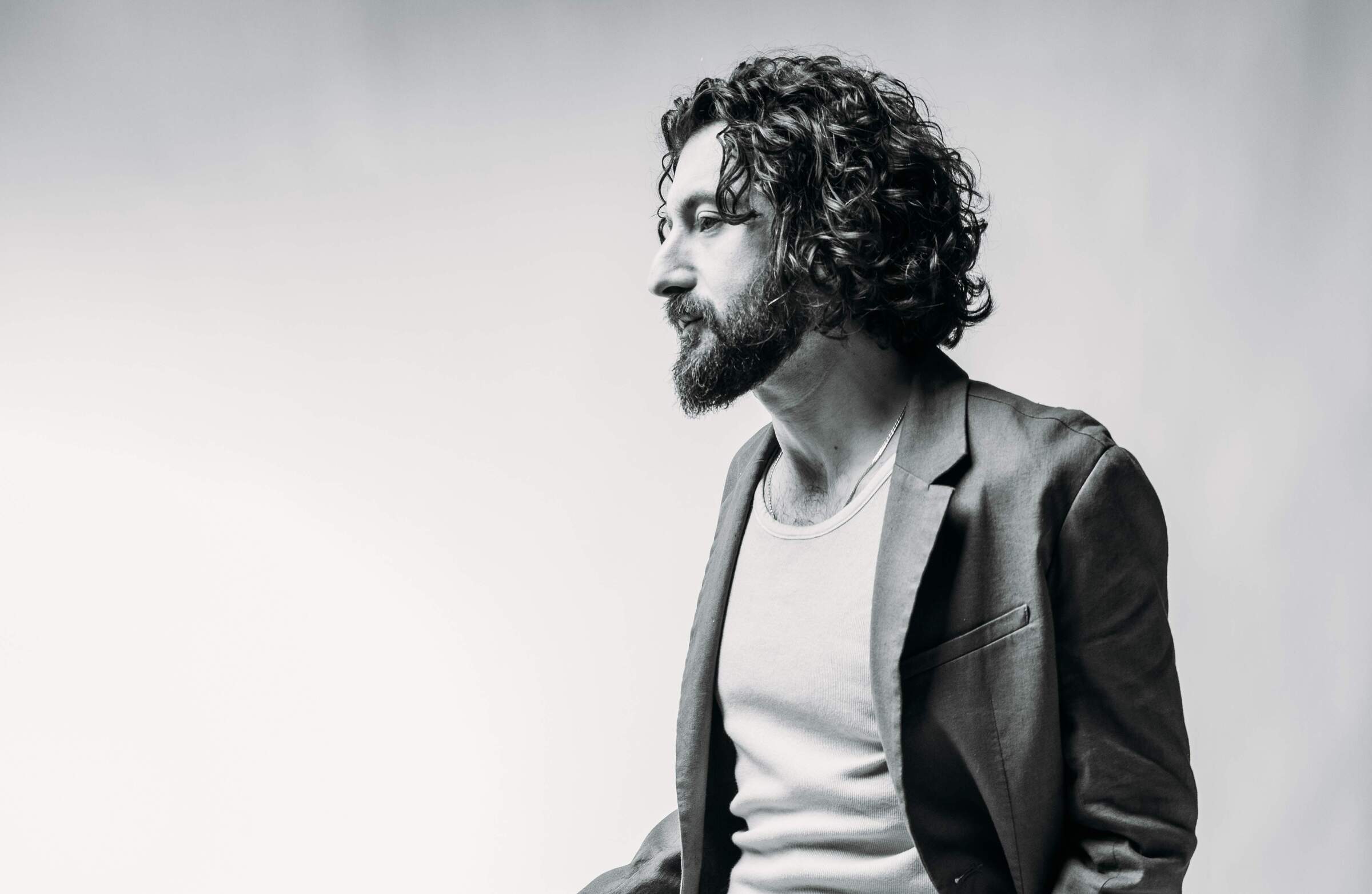
Los Angeles-based professional instrumentalist and all-around creative Sam Lemos has dropped ‘Three Triptychs,’ the final installment of a trilogy of albums.
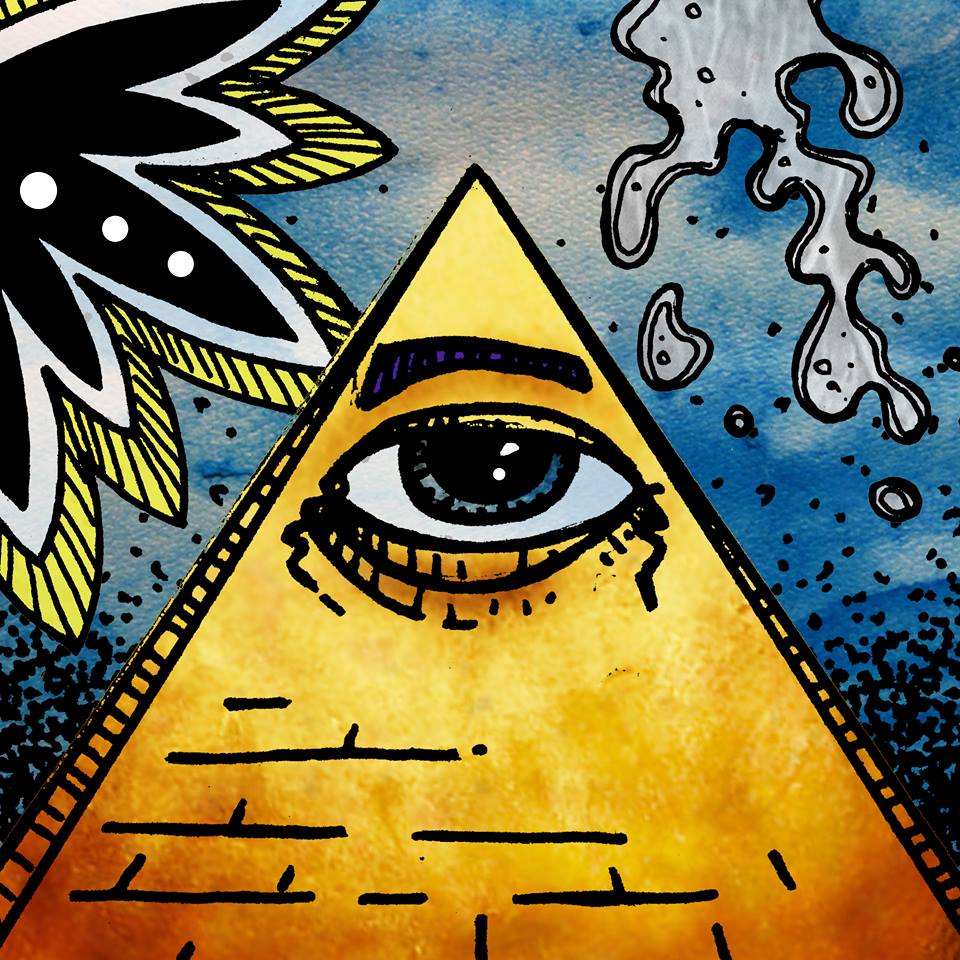
Of which, the single ‘Psalm 515’ is the Black Prince’s crown gem, which undertakes the evocative theme of being shaped from sin. Thespian in nature, Lemos’ sonic panels of art are clearly divided into a triad of acts. The rule of 3 is renowned among visual artists, and is equally as redolent in a setting of music.
The triple play details a kind of unraveling. As the yards upon yards of royal-purple yarn unwind, a dissection of the human mind and its ego occurs. There are waves of traditional pop, blended into currents of avant-garde, jazz, and delectable lofi-electronica-synthwave.
Opening with ‘Ashen,’ a song which captivates with its otherworldly guitar and saxophone texture. It is as if we were immersed in the fantasy realm, or sent back to a distant childhood memory… He sings of astral mirrors, shadows, and bridges between souls. This could easily be the ending track of an episode of ‘Bee and Puppycat,’ taking place in ‘Fishbowl Space’. The following track, ‘Next Prince in Exile,’ is poppier fare, with dark synthesizers which harken back to the early 2000s.
Early on, we taste the quirky, expansive instrumentalism of Gotye in a new, danceable-and-honest light. Then, we experience an exotic acoustic flavor, as if we were dropped into the land of Sumeru. ‘Three Triptychs’ is a remarkably worldly album in which Oscar Wilde, King David, the land of Israel, and King Lear were all cast in key roles. In the realm of music theory, the album is equally as broad. It ranges from downtempo-Americana-bayou to lofi and doo-wop. There are the alluring lines of melismas and ostinato, as well as the classical forms of the Passacaglia and Siciliana.
As we near the halfway point in the album, ‘Wax Dim’ provides a jazzy-secular precursor to the lead single ‘Psalm 515’. The following side-B opener is a self-reflective track containing a universe of flute-ish pipe organs and lush vocals. Just before the fade, the iconic motif from the beginning returns, with its stacked harmonies and renewed motion, which segues into a record-scratching sax solo.
Then ‘The Servant and the Sorceress’ visits a strummy and reminiscent space, whereas ‘Lear’s Last Waltz’ is rife with soul and melisma. The penultimate track is decidedly more avant-garde, beginning with electric sounds which rise into an orchestral, bassoonish synth.
Now, it is as if us listeners have been trapped inside a haunted music box. He articulates: “How perfectly goddamn delightful it all felt, family is strange, I took all the beatings…”
As the curtain closes on the scene, we hear the artist… pained, out of breath. Finally, this triptych ends in ‘La Siciliana di Paolo Secondo Luca’, which returns to the feeling of the opening act, lush and melodically centered.
As the final words fade out, the feelings we’ve absorbed along the hero’s journey linger. As we traveled with Lemos, we fell upon our swords and soaked in the symbols of the Victorian sun and moon of our mind’s eye. We traveled to ancient India and listened to the bansuri maestros of old. ‘Three Triptychs’ warped us through time, uplifting us with calm waters of modern synthwave. We sailed through Beatle-esque psychedelia and the tempered echoing gospel of cathedrals.
The album is as grounding to the soul as it is sweepingly vast. It has encapsulated temporal nature, as well as traipsed across literal and theatrical history. This particular play showcased moments of triumph and despair, existential dread, and timeless exuberance. As the red curtain closes, that moment of silence, the one before the clapping, could’ve lasted an eternity.
“Three Triptychs is about the discovery of meaning—not through artistic creation, but through loving self-sacrifice.”
To start, could you explain to our readers what a triptych is, and specifically how you are using this word in your music?
Sam Lemos: A triptych is a three-panel painting that typically presents a three-stage narrative of some kind. The triptychs of Hieronymus Bosch might be the most well-known, and his work is certainly a candidate for the most psychedelic visual art made pre-1960, and possibly ever. Typically, in a triptych, the center panel dominates the work visually and spatially, and I wanted my album to be understood according to this structure. I released the album in three three-song EPs before releasing the entire LP, and each EP has its own title. The second song in each EP functions as the center panel, and each represents the annihilation of a different aspect of one’s malignant identity.
You seem to have a lot of knowledge of the history behind biblical scripture. What interests you in this, and how did it work its way into your work?
In the service of dissecting my own identity, which was my intent with this record, I wanted access to the foundation of Western society and psychology. I’m by no means an expert in anything biblical, but I read the Bible for the first time before creating this record. I was struck, particularly in the Old Testament, by how flawed and relatable the people in these stories were.
The first triptych, ‘The Selfling’, is more confessional—me writing as myself. The second, ‘The Book of Samuel,’ is written from the perspective of individuals from 1 Samuel. These were all characters I could see myself in, and ones who made huge mistakes in their relationships to God and the world at large. The final trilogy’s songs are written from the perspective of three tragically relatable figures: one from literature, King Lear; one from recent history, Charles Crumb; and one from the New Testament, Saint Luke. The final song is nine minutes long and, for me, represents my final statement on the record and on my trilogy of LPs, including my previous records ‘Glimmergum’ and ‘Writhe’.
There are psych and pop elements that really come through, but your work also defies genre. Do you have a name for your own sound?
I don’t, but I suppose it could be described as theatrical art pop. I grew up playing jazz, but I’m also hugely influenced by classical music and pop music of every kind.
Do you have a background in theater or other artistic media?
I love and obsess over visual art, film, and literature, and I was briefly a theater major in college, but music is the only discipline I’ve ever taken seriously as a practitioner.
This is the third installment in your creative trilogy. Can you briefly summarize the first two installments and explain how this completes the creative idea?
When creating my first record, ‘Glimmergum’, I initially set out to make three nine-song albums, but the ultimate shape of the trilogy had to emerge through the creative process. ‘Glimmergum’ operates on the hypothesis that meaning in life can be generated through art, and it’s presented in a kind of nightmarish environment. Several of the songs, including the title track, are literal nightmares. I have a song called ‘Waxen’ that’s all about testing that hypothesis. The album is permeated with fear—of AI, cynicism, complacency, and the existential void—as well as hope, and it ends where it begins. The final song, ‘Incoming Call,’ essentially states that no substantial meaning has been found, but the will to keep creating remains.
‘Writhe’ is an album made up of love songs, all of which contain some fundamental philosophical mistake. I wanted it to sound as if a bubbling sonic schizophrenia were constantly trying to break through the surface, and the final three songs dissolve into meaninglessness and moral relativism. It represents the failure of the first record’s hypothesis in practice.
‘Three Triptychs’ is about the discovery of meaning—not through artistic creation, but through loving self-sacrifice. At its best, art should illuminate this principle. The album retroactively presents the three records as a triptych that mirrors ‘The Garden of Earthly Delights’: ‘Glimmergum’ represents an innocent, Edenic search for meaning, ‘Writhe’ reflects the unchecked love of earthly delights, and ‘Three Triptychs’ confronts the consequences of one’s mistakes.
Are there any plans to perform this live, and how would it differ from a typical concert?
I’ll probably play a few local shows this summer, but I’ll answer this as if I had all the money, time, and resources I could hope for: I’d love to create a multimedia theatrical production with this material—something akin to Gabriel-era Genesis, staged with the visual ambition of someone like Robert Wilson or Julie Taymor.