
C.A. Quintet Trip Thru Hell Returns: One of Psych Rock’s Darkest Holy Grails Recut for 2026
The C.A. Quintet return to Trip Thru Hell with a 2026 remaster, the one and only underground psych collector’s favourite, long held up as one of the darkest and most unique psych rock albums ever committed to wax, a true holy grail drifting at the far edge of the American underground.
This new edition is being cut direct to lacquer at Rare Form Mastering by Greg Reierson, whose mastering work spans Elvis Presley, Van Morrison and Prince, bringing a level of care rarely afforded to records of this kind.
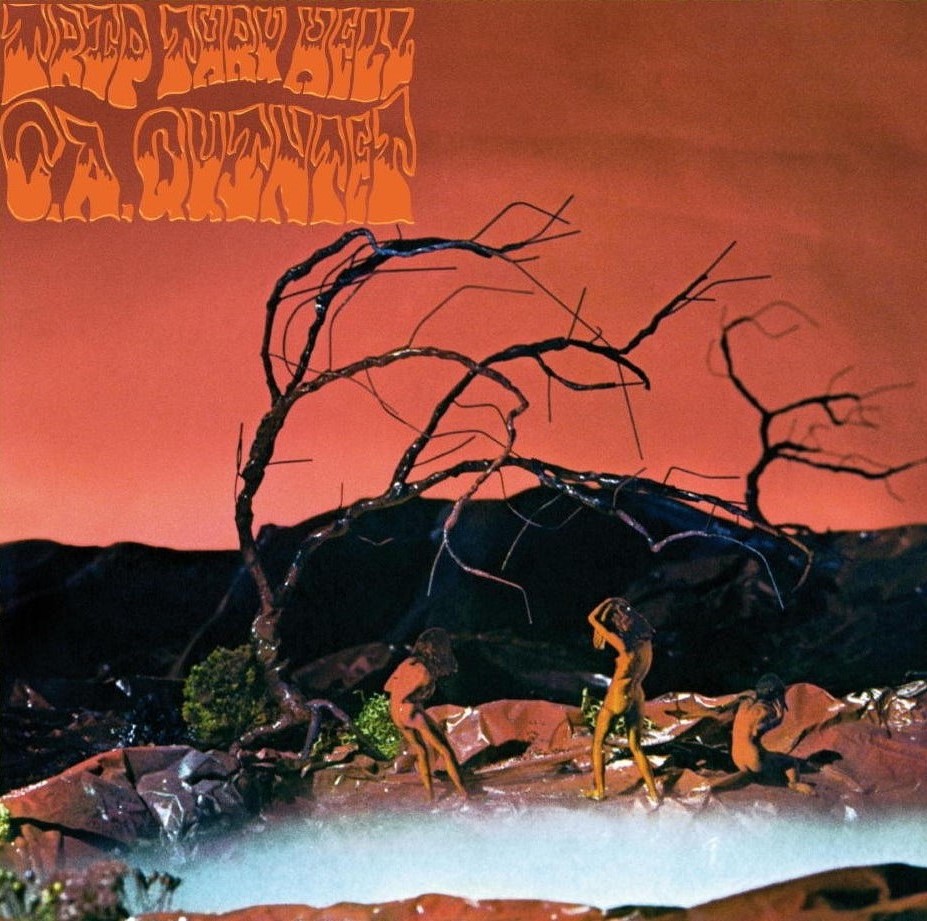
“Music for the mind, underground music…”
There are records that slip through the net of their own time. Not because they fail, but because they refuse to behave in the way their era demands. They move quietly, almost secretly, carried from listener to listener rather than pushed by industry, and they gather a reputation that has very little to do with charts, radio play, or the usual machinery of success. Trip Thru Hell by the C.A. Quintet belongs to that rare and stubborn lineage. It is one of those albums that never really stopped growing after it was made. The world around it changed, listeners changed, formats came and went, but the record kept its strange internal gravity.
It is worth remembering how unlikely that is. Hundreds of albums were made in the late 1960s, thousands if you count local pressings and regional releases, and most of them stayed exactly where they landed. Trip Thru Hell did not. It slipped out of its own momentum and kept moving.
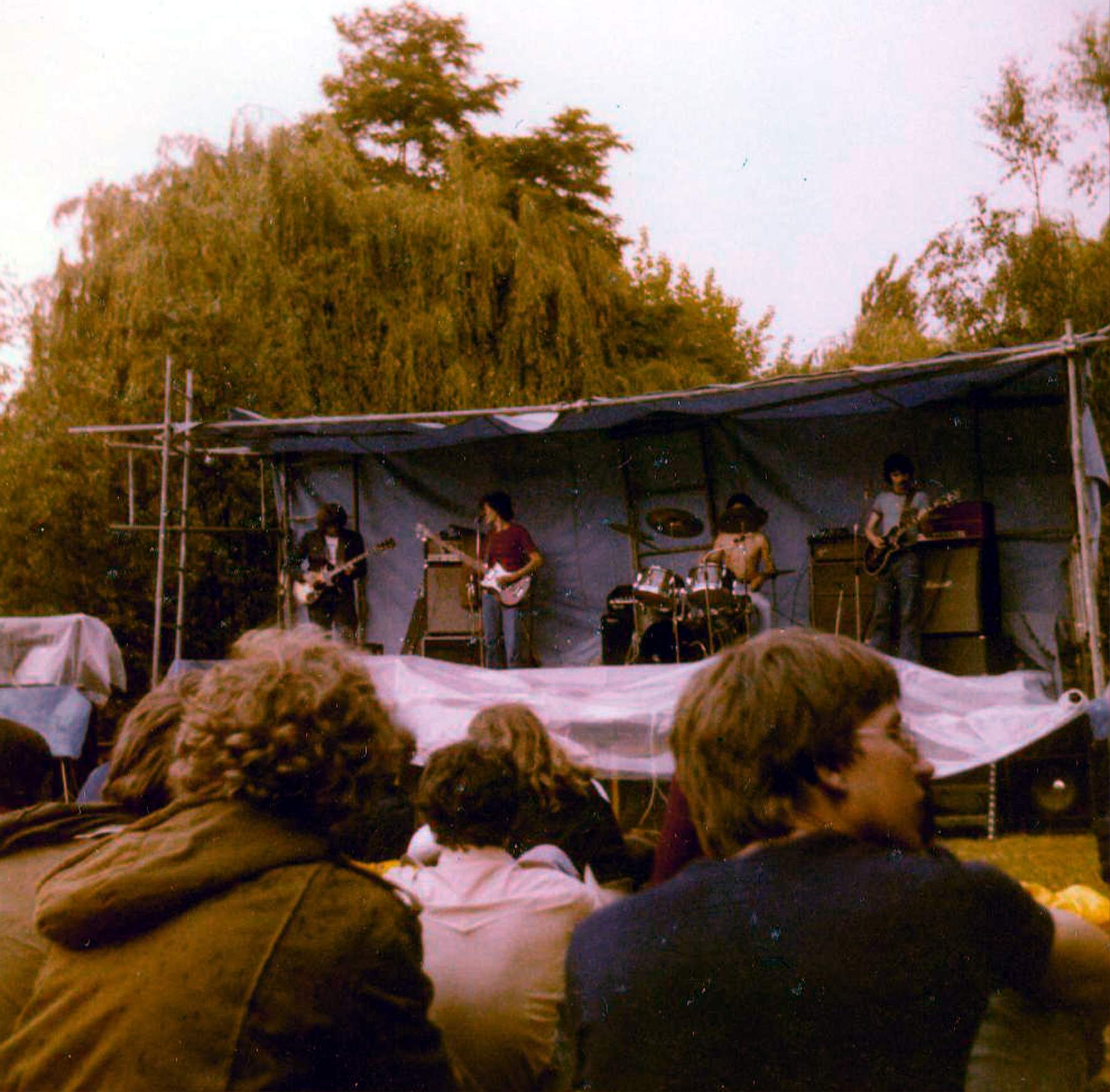
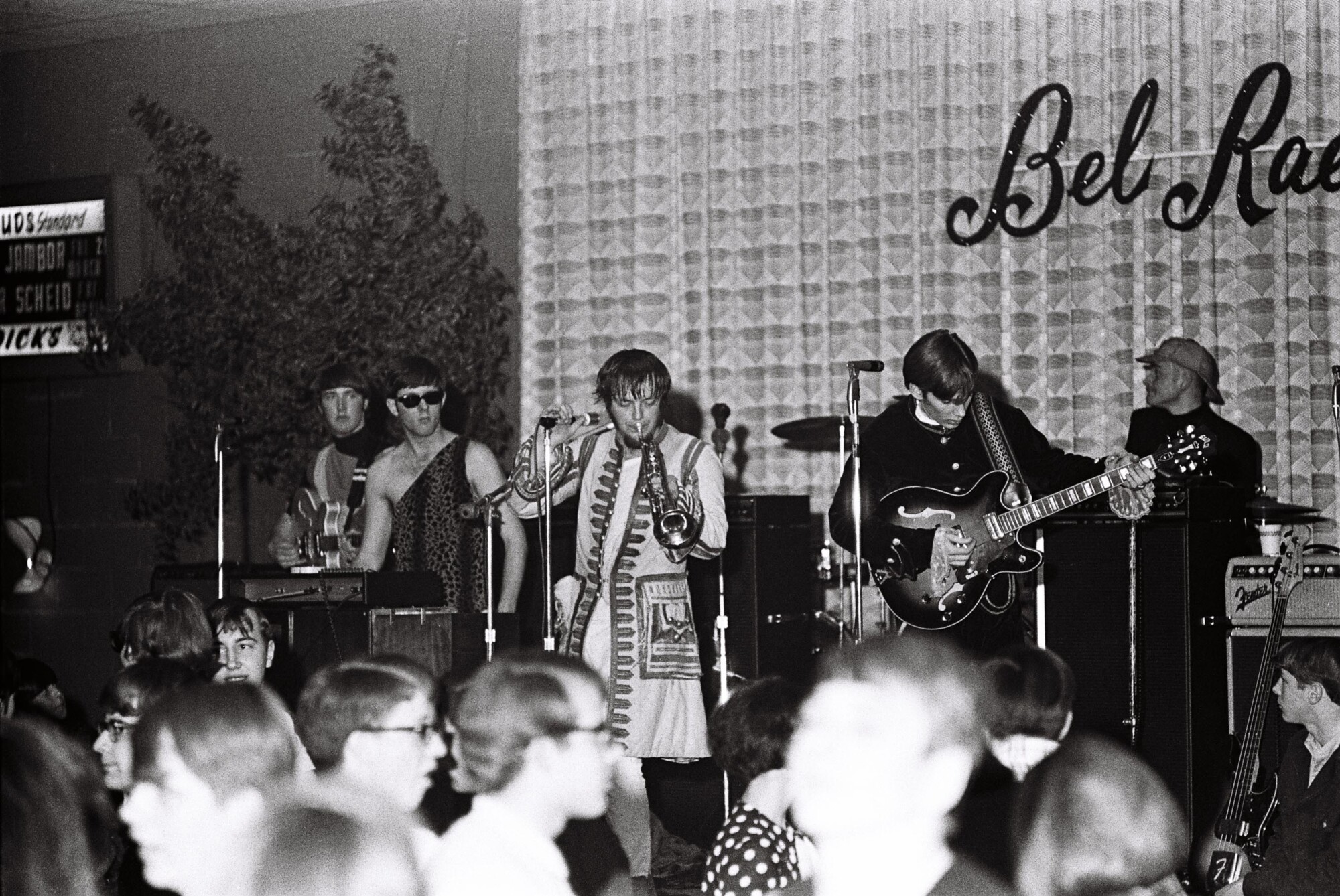
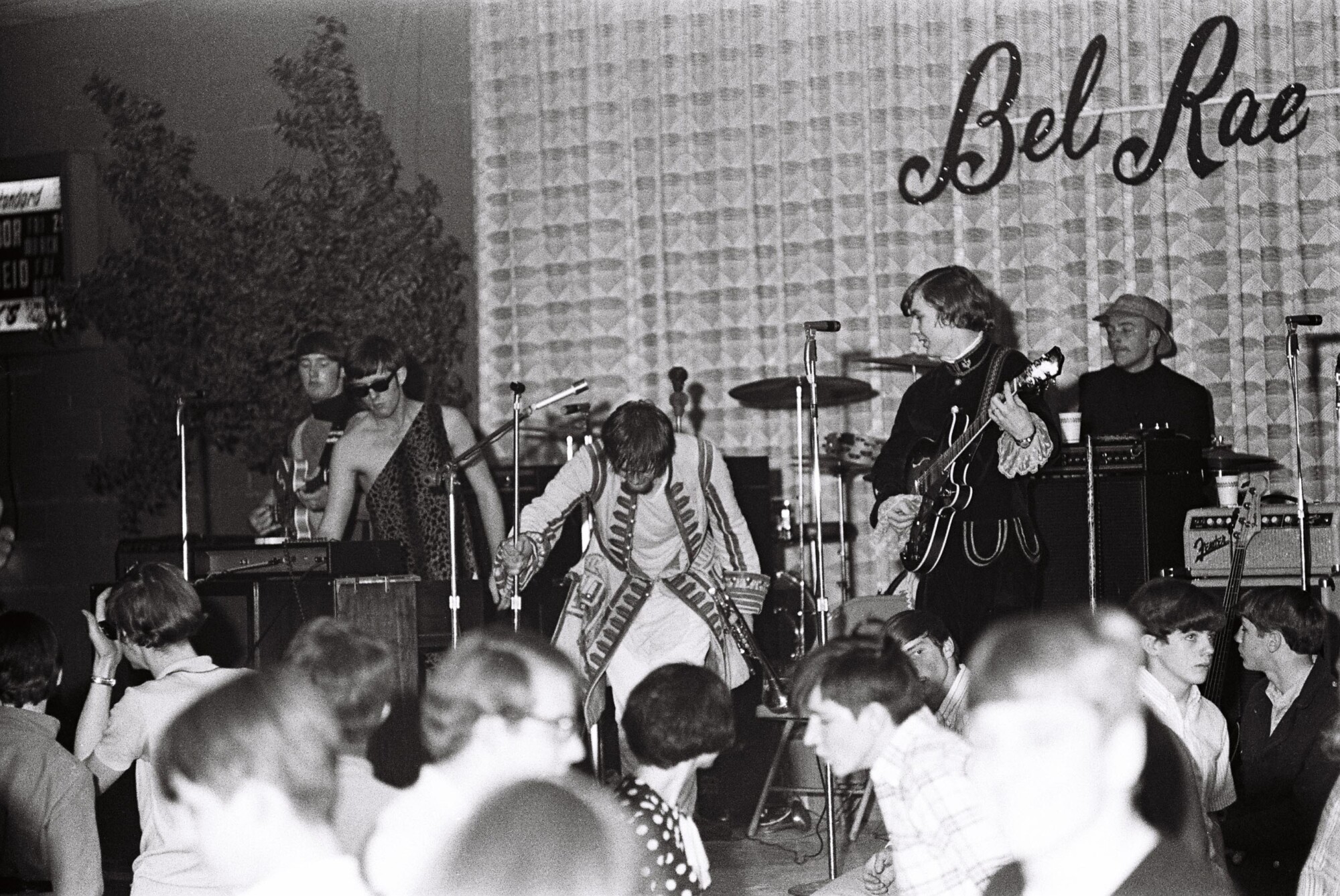
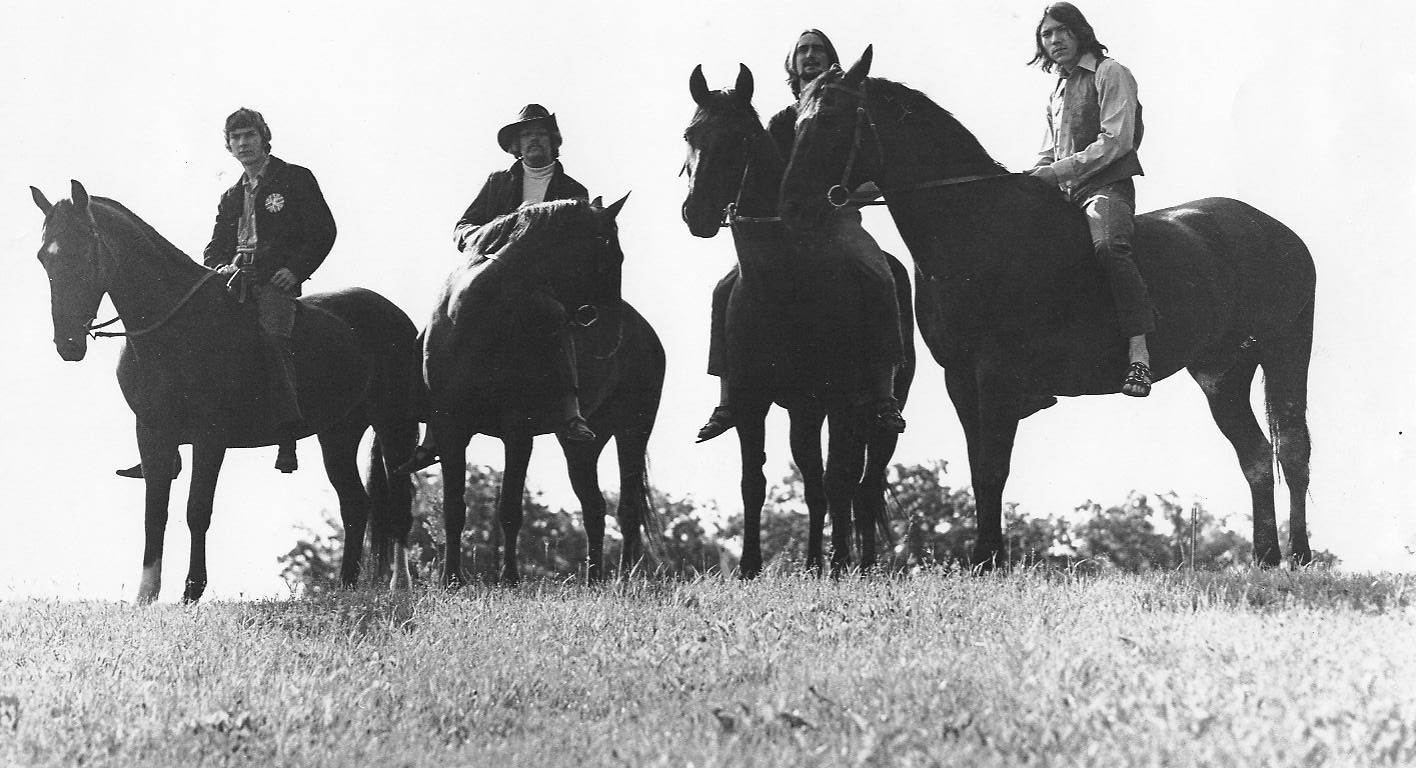
The 1960s now feel impossibly distant, yet so much of the music made during that decade still has the power to surprise, unsettle, and pull listeners into its orbit. The C.A. Quintet are a prime example. They came out of the frigid Minneapolis-Saint Paul scene in 1966, a working band hauling themselves and their gear down two-lane highways in a beat-up bus, playing local bars, ballrooms, and rough-edged rooms like Brickies in St. Cloud. They were young to the point of disbelief. Tom Pohling was sixteen. Jim Erwin was seventeen. There is something important in that detail. The imagination on this record is not filtered or cautious. It is wide open.
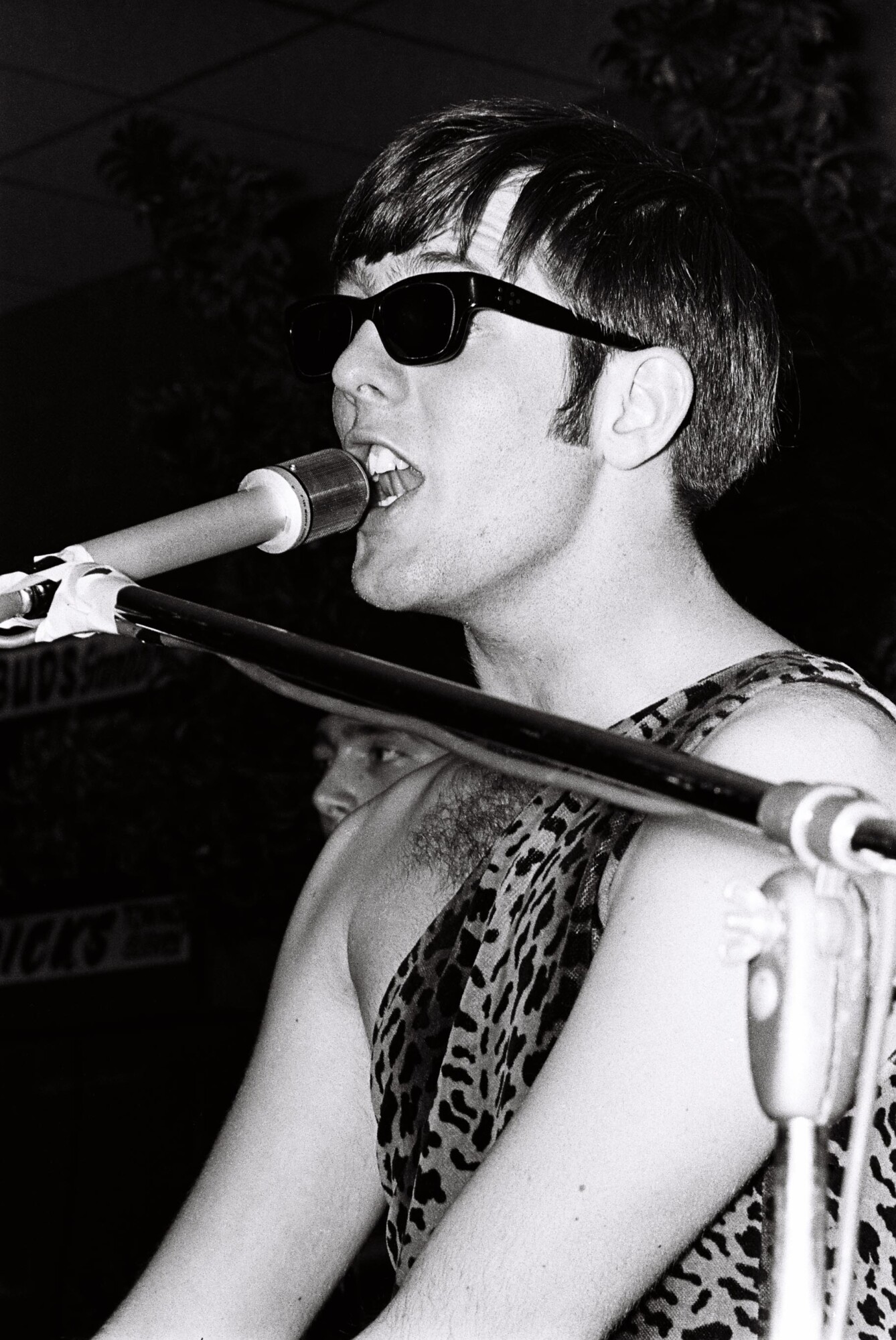
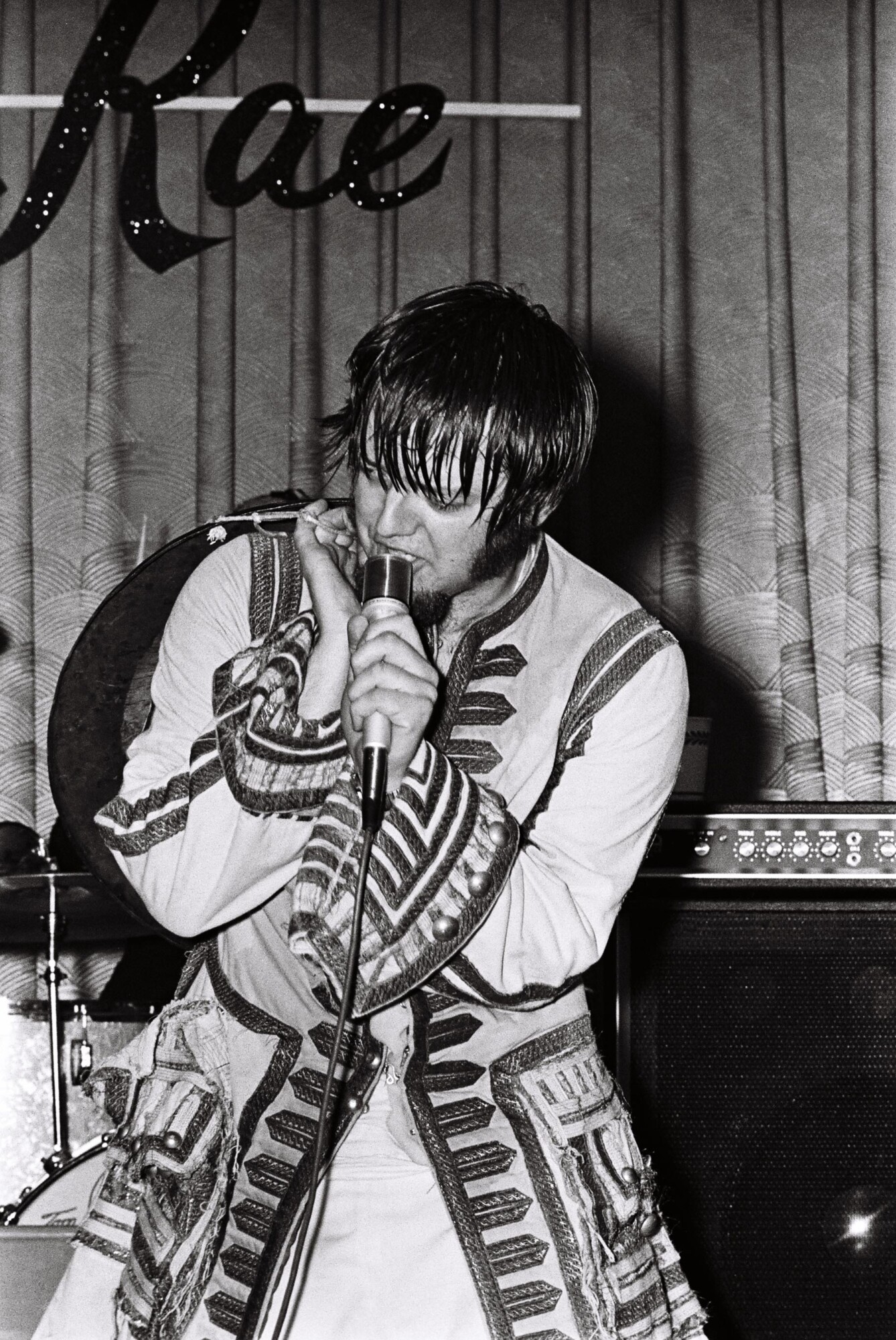
At the center of it all stood Ken Erwin, singer, trumpet player, songwriter, and the person who held the pieces together. His musical upbringing did not follow a straight line. He grew up on early rock ’n’ roll, listening to the radio in the mid-1950s, but jazz came through just as strongly from his father and his uncle, Pee Wee Erwin. Classical music was there too, along with choir work and school band discipline. By the time he picked up guitar in ninth grade, he was already carrying several different musical languages at once. “I was just a bowl of mixed up flavors,” he said years later, and he meant it. “Everything from Ray Charles to Hendrix to Beethoven to Buddy Holly.” Then he adds the key line, almost casually: “All I knew was I wanted to strike out in a different creative direction.”
That instinct never left him.
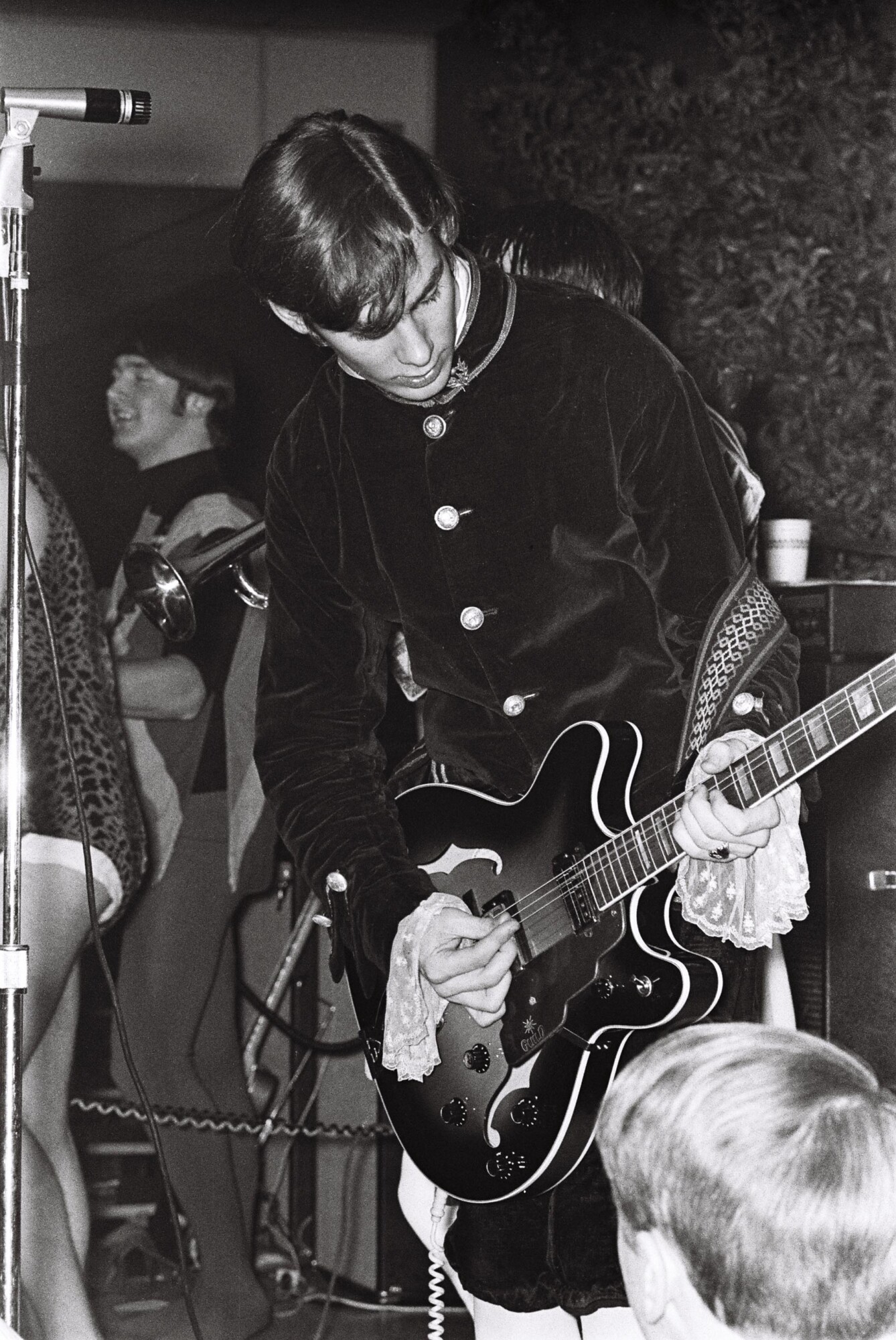
The early band worked within the expected framework at first. Their 1967 single, “Mickey’s Monkey” backed with “I Want You To Love Me Girl,” sits comfortably alongside the garage R&B of the time. It found its way onto radio across Minnesota and parts of the Midwest. For a brief moment, things looked conventional. Ken later reflected on that period with a mix of amusement and clarity: “If it were not for this record we never would have been able to go on and create the ‘Trip Thru Hell’ album.” It opened a door, even if no one realized it at the time.
That same period is tied closely to Brickies, a place that comes up again and again whenever the band talks about those years. It was more than a venue. It was an environment. Official capacity was around two hundred, but that number meant very little in practice. The room filled past its limits, bodies pressed together, sweat, noise, movement. Cars stretched along the highway in both directions. The band would play, then the night would spill over into the cabins across the lot, where the music continued in a different form. “They didn’t come to be entertained,” Ken said. “They came to be part of the entertainment.” That line explains more about the band than any genre label ever could.
There are small details that stay with you. Climbing out the window behind the stage during breaks just to get air. Being handed cases of beer by the club owner at the end of the night. The crowd chanting while Ken was forced to chug a full pitcher on his twenty-first birthday. A giant figure known as “animal man” dancing with his hands against the ceiling. These things matter because they show the band as they were. Not myth yet. Just people in motion.
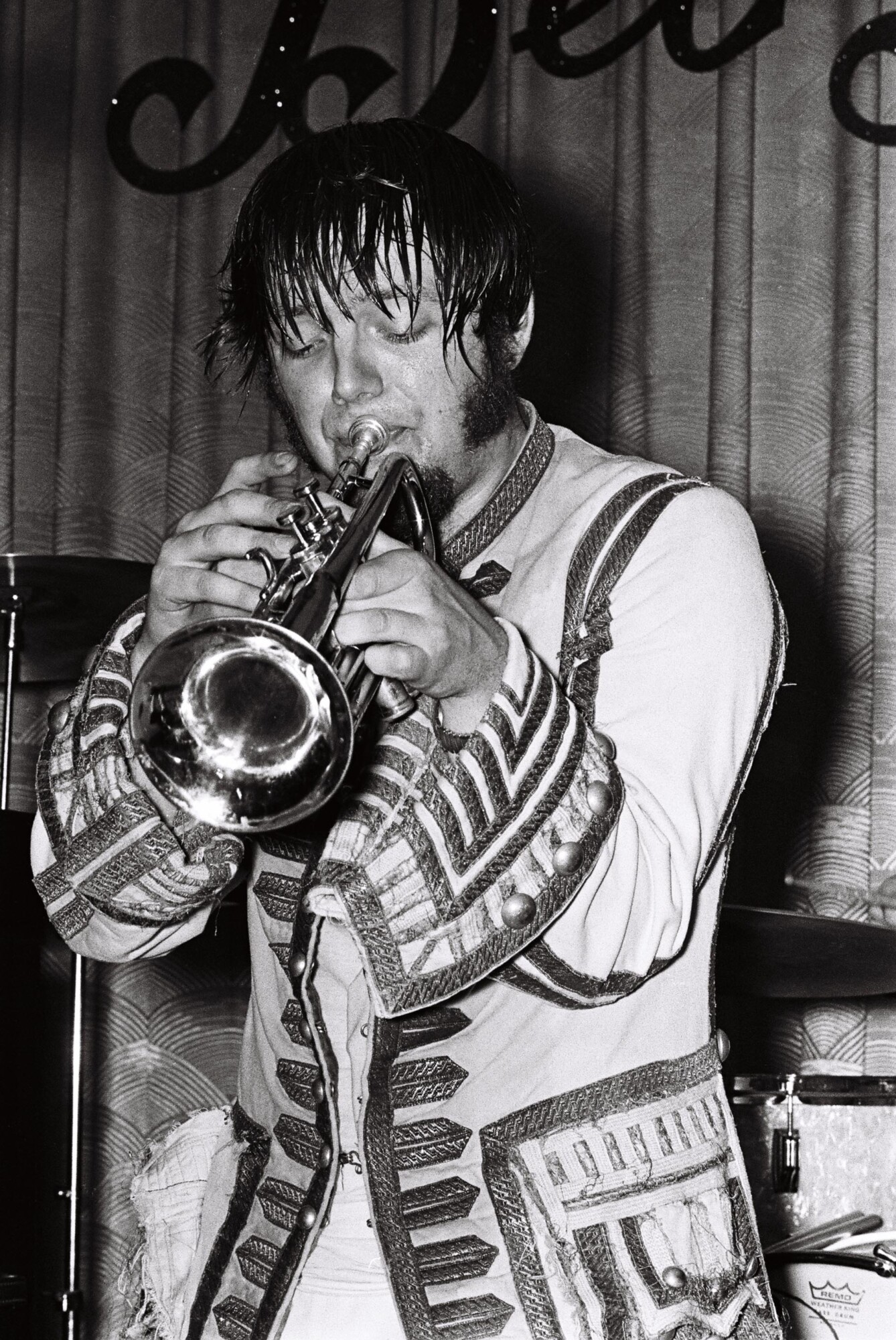
All of that fed into the album that followed, though the shift in direction was dramatic. Ken had already started moving away from standard song structures. The idea of writing isolated tracks held no interest for him. He wanted something connected, something that unfolded as a single piece. “I did have the idea of connecting all the music together from the beginning,” he said. The reason was simple. He did not want the listener to settle. “I wanted to create something that was difficult to duplicate in your mind so you would hear something different each time you listened to it.”
The concept itself came from the way he viewed the world. “I looked around… planet Earth certainly qualifies as ‘Hell’,” he said, not in a theatrical sense, but as a framework. Still, he never pushed it into pure darkness. There is always a counterweight in his thinking. “A person can make the best of it and enjoy life as well here… there is plenty to enjoy, like music.” That tension runs through the album. It is what gives it depth.
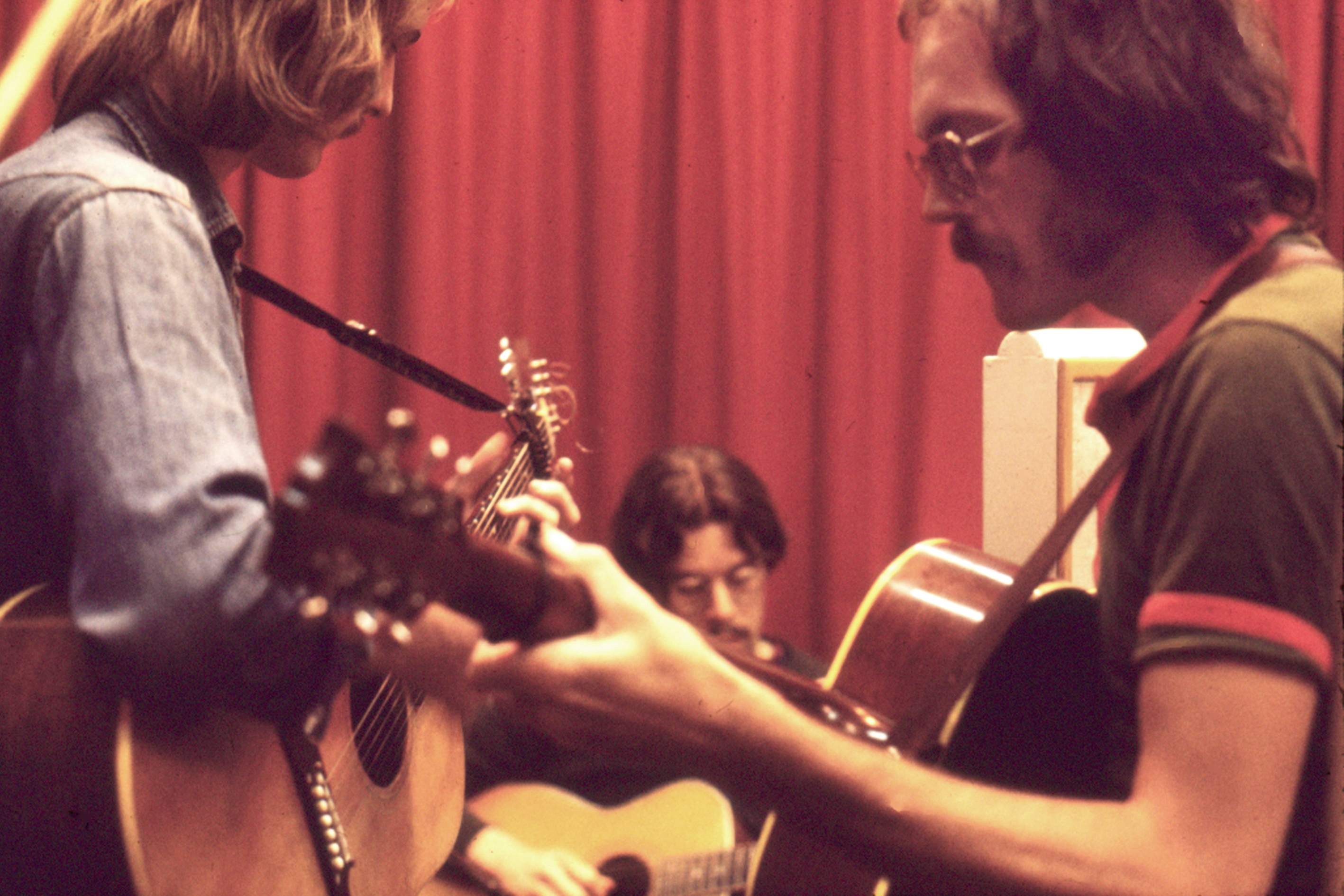
The recording sessions in 1968 happened under circumstances that feel almost accidental. A studio owed the band time. A young engineer, Steve Longman, was assigned. The equipment was limited to a 4-track Ampex machine, the same type used for Sgt. Pepper. None of this suggests a groundbreaking album on paper. Then something shifted. “It was like when the parents give the teenagers the keys to the car,” Ken said. “Instead of taking it for a spin, we went and took it for a ‘Trip Thru Hell’.”
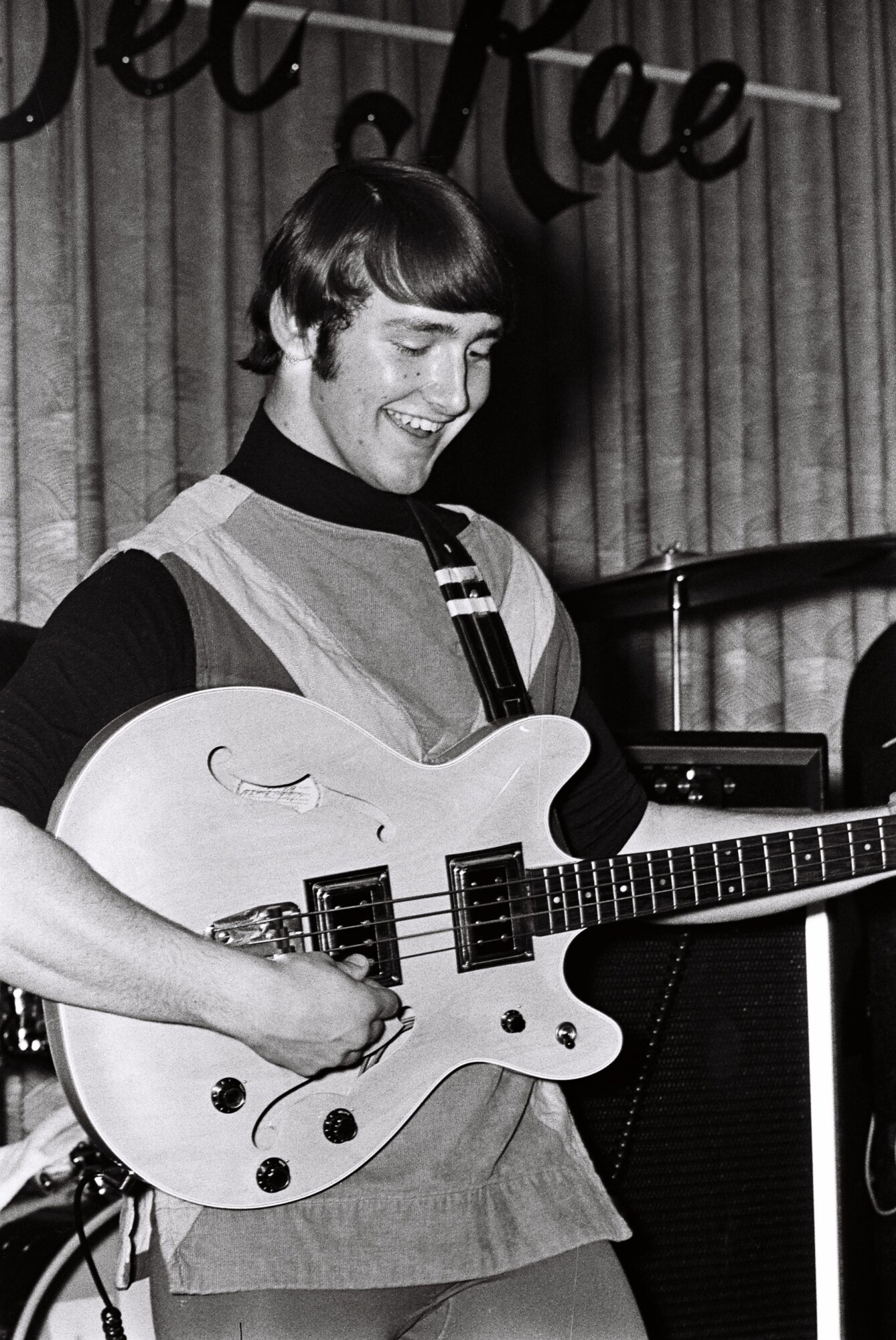
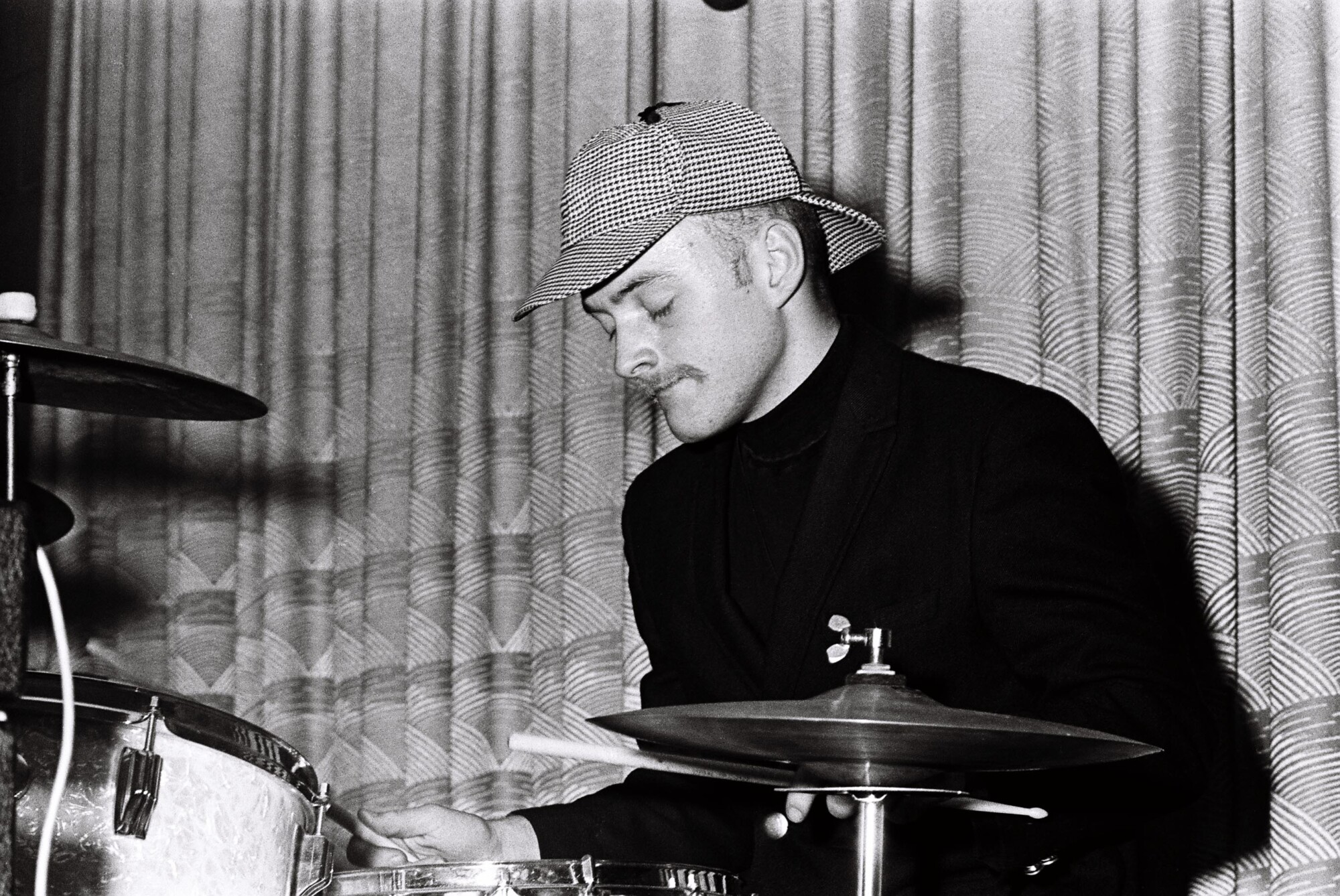
The result depended on every person in the room. Doug Reynolds’s organ work gave the music its structure. Tom Pohling’s guitar moved instinctively, often without discussion, finding spaces no one else could see. Jim Erwin’s bass became the foundation, not just rhythmically but emotionally. Even now, Ken admits he never fully understood how those lines came together. “How in the hell did you come up with those bass lines?” he would ask Jim, again and again over the years. The answer never changed. “Not sure.” Ken’s response is telling. He believes it was as natural to Jim as breathing.
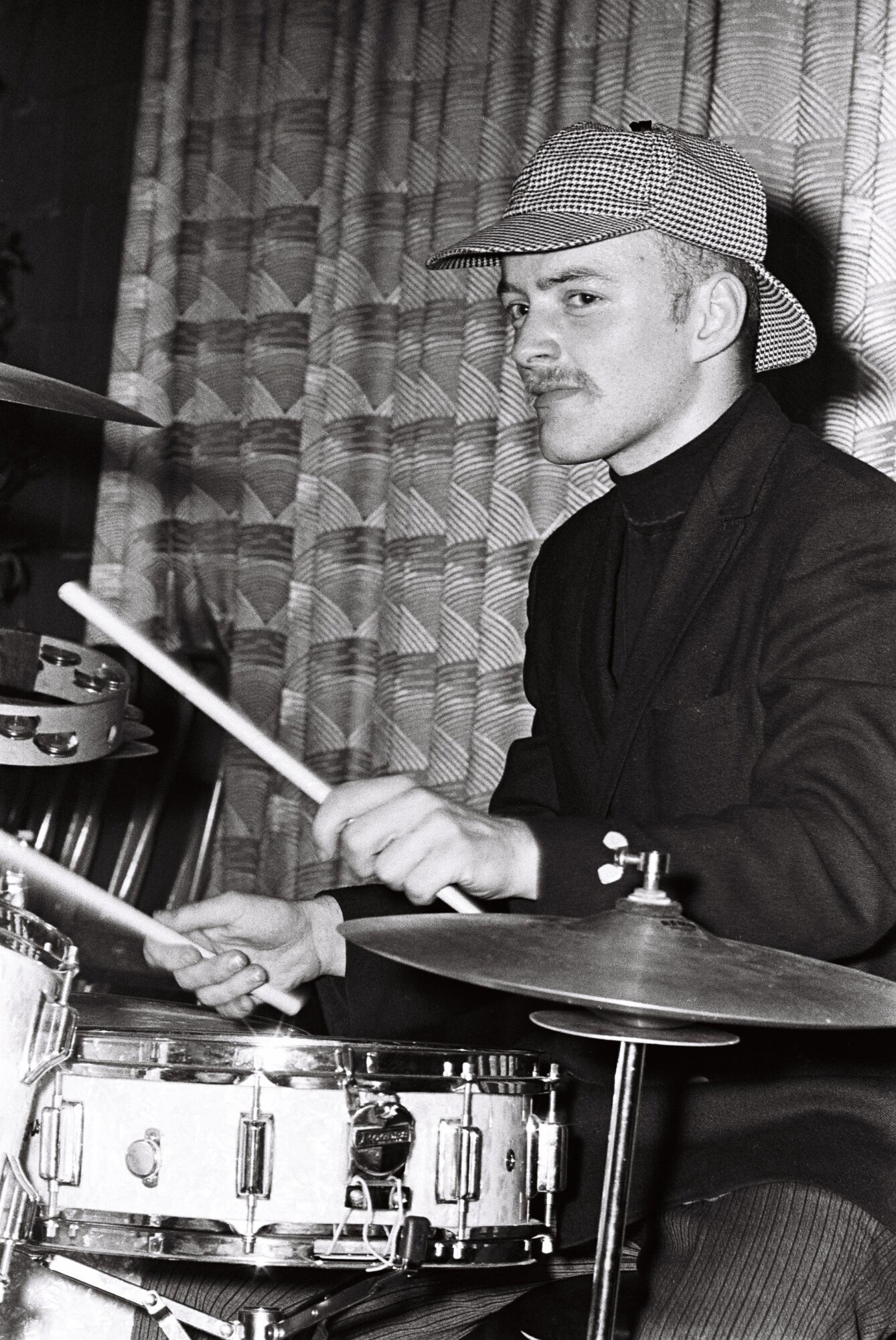
Rick Johnson’s drumming grounded everything, and Toni Crockett’s vocals cut through the density with a clarity that still defines the record. And then there was Steve Longman. Ken has been consistent on this point. Without Steve, the album would not exist in its current form. “He was not only a great technician,” Ken said, “but he also had a wonderful sense of music and balance.”
The album was released in 1969 through Candy Floss Records. The initial pressing sold out quickly in the places it was available. “The first batch… sold out in the first day or two,” Ken recalled. What happened next has become part of the story. No national distribution. No follow-up pressing. A label owner who did not understand what he had and had little interest in finding out. “He had no idea what we had produced,” Ken said flatly. The financial side was worse. Royalties were withheld, never properly paid. At the time, the band let it pass. “We were just young kids having fun making music… we have no regrets.”
For years, the record existed in a kind of shadow. Underground radio played it. Listeners held onto it. Copies moved quietly. Then came the bootlegs, rough and imperfect, but enough to keep the music circulating. By the time proper reissues appeared, the album had already taken on a different life.
That brings us forward.
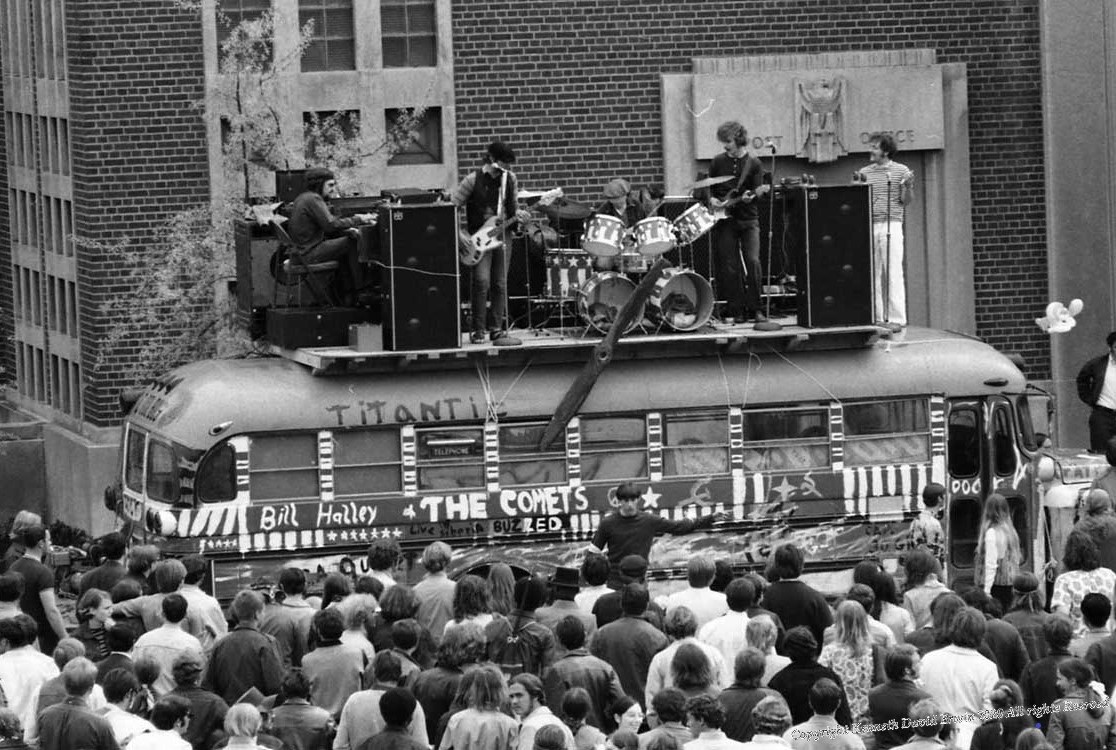
Decades later, Ken returned to the recordings with a level of focus that only comes with distance. In the March 2026 interview with Shaun C. Rogan, he traced that process back to something simple. “I was just trying to listen a little closer than most others were.” That line goes all the way back to him as a kid adjusting radios, trying to hear what others missed.
His life after the band took a different direction. He stepped away from performing, worked in computer science, taught for a time, ran his own business, and built a quiet life away from the public eye. “I will never play for an audience again,” he said at one point, without regret. Still, the recordings stayed with him.
When he finally had the time, around 2019, he started working on them again. What began as curiosity became something deeper. He shared early mixes, listened to feedback, refined his approach. “Gradually, I began to share some of my early remastered tracks… I learned which mixes were better or worse.” Over time, he developed methods that combined his musical instincts with his technical background. “Programming computers and writing music are the same… you are arranging a flow of particles into a pleasing format.”
He avoided AI on purpose. “I do not use AI to mix as I think it makes things sound artificial.” Instead, he worked through multiple programs, moving tracks step by step, documenting each change. Often, the process would collapse and restart. “After many hours, I end up scrapping the whole progression and starting all over.” It is not efficient. It is thorough.
The aim remained clear. “It never occurred to me to add or overdub anything.” He wanted to bring out what was already there. To hear the record as it had always been in his head. To check himself, he opened a sealed original pressing. “Yep, a sealed copy… sorry about that.” There is humor in that, but also commitment.
Small changes found their way into the final version. A slight echo. A touch of atmosphere. Nothing that alters the structure. “I didn’t think anyone would notice… but someone already has.” Of course they have.
The process was not solitary in the way it might appear. Rick Johnson and Jim Erwin were part of it, offering reactions when possible. Doug Reynolds and Tom Pohling remained present in a different sense. “I swear I could feel their presence watching my every move,” Ken said, then added, “I have a good imagination, but I know when I am imagining.” He means that.
The decision to release the 2026 edition independently follows naturally from everything that came before. Offers were made. He declined them. “Doing this that way did not align with the purpose of this adventure.” The purpose was specific. To place the record in the hands of the families who were there at the beginning, and the listeners who carried it forward. He remembers individual stories. A man in Italy copying the album onto cassette and playing it endlessly. Those are the people this edition is for.
Even the physical production became part of the journey. Ken handled aspects he had never touched before. When it came time to design the sleeve, the pattern repeated itself. “Whenever we needed someone with a specific talent, out of nowhere, someone suddenly appeared.” This time it was Jon Hunt, who created the new jacket and, in Ken’s words, “kept me from getting in my own way.”
When asked if there was a problem with the advertisement or if the album was ahead of its time, Ken didn’t hesitate: “Actually the album sold very well where it was available. The first batch of records, 600 to 700 copies, sold out in the first day or two it was in the record stores. The problems were multiple. The record label, Candy Floss, was a small local company with no national distribution, so the record only ended up in local record stores in Minnesota. On top of that, the guy running Candy Floss had no idea what we had produced. His name was Peter Steinberg. He was only interested in making money, which he never did, and he preferred that mindless bubblegum type of music. He only let us record this as kind of an amusement. He owed us a lot of studio time and we used that time to create the album. Peter wasn’t involved in any way with the production. He just didn’t get it. He wasn’t sharp enough to see the demand either, so he never pressed more after the first run. Funny thing is, he didn’t even keep a copy for himself. I kept 25.
Ask him about his major influences and he leans into it a bit: “I’m not sure I had one main influence. I started listening to rock and roll around 1954 or 1955, just sitting by the radio soaking it in. I loved that era. At the same time I was getting jazz from my father and my uncle, Pee Wee Erwin, and classical music too. I sang in choirs, played trumpet in school bands, then taught myself guitar around ninth grade and that became my main instrument. I was just a mix of everything. Ray Charles, Hendrix, Beethoven, Buddy Holly, Tommy Dorsey. All of it went in. I just knew I wanted to head off in my own creative direction.”
But when specifically asked what influenced him to record “Trip Thru Hell,” he paused a bit and then said: “I looked around at where I lived. Planet Earth can qualify as hell in a lot of ways, for groups and for individuals. But at the same time you can make something of it, enjoy life, there’s plenty here worth loving, like music. I’ve always been into philosophy, thinking about things like that. I’ve said before, it’s a perfect trap. People keep themselves locked in, chasing all these false paths that promise a way out. That’s about all I want to say on that.”
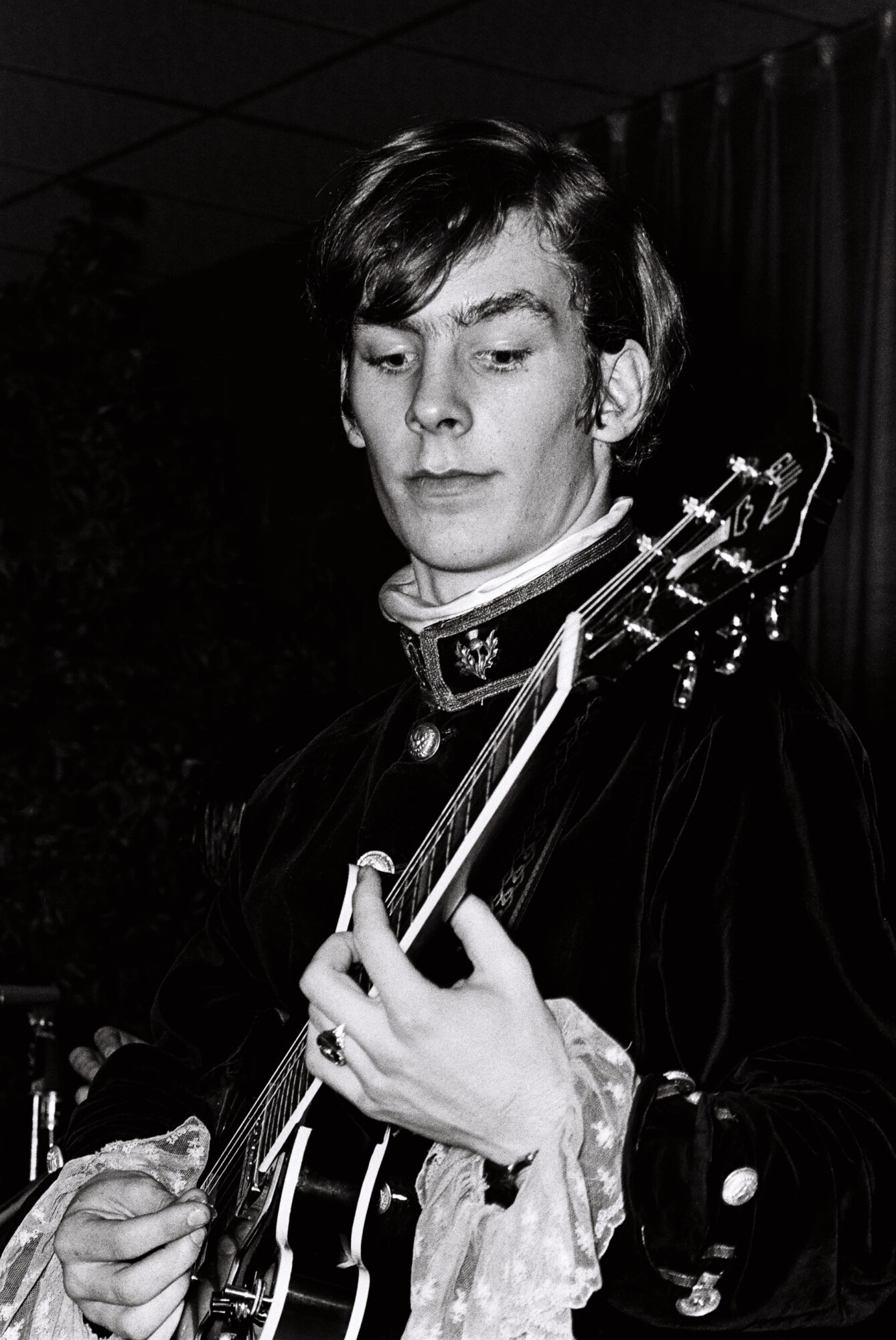
When the conversation shifts to the recording itself, he gets more technical without overdoing it: “We recorded it on a four track Studio Ampex recorder, the same kind of machine used for Sgt. Pepper. All analog, lots of overdubbing. Jim Erwin’s bass playing was the foundation for everything, Gibson hollow body if I remember right. He’d know for sure. Tom Pohling played a Fender, just the standard gear of the time.”
The lack of love songs comes up next, and he smiles at that: “I had the idea early on to connect all the music together. I was writing pieces that seemed to belong to the same theme, and sometimes it just comes together like that. No silly love songs, not that there’s anything wrong with them, they just didn’t belong here. It would’ve been like dropping Laurel and Hardy into a horror movie. It wouldn’t fit. I wanted something you couldn’t fully pin down, something that revealed new things every time you listened. Later I got into The Dark Side of the Moon for the same reason. Pink Floyd nailed it. They had more money, better gear, and they used it beautifully, plus the creativity.”
When asked back in 2010 about the limited pressing and the later reissue, he said: “I set aside 25 copies when it came out. Figured maybe someday I’d have kids, hopefully not 25, and they might want one. Over the years I gave some away and still have a few left. I worked with Sundazed on the CD reissue. Bob Irwin really knows what he’s doing. I couldn’t have asked for a better job.”
Ask about that live recording from 1971 and he paints the picture quickly: “That last night we played, I just tossed a couple of mics on the floor in front of the band and recorded it on a little Sony reel to reel. Like taking a snapshot. We had no idea anyone would ever care about the C.A. Quintet. I put the tape away and found it years later. If we’d known, we would’ve brought in a proper recording crew. By then we were down to four guys and I was on bass. Most of it got recorded. ‘Last Trip at Lake Pepin’ isn’t a bootleg. When we first put out the live material, some parts were so out of balance there was no fixing them. That later release was my attempt to remix things as best I could with newer technology. I especially like the song ‘Badge’ that Doug Reynolds sings.”
Bring up his early days in bands he takes his time with it: “Yeah, I played in bands before that. First one was when I was maybe 13 or 14, just basement parties and things like that. Over time you end up playing with better musicians, and by high school I was already working professionally. The only one who stuck with me from the early days was my brother Jim. We’ve always stayed close. After the Quintet I played in a club band until about 1973, then one day I just got tired of playing other people’s music and walked away from the business. I kept writing and playing for myself, just not for money. To make a living I taught computer science at a college, worked as a manager for a big corporation, hated that job, then started my own small business. Still run it, though I don’t push as hard anymore. Back in the early 70s I bought some wooded land and I’ve been building my own little place out there ever since. You could probably call me a semi recluse. Fame never interested me.”
Looking back now, the band’s path feels almost fixed, though it never felt that way at the time. They stayed on those two-lane roads, never chasing the industry centers, never trying to force the outcome. “We knew this would be the last chance that we would ever have to create something,” Ken said of the recording sessions. That awareness sharpened everything.
They continued until 1971. On the final night, Ken placed a recorder on the floor and captured what he could. “Just like taking a photo.” No plan beyond that. No expectation.
And still, the music kept moving.
As for Ken, he does not frame this edition as a conclusion. When Shaun C. Rogan asked him if he felt ready to let the record move forward, his answer circled back to the beginning. He had not really thought about it that way. The feeling is the same as it was in 1969. You finish the work, then you move on. “Get back on the bus and search for the next adventure.”
As for me, now almost two decades into underground music, I still remember bootlegging rare rips of psych, prog, and other strange sounds back in high school. I still remember the first time I heard Country Joe & The Fish’s Electric Music for the Mind and Body and C.A. Quintet’s Trip Thru Hell. Both were turning points. They opened something up. Not just musically, but in terms of how a record can exist, how it can carry its own history and still feel alive decades later.
Thank you, Patrick Lundborg of Acid Archives, for turning me loose on Trip Thru Hell, and on so many other pieces of what Paul Major calls “real music.”
Thanks to Ken and Jim for saying yes to that interview almost twenty years ago. And thanks to one of the most fascinating generations of people, from beatniks to hippies, for creating some of the most interesting art there has ever been, thankfully preserved on paper, vinyl, and in memory.
Klemen Breznikar
Interview material incorporated from conversations conducted by Shaun C. Rogan (2026) and Klemen Breznikar (2010), with additional reflections from 2023. This interview will also be included in the booklet accompanying this special edition.
All photographs courtesy of Ken Erwin and the band’s archive.
Pre-Orders Open for Trip Thru Hell
Pre-orders are officially live for the upcoming release from C.A. Quintet. Fans can secure their copy now via PayPal.
Currently in production, the record is scheduled to ship in June, with an official release date set for July 4.
This special edition LP is pressed on 180-gram vinyl, featuring a striking orange swirl on black, complemented by color-matched orange labels. The package includes a gatefold jacket, with one pocket housing the LP and the other containing a booklet filled with extensive notes, rare photos, and band biographies.
Each copy will be individually numbered, dated, and signed by original band members, making this a highly collectible release.
Due to strong anticipated demand, an additional 100 copies have been added to the pressing. Orders will be limited to 1–2 copies per person.
To join the mailing list, email:
tripping@caquintet.com
Subscribers who mention this magazine will receive priority access.