
Harold Bronson of Rhino Records Revisits His Lost Garage Band: Mogan David & His Winos Return With ‘Savage Young Winos’
Before he helped turn Rhino Records into the gold standard of reissues, before the books, the Grammys, and the reputation as one of rock’s most obsessive historians, Harold Bronson was a college kid in Los Angeles pressing his own records because nobody else would.
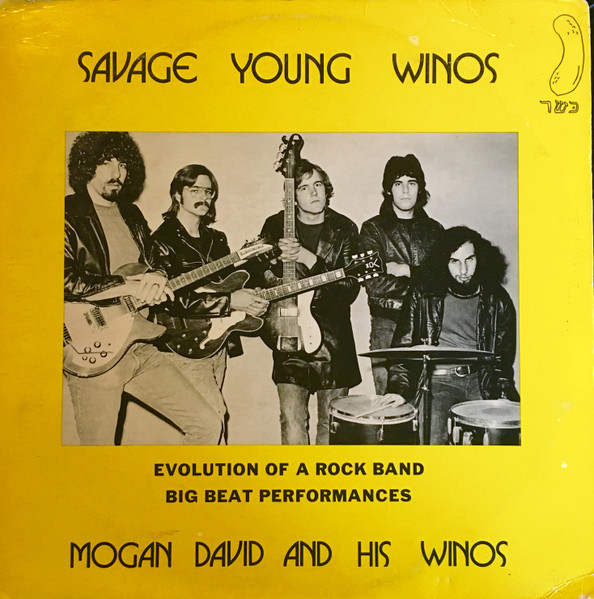
That impulse sits at the heart of ‘Savage Young Winos,’ the long vanished 1973 album by Mogan David & His Winos, now reissued and expanded after more than five decades. What once circulated as a collector’s rumor or an overpriced rarity has finally returned in a form that reflects how Bronson remembers it. “I designed and produced the original album,” he says. “This one is more accomplished, from the LP/CD jacket to the accompanying booklet. My overriding feeling is one of accomplishment.”
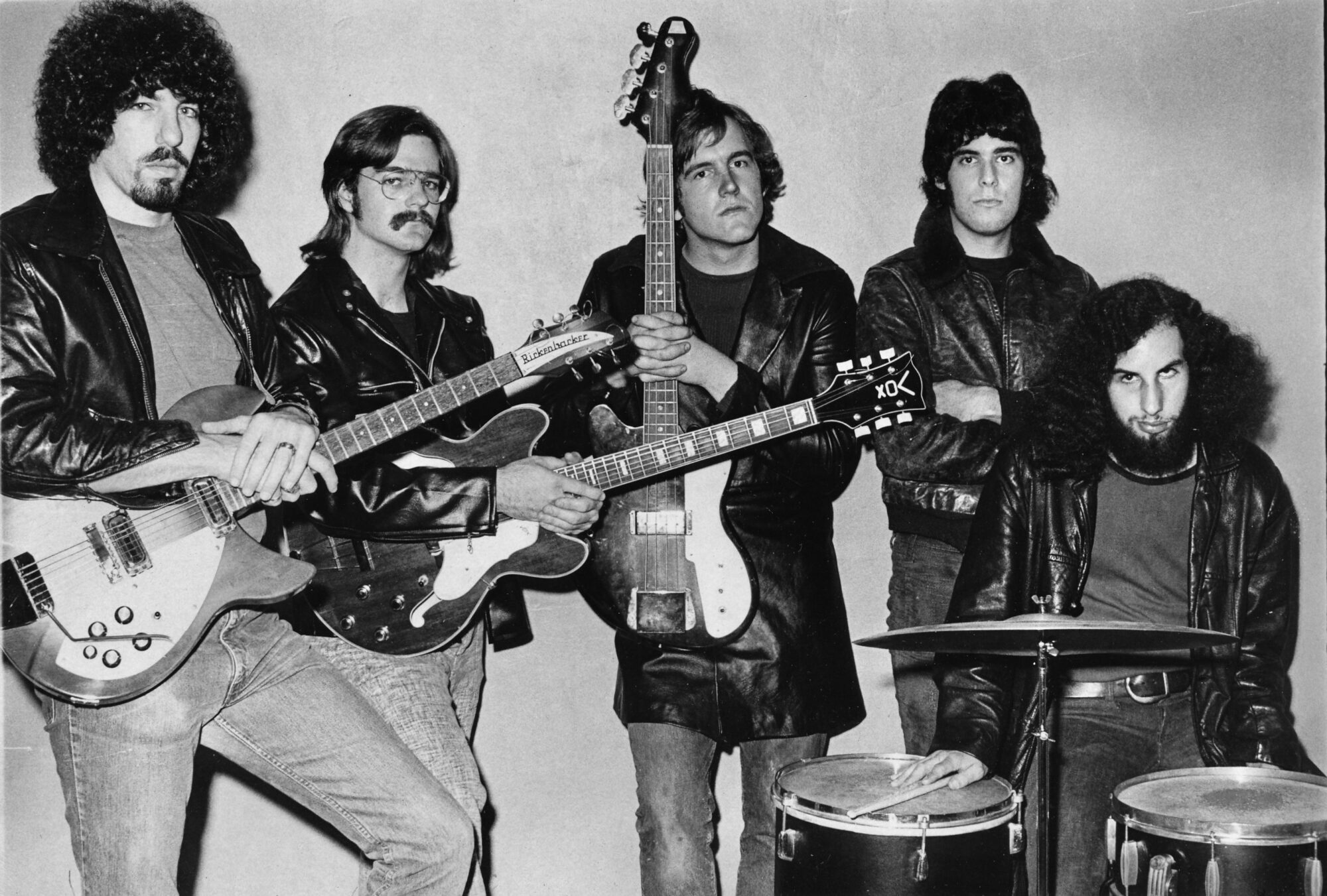
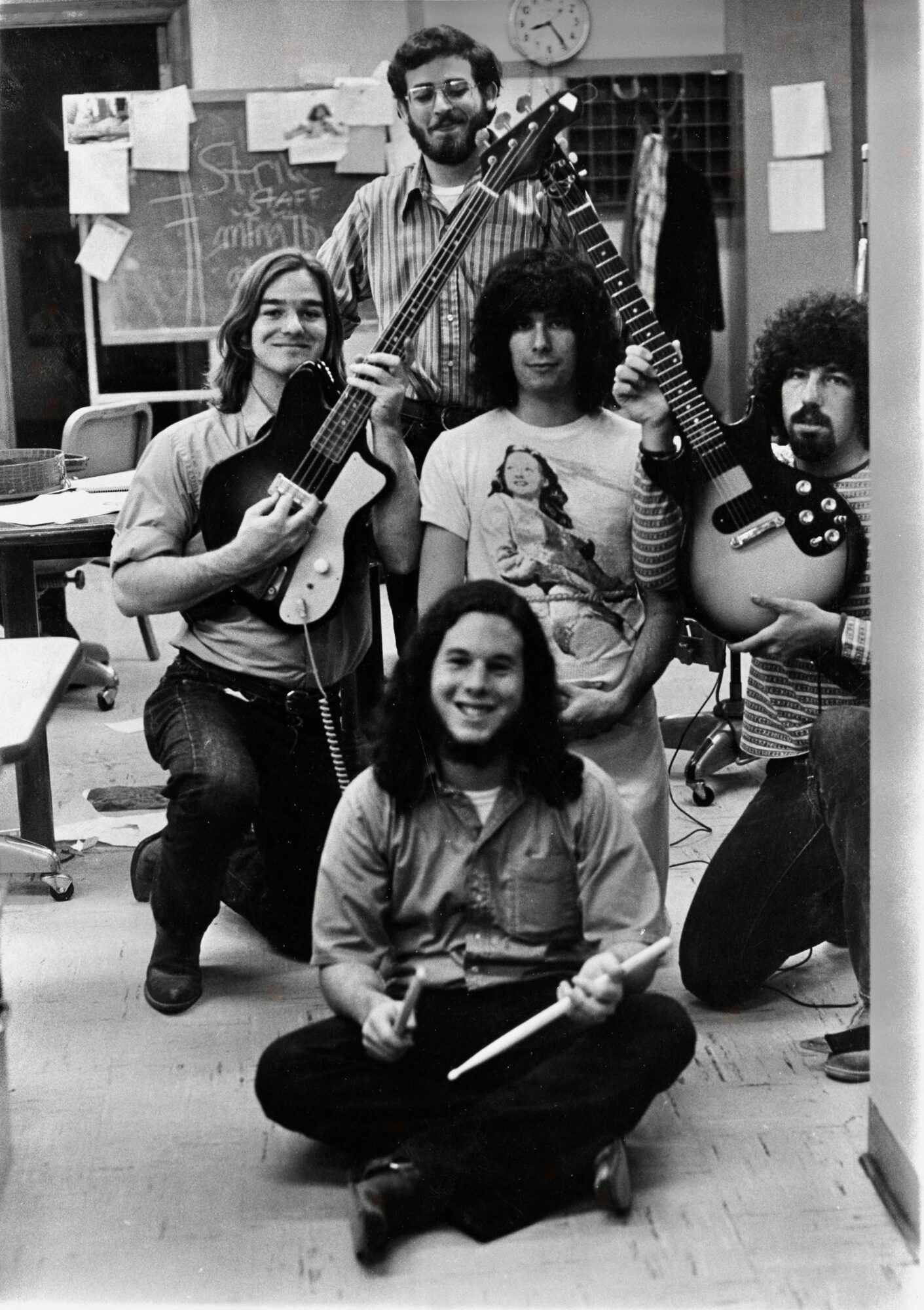
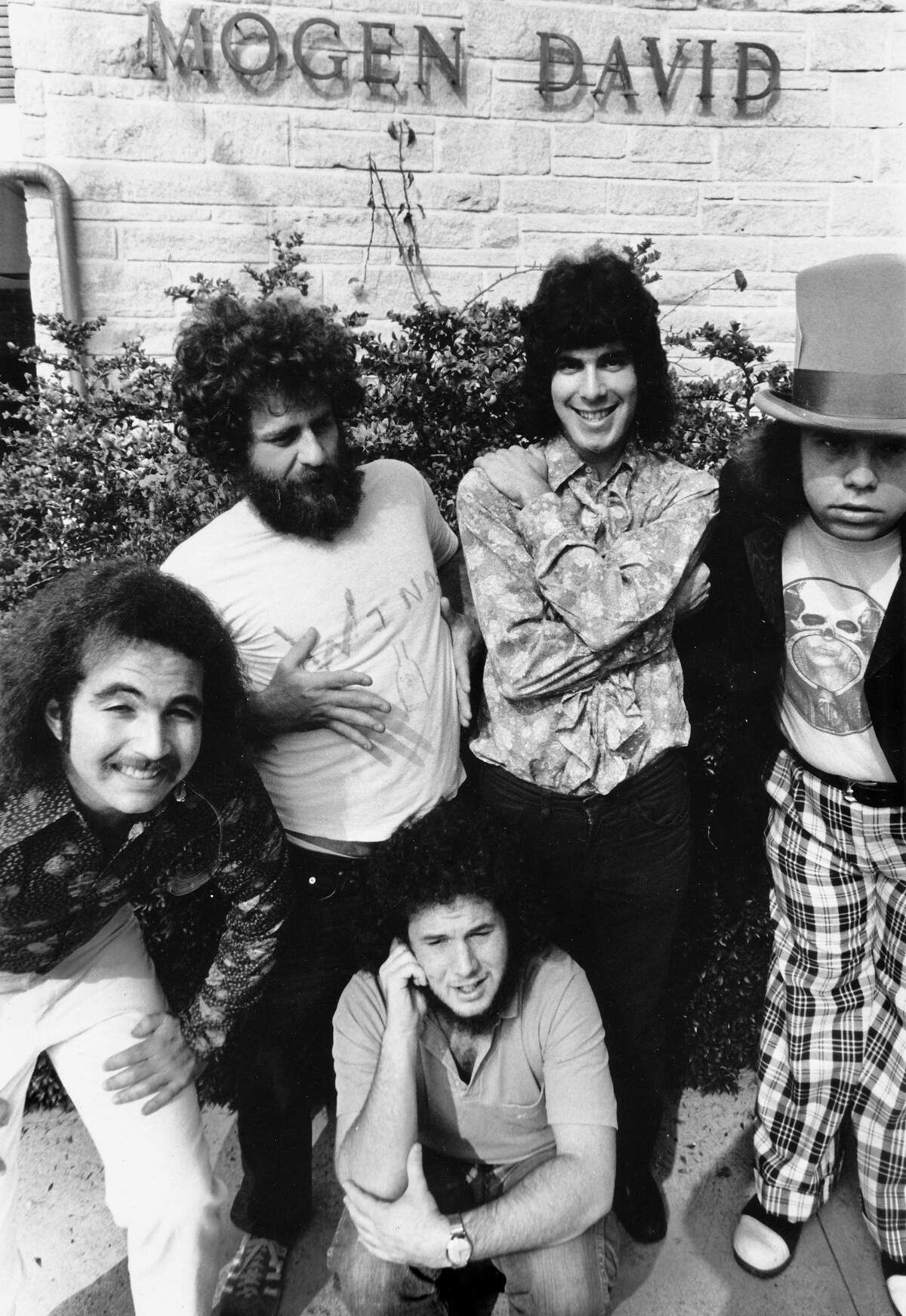
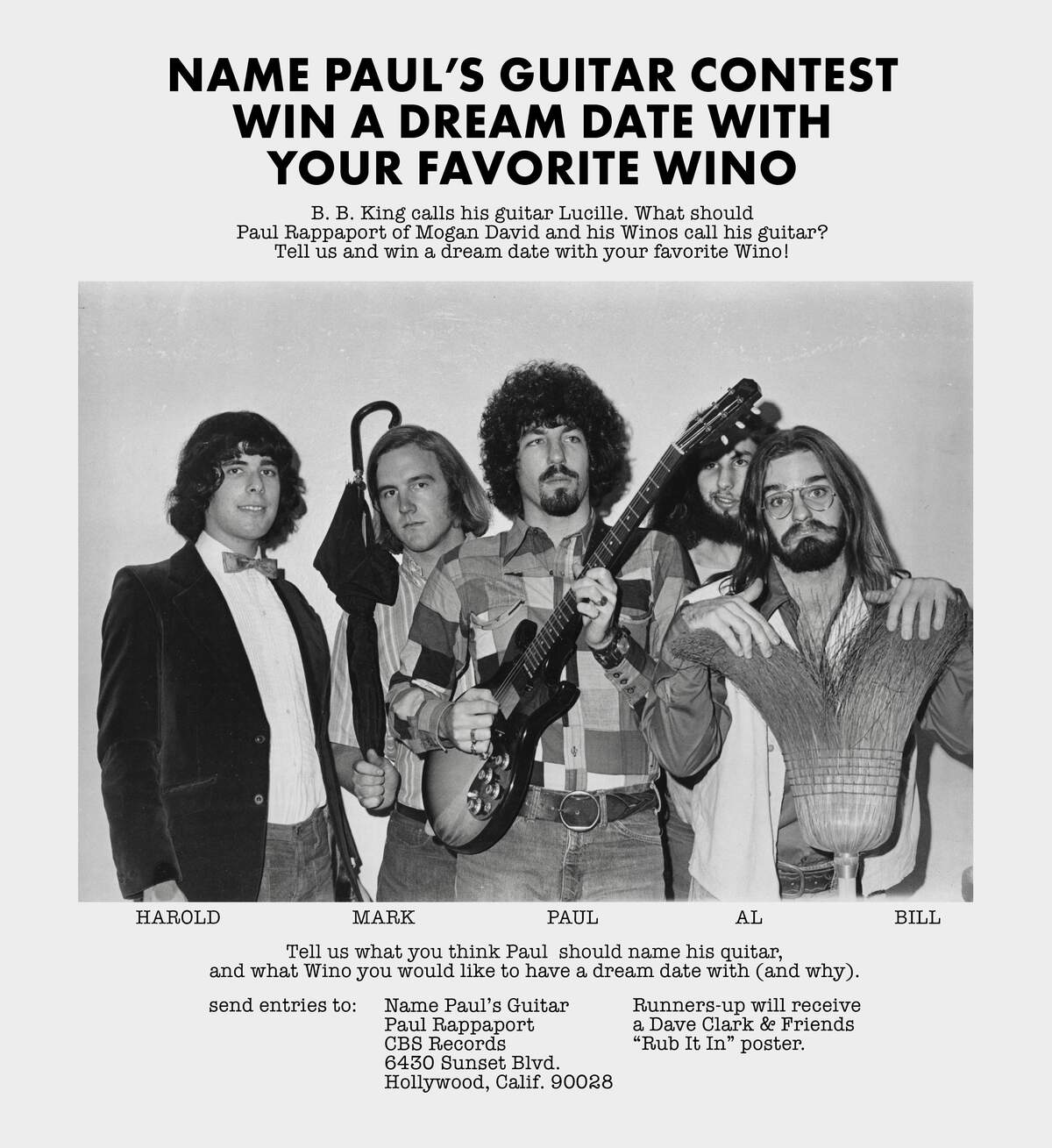
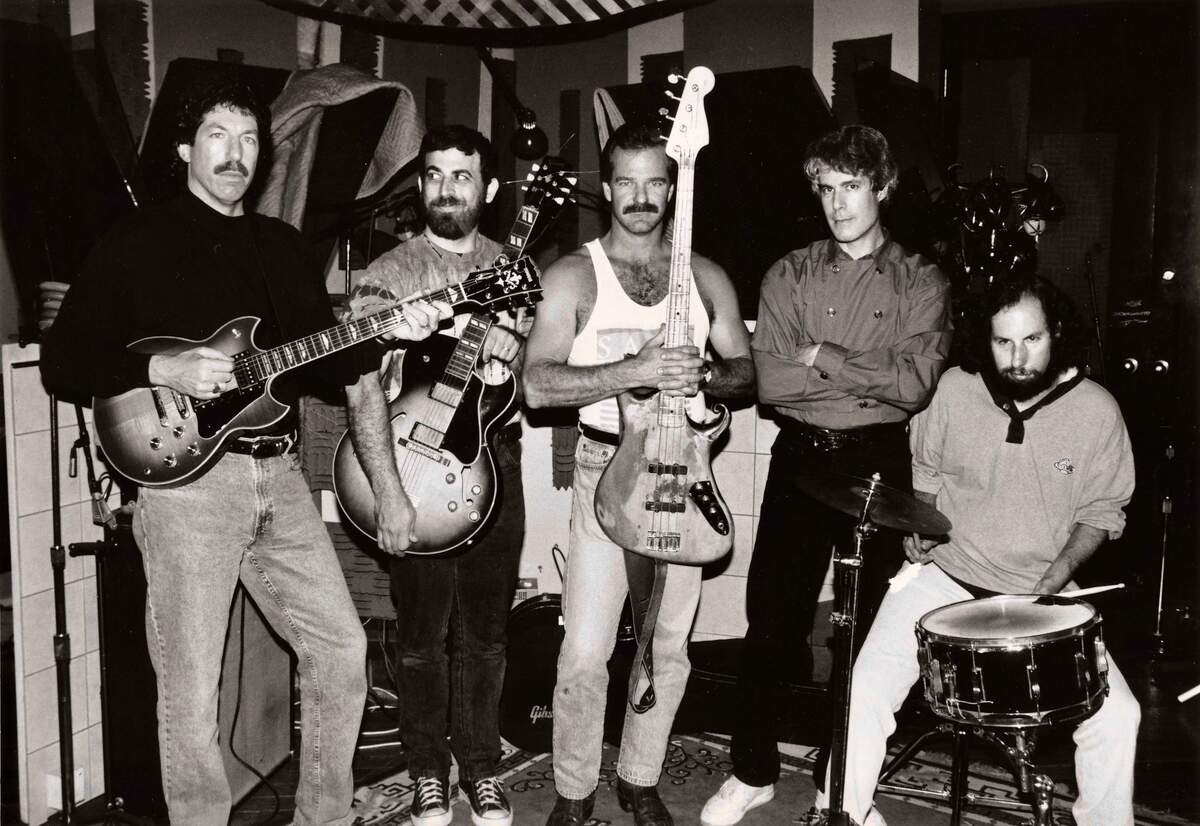
The band itself formed in a way that now feels almost impossible. While studying at UCLA, Bronson recruited fellow writers from the campus newspaper, The Daily Bruin. Some of those players would later become major figures in the music industry. Alongside Bronson and future Rhino co-founder Richard Foos were Columbia Records executive Paul Rappaport, Warner Music Group veteran Mark Leviton, and Jonathan Kellerman, decades before his bestselling Alex Delaware novels.
At the time they were simply music nerds with instruments. “Our band was composed of music writers who also played instruments,” Bronson recalls.
The record they made reflects exactly that kind of fandom. ‘Savage Young Winos’ jumps between British Invasion pop, garage rock, surf instrumentals, and proto punk rave ups with very little concern for limitation. Led Zeppelin’s ‘Communication Breakdown’ collides with ‘Love Potion No. 9.’ There’s the pounding original ‘Street Baby,’ the novelty blast ‘Nose Job,’ and a surf workout called ‘Savage Surf.’
Bronson financed the sessions, pressed the vinyl, and handled distribution through his tiny Kosher Records imprint. The experience proved formative. “’Savage Young Winos’ has been referred to as the first DIY punk rock album,” he says. “At the very least it was a few years before people realized that a pressing plant would take their money the same as from established companies.”
Not long after, Bronson and Foos transformed a Westwood record shop into Rhino Records, eventually redefining how archival rock could be packaged and sold. In retrospect, ‘Savage Young Winos’ sounds like the blueprint. A homemade artifact created by people who loved records enough to preserve them, even their own.
“Savage Young Winos has been referred to as the first DIY punk rock album.”
Fifty-three years is a long time for an album to wait. When you hold ‘Savage Young Winos’ now as a finished reissue, finally back in circulation, what emotions come first: pride, disbelief, nostalgia, or something more complicated?
Harold Bronson: I designed and produced the original album. This one is more accomplished, from the LP/CD jacket to the accompanying booklet. The track listing is better because it includes tracks from the 1970s that we recorded after the release of the album. My overriding feeling is one of accomplishment. And providing an impressive collection for the other Winos.
You’ve lived several musical lives since these recordings were made. Critic, archivist, label founder, executive, author. Who is the Harold Bronson you hear when you listen to these tracks today? Is he familiar or does he feel like a stranger?
It puts me back into those early years. Yes, it’s me. But we do know that most of us change through life’s experience. So the 22 year old Harold is different from the 32 or 42 Harold.
The band’s name is hilarious, very era-specific. Beyond the psychedelic absurdity, what did the name “Mogan David & His Winos” signal to you about the band’s identity or its sense of humor?
I loved psychedelic band names like Jefferson Airplane, Strawberry Alarm Clock, and Chocolate Watchband. I wanted a band name that reflected a sense of humor. Similar to Ian Anderson fronting Jethro Tull, I am not Mogan David. Back then when asked, I replied that Mogan David was a spirit, as in not physically existing, and spirit referring to alcohol. It also worked for the earlier high school lineup where our renditions of pop hits were loosely played (as though we were drunk).
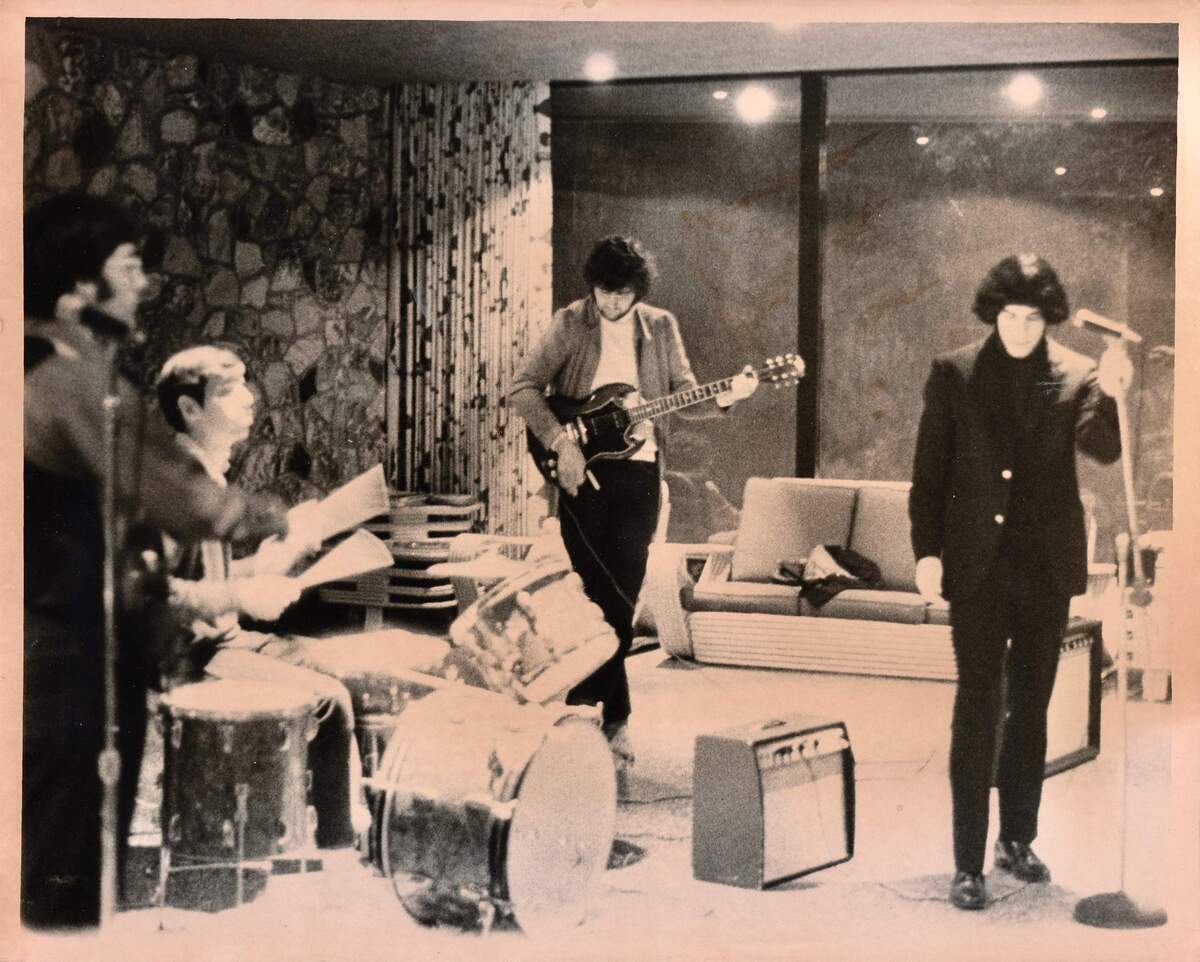
The Daily Bruin connection is extraordinary in hindsight. How did a college newspaper become the incubator for a band that would later include future major-label executives, bestselling authors, and music historians? Was there something unique about UCLA at that moment?
In America people talk about Yale and Harvard, but (back then) UCLA’s student body may have been smarter. The Daily Bruin set a high standard. Writers went on to major publications and writing and producing for TV. Our band—first with “Nose Job”—was composed of music writers who also played instruments. Culturally, Los Angeles (which included Hollywood) was the hippest area in the country—much more than, say, New York. As writers, Mark Leviton and I became acquainted with record companies through their publicity departments. That planted the seed for wanting to work at a label. I should mention that the best selling author you refer to is Jonathan Kellerman.
If we walked into your teenage bedroom in Los Angeles — before the Winos, before Rhino — what would we actually see? Which records were stacked closest to the turntable, what magazines or zines were scattered around, and what were you obsessing over to the point of near-mania? Was there a specific record, concert, or moment when it stopped being a hobby and you realized: this isn’t a phase, this is my life?
First off, I didn’t have much money so my purchases were selective. Few magazines then; Rolling Stone, later. Initially it was 45s. Within a couple years I learned to wait for an artist’s Greatest Hits album. Because you asked, here’s what I remember buying in 1965.
All seven of Herman’s Hermits: ‘I’m Into Something Good,’ ‘Can’t You Hear My Heartbeat,’ ‘Silhouettes,’ ‘Mrs. Brown You’ve Got a Lovely Daughter,’ ‘I’m Henry VIII,’ ‘I Am, Wonderful World,’ ‘Just a Little Bit Better’; The Beatles ‘Help!,’ ‘Ticket to Ride,’ ‘Paperback Writer;’ The Dave Clark 5 ‘5 Over and Over,’ ‘I Like It Like That’; The Rolling Stones ‘The Last Time,’ ‘Satisfaction,” Get Off of My Cloud’; The Zombies ‘Tell Her No’; The Beau Brummels ‘Laugh Laugh,’ ‘Just a Little’; Freddie & The Dreamers ‘I’m Telling You Now,’ ‘You Were Made For Me’; Them ‘Gloria’/’Baby Please Don’t Go,’ ‘Here Comes the Night’; The Kinks ‘All Day and All of the Night,’ ‘Tired of Waiting for You’; Wayne Fontana & The Mindbenders ‘Game of Love’; The Yardbirds ‘I’m a Man’; The Turtles ‘It Ain’t Me Babe’; The Byrds ‘Turn! Turn! Turn!’.
After I graduated from UCLA I wanted to work at a major label. None perceived the potential I thought I had. Only when the Rhino label was able to pay its bills (so in our third year of releasing albums, 1980) did it seem viable to be my life’s work.
You made the bold decision to remove four original tracks from the 1973 album and replace them with demos, live recordings, and reunion tracks. What gives a creator permission to revise their own past?
It’s not so much revising, but producing a better experience for the listener. I removed two juvenile performances and added much better ’70s recordings representing our growth. As the four 1972 live recordings were from cassette, I’ve limited those to one on the LP, two on the CD, in favor of the better recorded on reel-to-reel 1973 live tracks, one on the LP, three on the CD, which didn’t make the original album. Also included is the 1975 single, ‘All the Wrong Girls Like Me,’ composed to be Peter Noone’s comeback hit—he didn’t like it—and two demos from 1973 that were never realized by the band.
The inclusion of ‘I’m an Adult Now’ from the Pursuit of Happiness is a delightful temporal disruption. Was that meant as a joke, a statement, or a reflection of how these songs lived on beyond their era?
Twenty years after our last performance I got the Winos together for a reunion recording session. I loved ‘I’m An Adult Now’ because it humorously dealt with a rock musician aging. We gave it our own arrangement. The other song, ‘Cover Girl,’ was written with Mark in 1978. Remarkably, to us, our identifiable sound was intact 20 years later.
As someone who’s been both a critic and a participant, how do you avoid mythologizing your own past? Or is myth part of the fun?
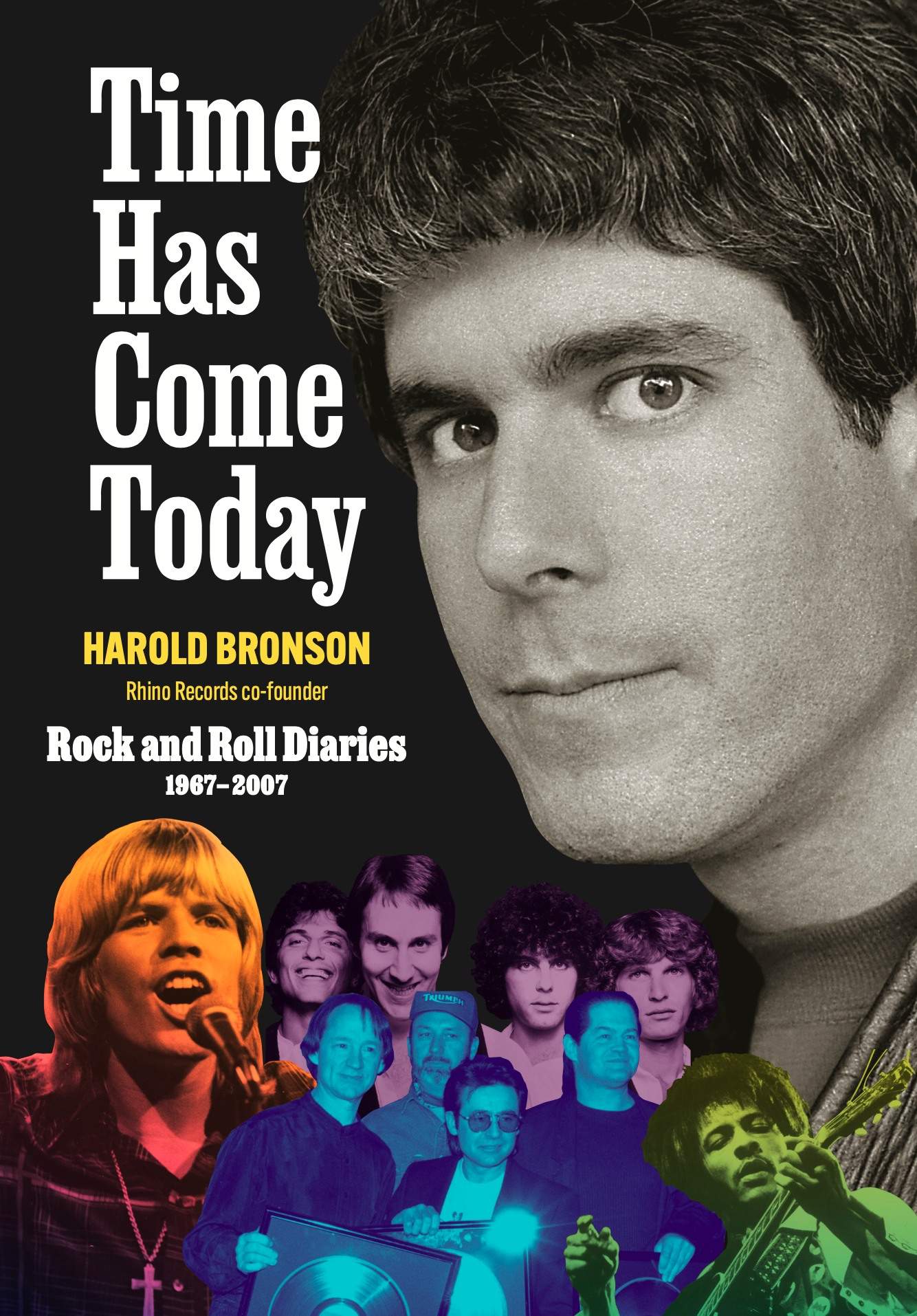
I’ve never been one for mythologizing. With my background as a journalist, and as it relates to my books—The Rhino Records Story, My British Invasion, Time Has Come Today—it’s important for me to capture history accurately. For Savage Young Winos I wrote a new essay for the booklet on the history of the band. In this case truth might not be stranger than fiction, but in our case, it’s more humorous.
For listeners discovering ‘Savage Young Winos’ for the first time in 2026, what do you hope surprises them most? The sound, the humor, or the people involved?
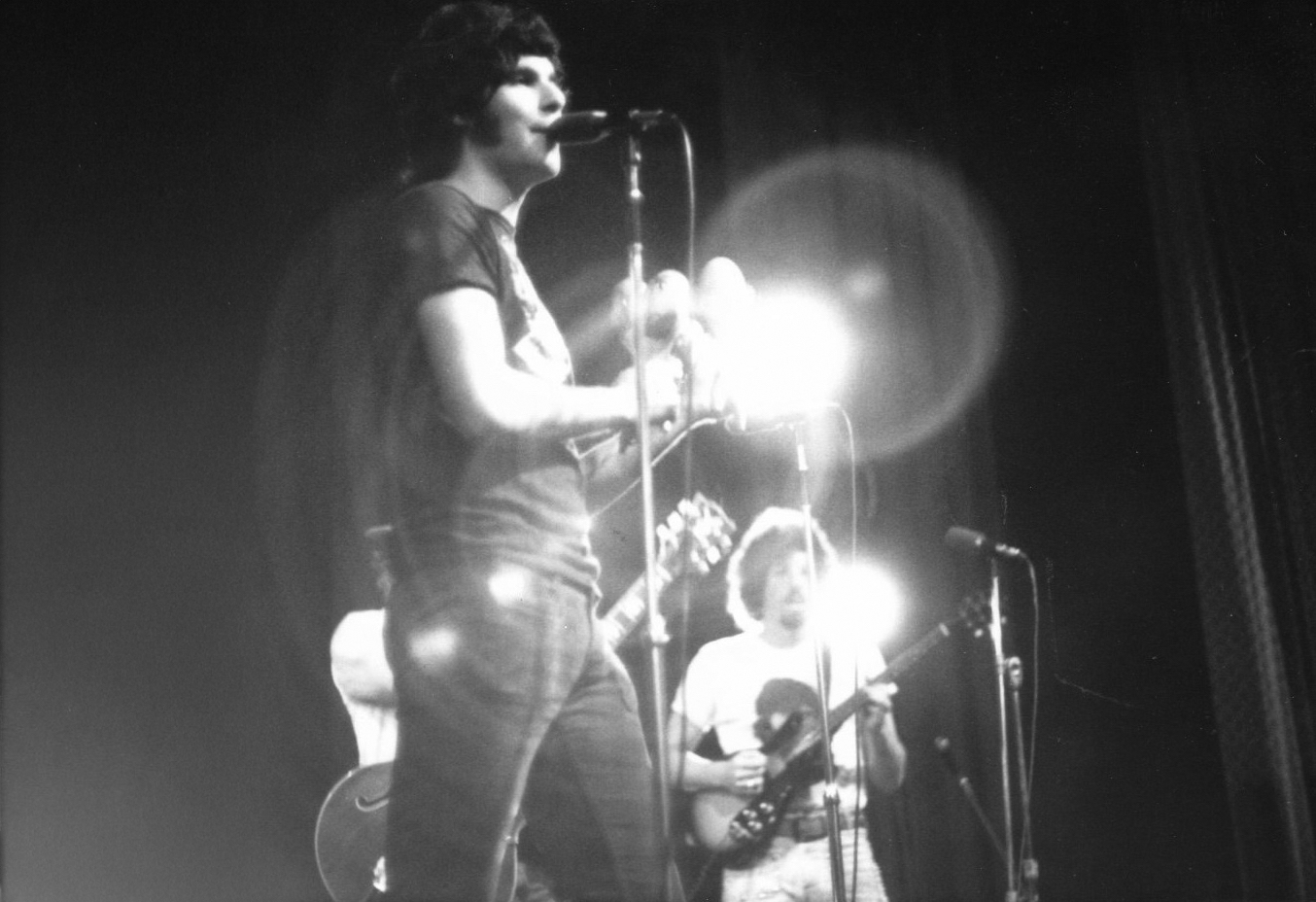
I wanted to provide an immersive experience, so you have the music, the story, and the illustrations. The original album was inspired by the Who’s ‘Live at Leeds’ which included inserts like theirs did. In our case, a number made fun of the band, like Paul Rappaport’s UCLA music test where he received a failing grade. What’s most interesting about this reissue is that most of the people who hear this would not have been familiar with the original. And it will be judged out of time; meaning most of the tracks were recorded in the 1970s but not heard until 50 years later. On rare occasions, a song’s primary impact comes many years after it was originally released. I’m thinking Dick Dale’s ‘Miserlou’ over the opening credits of Pulp Fiction, Nick Drake’s ‘Pink Moon’ in a Volkswagen commercial, and The Creation’s ‘Making Time’ in Rushmore. One can only hope.
You’ve spent decades preserving other artists’ legacies. How does it feel, finally, to see your own early work given that same archival care?
Yes, I felt gratified to exercise my standards with Rhino in presenting an outstanding package.
You were simultaneously serious about music and allergic to rock pomposity. How conscious was that balance at the time? Were you pushing against the self-importance of late-’60s rock or simply following your instincts?
We weren’t ambitious. We enjoyed playing songs from the Sixties and our originals which conformed to the style. We were true to ourselves. We were not interested in being like the Allman Brothers or Yes, even if we had the musical chops.
Lester Bangs famously compared side one of the Winos album to Roxy Music. What did it mean to receive that kind of validation from someone like Bangs—who was both a champion and a destroyer of bands?
It’s always good to get complimentary reviews, but the impact of his review was minor. While he championed acts, his influence was often diluted by his extended, drug-fueled rants. In our package I included two fan letters from, probably, Lester Bangs fans/Creem readers.
You bankrolled the recordings, pressed the vinyl, handled distribution before Rhino existed as a label. Looking back, do you see Kosher Records as the true embryonic form of Rhino Records?
It was a precursor. Because I had issued two 45s and an LP, I knew how it was done. It was probably a mystery to most people. I suggested to Richard that we start a label in the back room of the store.
Many people talk about “DIY” today as a branding concept. In the early ’70s, DIY was survival. What did you learn—technically and philosophically—from doing everything yourself?
‘Savage Young Winos’ has been referred to as “the first DIY punk rock album.” At the very least it was a few years before people realized that a record pressing plant would take their money the same as from established companies. When we moved from the store into our own location, it was just the two of us and a shipping clerk. By necessity, we divided up the duties of a record company—publicity, radio promotion, manufacturing, accounting—so we learned how a record company worked. As our company grew we read books to help us understand how to build a good company. The book In Search of Excellence conveyed to us the idea that employees are to be looked at as assets to the business, still a concept that eludes most businesses today, probably.
Do you think ‘Savage Young Winos’ could only have been made outside the traditional industry or do you ever wonder how it might’ve evolved with backing?
With backing we would have made better recordings, but I look upon our efforts as being authentic, capturing who we were.
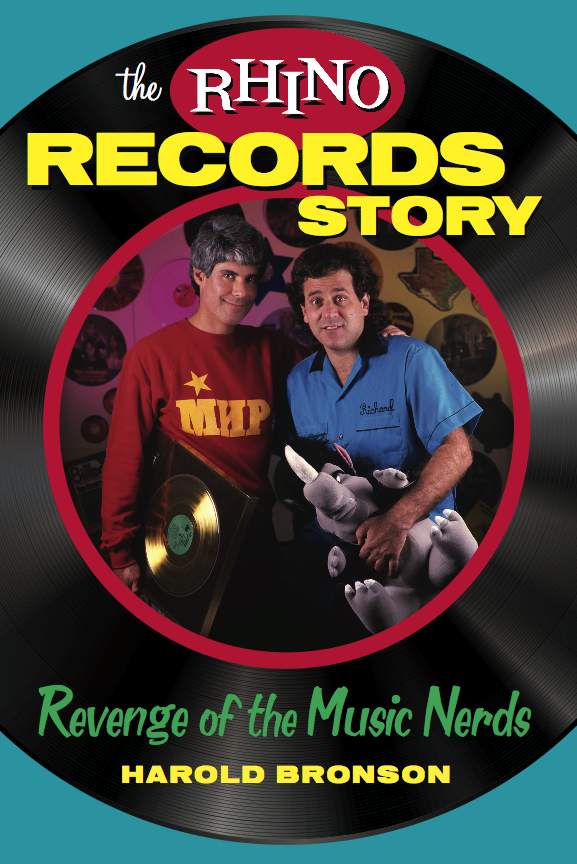
Rhino has been described as “the revenge of the music nerds.” At what point did you realize that deep knowledge, obsessive liner notes, and historical respect could actually be commercial strengths?
From talking with customers in our store, we knew they appreciated quality. When older recordings were made available, the labels looked to squeeze profits from these older hits by spending the least they could. We considered the music important so we went for quality: improve the sound when we could, track down rare photos, provide informative liner notes. Fortunately there were other music fans who appreciated what we did and bought our records. As our success grew, other labels copied us. We set the standard for reissues. Music fans everywhere benefitted.
“The major labels couldn’t be bothered with selling 5,000.”
In the early years, Rhino was licensing recordings that major labels had effectively abandoned. Did you feel like you were rescuing culture or correcting the blind spots of the industry?
Both. In the late ’70s when we started releasing LPs, the major labels were focused on selling multi-millions of artists like Fleetwood Mac and Michael Jackson. They couldn’t be bothered with selling 5,000. We thought it was criminal that there were no best ofs of Love, the Turtles, the Spencer Davis Group, etc.
By the early ’80s, Rhino became a major force in the CD boom. Why do you think Rhino understood the CD format so much better than the companies that invented it?
Our initial CD release—which included The Turtles ‘Greatest Hits’—preceded that of most of the major labels. As well established institutions, the major labels were slow to grasp innovation.
Rhino’s Grammy win in 1992 symbolized something bigger than a trophy. Did that moment feel like institutional validation or was it almost beside the point?
It’s always nice to get awards. My feeling is that, because we didn’t have contemporary hits, we weren’t respected by the industry. Our many innovations and accomplishments are recounted in my book The Rhino Records Story.
As co-president, how did you balance curation vs. commerce, especially as Rhino grew from a cult label into a corporate-scale operation?
If we were doing well, often we’d release an album that we thought we’d lose money with because it was important to make available for the fans. Sometimes, as with the ‘Best of the Bonzo Dog Band’ and the ‘Best of the Tremeloes’—CD packages I produced—we were profitable. With a newly recorded album by the Knack—1998’s ‘Zoom’, my pick for best newly recorded album we released—by issuing a best of we lessened our financial risk.
Rhino earned a reputation for treating artists and their legacies with unusual respect. Was that an ethical stance, a personal one, or simply good business?
All three. Too often I encountered executives at other labels who seemed to forget that the music was of utmost importance. That’s the reason most of us, presumably, got into this business. So, at Rhino, we were in service to the music. And we were always respectful of those who made the music: artists, producers, songwriters.
Do you think the modern music industry still understands the value of context, annotation, and storytelling or has that been lost in the streaming era?
Unfortunately, lost.
If Rhino were being founded today, what would you do differently and what would you refuse to compromise?
Today’s record business is so different from the one I experienced, I’d rather not provide an answer.
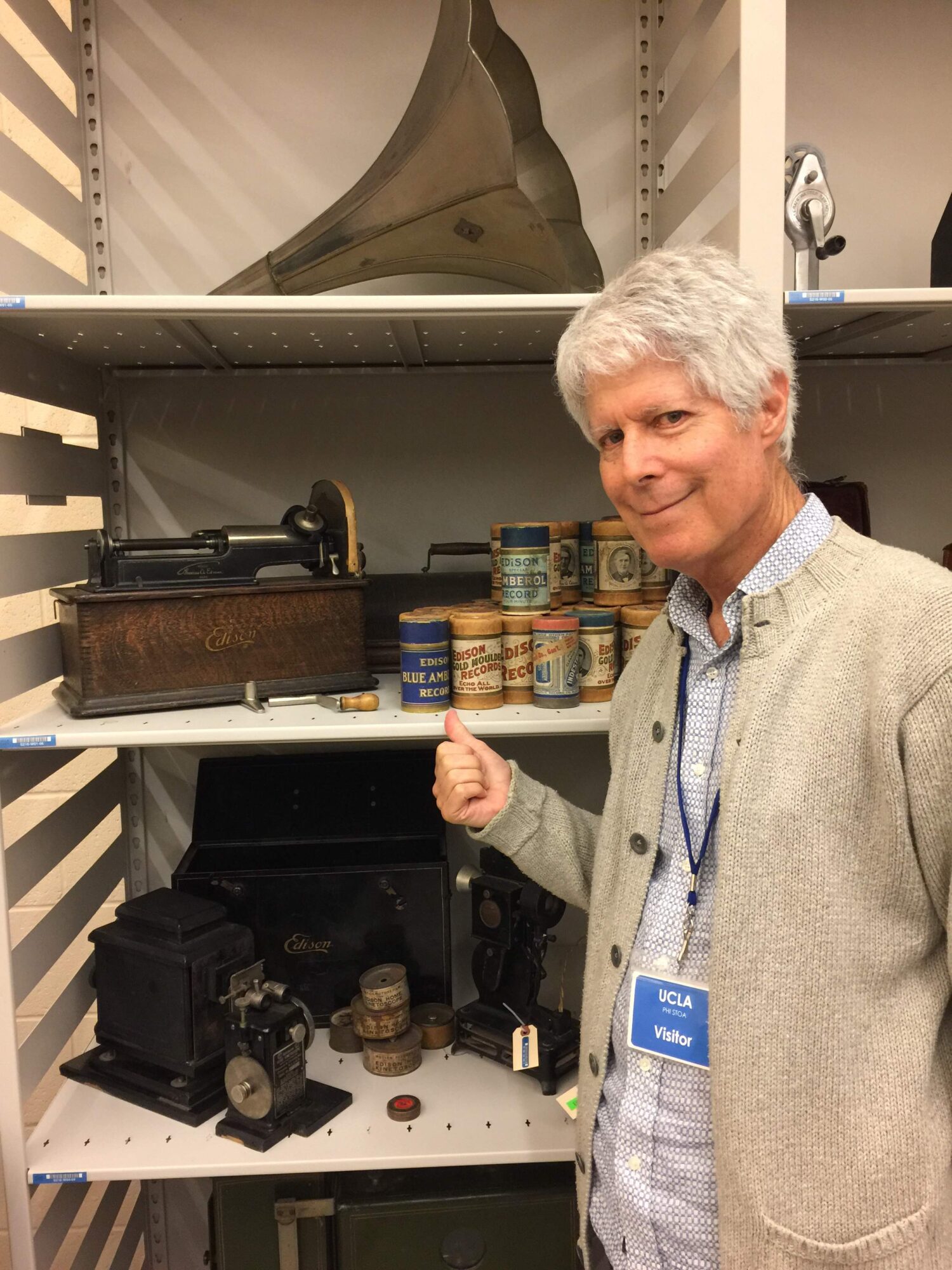
Let’s do a thought experiment. You’re traveling in some parallel dimension, you stop in my small town, and I invite you into my record room…wall to wall vinyl, weird pressings, radio promos, total sickness. For the sake of the story, let’s say I somehow have access to any record you might remember or want to pull out, even the obscure or long-gone ones. We have the entire day and no agenda. Which records do you instinctively reach for, especially the ones most people don’t talk about? The obscure, forgotten, or borderline unknown records that still feel essential to you, and maybe even shaped how you later thought about curation, reissues, and musical history.
This is a hard one because your record room is like my record room. Let me answer this by listing some of my favorite obscure albums: Ducks Deluxe, Jet, ‘Something Else’ by the Kinks, ‘Triangle’ by the Beau Brummels, ‘Shazam’ by the Move, ‘Falling Off the Edge of the World’ by the Easybeats, ‘Hard Road’ by Stevie Wright, ‘Tadpoles’ by the Bonzo Dog Band, ‘Silk Torpedo’ by the Pretty Things, ‘Truth and Beauty’ by Ian McNabb, and ‘Midnight Cafe’ by Smokie.
The reissues that probably most inspired me were United Artists Legendary Master Series in 1971. Artists included Fats Domino, Jan and Dean, and Ricky Nelson. Later, Geef Voor New Wave (Ariola Netherlands, 1977) inspired our ‘Saturday Night Pogo’. Kenny Everett’s World’s Worst Record Show inspired’ The Rhino Brothers Present The World’s Worst Records!’
Klemen Breznikar
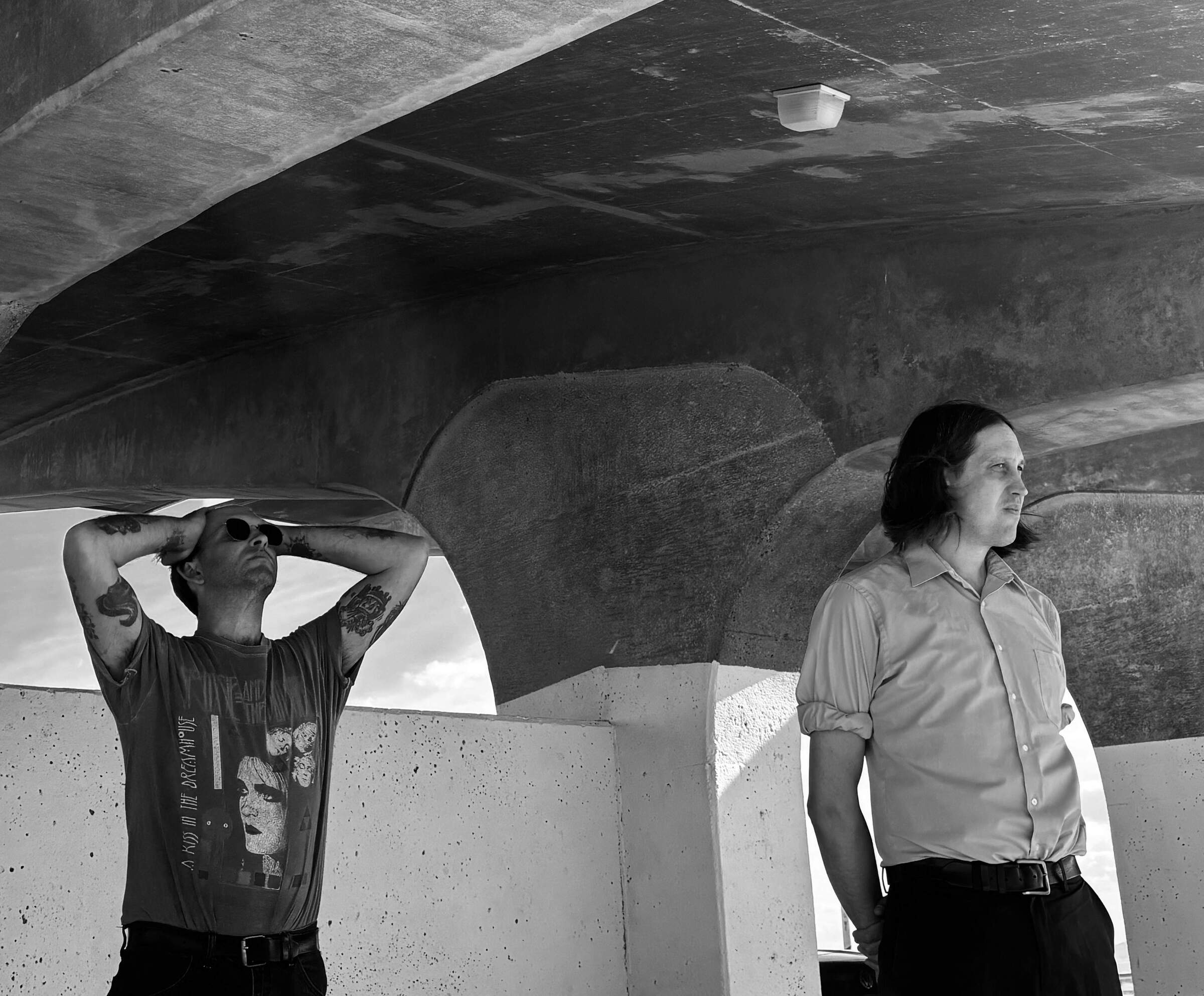
Headline photo: Mogan David and His Winos
Harold Bronson Facebook
Liberation Hall Official Website / Facebook / Instagram / Bandcamp


Great interview