
Denny Zeitlin: Jazz Pianist, Composer and Psychiatrist on a Life of Improvisation
Denny Zeitlin is an American pianist, composer, improviser and psychiatrist who has, for more than six decades, sustained two demanding careers in parallel.
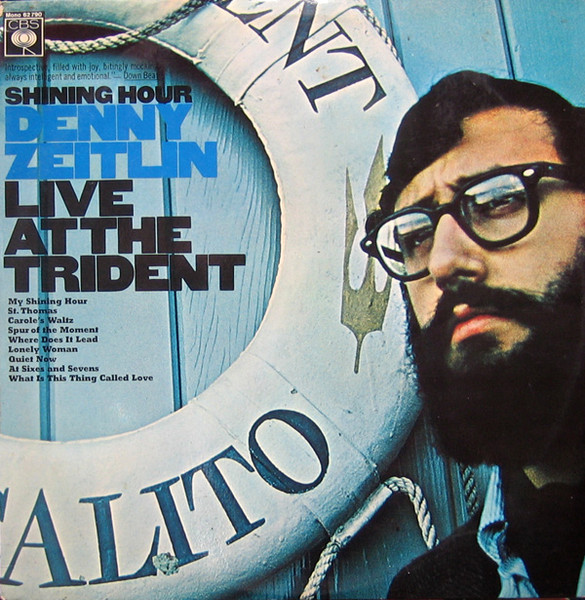
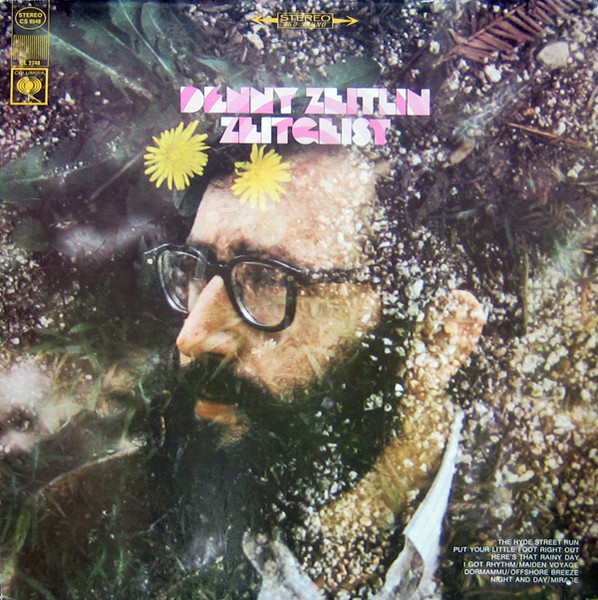
Born in Chicago in 1938, Zeitlin was improvising at the family piano almost as soon as he could reach it. By his teens he was immersed in jazz, and while studying medicine at Johns Hopkins he began a recording career with Columbia Records that produced a remarkable sequence of albums including ‘Cathexis,’ ‘Carnival,’ ‘Shining Hour – Live at the Trident’ and ‘Zeitgeist.’ Charlie Haden, Jerry Granelli, Cecil McBee and Freddie Waits were among his early collaborators, while Bill Evans became one of the great champions of Zeitlin’s composition ‘Quiet Now.’
That on its own would’ve been a strange enough life in music. But Zeitlin was never one for sticking to just the one thing. By the late 1960s he had become restless with the acoustic piano and began searching for ways to bend, sustain and transform sound through electronics, eventually bringing those experiments into his extraordinary score for Philip Kaufman’s 1978 ‘Invasion of the Body Snatchers.’ He later returned to acoustic piano with renewed ears, describing the experience here rather beautifully as “simultaneously meeting an old and new friend.”
All the while, another equally serious life was developing alongside the music. Zeitlin became a psychiatrist and longtime clinical professor at the University of California, San Francisco, and over the years the connection between psychotherapy and improvisation became increasingly important to his thinking. Both, as he explains in this interview, can involve deep empathy, trust, risk, psychological safety and moments when ordinary boundaries begin to disappear. His lecture-demonstration ‘Unlocking the Creative Impulse: The Psychology of Improvisation’ brought those ideas together explicitly, but they can also be heard throughout his music.
His latest album, ‘Odyssey,’ released by Sunnyside in July 2026, offers something close to a map of that lifelong curiosity. It moves between acoustic trio recordings with bassist Mel Graves and drummer George Marsh, solo piano, and completely improvised electro-acoustic pieces with Marsh.
From the small child climbing around inside the family Steinway and experimenting with its strings and dampers to the musician now working with acoustic piano, electronics and orchestral software, Zeitlin has retained an unusually strong sense that music should still contain discovery. Near the end of our conversation he speaks of “the search for surprise,” “the search for beauty,” and the attempt to “mean every note.” At 88, he is still following the next sound.
“Music was an adventure.”
You were born in Chicago in 1938, and music and medicine were both close at hand from very early on. Your father was a radiologist who played piano by ear, your mother was a speech pathologist and classical pianist, and you have described being very young at the family Steinway, almost learning the keyboard physically before you could really play it. Looking back, do you feel that music and medicine entered your life as two separate callings, or were they somehow joined from the start?
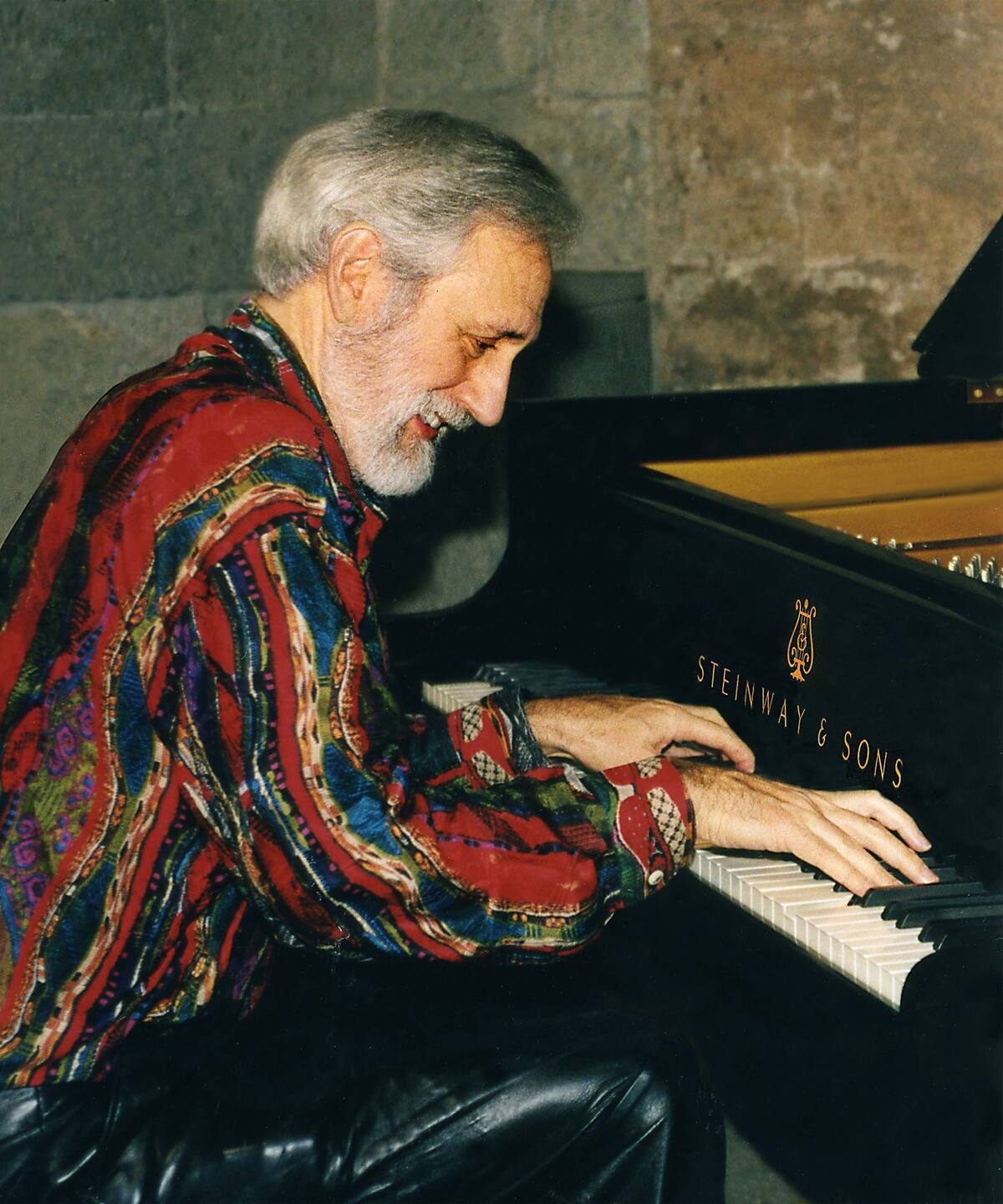
Denny Zeitlin: The entry was separate, and music had a head start. I was tremendously drawn to the sound of music at a very early age, and I recall around age 2 or 3 sitting on the lap of either parent playing the family Steinway and putting my little hands on their hands and going along for the ride kinesthetically, long before I could actually depress the keys by myself. And when I began making sounds on the keyboard, I found myself also climbing around inside the piano, making sounds on the strings, dampers, and soundboard. Music was an adventure.
It was 5 years later that I began to talk with my psychiatrist uncle about his work. As he would describe his exploration with patients, I sensed the possibility of another kind of adventure, and it wasn’t long before I was practicing psychotherapy without a license on the third grade playground. Kids sensed my genuine interest in what was going on with their lives and my desire to help. I also had opportunities to view my father in his role as head radiologist in a Chicago hospital, and was fascinated at how he could solve the mystery of disease by looking at an image on a screen.
At that point in my life I knew I was going to somehow be involved in music and medicine, although I did not know what exact shape it would take. Looking back, my intense curiosity and desire to explore fueled both activities, and my identification with both parents who were healers made the idea of helping others very gratifying.
It was only in my adult years, when I was exploring the psychology of improvisation, that I tuned in to other levels of commonality: highest-level playing with other musicians and engaging in psychotherapy with a patient share the emotional experience of deep empathy and merging where boundaries dissolve, while simultaneously maintaining intellectual access to the process and skills learned in the activity.
Your parents seem to have noticed quite early that you weren’t just interested in playing the notes as written, you wanted to compose and improvise. Many young pianists are trained in the opposite direction, correctness first, imagination later. I’m curious what you remember about the piano first becoming a place of invention for you, rather than only discipline. And once that freedom was there early on, did it make the formal study that came later feel easier to take on?
Music never began with discipline. My parents totally honored the spirit of exploration, and protected me from premature formal study. They waited until I asked for it around age 6. My mother was my initial teacher, followed by a series of classical music instructors throughout grade school. And even then, I never had an interest in generating and maintaining a classical repertoire. I was far more interested in understanding what intrigued me in a classical piece, and how I could use that material in my own improvisations.
I first seriously listened to jazz in 8th grade when my music teacher brought in the LP ‘You’re Hearing George Shearing.’ I felt like I was shot out of a cannon—here was a pianist with obvious great classical chops who was exploring these popular pieces and then making up his own versions of them, coupled with this wonderful rhythmic drive. I shifted my musical energy to begin learning whatever I could about this amazing new music.
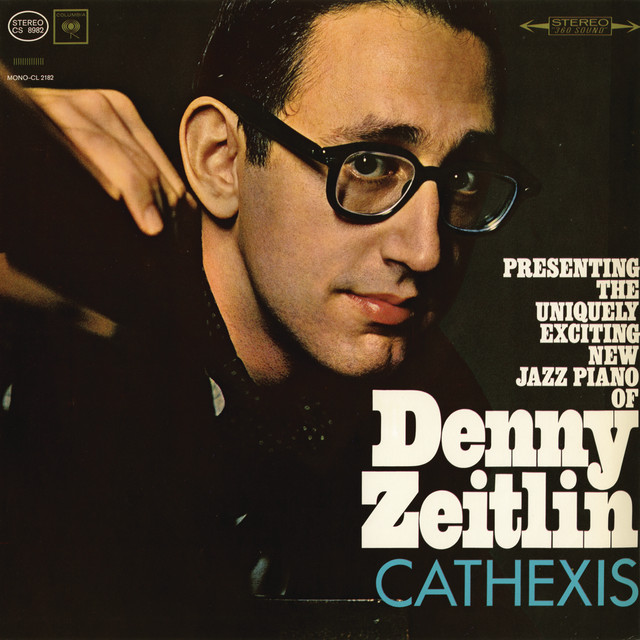
While you were deep in medical training at Johns Hopkins, you were also emerging as one of the most original young pianists around, and this was the 1960s. John Hammond signed you to Columbia, and ‘Cathexis,’ your first record as a leader, with Cecil McBee and Freddie Waits, already has this fully personal sound to it. How do you think you managed to form such a strong identity at the piano when life outside music was already asking so much of you? Did that pressure sharpen the music, or did the music give you somewhere else to be?
Triggered by that Shearing LP, I focused on whatever I could learn about harmony coupled with a voracious exploration of jazz recordings. Once in high school, I participated in fledgling jazz bands, jam sessions, and eventually formed my own trio, and was hanging out in Chicago jazz clubs ’till the wee hours of the morning.
I was fortunate at the University of Illinois to find great players, including Joe Farrell, Wes Montgomery, and Jack McDuff, and I would frequently come into Chicago in the mid-fifties for jam sessions where I was sitting in and gigging with some more great players who encouraged me, like Ira Sullivan, Johnny Griffin, and Bob Cranshaw.
And when I went to medical school in 1960 at Johns Hopkins in Baltimore, I lucked out again: Gary Bartz was playing at his father’s jazz club, the North End Lounge, and welcomed me to sit in whenever I was available.
Throughout this informal apprenticeship in jazz–there were no jazz schools or teachers back then–I was osmotically absorbing whatever I could from the musicians I admired, and cultivating my own approach, which was a central goal. I don’t think there was anything about premedical or medical training per se that “sharpened” the music. Music did provide a welcomed respite from the pressure of medical training.
There’s a psychological meaning behind ‘Cathexis,’ an investment of emotional or mental energy in an object, a person, an idea. It was an unusual title for a jazz record in 1964, regardless of whether listeners caught that. I wonder if the word mattered to you as a way of naming what improvisation actually is. And when you play, where does that energy seem to go, into the tune, into the musicians around you, out toward the audience, into the instrument itself, or does it all just become one single situation?
I was drawn to the word “cathexis” as a way of describing the experience of improvisation. And ideally, when I play, I feel that the energy is indeed invested in the whole situation at once.
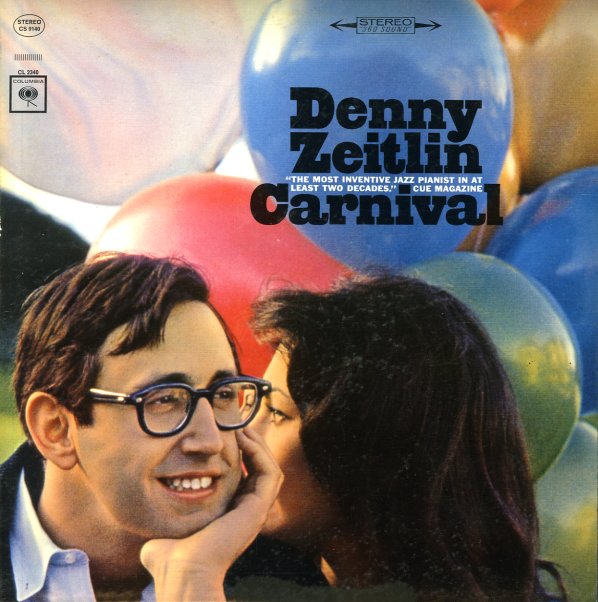
Your early Columbia recordings moved quickly from ‘Cathexis’ into ‘Carnival,’ ‘Shining Hour – Live at the Trident’ and ‘Zeitgeist,’ with musicians including Charlie Haden and Jerry Granelli. What were you looking for in the trio at that time? What did Charlie and Jerry allow you to explore that another rhythm section perhaps would not have?
The Columbia trio recordings gave me a platform to explore re-harmonization, unusual time signatures, extended forms, programmatic launching pads, unusual shapes, and moving the trio into more of an equilateral triangle where the bass and drums were not serving essentially as accompanists. Charlie Haden and Jerry Granelli were both particularly open to these dimensions, had their own individual voices, and were eager to explore.
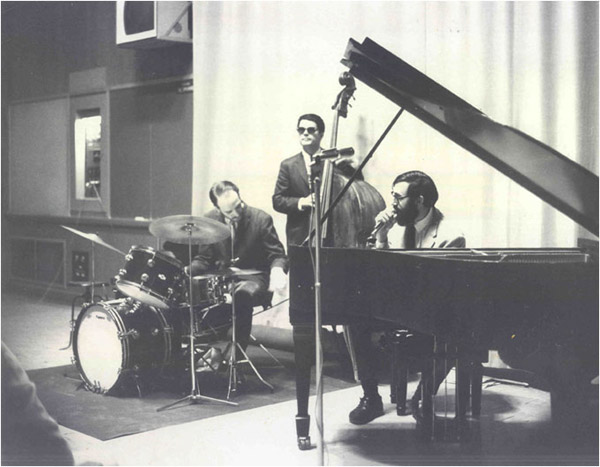
‘Quiet Now’ became your best-known composition, partly through Bill Evans, who made it part of his own repertoire. What do you remember about writing it? And when another musician of Bill Evans’ depth enters one of your compositions, does the piece begin to belong partly to them as well?
Bill Evans paid me a huge compliment playing ‘Quiet Now’ in virtually every concert for 15 years, and recording it at least 8 times. Someone told me that if you include his videos and unreleased recordings, the number is over 100. So Bill is not “partly” responsible for this piece becoming a jazz standard.
I originally wrote it for an undergraduate brief musical theatre production, and the theme was the loss of love. Ironically, the lyric version of this piece that I eventually chose after rejecting a dozen or so attempts over the years was Suzi Stern’s beautiful lyric that celebrates love found.
I’m flattered when musicians want to play a composition of mine, and hope that they will explore it and make it their own.
People like to call it a ‘double life,’ but that always seems to make it sound more divided than it actually was. Psychiatry was never simply a day job, and music was never simply somewhere to disappear to. Both of them ask for the same kind of deep listening, the kind where you’re following something you can’t fully see yet. Have those two ways of listening changed each other over time? Did being a psychiatrist change how you hear the musicians around you? And did music end up changing how you hear your patients?
I think my training in psychiatry, which included a lot of group psychotherapy, has sharpened my appreciation of the group dynamics of music-making, and made me particularly appreciative of the importance of an atmosphere of psychological safety to allow a musician’s music to emerge most authentically and successfully.
And the years I’ve spent developing my ability to “comp” for musicians have increased my ability to empathically comp for my patients who are the soloists in the therapeutic hour.
There’s this lecture-demonstration you give, ‘Unlocking the Creative Impulse: The Psychology of Improvisation,’ where your two worlds really come together. You talk about craft, about preparation, but also about reaching this more absorbed state where the self steps out of the way. That’s a strange paradox, isn’t it, spending years preparing for something that can’t be planned out in the moment. How do you hold that balance? What has to stay conscious, and what do you just have to let happen on its own?
Over the years I’ve become more and more impressed with the importance of psychological safety as a prerequisite for the highest levels of improvisation. This does not imply a lack of challenge—challenge is necessary to spark something new, but it should not be overwhelming.
Psychological safety facilitates entering into an ecstatic state where the positional sense of self dissolves, providing the emotional “heat” of the music, while preserving access to the years of woodshedding that provide the skills and aesthetic that shape the music—the intellectual “light.”
When I’m playing my best, I feel totally immersed in the music, often having synesthetic experiences where music is also color, or taste, or the feeling of a texture. I’m not consciously shaping the music–not saying to myself “here comes a G minor 13th,” or “my solo has been a single line for a while, it’s time for some contrapuntal activity.” I’m trusting that if I get out of the way of the music, all the years I’ve spent in developing a set of musical skills and aesthetic preferences will make themselves felt.
You have worked with people suffering from creative blocks, and spoken about fear of losing control, failure or humiliation, and even guilt around success. In jazz, where one creates in real time in front of others, those fears can become very exposed. What allows a musician to feel psychologically safe enough to take real risks? Is it confidence, trust, discipline, acceptance, or something more difficult to name?
You’ve labeled 4 crucial ingredients, and “acceptance” refers both to the attitude of important people in the player’s environment, and the player’s attitude towards himself. Being able to give oneself internal “permission” to play one’s best is not an easy task for most people.
And it is here that “pathogenic” beliefs get in the way, often the ones you’ve mentioned: “If I really let myself go, I might never come back,” or “If I really stretch out on this improvisation it will fall apart and I’ll feel humiliated,” or “How do I have the right to be standing here in front of an adoring audience when my brother is in the hospital with leukemia?”
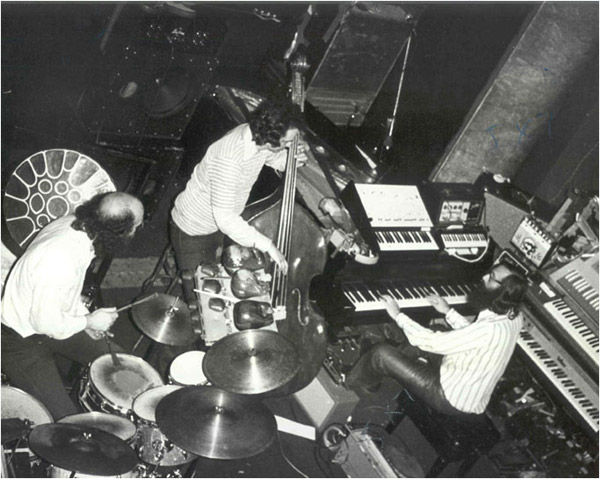
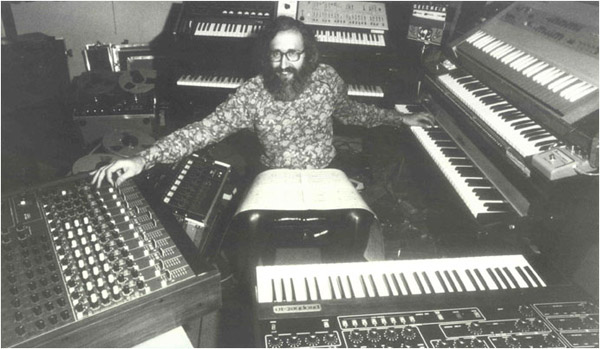
In the late 1960s and 1970s you moved deeply into electro-acoustic music with Mel Graves and George Marsh, and later through records such as ‘Expansion’ and ‘Syzygy.’ You have said that you became hungry to find out what electronic music could do for the sounds you were hearing in your head. What were those sounds? Were electronics a way of extending the piano, escaping the piano, or building a larger musical environment around it?
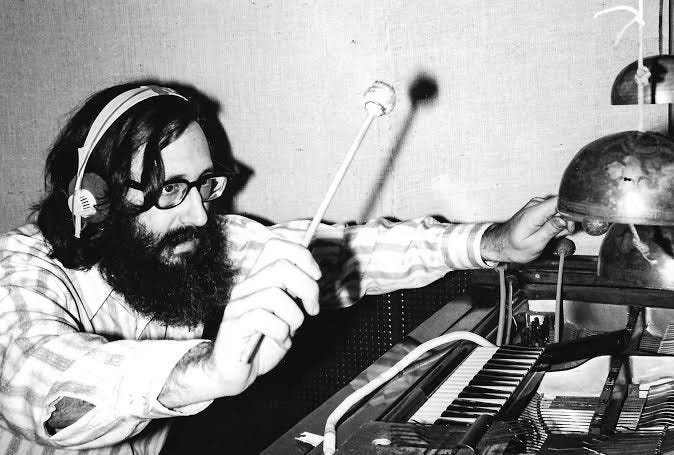
It was in the mid-60s that I began to get really restless with what felt like the limitations of the acoustic piano sound. I wanted to be able to bend notes like guitarists, or sustain notes like horn players. And I wanted to expand my timbral palette.
I was drawn to classical avant garde music, to electronic sound making devices, to microtonal instruments from other cultures. In some ways I was hoping to become more of an orchestra— as a small child I yearned to “be” an orchestra. I envisioned the piano being an important part of a broader orchestral field.
Your score for Philip Kaufman’s 1978 remake of ‘Invasion of the Body Snatchers’ was a major undertaking, bringing together symphonic writing and electronics. You had not written for symphony orchestra before, yet you have said you had always thought orchestrally. What did that project teach you about scale? And why, after such an experience, did you decide not to pursue film scoring in any sustained way?
I was extremely fortunate, as a newcomer coming into film scoring, to have a budget that permitted a symphony orchestra and the services of an orchestrator. I had a good intuitive sense of what instruments should be employed on a given musical cue. But Greig McRitchie, a seasoned and expert orchestrator, made crucial decisions about scale— e.g., how many trumpets should play that note? Should it be doubled by trombones? Should it be colored by lower strings?
The whole experience was very exciting and challenging and arduous. I understood from the start that my task was to compose music that would please the director and producer, and pleasing myself was secondary. I also knew that composers are frequently fired even after many weeks of being into the project.
Fortunately, everyone ended up very enthusiastic about the score, including myself, and a soundtrack album was released, and the music critically well-received. While I was grateful for having had a unique experience, I realized I was lucky to have “survived,” and that I might do dozens more films before I would come upon a film of this excellence that also had an unlimited musical budget. So I decided once was enough.
After the intensity of ‘Invasion of the Body Snatchers,’ you returned strongly to acoustic playing, including ‘Soundings’ and the duo with Charlie Haden on ‘Time Remembers One Time Once.’ Did acoustic piano feel different to you after electronics and film scoring?
I did feel exhausted from the multileveled focus on acoustic, electronic, and symphonic music, and was drawn back to the purity of the acoustic piano. Interestingly, I found my piano playing had grown, and I was hearing the overtones in a new detail and richness. It was like simultaneously meeting an old and new friend.
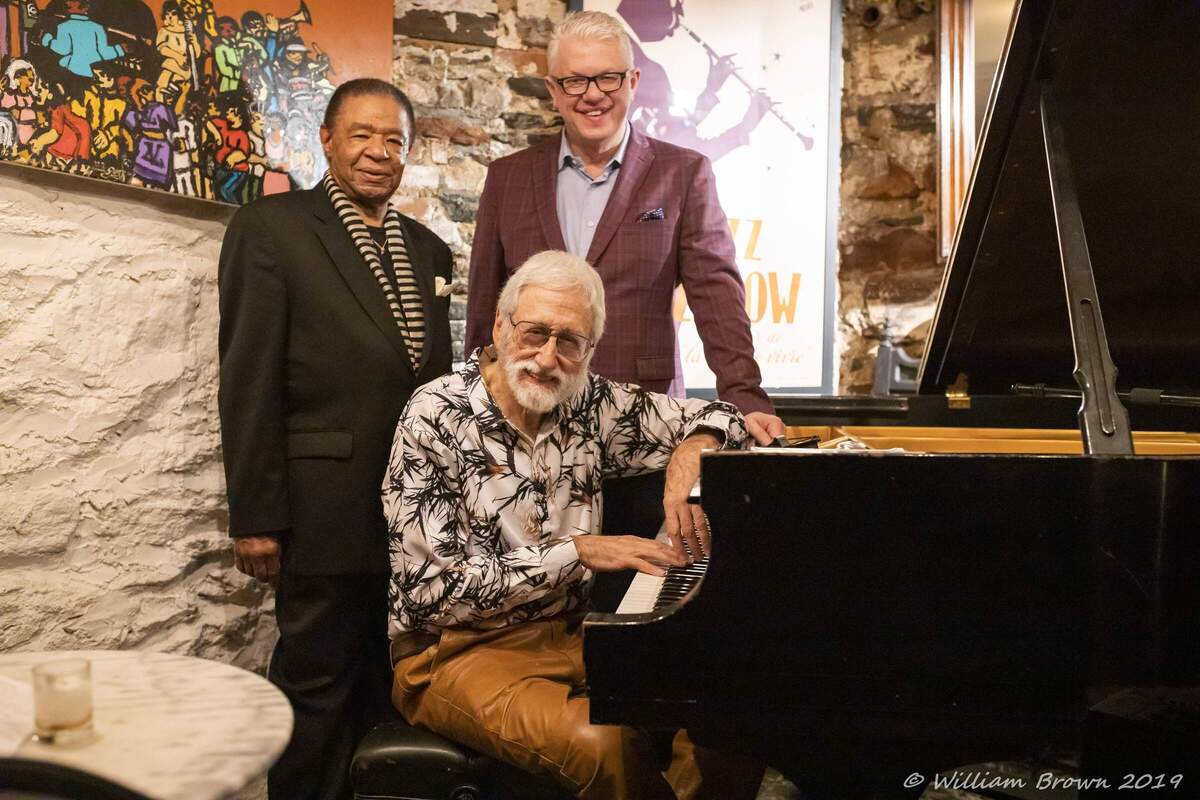
Your long-running trio with Buster Williams and Matt Wilson has a very special character, with a strong sense of conversation between all three players. You have spoken about the trio almost breathing as one organism, where at times it is hard to tell who is generating which part of the sound. What makes that kind of group awareness possible?
Once again, Klemen, you’ve listed the crucial ingredients. I would add the shared aesthetic of the trio as an equilateral triangle, where there is a trust that every note played can be embraced and developed.
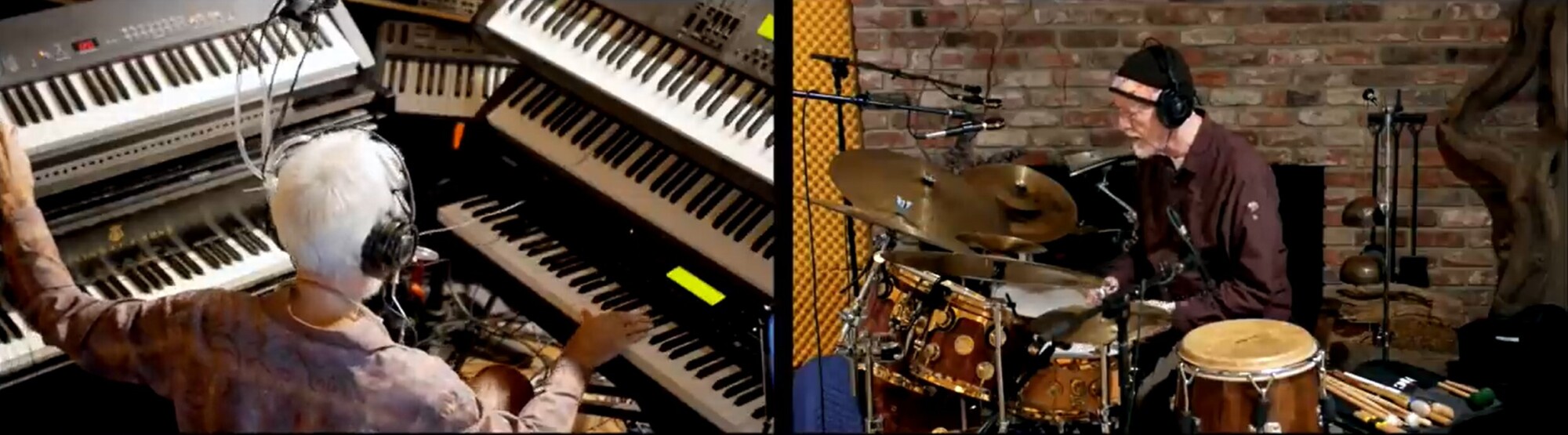
Your work with George Marsh in the electro-acoustic duo has gone even further into spontaneous composition. On ‘Telepathy’ and now again on ‘Odyssey,’ there is no pre-planning, and the music comes from sound, reaction, memory and surprise. At this stage, do you still think of this as jazz, or has the name become less important than the act of exploration itself?
We don’t think of our music as any particular kind of genre. We’re hoping when we play to be able to draw on any and all of the musical experiences we’ve had and bring them to bear in some meaningful compositional way. The open journey is what is important—not the name.
“The search for surprise is part of my lifelong curiosity and spirit of adventure.”
In recent years you have made solo piano explorations of major songwriters and composers, including Wayne Shorter, Miles Davis, George Gershwin, Richard Rodgers and others. These are familiar materials, but you do not treat them as museum pieces. What do you look for when entering someone else’s composition? Are you trying to reveal what was already hidden in it, or create a new piece from the old one?
I ask myself whether a particular piece of music will be a springboard into some new exploration. I have to like and admire the song enough that I want to preserve a fundamental aspect of it—to honor it. And yet I have to feel that there is an opportunity to bring something new– perhaps revealing something hidden or implied as you have suggested. Or allowing it to morph into quite a new composition.
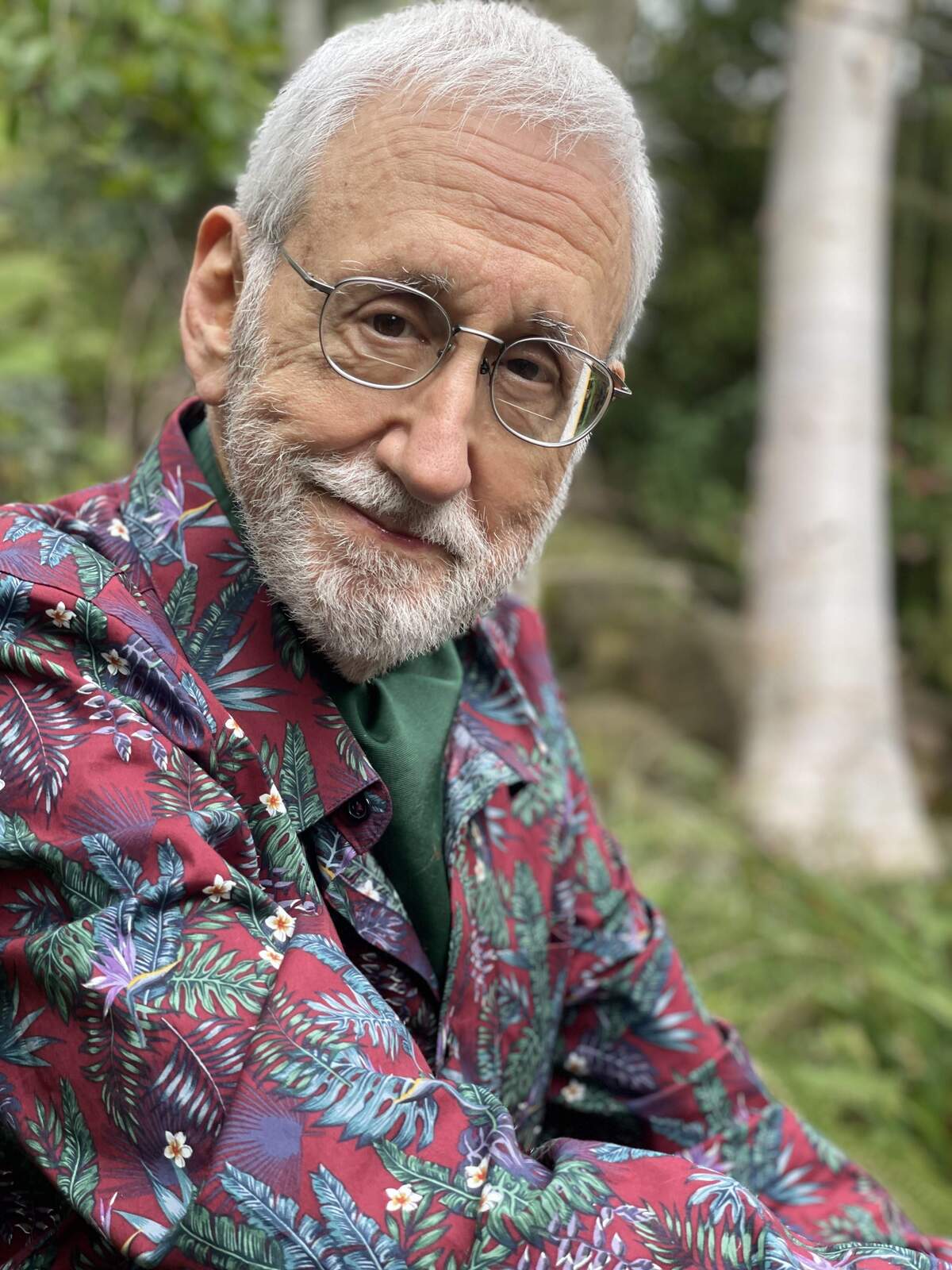
Your new album ‘Odyssey’ brings several of your lifelong paths together: acoustic piano trio with Mel Graves and George Marsh, solo piano, and electro-acoustic duo with George. When you listen across these different settings now, what feels continuous to you? After all these decades, what has remained at the center of your music: the search for surprise, the search for beauty, the search for psychological truth, or simply the wish to keep following the next sound honestly?
As usual, Klemen, you have listed ingredients that resonate strongly with me. “The search for surprise” is part of my lifelong curiosity and spirit of adventure. “The search for beauty” involves finding what organically fits together without pre-judgement. “The search for psychological truth” entails the attempt to “mean every note” and indeed, to keep following the next sound as authentically as possible.
Klemen Breznikar
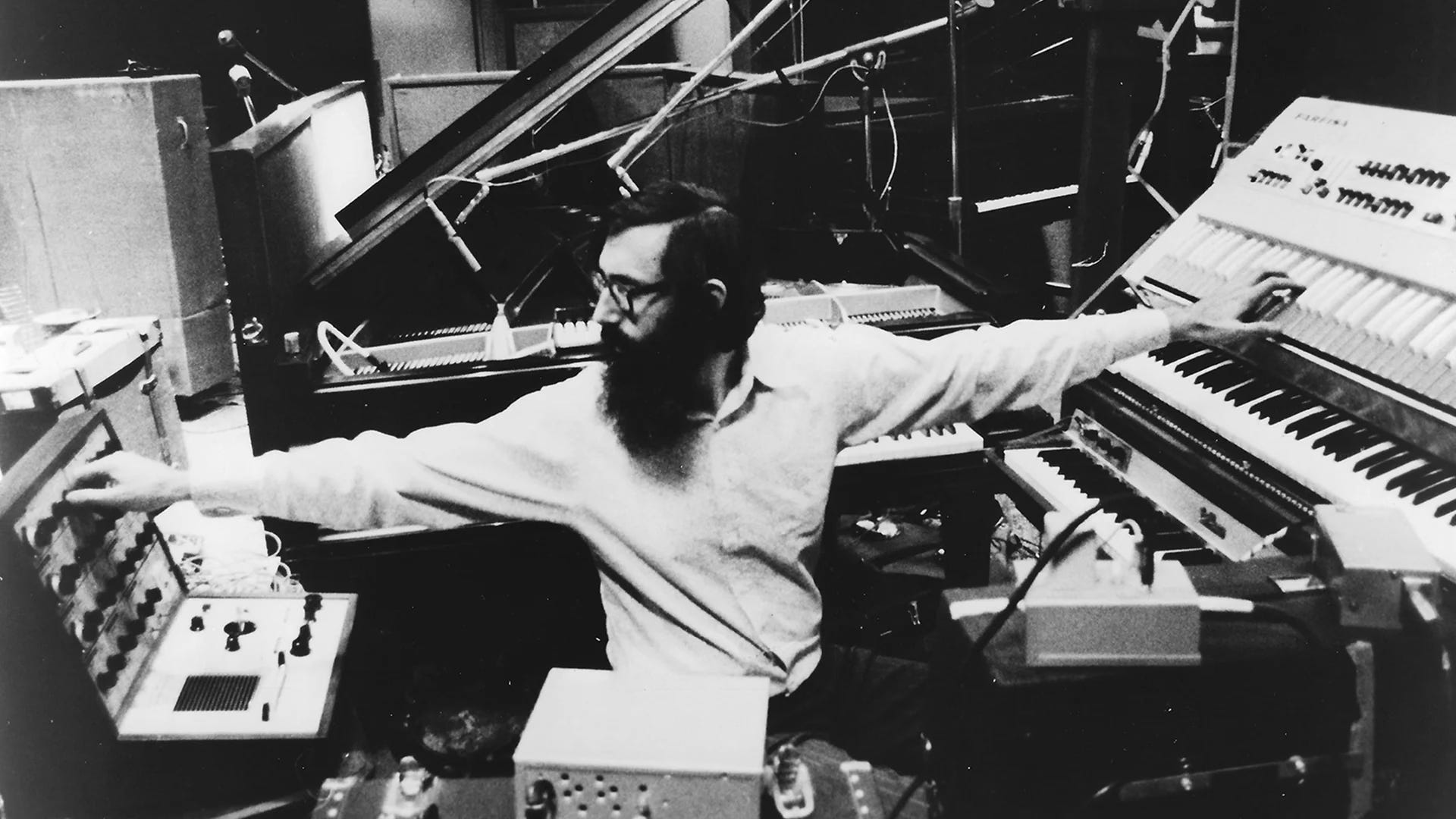
Headline credit: Denny Zeitlin experimenting with keyboards and percussion during his early electro-acoustic explorations. Photograph: photographer unknown / Denny Zeitlin personal archive.
Denny Zeitlin Website