
Lester Winchester McKendree Interview | ‘We’re Well Cooked and Like Our Particular Musical Stew the Way It Is’
Jimmy Lester, Mark W. Winchester and Kevin McKendree have spent decades playing alongside other musicians, but Lester Winchester McKendree gives the three Nashville veterans a sound of their own.
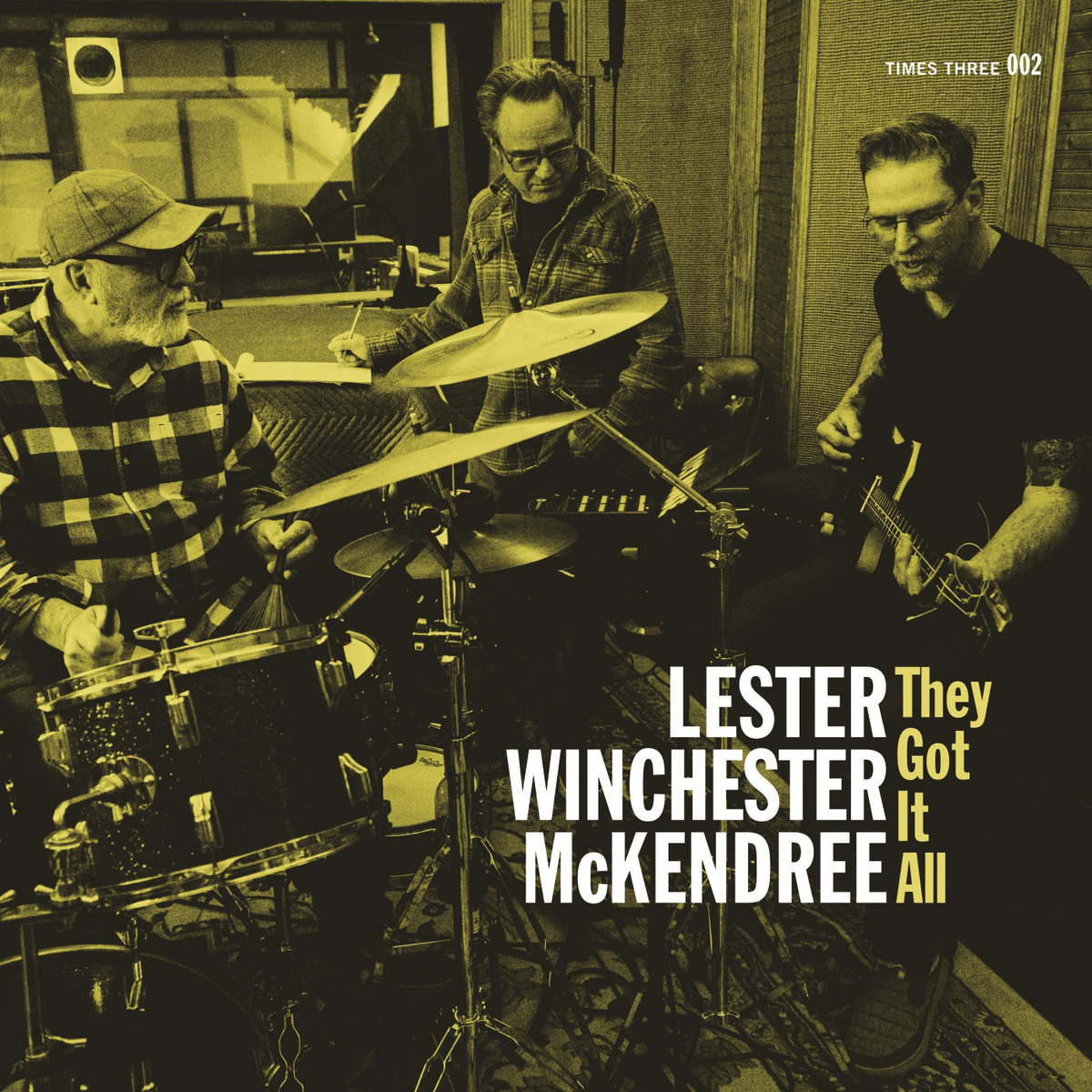
Built around drums, piano, voice and Winchester’s unusual two-string bass, ‘They Got It All’ grew naturally out of the chemistry they had already found playing together. There was no great plan behind it. As Winchester says, “The only agenda we had was getting what we sounded like live down on tape.”
We spoke with Winchester and Lester about how the trio came together, Winchester’s two-string bass, songwriting, humour, improvisation and reaching a point where nobody has much left to prove.
“We’re well cooked,” Winchester says, “and like our particular musical stew the way it is.”
“The only agenda we had was getting what we sounded like live down on tape.”
You had all spent years playing in other people’s bands before Lester Winchester McKendree. Did putting your own three names out front feel different at first?
Mark Winchester: It didn’t feel all that strange to me because I had been performing my own songs off and on since I moved to Nashville, either solo at writers’ nights or with little three-piece combos. I started writing songs early in life and had the fantasy of being the guy in the middle, but I wasn’t a very good singer at all early on. It’s taken a lot of practice my whole life to get better at singing, but I always wanted to be delivering my own tunes.
Of course, this new situation with Jimmy and Kevin and the two-string bass really seems to be an incredible fit for what little vocal style I’ve developed. So it feels totally natural, to me at least, to say, “This is us, this is how we sound, and we’re a thing unto ourselves.”
You had already played together behind Garry Tallent around 2017. When did you first notice that there was something special about this particular combination?
Mark: I can’t think of a particular night. It just felt great to have two other guys feel a shuffle the same way I did. I had played with Jimmy and Kevin in separate situations, but the three of us felt easily powerful.
‘They Got It All’ is basically drums, bass, piano and voice, but it sounds remarkably full. Did you have to think much about leaving that space open without a guitar?
Mark: We didn’t talk about it out loud as we started playing live with this setup. But I think we all felt how unique of a sound we seem to make together.
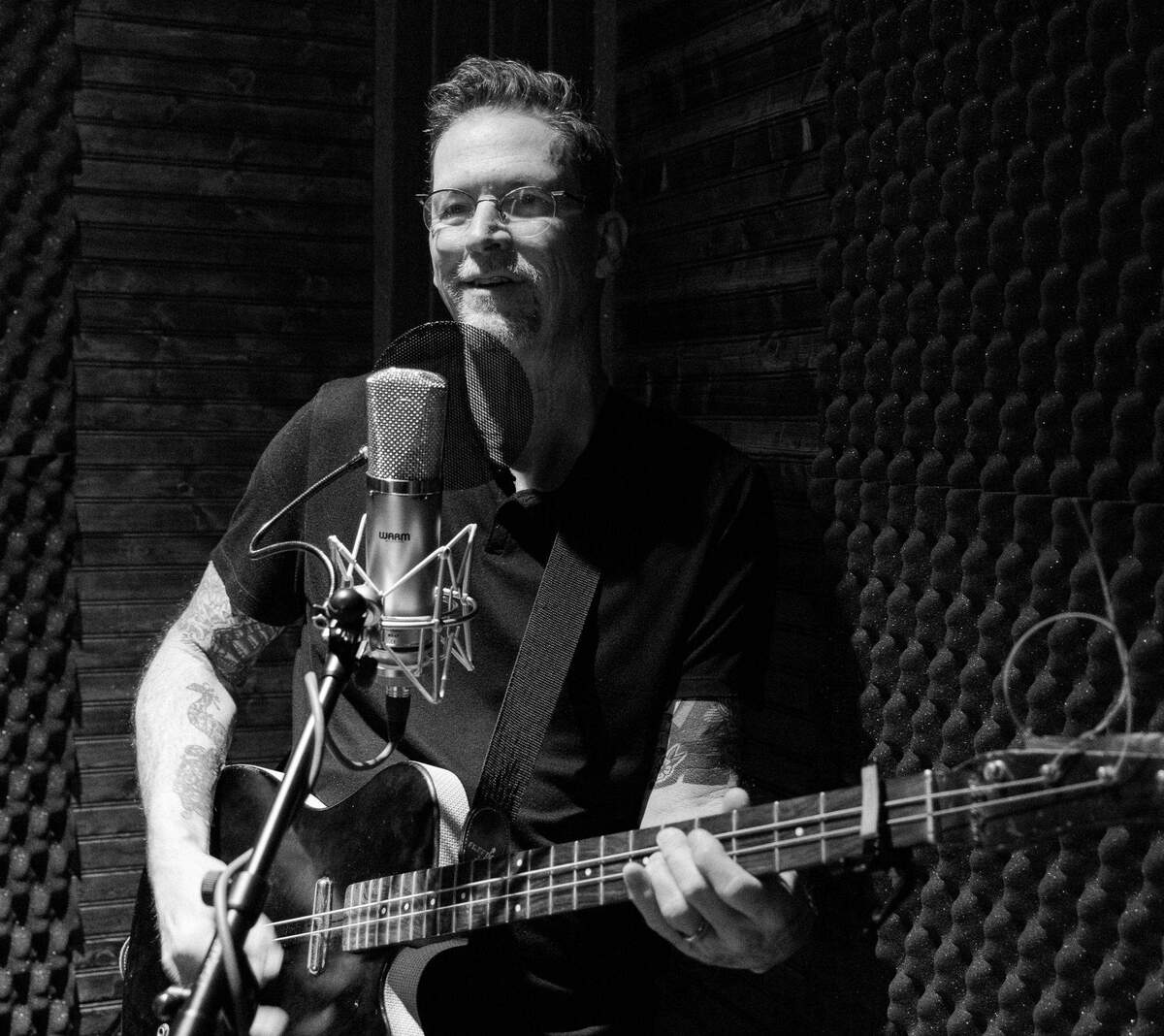
I actually tried some before this, playing the two-string bass in a guitar-combo situation, but a six-string guitar seemed to fight a little sonically with the dirty guitar amp side of my rig. I split my bass signal between a traditional bass amp and a guitar amp, so that helps with the “full” sound you’re talking about. It kind of helps me sound like two players.
I think it gives Kevin and Jimmy more space and freedom, though, because my parts are groove-based and simple.
Jimmy Lester: For me, I felt more space. It was easier to lock into what Mark was doing.
Mark, when you first turned the bass into a two-string instrument, did it immediately change the way you wrote?
Mark: Definitely didn’t let my head interfere. That’s never good.
No, as you say, it was a physical thing, just messing around with where to mash down because it’s tuned in fifths. Mark Sandman played his mostly with a slide, but I just began searching for boogie-woogie patterns as if I were playing the top two strings on a guitar, as well as finding melodies on the bottom string, and how stretching to find different root notes on the top string would change the “chord,” so to speak.
A bunch of music to songs came out before I had words because it was so fun just to pick that thing up and play it. It seemed like every day for a while, when I first turned it into a two-string, some new song would fall out of the thing when I picked it up.
Was there ever a danger of the two-string bass becoming a gimmick, or was it always simply a way into the songs?
Mark: Well, as I said above, the songs just started coming out when I played the two-string, and at my heart and soul I’m a writer before being a musician. So communicating my feelings, storytelling, moving emotions, appeals to me before diving into technical proficiency on an instrument.
I think I have kind of a unique approach to this two-string bass thing, but it was about the songs from the beginning for me.
Jimmy, did playing around that two-string bass require you to approach the drums differently?
Jimmy: Not for me. I remember seeing Mel Tormé perform years ago. He had a piano player, bass player and drummer trio. To me, it’s kind of the same thing, except with two strings instead of four.
When you were recording, were you mostly responding directly to what Mark was playing?
Jimmy: Wow, nice description, thanks!
When the songs were going down, it was usually just me and Mark playing, so I was definitely locking in with him. Kevin was manning the controls while throwing piano in at the same time.
Mark, you’ve had a long career as a bass player, but you were writing songs from very early on. Did it take longer to become confident in yourself as a singer and songwriter?
Mark: I think the thing is that my ability as a bass player kind of developed by accident, or sort of came naturally, but in my mind I wanted to be a writer and a performer of my songs more. It just took more time to hone the craft of songwriting and singing to build confidence for that side of myself.
I feel more fully integrated now as far as being a bassist AND a performer-writer. I struggled early in life in my role as sideman only, because I had these dreams of being the guy in the middle. But I learned from listening to the great Mike Watt’s ‘The Watt From Pedro Show’ that life is about taking turns. Sometimes you’re the shot caller and sometimes you are there to aid and abet someone else’s vision.
As I’ve gotten older and feel like I’m writing better and making great records, I’m WAY better at showing up for others and just being the best bass player I can be for them when I’m called to.
There’s quite a lot of humour in the songs, even when you’re dealing with more serious things. Is humour a natural part of the way you write?
Mark: Hugely influenced by the writer Flannery O’Connor, who was very humorous, sucked you in with quirky details, then some serious shit would go down.
I also think I read early on an interview with Paul Simon where he said the first line of a song had to be true, then you could go anywhere. But I don’t know if it’s EASIER to get at serious things by coming at them sideways. It just makes for a more interesting song sometimes, I think.
If you get the listener smiling, paying a little more attention because you’ve come at something from a unique angle, then you can deliver some of what seems to be a Big Truth to you. Hopefully, it rings true to the listener and, like John Prine said, “they don’t feel so alone and you don’t feel so alone.”
How did the two instrumentals, ‘Surf The Allman Ballroom’ and ‘Along With The Sunshine,’ develop?
Mark: I had the riffs on the two-string, the A and B sections roughly, but no definite arrangement. I relied on Jimmy and Kevin to bring the tunes alive with the parts they began to create as I showed them what I had.
I think ‘Along With The Sunshine’ was the first thing we cut for this album, because I wanted to ease into the day with a laid-back piece, and also Jimmy had told me he was bringing a rain stick as part of his percussion arsenal, so I wanted to throw something out there vibe-wise that he might could use it on. That’s kind of where the title came from too.
With ‘Surf,’ when I was messing around with that riff pre-session, I began to hear Jimmy surf-drum filling the spaces in it, and I also started thinking it sounded a little like an Allman Brothers song. Jimmy can speak to how these two ideas I brought in with the tune influenced his approach.
Kevin was instrumental, no pun intended, in getting the arrangements more song-like and getting them up on a more melodic level with the piano parts.
Jimmy: ‘Surf The Allman Ballroom’ was totally improvisational for me. Mark encouraged me to stretch out in certain sections of the song.
I was definitely channeling the Allman Brothers and Art Blakey, ha ha ha! I was trying to make the drums sound like two drummers, and I guess that’s where the surf feel kinda came from.
The album doesn’t sound like three musicians trying to prove anything. It sounds like you simply enjoy the way the three of you play together. Is that where you are with it now?
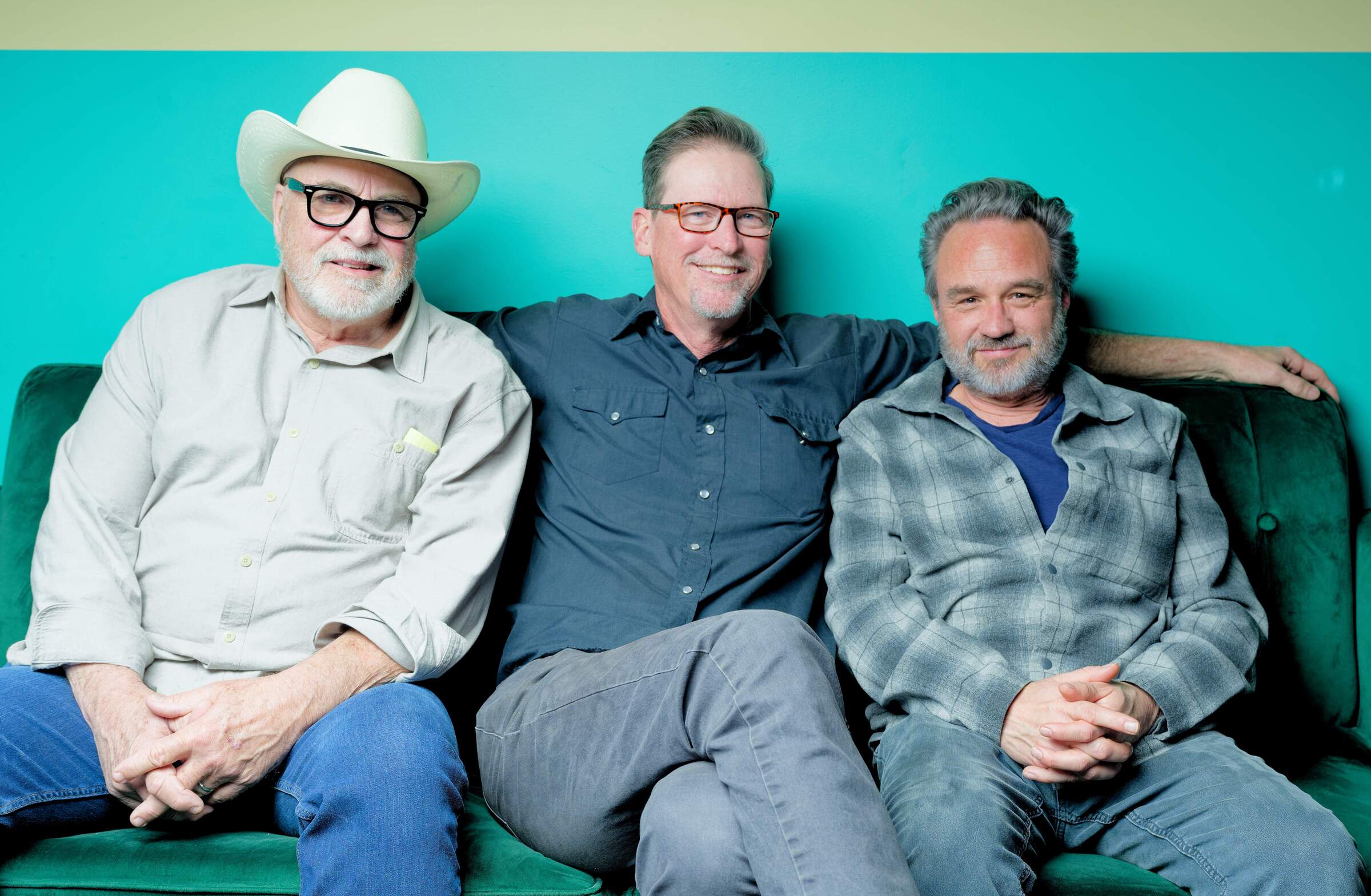
Mark: It is fair. The only agenda we had was getting what we sounded like live down on tape, as they used to say. It was feeling so good at our local gigs in Nashville that when I got the Sandman model two-string and a new batch of tunes fell outta that bass, we just went for it.
And, of course, how lucky are we that Kevin is a great engineer with a wonderful-sounding studio? Definitely didn’t overthink it or try too hard.
And you’re right, the three of us are kind of past the “I gotta prove myself” stage in life.
We’re well cooked and like our particular musical stew the way it is. If others want a helping of it, that’s a bonus.
Jimmy: Yep.
Klemen Breznikar
Lester Winchester McKendree Website / Bandcamp