
Red Rockers Interview | Darren Hill and John Thomas Griffith on Punk, Politics and Growing Up in New Orleans
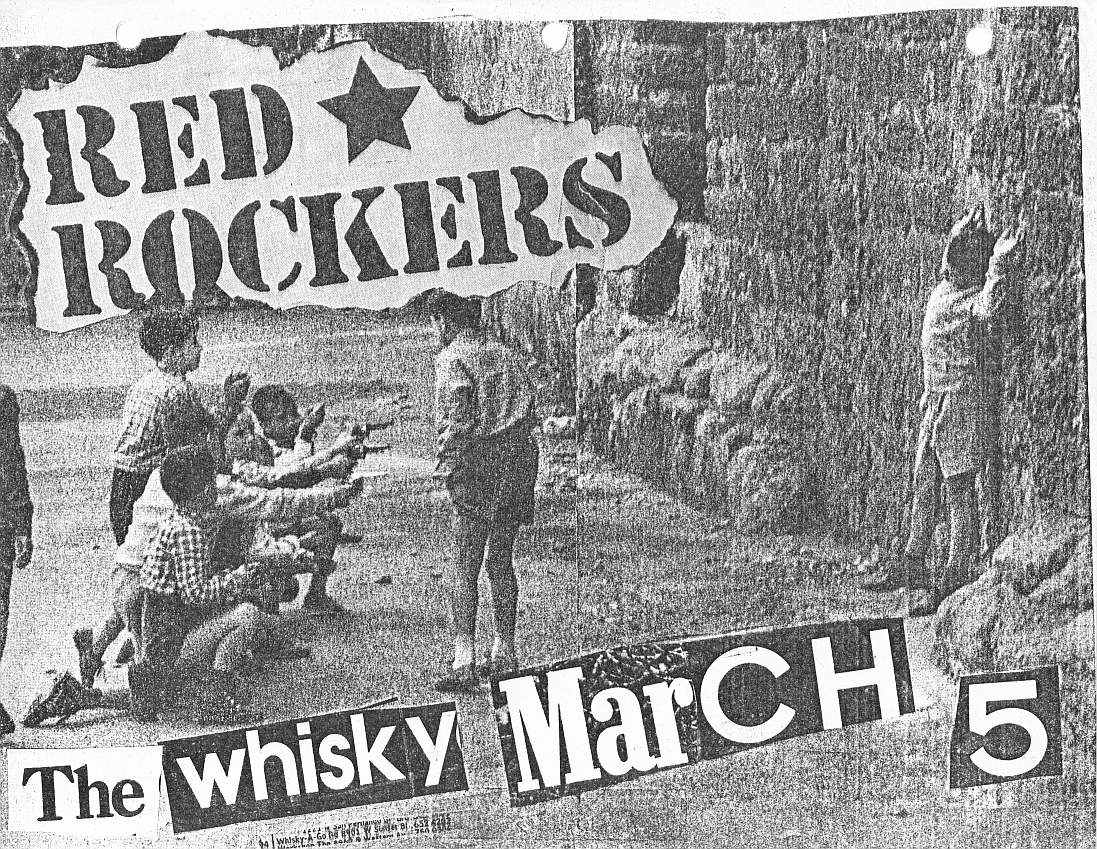
Red Rockers emerged from New Orleans at the end of the 1970s, first playing as the Rat Finks before taking their new name from The Dils’ ‘Red Rockers Rule’.
Their 1981 debut album, ‘Condition Red’, established them as one of the more politically outspoken American punk bands of the period. Two years later, ‘Good as Gold’ took the band in a different direction, with ‘China’ becoming an unexpected hit and bringing Red Rockers to a much wider audience.
More than four decades later, the band reunited at Tipitina’s in New Orleans, playing ‘Condition Red’ in full. That reunion is now documented on ‘It’s in Our Blood’, the first commercially available Red Rockers live album.
We spoke separately with bassist Darren Hill and guitarist and vocalist John Thomas Griffith about growing up in New Orleans, discovering punk, making ‘Condition Red’, touring with The Clash and U2, the success of ‘China’, and what it has been like becoming Red Rockers again.
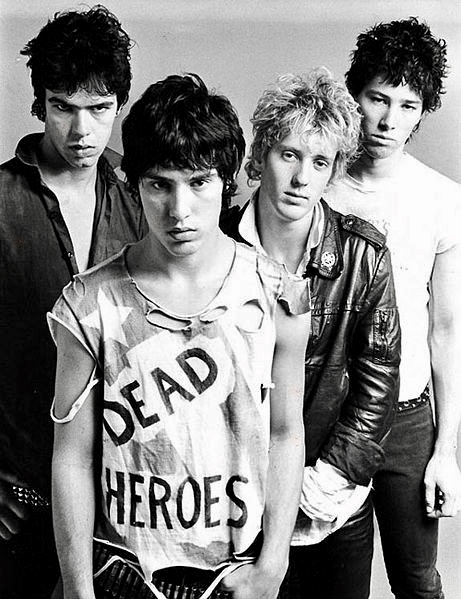
“One of our mottos used to be, ‘Think for yourself!’ That’s really all we ask, don’t be a sheep.”
Before Red Rockers and the Rat Finks, what were you like growing up in New Orleans? Was music already central to your life, or did punk change everything?
Darren Hill: We were typical ‘Dazed and Confused’ teenagers in the 1970s. Sports, girls, smoking weed, and cruising around town looking for trouble. We went to concerts and snuck into bars to hear music. Southern rock and what is now called Classic Rock were big. I ended up going to Benjamin Franklin High School, which is kind of famous for producing a lot of talented artistic people like Wynton Marsalis. My entire class graduated to college. The Rat Finks’ drummer, Jeff Greenberg, went there as well. It really opened my mind up and I was ready when punk hit.
John Thomas Griffith: I was your average run-of-the-mill geek with feathered-back ’70s hair. I played baseball and tennis in high school, made good grades, played classical piano. My family moved to New Orleans from New Jersey when I was 15, at which time I began learning more guitar. I rode the school bus with Red Rockers guitarist James Singletary during our junior and senior years, and he introduced me to a whole new world of rock music. There was a radio show at Tulane University on Tuesday nights called ‘The John G Show’. Life would never be the same. The great thing about that era was although we were not very proficient on our instruments, and we were just learning to write songs, it was much easier to learn a Johnny Thunders lick than it was to try to learn a Yes song. Therefore, we fell for punk rock hook, line and sinker…
New Orleans is one of the great music cities, but not the first place people associate with late ’70s punk. What was it like trying to make this kind of music there?
Darren Hill: We certainly weren’t what you would consider “New Orleans sounding”, but New Orleans is all about diversity and culture, so a lot of local artists resisted being put in a box. We were from New Orleans and we were making music, so that’s all that matters.
We were accepted by the people who liked music and had soul. It was the others who didn’t like us, like the frat boys who called us “queers” and spat on us. In 1979, when we started playing out, the disco crowd hated us because some of the discos would have punk nights that we would play. The Southern Rock dudes thought we were weirdos who couldn’t play. They were probably right at the time.
John Thomas Griffith: NOLA is definitely a treasured place. It brings together some of the most prolific and profound musicians on the planet. Little did I know what a melting pot it would become for me. Granted, I am a diehard classic rock guy, but don’t get me wrong, I love my share of Classical, Jazz, Blues, Country, etc. But back then we had one radio station in town, and that station did not vary much in its repertoire. It was The Beatles, The Rolling Stones, and other classic rock artists.
Where did you first hear punk? Was it records, radio, magazines, record shops, or all of it at once?
Darren Hill: Definitely not older kids, that’s for sure. We were the Teenage Underground. There was a newsstand in the French Quarter that would get Melody Maker and NME about a month after they came out in the UK. Suddenly those papers went from covering Led Zeppelin to the Sex Pistols. We studied those papers like the Bible. We also read the West Coast fanzines, Flipside and Search and Destroy. NY Rocker and Trouser Press out of New York City. The radio station at Tulane University, WTUL, had a disc jockey who had the first local punk radio show on Tuesday nights. We never missed that show and we did our first interview with him by just showing up at the studio one night. There were two record stores in town that were our classrooms: Leisure Landing and Mushroom Records. They would get deliveries of import 45 singles on Fridays. We would be there waiting and bought what the clerks suggested.
John Thomas Griffith: Like I mentioned, if it were not for WTUL (Tulane University Student Radio) from 7-10 PM on Tuesday nights, I can’t imagine what direction we would have headed in. Additionally, there was a record shop called Leisure Landing on Magazine Street where we could find UK imports and everything from the West Coast and NYC. This is also where you would find fanzines and rock magazines from overseas as well as NY Rocker and LA Rocker.
If we walked into your room around 1978 or 1979, what would we find?
Darren Hill: Posters of The Clash, Ramones, NY Dolls, and Sex Pistols. Local punk flyers. All the punk records I could get my hands on. I would record the 45s onto an 8-track tape so we could listen in John’s car.
Thrift store clothes. We were already making stencils and spray painting them on our clothes. We liked the Pop Art aspect that started with The Who and evolved through The Clash and Generation X.
John Thomas Griffith: Even though you could purchase 45 RPM singles from K-Mart for 99 cents back then, buying records was a luxury. Being in high school/college meant that I didn’t have a lot of disposable cash. If I had posters on my wall, they would generally be my baseball heroes: Frank Howard, Johnny Bench, Sandy Koufax. I had a pretty badass baseball card collection (selling them is still my biggest regret ever) and a more-than-modest collection of Hot Wheels toy racing cars. And let’s not forget, 1978-’79 was the era of the leisure suit… LMAO!
You started as the Rat Finks before becoming Red Rockers. How rough was that first version of the band?
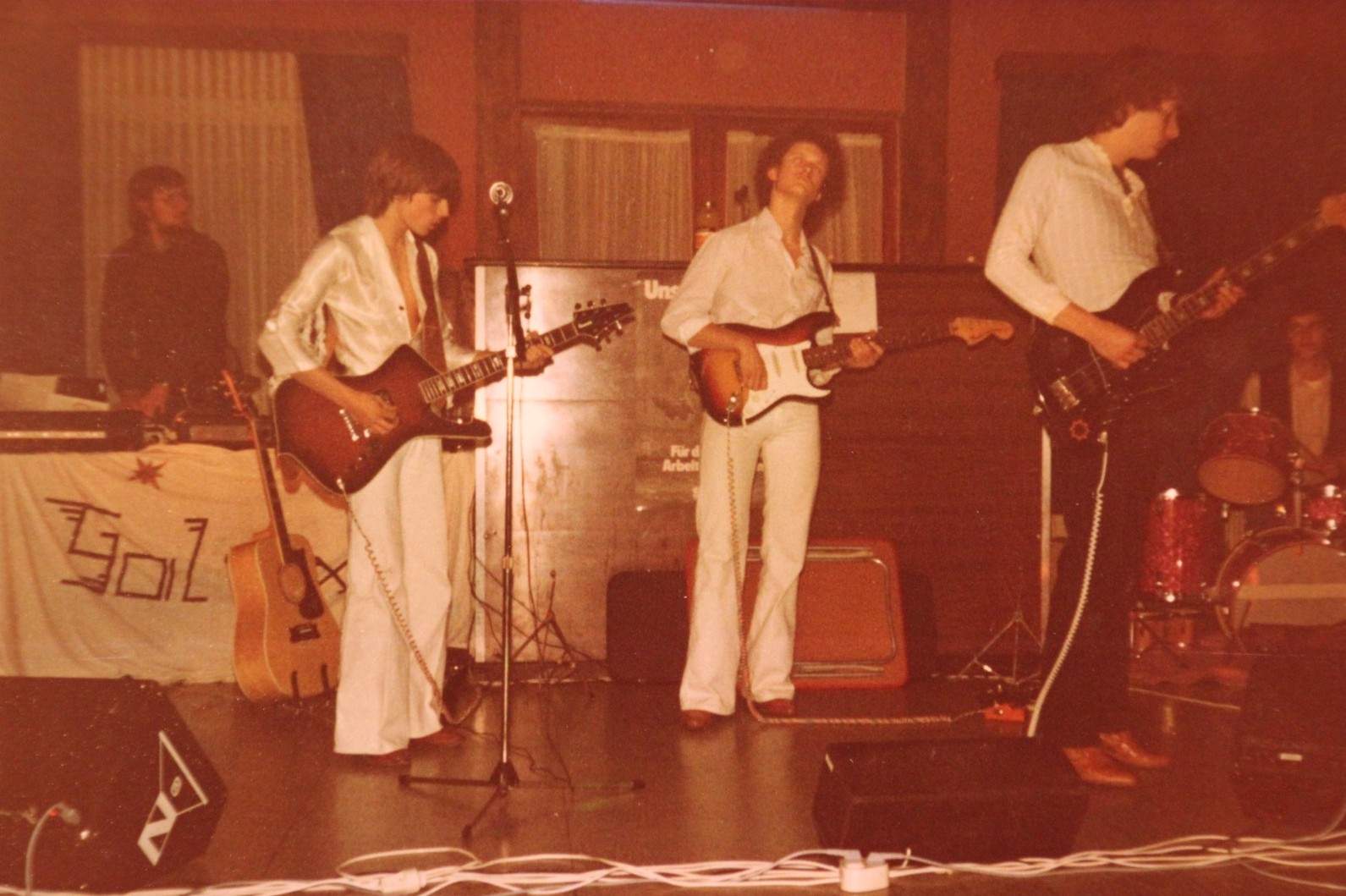
Darren Hill: I recently saw a film of us performing at one of our first gigs. It was way better than I remembered. The energy came through. We were learning to play, John was the only real musician. But we were dead serious.
John Thomas Griffith: All of the above. We were all just getting our beaks wet. You do what everyone else does starting out, just learning songs by the bands you admire and want to emulate. In a short period of time, everyone finds their space and limitations. I was fortunate in that I at least had some kind of musical background. I was studying music at Louisiana State University because my goal was scoring film music at that time.
The early set included The Clash, Sex Pistols, Stiff Little Fingers, Buzzcocks, Wire and The Damned. Which bands taught you the most about writing and arranging songs?
Darren Hill: All of them.
John Thomas Griffith: One group that doesn’t appear on your list, but had an immense effect on us, is The Ramones. Also, Generation X. But everyone on that list played a major role in our songwriting development and approach.
“The Dils were the first American political punk band. They really should have been dubbed ‘the American Clash’ instead of us, but when they split up we grabbed the torch.”
The name Red Rockers came from The Dils’ ‘Red Rockers Rule’. What was it about The Dils that spoke to you?
Darren Hill: We started writing political songs and needed a better name. The Dils were the first American political punk band. They really should have been dubbed “the American Clash” instead of us, but when they split up we grabbed the torch.
John Thomas Griffith: We began to think we needed a band name more suited to the direction we saw ourselves heading. Our bass player, Darren Hill, had just purchased the Dils’ new 45 and the B-side was ‘Red Rockers Rule’. It was a no-brainer; we loved that name. I think the one thing that struck us about The Dils, Dead Kennedys, and the SoCal scene in general was that everyone was really embracing the DIY (“Do It Yourself”) movement. If our underground punk movement was to have any legs, we had to get in the trenches and start digging.
Songs like ‘Peer Pressure’, ‘Dead Heroes’, ‘White Law’, ‘Guns of Revolution’ and ‘Teenage Underground’ mixed politics with what you were going through personally. Where were those songs coming from?
Darren Hill: Both. ‘Dead Heroes’, ‘White Law’ and ‘Guns of Revolution’ were straight-up political. ‘Peer Pressure’ and ‘Teenage Underground’ were about growing up and what we called personal politics.
John Thomas Griffith: Again, all of the above! We were typical suburban teenagers about to become grown men, we were trying to figure it all out: critical thinking, girls, gays, drugs, world politics, American politics, war, societal ills, trying to fit in, etc. We were all 19 years old and still living with our folks, going to the University of New Orleans, smoking weed in the parking lot with other punkers between classes. I know this is cliché to say, but we learned more about life in the clubs, on the road, and in those parking lot sessions than we ever could have learned in a classroom. I think our crew of college punks all asked ourselves, “Why are we here to get an Art degree to just go work at a gas station? Let’s make our own future, let’s BE our own future!!!” LMAO. There was a lot of “Fuck This Shit!” going around.
What do you remember about writing ‘Guns of Revolution’?
Darren Hill: I had just heard ‘Alternative Ulster’ by Stiff Little Fingers and was on a mission to write a song as good as that.
John Thomas Griffith: Even before our first rehearsal, I had come up with the chords and that stabbing guitar riff, but I was at a loss as to where to go with it. The day after I showed it to the band, Darren (the genius that he is…) came in with the lyrics perfectly formed, and that was the beginning of our trip down Revolution Road. It most certainly set the tone for everything else to come.
How did you feel about being called “the American Clash”?
Darren Hill: Lester Bangs dubbed us that in Creem Magazine, probably in jest, but we ran with it and wore it as a badge of honor. It got us attention but was also impossible to live up to.
John Thomas Griffith: Speaking for myself, I felt it was a great honor. I wore the moniker proudly. We were smart young men who were thoughtfully serious, and wanted to be taken seriously. I never thought being described as “the American Clash” was ever annoying. I think it gave us more focus, and that we felt useful, acknowledging we had something worthwhile to add to the conversation. That’s really all you can ask for.
You eventually opened for The Clash. What do you remember most clearly from those shows?
Darren Hill: It was a dream come true. We idolized those guys, so it was intimidating and inspiring at the same time. Jim Reilly from Stiff Little Fingers had just joined our band and he knew those guys well. That helped.
John Thomas Griffith: I’ll go with the latter. We were full of piss and vinegar at that point, so, yes, it felt natural to be there. We would share the backstage areas together, and hang out between sets. They’d leave three or four gigantic half-smoked spliffs on the counter, and Mick Jones would just say, “Have at it, boys.” And we’d gather up the spliffs and smoke ’em as we watched The Clash play classics like ‘Guns of Brixton’ or ‘White Man in Hammersmith Palais’. Their approach to reggae was second to none! Not only that, but I realized they had an unquenchable thirst for 1950s and ’60s western folklore: cowboys, cars, Elvis, Gene Vincent, Duane Eddy, Fats Domino. I think they thought we were cool, being from New Orleans and having been exposed to Professor Longhair, Ernie K. Doe, and Allen Toussaint.
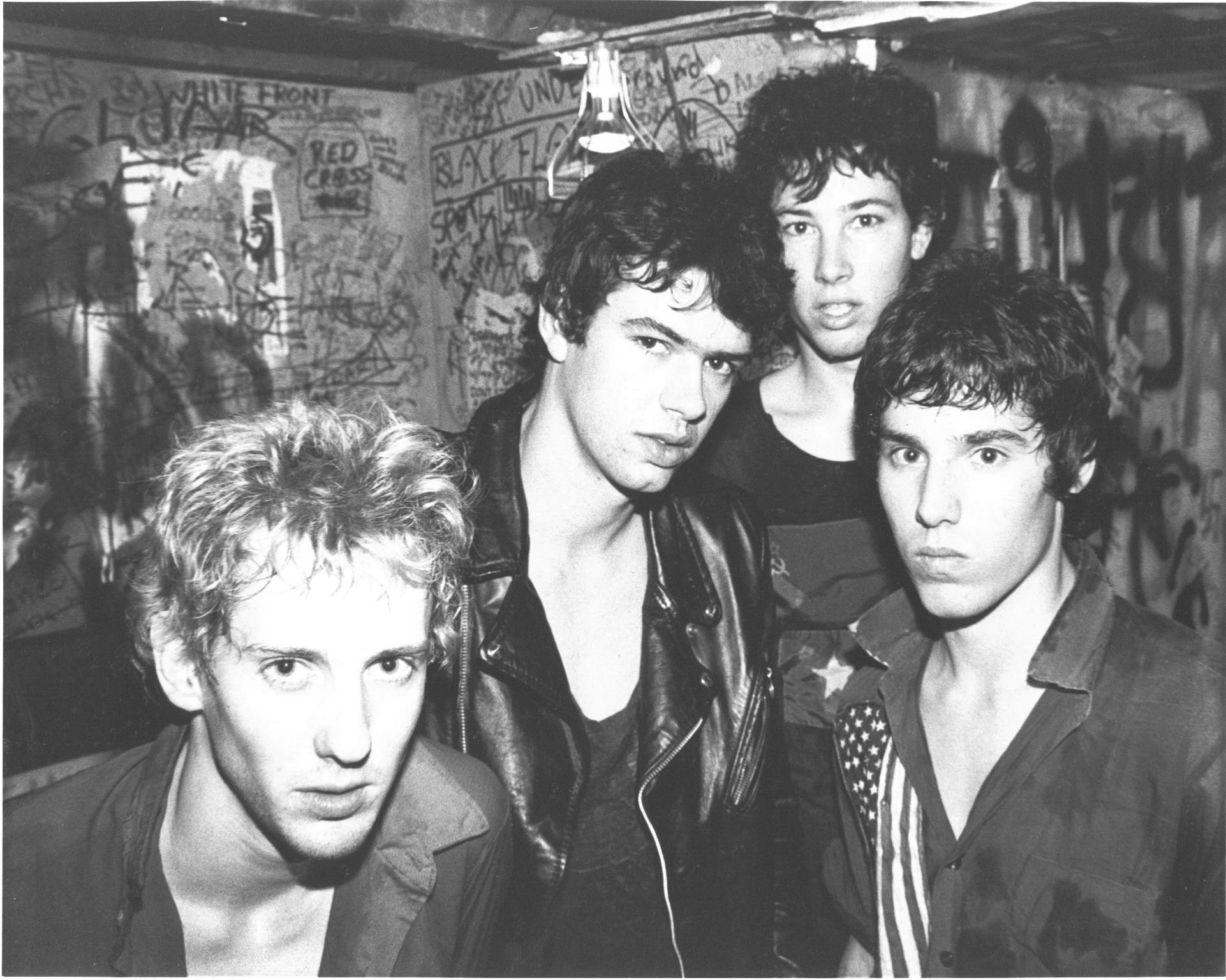
The move from ‘Condition Red’ to ‘Good as Gold’ was dramatic. From inside the band, did it feel like a natural change?
Darren Hill: It was a natural change for us. We didn’t want to repeat ‘Condition Red’ and we wanted to reach beyond our core punk audience. Plus, we were growing as musicians and songwriters. We wanted to evolve.
John Thomas Griffith: At the time and still today, it felt like business as usual. We recorded both LPs at The Automatt in San Francisco, with the same producer, David Kahne. The music world was changing. MTV began its run. We had just come off an arduous, year-long tour in a van, still surviving on breadcrumbs. Our drummer, Patrick Jones, left the band at the end of that tour, and we lucked into recruiting Jim Reilly from Stiff Little Fingers. So, one of the main ingredients changed. And that’s like substituting pepper for sugar in your sauce. Jim’s drumming style (“Eurobeat”) was night and day away from Patrick’s (“Bombastic”), and we made the decision to move onward, not really thinking about the result. We just wanted to keep making records.
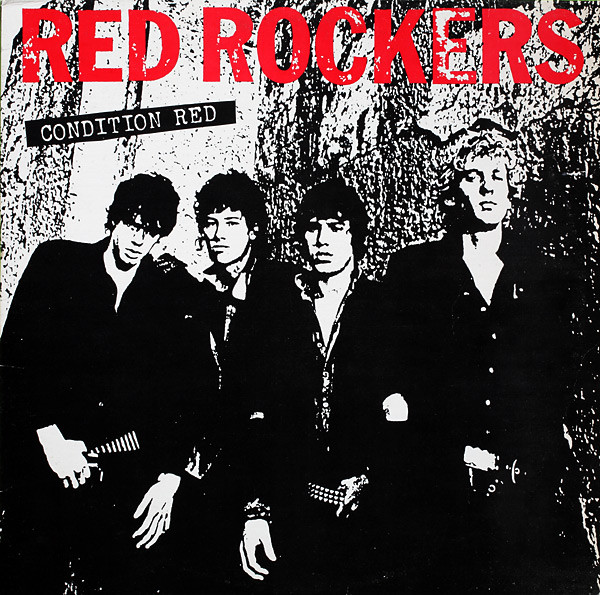
When you recorded ‘China’, did it feel like a hit, or did what happened next surprise you?
Darren Hill: That song was released at the beginning of MTV and they played the shit out of that video. That’s really what made it a hit. MTV was a great way to get our music across to more people. We felt like we had arrived. I don’t think any of us necessarily thought it had crossover “hit potential” when we were recording it.
John Thomas Griffith: We honestly had no idea of what it felt like to be making a hit. But I do remember the first time James and I heard it on the radio. We were crossing the Mississippi River Bridge in St. Louis, Missouri, and it came on and stopped us in our tracks! It was especially surprising because we had just wrapped the album sessions, and it was already on the radio! Holy shit, that was FAST!
Just last week, I was flying home from a Cowboy Mouth gig and having coffee in an airport food court at 5:30 AM, and ‘China’ came on. It was the first time that’s ever happened to me in an airport in 40 years! There’s a funny feeling you get when you hear it, and the lady sitting next to you has no idea it’s you, but you secretly wanna jump and shout, “That’s me, muthaf**ers!”
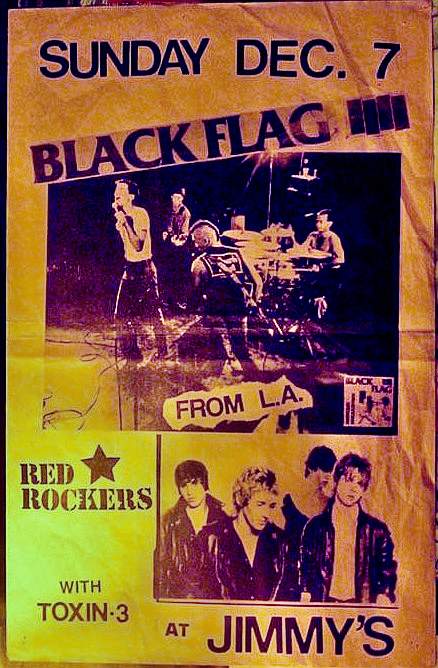
What was it like seeing ‘China’ on MTV and suddenly reaching a much bigger audience?
John Thomas Griffith: I won’t lie, it felt fantastic. It made my parents super proud, and that was like winning First Place. After all the hard work we put into making the LP and video, the non-stop touring, practically killing yourself for your music, all the sacrifices… it was finally all worth it. Our sweat equity finally paid off. Mission Fucking Accomplished.
‘Voice of America’ appeared on the B-side of ‘China’ and still had the political edge of the earlier band. Did it feel like a link between the two versions of Red Rockers?
Darren Hill: We recorded ‘Voice of America’ in between ‘Condition Red’ and ‘Good as Gold’. It was the missing link in the transition. We were able to sneak it in on the B-side of ‘China’ as a Trojan Horse. It’s probably my most political song. I got a kick out of imagining 14-year-old girls buying ‘China’ and then flipping it over.
John Thomas Griffith: Of course. ‘China’ didn’t change everything. We were still writing from the same headspace as before. ‘United We Stand’, ‘Voice of America’, lots of political tracks were written alongside ‘China’. Also, playing ‘China’ in concert never really sounded like the David Kahne production you hear on the record. And by the way, ‘China’ carries as much political spin as many of our other tracks. Just because its production sounds sweeter or more timid doesn’t mean ‘China’ is less of a mystical/dangerous place that you should keep your eye on. In my humble opinion, the song was written to recognize the dangers of a superpower we know nothing about. Beware. You can’t get much more political than that.
By ‘Schizophrenic Circus’, the sound and personnel had changed again. What was happening inside the band at that point?
Darren Hill: We were rudderless and the record company took over. All they wanted was another hit.
John Thomas Griffith: Again, personnel changes. James Singletary was replaced by guitarist Shawn Paddock. And, of course, due to that, your writing, styles and influences follow suit. Yes, we were under pressure to record a successful third LP for 415 Records/Columbia. That combined with producer changes, and our reluctance to rock the boat… you get the picture. I, for one, am really proud of ‘Schizophrenic Circus’. Bill Wittman was amazing at recording guitars, vocals, and drums. I learned a lot watching him work on that LP. It was recorded at the Record Plant in NYC, which brought a whole different attitude to the sessions. We were also making new friends like The Alarm and Big Country.
You toured with U2, The Kinks, The Cars, Men At Work and many others. Which tour taught you the most about what you wanted from music?
Darren Hill: U2 without a doubt. They became what The Clash had been for us. There is a bootleg of a show in Chicago and Bono brought us out to sing ’40’ with them. He introduced us by saying we reminded them of what it’s like to be in a band with your buddies.
John Thomas Griffith: I can’t say any of them taught me anything negative. All those groups were cordial and thoughtful. U2 had to be the clear and present winner in the teaching category. Being with them in 1986 on ‘The Unforgettable Fire’ tour was a masterclass. ‘In the Name of Love’ really put a hook in everyone, and there was no turning back at that point. They jumped from medium amphitheaters to arenas and stadiums. Our second show on that tour was The Mesa Amphitheatre in Arizona. 25,000 people. First time I’d ever played to, much less seen a crowd of that magnitude. Bono’s command of an audience was so captivating. He shared meaningful thoughts between the songs… it was unreal. I could go on and on.
When the original run of Red Rockers came to an end, did it feel unfinished?
Darren Hill: Yes, we had begun demoing songs for the next record. It was supposed to be a kind of a return to our roots, and we wouldn’t let the record company near us. But then the band split. Maybe one day we’ll return to those songs and finish them.
John Thomas Griffith: Red Rockers ended in the spring of 1987. The expectation was for us to record another album. Then a couple of band members relocated to Boston. I was beginning to write in a more roots/Americana style, and those songs eventually became my first solo LP, ‘Son of an Engineer’. It was less politically oriented than Red Rockers. In my opinion, I felt that we’d run our course, and I wanted to stretch out and revisit more of my “country” past. I left the band and moved back to New Orleans and embarked on a solo career. The remaining band members formed The Raindogs and signed to ATCO.
But I will say this, ever since we reconvened in 2023 to reinvigorate our past, our conversations and ideas have taken us in the direction of continuing where ‘Condition Red’ left off. It’s certainly not out of the question. We find, as most people will, that these songs are more appropriate NOW than they were in 1981.
John, by 1990 you were the singer-songwriter for Cowboy Mouth, a more roots-oriented band that still exists today. What’s currently going on with Cowboy Mouth, and how does it feel to still be closing each show with your 1996 hit, ‘Jenny Says’?
John Thomas Griffith: At my age now, 66, I’m fortunate to still be playing and making people happy. As you grow older, you become wiser and philosophize more. You count your lucky stars that you even survived your 20s and 30s, much less your 40s and 50s. I had open-heart surgery in 2014. My advice is take life a day at a time, and don’t take anything for granted. Still playing with Cowboy Mouth is a joy, and it’s a great way to make a living.
You’ve opened for Bob Dylan both as a solo artist and as a member of Cowboy Mouth. What was it like meeting him?
John Thomas Griffith: It was a bit weird. You’d think he’d be a good conversationalist, but that’s not the case. He was friendly the first time we met; he mumbled small talk. Of course, I had no idea what to say to him. I’m standing next to Bob Dylan and what am I supposed to say? “How’s your folks?” “Where you livin’ these days?” “Read any good books lately?” “What was it like to smoke weed with the Beatles?” I mean, come on, where do you start?
When Red Rockers came back together at Tipitina’s in 2023 to play ‘Condition Red’ in full, what did those songs feel like after all those years?
Darren Hill: We had remained close friends and saw each other frequently. But when we stepped into rehearsal for that show it was magical. It was like stepping into John’s family garage for the first time. We laughed for two days before we could actually get down to business and play.
John Thomas Griffith: I was excited and nervous. I wanted to get it right. It felt more relevant than ever. Funny thing was, when I was writing out the lyric sheets for rehearsal, I was taken aback at how much more relevant the songs were now, pertaining to the corrupt Trump administration. That alone really put a fire under our tails. We felt that it was important to reignite the conversation again. Plus, I must say that I was also astounded by the magnitude of our lyric writing for such young 21-year-old men.
With ‘It’s in Our Blood’ now the first commercially available Red Rockers live album, what would you like people to hear in it?
Darren Hill: All of the above and more. That first Tipitina’s reunion show in 2023 was special because all the people from our scene (that were still alive) made it to the show, and it was more about them than us. We did another reunion last year, and we’re planning to do it again this November.
John Thomas Griffith: One of our mottos used to be, “Think for yourself!” That’s really all we ask, don’t be a sheep. Simple as that. Narrow-mindedness is a disease. Don’t let other people form your decision-making. God gave you a brain… fuckin’ use it!
Is it true Red Rockers will be returning to Tipitina’s in November 2026?
John Thomas Griffith: That’s the word on the street.
Klemen Breznikar
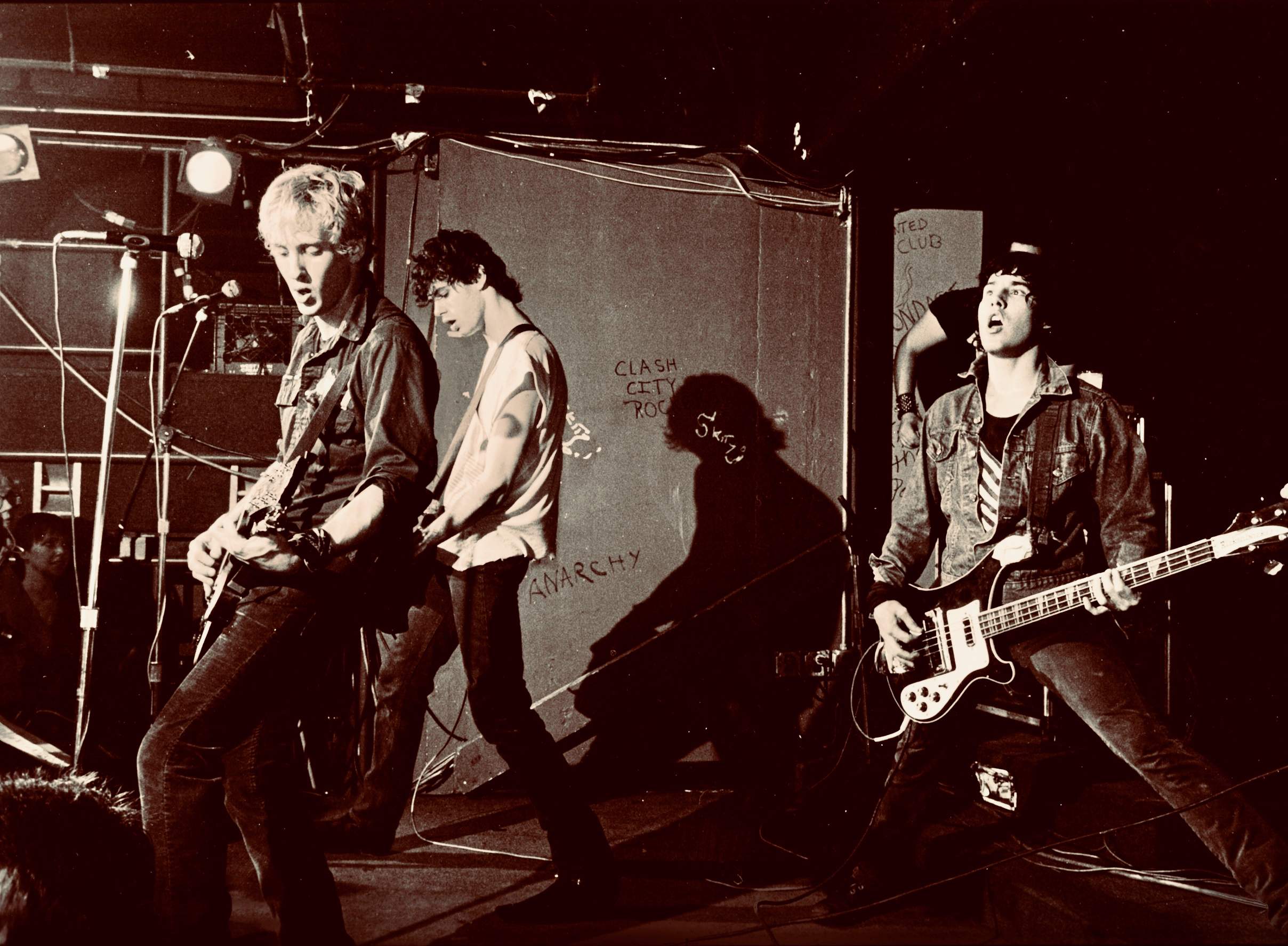
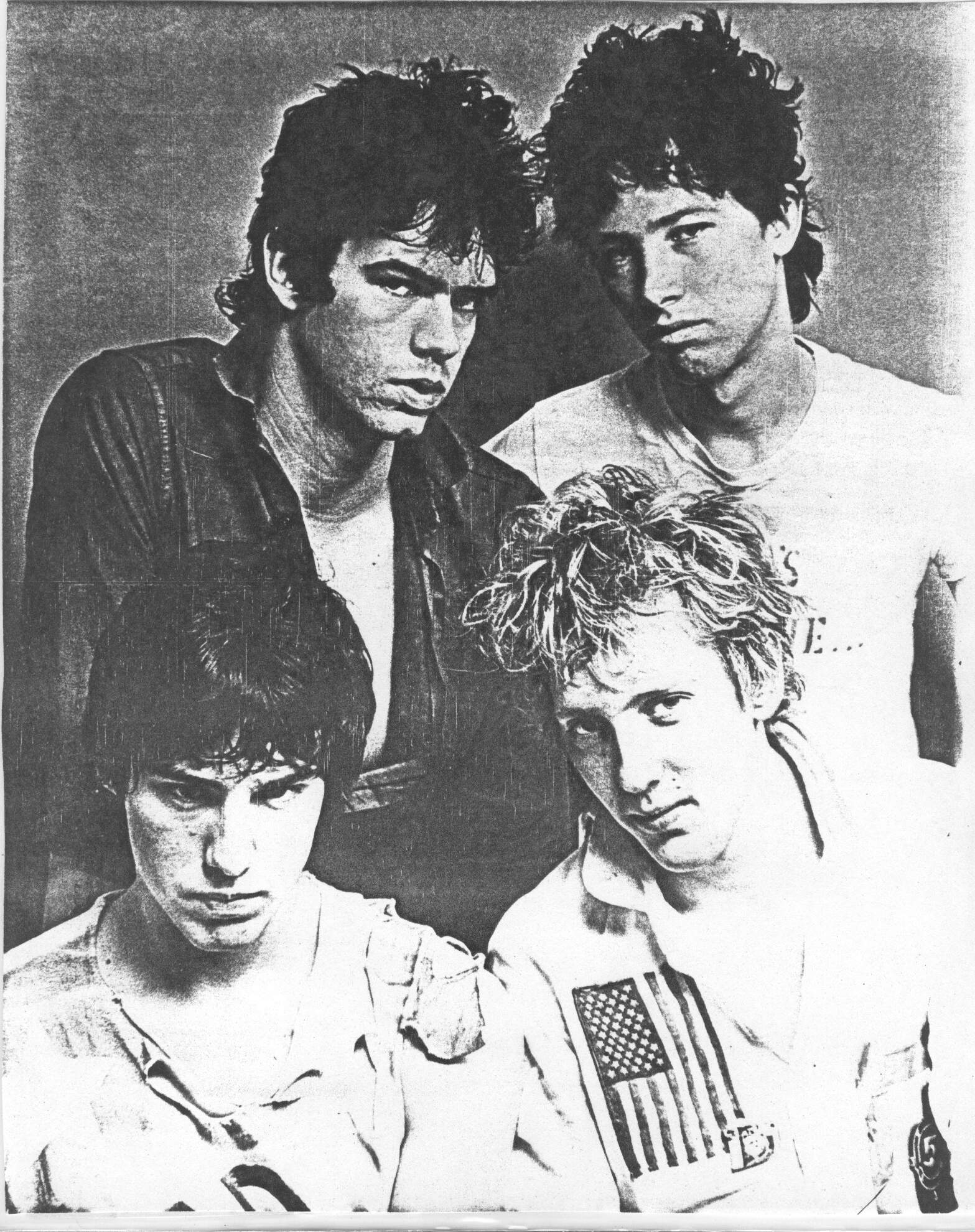
Headline photo: Red Rockers, 1981.
Red Rockers Facebook / Instagram
Liberation Hall Official Website / Facebook / Instagram / Bandcamp