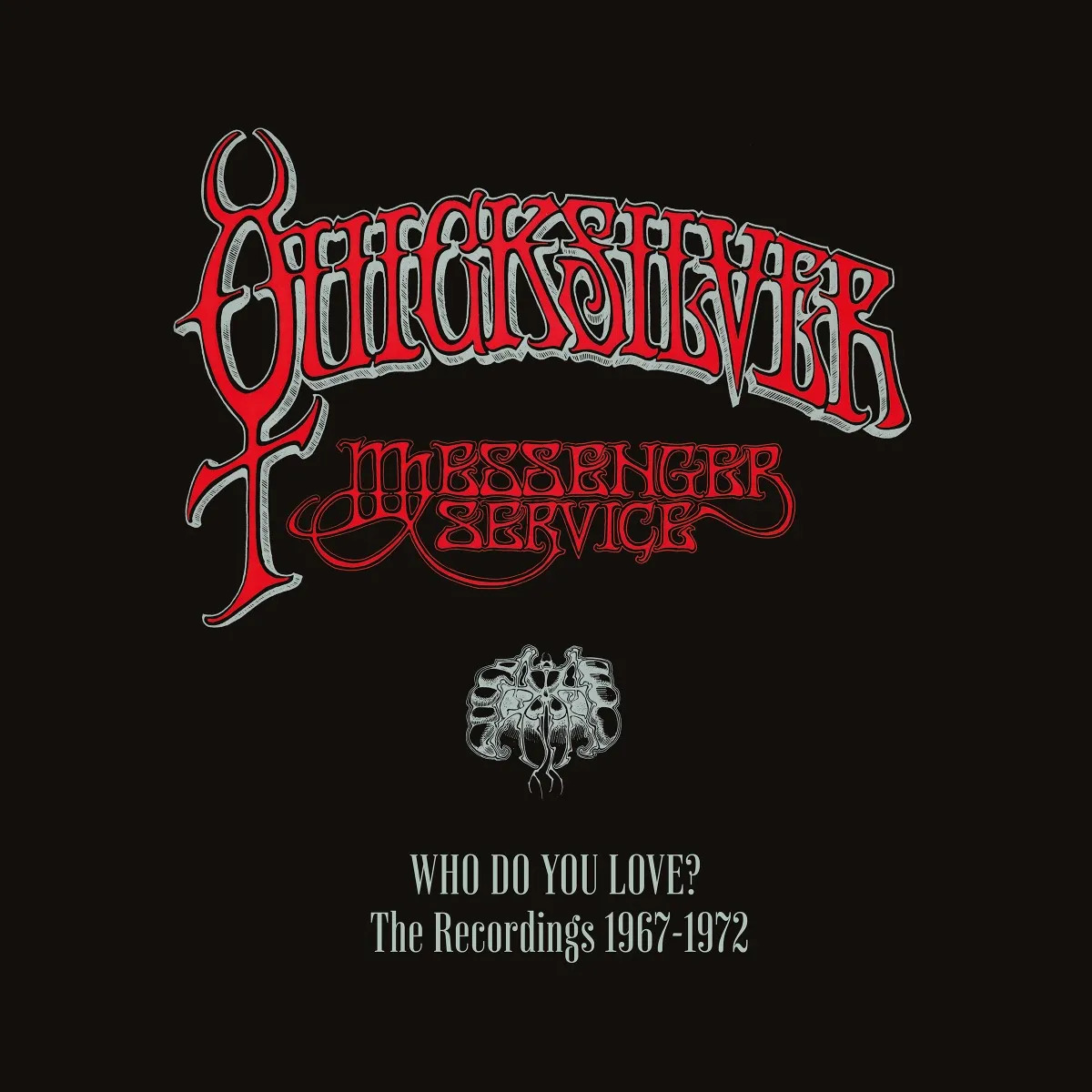

Quicksilver Messenger Service | Riding the Psychedelic Trail from 1967 to 1972 | ‘Who Do You Love: The Recordings 1967–1972’ Box Set Review
In a four year span between May 1968 and April 1972 San Francisco psychedelic rock band Quicksilver Messenger Service released seven albums on Capitol Records.
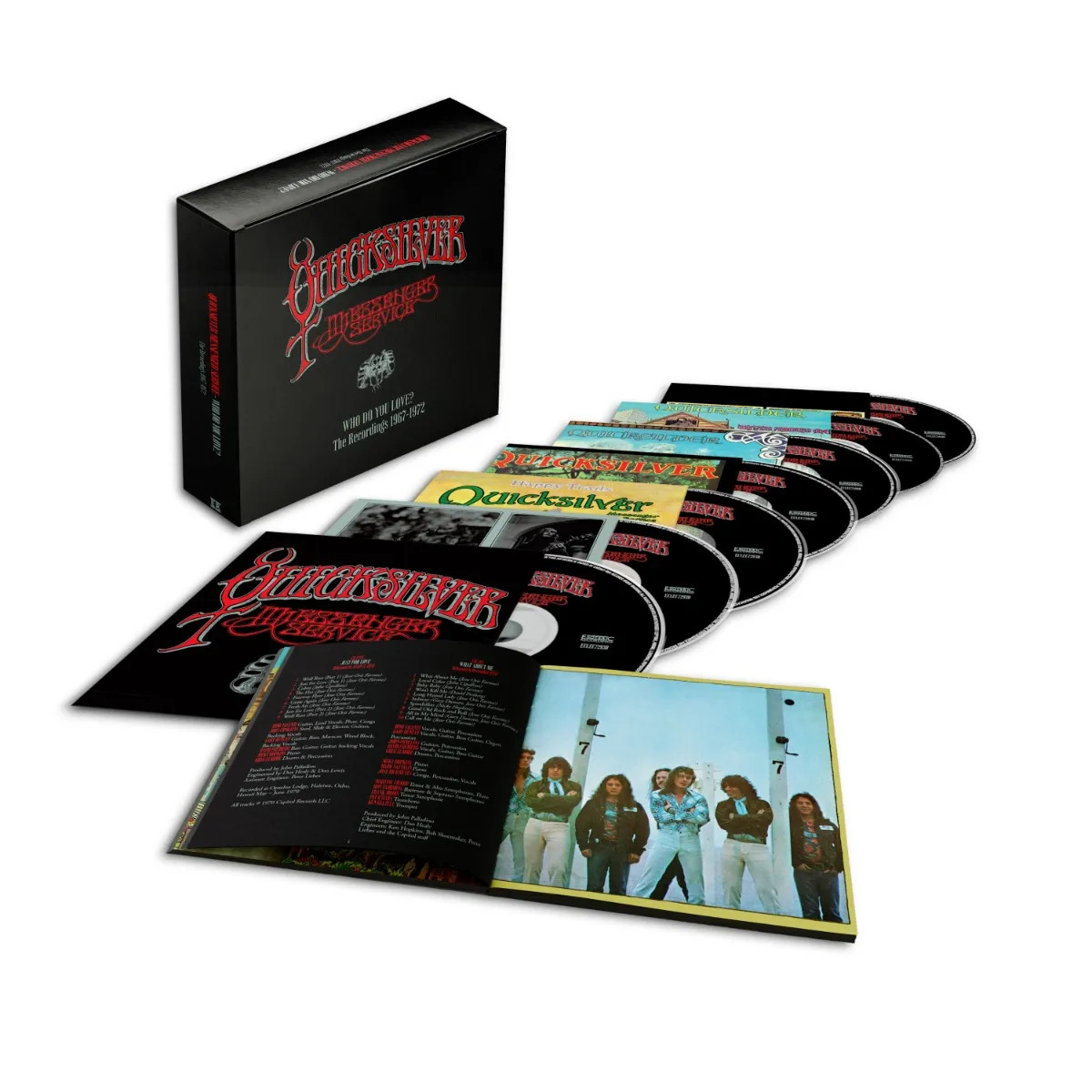
Cherry Red Records, UK has compiled all seven albums complemented by live tracks, single sides and demo recordings in a new seven disc box set issued on the Esoteric Recordings imprint.
Discs one through three contain demo tracks, two albums, live recordings and single sides comprising the output of QMS’s classic four piece lineup in 1967 and 1968. The box set begins with the group’s May 1968 eponymous debut album. The opening track is a scorching four minute cover of Hamilton Camp’s “Pride Of Man” showcasing the tremolo laden axe work of lead guitarist John Cipollina. Three of the LP’s six tracks were written or co-written by guitarist/vocalist Gary Duncan, the snappy two and a half minute “Light Up Your Windows” and the thirteen minute album closing magnum opus “The Fool” both co-written with bassist/vocalist David Freiberg, and the nearly seven minute “Gold and Silver.” The latter two tunes feature the signature guitar interplay between Duncan and Cipollina. “Dino’s Song” a staple of the band’s live shows was penned by future lead vocalist/rhythm guitarist Dino Valenti, while the long player’s sixth and final track was a three minute cover of Ron Polte’s “It’s Been Too Long.” A November 1968 single paired Valenti’s “Stand By Me” and a cover of folk singer Roger Perkins’ “Bears.” The single failed to chart although the a-side featured a nice tempo change moving from a popish beginning into a more typical psychedelic closing section with Cipollina’s guitar featured prominently. The first disc closes with five demos from 1967, including early takes on “Dino’s Song” and “Gold And Silver” under their working titles of “I Don’t Want To Spoil Your Party” and “Acapulco Gold and Silver.” Also included is a cover of Willie Dixon’s “Back Door Man,” another regular in the group’s live repertoire.
Disc two comprises nine tracks, seventy six and a half minutes run time, recorded live at the Fillmore East and West in May 1968. The disc begins with inspired covers of Willie Dixon’s “Back Door Man” and Buffy Sainte-Marie’s “Codine,” the latter also recorded by QMS for the soundtrack of the movie “Revolution” which also featured recordings by fellow Capitol stablemate the Steve Miller Band. Extended, ten and twelve minute recordings of “Gold and Silver” and Howlin’ Wolf’s “Smokestack Lightning” are followed by snappy three minute takes of “Light Your Windows” and “Dino’s Song” before the disc closes with extended, ten minute plus recordings of “The Fool” and two Bo Diddley tunes “Who Do You Love” and “Mona,’ the latter done in a medley with Duncan’s “Maiden Of The Cancer Moon.” Disc three begins with the ten tracks from QMS’s March 1969 mostly live release ‘Happy Trails’ with the band’s cover of “Who Do You Love” split into six parts and running twenty five minutes. The tune opens with “Who Do You Love (Part 1)” followed by four sections, one allotted to each member of the band for improvisation before closing with “Who Do You Love (Part 2)“ Cipollina and Duncan’s sections are especially interesting thanks to their creative guitar work. A cover of Diddley’s “Mona” segues into Duncan’s “Maiden Of The Cancer Moon” and the thirteen and a half minute tour de force “Calvary” before closing with a quick studio run through the Dale Evans penned title track. ‘Happy Trails’ sold well, reaching #27 on the Billboard charts. The disc closes with demos of “Who Do You Love,” Robert Johnson’s “Walkin’ Blues” and “Calvary.”
Disc four includes Quicksilver’s December 1969 LP ‘Shady Grove’ which found the group in its second quartet incarnation with Duncan having departed, replaced by English keyboard virtuoso Nicky Hopkins. As a result, Freiberg took over lead vocal duties and the group shifted from being solely guitar centered to a more varied sound with Hopkins’ keyboards becoming featured. In addition, with the loss of Duncan’s songwriting, five of the nine tracks on ‘Shady Grove’ were covers including the haunting title track and the moody ‘Flute Song.” Other highlights of the long player include the Cipollina contributions “Three or Four Feet from Home” and “Joseph’s Coat” and Hopkins’ album closing classic “Edward, the Mad Shirt Grinder.” ‘Shady Grove’ became QMS’ highest charting album, reaching #25.
Disc five features ‘Just For Love,’ the group’s fourth LP, issued in August 1970 and finding the band in six piece mode with Duncan having returned and lead vocalist/rhythm guitarist/flutist Dino Valenti entering the fold. Valenti immediately became an essential element writing eight of nine tracks on the long player under the pseudonym Jesse Oris Farrow because of problems with law enforcement. The albums’ title track, split into two parts, centers around Valenti’s brooding vocals, while the ten and a half minute “The Hat” showcases the instrumental prowess of Cipollina, Duncan and Hopkins, as well as containing some of Valenti’s most memorable lyrics. Cipollina’s “Cobra” includes some of the lead guitarist’s most memorable string bending and delicate interplay with Duncan, and Hopkins’ piano adding accents and flavor to the instrumental piece. ‘Just For Love’ also includes the group’s highest charting, #49, single, “Fresh Air,” a hauntingly gorgeous tune with Valenti contributing memorable vocals and lyrics and breathtaking dueling guitar work from Cipollina and Duncan. The long player did well on the charts, peaking at #27.
Disc six offers ‘What About Me,’ much of which was recorded at the same time as the previous album, and saw release in December 1970, with Valenti writing seven of ten tracks again credited under his alias. The nearly seven minute opening title track showcased Valenti vocals in the same vein as “Fresh Air” and the track was the group’s second and last charting single, reaching #100. “Local Color” is a snappy rocker written by Cipollina who contributes slide guitar complemented by piano from Hopkins. Duncan and Freiberg’s “Subway” finds Elmore riding his hi hats as Cipollina’s slide and Duncan’s flat picked guitar duel beautifully as Valenti’s vocals soar over the top. Hopkins’ piano is to the fore on his gorgeous instrumental contribution “Spindrifter.” ‘What About Me’ was the last Quicksilver LP to reach the Top 30, reaching #27.
Disc seven begins with the album ‘Quicksilver’ released in November 1971. Before the LP was recorded Cipollina, Hopkins and Freiberg departed, with remaining members Valenti and Duncan joined by Mark Naftalin (organ, piano) and Mark Ryan (bass). The long player features six tunes credited this time in Valenti’s name, and two by Duncan. Valenti’s “The Truth” is a seven minute journey showcasing Duncan’s wah wah fueled guitar, Naftalin’s organ and Valenti’s haunting vocals. The other standout tracks are the Duncan penned “I Found Love,” a bluesy rocker driven by Duncan’s guitar and Naftalin’s organ, joined by Elmore beating out the rhythm and “Fire Brothers,” a moody piano and acoustic guitar led tune, with Duncan handling vocals on both tracks. April 1972’s ‘Comin’ Thru’ featured a new member, organist Chuck Steaks, replacing Naftalin. Duncan’s “Doin’ Time In The USA” has hot lead guitar, a racing drum beat and vocal harmonies by Valenti and Duncand. “California State Correctional Facility Blues” credited to all band members save Ryan, is a shuffle with tasty interplay between Duncan’s guitar and Steaks’ organ, Duncan adding a fiery wah wah aided solo and Valenti his signature vocals. The Valenti penned “Don’t Lose It” finds Duncan’s guitar and Steaks’ organ at the helm, with each contributing a solo, Valenti and Duncan contributing harmony lead vocals and a horn section adding punch to the track which jams the album, disc and box set to a close.
‘Who Do You Love: The Recordings 1967-1972’ comes in a clamshell box with each of its seven discs coming in its own cardboard mini-LP replica sleeve. The box set includes a lavishly illustrated twenty eight page full color booklet with track annotations, band photos and an extensive essay by Mike Mettler. Quicksilver Messenger Service sounds better than ever thanks to the mastering job of Ben Wiseman. The box set will appeal to psychedelic rock fans, 1960s and 1970s rock fans and rock fans in general and comes highly recommended.
Kevin Rathert
Quicksilver Messenger Service – ‘Who Do You Love: The Recordings 1967-1972’ (2026)