

Les Rallizes Dénudés and Japan’s Psychedelic Underground: Makoto Kubota on Takashi Mizutani, ‘Disque 4’ and the Lost Years
For most of their existence, the Japanese band Les Rallizes Dénudés left remarkably little official evidence behind them.
Their music circulated through copied tapes, bootlegs and incomplete live recordings, while Takashi Mizutani rarely gave interviews or explained the group’s work. As international interest grew, fact and speculation became increasingly difficult to separate.
Makoto Kubota knew Mizutani before the band acquired this reputation. He first saw Les Rallizes Dénudés at Doshisha University in Kyoto in 1969. Later that year, after the original lineup had largely broken apart, Mizutani asked him to help develop a quieter group of songs.
They began playing guitar together at Mizutani’s apartment. In February 1970, they recorded overnight in a small studio at Doshisha University. These performances were eventually released in 1991 on ‘MIZUTANI / Les Rallizes Dénudés’. The album also included ‘The Last One’, recorded during Kubota’s first live appearance with the group.
Kubota soon followed his own path, recording as a solo artist and with the Sunset Gang before working extensively as a producer, mixer and musician. His later collaborations included Shokichi Kina, Ry Cooder, Haruomi Hosono, Sandii & the Sunsetz, Levon Helm and Garth Hudson.
In the summer of 2019, Mizutani contacted Kubota after many years of limited communication. Over the following two months, they discussed the large number of unauthorised Rallizes releases and the possibility of establishing an official archive. They also considered a final world tour and a concert at the Nippon Budokan. Mizutani proposed Haruomi Hosono as the bassist, and Hosono agreed.
Mizutani stopped answering messages later that year. He died in Kyoto in December 2019.
Kubota subsequently became one of the main figures responsible for preparing the Les Rallizes Dénudés archive. The work involves identifying recordings, comparing different sources and deciding how much restoration can be undertaken without changing the character of the original performances.
The latest archival release is ‘Disque 4 – ’76 Studio et Live -’, issued internationally by Temporal Drift in May 2026. It reconstructs a fourth album Mizutani had begun assembling in 1991, alongside the three official CDs issued during the band’s lifetime. The surviving recordings were found on U-Matic, open-reel tape and DAT, accompanied by Mizutani’s notes and proposed sequencing.
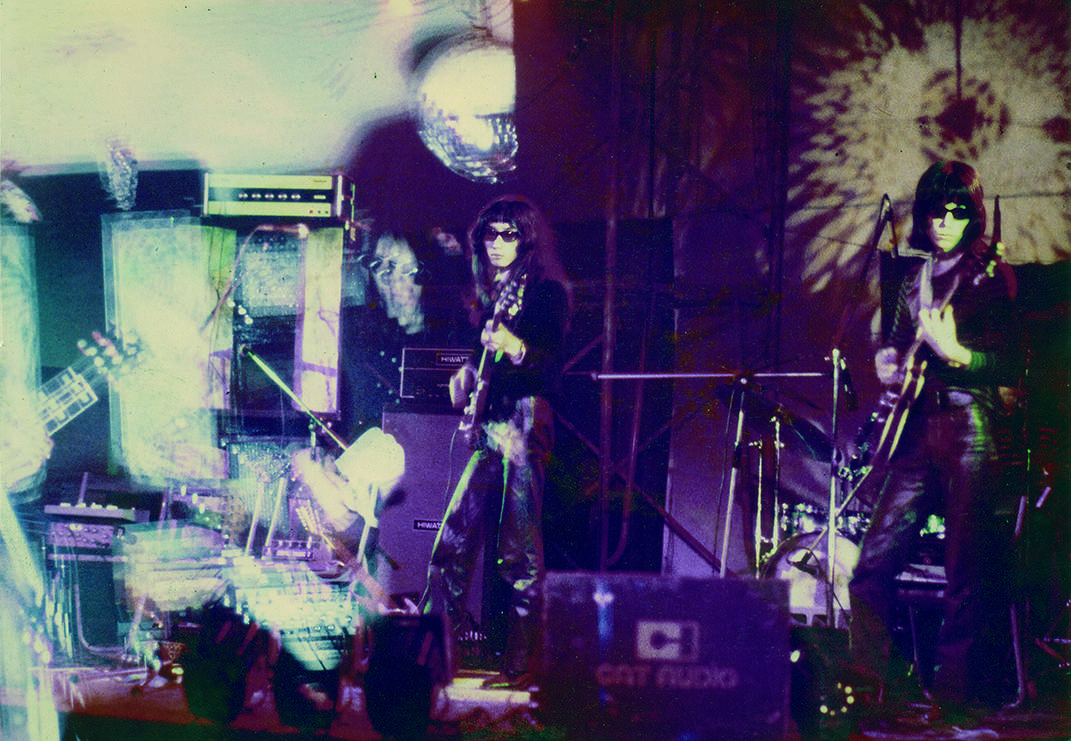
Much of the material dates from 1976 and features the lineup later heard on ’77 LIVE’: Mizutani, Takeshi Nakamura, Hiroshi Narazaki and Toshirou Mimaki. Some performances were recorded at the studio in Takadanobaba BIG BOX.
The archive presents technical difficulties. Most Rallizes concerts were not recorded on multitrack tape. Surviving sources may include stereo cassettes, open-reel recordings, soundboard tapes and audience recordings running at different speeds. Kubota sometimes combines several sources to produce the most complete version possible.
In this interview, he discusses his early work with Mizutani, the 1970 Doshisha recordings, the development of Les Rallizes Dénudés and the process of preparing the group’s archive. He also reflects on a career that has taken him through Japanese rock, Okinawan music, international production work and field recording.
“In a way, it was also an initiation into a psychedelic experience. I will leave that to your imagination.”
You have described the physical shock of hearing Les Rallizes Dénudés for the first time. Beyond the sheer volume, what made you want to work with Takashi Mizutani? What was he like away from the stage, when the two of you were listening to records or simply talking?
Makoto Kubota: I believe this was around November 1969. By December, quite unbelievably, Mizutani had been left on his own, almost as though the band had dissolved.
I happened to run into him on the Doshisha University campus, and he quietly began talking to me. He was a little exhausted and wanted to make some quieter songs, and he asked if I could help him.
After that, the two of us began having sessions at his apartment, playing guitar together. During that time, he introduced me to a great deal of late-1960s American rock music. It had an enormous influence on me, and I became deeply interested in it.
Eventually, I found myself wanting not only to listen to that music, but to go to the places where it was happening, meet those people and experience it with both my body and soul.
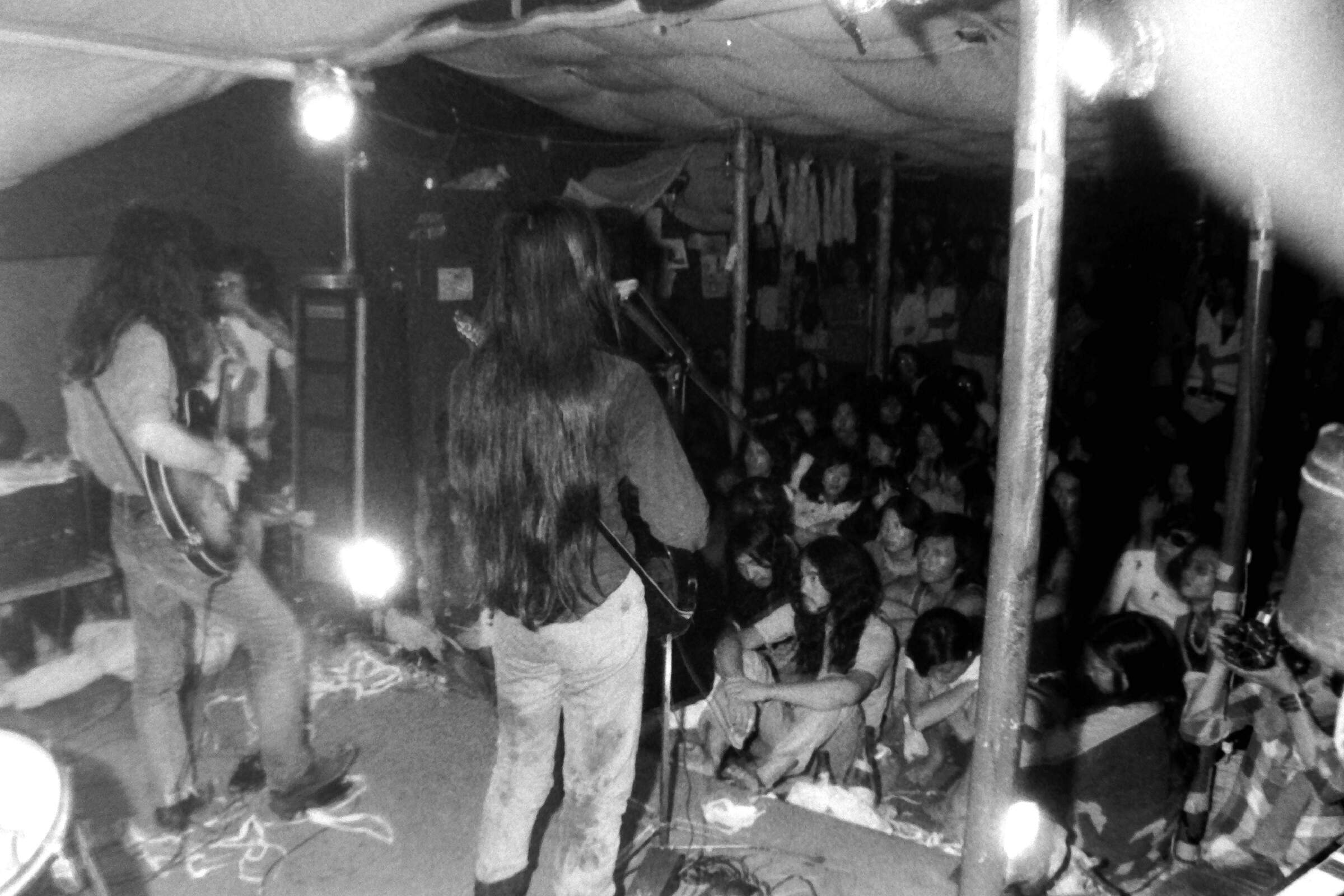
In a way, it was also an initiation into a psychedelic experience. I will leave that to your imagination.
In February 1970, you and Mizutani spent the night recording the quieter songs that later appeared on ‘MIZUTANI / Les Rallizes Dénudés’. What do you remember about that session? Soon afterwards, he stepped on the fuzz pedal during ‘The Last One’, and you turned your own amplifier up to match him. Did the quiet songs and that extreme live sound feel like two sides of the same band?
In February 1970, Mizutani-kun managed to book a small student studio at Doshisha University. The recording session began at around eight in the evening and continued until five or six the following morning.
The material recorded that night was eventually released in 1991 on the album ‘MIZUTANI / Les Rallizes Dénudés’. It was later remastered and reissued again on vinyl and CD.
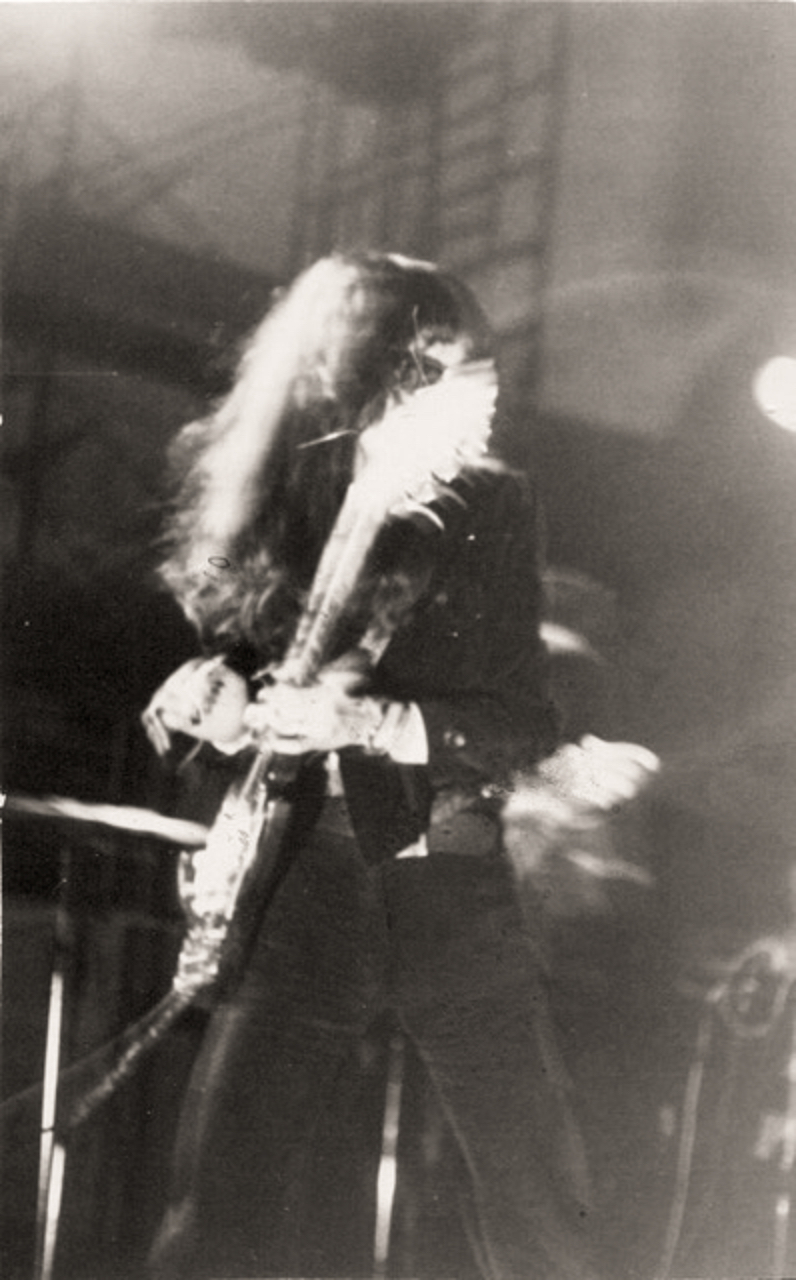
The album also included a recording from the concert that followed at the Doshisha student hall. That was the first time I experimented with plugging the pickup from my acoustic guitar into an amplifier and playing it at full volume.
It was quite an experience.
It seemed that Mizutani understood from the beginning what could happen when we played that way. I certainly could not have imagined that a recording of such an unexpected moment would be released to the world fifty years later on records, CDs and streaming services.
Some of the original members were involved in radical politics, and Moriaki Wakabayashi’s participation in the March 1970 hijacking inevitably became part of the story surrounding the band. What changed after it happened? Did people begin to see Les Rallizes Dénudés as more politically organised than it actually was?
Some of the early members were involved in political movements, but I was focused entirely on the music, so I do not really think I am the right person to answer for their political activities.
My involvement may have been “political” in a different sense, but I was there for the music.
Of course, the hijacking happened only a short time after Mizutani and I had spent the whole night recording together. I had only recently joined the group. My position and experience were quite different from those of the original members who had been involved in those political movements.
After the hijacking, you took time away from university and travelled through the United States. Where did you go, what did you hear, and what did that journey change for you?
After the hijacking, I took a year away from school. I remained involved with Les Rallizes Dénudés until September, and once I had saved enough money and obtained my passport, I left for the United States.
I travelled there from September until the following March and saw many of the rock bands I had wanted to experience. Those encounters had a profound influence on everything I did later.
I saw the Grateful Dead. I also saw the Incredible String Band, who turned out to be unexpectedly fascinating. Almost every week, I was able to have some interesting live experience, and I bought a great many records as well.
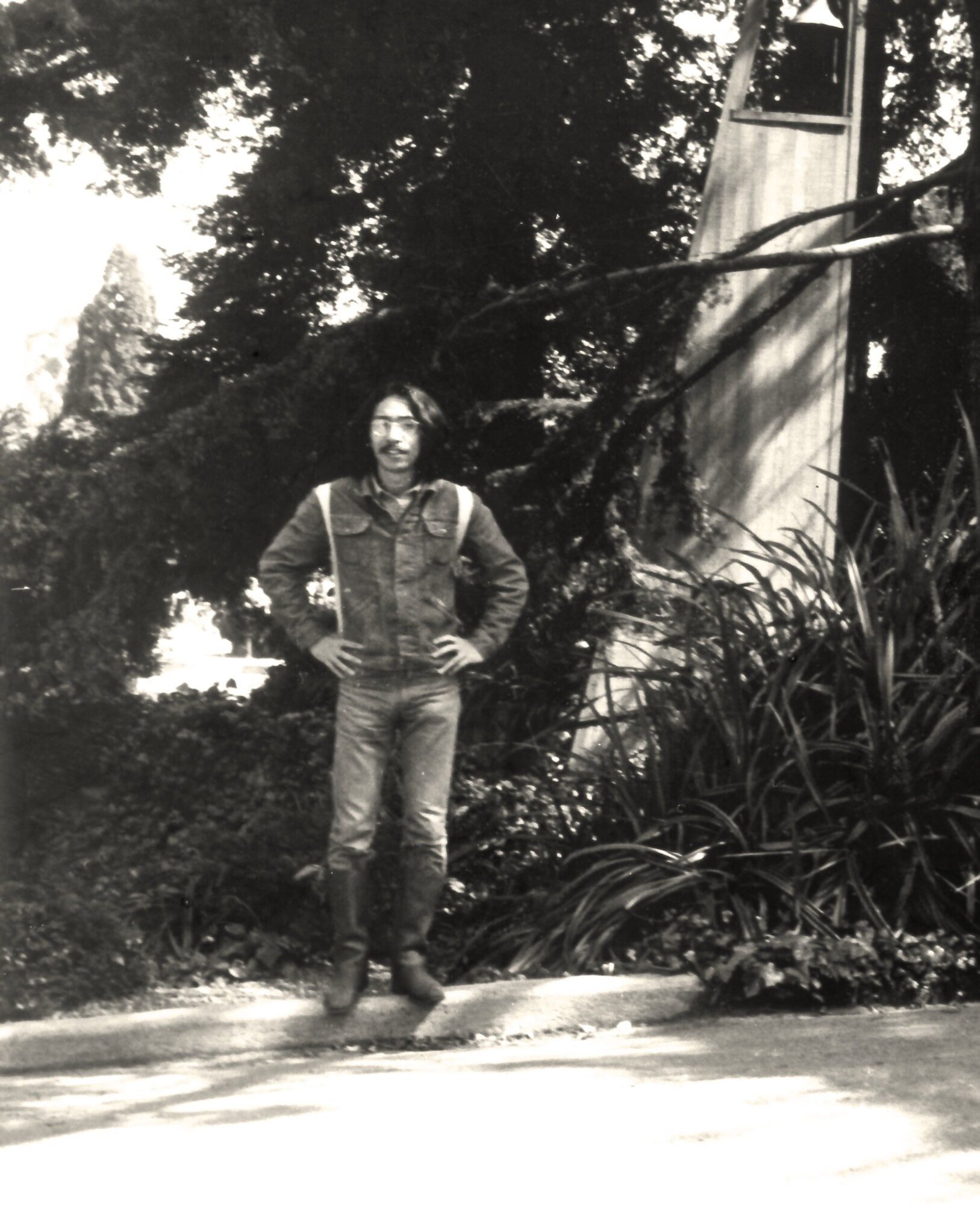
I spent most of my time around the San Francisco Bay Area and New York City, although I also travelled to other cities by Greyhound bus. It became quite a long journey. At one point, I stayed in a California commune connected with Peter Coyote.
When I returned to Kyoto, I went back to university and to Les Rallizes Dénudés at the same time. Mizutani had already moved to Tokyo. I still had a year or two of university left, so I remained in Kyoto, but I often hitchhiked between Kyoto and Tokyo.
I could not join every performance, but whenever it was possible, I played bass or guitar with the band.
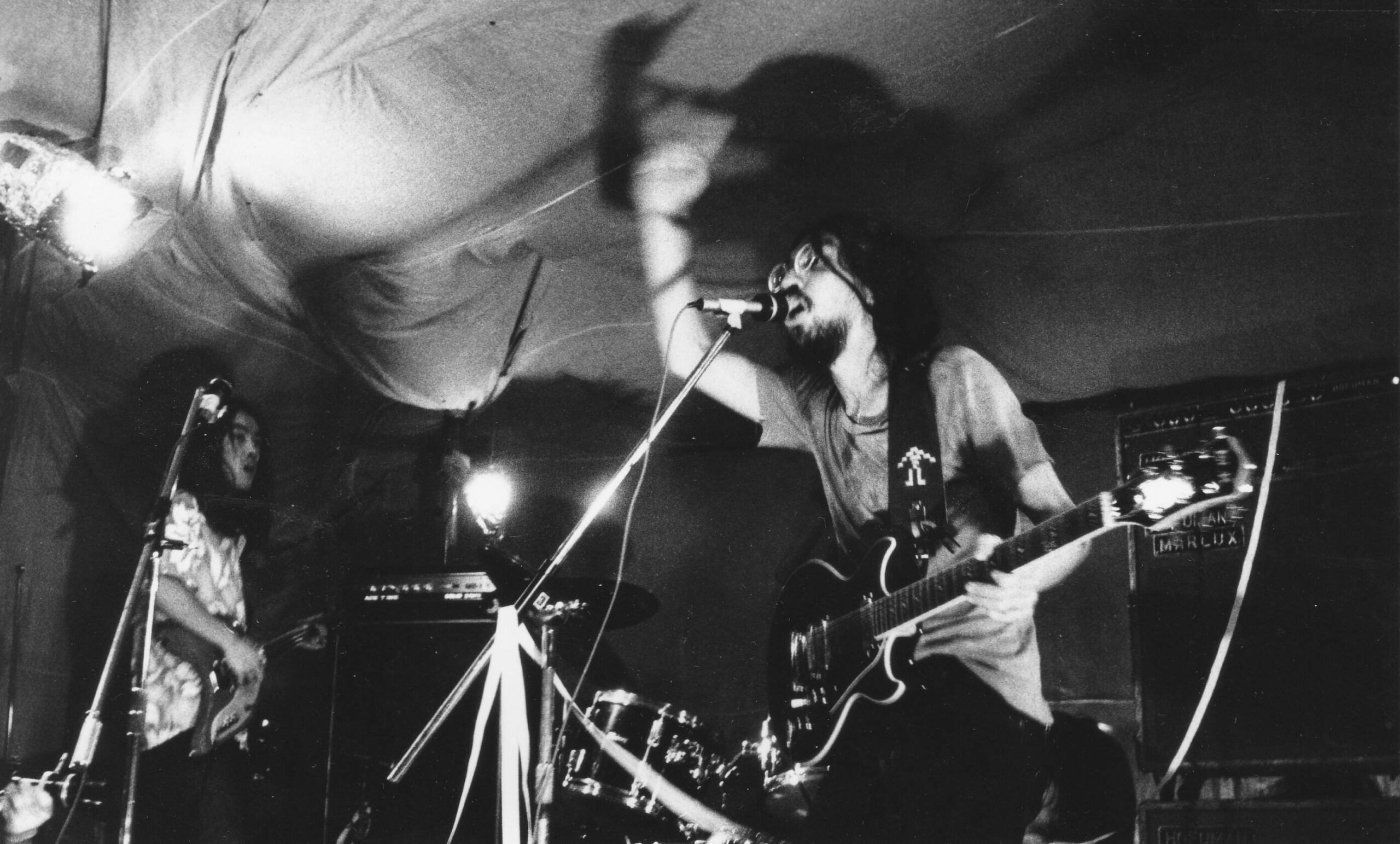
Your bass playing appears on the recordings made at OZ in Kichijoji in 1973. What do you remember about the venue, the performances and the way those tapes were made?
The OZ recordings are among my fondest memories of playing bass with Les Rallizes Dénudés. I was having a wonderful time.
Nobody had much money then. Somehow, the manager, Minoru Tezuka, and the OZ staff gathered together some equipment. I think they may have used an inexpensive Sony microphone or mixer. During the soundcheck, with no audience in the room, they simply kept the tape running for nearly two hours while we played.
Some of that music appeared on the original two-record set ‘OZ DAYS LIVE’ in 1973, but Les Rallizes Dénudés occupied only about one side, perhaps twenty-five minutes.
Tezuka kept the complete tapes. When I was later able to listen to and master them, I discovered many very interesting performances that had never been issued. Eventually, we were able to release a complete collection of the Rallizes material as ‘The OZ Tapes’.
Mizutani contacted you again in 2019 after many years. What did the two of you discuss during those final months?
In the summer of 2019, Mizutani suddenly telephoned me. It had been a very long time.
He sounded well, and for about two months we corresponded intensely through telephone calls and text messages.
By then, I knew that there was enormous interest in Les Rallizes Dénudés around the world. We discussed whether we might reunite and how we could respond to the many bootlegs in circulation by releasing an official record that would satisfy Mizutani.
We also began discussing a possible concert at the Budokan in Tokyo. Mizutani asked whether we could recruit Haruomi Hosono to play bass.
That was a wonderful and very unexpected idea. I telephoned Hosono the following day and asked if he would join a Rallizes performance. To my surprise, he immediately said yes.
I think this is an extraordinary episode. It is certainly not something an ordinary listener could have predicted.
Then, around the beginning of October, Mizutani suddenly stopped contacting me. I was worried, but I assumed that he had his own reasons, so I left the situation alone.
The following year, a member of his family contacted me. She had apparently seen the messages on Mizutani’s phone and understood what we had been discussing. I then learned that he had died in December 2019.
What surprised me was that she was someone we had known during our university years.
Your first solo album, ‘Machibouke’, appeared in 1973. How were those songs written, and how did the recording come together?
I began writing songs around 1972, and for some reason the material became centred on a very folky sound.
I imagine that the music I had heard and absorbed during the 1960s naturally came out through those songs.
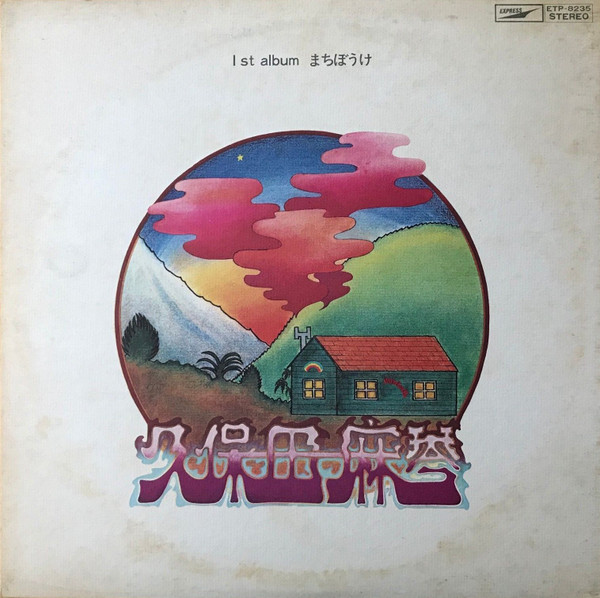
The following year, I began playing in what was initially a session group with Shunichiro Shoda, who had also played drums with Les Rallizes Dénudés. That group became the Sunset Gang.
We obtained a contract with another record label and recorded the album ‘Makoto Kubota II / Sunset Gang’, which included our well-known version of ‘Godzilla’.
The Sunset Gang began drawing on blues, country, New Orleans music, reggae, Hawaiian music and Okinawan song. How did you arrive at that mixture without merely imitating the records you loved?
That is quite difficult to explain.
I am a very greedy listener. I take all kinds of music into my heart and simply listen. Naturally, everything becomes mixed together inside me and eventually comes out in a blended form.
I never had the attitude that I should study or imitate one particular musical style.
One possible explanation is that my brain had already been formatted by all the films I watched as a child.
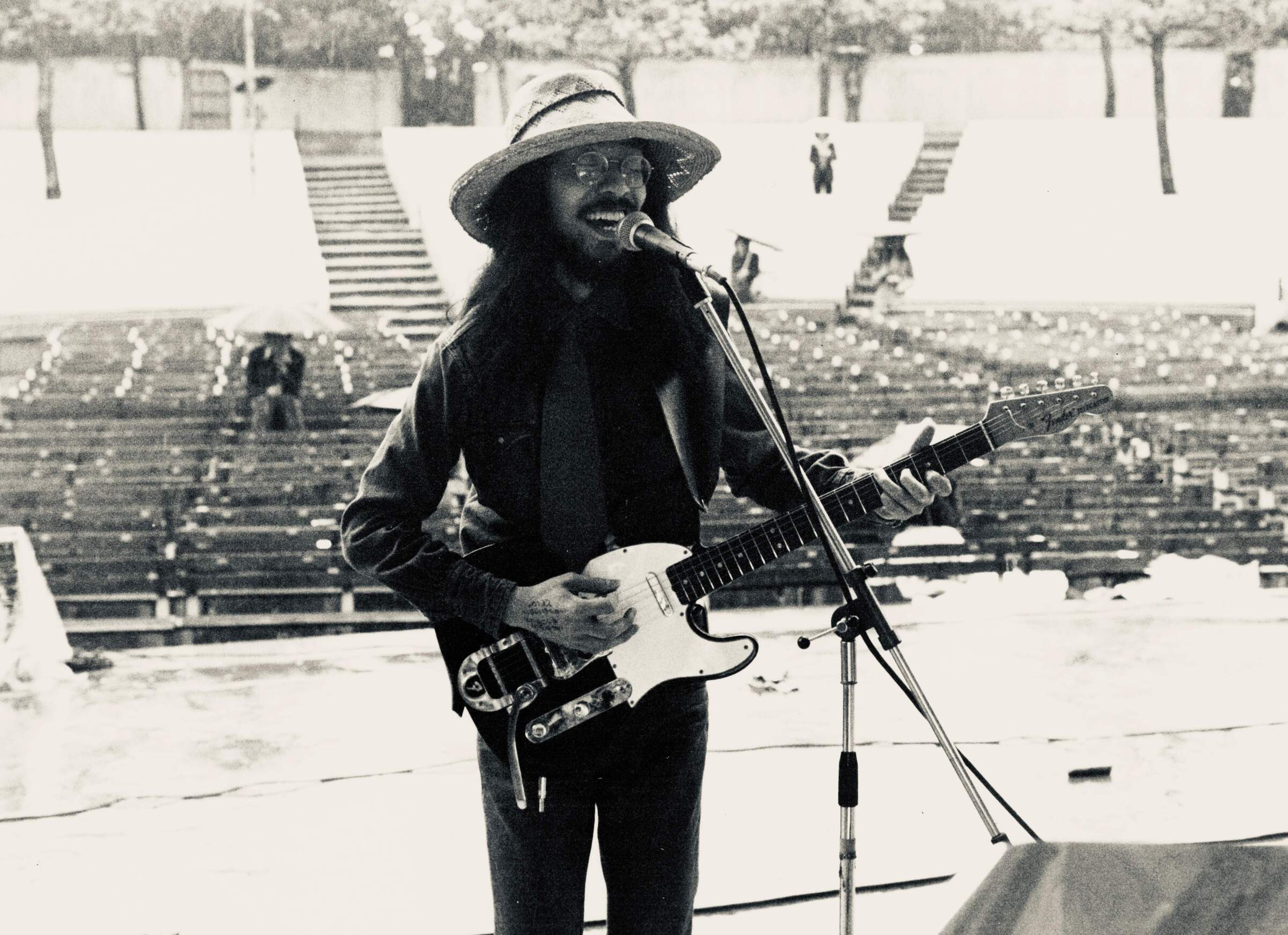
You and Haruomi Hosono have crossed paths many times, from the Sunset Gang period to ‘Harry & Mac’. What did you first recognise in him as a musician?
In 1974, while travelling in Okinawa, I heard ‘Haisai Ojisan’ playing on a tour bus. It was an enormous shock.
When I returned to Tokyo, I played it for many musicians. Hosono was the one person who reacted to it with the same intensity that I had.
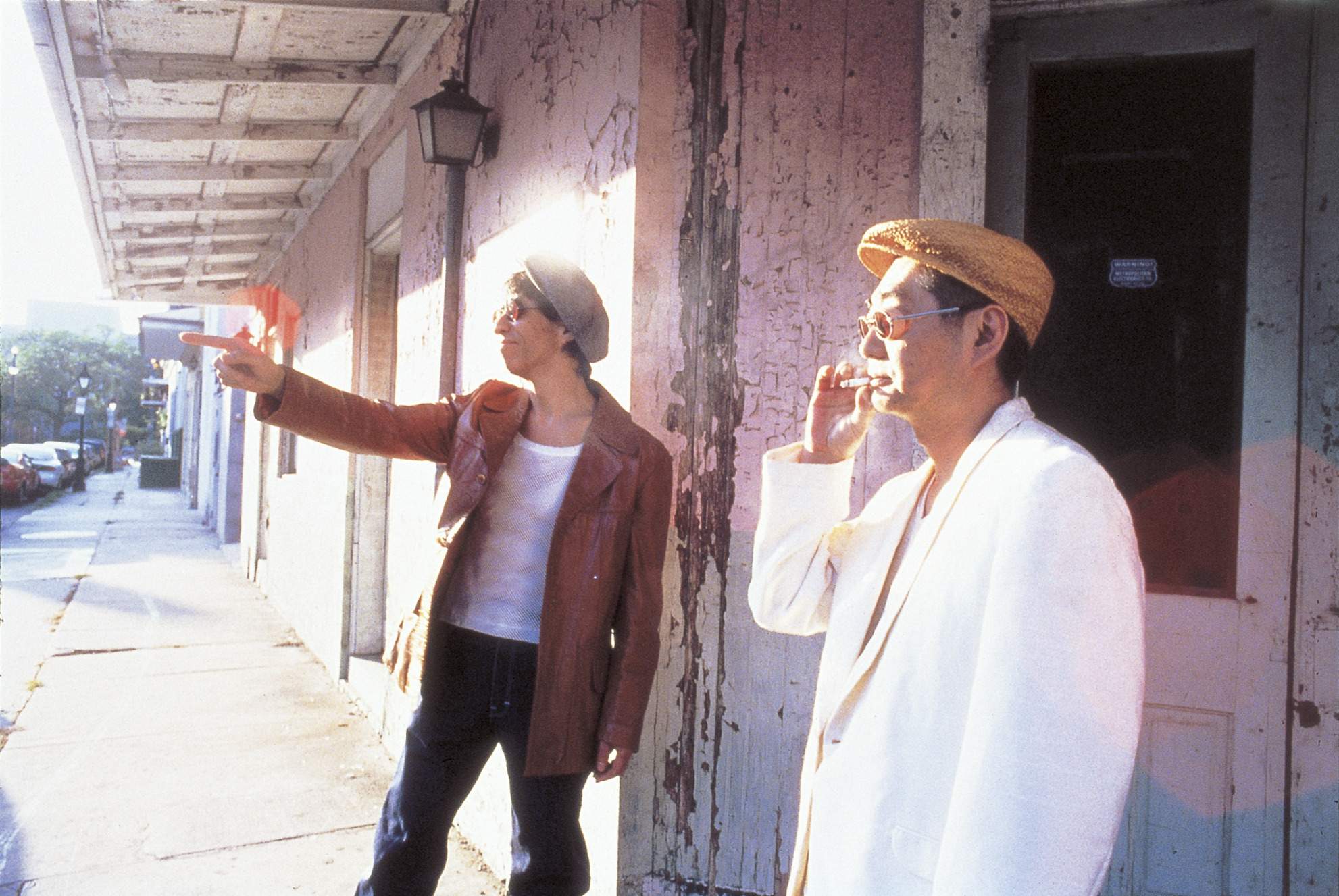
Much later, in 1999, we made ‘Harry & Mac’ together in the United States, recording in New Orleans and Los Angeles. At our first meeting to decide how the album should be made, the first thing we both said was, ‘Jim Keltner on drums.’
I think that tells you something about the direction we both wanted to follow.
The fact that Keltner came from Oklahoma may have been part of it. He plays in an extremely tasteful and unusual way, very different from the straightforward rock ’n’ roll drumming people might expect.
I think Ry Cooder has so often worked with Jim Keltner for the same reason.
What made you want to introduce Shokichi Kina’s music to a wider audience on mainland Japan? When you produced ‘Blood Line’, why did you invite Ry Cooder to take part?
When I heard ‘Haisai Ojisan’ in Okinawa in 1974, it affected me very deeply.
In 1980, when I produced Shokichi Kina and Champloose, I thought that bringing Ry Cooder into the sessions might create some interesting chemistry.
The group had only made its debut in mainland Japan a year or two earlier, and the experience had left them somewhat confused. I felt that introducing another source of energy could be very good for the album.
It worked extremely well. Ry was a great musician who already knew a good deal about Japan and had a real interest in Okinawa. He understood what the music needed and did the job beautifully.
When Sandii became part of the Sunset Gang, the group gradually entered a different period as Sandii & the Sunsetz. What changed within the band, and how did the international touring affect you?
At the beginning of the 1980s, we also received advice from Haruomi Hosono, and the group became Sandii & the Sunsetz.
For me, it was an opportunity to move a little further towards the production side rather than always remaining at the front of the stage. It was also an excellent move in terms of developing our activities overseas.
We were first chosen to open for Japan on their final tour of the United Kingdom. Soon afterwards, we received an invitation from INXS, who were beginning to break internationally, and we toured Australia for quite a long time.
We also appeared at large festivals alongside groups including Talking Heads, Eurythmics and The Pretenders. It was a very enjoyable period.
Later, we were invited to festivals in Jamaica. We appeared at two major events there, one of which, if I remember correctly, was Reggae Sunsplash, around 1987 or 1988.
Around 1990, I finally moved away from the band and began concentrating more fully on what I most wanted to do: producing, recording and mixing.
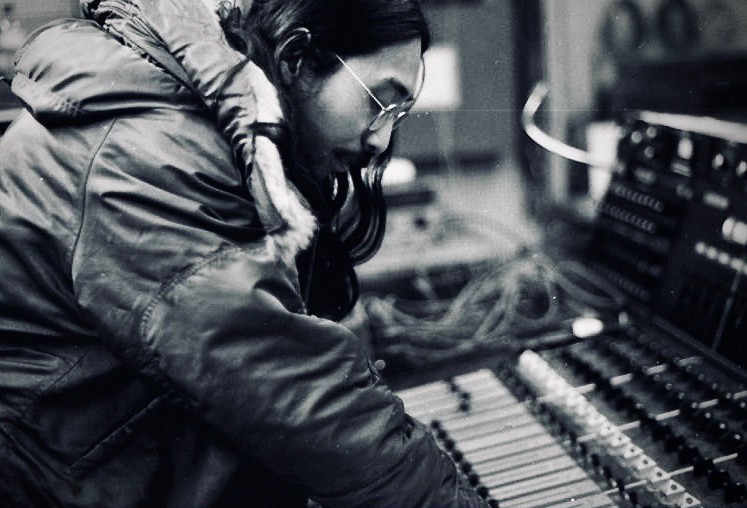
I taught myself through years of studio experience. Even during my university days, I loved working with tape recorders, recording things and experimenting on my own. Moving into production felt like a very natural continuation of that.
Even now, recording and mixing in a studio are among the things I love most.
‘Harry & Mac’ in 1999 and ‘On the Border’ in 2000 brought you back more visibly as a singer and guitarist. Why did you return at that point?
It was not something I had planned. It happened naturally, almost as though the rhythm of my heart brought me back at that moment.
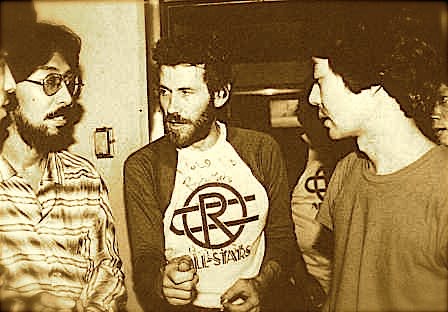
When I contacted musicians I trusted, including Levon Helm and Garth Hudson, they happily agreed to join me, and that is how ‘On the Border’ came together.
In 2001, we began the Blue Asia project. We spent a great deal of time gathering recordings and other material from different parts of Asia, and then developed the project through a kind of remix process.
I am drawn not only to Western music but also to the sounds of Asia, Ethiopia, North Africa and the Nordeste region of Brazil. Bringing those elements into my recording work feels entirely natural to me. It is no different from blending them with rock ’n’ roll.
Around 2007, an experience at an old shrine in Kumano began a new period in your work. What happened there, and how did it lead you deeper into the traditional music of Japan?
Around 2007, I had a mysterious experience at an old shrine deep in the mountains of Kumano.
Something in my heart turned towards the depths of the Japanese archipelago. It made me think very strongly about where I had come from, how far the heart can travel and where it eventually returns.
I began to feel a desire to connect not with the Japan described in history books, but with an older spirit of Japan.
That was the beginning of my travels around the country.
Fortunately, many old festivals, dances and forms of music still survive in Japan. During those journeys, I was especially moved by the songs and rituals of elderly women who offered them to spiritual deities.
Although the work was difficult, I began making many field recordings. Little by little, I released some of them on CD. Sometimes I presented them as straightforward field recordings, while at other times I created remixed versions.
Over time, I realised that the culture itself was important, not only the music. I wanted it to be conveyed visually as well as through sound, in a film that could reach both the eyes and the ears.
I began looking for a director, and that eventually led to ‘Sketches of Myahk’.
How do you begin working with singers and communities whose music has its own spiritual or ceremonial purpose? What responsibilities do you feel when recording it?
It comes down to genuine, heart-to-heart communication between people.
The question is whether you are accepted there and whether your presence is needed. That can only happen through sincere communication.
Recording and sharing spiritual songs, especially ceremonial ones, is extremely sensitive. There must be a deep connection between the singer presenting the song and the person recording it. Without that connection, the process could be dangerous in a certain sense.
One of the most important experiences began when a woman in her nineties decided that, because people might no longer be able to hear her song in the future, she wanted to record it for me.
She later travelled all the way to Tokyo. A group of women in their late eighties and nineties sang together at a large concert, and the recording of that performance became the most important scene in ‘Sketches of Myahk’.
Since Mizutani’s death, how have you decided what should be preserved and officially released as part of the legacy of Les Rallizes Dénudés? What does the restoration work actually involve?
We make these decisions through discussions with Mizutani’s family, the people at the new Les Rallizes Dénudés office and the record-company staff who are willing to cooperate. We also listen to the passionate fans who have cared for this music for so long.
There may have been two or three hundred different bootleg releases, while the number of official releases is still fewer than twenty. What we have presented so far is only a small portion of the archive. The response has been very good, and I believe listeners appreciate the care that has gone into the releases.
Except for some recordings from the 1990s, such as ‘CITTA’ ’93’, almost all the Rallizes recordings come from stereo cassettes, or reel-to-reel tape when we are fortunate. My basic job is therefore mastering.
For some releases, I use more than two tapes and mix them together. A direct board recording may be good for certain parts and tones, while a cassette made by someone in the room may have the better ambience. The problem is that the tape speeds can be different.
It is a hell of a job, but it seems worth the hardship. It is like restoring an ancient Buddha statue.
We often find several copies of the same recording, but some were reproduced in poor studios or copied only as safety versions. Choosing the source that is as close to the original as possible is difficult, and it is one of the most important parts of the work.
In some ways, this is connected to what I said about recording spiritual and ceremonial songs. We have to proceed very carefully and give close attention to every decision.
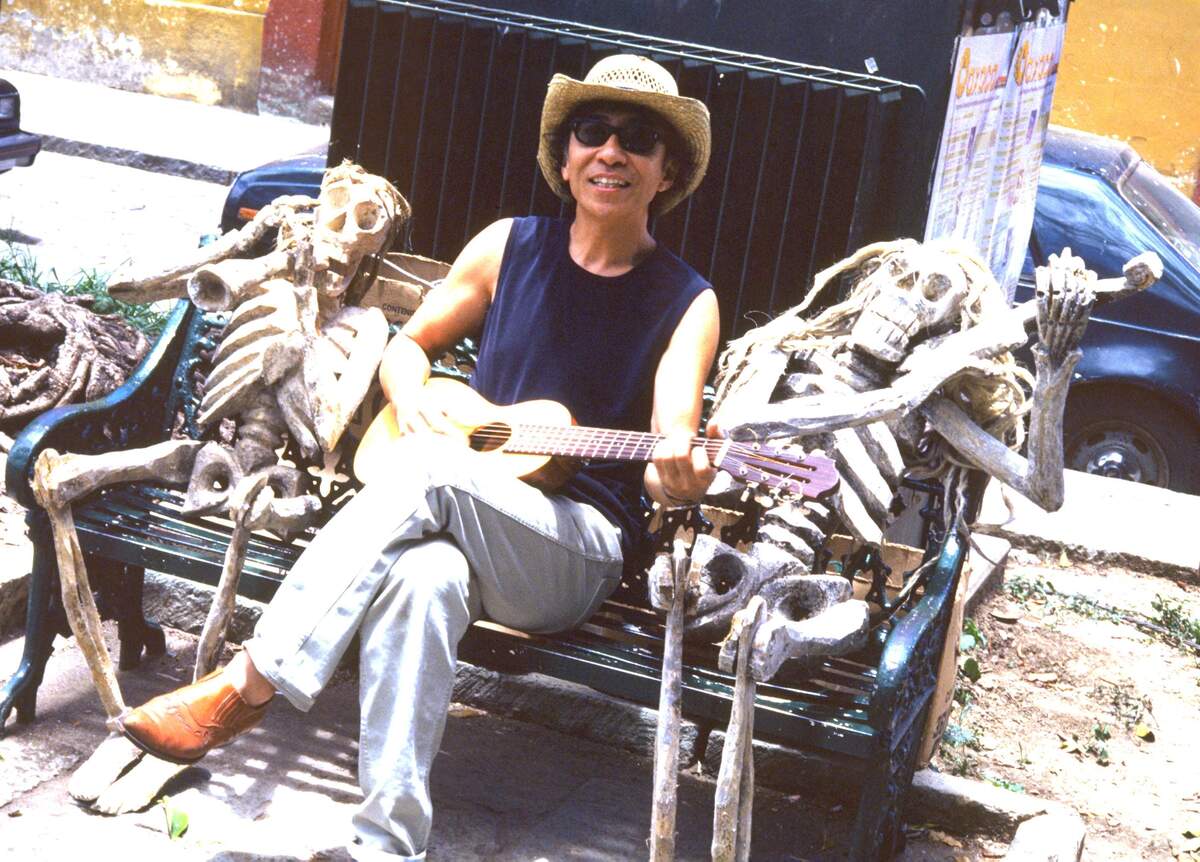
Postscript: The Unfinished Fourth Album
Following our conversation, Makoto Kubota sent us the production notes accompanying ‘Disque 4 -’76 Studio et Live-’. Written by Manabu Yuasa and translated by Yosuke Kitazawa, they provide a detailed account of the album Mizutani had begun planning and the archival work required to complete it after his death.
Kubota first learned about the project from Mizutani himself. When they met in March 1995, Mizutani explained that, alongside the three Les Rallizes Dénudés albums issued in 1991, he had been preparing a fourth release. It remained unfinished because of time constraints, compounded by the unexpectedly demanding work involved in preparing and mastering the first three records.
Mizutani told Kubota that enough studio material existed for an album by the same lineup featured on ‘77 LIVE’. Yuasa recalled responding with an excited cry. Mizutani smiled and said only: “Someday.”
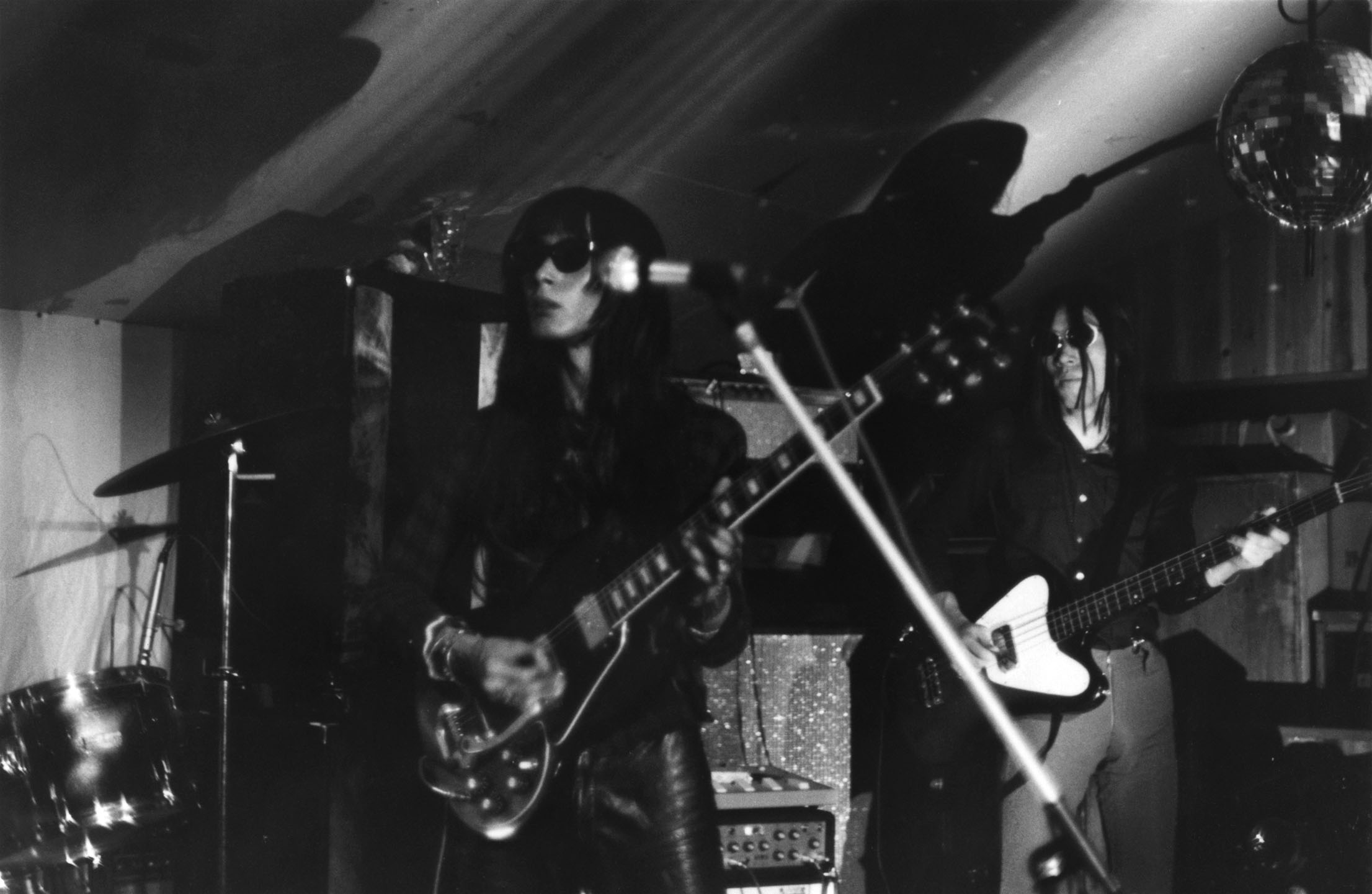
The tapes later found in Mizutani’s archive showed that the proposed record had progressed well beyond a casual idea. U-Matic, open-reel, DAT and cassette sources carried handwritten titles including ‘Disque 4’ and ‘Record No. 4’. The music had been grouped into sections of around twenty minutes, indicating that Mizutani was arranging it as the two sides of an analogue LP.
Several possible running orders were preserved. One placed ‘Reapers of the Night’, ‘Hibiscus Flower Otherwise Dying Satisfied’ and ‘The Night Wind, The Candle Flame at Dawn’ on the first side, with ‘Bird Calls in the Dusk’, ‘White Awakening’ and ‘The Night, Assassin’s Night’ on the second. Another version introduced ‘Guitar Solo’ and ‘Romance of the Black Pain Otherwise Fallin’ Love With’. A later tape titled ‘Version de la nuit’ suggests that Mizutani continued revising the idea after 1991.
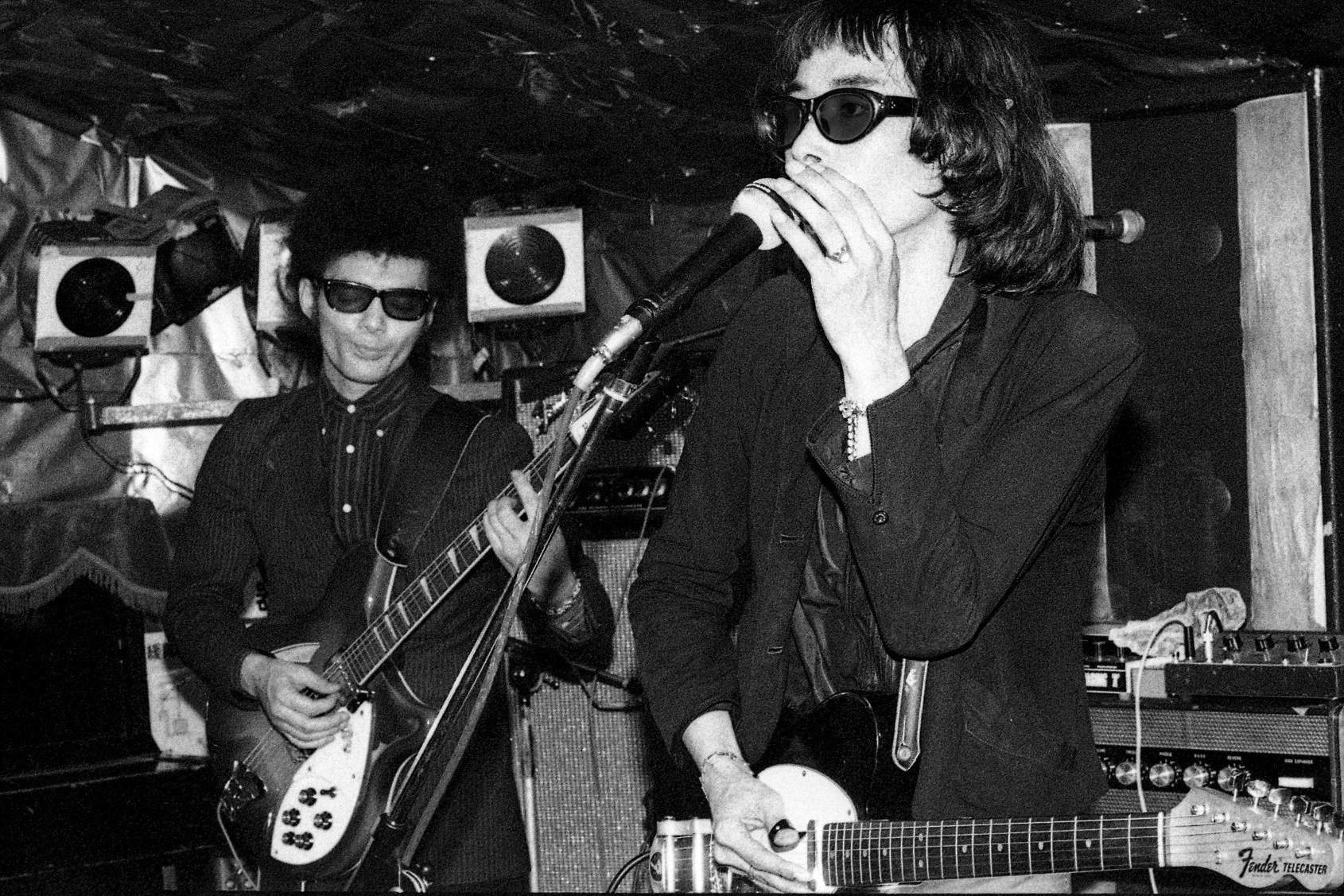
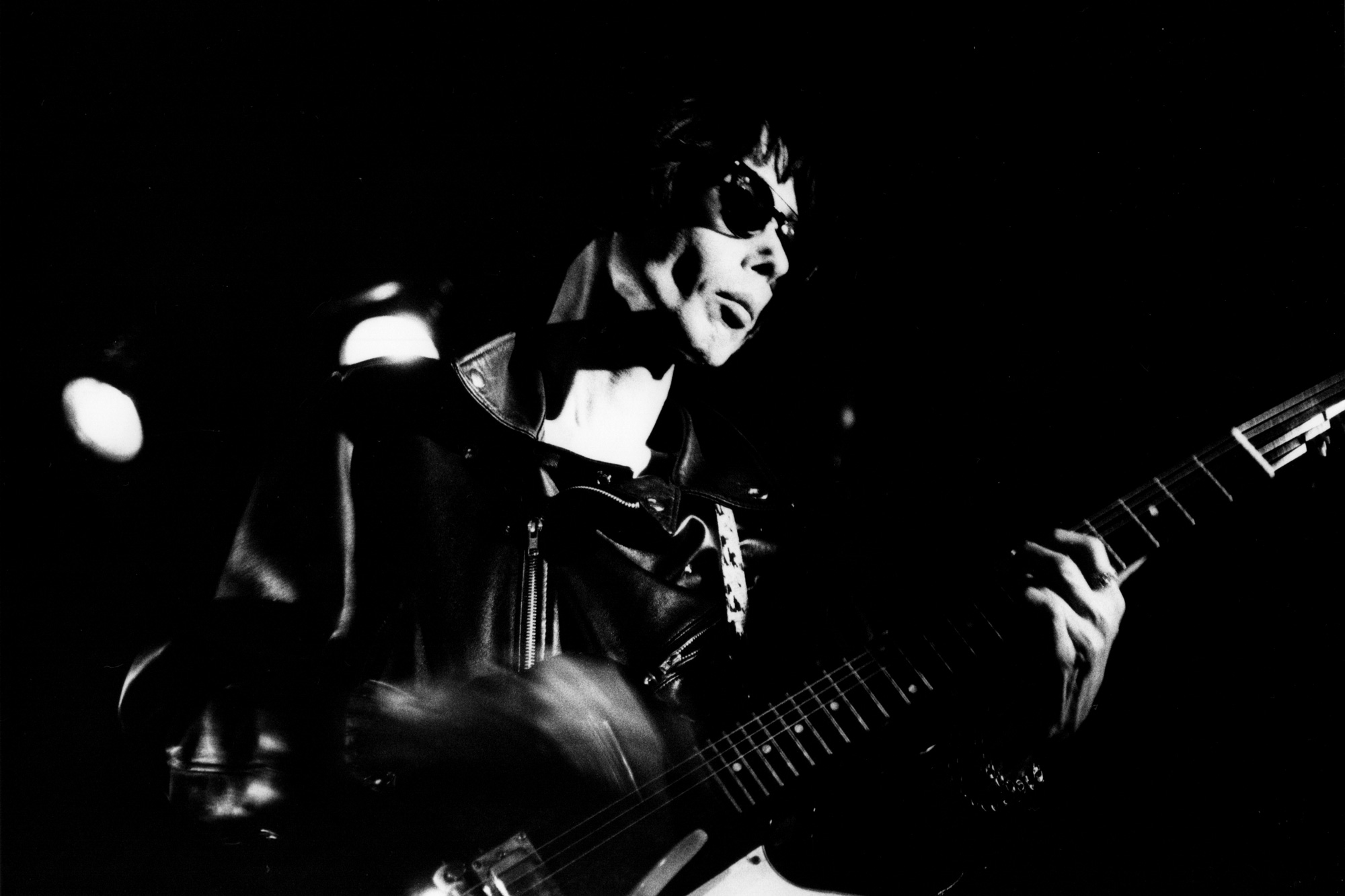
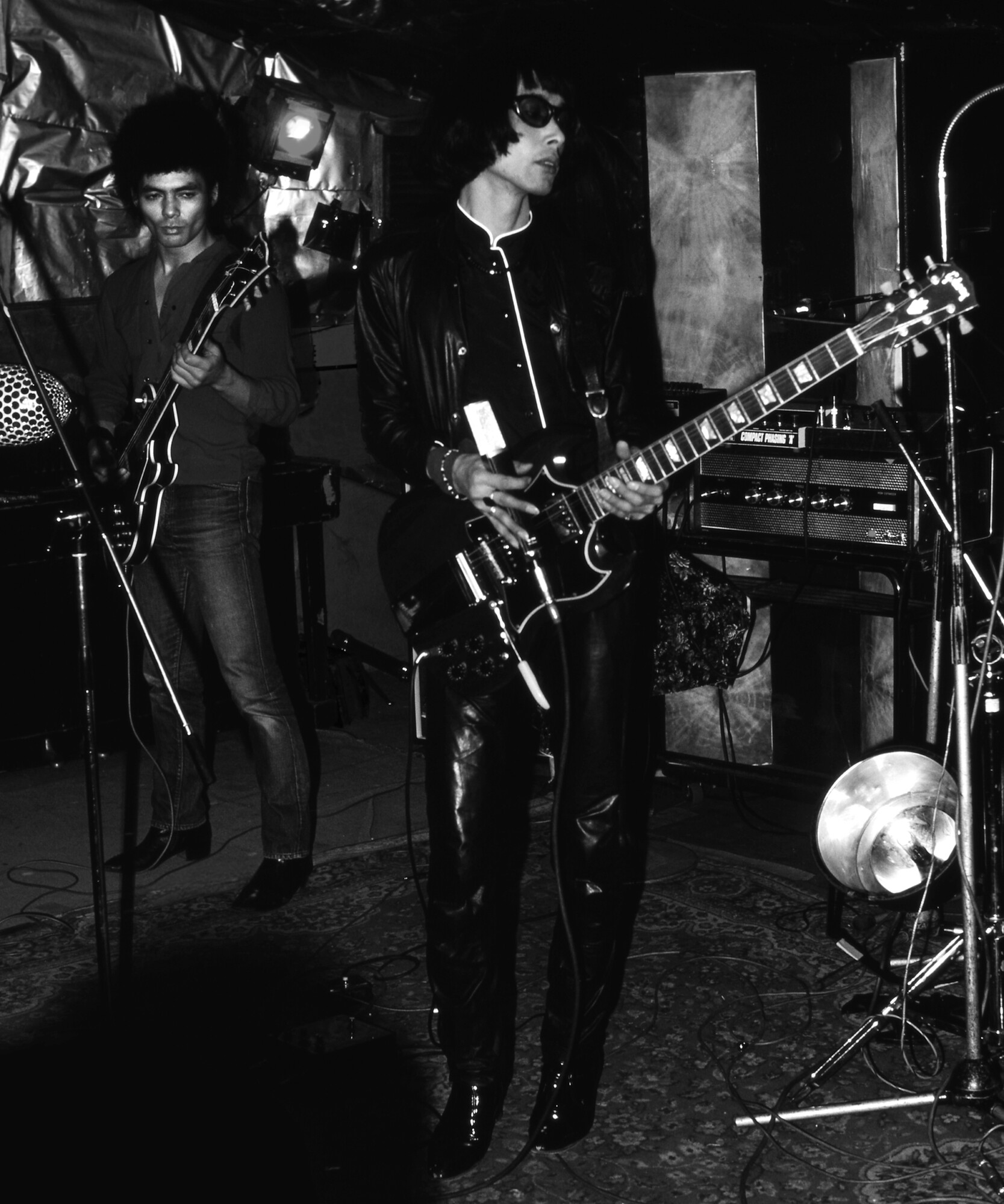
The notes also show the importance he placed on the 1976–77 lineup of Mizutani, Takeshi Nakamura, Hiroshi Narazaki and Toshirou Mimaki. The group rehearsed regularly, and many of those sessions were recorded. Some studio tapes from the period may have been connected to plans for a British release through Virgin Records, although little is known about how far those discussions progressed.
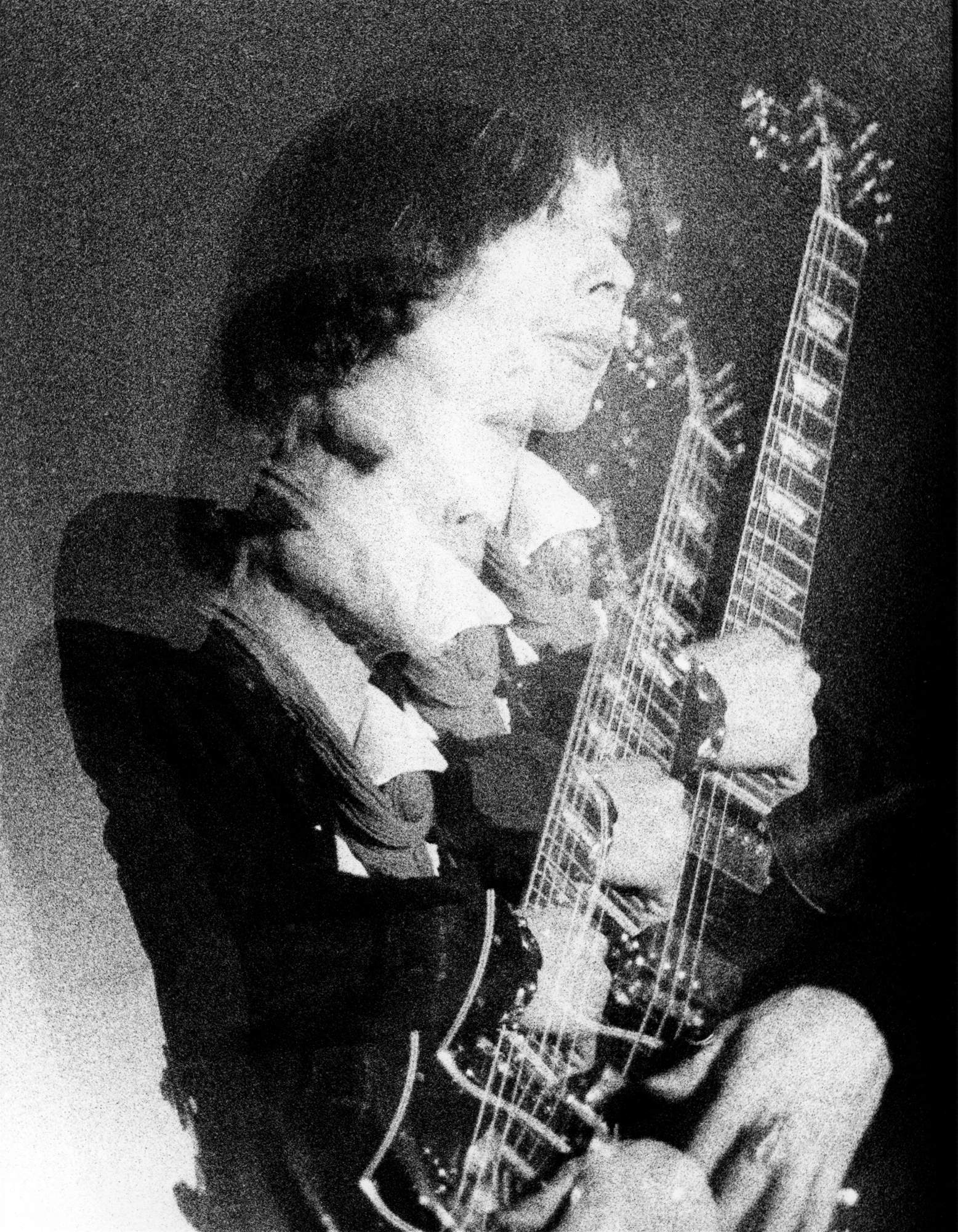
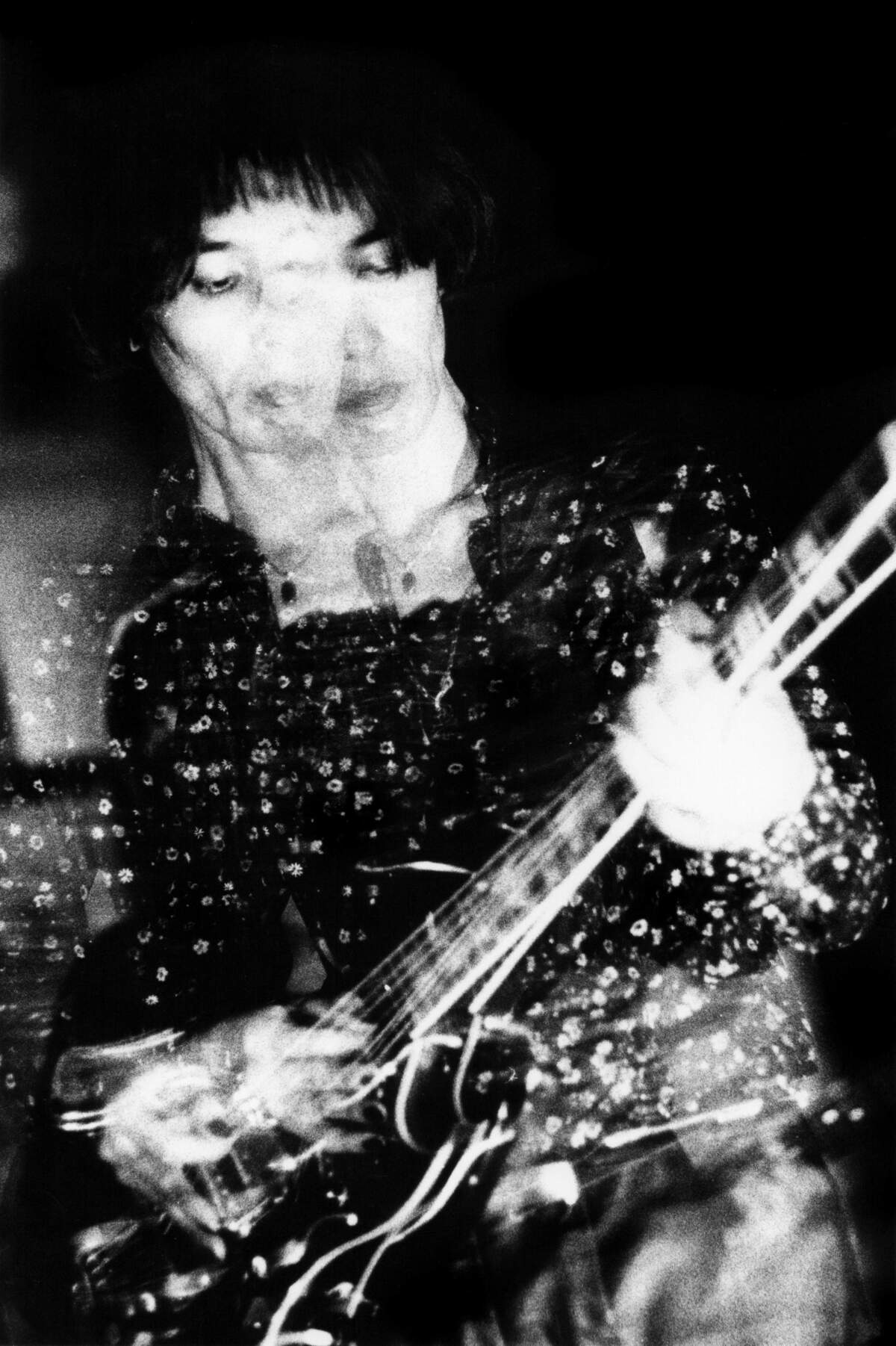
The completed ‘Disque 4’ draws on studio, rehearsal and live recordings. ‘Romance of the Black Pain Otherwise Fallin’ Love With’ was recorded at YaneUra in Shibuya on 11 August 1976. Mizutani appears to have regarded it highly, making several copies and marking some ‘Single Cut’. ‘Reapers of the Night’ comes from a rehearsal tape, possibly recorded during the first half of 1977. ‘The Night Wind, The Candle Flame at Dawn’ and ‘Bird Calls in the Dusk’ were found on a 1976 studio cassette labelled with the names Mizutani, Nakamura, Hiroshi and Sami.
‘White Awakening’ and ‘The Night, Assassin’s Night’ were recorded at the studio inside Takadanobaba BIG BOX during sessions led by Akira Aida. Several versions of ‘White Awakening’ survive, each with different overdubs or mixes. On ‘The Night, Assassin’s Night’, Mizutani’s lead vocal was double-tracked instead of being treated with the echo or delay more usually associated with the group. Such details offer a rare indication of how this lineup approached the possibilities of studio recording.
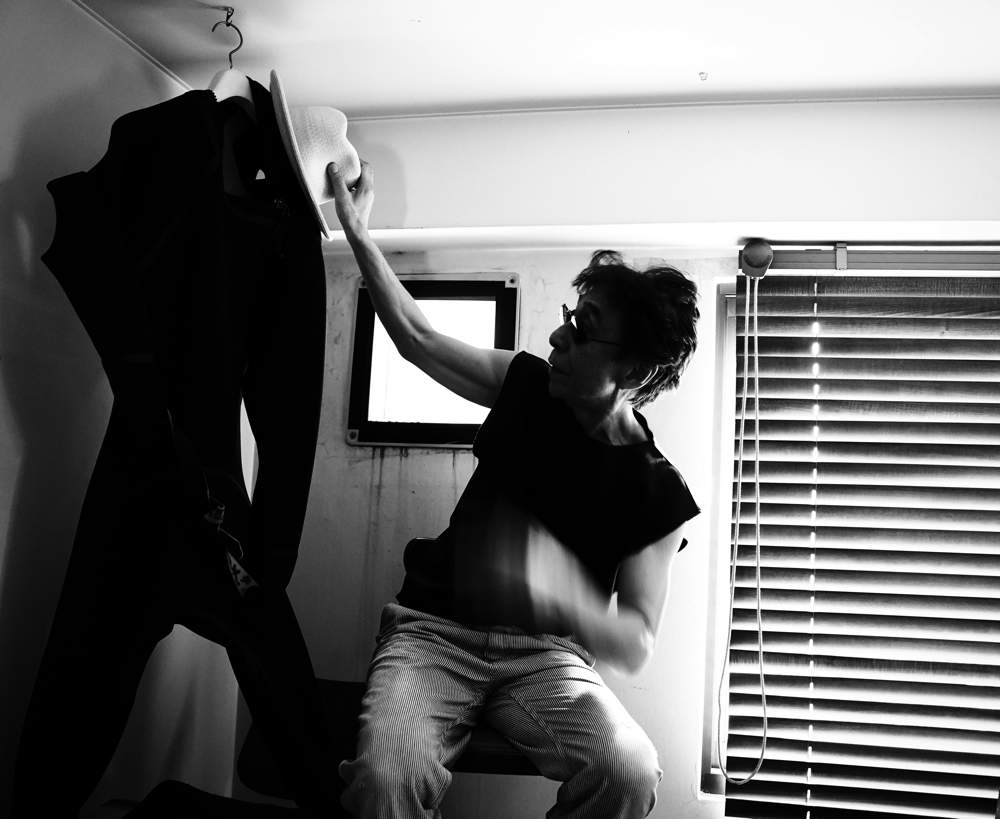
Taken together, the production notes suggest that Mizutani may have imagined ‘Disque 4’ as a companion to ‘77 LIVE’. While that album captured the group’s physical force on stage, the proposed fourth record placed greater emphasis on his melodies, lyrics and arrangements.
Klemen Breznikar
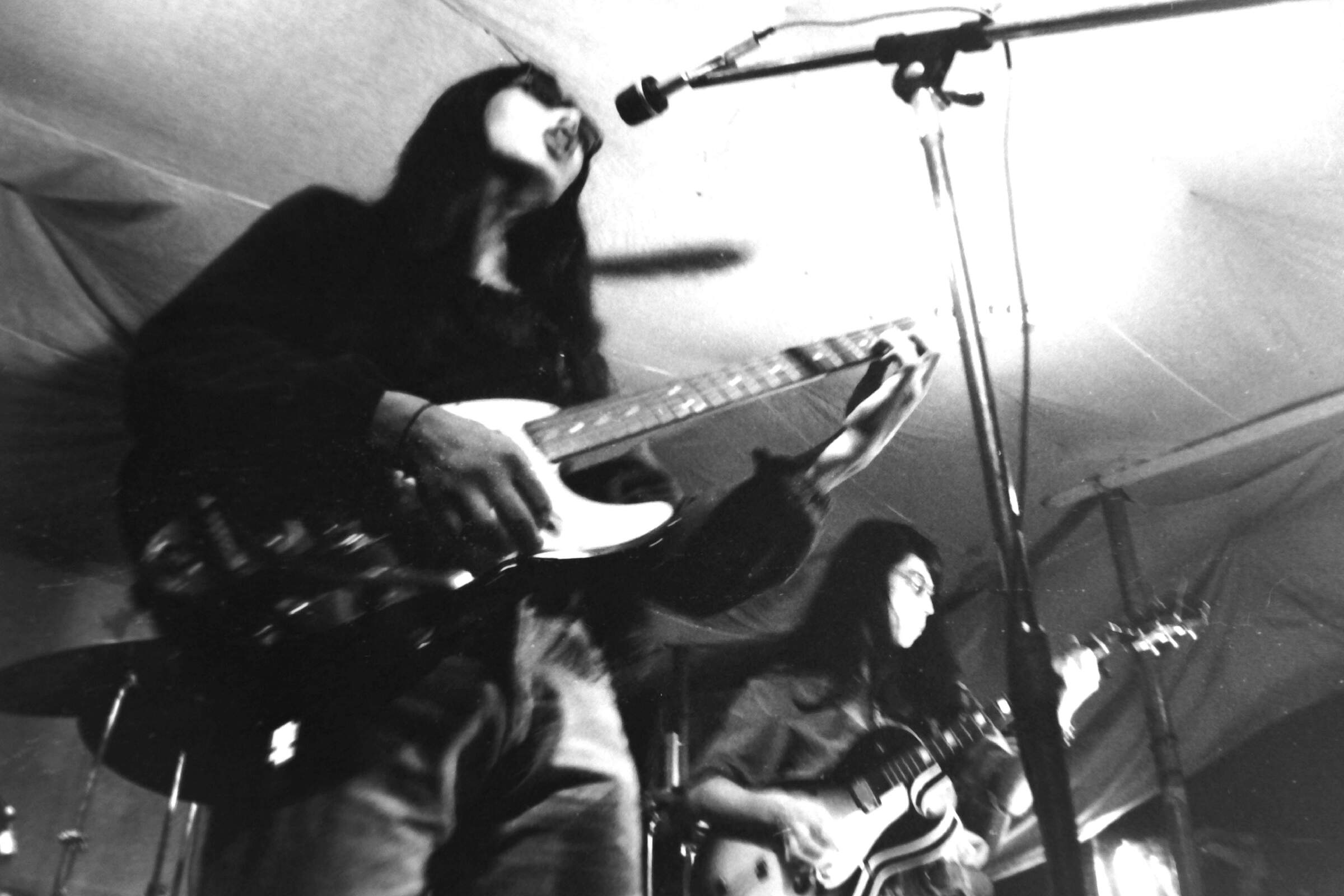
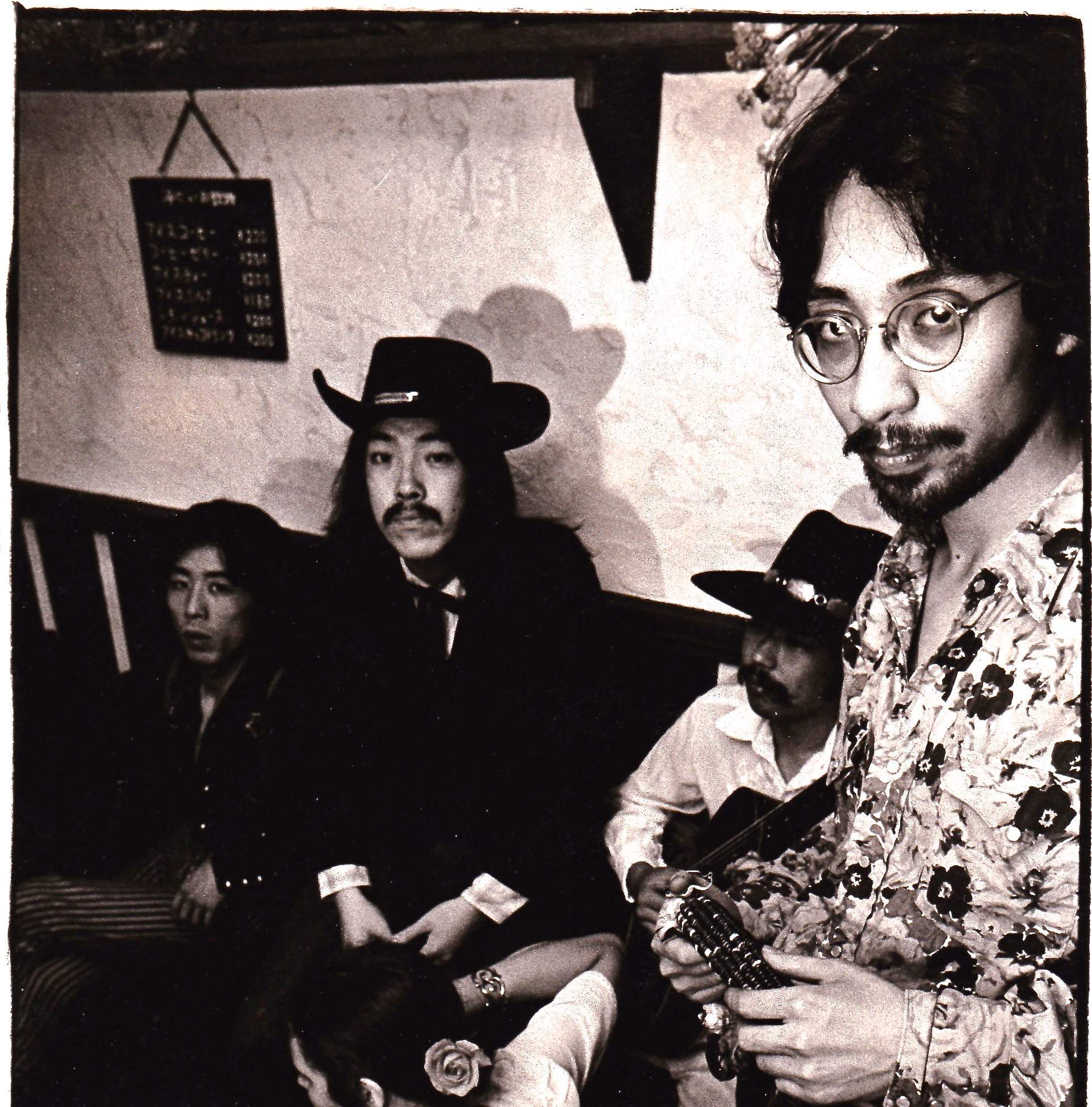
Headline photo: Les Rallizes Dénudés in 1973. Photograph: Minoru Tezuka/Courtesy of Makoto Kubota
Makoto Kubota Website
Temporal Drift Website / Facebook / Instagram / X / Bandcamp


