
Kira Roessler on Her New Album ‘Enigma,’ Black Flag and dos
Kira Roessler is best known for her work with Black Flag and dos, but her second solo album, ‘Enigma,’ stands apart from both.
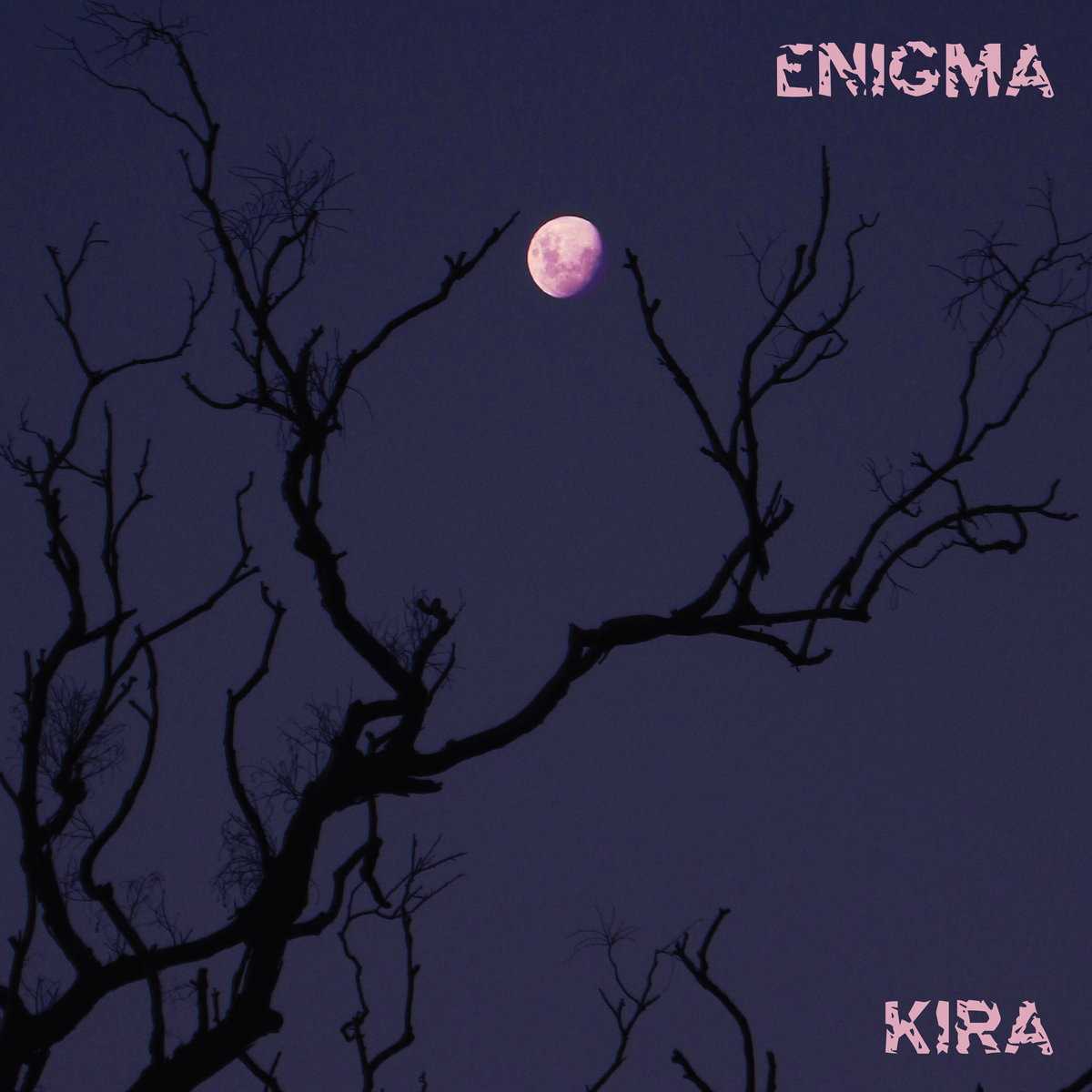
Released by Org Music on July 10, 2026, t’s a fairly understated, bass-driven record that circles around grief, memory, and trying to make sense of some pretty difficult feelings.
Roessler has described her 2021 solo debut as a way of catching up with songs and experiences from different periods of her life. ‘Enigma’ feels closer to the present. “There are intense feelings driving every song,” she says in this interview. “I look back at the feeling and amplify it.”
The album was co-produced with her brother Paul Roessler and includes vocals by Petra Haden. Its sparse arrangements reflect a way of writing Roessler has developed over many years, particularly through dos, the two-bass group she formed with Mike Watt. “I spent many hours learning to write bass lines which did not step on each other’s toes,” she explains.
The title track was written after the death of guitarist Glenn Brown, whose playing also appears on some of the older recordings. “He is the enigma,” Roessler says. For her, music is a way to process loss, preserve memory and leave enough room for the listener to bring in their own experience.
In the interview, Roessler also speaks about joining Black Flag, working under Greg Ginn’s direction and the band’s move beyond the usual idea of hardcore. “We never signed up to be “hardcore” or anything else,” she says. What she took from the early Los Angeles punk scene was simpler: “anything goes.”
That idea still runs through her music. ‘Enigma’ is restrained, but not detached. “I hope they like it,” she says, “but if they don’t, they don’t.”
“Music is a great way to process feelings”
In a recent interview, you described your first solo record as a kind of catching up, while ‘Enigma’ feels more connected to life as you are living it now.
Kira Roessler: It is more present, therefore it does feel like me talking right now at times. There are a couple of older songs, but most reflect feelings that I can identify with today. But with all these feelings, the song usually adds some distance, some “room,” as you say. I look back at the feeling and amplify it.
The title song, ‘Enigma,’ came from losing Glenn Brown, and some of the older recordings on the album still carry his presence. Did making this record change the way you think about grief and friendship?
My first solo record also dealt with grief and loss. I just think it is universally understood. When I share it with you, there is a chance you will connect to it very intimately. Music is a great way to process feelings, preserve memories, and honor those lost, I think.
A lot of these songs feel like they trust the listener to understand what is underneath them. Was it difficult to leave that much unsaid?
In order for the listener to relate, I feel I need to give room for the listener’s experience of the feelings. Sometimes it does feel difficult to generalize, but this is why it is good to have a little distance from the original ideas.
You’ve said the bass is often the first place where an idea turns into music. What are you listening for in that first line?
Having played for all these years doesn’t mean I don’t want to be surprised in some way. And that usually happens either with the bass line itself or with how the bass line interacts with phrases in the lyrics as they develop.
‘How Could You’ feels hurt, but not angry in a simple way. Were you trying to make sense of the feeling as you wrote it?
Exactly. I was trying to capture the hurt feeling when someone does or says something that cuts to the core. Anger is an easier feeling for me to capture, so you are right that I was looking for something else altogether.
You’ve said punk has always meant nonconformity to you. At this point in your life, can restraint feel more rebellious than noise?
Absolutely, or just honest expression, however it comes out. Rebellion is exactly yours. There are so many ways! It is about nurturing your rebellious spirit and then expressing it in whatever way.
You and Paul Roessler have known each other musically for your whole lives, and he co-produced ‘Enigma’ with you. When you work together now, does it still feel like a sibling conversation, or has it become something different?
I have known Paul my whole life! There are certainly moments when we fall into old behaviors, which is very sibling-like. But we normally work together extremely well, and there is a lot of respect, I think.
Because your songs are so intimate, adding another voice could change the whole balance. How did you know where Petra’s voice belonged?
When I ask Petra to do something, I think I know what I need. She always shows me that there is so much more she can bring. She is always a surprise! On one song, I was about to give up because I couldn’t find a melody I liked, so I asked her, and she generated 20 melodies for me to pick from. So I made a combination of them all, and she sings lead on that song.
Before Black Flag, you were already part of the Los Angeles punk world in different ways. What did that time teach you that still shows up in your music now?
Well, one thing I learned from being around in the early punk days is that anything goes. When people act like punk is a certain thing, I remind myself of those early bands. Some of them were very rock and roll sounding, but the energy was very extreme! Others felt very jazzy, but the unifying thing was the energy in those places and times.
Black Flag was intense in every way. Your solo music is much more intimate. Does it still come from a similar headspace?
Yes. I think my music is very intense. There are intense feelings driving every song. It goes back to what we were saying about punk not sounding a certain way. There is no limit to how we can express ourselves unless we put rules on it. There is also the same “I don’t care” attitude about people liking the way I do it. I hope they like it, but if they don’t, they don’t.
In dos, you and Mike Watt built songs with just two basses. How did that change the way you listen to space?
Because of Mike, I spent many hours learning to write bass lines that did not step on each other’s toes. I had already started before, when I made bedtime story tapes for my nephews, with this same idea: two intertwined bass lines without overlap, without one being subjugated to the other. It is still how I write songs, and then Paul adapts his piano lines from the second bass line. Sometimes specifically, and sometimes not at all, though.
You’ve had several creative lives, but they all seem connected by focus and restraint. Does ‘Enigma’ feel like a new chapter, or more like all those chapters meeting in one place?
My first solo record definitely began this new chapter. We put together a band, played live, and really learned how to make Kira music work. ‘Enigma’ is the embodiment of what we have been learning. So it does gather everything that came before. But it is also a tribute to my guitar player friend Glenn Brown. He is the enigma.
When you joined Black Flag, Chuck Dukowski had already left such a huge mark on the band. How did you approach those bass parts at first? Were you trying to stay close to what he did, or did you feel like you had to find your own way into the songs?
Greg very much instructed me about what he wanted out of the bass. And I understood that he was the leader of the band and the songwriter, so I worked within what he instructed. It seemed like more of a physical challenge than a creative one, honestly.
You’ve said ‘In My Head’ might have been an instrumental record before Henry started writing lyrics for those songs. What were those songs like before the vocals came in? Did they already feel like Black Flag songs, or like something stranger was forming?
They felt like instrumental Black Flag, like ‘The Process of Weeding Out.’ Greg would have a riff, and we would play it over and over, and he would solo over it. That was what he called jamming. And Henry would be present for this playing, so he began hearing stuff to sing over it. He was the one being creative at this point.
You were in Black Flag while also trying to keep your life together outside the band, including school. Did that make you feel more separate from the others, or did it give you a kind of balance that helped you survive the band?
Yes, I always felt separate from the band. I’m not sure if it was because I was in school. I had always maintained that balance, so it felt normal to me, but it also felt like a lot of added work. It was also a stress on the band, working around my schedule.
“We never signed up to be “hardcore” or anything else.”
Black Flag seemed to change from record to record while you were there. The songs got slower, stranger, heavier, and less easy to define as hardcore. Inside the band, did that feel like a plan, or did it feel like everyone was just following Greg’s ideas as far as they would go?
We were all pretty unified behind Greg, exploring whatever kind of songs he wrote. We never signed up to be “hardcore” or anything else.

When people talk about Black Flag now, they usually talk about the adrenaline, the tours, the records,… But when you think about it, what is one small detail from that time that people never ask about, but that still feels real to you?
That, as with most bands, for a while we were all in sync, trying to achieve the same thing. Of course, that’s hard to sustain with four people, but we were, for a while, right there.
Klemen Breznikar
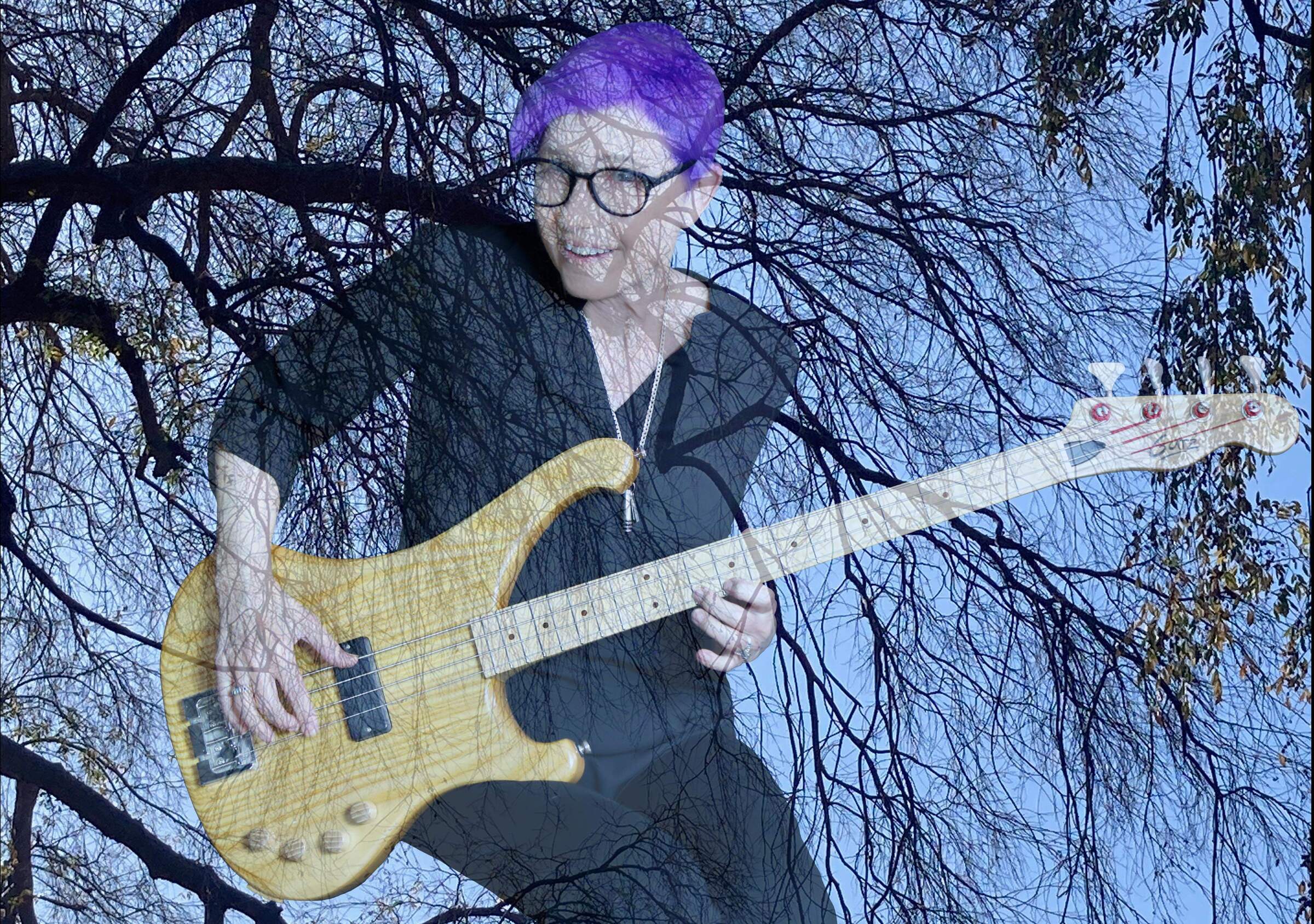
Headline photo: Kira Roessler by Tim Nalley
Kira Roessler Instagram
Org Music Official Website / Facebook / Instagram / Twitter / Bandcamp / YouTube
Former Black Flag/dos bassist Kira Roessler | Interview | Album Announcement