
Toody Cole Interview: Dead Moon, Fred Cole and Doing It Their Own Way
There are not many bands like Dead Moon.
There was no manager creating an image and no plan behind it all. They were a band that lived what they sang about, and not many bands can honestly say that.
The candle, the black clothes, the handmade record sleeves, the Tombstone name and the whole feeling around Dead Moon came from the same place as the songs. As Toody Cole explains in this interview, “Everything was totally spontaneous and unplanned.” It simply grew out of the way she and Fred Cole already lived.
There were years of moving around, raising children, working, sharing homes with band members, running a guitar shop, making clothes, putting records together and learning as they went along. Long before Dead Moon, Toody was already doing much of the work that kept Fred’s bands going.
She helped finance and assemble the Zipper album. She sewed stage clothes. She kept the household going while musicians came and went. She describes herself at the time as the “house mom and den mother for the band,” but that makes her role sound smaller than it was. She was already doing things herself, long before Dead Moon.
Toody did not grow up expecting to become a musician. She was a quiet kid who liked books, television and putting on performances in the backyard. She bought records by Bob Dylan, Joan Baez, the Beatles, the Stones, the Animals and Them with money she earned from babysitting. She found the Portland music scene before Fred arrived, first through the Folksinger and later the Crystal Ballroom. Music was already important to her, but she had never imagined herself standing onstage.
Then she met Fred.
“Meeting Fred made everything seem possible somehow,” she says.
Fred always had another plan, another band, another place to go or another record to make. Toody was never just watching from the sidelines. She shared that life with him, raised their family and eventually picked up the bass and joined the Rats, even though the idea terrified her.
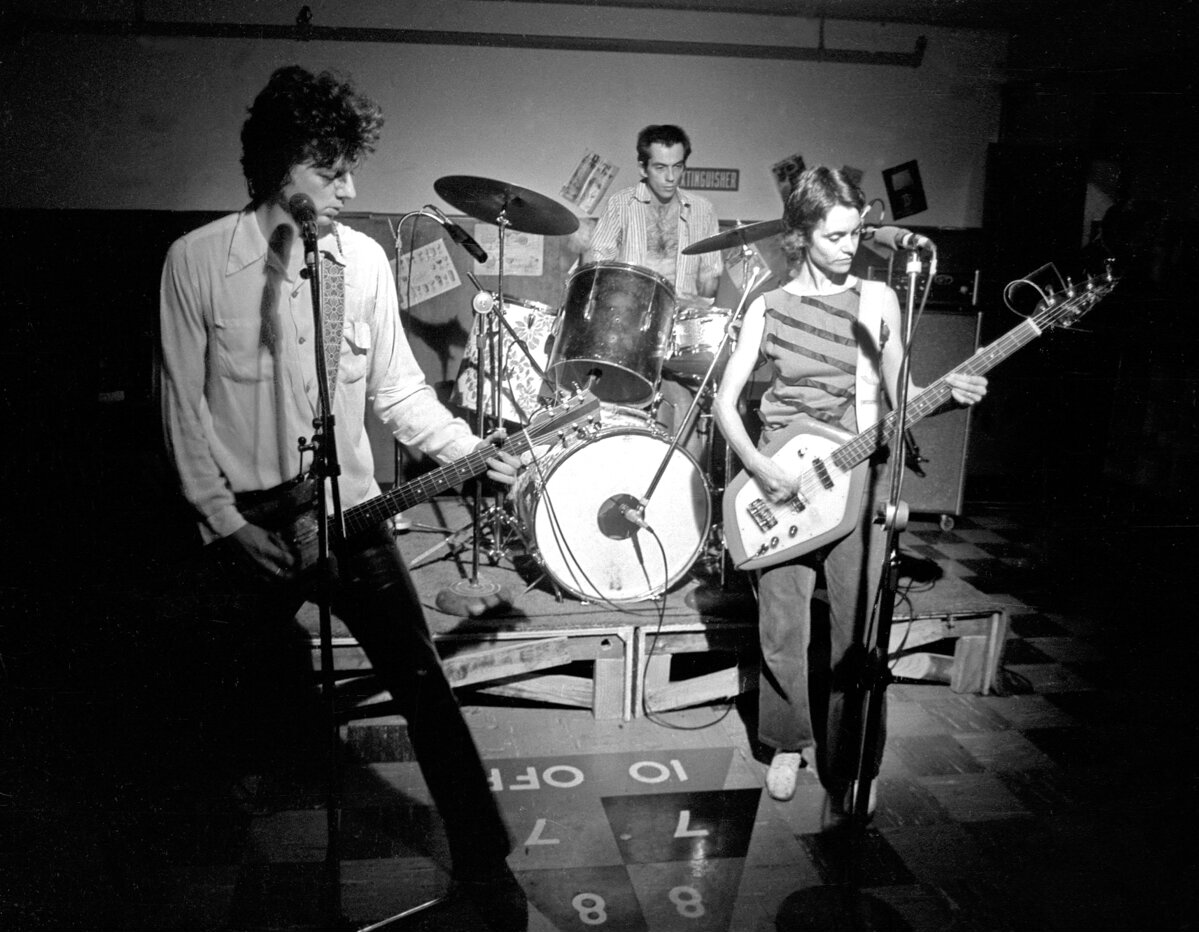
She was still, in her words, “a shy kid inside.” The Rats became the place where she learned her instrument, learned how to perform and began to understand what Fred loved about playing music.
Country music followed with Western Front and the Range Rats. Then Andrew Loomis came along for a rehearsal with Fred and Toody, and it felt right from the start. His drumming, loyalty and sense of humor made him the perfect third member. After years of having trouble keeping a drummer, Fred and Toody had finally found the right person.
The records sounded the way the band played. Most songs were recorded in three takes or fewer, often on the first attempt. There were no vocal effects, no guitar pedals and no interest in cleaning up every rough edge. A missed note might be left on the tape with the idea that it would be “fixed in the mix,” though, as Toody points out, that never happened.
Dead Moon worked on their songs by playing them live until they felt right. European audiences understood the band early on. They were not afraid to show their excitement, and Dead Moon gave that energy straight back. The tours made the band tighter and sent them home with a confidence they had not felt before. Word spread by word of mouth.
There were huge festival crowds, tiny clubs and nights when nobody knew what to expect. Toody remembers the Lowlands Festival as one of the dearest concerts of her life, especially because a couple introduced her to their baby daughter, whom they had named Toody. Years later, she met the same girl again in Berlin, now grown up and studying at university.
The wild shows were only part of it. Behind them was a lot of work. Toody handled bookings, correspondence, money, merchandise and the countless practical details that allowed the band to remain independent. Fred wrote, recorded and mixed the music. Between them, they covered everything.
“It was a complete and amazing partnership,” she says.
In this interview, Toody talks about the Weeds, the Lollipop Shoppe, Zipper, the Rats, Western Front, the Range Rats, Dead Moon, Pierced Arrows and Pinky Tex. She remembers the fear of her first performances, how she developed as a singer and bass player, the rituals that became part of Dead Moon and the songs that still feel right to sing.
Since 2023, she has also been performing as Toody Cole & Her Band, joined by former Pierced Arrows drummer Kelly Halliburton and guitarist Christopher March, both members of Jenny Don’t and the Spurs. The trio plays songs from throughout her career. In 2025, they played in Spain and toured Australia and New Zealand.
She also talks about life outside music. There is the Dead Moon website, the Tombstone property, family, friends, cutting firewood, mowing grass, raking leaves, working on the house and the occasional trip to the casinos on the Oregon coast. She lives on 21 acres outside Portland with her son Weeden, where, as she puts it, “there is always too much to get done.”
Here is Toody Cole, in her own words.
“Meeting Fred made everything seem possible somehow.”
Before any of the bands, what kind of kid were you? What did meeting Fred and finding the Portland music scene around the Folksinger and the Crystal Ballroom make you feel was possible in life?
Toody Cole: I was rather a quiet, shy kid who loved to read and was hooked on TV, which was still new to me in the early ’50s. I loved performing in a way. All the neighbor kids and I would put on parades, and I remember doing a play in our backyard of Cinderella, costumes and all. I actually discovered the music scene in Portland before Fred came to town, at the Folksinger, which led to the Crystal later. I was buying folk and early rock & roll LPs with my babysitting money from the early ’60s. I loved music but never expected to be playing it myself! Then meeting Fred made everything seem possible somehow.
You and Fred went through a lot before you ever played in a band together: raising children, going to California, trying to settle in the Yukon, then coming back to Portland. People may see that period as a romantic adventure, but what was it really like to live through?
Yeah, all those early years were definitely a romantic adventure for Fred and me. He was fearless about trying anything new, always had a plan for the next big move, and we always took the kids with us. It was a lot of fun and very exciting.
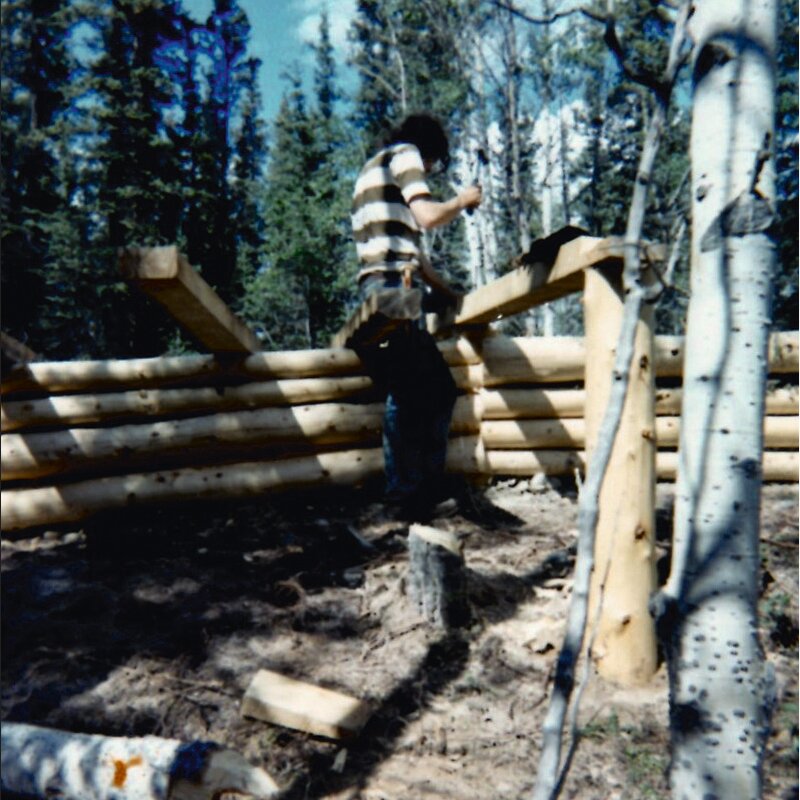
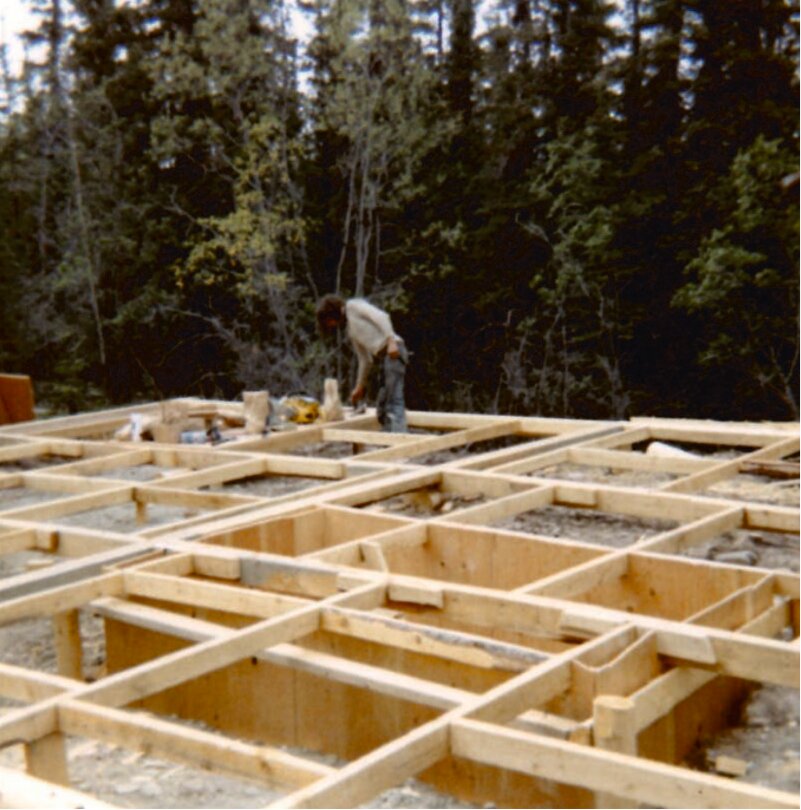
Could you tell us about those early days? What was the “hippie” life like for you two? They were definitely very different times from today. I have also always wondered what some of the early records or books you both enjoyed back in the ’60s were.
We never considered ourselves “hippies,” really. We were surrounded by it all but were very responsible even then. We worked hard and didn’t get into the dope scene or politics, such as protest marches, etc. Everything revolved around family and music. Band members were always a part of that family, and we all shared the same household and looked out for each other. My early records were Bob Dylan, Joan Baez, the Beatles, the Stones, the Animals, Them and the like. I read a little of everything, loved Steinbeck and read all the pop culture books of the time as well.
Could you also tell us about growing up? What was life like in the local scene around your town? What did your parents do? I am curious about your everyday life as a kid.
I grew up in Southeast Portland. We lived in a small cinder-block house built after World War II, then moved farther out into one of the new subdivisions when I was nine years old. There were only seven houses there and woods all around, with lots of kids to share adventures with. It was pretty much kid-freedom heaven! My dad was a delivery driver for a laundry company and later sold mutual bonds for IDS retirement plans. My mom was a homemaker, kept busy with all seven of us kids, but took in ironing for people to help with the family costs.
In my interview with the Zipper members, Greg Shadoan remembered you helping to finance the record, making the band’s clothes and putting the handmade copies together at Whizeagle. What do you remember about your role around Zipper? Did it already feel like you and Fred were building your own little world?
Fred was always building his own little world, and we were all happy to be a part of it. We had our guitar shop going together, which financed the Zipper LP. We did as much as possible DIY to save money, like sewing band clothes and assembling the LP covers together. My role at that time was basically to be the house mom and den mother for the band and support the music Fred was playing at the time.
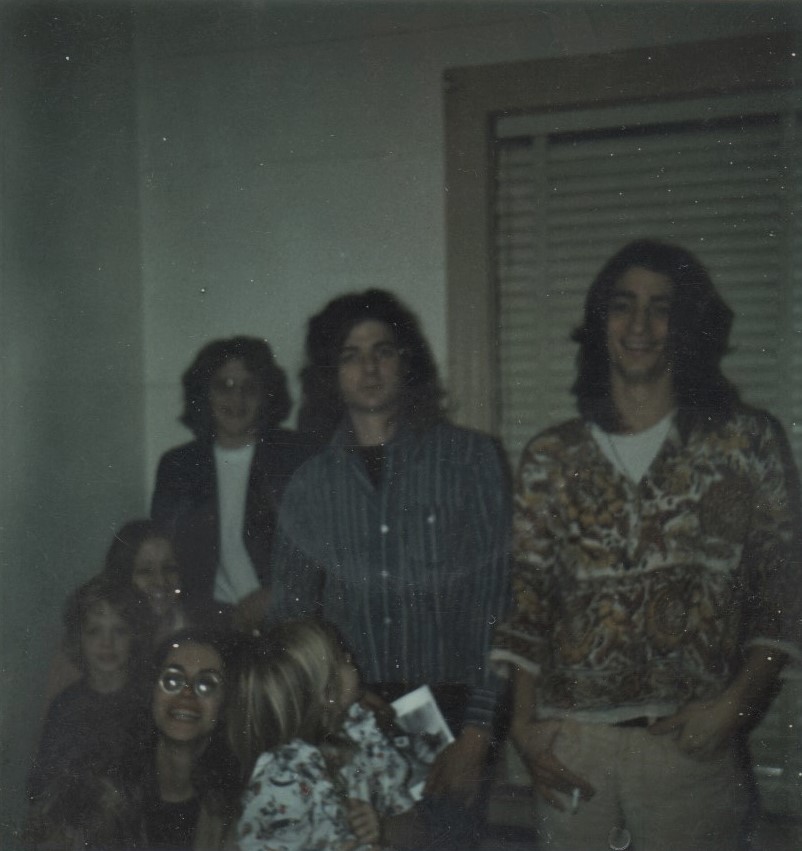
Greg also remembered Zipper starting a second record and said he was later told that the tapes had been lost in a studio fire. Jim Roos was less certain about what happened. Do you remember those sessions or any songs from that period that people have never heard?
Sorry, I wasn’t a part of any of the recordings that Zipper did, so I’m not sure what happened to any tapes for a second LP or what songs might have been on them.
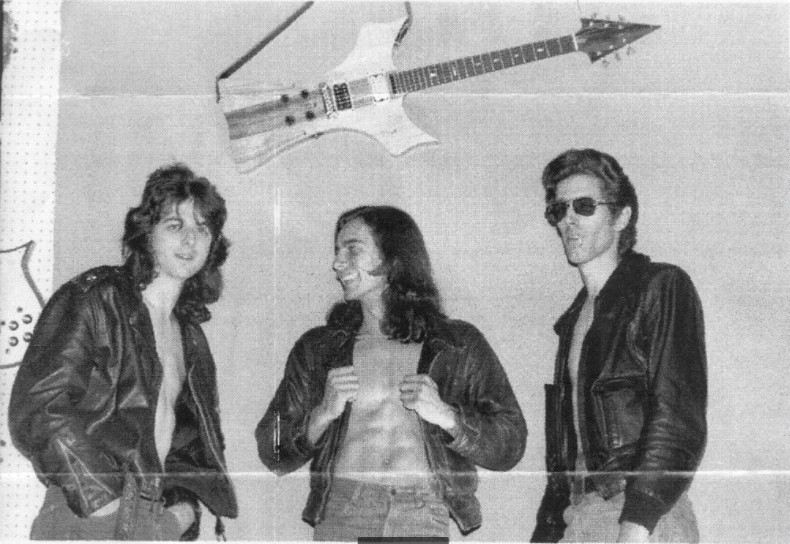
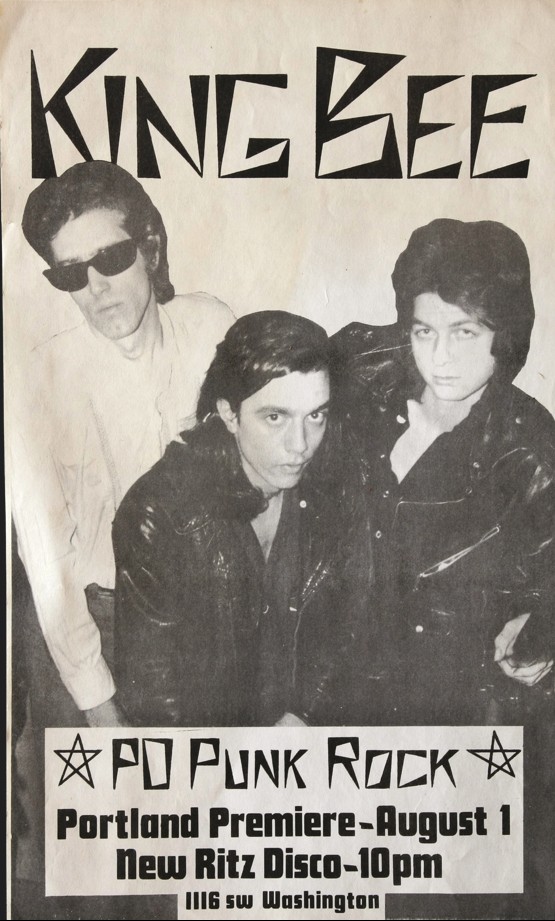
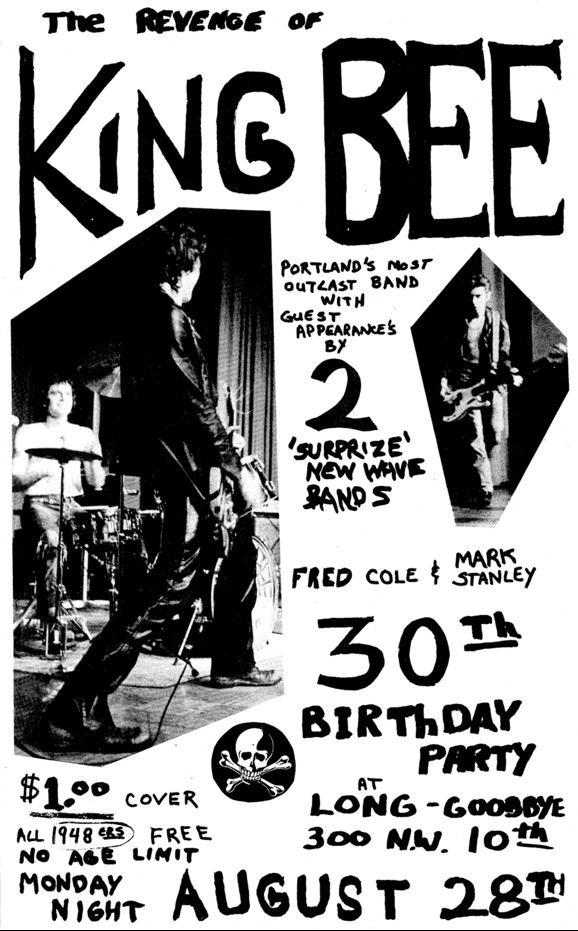
When the Rats began, you were suddenly playing bass and singing with Fred, not just helping to make things happen behind the scenes. Was it scary at first, or did it immediately feel natural to you?
When I first started playing in the Rats, I really didn’t expect it to last very long. I was super nervous about playing bass and being up onstage in front of people, still a shy kid inside. So it did feel scary, but over time and with practice, it got easier and started to feel more natural. I didn’t feel totally comfortable onstage until Dead Moon.
The Rats are sometimes talked about as the band that led to Dead Moon. But when you were actually in the Rats, what did that band mean to you? What did it have that was different from everything that came later?
When I was in the Rats, the band was a stepping-off spot, a place and time to learn my instrument and slowly get better and better as a musician. Actually playing in the same band with Fred gave us another special thing to share together, and I soon understood what he loved about music and performing. The difference from what came later was just that it was a first-time experience, with all of it new and challenging. There was also that feeling of pride in sticking it out and accomplishing something real and lasting for both of us.
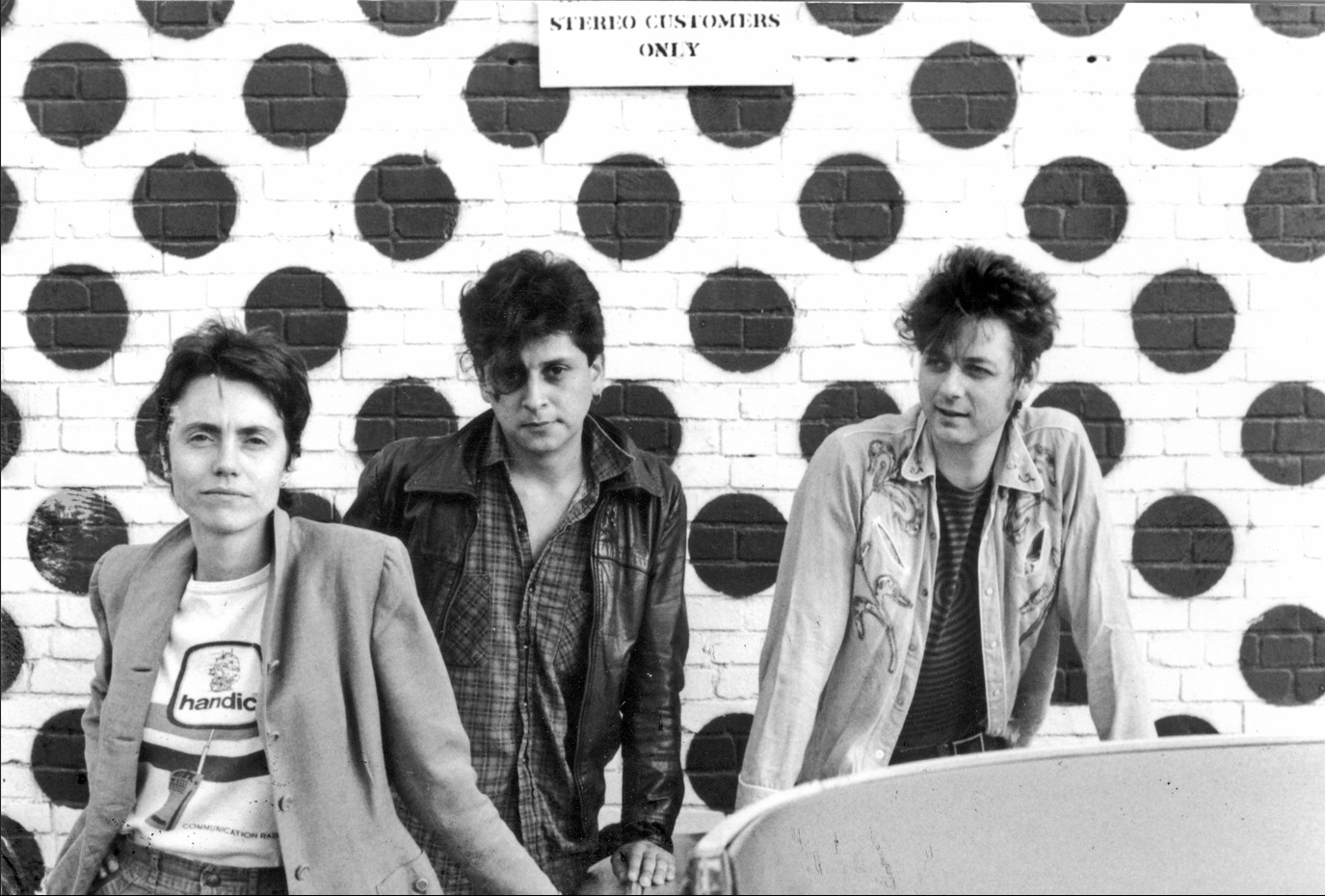
After the Rats, you and Fred spent time playing country music in Western Front and the Range Rats. What drew you into that music at the time? Did it change the way you sang or the way you understood a sad song?
After the disappointment of the Rats’ breakup, Fred started Western Front because country bands were easily booked in small clubs around Portland, and for a change of pace. They were playing mostly cover tunes and later branched out into original songs written by Fred Cole. That musical style, “cow punk,” caught on in the rock clubs, and several other local bands started up in the genre.
I started doing guest spots, singing a few songs with Western Front. I’d always enjoyed doing country songs. They came very naturally to me, and the sad ones always get the audience. They helped me widen the scope of songs I could sing and led to the great harmonies we did together later in the Range Rats.
When Andrew Loomis joined you and Fred in Dead Moon, what happened in the room that made it feel right? What did he bring out in your playing that had not been there before?
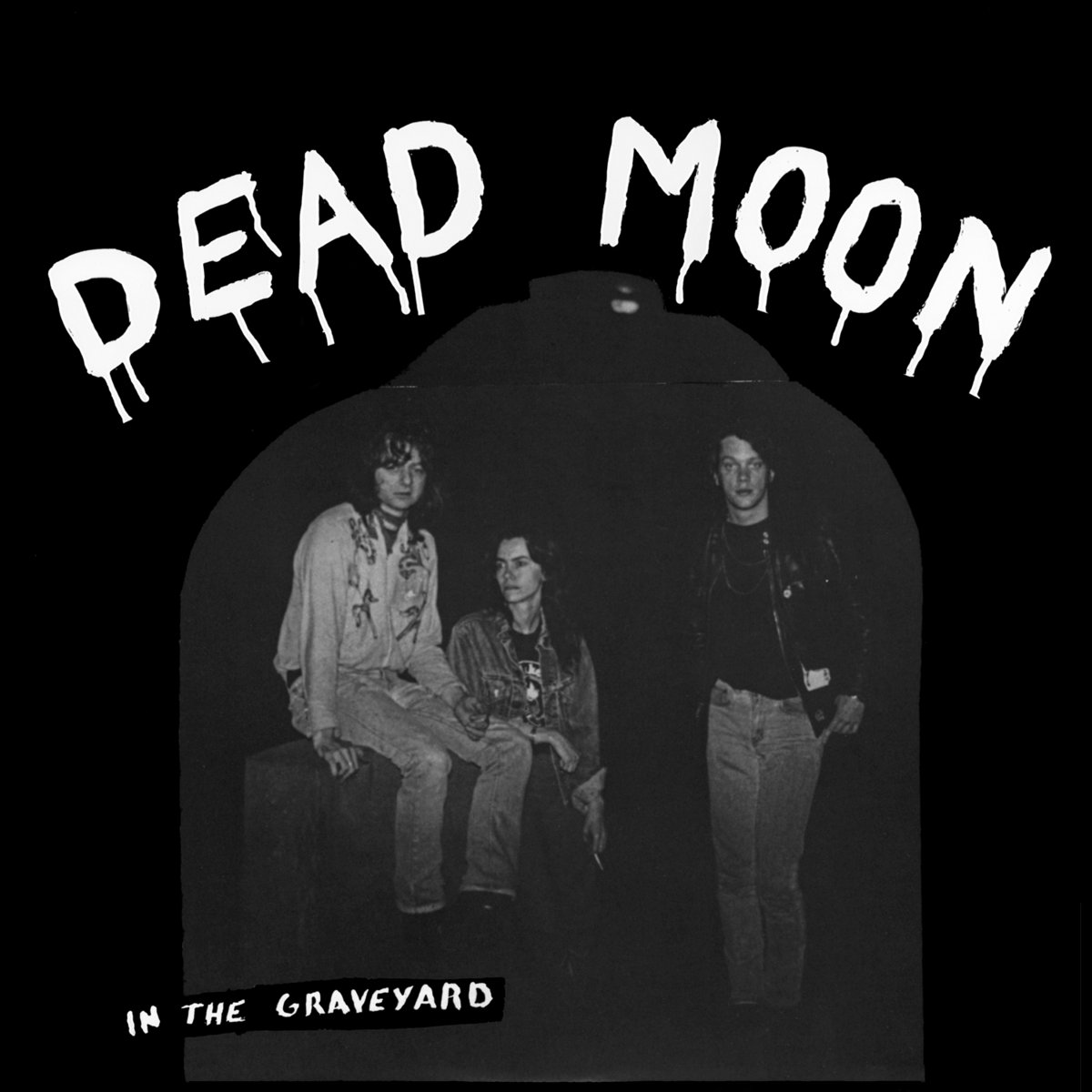
When Andrew Loomis met with Fred and me for our first rehearsal, I think we both just knew he would be the third member of Dead Moon. I’m not really sure why, but it just felt right from the very start. There was instant chemistry, solid drumming, and he loved and admired Fred’s vocals and songwriting. He told us later that the Rats was his favorite band. We’d had a hard time keeping drummers in our other bands, so his loyalty, commitment and joking personality made Andrew the perfect choice.
The early Dead Moon records sound raw, but they never sound careless. When you were recording those songs, what kind of roughness felt good to you, and what kind of mistake still had to be fixed?
The early Dead Moon recordings were all done in three takes or fewer, most of them on the first take. Fred wanted to have a live-off-the-floor feeling, so the rawness was just there. No reverb or effects on the vocals, no guitar effect pedals on the floor and straight-ahead drums. Basic rock & roll with no frills, in your face and earnestly real.
If there was a missed note or small mistake on the tape, it usually got left in to be “fixed in the mix” later, which never happened. We pretty much only changed or made improvements to our songs after playing them live and letting them develop naturally into the finished product.
What was the dearest gig you ever played, and what was the craziest? I’m sure you have a story or two to share.
The dearest gig I ever did was in the mid-’90s at the Lowlands Festival in Holland. It was the biggest crowd we’d ever played in front of and one of our best gigs ever. Everything just felt so right. Then, to top it all off, at the end of the show this couple came up to me to let me know that they had named their new baby daughter Toody after me! It was an amazing honor for me to have a namesake out there.
Over the next decade or so, they would bring little Toody every year or two to see Fred and me backstage, so we got the chance to see her grow up and she got the chance to see who she was named after. I happened to meet her again a few years ago in Berlin, where she was going to university, at a promotional show for the Dead Moon book, Off the Grid. She was 23 by then and asked if I remembered her! How could I forget that?
The craziest gig was definitely on our ’92 New Zealand tour in New Plymouth, a small town on the North Island. This was the insanely fun tour we did instead of doing the gig with Nirvana. It was a real Wild West adventure, with an off-the-charts punk rock crowd who all sounded like descendants of pirates and a very pregnant girl swinging her elbows for a good spot in the mosh pit right in front of the band.
They held back at first, thinking we were some old, has-been rock band and not punk enough for their town. We got through the first couple of songs while they were all giving us the once-over. The next thing we knew, everyone went wild for nearly two hours.
“Everything was totally spontaneous and unplanned.”
Dead Moon had such a strong visual identity: the candle onstage, the black clothes, the handmade records, the Tombstone name and the general feeling around the band. Did you and Fred ever talk about creating that atmosphere, or was it simply the way you already lived?
Fred and the band never talked about creating a certain atmosphere around Dead Moon. Everything was totally spontaneous and unplanned. The rituals just sort of happened by accident and were slowly added to the show one by one. I think the fact that everyone was learning about our DIY lifestyle, the fact that we looked like family already, the love story of Fred and Toody, the tattoos and everything else added to the mystique of Dead Moon.
Fred wrote so many of the songs, but your voice gave certain songs a completely different weight. When a song was going to be yours to sing, how would the two of you work it out?
Fred consciously wrote a few songs for me to sing lead vocals on after the first few Dead Moon LPs. The harmonies we sang together just came naturally most of the time. I added parts to several of my backing vocals once we had performed the songs on tour and I knew what else would complete the sound of the song.
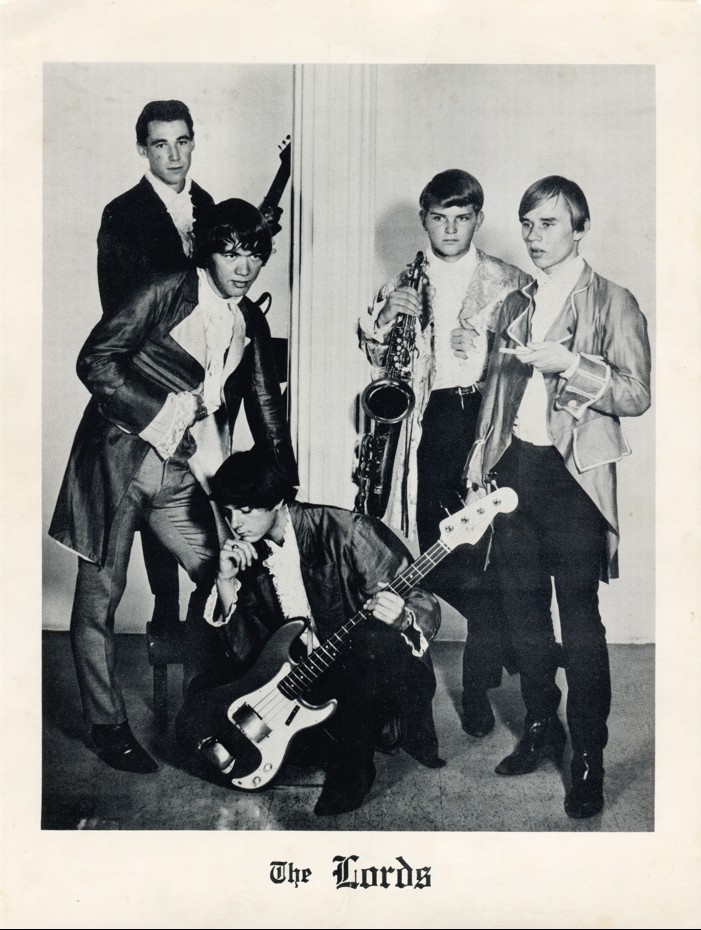
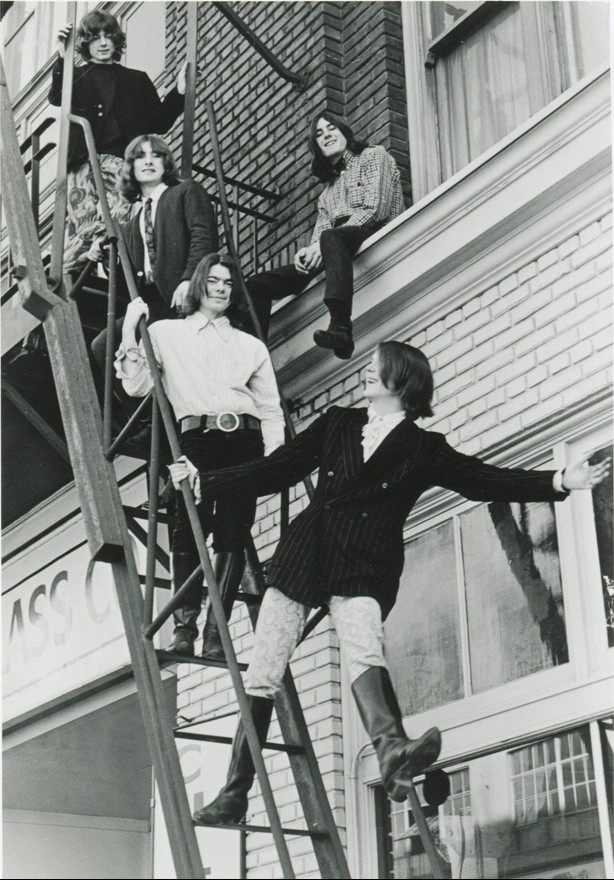
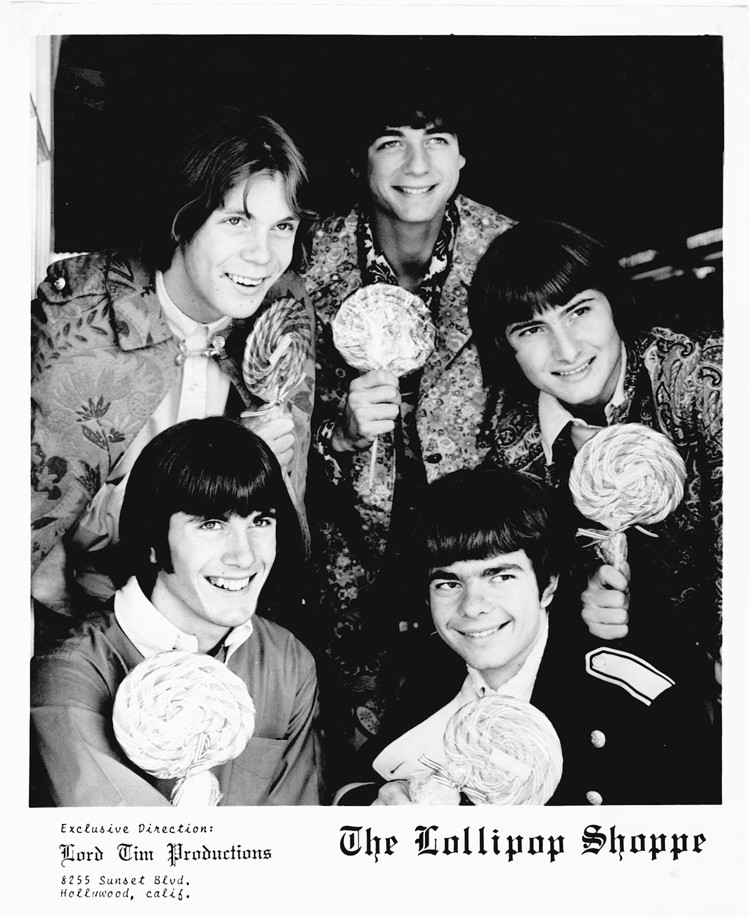
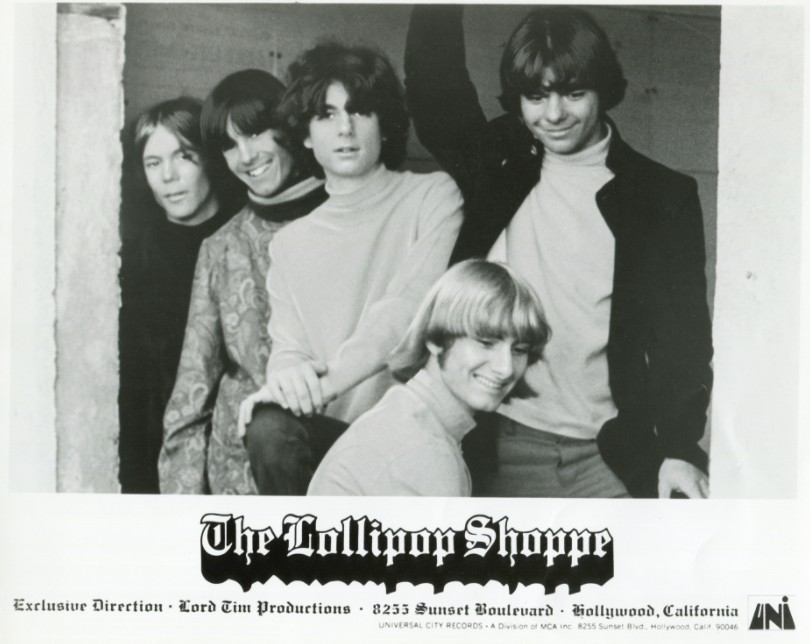
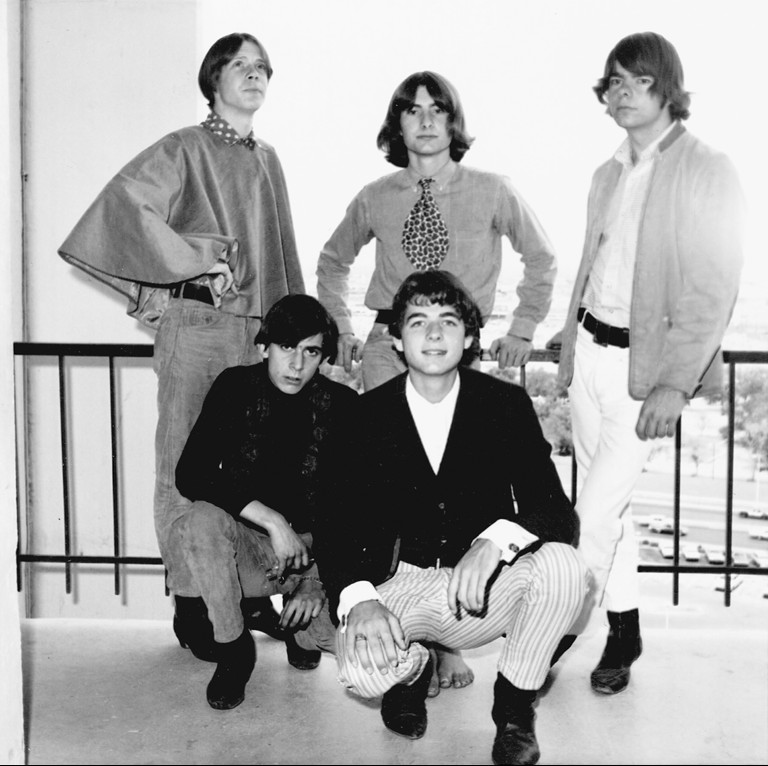
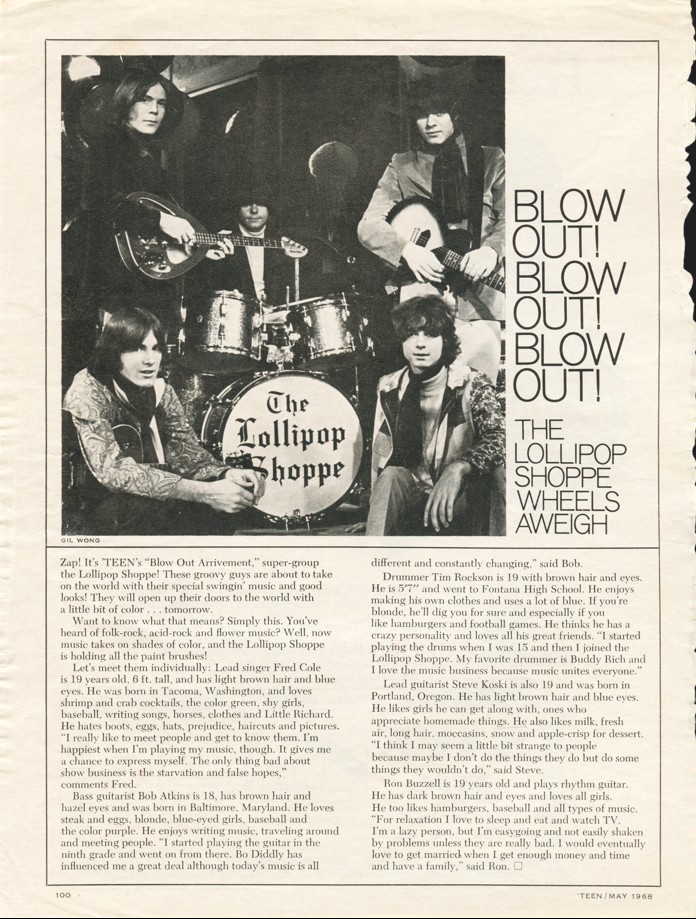
I wonder if you could share some memories of Fred’s early bands, the Weeds and later the Lollipop Shoppe, with its absolutely killer debut album. Would you mind sharing a few words about that period for our psychedelic music readers?
When I first saw the Weeds in October 1966, they changed my life. Fred was an amazing live vocalist and performer. Portland had never seen a local band like them. Everyone here was copying Paul Revere & the Raiders, while the Weeds were like a rough-sounding, underground Rolling Stones.
I had never heard of Arthur Lee or Love before the Weeds came to town. They were doing several Love covers in their set, along with other underground hits we weren’t familiar with at the time. Fred and some of the other guys in the band had just started writing original songs in the Weeds, which later became the Lollipop Shoppe LP, Just Colour. It was one of the great underground psychedelic LPs of that era. Too bad so few were lucky enough to see their early live performances.
You were doing much more than playing bass. You handled bookings, money, correspondence, merchandise and much of the practical work that kept the band independent. Looking back, do you feel people have understood how creative that part of your role really was?
I don’t know if people really understood how much Fred and I were doing in the background to make Dead Moon happen. It never really mattered to either of us. It was just what needed to get done.
For my part, Fred was doing all the writing, recording and mixing of the music, which was where his talent shined. I took on the other jobs necessary for the business of the band, which better suited my talents. Between the two of us, we were able to cover all the bases and keep control of what and how we wanted Dead Moon to be. It was a complete and amazing partnership!
Dead Moon found a devoted audience in Europe before many people in America seemed to understand the band. What do you think audiences over there heard in you early on? Did playing in Europe change the band in any way?
Europe changed everything for Dead Moon! We came home full of confidence in what we were able to do and super tight after playing that many gigs in a row. All of a sudden, we were the band in town, hometown heroes.
European audiences were not afraid or “too cool” to show their appreciation for the music and performance we gave them, and that spurred us on to give them even more. I think they responded to the honest, straightforward rock & roll we played, and Fred’s lyrics and vocals set us apart from the other touring bands. Word-of-mouth referrals did the rest.
You are now playing songs from different parts of your life, including the Rats, Dead Moon, the Range Rats and Pierced Arrows.
I like being able to include songs from all those bands in the set I am doing with Toody Cole & Her Band. Many of them are songs I originally sang lead vocals on, but a lot of the rest are songs I love and always wanted to cover. There are also the classic Dead Moon songs like “It’s OK,” “Dead Moon Night,” “54/40 or Fight” and “Dagger Moon” that just have to be there!
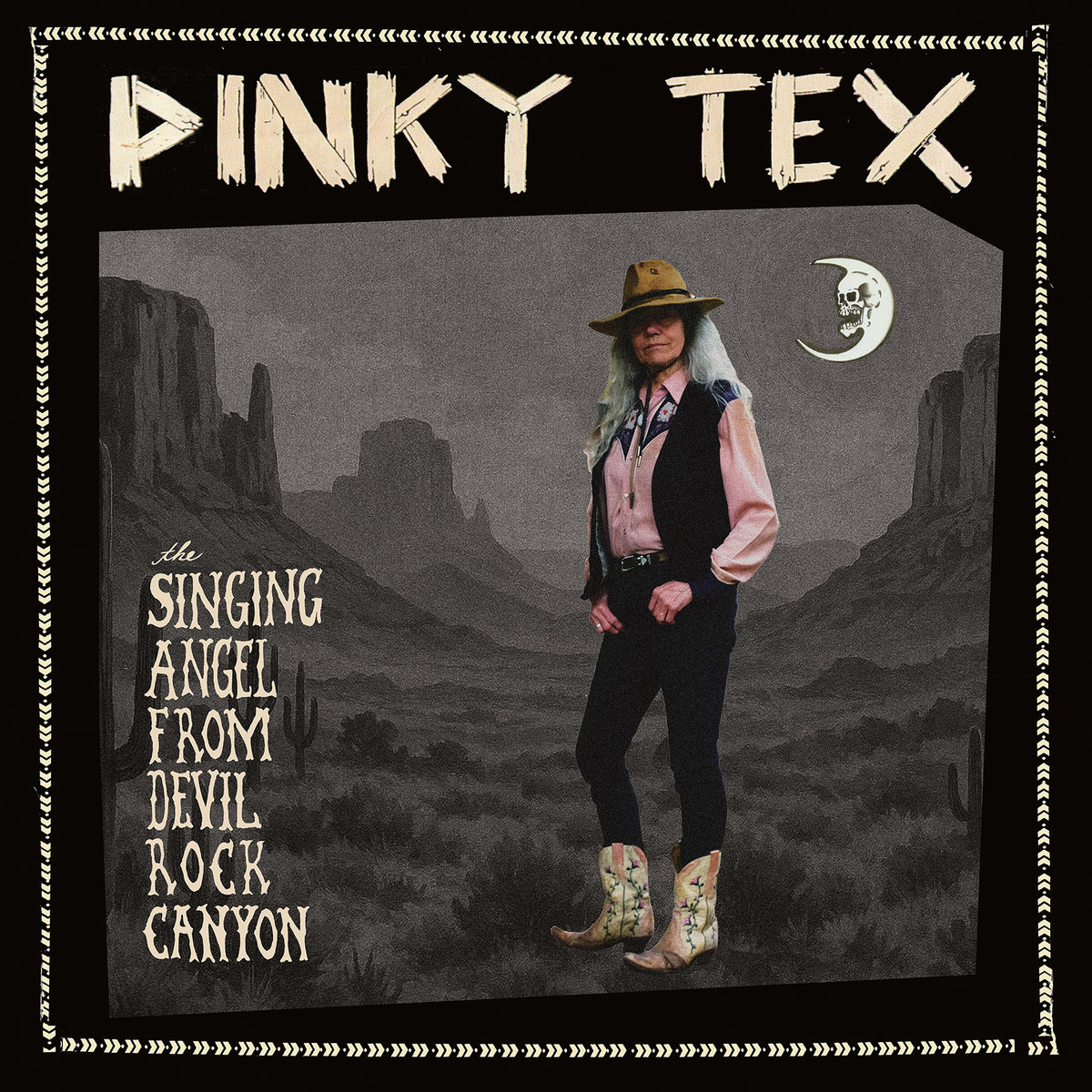
Now there is Pinky Tex, which brings you back to country music. Did it feel like returning to an old part of yourself or trying something new?
Pinky Tex was an experimental project done for friends. I really didn’t expect anything from it, just something new to try. I still love doing “country” songs, so it was more returning to part of my past than starting something new.
I came up with the name because Fred used to call me Pinky and I called him Tex, especially with the Range Rats before Dead Moon, so it seemed appropriate.
What else currently occupies your life besides music?
All the same things besides music still occupy my life. My family, the Dead Moon website, managing our rental property at Tombstone, friends, cutting wood for the winter, cutting grass every spring, raking up all the leaves every fall, finishing up projects around the house and going to the Indian casinos on the Oregon coast to gamble.
I live on 21 acres about 25 miles outside Portland with my son Weeden, so there is always too much to get done!
Klemen Breznikar
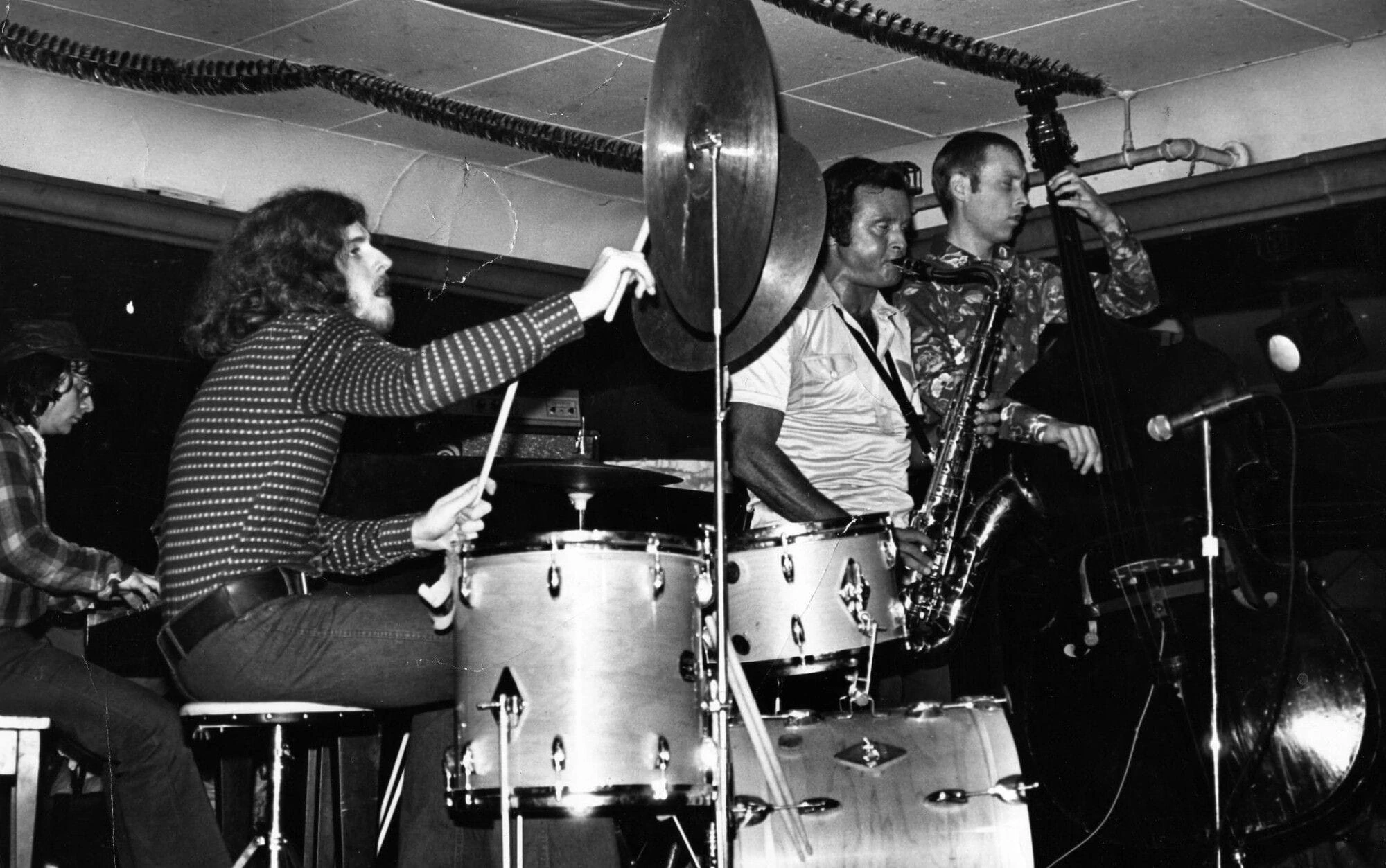
Headline photo: The Rats with Rod “Rat” Hibbert, 1978. Photograph: Toody Cole’s private archive