
The Lost Acetate That Brought Nanaimo’s Garage-Psych Outsiders The Glass Cage Back To Life
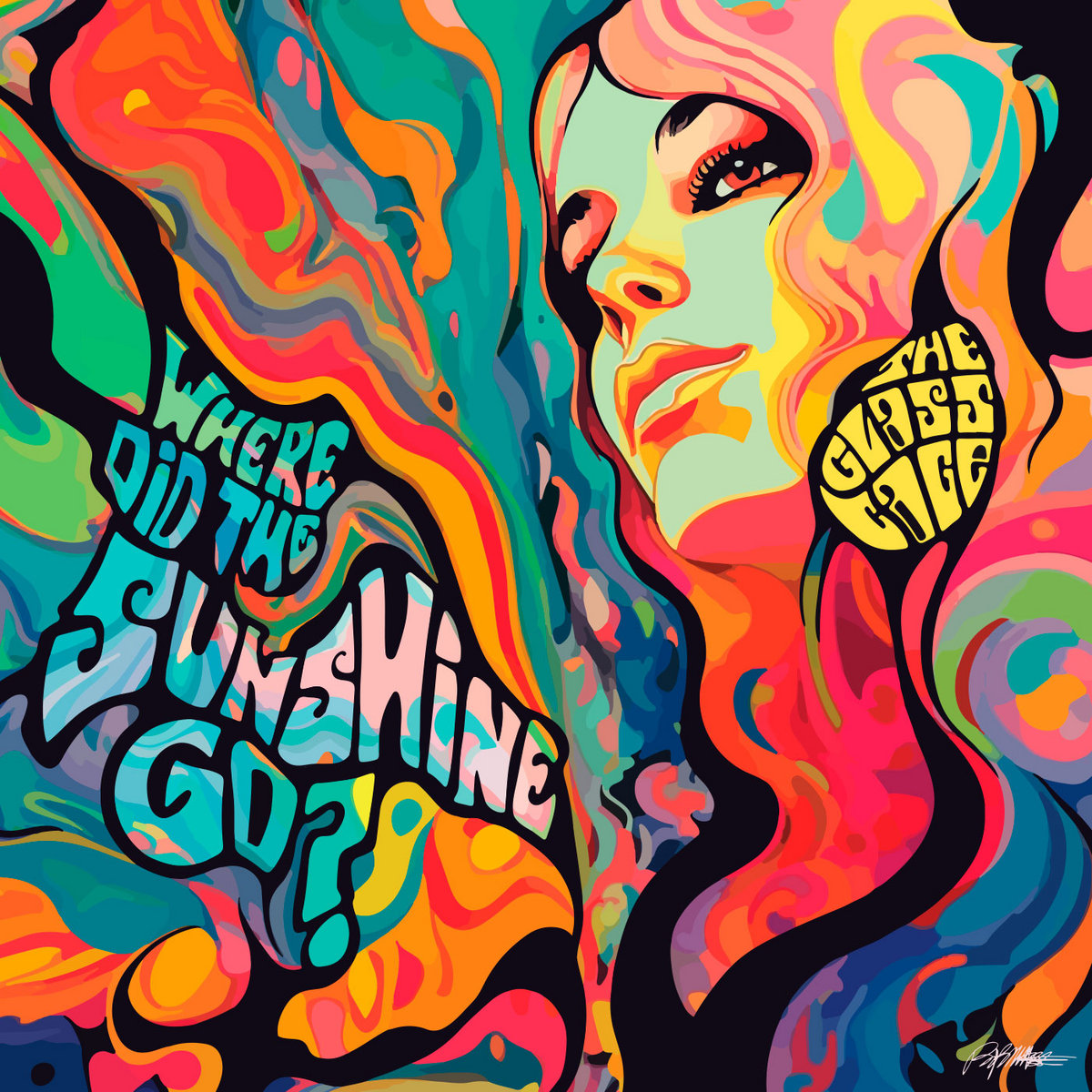
The Glass Cage story begins with an acetate found decades later in a Port Alberni thrift store. It was worn, unmarked, and separated from its original context, but it contained a 1968 recording by a young Nanaimo band that had almost disappeared from the historical record.
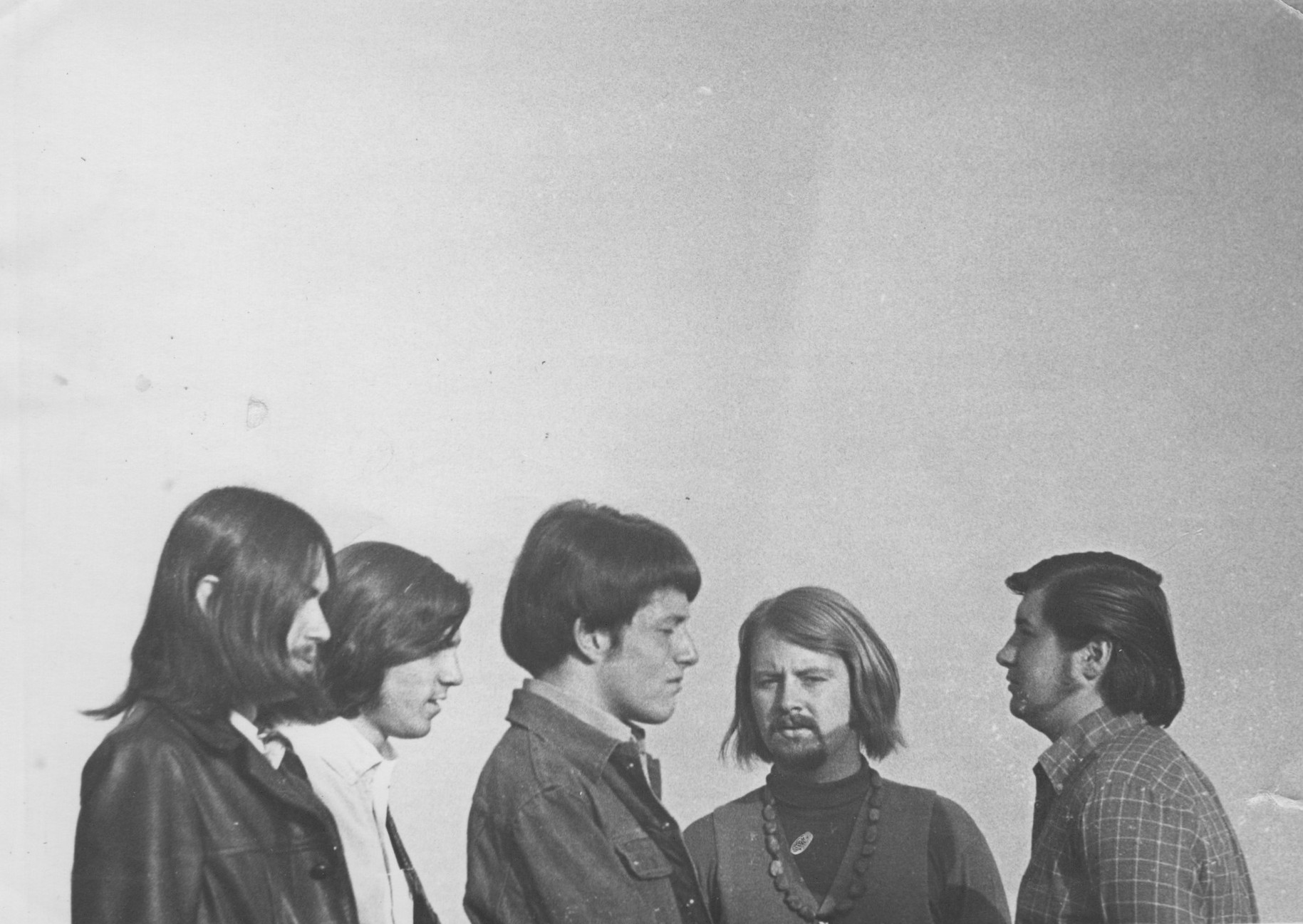
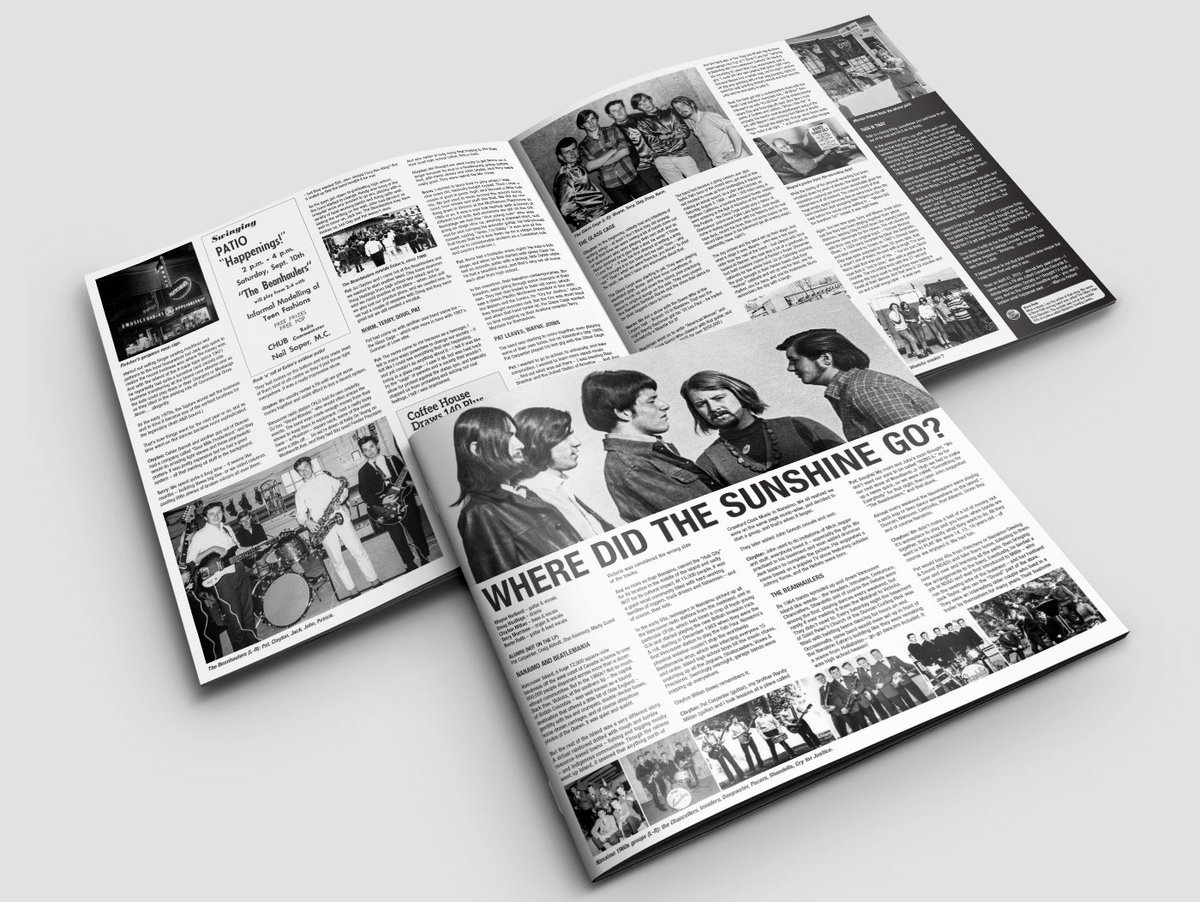
The group came together through school friendships and earlier local bands. Pat Carpenter and Clayton Millan had played in a previous group that broke up. Norm Roth, Terry Morrison and Doug Hastings joined soon after, and Wayne Harbord became central to the recorded band’s guitar sound. Roth later described the beginning simply: five friends getting together to play music, without a larger plan.
Their early circuit was typical of Vancouver Island youth bands of the period: teen towns, school sock hops, churches, The Legion, The Masonic Hall, small dances and hippy hangouts. They were a working dance band, but their recordings show them moving beyond that function. The Beatles, The Rolling Stones, English R&B, Pacific Northwest garage rock and heavier psychedelic music all formed part of the background. The band wanted to be loud, and their homemade Fender-style cabinets, built by Al Reimer, gave them a stronger stage sound. Wayne Harbord’s guitar and Terry Morrison’s Farfisa organ became central to their character, while Clayton Millan and Doug Hastings held the rhythm section together.
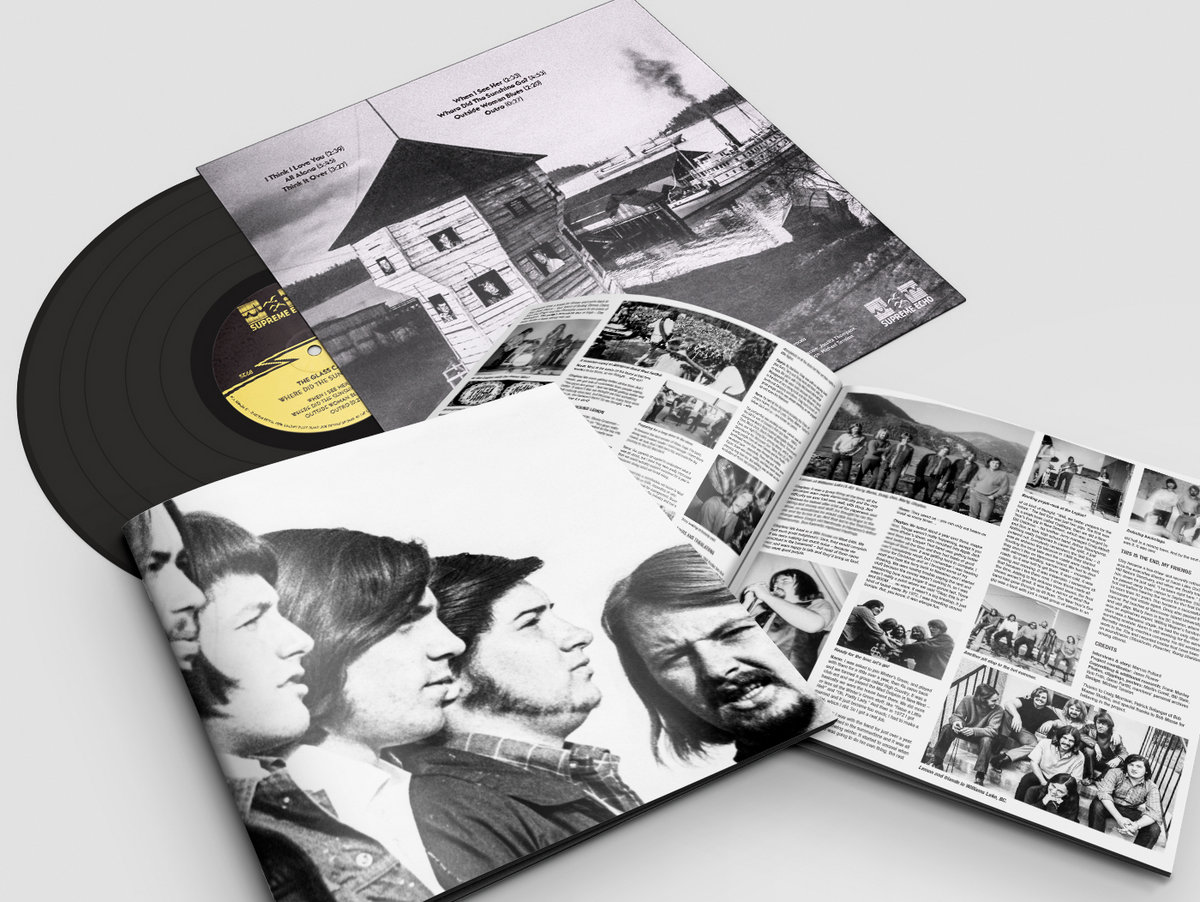
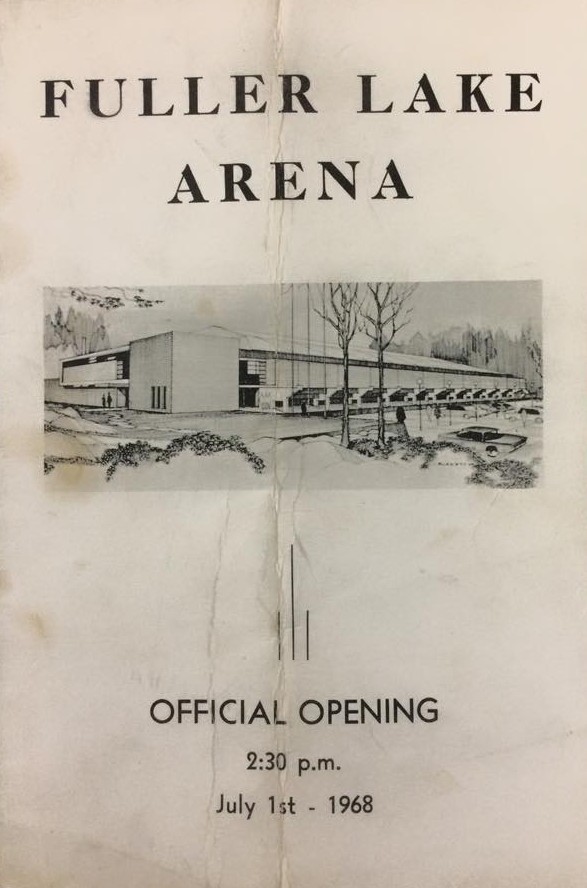
The key document is the Fuller Lake Arena recording, made on August 3, 1968, at the opening of the arena in Chemainus. Local audio man Jack “Pop” Taylor recorded the group on reel-to-reel equipment, and only three acetates were cut. The surviving material consists of six songs: five original songs by Norm Roth and a version of Cream’s ‘Outside Woman Blues’, followed on the modern release by a short outro. Roth’s ‘I Think I Love You’ was his first original composition, and the recordings catch the band between Top 40 dance-band work and a heavier garage-psychedelic sound.
The Glass Cage also crossed briefly into wider Canadian rock history. They opened for The Guess Who at The Legion in downtown Nanaimo around the time Randy Bachman acquired the 1959 Les Paul later associated with ‘American Woman’. In 1969, the band continued as Lemon, moved toward Vancouver, and played larger events including the Aldergrove Beach Rock Festival. The break into the main circuit did not happen, and the group ended soon after.
The acetate discovery by Marcus Pollard in 2016 led to the music being traced back to the musicians. Jason Flower of Supreme Echo oversaw the archival release, with restoration and remastering by Peter Conheim. The result is a rare surviving document of a young Vancouver Island band caught between the local dance circuit and the underground rock sound emerging at the end of the 1960s.
“We lucked out and found the sweet spot.”
How did the five of you originally come together to form The Glass Cage, and what were the local venues like before you graduated to the larger stages? Could you share what the music scene and life were like in your town back then?
Norm Roth: We were all high school friends. The band that Pat and Clay were in had broken up, but they wanted to keep going, so they asked Terry, Doug and me if we would be interested.
Clayton Millan: We were still in school, but most were still taking music lessons. A previous band had disbanded, and we were looking for a new outlet. It started out with Pat Carpenter and me. We were looking for a drummer and heard of Doug Hastings being available. We asked him, and he said yes. Terry Morrison was in the same class as me. We asked him for keyboards, and he said yes. It came together fairly quickly.
The local venues were small dances. Some hippy hangouts of the time. We mostly travelled up and down the island, with a trip or two to the West Coast. It was a bit of a counterculture then, as people were into drugs, and of course some overdid it and either ended up dead or with mental problems. Younger people dressed a lot like hippies, even if they weren’t. We did it, I guess, to try and look the part for the band. There were a lot of Beatles, Rolling Stones and other English groups then, and it was great, as everything was new and different. I’m sure that is what pushed us to start bands. We wanted to be part of it.
Craig Abbott: Although I was not in the original five, you could form a group overnight and all decide you were musicians and find a place to play. Teen towns were always forgiving places to try it out. There was always someone who couldn’t play, but their way of being part of it was being the manager, and they would do the dirty work of organizing events. We also played at school sock hops, churches, The Legion, The Masonic Hall, and a couple of places up and down the island. The same was happening with other groups in the area. Eventually, I was a part of The Glass Cage.
Were you involved in other bands before forming The Glass Cage?
Norm Roth: I was with a folk trio at the time, We Three, with John Styles and Kevin Jersey.
Clayton Millan: I was in one other band before Glass Cage. We were called The Beanhaulers. (Great name.) We got some good road experience. Members were me, Pat, my brother Randy, John Gorosh, our singer, and a drummer, but I can’t remember his name. We had fun, as being 15–16 years old, we were all into girls, and John’s family used to have American girls from parades stay at their place.
Craig Abbott: Yes, the very first band was The Trolls, with Roy Herman, who had the famous Les Paul, which became Randy Bachman’s guitar. We were a bunch of kids who learned a few songs and got to play around at the teen towns and sock hops. Then The Arthur Steam Pump with old friends: John Gorosh, Don Kennedy, and Frank Syrotuck.
What was the original idea behind the formation of The Glass Cage?
Norm Roth: There really wasn’t a grand plan. It was five friends getting together to play music. We didn’t know if it would work or not, but it was fun.
Clayton Millan: I don’t think there was any specific idea about starting the band other than enjoying the music and being part of the change. We played all radio stuff at the time and gradually moved into our own as we became a more cohesive group.
The recording at Fuller Lake Arena took place on August 3, 1968, the same weekend as the Newport Pop Festival in California. Did you feel plugged into that global shift at the time?
Norm Roth: We weren’t plugged into anything more than our amps. At the time, we were a Top 40 cover dance band. Sometimes too loud, but all the time enjoying what we were doing.
Clayton Millan: Personally, I was working a lot, so although liking a lot of the music of the time, it didn’t draw me into it, as I was more of an R&B enthusiast and I enjoyed the funk of that type of music. I also enjoyed the learning experience from all sides, as I was able to learn bass riffs that made my position more enjoyable.
Craig Abbott: I was not at the recording, but in 1968, we were still feeling that “summer of love” vibe of ’67. As far as being the loudest band, we wanted to be as loud as we possibly could. We were influenced by the garage rock groups of the Pacific Northwest, bands like The Sonics, and other groups who passed through here, who were insanely loud, and that was so powerful. Obviously, we wanted to be like that. What we lacked in musical proficiency, we could make up in volume, and hope that the crowd was stoned enough to enjoy our music.
Your sound is defined by those towering, homemade Fender-style cabinets loaded with Jensen speakers. Who was the technical mind behind building that gear, and how did those custom rigs handle the natural reverb of a massive, empty hockey rink?
Norm Roth: They were built by Al Reimer and were a little underpowered, so when you pushed them, there was a natural distortion. We set up on the sideboards of the arena, not the end, so there wasn’t as much echo. We lucked out and found the sweet spot.
Clayton Millan: The Fender cabinets, I believe, were initiated by Wayne Harbord, our second guitarist. Al Reimer, a musician and good carpenter in Nanaimo, originally built them. As far as the sound went, the stage at Fuller Lake was not far from the main entrance and more or less sideways. The reverb didn’t seem bad, and as you can hear on the recording, there wasn’t a lot of echo.
Craig Abbott: Well, Al Reimer was also the guy who made those cabinets look like a Fender Showman or different Fender amps. Some of us had genuine Fender equipment, like mine, which was partially real Fender and partially made to look like a real Fender. Haha, it had dummy tubes which lit up, but didn’t actually do anything. Cool.
Norm, ‘I Think I Love You’ was your very first original composition. When you brought those early, fuzz-driven tracks to the rest of the group, did the band’s direction shift immediately toward that heavier psychedelic sound?
Norm Roth: I didn’t know if the guys would like it or not, but the response was good, so that gave me the push to try more stuff. The direction didn’t change right away. We were still a dance band.
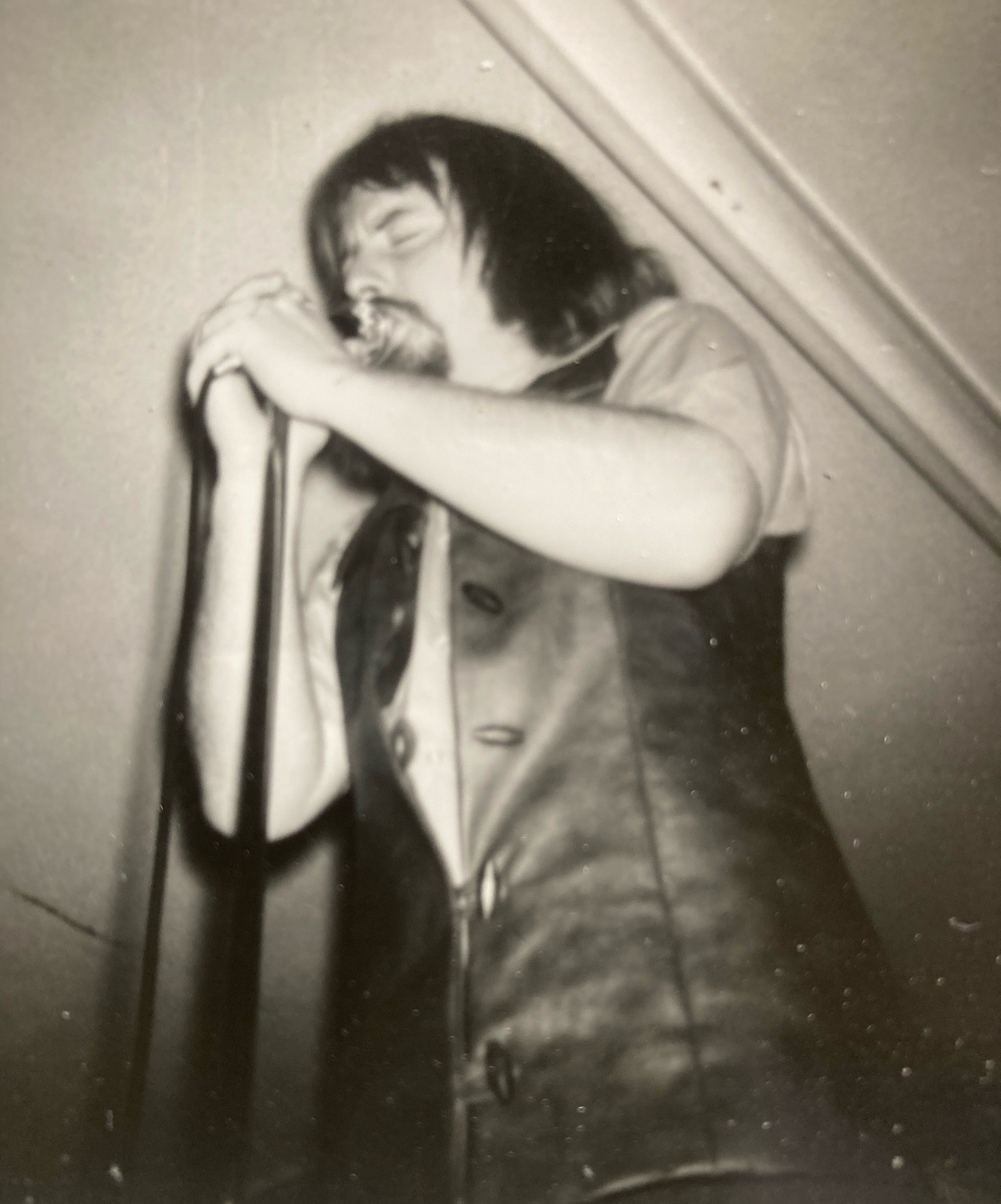
Would you share your insight on the album’s tracks?
Norm Roth: All the tracks are personal. They come from inside. They come from a place where I could hide. I love them all. I never thought Marcus would find them or that Jason would bring them back to life. I thank them.
Craig Abbott: Looking at it now, I am impressed with their radio-quality kind of playability, and they are actually catchy tunes. If they were professionally recorded, they could have been hit songs on the radio. I don’t think I am puffing up my own tires, because I was not on them, and I think they were good and well done, and I am proud to be associated with those guys who did that.
There is a very specific interplay between the Farfisa organ and the guitar that you have likened to a game of Snakes and Ladders. How did Wayne and Terry work out those intertwining parts during a live set without the luxury of a modern monitor system?
Norm Roth: We used to practice like demons, and the more we did, the tighter we got. Clay and Doug set up a rock-solid foundation. I had the middle, which allowed Terry and Wayne to create what they did.
Clayton Millan: I’m not really sure how they managed the interplay, but Wayne was very good at filling in spots that needed something. I’m sure that is why he went on to more of an R&B-style group. Terry was the type that just got into a groove and just let himself go, and it worked out.
Craig Abbott: I can’t speak for them, but I know that it was always a challenge to hear yourself or anyone else clearly… pity the poor vocalist… The only thing you could do was practice a lot and get good at visual signals and hope for the best!
You shared a stage with The Guess Who the night Randy Bachman famously acquired his 1959 Les Paul. What are your clearest memories of that gig, and did you feel like you were holding your own against the big touring acts of the era?
Norm Roth: That was a night I will remember forever. Scared, nervous and a little, “Holy shit!!” The hall was packed. Almost everyone we knew was there, but that all went away when we started to play. It was a great night.
Clayton Millan: I myself was kind of in awe of The Guess Who, as they were starting to make it big and already had a lot of radio coverage. They didn’t talk much at all, but you could tell they were all very good musicians. I think we played very well that night, and although we weren’t on the same level professionally, we could see there was potential for us. Whenever a good band came to town, there was always potential for fights at the Branch 10 Legion, and they didn’t disappoint that night. Thank God most of it happened outside.
Craig Abbott: My clearest memories are that we played our set before The Guess Who at The Legion in downtown Nanaimo. It was not in the basement of a church, as Randy says, and there was no minister involved. No money was exchanged between anyone. Randy initiated the possible trade, not the young guy, who was myself. It was packed, and everyone loved us, but obviously we were the warm-up act. Right after it was over, Randy Bachman cornered me and was very adamant about wanting to check out that Les Paul, and started to pour on the charm as far as making the trade with his guitar, which was a Mosrite. It was actually a nice guitar, but the neck was too narrow for his large hand. Meanwhile, his roadie guy was hanging over us in kind of a threatening way. Obviously, I had to get a hold of Roy because it wasn’t my guitar. The two of us felt a little intimidated by the whole thing. It was kind of a power trip by them, and they leaned in on us a bit, and um, I always felt bad about it. It turns out that Roy came to grips with it and felt that, at the time, there were lots of those guitars around (Les Pauls). He did end up with a decent guitar, although maybe not as nice as the Les Paul. The other way to look at it is that, if Randy did not get that guitar, they might not have done as well with ‘American Woman’, ‘No Time’, and more. So, it turned out to be something pretty good to be a part of. This history kind of puts Nanaimo on the map.
The transition from The Glass Cage to Lemon saw you moving to Vancouver and playing the Aldergrove Beach Rock Festival for 25,000 people. How did the band’s energy change once you were under professional management and playing those massive outdoor festivals?
Norm Roth: It’s hard to put into words, the feeling of seeing that many people. You just close your eyes and go for it, and it worked. We were really pumped.
Craig Abbott: We got to hang out with people who went off to be quite well known, like Trooper and Chilliwack, and rub elbows with lots of talented musicians, and it was exciting. We found out what it was like to try to live without depending on our moms and dads, and actually having to make a living playing music, and how difficult it was during that time. We were lucky enough to find a neighbourhood to rent a house to practice in, and not totally alienate our neighbours, while barely not starving to death. We learned how to make tomato soup with stolen ketchup packets from the original White Spot on South Granville.
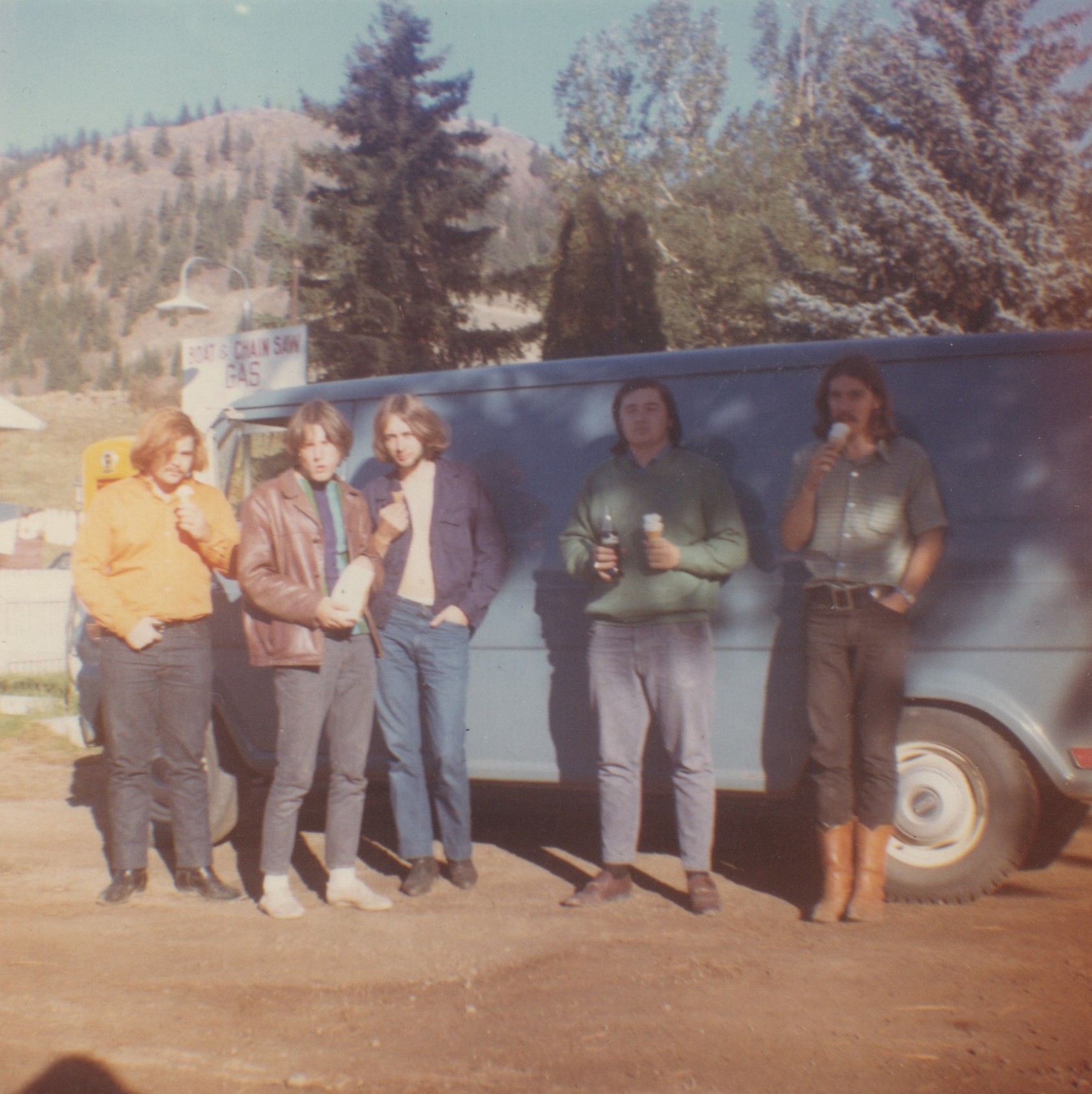
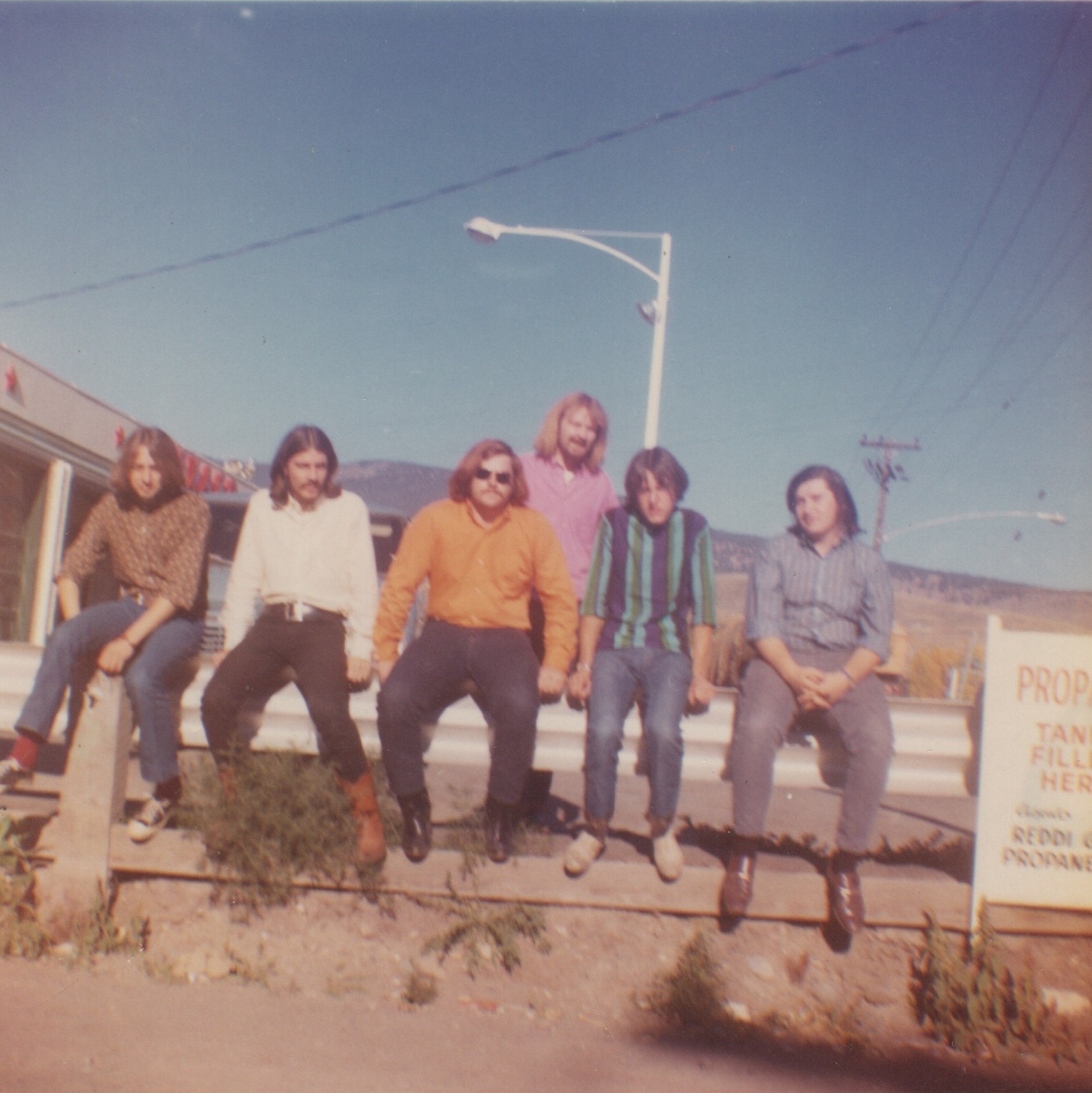
What happened after the band stopped? Were you still in touch with the other members? Is any member still involved with the music?
Norm Roth: God knows we tried to make it work. We just couldn’t break into the main circuit. Money was tight, so on New Year’s 1969, we played our last gig. No big fight, just the end. The guys moved back to the Island. I stayed.
Clayton Millan: When we decided to pack it up, there wasn’t much happening for us. We stayed in touch for a little while, but we needed to get on with life. So I went back to Nanaimo to work, and then me and a couple of buddies decided we needed to see Europe for a few months. That was fun. I believe Norm Roth is still involved. He sold a bossa nova-style song to Mexican radio play a few years ago. A couple members passed away. I still have equipment, but what I do is few and far between. I know Wayne still plays for his own enjoyment.
Craig Abbott: Obviously, I have stayed in touch, and Patrick Carpenter went on to be the Chair of the Music Program at VIU. My wife works at VIU, and she was the Admissions Assistant for the Music Program, and had a very good working relationship with Patrick, as well as being a good friend of his. Don Kennedy continued to play, as well as being a radio DJ for many years. Norm continued to play and fill in with what became Trooper for a while when their singer, Ray Maguire, took a break. Terry continued to play with groups in Victoria, and did his own music: electronic and so on. Clayton played for a while and still has his equipment. I am almost the only one who didn’t, but our son, Ryan, is a big part of the music scene in Nanaimo, and plays bass. I am a full-time mountain biker now.
It is remarkable that these recordings survived on only three acetates cut by “Pop” Taylor. At the time of the session in 1968, was there ever a serious plan to use these tracks as a demo for a commercial label, or were they just intended as a personal souvenir?
Norm Roth: In truth, there wasn’t a plan for the recording. It just seemed like a good idea at the time.
Clayton Millan: It is remarkable that some lasted this long. Wayne looked after his, and it was still in good shape compared to the one they found in a thrift store in Port Alberni. I don’t think there was any intention to use these recordings for anything other than personal enjoyment.
To have your teenage performances celebrated as a “garage rock gem” nearly sixty years after the fact is a rare thing. When you listen to the finished LP today, does it feel like you are hearing your younger selves, or does it feel like a transmission from a completely different lifetime?
Norm Roth: Twilight Zone is a good description. How I feel is honoured. To have the songs recognized and appreciated. To Marcus and Jason for the love and care they have shown in preserving something that wasn’t supposed to be. To my bandmates, I love you all.
Clayton Millan: I’ve enjoyed hearing it and seeing that others are interested. I guess I’m kind of critical, as I was more interested in the timing and how well we gelled at the time. I would say a transmission from a completely different lifetime is a good way to explain my feelings toward it.
Craig Abbott: Well, I have to say the latter. It does feel like a transmission from a different lifetime, because it’s been so long since I was involved in music, and the notion of playing in front of people. So for me, it’s so long ago.
Looking back, what was the highlight of your time in the band? Which songs are you most proud of? Where and when was your most memorable gig?
Norm Roth: The highlight is being part of something special, and it was. I am proud of all my songs. They come from the heart. Most memorable: The Guess Who, Aldergrove and, of course, Fuller Lake!!!!
Clayton Millan: I would say the highlight for me was being able to see all the bands around Vancouver at the time and of all genres. It was especially awesome seeing Hendrix play live. Also, a very powerful Vanilla Fudge and The Small Faces. As far as the songs go, I always liked ‘Where Did the Sunshine Go’. I was amazed at how well it recorded. The most memorable gig was probably the Strawberry Festival out Langley way somewhere. Unbelievable talent from all over. There was a black guy who would do somersaults across the stage while still playing. As an 18-year-old, I couldn’t believe it.
Craig Abbott: Funny the things that stick in your mind. I remember when we played in Campbell River, up island, at a pizza place, or maybe The Flower Pot (a very popular hippy place). During the day, we had dropped acid and went horseback riding. It was a crazy experience. By the time we got back in the evening and set up, we were all just coming down and spaced out. All of us were like, “Are we sure we can do this?” All of a sudden, we started out with CCR: ‘Good Golly Miss Molly’, and it was just like Bammm!! We were instantly into it when that first note hit, and it just seemed to gel. We were okay; we knew what we were doing!
Klemen Breznikar
Headline photo: The Glass Cage
The Glass Cage Website / Facebook / Instagram / YouTube