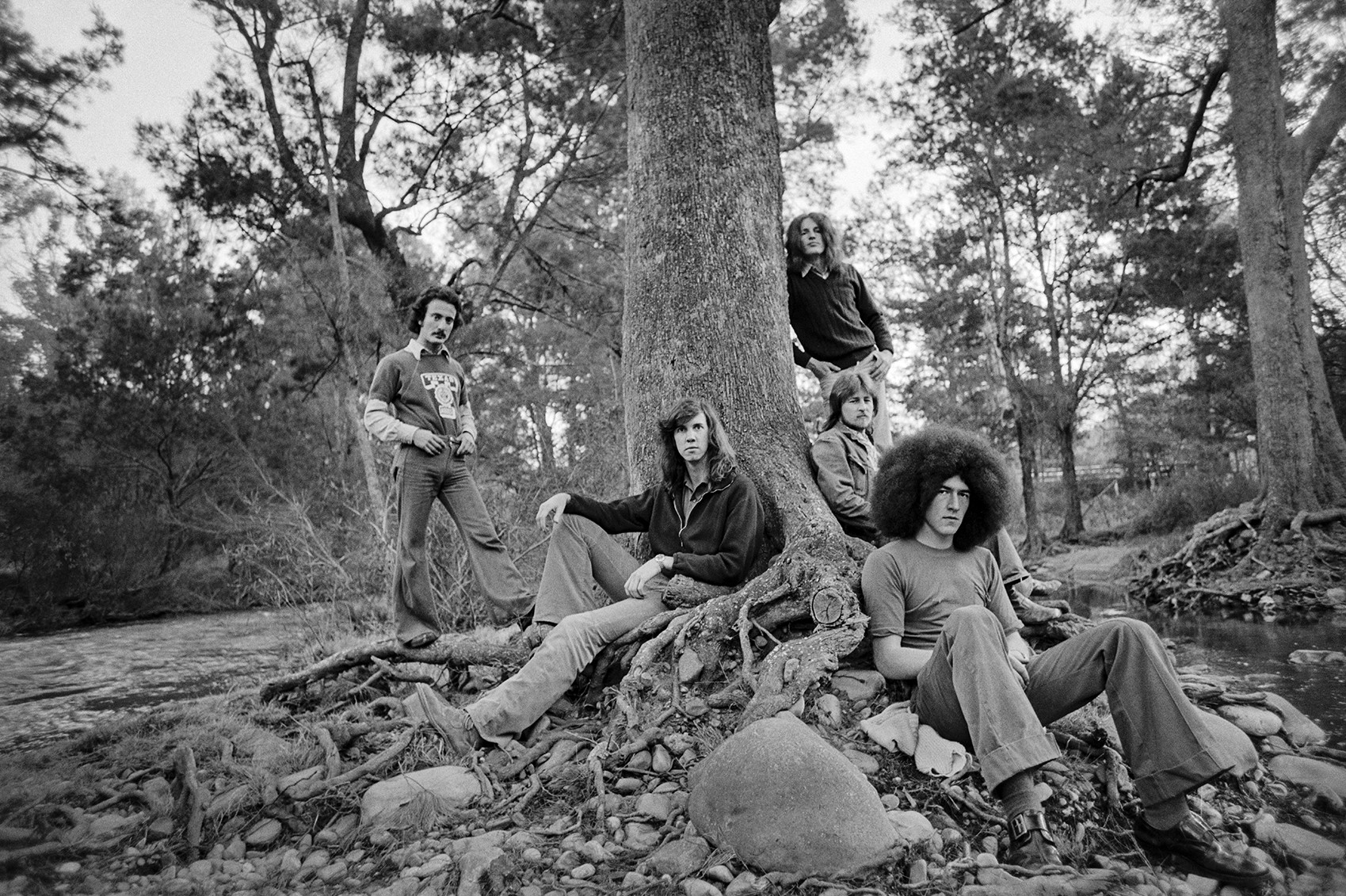

Canberra’s Lost Heavy Prog Underground: Samuel D. Rich Break Out Of The ’70s Vaults
Samuel D. Rich belong to that rare class of bands whose recorded life was almost invisible, yet whose music now arrives with the force of a missing chapter.
The group’s roots go back to 1972, when guitarist and singer Gordon Navara and bassist Ross Johnson were playing heavy progressive rock in Tellingbone. Drummer Stan Kadlo saw them at a free open-air concert in Garema Place and soon joined. Fabian Billerwell came in on second guitar. Geoff Rosenberg arrived almost by accident, first bringing his homemade PA for foldback, then stepping onstage with flute. He had songs, could sing, and owned the PA. In a band like this, that was enough to change the chemistry.
For roughly 18 months across 1973 and 1974, Samuel D. Rich played Canberra rooms, ANU shows and support slots with the likes of The Aztecs, Stevie Wright, Buffalo, Hush, Bakery and Mackenzie Theory. They were close enough to the national circuit to see it, but too far from its machinery to be carried by it. ‘Theme Of Discontent’ sits near Spectrum, Kahvas Jute and Mackenzie Theory, but has its own rough Canberra charge with is long-form acid guitar and a flute sound that gives the music a strange second voice.
The recordings were made live in early 1974 with basic gear, a small mixer, a reel-to-reel machine, a handful of mics and a feed from the PA. The band had rehearsed the songs hard, then played them as they stood. By late 1974 or early 1975, Samuel D. Rich were finished. The original tapes disappeared, a video copy survived, and decades later Eminent Vinyl shaped the strongest 45 minutes into the band’s first real release, remastered by Mikey Young and housed with care.
For Australian heavy rock collectors, this is A MUST!
“Everything you hear was played live in one evening.”
It’s strange how some bands seem to exist in a sealed pocket of time, then suddenly reappear decades later as if nothing’s really faded. When you first heard these recordings were going to be released, what was your gut reaction? Did it feel like something coming back to life, or more like something that never quite got its moment the first time around?
Geoff Rosenberg: A bit of both, really. I met Jules (Normington) by chance at a café. He was with some friends of mine and we got talking. Turned out we had worked at different times with the same band and musicians back in the 1980s. When he told me about his record label and what they were looking for, I told him about Samuel D. Rich and “the lost tapes,” and it just slowly morphed into reality. At first I didn’t really believe it was going to happen. It was just way too out there that after such a long time we would finally be getting released, and on vinyl too. It’s insane!
Let’s go back to Canberra in the early ’70s for a second. Did it feel like there was a scene, or were you all just making it up as you went along?
Canberra in the early 1970s was very “off the grid” as far as contemporary music went. No band had ever “made it” out of Canberra. A few groups were starting to get low-key gigs in Sydney, 280km away, but that was all. However, there was some extremely creative and original music being produced here, and some very good musicians. A lack of appropriate venues and audiences was a big drawback. Cover bands were all over the place, but for us and other bands like us, not so much.
You were playing places like ANU and supporting touring acts passing through. Did that make you feel part of something bigger, or did Canberra still feel a bit cut off from everything else happening around the country?
Definitely cut off, and a lot of the so-called “big” bands we were playing with were pretty ordinary, actually. Three-chord hard rock outfits. So the audiences they were pulling didn’t necessarily dig what we were doing. Occasionally we got to play with some good big-name “prog” bands like Ariel, Mackenzie Theory, etc., and that was certainly more comfortable.
How did the band really come together?
I joined after the band had already formed, so I wasn’t in on the early story. But what I can tell you is that in 1972, Gordon Navara (main songwriter, guitar and vocals) and Ross Johnson (bass) were playing together in a heavy prog-rock band called Tellingbone. Stan Kadlo (drums) saw them one night at a free open-air concert in Canberra’s Garema Place, a big square in the middle of the CBD where they sometimes had live shows, and asked if he could jam with them sometime. Gordon, Ross and Stan then formed Samuel D. Rich with the addition of Fabian Billerwell on second guitar. At this stage they were a four-piece band playing Gordon’s original material. I had played with Stan in an earlier original band called Captain Zap, and he asked me to come to their debut gig with my home-made PA system so that they could use it for foldback! I ended up joining them onstage, playing flute on a few songs, and I guess they all liked how it sounded, because very soon after, I was invited to join the band permanently. I had a bunch of original songs and could sing a bit. Plus, I had a PA (hehe.
It sounds like a couple of people brought in the main ideas, but everything got shaped as a group. Did that ever cause friction, or was that where the spark came from?
The band already had a set’s worth of original songs written by Gordon, and I brought half a dozen or so things that I had been working on. We worked them up in rehearsals, anyone could offer up ideas, and I don’t remember any friction at all. It was a very creative time, and we were all really into it, having fun creating our own thing.
You weren’t on bass at this point, you were playing flute and sharing vocals. How did you see your role back then? Was the flute out front in your mind, or more something moving through the gaps in the music?
I was doing a lot of background rhythmical stuff and trying to add texture. I’d take the odd solo, but the flute wasn’t the main focus except in one or two songs, for example ‘Fantasy,’ where the entire intro is just flute with a bit of guitar. We had to be careful because, at the time, Jethro Tull were really big, and I would often get told I sounded just like them, just because of the flute, which, while flattering in one way, got a bit boring after a while.
And when the flute eventually disappeared later on, did that shift the whole feel of the band in a noticeable way?
The sound shifted quite dramatically when Ross left. We had to drop a few songs which depended a lot on the flute, and we started to add a few covers in the hope of getting a bigger audience, more gigs and, of course, attracting girls. Plus, my style of bass playing was quite different to Ross’s.
Listening now, there’s that feeling of things stretching right up to the edge. Were those pieces planned out, or did they come out of long jams where you figured it out as you went?
We were totally committed to having as many different sections in each song as possible! Someone, usually Gordon or me, would come up with a basic song idea and then we’d jam and rehearse the crap out of it, with new sections being inserted wherever possible. There was no shortage of ideas. If a song didn’t have time signature changes, tricky riffs and five different parts, then it wasn’t happening.
You shared bills with bands like The Aztecs, Buffalo, even Stevie Wright. Did you feel like you were part of that same world, or doing something a bit off to the side?
I can’t speak for anyone else, but I always felt a bit in awe of the interstate bands we were supporting. They were “doing it” (touring, recording, appearing on TV) and were usually quite aloof and unapproachable. We were just the support band and seemingly stuck, stagnating in Canberra with little or no hope of success unless we left and moved to Melbourne or Sydney, and for one reason or another, that wasn’t going to happen due to some band members having jobs and/or personal commitments that kept them in Canberra.
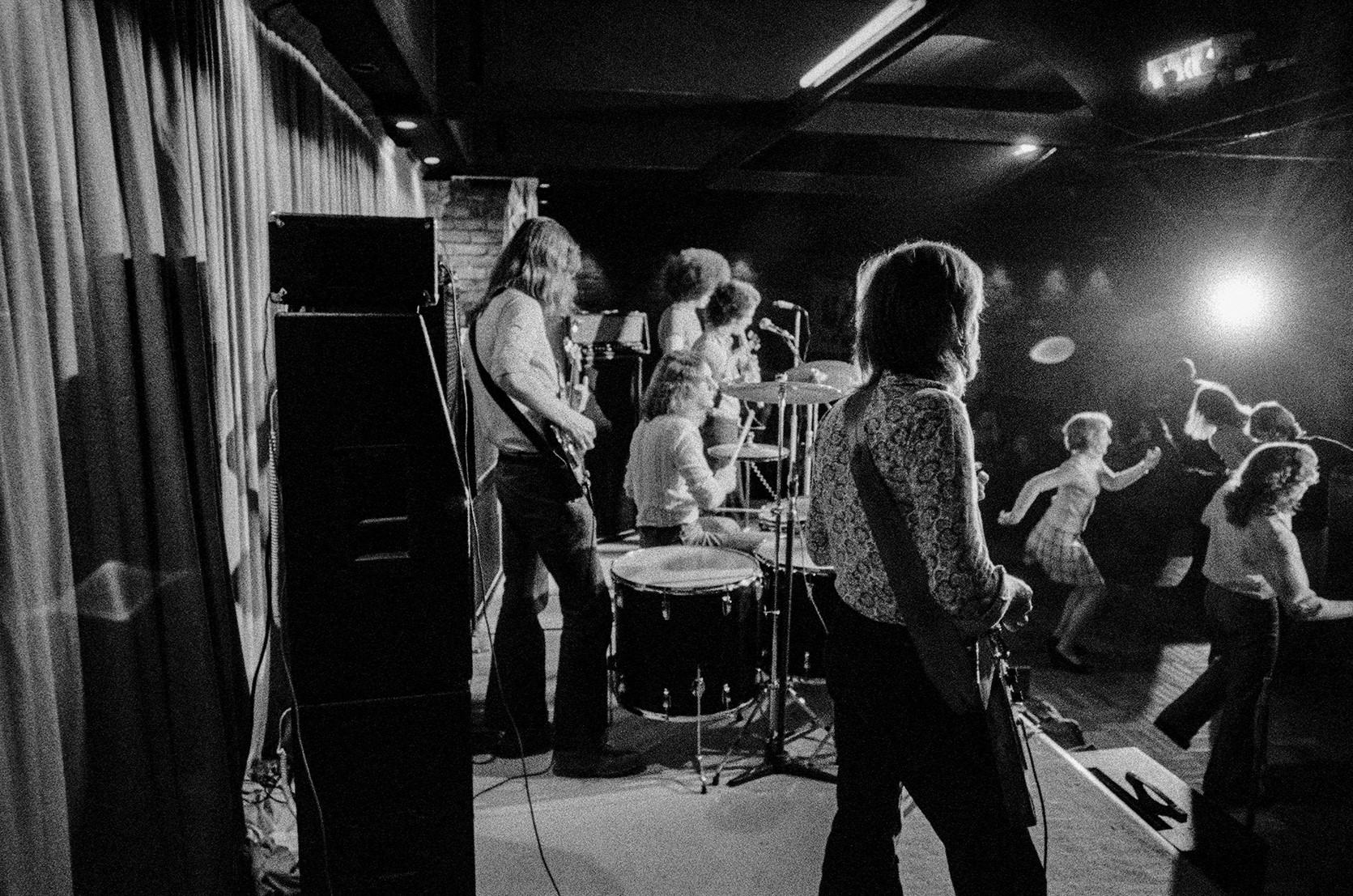
The recording story is great. No studio, just setting everything up yourselves in a rehearsal space with whatever gear was around. Reel-to-reel, a small mixer, a handful of mics, even a feed from the PA. What do you remember about that night?
We’d been playing these songs live for a while and all the parts were carefully worked out and rehearsed within an inch of their lives, so we just played it as we did live, onto the tape. I had always had tape recorders, hand-me-downs from my father who was a classical music lover and hi-fi aficionado. I got my first tape recorder when I was 12, a Telefunken M96, and soon worked out how to do sound-on-sound and echo effects, so I was pretty handy by the time we did the Samuel D. Rich sessions. I remember it very well. There were no playback facilities except for a pair of Sansui headphones, so the live mix took a while to set up, moving mikes around, recording for a minute or so, then listening back, moving them round some more. It was very old school, but I’m still amazed at how good it sounds.
Did it feel like something important was happening, or more like, let’s just get this down while we can?
No, it simply was a case of “let’s just record our shit to hear what it sounds like” so we could see how we sounded when we weren’t actually playing at the time, just listening, and maybe we could use it as a demo.
There’s something about it being basically live, a bit rough around the edges, that really comes through. Were you aiming for a sound, or just trying to capture the band as it actually was?
I had very little control over the overall sound. There was no outboard gear (compression, reverb, effects, graphic equalisers, etc.), so pretty much the sound that went to tape was what we made when we played live. It was remastered for vinyl for the record, but only inasmuch as the EQ needed to be a bit different from what was on the original for it to sound the same when it went to vinyl.
And I have to ask about heading out for food halfway through and getting pulled over on the way back. Does that kind of thing pretty much sum up the whole session?
That was very funny. We were quite stoned and the policeman was very young and nervous. It was surreal. We got off with a warning.
At the time, were you even thinking in terms of making an “album,” or was it just a demo, something to have on tape?
Definitely just something to have on tape. There was no way at that time to create your own album unless you signed a record deal. Today you can do anything, record at home with affordable gear and software, upload to a streaming service. Even 20 years ago we would burn our own CDs or get 200 printed up with professional packaging and sell them at gigs or on our website. Back then there was nothing like that. We never thought this recording was good enough for a REAL record. There are mistakes, some tuning issues and some dodgy vocal harmonies here and there, although a lot of listeners may not be so aware of them as I am.
There’s a really particular feel to how everything sits together. The flute against the guitars, and the rhythm section sort of breathing rather than just pushing forward. Was that something you were aware of, or did it just happen because of how you all played?
We didn’t really arrange the parts that much. Everyone just came up with stuff to do each time a new idea was put forward, and we played around with it until it sounded good, to us. I was the only one who had substantial experience playing covers. I’d been in a rock’n’roll party band playing bass for a year before joining Samuel D. Rich. Everyone else had only ever been in original bands, so there was a naïve uniqueness in the way they played.
When you hear it now, do you recognise where you were coming from musically, or does it sound like you were trying to break away from whatever you’d been listening to?
Oh yeah, I can definitely hear ALL of my influences in the songs that I wrote or had a part in writing. Some bits are uncomfortably close to the original influence, I’m embarrassed to say!
Those longer, more exploratory pieces, do you remember how they came together? Did they build up over time, or did they just fall into place in the moment?
Some of the longer pieces were written and arranged by Gordon before I joined the band, but we would rehearse and try different things. Once the song was “finished,” it didn’t change.
Was there a track back then that felt like the centre of the band, even if it’s not the obvious one now?
There was a song called ‘Toby Jug’ which had EVERYTHING in it! Unfortunately, it didn’t fit on the album, but we usually opened with it when we played live. It had a full-on intro with everyone going mad in cross rhythms, then broke down into a slower melodic theme, and after about three minutes, the first vocal verse started. Then it went into about half a dozen other parts. I think for me it was the “centre.”
The way the recording survived is kind of wild. The original tapes gone, then a VHS copy turns up years later and becomes the source for everything. At the time, did you think this stuff might just disappear, or did it only start to feel important much later?
Once I transferred the VHS to digital and burnt some CDs we all had a listen and that was that. I kind of forgot about it as I moved into other projects, touring, recording and stuff. I guess I kind of looked back at Samuel D. Rich as a naïve, self-indulgent folly of my youth. Occasionally I’d play a track to someone who expressed an interest, but nothing more. I had moved on, playing other genres of music (funk, soul, jazz, R&B) and it didn’t really resonate with me anymore. Don’t forget, this was one of my (our?) first bands and was over 50 years ago.
When things ended in early ’75, did it feel sudden, or had it been drifting that way for a while?
Things weren’t really going that well after Ross left and we became a four-piece. I can’t really speak for anyone else, but it was pretty obvious to me that we weren’t going to set the world on fire by supporting interstate rock groups in Canberra, and no one else in the band was keen to move to a more happening location (Melbourne or Sydney). We were getting one or two gigs a month and I was offered a gig playing bass with a new band that was going to get more exposure and more gigs, plus it was with some higher-profile players from the local scene that I thought would elevate my own profile, so I quit Samuel D. Rich. I think it was the last straw and the band quietly folded.
Looking back, do you feel like the band burned bright and fast, or like there was more there that never got the chance to happen?
If we had gotten more opportunities, for example, gigs in other cities, maybe released an album, got onto a national tour with a high-profile visiting overseas band, then I think there would definitely have been more.
Were there disagreements about where things should go, or was it more just people moving on and life getting in the way?
Yes, although not musically. The disagreements about direction were more about career paths. Some members wanted to stay in Canberra and their jobs, others wanted to go down a more technical path (direct feeding everything into a state-of-the-art PA system and all wearing headphones to get a better sound). We weren’t really brave or confident enough to take the plunge and seek advancement further afield.
There’s that story about Peter Garrett auditioning. What do you remember about that? Did it mean anything at the time, or is it one of those things that only feels interesting in hindsight?
I vaguely remember the Peter Garrett audition, but at the time he was just another singer on the local scene. His cover band, Rock Island, did a few supports for us and, to be honest, he wasn’t that great (then) and we didn’t really take him seriously. He certainly hadn’t developed the charismatic style that he showed later in Midnight Oil. The whole “let’s get a frontman” thing was a pretty half-hearted idea and it was getting towards the end of the band anyway. I can’t remember whether we auditioned anyone else.
If the band had kept going into ’75 or ’76, where do you think the music might have ended up?
I think it could have gone a bit more commercial/accessible, although that probably wouldn’t have sat very well with some of the staunch original members. That whole prog-rock thing was fading fast by 1975, disco was really happening and glam-rock was also big. That crazy arrangement, flute-shredding sound was not really happening anymore. Jethro Tull and Dutch group Focus had done their dash and were sounding quite dated. As a bass player, I was really starting to dig the funkier styles of music and, in fact, Stan and I, along with some other similar-minded musicians, formed a funky soul/R&B band later on in 1975 and continued writing our own material. That band eventually left Canberra and relocated to Melbourne, although without Stan, as he had a family and an established music retail business.
When you listen now, does it feel like something you made, or more like you’re hearing a different version of yourself?
I recognise it as something we made, yes, but every now and then I’ll be surprised and hear some weird little riff or line and think, “Wow, who came up with that? Did we really do that there?”
And with the flute playing in particular, do you still hear yourself in it, or does it feel a bit unfamiliar now?
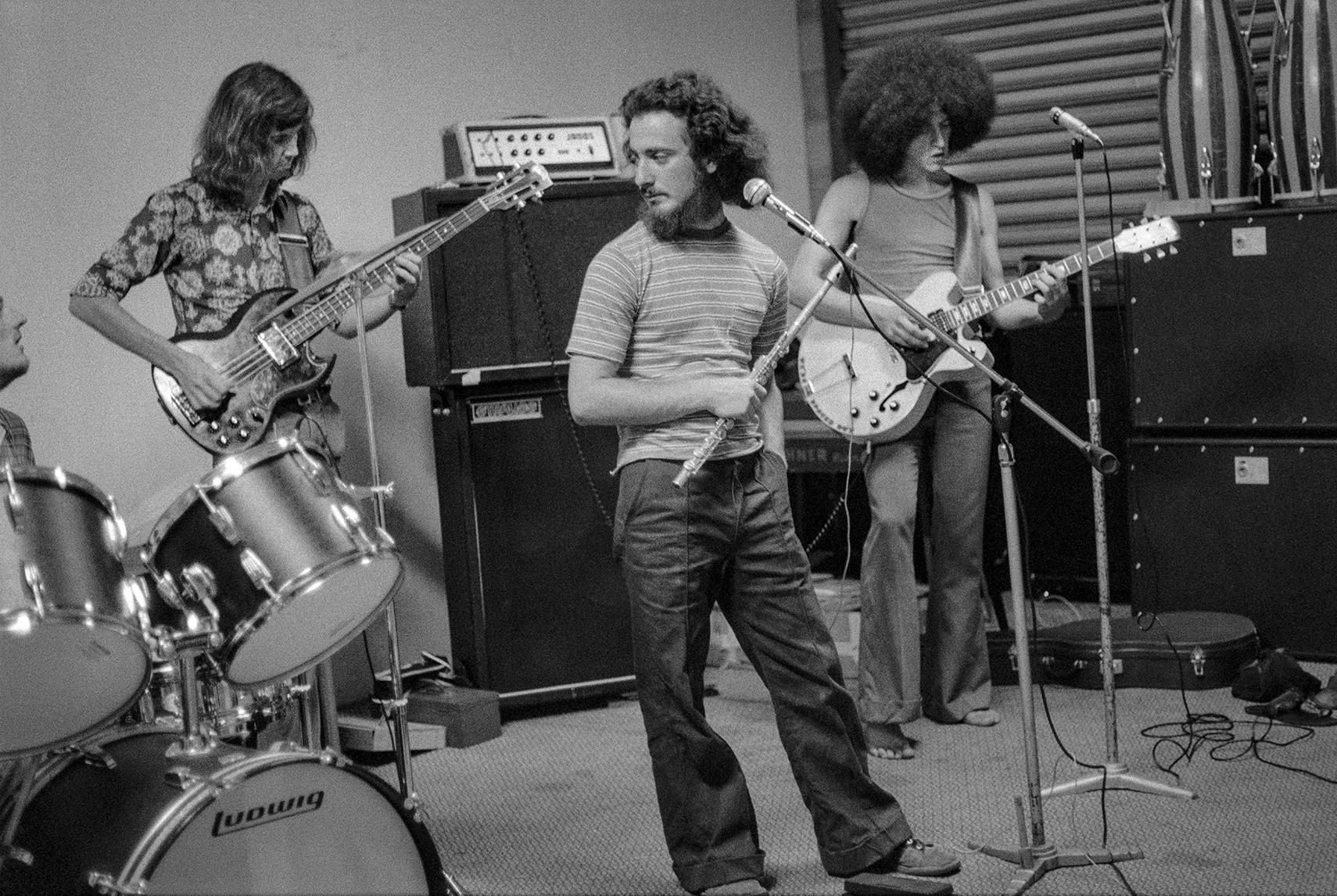
I haven’t played flute seriously now for almost 50 years, so it does feel a bit unfamiliar, and I must say I’m rather unimpressed with my playing. At the time I probably thought I was much better than I actually was. It sounds like “shredding” to me now (shredding being a term for spitting out as many notes as fast as possible, but without much thought and melodic direction/awareness).
What does it mean to you that this music is finally being heard properly, not just passed around but actually released with some care?
It’s really cool, especially as it’s on vinyl, which is totally appropriate. I’m amazed that people are still interested in this genre.
Are you still in touch with the others through all this, or has time pulled everyone in different directions?
I’ve stayed in touch with Stan over the years. We played together for a few years right after Samuel D. Rich in another original funk/soul/pop band, but then I left Canberra in 1978 and we were out of touch for 15 years. I never saw Ross or Fabian again, but in the mid-1990s I reconnected with Stan and we somehow ended up living 5 minutes’ walk from each other in the inner-city Sydney suburb of Glebe for many years during the late 1990s and early 2000s. We catch up once or twice a year. The album release has brought us together lately and we’ve been talking on the phone a lot, comparing notes and collating pictures and clippings. I’ve also stayed in close contact with longtime mutual friend Gerrit Fokkema, who was our sometime roadie, recording session food gatherer and official photographer, and who supplied us with all of the fantastic original copies of the photography used on the album cover artwork. Stan is currently playing with Gordon again, but I haven’t seen Gordon for decades. We spoke on the phone about the record release early in the process. The other two members (Fabian and Ross) are in the wind, and no one’s seen or heard from them for a long, long time.
What kind of gear were you all using back then? Amps, guitars, the PA setup. Do you think that had a big hand in shaping how this ended up sounding?
Oh, we were SOOOO into gear back then, and everyone remembers what they had. The guitar sounds were quite distinctive.
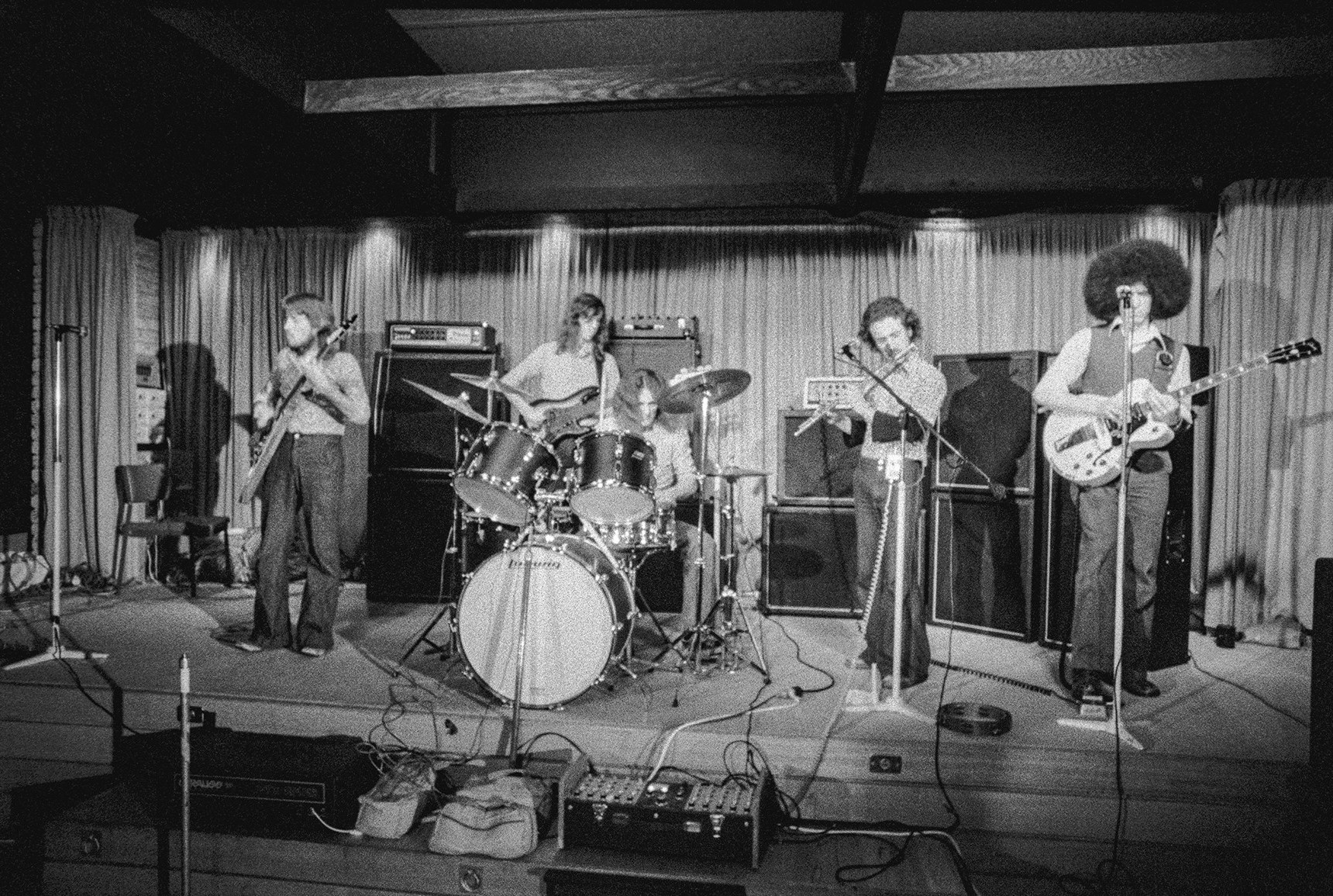
Gordon had a Gibson Flying V and a Les Paul, plus an Acoustic amplifier (from memory, the 270 with the built-in five-band graphic equaliser) with two quad boxes. He also used an MXR overdrive pedal.
Fabian had this huge hollow body Gibson ES-135 jazz guitar and an Australian-made Jands amplifier with Australian-made Strauss speaker cabinets, an unknown overdrive pedal and some kind of wah-wah pedal.
Stan had a Ludwig 3-ply maple drum kit with a unique matt black vinyl finish and Paiste cymbals.
Ross had a Gibson EB3L bass, a LENARD 200-watt valve amplifier (Australian-made), two LENARD quad boxes, plus a Strauss bass bin.
I had an American-made Artley flute with a custom-built drilled-out crown to accommodate a small pick-up. I had a home-made volume control/preamp, which I strapped to my belt for easy access, and later a Roland SH-1000 monophonic synthesiser, purchased just after we made the recording.
Our PA was an Australian-made Strauss/Nova Sound system with a 10-channel mixer and a three-way speaker system (W-bins, midrange bins and horns), driven by a stereo Strauss power amplifier.
We had a bunch of Shure SM57s and 565 microphones.
And the harder one. When people hear this now and start thinking about what might have been, how does that sit with you? Any sense of regret, or just glad it happened at all?
I don’t have any regrets. I went on to have a pretty good career in music, and I’m really glad that Samuel D. Rich happened when it did. It was just unfortunate that it was unsustainable at that time and place.
If someone drops the needle on this in 2026 with no context, what do you hope hits them first?
The energy and rawness of it, for sure. There were no overdubs, no autotune, no click track, drum machines, sequencing, etc. We didn’t have unlimited access to slowed-down instructional YouTube videos of people showing us how to play. We all had to teach ourselves how to play, and everything you hear was played live in one evening. Plus the ridiculous arrangements too!
And last one, just for fun. What’s the craziest gig you remember?
We supported a very early line-up of AC/DC in a pub in Canberra. It was called The Deakin Inn. There were probably fewer than 50 people there, and they weren’t very good at all, just a really average pub rock group with no style. We hated them! It was a very inappropriate matching of bands. Anyway, Fabian, the guitarist, had recently broken his leg. It was in plaster and he was on crutches. He had to play sitting down, and at one point during our set, he actually slipped off his chair and went tumbling off the stage. I recall some of the AC/DC entourage standing around laughing at that.
This has been fun!
Klemen Breznikar
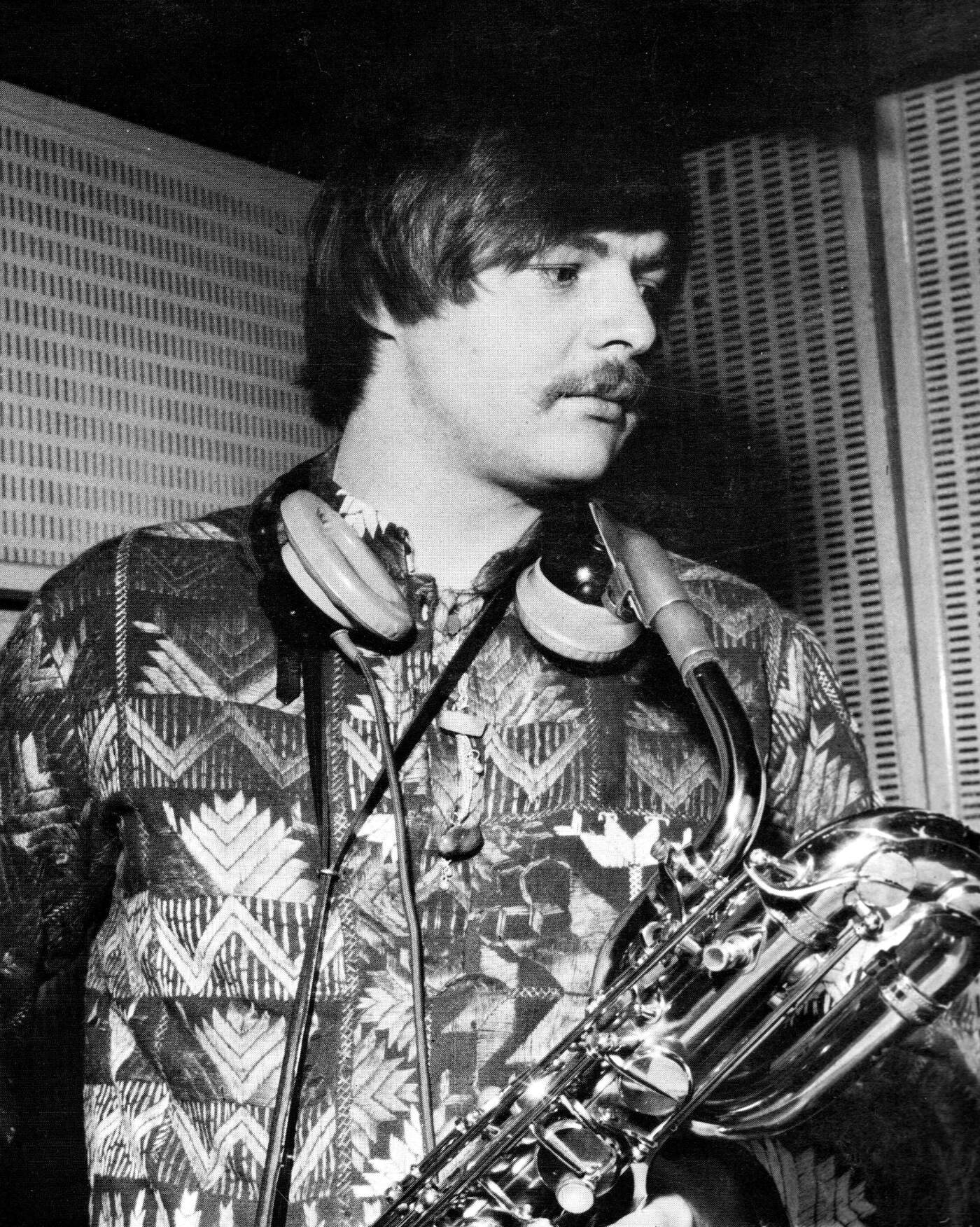
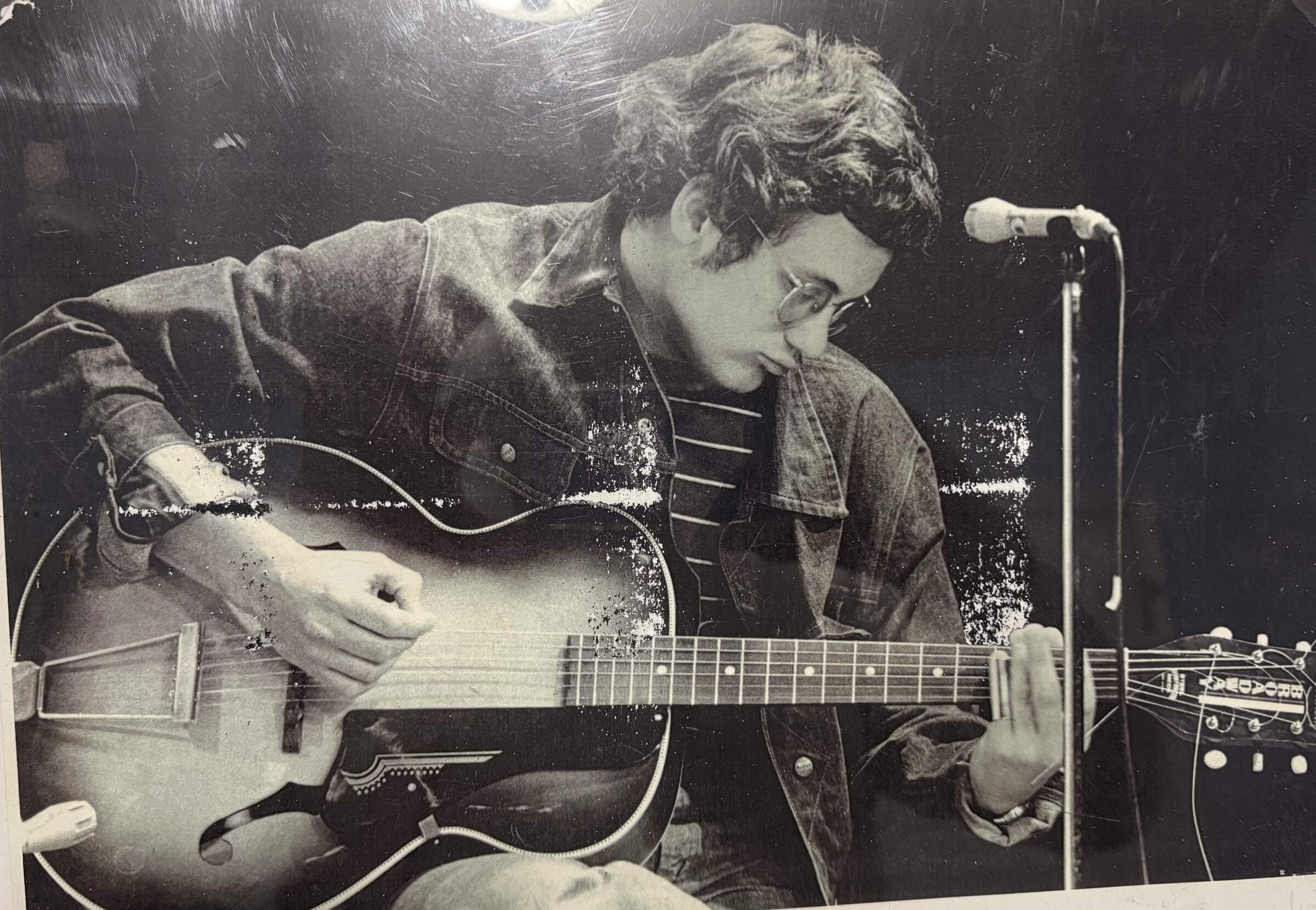
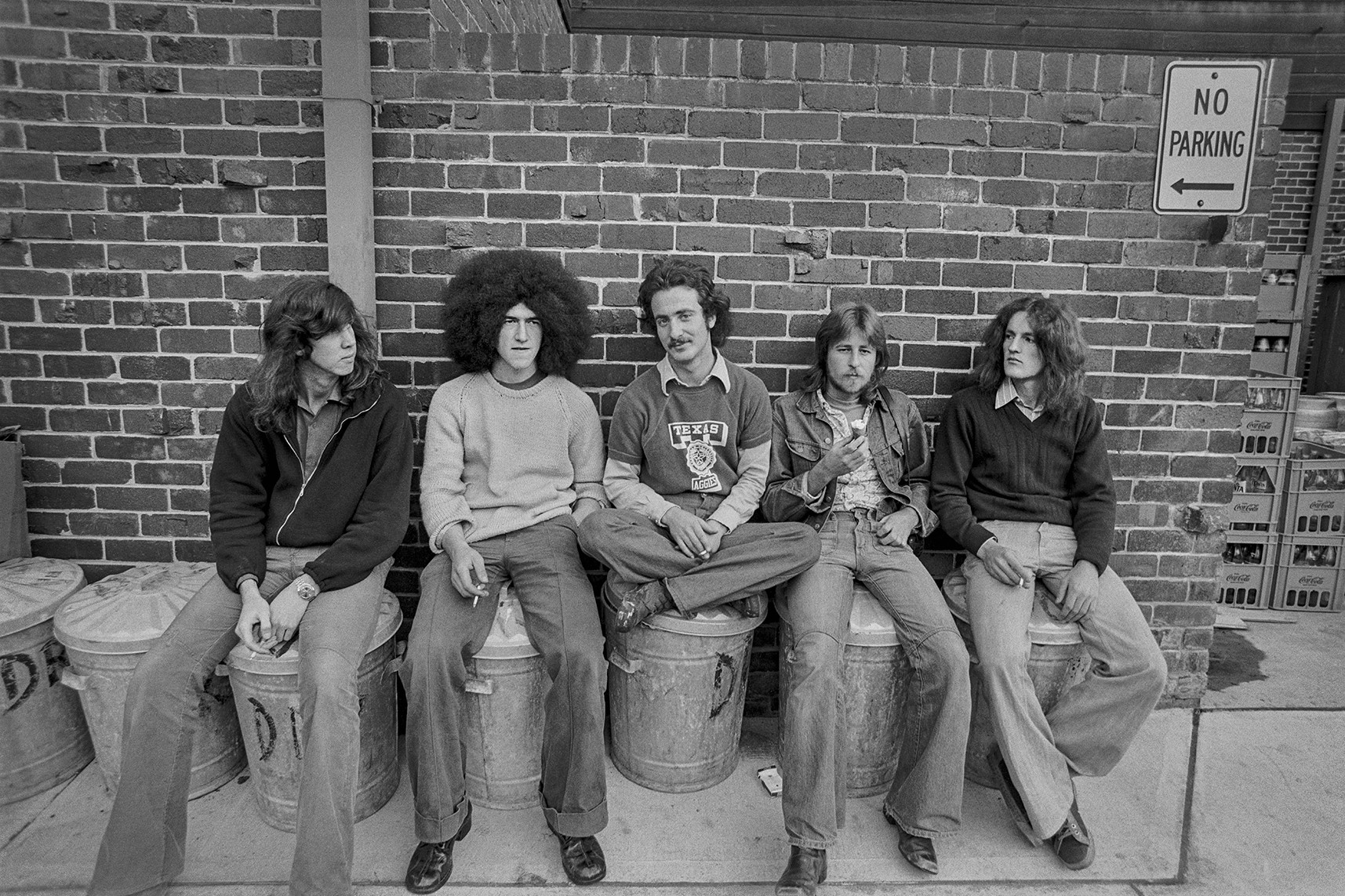
Headline photo: Samuel D. Rich | Photo by Gerrit Fokemma
Eminent Vinyl Bandcamp