
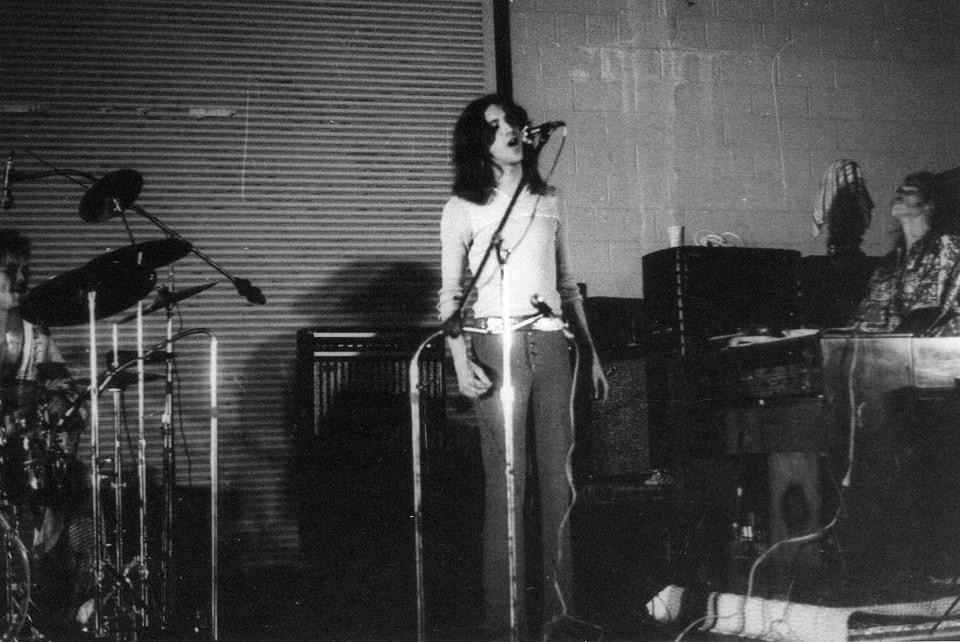

Out of the Kentucky Underground: PRE’s 1973 Prog Rarity Gets Its First Official Vinyl Edition
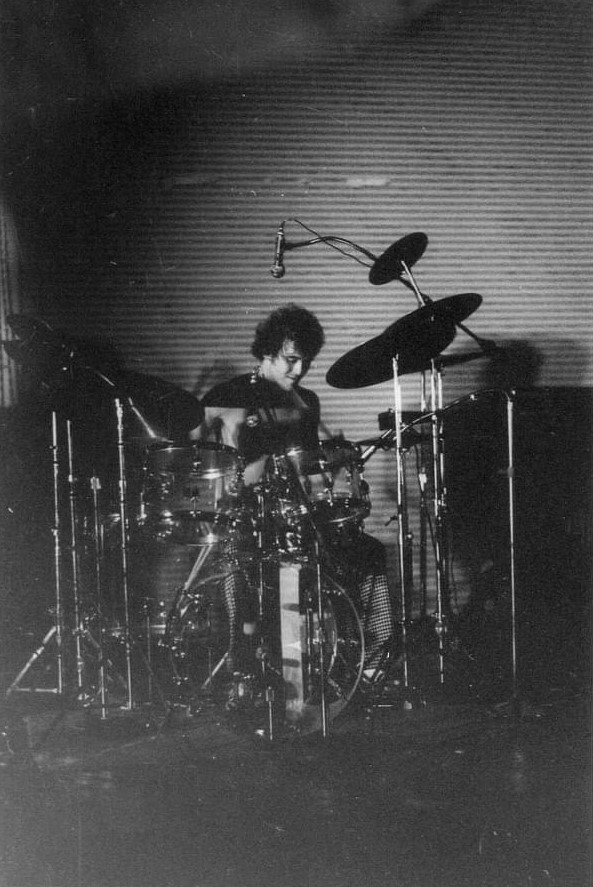
PRE were an underground band in the truest sense. They recorded one ambitious album in Kentucky in 1973, never got the label deal they hoped for, and then disappeared before the world had a real chance to hear them.
Now, PQR-Disques plusqueréel is giving Progressive Rock Experience its first official vinyl edition, along with a digipack CD release, bringing the band’s lone album back into view more than five decades later.
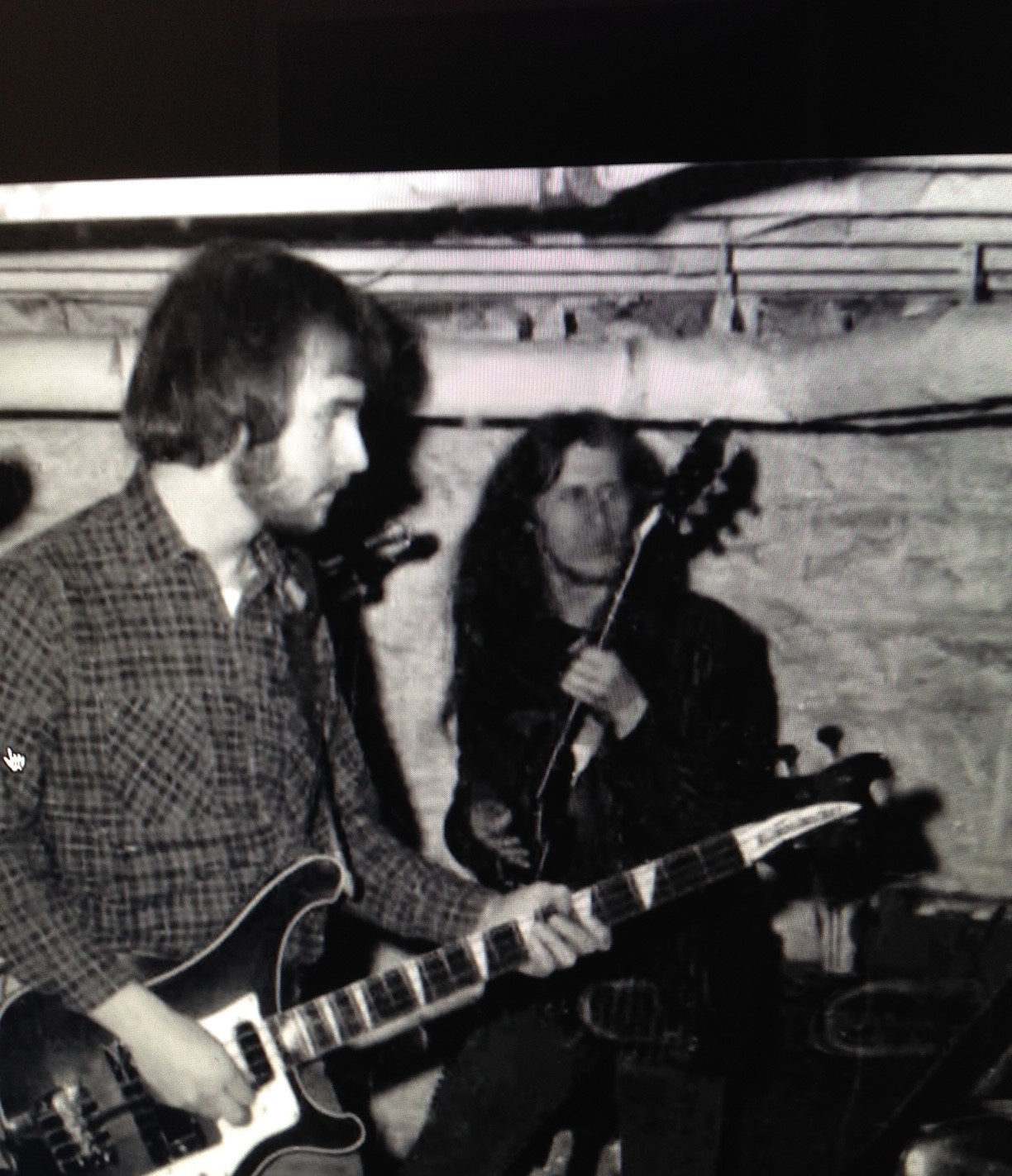
The story is short, but it says a lot. PRE came together in Lexington after Larry Collinsworth and Al Collinsworth had been playing in another band that was coming to an end. They met keyboardist Brian Paulson on the way through Morehead, Kentucky, then connected with Steve and Dwight in Lexington. The first real jam took place in Dwight’s parents’ basement. At first, the idea was simple: form a strong cover band and play material by groups they admired, including Yes, ELP, Led Zeppelin, Hendrix, the Allman Brothers, Jeff Beck, and others.
That plan changed quickly. Larry and Al had already been writing songs together in Pennsylvania, and once the full band began working on those ideas, the music started moving in its own direction. Covers dropped away almost immediately. The first major piece was ‘Ascetic Eros,’ which became both the band’s first composition and the first track they recorded. From there, the album came together with unusual speed.
According to Larry, the whole record was conceived, written, rehearsed, and recorded in about five weeks. The band practiced almost every day, and the arrangements developed naturally. That mix of focus and excitement can still be heard in the music: long-form progressive structures, hard psych guitar, layered keyboards…
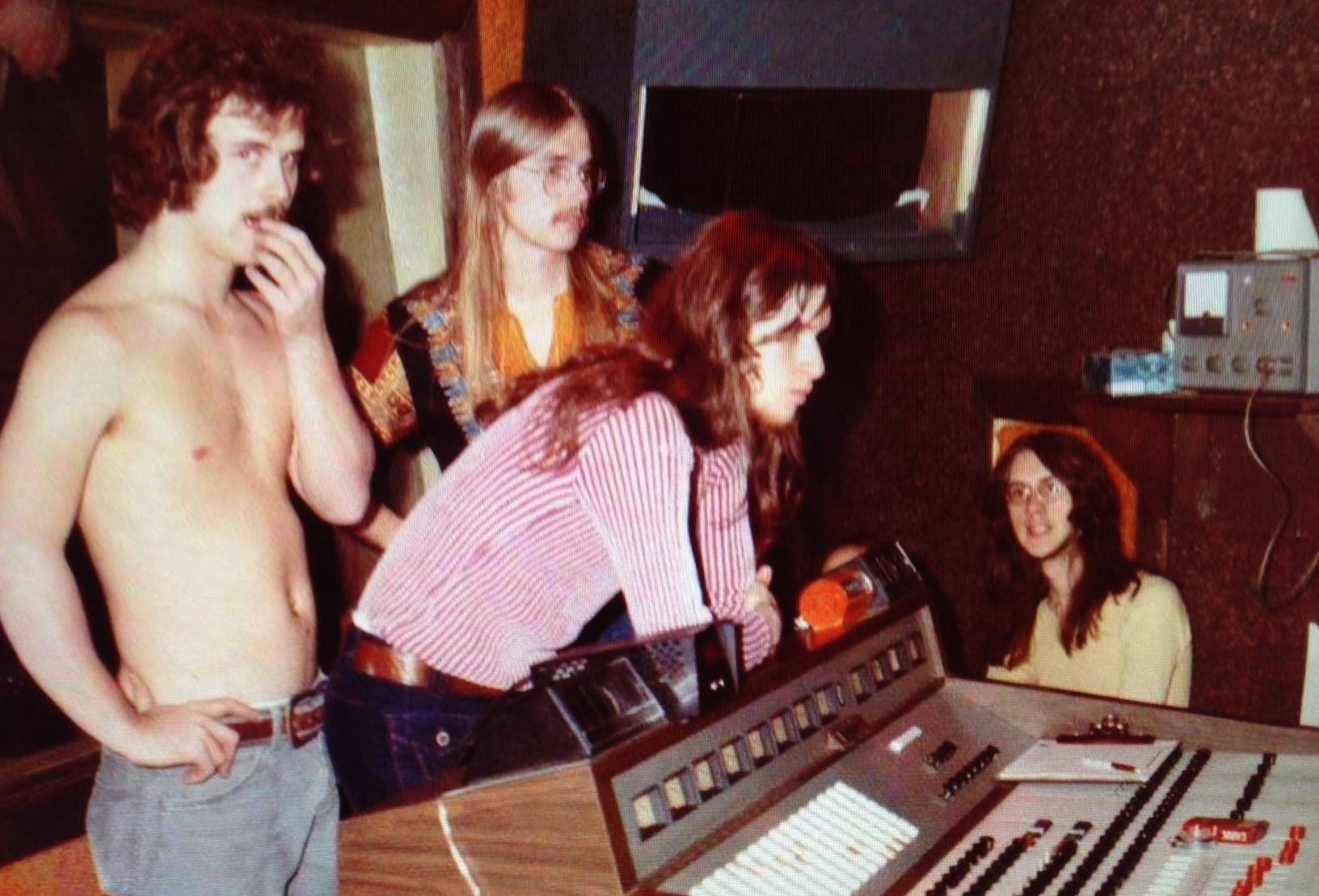
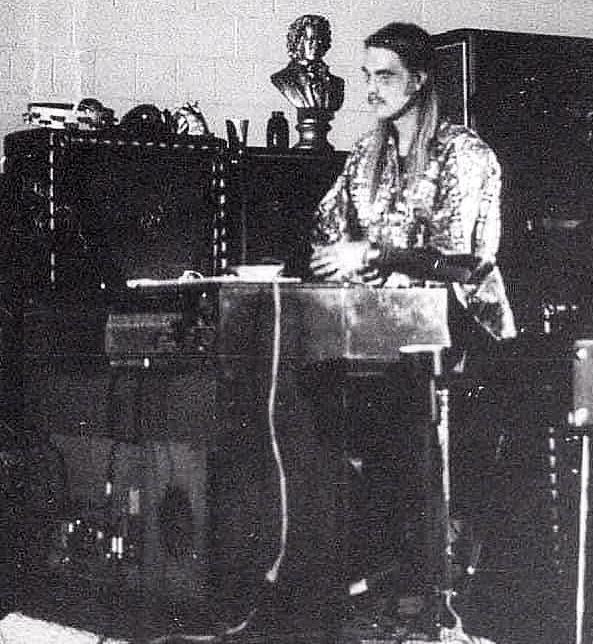
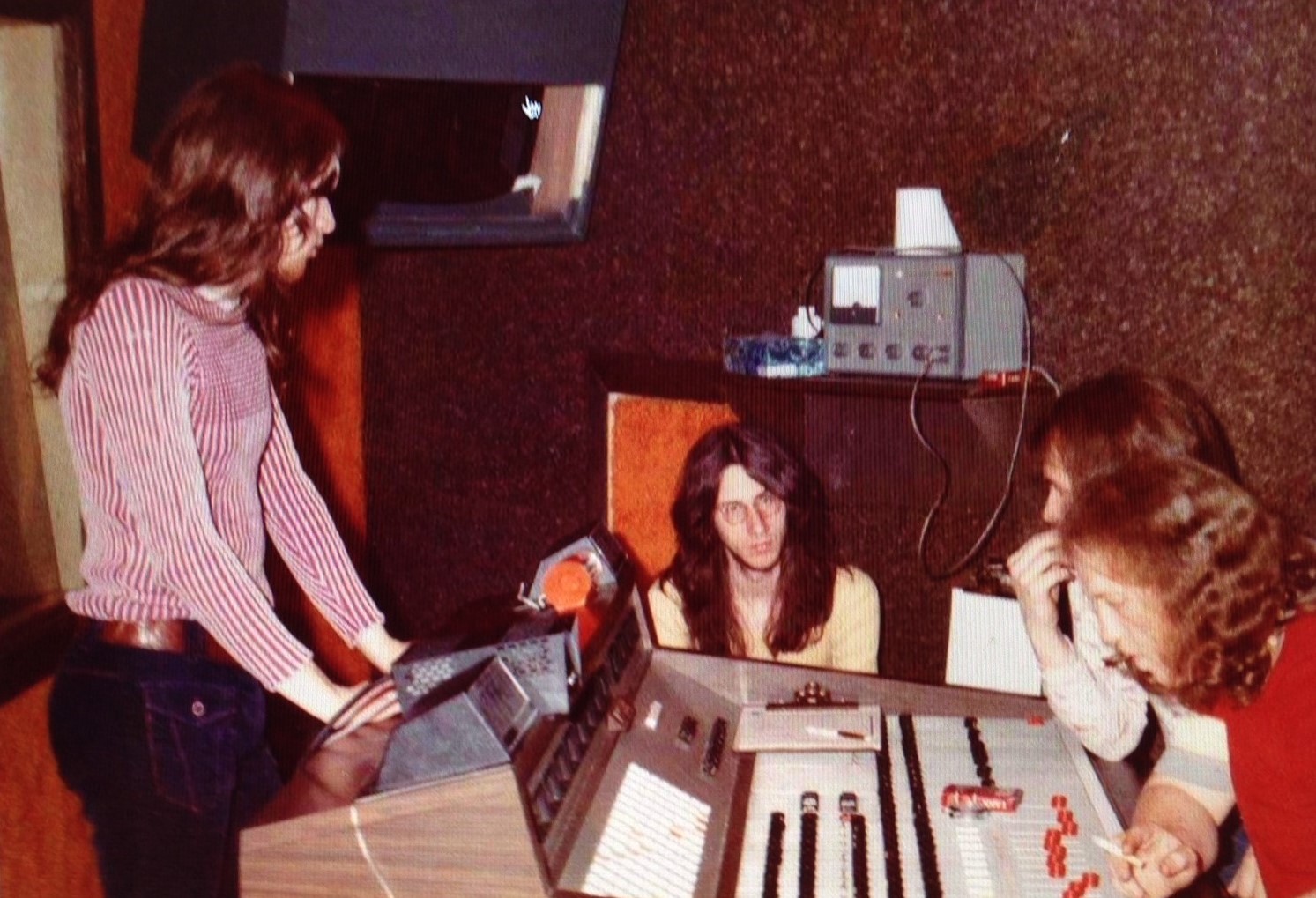
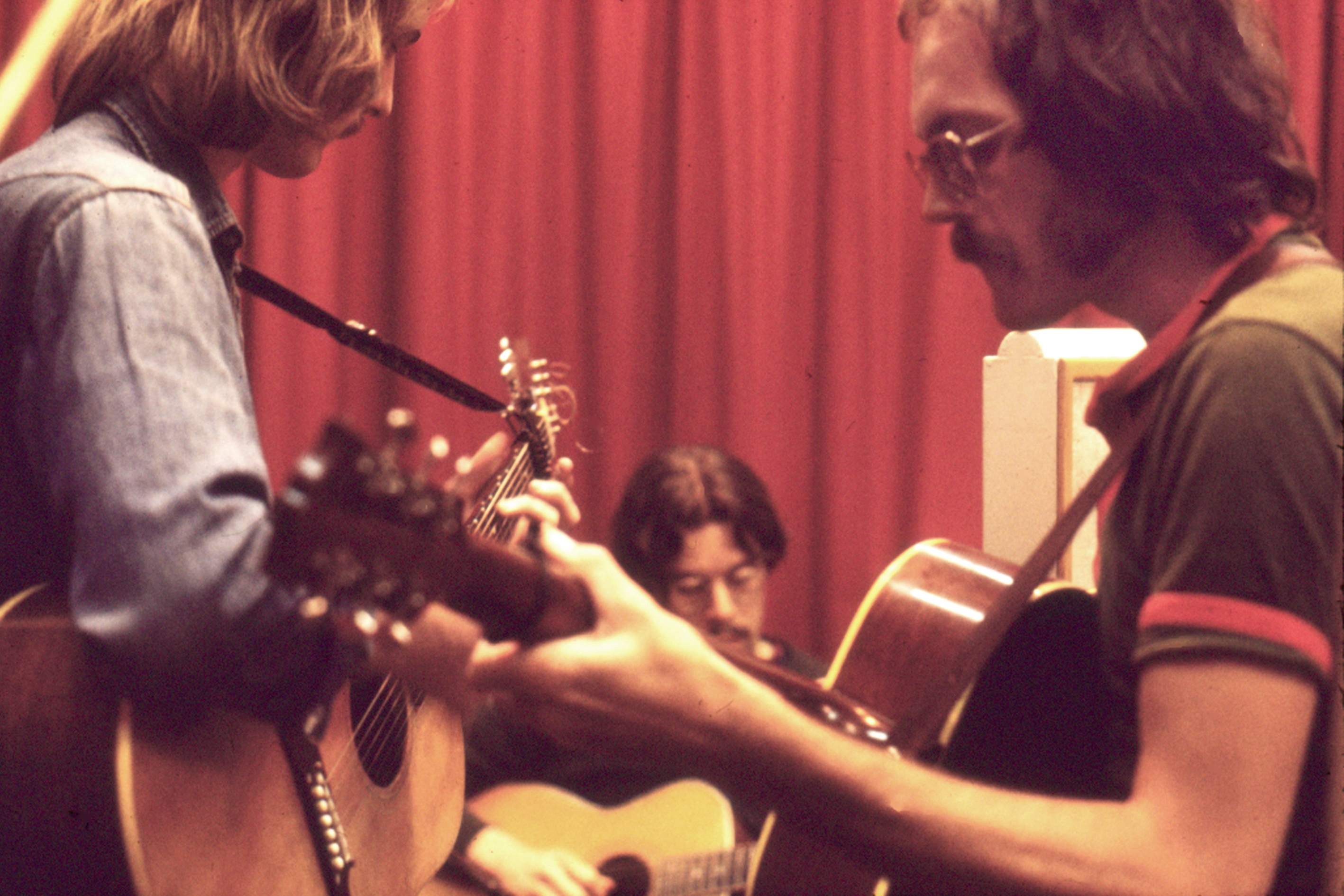
The recording took place at Cardinal Studios in Lexington. The band went in prepared, and the material was largely finished before the sessions began. There were still studio touches, including Brian experimenting with a rented Minimoog, Larry using a violin bow in sections, and the group trying out effects such as an Eventide phaser during mixing. For a private 1973 recording, the sound is surprisingly good!
Afterward, PRE tried to shop the album, including an appointment connected to Columbia Records. Nothing came of it. Without a label, there was no proper release. The band lasted roughly a year, then folded under financial pressure.
That makes this PQR edition more than a reissue. It’s the first real public life for a record that nearly slipped out of reach. For listeners interested in the stranger corners of American progressive rock, PRE are finally part of it.
“Progressive Rock Experience”
Let’s start before PRE existed in any formal sense. Where were each of you, musically and otherwise, in the years leading up to 1973? Were you already playing together in some loose form, or did this come from separate paths that only later came together?
Larry Collinsworth: Growing up, Al was playing in a band called The Outcasts that was very popular in the tri-state area of Kentucky, Ohio, and West Virginia. I was in a band called The Groovin’ Misfits. Then, after a few years, Al and I started performing together in a cover band in Pennsylvania, playing engagements in surrounding states on the East Coast.
Do you remember the first time the core lineup actually played in the same room? Not the mythologized version—the real one. Who set it up, where did it happen, what did you try to play, and did it sound anything like what PRE would later become?
Yes, PRE started in Lexington, Kentucky, when a friend who worked at a booking agency there spoke with Al about moving to the area and forming a band to perform there, since the band we were in was splitting up. We met Brian, the keyboard player, on the way in Morehead, Kentucky, then met up with Steve and Dwight when we arrived in Lexington.
We jammed in Dwight’s parents’ basement, and we all agreed we just might have the beginning of something. We were going to be a cover band doing covers of bands we all liked, such as Yes, ELP, Zeppelin, Hendrix, the Allman Brothers, Jeff Beck, and others.
At what point did the idea of doing something more ambitious than a standard rock band take hold? Was there a particular rehearsal where things started to stretch out, or someone who pushed arrangements beyond the usual three or four minutes?
As I mentioned, we were going to be a cover band. However, Al and I had started writing songs together in the previous band in Pennsylvania, and we pulled out a couple of those. The band started to develop these ideas more. That’s when we decided to go in the original music direction.
The name Progressive Rock Experience suggests a certain ideas, intent… How and when did the name come about, and did it change how you approached the music once you adopted it?
As I recall, PRE was what we came up with after exhausting every name we could think of with no success. The genre of progressive rock wasn’t being tossed around back then. However, over the years, in my head, I was trying to come up with a term for PRE other than the meaning of “before.”
Then, after the genre was defined as progressive rock, I thought, well, there it is: Progressive Rock Experience. I thought it fit perfectly, so I started to call it that in my mind a few years ago, but it never came to fruition until I mentioned it to George Rossolatos of PQR Records in an interview much like this.
So, it really didn’t affect the music because there was no prog rock term back then.
Once the band had a name and a direction, how quickly did original material start replacing covers or jams? Were there early pieces that didn’t survive but pointed the way toward something like ‘Ascetic Eros’?
After we had a name and direction, the originals started to replace the covers almost immediately. ‘Ascetic Eros’ was the first composition and the first one we recorded, so it set the bar for the others. There were other compositions that were never recorded but that we did jam on. One I can think of is ‘Latin Bang Bang.’ Maybe one day, if there were a reunion, we could revisit it.
Can you walk us through the writing of those first major compositions in order? Which came first, how did it develop, and how did the others follow?
Al and I had some tunes we had been writing in Pennsylvania on an old reel-to-reel recorder, just the basics of the tunes, and Brian had some material as well. The band then started to develop these ideas, and things just took off and fell into place. “Ascetic Eros” was the first.
What were rehearsals like during that period?
Rehearsals were very disciplined, but it didn’t seem like it because we were having a lot of fun, and the ideas for the arrangements just seemed to flow naturally. We were meeting almost every day and practicing. This album was conceived, written, rehearsed, and recorded in five weeks. I still find that to be amazing, and no other project I have been a part of has been so effortless. Amazing.
At what stage did the idea of recording an album come up?
As I recall, after we had rehearsed the arrangements and had the tunes organized, we immediately decided to record and see how it would go. Since all of it happened in a five-week time frame, you could say it was early on.
How did the recording session come together in practical terms?
I really can’t remember who arranged it, but it took place in Lexington, Kentucky, at Cardinal Studios. We recorded over several days. We were very prepared going in, and the material was ready to roll.
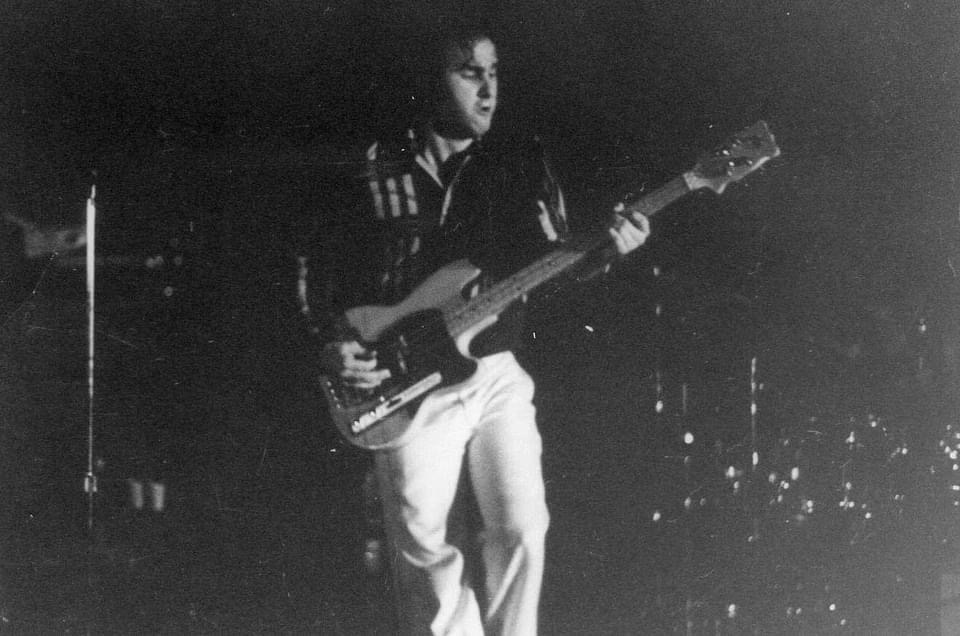
During the sessions, did the material change in any significant way?
The material did not change much at all, but there was a rented Minimoog that Brian got to experiment with, and that added some nice textures, along with me using a violin bow on sections. We experimented with an Eventide phaser on cymbals and different instruments when mixing. Also, as I recall, Al experimented with two mics being placed in different spots, which added some interesting depth.
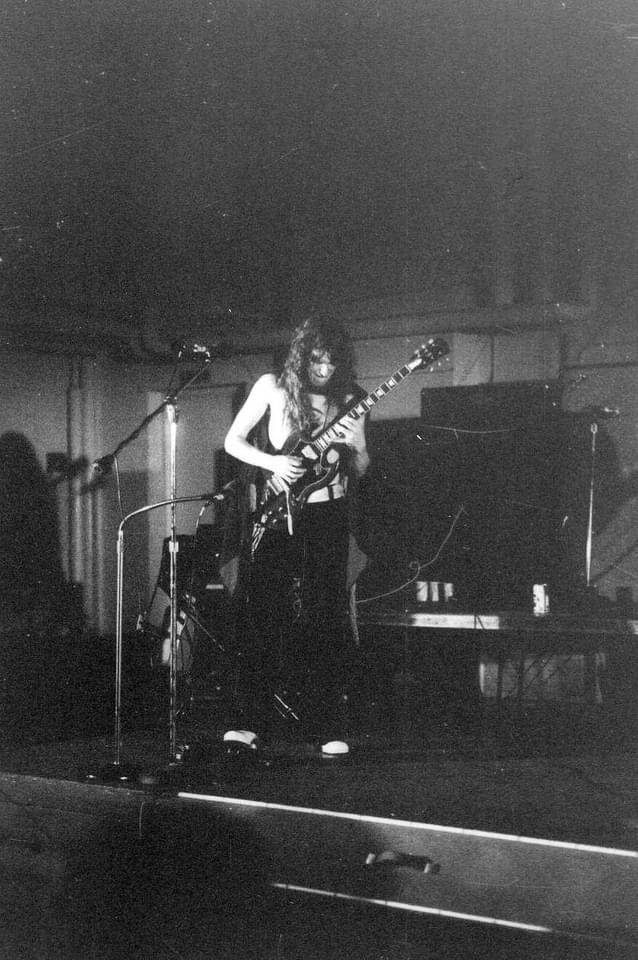
Once the album was finished, what happened next? Did you try to shop it around, press copies, or get radio play, or did it mostly stay within your own circle from the start?
When the album was finished, we started to shop it. We had an appointment with Stuart Love, who was A&R for Columbia Records. Things were going pretty well when he received a phone call and the appointment was cut short. Come to find out, that was the day the FBI escorted Clive Davis out of the building, along with some of the staff. Stuart was one of them. We tried to shop it to other labels to no avail, then the band broke up a few months after, as I recall.
The sequencing has that unusual opening…a softer instrumental leading into a more direct vocal track before things really expand. Did you put much thought into how listeners would enter the album, or was the running order more or less incidental?
The first release on ZNR Records had the acoustic material starting off first, but that material was actually demos. The new release on PQR Records starts with ‘Ascetic Eros,’ which is what was recorded first. I prefer that because I like the energy of it.
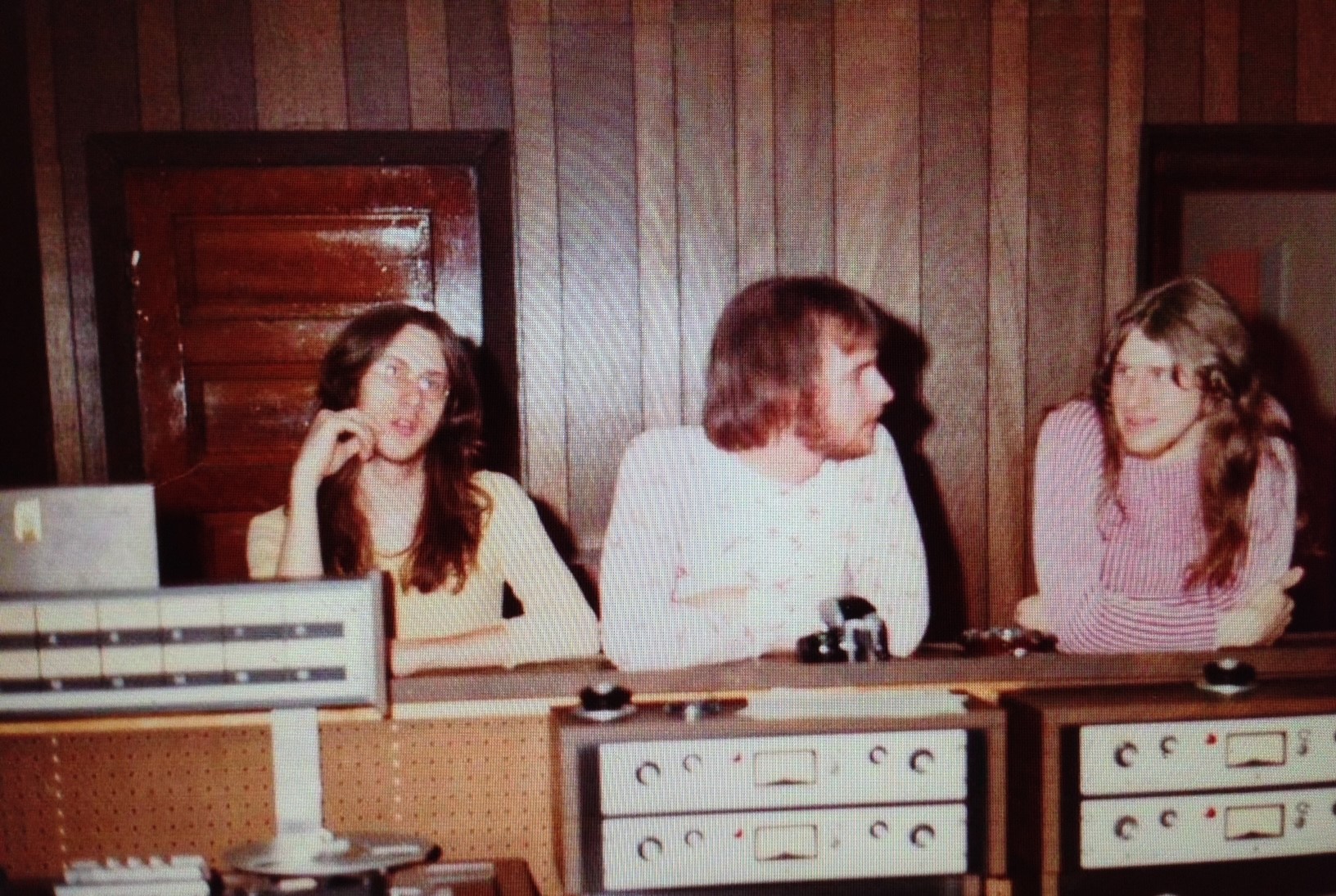
The production sounds unusually full for a private 1973 recording. What were the actual recording conditions?
The studio was actually very nice and advanced for the time. The conditions were acoustically really good. There were sound baffles separating the instruments and vocals, which helped to keep things cleaner, with very little bleed-through.
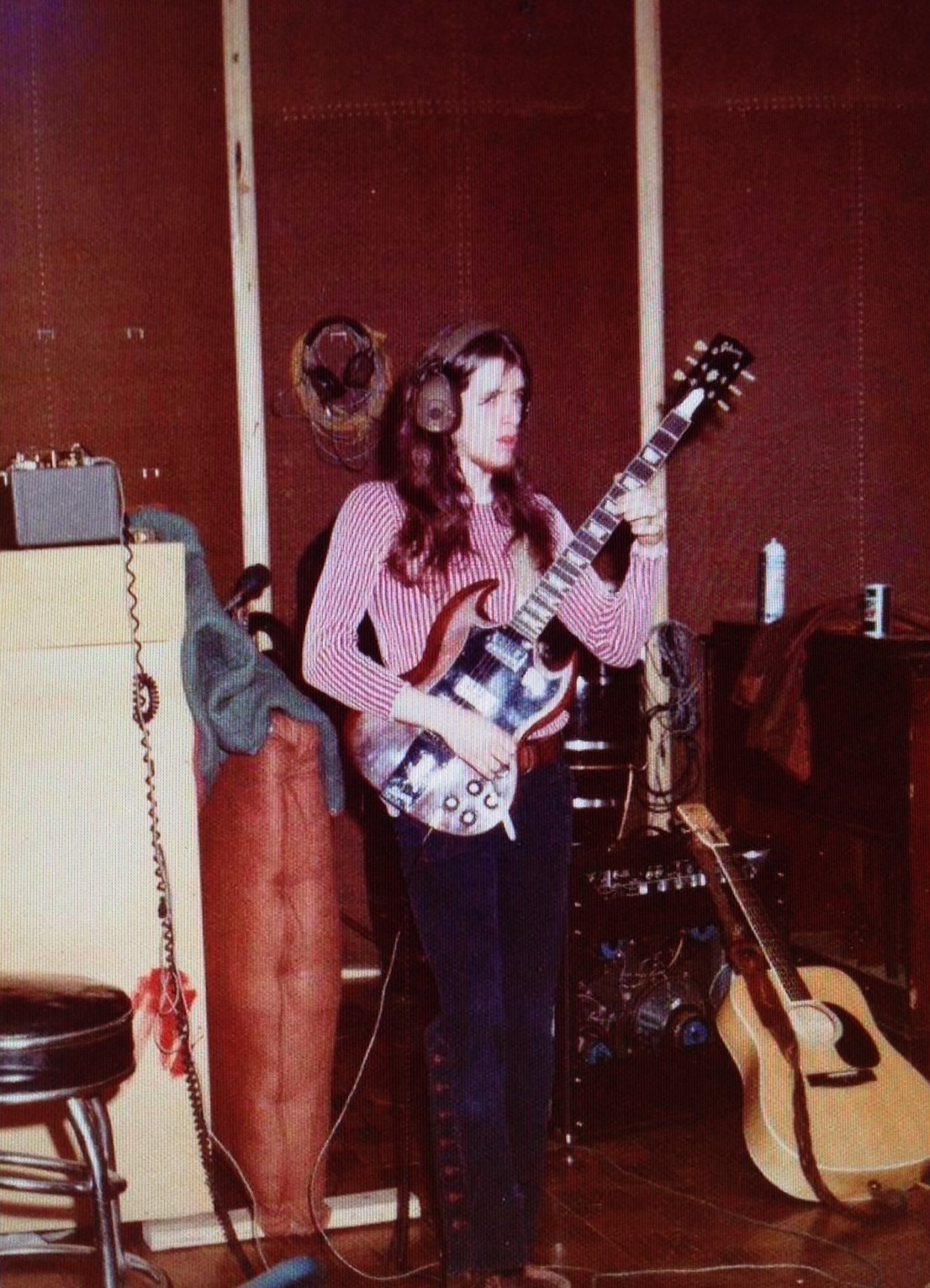
Around the same time, what was your live activity like? Were you already playing shows before recording, or did gigs pick up afterward? And what kind of venues were you playing in Kentucky and beyond?
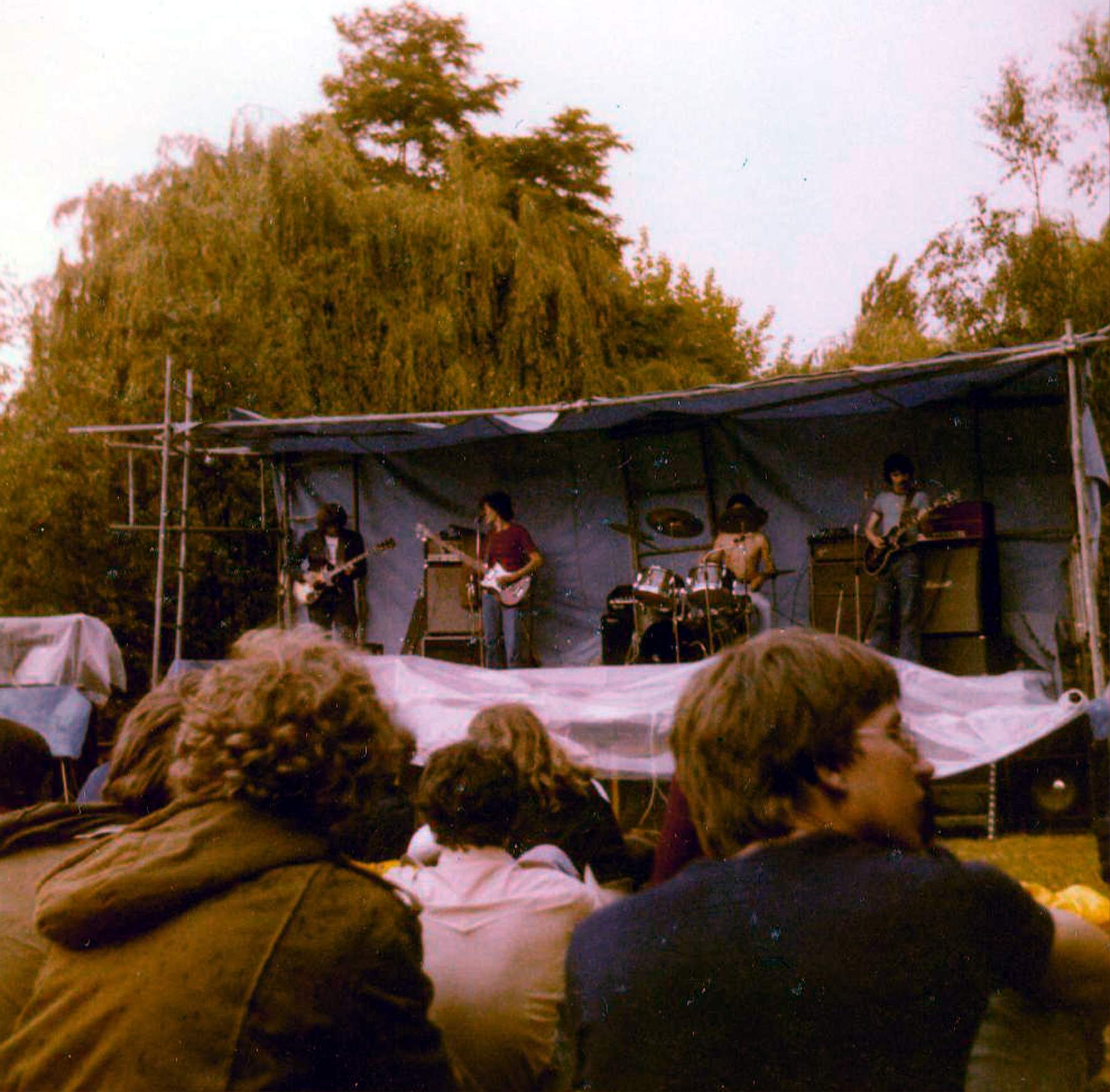
We started to play shows after the recordings. We played whatever was available, such as theaters, bars, and some concert front-band engagements.
Why wasn’t the album properly released back in the ’70s? Where were the tapes kept? Did you have an acetate made?
Since we didn’t get a label deal, there was no release. Back then, if you didn’t have a label deal, you didn’t have a record. You couldn’t release music as easily as you can now. The master tapes were archived at the studio where the recordings took place, fortunately, because the copies I had were damaged over time and not usable.
Did the live versions of the longer pieces continue to evolve after the recording, or did they settle into more fixed arrangements once they were documented?
The live versions were identical to the recordings. The music was very structured, and we didn’t feel the need to do variations. It was a lot of fun performing, and I felt moved by the experience.
What led to the band winding down? Was it a gradual loss of momentum, or did something more sudden bring things to an end?
I think things wound down because, financially, there was very little money coming in, and it was hard to keep going. I think if the members could’ve survived financially, who knows what could’ve been.
In the years right after PRE ended, what happened to the recordings and the memory of the band? Were the tapes carefully stored, forgotten in boxes, passed around, or nearly lost altogether?
The recordings were archived at the original studio, fortunately, or they would’ve been lost. Because you only had reel-to-reel tape other than vinyl, which was never released, there were very few copies, if any. I still have very fond memories of the band, the era, the music, and the fun we shared performing. I just knew when we performed it was going to be something special.
If you zoom out and look at the wider regional picture at the time, what did the underground network actually consist of? Other bands, promoters, small labels, tape trading, local press—all the unseen structures that kept things moving.
In our area, musicians were playing gigs with other bands just to survive, and there was very little reel-to-reel tape trading. No small labels that I can recall, and just local newspapers.
Looking back now, do you feel PRE was part of a larger conversation happening across the US, or did it feel more like an isolated pocket that only later became part of a “scene”? The US prog scene was quite small, so having this material available again feels pretty remarkable.
I feel PRE was more isolated because there was no release, and the band only survived about a year at most. Having PRE material available now is definitely remarkable. It feels like a vindication that the band could’ve competed with the best of progressive rock in the US and abroad.
What came next for you all? And what are you each doing these days?
For myself, I started playing with different bands, some with Al. We performed on cruise ships and at corporate events as well. I then got into composing and recording for movie trailers, film, television, and games. I still compose and record in my home studio and will be releasing music I’ve recorded in different recording formats over the years as a pet project.
Klemen Breznikar
Order your copy of the ‘Progressive Rock Experience’ via PQЯ Disques Plusqueréel.
PQR-Disques plusqueréel Store / Website / Facebook / YouTube

 John
John
Yesterday I listened to the entire album for the first time. Given an opportunity to release this album in 1973 might have put PRE in the record books with the bands they were influenced by. I heard a lot of YES and ELP as I listened. The vocals are outstanding! The complexity of the music is phenomenal. It’s hard to imagine how PRE could perform the longer tracts so flawlessly! This is a great album!!! Thank you Al, Larry, and Steve for sharing it with us!