
Void Resurfaces: Lost Hardcore Punk Recordings from DC’s Outer Edge — Interview
Void’s ‘Live 1982’ is out now on Outer Battery Records, finally bringing two long-buried DC recordings into the open.
For a long time, these recordings barely existed as a real thing. People knew about tapes, or thought they did, but they were never treated like something that would actually be released. What’s here now isn’t cleaned up, it’s just two nights where you can hear their extreme hardcore energy caught on tape.
Chris Stover talks about those early days in a pretty straightforward way. Void were coming from just outside DC, not fully inside that tight circle, and you can hear it. They were pulling from everywhere. Punk, metal, Devo, Motörhead, piles of 7-inches, whatever clicked. They practiced constantly, knowing they had to be tight, especially with Bad Brains and Minor Threat setting the bar. Then they’d get onstage and it felt like going from a driving test straight into a race. You can hear them trying to hold it together while everything’s about to blow.
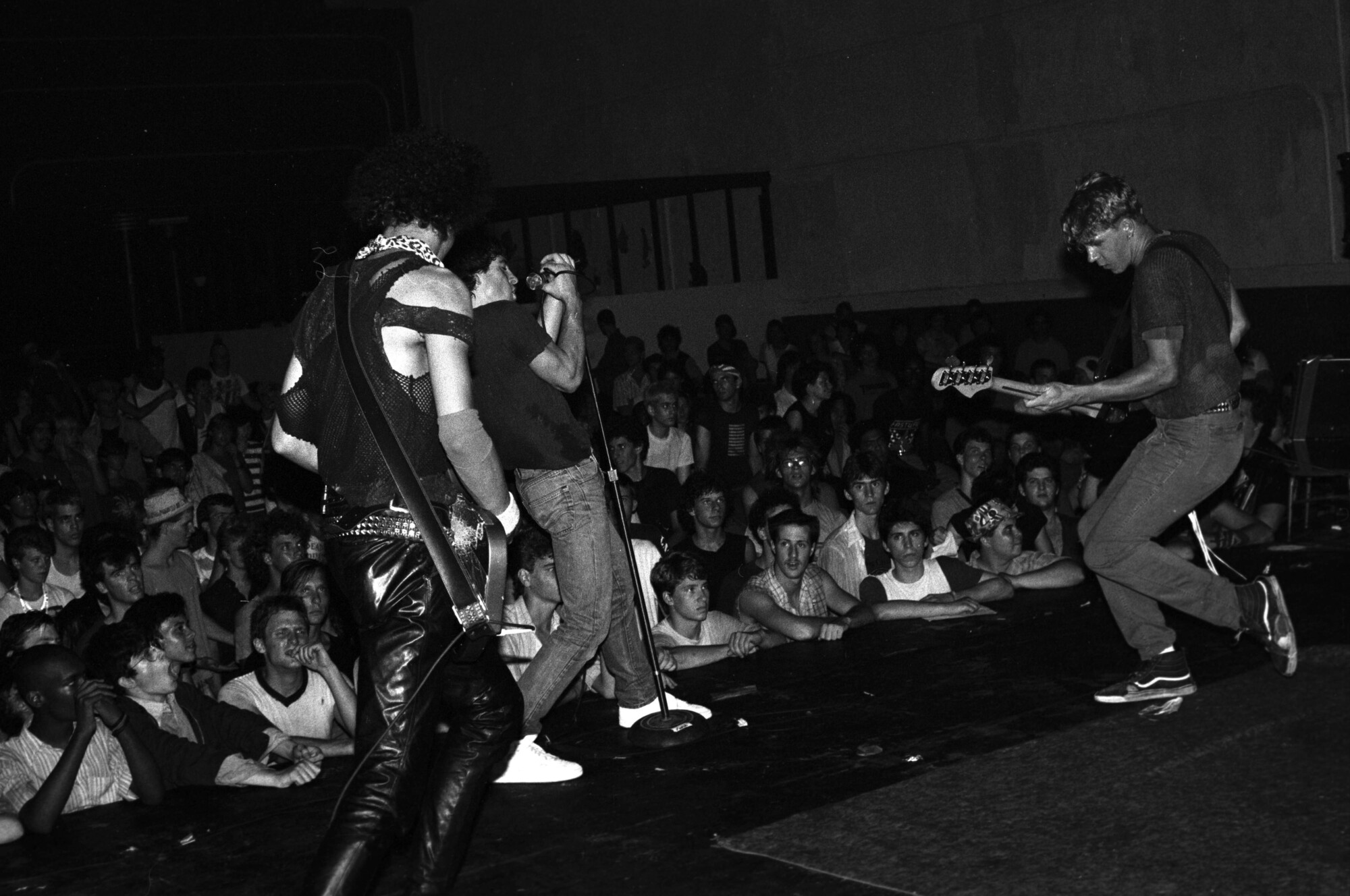
The A-side is the Wilson Center show from April 1982. It just feels like you’re in the room… packed crowd, familiar faces, a band still figuring itself out while already moving faster than most people around them. Stover remembers it more as people coming together than anything else. A social moment, even if the sound was close to blowing out.
The 9:30 Club set later that year hits harder. Same band, but heavier, more grounded, less like it might fly apart and more like it might drag you under. Better gear, songs stretching out, everything hitting with more weight. ‘Bloodlust’ is going darker and meaner.
It’s four people emptying themselves out in real time, nothing held back. The tapes come from Tom Lyle, who was recording shows without much fuss. Stover didn’t even know they existed until later. Now they’re one of the only real live documents of the band. And what a blast!
The release is also dedicated to Sean Finnegan, Dave Sweetapple, and Rich Jacobs. People who were part of this world and aren’t here anymore. Stover says it means a lot to him to have them part of this.
Void sadly didn’t last. They weren’t the kind of band that would. They were a moment in a very specific scene, a blast of energy, pure hardcore fun. A once-in-a-lifetime kind of thing.
As they got older, things changed, and like with thousands of other interviews we’ve done, people moved in different directions until they lost touch. But for a lot of us who had our jaws drop when hearing the Void/Faith split, these recordings are going to put a smile on your face. From the first second you turn your amp up, it feels like the whole room might explode.
Even if you were too young to experience hardcore in the 80s, it still hits. It makes you feel at least ten years younger, anxious to find a new can of beer. It’s that pure adrenaline kind of fun that hardcore back then delivered, and Void were one of the most adrenaline-charged bands of them all, if you ask me.
So what ‘Live 1982’ does is, it doesn’t play like some collection of recordings. It puts you right into that fucking basement with your friends, experiencing some of the most intense music, before most of them even realized it wouldn’t last. Void were John Weiffenbach (vocals), Jon “Bubba” Dupree (guitar), Chris Stover (bass), and Sean Finnegan (drums).
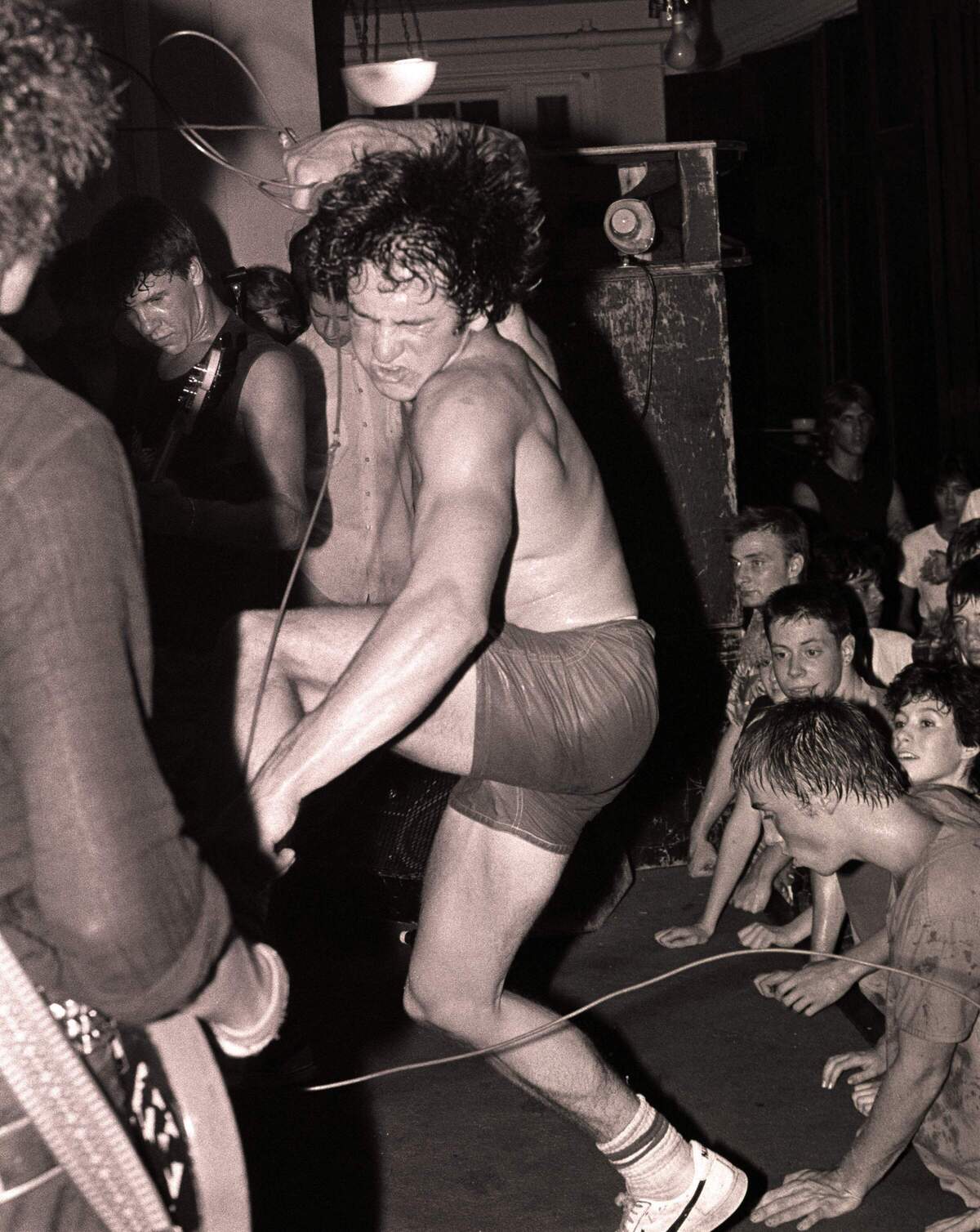
“I did feel like we went from the driver’s test to the F1 track when playing live.”
When people describe Void as “chaotic,” it almost implies a lack of control, but listening to these recordings, it sounds like four people making extremely fast, extremely deliberate decisions at the same time. From inside the band, did it feel like you were barely hanging on, or did it feel like you were riding something you knew how to steer?
Chris Stover: Being from DC and under the shadow of Bad Brains and Minor Threat, we were thoughtful about how tight we would have to be. We would practice pretty religiously after school. Using the driving analogy, I did feel like we went from the driver’s test to the F1 track when playing live.
Coming from Columbia instead of DC proper, you weren’t growing up in the same physical or social environment as a lot of the other hardcore bands. Do you think that distance gave you permission to not sound like anyone else, or did it make you feel like you had something to prove every time you played in the city?
I think our musical tastes were a bit broader by not living in DC. Each of us had our own musical favourites outside of punk. Of course, we were playing for our peers, so there was an element of wanting to prove something. Keep them on their toes.
If we could step into your teenage bedroom right before Void really took off, what would we see? What records were stacked by the turntable, what flyers or fanzines were on the walls or floor, and what totally non-music stuff were you into that might surprise people? What were the early influences that were shaping you before Void had its own identity?
Records would be Dead Kennedys, Black Flag, DOA, Germs, DEVO, The Damned, Motörhead, Necros, Led Zep, and a huge pile of 7”s from assorted punk bands. I was a big collector of 7”s. I’m sure there were a lot of cassettes lying around with stuff Bert Q made for me and my brother. There would more than likely be a pile of punk zines, skateboard and snowboard mags, and a random Playboy mag. Being brought up as part of a Baltimore Orioles family, there was probably some Orioles paraphernalia lying around too.
That first Wilson Centre show is now treated like this mythic origin moment for the DC scene, but for you it was just one night, early in the band’s life. At that point, did you already feel like you were part of something bigger than yourselves, or did it still feel like you were just a strange, loud band trying to survive a stacked bill?
I had no clue. To me, it was a bunch of friends getting together and making music. I saw it more as a social gathering where people connected over music.
Void’s songs often feel like they’re constantly threatening to fall apart, but instead of resolving, they just keep pushing forward. Was that sense of instability something you were consciously chasing… tell us about the typical process of song making back then…
Maybe chasing more controlled chaos? Sean (RIP) and Bubba were the backbone of the band. Sean wrote most of the lyrics. Bubba and Sean would work on the riffs. Or Bubba would come up with the riffs. I helped fill in the parts. John would use his personal style in the vocals to tweak the lyrics.
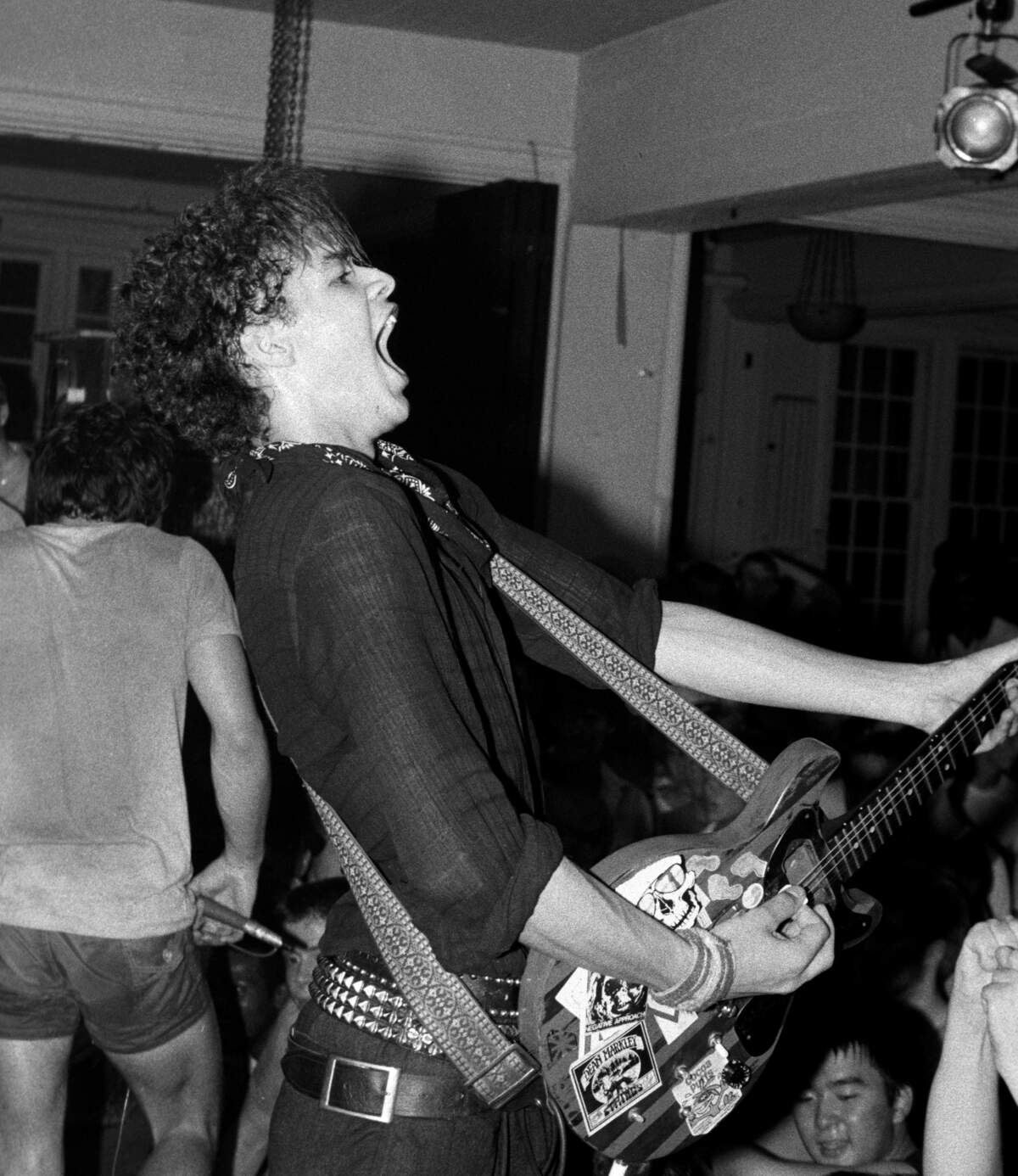
“We wanted to make a statement with our songs and when we played live.”
Hardcore at the time already valued speed and aggression, but Void seems to take those elements and stretch them until they become something almost disorienting. Did you feel like you were trying to intensify hardcore, or were you already imagining yourselves as something outside of that specific box altogether?
Probably intensify hardcore or punk or even metal. We wanted to make a statement with our songs and when we played live.
There’s a physical extremity to the way Void plays… it sounds exhausting, even on record. When you were writing and rehearsing, did you ever have moments where you thought, “We can’t sustain this,” or was that intensity part of the point, even if it meant burning out faster?
I never thought we could not sustain this. I was more of the mind to keep it going, as I am sure the rest of the band was. I think it may have been our instruments that were the ones that gave up more than the band.
The Faith/Void split is now a cornerstone record, but it also pairs two bands with very different energies. At the time, did that contrast feel intentional, or was it just a reflection of how wide the DC scene already was by ’82?
It was just a reflection of how wide the DC scene was. We were just happy to be on Dischord and be on a record with a great band like Faith. Chris Bald and Darryl Jennifer were my bass player idols, so I was stoked to be on a record with Chris.
Could you tell us more about the making of those truly amazing recordings…
The first time we recorded a demo was in a place called Hit & Run studio. The engineer/owner could not have cared less about how we sounded. It was frustrating, to say the least. When we went to record the split at Inner Ear, it was a whole new ball game. Ian and Bert Q were helping us out. Don was about the nicest and most patient person there is. Anytime anyone had an idea, the rest would take it to 11, to quote Spinal Tap. Ian’s crazy background vocals on ‘Organized Sports’ or the crazy guitar effects on ‘Explode’ are some examples. It was a blast.
These recordings are only about eight months apart, but the shift between the Wilson Center show and the 9:30 Club show feels massive. From the inside, did it feel like a rapid evolution, or more like a gradual slide into heavier territory that only sounds dramatic in hindsight?
I think part of it may have been that we graduated from beginner instruments or stolen drum sets to professional-grade equipment. All of us had scratched and saved to buy something real. Buying my black Fender Jazz bass was a huge day for me. It helped with the sound a lot.
Both shows put you alongside very intense bands — Minor Threat and The Faith at Wilson Centre, Negative Approach at the 9:30 Club. Did sharing those stages change how you played that night, either consciously or unconsciously? Were you reacting to the bands around you, or were you locked into your own momentum regardless of the lineup?
I think we were locked into our momentum. Sometimes the momentum was stop and start. We tried to maintain it the best we could, partly because of who we shared the stage with.
At the 9:30 Club show, tracks like ‘Bloodlust’ feel like Void stepping into totally new territory, not just playing faster hardcore but something darker and heavier that didn’t really have a name yet. At the time, did that song feel like a turning point for the band, or was it just another expression of the same frustration, coming out in a different, more violent form?
It did. We were experimenting with different styles. We were leaning into the heavier sound more than the fast stuff.
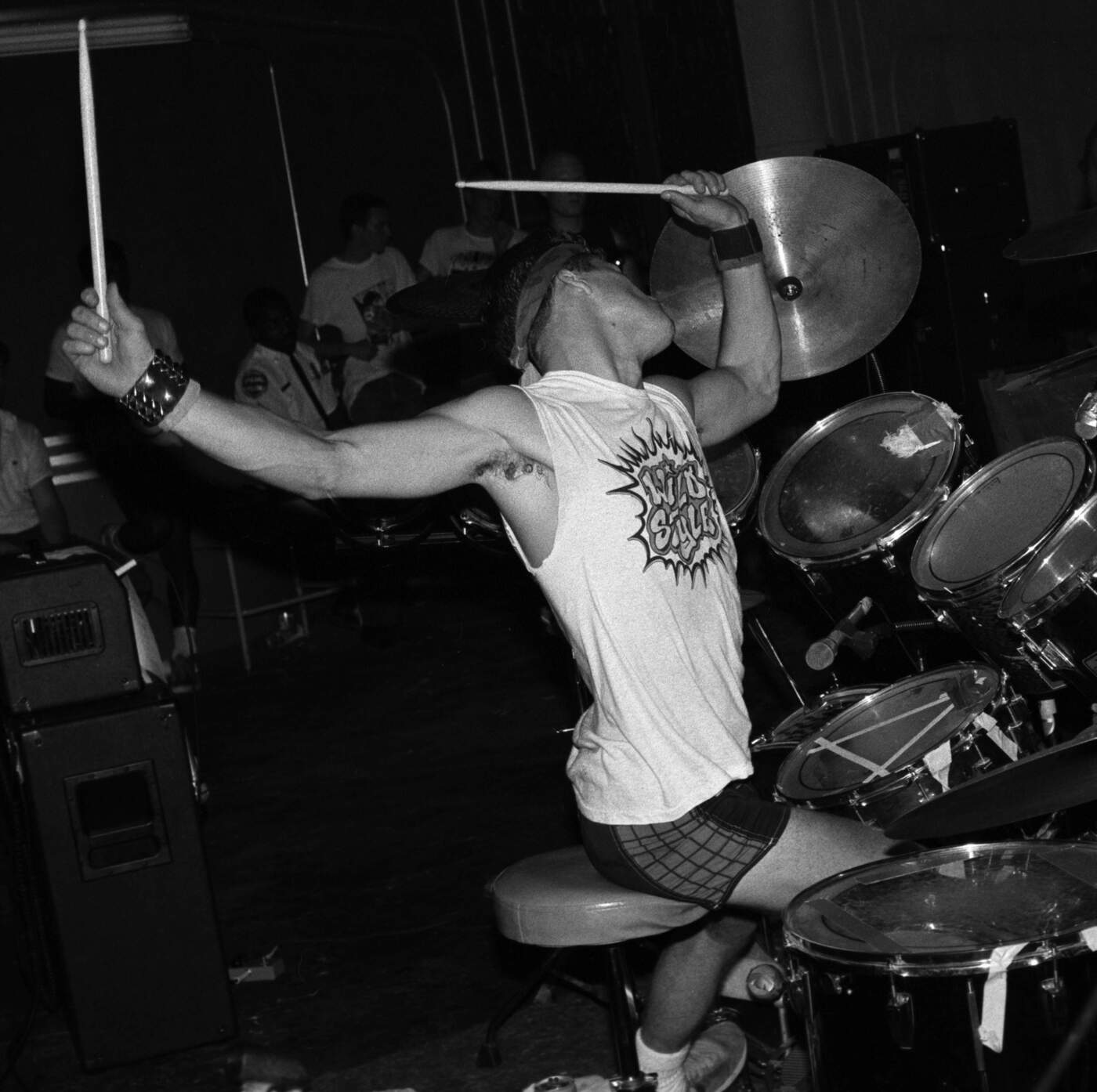
By the time of the 9:30 Club show later in ’82, some of the newer material was noticeably heavier and more metallic. Was that shift coming from new influences, or from a sense that you needed to push the sound even further just to feel the same intensity you’d felt earlier?
It was with the same intensity but heavier. Stretching the songs out longer than 45–60 seconds.
When people trace the roots of extreme metal and hardcore crossover back to bands like Void, it’s often framed like you were predicting the future. But from your perspective, were you thinking about that at all?
Part of it was we were seeing how Black Flag was evolving. Or other bands slowing down the tempo a bit. We wondered if they could do it. Let’s give it a shot. We were not thinking of anything other than maintaining the chaos.
Do you remember how other bands reacted to you at the time, not the crowd, but your peers? Did you feel respected, misunderstood, isolated, or fully accepted within the scene?
I think Kenny Inouye from Marginal Man said it best. People either loved or hated the band. There was never any middle ground.
These recordings ended up being some of the only professional captures of Void live. Can you tell the story of how that happened… how Tom Lyle came to record you, what was said…
I had no idea Tom had these recordings until much later in life. I knew Tom worked the sound for some shows and recorded most, but I never gave a thought to them. Tom was the person who initiated the idea. When I say initiated, I mean put the foot up our asses to get it done.
Hearing these recordings now, decades later, do you recognize yourselves in them, or do they feel like they belong to different people you only partially remember being?
It reminds me a lot of picking up the book Banned in DC. Banned in DC was my high school yearbook. This is more audio. Some moments are “oh wow” and others “what the fuck”.
Void is often described as a band that “couldn’t last,” almost as if its intensity made longevity impossible. Do you agree with that idea, or do you think the band could have transformed into something just as radical but less physically destructive if you’d kept going?
It couldn’t last. Everyone but Bubba had a set post-high school plan of going to college. Only Bubba went on to become a musician. The rest of us had us going the collegiate path of being professionals. On top of that, our musical tastes were changing too. Sean was a huge rap fan. Bubba was really getting into glam rock or hair metal. I was going more metal. John stayed true to his roots of punk and rock.
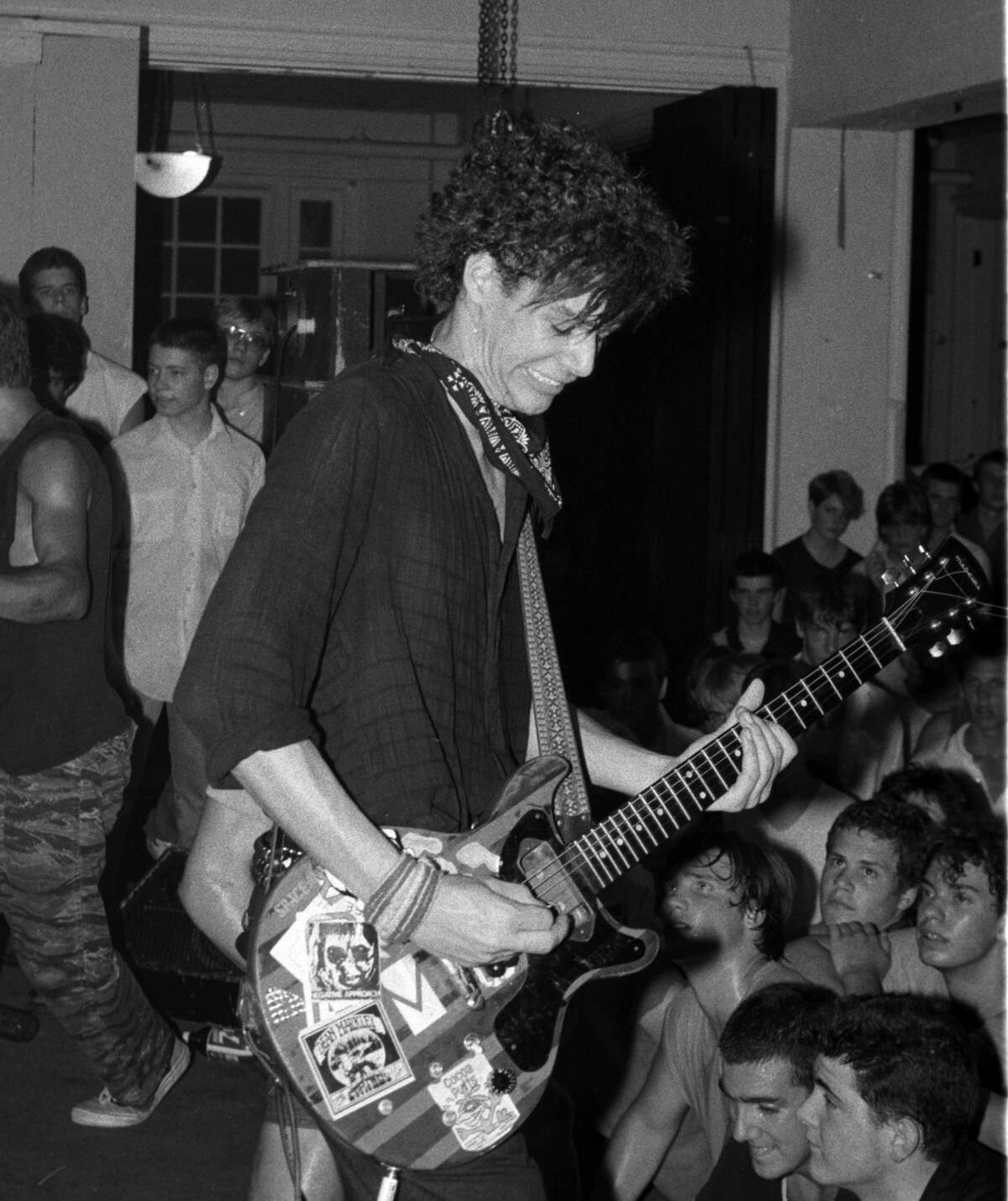
The DC hardcore scene is remembered as very idealistic, political, and community-oriented, but Void’s music feels more existential, more furious, almost less hopeful. Did you feel emotionally aligned with the broader philosophy of the scene, or did you always feel like you were expressing something darker and more personal?
Sean (RIP) wrote most of the lyrics, and they were focused more on personal dealings and base social matters. Politics and community wasn’t something we were concerned with. Probably it had to do with our surroundings, both socially and geographically. We were outsiders.
There’s a lot of mythology around early hardcore now, but at the time, it was also just teenagers dealing with frustration, boredom, anger, and ambition. How much of Void’s sound came from your actual everyday lives versus a desire to create something extreme and shocking?
Sean, John, and I went to an all-boys high school which was in Towson, Maryland. It was a 45-minute bus ride to and from school. You can only imagine the testosterone and pent-up hormones that came with it. Bubba was the one who helped put that into music. So yeah, frustration, boredom, anger, ambition, and more.
With ‘Live 1982’ being dedicated to Sean Finnegan, Dave Sweetapple, and Rich Jacobs, how does knowing their presence and contributions are part of this release change the emotional weight of the music for you?
All of them made it happen. They are no longer with us. The weight is still there, but it’s a good weight. A good memory that makes me smile.
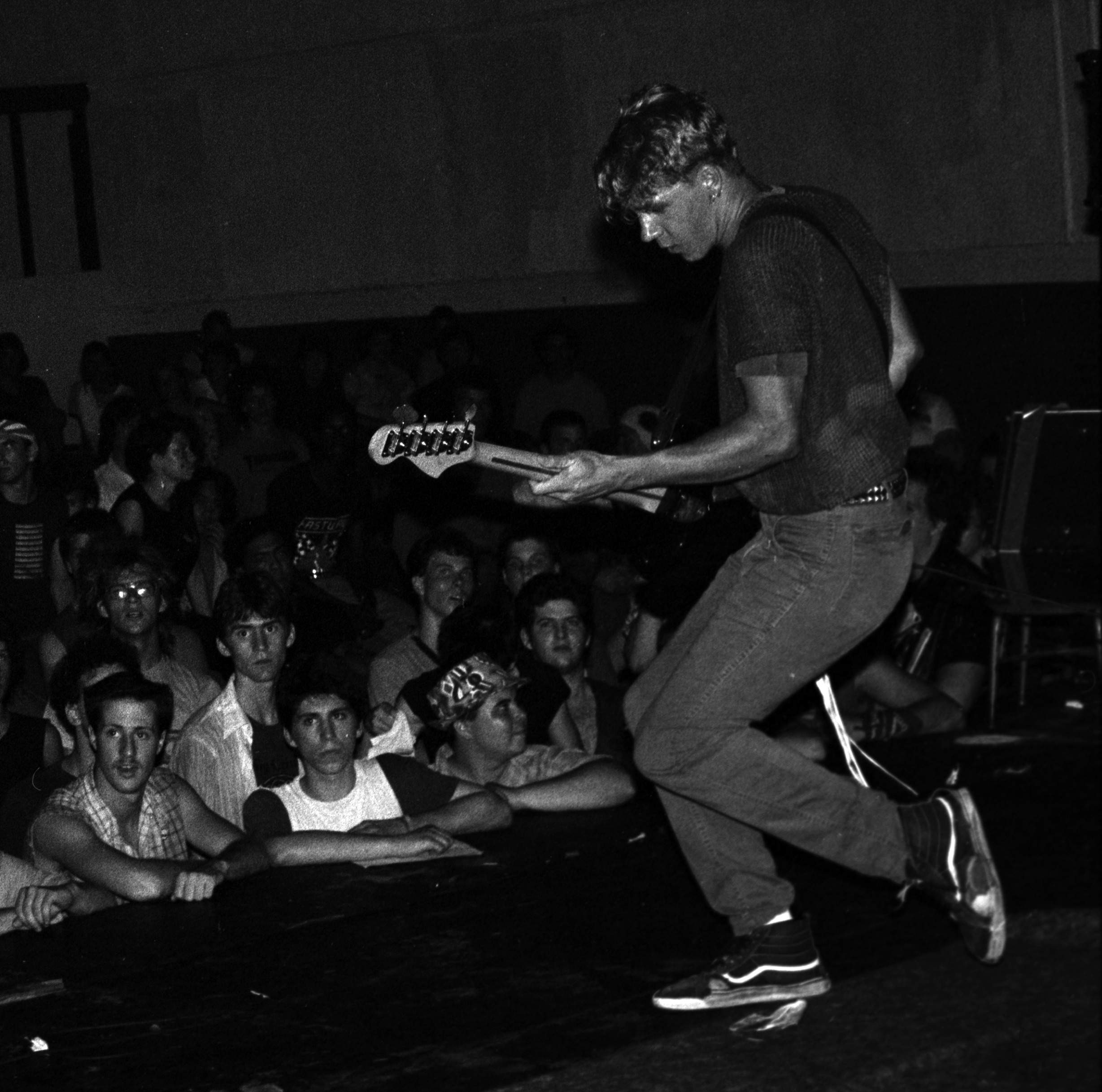
Looking back now, do you think Void was more about the music itself, or about capturing a very specific emotional state that couldn’t have existed at any other time in your lives… and once that state changed, the band had to end?
Well said. I would agree with that wholeheartedly. Plus, the DC hardcore scene was changing as well. I’m not sure where we would have been in the scene if we stuck around.
Here’s a fun one: imagine you dropped by my place for an afternoon and we had a stack of records to choose from. I’ve got everything from psych to hardcore to bebop and beyond… What are a few of the unusual or unexpected records you’d reach for first, and why those?
First, I would have to stop drooling over your turntable setup. Damn. Let’s grab The Sadies’ ‘New Seasons for Dallas’ (RIP), Junior Kimbrough’s ‘You Better Run’ is a classic, Plosivs’ ‘Yell at Cloud’ is so good, Frankie and The Witch Fingers’ ‘Trash Classic’ is a ripper, Erkin Koray’s ‘Hay Yam Yam’ for Rich Jacobs because he was always turning me onto Turkish psych, and Cosmic Psychos’ ‘I Really Like Beer’. Nuff said.
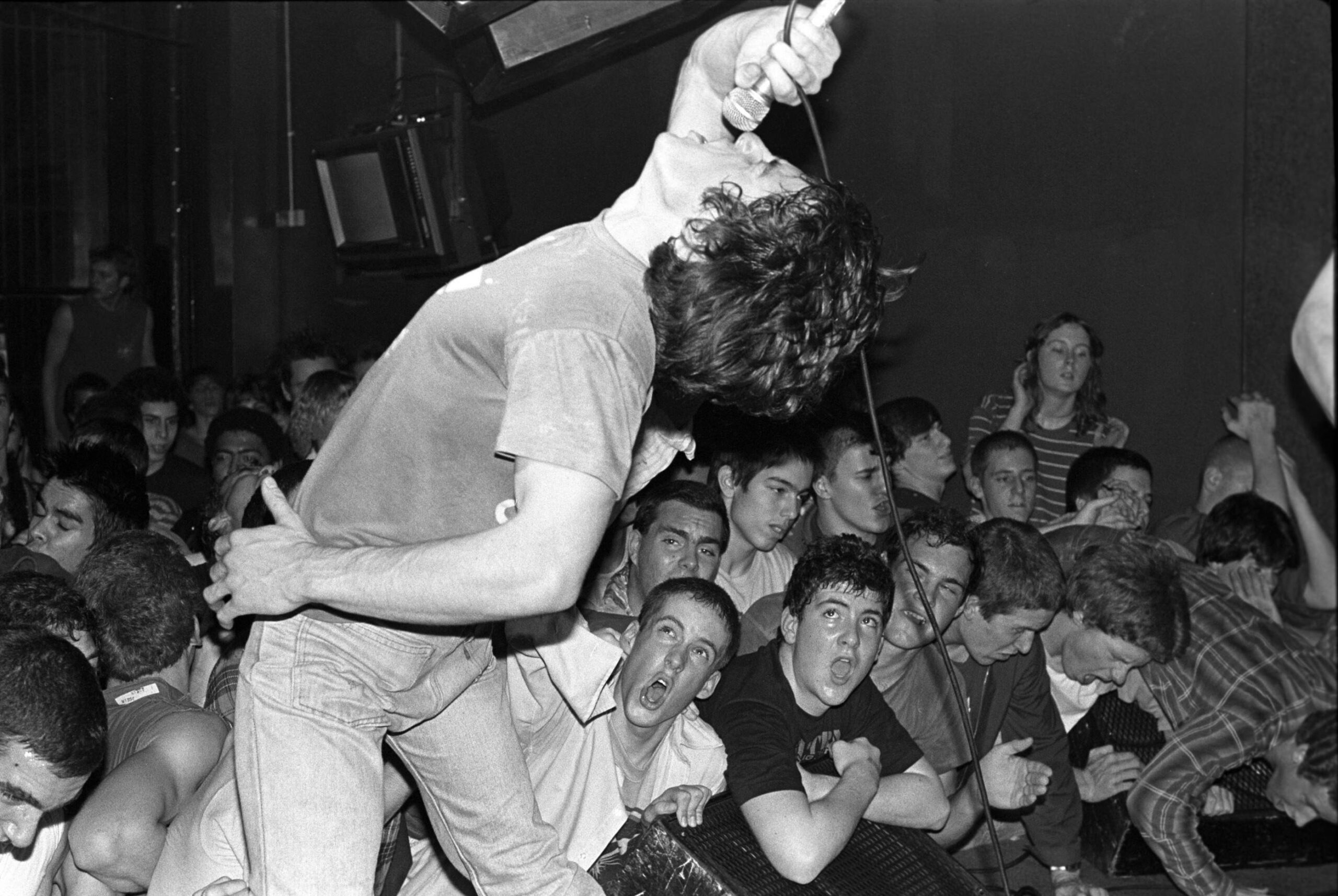
And one more: outside of music and Void’s legacy, what’s currently occupying your life? What kinds of projects, interests, or daily rituals are keeping you busy these days?
I just had both hips replaced, so I’m working on getting back on the boards—surf, snow, and skate. One day at a time….
Klemen Breznikar
Photos – Jim Saah / Flyers – courtesy of Rich Jacobs, University of Maryland’s D.C. Punk Collection, DC Public Library’s DC Punk Archive Collection
Void Website / Facebook
Outer Battery Records Official Website / Facebook / Instagram / Bandcamp / YouTube